Yellow Arrow (Fleche Amarilla)

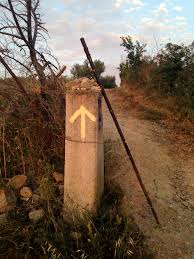
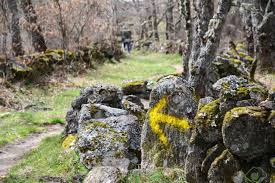
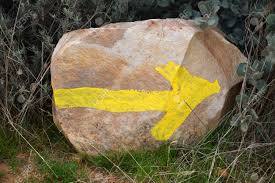
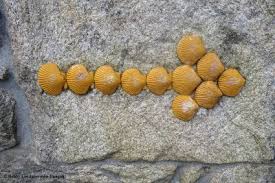
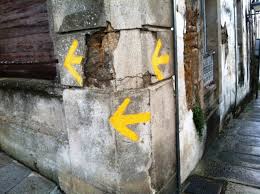
One of the most popular symbols of the Camino de Santiago is the famous yellow arrow which indicates the actual route that crosses the villages, open fields, forests and rivers.

In Spain, especially on the Camino francés, the entire route is extremely well marked with yellow arrows. Sometimes these are crudely brushed onto a wall or post, sometimes they are ‘formally’ created signs. They are  always encountered at division points or intersections in the road or path.

images (9)  images (8)

However the story of where the arrows come from is fascinating as they are closely linked to the popularization of the Camino which we owe to Don Elias Valina Sampedro of O Cebreiro Parish – a dedicated priest and scholar who devoted over 30 years of his life to the resurrection and promotion of the Camino.

D Elias was appointed priest of the Parish of Santa Maria La Real of O Cebreiro in 1959 when he was just 30 years old. Under his direction the Church of St Mary’s as well as the ancient inn and pilgrim hospital which he described as being “little more than a dunghill” – were restored and in 1972 O Cebreiro was declared a Historical Monument.

He concentrated all of his energies on the restoration and reanimation of the Camino. In 1967, he wrote his doctoral thesis on – The Road of St James: A Historical and Legal Study. He directed the ‘Artistic Inventory of Lugo and its Province’, six large volumes of an exhaustive description of all the monuments and items that could have any value.

“In the 1970’s there survived only a remote memory of the Jacobean pilgrimage” he wrote. In 1971 he wrote the book ‘Caminos a Compostela’.

In 1972, only 6 pilgrims were awarded the Compostela.

Elias’s guide was published in 1982 and at a gathering in Santiago in 1985 he was entrusted with the co-ordination of all the resources for the Camino. Pilgrim albergues were established and he was the first to mark the way with yellow arrows. He drove all over the north of Spain in his Citroen GS, with paint scrounged from the roads department, painting arrows leading the way to Santiago.

Ten years later, in 1986, the Santiago Cathedral issued 2,491 certificates. In 1989, the year of the Pope’s visit (and sadly, also the year D Elias passed away) 5,760 compostelas were issued. In the 2010 Holy Year (when St James Day, 25th July, falls on a Sunday) 272,703 Compostelas or Certificates were issued.

Each of the estimated 250,000 pilgrims who trustingly follow the yellow arrows this year, should remember the generous hand that lovingly painted them.
images (7)    images (5)

images (10)    images (6)


What’s with the Scallop Shells?

Pilgrims carried or brought back emblems from their pilgrimage.

From Jerusalem – a palm
From Rome – keys
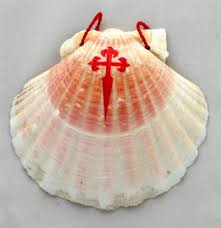
From Santiago de Compostela – a scallop shell

These emblems were a means of identifying pilgrims from other traders, travellers, etc.

Pilgrims were protected citizens by papal and royal decree.  A sort of international law exempted them from taxes, tolls and tariffs, entitled them to charity and safe-conduct through regions at war, and imposed severe punishment on anyone who robbed or killed a pilgrim.

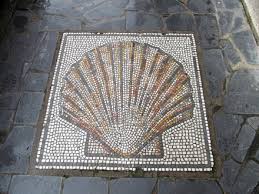
The scallop shells symbolised the miraculous powers of St James. He is never seen without one.

images (2)

The origins of this symbol are not clear but for Christians there are two legends:

A young nobleman was carried by a runaway horse into the sea near Padron. He was saved from drowning by St James who emerged from the sea with shells clinging to his garments.

A slight variation is that the young widow of a drowned man prayed to St James, whereupon her bridegroom rose from the sea covered in scallop shells.

In fact in pre-Christian times there was a Roman Road, the via Triana which the pilgrim route now follows, to the temple of Venus at Cape Finisterre. Cape Finisterre (the end of the earth) is about 80km west of Santiago on the Atlantic Coast.

One of the icons of the pagan religion was the scallop shell. It was a symbol of fertility and rebirth and used as a talisman to ward off evil.

The scallop shell icon was appropriated by the Christian Church and is now the symbol of the Camino.

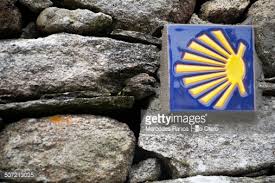
Today the shell is used as a stylised logo and way finding sign all along the routes.

download (2)   download (3)

images (3)   images (4)

What is a Pilgrimage?

A pilgrimage is a ritual journey with a hallowed purpose. Every step along the way has meaning. The pilgrim knows that life giving challenges will emerge. A pilgrimage is not a vacation; it is a transformational journey during which significant change takes place. New insights are given. Deeper understanding is attained. New and old places in the heart are visited. Blessings are received and healing takes place. On return from the pilgrimage, life is seen with different eyes. Nothing will ever be quite the same again.

Macrina Wiederkehr,
Behold Your Life.

Pilgrimages may be defined as journeys made to some place with the purpose of venerating it, or to ask for supernatural aid when you get there, or to discharge some religious obligation.

A pilgrim is someone who tries to obtain salvation of their soul through a physical journey. The pilgrimage needs to be a difficult journey to a usually distant and sacred place, in which the pilgrim can experience the presence of God, which will bring him or her closer to God so that they may easier find salvation.

Since in the Medieval times virtually everyone believed in God, very many of them were told to go on a pilgrimage by their local Priest, so that they could more easily find their way to heaven by experiencing God on the way there or perhaps on the way back. Such journeys as well as taking a long time, were also dangerous. By risking such dangers the pilgrim was brought closer to God.

The Church encouraged people to make pilgrimages to many of the special holy places. It was believed by many that if you prayed at these shrines you might be forgiven for your sins and have more chance of going to heaven. Others went to shrines hoping to be cured from an illness they were suffering from.

People would undertake a pilgrimage for many different reasons. The motivation for most would be a combination of three closely interrelated reasons.

Firstly, people desired to see and touch places and objects that were considered holy. This might involve travelling to view places associated with Jesus or it might be to view relics of a favourite saint. The purpose of this pilgrimage was to attempt to make the object of faith more real.

Secondly, people visited holy sites to make amends for having committed sin. By doing a pilgrimage as a penance, they hoped for forgiveness. These pilgrimages might have been for private reasons or for public reasons. They may have been voluntary or they may have been forced.

Finally, people went on a pilgrimage for the simple pleasure of travelling. In a time that offered very few opportunities to experience the world, pilgrimage was an exciting, challenging opportunity to leave village life behind.
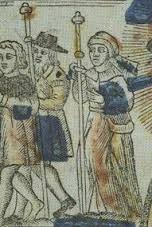
images (1)

A medieval picture of pilgrims on the way to Santiago

(i) The need to see and touch

The earliest pilgrimages of the fourth century to the Holy Land were based on a desire to see the places made famous by Bible stories. These might be described as ’empathetic’ pilgrimages, because the pilgrims literally wanted ‘to walk in the footsteps of the Master’. At the end of the fourth century Paulinus of Nola explained that:

‘No other sentiment draws men to Jerusalem then the desire to see and touch the places where Christ was physically present… Theirs is a truly spiritual desire to see the places where Christ suffered, rose from the dead, and ascended into heaven… The manger of His birth, the river of His baptism, the garden of His betrayal…the thorns of His crowning, the wood of His crucifixion, the stone of His burial: all these things recall God’s former presence on earth and demonstrate the ancient basis of our modern beliefs’ 

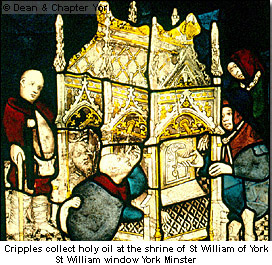
The desire to make the Christian faith more ‘real’, is something that all pilgrimages shared in common. To actually be in the presence of something ‘holy’; to see, or better still, touch something connected to a ‘holy’ event (the site of a miracle or the relic of a saint for example) made the believing much easier.
ya011w1

(ii) Penance: public and private motivation

The concept of penance is central to pilgrimage in the Middle Ages. If you do something wrong in the eyes of God you commit sin. In order to be forgiven and to avoid going to Hell, you must confess your sins and do a penance. Undertaking a pilgrimage as a penance would be compulsory and where you went would be decided for you. The more serious the sin, the further away you were sent. In Languedoc in France, pilgrimages were classified as minor, major or overseas.

From the 13th century, pilgrimage was also used as a punishment for crimes, particularly for scandalous crimes by the powerful and famous. Pilgrimages imposed by the law are called judicial pilgrimages. They were quite convenient, because the community got rid of the criminal without the cost of imprisonment. In 1319, Roger de Bonito was sent to Rome, Santiago and Jerusalem for the murder of a bishop. If you committed murder, it was common to have the murder weapon hung around your neck throughout the pilgrimage. If you were guilty of heresy, you might be expected to wear two yellow crosses on your front and back. As a consequence, you were not treated like other pilgrims but instead would be publicly humiliated. You would also be expected to collect signatures at all the shrines you visited, to prove you had been there. In particularly scandalous cases you might also be expected to undertake the pilgrimage barefoot or even naked!

For many pilgrims their motivation was very personal and completely voluntary. They might still be motivated by the need to do a penance, but the sin committed might be something only God would know about. The people would also go on pilgrimages to attain better health, for themselves or for their loved ones; for protection from enemies or to honour a vow. They wandered with the strong conviction that the relics or pictures of the saints kept at the place of miracle, would guarantee the presence of the saint itself. Pilgrims believed that the saints would perform miracles and cure diseases.  They would pray to God or to a saint, promising that if the sick person recovered, they would make a pilgrimage to the grave of the saint afterwards to honour the vow, in praise. You could even go on pilgrimage to release a dead person from purgatory.

Eventually the pilgrimages became more regulated, connected to and motivated by the idea of the indulgence. According to this notion, the church held a treasury of extra ‘merits’ because Jesus and the saints had done so many good deeds. These extra merits would be given to whoever underwent a pilgrimage to a certain destination. The sins of the pilgrim could be forgiven to whatever extent the church desired. The pilgrims might hope to save their souls from eternal damnation in Hell or shorten or entirely escape purgatory.  One general belief was that if you undertook a pilgrimage to the grave of St. James the Apostle in Santiago, your time in purgatory would be halved.
conference-2011-11-pilgrimage-grafik

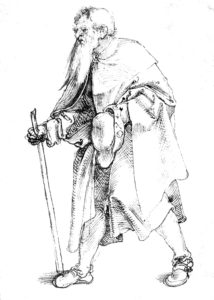
Pilgrims wore rough clothes and carried staffs

(iii) A sort of medieval tourism.

Medieval life for most was monotonous and strictly controlled. Most people never travelled outside of the region in which they were born. A pilgrimage was often the only chance people had to travel. A pilgrimage journey would often be dangerous, uncomfortable and boring, but it did give people the opportunity to be something they rarely were, strangers. (The word ‘pilgrim’ literally means ‘stranger’) In medieval villages everyone knew everyone else’s business. There was very little privacy.
download

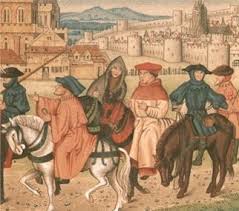
For reasons of safety, Pilgrims tended to do the journey in groups. As well as providing opportunities to make new friends, it also meant there were plenty of parties or ‘making merry’.

Indeed, on arrival at the destination, pilgrims would often encounter a scene not too dissimilar to the modern day package holiday. Chances are they would be met on the roads outside the town by boys sent by hotel owners and innkeepers offering accommodation. Advertising billboards for accommodation could be found in surrounding villages, often many miles from the final destination. At the sanctuary itself, particularly the famous ones, pilgrims would be met by a large noisy crowd. There were many people making money from the pilgrims.  Among the fellow pilgrims, there would be buskers and entertainers, market stalls and pickpockets, beggars and prostitutes. There were primitive postcards and souvenir pilgrim-badges to buy from licensed traders.

There were three pre-eminent pilgrimages in the Middle Ages:

  • Jerusalem – first in importance, the place where Jesus lived, died and resurrected. It was expensive, very dangerous and difficult to reach and under Moorish domination for a long time.
  • Rome – second in importance with the tombs of Saints Peter and Paul and many other Christian Martyrs. In the power struggles between the Pope and the European Kings a visit to Rome could become a dangerous political statement identifying the pilgrim as a papist.
  • Santiago de Compostela – third in importance with the tomb of St James was relatively easy and safe to visit.

At the height of its popularity in the 11th and 12th centuries, each year more than half a million pilgrims used the road to Santiago de Compostela.

Who was St James (Sant Iago) ?

James, a fisherman, was one of the Twelve Apostles of Jesus, and brother of John, another of the Apostles.  He is known as James the Greater to distinguish him from another James Apostle (James the Lesser). He is traditionally considered to be the first Apostle to be martyred. He was the son of Zebedee and Salome.  Salome is thought to be the sister of the Virgin Mary, so James could be the first cousin of Jesus.

According to ancient tradition, but without any historical evidence, after the death of Jesus, James preached the gospel in Iberia (Spain) without much success before returning to Judea where he was beheaded by King Herod Agrippa 1 in 44AD.

After his martyrdom his disciples carried his body (and head) by sea back to Iberia in a stone boat, where they landed at Iria Flavia (now Padrón) on the coast of Galicia, and took it 80kms inland for burial. After imprisonment by the Romans, release by an angel, a miracle involving Queen Lupa and a snake, James was buried in a stone tomb at the site of what is now Santiago de Compostela.
The saint’s body was forgotten for the next 800 years through Roman, Visigoth and Moorish occupation.

Early in the ninth century a local hermit named Pelagius had a vision, accompanied by a star, which indicated the location of the tomb. The tomb was conveniently rediscovered in a time of great need when Christian political and military fortunes in Spain were at their lowest ebb after they had suffered many defeats at the hands of the Muslims.

The local bishop declared the contents to be the remains of St James and two of his disciples, and the King of the region (Asturius) declared St James to be worshipped as the protector of Spain. A church and monastery were built on the site and a town grew up around them.

The town was known as Campo de la Estella (the Field of the Star) later to become Compostela. However it now seems the name comes from the Latin word Composteum which means burial ground and modern excavations show it was the site of a Roman cemetery.
The saint’s remains inspired the Christians with confidence that he was on their side, fighting in the battlefields with them through the heroic figure of Santiago and the holy saint became a warrior.

The name Santiago is the local Galician evolution of Vulgar Latin Sanctu Iacobu, “Saint James”.

Many tales arose of the miraculous influence of St James in every field from medicine to military. From the 9th to the 13th centuries St James miraculously appeared in many battles crushing the forces of Islam as Spain was liberated from the Moors.

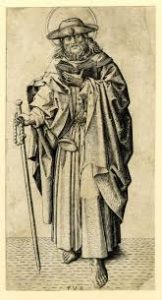
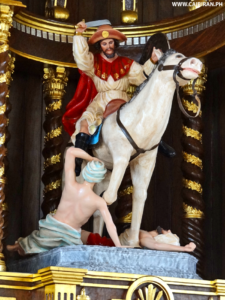
In many of the churches along the pilgrim route he is depicted on horseback wielding a sword liberating his country. Santiago Matamoros, St James the Moor-slayer!

images     Caibiran-Saint-James-Bilira


So where are we going and what is this walk all about?

We are walking The Way of St James, el camino de Sant Iago.

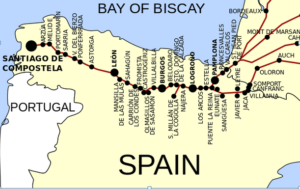
Specifically we are walking the Camino Francés (The French Way) from St Jean Pied de Port in the south of France to Santiago de Compostela in Galicia, northwest Spain.

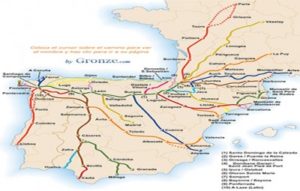
The Camino Francés (coloured dark green in the map below) is one of many pilgrimage routes that start in various parts of France, Portugal and Spain, etc, all ending in Santiago.

CaminoPaths-400x255

Sorry for the poor image, a more detailed map of the route is shown below.

The-Route-of-the-Camino-de-Santiago2

The Camino Francés is approximately 800km long, starts in south west France, goes over the Pyrenees and crosses northern Spain from east to west, following directly under the Milky Way.

It takes most people between 30 and 40 days to walk. It is also cycled and ridden on horseback.

It is the most popular Christian pilgrim route in the world and was made a UNESCO World Heritage site in 1993 due to its religious significance and the 1,800 buildings of great historical significance along its path.

We are starting in the small French town of St Jean Pied de Port  and walking for 33 days to the Spanish city of Santiago de Compostela at an average of about 25km per day.

In addition we are having rest days in Pamplona, Burgos and Leon.

After a rest day in Santiago we are taking the bus out to Finisterre on the coast and staying there for one night before returning to Santiago.

There is a more detailed itinerary under the page “Camino Itinerary”.


Is there anybody out there?

In the last few days we have had two paranormal experiences.

The first was after our ghost tour with Jan and Brian on Thursday night. The tour was quite atmospheric with intriguing stories of murders, unexplained deaths, apparitions, mysterious lights and the sound of footsteps on stairs. Enough to get the imagination going.

We were in our cabin, in bed, Paul drifting off to sleep and Barbara reading, when there was the sound of heavy footsteps on the ramp up to our cabin door. Paul hid under the blankets and eventually Barbara plucked up the courage to peak out the windows. She thought she saw something /someone dressed in blue with white hair. But then whatever it was disappeared.

The second was this morning in our Hobart hotel. Paul was downstairs on the internet and Barbara was reading in bed (again). Suddenly the tv came on, it flicked through about a dozen channels, the volume adjusted up and down, and it finally settled on a weather forecast.

Coincidentally this was the very same room Brian was in exactly 3 weeks ago.

Strange or what??!!

“….to grind rogues into honest men….”

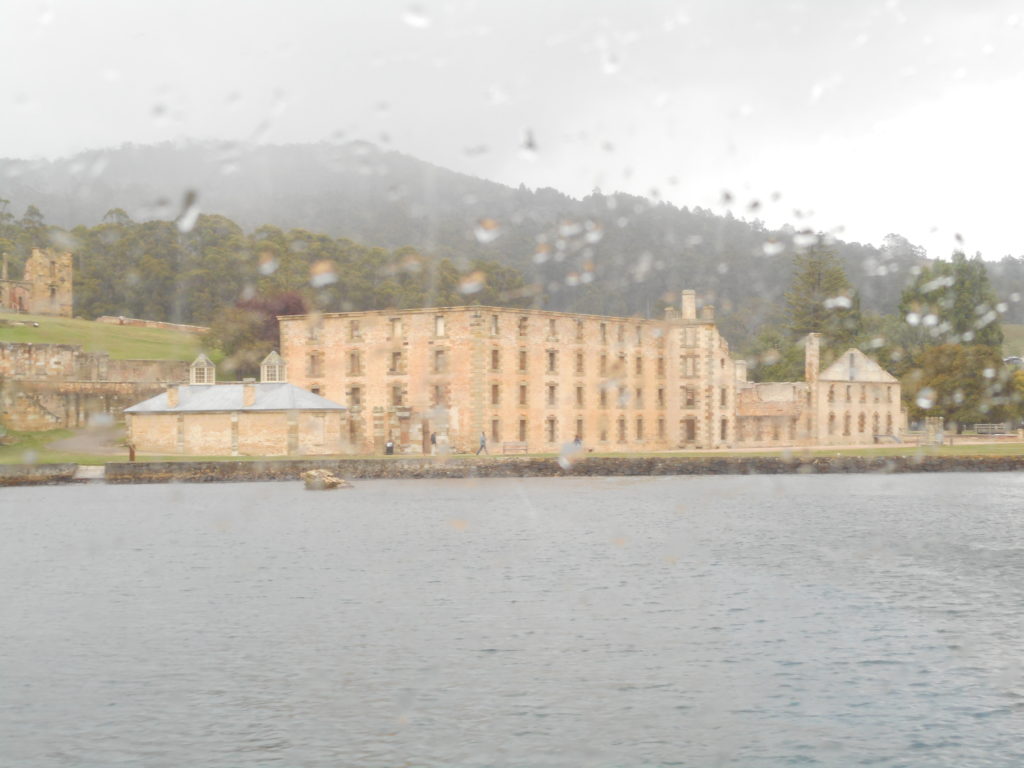
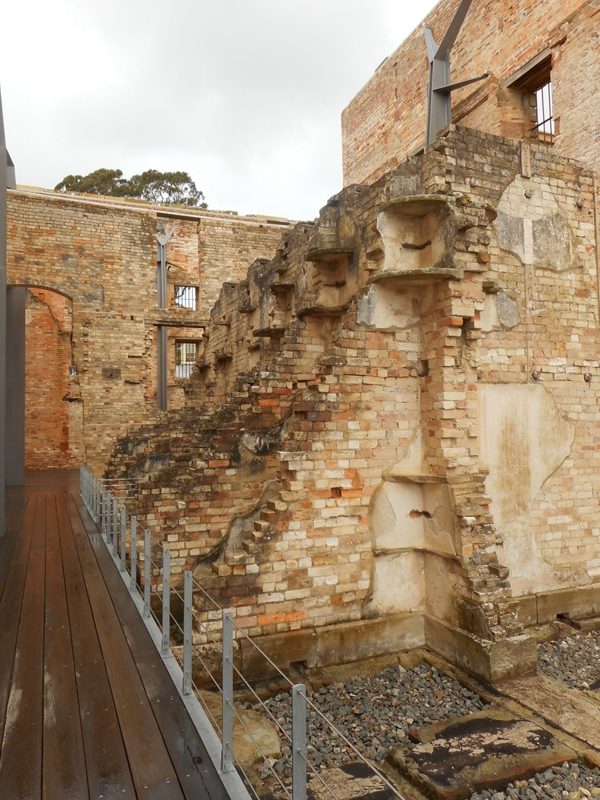
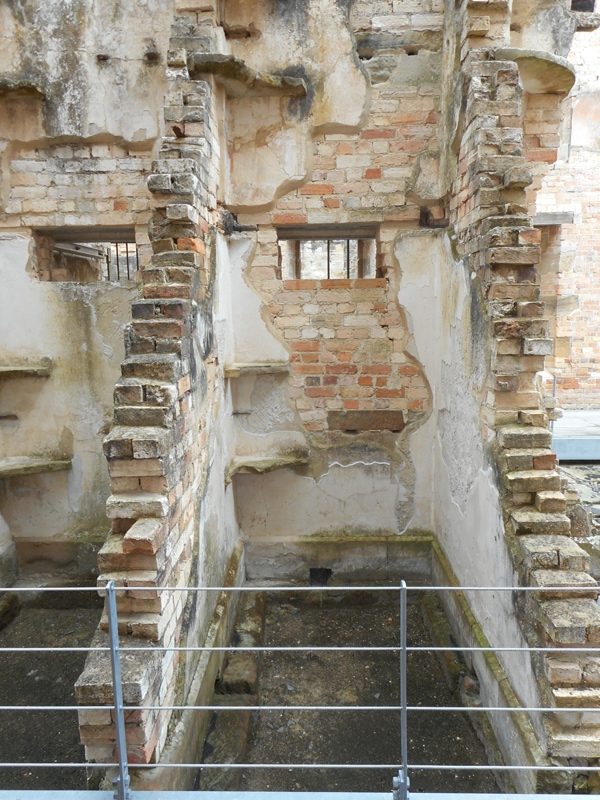
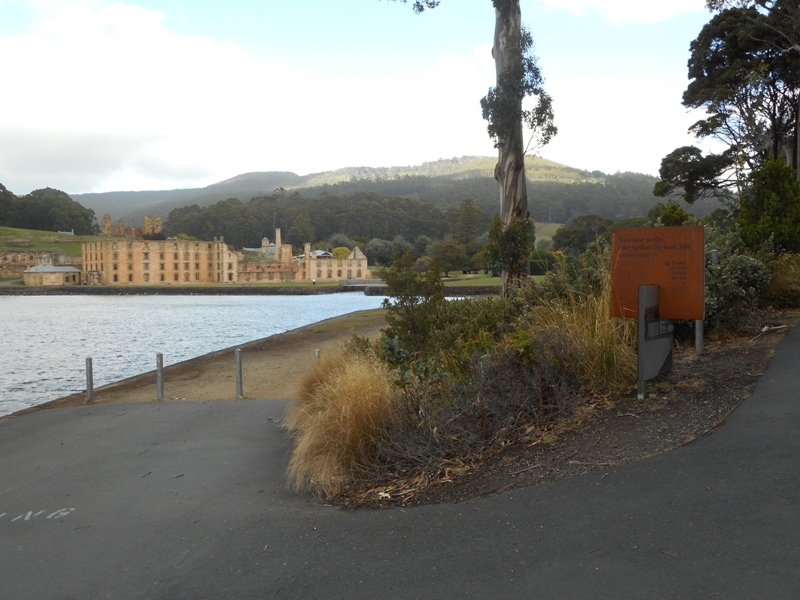
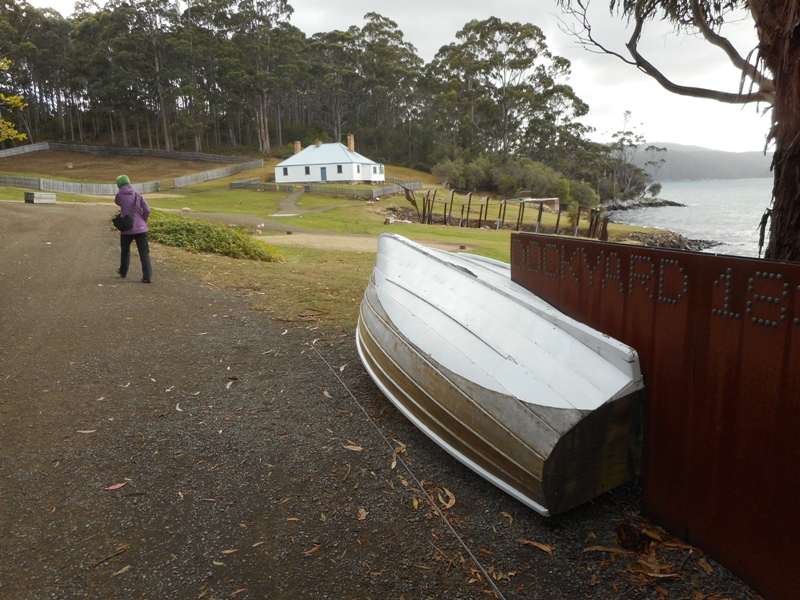
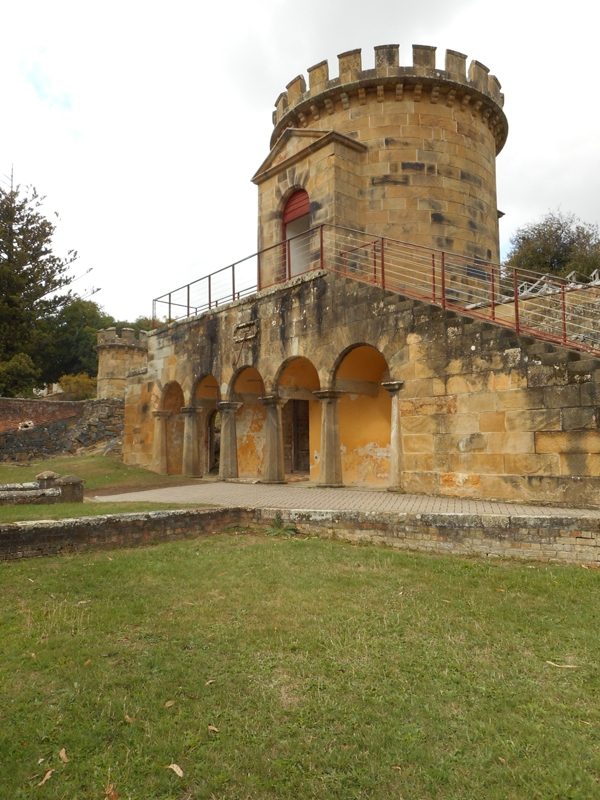
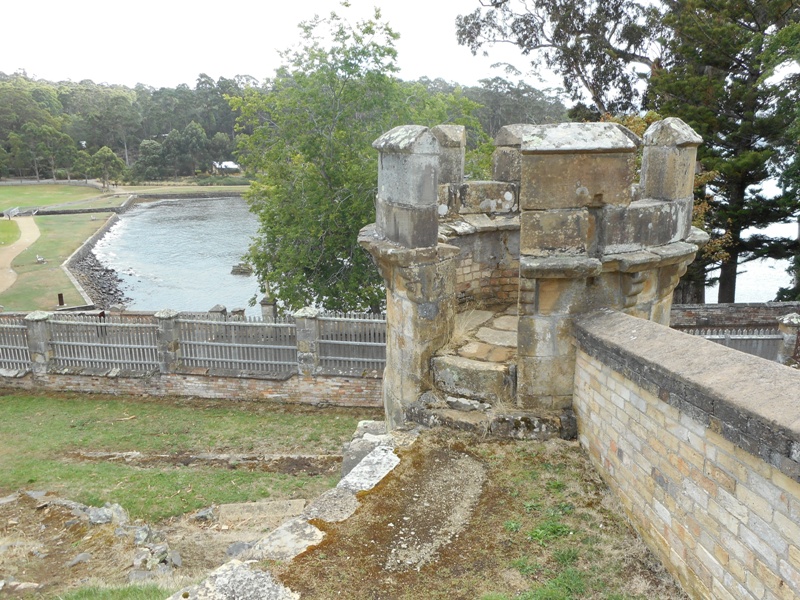
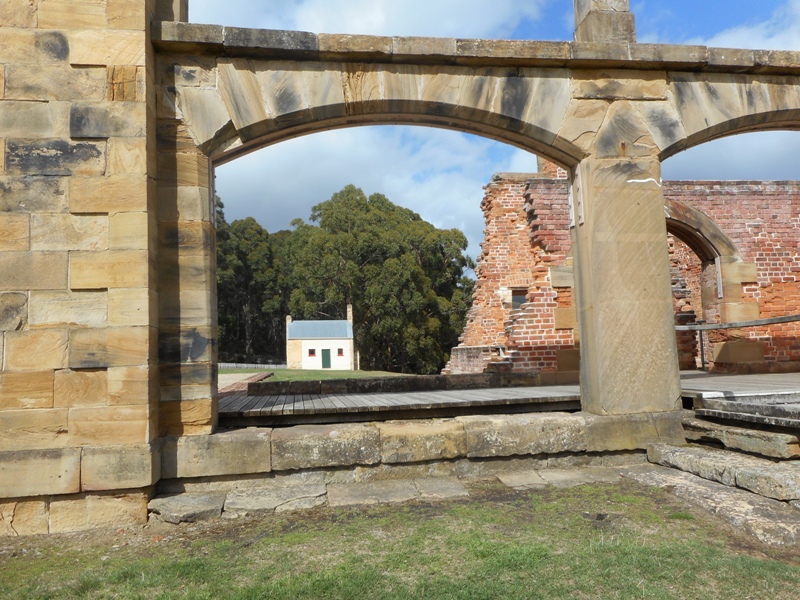
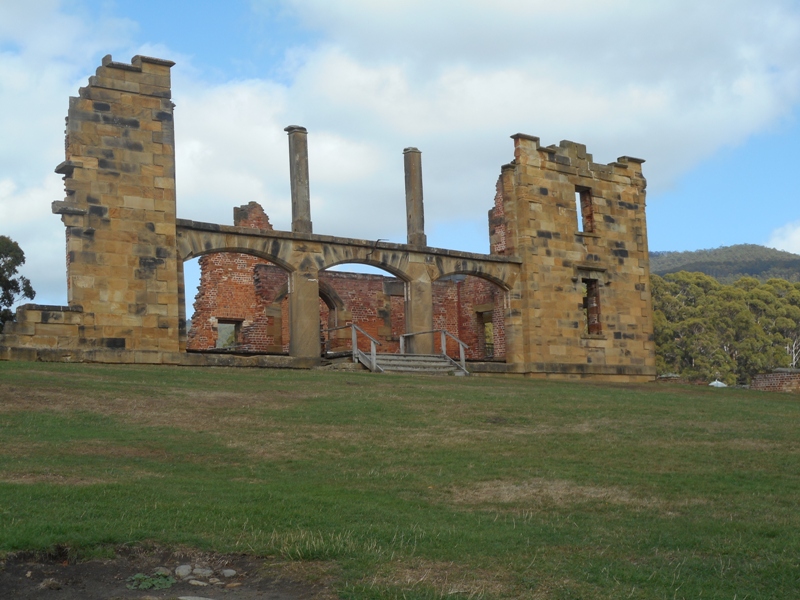
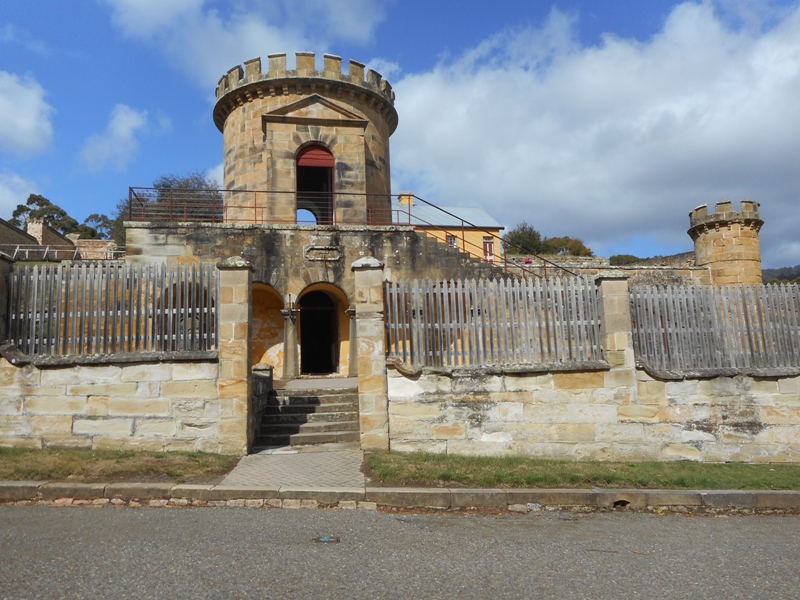
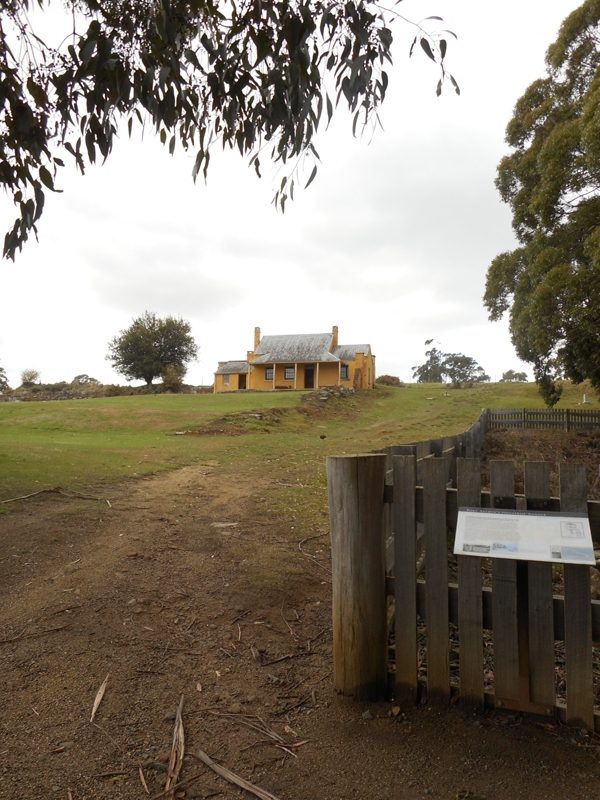
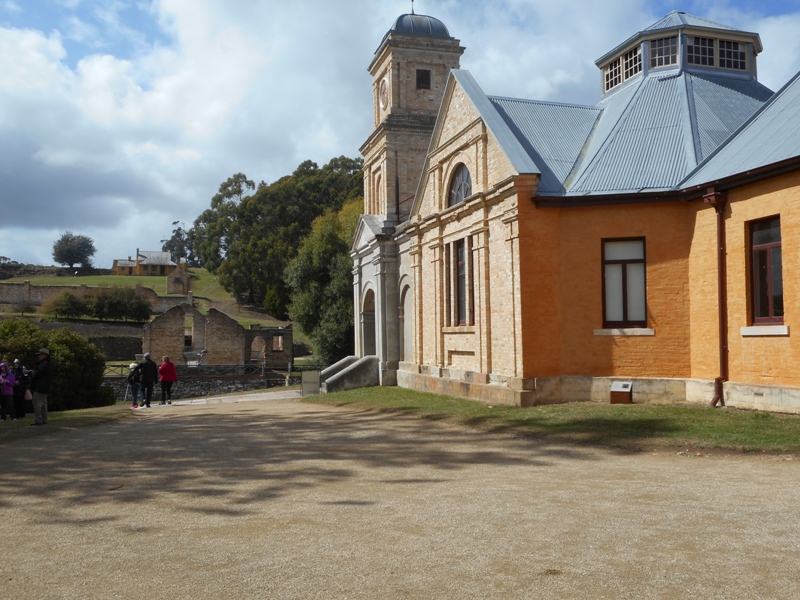
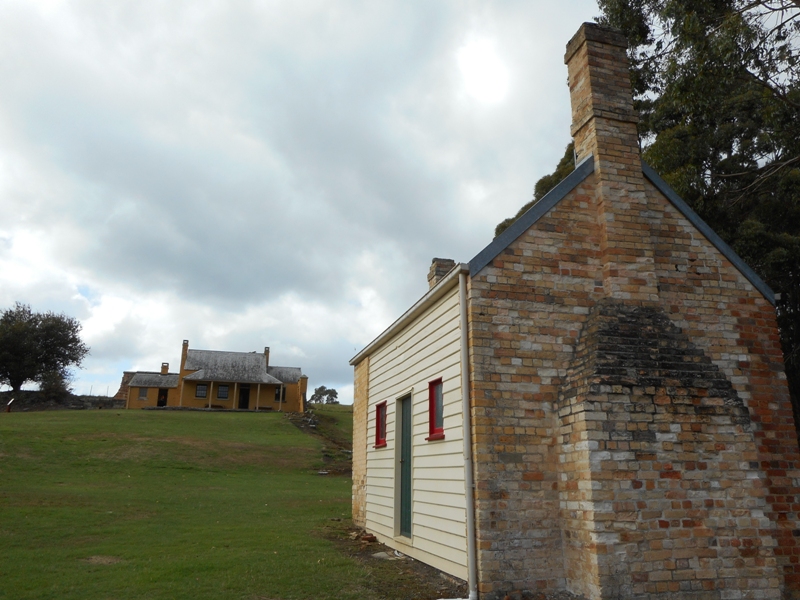
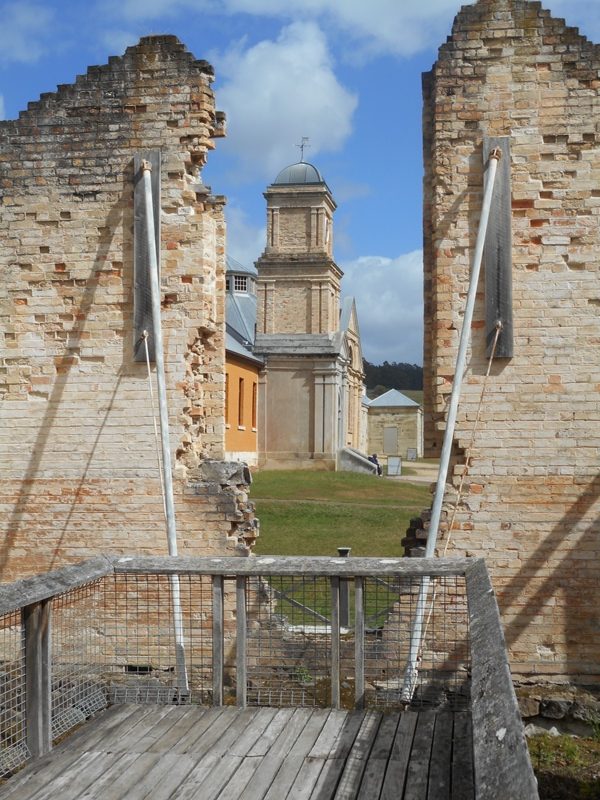
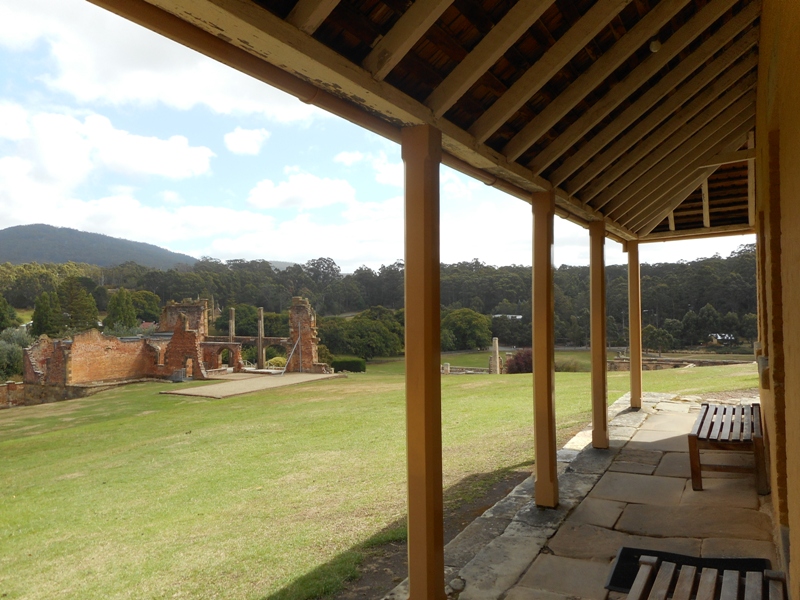
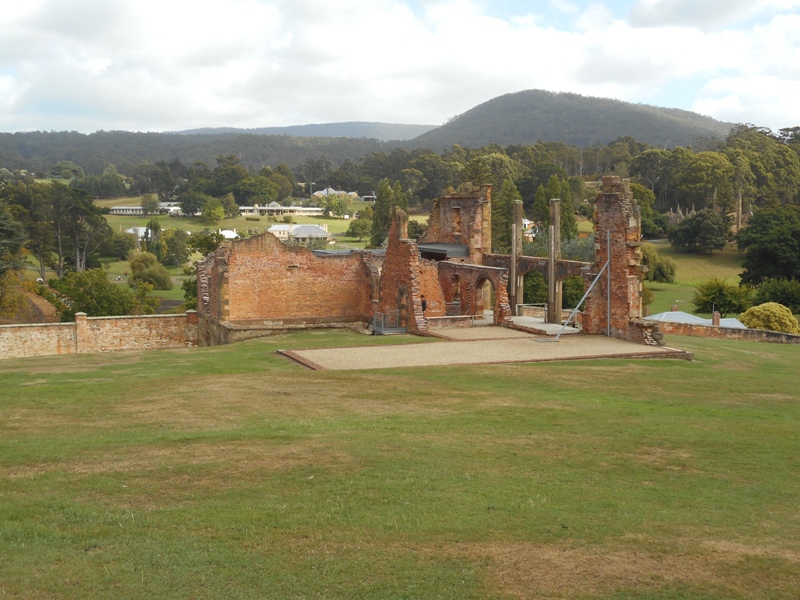
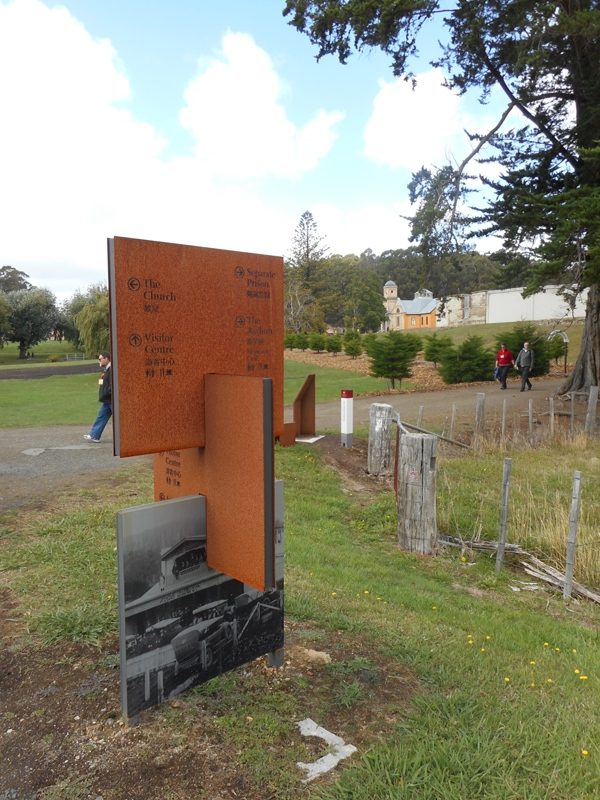
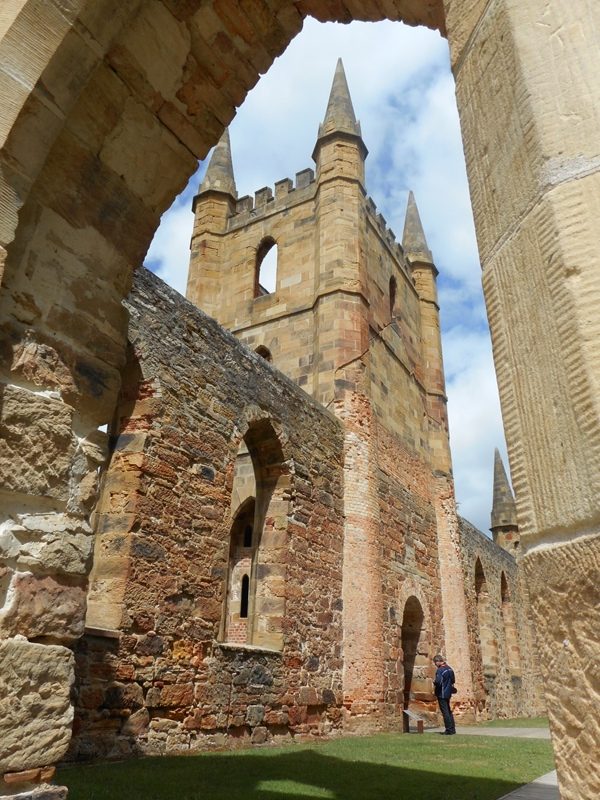
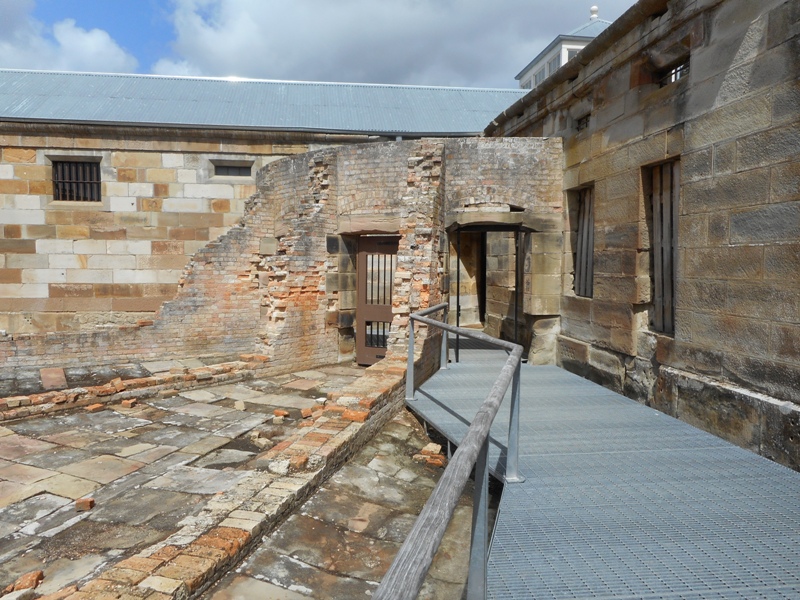
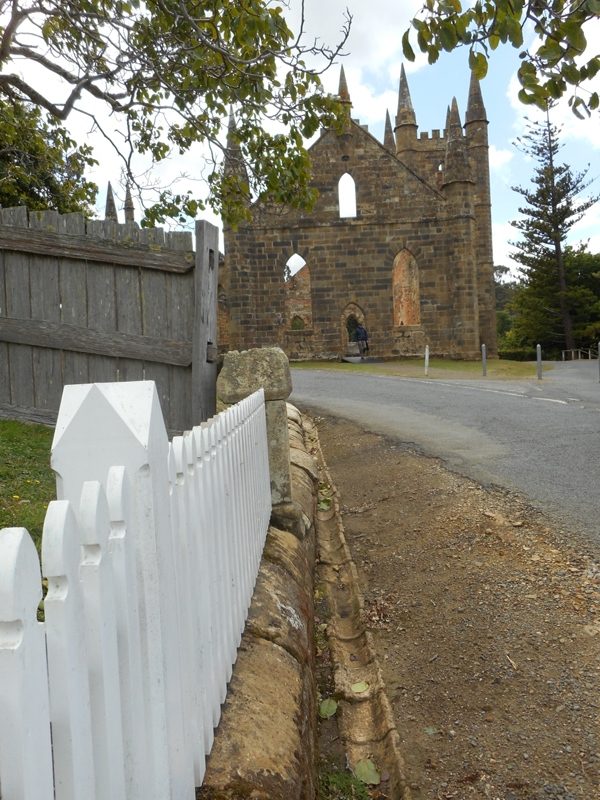
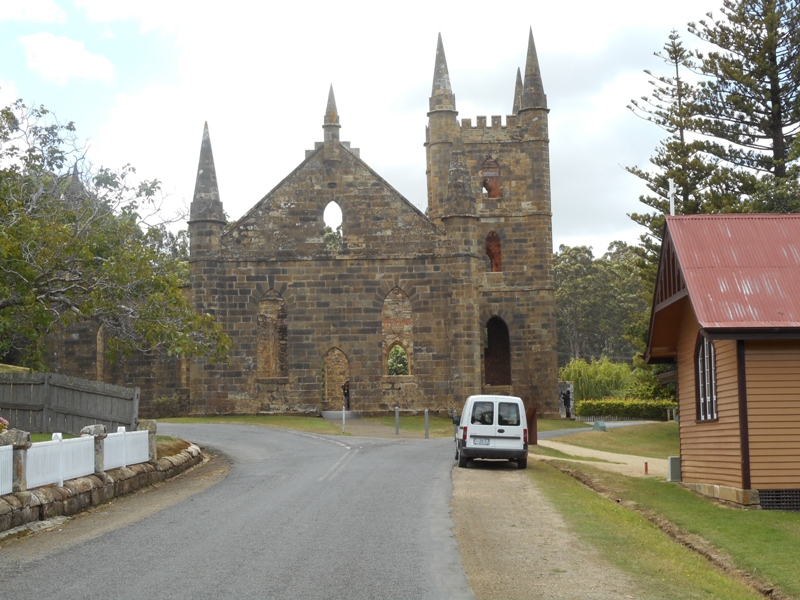
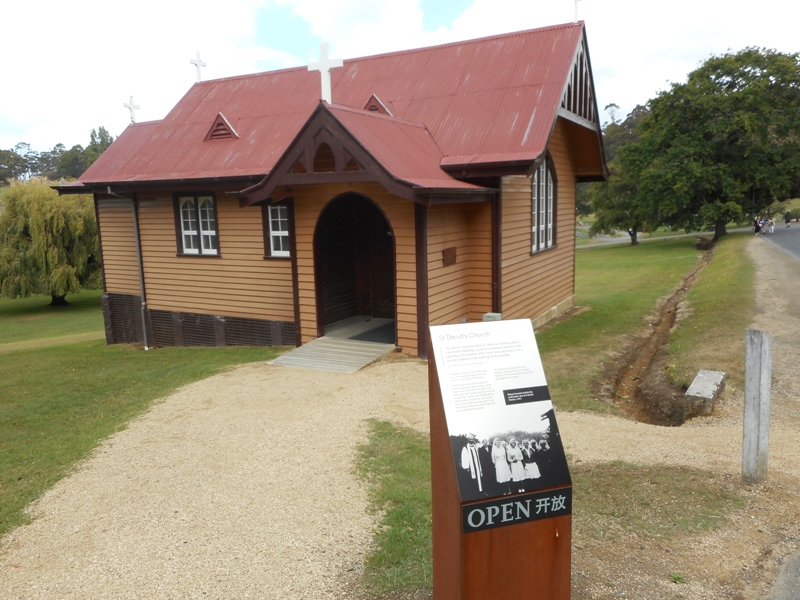
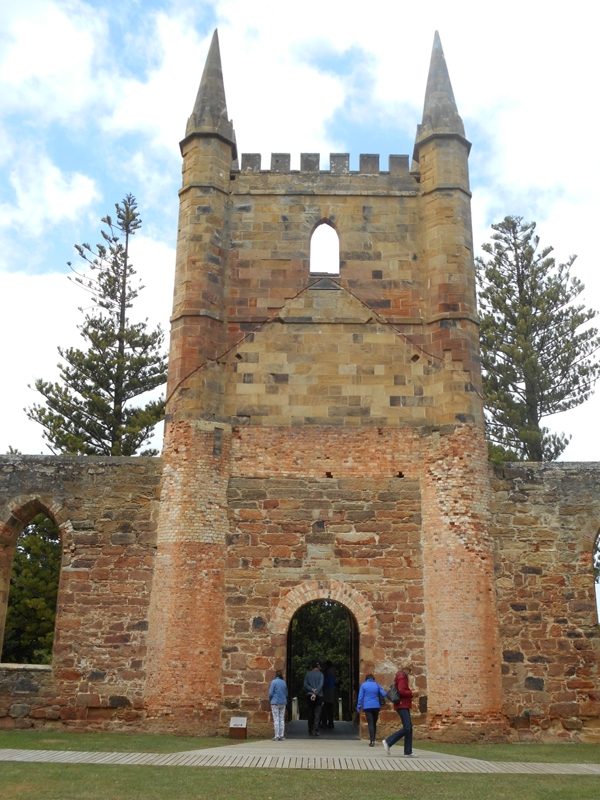
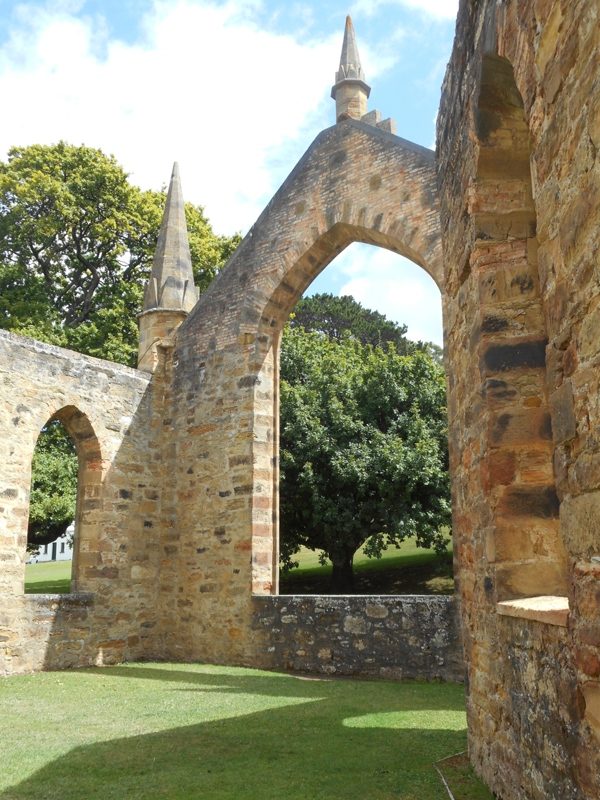
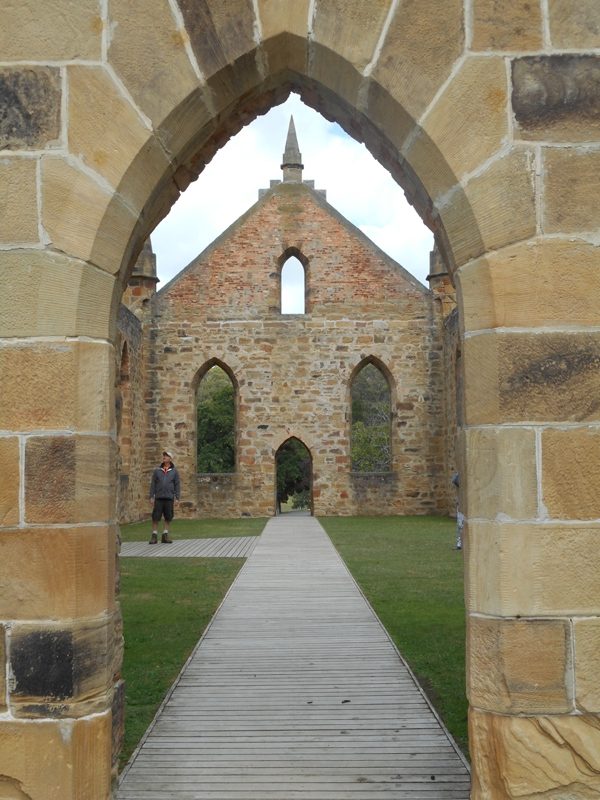
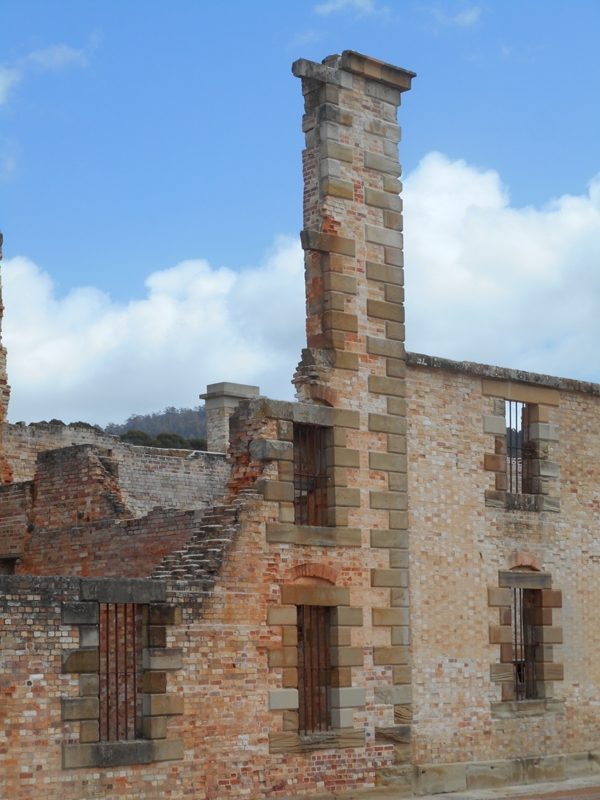
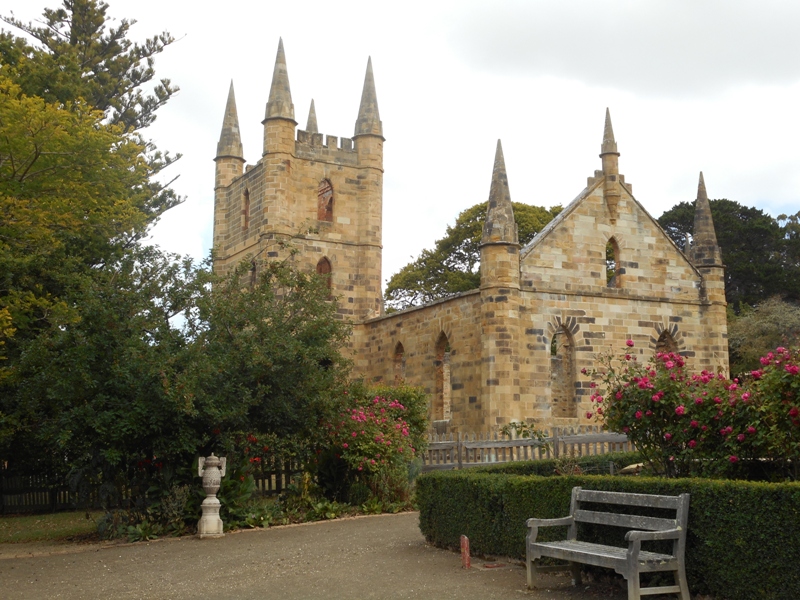
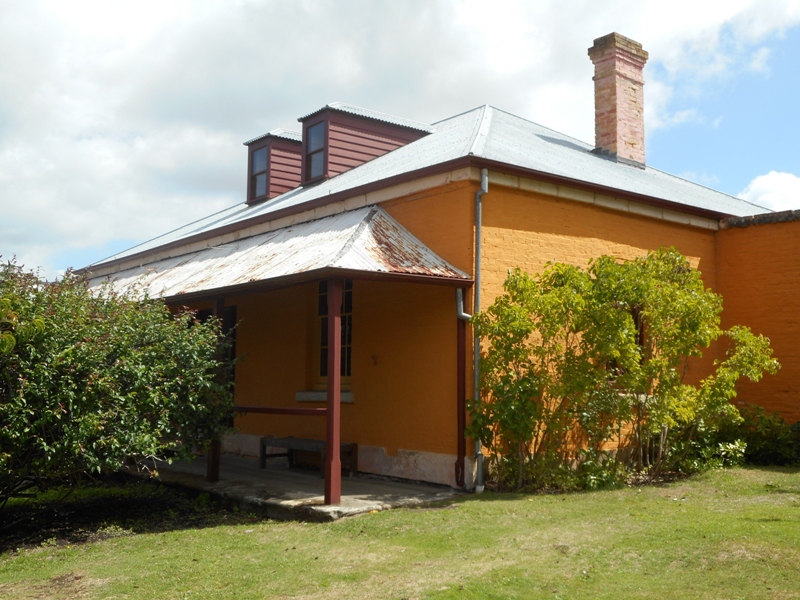
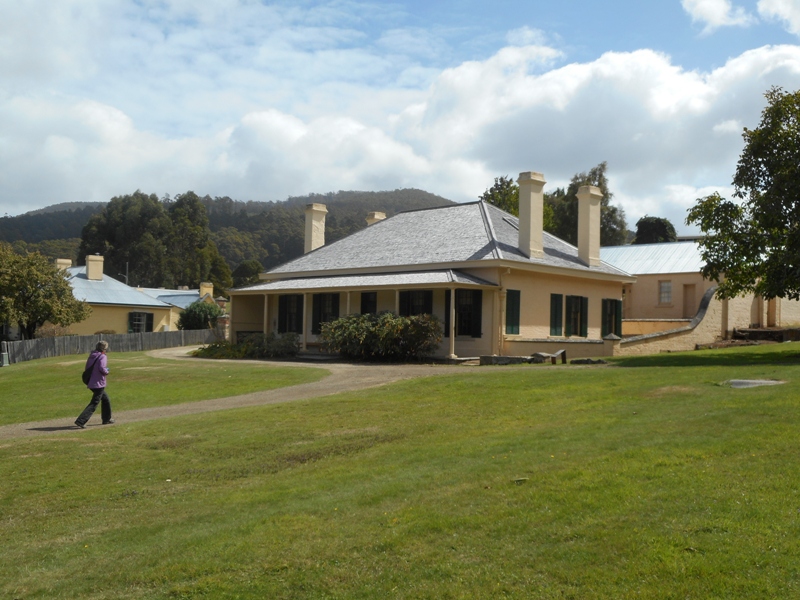
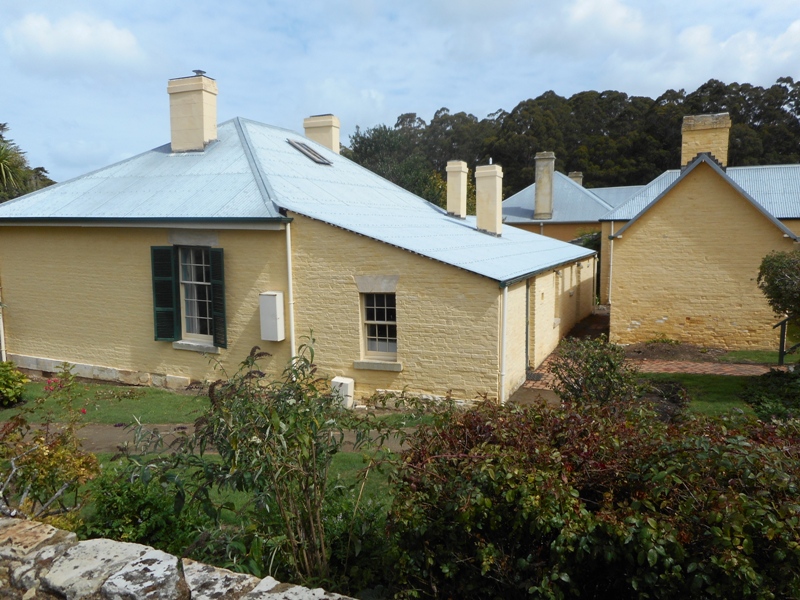
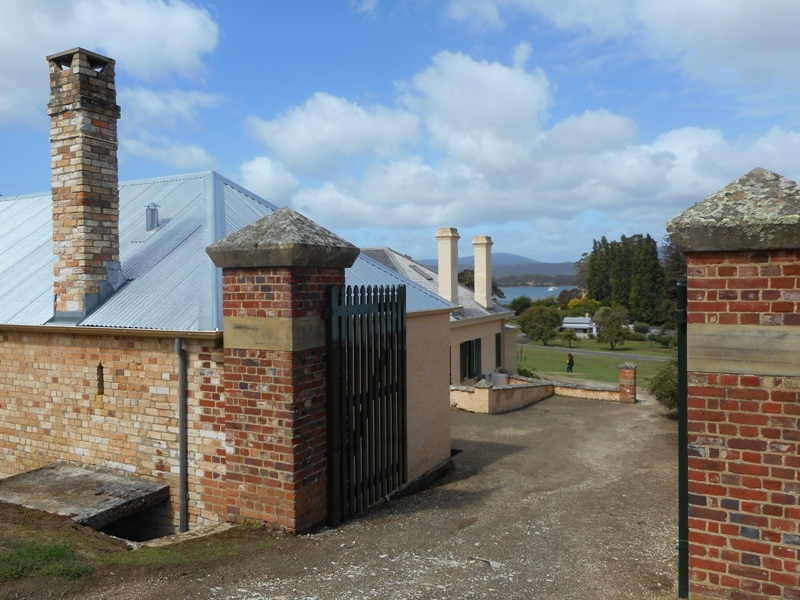
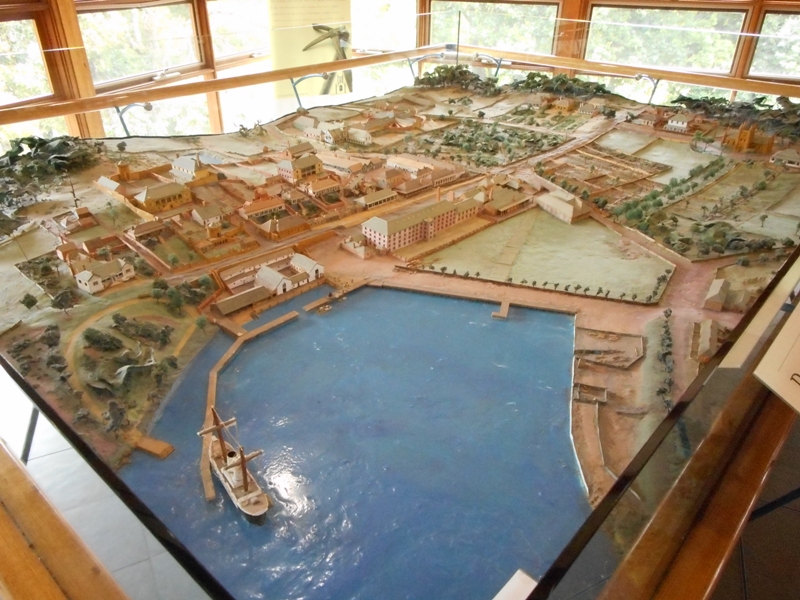
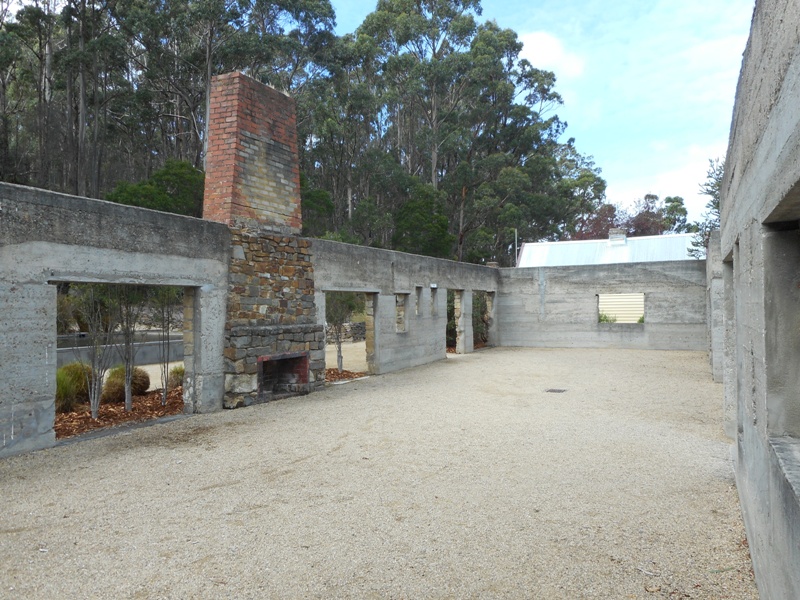
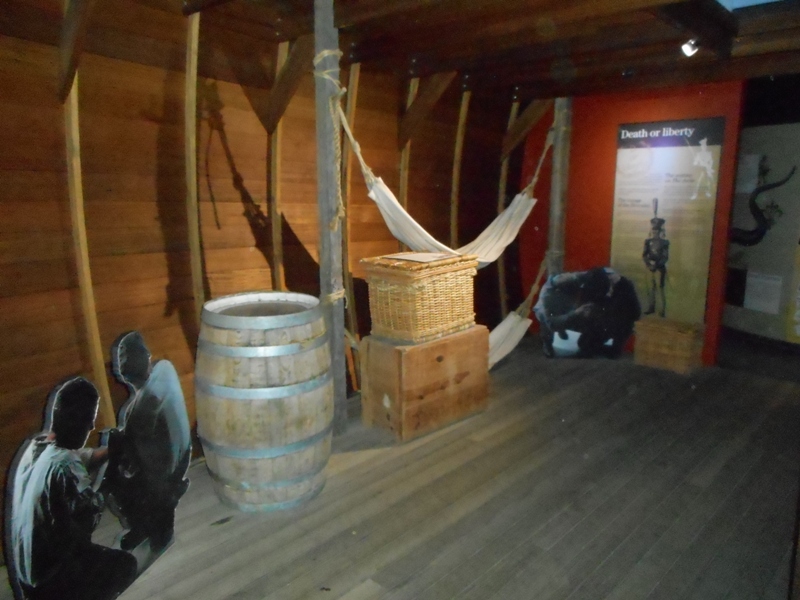
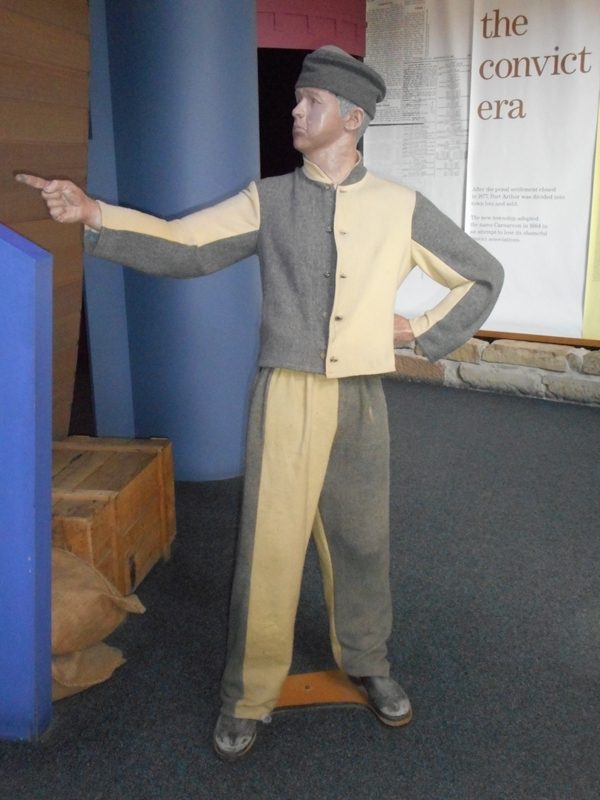
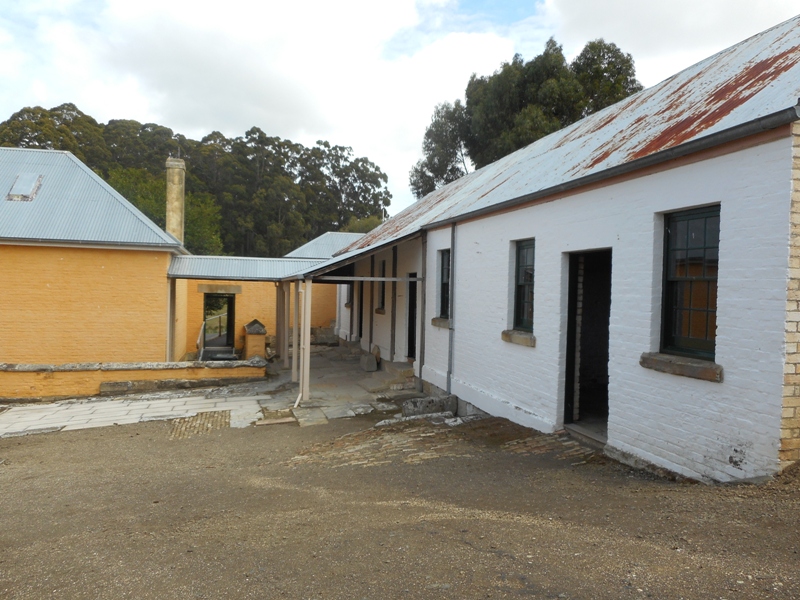
That was the mission of the Port Arthur penal settlement. We spent 3 hours there on Wednesday and 9 on Thursday – 7 during the day and 2 at night. We won’t try and tell you the history which most people know something of anyway.

Just a few of our thoughts on the whole experience:

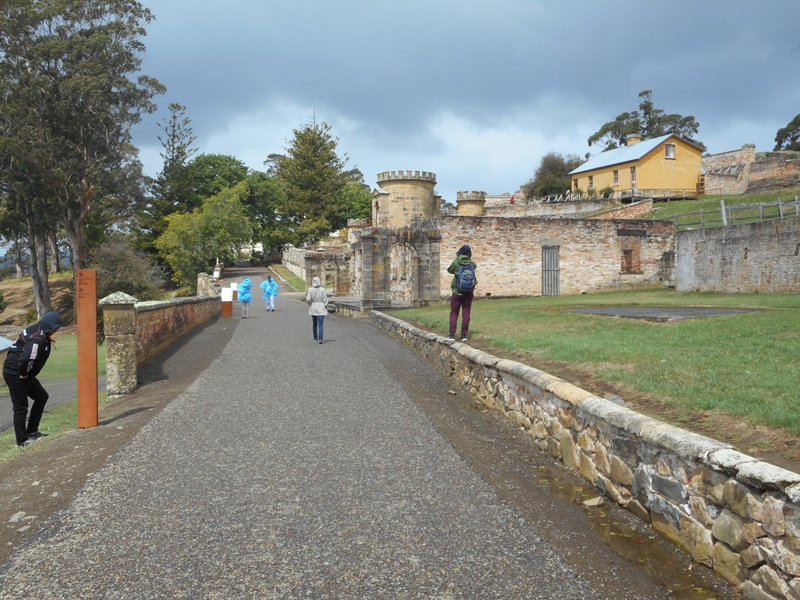
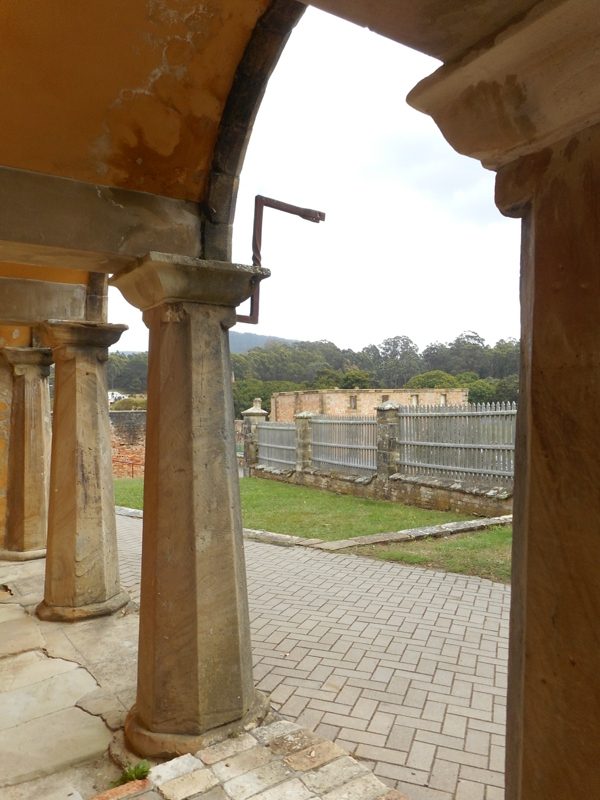
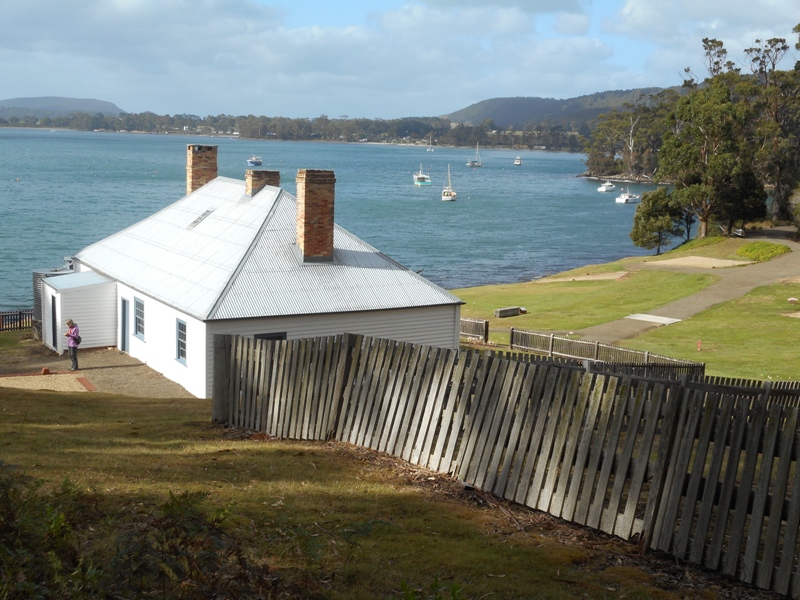
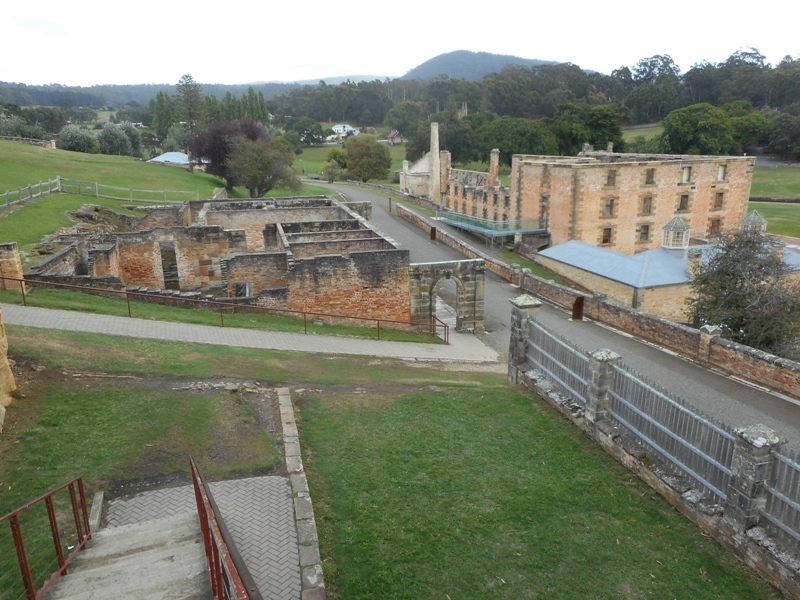
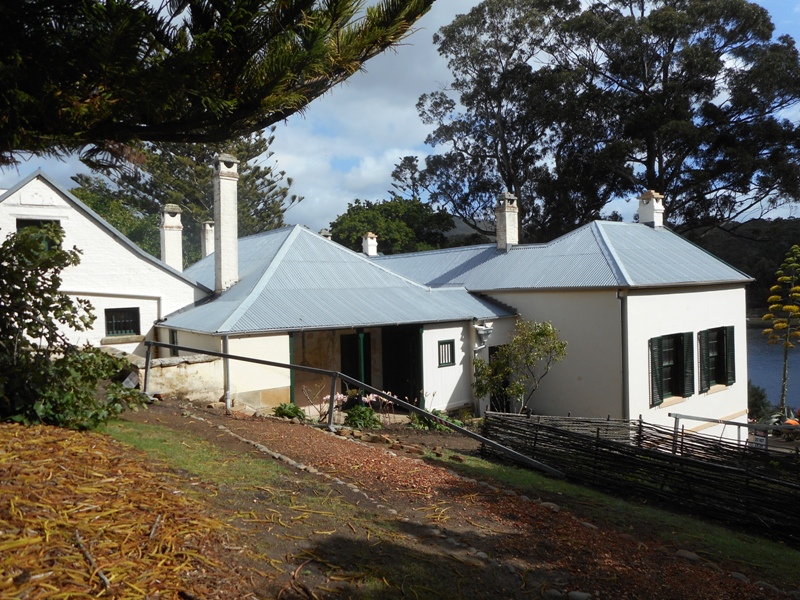
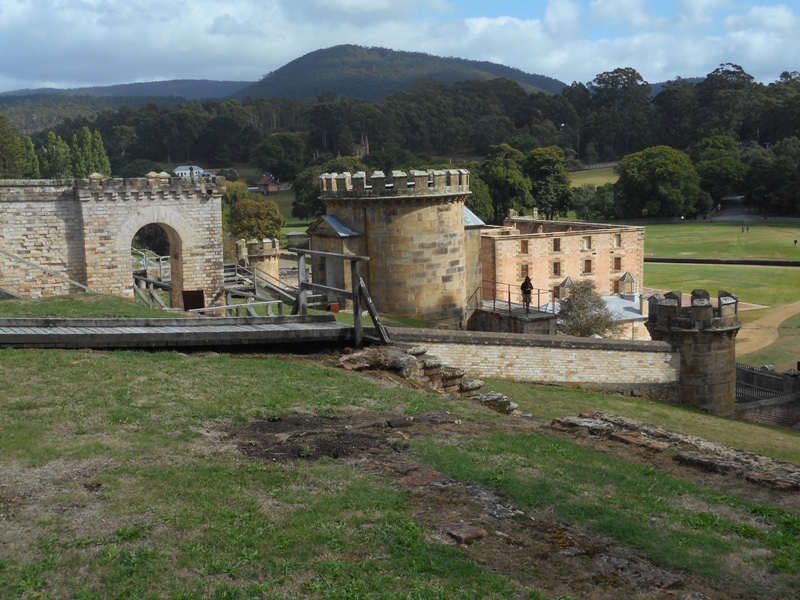
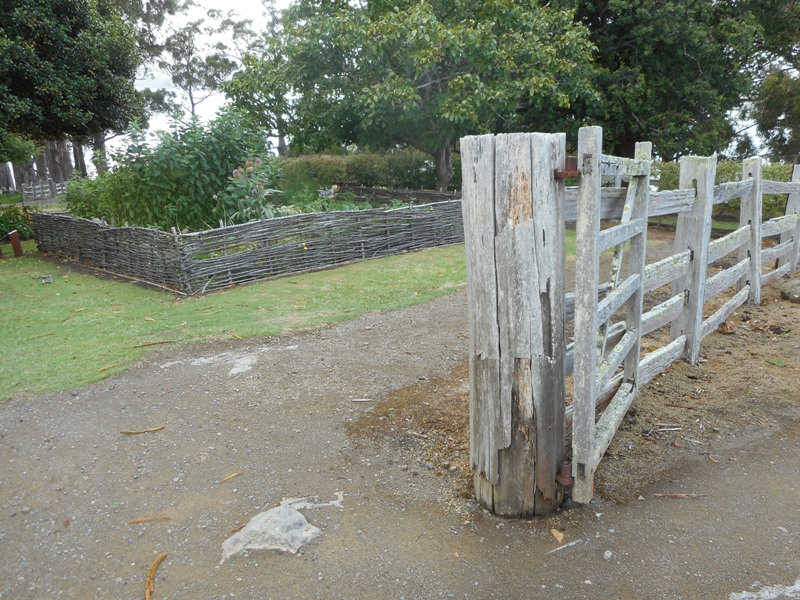
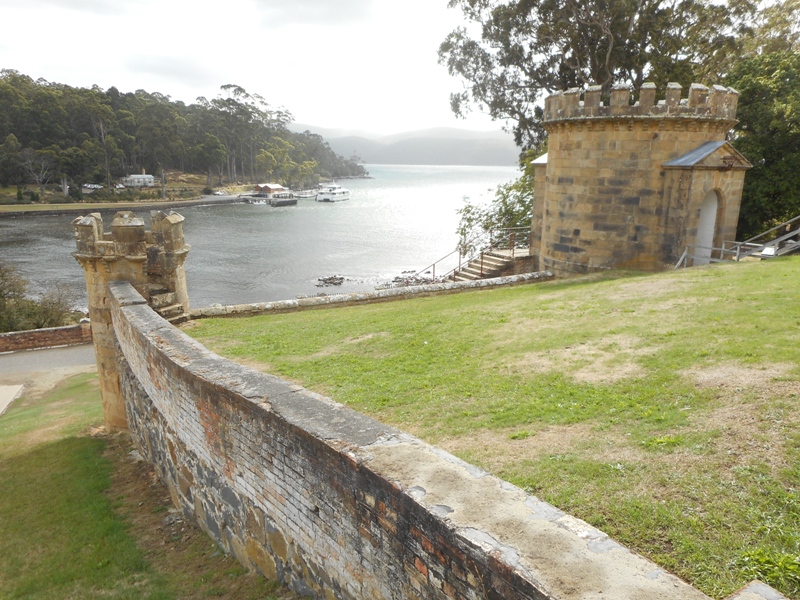
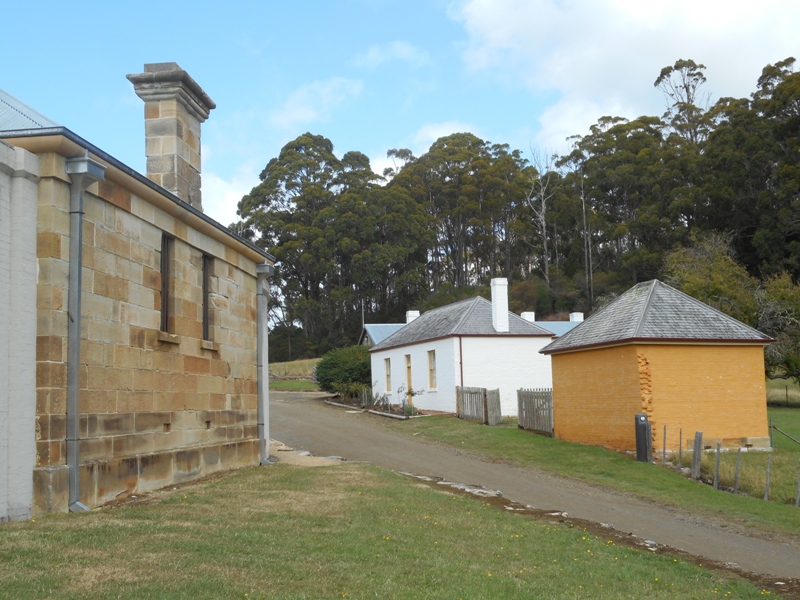
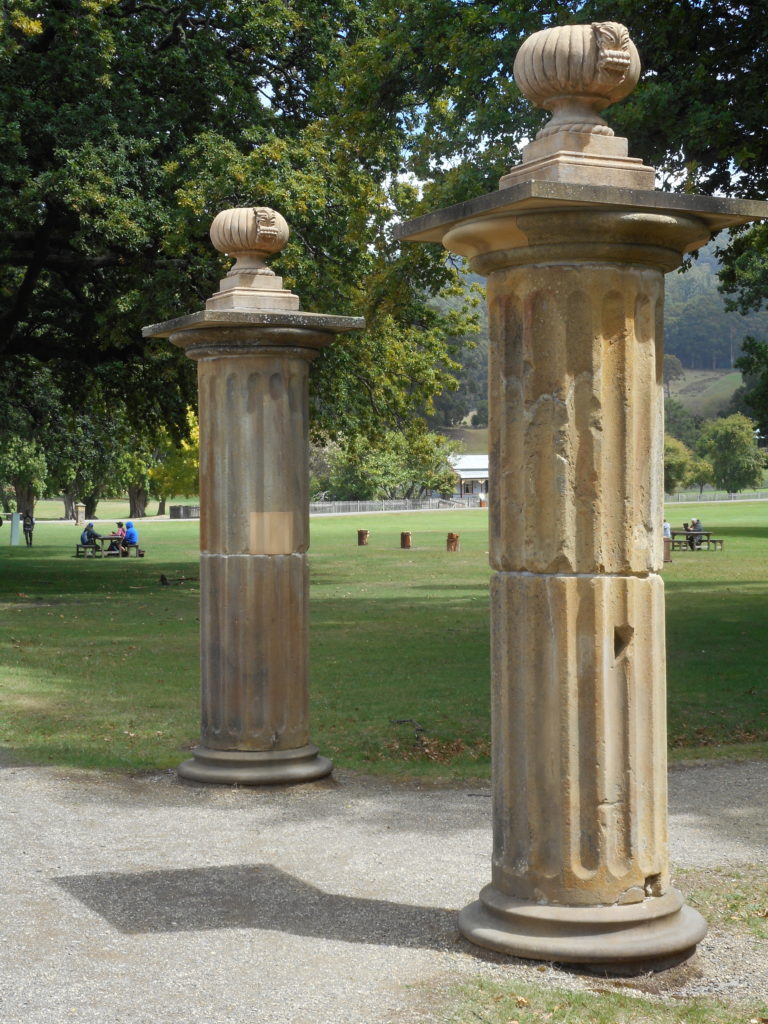
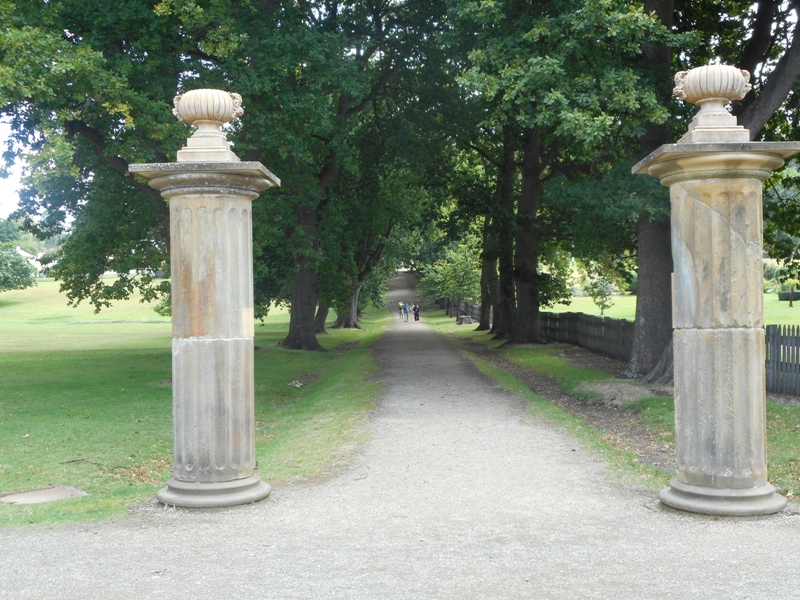
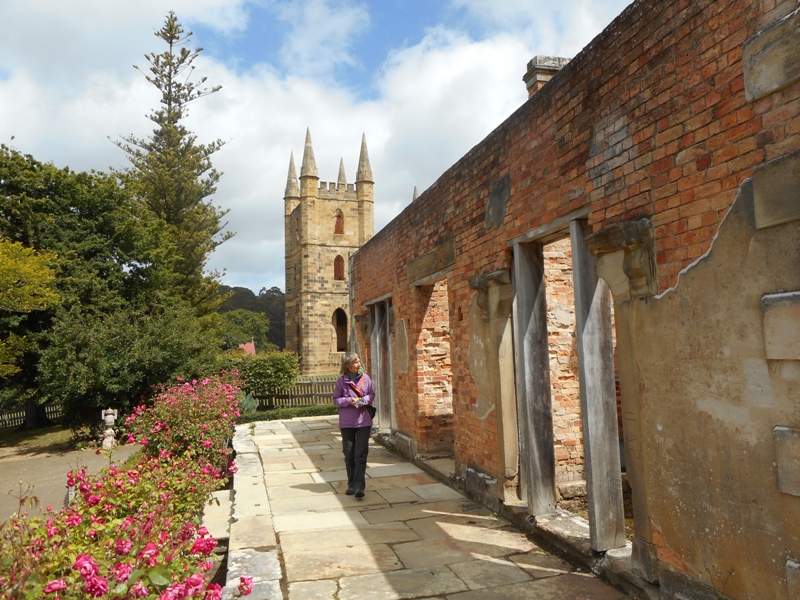
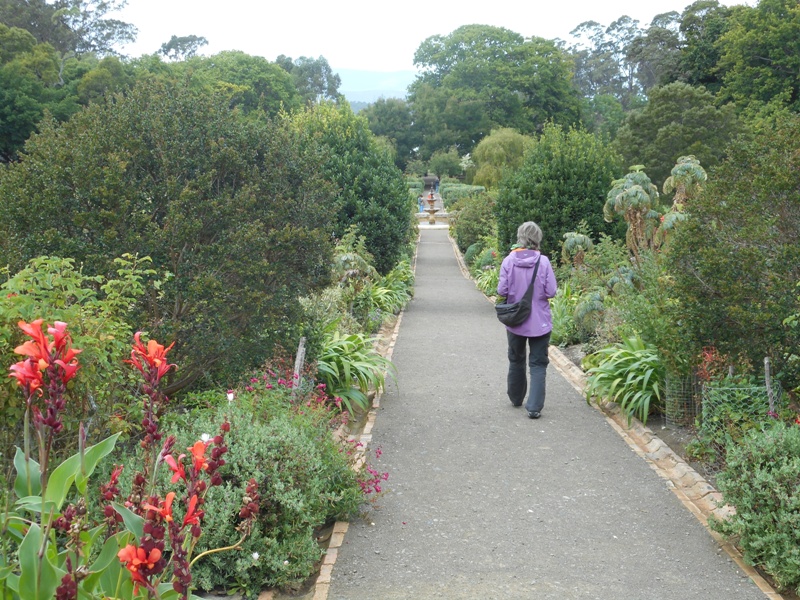
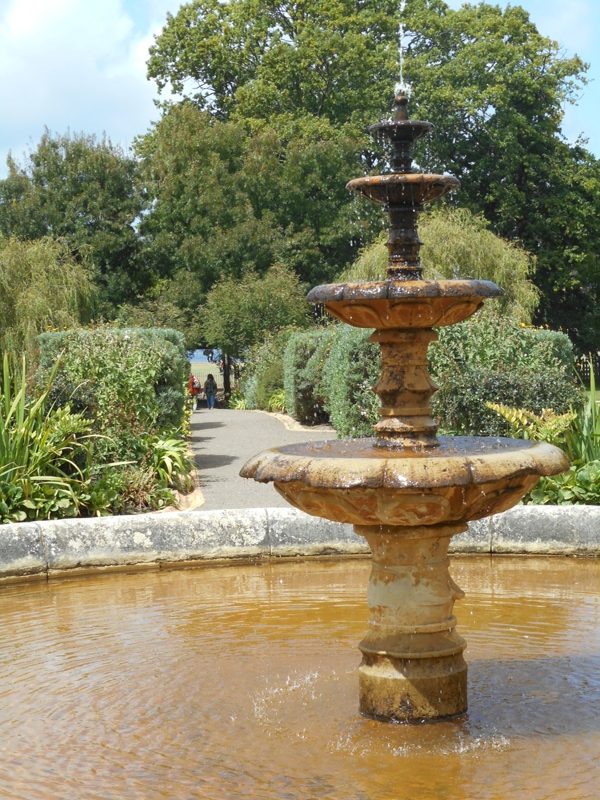
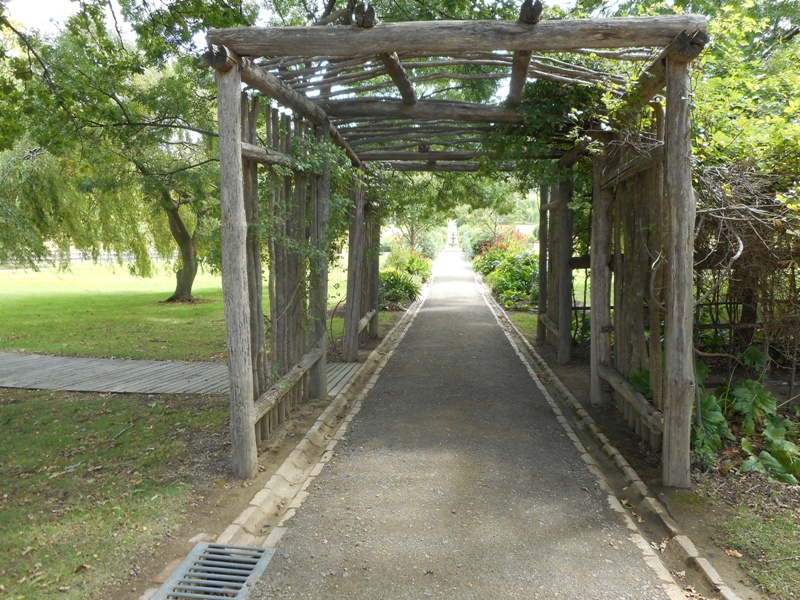
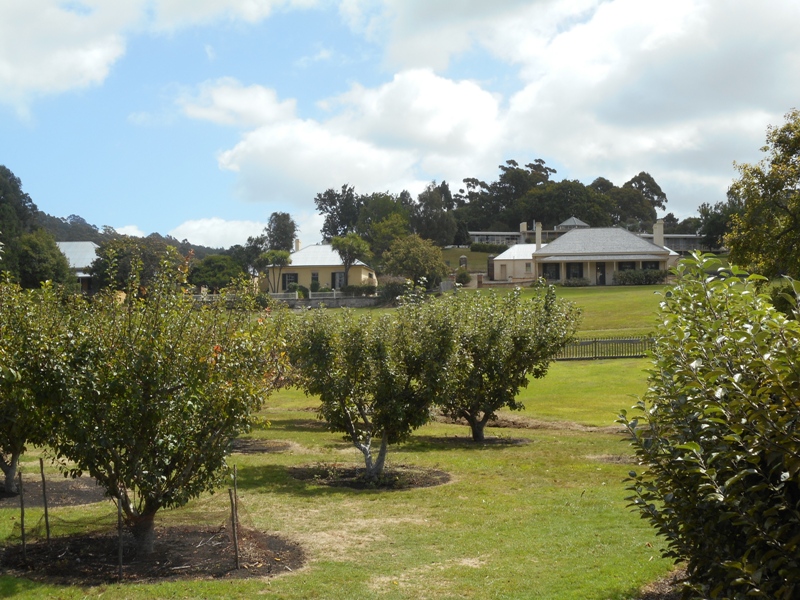
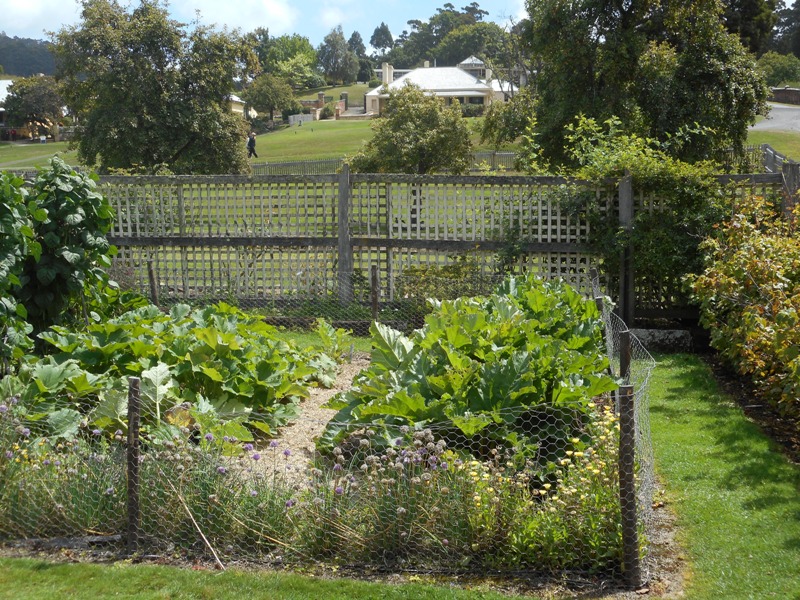
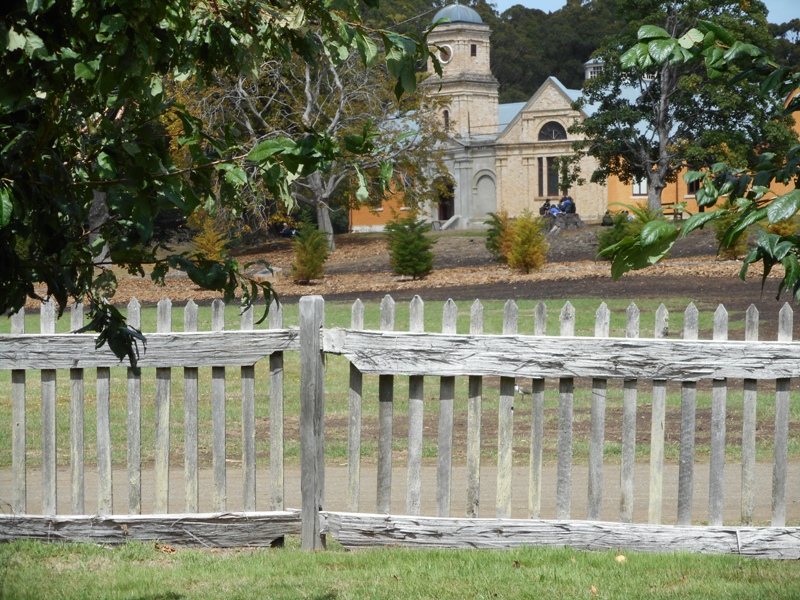
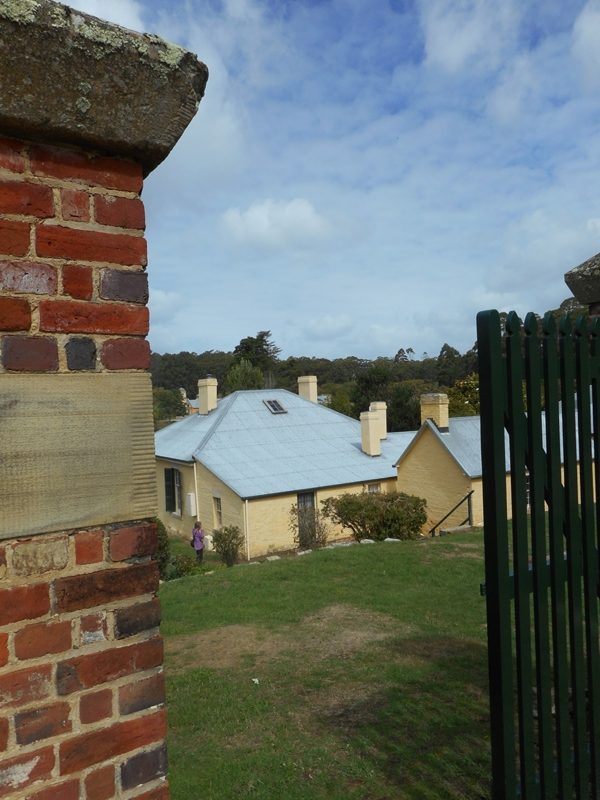
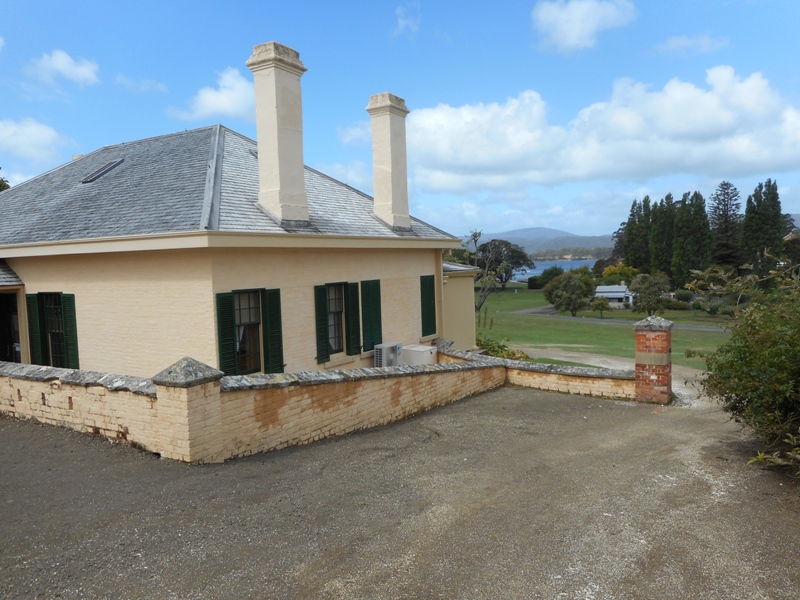
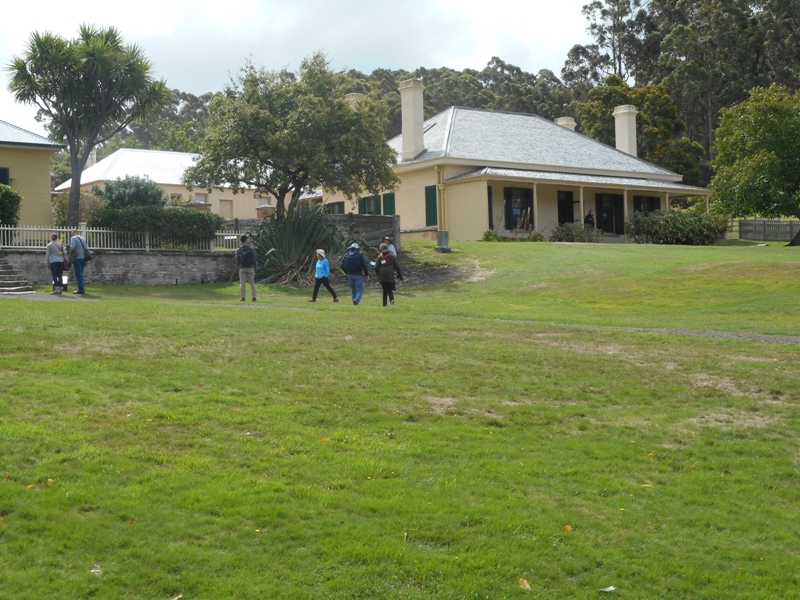
It is an amazingly beautiful setting. Everyone says what a lovely piece of paradise, how could even convicts not like being here. To walk around the sheltered harbour, up the tree lined avenues, in the Government Gardens with the dozens of species of mature english trees, shrubs and flowers is a pleasure.

It is a very big site so even thousands of people get very dispersed and it doesn’t feel crowded.

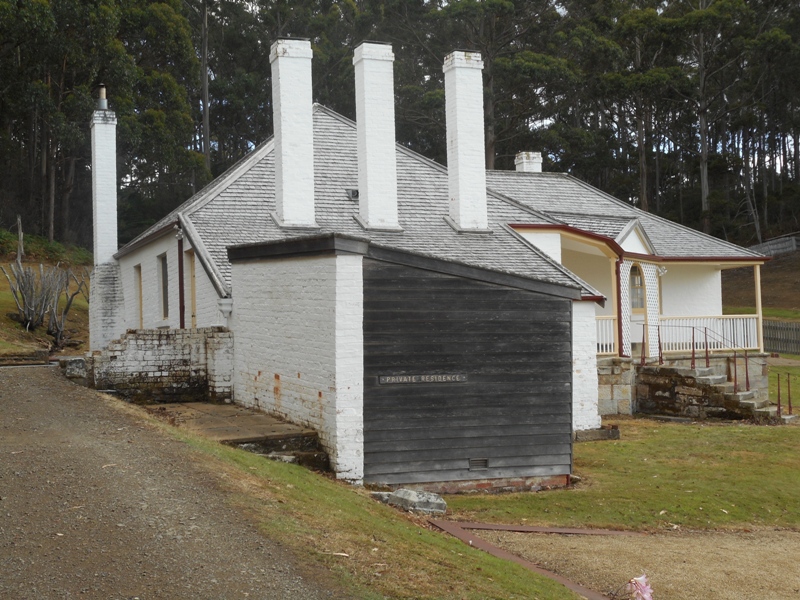
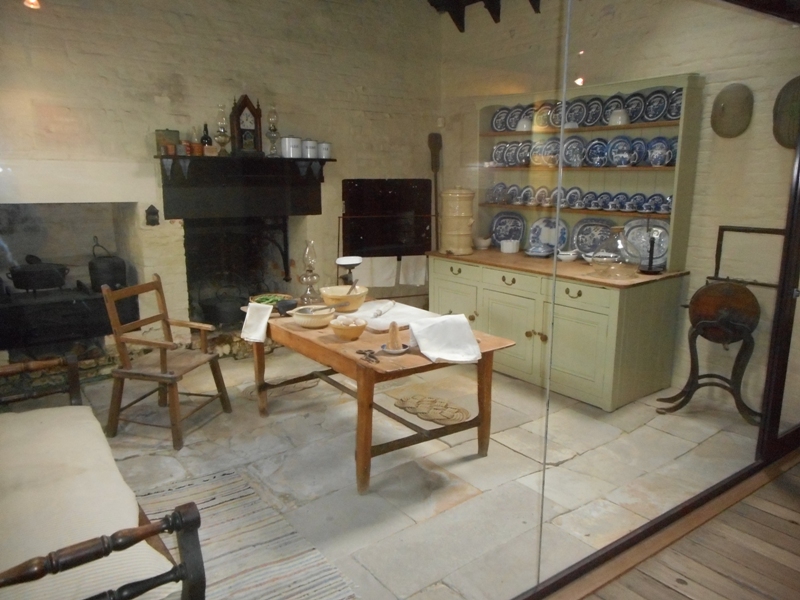
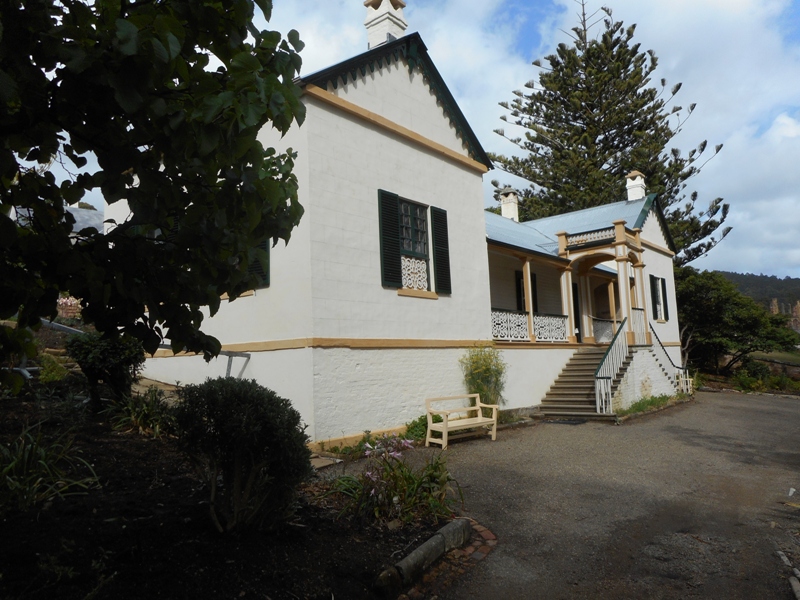
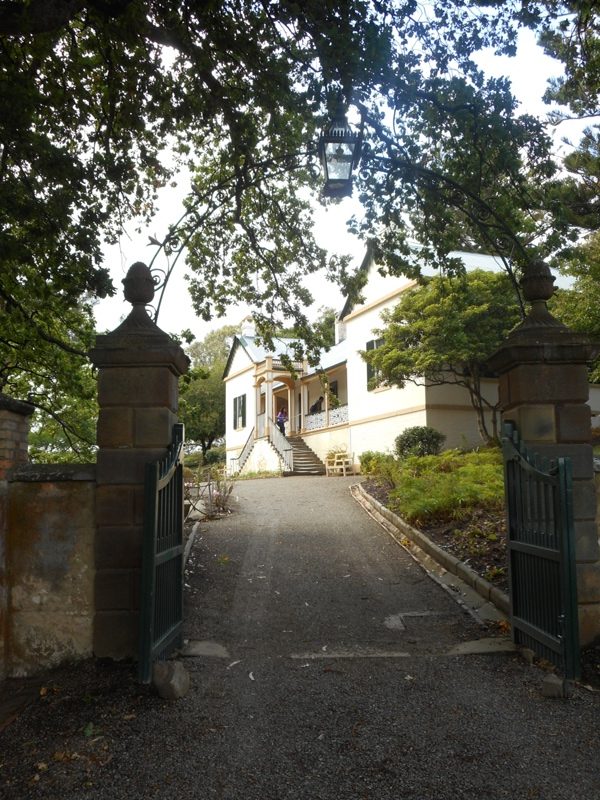
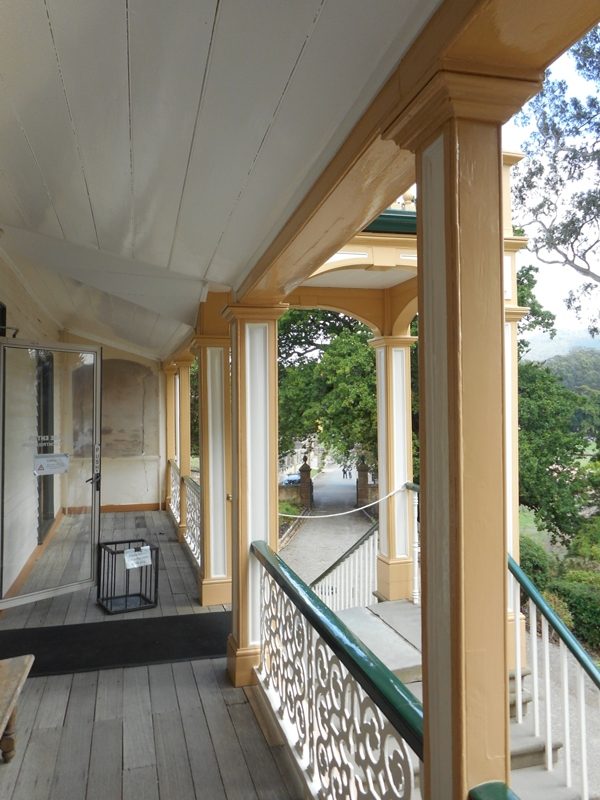
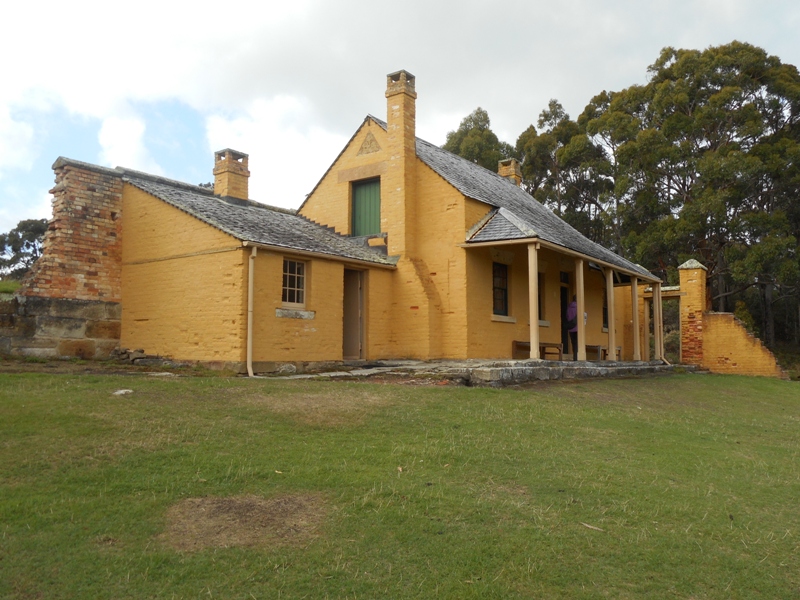
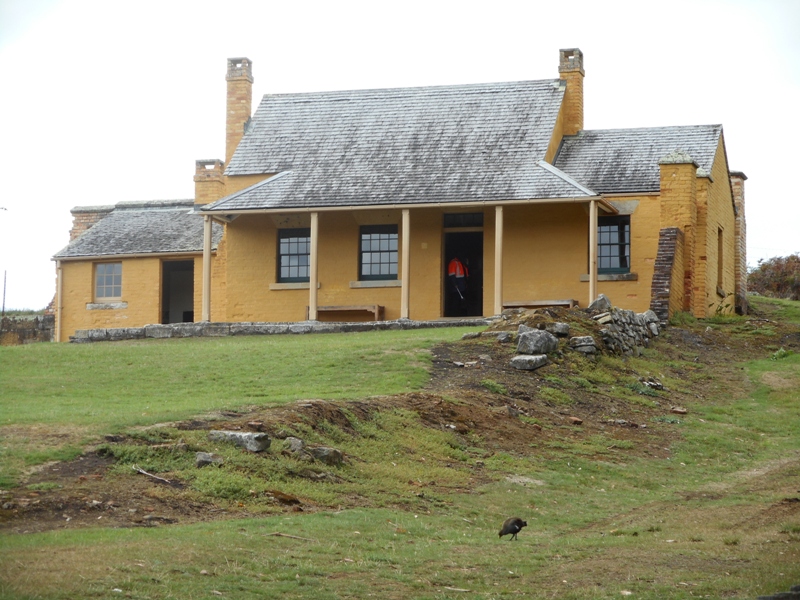
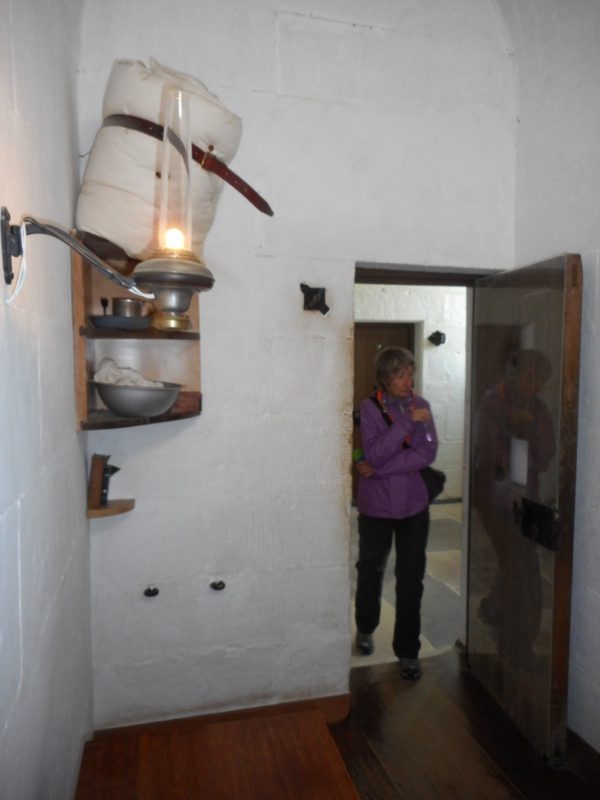
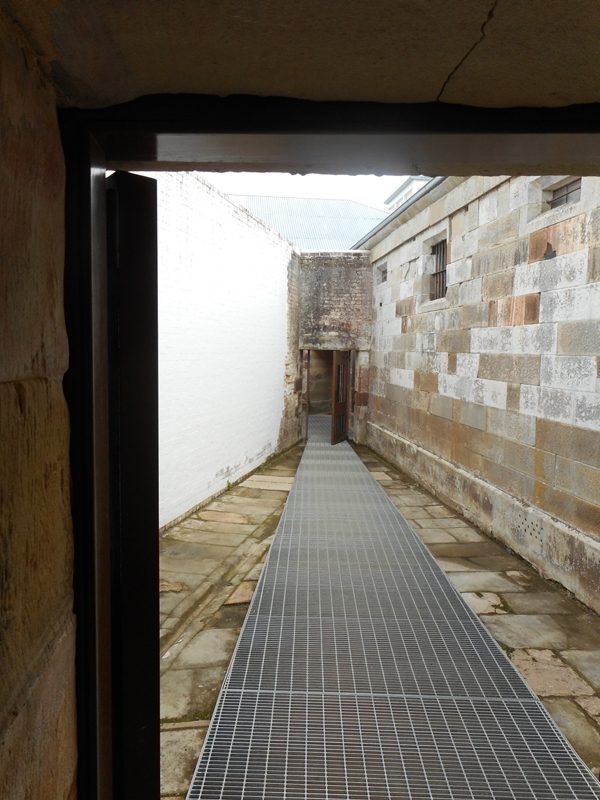
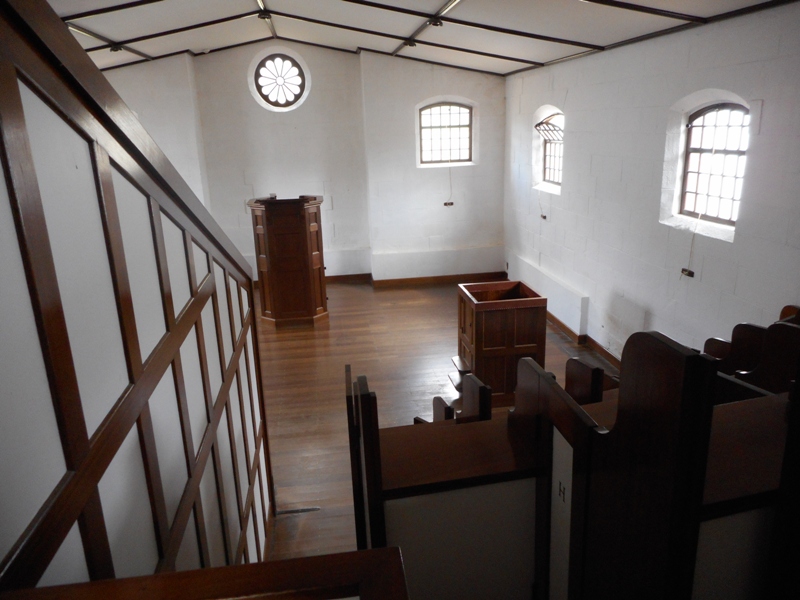
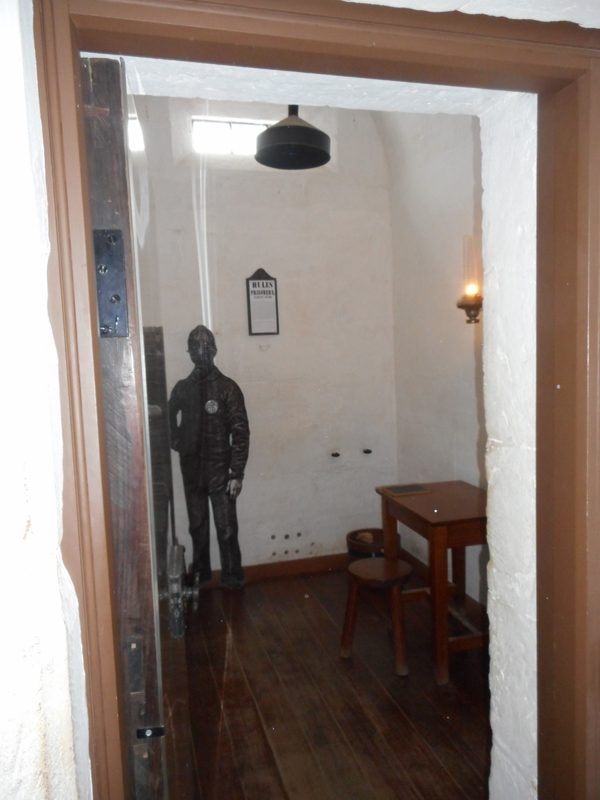
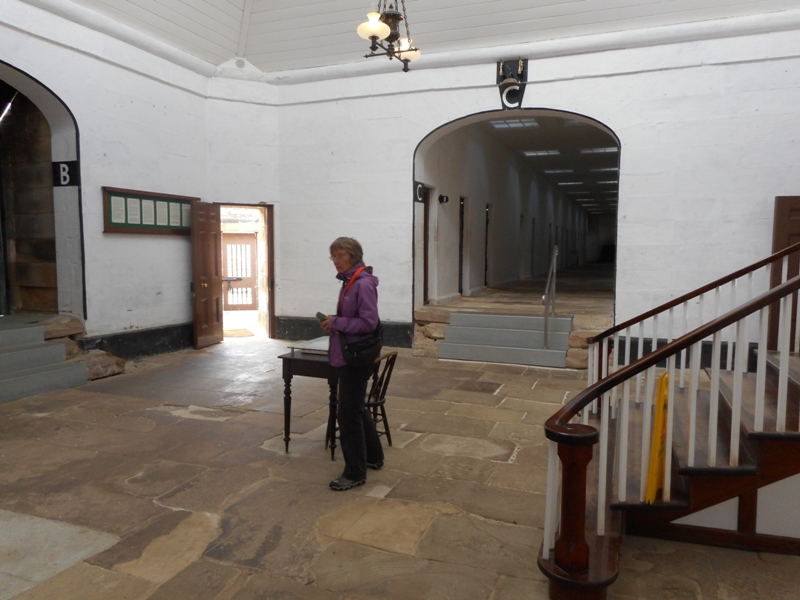
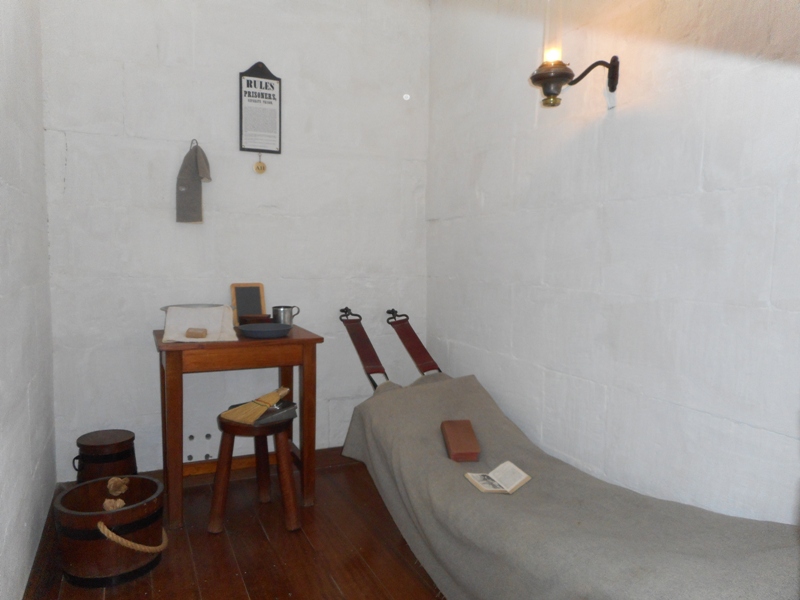
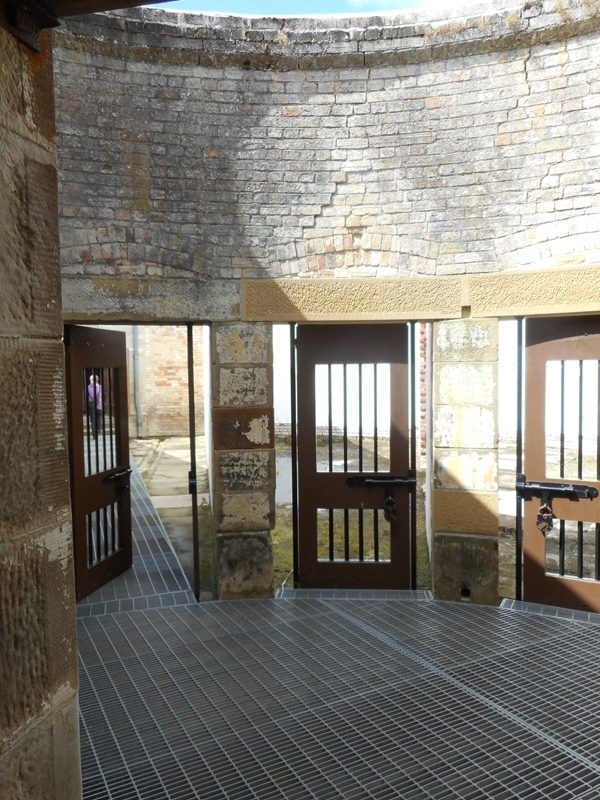
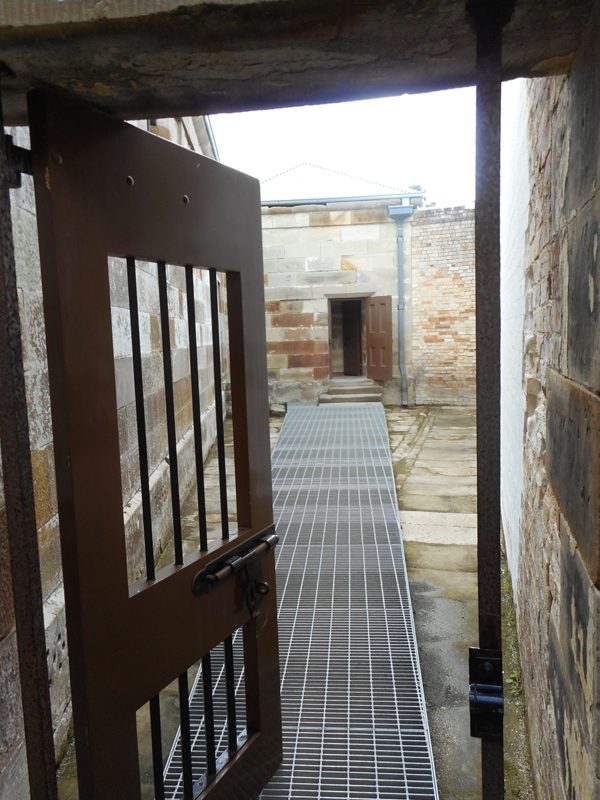
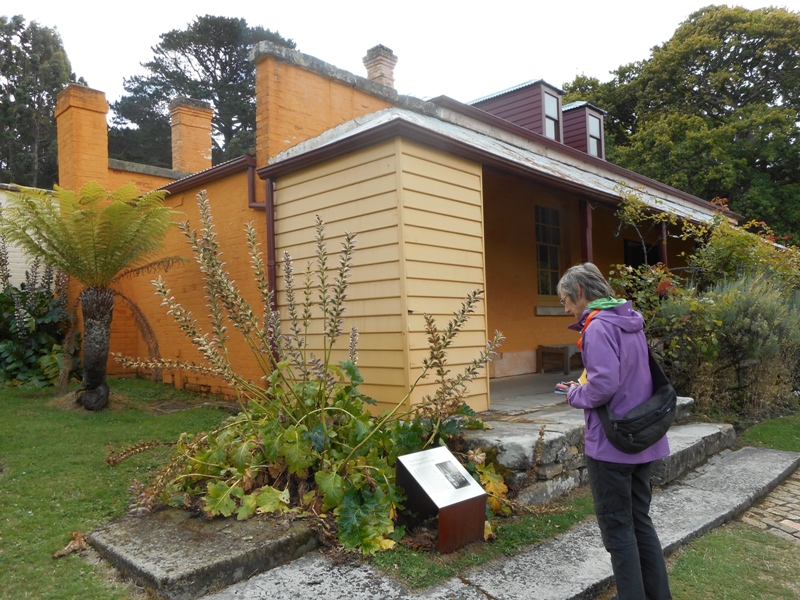
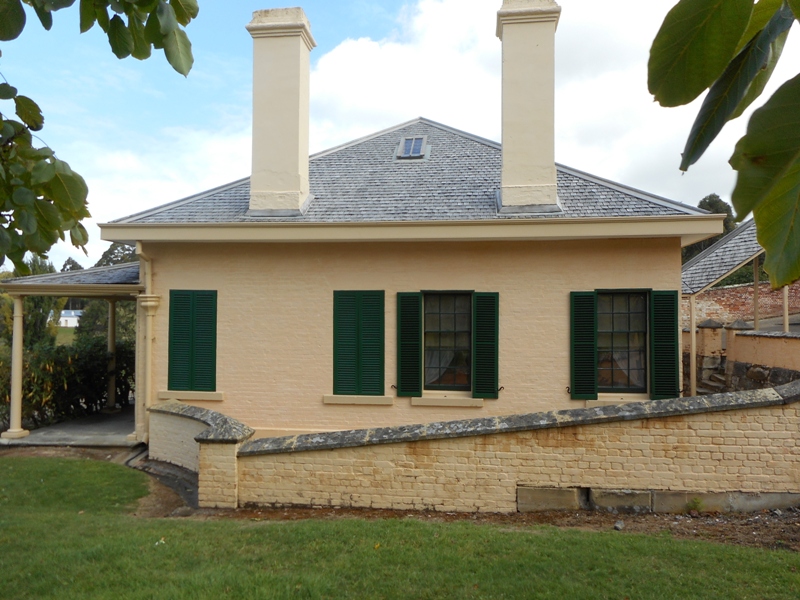
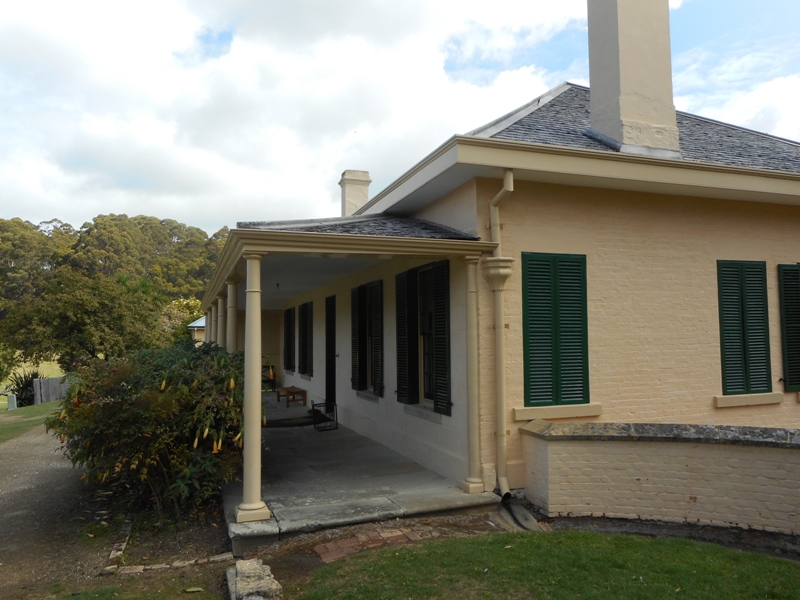
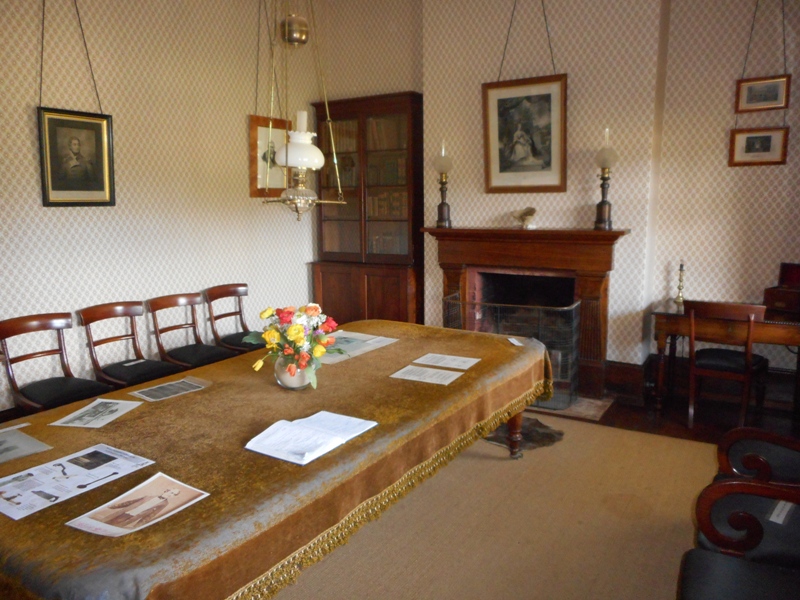
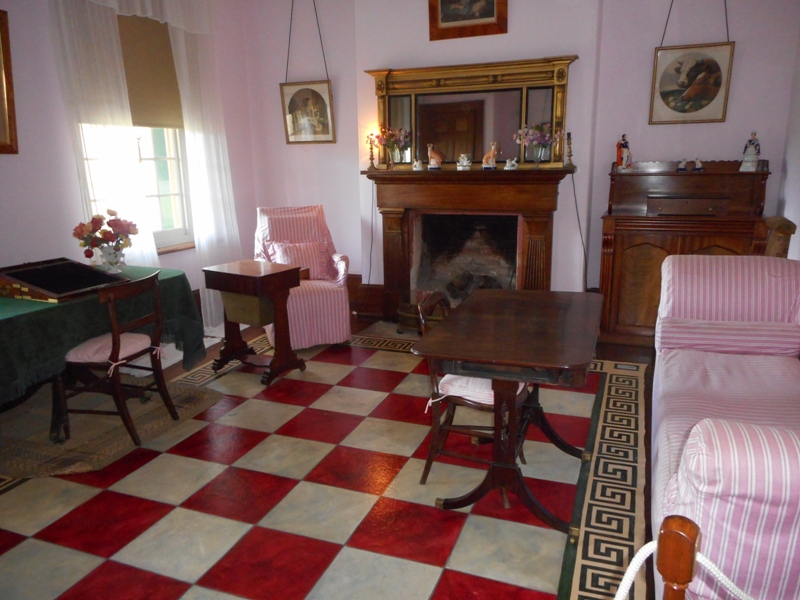
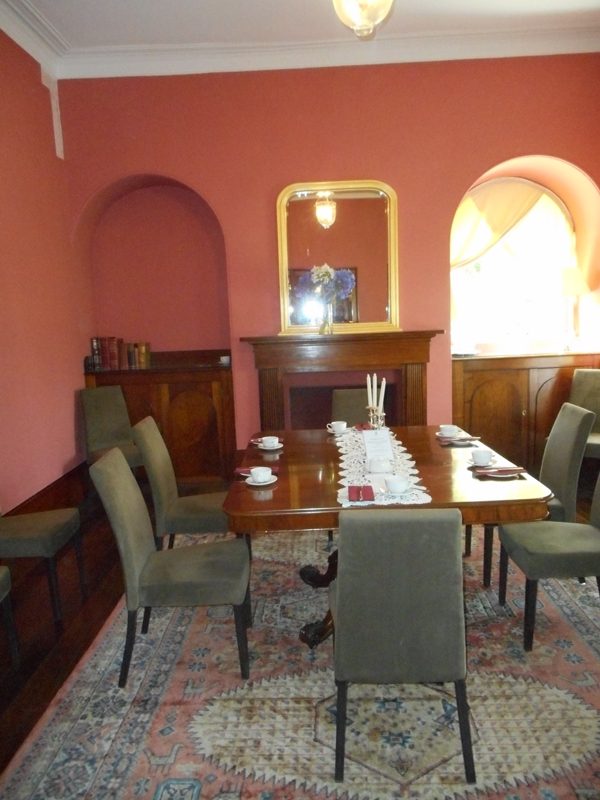
There is a stark contrast between the grandness of the Commandant’s house and the solitary cells of the convicts.

The “live” theatre performances are excellent and create great atmosphere.

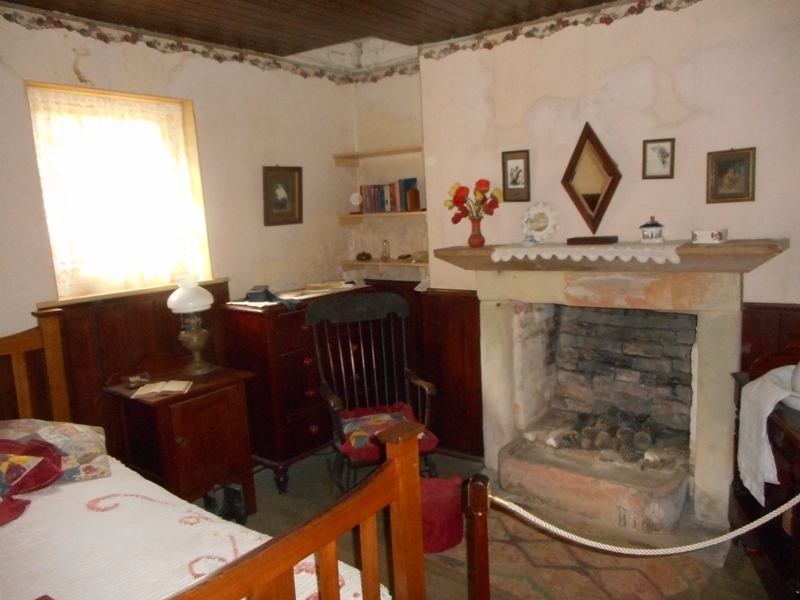
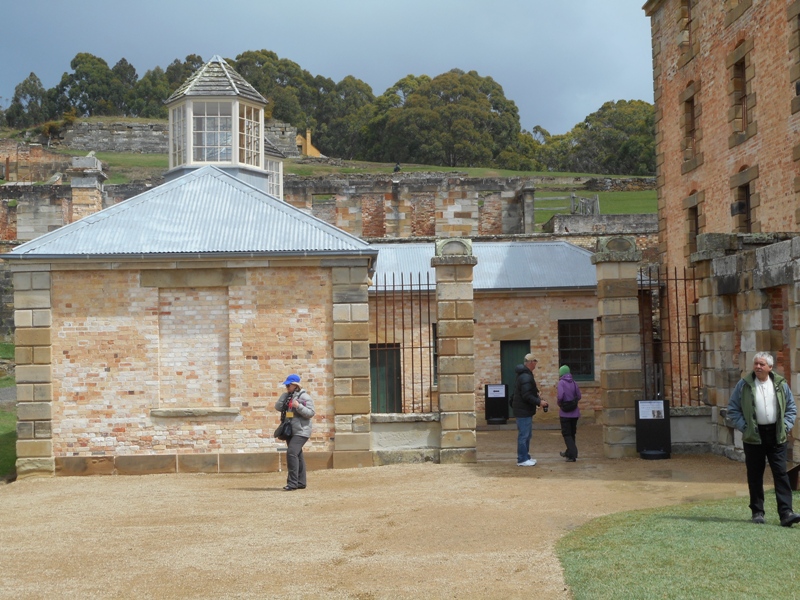
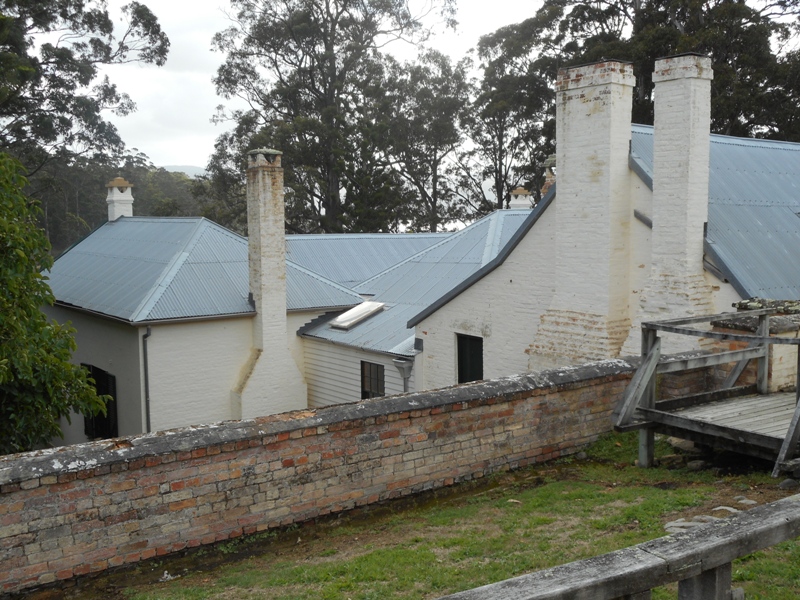
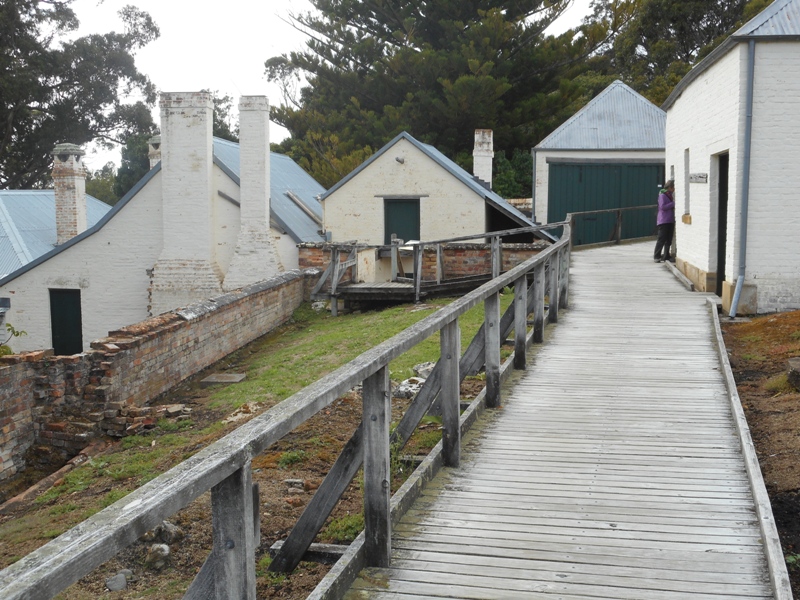
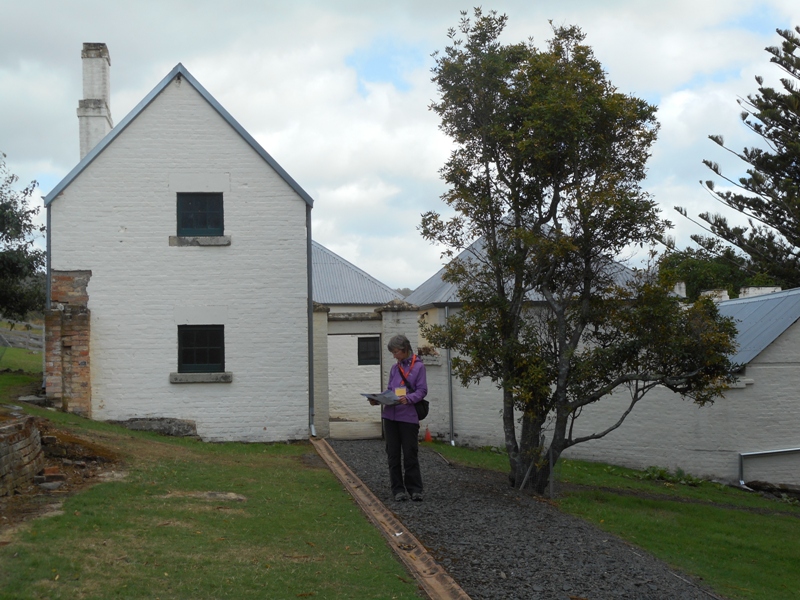
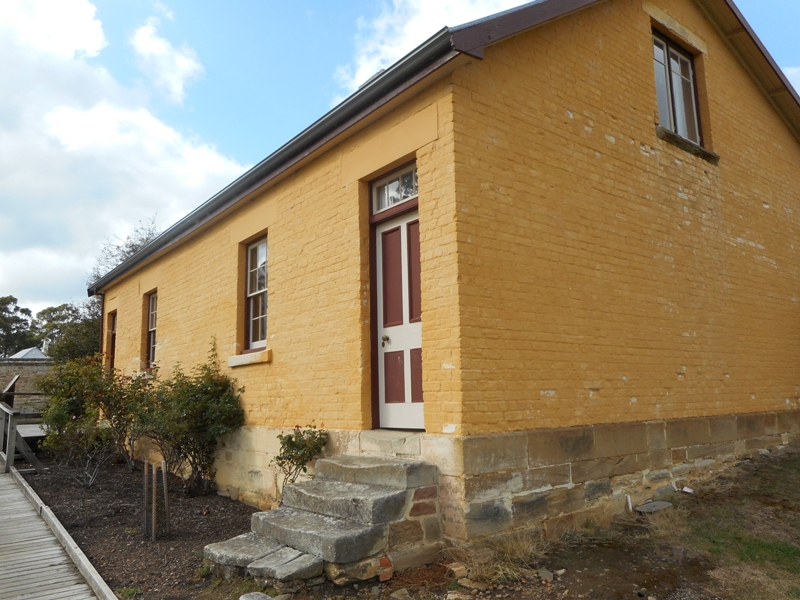
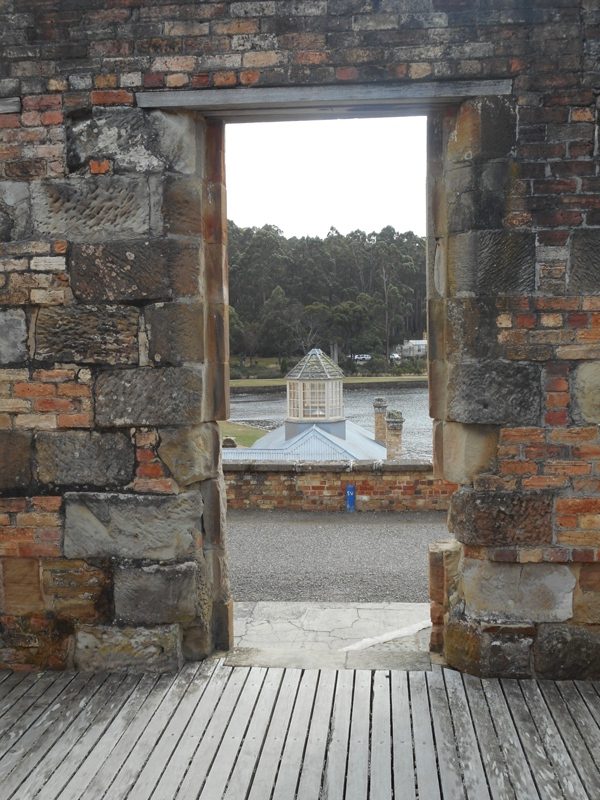
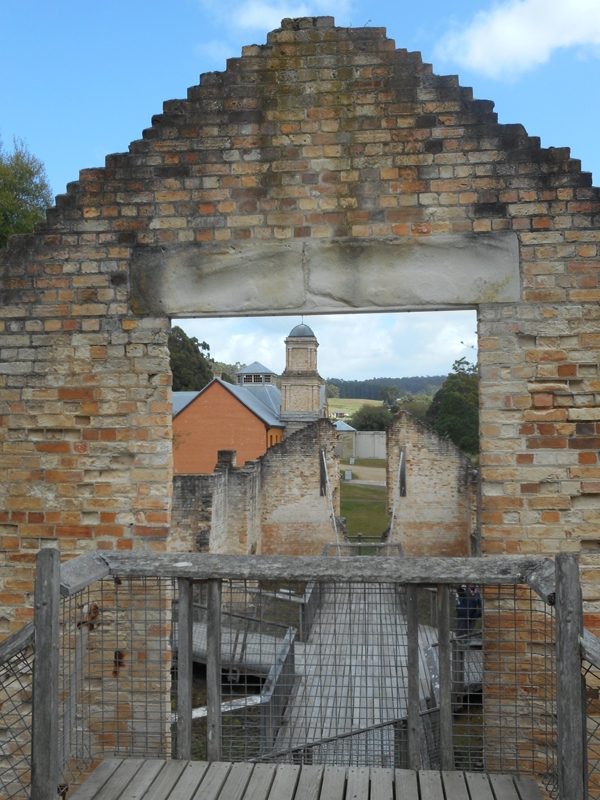
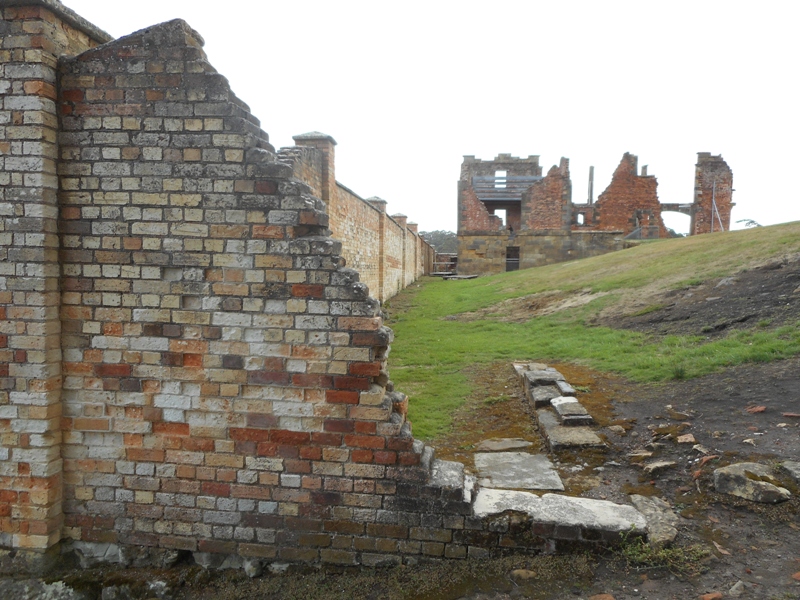
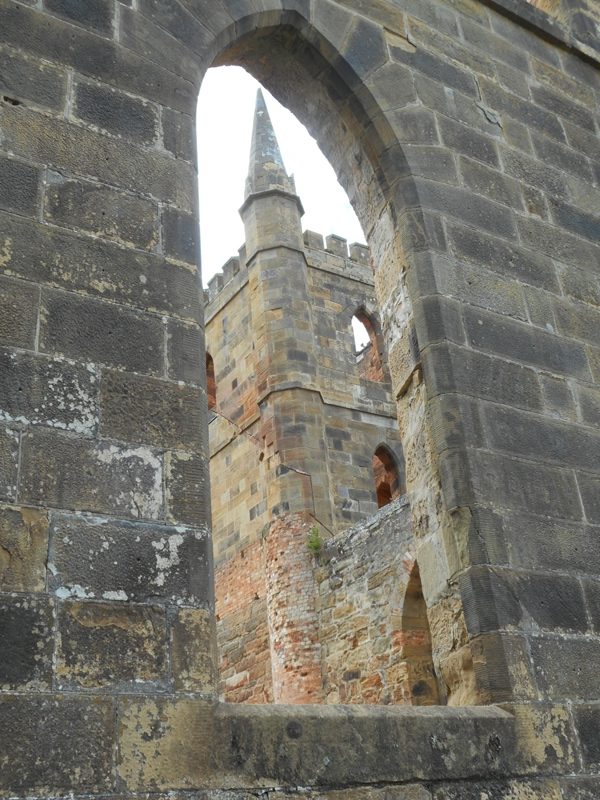
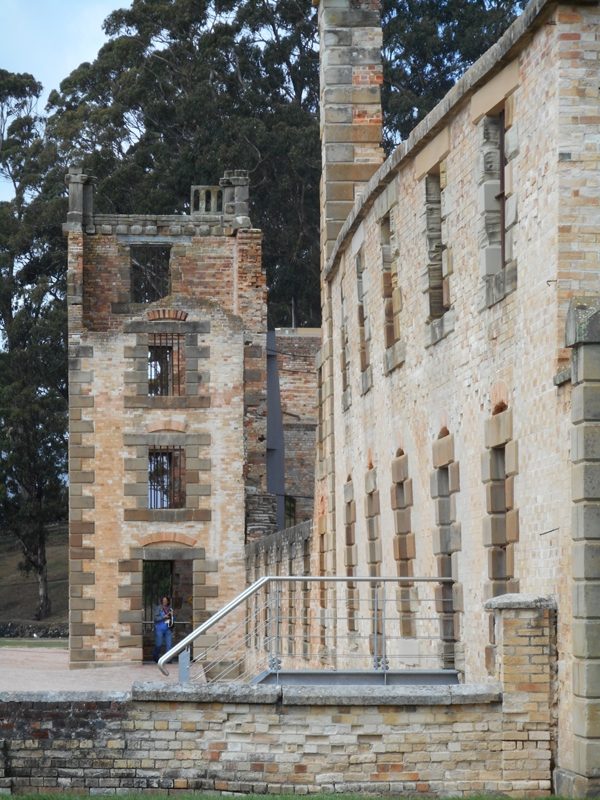
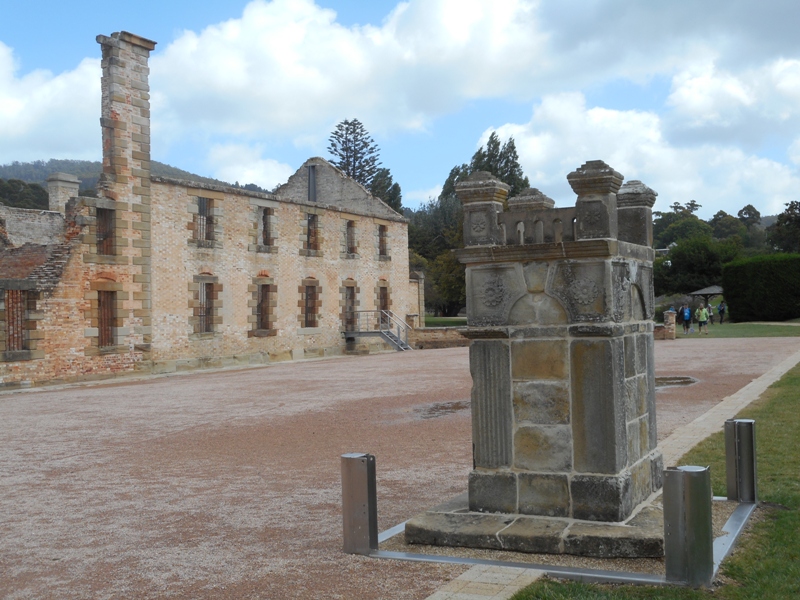
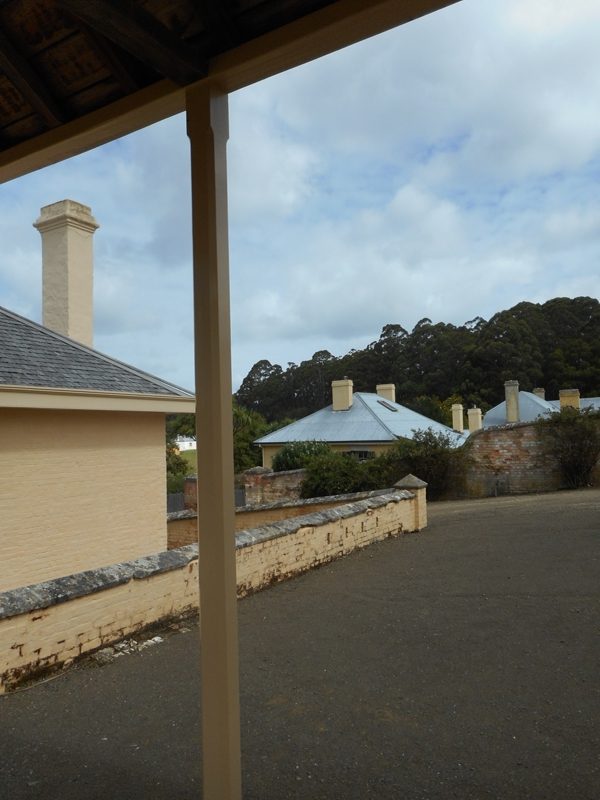
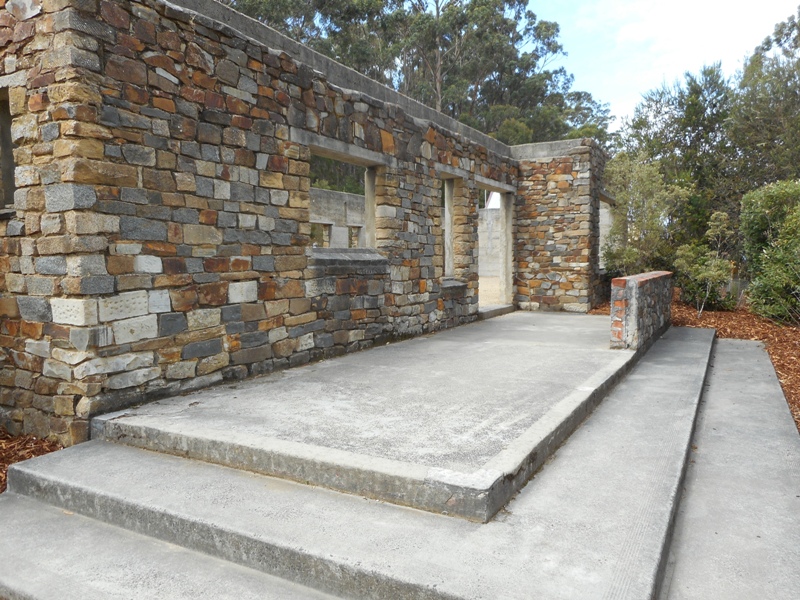
30+ buildings ranging from ruins to furnished houses.

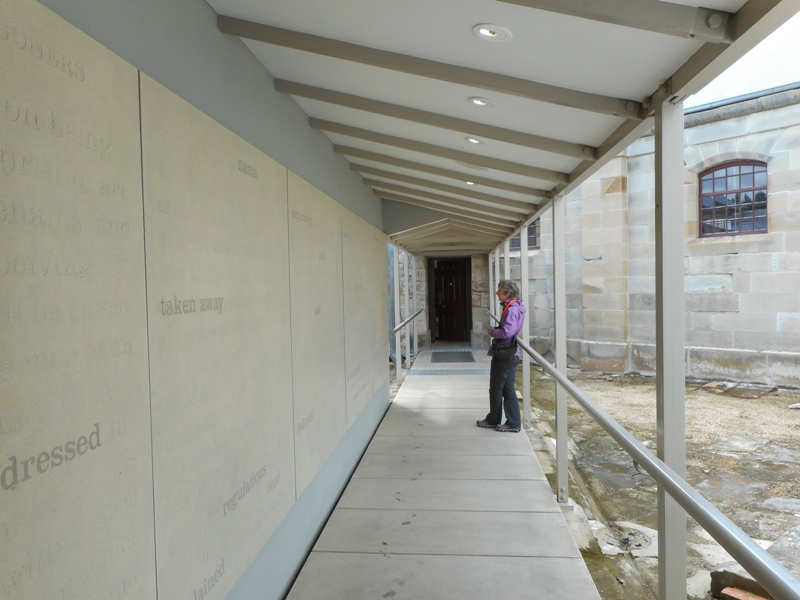
The orientation walking tour was a good introduction to what Port Arthur was all about and its context.

Just enough interpretive material to keep you interested without information overload.

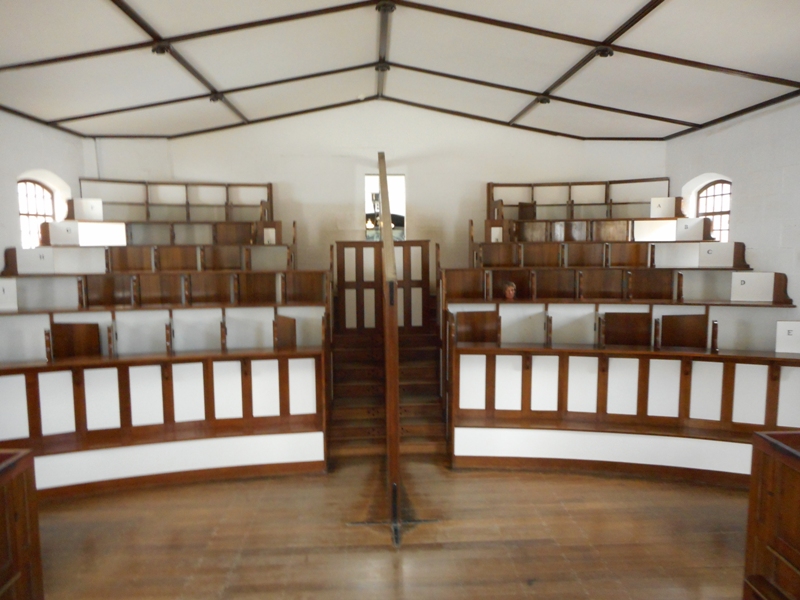
A good variety of stories told: the convicts, the civilians, the military,  the clergy, the children. Very little on the aborigine.

The stories told with respect and not with exploitation or sensationalism.

It was put in a larger context of penal reform (the change from physical punishment,  flogging, to psychological punishment, isolation), rebellions in Ireland and Canada, social attitudes in the 19th century, the class system, etc.

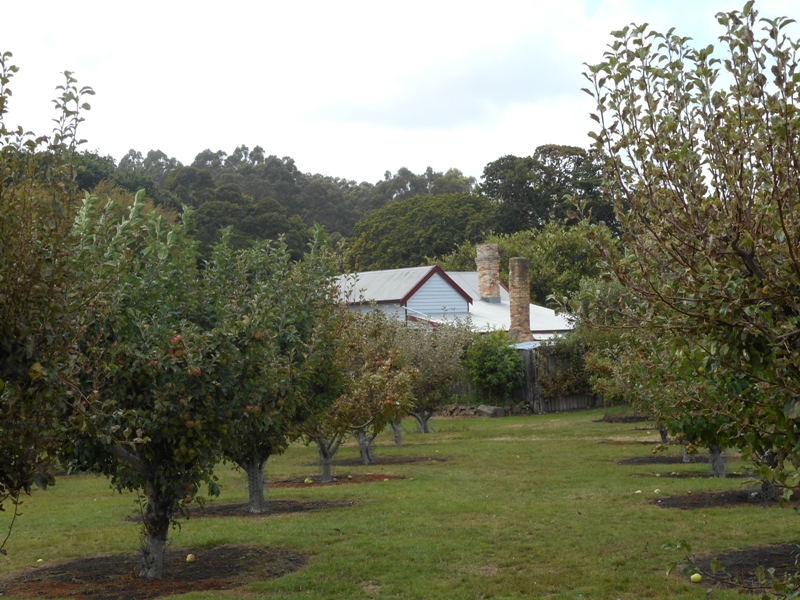
Being able to pick and eat the different types of apples in the orchard.

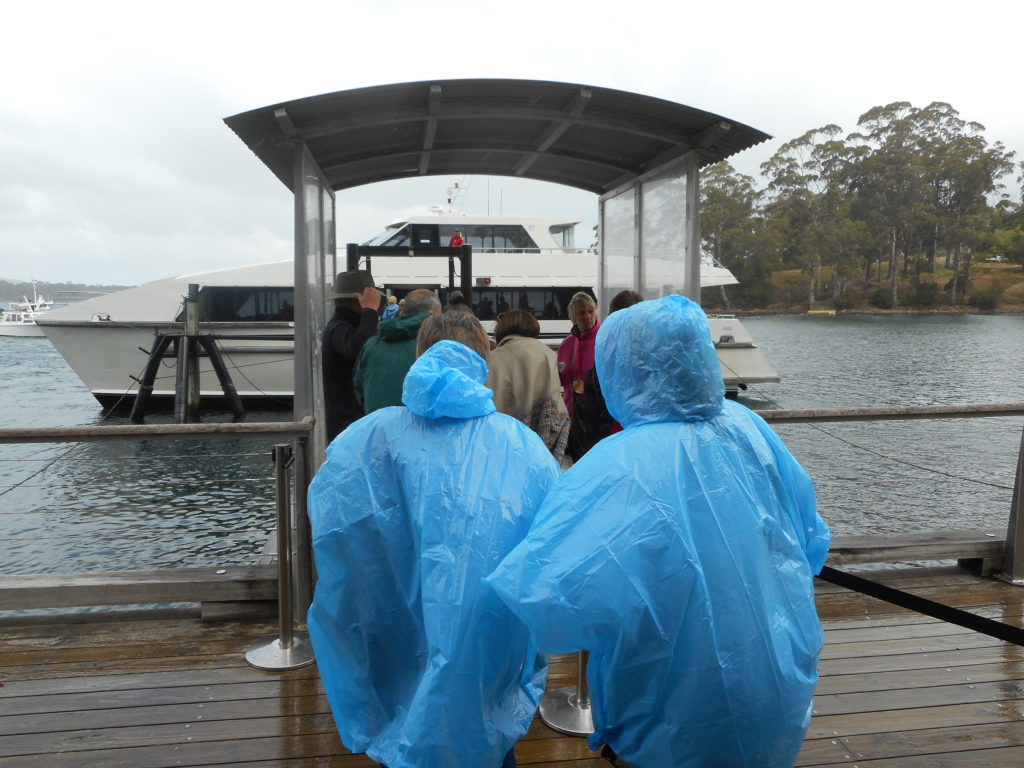
The boat trip was okay if you were going to Point Puer Boys’ Prison or the Isle of the Dead but otherwise not really necessary.

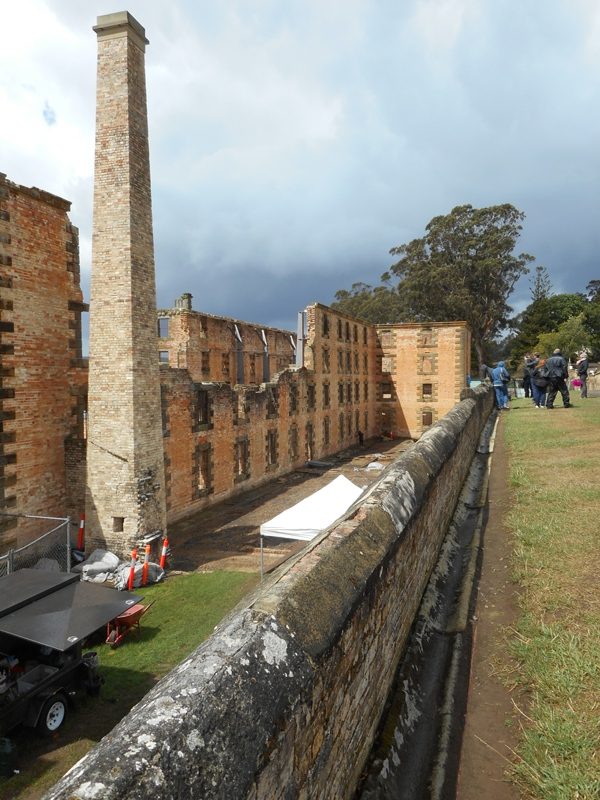
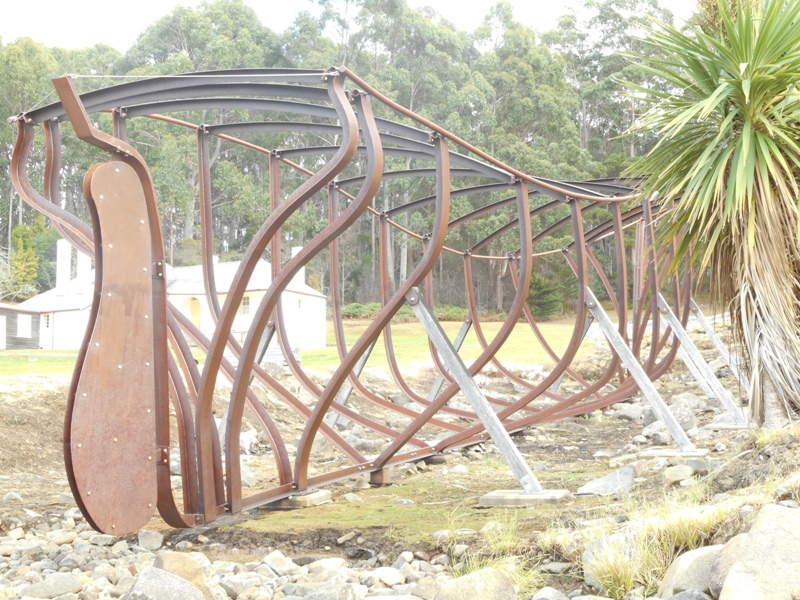
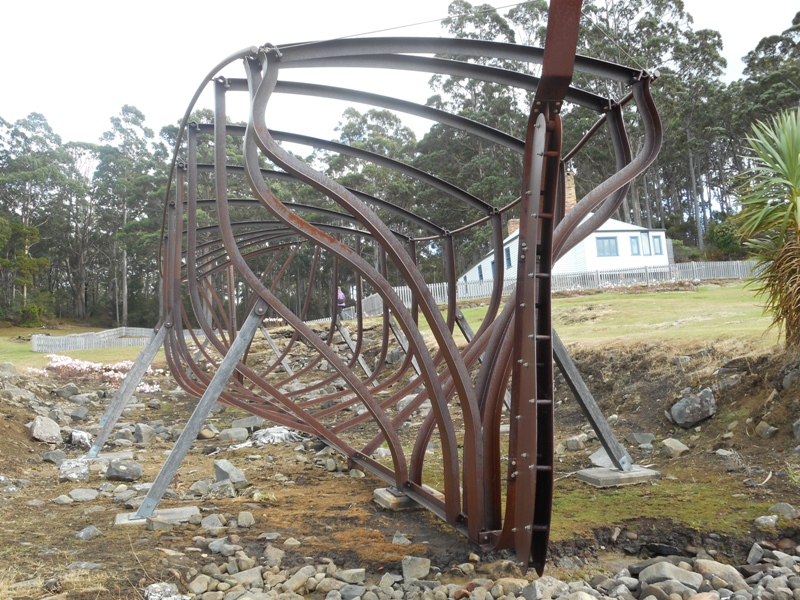
The realisation this was a huge operation. Not just a prison but a commercial operation of timber collecting, ship building, forgers, black smiths, white smiths, coopers, boot makers, clothes makers, flour mill etc, not just for the prison but for colonial Australia.
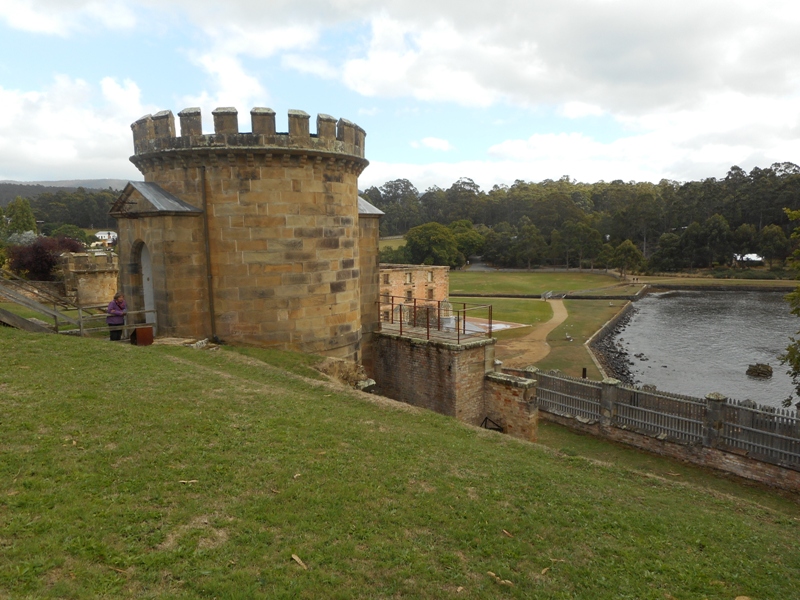
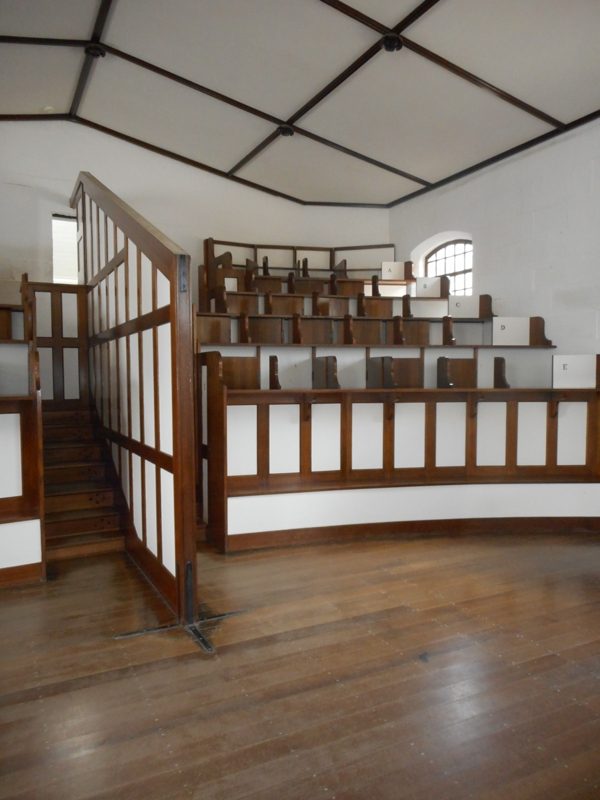
It was not just about punishment by hard labour but also rehabilitation through religious indoctrination, education and training in useful skills.
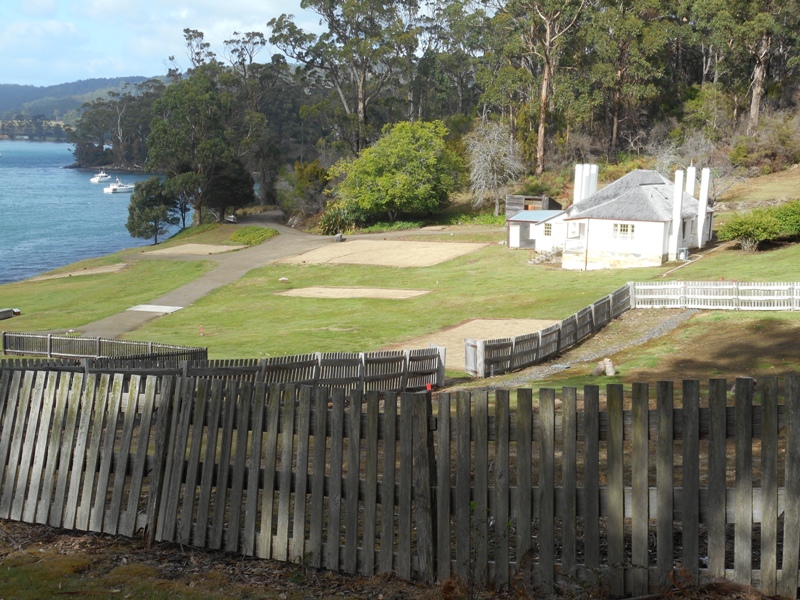
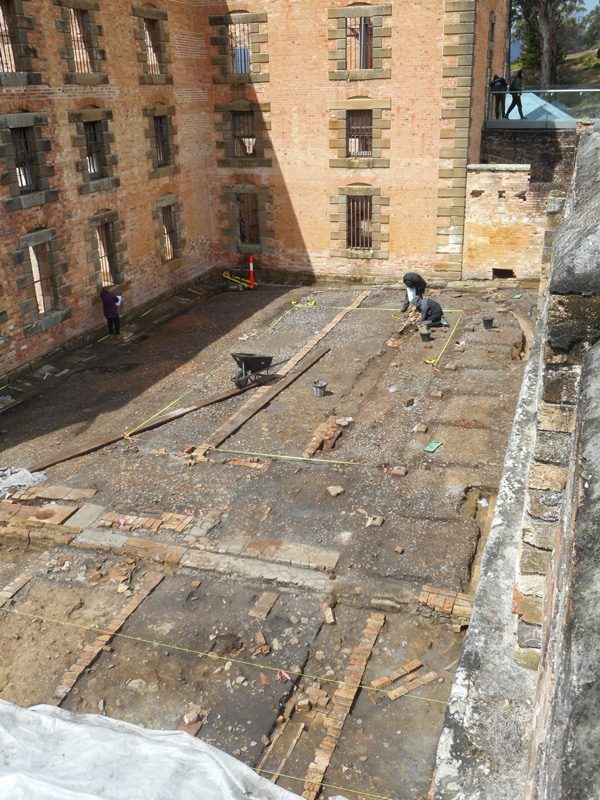
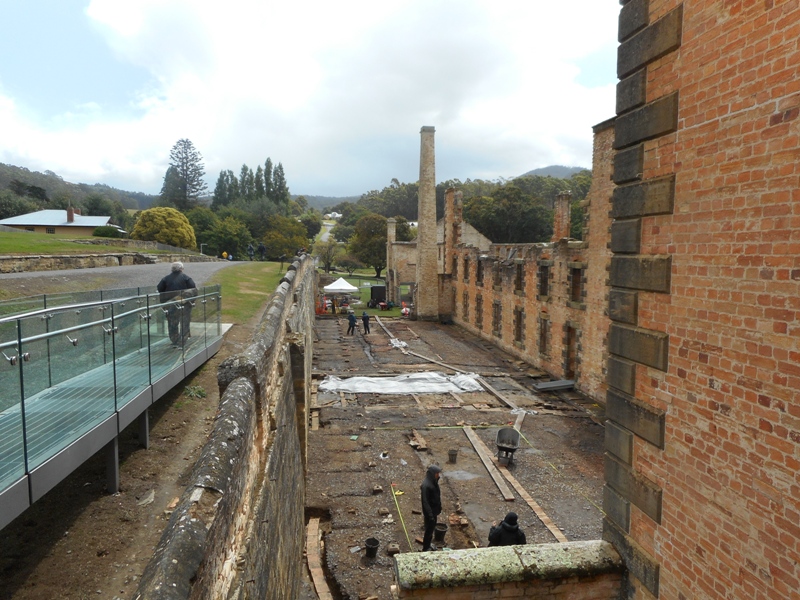
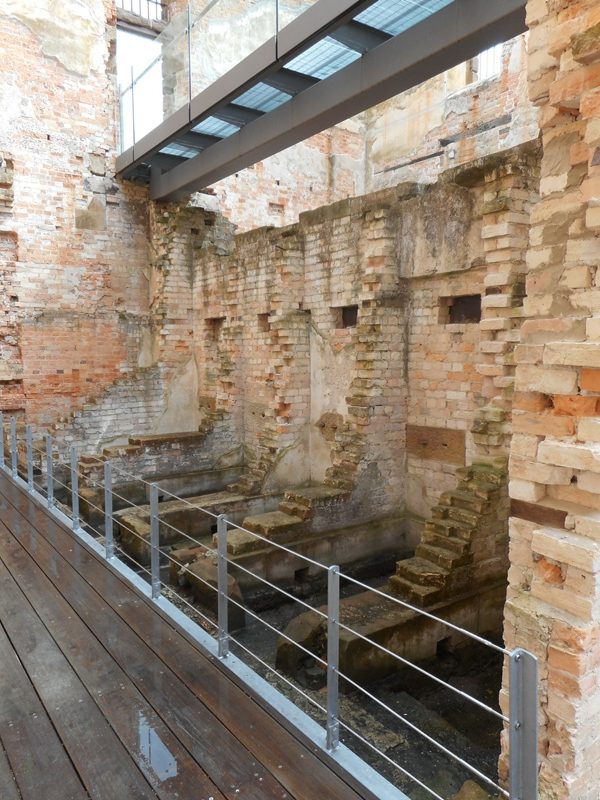
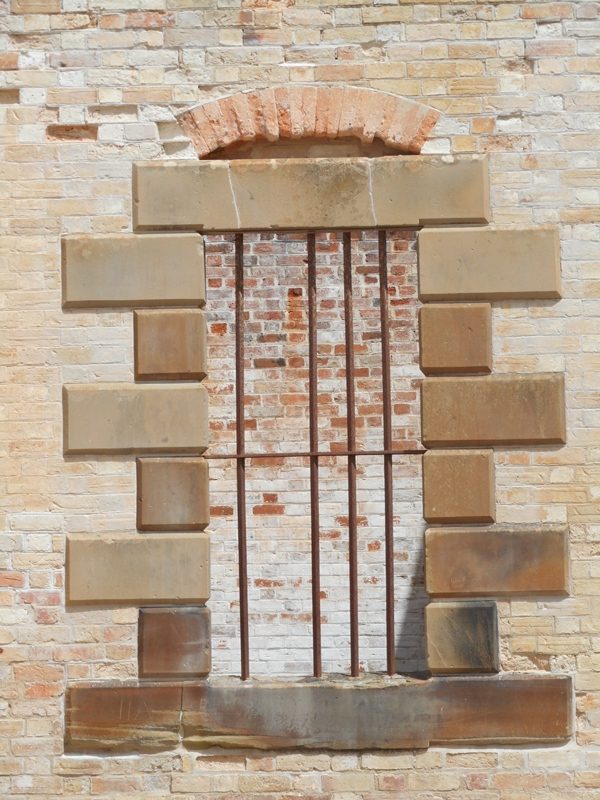
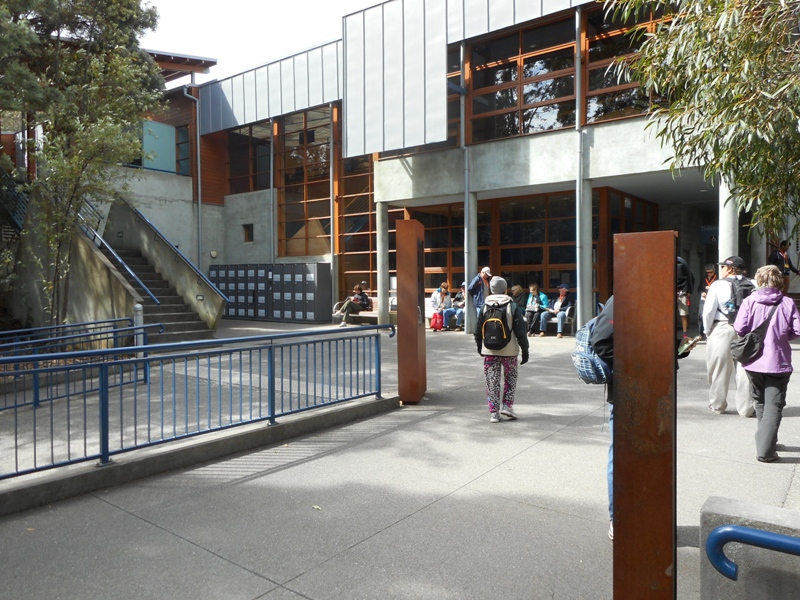
It is a work in progress with ongoing archaeological work and the restoration and conservation of buildings and infrastructure.
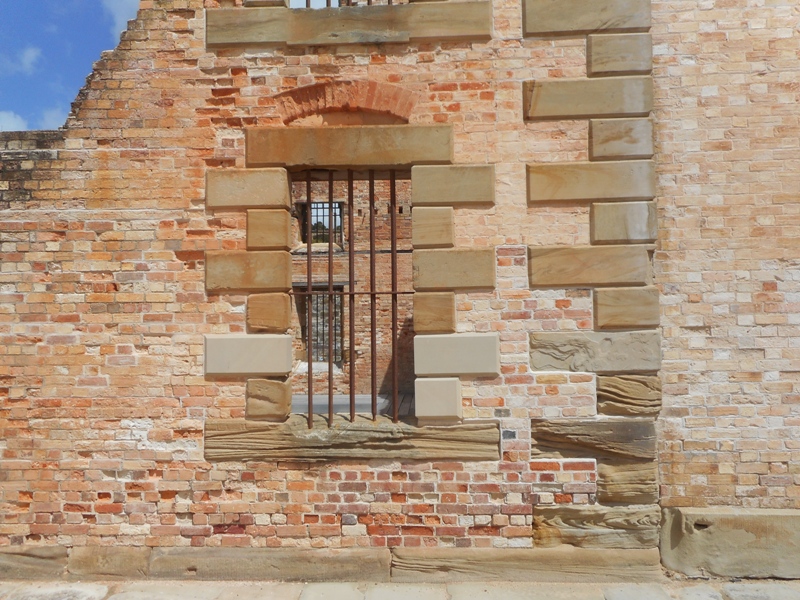
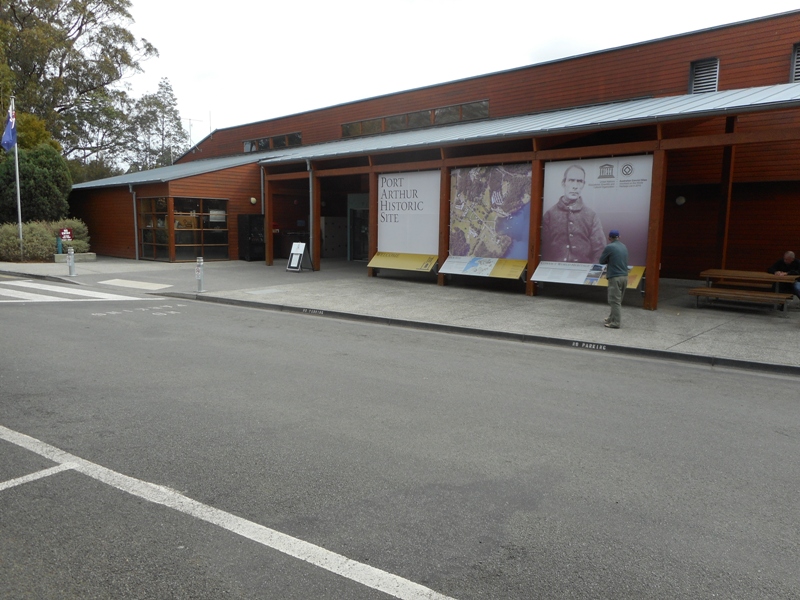
A first class interpretive centre.

The Ghost Tour was pitched at just about the right level. Atmosphere created by story telling and not kitsch effects or stunts. Just seeing the place at night by the light of a flickering lantern was good enough.

The story after the prison closed in 1877. The name change to Carnarvon, the fires, the sale and subdivision, the growth of the tourist trade.

Good food and clean toilets!!!!!!