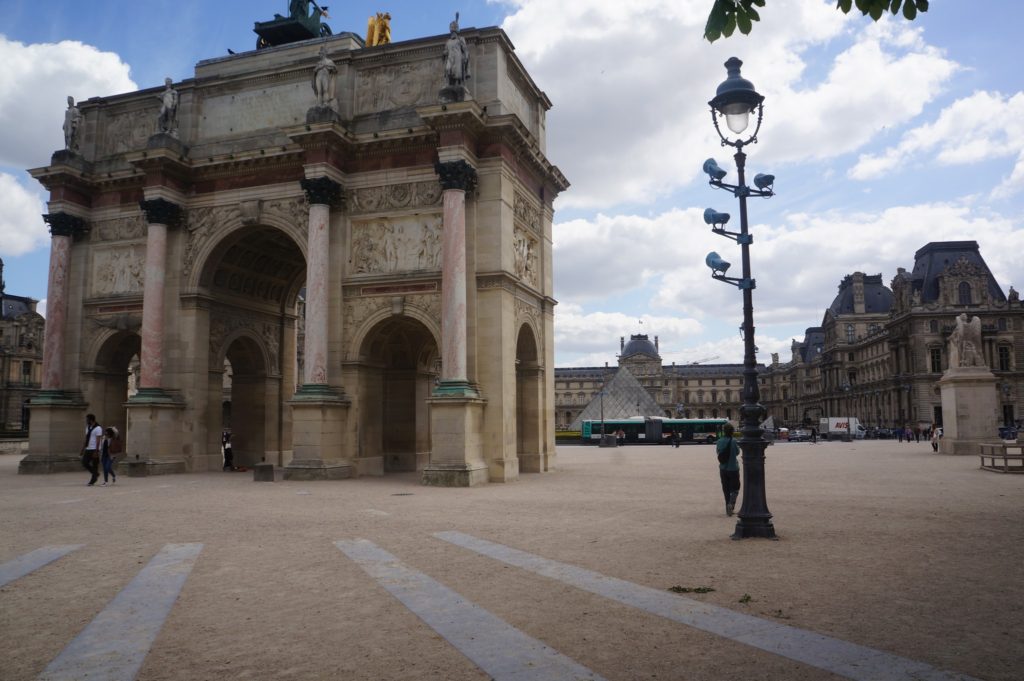
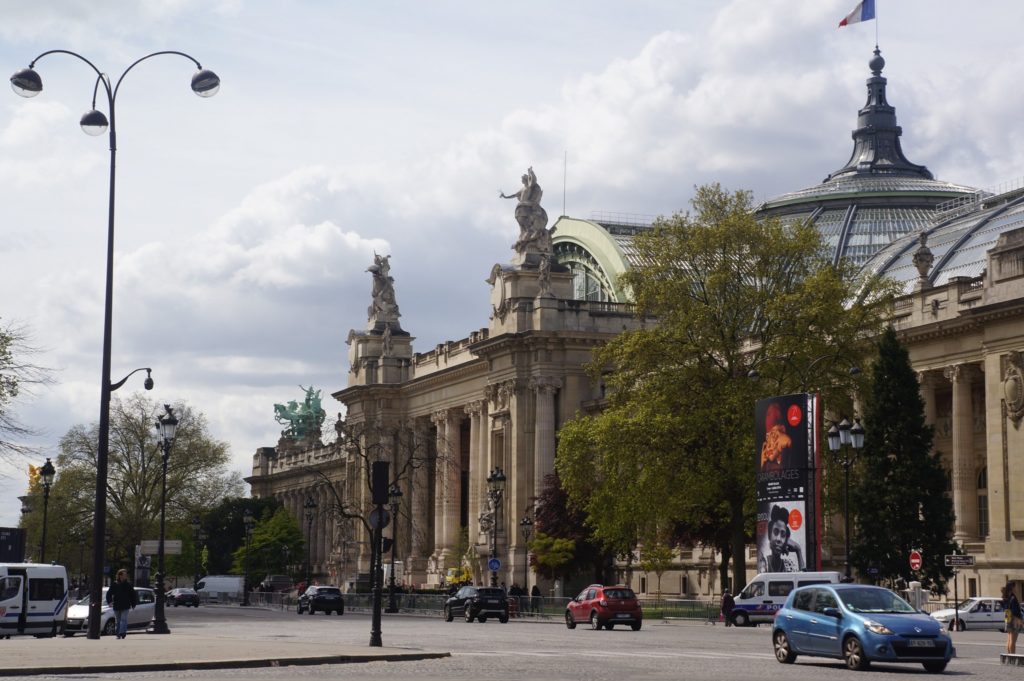
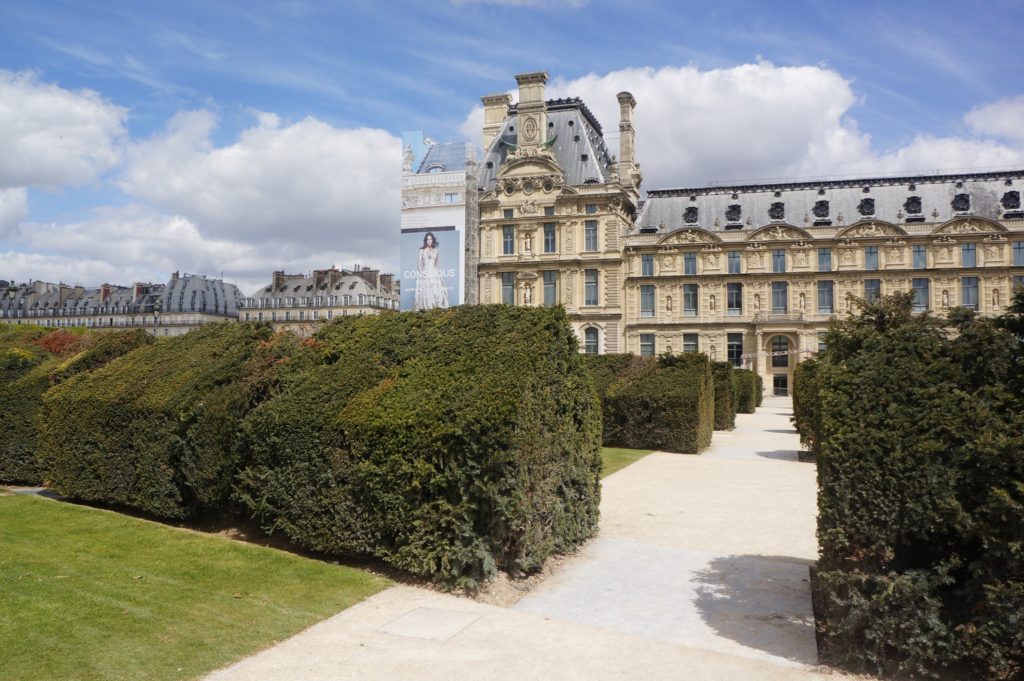
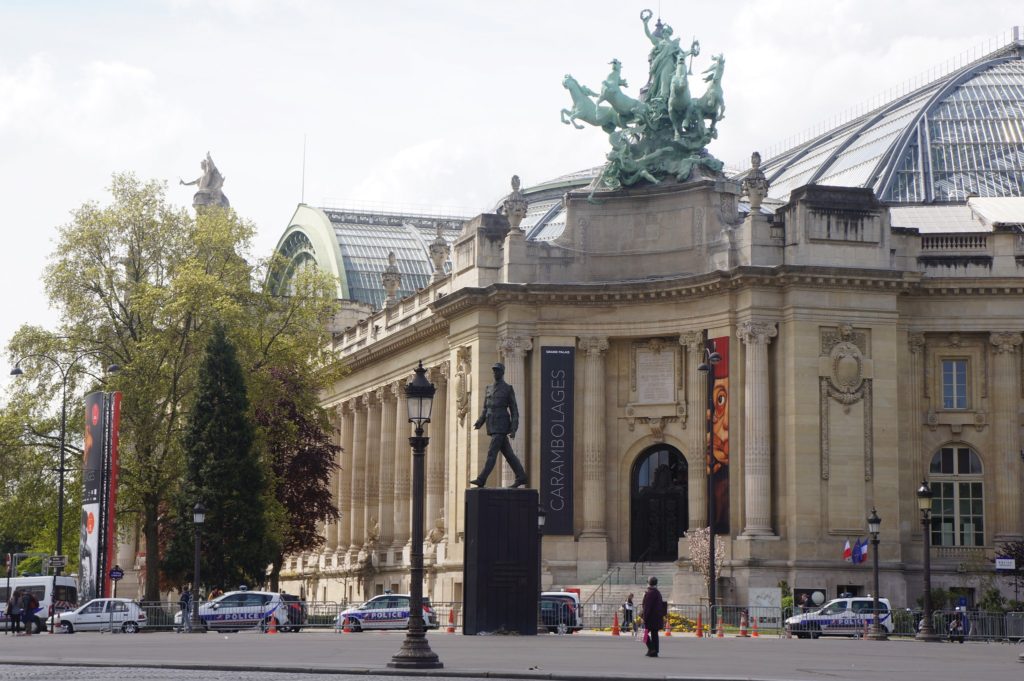
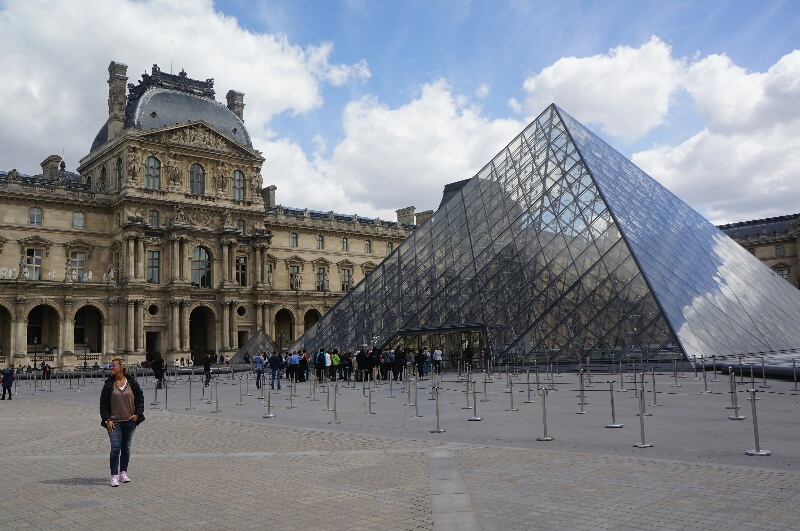
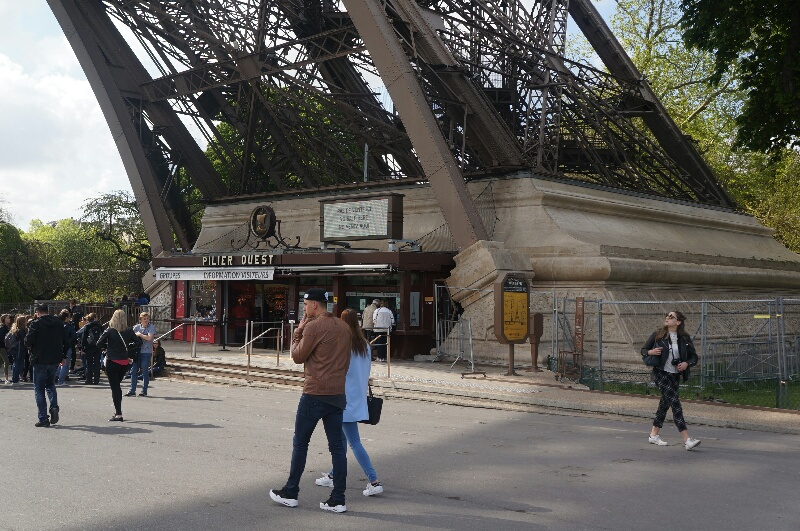
Paris Photos


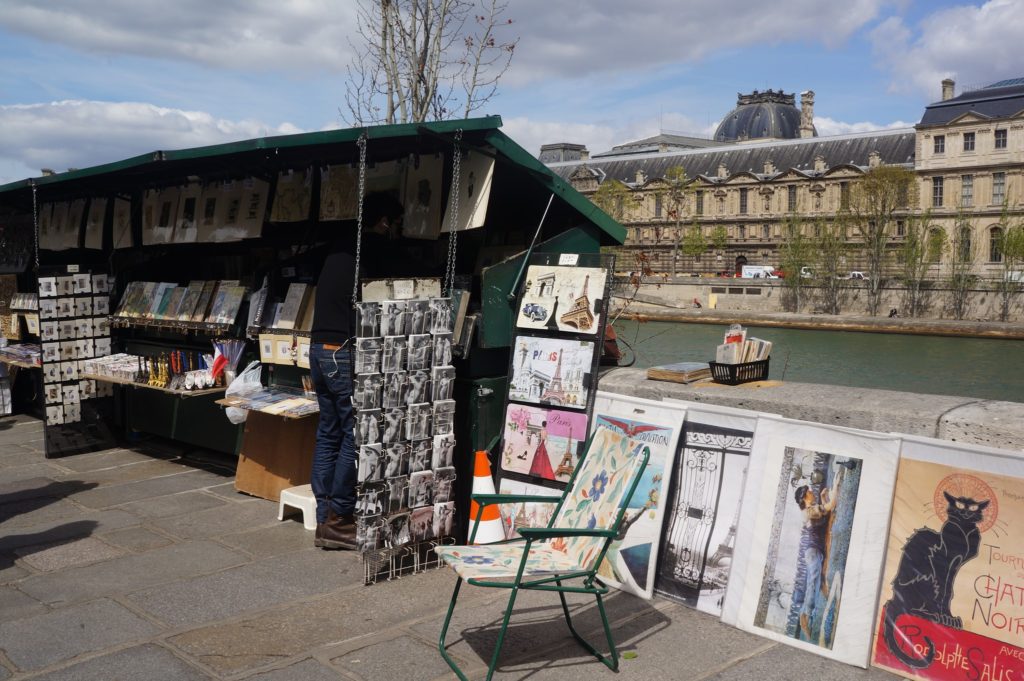
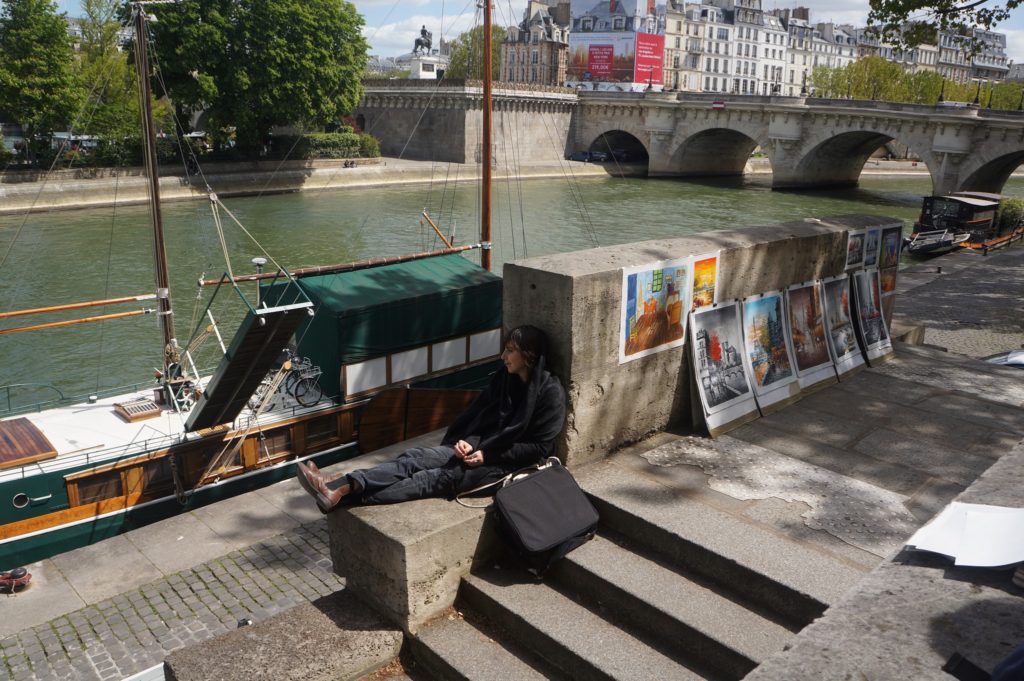
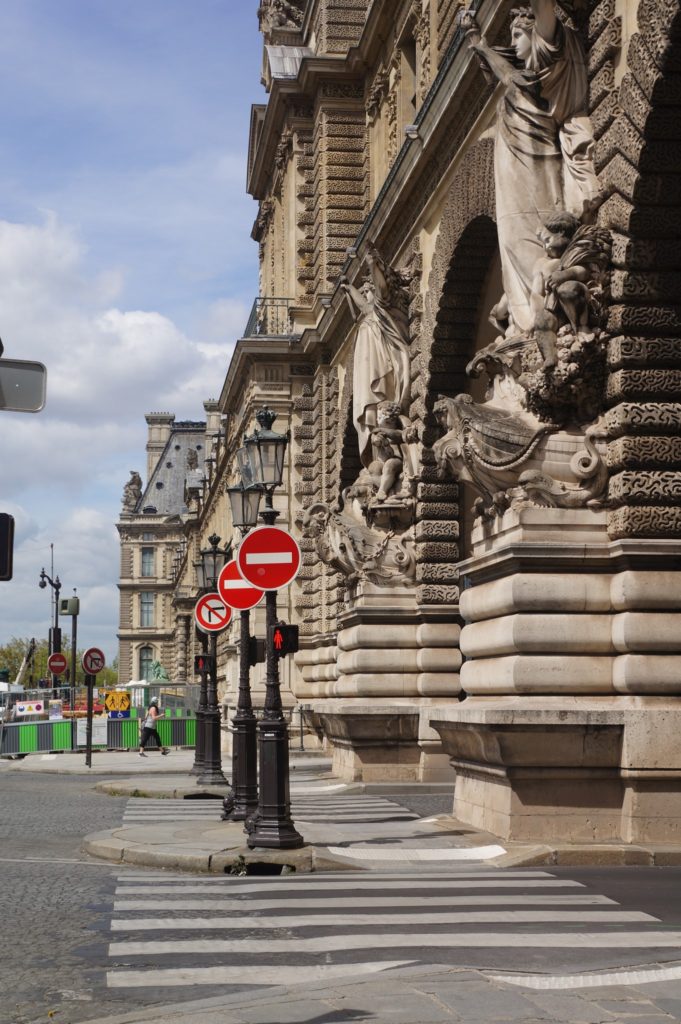
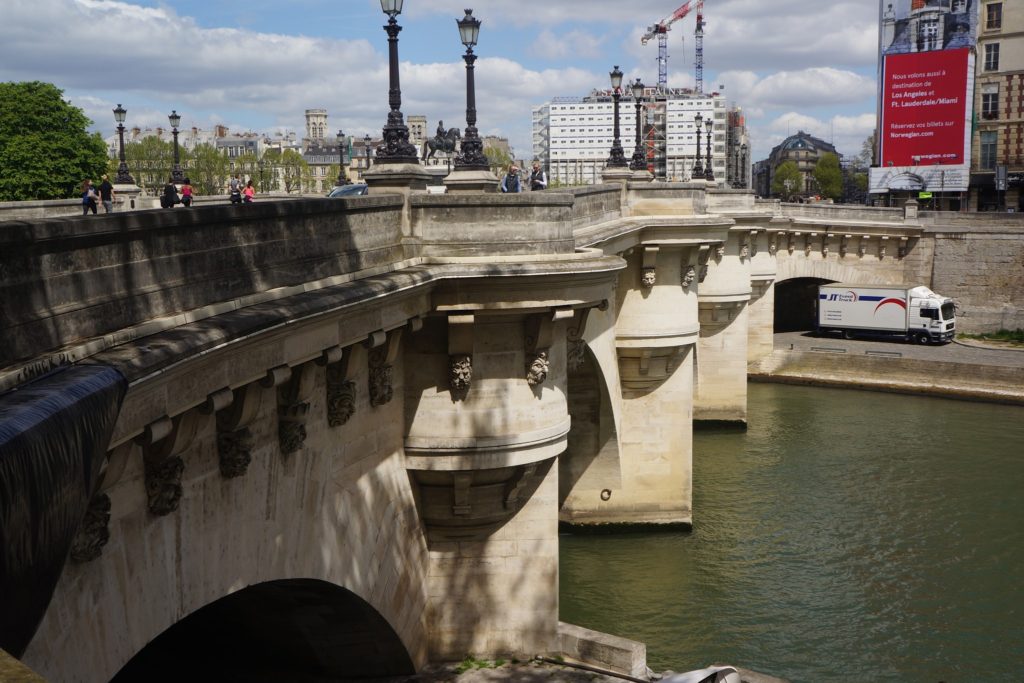
I love Paris in the springtime

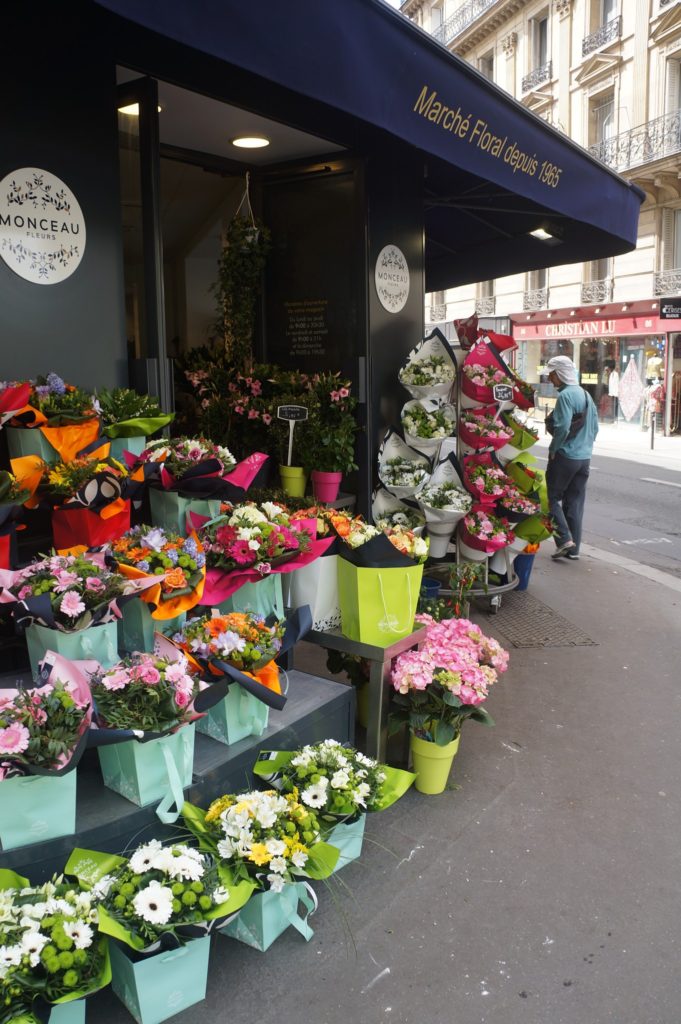
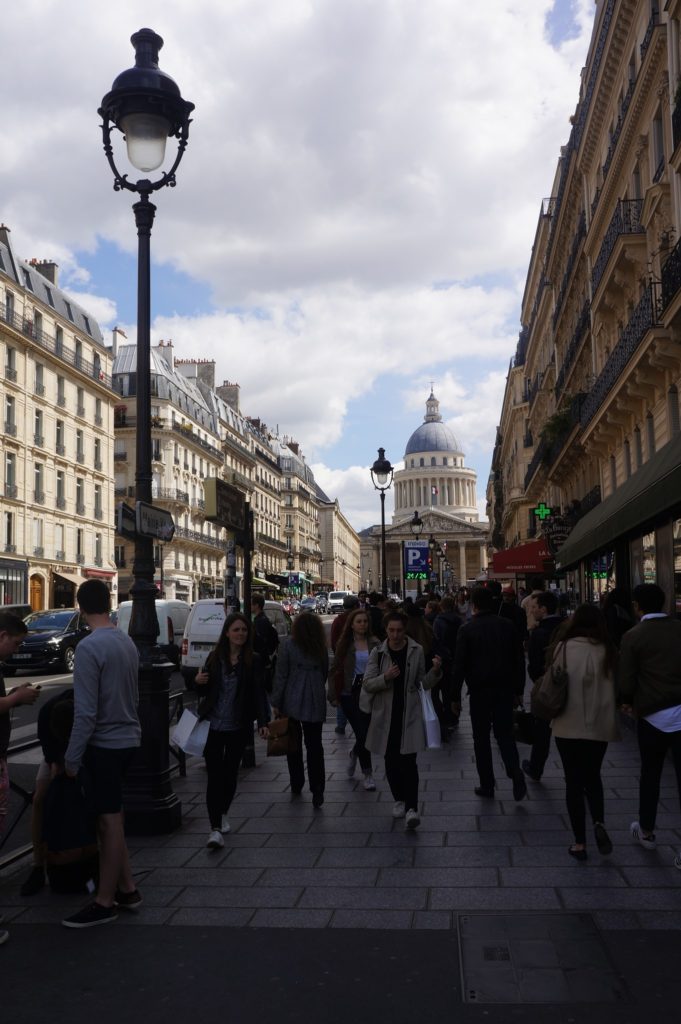
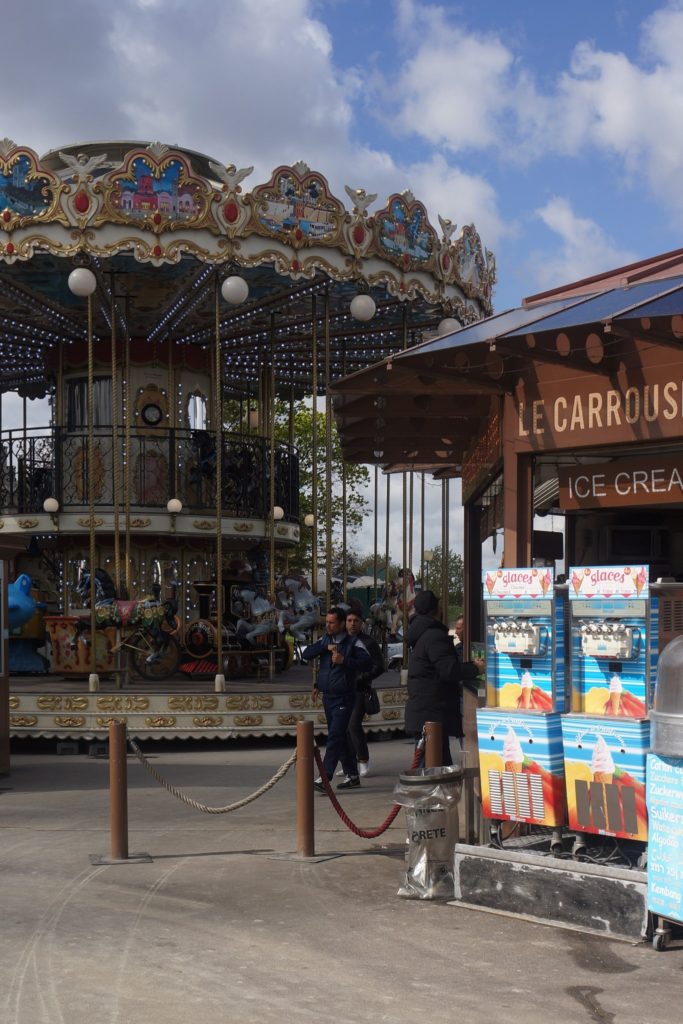
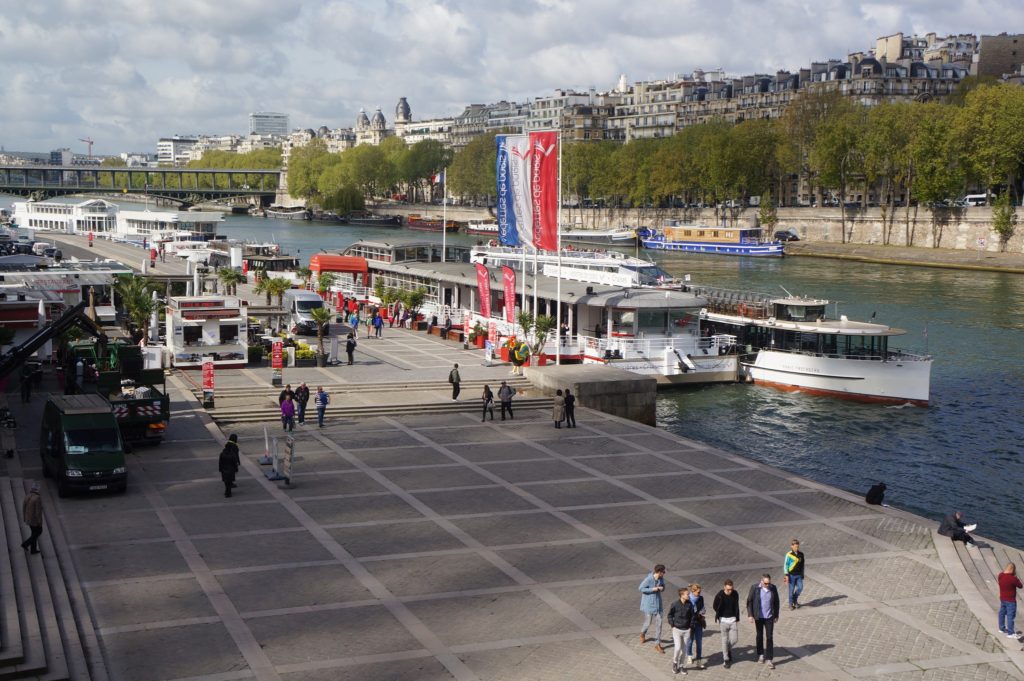
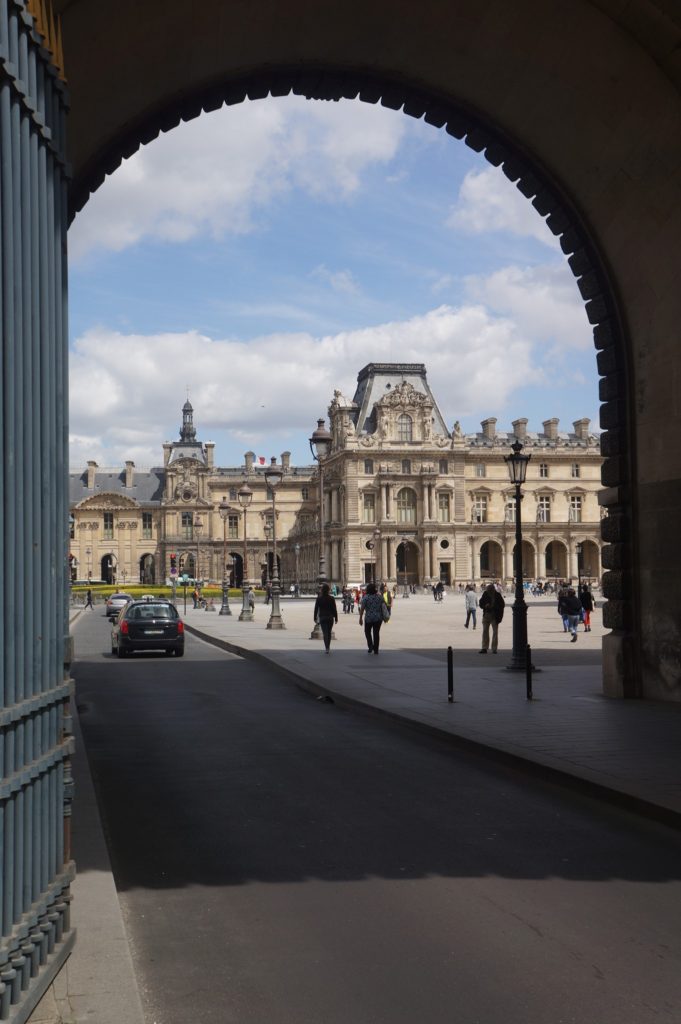
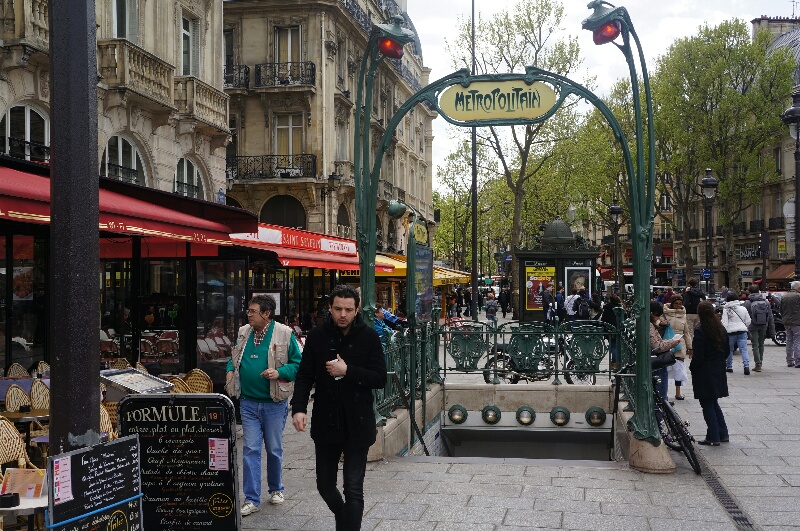
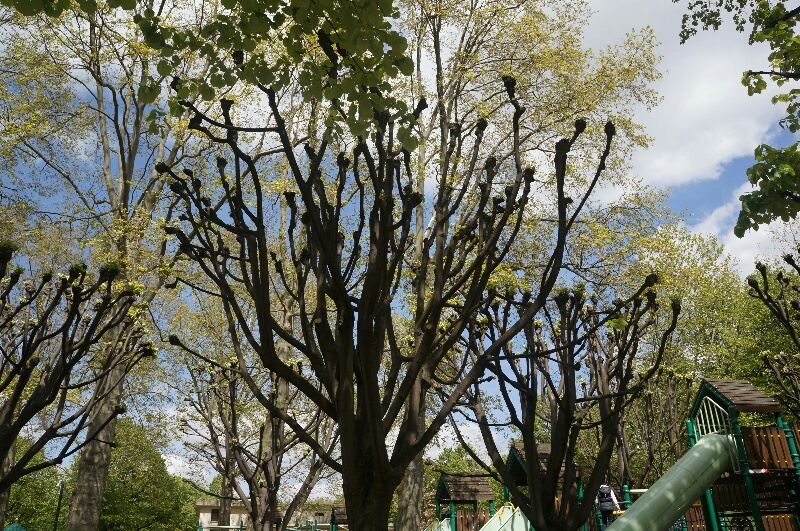
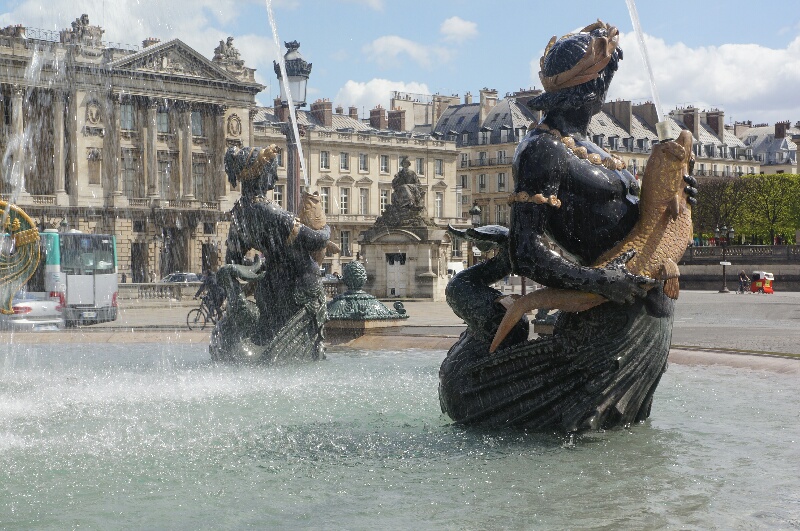
Yes it is spring in Paris and it is sunny and warm with new blossom and leaves on the trees.

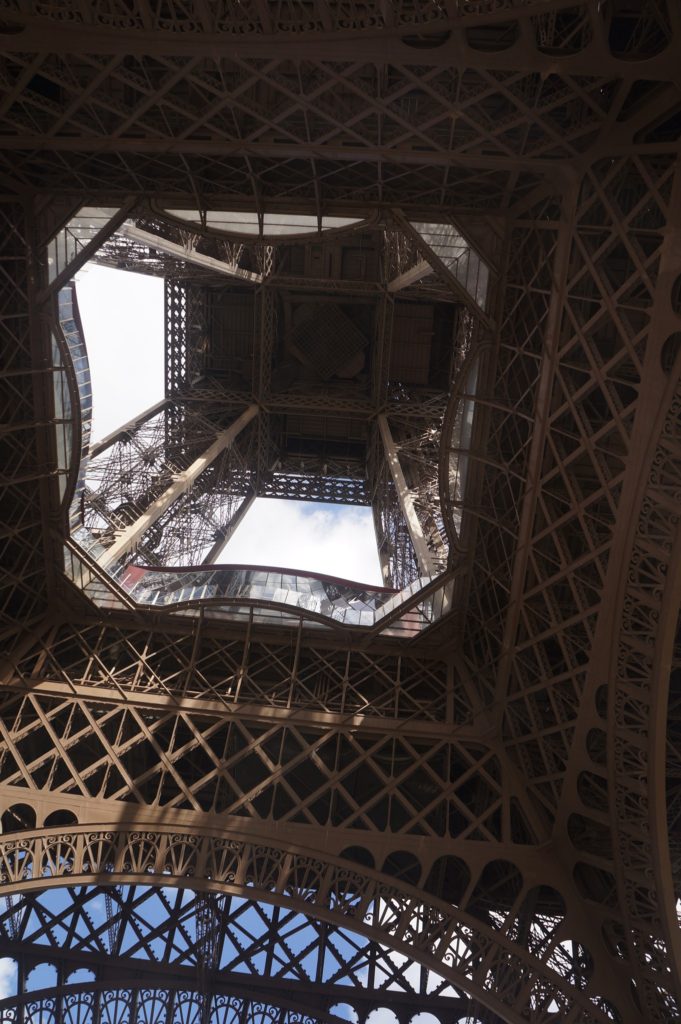
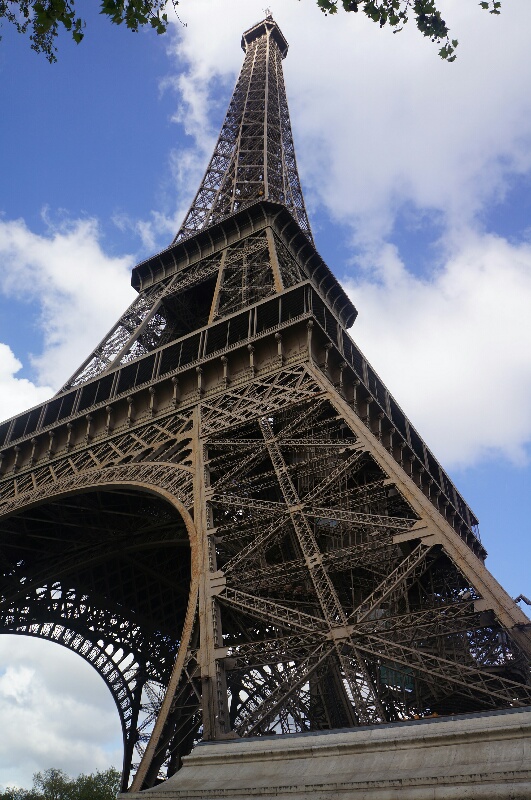
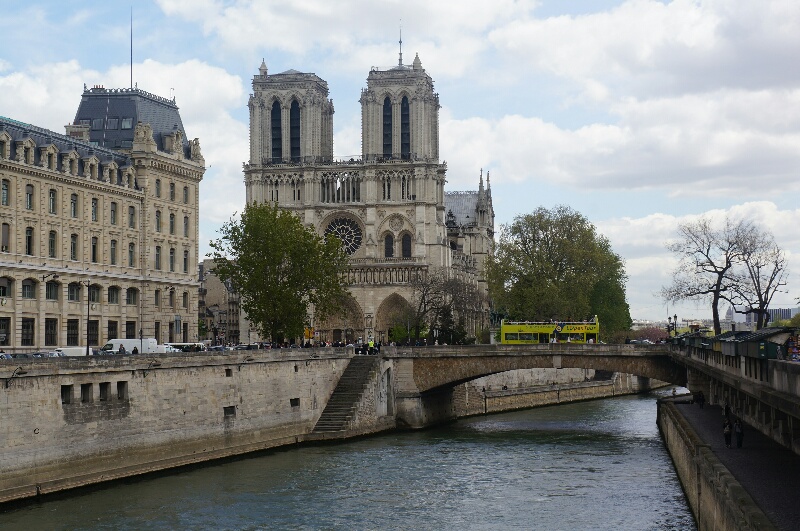
We were last here in 1978, 37 years ago, half a life time. We were here for our fifth wedding anniversary which I guess was appropriate as Paris vies with Venice as being the most romantic city in the world. We were camping in the Bois de Boulogne and were here for about 3 days. We ticked off all the tourist spots, the Eiffel Tower, the Arc de Triomphe, Notre Dame, the Mona Lisa and Venus de Milo at The Louvre, Sacre Coeur and went out to Versailles. The Centre Pompidou was newly open and an architectural sensation so spent some time there and went to the Folies Bergere which were still considered slightly risque back then.

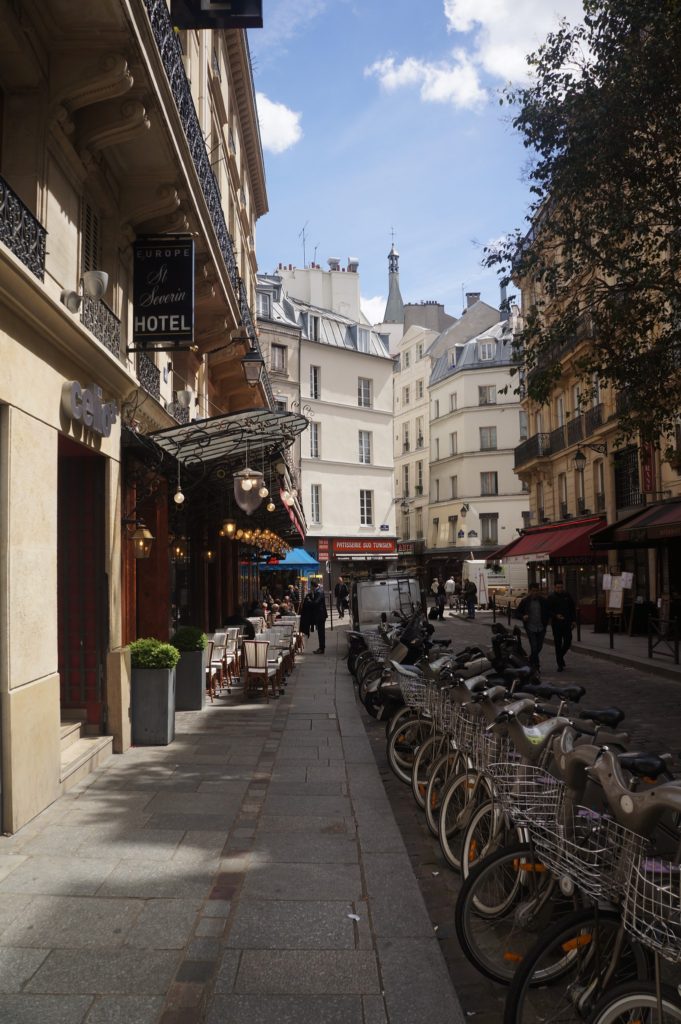
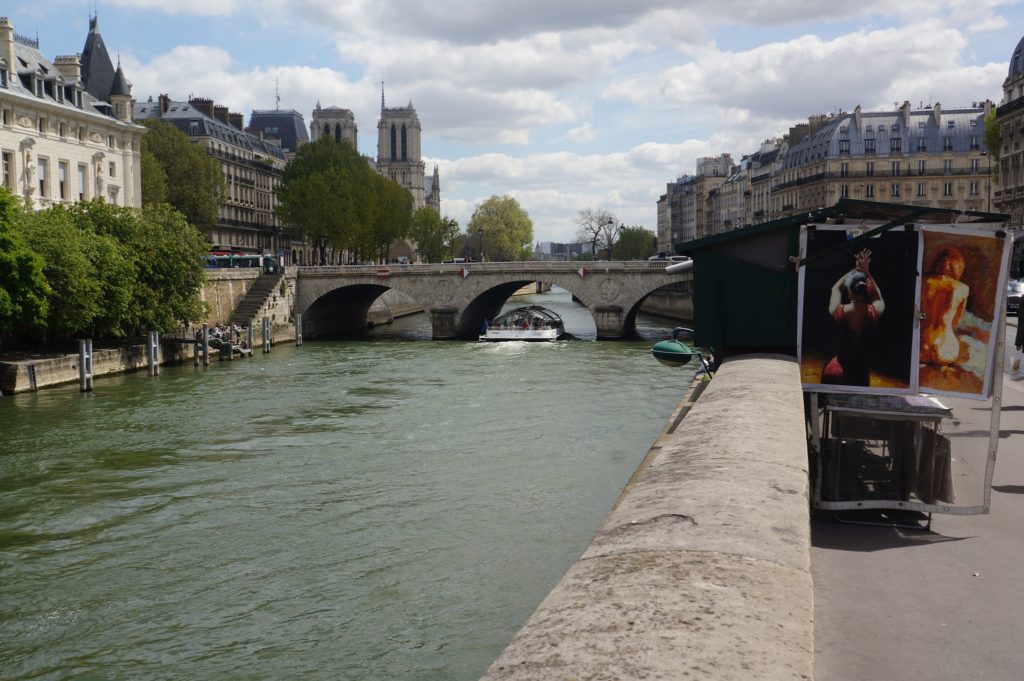
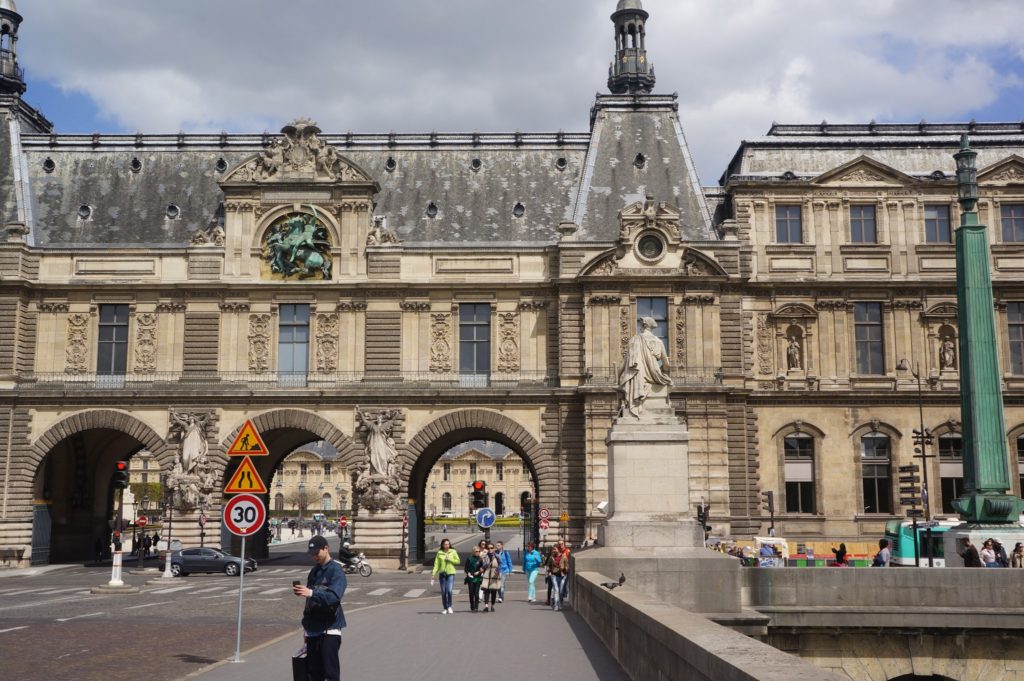
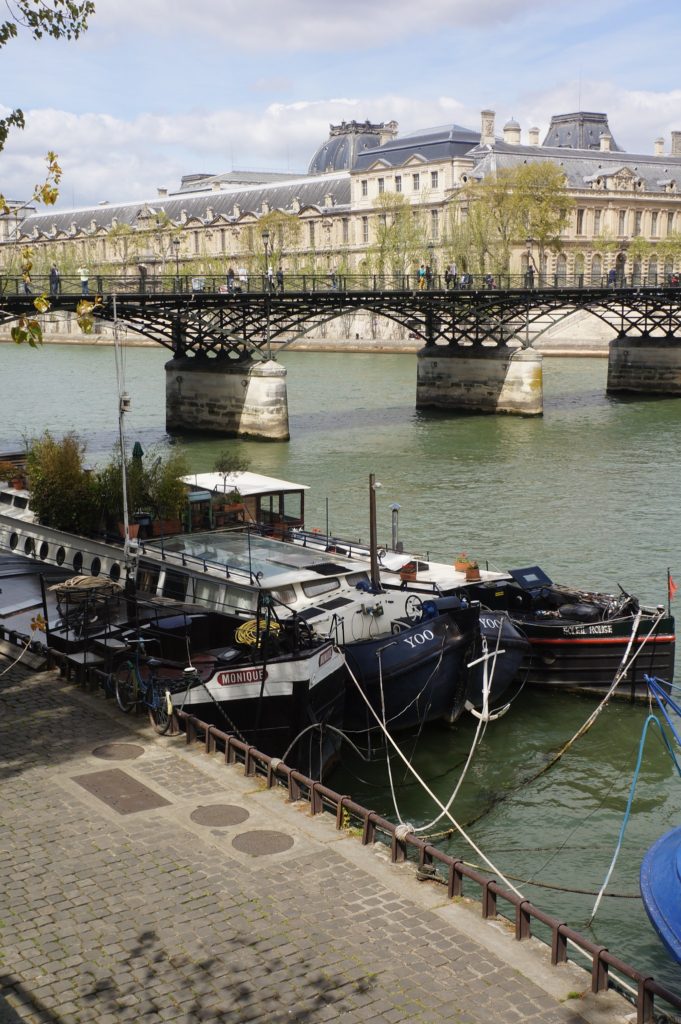
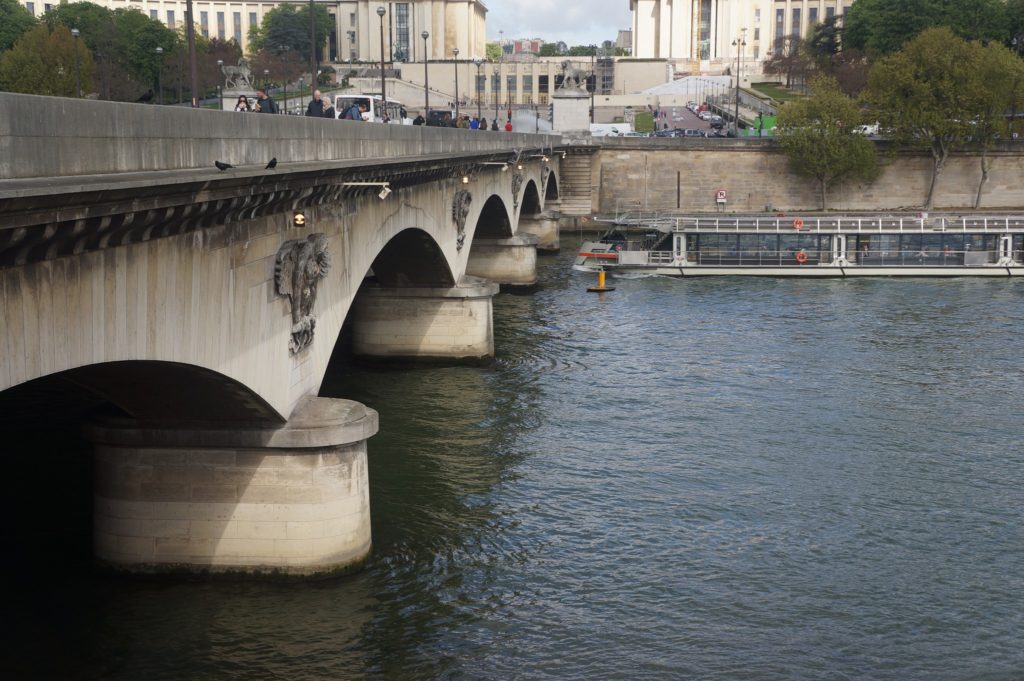
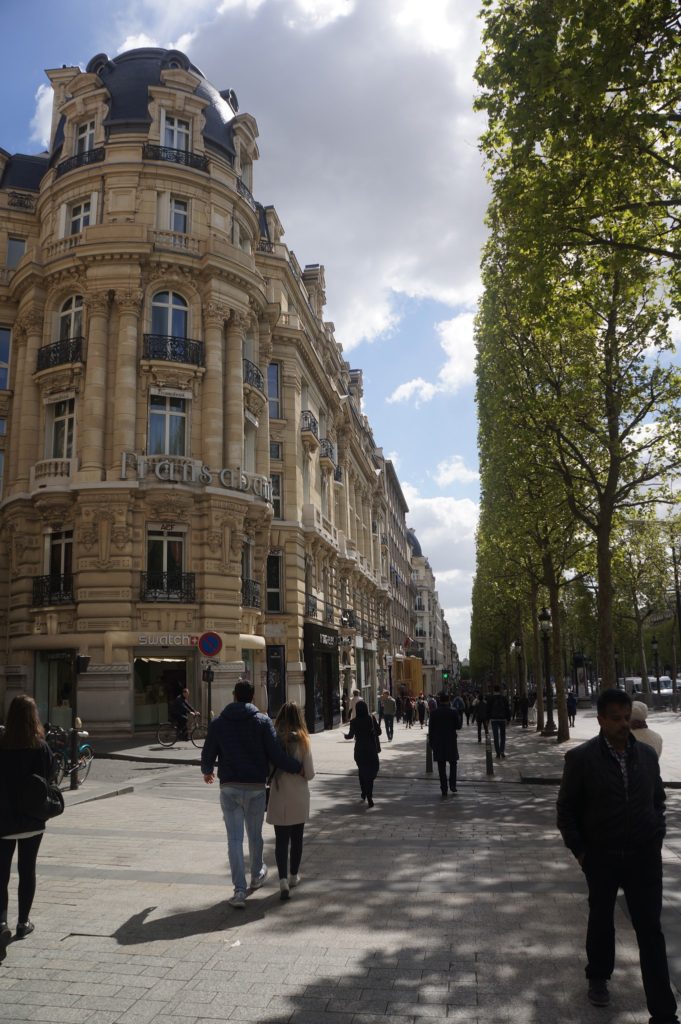
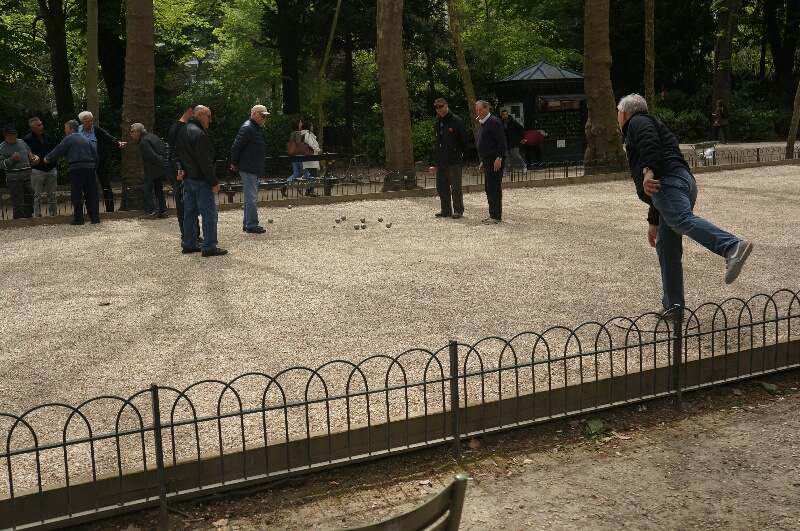
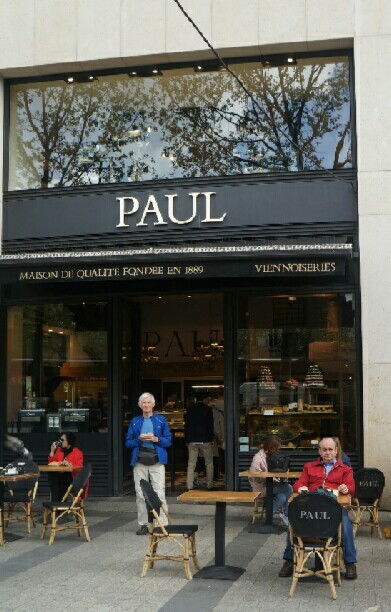
This time we are only here a day before catching the TGV train to Bayonne tomorrow. We decided not to join any queues at museums or galleries or towers or river boats but to just take to our feet and soak up the sites, sounds, smells, tastes and feel the warmth of a lovely  Paris day.

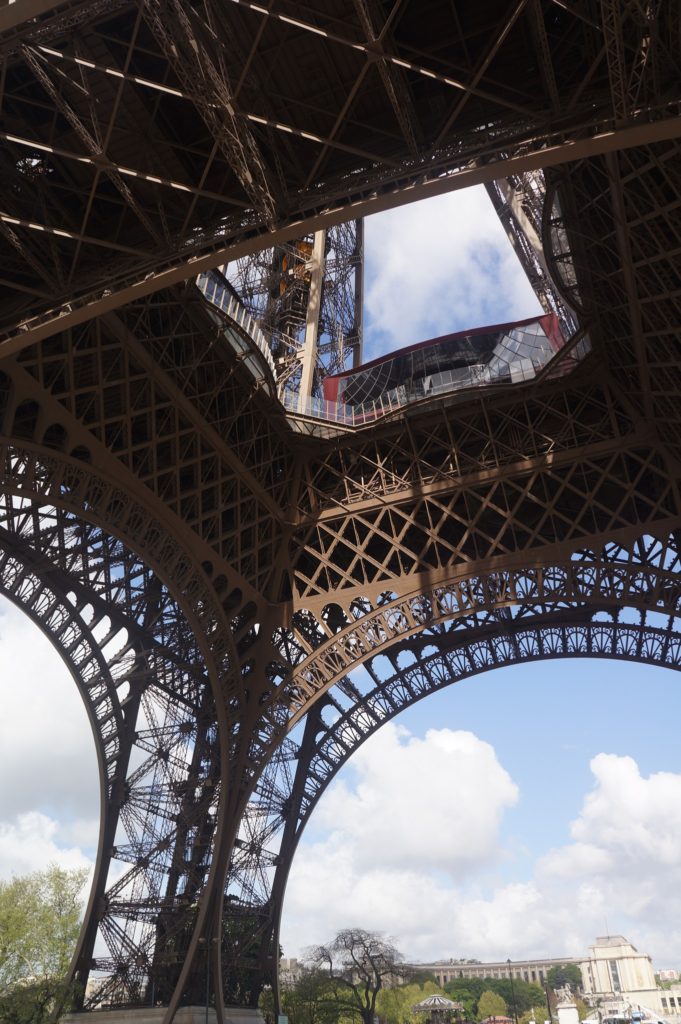
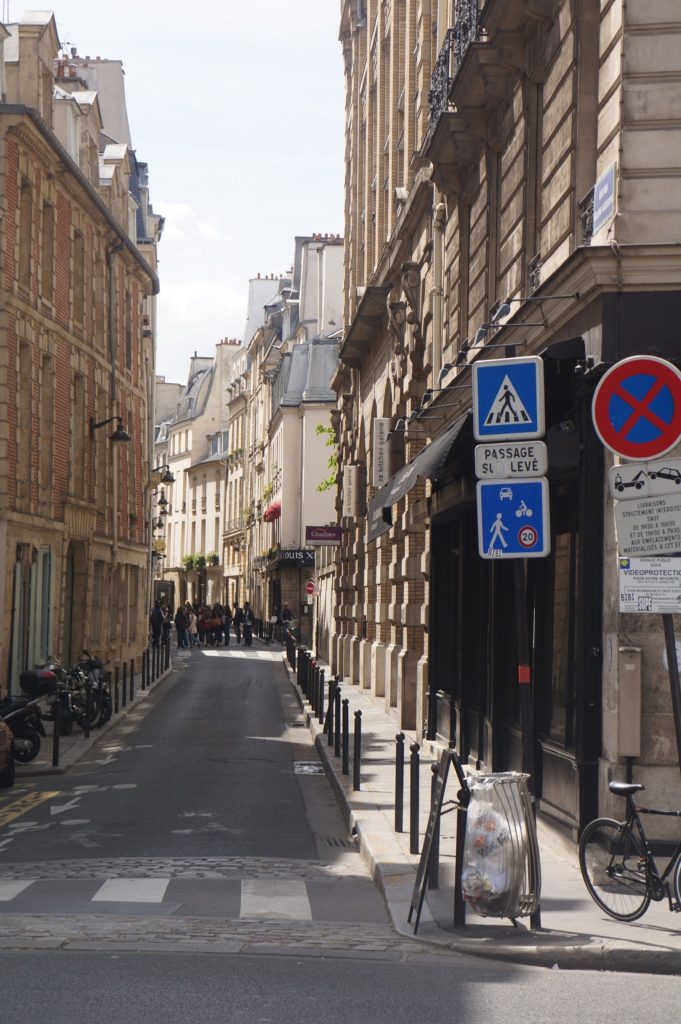
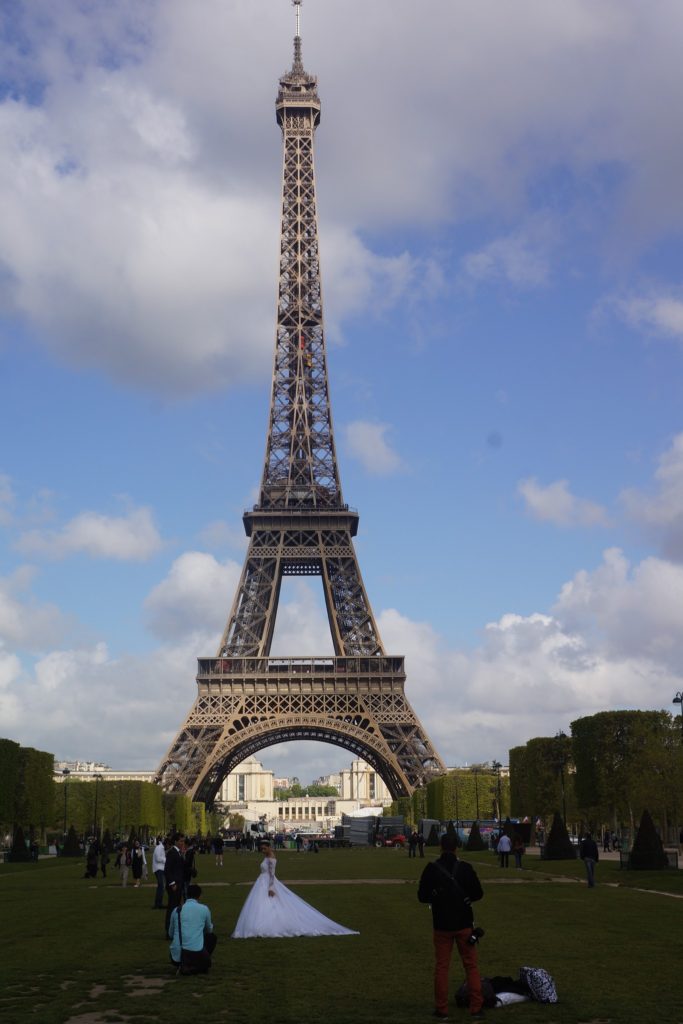
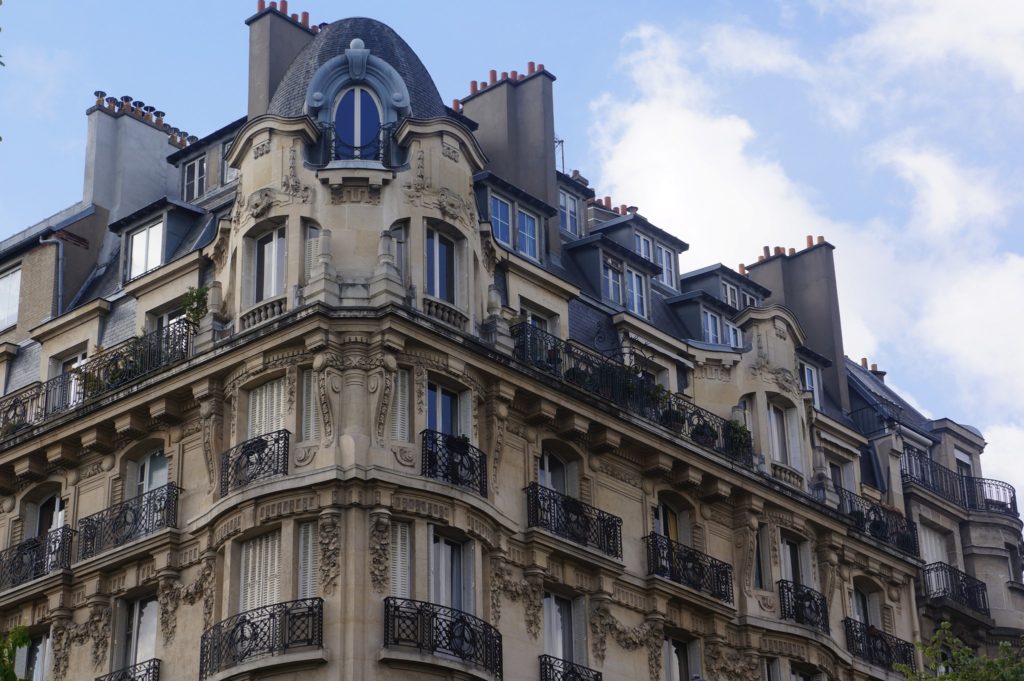
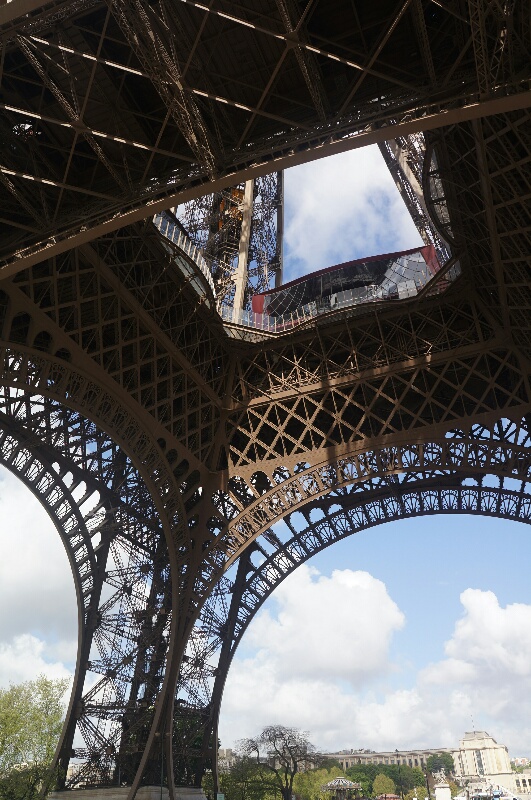
We headed off toward the Eiffel Tower thinking this is a pretty big landmark and should be easy to find. Leaving our hotel we could see it off in the distance but after winding through narrow streets flanked with five or six story apartments we kept losing it until it popped up off to the left or right but still the same distance away.

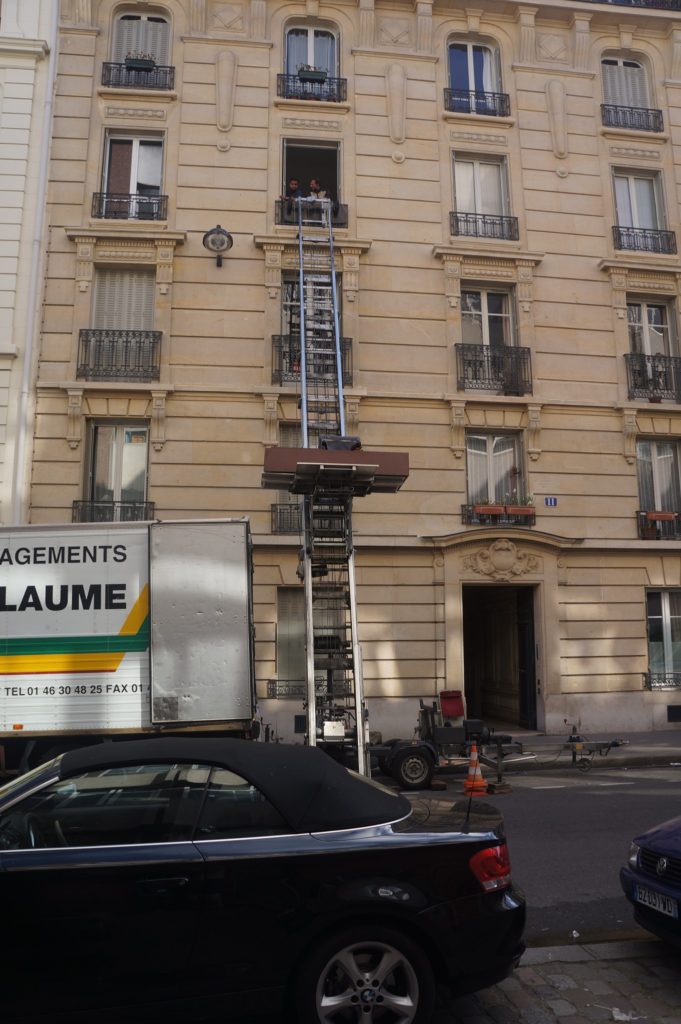
This became a bit of a game as rule number one was no consulting a map. We did come across some interesting things. In a narrow street we saw a sort of conveyor belt contraption propped up at an angle against the building. A house lot of furniture was being loaded up to a little balcony on the third floor. We knew a lot of these older apartments had no lifts so now we know how they move their belongings.

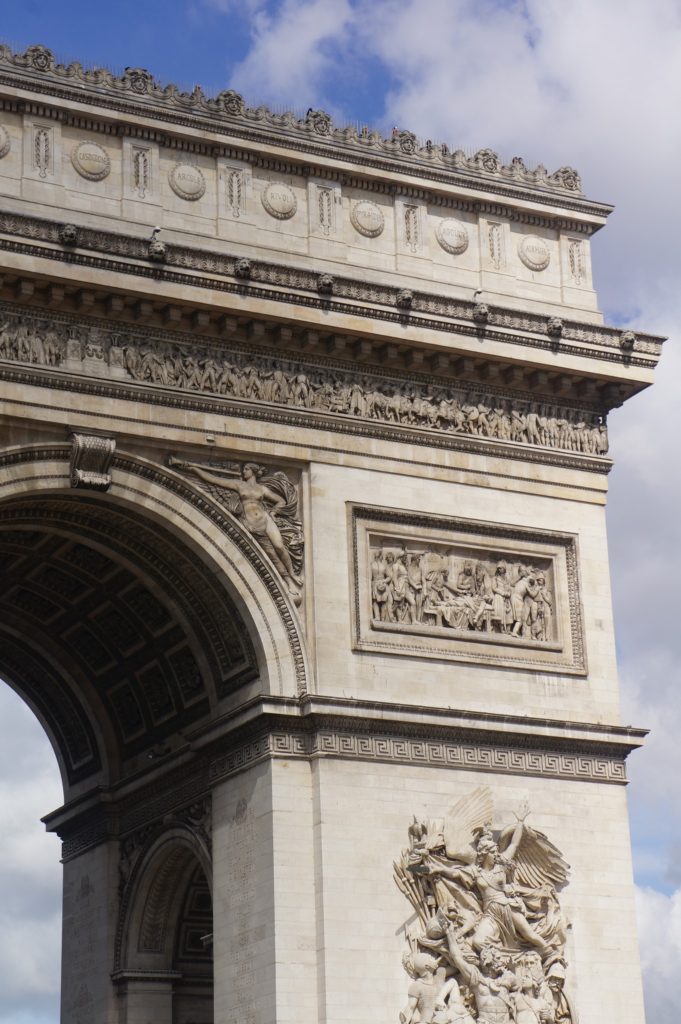
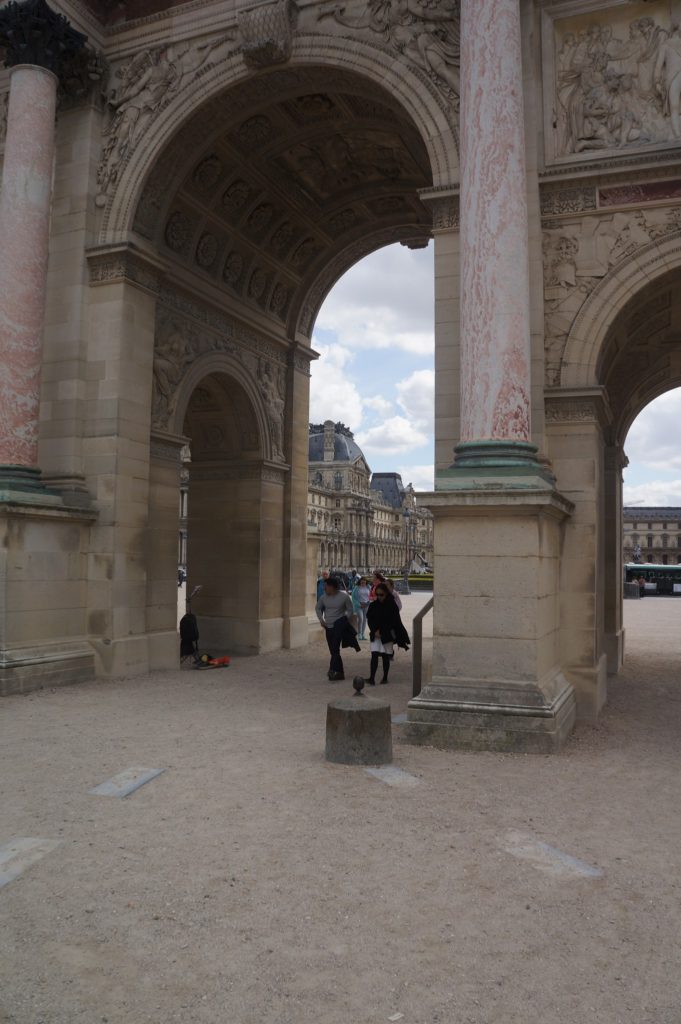
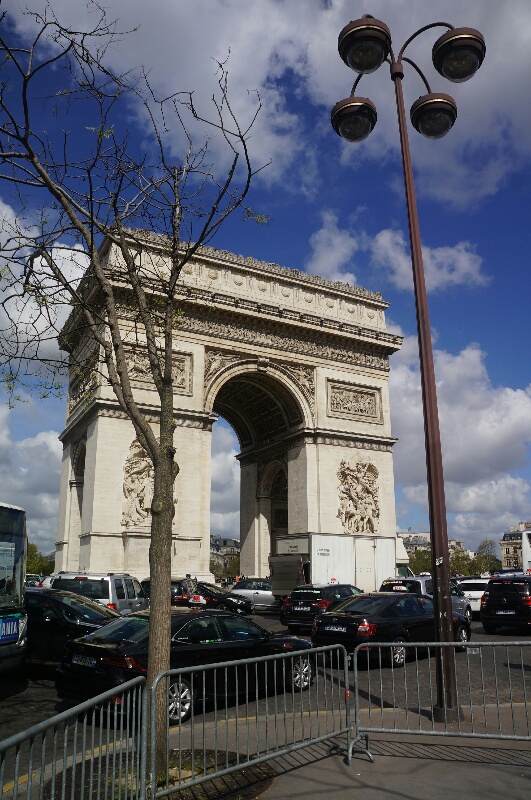
Then to the circus of the Arc de Triomphe which is the epitome of organised chaos but somehow seems to work. Twelve roads radiate from the roundabout and there are about six layers of vehicles circulating and trying to enter and exit. If you are in the roundabout you give way to anyone entering which seems crazy. While there we saw a crash that injured a driver so a police vehicle and ambulance joined the circus. Three policemen stood in the road at the busiest intersections , waving their arms and blowing whistles. They were studiously ignored and almost run down many times. It’s amazing that tour coaches and eighteen wheeler trucks join this crazy dance.

Barbara is disappointed she is not getting to use her school girl French as people look at us and speak in English. At a cafe for breakfast she bravely asked for deux omelettes avec fromage et jambon s’il vous plait and the waitress said “right two ham and cheese omelettes, what would you like to drink”?

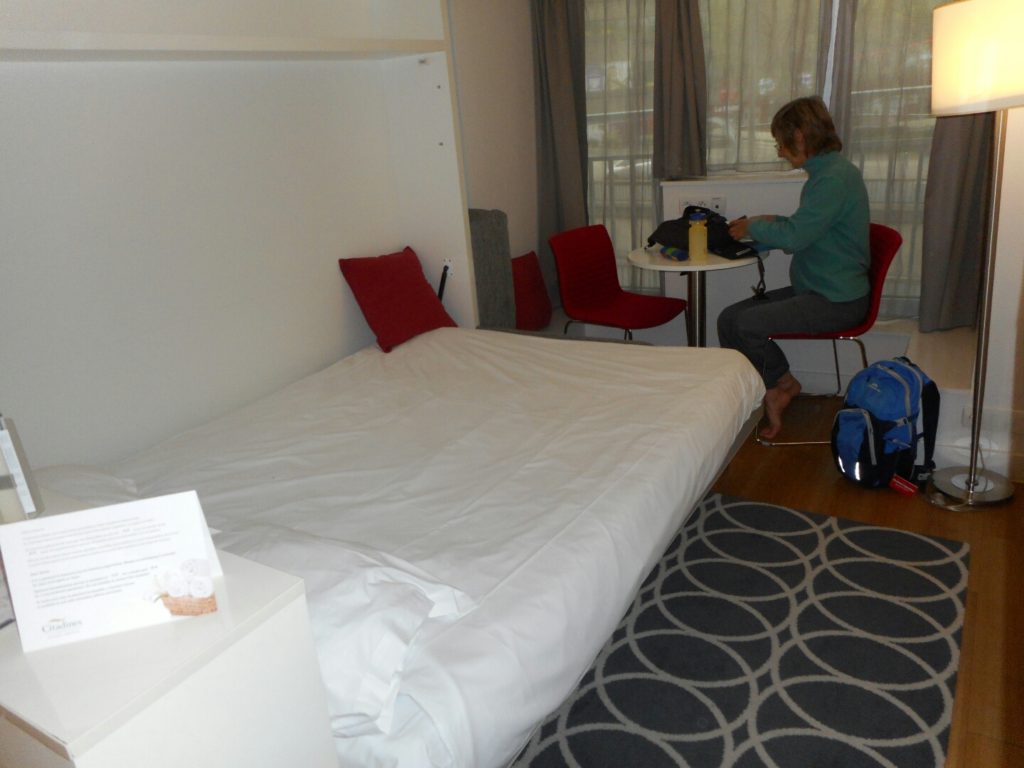
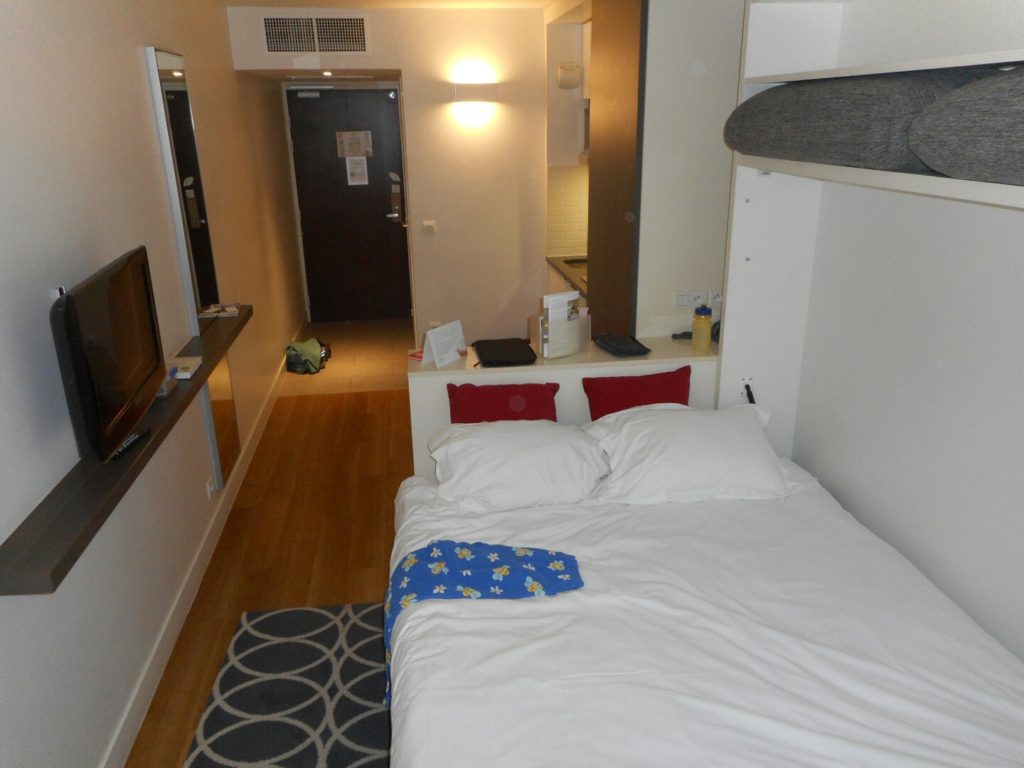
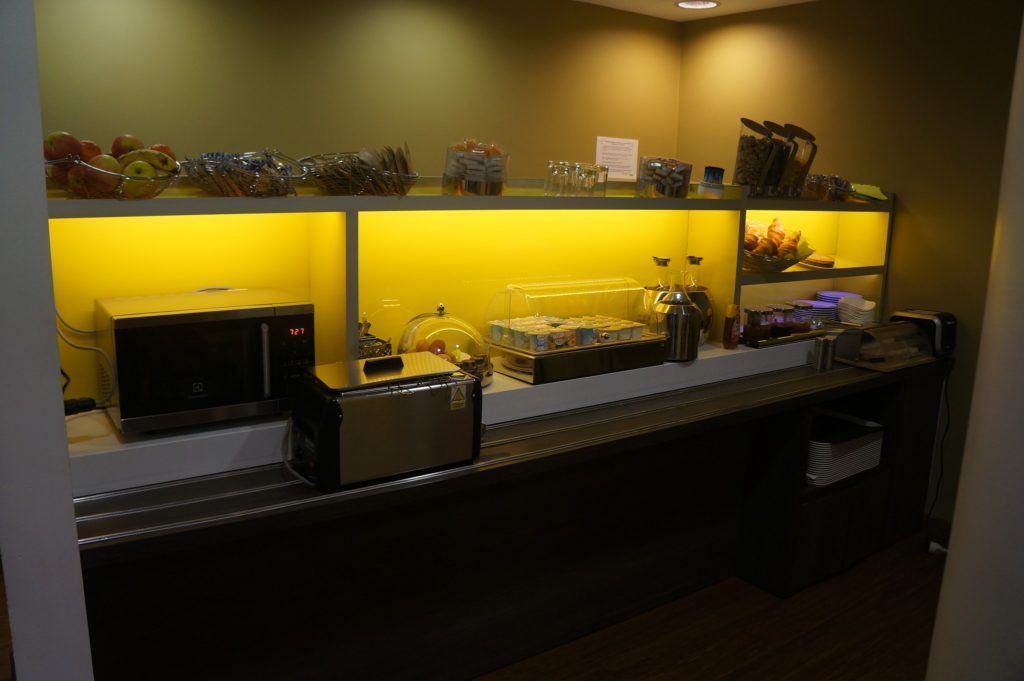
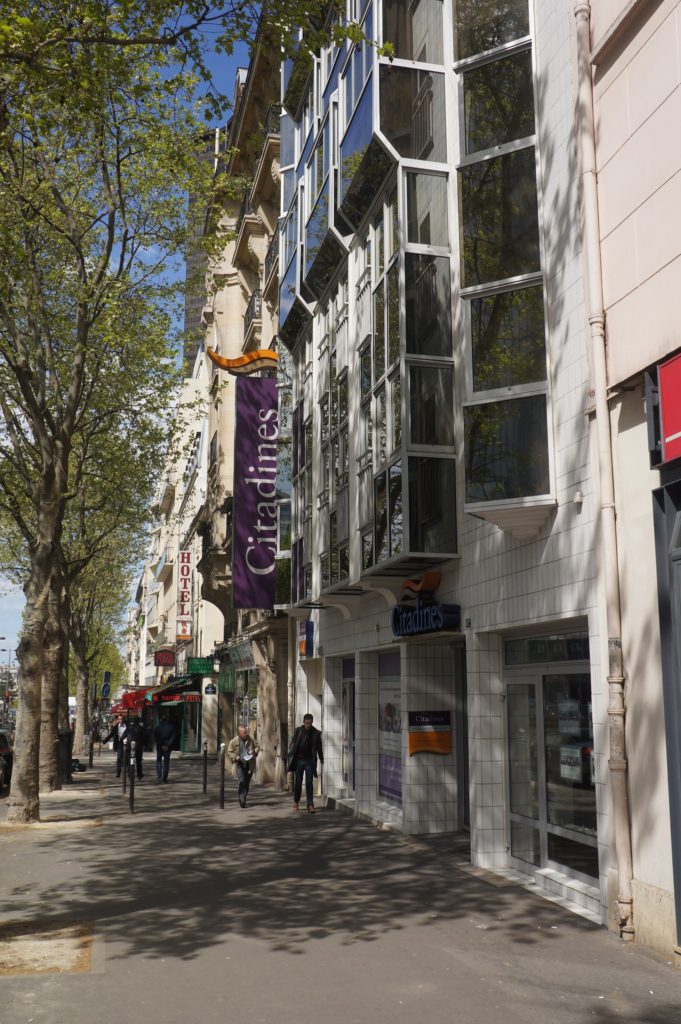
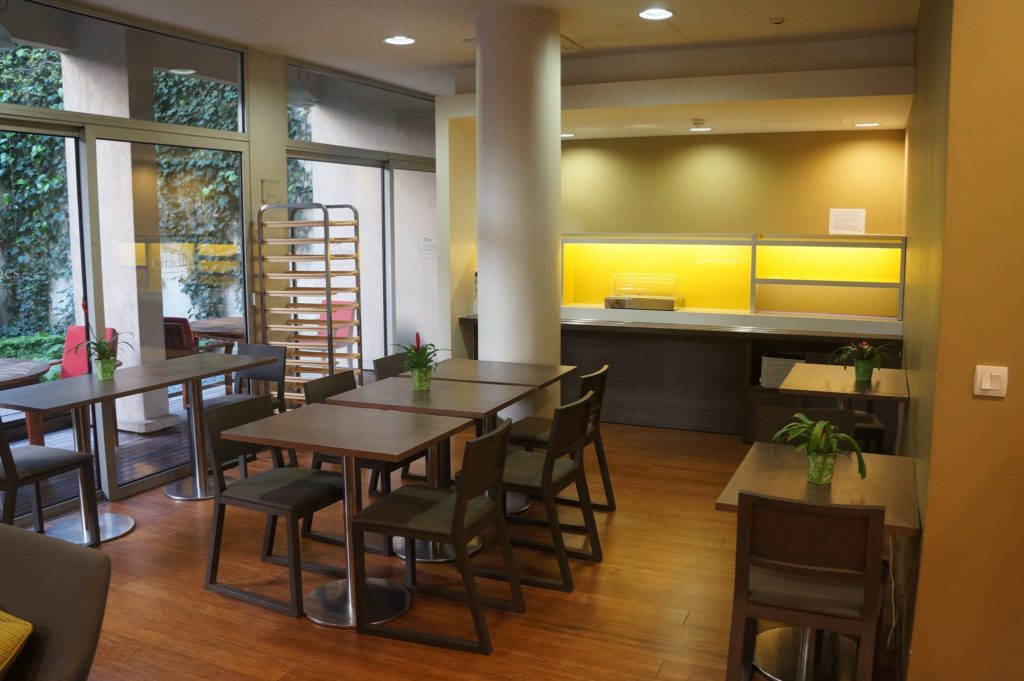
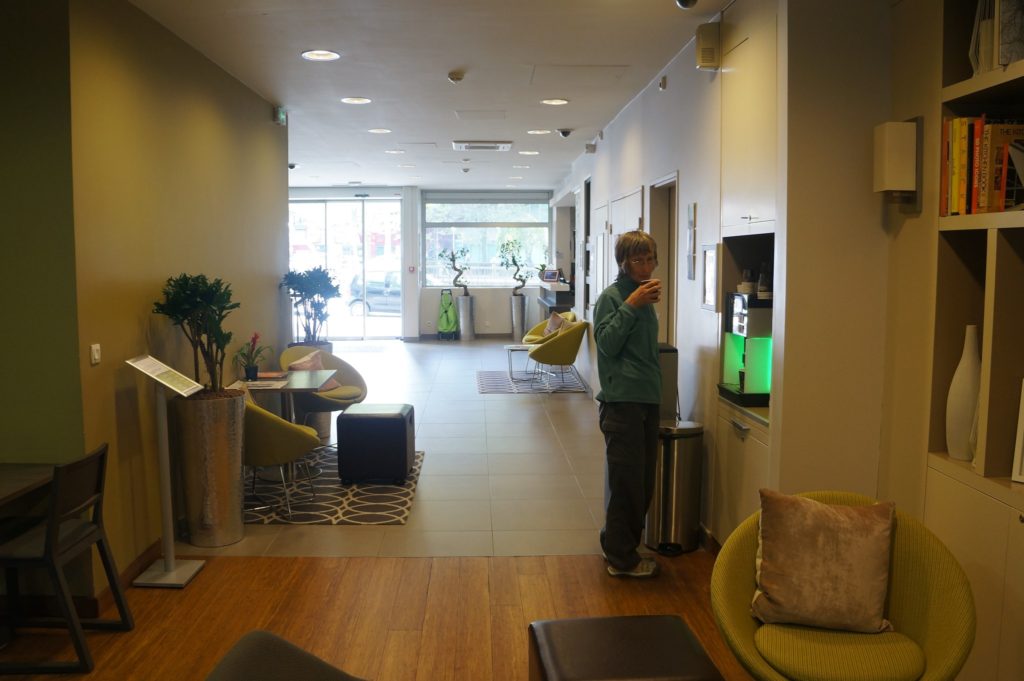
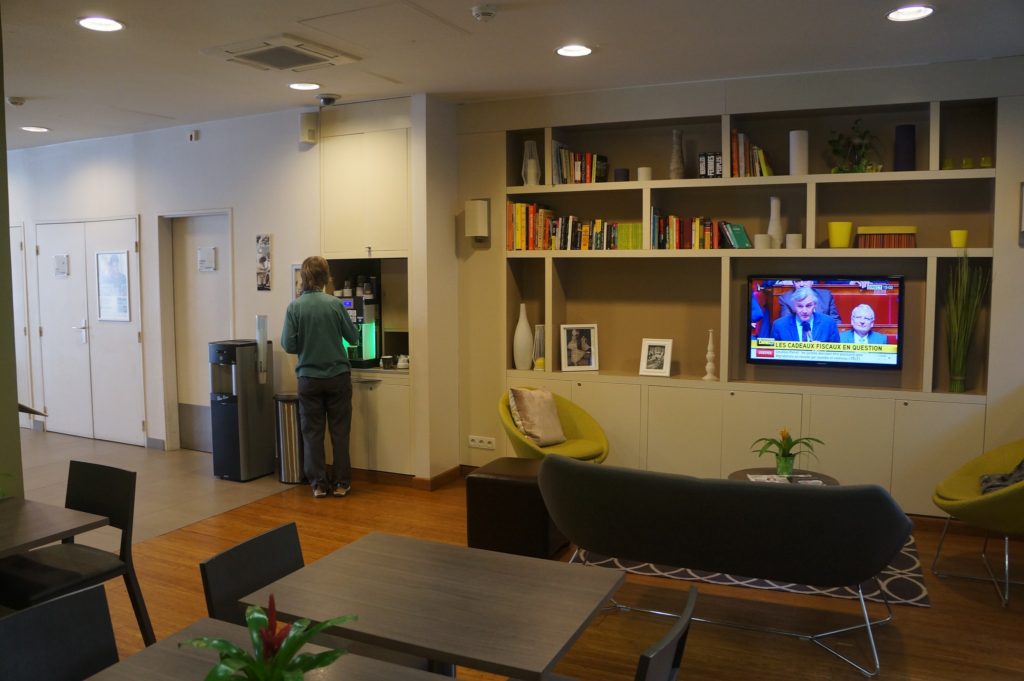
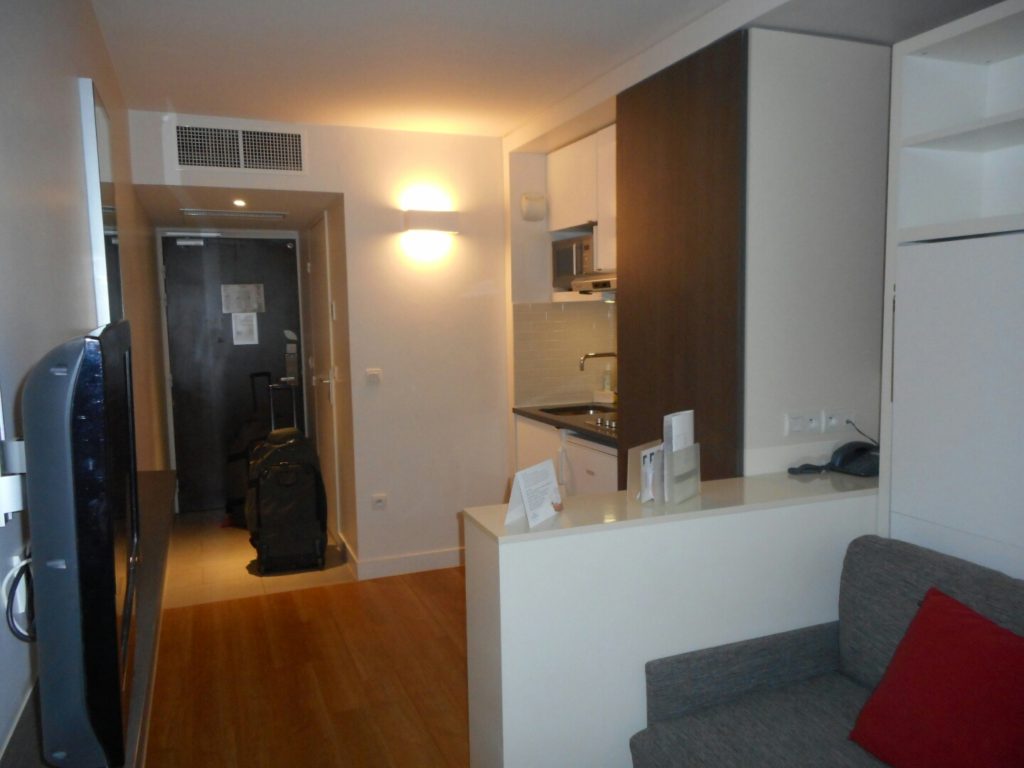
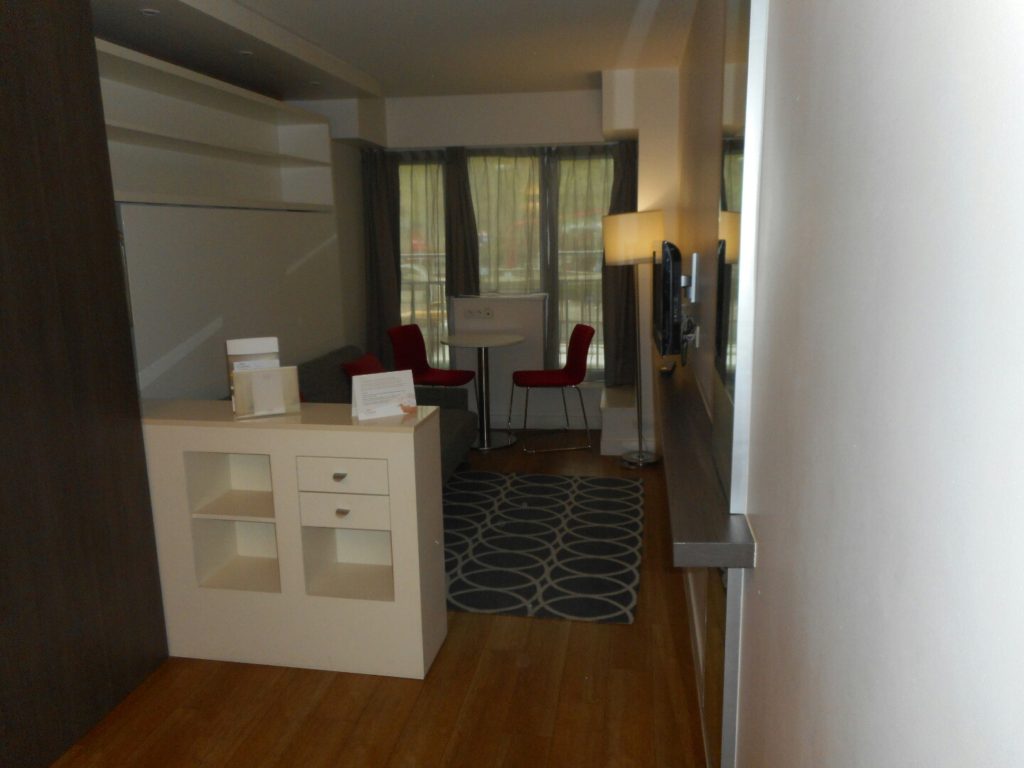
The hotel room,  actually a tiny studio apartment,  is great. Two minutes walk from the Air  France Les Cars shuttle bus stop and the Gare Montparnasse TGV train station. It is very trendily modern, has a bathroom with bath, a fully equipped little kitchen, wee table, with two chairs, couch, and a “Murphy” bed. The whole place only works because the couch sort of folds down onto the floor and the double bed hinges down out of the wall. With the bed down there is very little space for your bags or to walk around.

Tomorrow we head south.


I joined a queue in Shanghai

Today was a contrast in two flights.

Air NZ departs at 11pm for a twelve hour flight. So we all start weary after a full day. There’s a meal at 1am which you don’t really want and then the cabin is darkened and you try and sleep or stare numbly with increasingly sore eyes at the back of the seat in front of you. There’s a moving image but you keep losing concentration on it. And your mouth gets drier and drier and your nose and ears block up. After hours and hours you look at your watch and 15 minutes have passes.

The passengers are 95% Chinese and they all seem to have brought young children. The children all want to scream and after a while you want to scream too. It’s dark inside and dark outside but nothing to see anyway because it’s all sea. After a lifetime the walking dead emerge into a hot humid beige haze land.

For some reason our luggage could only be checked through to Shanghai,  not Paris as other people’s were. So instead of going to a transit lounge with no formalities we had to fill out an arrivals card, queue for immigration, wait at baggage claim, queue at Customs and queue at security. Then a 2 km walk through what must be the largest terminal in the world to check in at Air France. No eticket kiosks here. Queue for ages to get a boarding pass, queue for security, queue for departure card at immigration. A 2 hour 50 minute stop over and spent 2 hour 20 minutes in queues.

We were not looking forward to the second flight of the zombies. But no, what a difference. The flight left at 10am so all the other passengers were fresh and excited, they were Chinese excited to go to Paris and French excited to leave China and go home.

After 2 hours lunch arrived and it came with champagne, wine and beer, and concluded with aperitifs. And it all came with chic, elegant flight attendants who truly smiled with their eyes and not fake smiles with only the corner of their mouths. They purred at you seductively in French even if they were only saying merci monsieur. I think lack of sleep and relaxing after lunch with a small bottle of cognac were having their effect.

Barb thought the flight attendants were a bit intimidating being so tall and immaculately groomed.

Little groups gathered in the aisles and the lobbies to the galleys and the rest rooms and everyone was very chatty and smiling and making new best friends. A million selfies were taken with nameless people you will never see again. Next month: delete, delete, delete.  Nobody bothered watching movies.

Outside and inside it was bright and we flew all day in the sunshine and it was all over land even if it was Mongolia or all the Stans. Is there an Anzacistan somewhere in Turkey? The only nagging thought was how many war zones we were crossing. In no time we had landed and it felt like you had spent a pleasant afternoon with convivial friends and you sort of didn’t want to leave.

It is interesting to sit in the plane and listen to the difference between Chinese and French. To me Cantonese seems to be sharp and jagged and shouted. French seems to be soft and silky and almost whispered.

Everyone talks about airline food so here goes. The food on Air France is no better than Air NZ. It is just slightly more adventurous and interesting.  What seems delicious in French is just a bit ordinary in English. On Air France, in the afternoon when the throat was starting to get a bit dry,they brought around ice cream on a stick. Just perfect.


Physical Preparation

For our age we are reasonably fit and healthy. We do an awful lot of cycling, regular walking and a little swimming. In February we went to Tasmania for 3 weeks which included some walking and 10 days of cycle touring with panniers. We had concentrated on keeping cycling fit and decided to leave preparation for the Camino until after we returned from Tas.

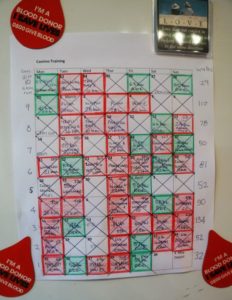
The chart below is a record of the training we did over the last 10 weeks:

DSC00003

The red squares are walking days, the green are cycling days and the white days were sitting out in the sun practicing drinking red wine and eating tappas.

Walks less than 10 km and rides less than 40 km are not recorded. We did a total of 708 km walking and 846 km cycling.

At the start we were aerobically fit, more so than needed for walking, but not walking fit.

We used the walks to try out different socks, shoes, clothes, etc, and also experimented with day packs and walking poles. The only things we didn’t get to trial were our ponchos as it didn’t rain at all.

Twice we did a four day walk – Raumati to Plimmerton to Wellington to Plimmerton to Raumati – 110 kms. The first time, in our second week of preparation we had tired legs and tender feet with one or two small blisters and hot spots. The second time in the eighth week was much more comfortable, no leg or feet issues and we had learnt to fill our ipods with our favourite music.

We probably didn’t do enough on hills but had no problem with Hemi Matenga, Paekak Escarpment, Wharero Farm, Matai Huka or Mt Kau Kau. We didn’t get to walk in snow or practice beating off wild dogs. One thing we did have to learn was to keep our walking speed down. The key to a long distance walk over many, many days is to walk slowly and softly.

For the last six months Barbara has been learning Spanish using Duolingo, a free online, interactive computer programme. This took about 30 minutes per day.

It will be fun to see how useful that is going to be. Paul practiced weird and wonderful hand gesturing.

Now we are just itching to get started. Keep following us to see how we get on.

DSC00004


What a lot of Stuff !

This is Paul’s packing list. We are not carrying everything ourselves in tramping packs and have the luxury of having our bag transported each day. Otherwise this list would be drastically reduced.

Hi-Tec Tramping boots
Oboz walking shoes
Keens sandals
Injinji toe socks x 2
Merino liner socks x 2
REI Merino socks for boots
Walking shorts x 2
Long sleeved Merino T shirt x 2
Ristretto sleeveless under layer
Merino underwear x 2
Thin fleece jacket
Poncho
Goretex raincoat
Columbia long trousers
Long sleeved shirt
T shirt x 2
Possum hair gloves
Polypro long johns
Warm hat
Buff scarf/bandana
Wide brimmed sun hat
Pyjamas

Day pack
Bum bag
Travel bag
LED headlamp
Walking poles
Water bottles x 2

Sun glasses
Reading glasses
Sun block
Lip balm
Antiseptic cream – Betadine
Knee bandage
Compeed blister packs
Vaseline
Revive muscle balm
Hand sanitizer
Pegs
Zip lock bags
Wool-it
Energy bars
First Aid Kit
Medication
Toiletries

Nikon Coolpix S3700 camera and charger
Sony NEX 5 camera and charger
Sony 55 – 210 Zoom lens
Sony Xperia Z tablet and charger
Transfer cable camera to tablet
Muiti electrical box
Europe adaptor plug
Kindle and charger
iPod and charger
Note book and pen

Travel documentation
Travel insurance
Passport
Bankcard
€ in small denominations
Books: “A Pilgrim’s Guide to the Camino De Santiago”, “Comino Lingo”
“The Pilgrimage Road to Santiago”

A Very, Very Brief History of Spain

Iberian, Basque and Celtic cultures along with ancient Phoenician, Greek and Carthaginian settlements developed on the peninsula until it came under Roman rule around 200 BCE, after which the region was named Hispania. In the Middle Ages, the area was conquered by Germanic tribes (Vandals and Visigoths) and later by the Moorish Muslims from North Africa.

Spain emerged as a unified country in the 15th century, following the marriage of the Catholic Monarchs from the Christian States that had not fallen to the Moors, and the completion of the centuries-long re-conquest, or Reconquista, of the peninsula from the Moors in 1492. The same year that Christopher Columbus “discovered America”.

Spain was Europe’s leading power throughout the 16th century and most of the 17th, a position reinforced by trade and wealth from colonial possessions and became the first world power. Through exploration and conquest or royal marriage alliances and inheritance, the Spanish Empire expanded to include vast areas in the Americas, islands in the Asia-Pacific area, parts of Italy, cities in Northern Africa, as well as parts of what are now France, Germany, Belgium, Luxembourg, and the Netherlands.

By the middle of the war and plague ridden 17th century, Spain was dragged ever more deeply into the mire of religiously charged wars. These conflicts drained it of resources and undermined the economy generally.

In the latter half of the 17th century, Spain went into a gradual decline, during which it surrendered several small territories; however, it maintained and enlarged its vast overseas empire, which remained intact until the beginning of the 19th century.

The decline culminated in a controversy over succession to the throne which consumed the first years of the 18th century. The War of the Spanish Succession was a wide-ranging international conflict combined with a civil war,

In the early nineteenth century The Napoleonic War left Spain economically ruined, deeply divided and politically unstable. By the end of the century Spain had lost all of its vast colonial empire.

Although the period around the turn of the century was one of increasing prosperity, the 20th century brought little peace.  In the worsening economic situation of the Great Depression, Spanish politics became increasingly chaotic and violent and culminated in the Spanish Civil War (1936-39).

In the 1960s, during Franco’s rule, Spain registered an unprecedented rate of economic growth which was propelled by industrialisation, a mass internal migration from rural areas to cities and the creation of a mass tourism industry.

Spain joined the European Economic Community in 1986 and fully adopted the Euro in 2002. In the early 2000s Spain experienced strong economic growth  but had a huge housing bubble and a high foreign trade deficit. The global financial crisis of 2007-08 caused the 2008-15 Great Recession of Spain  which included a strong economic downturn, a severe increase in unemployment (up to 27%), and bankruptcies of major companies.

Tough austerity measures, an increase in taxes, radical labour and banking reforms and other measures meant that by 2015 the economy had reversed its negative trend and had started to improve.


A bit about Spain for Kiwis

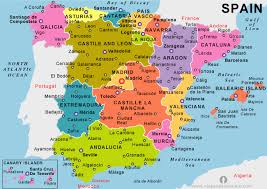
Spain (officially The Kingdom of Spain) is located on the Iberian Peninsula (along with Portugal and Gibraltar) and has been inhabited by modern humans for about 35,000 years. About the same time as Aborigines have been in Australia.

It has an area of approx 507,000 km², about twice the area of New Zealand, and a population of about 47 million compared to our 4.5 million.

download (6)

Spain is a constitutional monarchy, with a hereditary monarch and a bicameral parliament(two houses or chambers).

New Zealand is also a constitutional monarchy but we have a unicameral parliament (one house or chamber).

The present constitution has been in place since 1978 after the death of Franco.

The present monarch and Head of State is King Felipe VI (since June 2014).

Previously Spain had been a fascist dictatorship under General Francisco Franco after he won the 1936 -39 Spanish Civil War. Franco’s Nationalist forces (supported by Nazi Germany and Fascist Italy) fought the Republican side (supported by the Soviet Union, Mexico and International Brigades). The war was viciously fought with many atrocities on both sides and over half a million killed.

The Constitution  allows for the right of self-government to the “nationalities and regions” of Spain. Autonomous communities were to be integrated with adjacent provinces with common historical, cultural, and economical traits.

Spain is made up of 17 of these autonomous communities and 2 autonomous cities. In turn these communities are made up of 50 provinces, and below this are hundreds of municipalities.

Each of the seventeen communities has a different degree and form of autonomy. Some have their own laws, police force, education and health systems, and language. Very different to New Zealand, but similar to say the United States or Australia.

On The Camino we will pass through 4 of these autonomous communities: Navarre, Le Rioja, Castile and Leon, and Galicia.

Officially the language of Spain is Castilian Spanish but there are co-official languages of Catalan, Basque and Galician.

Spain is a member of the European Community (EU), the Organisation for Economic Co-operation and Development (OECD), the World Trade Organisation (WTO) and NATO.

download


So why are we doing this?

People go on pilgrimages for many different reasons:

Religious reasons

  • An act of devotion to God in exchange for a miracle
  • An act of penance for sins, a way of saying sorry
  • In order to touch a holy relic which can bring good fortune or a miraculous cure
  • To experience a feeling of spiritual connection and being closer to God

A personal spiritual journey

  • An escape from daily life in order to reflect on and receive guidance
  • Put everything back in perspective, bring back proper proportion to your life
  • To reflect on your life and its direction
  • A chance to create space to let your spirit stretch
  • Just to take some time out
  • Space and time to get back to the basic things, to show there is so little we need

Social reasons

  • An adventure, to meet people, see places and stretch your legs
  • Curiosity- why do people go and what happens to them at their destination
  • Camaraderie of other travelers, sharing experiences and stories
  • To experience local culture, enjoy small towns, sample history
  • To learn/improve your Spanish
  • Celebrate a life passage
  • Be part of an ancient ritual
  • To inspire your children and grandchildren

A healthy challenge

  • A physical and mental challenge
  • To go for a long distance walk
  • Do something different and interesting
  • Doing things is more important than watching
  • Because you’ve got to do something
  • Looking for a sense of accomplishment
  • To live a journey not seek a destination

So why are we doing this?

We first became aware of the Camino about five years ago when Barbara was attracted by a newspaper story of a woman walking part of the way. Then last year we saw the documentary movie Walking the Camino: Six ways to Santiago. This reawakened our interest and we thought well why not? We have the means, the time and hopefully the energy. We then saw the movie The Way, read dozens of books and blogs, and watched a heap of You Tube videos.

We knew if we didn’t do it now then we would never do it so we took the plunge and made some bookings.

For us it is not a pilgrimage. We are not doing it for religious reasons, and probably not for spiritual reasons although who knows what effect the experience will have on the rest of our lives.

It is an adventure and a challenge. Something to take us out of our comfort zone.

An adventure to experience another culture and learn something of the history of that culture.

A physical challenge to attempt a long distance walk.

We also tend to like journeys where progress is made by your own physical effort. We have enjoyed long distance sea kayak and cycling trips and hikes of 3 or 4 days but this was the chance to experience what for us will be a really long walk.

Even if you don’t “find yourself” along the way you’ll definitely find something to tell your friends when you get back.

Albergues, Hostelas and Refugios

Dotted along the pilgrim routes at convenient intervals of 10 – 20 km are pilgrim hostels.

Called albergues de peregrines, hostales  or refugios.

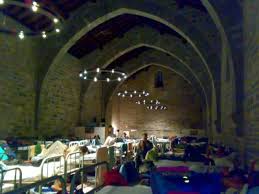
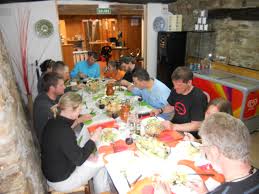
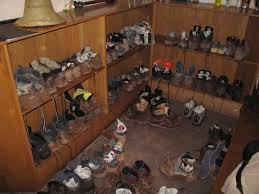
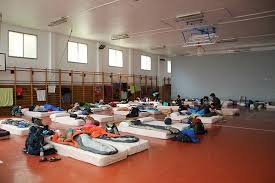
Accommodation is usually in bunk beds in dormitories with shared kitchen and bathroom facilities. At busy times overflow accommodation is provided on mattresses on the floor. They do not take bookings and fill up on a first come first served basis. To use them you have to be walking, cycling or travelling by horse, and preference is given to walkers.

In the busy summer months of July and August the albergues fill up fast especially over the last 100km where people are just doing the minimum distance to get a Compostela.

In order to stay in an albergue you must have a Credencial del Peregrino. They don’t open until early afternoon and you must leave by 8.00am. There is a 10.00pm curfew after which the doors are locked and no one can enter. Unless you have a medical certificate you can stay only one night.

The cost is between 6 and 10 euros per bed per night. There are a few hostels known as ‘donativos’ that operate on voluntary donations. Some albergues provide meals.

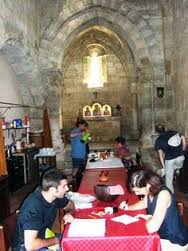
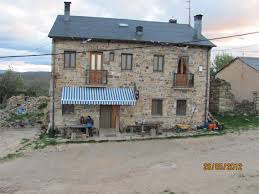
Albergues are economical and an excellent way to meet and socialise with fellow walkers.  Because you don’t have a pre-booked destination to get to, they also give you the flexibility to adjust how far you want to walk each day depending on conditions, injuries, illness etc. Often they are located in interesting and historic buildings.

They also have the usual disadvantages of communal arrangements: sleep disturbed by loud snorers, not enough hot water for showers, bed bugs etc.

At the busiest times and over the last 100km, each day can tend to become a race to get to the next albergue with people leaving earlier and earlier in the morning: 6am, then 5am, then 4am !

Albergues fit into one of six categories:
Municipal: owned by the local authority, basic with limited facilities
Parish: owned by the local church and run by the parish priest, informal and have a communal meal
Convent or monastery: owned and run by nuns or monks
Association: owned by Spanish or other national confraternities, well equipped, run by volunteers
Network: private hostels formed into a loose association, well equipped and all a similar standard
Private: private hostels not in an association, more flexible with hours and facilities and of variable standards.

We have decided not to use albergues but to stay in pre-booked three star hotels. We have used back packer accommodation in the past but decided at our age we just liked our privacy, peaceful sleep and not having to search around for accommodation at the end of each day.

download (5)

images (15)

images (12)

images (14)

images (16)  images (17)


Compostelas, Certificates and Credencials

The Compostela

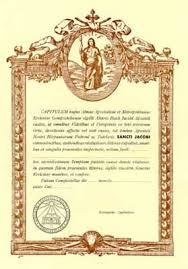
The Compostela is the original religious certificate, written in Latin, issued by the Church when pilgrims proved they had either walked 100km or travelled 200km by horse (or today by bicycle) to Santiago de Compostela.

It was a valuable document as it showed they had completed their pilgrimage and they had paid their penance. For some getting their Compostela meant they had secured their reference letter to get into heaven.

Today you get a Compostela if you complete your pilgrimage for religious or spiritual reasons. You receive the same Compostela whether you have completed the minimum 100km or say 10,000km.
download (4)


The translated text is:

“The Chapter of this Holy Apostolic Metropolitan Cathedral of Saint James, custodian of the seal of Saint James’ Altar, to all faithful and pilgrims who come from everywhere over the world as an act of devotion, under vow or promise to the Apostle’s Tomb, our Patron and Protector of Spain, witnesses in the sight of all who read this document, that: Mr/Mrs/Ms…………………has visited devoutly this Sacred Church in a religious sense (pietatis causa).

Witness whereof I hand this document over to him, authenticated by the seal of this Sacred Church.
Given in Saint James of Compostela on the (day) …… (month) …… A.D. ……”

Certificate of Welcome

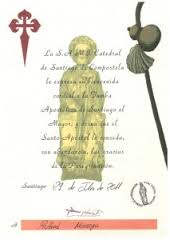
Many people today cycle or walk the Camino for non-religious reasons eg for a cultural or social experience, for leisure, or to fulfil a personal vow. These people can obtain a non-religious version of the Compostela called a ‘Certificate of Welcome’. The same 100km and 200km rules apply. It is also written in Latin.

The translated text is:

“The Holy Apostolic Metropolitan Cathedral of Santiago de Compostella expresses its warm welcome to the Tomb of the Apostle St James the Greater; and wishes that the holy Apostle may grant you, in abundance, the graces of the Pilgrimage.”
images (11)

Certificate of Distance

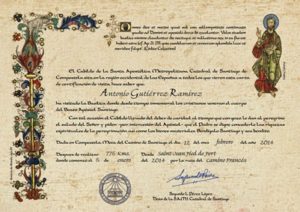
Since 2014 a ‘Certificate of Distance’ is available. This states the starting point and the distance walked/cycled, and is available in many different languages.
Certificado-de-distancia


The Certificate of Welcome and Certificate of Distance are not a fast track to heaven but are a memento of your journey to Santiago.

The Pilgrim Passport (Credencial del Peregrino)

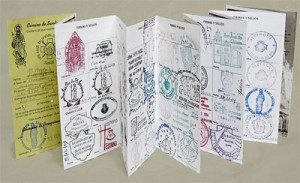
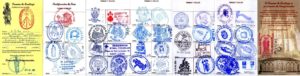
This is the official record that you have walked (or cycled) the necessary distance to obtain your Compostela or Certificate. The passport is purchased at the start of your journey and you collect stamps each day from hostels, cafes, churches, town halls, or other official establishments along the way (or at least for the last 100km). If you start outside Galacia one stamp per day is required, if you start inside Galacia it is two stamps per day.

On arriving in Santiago you must show your stamped Pilgrim Passport at the Pilgrims’ Office to apply for your Compostela or Certificate.

The Credencial evolved from letters of safe passage granted by the church or the state to people going on a journey through foreign lands. A pilgrim needed to visit their priest and make a confession before being given a letter stating he/she is a bona-fide pilgrim, requesting safe passage, exemption from taxes and tolls and hospitality in the monasteries or ‘hospices’ along the way.

Today a pilgrim needs a Credencial del Peregrino to stay in the network of pilgrim shelters, refugios and albergues, along the Camino routes.
credencial2-300x183

CREDENCIAL