The Butler did it

Wednesday 29 April 2026

Day 9 of walking
Clovelly to Hartland Quay
Distance: 17.67km
Total distance: 193.99km
Climbing: 726m
Total climb: 5676m

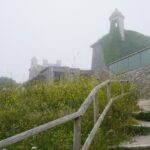
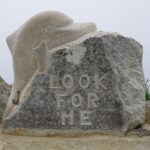
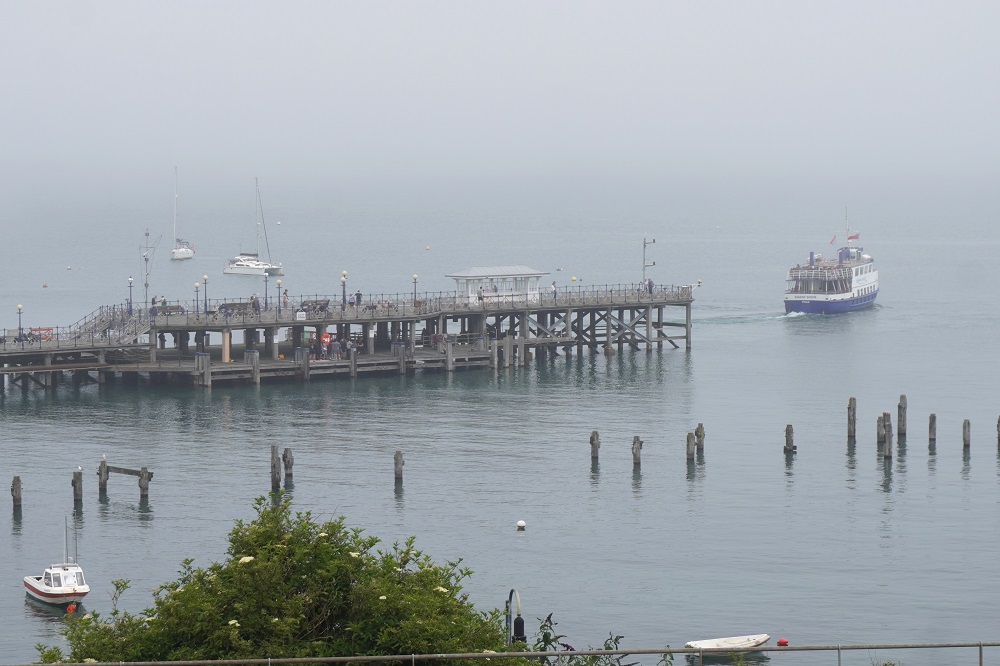
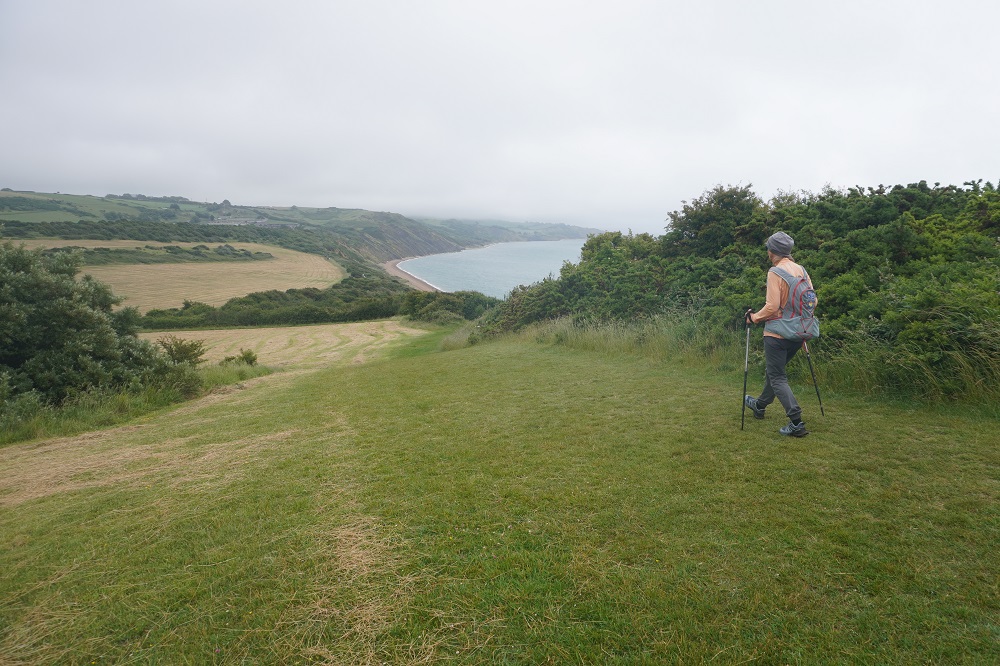
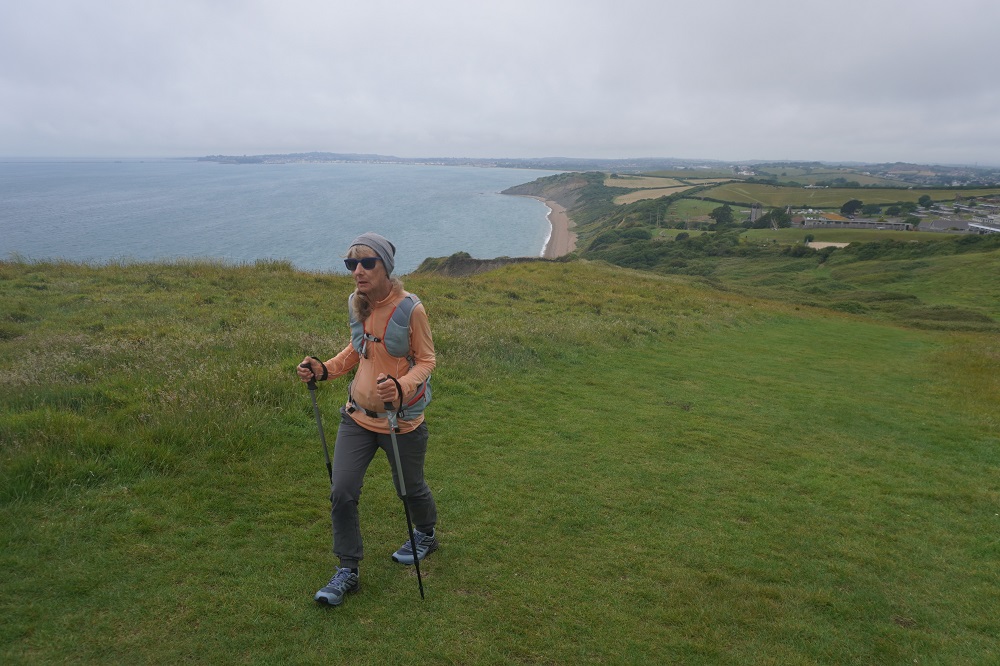
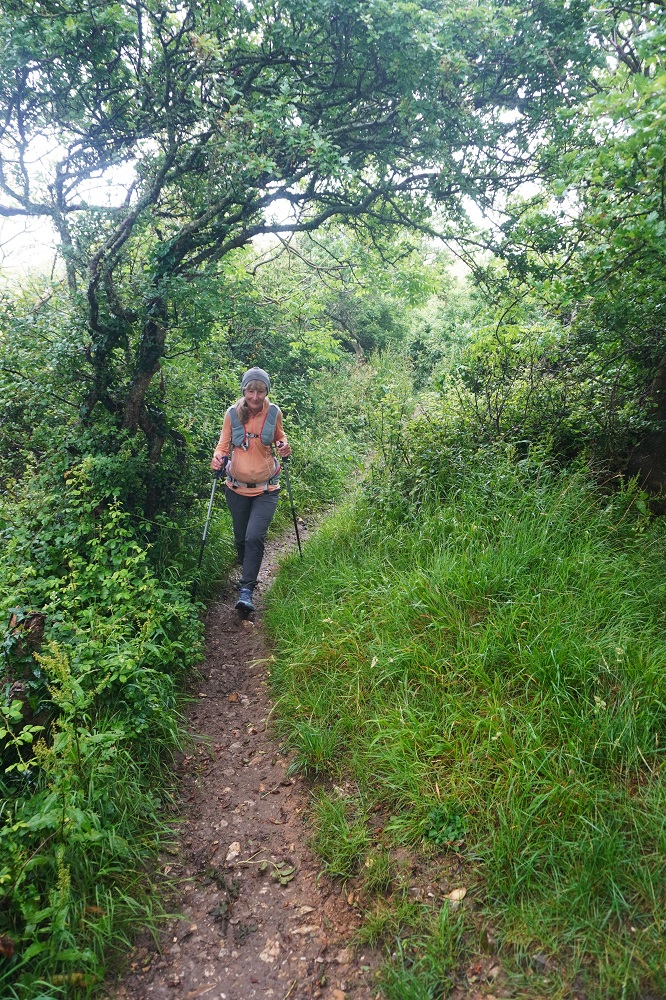
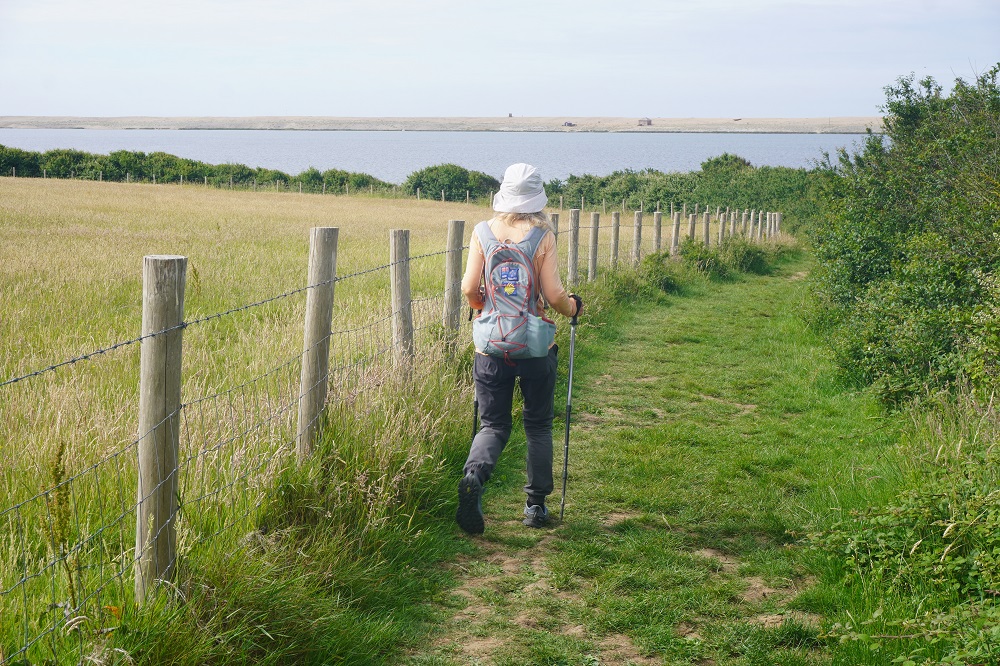
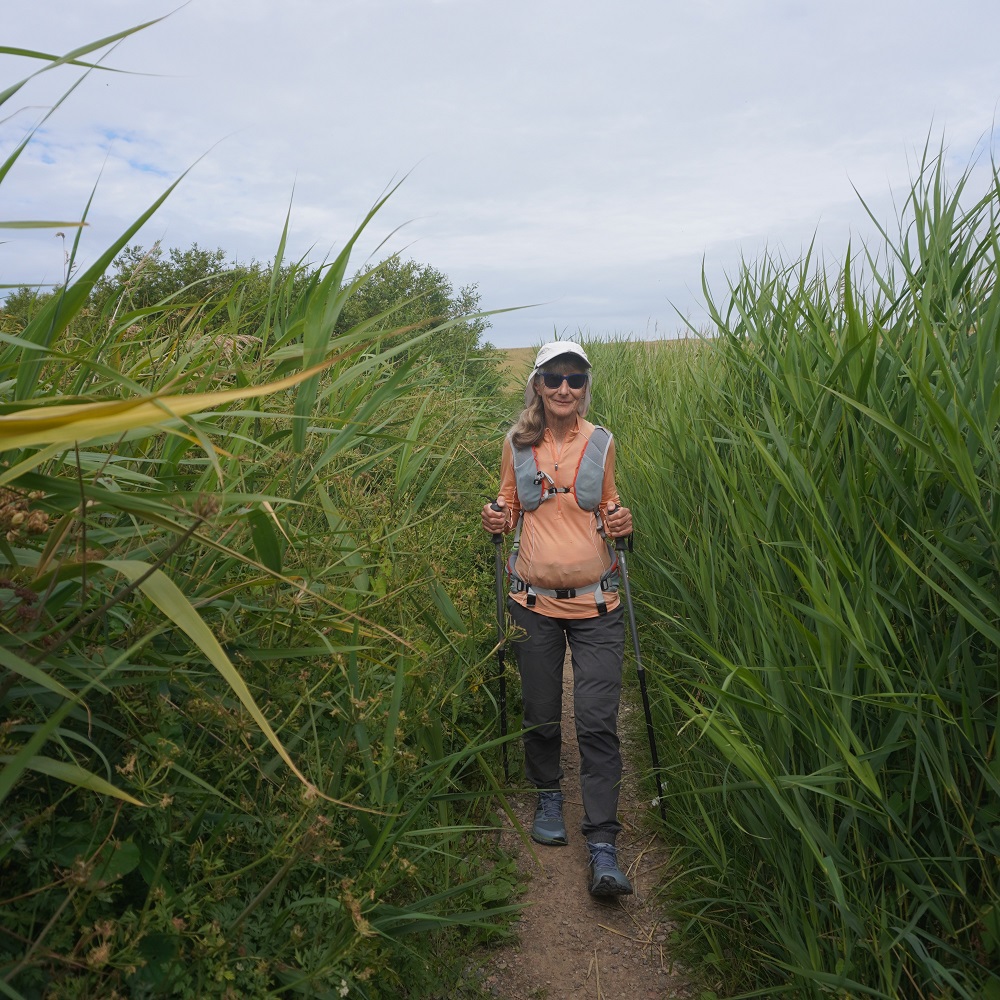
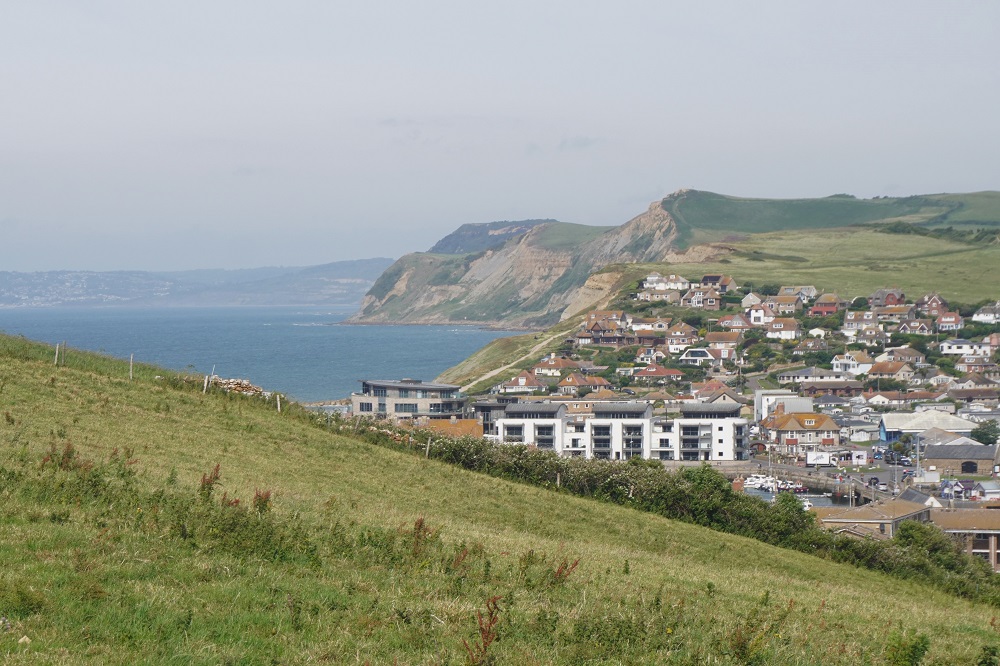
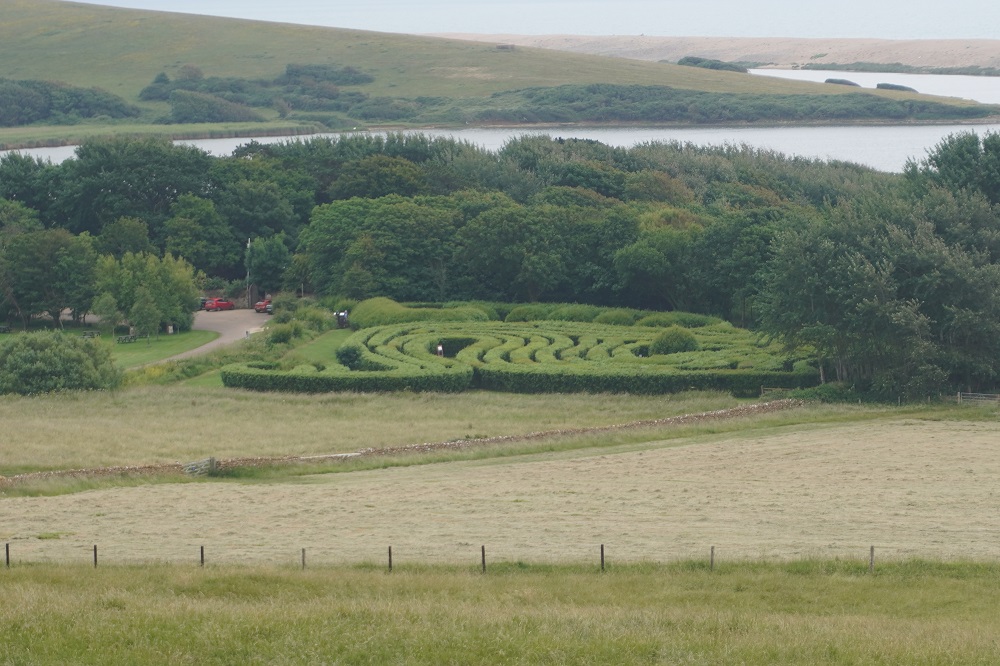
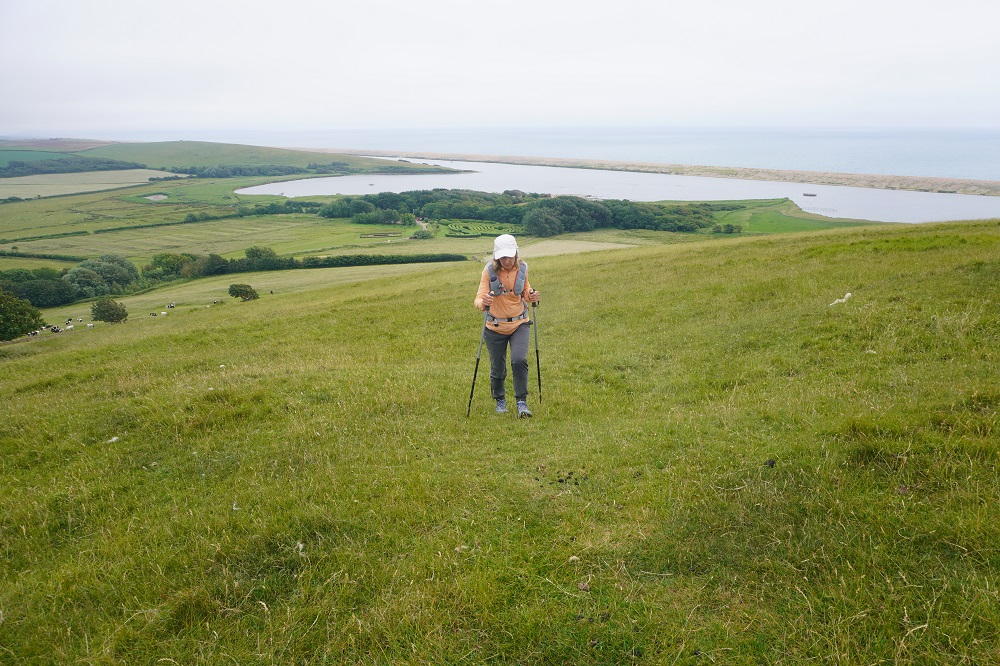
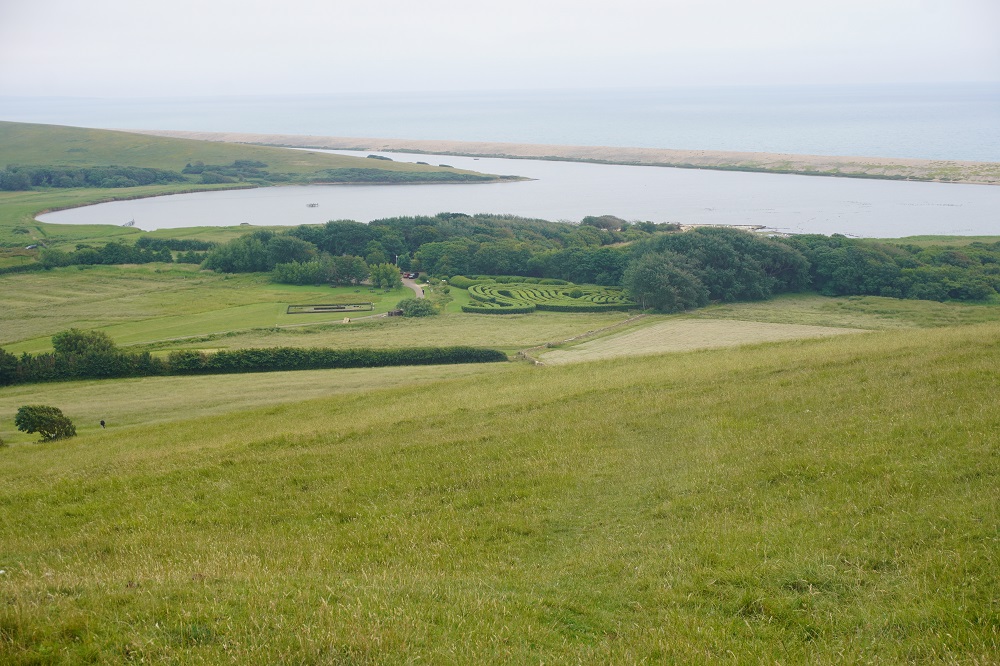
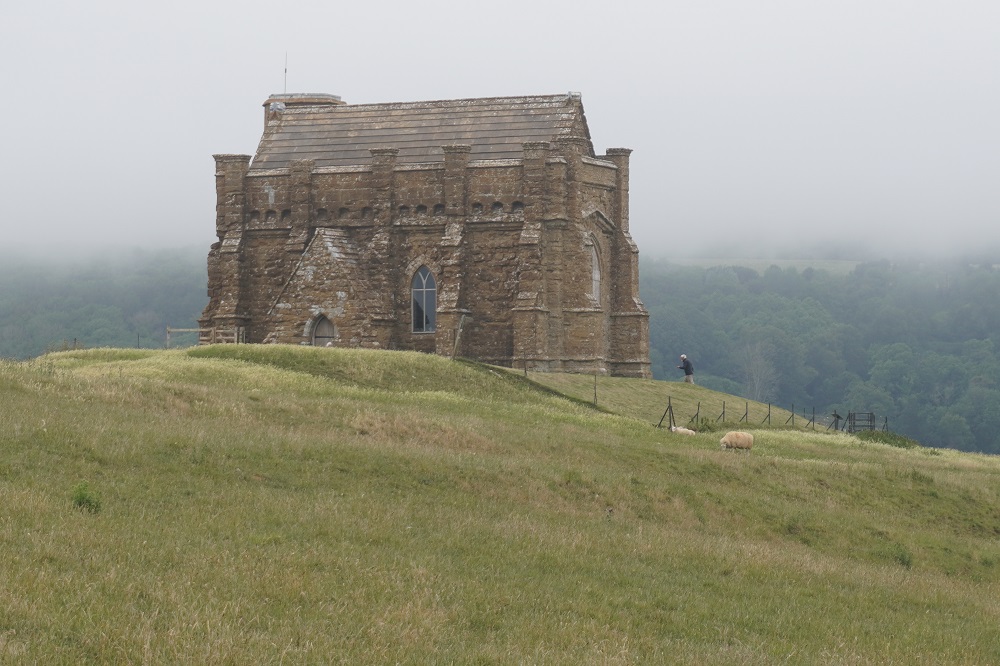
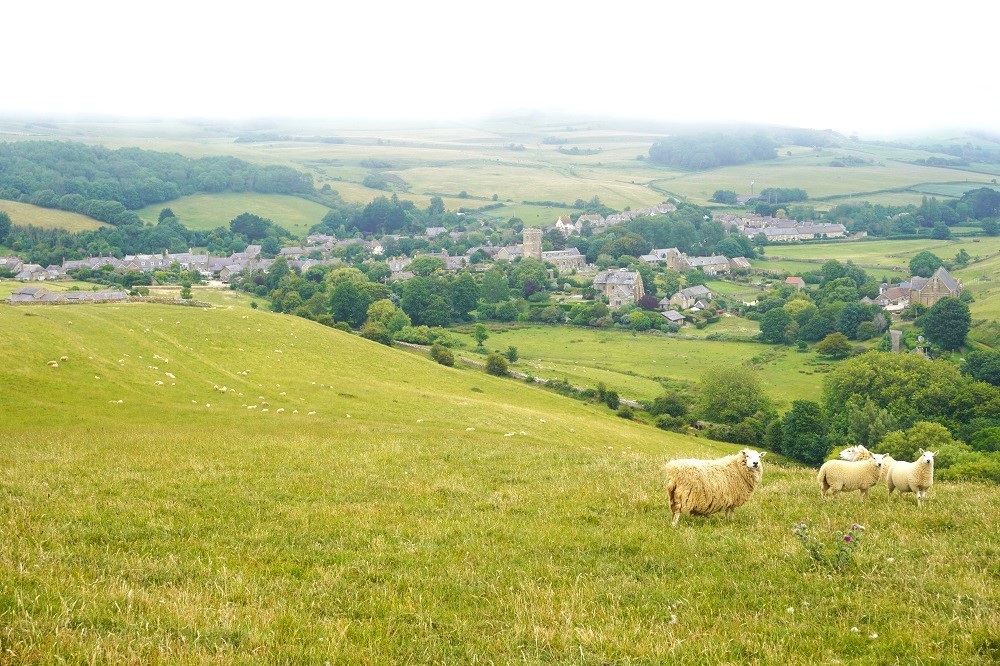
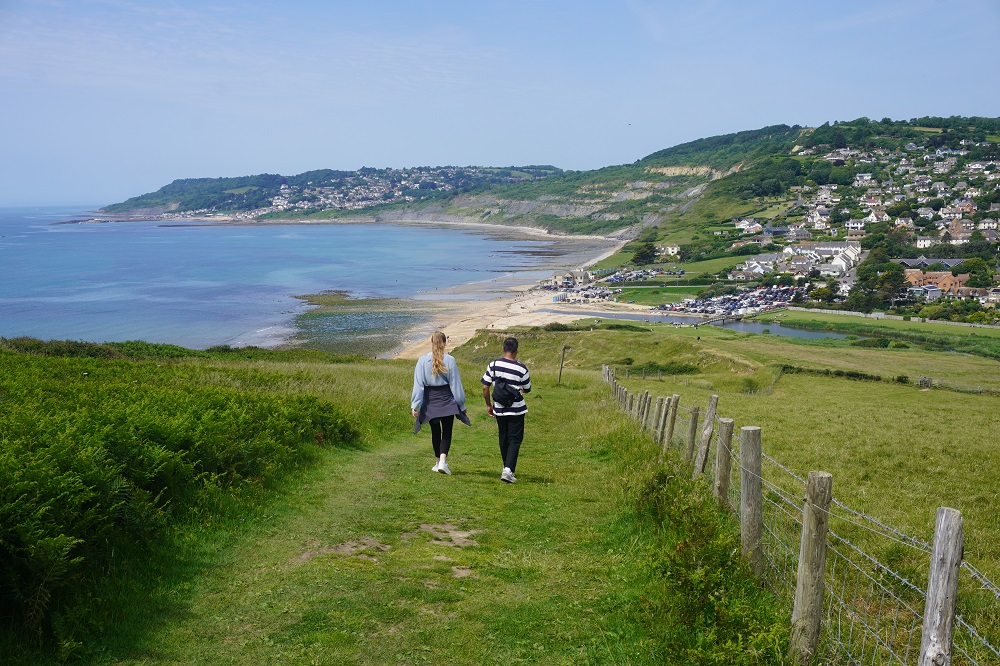
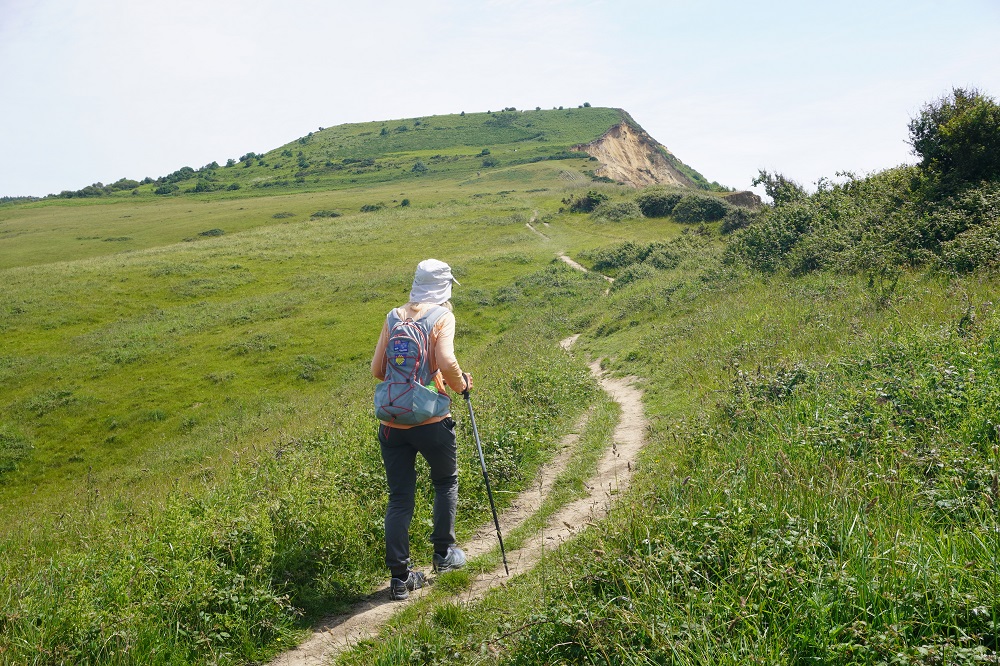
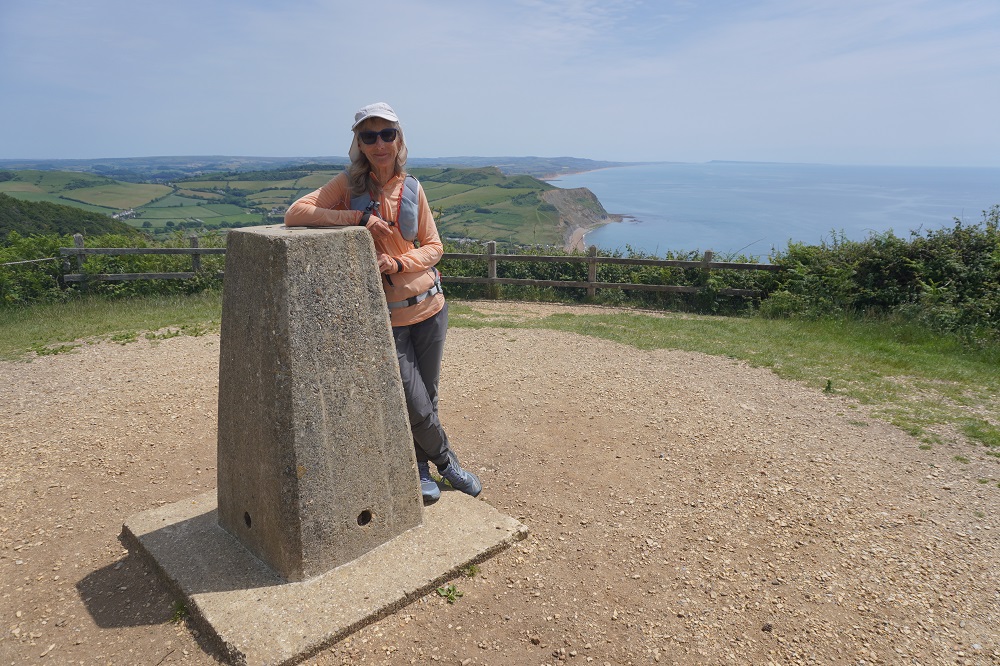
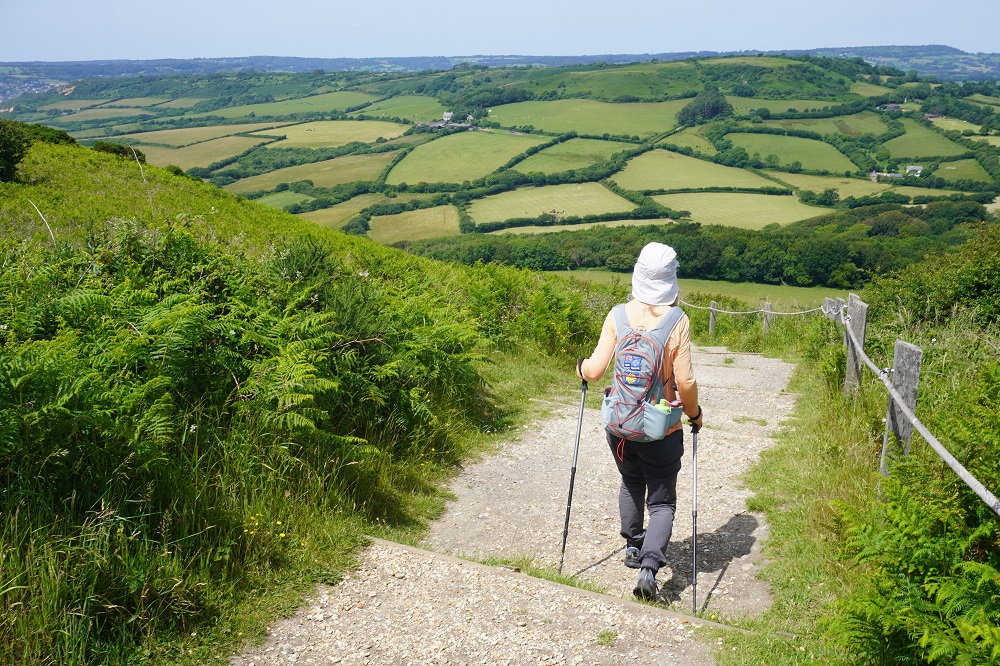
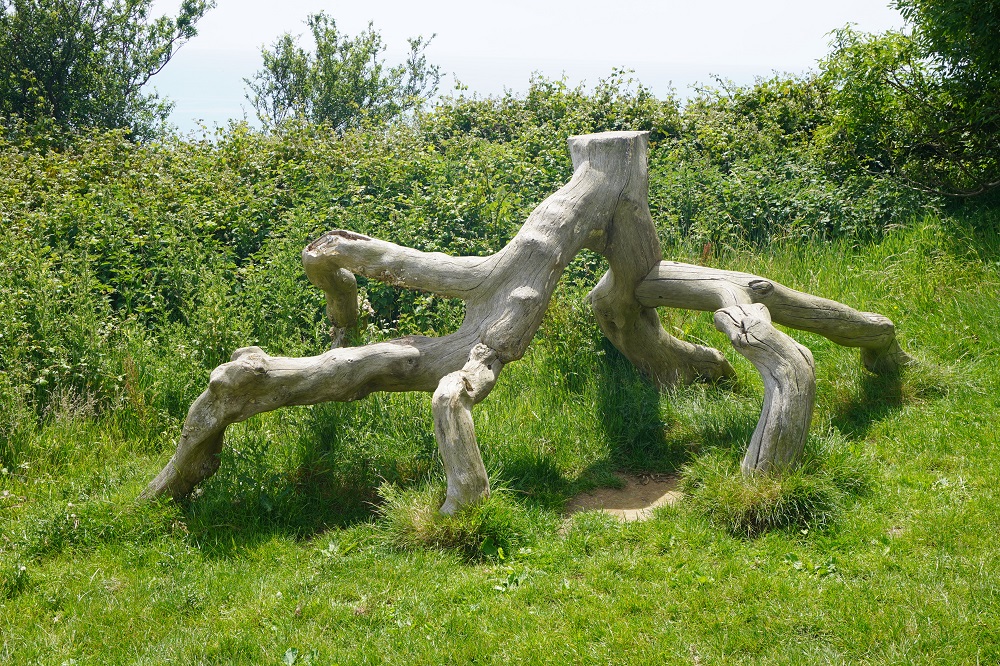
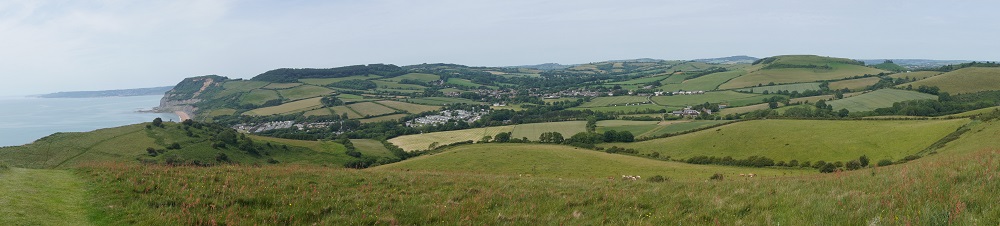
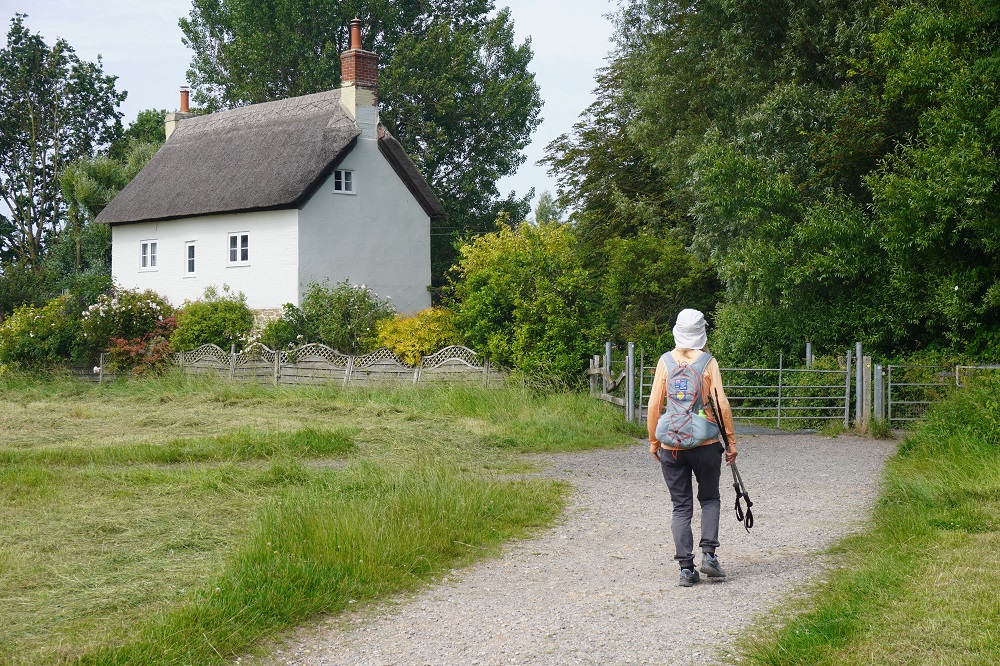
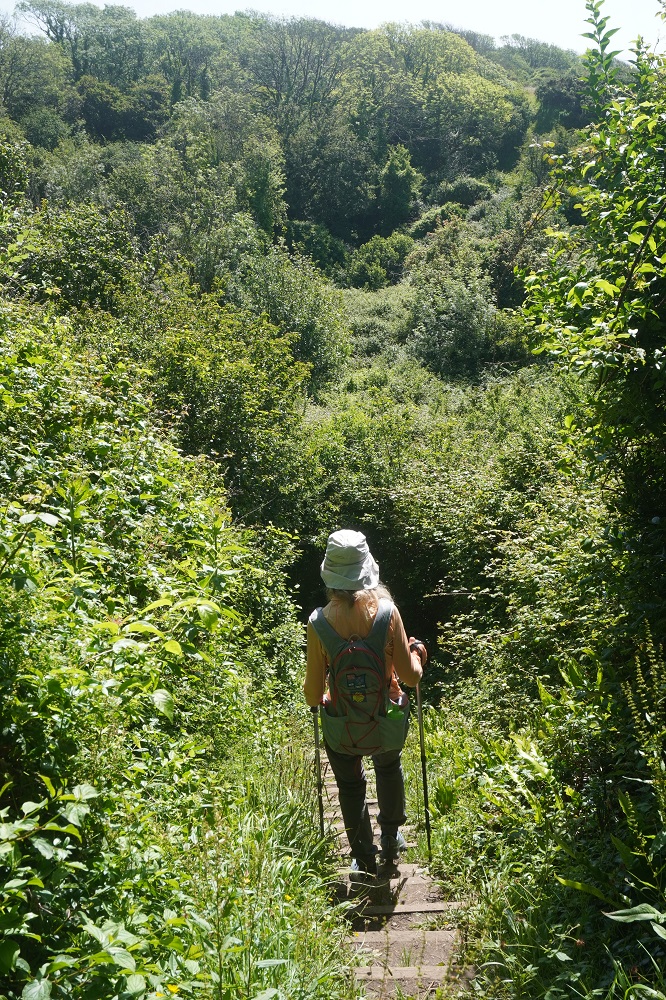
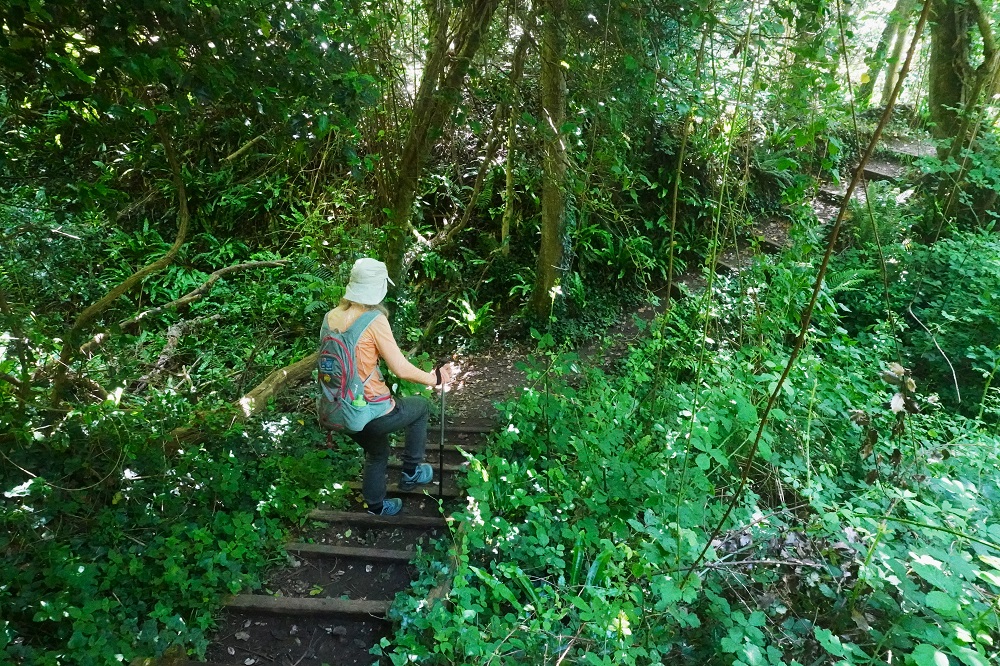
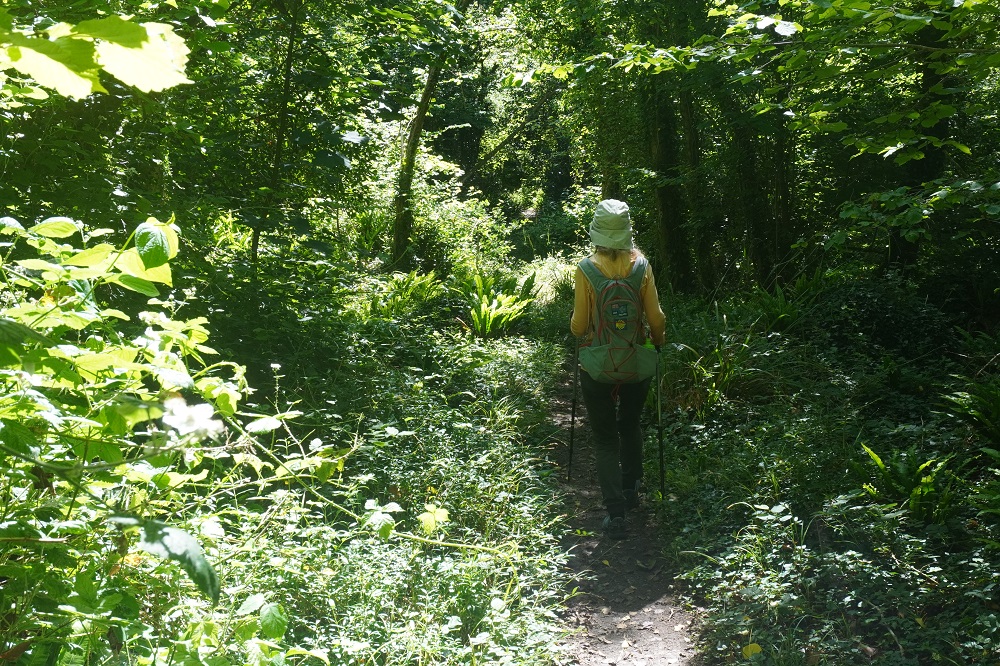
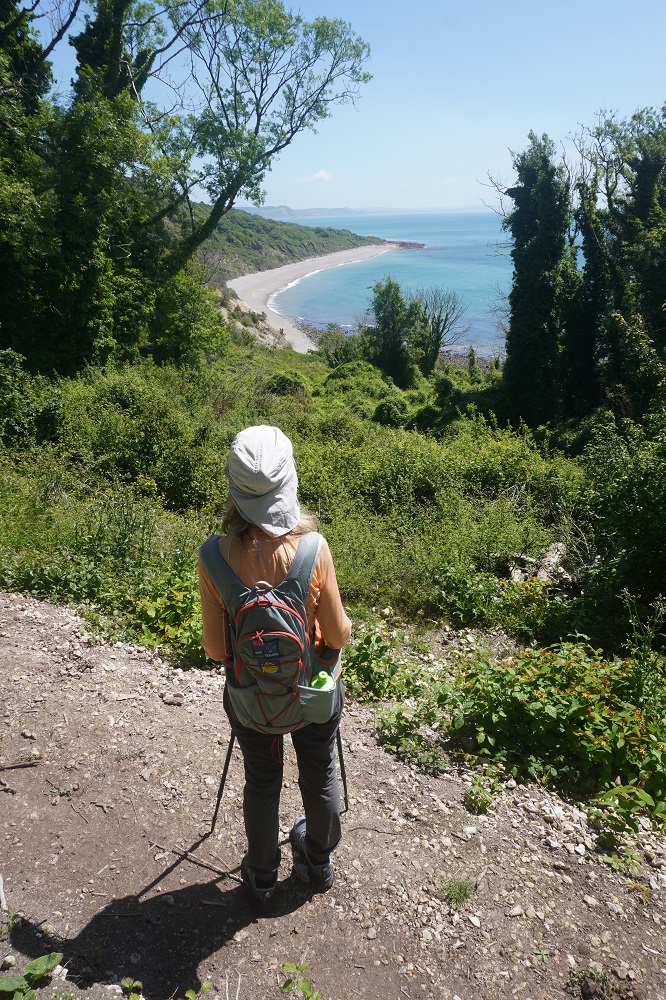
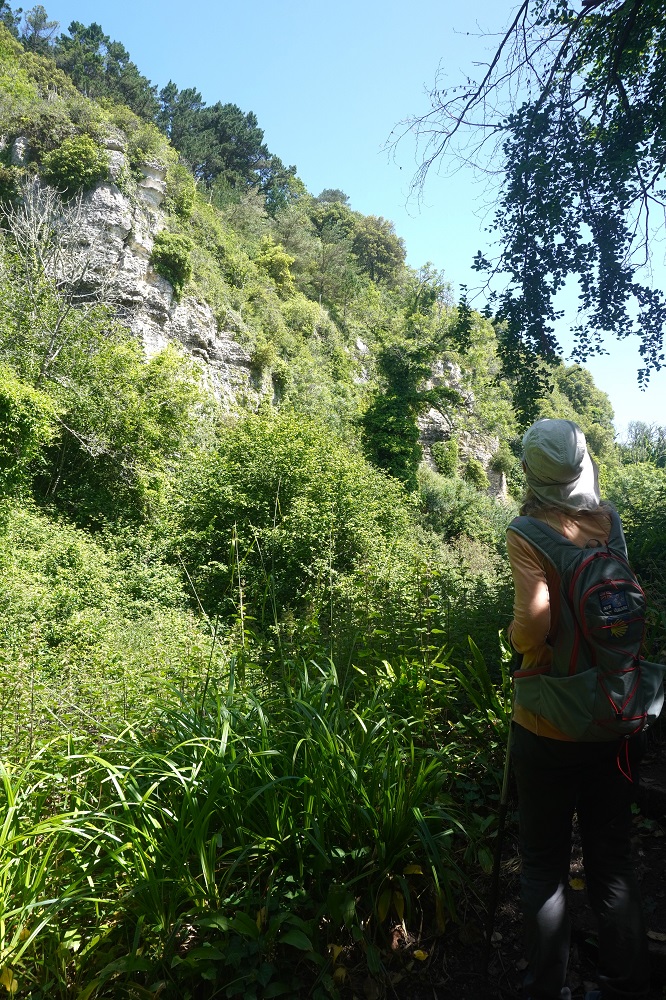
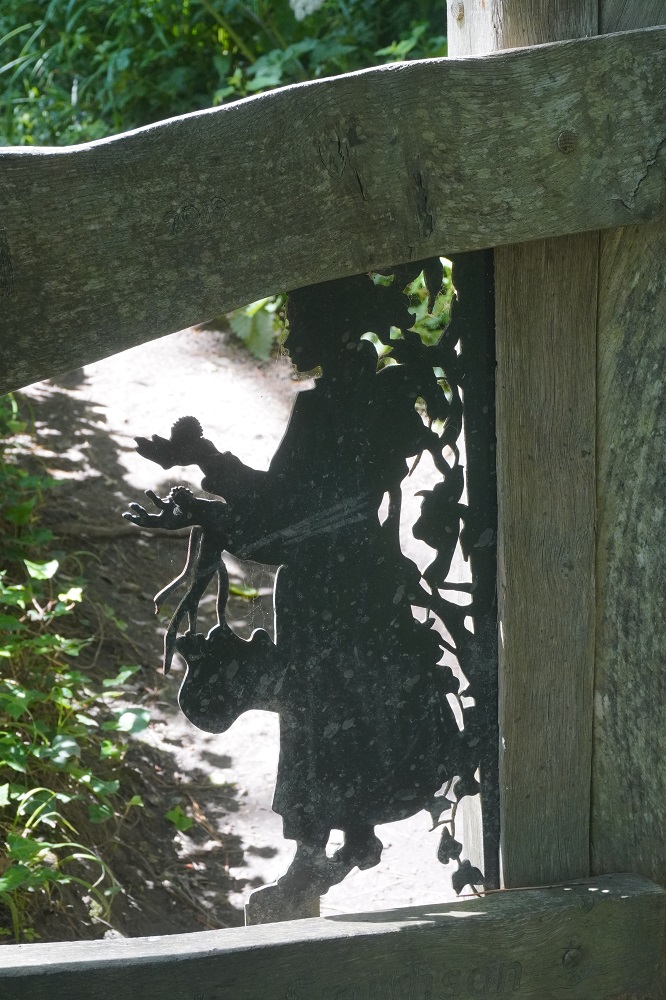
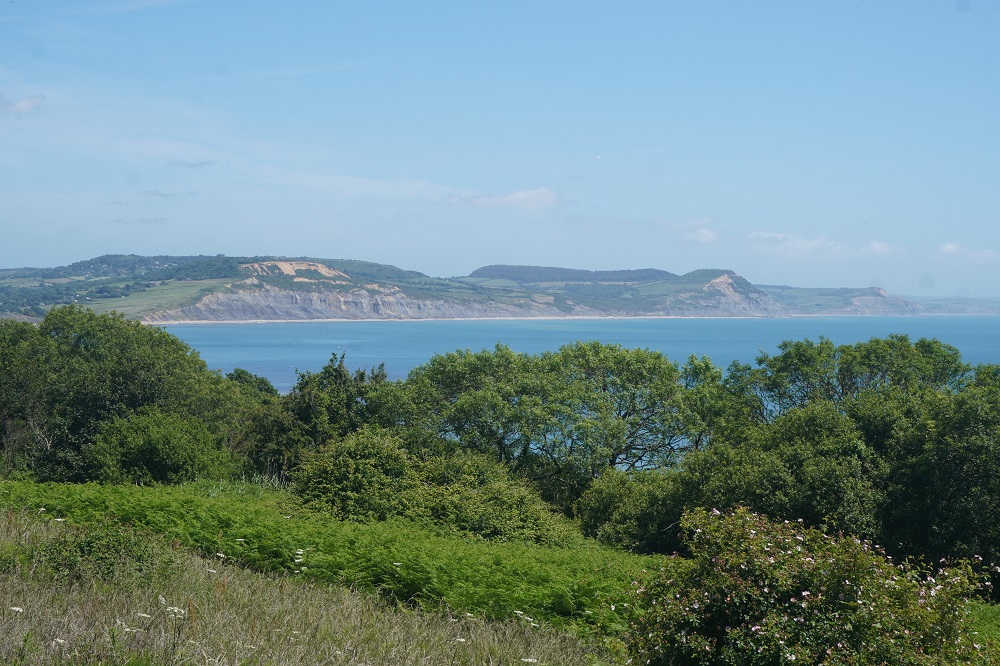
Today there was quite a dramatic change in scenery as we turned Hartland Point, one of the defining points of the SWCP. From the Red Lion Hotel we started with a steep 250m climb up the cobbled street out of Clovelly. The first stretch was through the Clovelly Court Estate all very domesticated and ornamental, like a parkland. We came across an unusual ornate wooden pagoda like structure called Angel’s Wings. This was carved in 1826 by a former butler of the estate. After wandering through woodland there was a steep descent to Mouthmill Beach, once the haunt of smugglers and now the home of a lime kiln ruin.

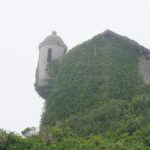
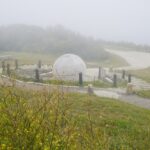
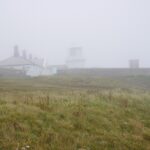
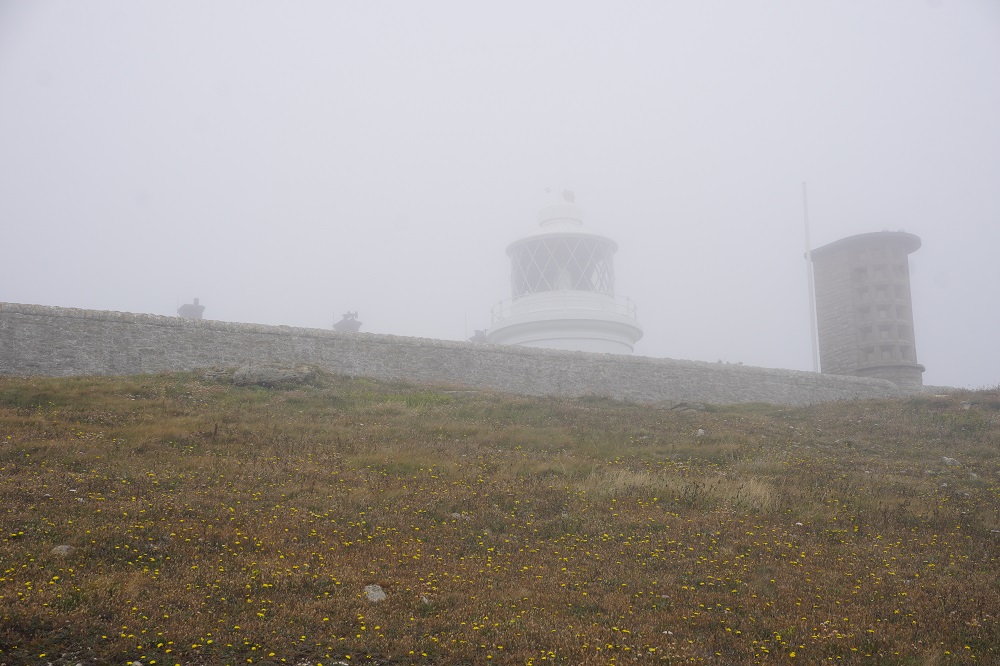
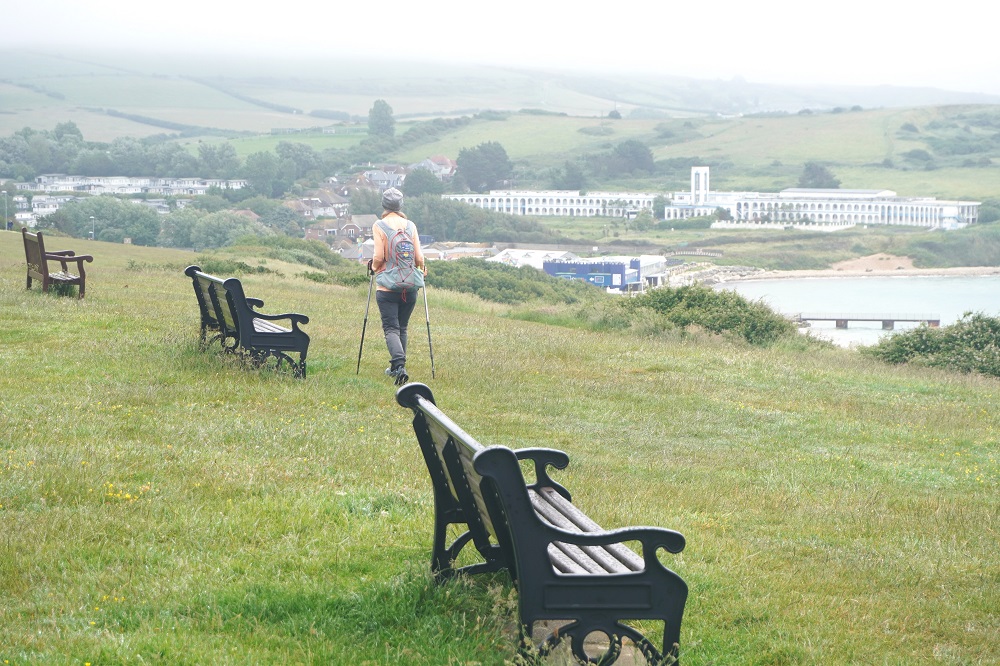
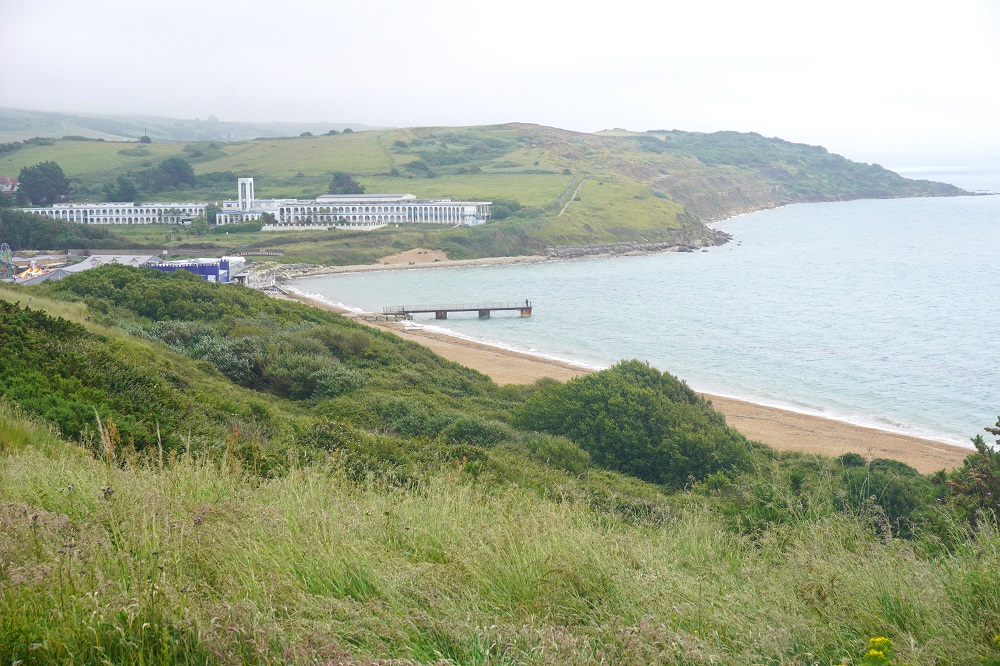
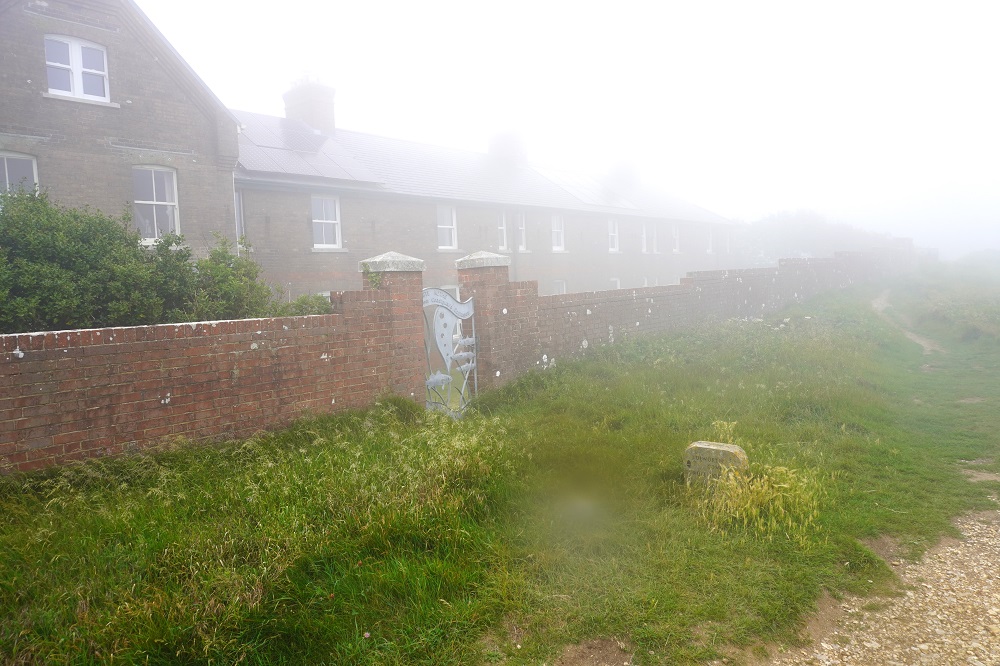
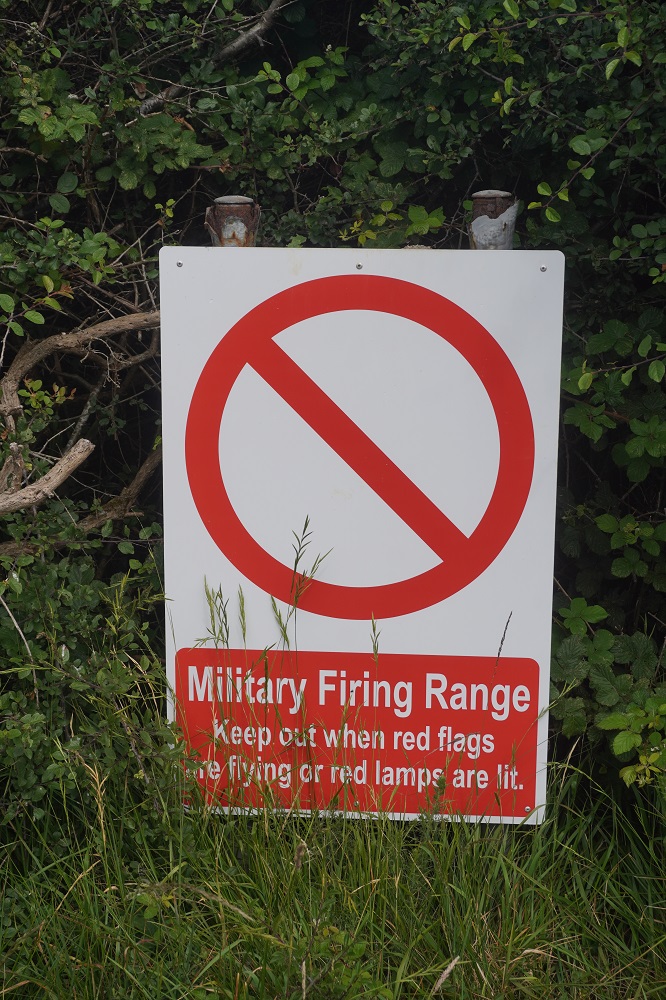
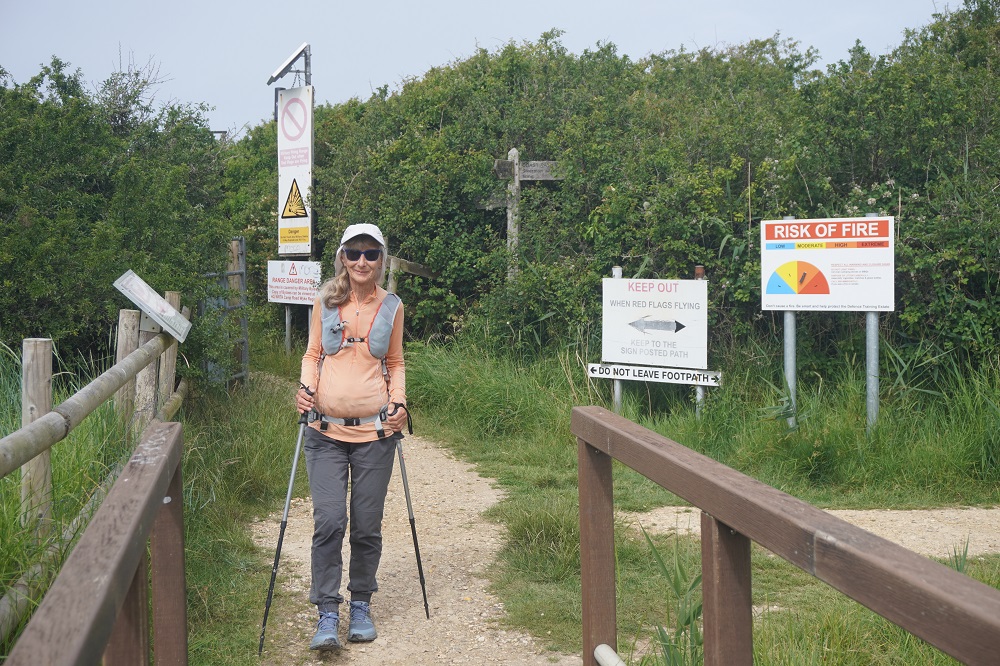
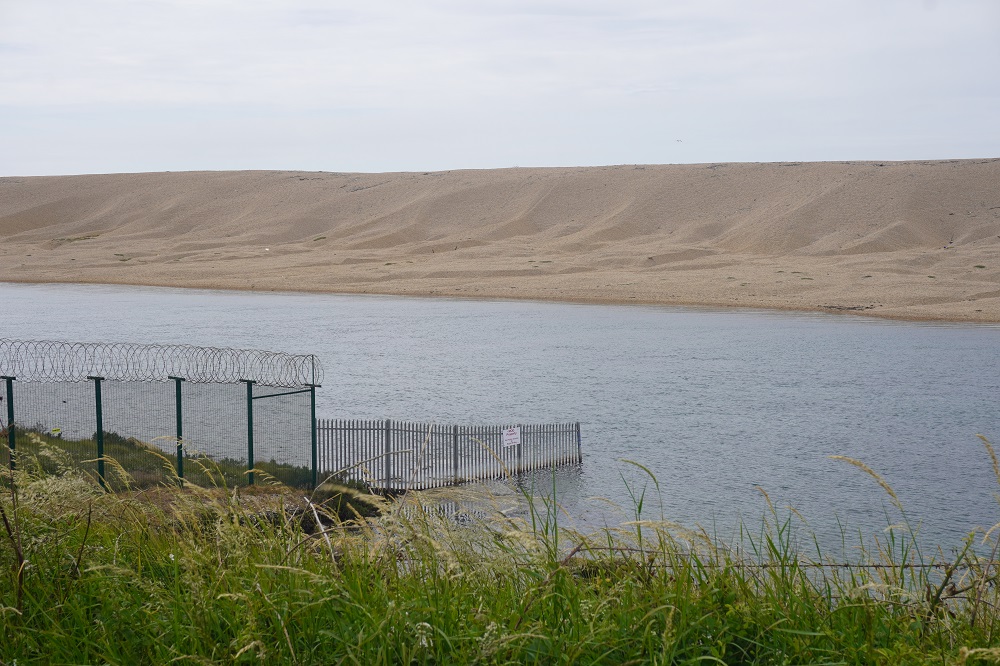
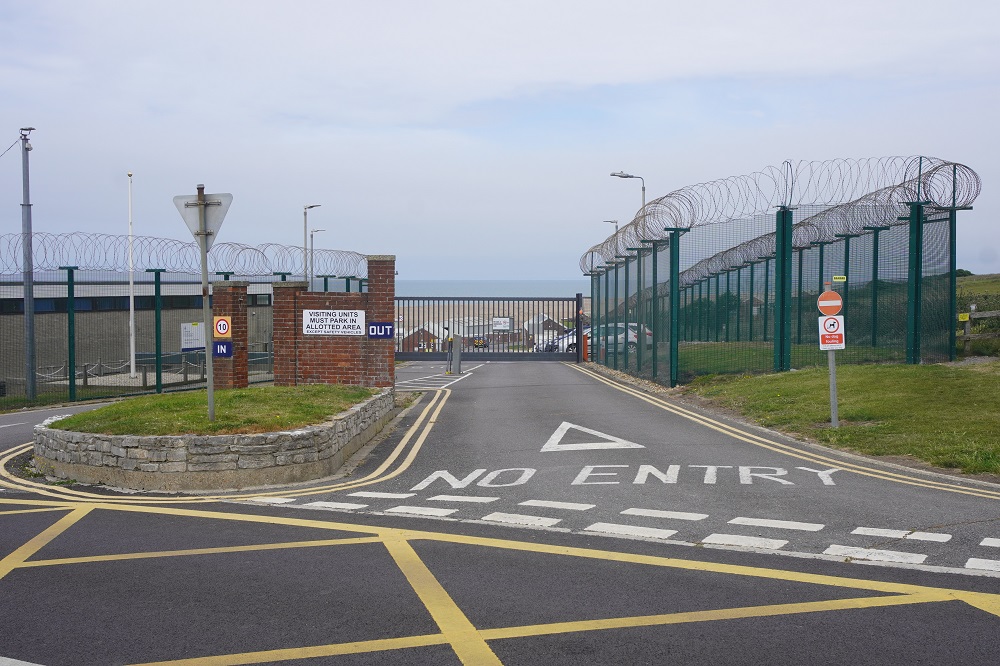
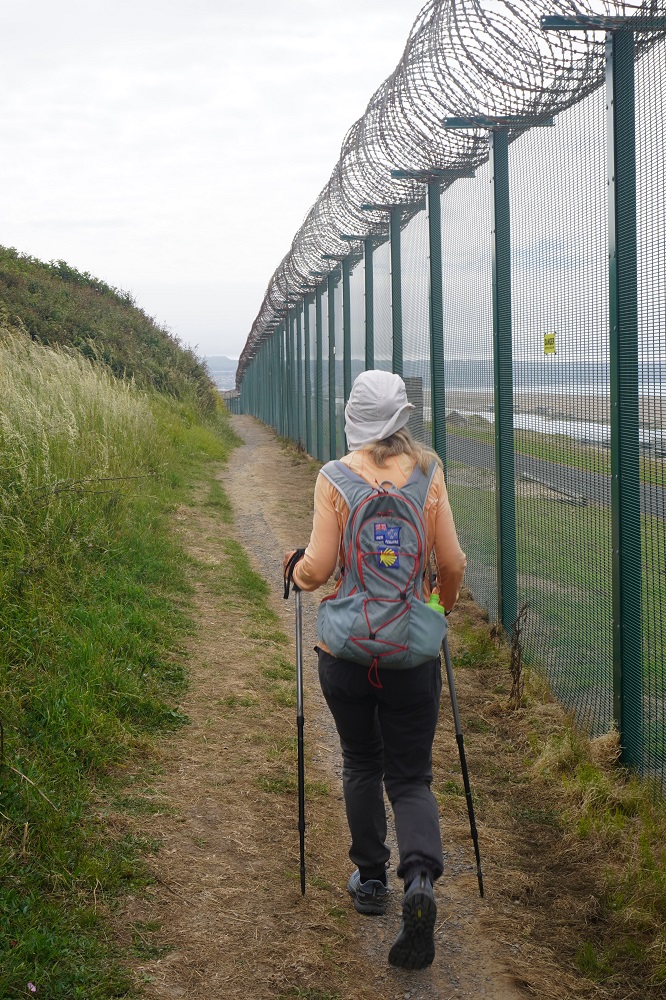
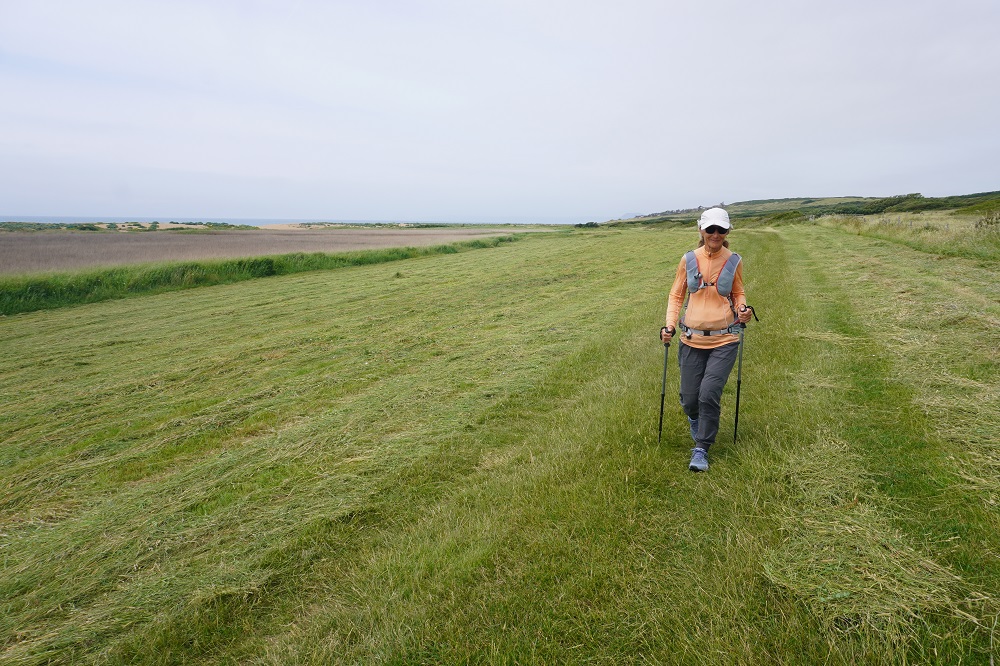
Climbing steeply out of Mouthmill Beach we then crossed an endless series of fields and went through countless gates. It was a bit undulating but easy walking. In one field was a memorial to the crew of a Wellington bomber that crashed into the cliff when returning from a raid in Europe in 1942. One of the crew was F.O. E A Blair of the RNZAF so we could do our ANZAC Day remembrance even if three days late. From here as you approach Hartland Point you can see the Hartland Radar Station. When we were here in 2018 it stood out for miles before reaching it as a huge white golf ball sitting on a tee. Disappointingly the white ball has gone and it is now just a bit of metal antenna going round and round and making an eerie whooshing sound on each revolution. I have included a photo of what it looked like in 2018.

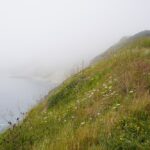
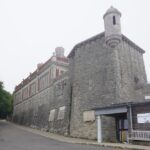
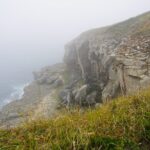
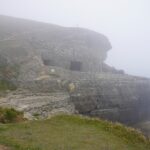
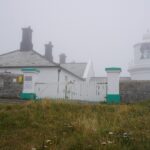
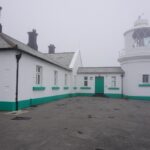
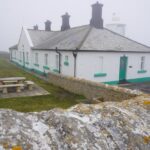
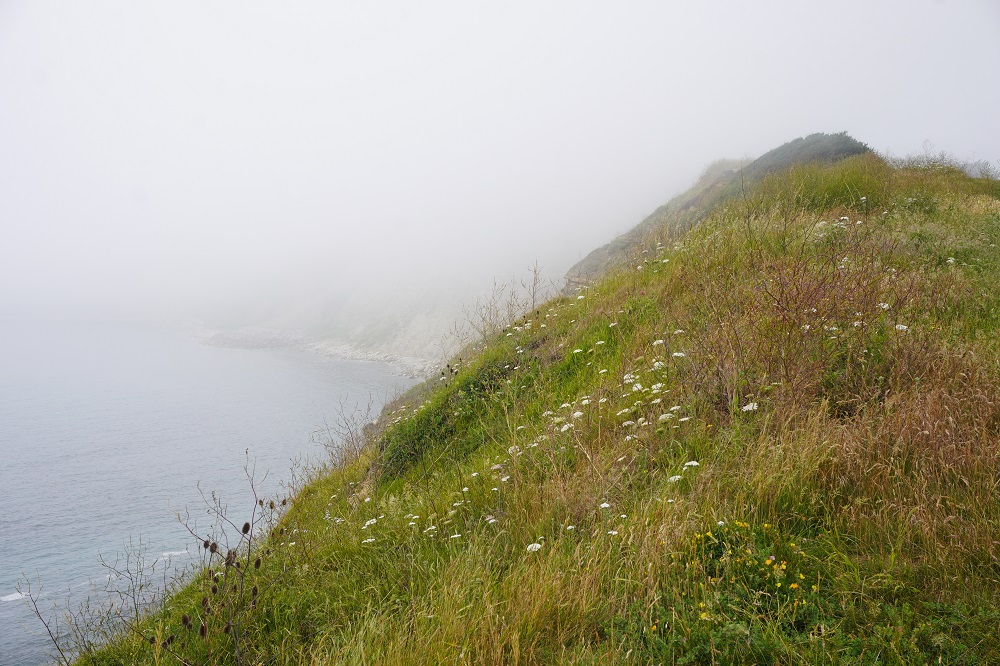
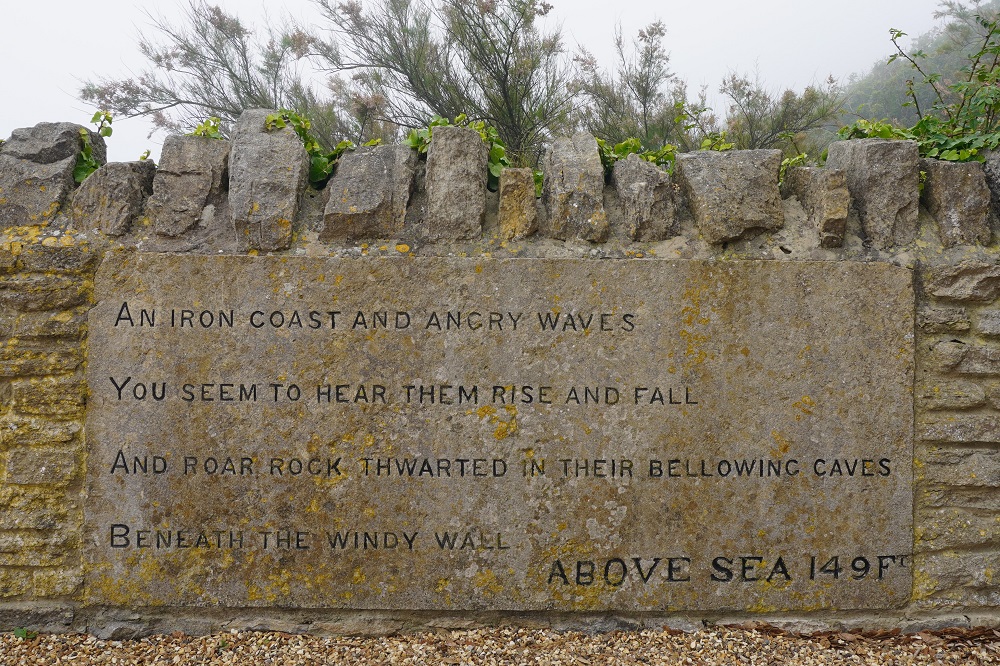
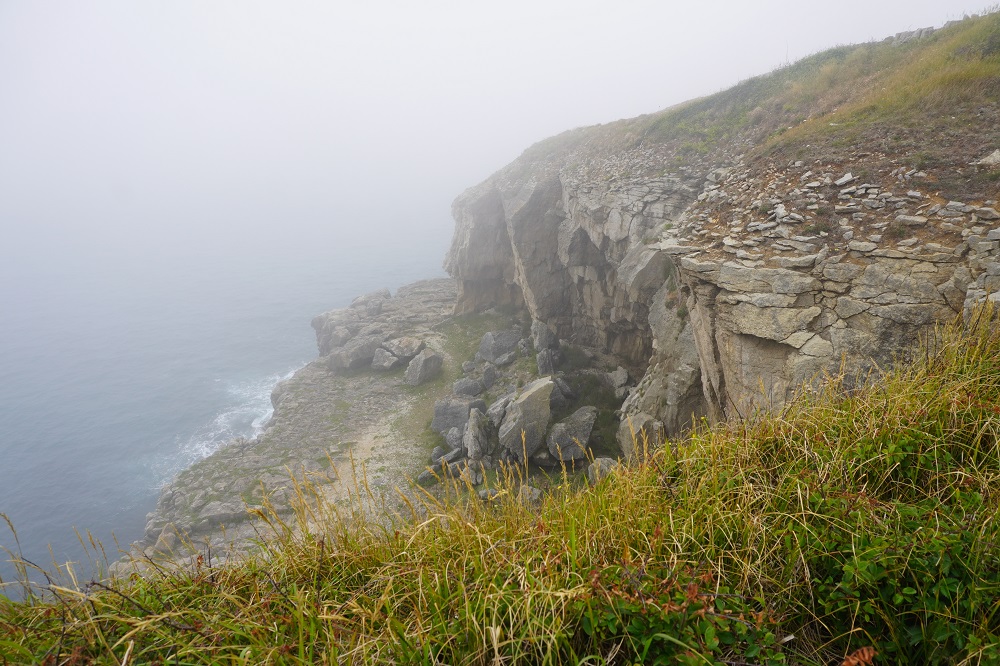
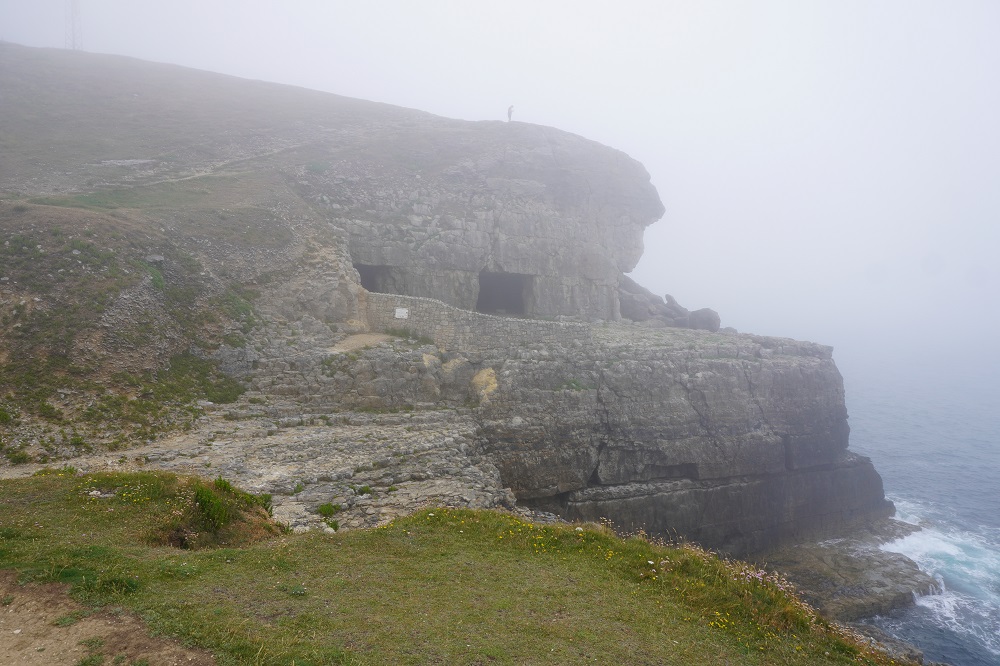
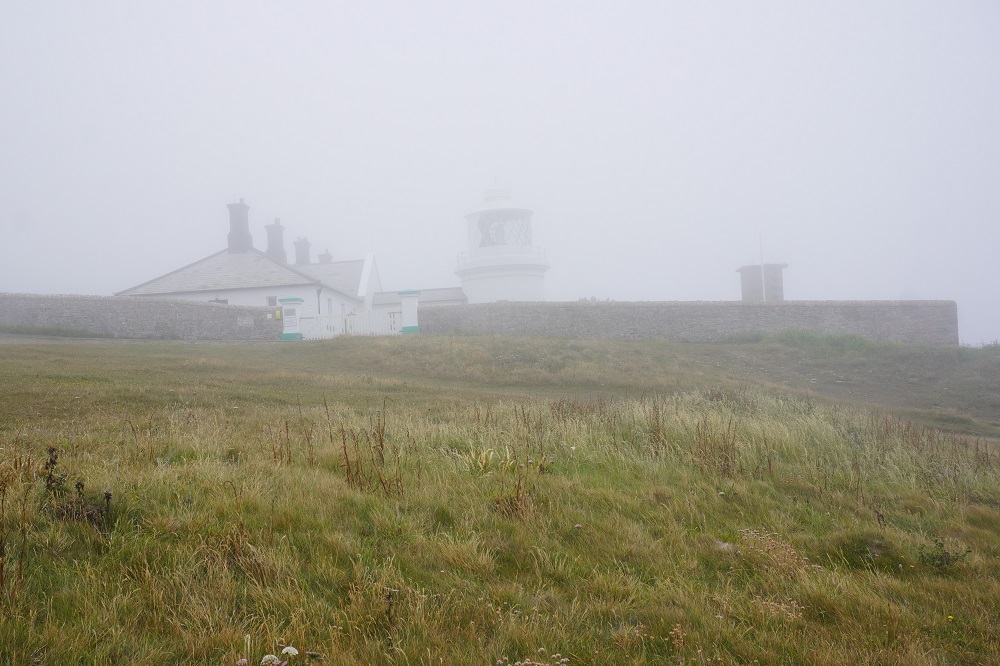
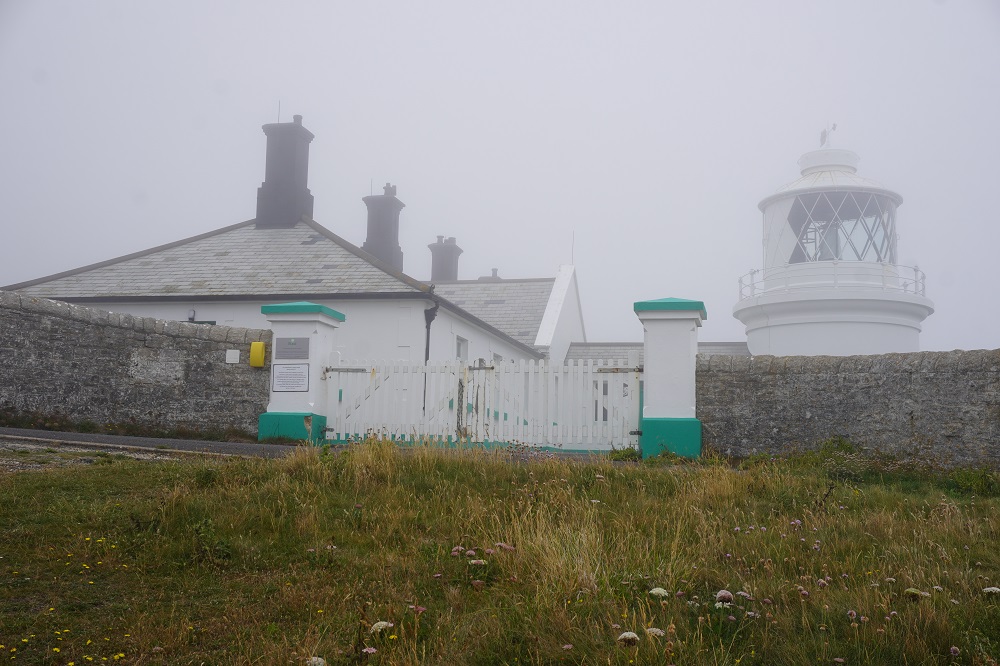
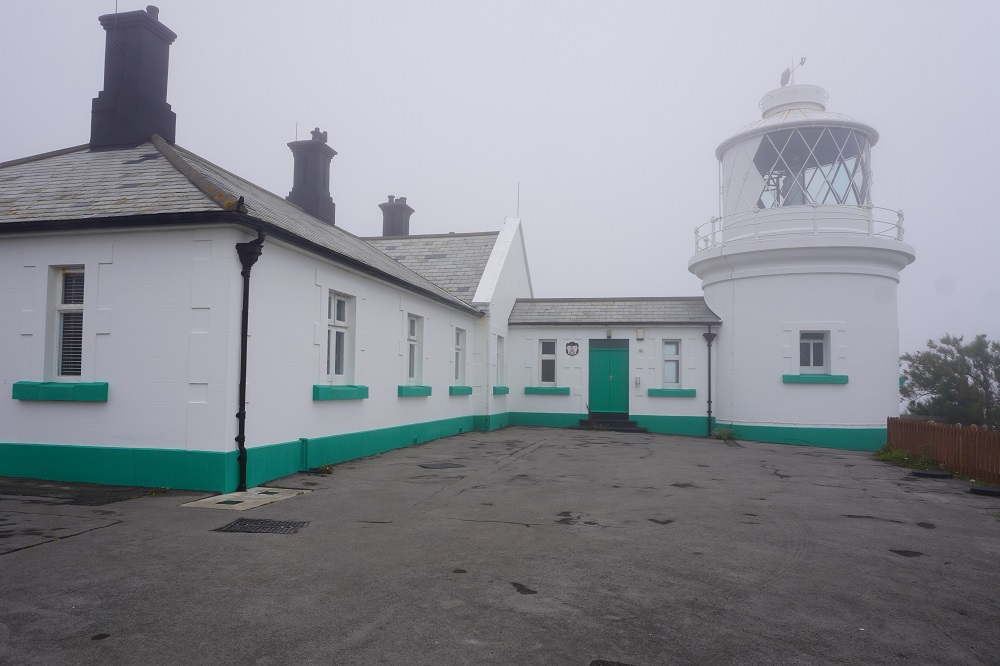
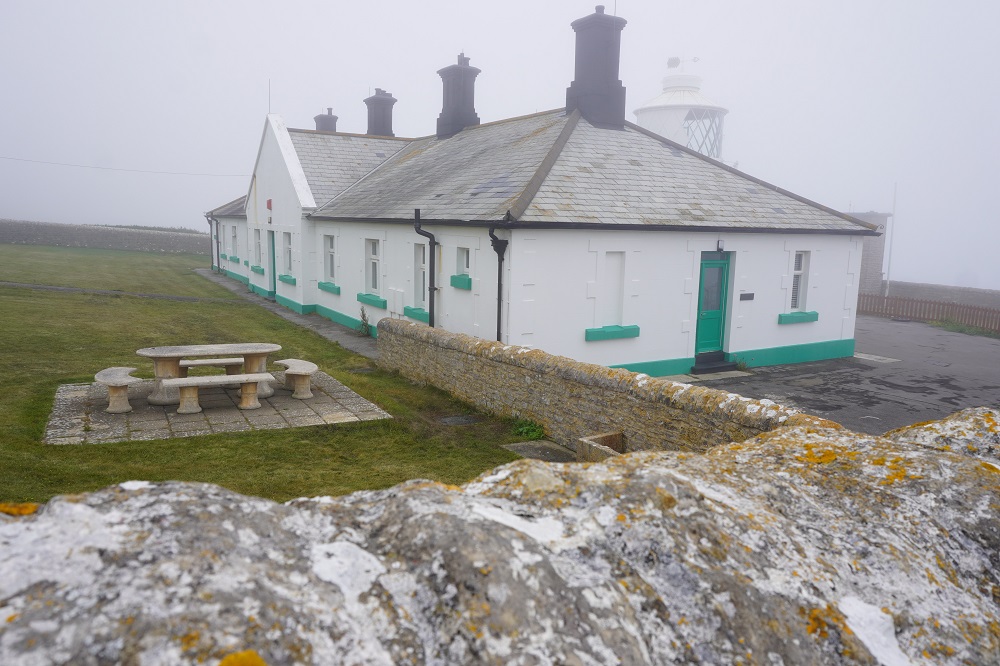
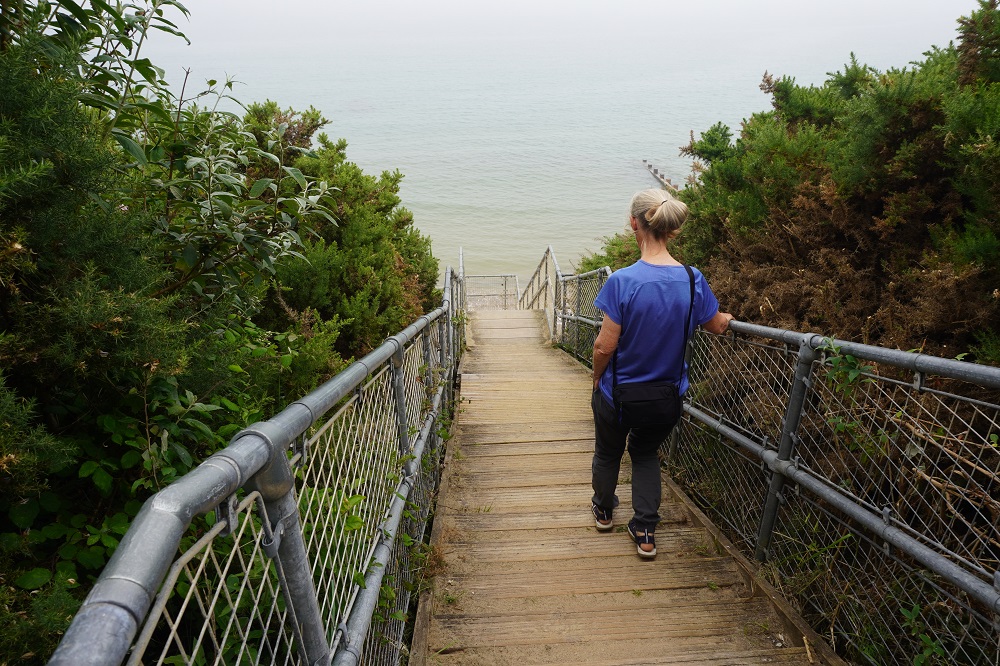
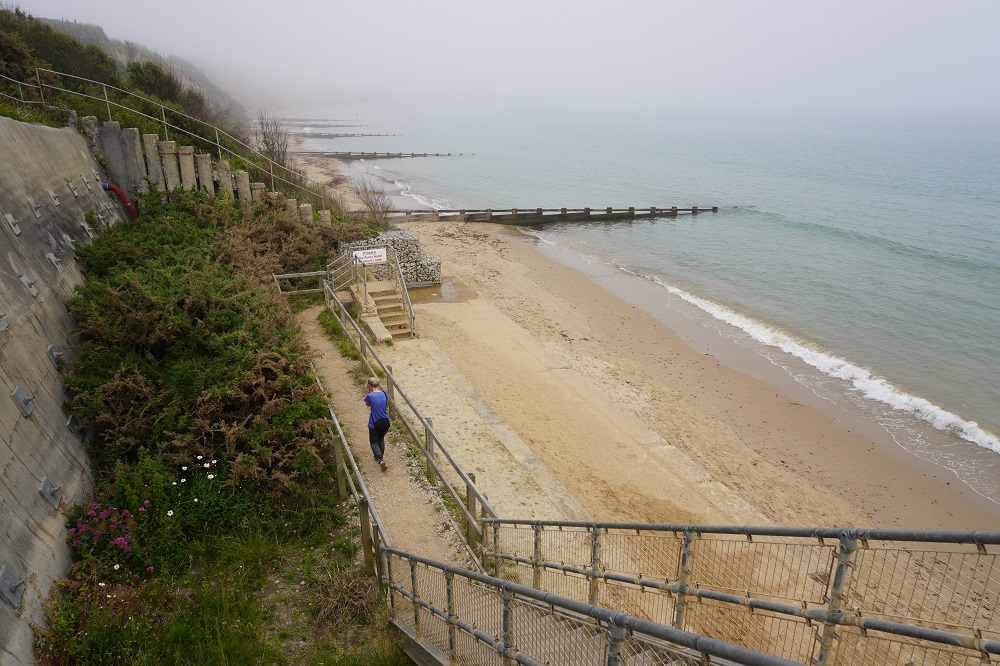
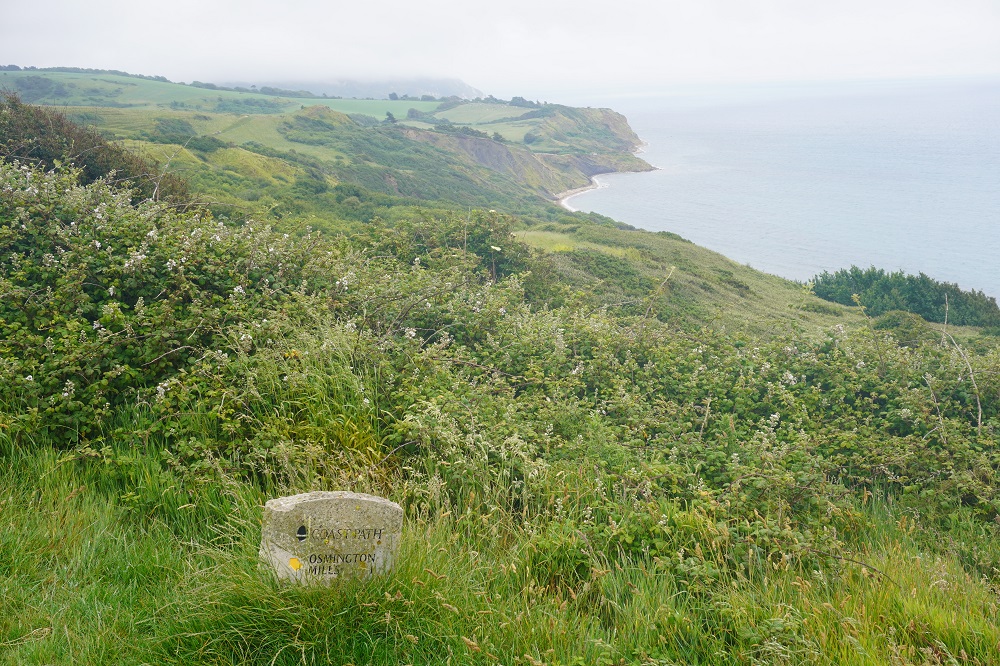
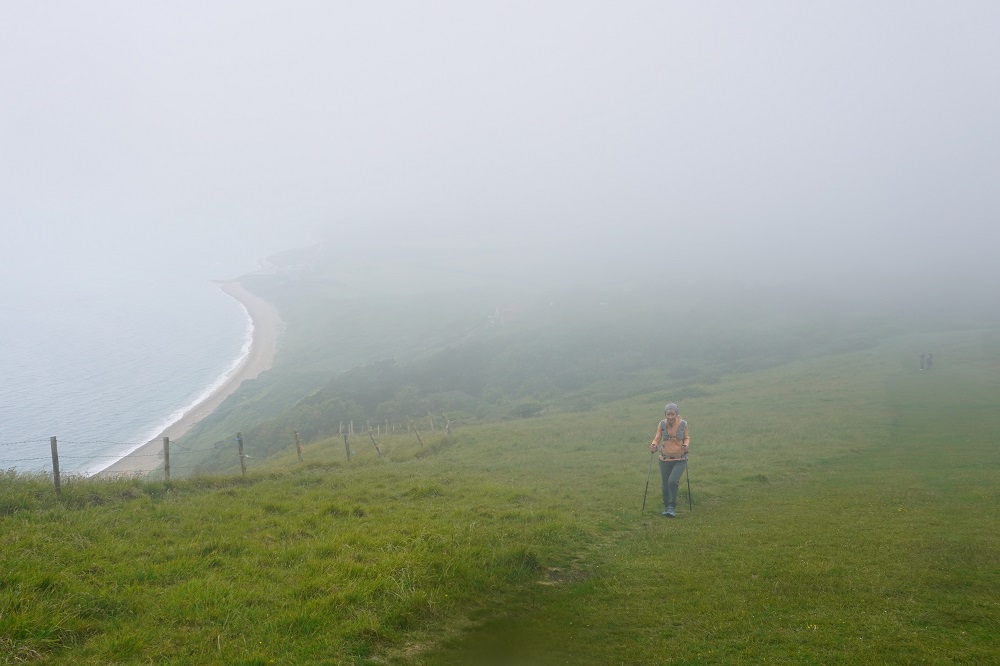
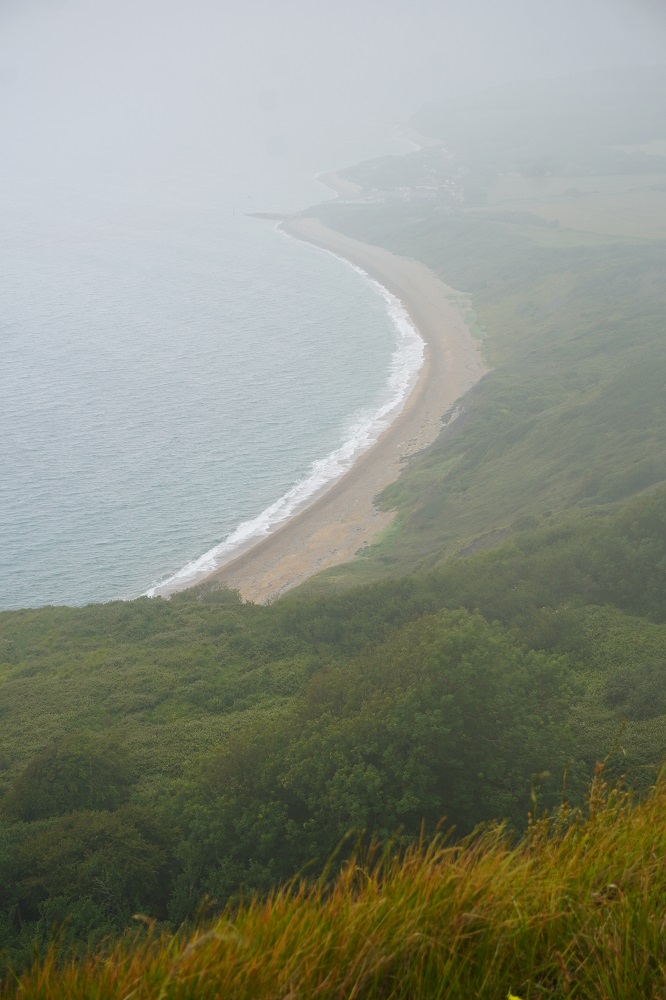
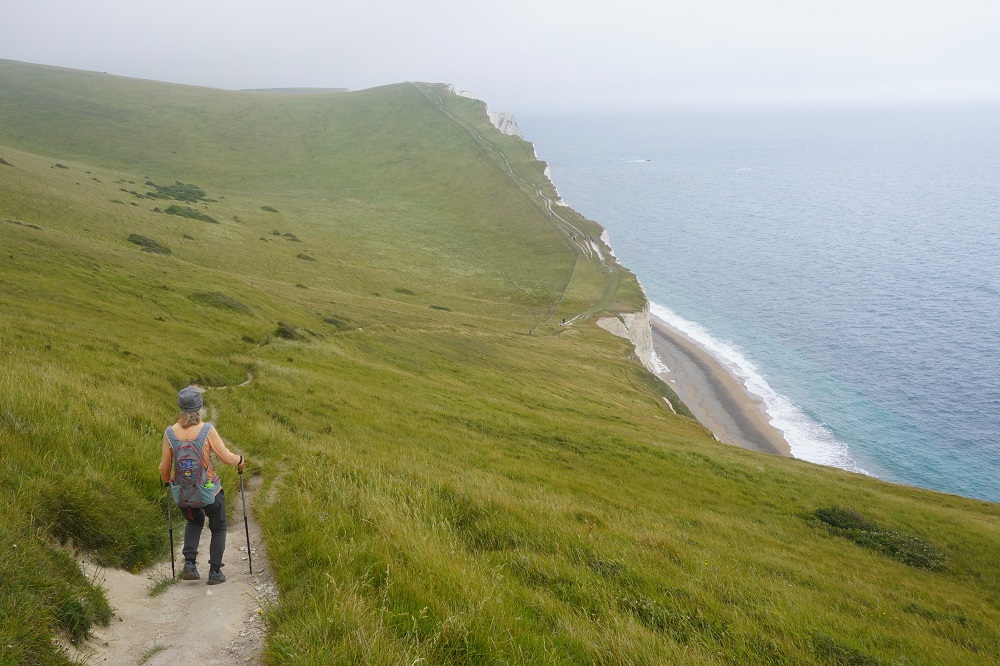
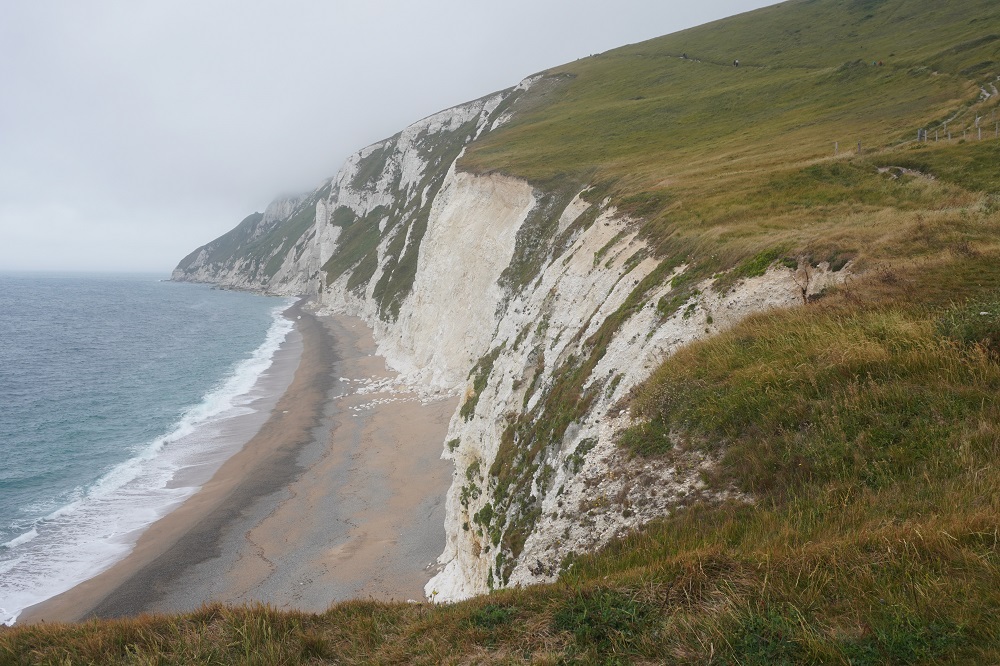
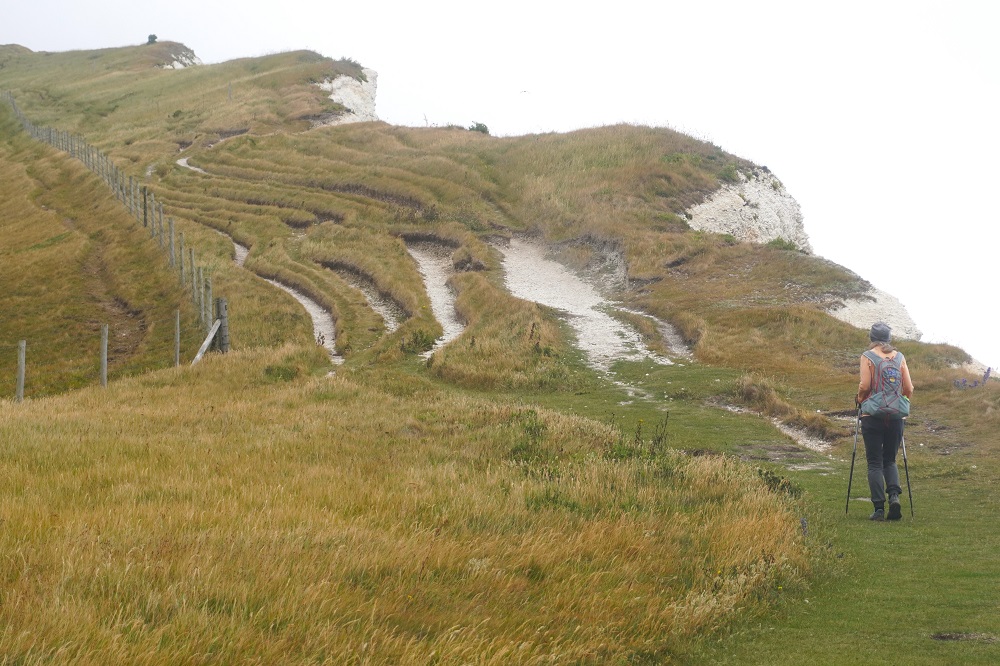
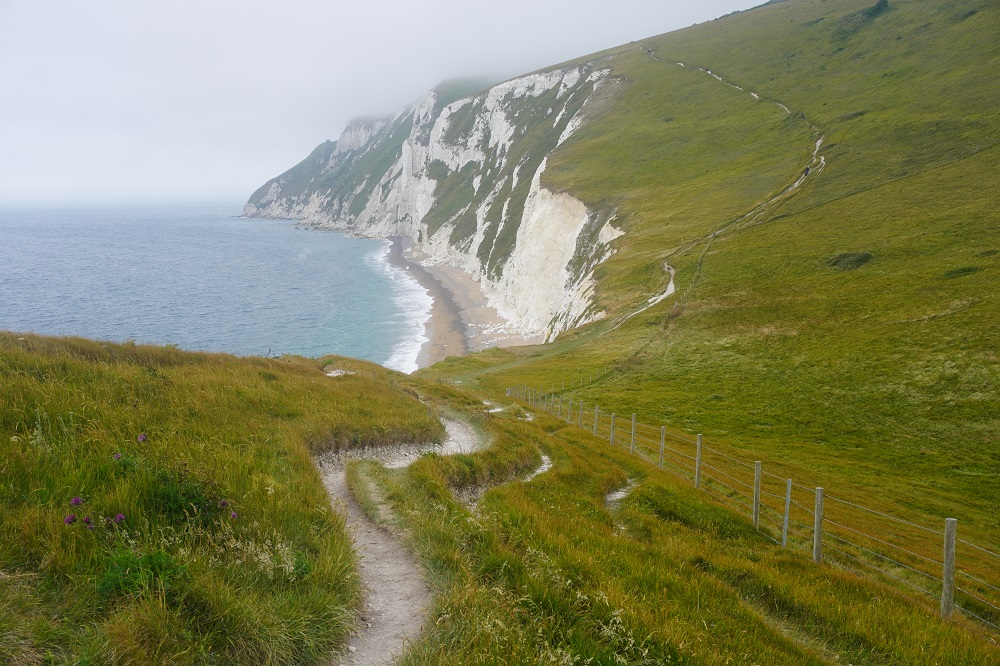
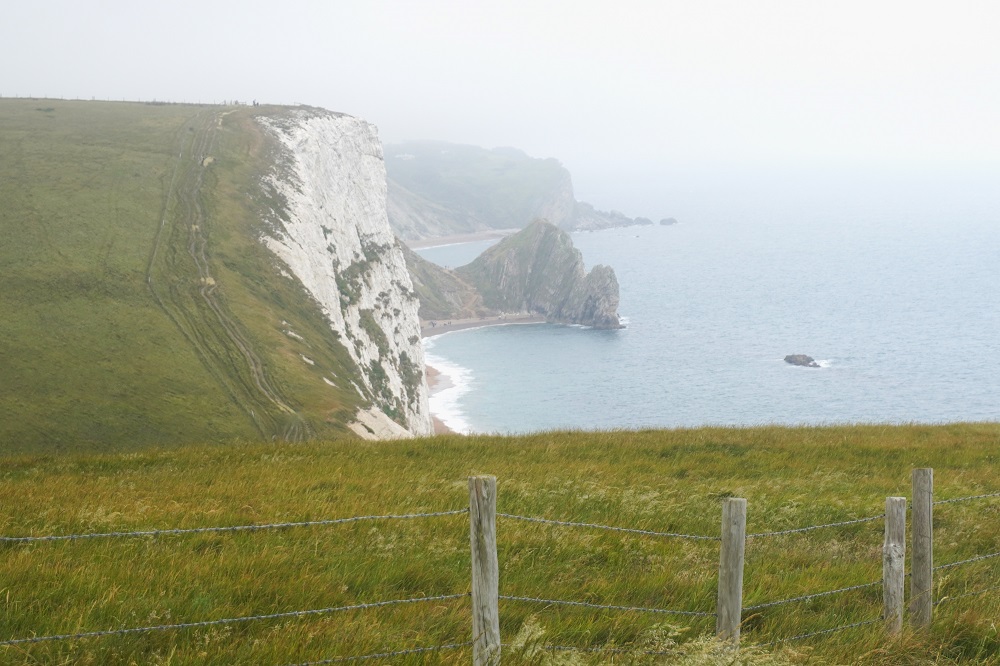
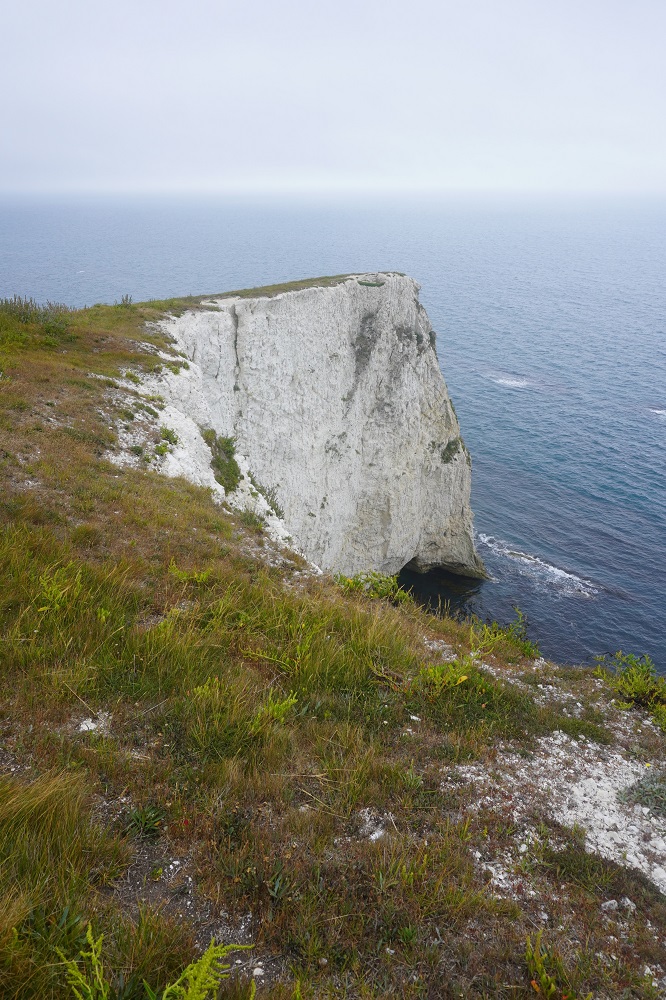
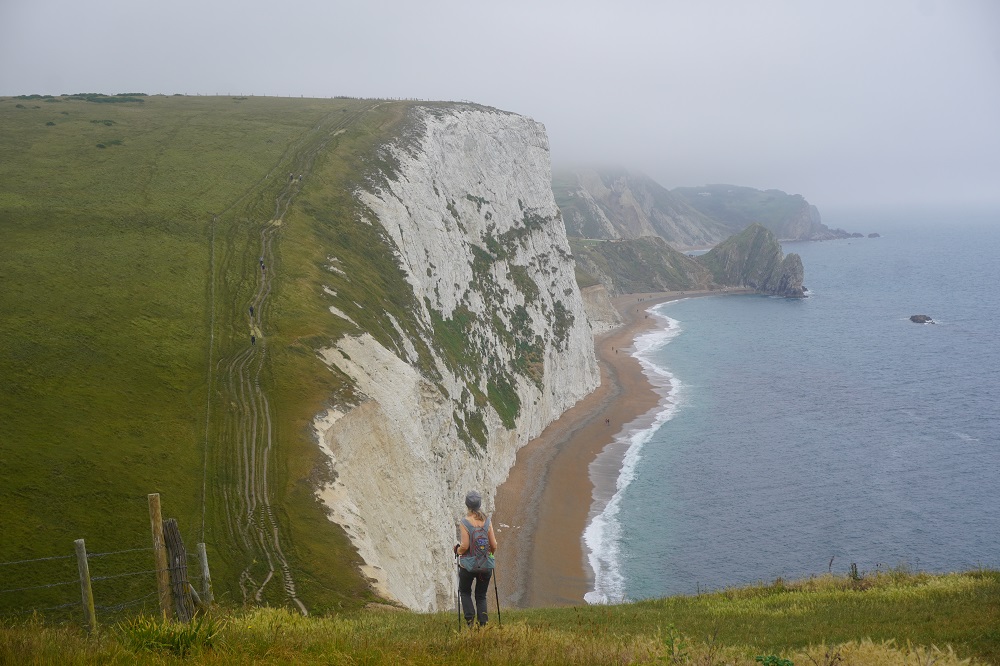
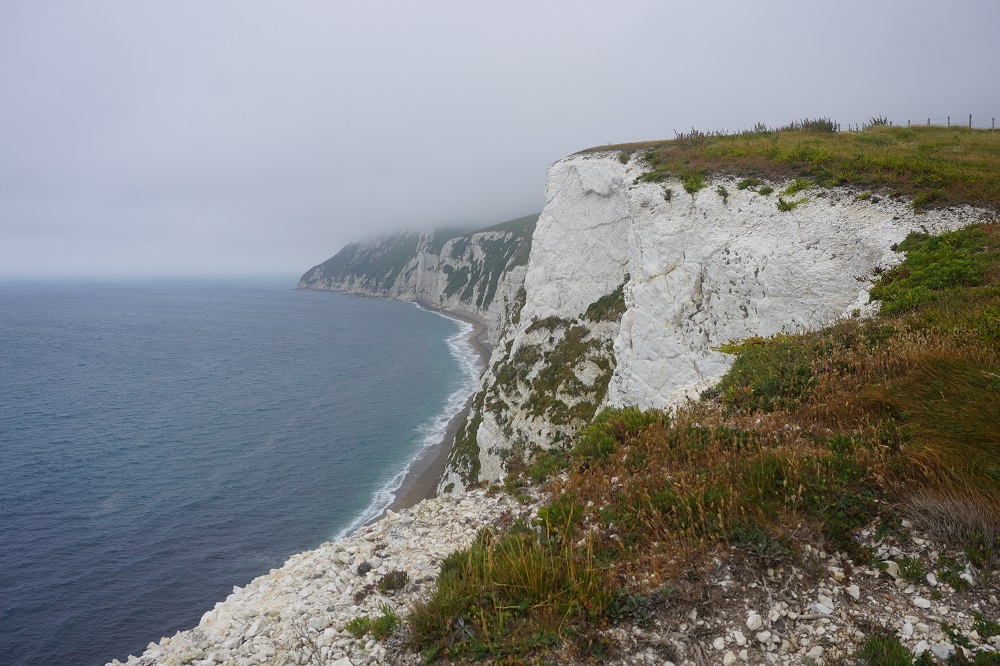
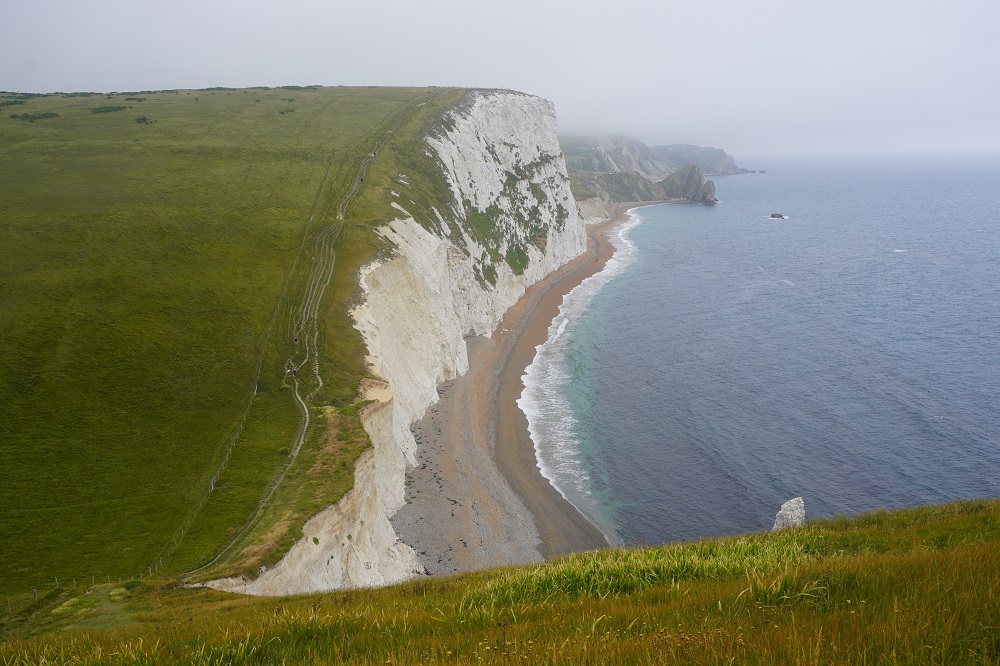
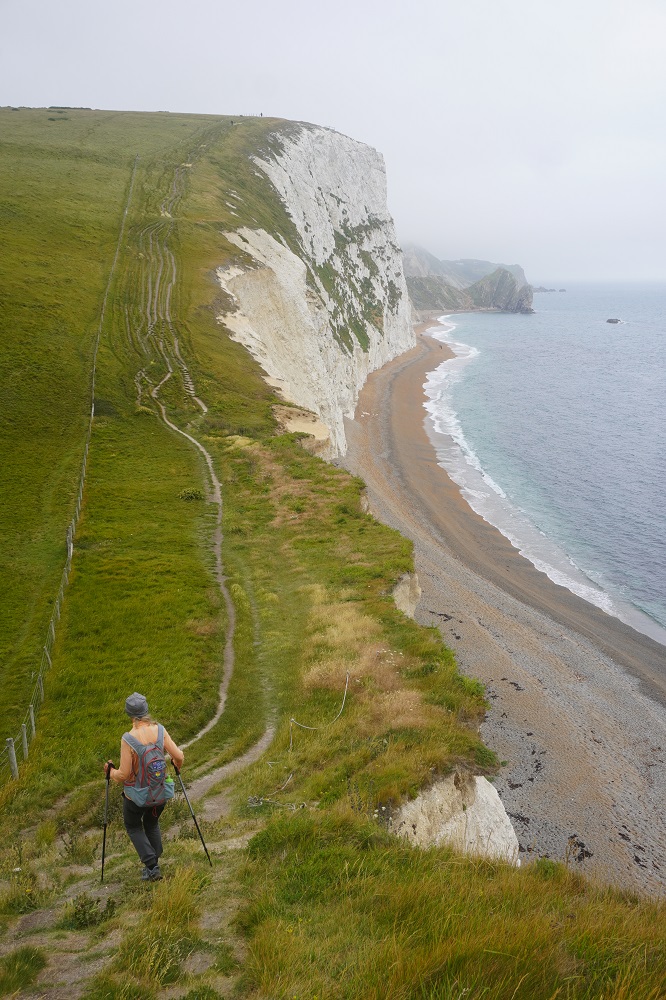
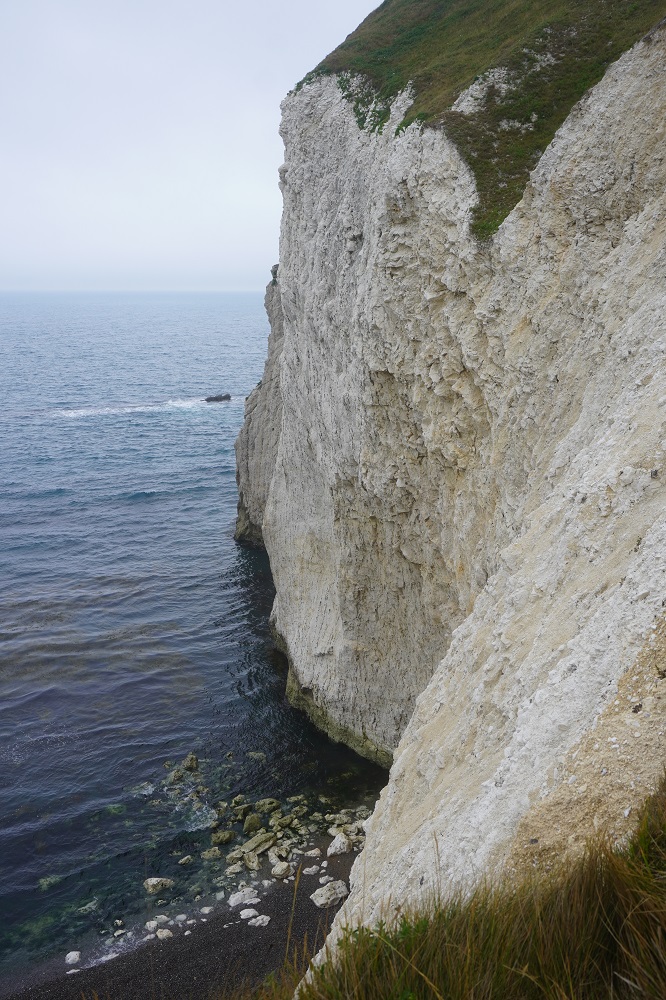
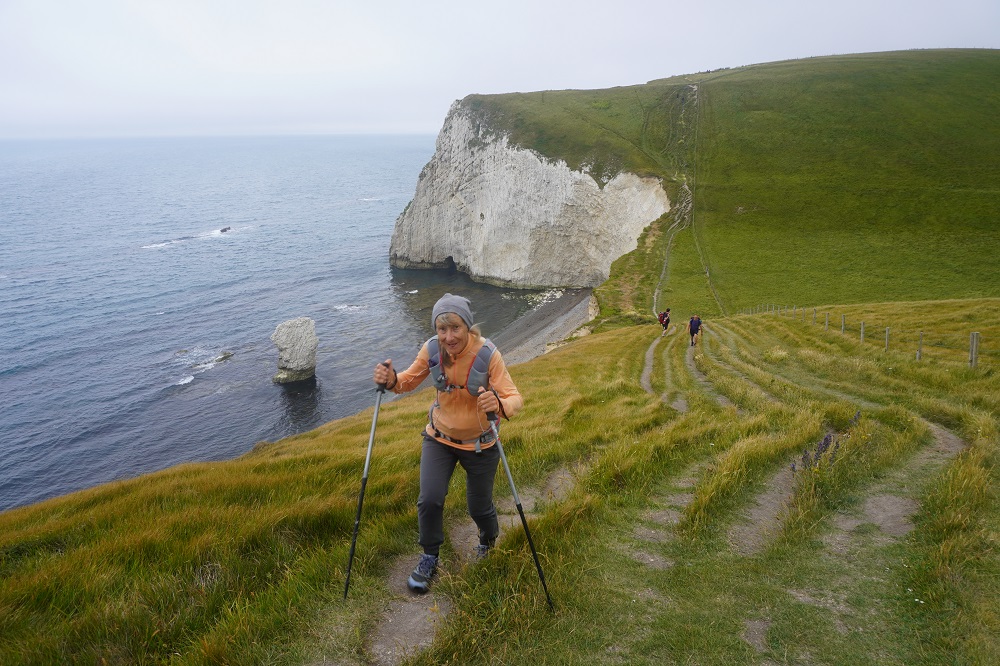
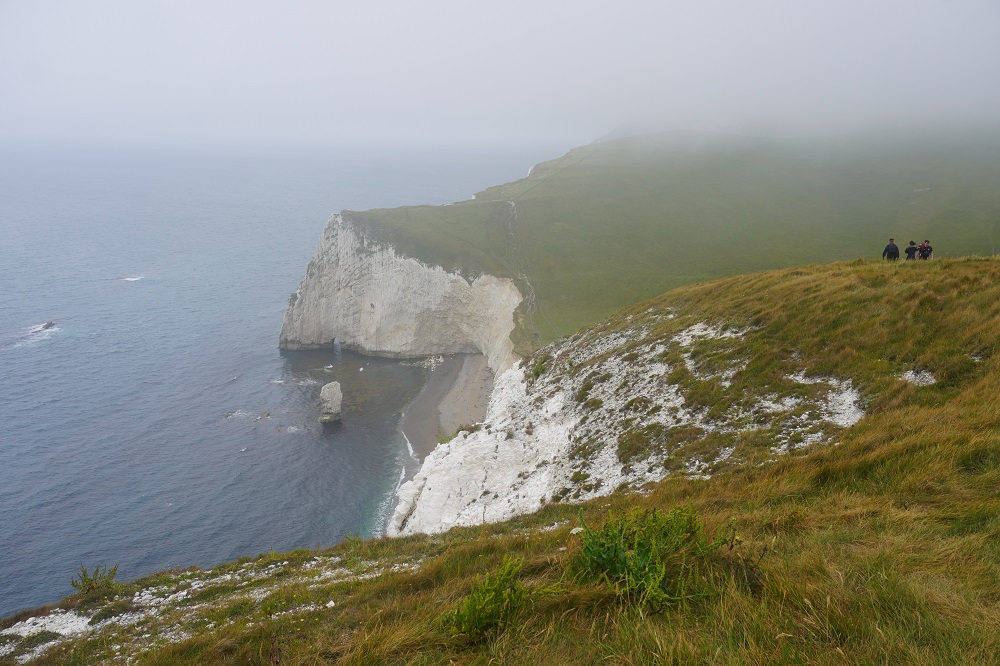
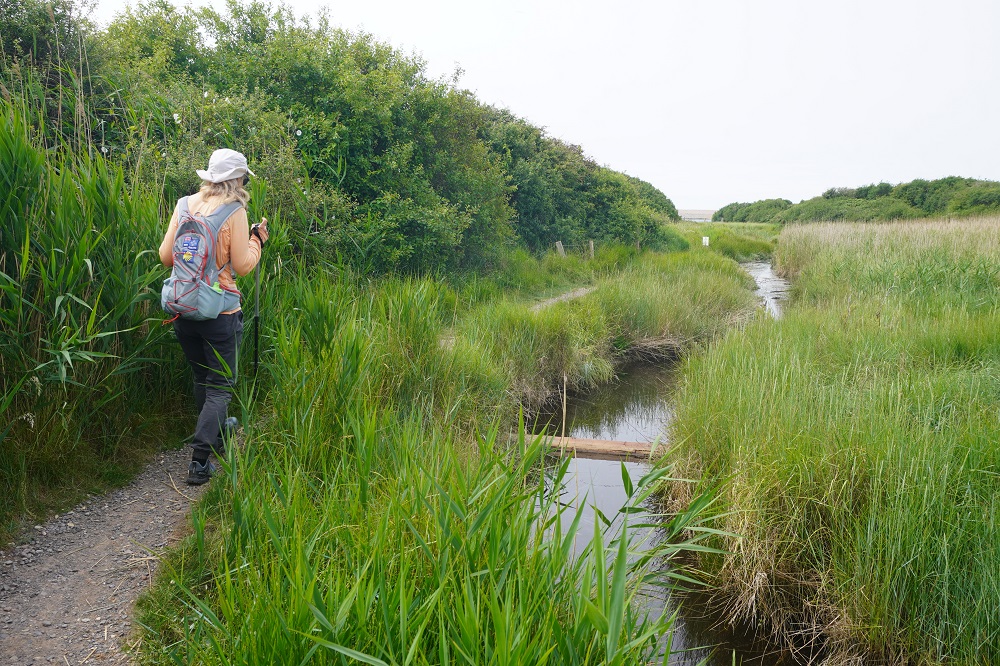
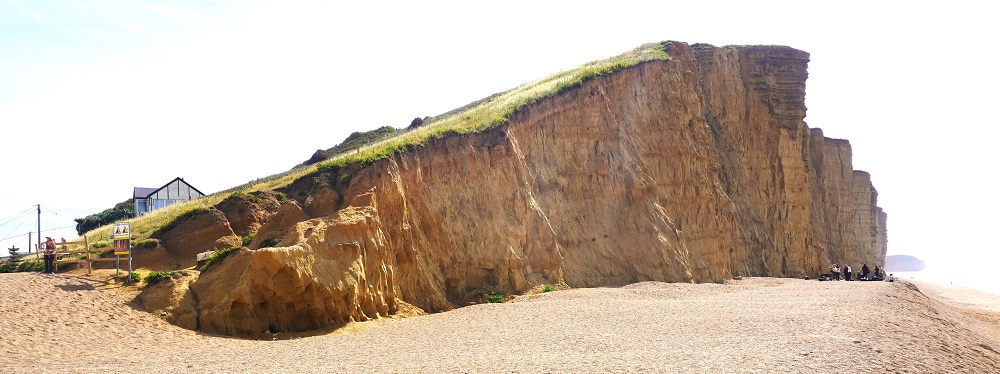
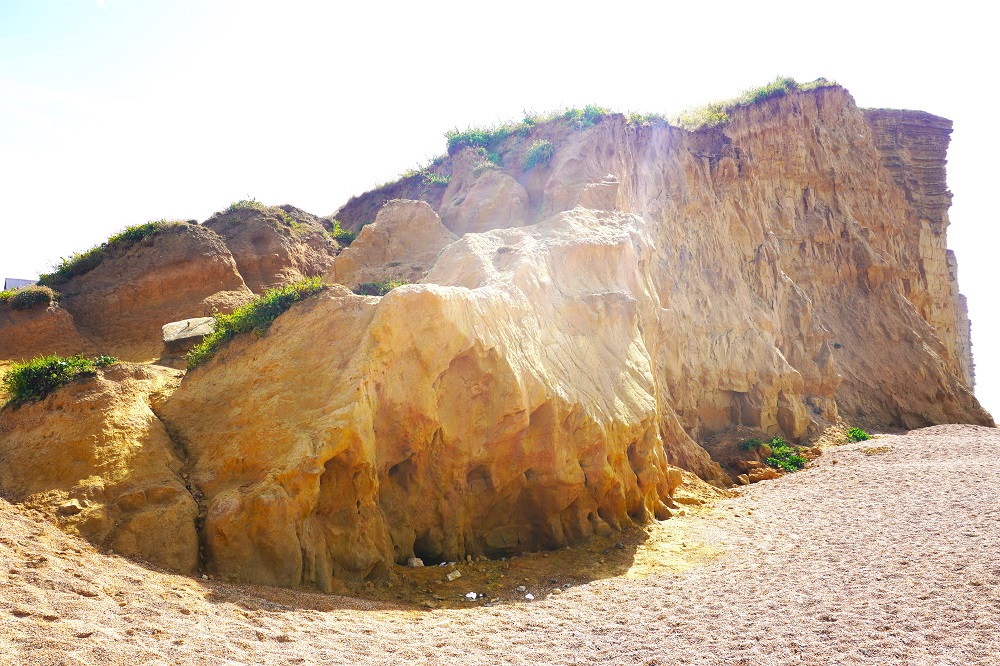
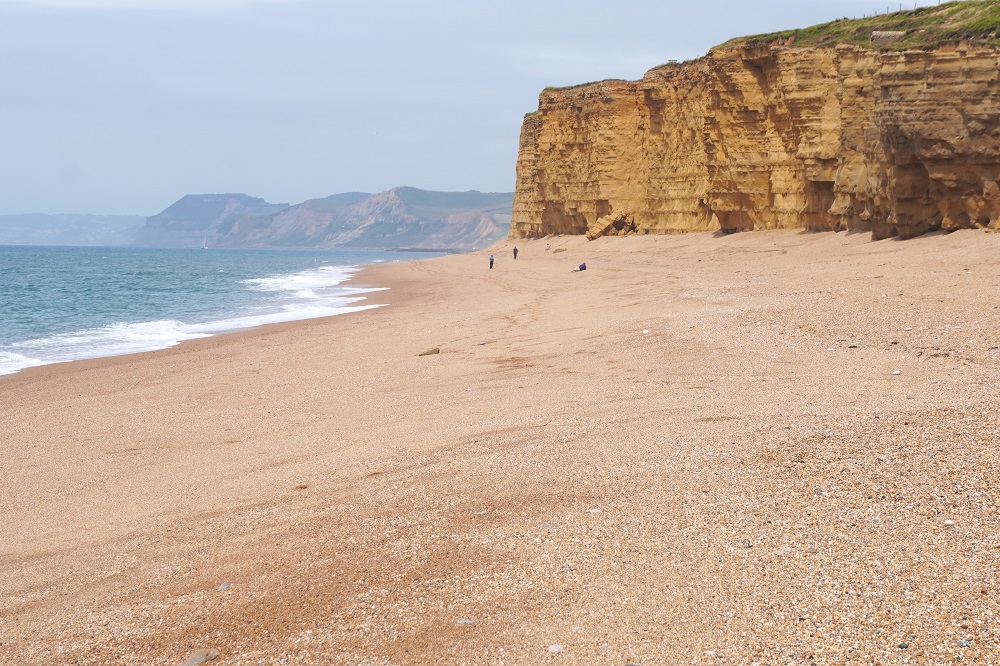
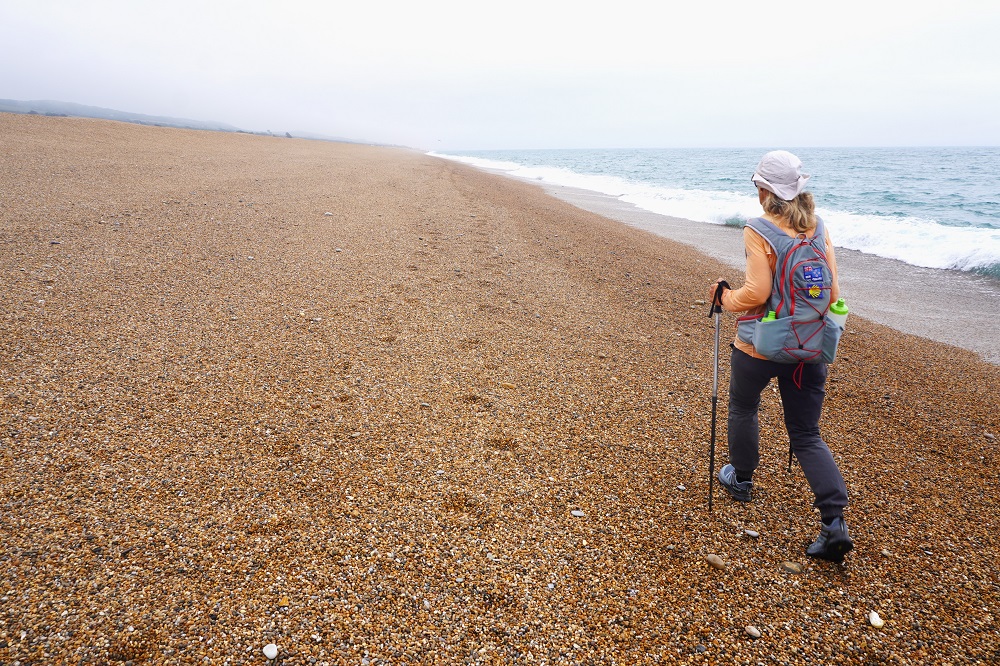
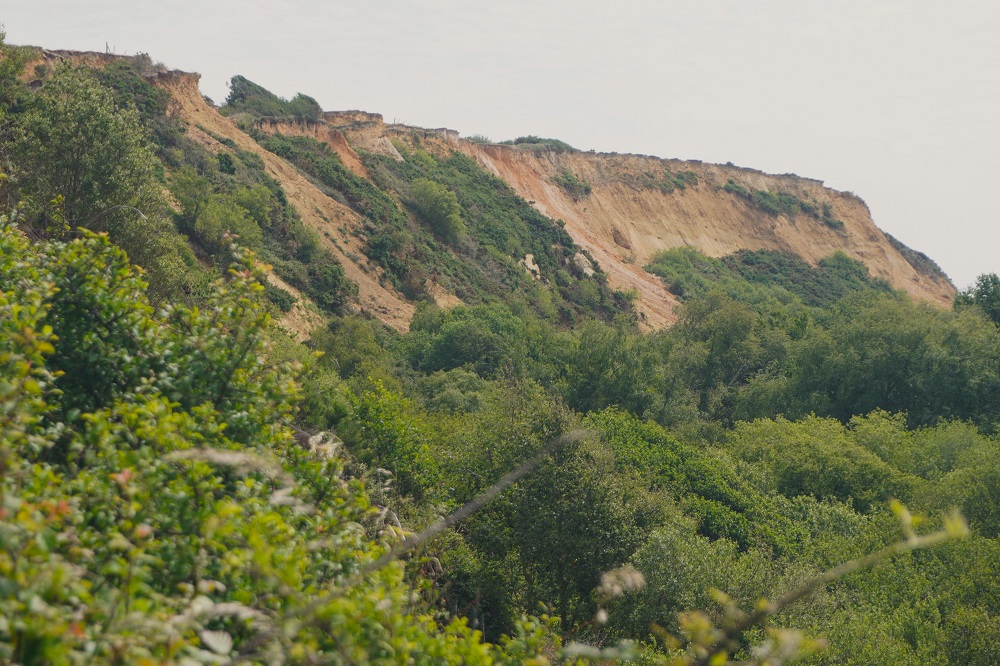
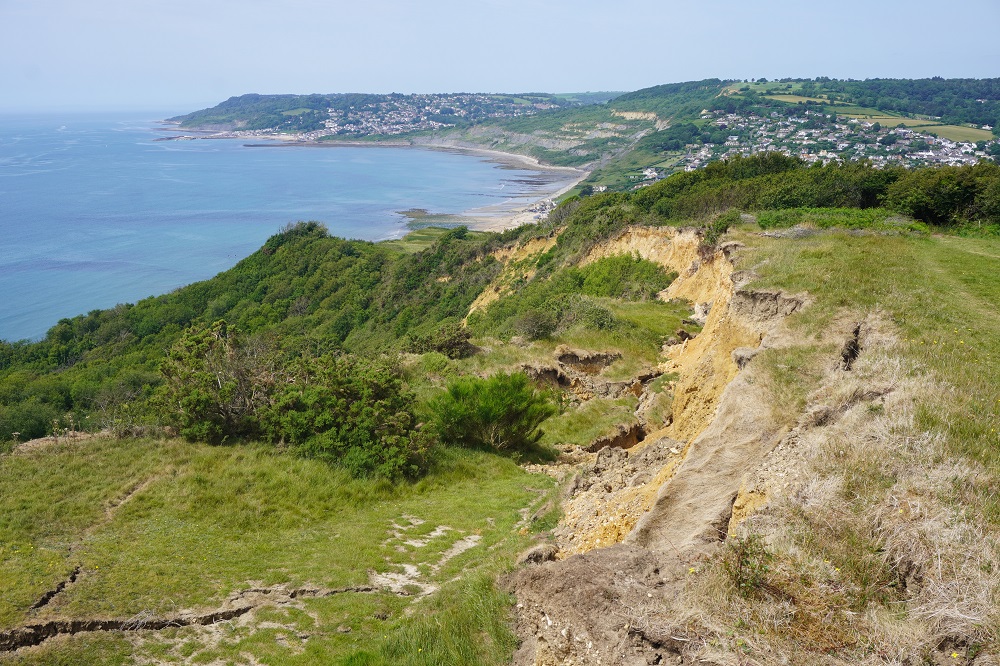
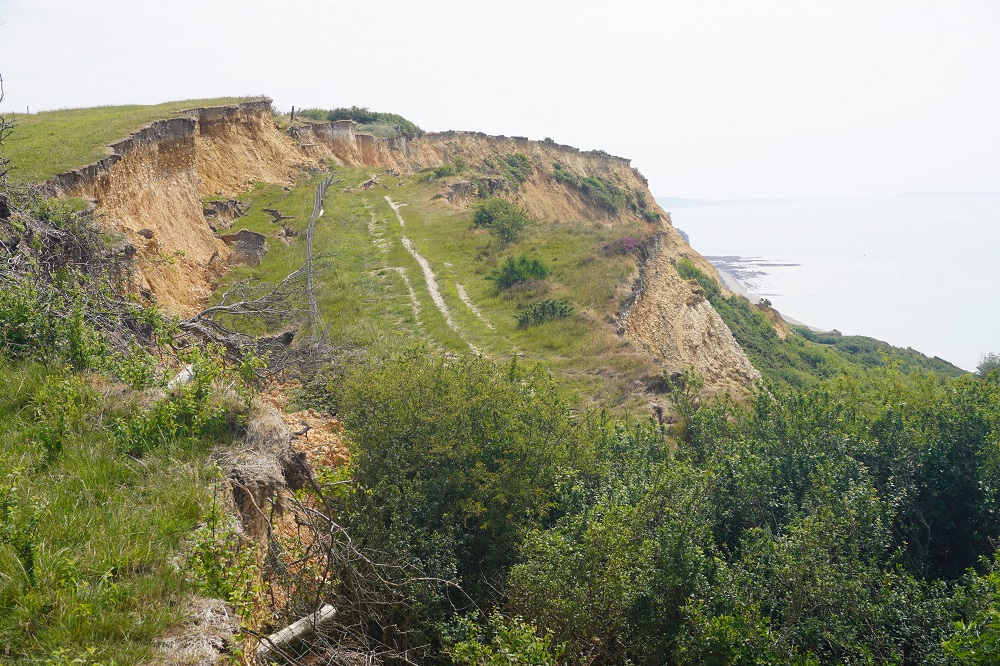
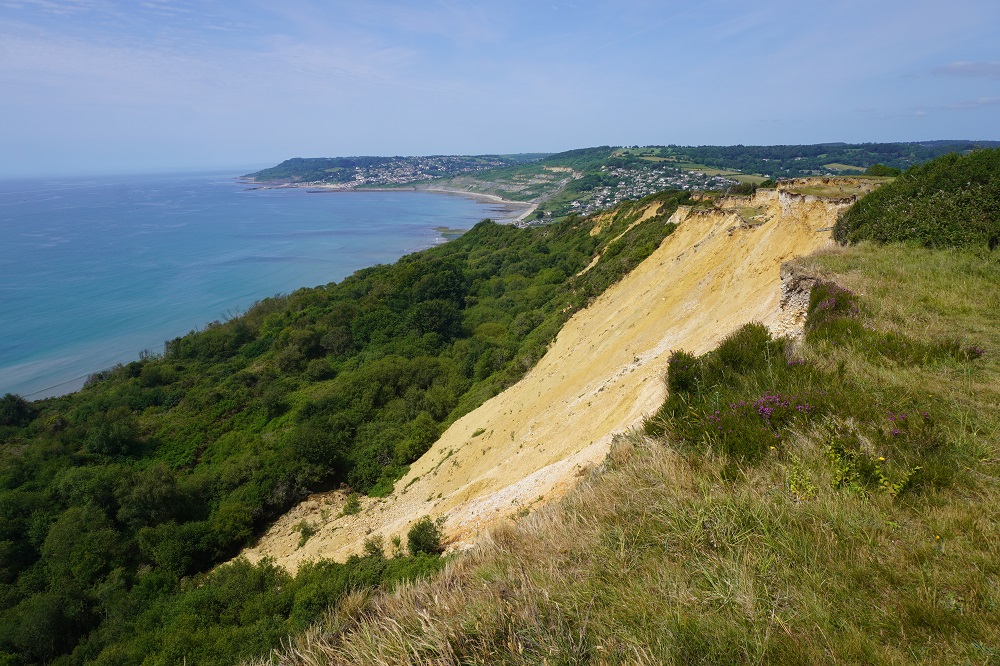
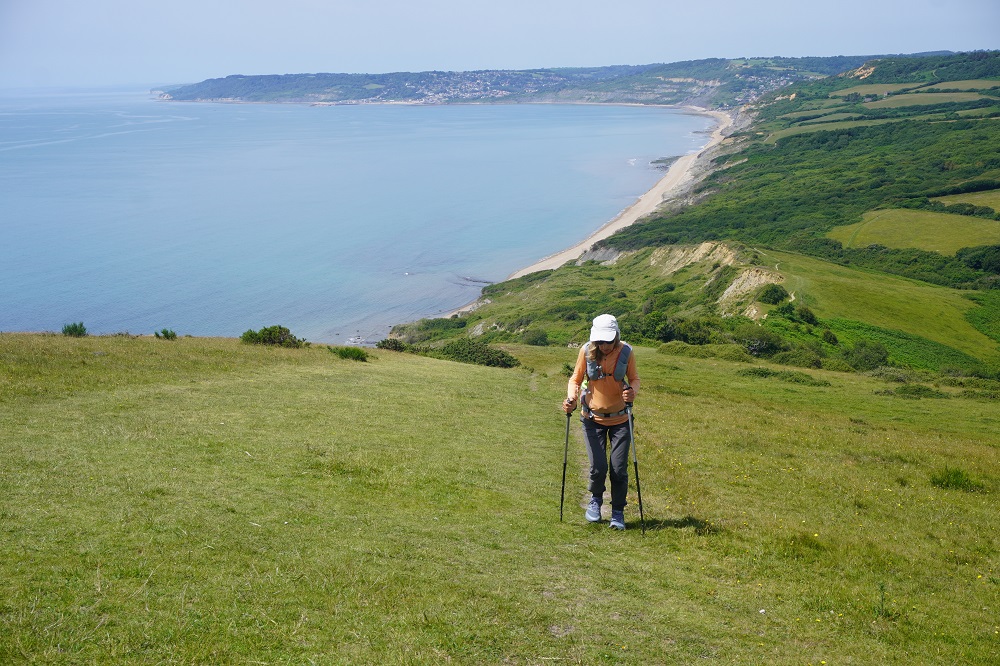
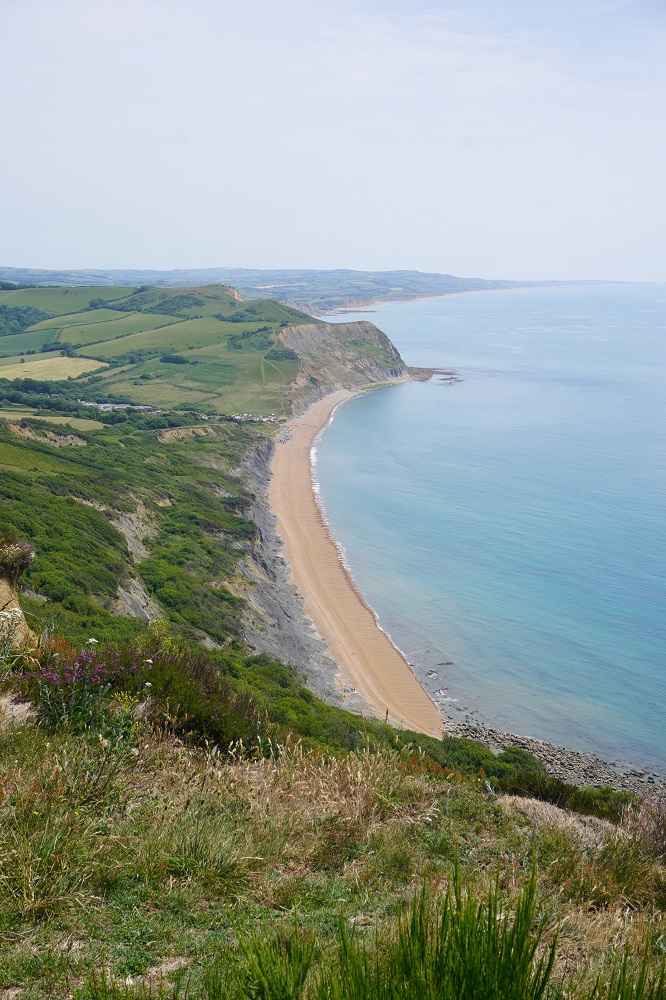
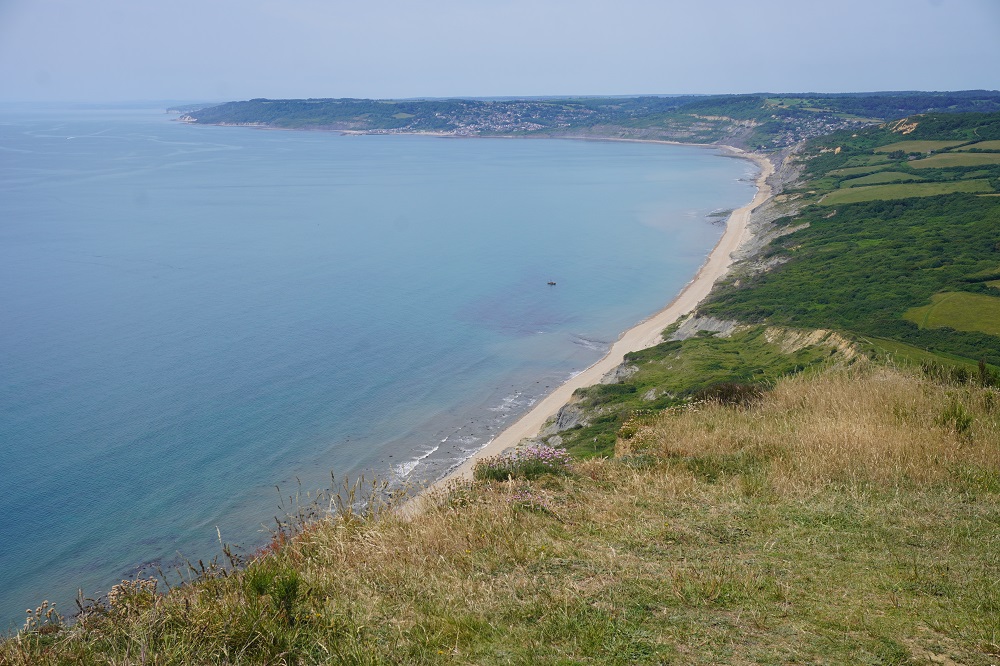
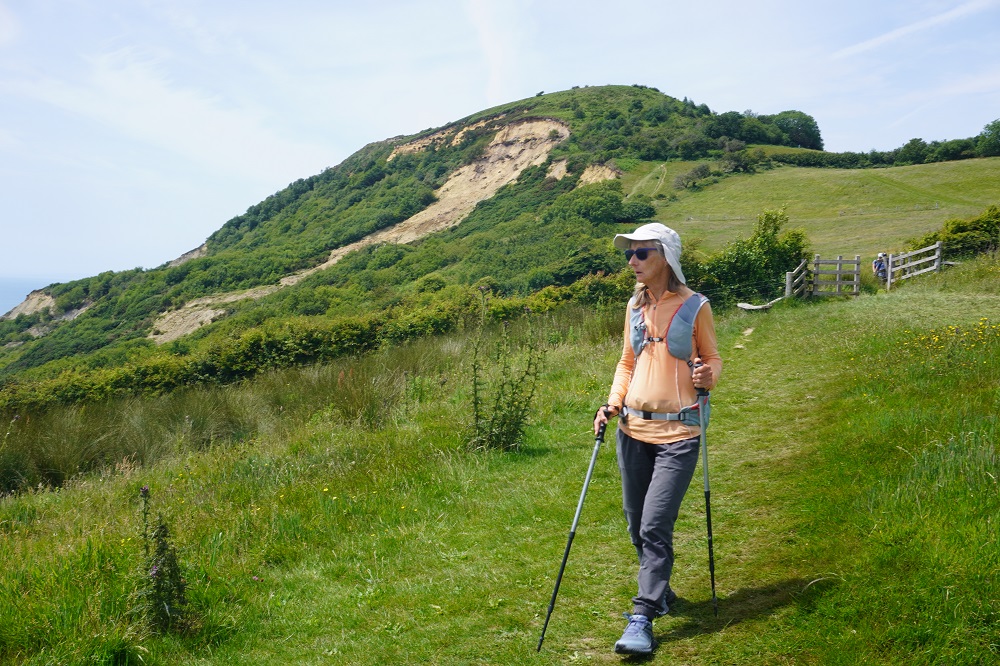
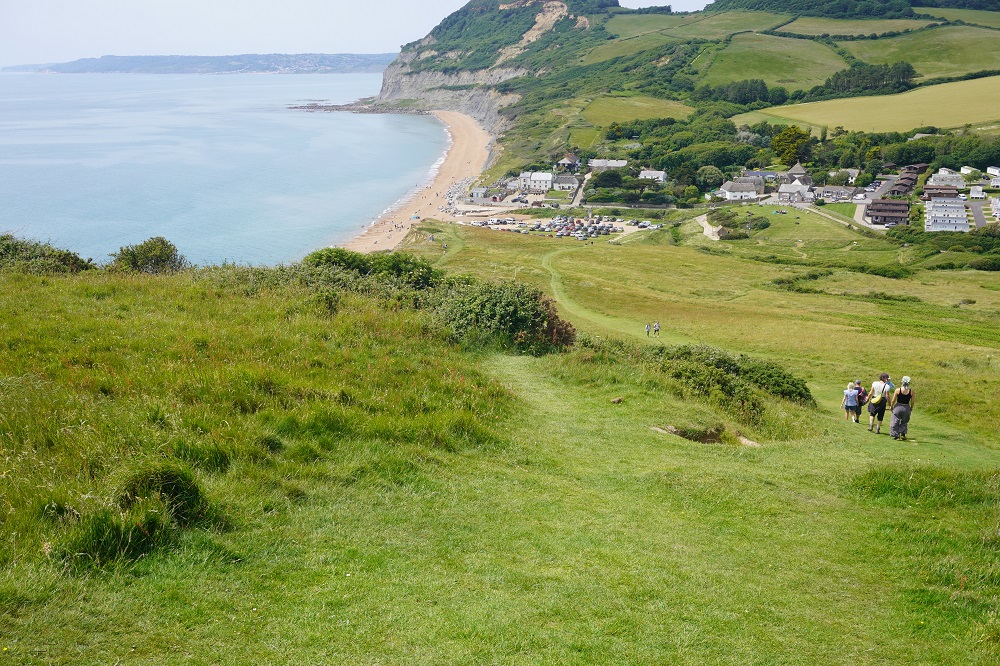
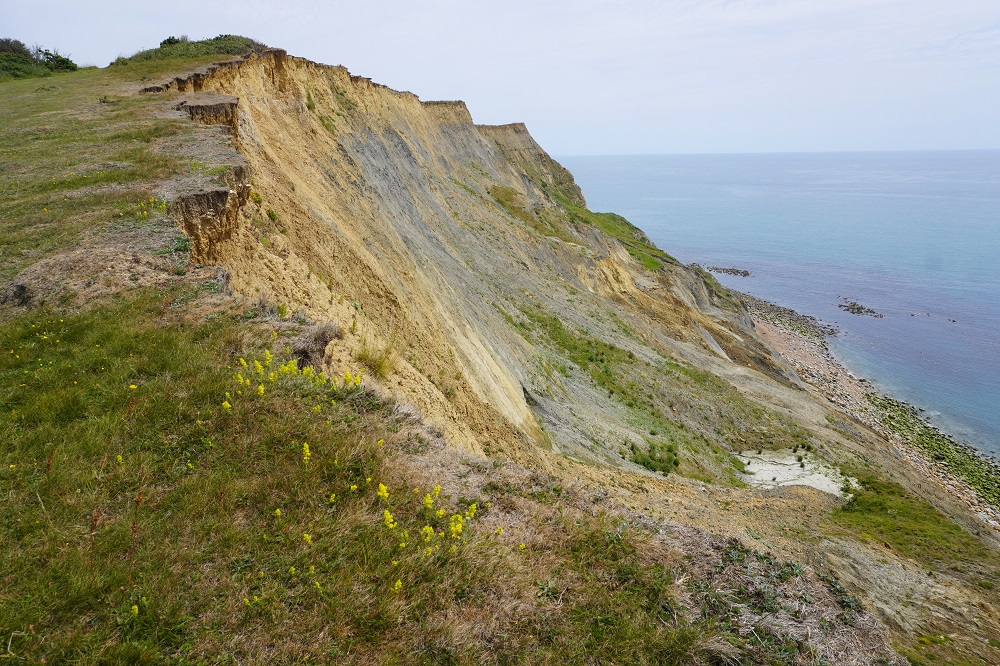
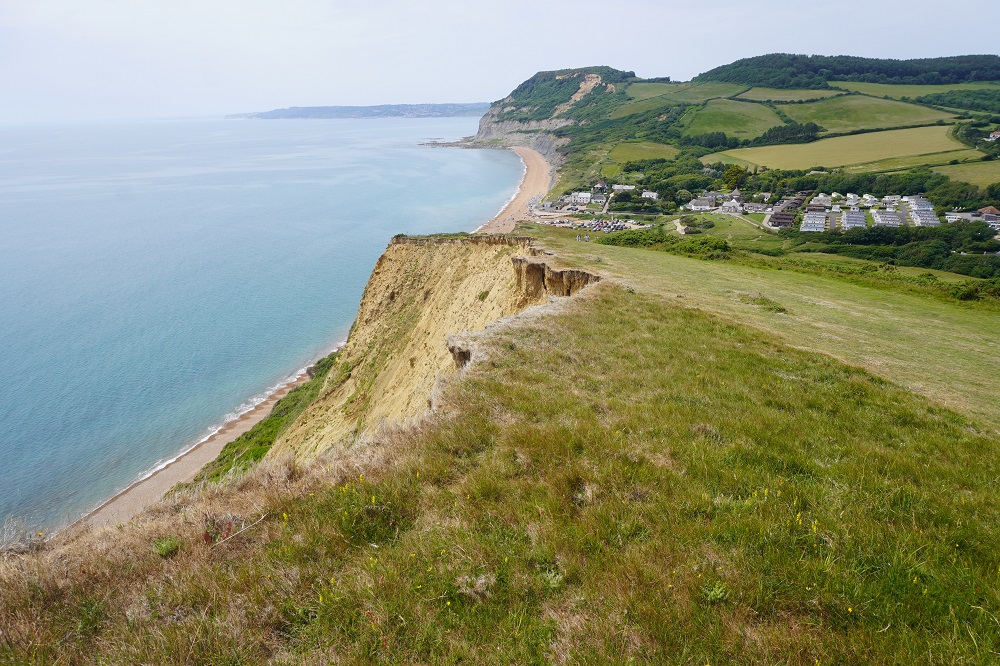
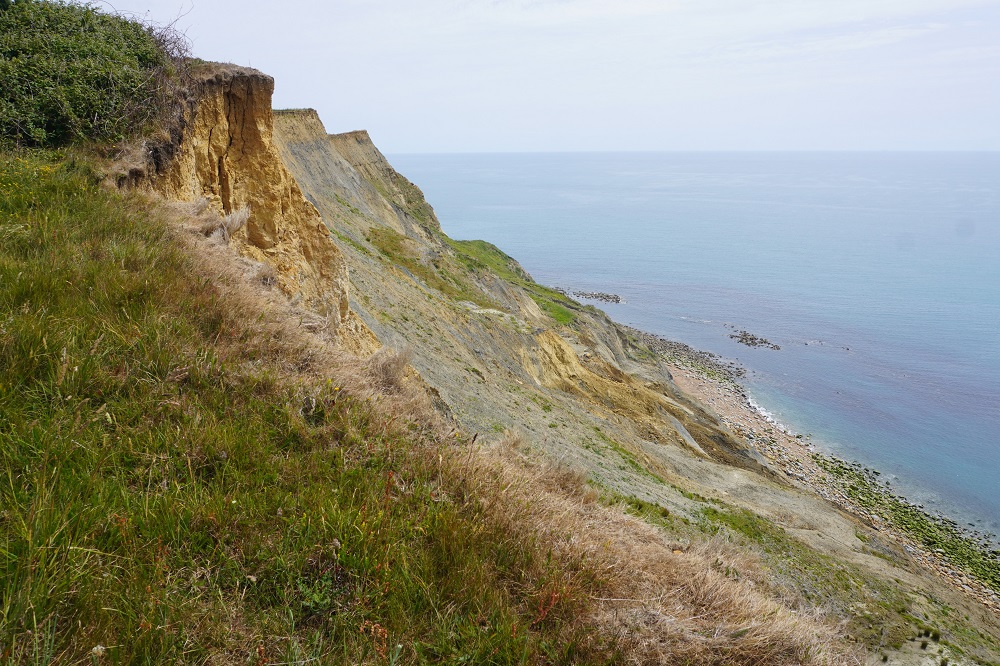
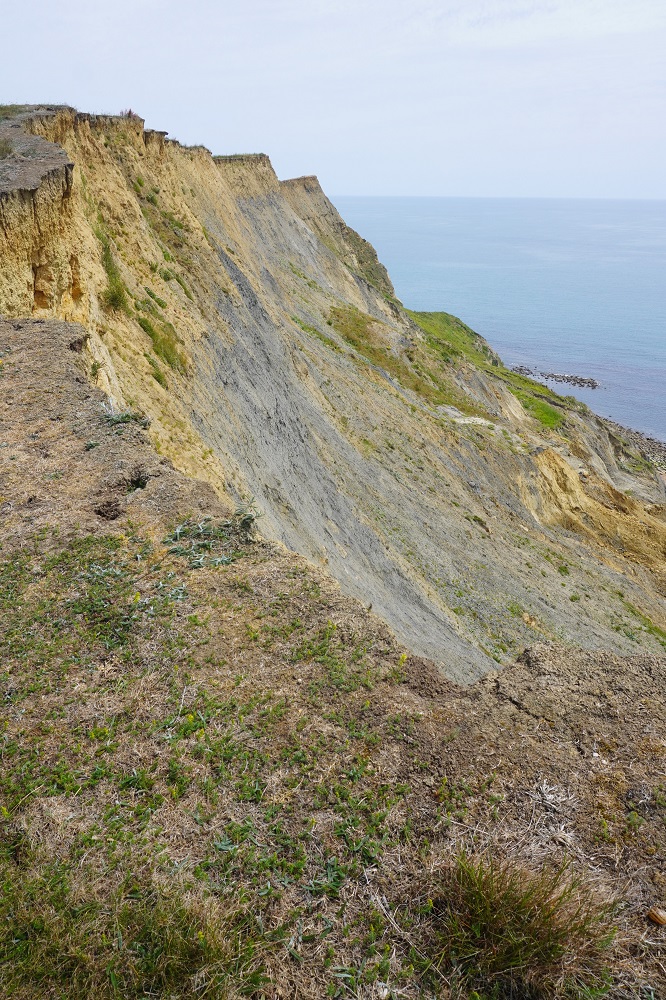
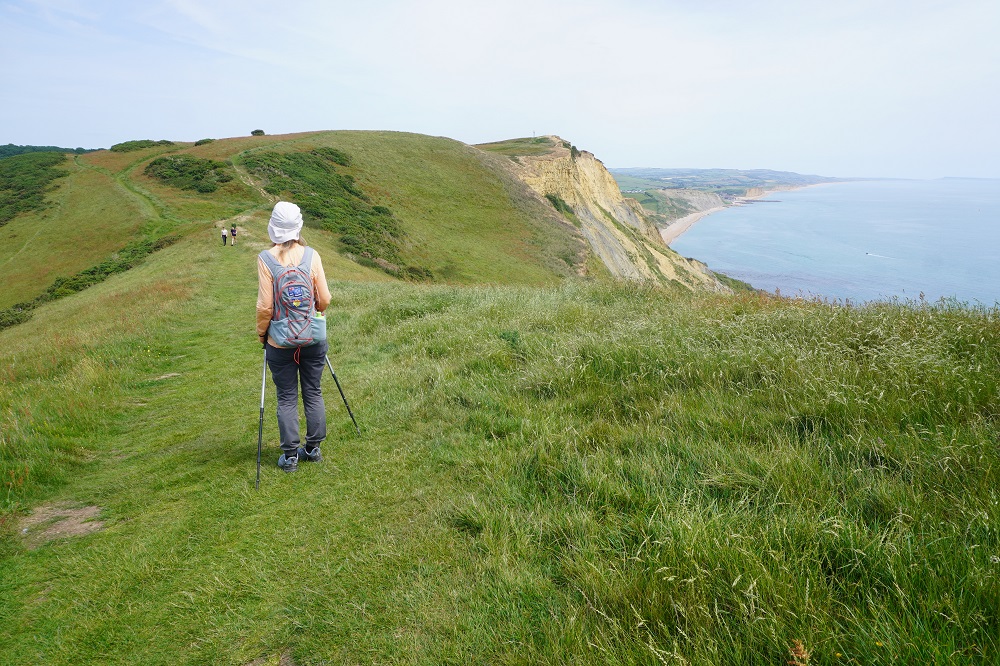
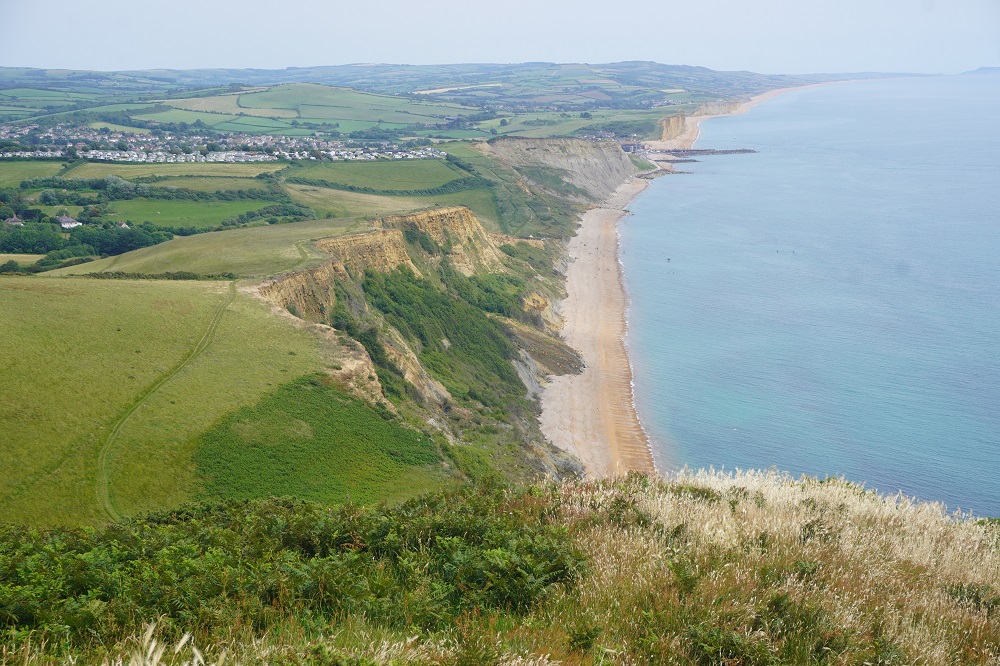
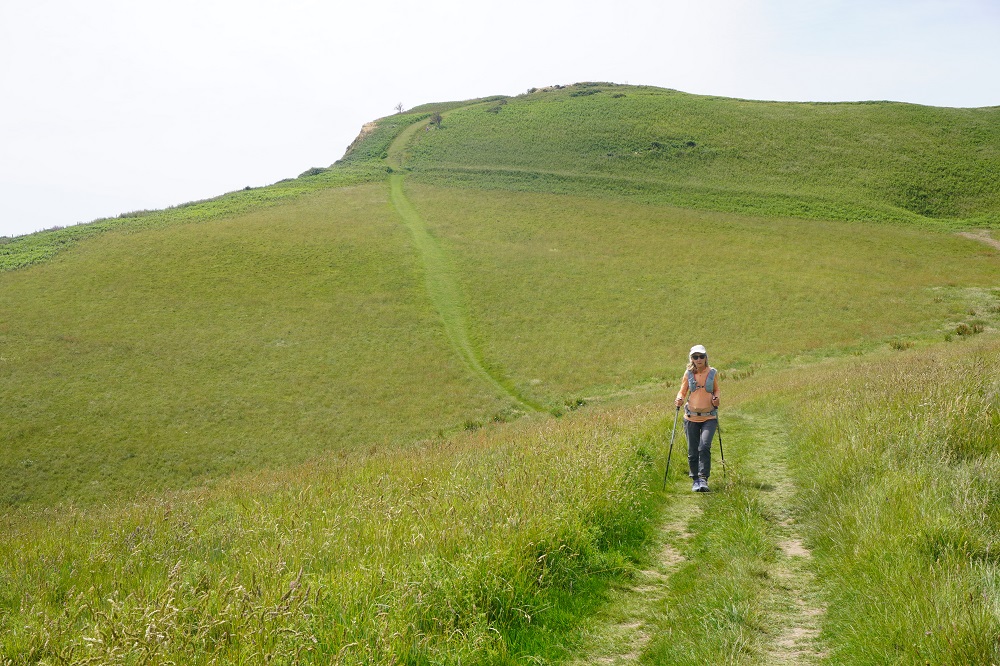
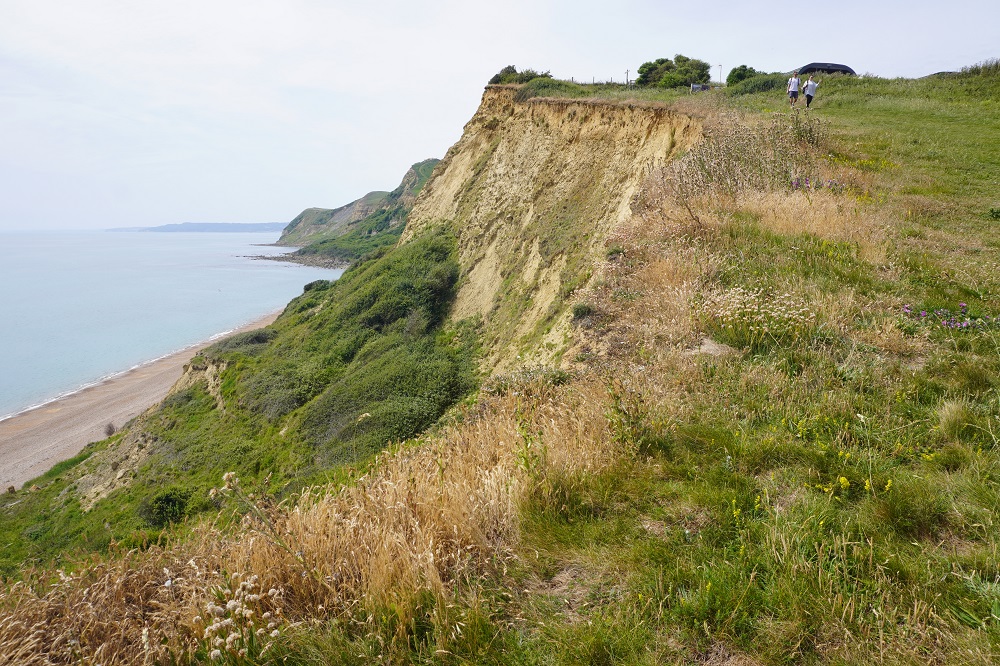
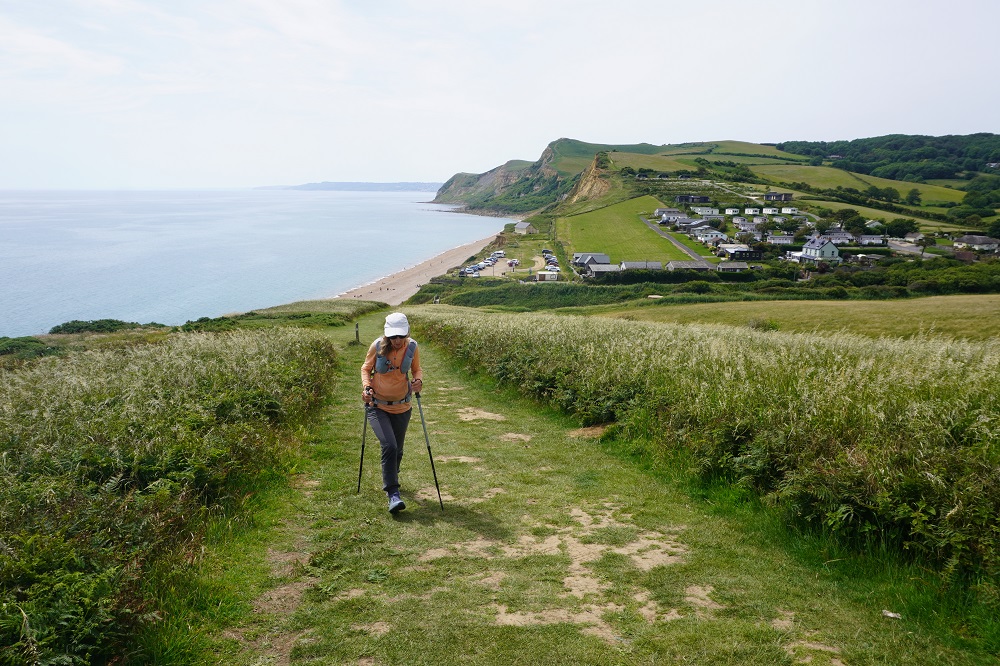
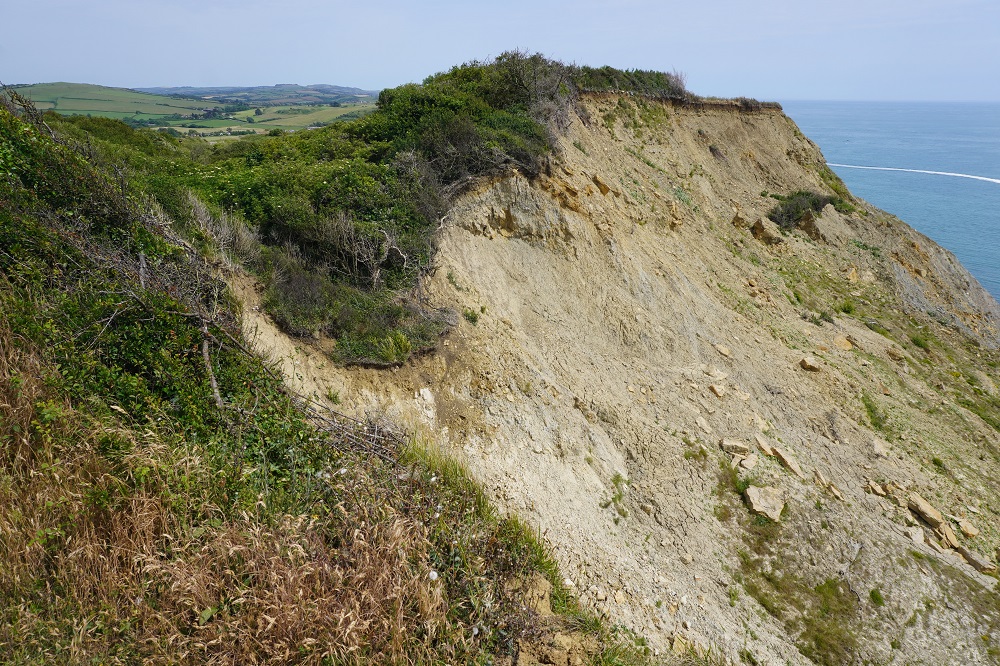
At Hartland Point the coast changes to a more southerly direction and the fun begins. At Hartland Point there is an 1874 lighthouse and seasonal café. The landscape is now dark brooding cliffs with jagged fingers of rock stretching out into the ocean. There was another memorial this time to the Glenart Castle, a hospital ship sunk by a submarine in 1918. 153 of the 186 men and women on board died. There were now 4 climbs to get over before the end of the day. Each seemed higher and steeper than the last but I guess we were just starting to tire. The woodland was now gone and we were out on the exposed cliffs with the sun and the wind. Eventually there was one last descent to Hartland Quay.

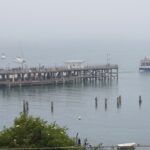
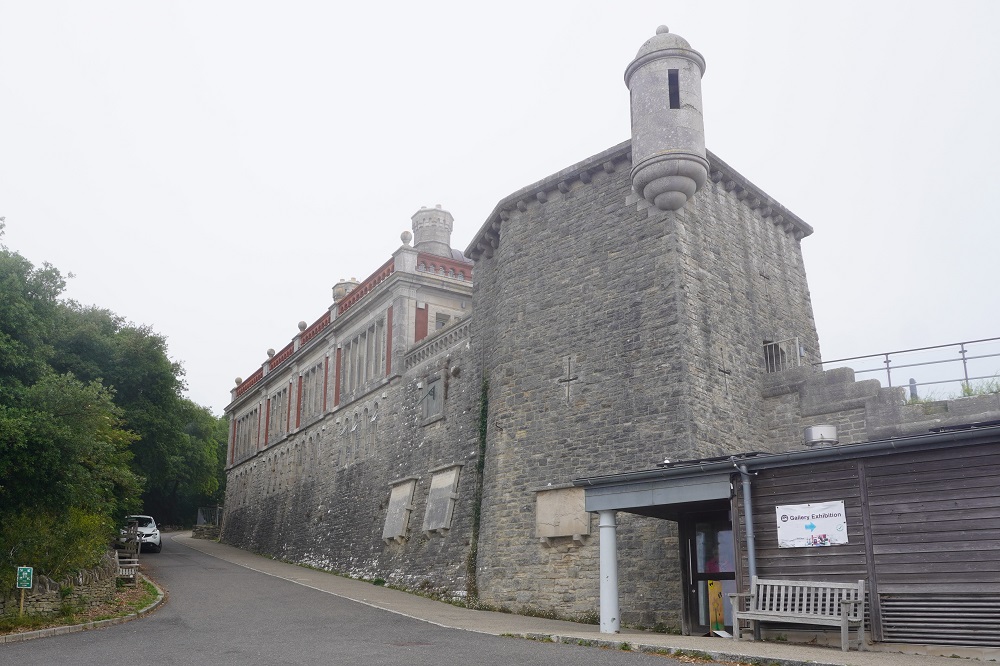
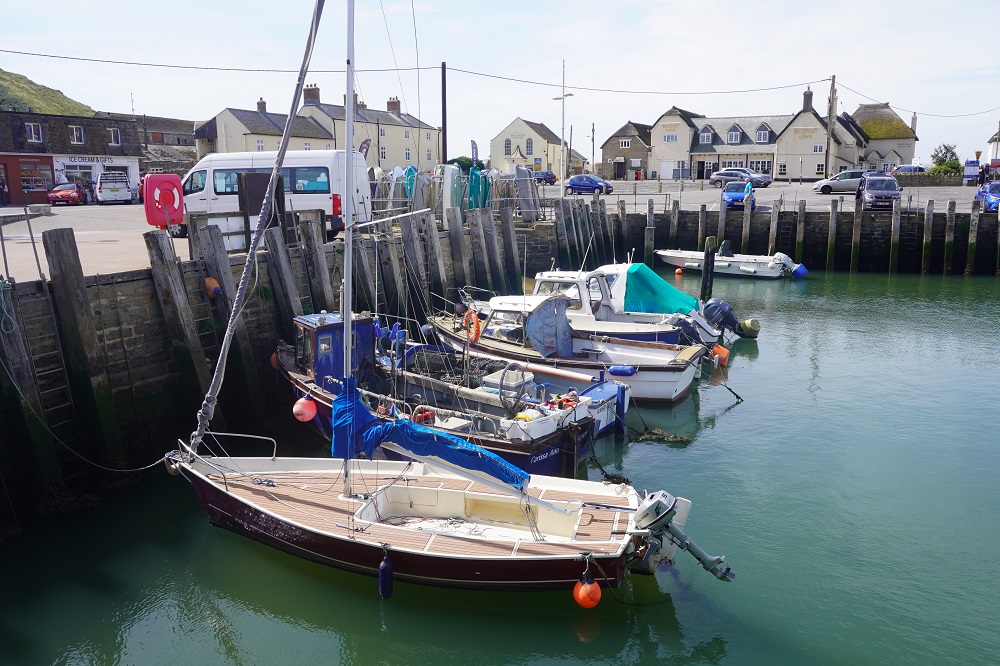
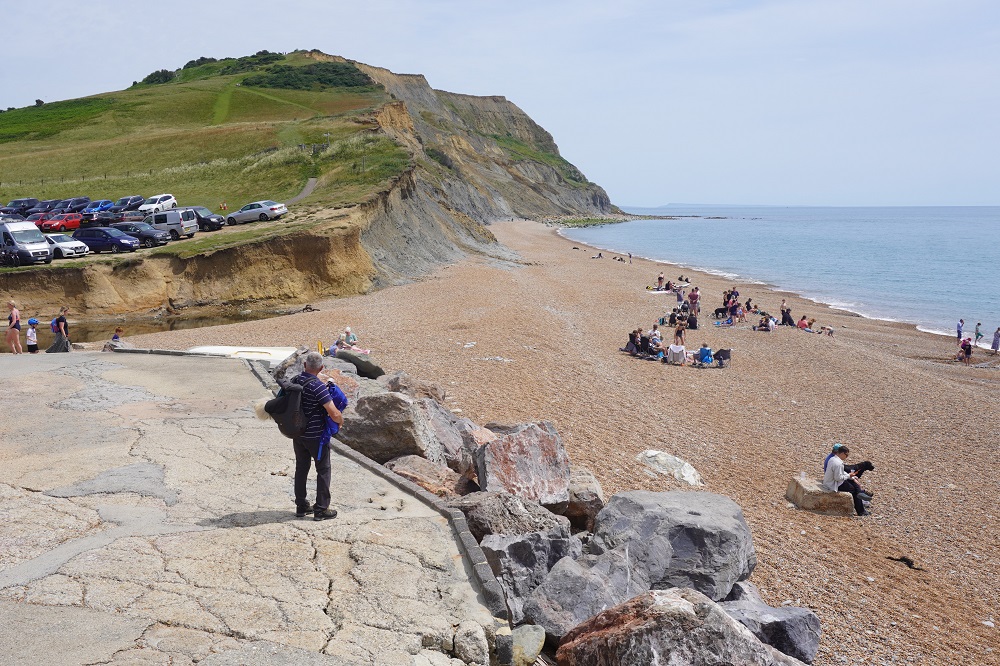
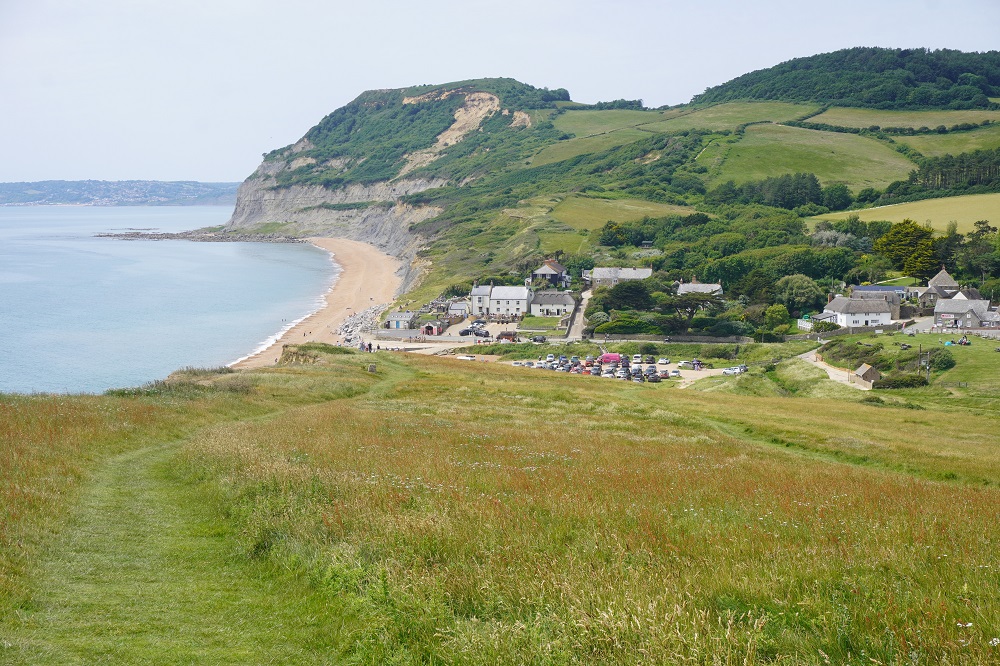
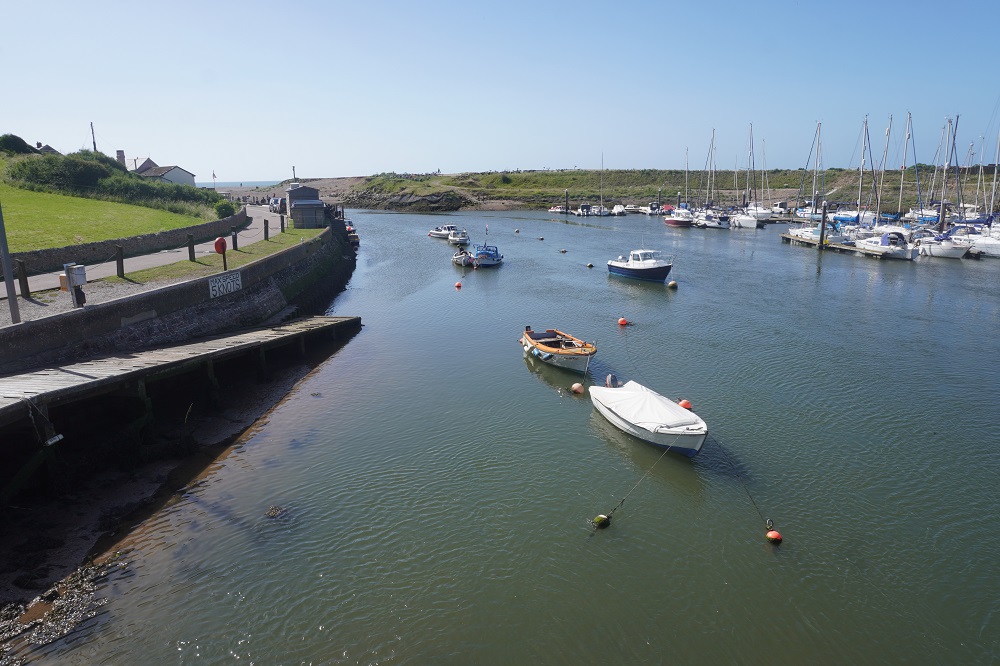
There has been a port here from King Henry VIII times and there was a quay very similar to the one in Clovelly. Lime, slate and coal were shipped in from Wales across the Bristol Channel and local produce such as oats and barley shipped out. With the arrival of the railway in Bideford maintenance of the quay stopped and by 1900 most of it had been destroyed by storms. In the 1970s the local boat club built a slipway so there is some sea access.

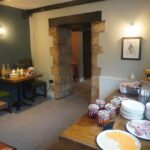
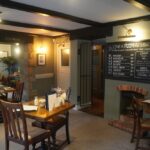
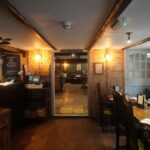
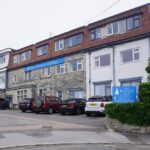
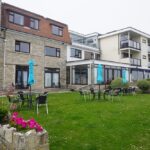
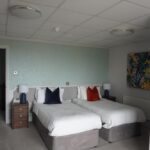
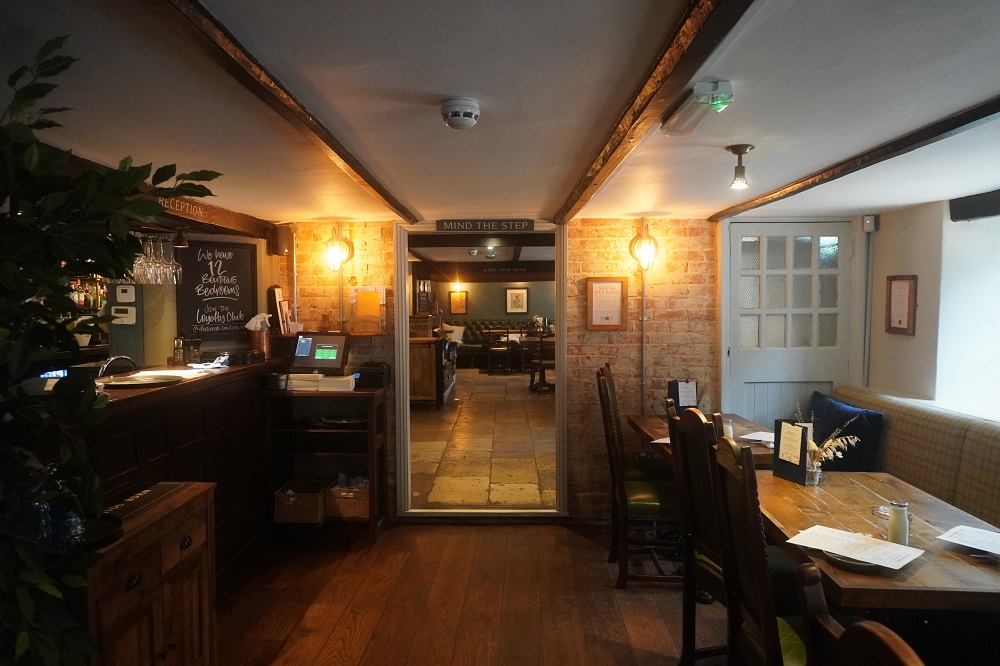
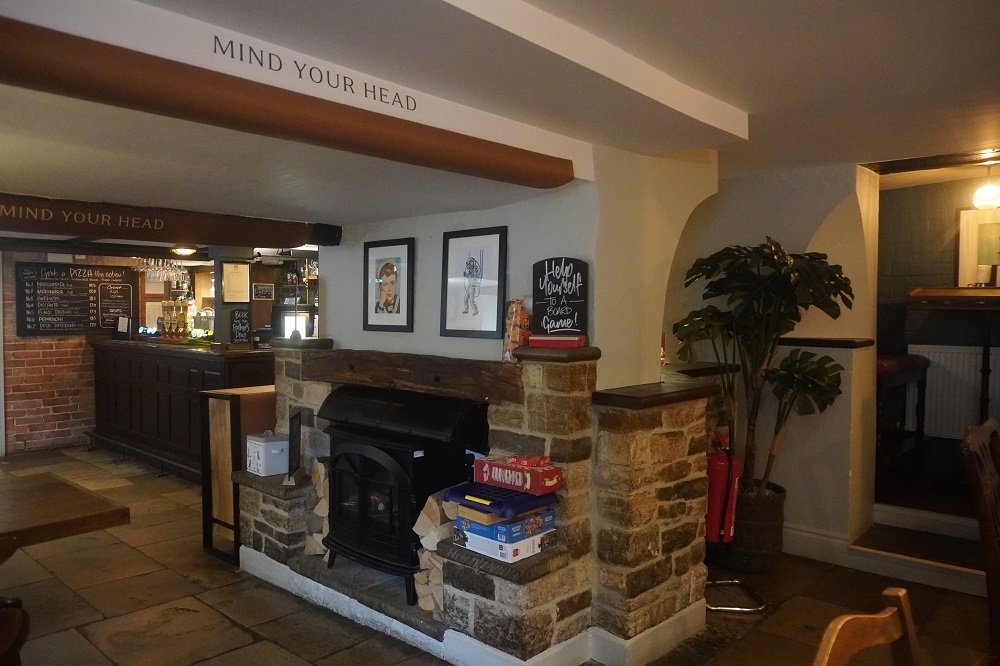
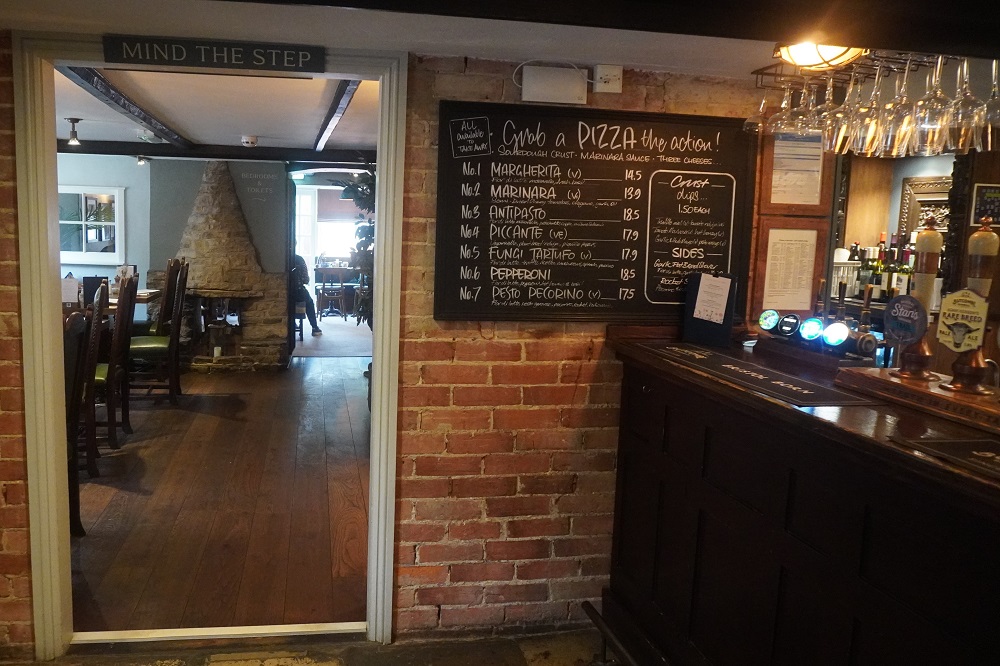
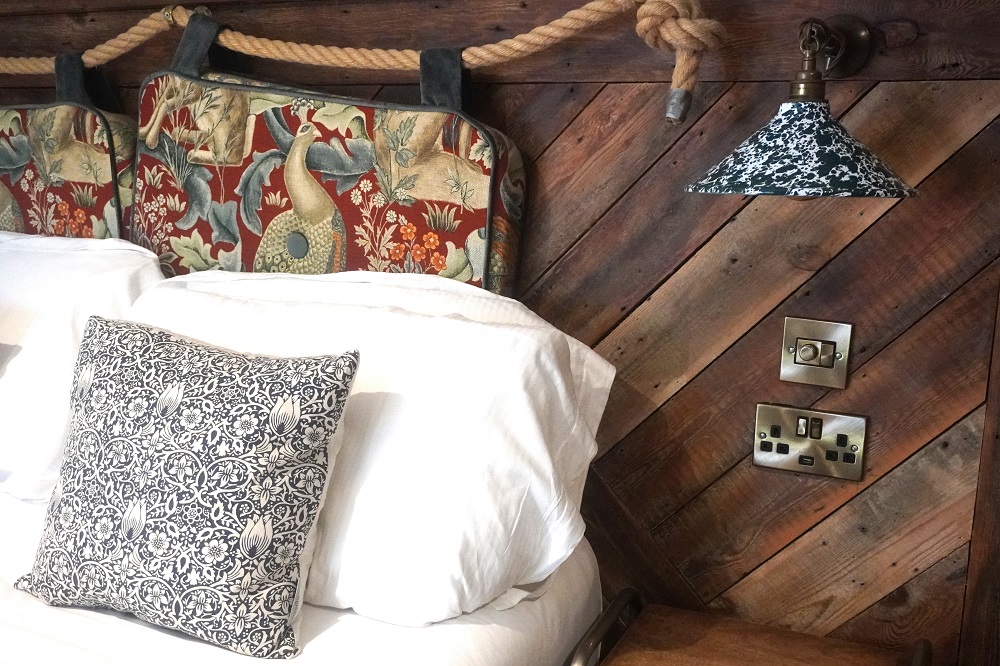
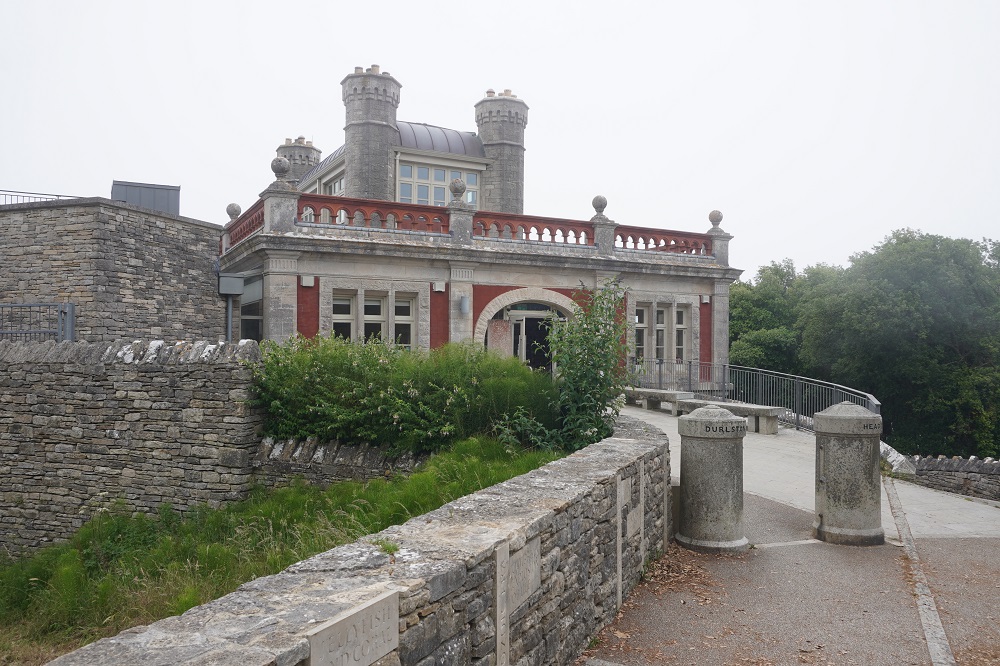
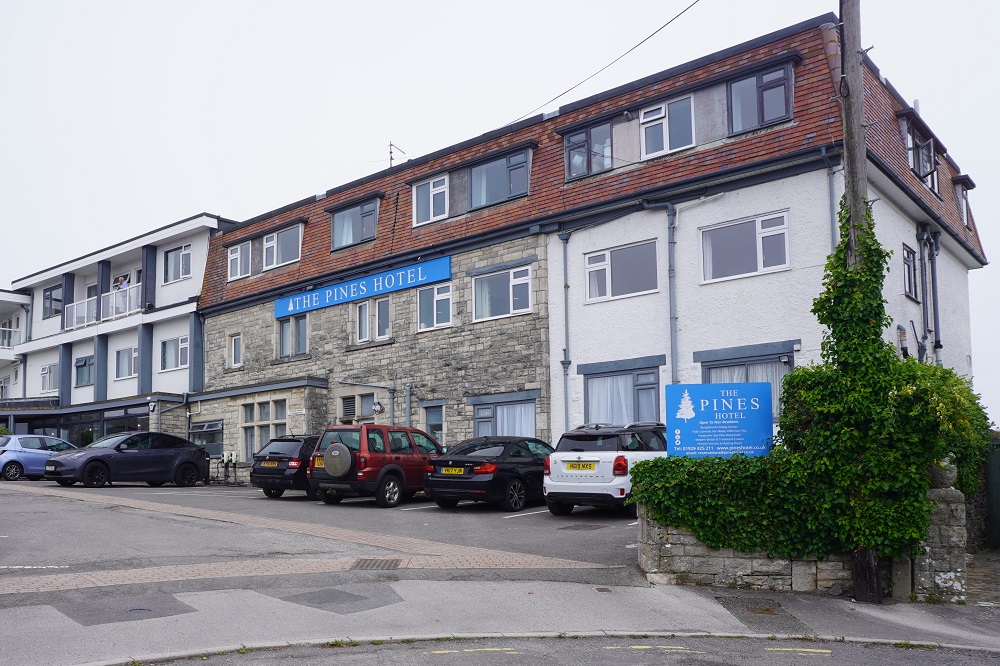
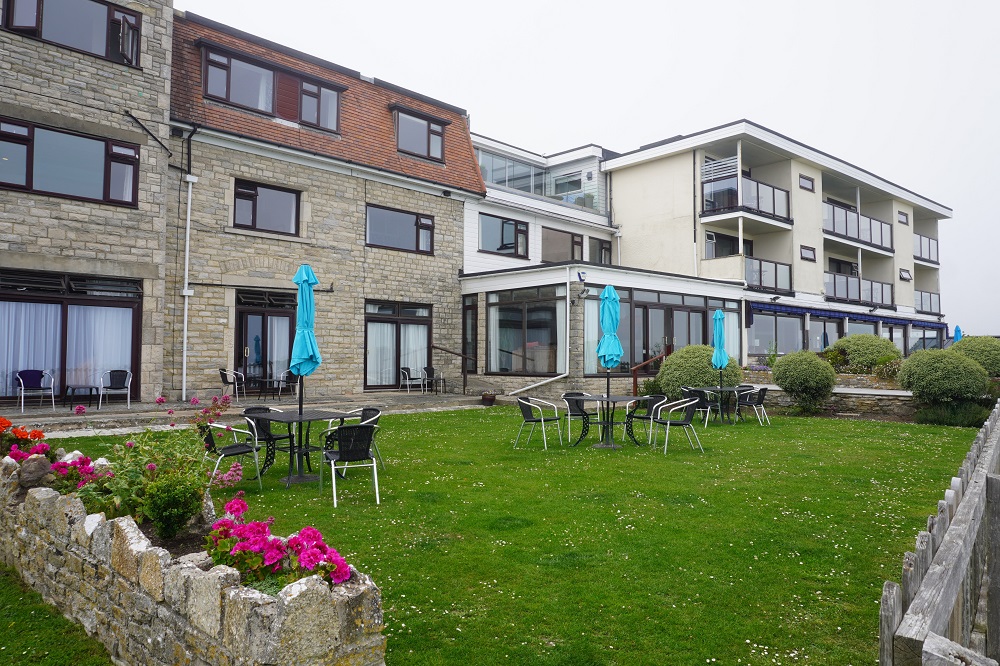
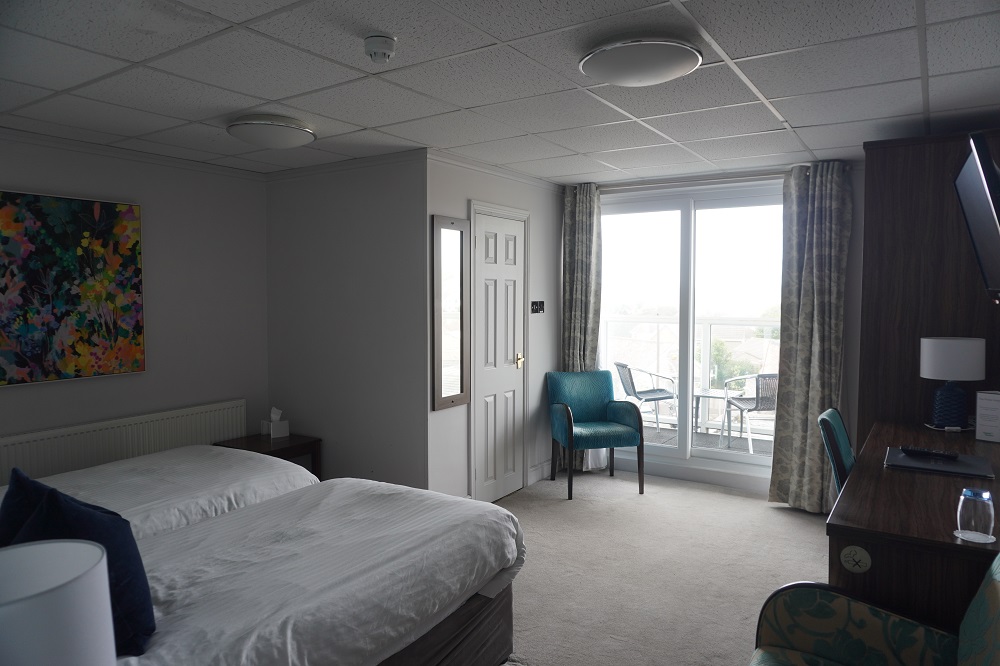
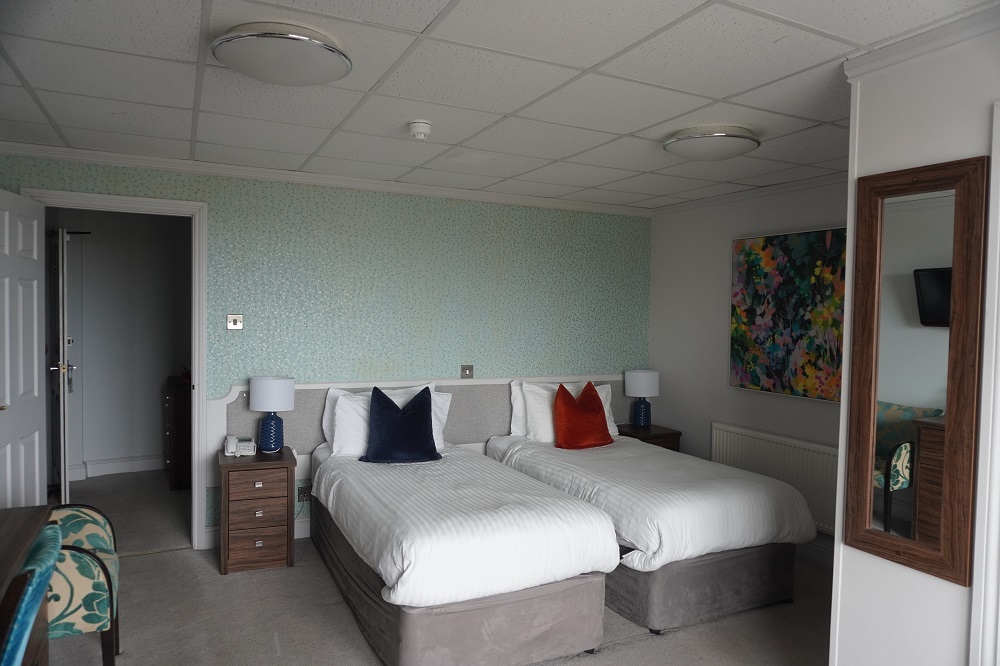
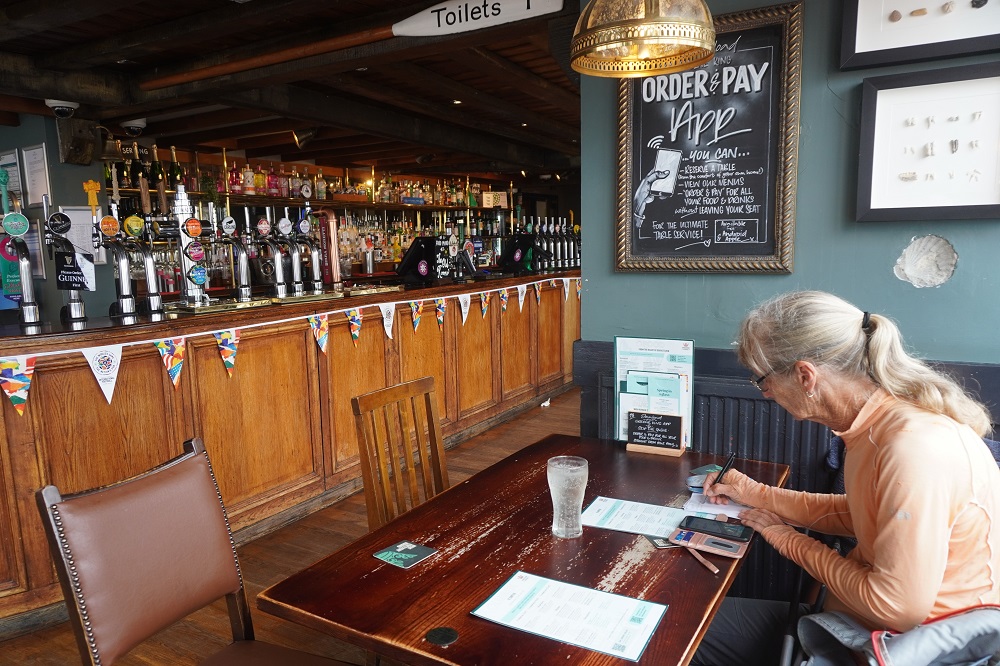
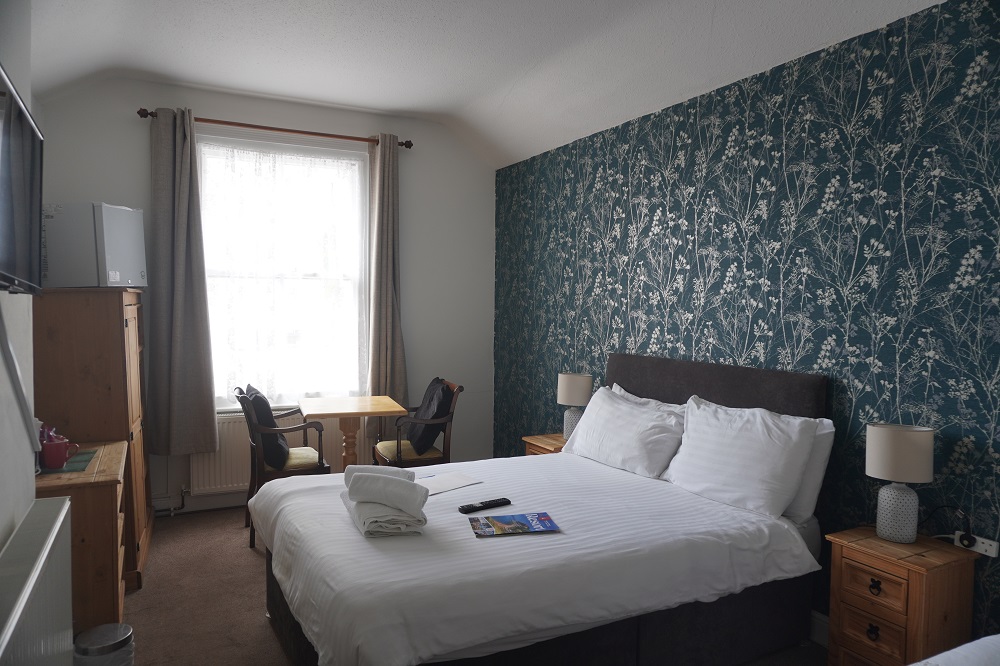
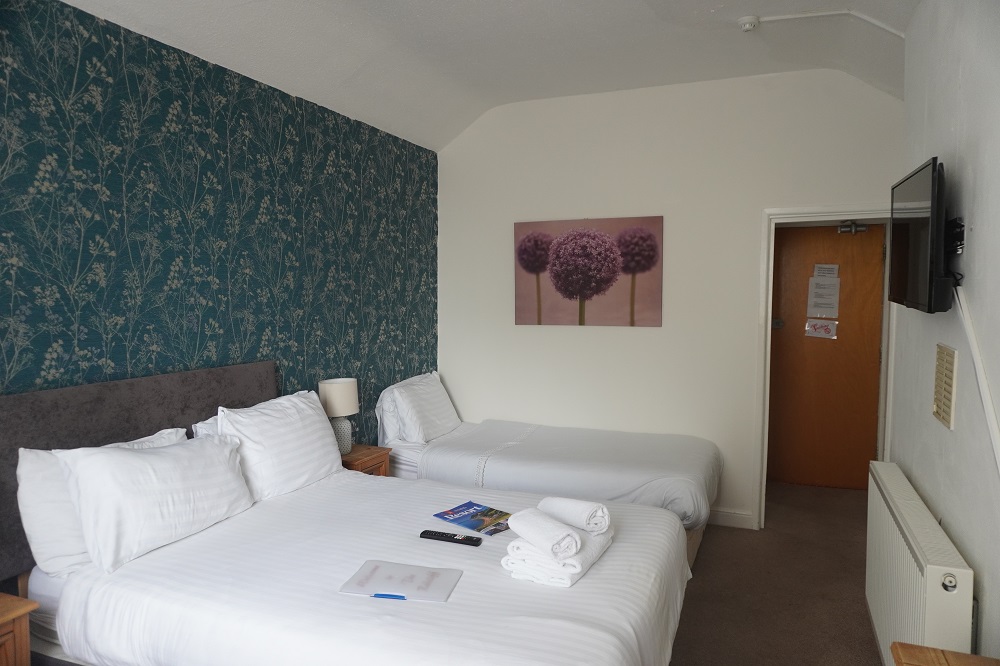
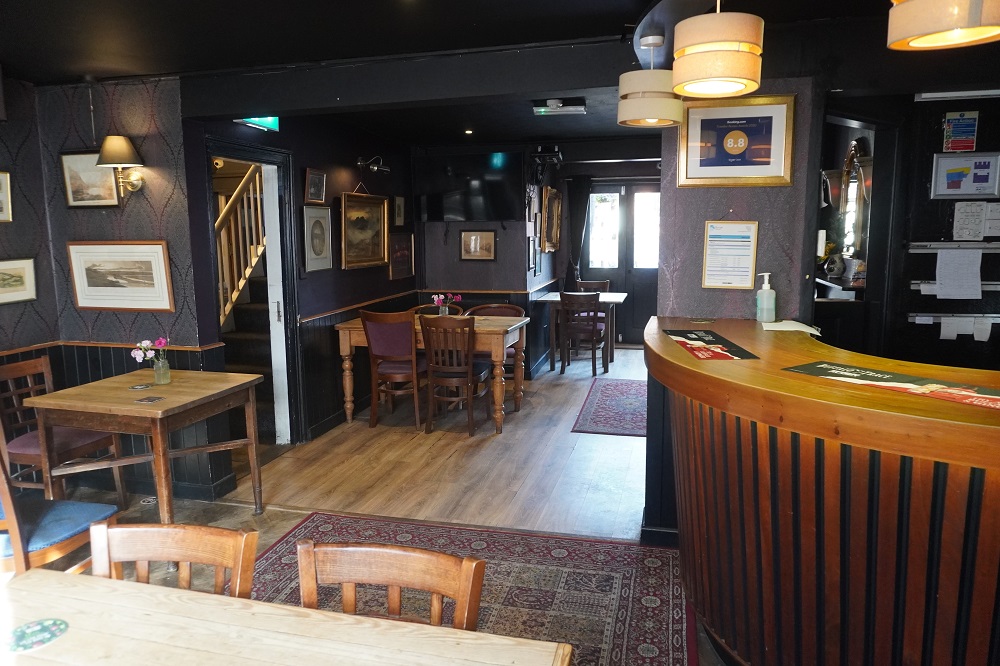
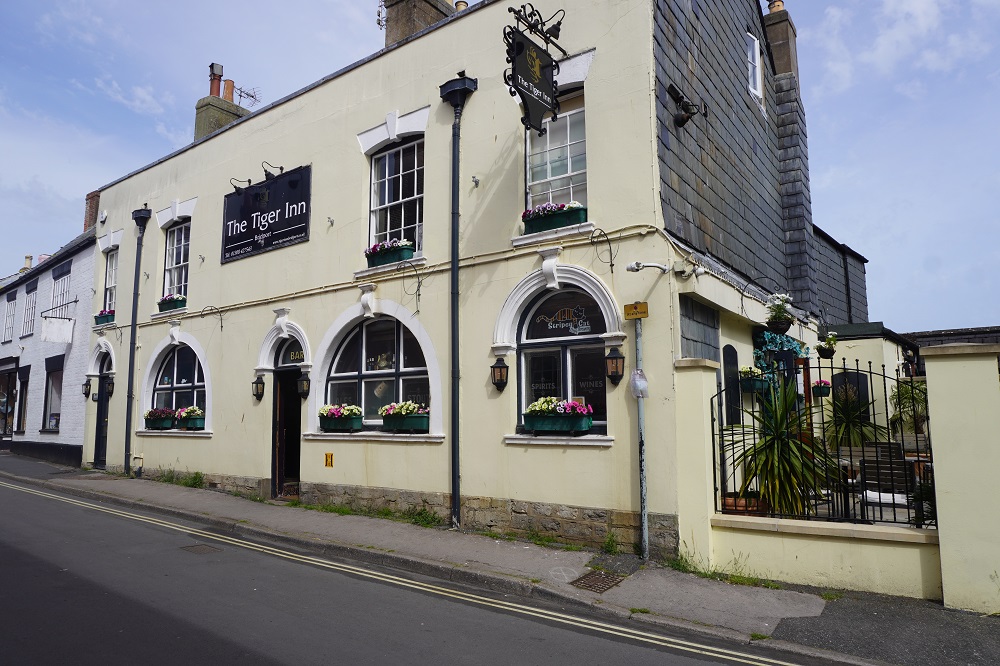
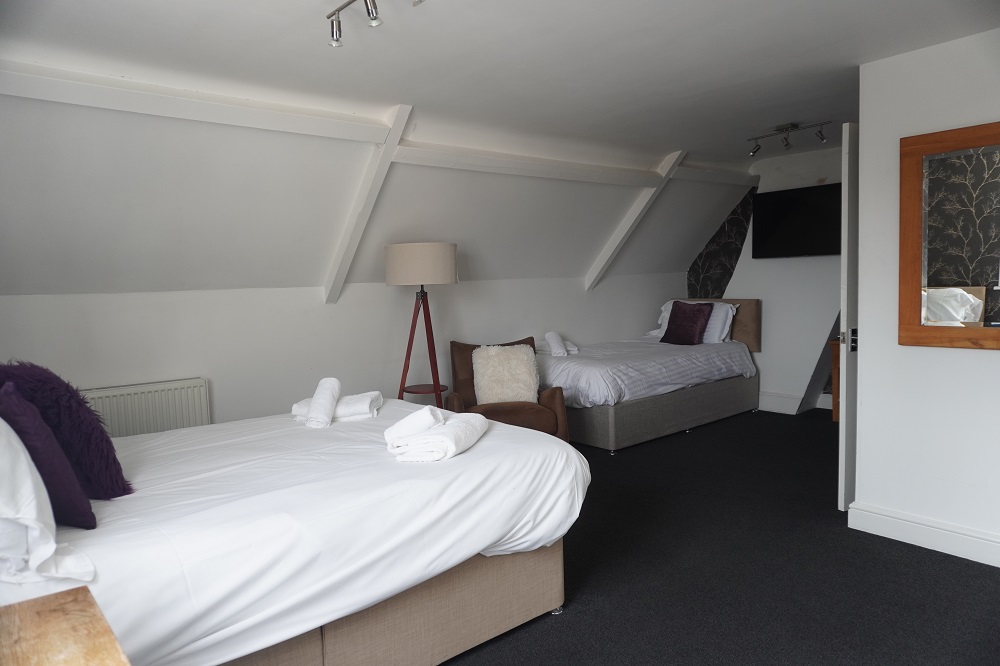
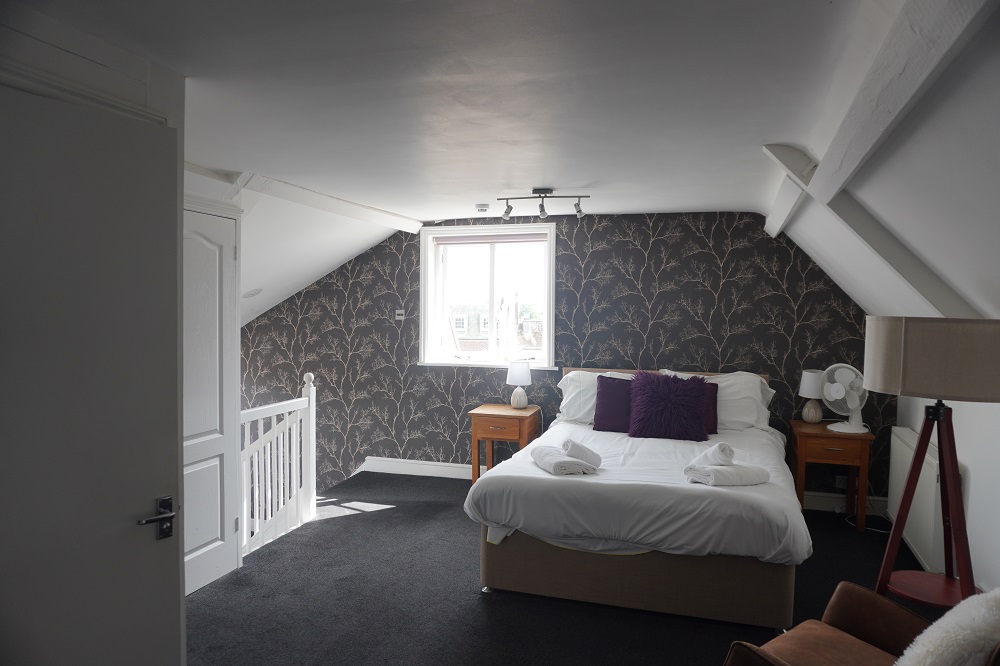
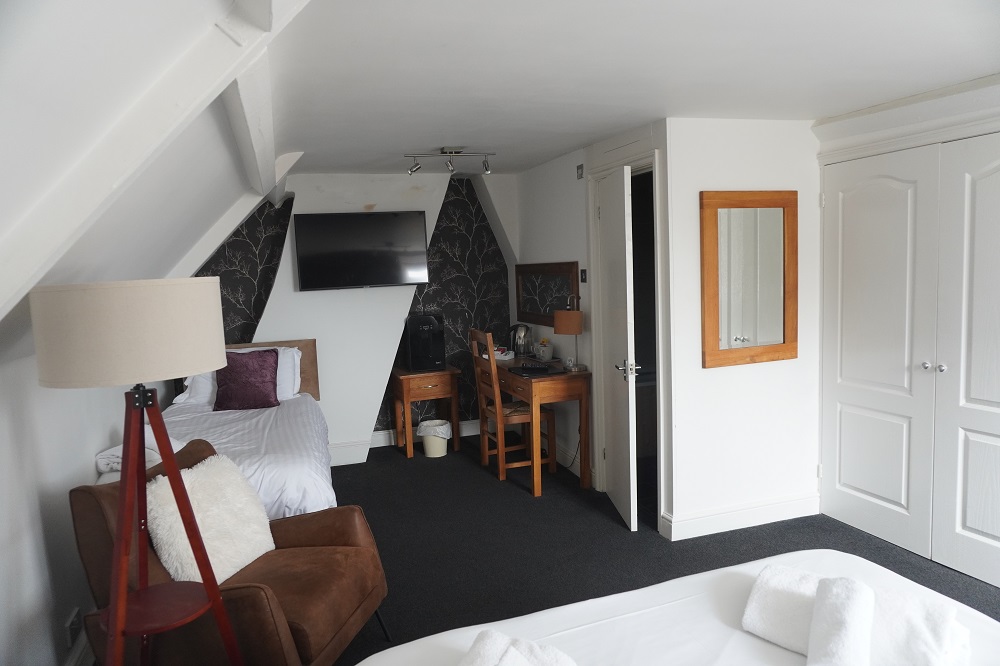
There is not much else at Hartland Quay other than the hotel. It is a lonely outpost of hotel, museum, bar and tiny shop. These are all converted from old stables, stores, fisherman’s cottages etc. Our ensuite bedroom was one of the corn and hay lofts. The Wreckers Retreat Bar is very comfortable and we had a great meal there of beef lasagne (me) and chick pea, spinach, sweet potato curry and rice with naan bread (Barbara).

The next two days are regarded as the two hardest on the entire Coast Path. The South West Coast Path Association rate each section of the walk as easy, moderate, strenuous or severe. So far we have done some easy, moderate and strenuous but we have yet to taste severe. Both the next two days are severe. The young fit and strong sometimes combine them into one day from Hartland Quay to Bude of approx 25km but we mere mortals break it into two shorter days staying a night at Morwenstow. There are 10 major ascents and descents in the next two days but we are now walking fit and are looking forward to the challenge.


Back on the roller coaster

Tuesday 28 April 2026

Day 8 of walking
Westward Ho! to Clovelly
Distance: 19.55km
Total distance: 176.32km
Climbing: 913m
Total climb: 4950m

It was great to be back on the path again this morning. Honestly yesterday in Westward Ho! was a bit boring although absolutely necessary for our recovery. Gone are the two dead flat days walking to Westward Ho!, we are back on the roller coaster.

The day began with a fairly gentle walk out of Westward Ho! along a disused railway but soon we were climbing exposed and open cliffs cut by steep and fairly testing combes. At times we had to descend the cliffs and walk short stretches on the stony beach. There were several of these and from the tops looking back we could see Saunton and Baggy Head where we walked about 5 days ago.

At Peppercombe, where there is an old stone coach house now used as a shelter, the nature of the path changed. Still a lot of climbing and descending but now in woodland. The floor of the woodland was a carpet of blue bells, about a hundred million of them!

We passed through only one hamlet today, that of Bucks Mills. It was just a little huddle of houses at the bottom of a combe with access to a rocky beach. We were mostly still in woodland of huge beech trees and gigantic rhododendron bushes and occasionally out in the open walking the perimeter of fields. There were now no real sea views just glimpses through the trees. The last 5 km section of the day was on Hobby Drive, a 19th century bridleway, wide and gently undulating and took us all the way to Clovelly.

Clovelly is one of the loveliest villages on the entire South West Coast Path. It is 400 feet of narrow, steep cobbled street rolling down to the sea and a tiny harbour. The street is lined each side with wonderfully preserved cottages. It is the most photogenic village we will visit this trip. The gradient of the main street – which has the names Up-a-Long and Down-a-Long – is steep enough to prevent vehicles driving up or down it. There is a back road used by Land Rovers to shuttle the elderly and lazy up and down to the harbour. Goods to the houses and cafes are brought in by sled, sliding down the cobblestones. Rubbish is taken to the bottom where it is removed by boat. There are also donkeys and for a fee you can get a ride back up the cobbles.

The whole of Clovelly is privately owned by the Hamlyn family who acquired the village as part of the entire Clovelly Estate in1738. The estate was originally owned by William the Conqueror and only three families have owned it since. Christine Hamlyn inherited the estate in 1884 and she and her husband spent years restoring many of the cottages, Her initials and the date of restoration can be seen on many of the buildings.

We are staying in Clovelly down at the harbour in the Red Lion Hotel. It is a beautifully restored and appointed 4 star eighteenth century Inn standing right on the quay. Right outside our windows the sea is lapping against the harbour sea wall. There are 17 rooms, a restaurant, a bar with bar food and the cosiest snug bar you could imagine. This is luxury after a day on the roller coaster. The restaurant was way too pricey for us so it was burgers in the bar. They only do Burgers and pizza.

Useless trivia of the day: there are between 500 and 600 hotels called the Red Lion in the UK.

We are so glad to be back walking. It was colder today, only got up to 14° and there was a cold wind. All our friends seem to have gone. All day we saw only one guy going in our direction and two single guys coming toward us. At the top of Clovelly there was a Coast Path sign that said 99 miles from Minehead, so that was a little accomplishment. We felt good and strong after a rest day and enjoyed the cliffs, the woodland, the blue bells and are loving our accommodation tonight.

I will do a separate post with some photos of Clovelly

At least I’ll get my washing done*

Monday 27th April 2026

Rest day number 1 Westward Ho!

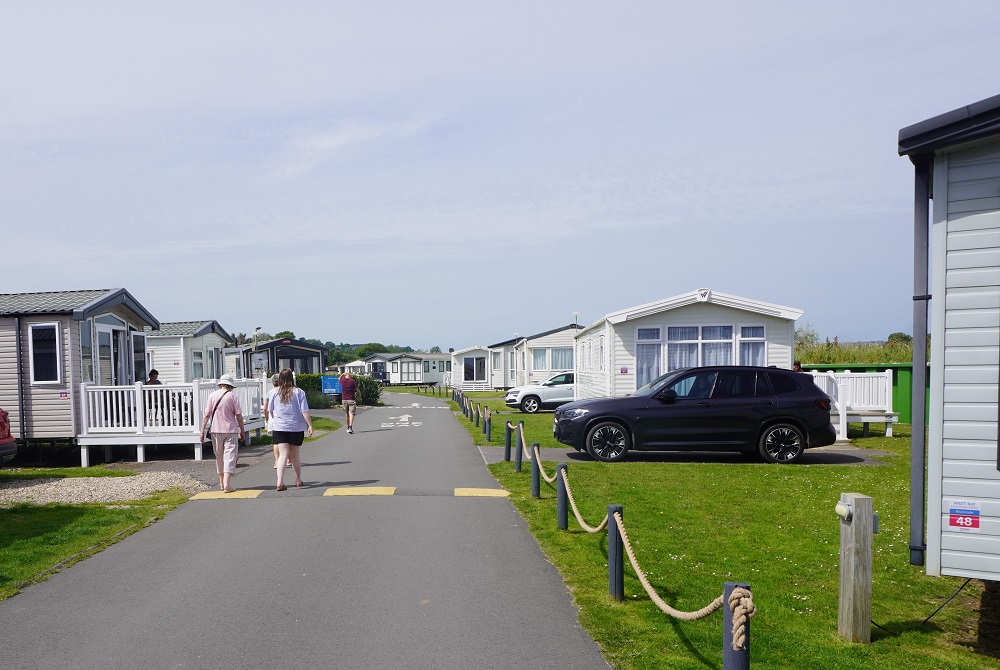
Westward Ho! will never come close to be in the running for prettiest village in Devon. It is known as a conglomeration of residential care homes and static caravan parks and has none of the history of other nearby towns.

The village is named after Charles Kingsley’s novel Westward Ho! published in 1855, which was set in nearby Bideford. The novel was a bestseller and as the Victorians had a passion for seaside holidays, entrepreneurs saw the opportunity to develop tourism overlooking the Pebbleridge described in the book. In 1864 a hotel was built, named the Westward Ho! Hotel, and the expanding settlement also took on the name Westward Ho!

Westward Ho! is a historical novel set partly in Bideford during the reign of Elizabeth I. It is based on the adventures of a young man who goes to sea with Sir Francis Drake and Sir Walter Raleigh to the New World where they do battle with the Spanish. The title of the novel comes from the traditional call of boat-taxis on the River Thames which would call “Eastward ho!” or “Westward ho!” to show their destination. “Ho!” is a call to attract passengers meaning “hey” or “come”.

The village is the only place in the British Isles that intentionally has an exclamation mark as part of its name. It is also unique in being a town named after a novel rather than the other way around, ie a novel being named after a town.

Today is a Monday and Westward Ho! is a totally different place to yesterday. Yesterday the mini golf, the dodgem cars, the pirate ships, candy floss sellers, the ice cream vans, the cafes, bars, pubs, amusement arcades were all teaming with people and dogs enjoying a warm sunny day at the seaside. Even the screeching sea gulls love Sundays with easy pickings of unguarded fish and chips and dropped candy bars. Today all is quiet and almost deserted. We went for an early walk and there were one or two dogs on the beach, two ladies swimming in the salt water pool on the rocks, a man with a metal detector beep beeping among the stones, a rubbish truck, and delivery trucks replenishing all the food and alcohol consumed yesterday. We liked it better today but then we are not good for business.

We have had a very quiet day. A short walk in the cool of the morning. Barbara has been piecing together triangles for a new “ocean waves” quilt. I have been getting up to date with the continuing disaster of Donald J Trump. Catching up on some sleep, doing some washing (we wash some clothes every day but more on rest days) and resting our tired old legs. This time we have deliberately made the “rest days” simple, even boring, so we are forced to relax and recover.

I had a near nasty incident when walking into Instow the other day. We were walking along a footpath and there was a car coming out of a narrow drive way, stopped across the path blocking it, while someone got in a rear door. I started to walk along side the car to go around its rear when it suddenly took off and turned sharply toward me. I had a nanosecond to get my foot out of the way before 2 tonnes of SUV would have run across my toes. We have been wondering what our plan B would be with me in plaster or a moon boot and on crutches.

We have walked 150 kilometres so far which is the equivalent of walking out our front door in Wellington and walking SH1 to Bulls. Not that we would ever want to walk to Bulls!

  • Substitute by The Who, 1966

(Chorus 2)
(Substitute) Me for him
(Substitute) My coke for gin
(Substitute) You for my mum
(Substitute) At least I’ll get my washing done

More trivia: Westward Ho! celebrates Rudyard Kipling, Nobel Prize for Literature, as he went to boarding school and wrote his first novel here.

I have included a photo of some of the words of the Rudyard Kipling poem ‘If’ that are written in stone in the esplanade paving at Westward Ho! If anyone is interested here is the complete poem. It is an example of Victorian era ‘stiff upper lip’ self-discipline, a father giving advice to his son.

If you can keep your head when all about you
Are losing theirs and blaming it on you,
If you can trust yourself when all men doubt you,
But make allowance for their doubting too;
If you can wait and not be tired by waiting,
Or being lied about, don’t deal in lies,
Or being hated, don’t give way to hating,
And yet don’t look too good, nor talk too wise:

If you can dream—and not make dreams your master;
If you can think—and not make thoughts your aim;
If you can meet with Triumph and Disaster
And treat those two impostors just the same;
If you can bear to hear the truth you’ve spoken
Twisted by knaves to make a trap for fools,
Or watch the things you gave your life to, broken,
And stoop and build ’em up with worn-out tools:

If you can make one heap of all your winnings
And risk it on one turn of pitch-and-toss,
And lose, and start again at your beginnings
And never breathe a word about your loss;
If you can force your heart and nerve and sinew
To serve your turn long after they are gone,
And so hold on when there is nothing in you
Except the Will which says to them: ‘Hold on!’

If you can talk with crowds and keep your virtue,
Or walk with Kings—nor lose the common touch,
If neither foes nor loving friends can hurt you,
If all men count with you, but none too much;
If you can fill the unforgiving minute
With sixty seconds’ worth of distance run,
Yours is the Earth and everything that’s in it,
And—which is more—you’ll be a Man, my son!


Flat as again

Sunday 26 April 2026

Day 7 of walking

Instow to Westward Ho!
Distance: 20.71kms
Total distance: 156.79kms
Climbing: 160m
Total climb: 4037m

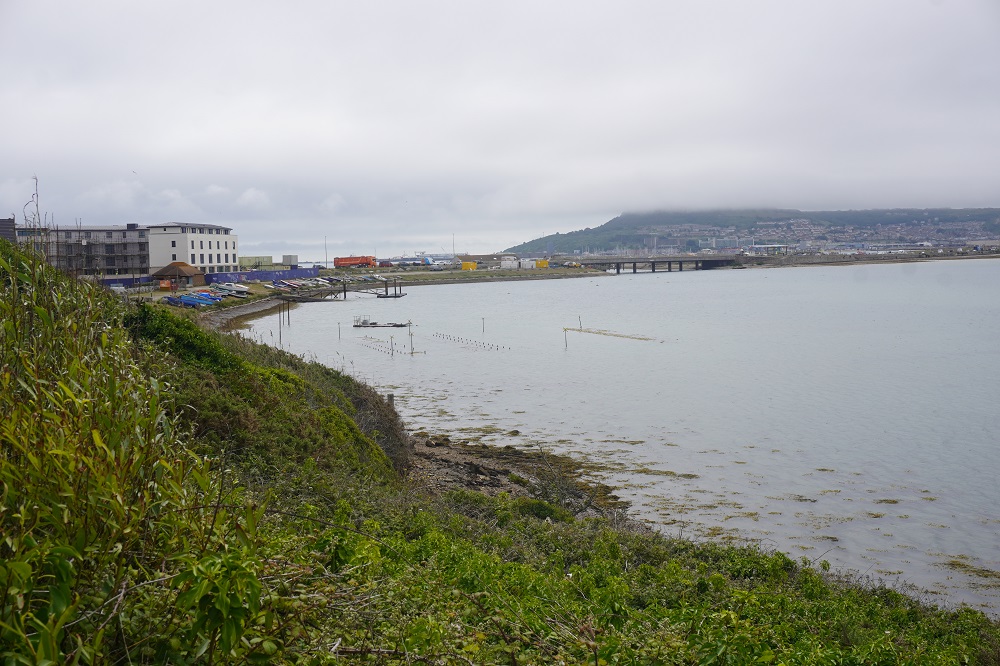
Today was sort of a repeat of yesterday. From Instow walk along one side of the River Torridge, cross the bridge at Bideford, walk all the way back along the other side of the river to Appledore, go round the corner to Westward Ho!

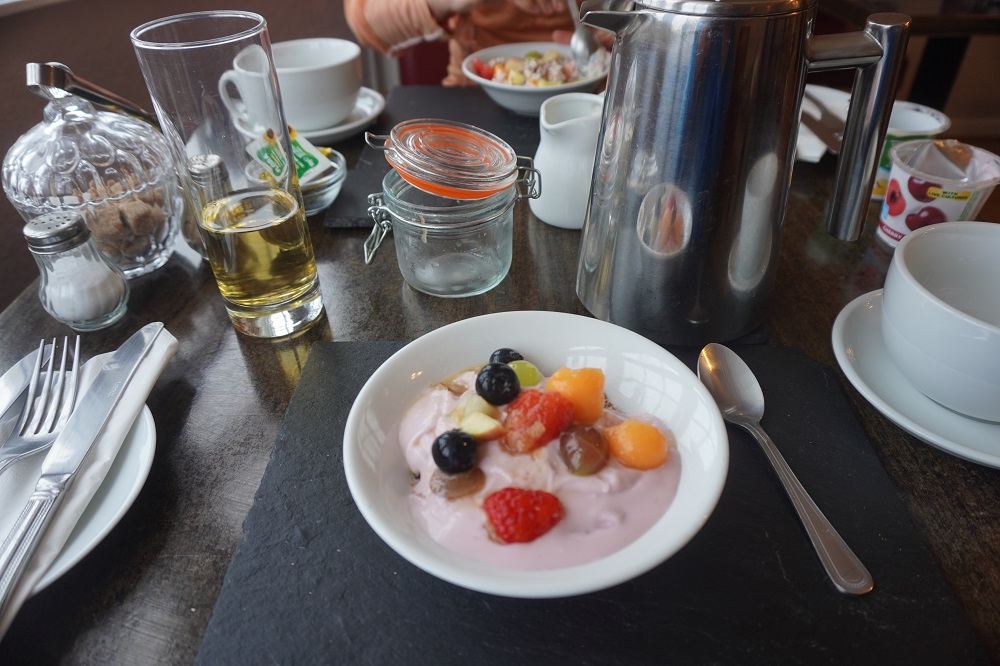
Caroline at Instow Barton provided a delicious breakfast. She had the option of having an omelette and we jumped at the chance of a variation from our usual poached egg with bacon, hash brown or tomato. When we arrived yesterday she gave us some of her home made cake and a hot drink. This morning at breakfast she gave us some of her home made cinnamon and apple roll with cream cheese icing. We asked her if this was an American tradition but she said not really, she had a bumper crop of apples this year and after making gallons of apple juice didn’t want to just feed the remainder to their horses. She peeled and pulped the apples to make cinnamon and apple roll for her guests.

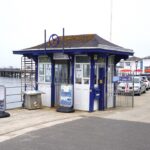
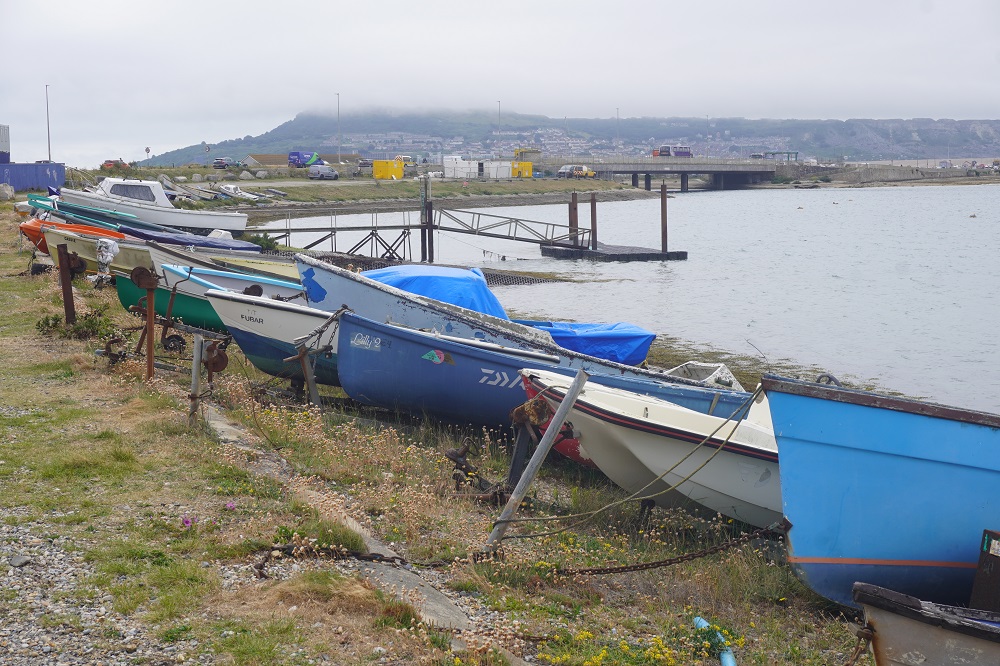
From Instow and its heritage railway signal box the flat path followed the east bank of the estuary of the River Torridge. This old railway line was again busy with runners and cyclistsThere were a lot of groups of runners coming towards us and eventually we asked a lady what it was all about. She happened to be an instructor at a local gym. In two weeks there is a 10km event here and these were her gyms members out on a traing run. At the Bideford end of the path there is a small heritage railway museum and café in some restored railway carriages. At this point you cross the River Torridge over one of the longest mediaeval arched bridges in England. Yesterday Barnstaple had an arched bridge over the River Taw called Long Bridge and today Bideford had an arched bridge over the River Torridge also called Long Bridge. Bideford is a charming old port town, once the third busiest port in England. On the west side of the river is a quay with many wrecks of boats tied up, some used for cafes and restaurants. There was no railway on this side of the river so the path meanders about, sometimes on the river bank, around residences, down some alleys, through woodland, around an industrial area, a ship yard, up and down a bit, to arrive in Appledore.

Appledore is a charming old fishing village with little cottages and narrow cobblestoned alleys that are much too narrow for vehicles. It is quaint and quirky with colourfully painted houses, artists, studios, workshops, two old pubs and a promenade looking out over the estuary to Instow. There is a seasonal (April to October) ferry from Instow across to Appledore but it is tide and weather dependent. It would take about 15 minutes to do what we took most of the day to walk. There was a ferry at 1.30pm today but we left Instow at 9am at low tide. Besides it was a beautiful morning, the walk was interesting and we don’t cheat – well not yet anyway.

.Seven years ago we stopped in Appledore for lunch in a nice little café down a back street called the Market St Kitchen. Today is Sunday and our plan had been to get the Sunday Roast for lunch on Sundays. However we hadn’t worked much this morning and after Caroline’s breakfast we weren’t ready for a big meal. Our plans are always flexible so we decided to go and find the Kitchen and see what they had to offer. They had a Sunday special of beef with horse radish sauce and granary bread. This suited me and Barbara had tomato and lentil soup and granary bread. Seven years ago we both had the tomato and lentil soup. Granary bread, also called malted grain bread, is a brown bread made with malted wheat flakes giving it a nutty flavour, chewy texture and is high fibre. It could become a favourite.

From Appledore you could walk about a kilometre into Westward Ho! but the South West Coast Path takes you the scenic route of five kilometres around a headland, the Northam Burrows Country Park. This is a large coastal plain of sand dunes separated from the sea by a shingle ridge. The Taw and Torridge Rivers converge at this headland and flow out into the Bristol Channel. There were lots of little yachts racing off the headland.  Spitting distance across the water were the Braunton Burrows and Saunton Sand where we walked three days ago. The Country Park also shares the headland with the Royal North Devon Golf Club so once again you have watch out for wayward flying golf balls. This is the oldest links golf club in England. I think a links golf course is just one by the sea but then I am ignorant of most things golf. You enter Westward Ho! on the shingle ridge and suddenly you are hit with a crowded sea side resort. More about that tomorrow.

We are staying in the fairly characterless but comfy Waterfront Inn. We are here for two nights because tomorrow is the first of our “rest days”. What on earth will we do?

Flat as

Saturday 25 April 2026

Day 6 of walking
Braunton to Instow
Distance: 25kms
Total distance: 136.08kms
Climbing: 27m
Total climb: 3,877m

Another totally different day. No high cliffs and no sandy beaches.

Today could be summarised thus: from Braunton walk 12kms along the north bank of the River Taw, cross the bridge at Barnstaple and walk back 12kms along the south bank of the River Taw to Instow. That was pretty much it.

Sophie put on a wonderful continental breakfast this morning. Muesli, yoghurt, fresh fruit, sour dough bread, rhubarb compote (her own rhubarb), black currant jelly (her own black currants) and honey (from her own bee hives) and croissants. She took us outside to see her garden. She grew chard, kale, broad, runner and French beans, beetroot, celery, carrots, potatoes, corn, garlic, onions, peas, all the herbs you could imagine, cherries, plums, apples, oranges, lemons, grape fruit, rhubarb, blue berries, strawberries and black currants, tulips, roses, poppies, blue belles and heaps of other flowers, winter vegetables like cabbage, cauliflower, broccoli but they were all finished. She has a large stone shed and a small glasshouse in her garden. With a friend she shares an allotment further up the road where she has a tunnel house and keeps her bees. Her husband plays golf.

The walk from Braunton was easy. An abandoned railway line is now a shared bicycle and pedestrian path. Wide, nicely sealed and absolutely flat. It is part of a coast to coast cycle trail across Devon. At first it runs alongside the Chivenor Airfield of the Royal Marines, all secure behind coils of razor wire and armed soldiers at the gates. Then it runs alongside the estuary of the River Taw. The tide was out so it was all sand and mud and very little water. It was a beautiful morning, sunny, no wind and warm. It is also Saturday and the path was busy with cyclists from 3 years old to 83 years old. It made us wish we had our bikes. Lots of runners, dog walkers and families with buggies. The cyclists are all very polite and ring their bells or call out when coming up behind you. Some call out “passing by” which is okay but doesn’t tell you which side they are passing on. The more serious cyclists call out “on your right” as they flash by. They all thank you when you step aside and when it is busy we walk single file anyway.

After about 12 kms you reach Barnstaple, a sizeable town, where you cross the River Taw on “Long Bridge” and head back from where you came on the other side of the river. This is also an old railway line, dead flat and even busier with cyclists. We wondered why until we reached Fremington Quay, a beautifully restored railway station and wharf, now a heritage centre, café, and best of all toilets. This was a thriving area for the first half of the 20th century with the importing of coal and exporting of local clay and pottery. After about 12kms you reach Instow our stop for the night. At Instow you are only about 1km across from Braunton Burrows where we were walking yesterday afternoon.

Instow is a pretty little village at the confluence of the Taw and Torridge Rivers. Its main attraction is its beach. About half a kilometre across The Torridge river is Appledore which we will walk through tomorrow afternoon. That is after walking a long way up one bank of the river, crossing a bridge at Bideford and walking all the way back. This is all a bit complicated so I have included a photograph of a map showing the route. If there was a ferry across the mouth of the Taw and Torridge rivers in 15 minutes we would do what will have taken us two days to walk.

Over the last few days we have been on and off the “Tarka Trail”. This is a figure of eight looping trail for cyclists and walkers traversing Exmoor and Dartmoor in North Devon. It is UK’s longest traffic free cycle path and is inspired by the route travelled by Tarka the otter in the famous novel by Henry Williamson.

There are only two places to eat in Instow, The Instow Arms and The Boathouse. We went first to the Arms but it was packed and very noisy so instead moved on to The Boathouse. Only when we were sat down did we realise they “were proud to serve some of the finest seafood around”. The menu was basically oysters, cockles, mackerel, prawns, white bait, haddock, mussels, crab and on and on. We are not sea food people but fortunately saw down in the bottom corner of the menu you could order a burger. So now it is two burgers for me, one for Barbara on this trip.

Today the temperature got up to about 22°. In the morning we were under a canopy of trees but in the afternoon were out in the sunshine. Locals we talk to all say they have had a cold very wet winter and they are loving this spell of dry warm weather.


Beware Golf Balls

Friday 24 April 2026

Day 5 of walking
Woolacombe to Braunton
Distance: 27.11km
Total distance: 111.08km
Climbing: 171m
Total climb: 3,850m

The landscape has now totally changed. The high exposed cliffs with a rocky coast have given way to beaches. Vast expanses of golden sand. Each beach is separated by a low grassy mound. The tide was out this morning and so Woolacombe Sand was a huge broad bronze plain stretching for 3½ kilometres to Baggy Point. The official route runs slightly inland behind the sand dunes but when the tide is out everybody walks along the beach. Walking on soft sand in the dunes is difficult but the hard sand is easy.

Baggy Point separates Woolacombe Sand from Croyde Sand and is quite low and an easy walk. At the point there is a high almost vertical slab of rock and we saw one guy abseiling on it. We passed several others coming up from Croyde carrying ropes, harnesses and other climbing equipment. Also at Baggy point is the Coastguard Pole. A tall notched pole. It used to be twice as high and is made to resemble the mast of a ship. It was used by coastguards to practise the dangerous business of rescuing crew and passengers from stricken ships. They would fire a rocket towards the pole and attach a breeches buoy so that those in trouble could climb in and be winched to safety. When we were here last time Barbara climbed to the top of the pole but this time we reckon those over 70, the pregnant and anyone even slightly inebriated should not climb the pole.

The second beach, Croyde Sand, is the smallest of the three but the busiest. It is trendier and more glamorous than Wollacombe and is favoured by families and surfers. It also has more facilities than the other beaches. There was a good surf running this morning and about 30 surfies out enjoying themselves. There is another small headland and the truly enormous length of Saunton Sands. Behind the beach is the large dune complex of Braunton Burrows.

We walked through Braunton Burrows which is a UNESCO Biosphere Reserve. It is the largest sand dune system in England. After a scary section walking along a busy road with no shoulder it is a flat easy walk around the burrows. It includes going through a golf course and an army training ground, and an incredibly boring flat, straight section on a gravel road that took over an hour.

At the end of the Burrows we turned and walked all the way back through Braunton Marsh on top of a stop bank (The Great Sea Bank) that separates the Burrows from the estuary of the Rivers Taw and Terridge. The edge of the stop bank is dotted with wrecked boats and small fishing craft. The stop bank takes you right into the town of Braunton – and its Tesco Super Store.

At Tescos we bought some food for dinner and a fruit smoothie. Our accommodation is inland so we didn’t want to do any extra kms to come back and find a pub. The fruit smoothie was to give us a sugar hit for the last slightly uphill section to Silver Cottage. The fruit smoothie is 250ml and guaranteed to contain 1 pressed apple, 5 crushed strawberries, ¼ of a banana, 3 pressed grapes, 4 crushed black currants, a splash of pressed beetroot and a squeeze of orange. We have had these before and they do seem to give you a lift near the end of the day.

Silver Cottage is 1½km off the Coast Path and slightly uphill. So an extra bit of walking today and again in the morning. It is a beautiful cottage in a lovely garden. We were welcomed by Sophie who showed us around and made us a pot of tea which came with home made chocolate muffins. The cottage has a breakfast room and lounge/kitchen downstairs and two double bedrooms and bathroom up in the roof space. We are the only ones staying here tonight and had use of both bedrooms. She provides a continental breakfast which will be a nice change from the full English. They also make their own honey and jam and get non-homogenised milk from cows we would have passed in Croyde. I remember non-homogenised milk from when we had school milk and there was a thick layer of cream at the top.

Today was a magic day weather wise. Clear sunny sky, no wind and the temperature got up to 18°. A long day but fairly easy walking. We also reached the mile stone of having walked over 100 kilometres. We didn’t talk to so many of our new best friends today. Just the guy with the stents and a very cheerful couple we see most mornings but they walk faster than us so we never see them for the rest of the day.

No wool in Woolacombe

Thursday 23 April 2026

Day 4 of walking
Combe Martin to Woolacombe
Distance: 25.04kms
Total distance: 83.97km
Climbing: 1011m
Total climb: 3679m

Today was an interesting day but a day quite different to yesterday. Gone is the splendid isolation of Exmoor. Combe Martin is a sizeable town so it takes a while to walk out and then you come to Watermouth Bay, a very sheltered bay with a large marina, then Hele, a sheltered beach with shops, cafes, toilets, changing sheds etc. Before you know it you come over a hill and there below you is Ilfracombe a town of about 12,000. It is a bit more remote from Ilfracombe to Lee Bay with a few houses and an ice cream shop. More isolation until Bull Point and the lighthouse, the large North Morte Farm Camping and Caravan Park and into Woolacombe.

Cold and windy again in the morning but sunny and we quickly warmed up. A lot of people (but not a Camino “lot” of people) out on the path today. At Hele we met our new best friends we have seen the last two days, who are camping. They now have names, Hazel and Mark. Mark had his 55th birthday yesterday. They live in Cawsand which is the last village in Cornwall before you reach Plymouth and Devon. Some time in the distant future we will walk through it. They are doing the SWCP as a charity fund raiser for youth mental health. A teenage girl in their small village took her own life recently. Barbara is teaching them some Maori – Kia Kaha – Stay Strong.

Ilfracombe has North Devon’s largest harbour and the world’s second highest tidal rise and fall. There are loads of activities based on the sea. The ferry to Lundy Island, coastal cruises to see seals etc, fishing trips, kayaking etc. Ilfracombe also has a controversial 20 metre tall 25 tonne steel and bronze statue on the waterfront named Verity. She is standing on a pile of books and holds a sword vertically above her and a set of scales behind her back. Half her body is skinless with her skull and womb (including a developing foetus) revealed. She is a “modern allegory” of truth and justice. We found her a bit unsettling and grotesque.

We had a few firsts today. First lighthouse (Bull Point), first paddock with cows. It was lunch time and they didn’t even look up at us, just kept munching their grass, first pasties, first seals, first vast golden sand beach, first unplanned diversion,first accommodation with a lift,  first flat battery.

A lot of climbing again but not as high as yesterday. Our longest day so far which we managed to extend to 25km by making a few mistakes. The signage is not good through towns and in Ilfracombe we had to use our Macs app a couple of times to find our way out of town. Between Bull Point and Morte Point an old disfigured sign sent us in a wrong direction for a while. The worst was entering Wollacombe. What should have been an short easy flat walk into town turned into a steep roller coaster of a grind of about 3 kms. We took a wrong turn and got a bit lost. The battery on my phone had gone flat so we couldn’t check the Macs app map. We were very tired at this stage when two trail angels happened along. Two guys we met on the first day out of Minehead came by. These were the guys who are going to walk some of the Camino. They had made the same mistakes as us. They definitely were a god send to us. They are such happy friendly guys. Both in their thirties they amused us all the way to the end with stories and laughter. It turned out to be the nicest part of the day. Unfortunately they were being picked up by one of their parents in Woolacombe and were going down to Fowey so we won’t see them again.

We set out at 9am and reached our hotel at 4.45pm, so a long day. The Woolacombe Bay hotel is a bit upmarket for us. Dating from the 1800s it dominates the bay and has bars, brasseries, lounges, a swimming pool, Alchemist spa, Salt Gym, Neo Cinema, ball room and all the usual conference facilities. The lady at reception was extremely kind and patient with us. We didn’t want to eat in their expensive dining room (had to book 48 hours in advance anyway) and were too tired to go back into town to find a pub meal, so on the way to the hotel we bought some pasties. A vegan one, a chicken and bacon one, and a rhubarb and custard one. These are weird modern concoctions. The traditional Cornish Pasty had beef, potato and swede. Maybe out of Cornwall they are just called pasties and in Cornwall they are Cornish Pasties.

Last bit of trivia for the day: even though we passed a lot of sheep today the name Woolacombe has nothing to do with wool. It comes from Wolmecoma, or “Wolves Valley”, referring to the large packs of wolves that lived in the woods long ago.

Iceland : New Zealand

Wednesday 22 April 2026

Day 3 of Walking
Distance: 20.52kms
Total distance: 58.93
Climb: 1148m
Total climb: 2668m

Today was a fun day. For a couple of reasons. It was also a tough day with a lot of steep climbing and descending.

It was fun because of all the people we talked with. Beginning at breakfast in Lynmouth we chatted with two English ladies who do lots of walks. They each had a car and today were leaving a car here, driving to Porlock Weir and walking back. Then driving back to get the car at Porlock. One of them had a son who is working in Wanaka. We talked to people just out walking their dogs. A very fit, tanned and toned American lady, presently living in NZ, who left Lynmouth to do a bit of a walk, decided to go on to Combe Martin and will get a taxi or bus back. We talked several times with an English guy who walked faster than us but stopped often, so we leap frogged all day. Last year he had been walking some of the SWCP with some mates but had to pull out, spent three days in hospital and had stents inserted. He was now walking the sections he had missed out on. We met a couple coming toward us. He was wearing an orange jacket and she had a blue top. Barbara was wearing an orange jacket and I my blue fleece top. The hue of the oranges and blues exactly matched. They stopped, pointed at us and burst out laughing, and we did the same. We were almost mirror images of each other. Not a word was spoken, we each went our happy way. An English couple now living in the Netherlands, out walking some hills. At home they can walk all day and climb about 2 metres. In Combe Martin we met the camping couple we had breakfast with in Porlok Weir. We hadn’t seen them for two days so it was great to catch up. They were looking for their camp site for the night. Everyone was very cheerful and positive even though we were all suffering a bit. Just people out enjoying the fresh air.

Today’s walk was also the most remote and isolated of the coast where Exmoor meets the sea. No villages, few farms, no harbours, no places to eat and drink – or loos. These are the parts of the walk we like the best. Barbara says it feels so wild and free. The cliffs, the rocks, the sea, the woodland, the sky, the wind, and the narrow path we faithfully follow.

There were some spectacular coastal landscapes today, starting with the Valley of the Rocks. This is a group of peculiarly weathered rock formations formed by the last Ice Age and unlike any others in the South West. Most combes run at right angles to the sea but this runs parallel to the coast. The formations have names like Devil’s Cheesewring, Ragged Jack, Castle Rock. People have lived here since the iron and bronze ages but today the inhabitants are Exmoor ponies and feral goats. After some woodland walking at Woody Bay the next challenge was Heddon’s Mouth. This is a large valley and one of the steepest in England. There is a long diagonal walk down the side of the valley to a little stone arch bridge to cross the River Heddon. Then a very steep zig zag path on loose scree and many steps that are too tall to take comfortably. It seems to take forever to get back up to the tops again. The final challenge was Great Hangman, the highest point on the entire SWCP at 318m. Great Hangman does not look spectacular, it is a large very rounded hill, just a bit higher than other hills. Hence the climb is not steep. It just goes on for a long time. At the top there are good views inland over Exmoor and up and down the coast. There is also a large pile of stones. Maybe we were supposed to bring a stone from home to put on the pile, and to think of home and our loved ones. This is the sort of thing they are into on the Camino. A bit further on is Little Hangman, a much more dramatic looking peak, but only 218m high.

The forecast for today had been the same as yesterday so we set out with jackets on, beanies and warmer under layers. This was okay in the morning but it turned into a very sunny day and with all the climbing the extra layers came off. The wind was generally behind us, giving us a push up the climbs. We climbed up and around many high headlands with huge drop offs and a very narrow path. Here the wind accelerated and swirled every which way and it was always a relief to safely get round them.

Overall a demanding day but very enjoyable. We are at The Poplars, a basic 3 star hotel, and we have a balcony with a view of the sea. Just a short walk into the village for dinner at The Dolphin. The menu wasn’t very exciting and I succumbed and had my first burger for this trip. Barbara is still holding out. Coombe Martin’s claim to fame is that they have the longest high street in England but this a bit dubious as the street is extremely long but mostly residential not commercial. They did once feature in The Guiness Book of Records for holding the longest street party. So it must be fun place.

Out of Somerset and into Devon

Tuesday 21 April 2026

Day 2 of walking
Porlock Weir to Lynmouth
Distance: 20.39kms
Total distance: 38.41kms
Climbing: 962m
Total Climb: 1,518m

Another great day of walking but conditions not quite as nice as yesterday. In the morning we got talking to the only other couple at breakfast. They also are walking the full South West Coast Path and they also started yesterday in Minehead. However there the similarities to us ended. They are quite a bit younger than us and are camping most of the way. Using motor camps most of the time but also freedom camping where they can. Freedom camping is banned in England but sort of tolerated if you leave no trace. So they are carrying a tent, cooker, fuel, clothes, some food, sleeping beds and mats etc. The guy said his ruck sack as he called it weighed 15kg.

There were quite a few people on the path today. We counted 17 doing all or some of it. We got talking to another couple who have been doing sections of the path over a few years and have two sections yet to do. They are coming out to NZ and were quizzing us on whether to do the Milford or Routeburn Tracks. We did the Milford 44 years ago but have not done the Routeburn. We talked about the Abel Tasman and tried to talk them into considering the Queen Charlotte Track. It is nice meeting other people doing long walks, especially in the long remote sections.

Today was cold and windy. Min 6°, max 12° and a cold wind gusting to 52km/hr coming off the Bristol Channel. It was also cloudy most of the day. We started off not wearing jackets thinking that after a short section of stony beach we would be into a steep climb in woodland and would warm up okay. However we just stayed cold and after a while put on our orange rain coats to stop the wind going through our fleece and merino tops. We both wished we had gloves and woolly hats. It wasn’t the best, but okay, and didn’t stop us enjoying some wonderful walking.

The first 15kms were all in woodland, a lot of twisted oak, rhododendron and some conifer, and bird song all the way. We were high above the water most of the time and only got glimpses of the shore and wind driven waves through the trees. It is still early spring so a lot of trees are only just starting to get foliage and so the overhead canopy is very transparent. The last 5kms were out in the open on windy exposed hills. The wind was mostly behind us so that was a nice assistance climbing up the steeper slopes. For the last section we were high on a hill with steep drop offs to the rocks far below, the wind buffeting you about but with spectacular views of Lynmouth and Lynton ahead. We  have to enjoy the woodland as probably only about 10% of the path has it.

The highlight in the morning was the delightful little Culbone Church. It is said to be the smallest parish church in England and is dedicated to the Welsh saint Bueno. It is recorded in the Doomsday Book of 1086 so is probably pre-Norman (Battle of Hastings 1066 and all that). An entry porch was added in the 13th century and a larger nave added in the 15th. The nearby woods were a sanctuary for criminals and outcasts banished from Society. There was a leper colony from the 16th century and the church has a lepers’  window (a squint) so they could look in and watch services.

Somewhere along the way we passed from the county of Somerset into the county of Devon. There is no indication on the path as to where the county boundary is so we don’t know when or where it was. It does mean we can now have Devonshire cream teas. We must remember in Devon the clotted cream goes on the scone first with jam on top. In Cornwall the jam goes first followed by the clotted cream. We wouldn’t want to be seen as uncouth colonials.

Tonight we are in Lynmouth, one of the twin villages of Lynmouth and Lynton. Lynmouth is down on the coast at the convergence of the East and West Lyn Rivers. Lynton is directly above Lynmouth and the two are connected by the Cliff Railway and/or a very steep zigzag path. Our hotel is located about half way up the cliff between the two villages and unfortunately the railway only has stations at the top and bottom so at the end of a long day we had to slog up the path.The Cliff Railway was built in 1888 by those wonderful inventive Victorian engineers. Two carriages are connected by a cable that runs around pullies at each end. Each carriage has a 700 gallon water tank under the floor. When water from the West Lyn River fills the tank of the upper car – at the same time water empties out of the tank of the lower car – the heavier top car starts to descend down the 862 ft railway, pulling the lighter bottom carriage up as it does so. Very cool.

One event dominates Lynmouth’s history. On Friday August 15 1952 when, following almost a fortnight of torrential downpours, a cloudburst unleashed 9 inches of rain on Exmoor that sent a wall of water cascading down on the unsuspecting village, dispersing boulders from the surrounding countryside onto the streets. 34 people lost their lives and 60 buildings were destroyed.

Tonight we are staying at the Edwardian North Cliff Hotel, a very comfortable 11 room with ensuites establishment. When we approached, the car park was full of late model Mercedes and BMWs and I thought we might be a bit out of place here with our sweaty walking clothes and dirty shoes. Josh made us feel very welcome and even carried our bags up to our first floor room. Being up on the cliff it has magnificent views down to Lynmouth and out over the bay. All the décor, furniture and fittings are in the period style and outside of museums I have never seen so many tall grandfather clocks. In the entry foyer, the two sitting rooms, the games room, the dining room, the breakfast room! We ate in their dining room as we were too tired to go back down to Lynmouth or go further up the cliff to Lynton.

Yesterday and today there are no places along the path to get food or drink. We are trying to eat as healthily as we can and bread and cheese etc can get a bit tedious so we tried some “overnight oats”. Oats, milk powder, dates, nuts, seeds, peanut butter, banana and water. It was a success – tasty, easy to carry and a nice variation. Just have to remeber to carry a spoon!

We are feeling really good. A bit tired and sore at the end of each day but still getting into the rhythm of our new life. We seem to recover overnight and are keen to get going each morning. We have two more days with a lot of climbing and descending before a couple of days on near flat.