The Petrified Peleton

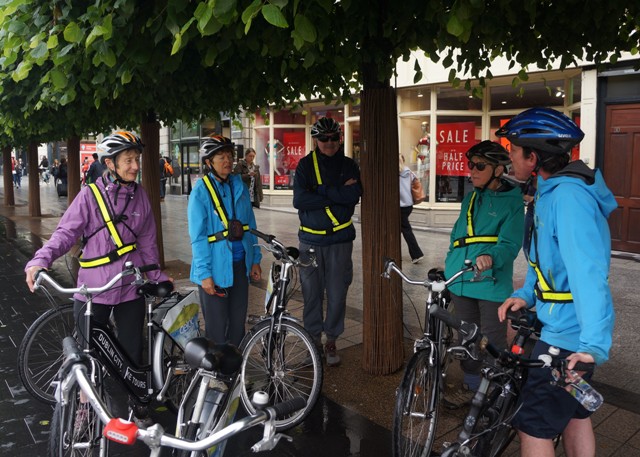
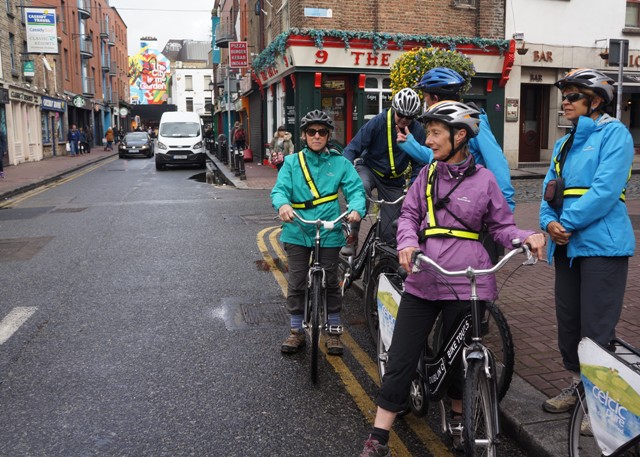
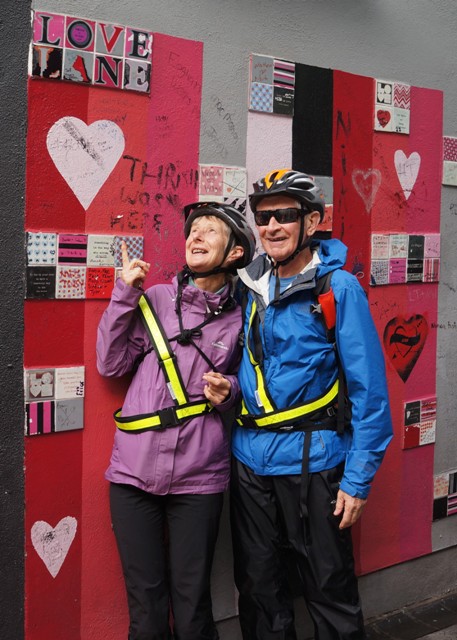
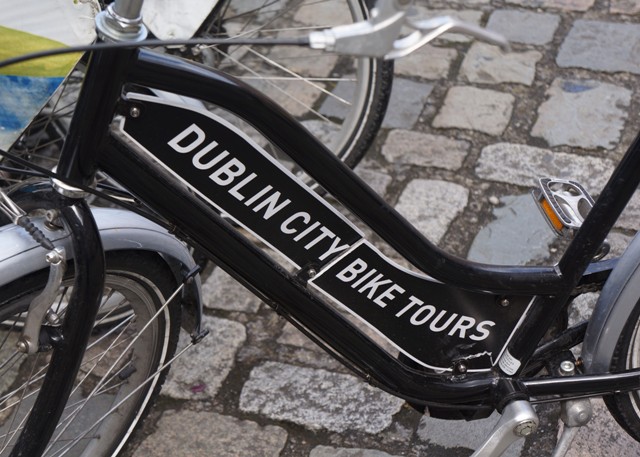
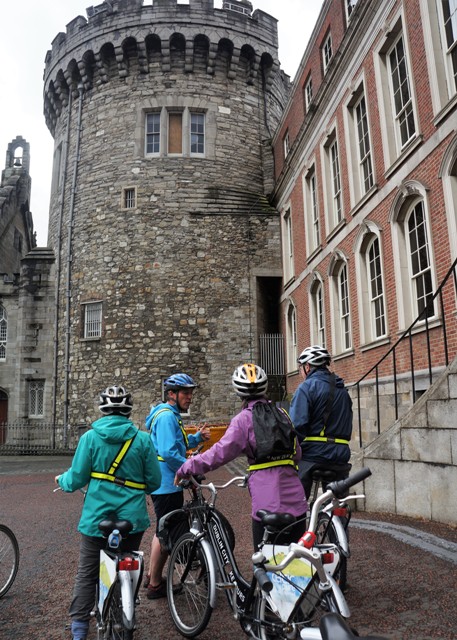
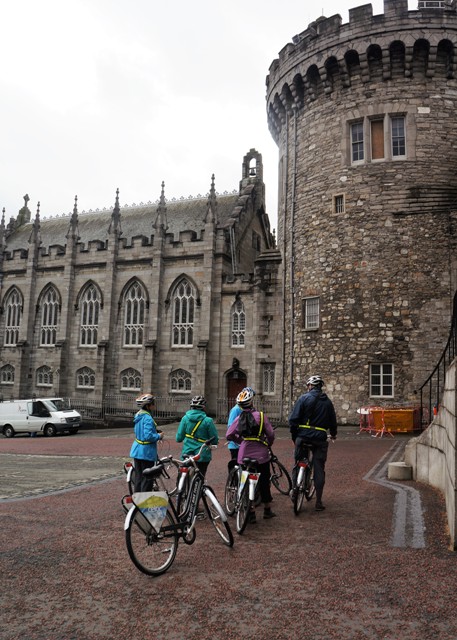
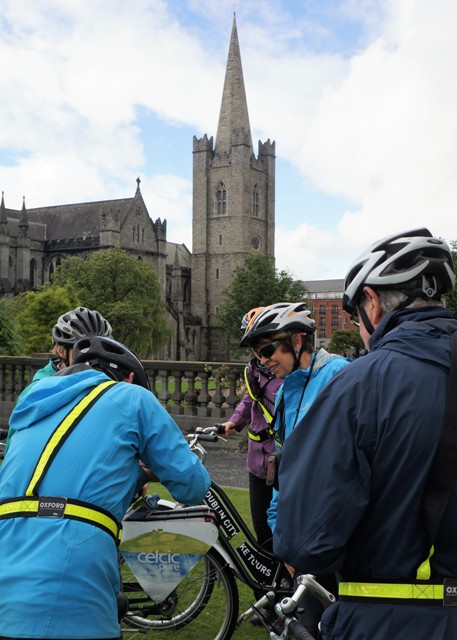
Before leaving home we booked a half day guided bicycle tour of the highlights of Dublin. We did this on the assumption that Ireland was an intelligent and educated society and being part of the European Union would have the sophisticated and mature attitude of Europeans to the peaceful co-existance of cyclists and motorists. Wrong!

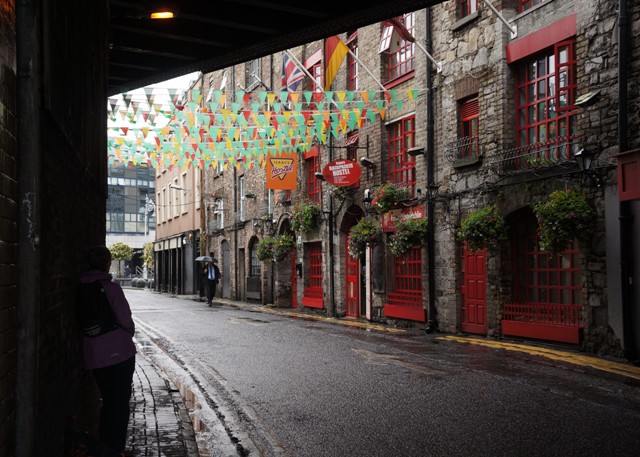
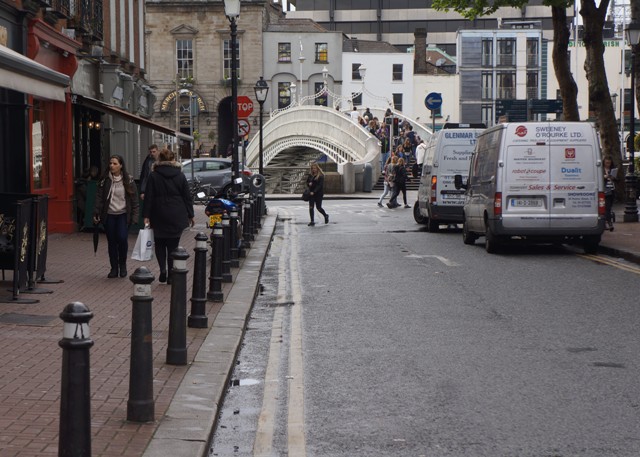
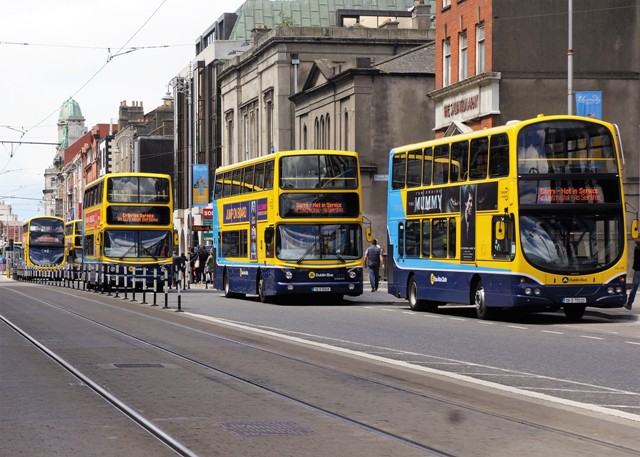
The Irish have a total disdain toward traffiic rules, traffic lights, red man/green man, pedestrian crossings, one way streets and speed limits. When it rains everyone goes a bit faster. Afterall, you wouldn’t want to get wet would you? For every man woman and child in Dublin there is a huge yellow and blue double decker bus and these are all moving or parked on narrow medieval streets. There is a light rail transport system, DART, Dublin Area Rapid Transport. In Irish it is called Luas which means speed.  It is a silver serpent slitthering through the streets frightening the old and the young.

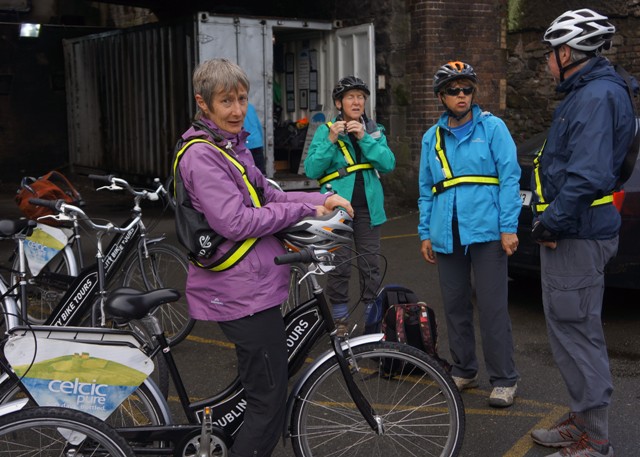
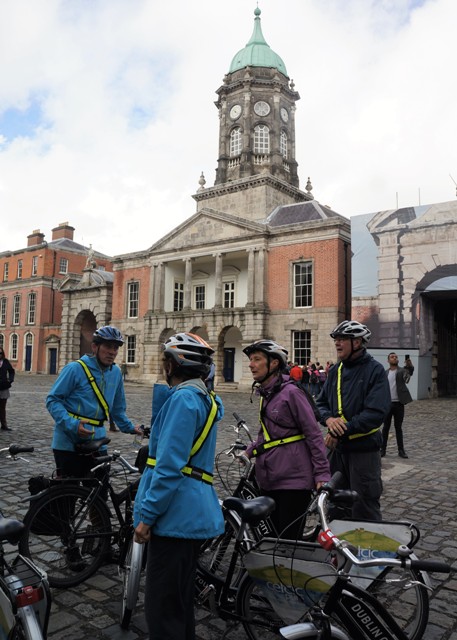
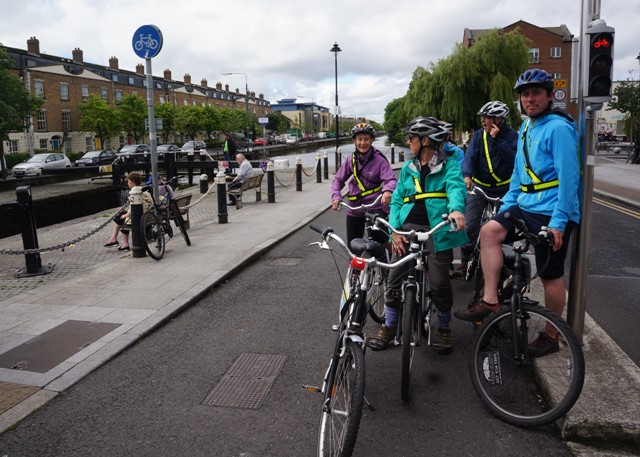
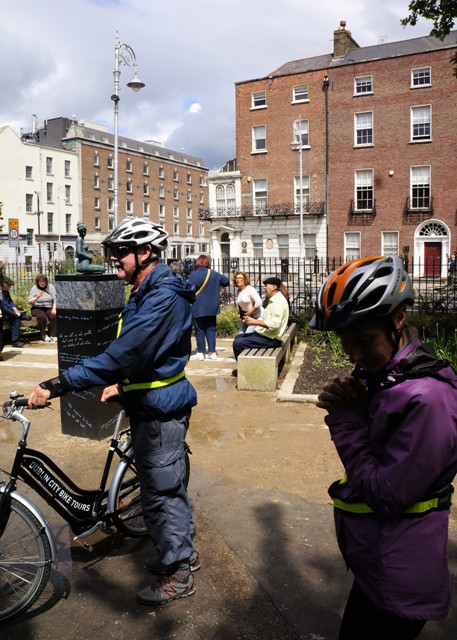
So two seniors from the quiet seaside village of Paraparaumu are going cycling in this. We awoke to steady rain again and the forecast was for showers all day. Many of the streets in the older parts of the city are paved with cobblestones which we haven’t ridden on much, especially when they are wet. We were talking ourselves into cancelling the ride but decided to go down and meet the guide anyway and see if we could postpone until another day. When we got to the meeting point we found that four people had cancelled but a lady from Perth (Barbara) and a couple from Melbourne (Sylvia and Gerald) were wanting to go. It had rained all the way from the hotel but when we met up it had stopped and was clearing so we decided to give it a go.

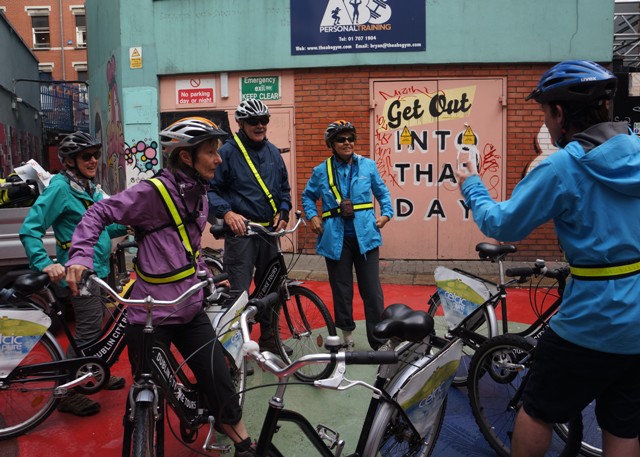
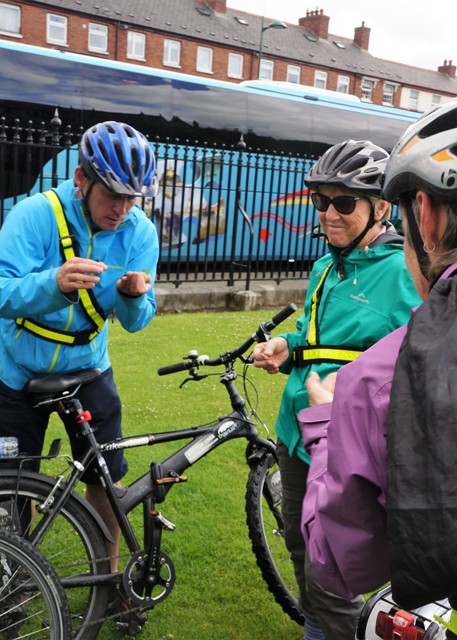
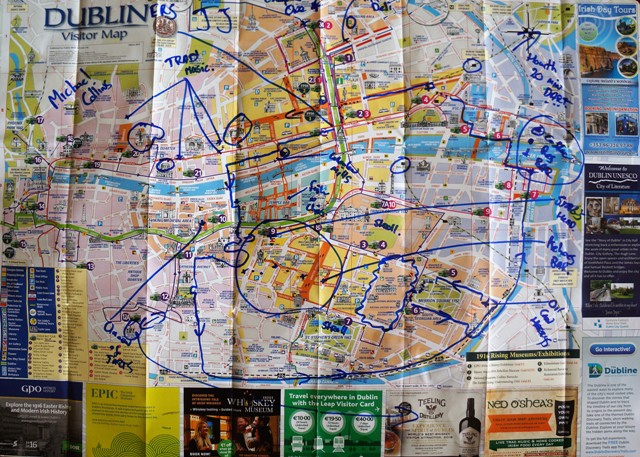
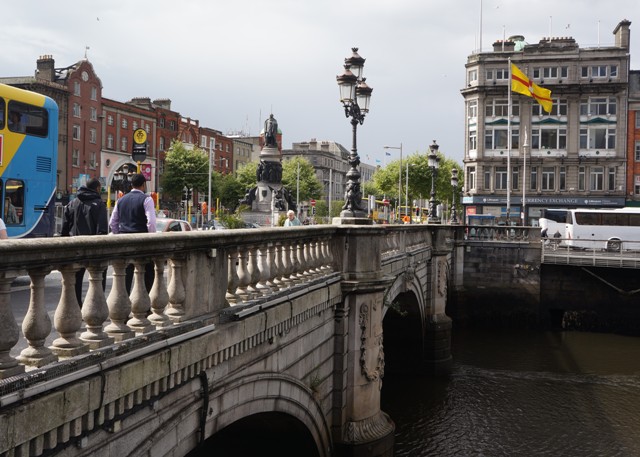
The guide was Brian, a 37 year old Dubliner and co-owner of the company. Man he could talk. He knew all the history and stories of every point of interest in the city. We were given a lesson on the long, complicated and brutal birth of the Republic of Ireland.

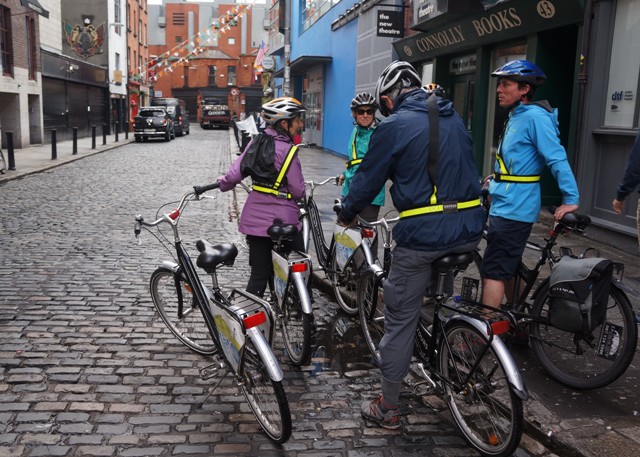
The riding itself wasn’t difficult and in the four hours we probably did less than 10 kilometres. The bikes were strange. Small wheels, heavy and only three gears on a twist grip on the handlebar. They did have bells though, which I used often. Brian had us lined up like ducks in a row and we just blindly followed him when ever he said go. Some was on cycle lanes and shared paths but we seemed to go through dozens of red lights. I didn’t dare look at the cars, buses and trams around us, I just concentrated on following his rear wheel. We were all competent cyclists so we could all stay as a tight group and keep up a steady pace.

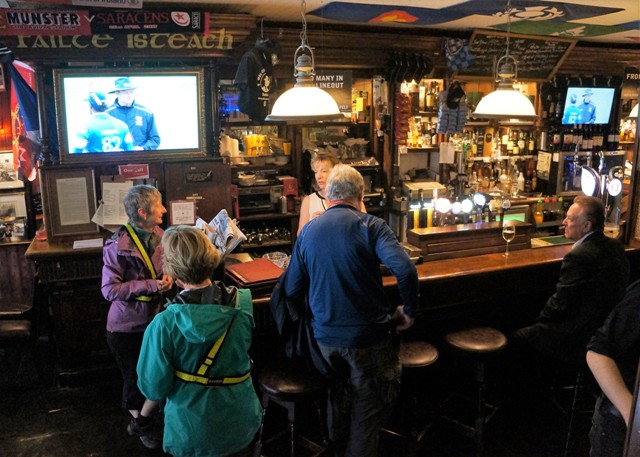
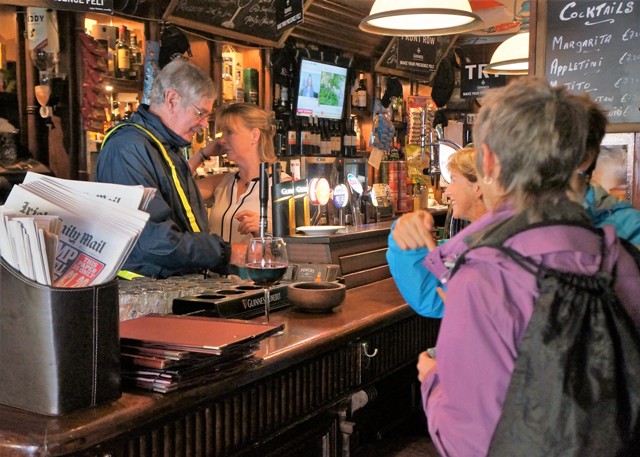
We started at 10 and finished at 2, which included about a twenty minute stop in a pub for a drink. In that time it never rained a drop but as we pulled into his depot at the end, the rain started again and didn’t stop for about 2 hours. So we were lucky. We saw a huge amount of the inner city and it’s a good way to quickly get your bearings other than going in a bus.

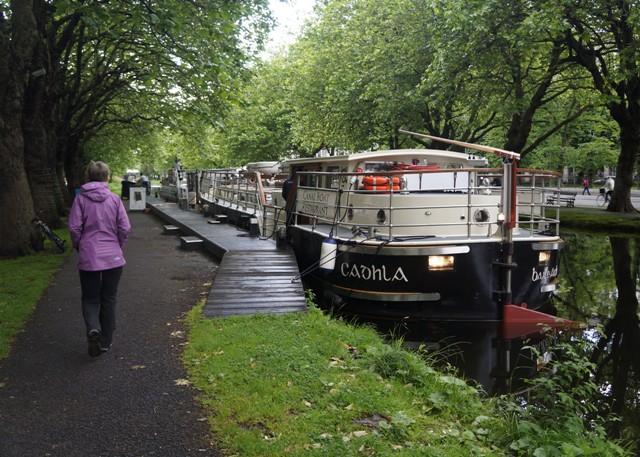
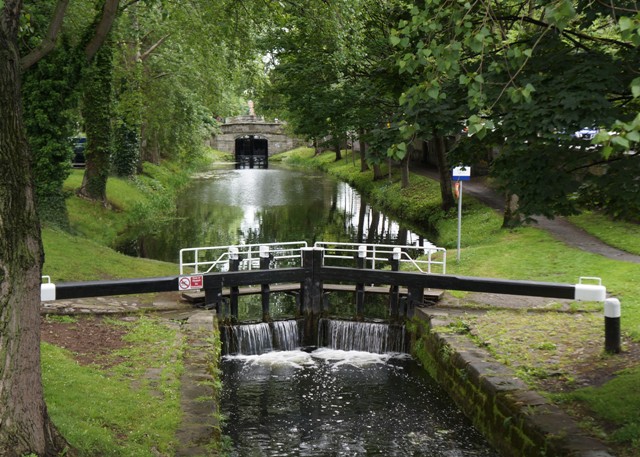
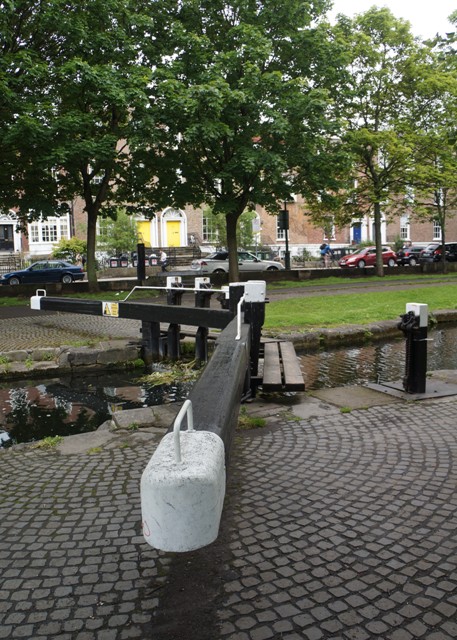
Late in the afternoon between showers we went out to walk along some of the Grand Canal. This 132 km canal starts at the River Liffey in Dublin and ends at Shannon Harbour. It was started in 1757 and opened in 1804. It closed to commercial traffic in 1951 but is still used by pleasure craft today. There is 117km of walking trail along the canal and locks and lock-keepers cottages etc have been refurbished/restored. There is a sister canal going north out of Dublin called the Royal Canal. It is a beautful walk along a linear oasis untouched by modern agriculture.


Went for a bus ride………..and it rained

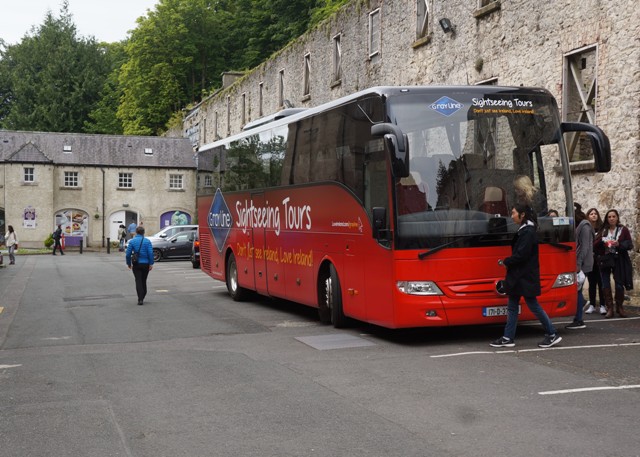
Prior to leaving home we had booked two one day coach tours out of Dublin. Today was the first of them to the Wicklow Mountains and Glendalough. A 9.15 start in an almost brand new Mercedes with driver Richie and 36 passengers from 16 countries (Australia, England, Ireland, USA, Canada, Chile, Spain, Finland, Japan, Germany, France, Netherlands, Switzerland, Israel, Nepal and us).

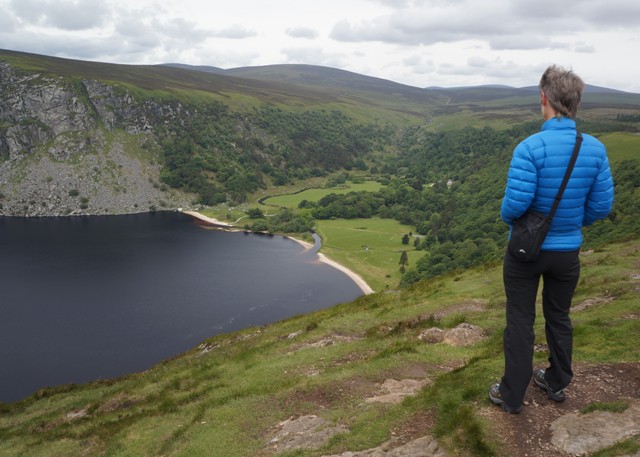
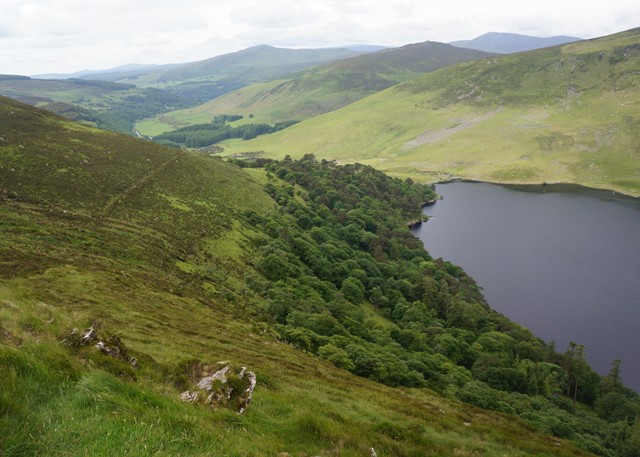
The Wicklow Mountains are the largest area of continuous high ground in Ireland and are now a National Park and a Special Area of Conservation and Protection under European Law. The’re not very high, the highest peak is only 926 metres. The mountains are all very rounded and although there are forests of introduced spruce from North America at low levels, and some forests of birch, beach, oak, holly and ash, the uplands are dominated by blanket bog, heather and grasslands. Today was overcast and so it all seemed quite bleak and the heather was brown although it becomes purple later in the summer and with red berries from other plants it becomes more attractive.

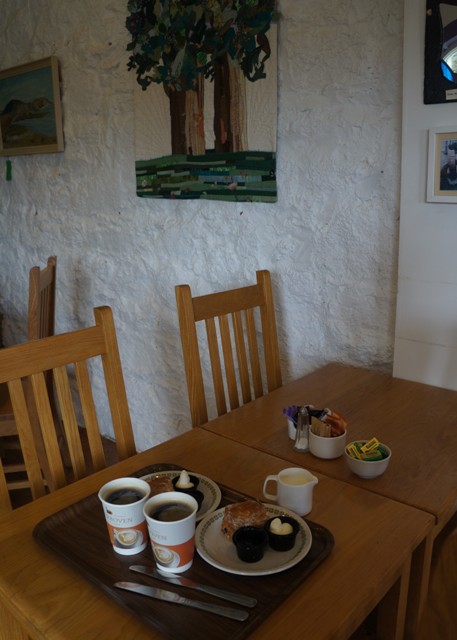
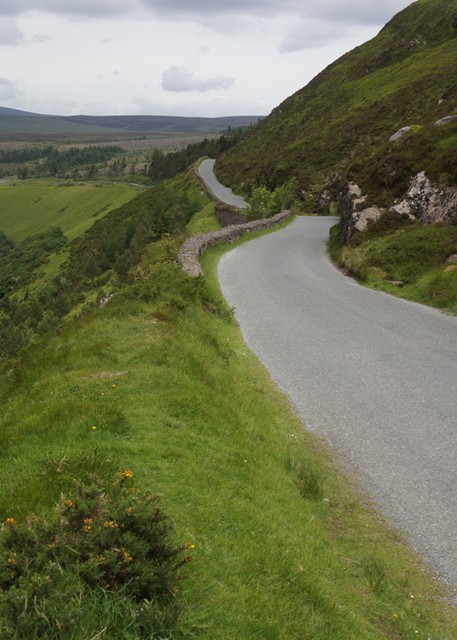
For a large part we followed 60km of the Wicklow Military Road, built at the beginning of the 1800s by the English army so they had access to root out rebellious insurgents hanging out in the mountains. Four barracks were located along the road and we stopped at the first, Glencree, for coffee and scones with jam and cream. The road is narrow, often single lane, twisting and undulating with many blind corners. The coach driver knew the size of his vehicle down to the inch as he squeezed past, cars, trucks, tractors and other buses.

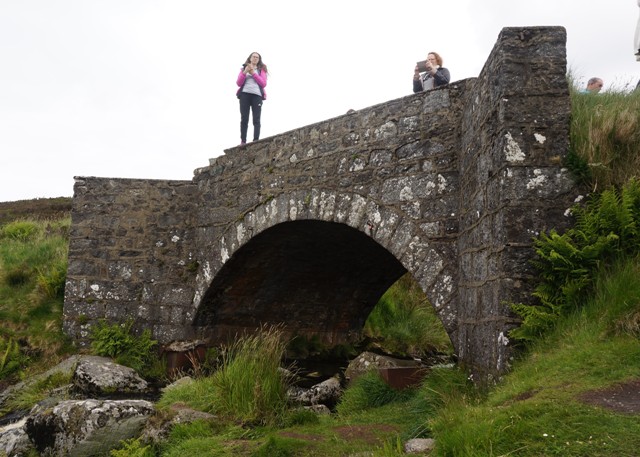
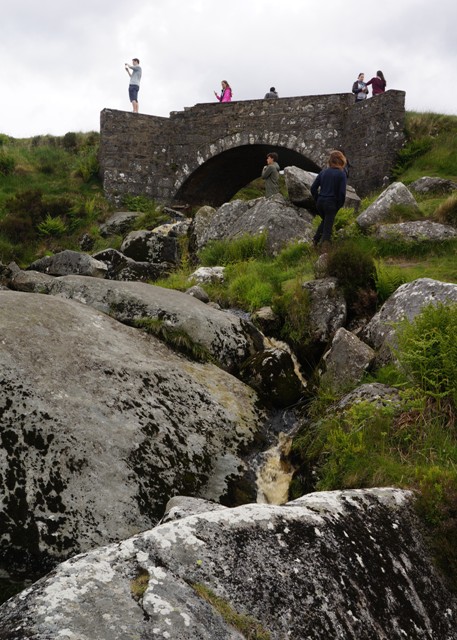
There was a special photo stop at a rather picturesque stone bridge where apparently in the movie P.S. I Love You, Holly and Gerry kissed. Some couples wanted to recreate this ultimate romantic moment. If you were single and female then Richie would help out in the magic moment.

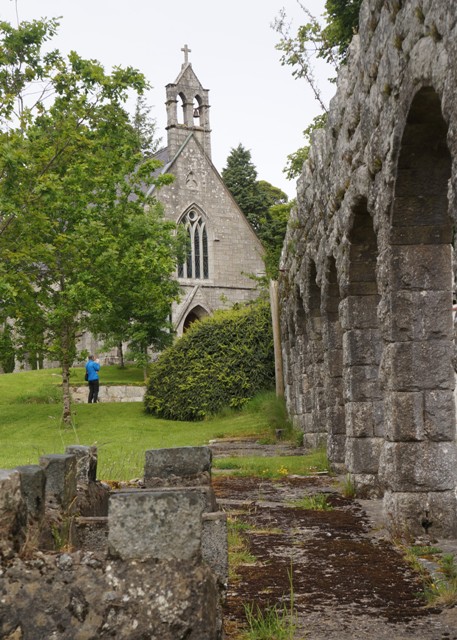
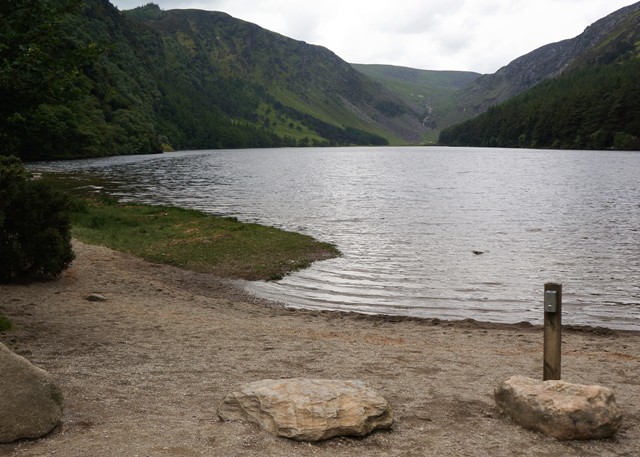
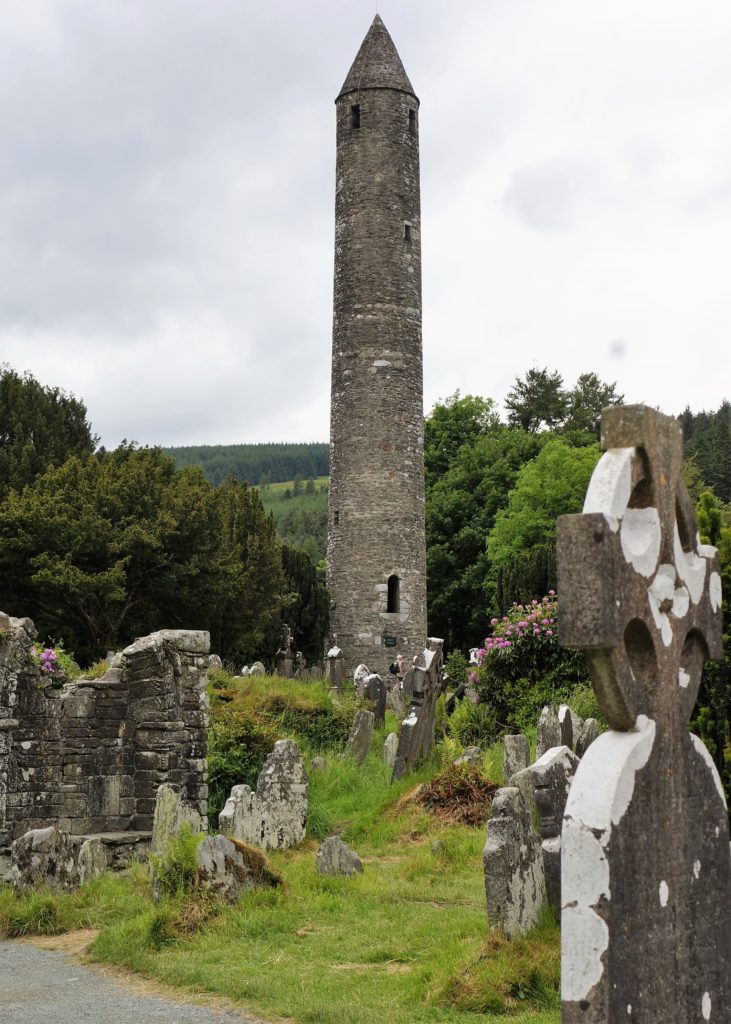
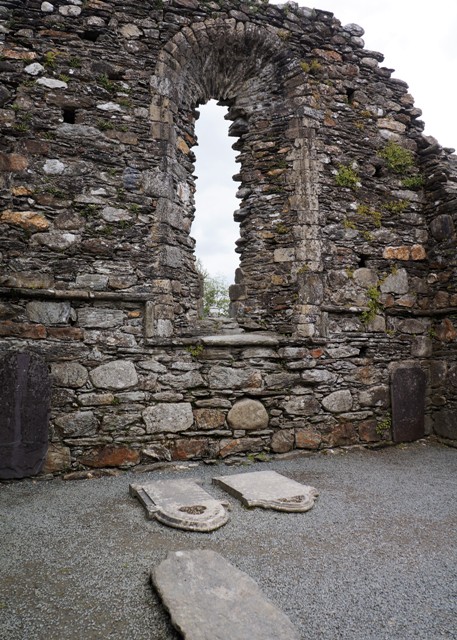
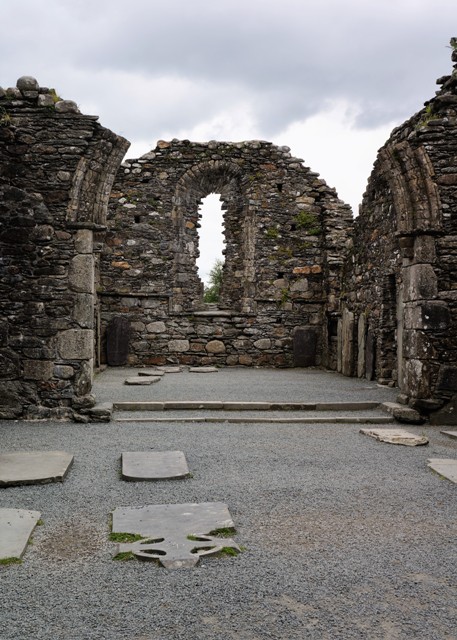
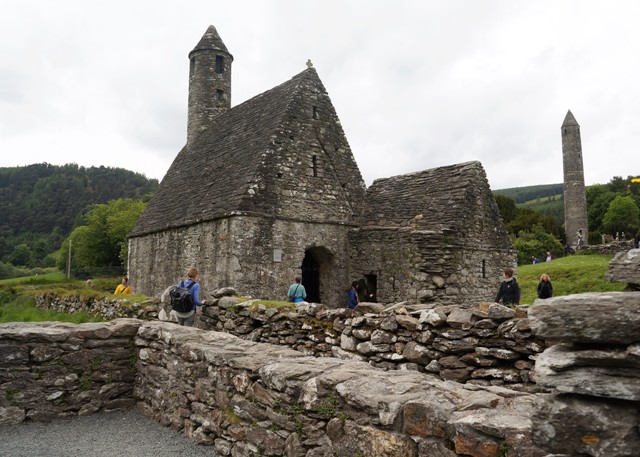
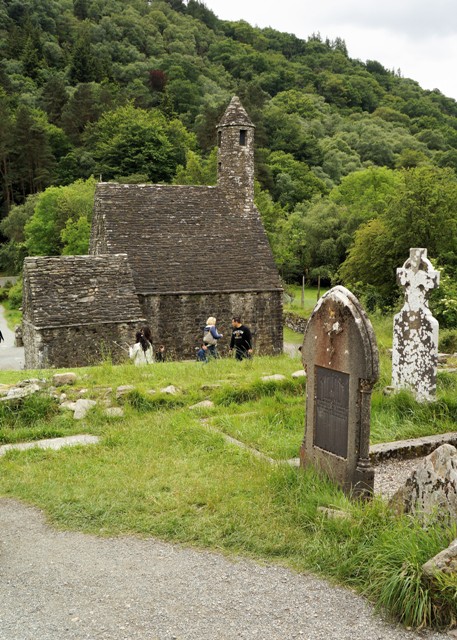
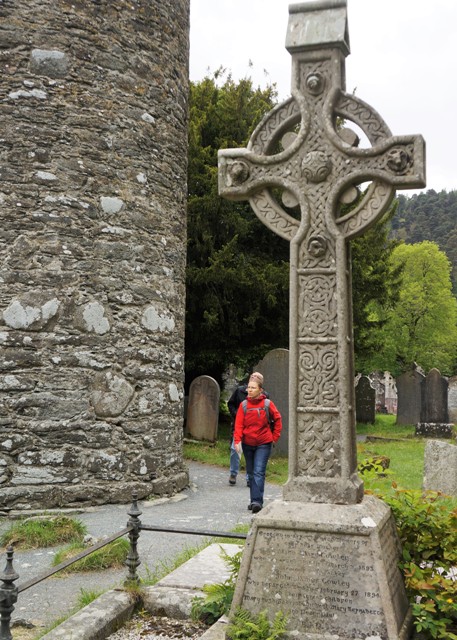
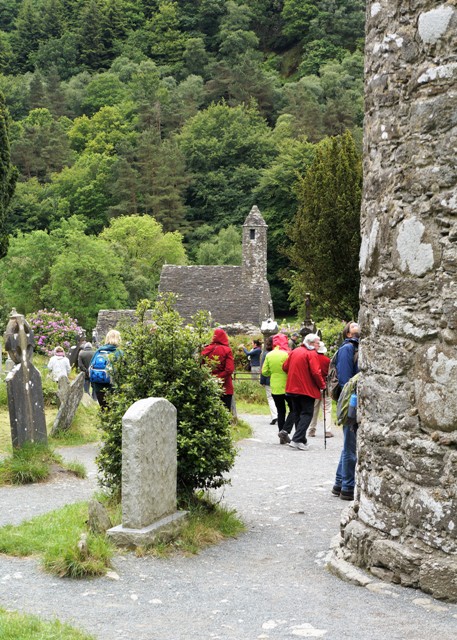
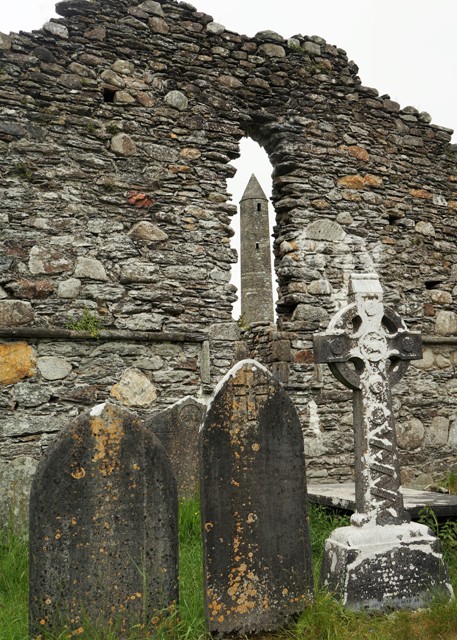
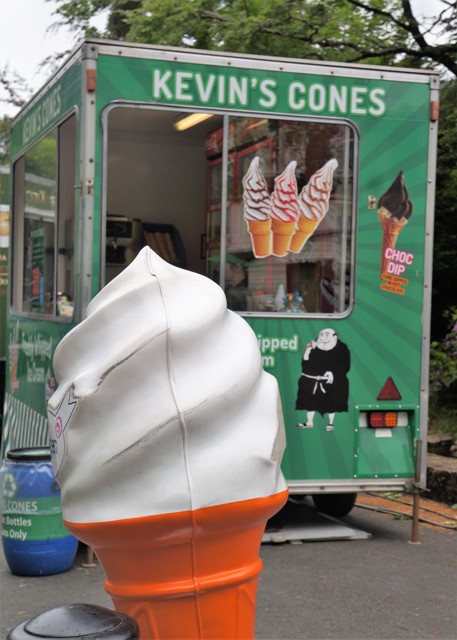
Then on to Glendalough and the ruins of a monastery founded in the 6th century by St Kevin. Kevin was a descendant of one of the ruling families in the area. The monastery is in a beautiful forested valley with two lakes. For six centuries the monastic settlement flourished as a centre for religious study and pilgrimage. In 1214 the dioceses of Glendalough and Dublin were combined and from then Glendalough declined in status as a centre of cultural and ecclasiastical study until it was destroyed by English foces in 1398 and left a ruin.  Today over a million people each year come to visit the jewel in the crown of the Wicklow Mountains.

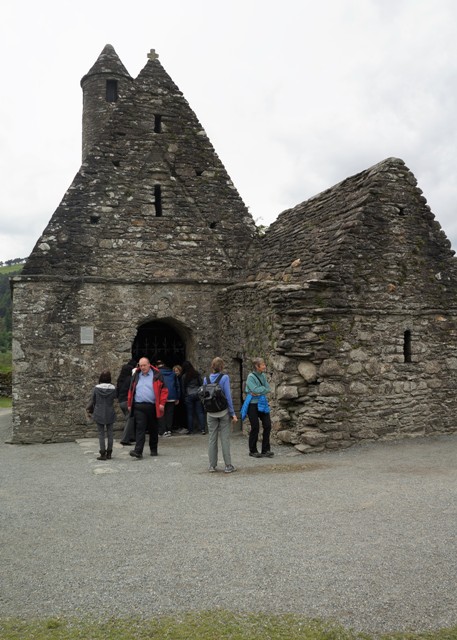
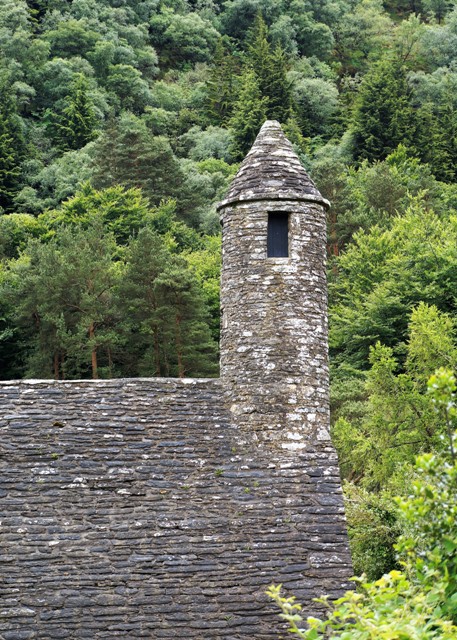
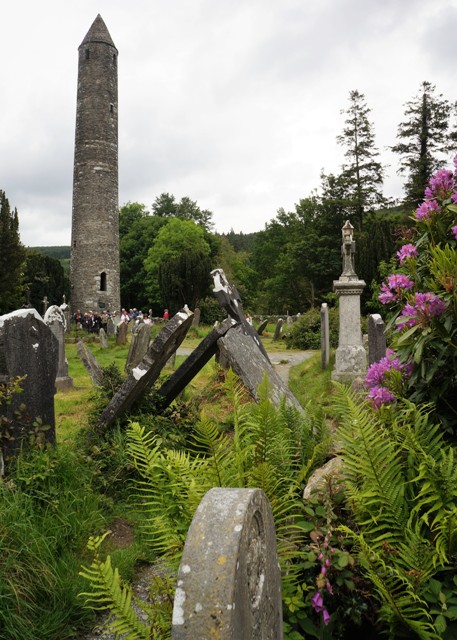
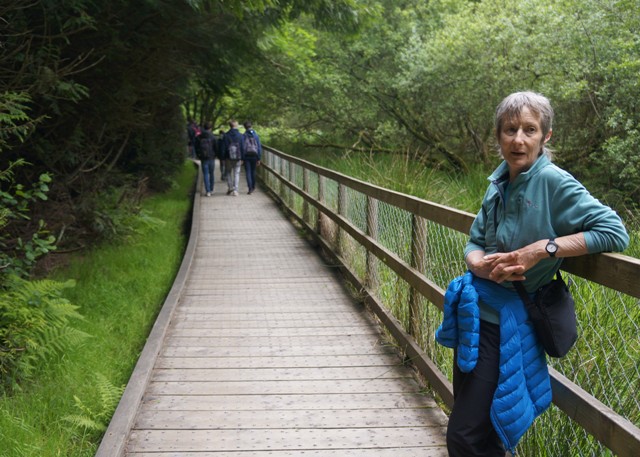
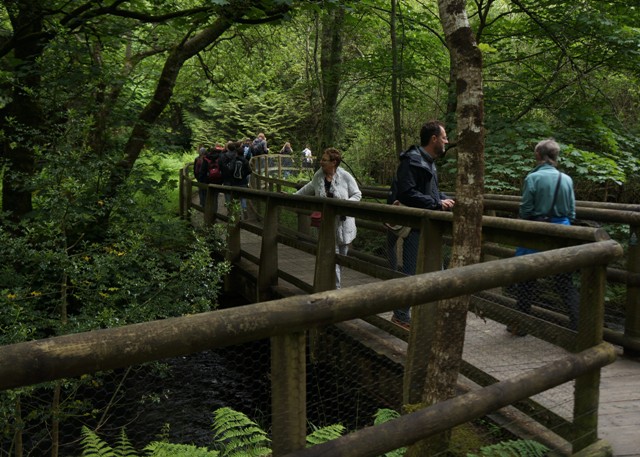
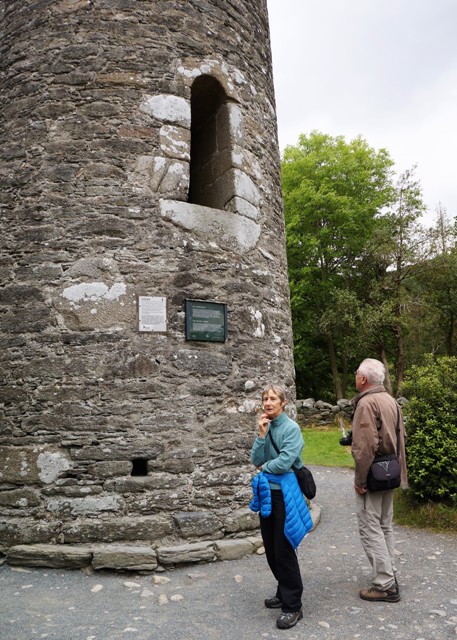
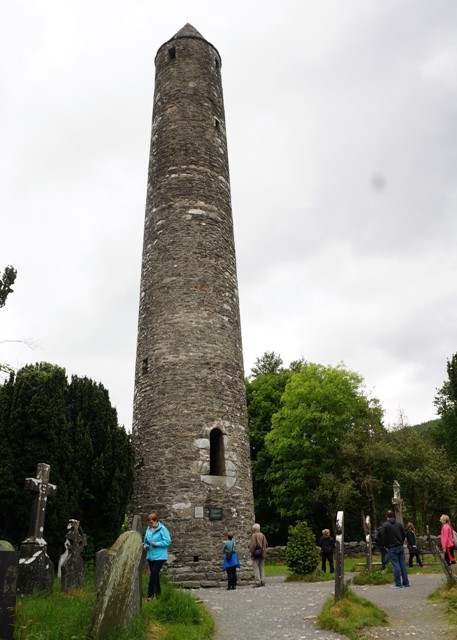
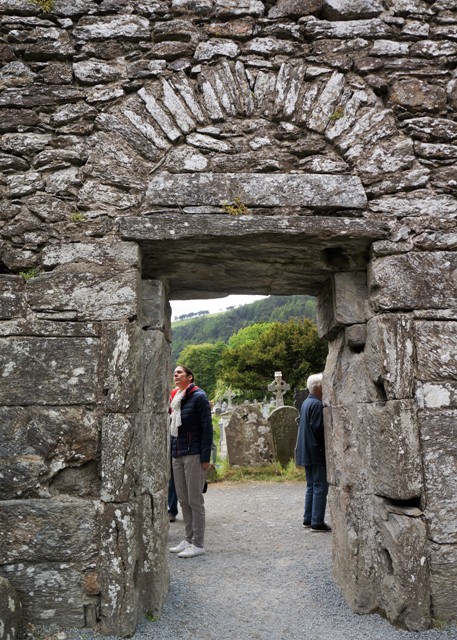
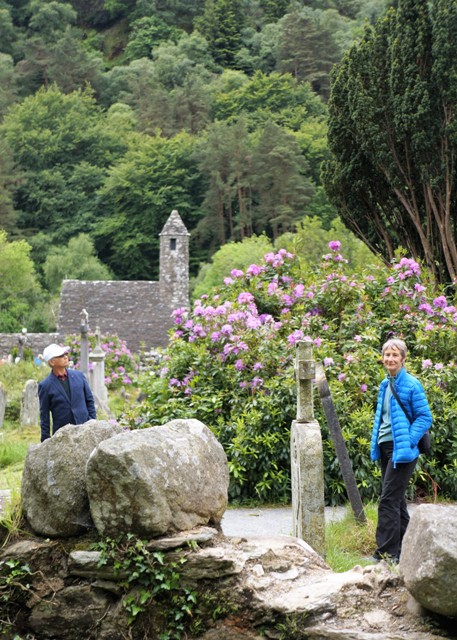
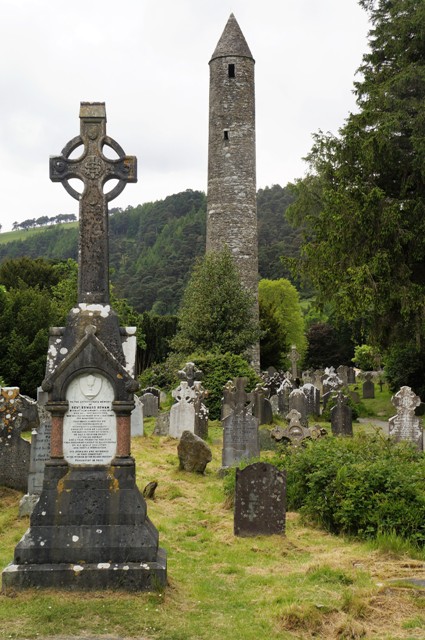
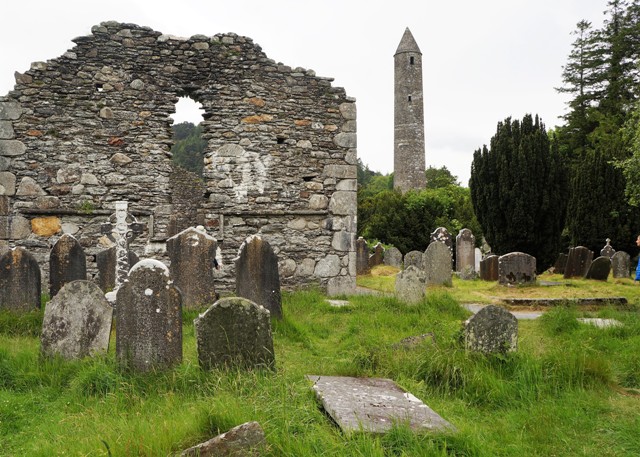
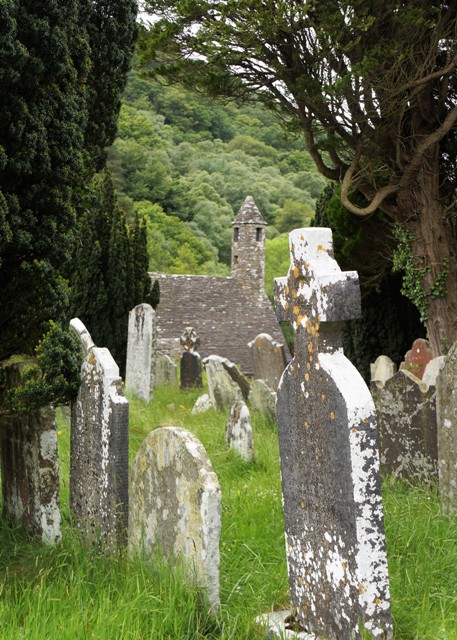
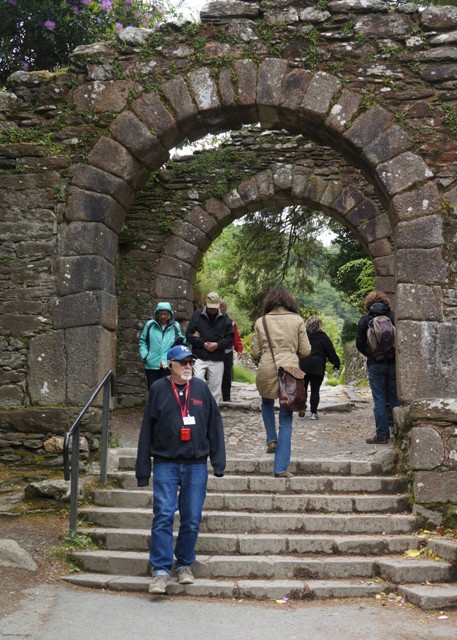
We had a very nice walk up a parrallel valley and over a ridge to the upper lake and then along a boardwalk down to the lower lake. On the uplands it had been windy and cold but down in this valley it was warm and still. The monastery buildings are set in a large cemetery with many large and ornate head stones. We explored The Gateway – two fine  arches now totally unique in Ireland, the Cathedral – the largest structure, the Round Tower – 35 metres tall and used as a bell tower, food store and place of refuge, the Priest’s House – a small reconstructed stone building, St Kevin’s Church (“The Kitchen”) – it has a steep roof of overlapping stones supported inside by a stone barrel vault, and the remains of about four other churches. Overall a very special and serene place.

A late lunch at 3.15 in a traditional Irish pub in the tiny village of Avoca, famous in the past for its copper mines, hand-weaving mill and being mentioned by the Greek mathematician, astronomer and astrologer Ptolemy (AD 100 – 170) on his early map of Ireland.

Just as we left Glendalough a few drops of rain began to fall, and by the time we got back to Dublin about 6pm it had well and truely set in. Overall a very good day. A bit of exercise, some good company, and we learned a bit more about the people, history and landscape of Ireland.

Dublin

The capital and largest city of Eire, the Republic of Ireland. Located on the eastern seaboard, separated from the United Kingdom by the Irish Sea. The name comes from the Irish word Dubhlinn, “dark pool” referring to a dark tidal pool where the River Poddle (now underground) meets the River Liffey.

Population is about 1.4 million in the urban city area and about 1.9 million in the greater metropolitan area.
Dublin has had human habitation from Prehistoric times but the first settlement is recognized as the Vikings in the  9th and 10th centuries.

The Normans invaded in 1169 and starting in 1204 built Dublin Castle (the seat of English rule for seven centuries). This remained the small walled town of a narrow strip of English settlement on the east coast until the Tudor invasion of Ireland in the 16th century.

Dublin prospered up until the end of the 18th century and for a while was the second largest city in the British Empire. When the governance of Ireland was moved from Dublin to London in 1800 and with Dublin not having a major role in the industrial revolution (no large source of coal) there was a period of decline.

In the early 20th century there was a significant amount of physical damage during the Easter Rebellion of 1916, The Irish War of Independence and then the Irish Civil War. Following the partition of Ireland in 1922 it became the capital of the Irish Free State (1922-1937) and then the capital of Ireland (1937 – today).

Dublin is at the mouth of the River Liffey which divides the city in two. Traditionally the Northside is working class and the Southside is middle to upper class.

Dublin has a significant literary history and produced many literary figures including William Butler Yeats, George Bernard Shaw, Oscar Wilde, Jonathan Swift, Bram Stoker (Dracula), Samuel Beckett, James Joyce, etc. We have a week to explore this lively and historic city, four days before we head down south west to Kerry and then three days after we return.
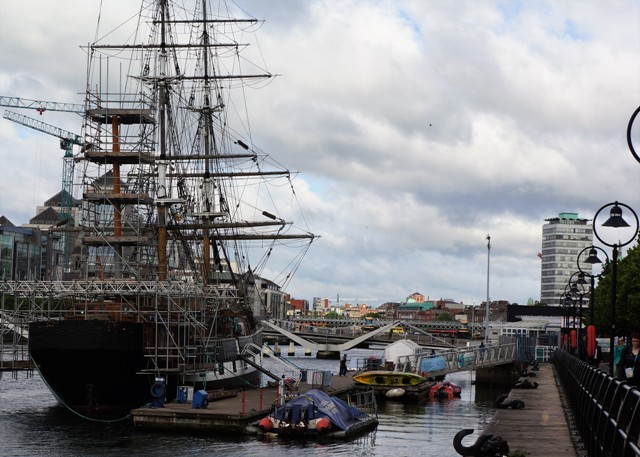
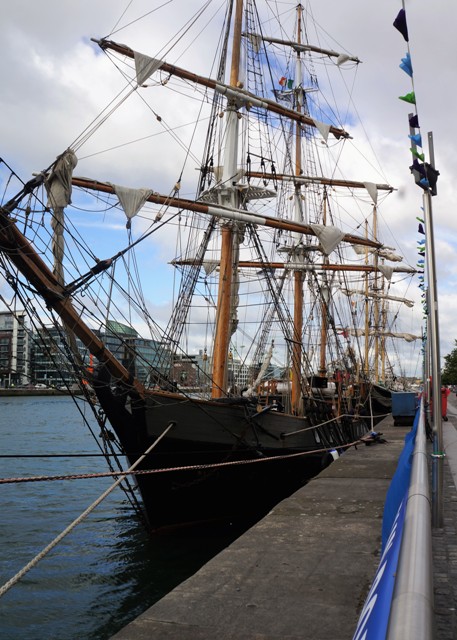
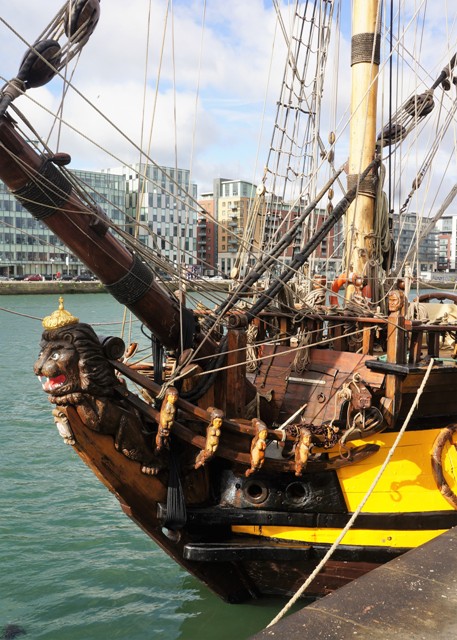
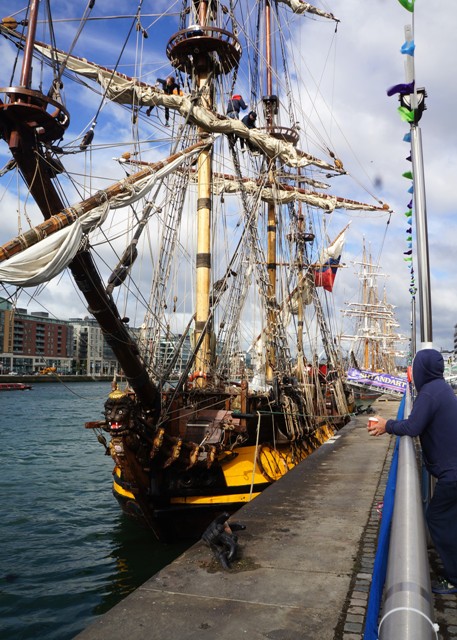
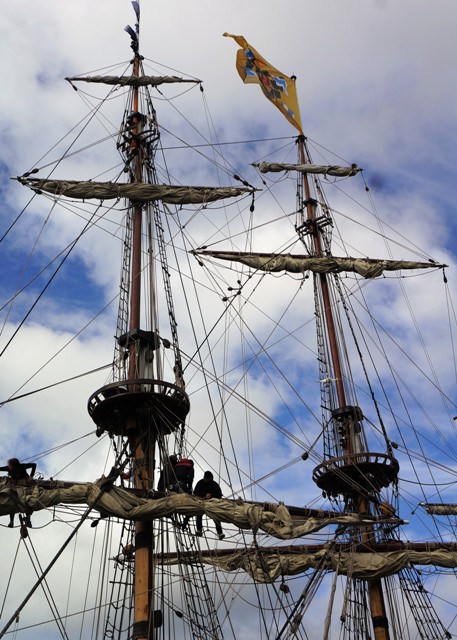
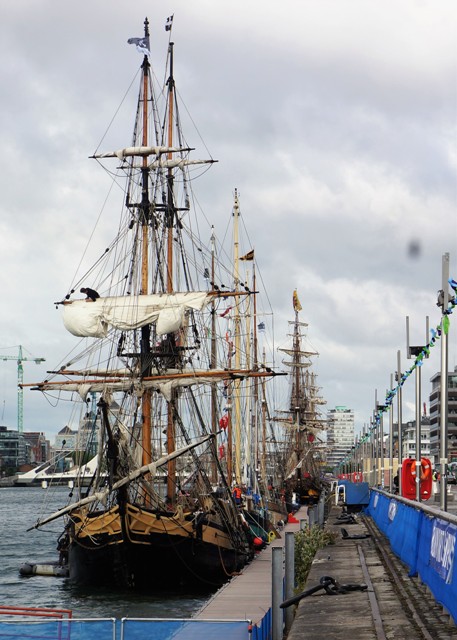
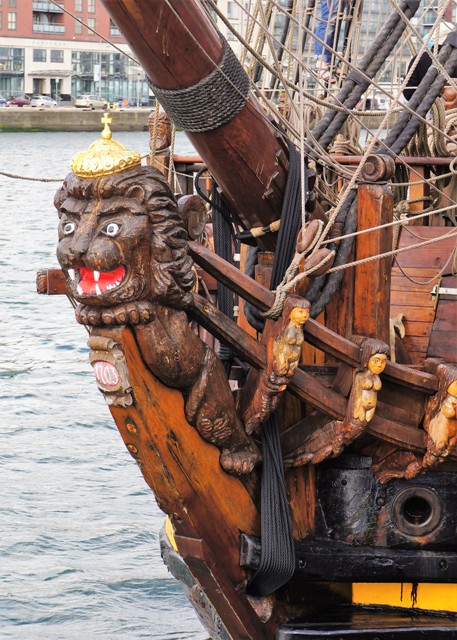
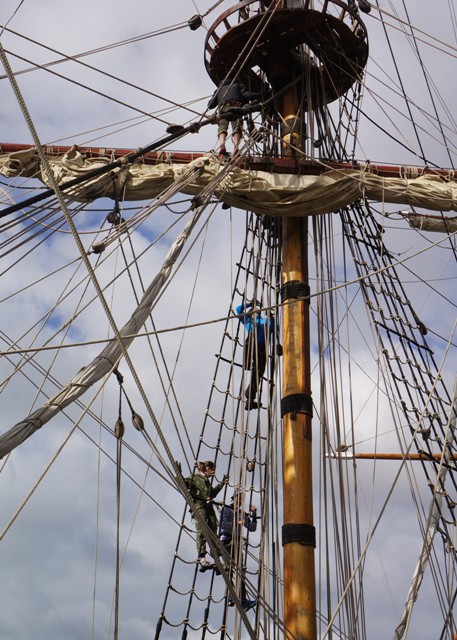
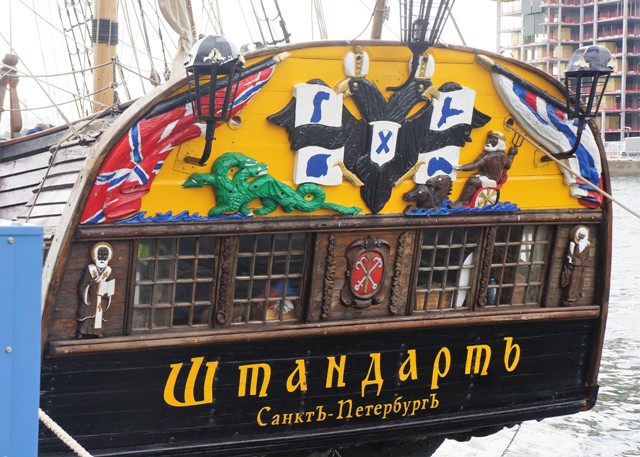
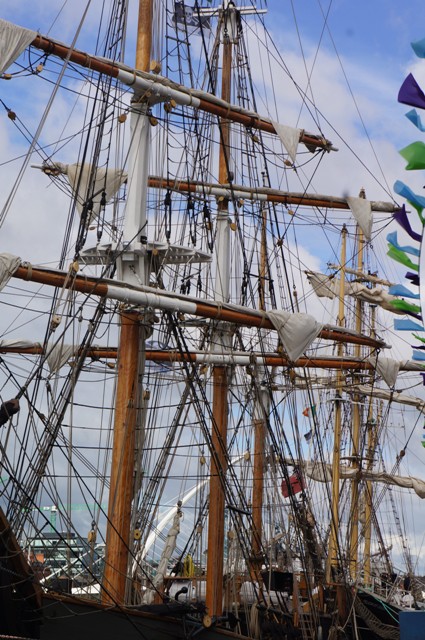
This morning we woke to blue skies, some clouds and a strong cold wind. But no rain – so this can’t be Ireland then ! Yesterday coming in on the airport bus we noticed that there was a “Riverfest” at  the port end of the river, so today we walked along the river bank to check it out. Over the holiday weekend there had been Thundercats and sail boat racing, Jet Pack Man, water rescue demos, kayaking, stand up paddle boarding, and on land heaps of entertainment with carousels, wire walking, zip lines, a circus, a drive-in cinema, a food village, music and drink etc. All this was now gone but moored along the river walk were 10 magnificent tall ships and this is what we wanted to see. Wonderful examples of original and replica sailing ships: a Russian ‘man-of-war’, square rigged sailing vessels, an arctic trawler, a traditional Baltic Trader, a West country trading ketch, a three masted schooner.
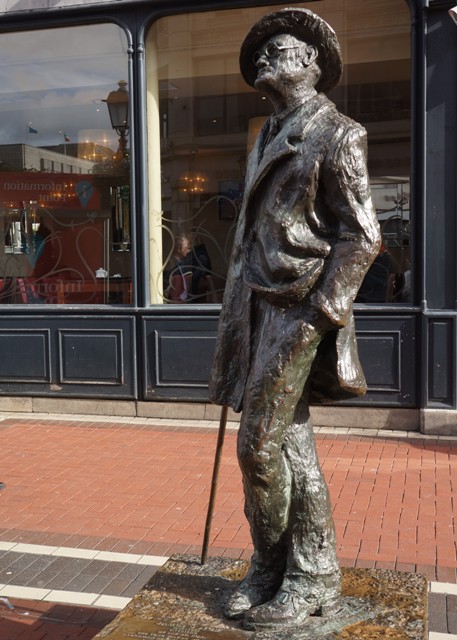
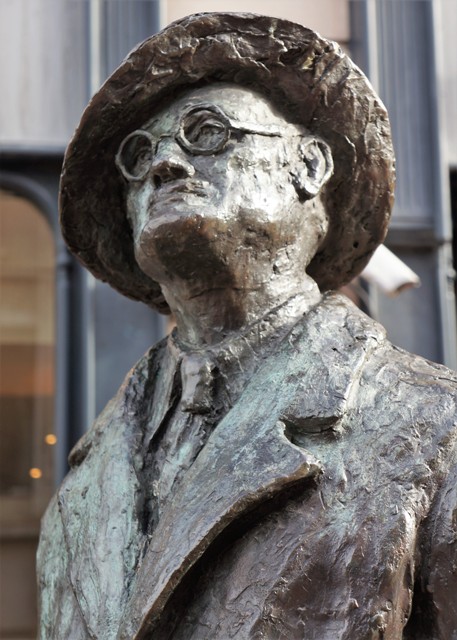
There are many, many statues in Dublin and today we saw three of the most notable. The first was of the acclaimed Irish novelist and poet, James Joyce. He is leaning on a stick looking upward as if in thought. Earlier this year I tried to read his “Ulyssess” but had given up after about 10 pages – just too difficult. I did read “Dubliners” and “A Portrait of the Artist as a Young Man” . This was the extent of my cultural preparation for Dublin (apart from drinking Guinness).

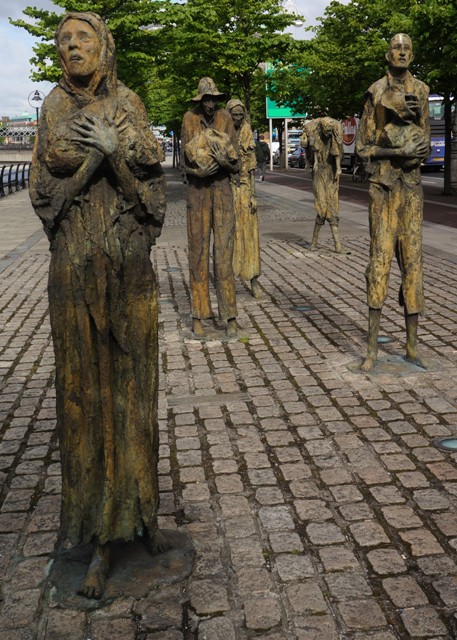
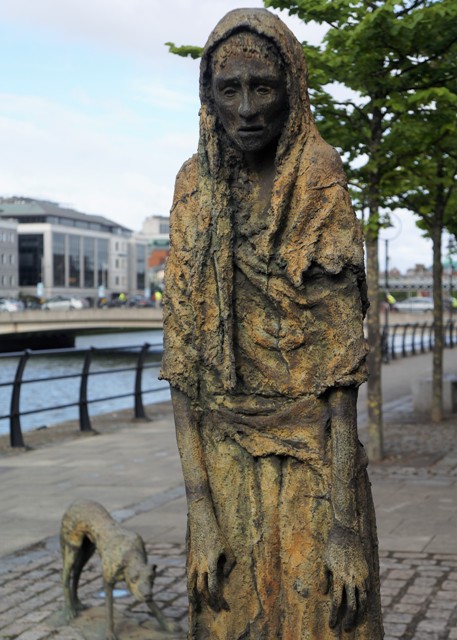
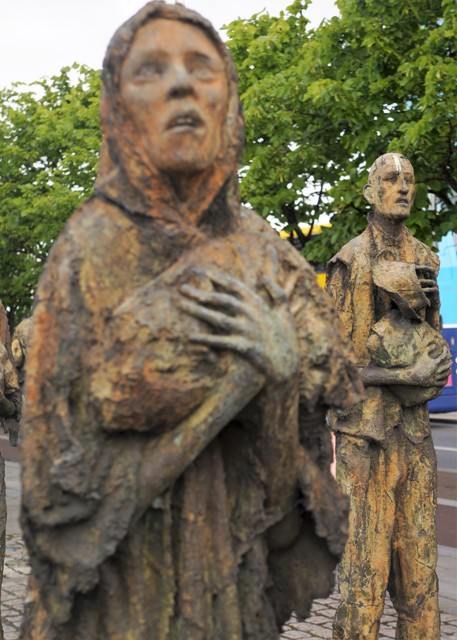
The second was on the river quay where the famine ships used to depart for New York. The Famine Statues, a memorial to the victims of the Great Famine of 1841-1849 in which 1 million died and 1 million more forced to emigrate due to the failure of the potato crop – the staple diet of many poor Irish. This statue was very moving, with gaunt almost stick like figures, and faces full of pain and suffering.

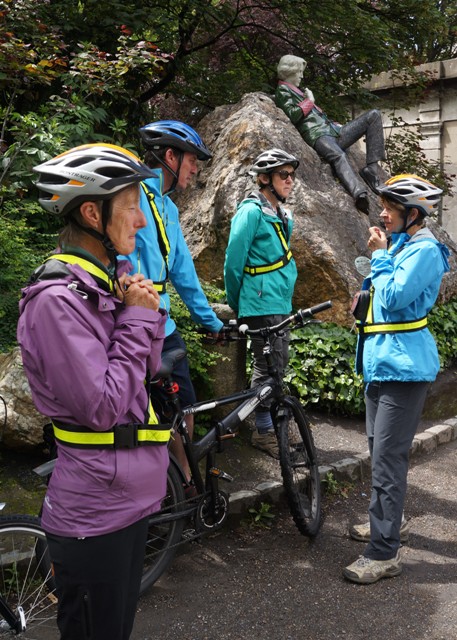
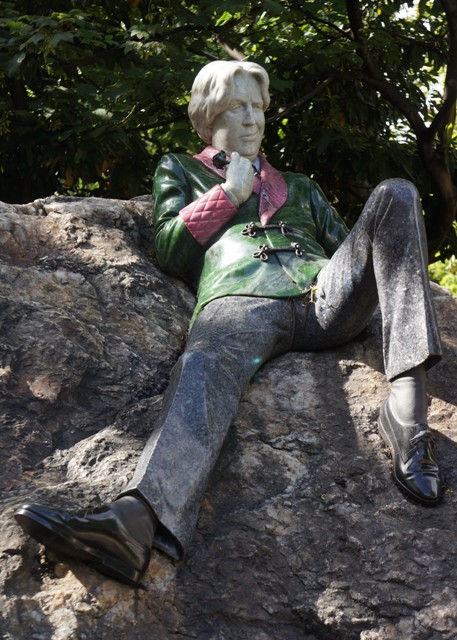
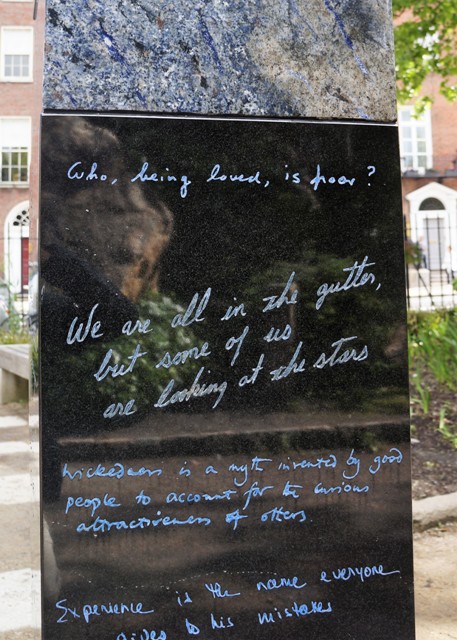
The third was the extremely realistic statue of Oscar Wilde, located in the corner of the park in Merrion Square, just across the road from the witty writer’s former home. Wilde is lounging on a rock with a smile on one side of his face and a frown on the other, representing the different sides to his character. The colours of black, grey, green, pink and fleshtones are achieved by a careful selection of polished granite and coloured semi-precious stones. The statue is flanked by two polished granite plinths engraved with quotes from Wilde’s work.

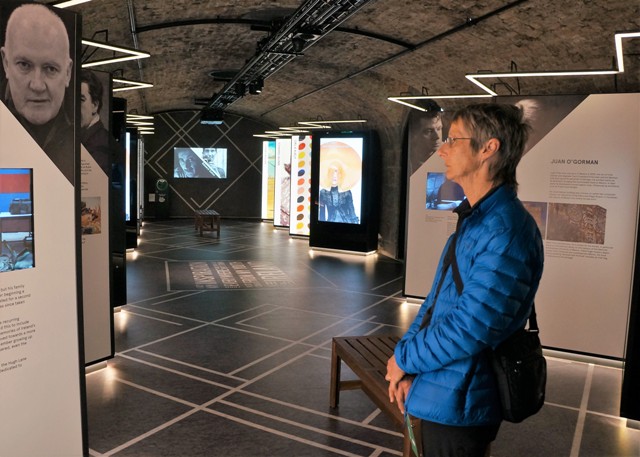
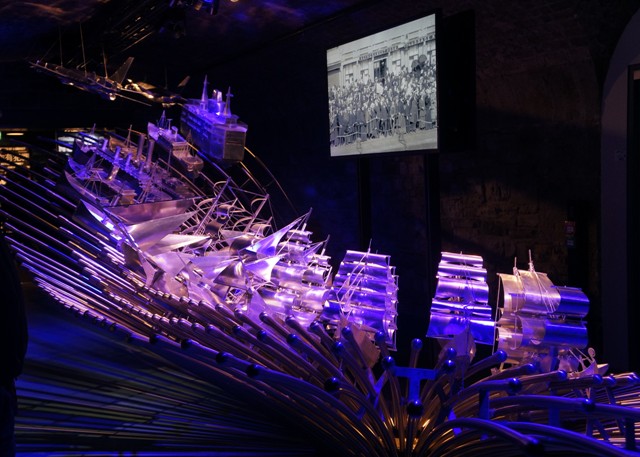
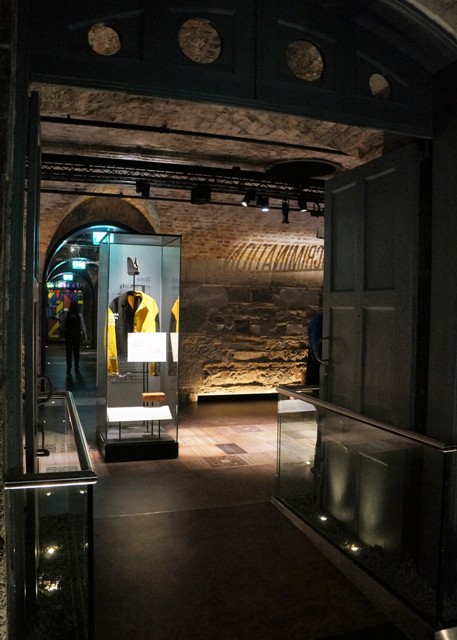
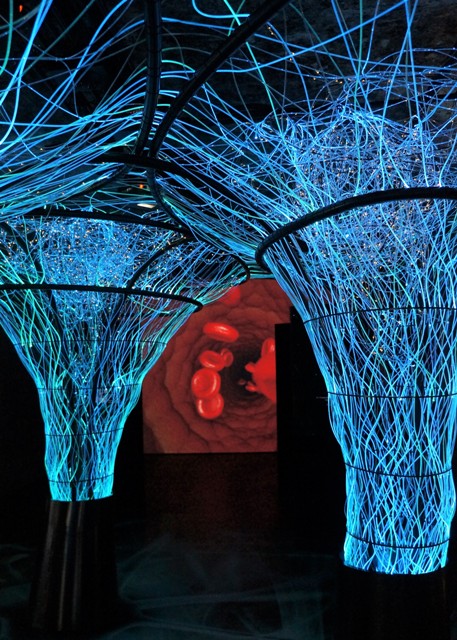
We also went to the excellent EPIC The Irish Emigration Museum which tells the story of the 10 million people of Ireland who have emigrated to other parts of the world. Why they left, where they went, and how they influenced and changed the places they went to. Apparently 70 million people today claim Irish ancestry. State-of-the-art technology creates a powerful and moving experience. There are 20 themed galleries, each like a tunnel of brick with a vaulted ceiling – very dramatic.

We felt really good this morning, lots of energy and get up and go. But by early afternoon were pretty zonked out. Suffering from jet lag a bit. So we had a quiet time at the hotel resting up.

The Island of Ireland

After landing in two continents (Australia and Asia) and crossing a third (Europe) we are now on the island of Ireland.

Ireland, also known as Eire, The Republic of Ireland, The Emerald Isle, Land of Saints and Scholars, Erin’s Isle. For a few years before the Global Financial Crisis also referred to as The Celtic Tiger.

A population of about 4.8 million on a land area of 70,000 sq km. (This does not include Northern Ireland, a different country altogether). New Zealand has a similar population of 4.6 million but nearly four times the area at 268,000 sq km.

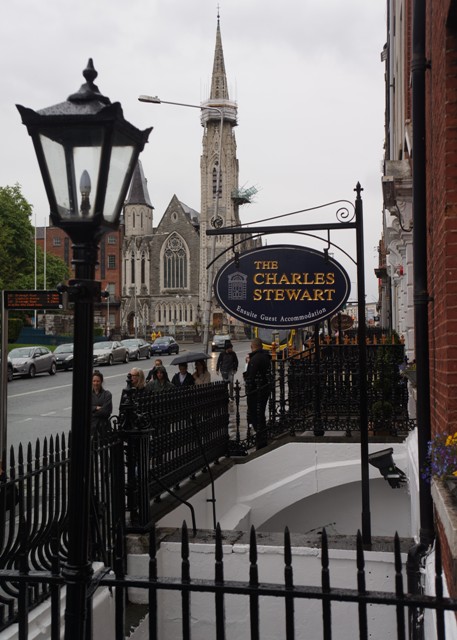
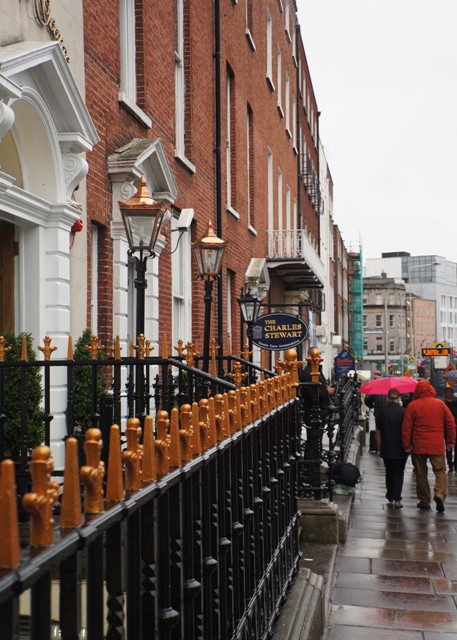
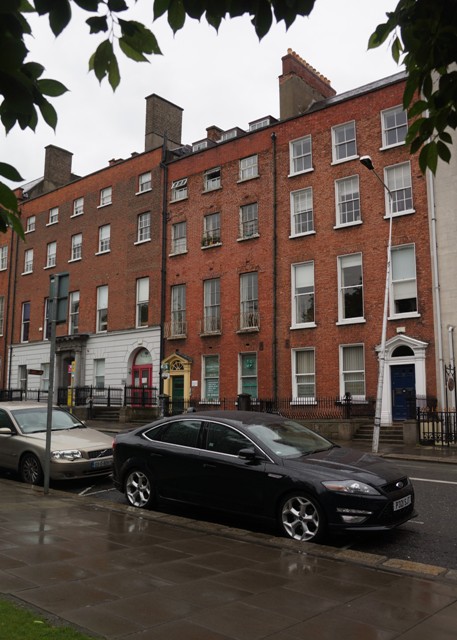
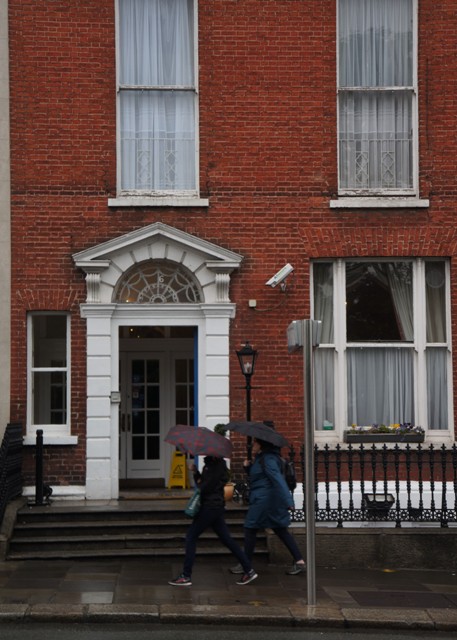
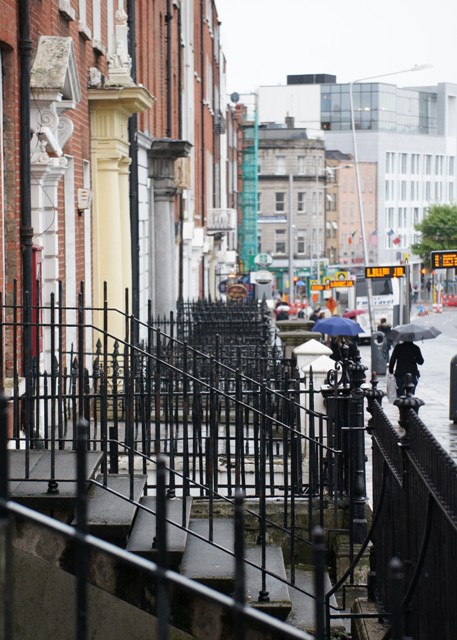
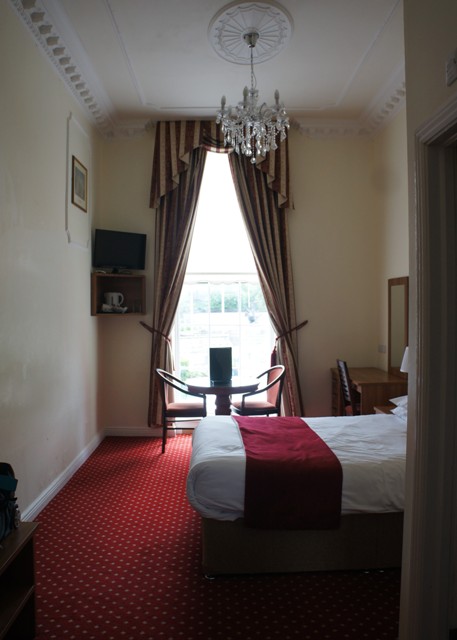
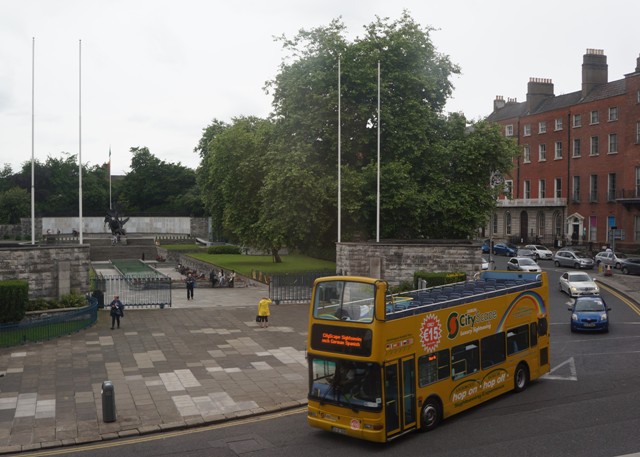
And it is raining.  Of Course. We had been warned. After checking into our hotel we were desperate to stay awake until at least 7pm so went out for an exploratory walk. It was very grey when we started and soon it was persisting down, so have retreated to our room. The hotel is one of a row of large Georgian houses built in the late 1700s in Parnell Square. We have a lovely large, redecorated room overlooking the street and the Garden of Remembrance opposite. This is the national site commemorating  the 1916 Easter Rising that led to the founding of the Irish Free State.

It was thirty hours exactly from take off at Wellington until landing in Dublin. Only three or fours hours of fitful sleep so we are a bit shattered. All flights on schedule and Emirates are an excellent airline so it was as good as a long haul flight in economy can be. Our bags were checked right through from Wellington to Dublin so had very easy and quick transfers at Melbourne and Dubai.

The streets around the hotel are full of women all in their running gear. Today was a bank holiday in Ireland and also the 35th running of the VNI Womens’ Mini Marathon. A 10km run through the streets of the city. 33,000 entrants!

Only took a few photos in the immediate vicinity of the hotel.


Camino Quilt

When you are walking the Camino there is a lot of thinking time.
Making a camino quilt was in my thoughts.
What blocks could I make? What colours could I use?
Lots of abandoned ideas. Lots of fun thinking time.

It took us about 250 hours to walk the Camino Frances.
It took over 300 hours to hand piece and hand sew the quilt.

So where are we walking next?

After walking the Camino Frances in 2016 we have really been bitten by the long distance walking bug.  We loved the Camino and northern Spain so much we intend to return in 2018, if our bodies are still in working order.

In the meantime, in 2017, we intend to do some walking in Ireland. In the southwest of Ireland we are going to walk three Way-marked Trails on the peninsulars that stick out into the Atlantic Ocean : The Dingle Way, The Kerry Way and The Beara Way.

So why go to Ireland? Well, Barbara toured there with her sister in 2014 and thought it was very beautiful. The forebears of the families of both Paul’s father and mother are from Ireland and he wanted to see the land where his genes have come from. And Ireland is a small country with a big reputation.

The Dingle Way is 195km, The Kerry Way 215km and The Beara Way 162km. So a total of over 570km. A bit less than the 800km of the Camino Frances but a good stretch of the legs anyway.

We will experience windswept beaches, wild Atlantic waves pounding against rugged cliffs, emerald meadows, soaring mist shrouded mountain peaks, glinting loughs, sandy beaches, woodlands and bogs, endless green fields crisscrossed with tumbledown stone walls, medieval ruins, ring forts, wedge tombs, stone circles and standing stones, charming villages with colourful shops and pubs, working fishing ports, and of course rain, mist and sea fog.

We will walk on quiet tarmac roads, board walks, holly lined boreens, bog roads, rocky mountain tracks and of course icky, sticky mud.

ireland_blog

ireland-ways


Camino Quilt Update

Hi

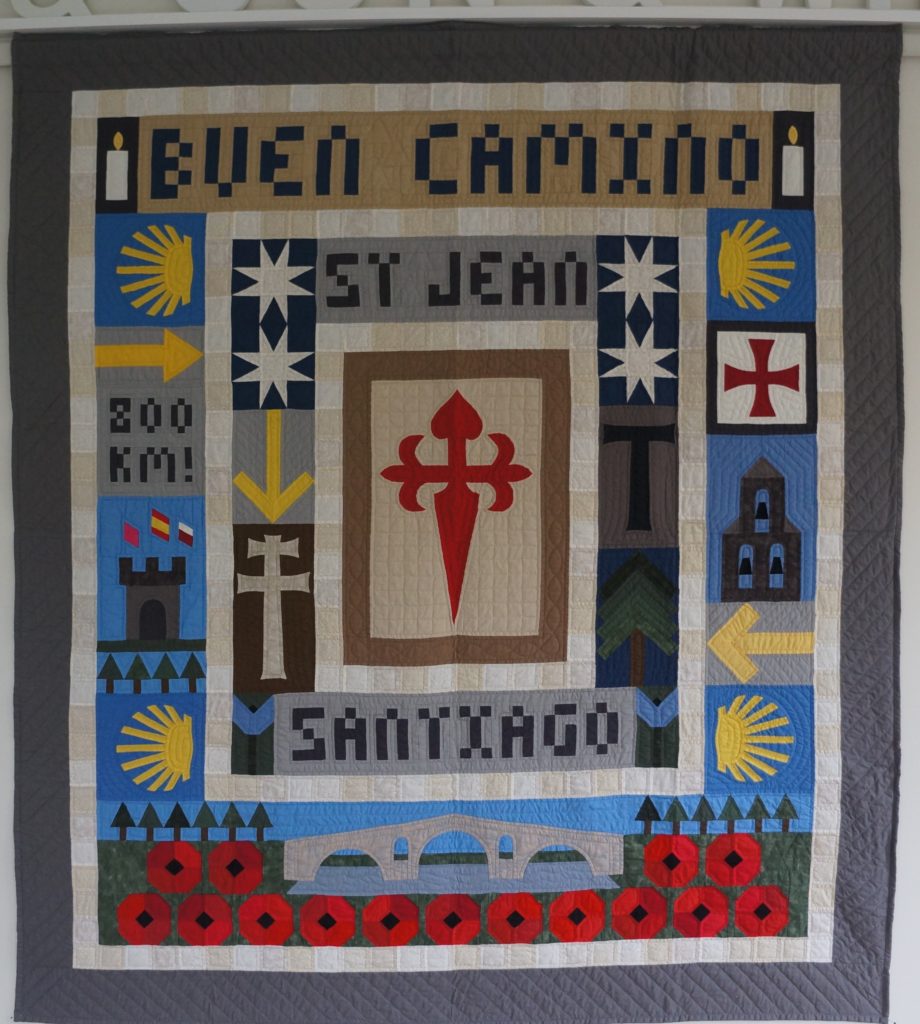
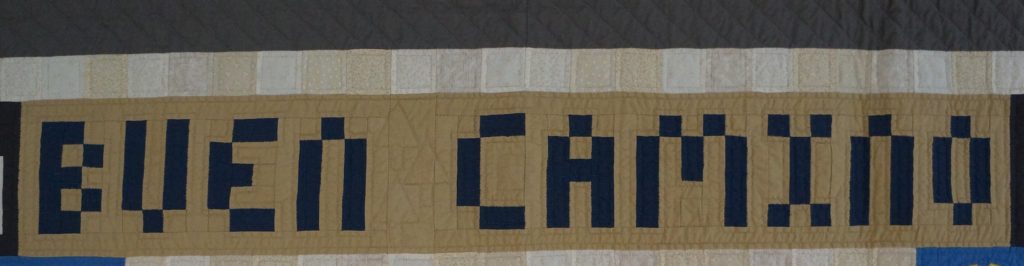
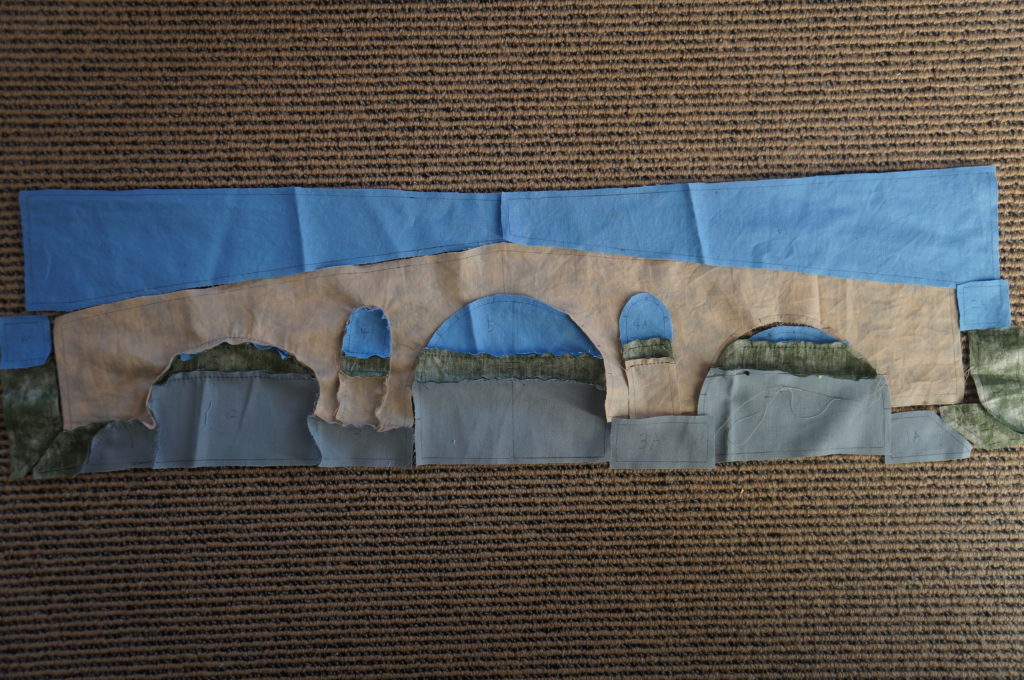
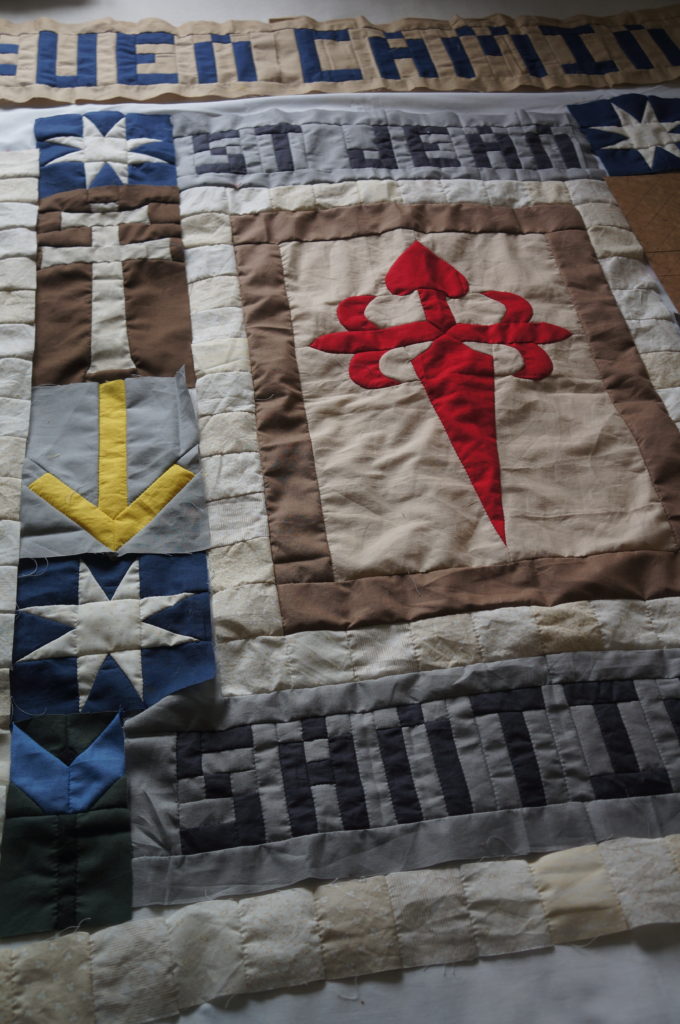
The Camino Quilt is coming along. The top is almost finished. Just some pieces needed to complete the border.

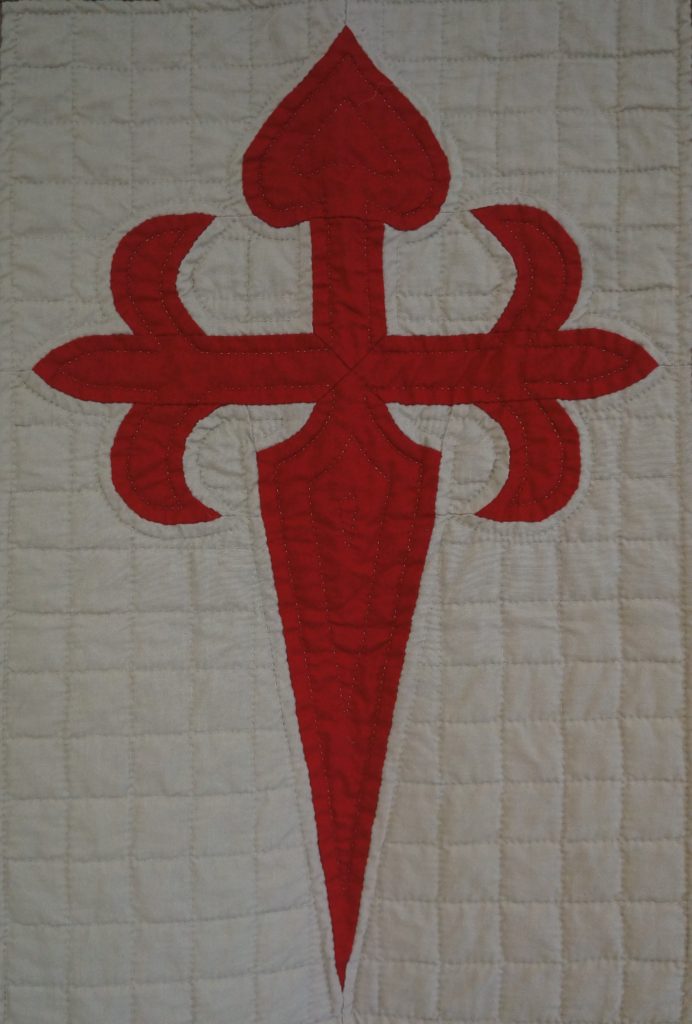
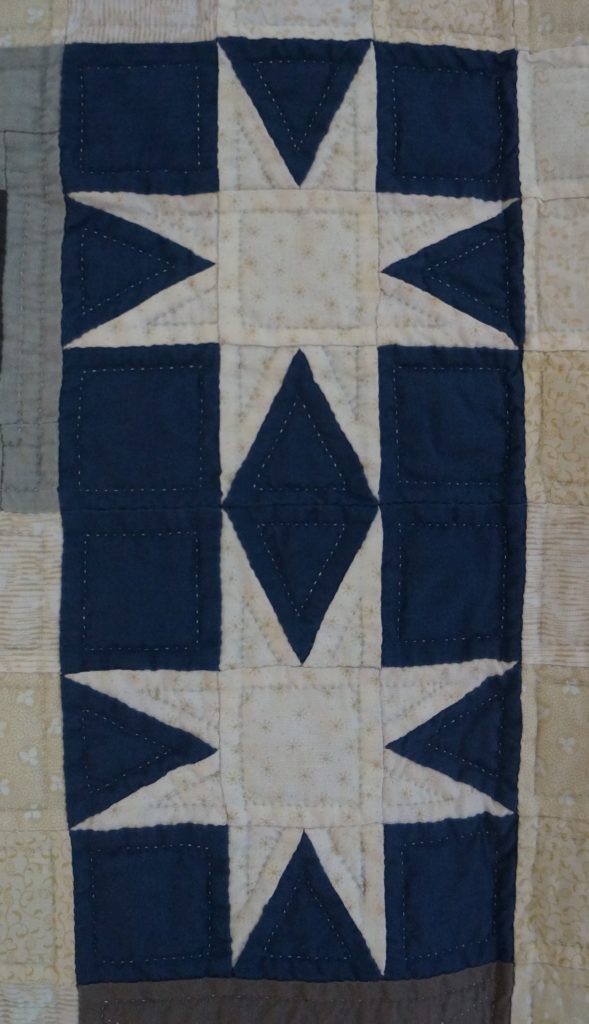
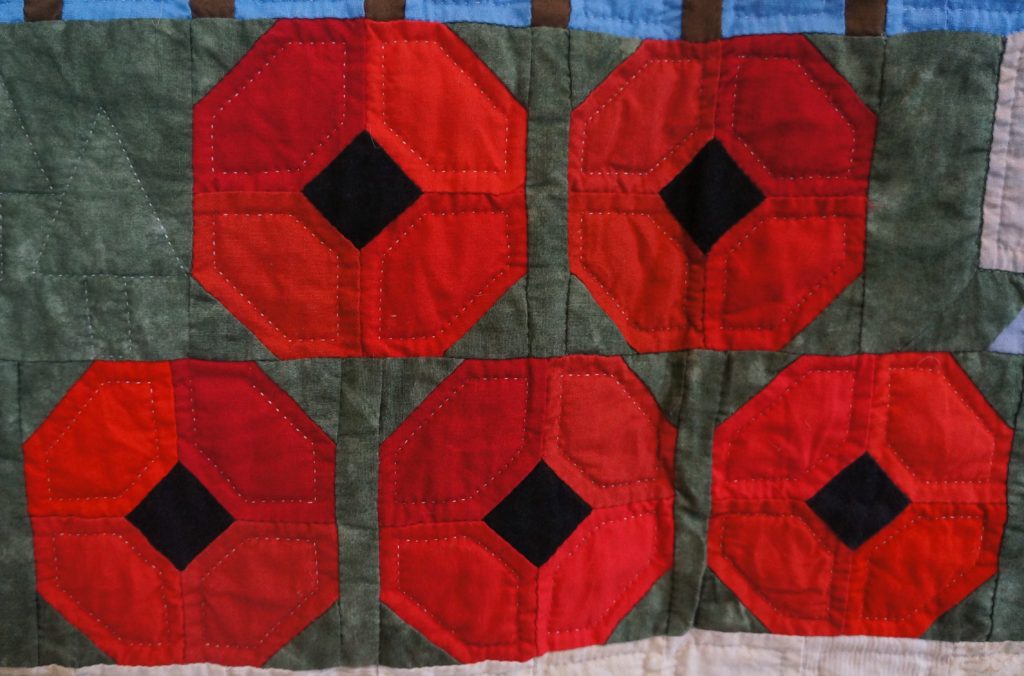
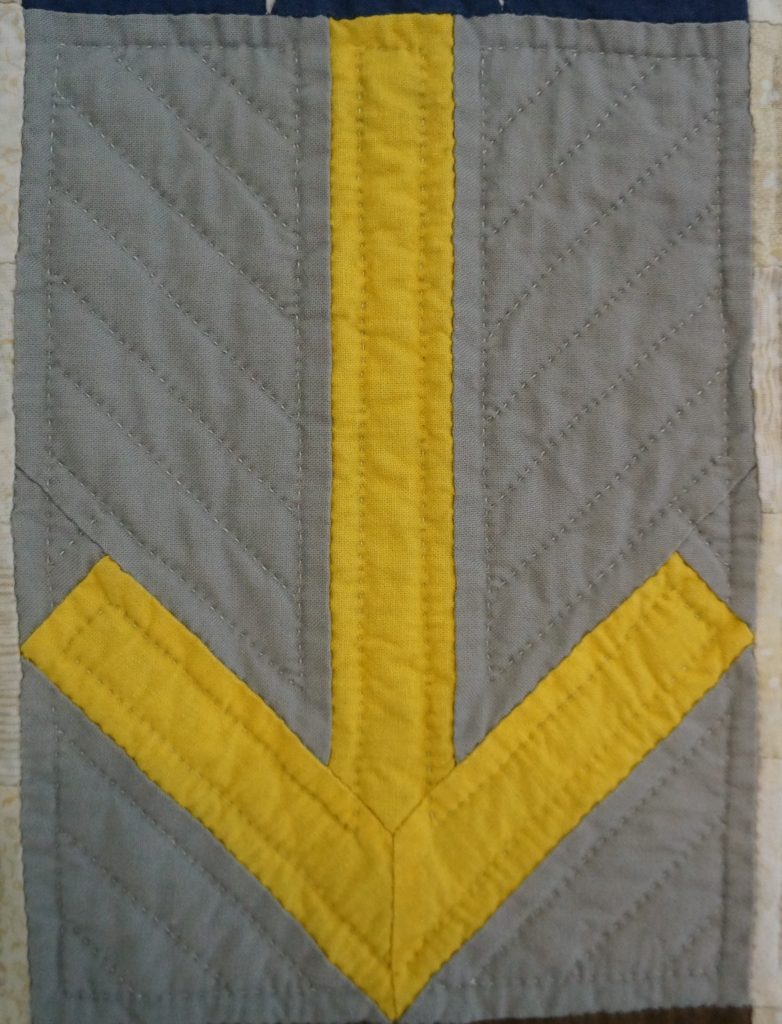
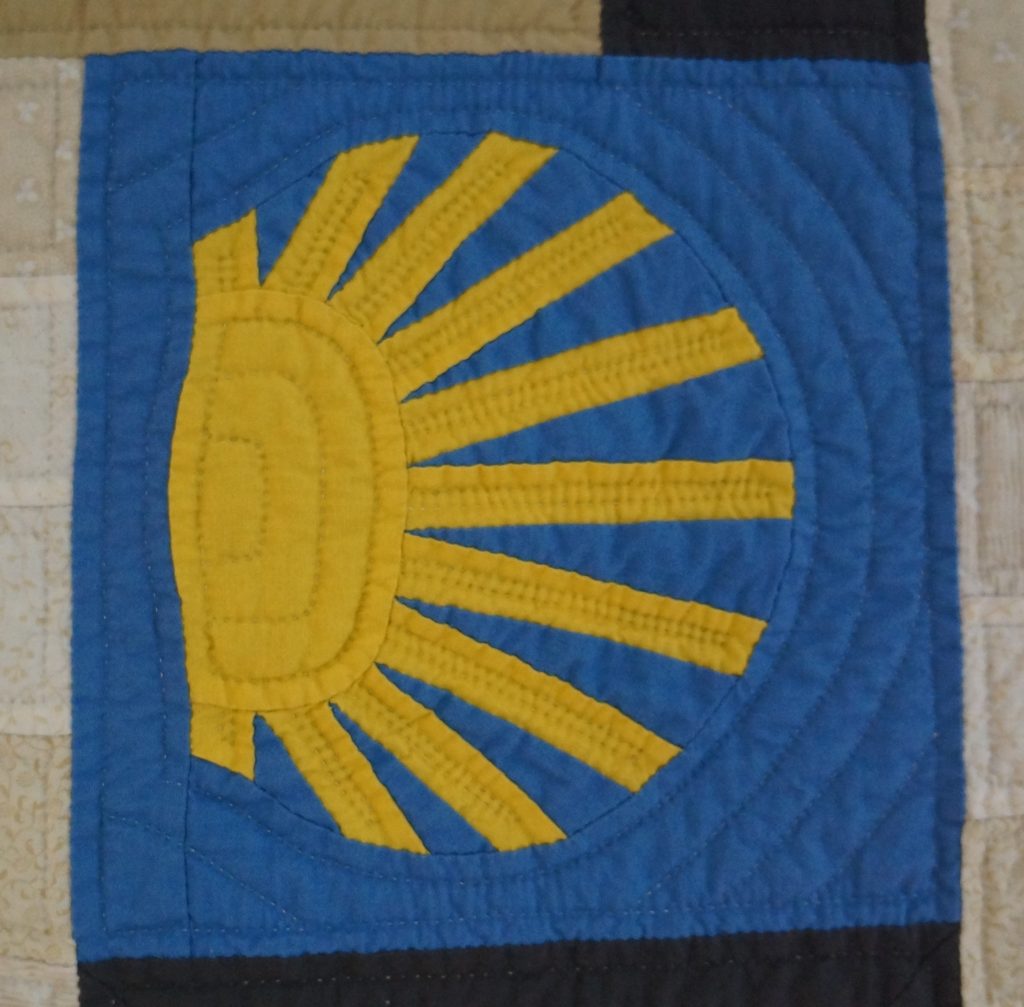
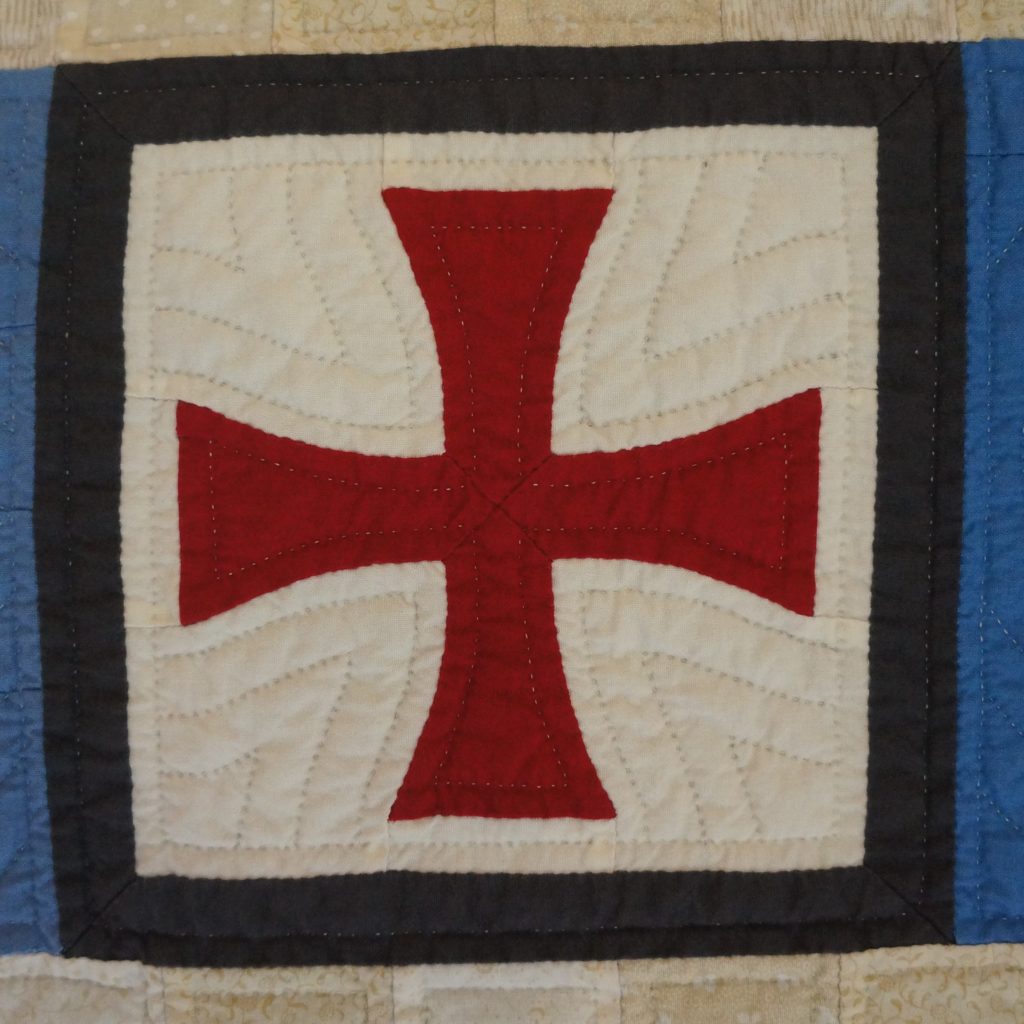
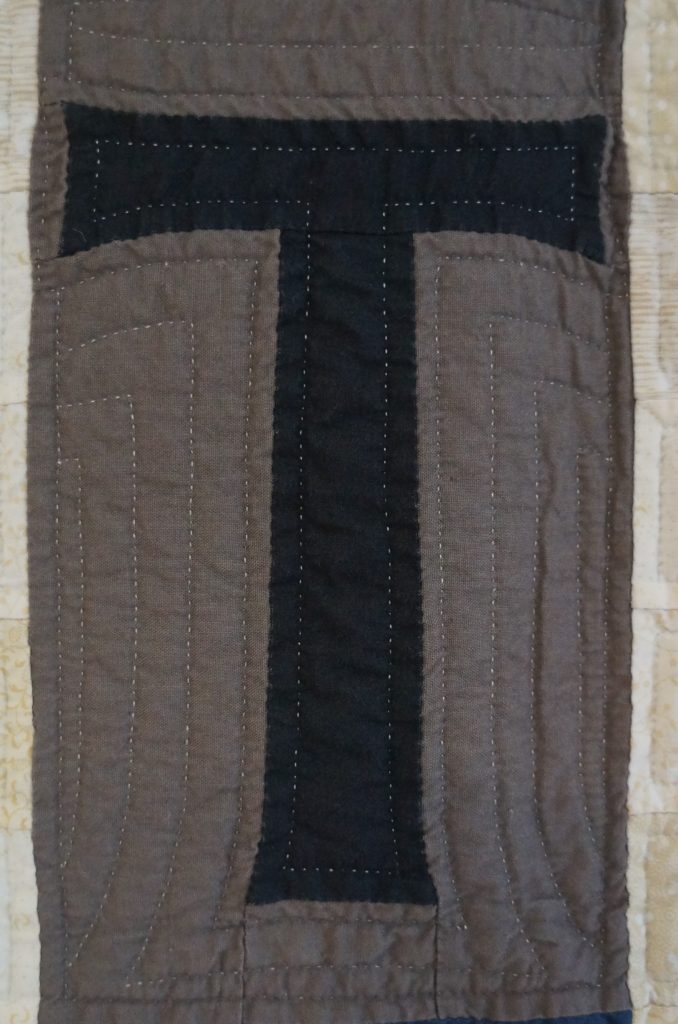
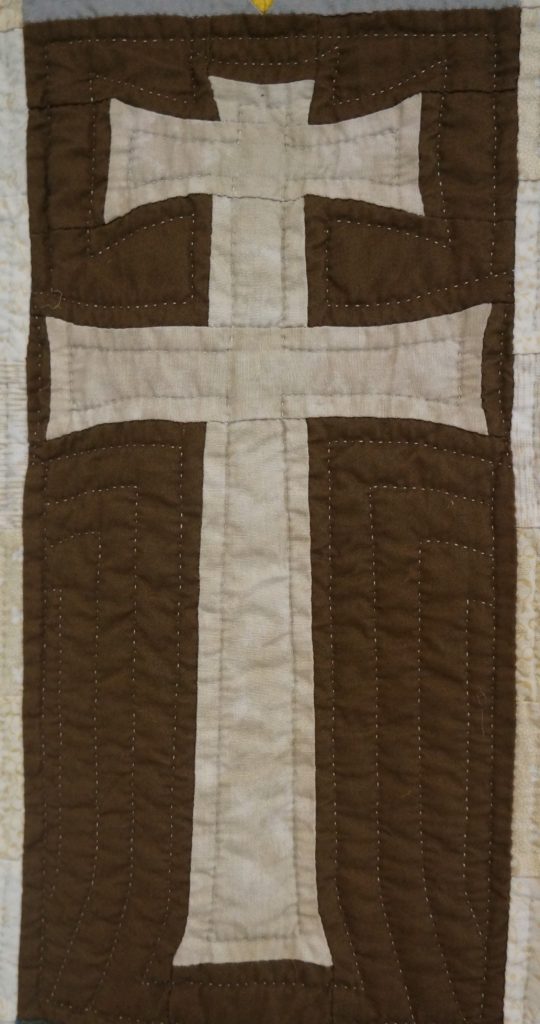
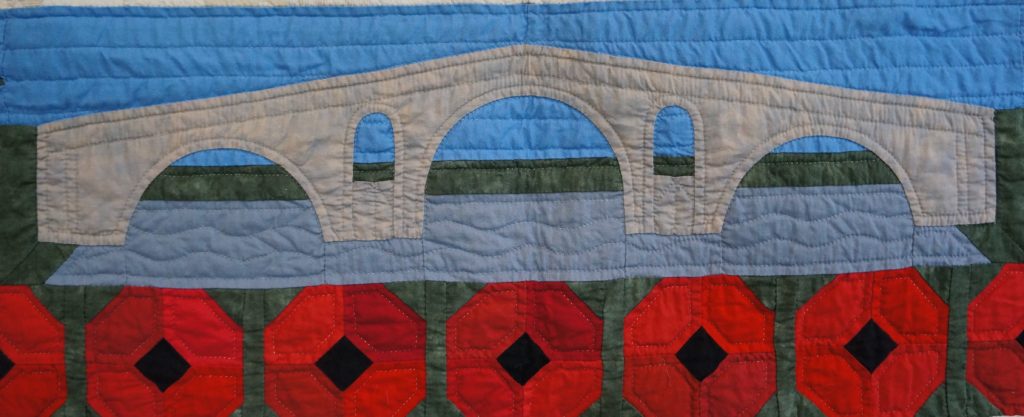
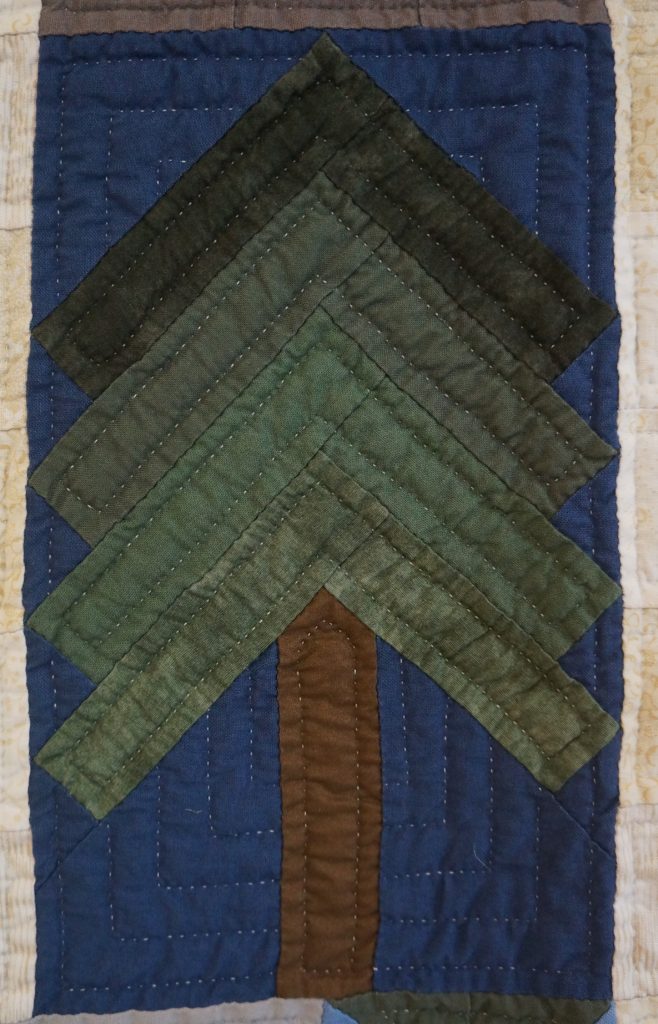
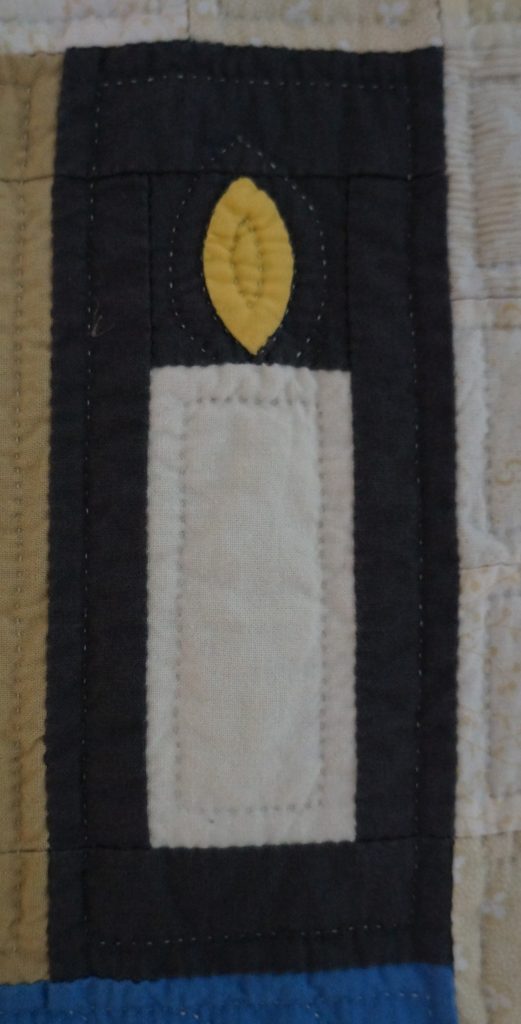
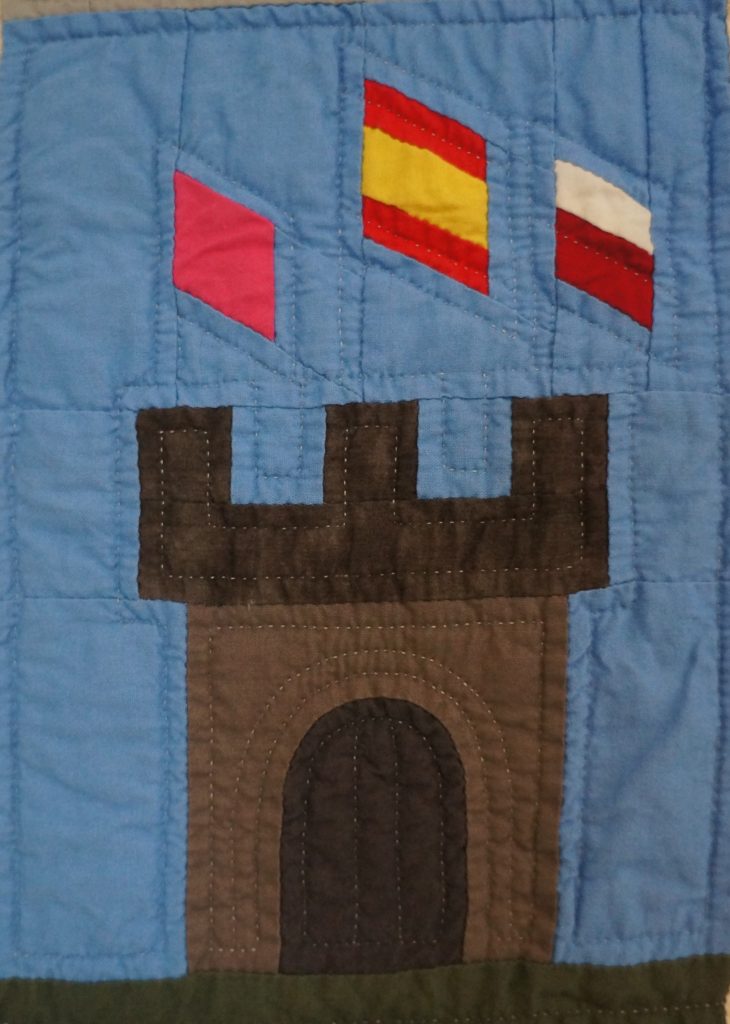
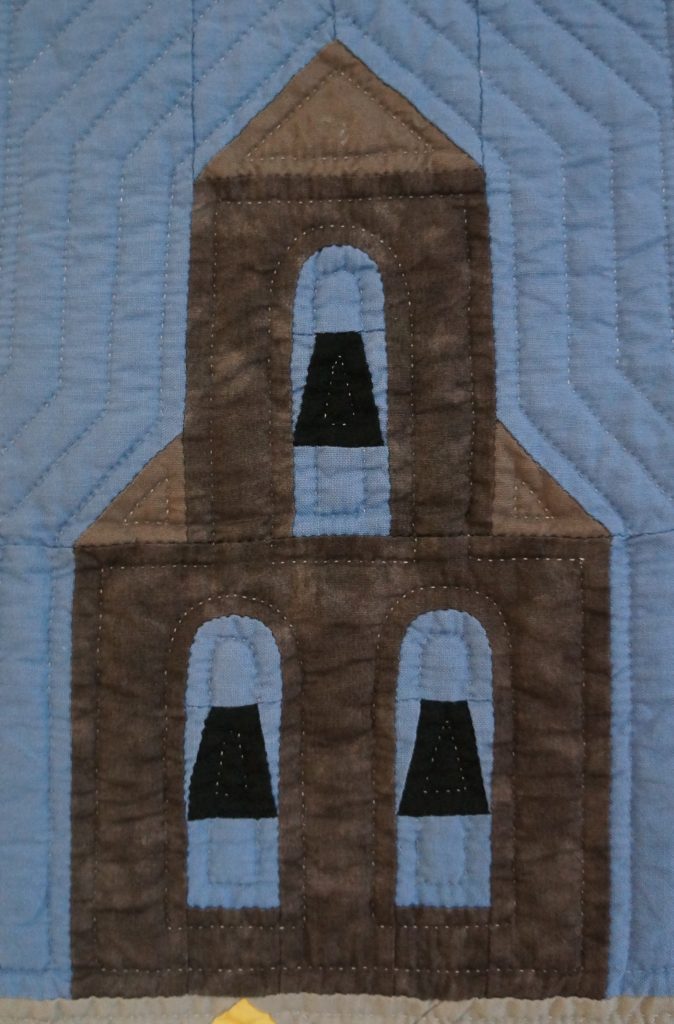
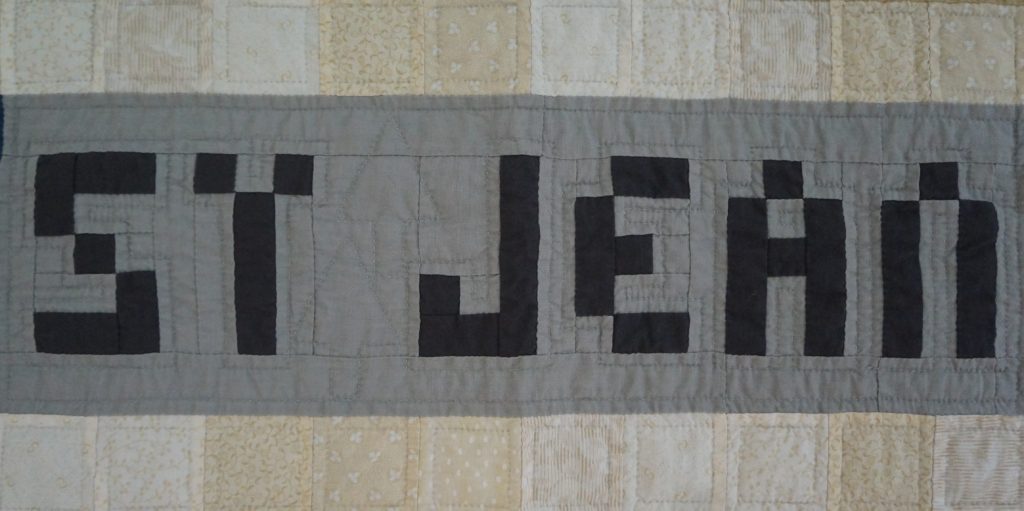
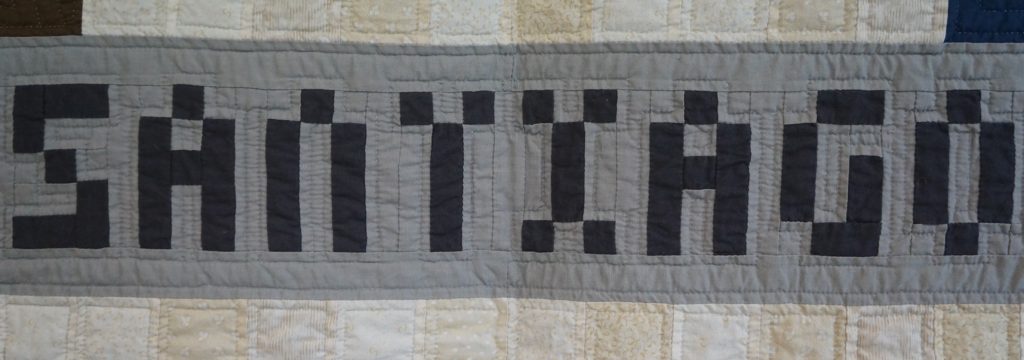
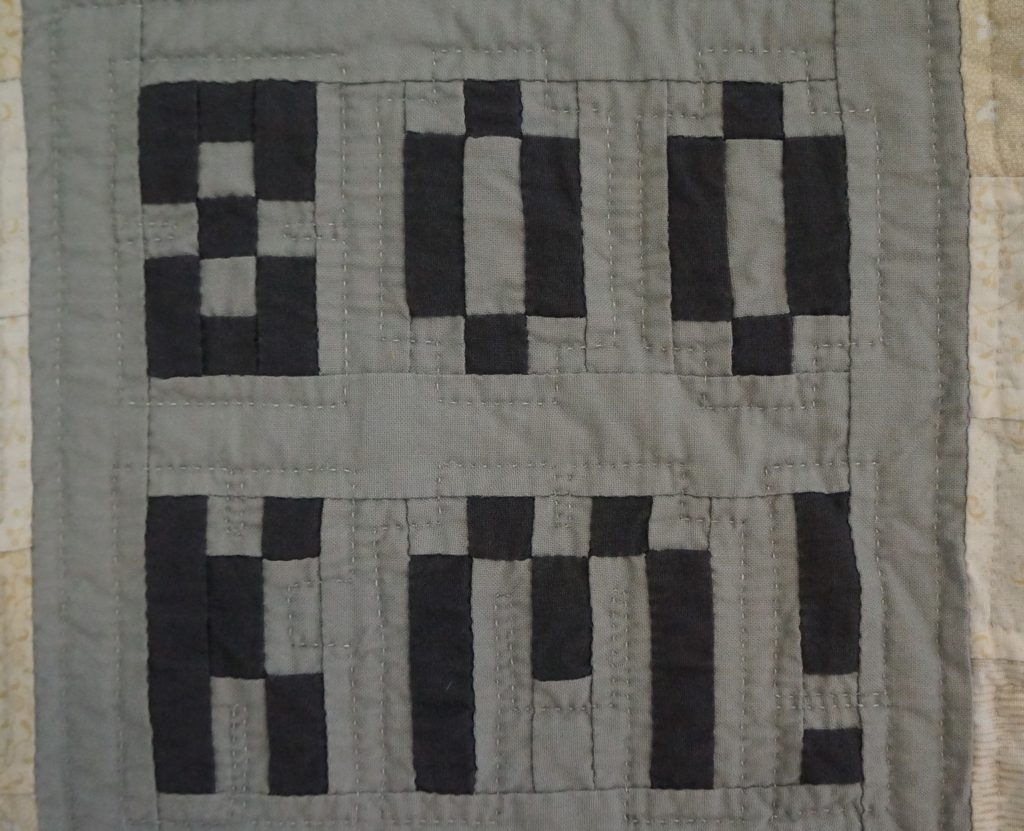
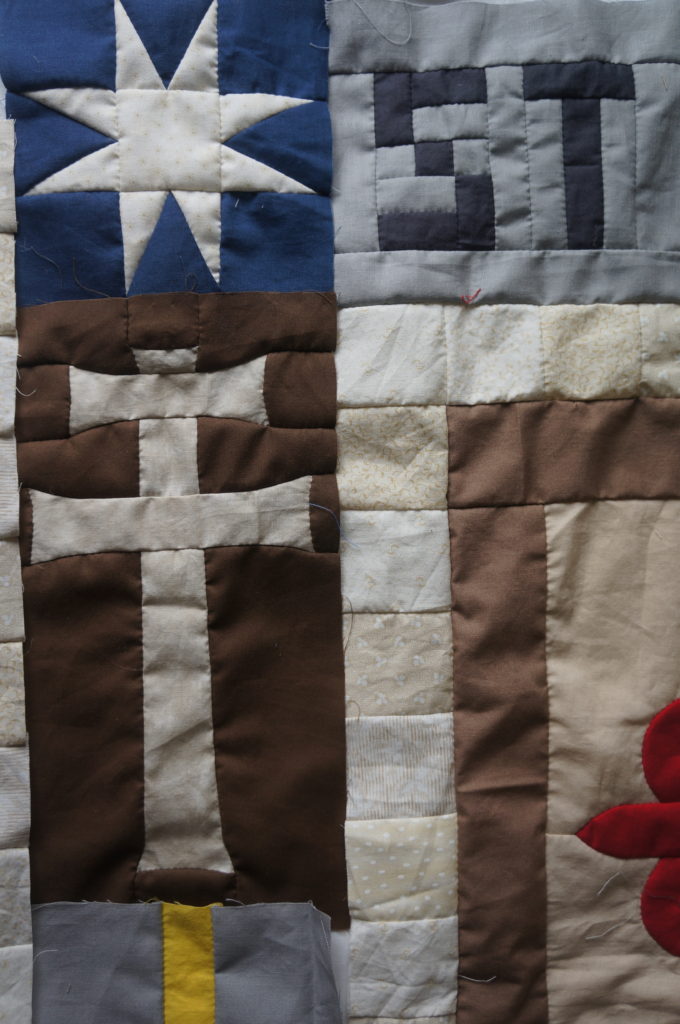
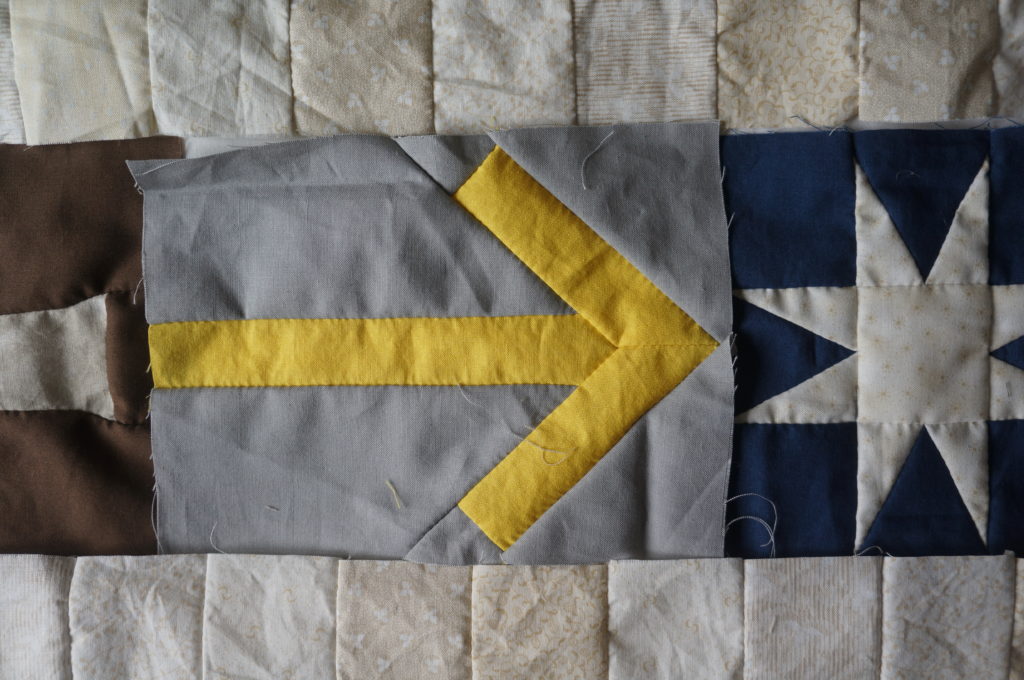
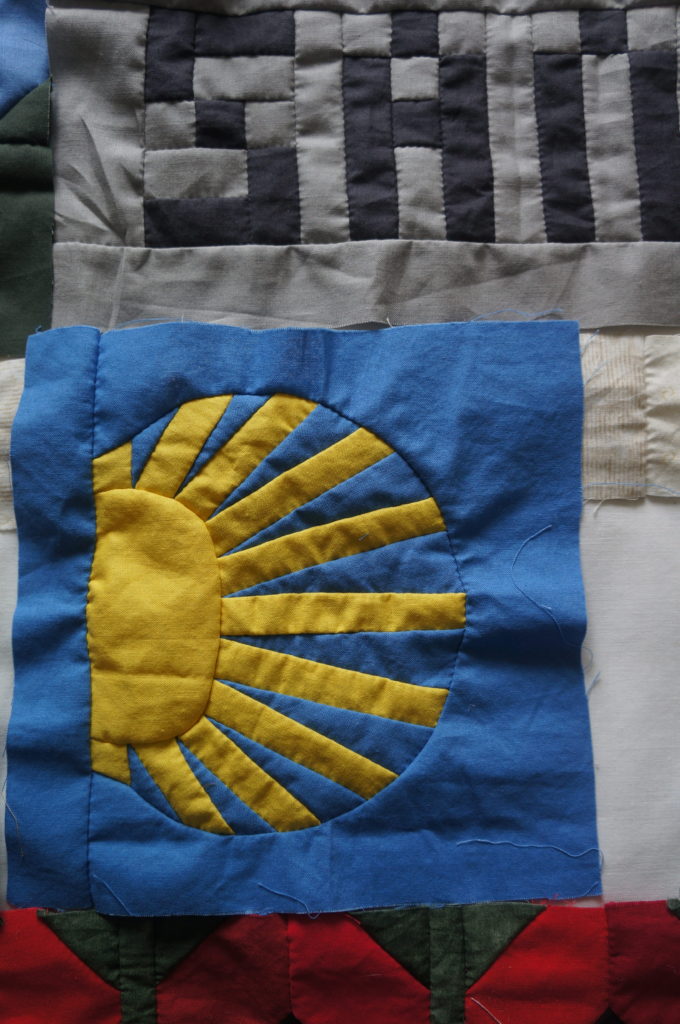
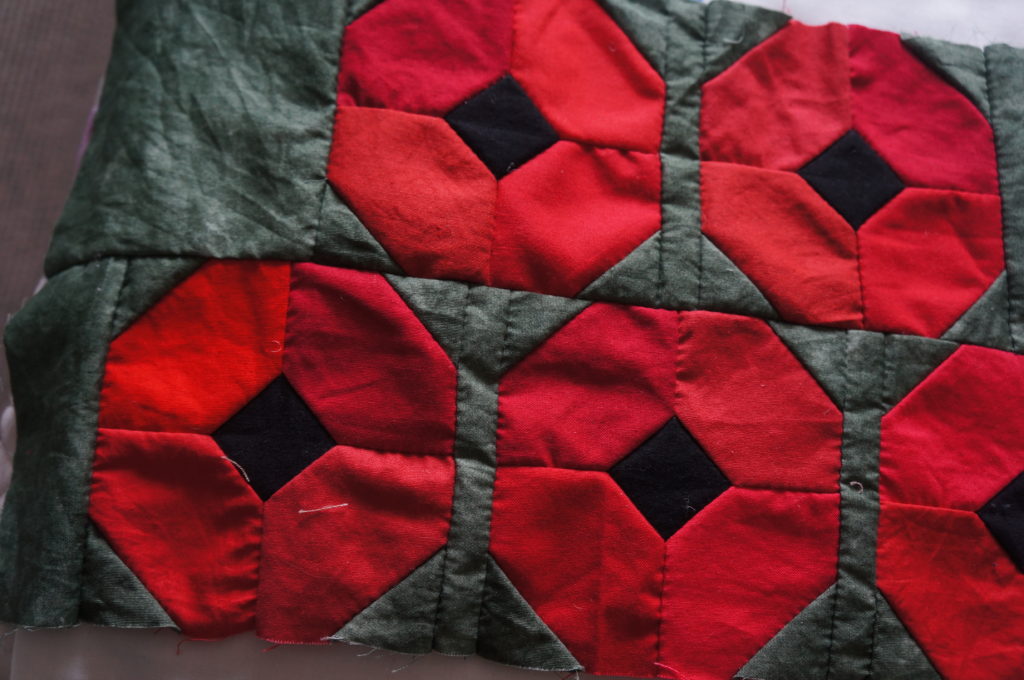
The designwork is all done and we now have a three arch bridge, a castle with flags, a church bell tower with three bells, candles, poppies, chestnut trees, milky way stars, yellow arrows, a St James cross, a Knights Templar cross, a San Anton cross and a San Juan de Ortega cross.

dsc02296

When the border is complete then let the quilting begin!

Buen Camino


The Northern Explorer

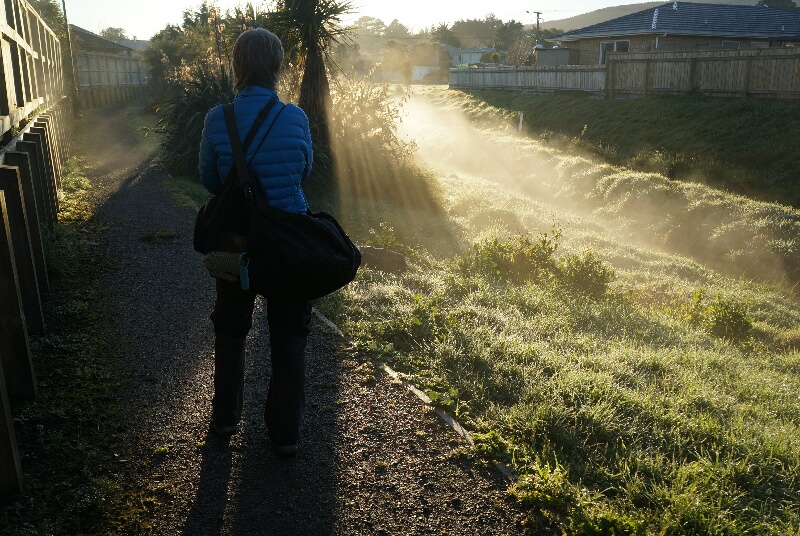
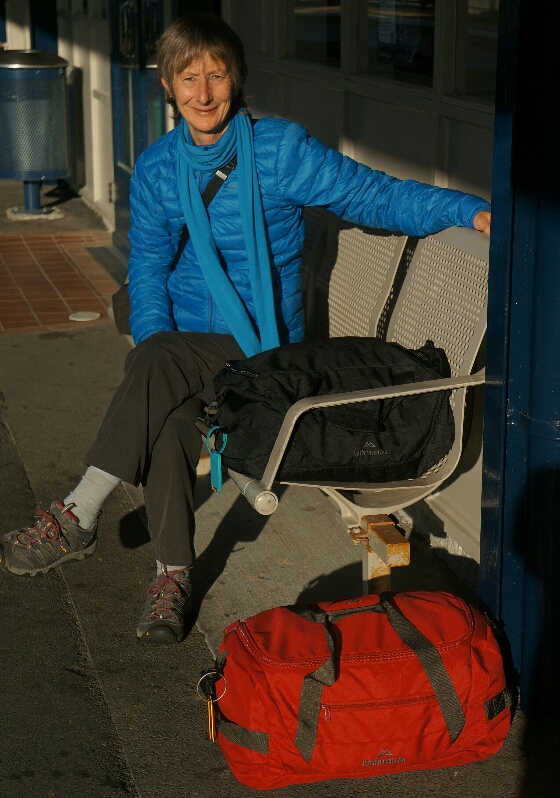
This was a very nice experience which we enjoyed very much. Very relaxing, comfortable and stress free. We only had “carry on” luggage of a small bag each so we walked the 4km from home to the train station. It was a clear, crisp, still morning, just not quite a frost and we were excited to be off on another little adventure.

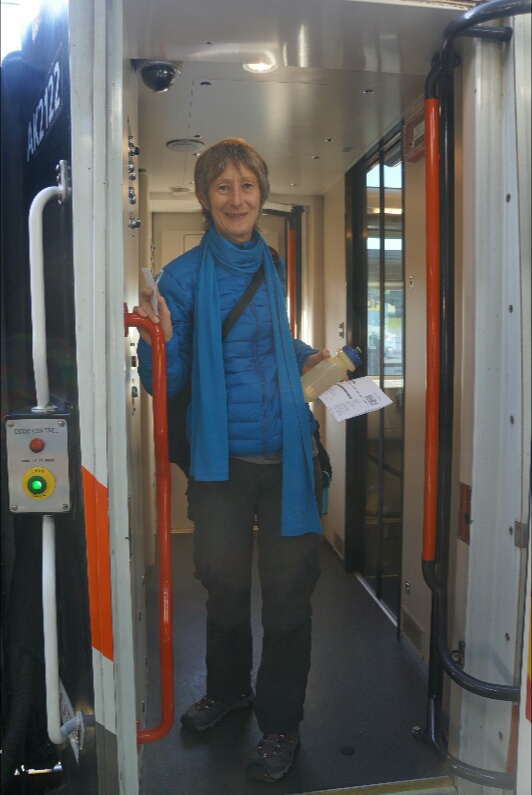
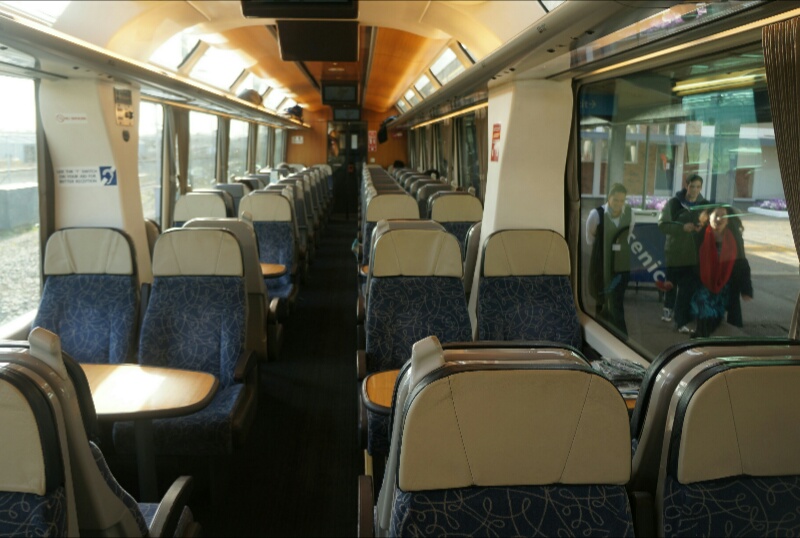
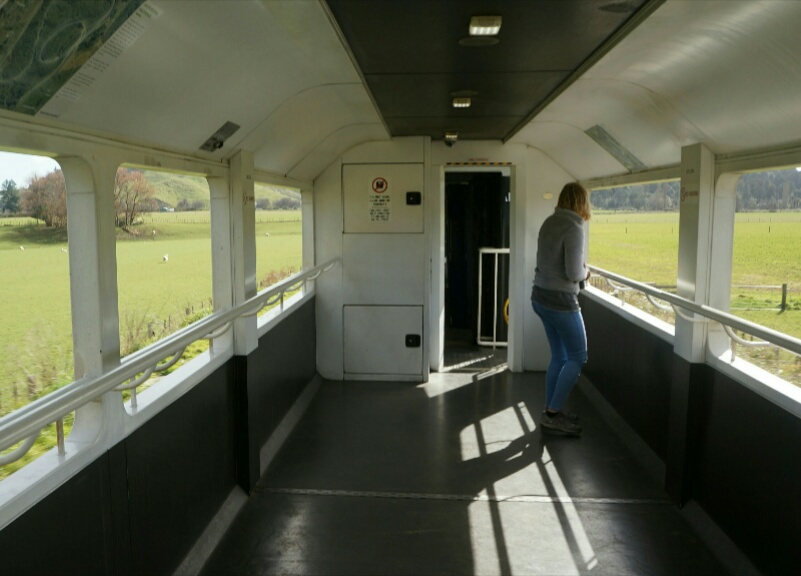
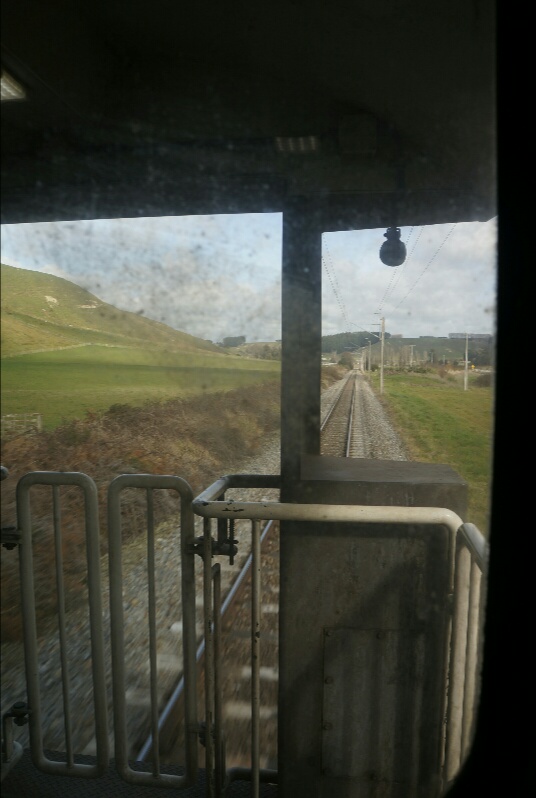
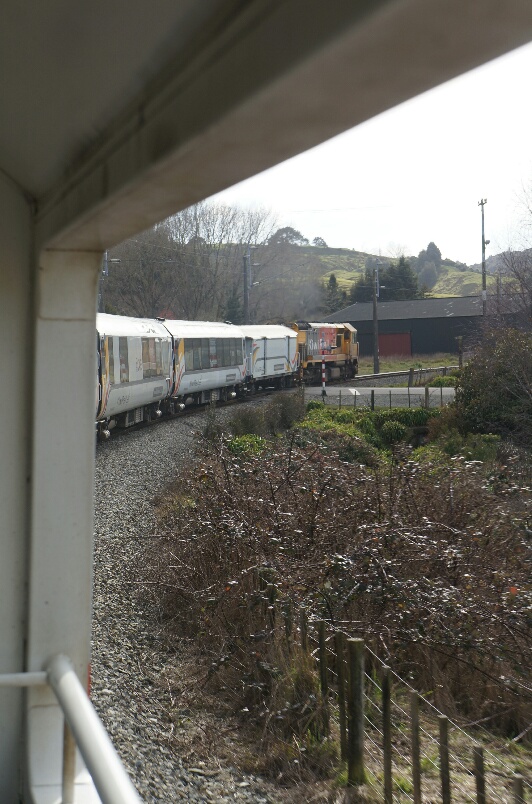
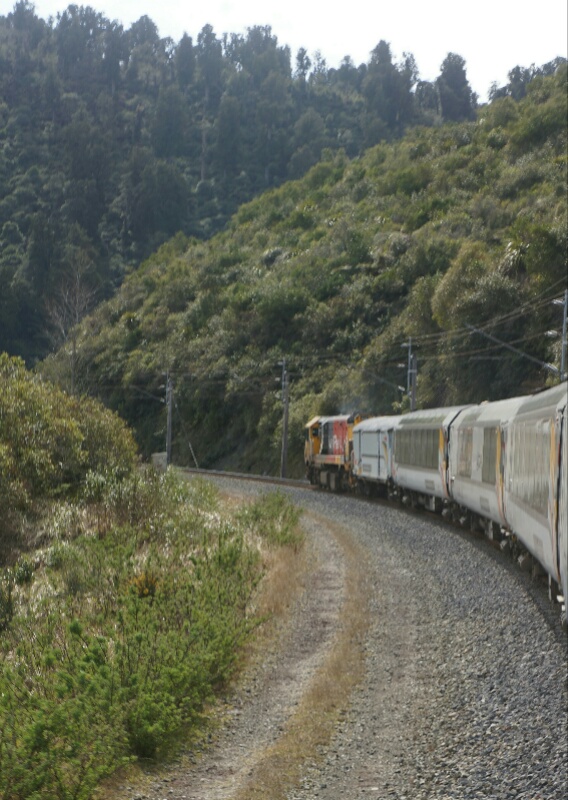
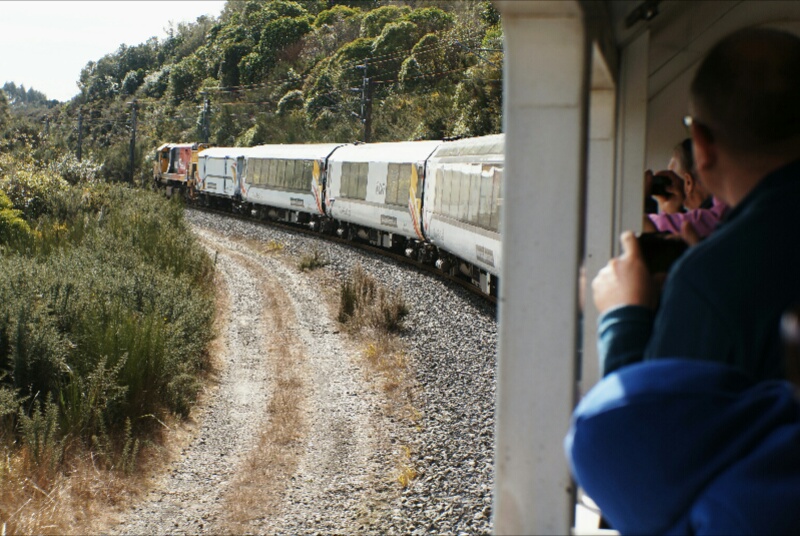
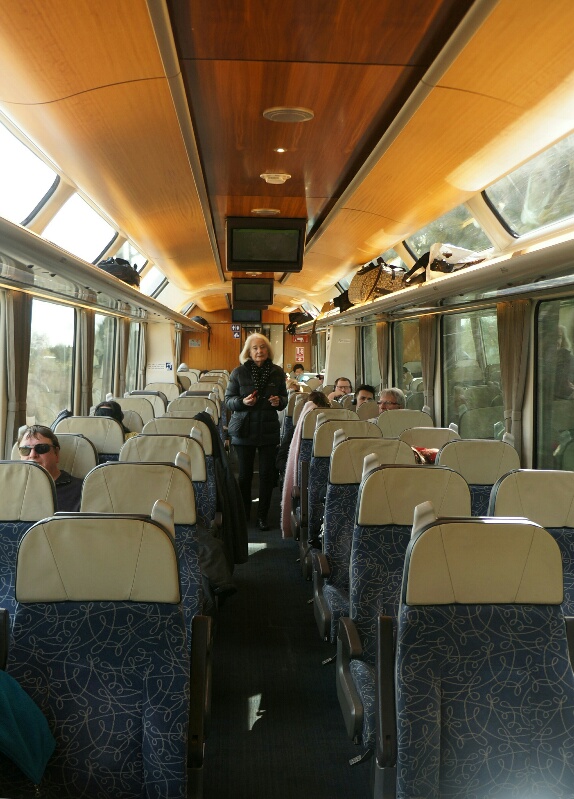
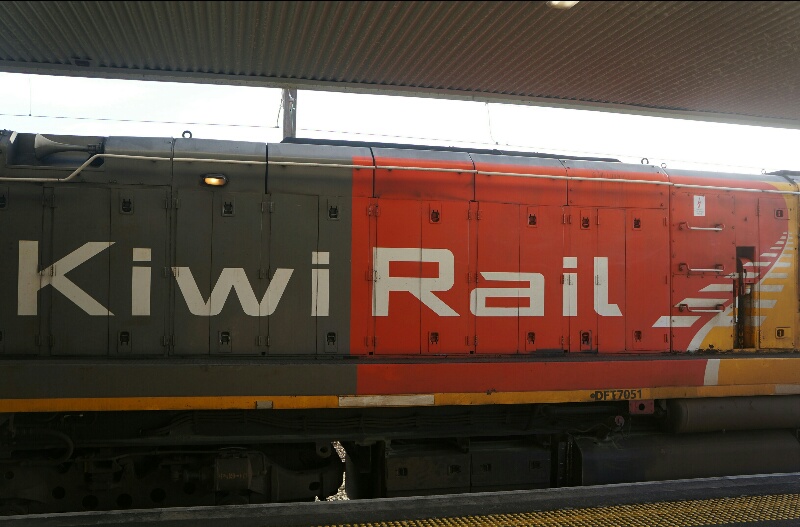
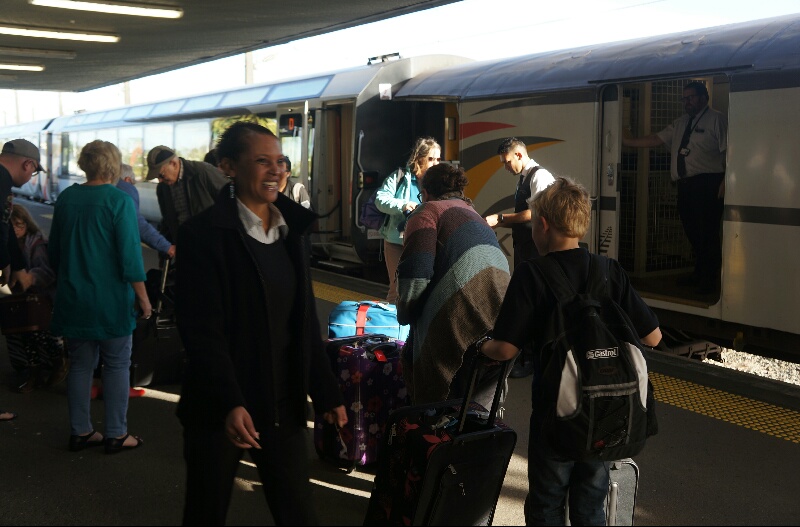
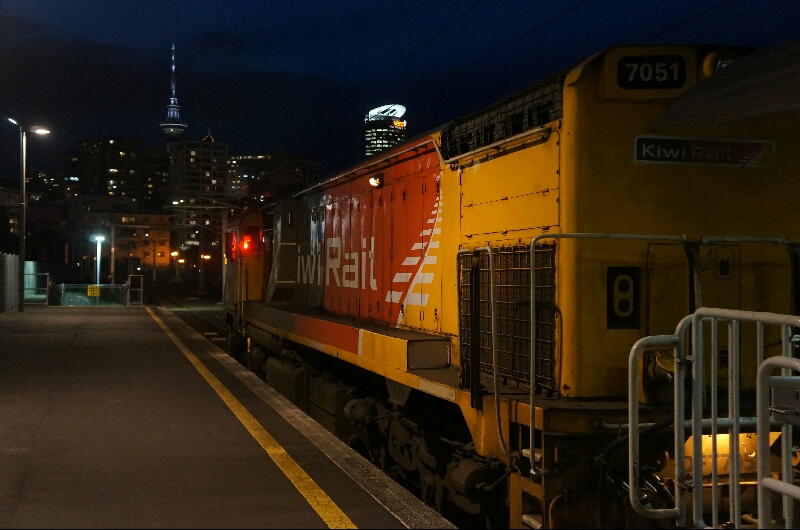
Only one other passenger boarded at Paraparumu and the train was five minutes early already. The Northern Explorer consisted of a diesel locomotive, a luggage van, a passenger car, a cafe car, two more passenger cars and a covered outdoor observation car. Each of the passenger cars could seat 60 but there were only about that number on the whole train. All those that started in Wellington were in the last two cars and those of us who joined further up the line were put in the front car. We had a four seat pod with a table to ourselves. The seats are comfortable, a bit larger than airline economy seats, but not reclining.

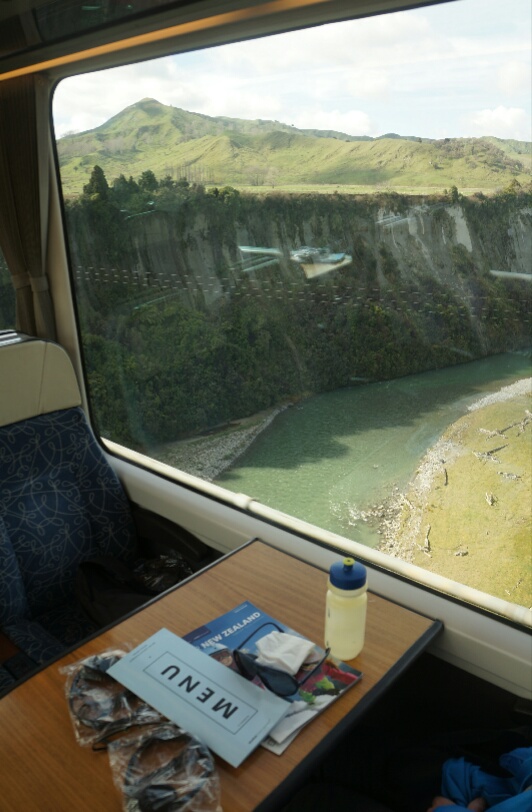
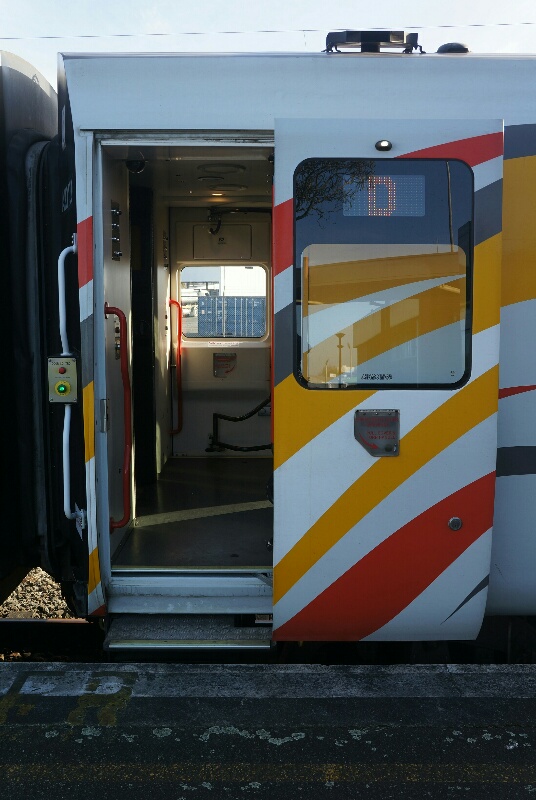
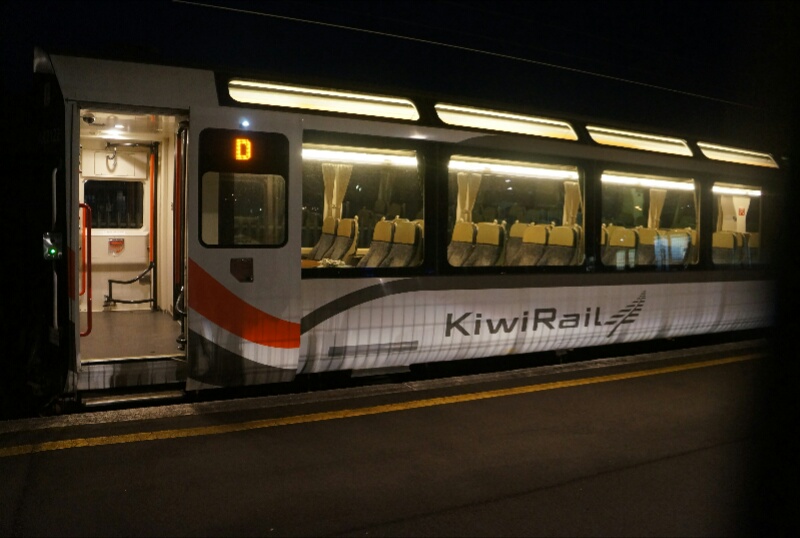
The train is not super quiet and smooth like the fast trains in France but it is not jerky or swaying. Just the usual rumbling train sounds and sqealing from the wheels around tight corners. It seems to have good noise insulation and is warm, light and airy. The windows are huge with only one pillar near the centre of each carriage. The windows curve over as part of the roof as well. The doors between carriages and from the carriage to the outside are all automatic glass sliding doors. There is a platform lift arrangement for getting wheel chairs on and off.

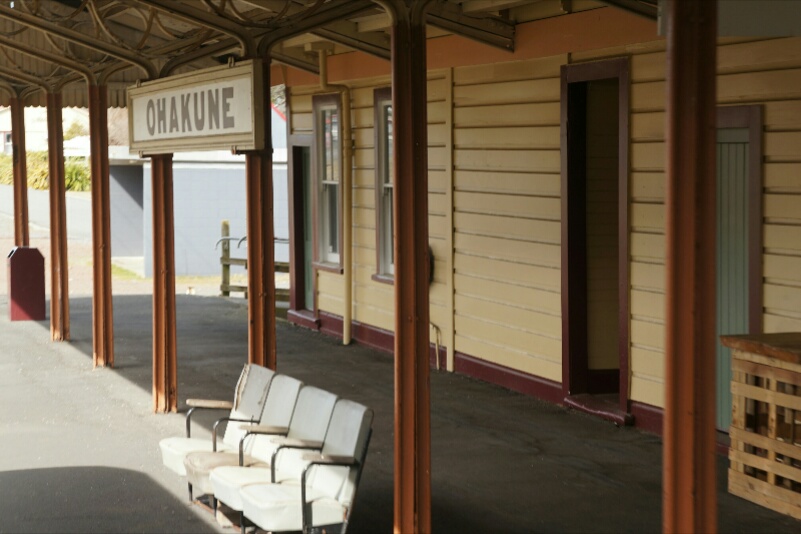
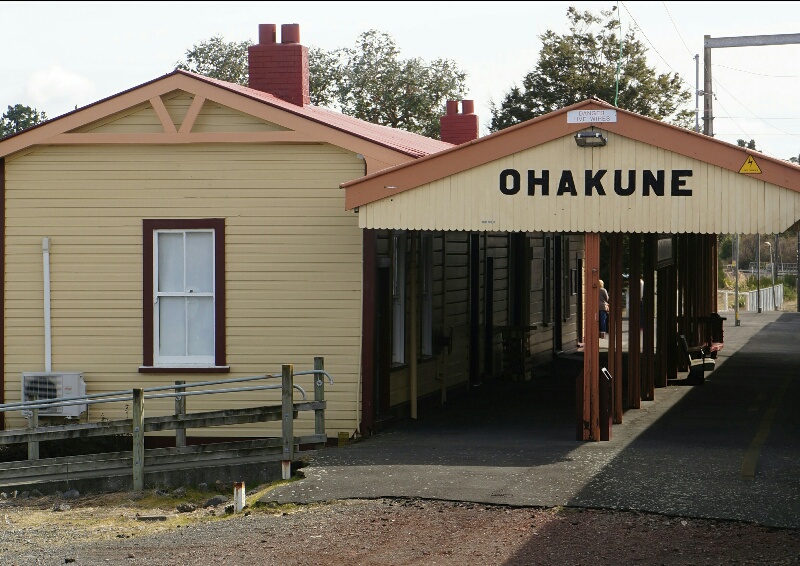
We stopped at Paraparumu, Palmerston North, Ohakune, National Park, Otorohonga, Frankton, Papakura and Auckland. Only at Palmerston and Frankton could you get off for a few minutes and then not to leave the platform. We were ahead of schedule all day and even after waiting about 20 minutes in Frankton still arrived in Auckland 25 minutes early.

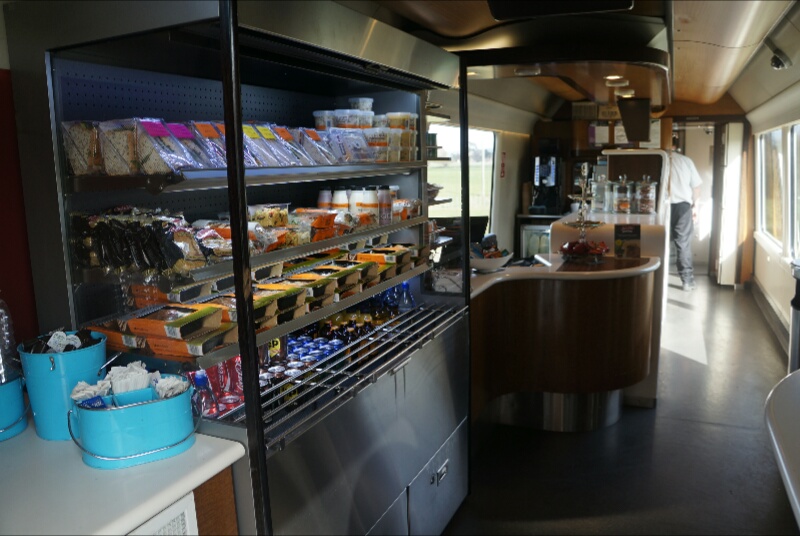
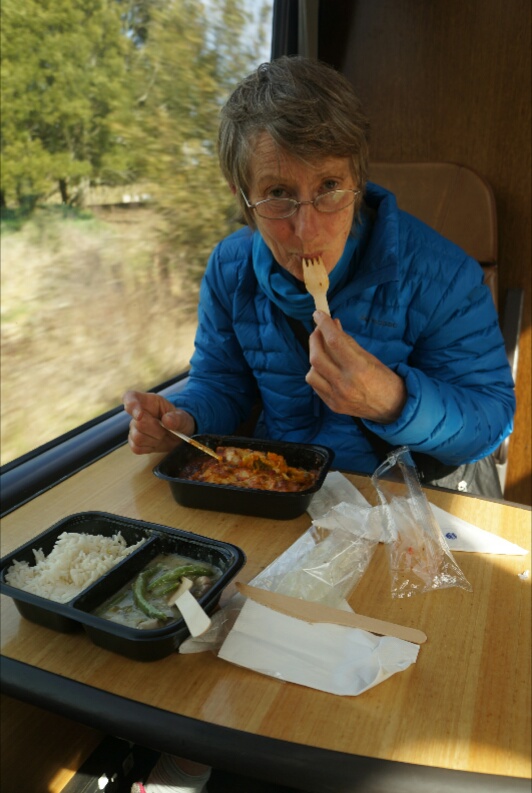
There is no food at the station stops, it is all on board in the cafe car. The food is all by Wishbone and pretty good. The usual Wishbone fare: muffins, cookies, cakes, slices, wraps, sandwiches, filled rolls, hot meals (vegetable lasagne, Thai green curry, roast chicken etc), Kapiti ice cream, snacks, bars, tea, coffee, juice, sodas, beer, wine and mixes. It is available all day except for a few minutes at stops as the cafe staff also load and unload the luggage. You can also set up a tab and just pay once at the end of your journey. We went to the cafe car to eat but the train attendant will come to your seat to take your order and bring it to you.

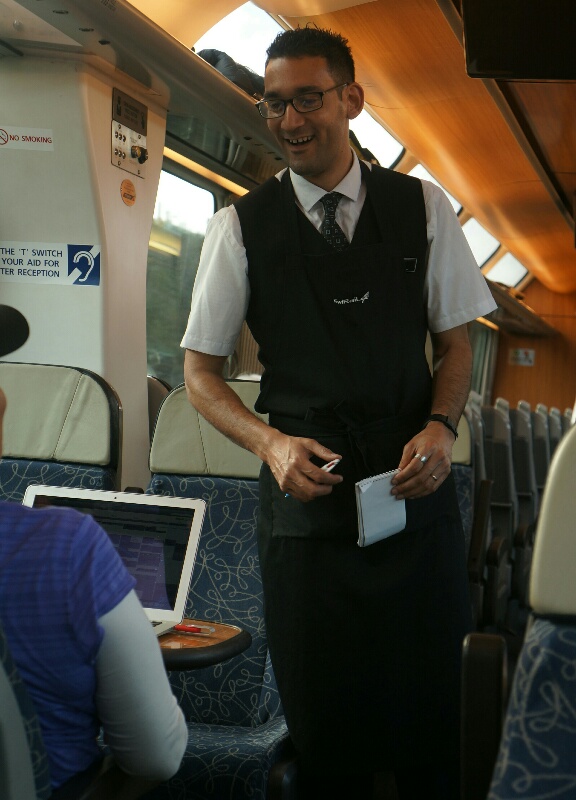
There were only three train attendants and they did everything except drive the train. They did ticketing, luggage, making announcements, manning the cafe, being the barista , cleaning the carriages (at least five times) and answering all questions. They were friendly and attentive and I think one of the best things about the trip. There are overhead TV screens with continuous train tracker maps so you can follow progress. There are also headphones for a commentary and public announcements when approaching stations, points of interest etc.
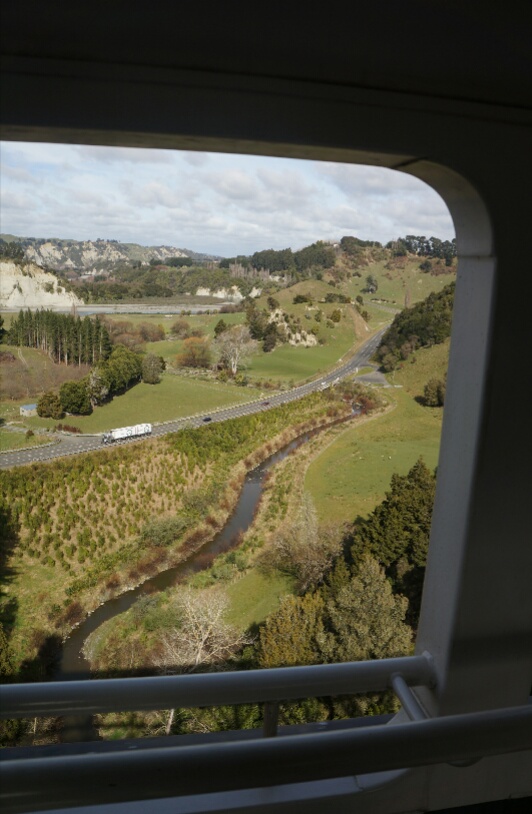
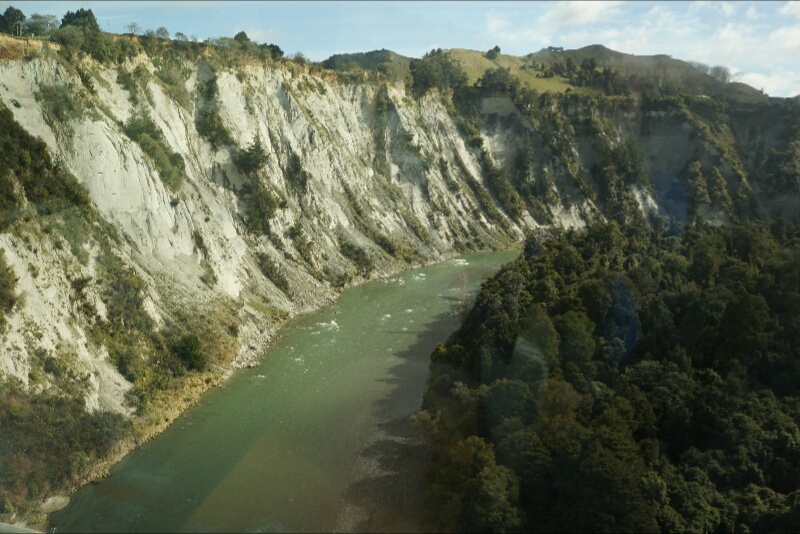
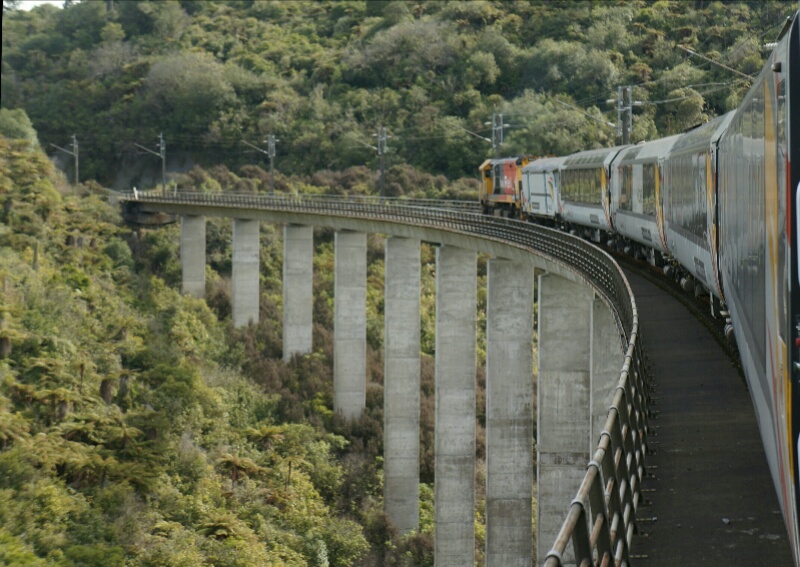
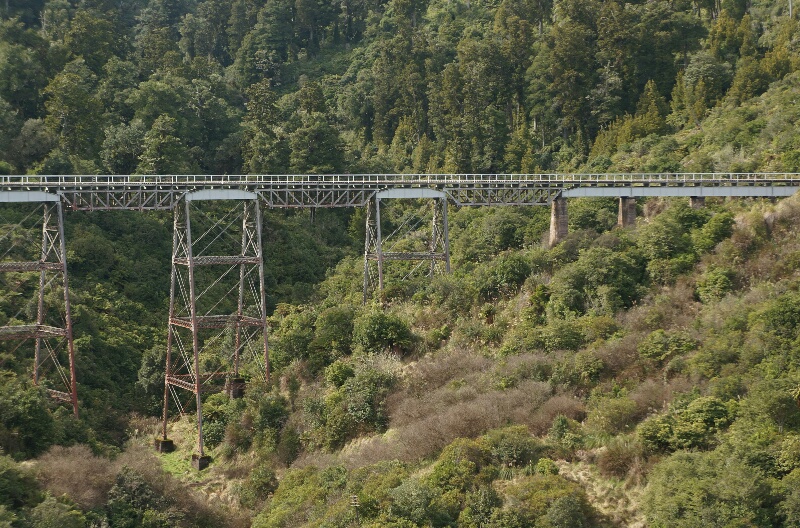
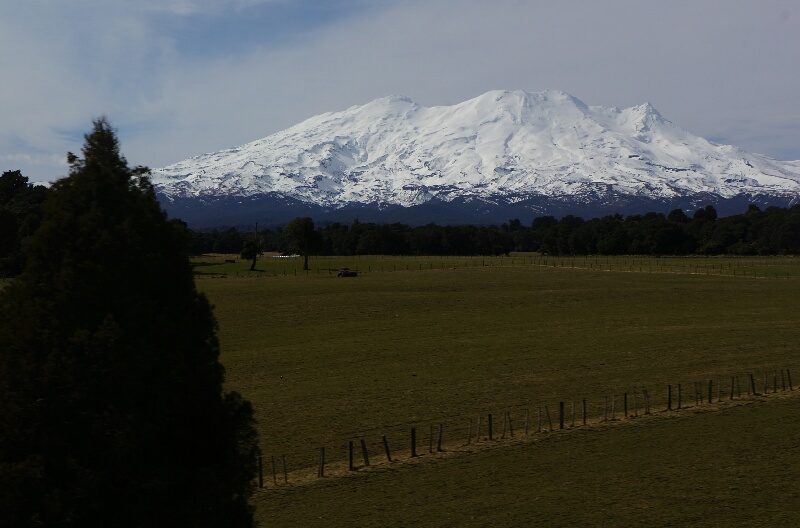
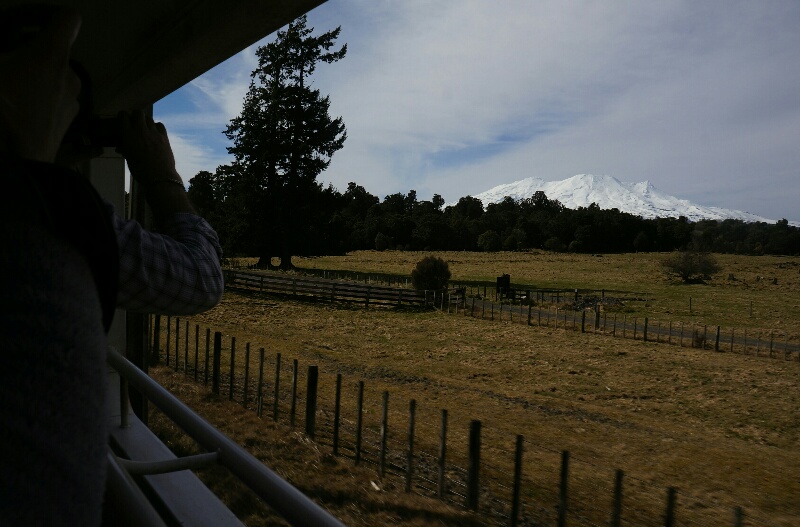
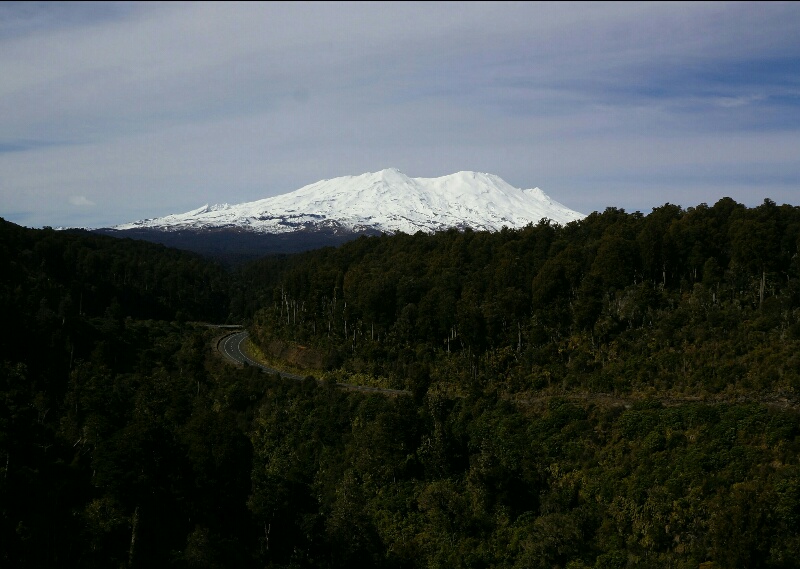
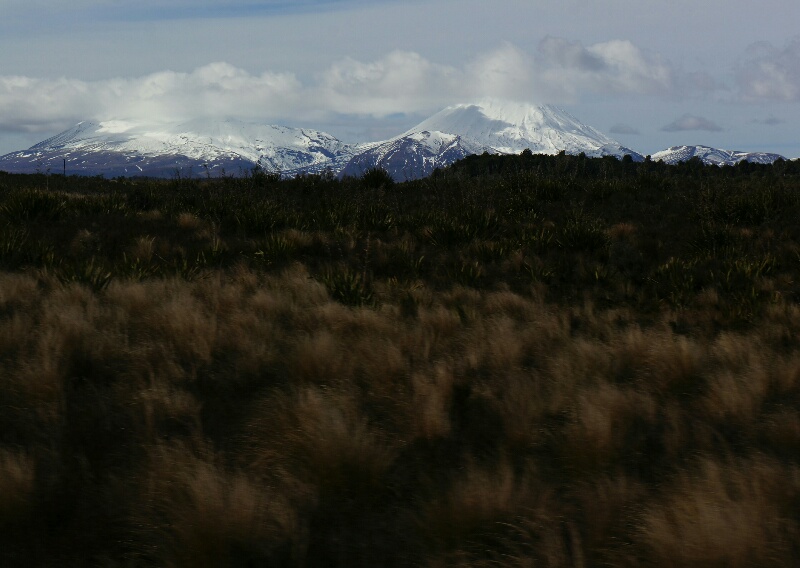
New Zealand was looking absolutely fabulous. A sunny day, everything lush and green. Millions of cute new born lambs, calves, foals and even a field of goats. The mountains were clear and blanketed in pure, white snow. The train slows at points of interest like the five huge viaducts near Mangaweka, the Hapuawhenua Viaduct near Horopito, the Raurimu spiral etc. You can go out onto the observation car at any time for a blast of cold air and the smell of diesel fumes.
On flat, straight sections we did 100+ km/hr as we overtook cars on the open road. But a lot of the time it was much slower. There is a 870 metre rise to the highest point at Waiouru and a lot of it in the central North Island is twisting and turning. The super fast trains in France and Spain are on flat straight tracks and they make very few stops. This just isn’t possible here without a tremendous amount of earthworks, viaducts and tunnels. The fast European trains run on dedicated tracks that they don’t share with freight or commuter trains. It took us an hour and a half from Pukekohe to Auckland at a very slow speed as there was a commuter train just in front and another just behind.

In Auckland the Northern Explorer used to arrive and depart from Britomart Station, right in the middle of Auckland CBD at the bottom of Queen Street. It now uses The Strand which is at the bottom of Parnell Rise, about 2km from Queen Street. However a complementary shuttle is provided to take you from Parnell to Queen Street. This takes about 10 minutes.

When we arrived in Auckland it was dark but clear and mild. It was 6.25 pm and we had been on the train since 8.45 am. 681 kilometres. A long day but a good one. The Northern Explorer is not the quickest or cheapest way to get from Wellington to Auckland but it is one of the most relaxing and stress free.


Quilted Memories

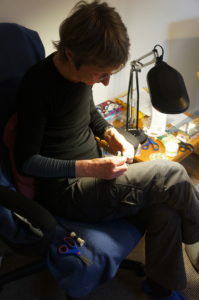
I am a quilt maker.

While walking the Camino Frances I thought of making a Camino quilt containing some of the things we remember, for example the St James Cross, other crosses, poppies, scallop shells, yellow arrows etc.
This is a work in progress with bell towers, castles, candles and a bridge still to come.

Completion will be in about nine months, so watch this space.

Barbara

DSC02528


What about the toilets?

Basically there don’t seem to be any public conveniences in Spain, at least not on the camino. We saw two in 800kms. It does seem to be acceptable to use the facilities in cafes, bars etc. Only in the last 100km from Sarria did we see signs saying toilets were for customers only, and then there was often a €1 fee for non customers. We used cafes but always bought something, a coffee, some fruit, chocolate bar etc. It makes it easier if you can train your bladder and bowels to use the facilities at your overnight accommodation.
Obviously people get caught short and so you have to go in the bushes. Easier for the guys. The path and picnic areas etc are often littered with toilet paper/tissue which is not a good look. Either bury it or carry it out. Swot up on the book “How to shit in the woods” before starting the Camino. Be prepared also for different cultures having different levels of privacy accepted for relieving yourself.

There is also a surprising amount of litter on the path. Plastic bottles, wrappers, juice packets etc. There are very few rubbish bins provided so you have to carry your litter out. Some pilgrims (usually Canadians) pick up litter as they go. In the villages, towns and cities there is no house to house refuse collection. Each street will have large plastic rubbish containers for waste and recycling and people bring their household rubbish /waste to these. It is so easy to use these to dispose of your rubbish.
Infrastructure
Walking the Camino is not tramping in the wilderness. It is a walk through rural and urban Spain. Spain is a sophisticated European nation and so all the infrastructure you would expect is available pretty much all the time. Every village will have a pharmacy, towns will have medical centres, doctors and dentists. Large towns and cities have hospitals. They are experienced in all the ailments that afflict pilgrims and are well used to people walking in off the street and saying “I have a problem”. You don’t have to carry vast supplies of plasters, knee bandages, antiinflams, creams, etc. You can restock as you go.

Outfitter shops are available in large villages and towns. Shoes, boots, sandals, socks, back packs, day packs, everything you could want. They have the most hi-tec socks I have ever seen and a very popular super soft soled sandal that some of our friends with blisters bought. Sim cards, batteries, chargers, new phones, cameras etc all readily purchasable.

Transport is also available, either buses or taxis. There seems to be good bus services between towns and around cities. Taxis are available everywhere. Just go into any cafe, bar, albergue, hotel and ask. The rate seemed to be €1 per kilometre. We knew people who were injured but their partner was still walking so they used a taxi so they could meet up each night. Another guy did the same with a rental car. Some people use the local bus to get in and out of the large cities. People with knee problems might use a taxi to get over the steepest hills, or walk half a day and then taxi.

There are companies everywhere that will transfer packs, bags etc. If you are carrying all your own gear but get injured or tired it is easy to arrange transfers at hotels or albergues. The state owned post office (Correos) also have a good, well used service.

Internet coverage is excellent, wifi (pronounced weefee) is free and available in pretty much all cafes, bars, hotels, albergues etc. We had only one hotel in a remote location that had no wifi. About 3 hotels where the service was weak or intermittent. Sometimes it is only usable in public areas of a hotel.

Weather
Everyone who researches the Camino Frances will hear stories of snow and sleet on the Pyrenees, nine days of forty degree temperatures on the meseta, thirteen days of continuous rain and cold in Galicia. Well, that was not for us. We had 34 days walking in a lovely Spanish spring. Four days on which we used our ponchos. Only for about an hour or two in light drizzle each time. One day with a strong cold wind for a couple of hours. Five days when it got a bit hot for us after midday. Otherwise it was ideal weather for walking. Nice crisp mornings, very little wind and sunny days. The only really wet day was down in Finisterre after we had finished.

Food
Although we missed our oatmeal the food in northern Spain is delicious. It is a very fertile area so there is always plenty of fresh vegetables and fruit. And of course it is world renowned for its wine. The food, like pretty much everything else, is cheap compared to NZ. Wine is from €1.95 a bottle. The standard evening meal is the “Peregrino Menu” which is available at every cafe, restaurant, hotel, and costs from €8.90 to €14. It consists of a starter, main course, dessert, bottle of wine, water, bread and sometimes coffee. The starter, main and dessert will each have about six options and vary a bit depending on the specialities of different regions.

Starters could be: mixed salad, russian salad, pasta salad, lasagne, lentil soup, galician broth, gazpacho, spaghetti bolognaise.
Mains could be: roast chicken, grilled veal, beef or pork, pork chop, paella, regional casserole, whole grilled fish (hake or trout), octopus. All with chips – no salad or vegetables with the main course.
Desserts could be: flan, rice pudding, yoghurt, ice cream, fruit (one piece eg kiwi fruit or orange), santiago cake (made with ground almonds).

It can be as fast or as slow as you like. Done and dusted in three quarters of an hour, or spread over two or three hours Spanish style. If you don’t want the peregrino menu there is usually an a la carte menu with a much larger selection of many speciality dishes.

Breakfast can be as basic as coffee, juice, bread and jam. Most places will also have cold ham and cheese and yoghurt. Bigger hotels will have croissants, fruit, cakes and occasionally scrambled eggs and bacon.

Lunch can be bocadillo (sandwich with cheese/ham), tortilla (potato and egg omelette), or empanada (bread type pastry with meat/ vegetable/fish filling). Every village also has a supermarket with everything you would expect. Chocolate is incredibly cheap, €1 for a large cake. You could live very cheaply on wine and chocolate. But not lose much weight.

Accommodation
I wrote about albergues in an early post so won’t say much about these. There are hundreds of them, varying widely in size, facilities, rules, etc. We only saw a few that were “completo”, full. In the summer the popular ones fill quickly.

We used a softer option. Prebooked, prepaid, three star hotels. These were booked by Caminoways who also arranged bag transfer each day. The hotels were excellent with a wide variety ranging from family run country cottages, intimate little hotels in small towns and villages, luxury rooms in monasteries, typical chain hotels in large cities. All had great facilities, most had breakfast, dinner and good free wifi available. Spain does hospitality very well.

Language
The language of the Camino Frances is English. It is possible to walk the entire 800km without using a single word of Spanish or French. But that’s not much fun and not very polite. The Spanish are very friendly and helpful, even more so when you make an effort to use their language. When in Rome do as the Romans and all that. At least learn some basic conversational phrases to order food etc and the best communication is always a smile. Attempt to speak some Spanish and two things may happen. First they will respond in English. They are just as keen to practice their English as you are your Spanish. An interesting conversation is you speaking basic Spanish and they speaking basic English. The second is they will respond in a torrent of high speed Spanish. You will stare at them like a stunned mullet. They will realise you know less Spanish than their two year old child and change to English or speak in slow simple Spanish with hand gestures. You will usually be with your new pilgrim friends and by combining knowledge you get by. Other pilgrims who can speak several languages will gladly help you out. If you do know some Spanish and love languages you will have a ball. Every day you can practice and improve. There are heaps of fellow pilgrims to talk with if you know some Italian, German, French etc.