All posts by Paul Lenihan

A Comparison

Not a lot to report on today. And no photos. Spent most of the day on buses, first Bus Eireann – Kenmare to Killarney, then Dublin Coach – Killarney to Dublin.

We have been thinking about how this walk compares to last year in Spain. They are both interesting, fantastic walks but have a lot of differences. So here goes:

Camino Frances (St Jean Pied de Port to Santiago de Compostella) 800km
More social, met lots more walkers, all with a common goal and destination, walking the Camino you were part of something. It is a religious, or spiritual or cultural experience.
Lots more villages (every 5km) so more cafes, bars, pharmacies, etc. The villages are often only there to support the pilgrims.
Didn’t have to plan the day’s food, drinks so much.
Way finding was easier (painted arrows) and many people about to follow or to ask.
‘The Bible’, John Brierley’s guide book is excellent and updated each year.
The route is more direct, not sending you on tortuous “scenic routes”, pilgrims just wanted to get there the easiest way.
Fuentes (water fountains) everywhere, lovely fresh, cool water.
Track is graded much better, wider, smoother, easier walking.
A gentler experience through developed countryside.
Much more infrastructure in place for many more walkers (200,000 per year).
Many accommodation options from expensive to cheap.
Language can be an issue, but not much, English is the language of the Camino.
You pass through major towns and cities (pop 200,000).
This Camino is not on the coast, totally inland.
Although it climbs to higher peaks (twice to 1500m) is overall  a much flatter walk.

Ireland (Dingle Way, Kerry Way, Beara Way) 500km
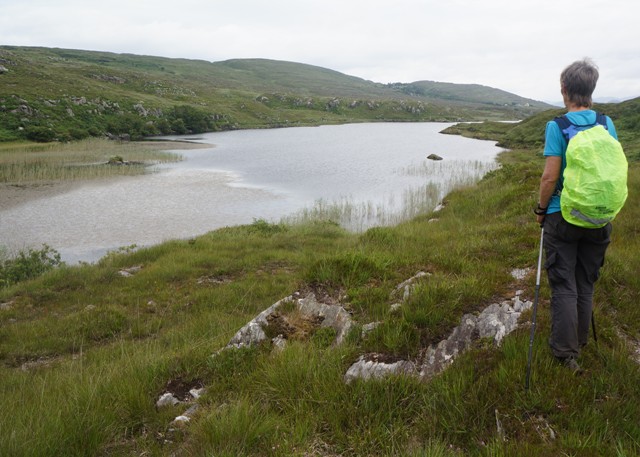
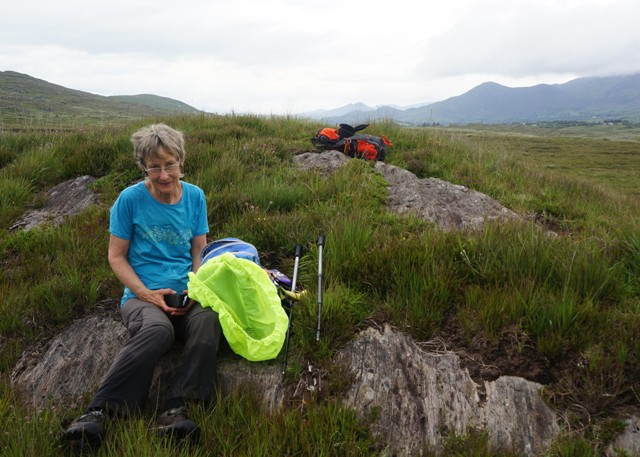
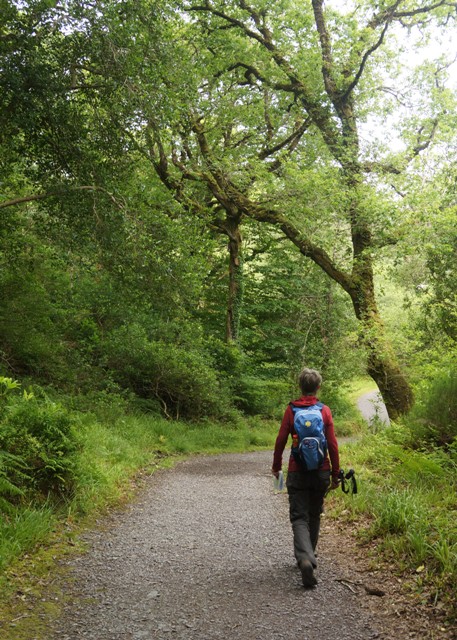
Very few people walking any of the Ways. Met a few, but it is far less social. Some days we saw nobody walking in either direction.
It is primarily a beautiful place for walking in a variety of landscapes, not a religious or spiritual experience.
Very few intermediate villages, usually nothing all day. The villages are there for other reasons not primarily to support walkers.
So you have to plan and take own food, drinks etc.
Way finding and guide notes good, but far less than Camino, and we did get lost.
You have to pay attention all the time because you are on your own.
The route is not the shortest most efficient (as the Camino), it is tortuous, scenic, goes where they can get access, where farmers give permission  etc.
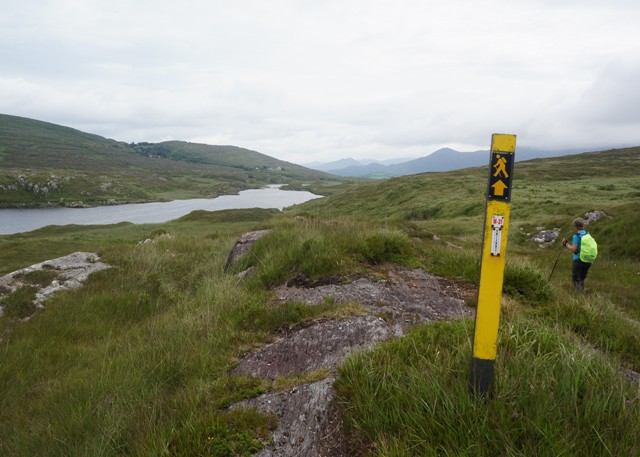
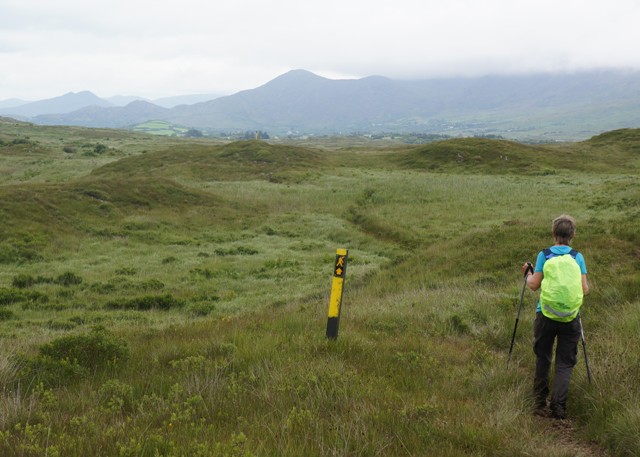
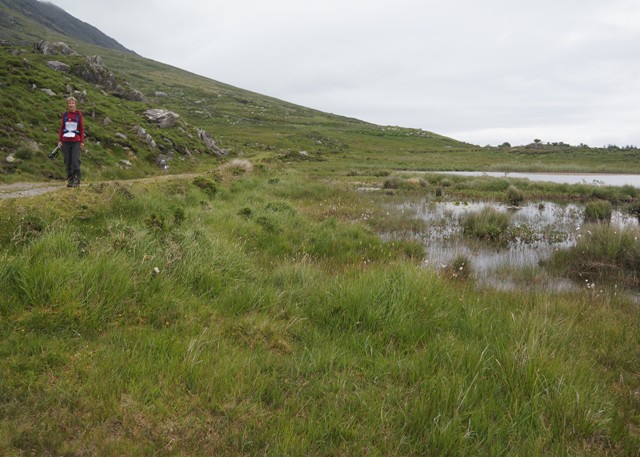
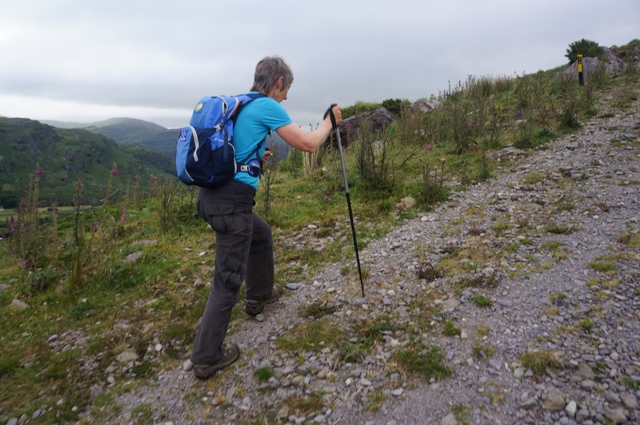
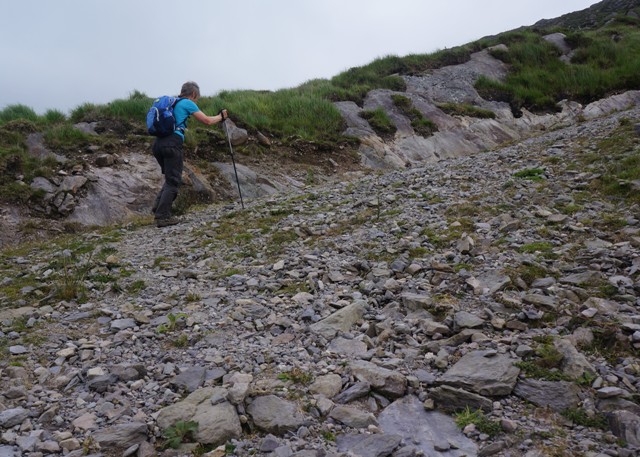
Track is non-existent much of the time, just following poles across hills, fields, etc.
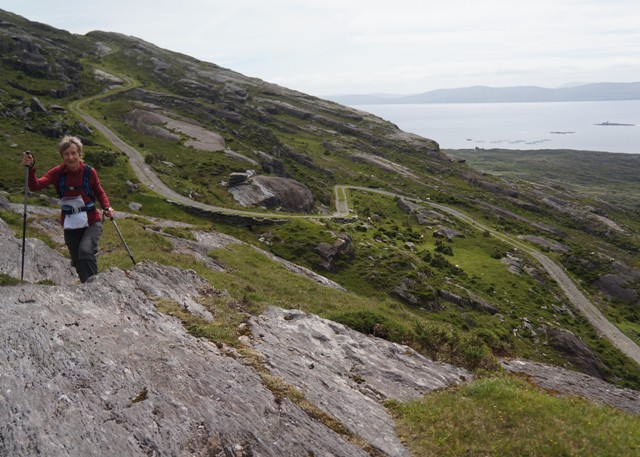
Very steep ascents and descents.
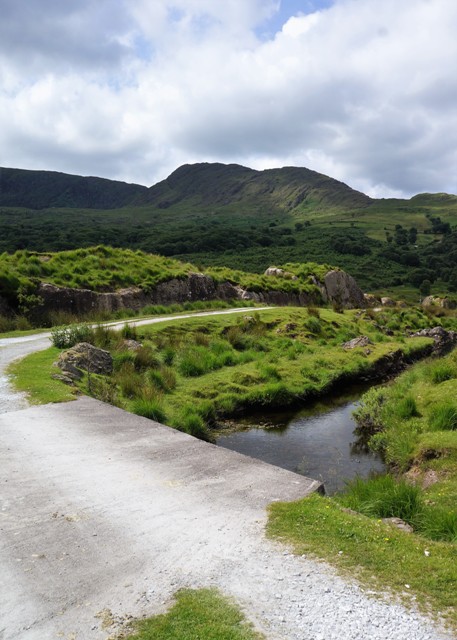
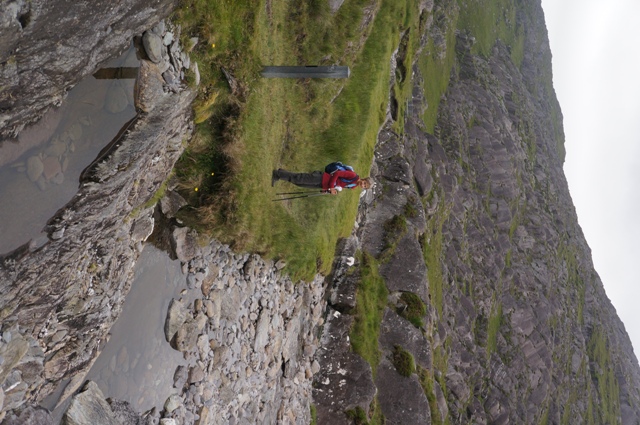
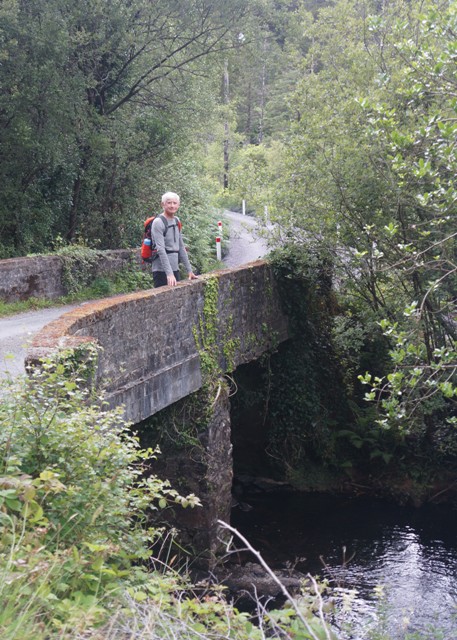
Muddy, boggy, wet, mucky, rocky, slippery, but also long distances on tarmac minor roads and gravel roads.
No Fuentes, often have to carry all your water for the day.
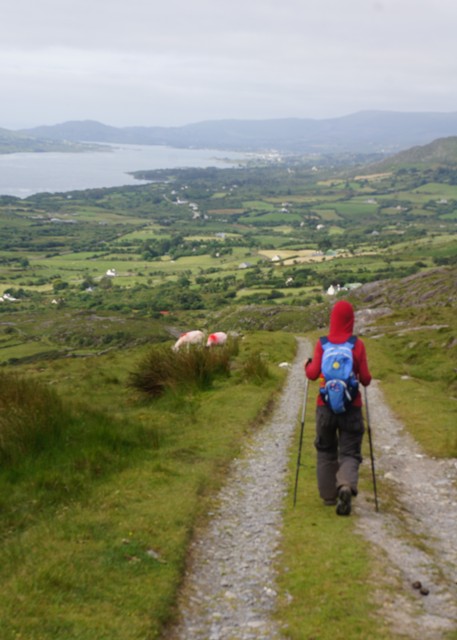
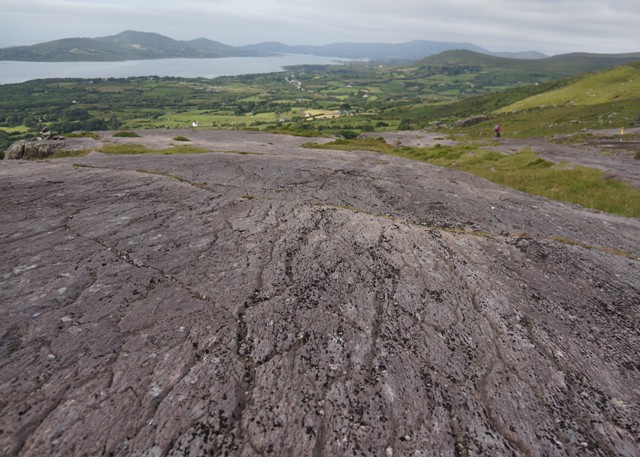
A more rugged experience through wilder, raw countryside and coastline.
Smaller range of accommodation, mostly B & Bs (but still excellent).
Language not a problem for English speakers.
No cities or major towns. Mostly small villages and small towns. Largest town is Tralee 23,000.

Overall we found the 500km in Ireland much more physically demanding than the 800km in Spain. But loved them both.

Tomorrow we are being seniors tourists and going on a day coach tour to Newgrange.
Easy Like Sunday Morning

We were at a bit of a loss this morning, didn’t really know what to do. Our daily routine was so simple. Just get up, put on the least smelly clothes, have breakfast, leave your bag by the front door, and head off. Full of enthusiasm, anticipation and energy.

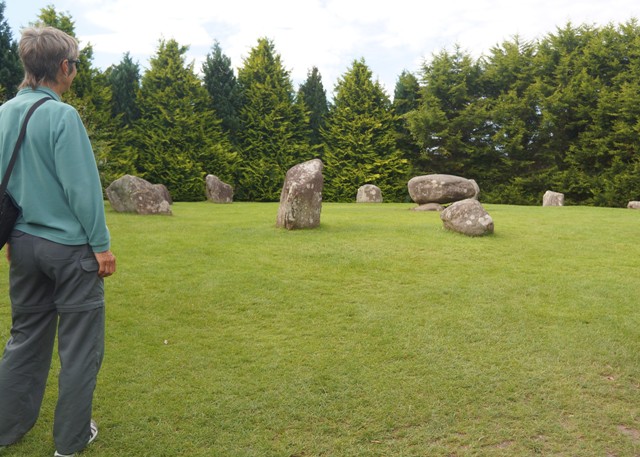
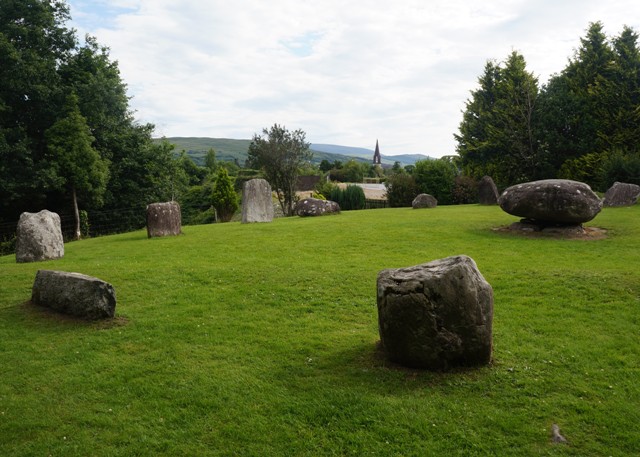
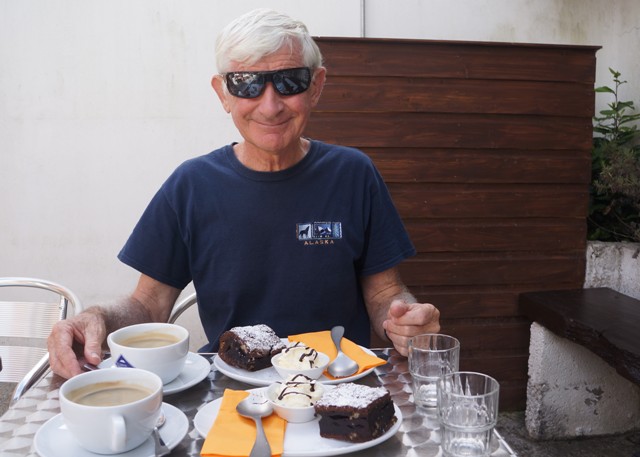
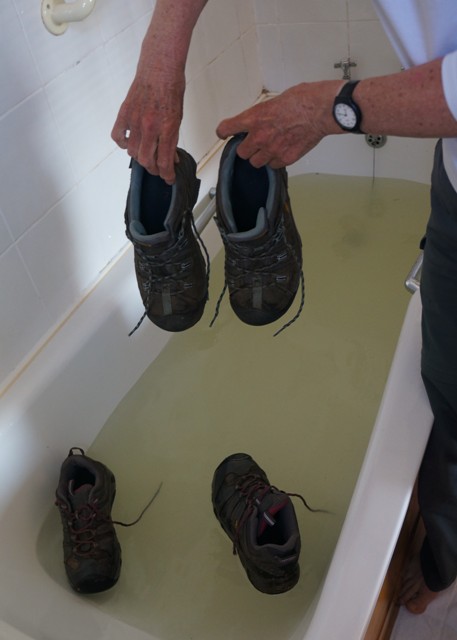
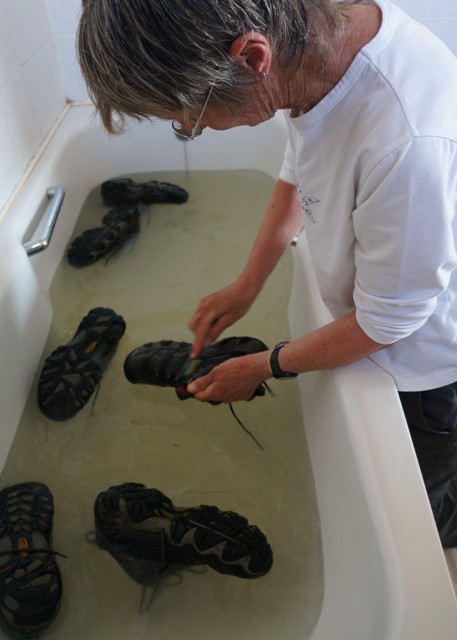
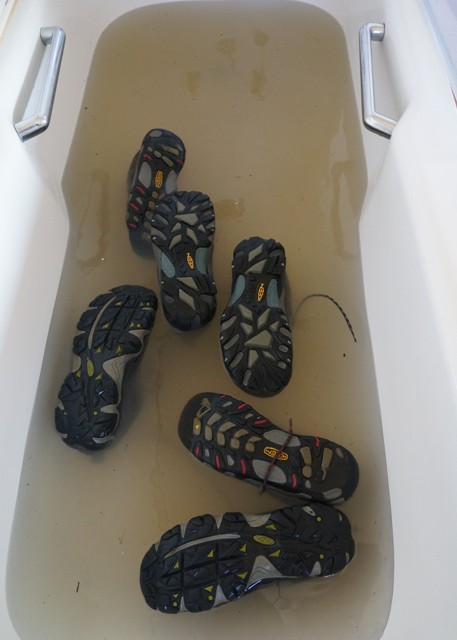
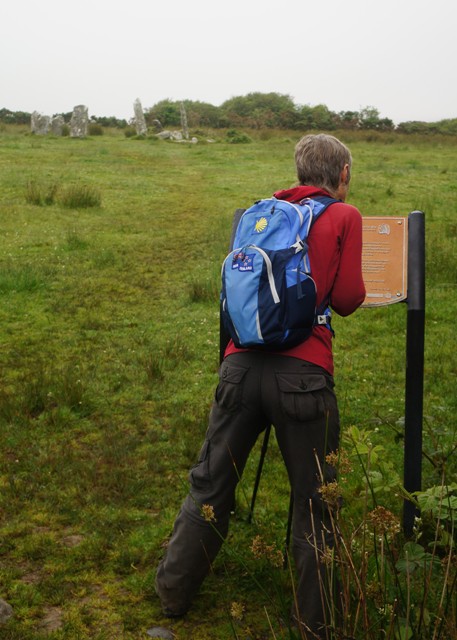
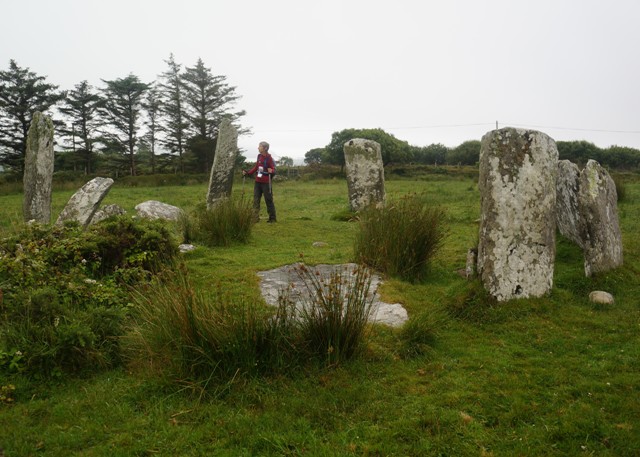
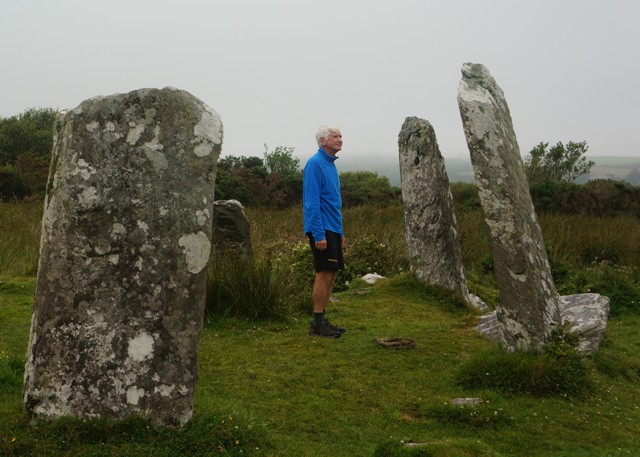
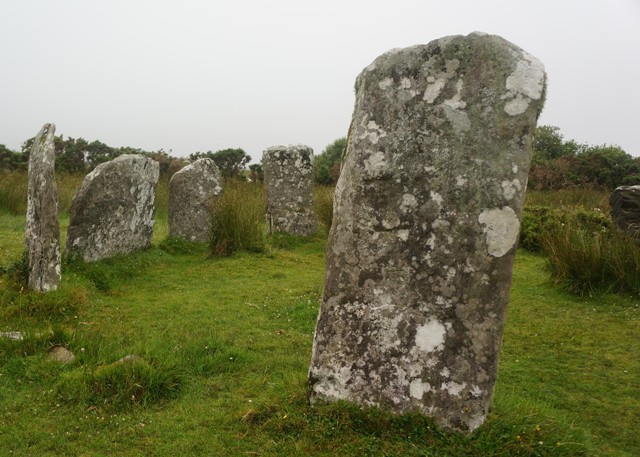
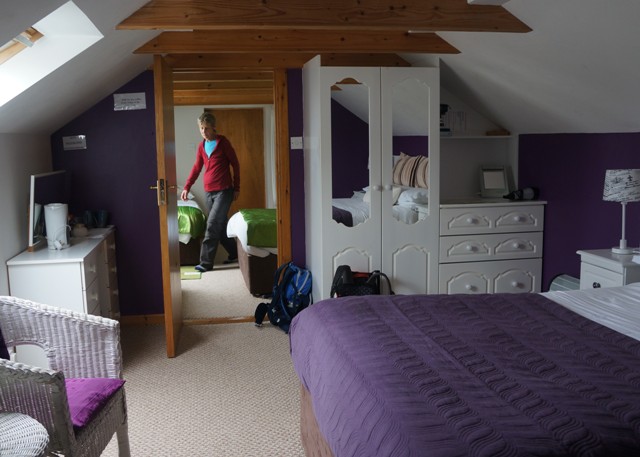
So we had a late breakfast, wandered into the village, visited the stone circle, walked along the river bank, had an Americano and chocolate brownie, walked around Reenagross (Headland of the Crosses) Park, checked out the bus for tomorrow, went back to the B & B and had a lie down. The only task for the day was to thoroughly disinfect the bath after we had cleaned our walking shoes in it last night.

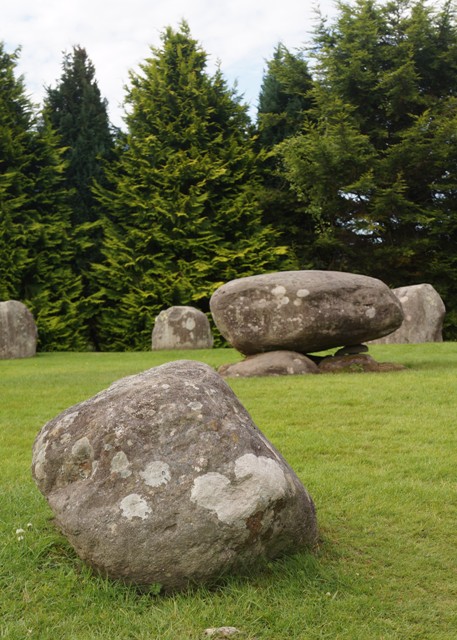
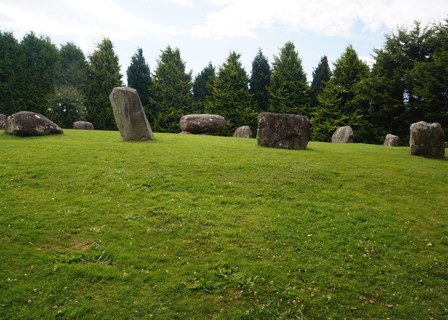
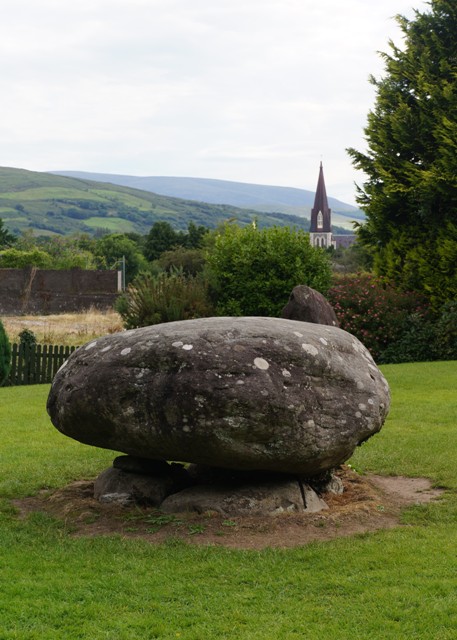
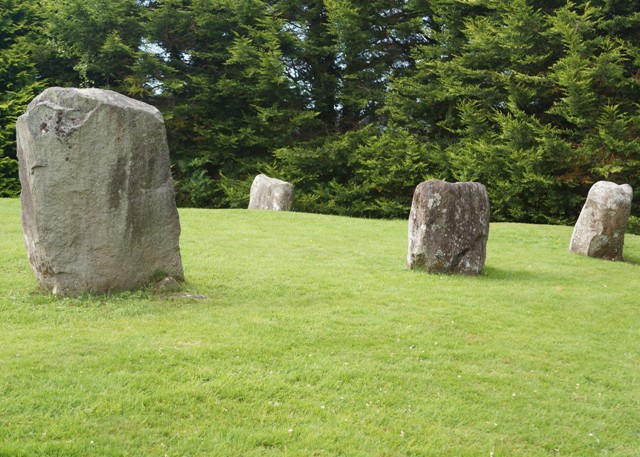
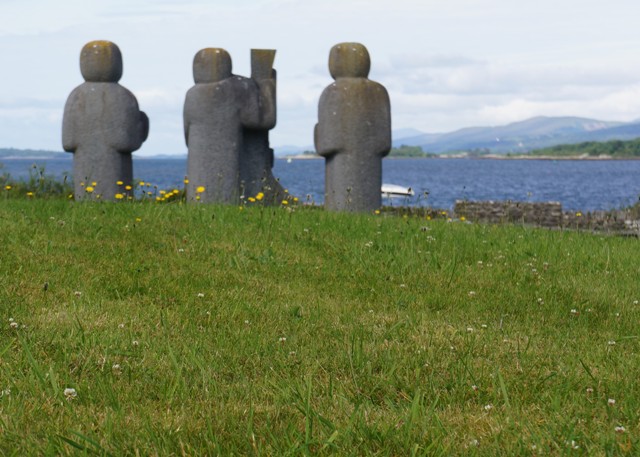
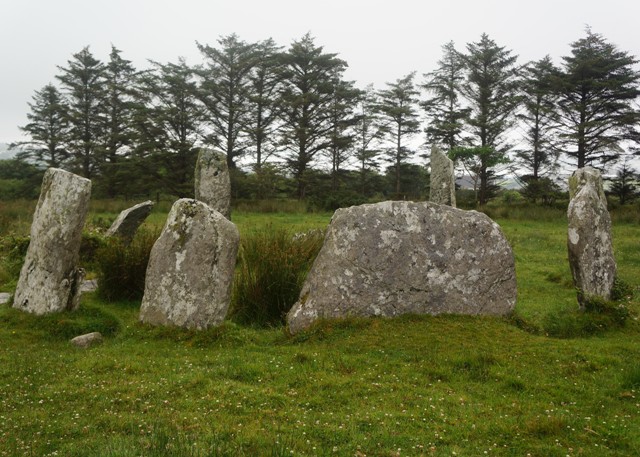
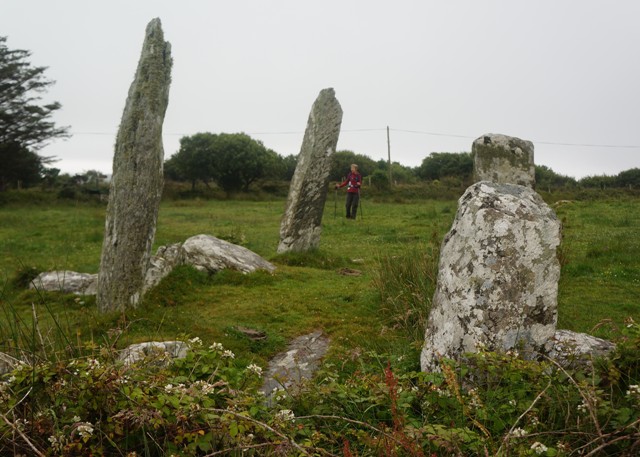
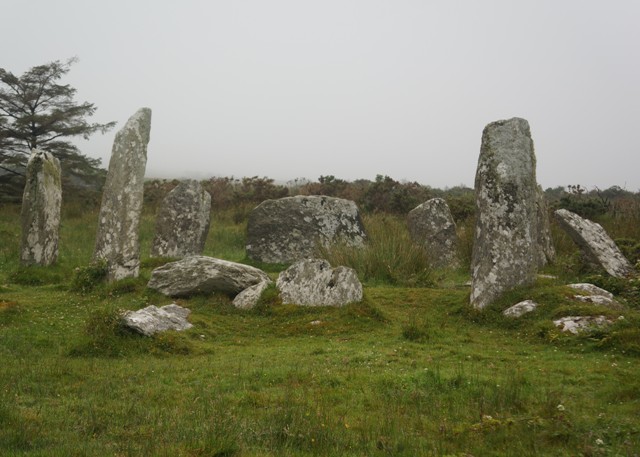
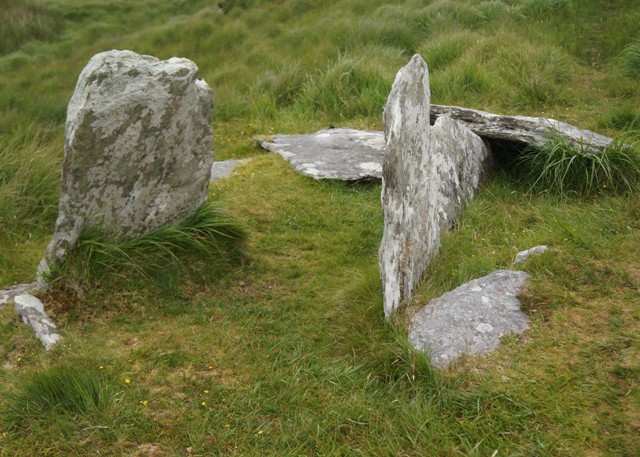
Kenmare has a stone circle right in the town itself, about 5 minutes walk from the square (which is actually a triangle?). This one is egg shaped and about 17 metres in diameter. It has 15 heavy boulders. At the centre is an impressive boulder-dolmen with a giant capstone. This is also known as a Boulder Burial and often marks the burial place of someone important.

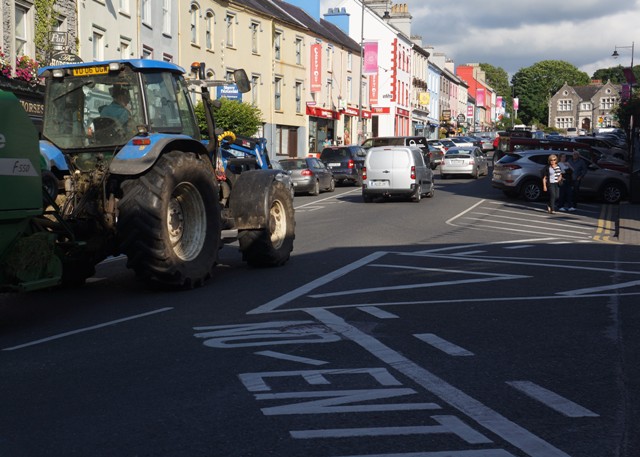
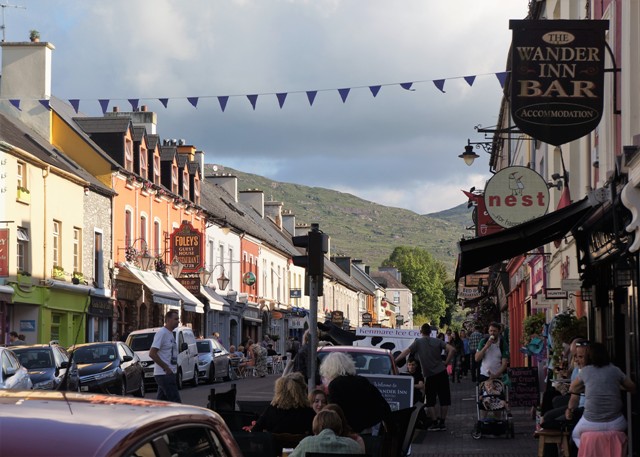
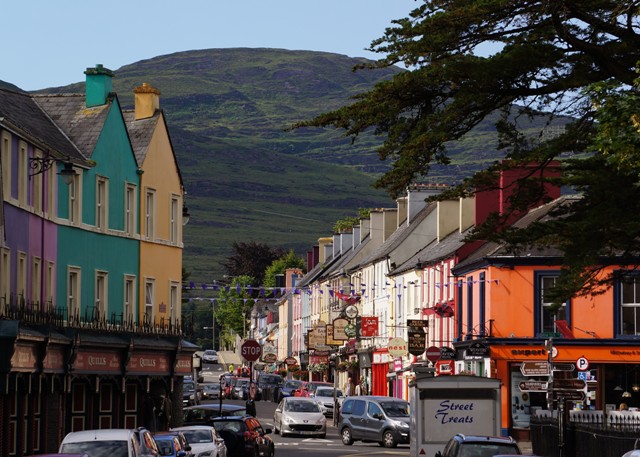
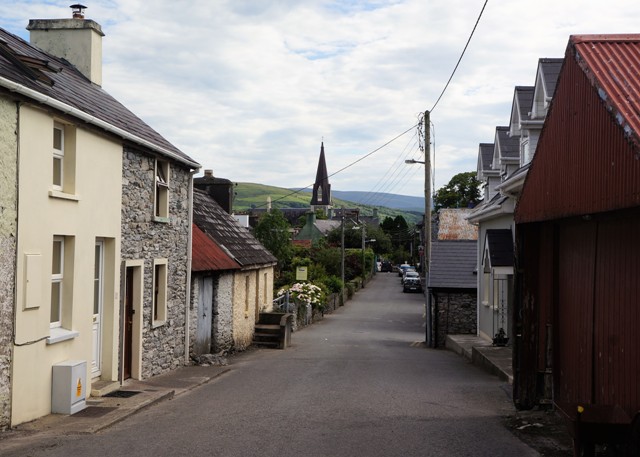
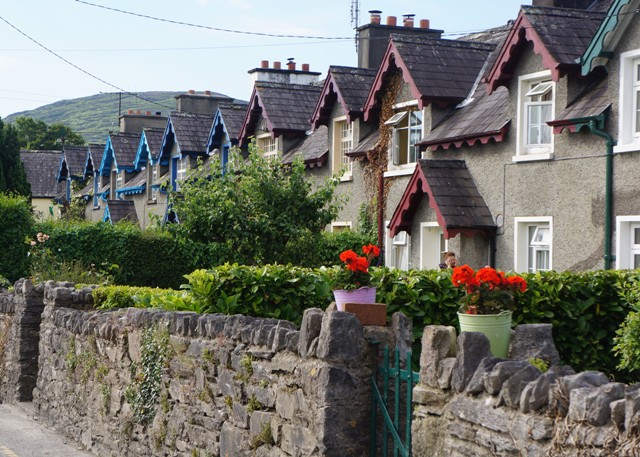
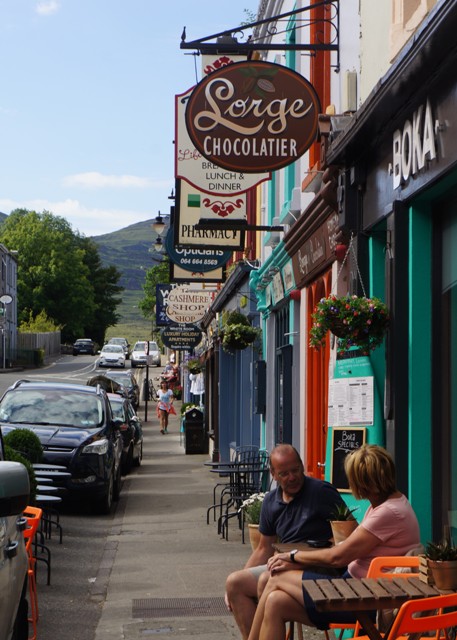
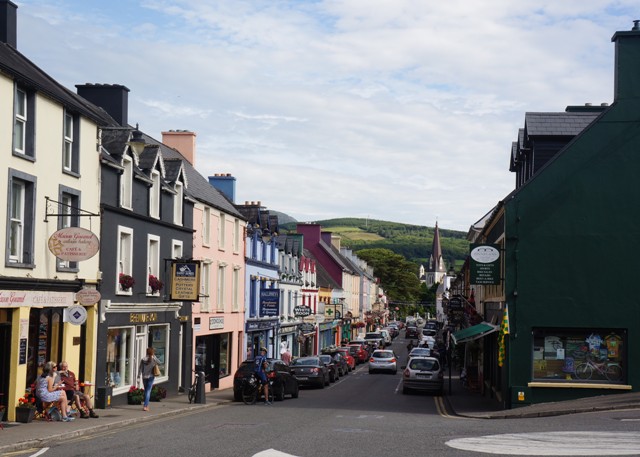
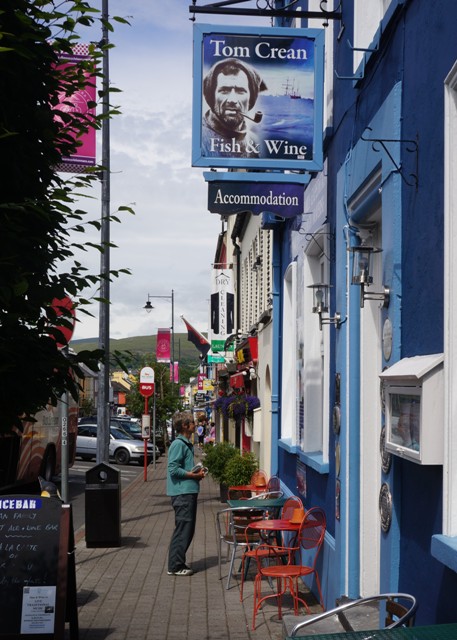
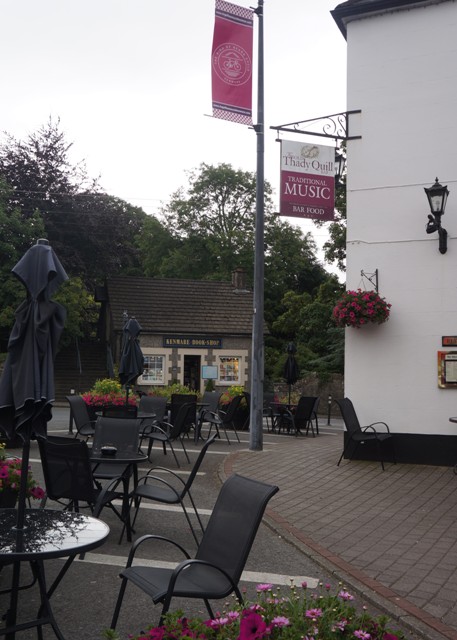
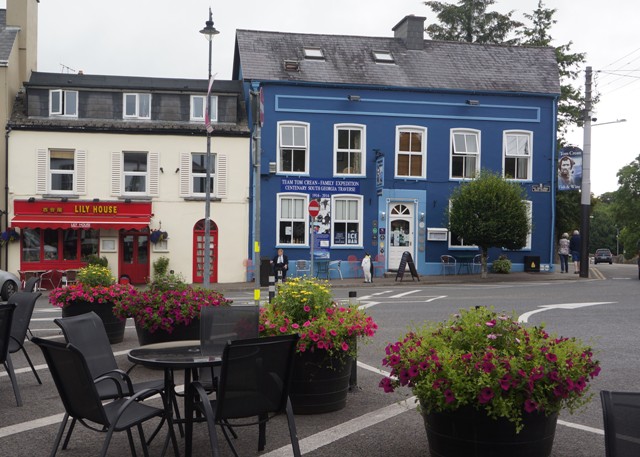
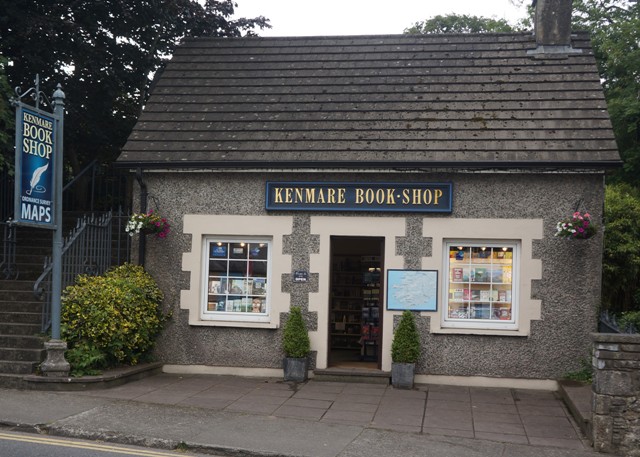
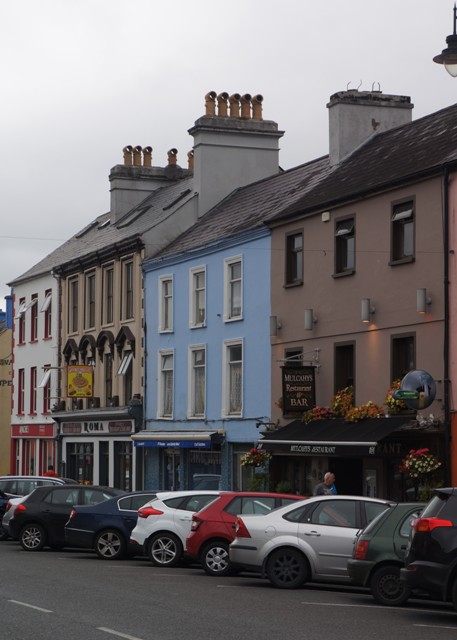
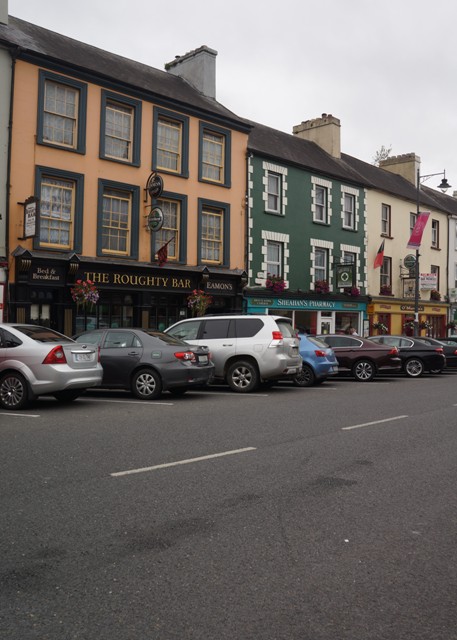
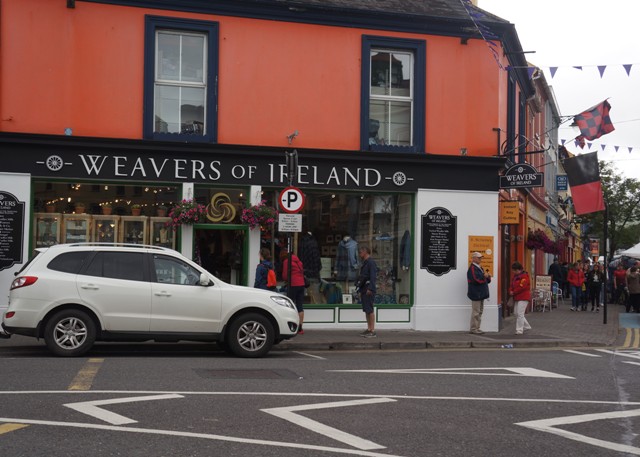
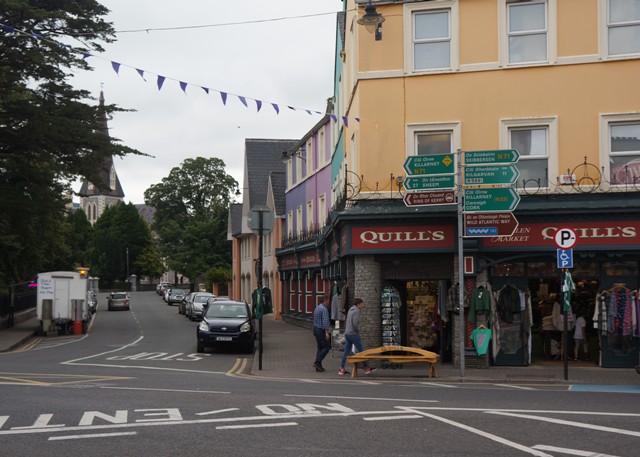
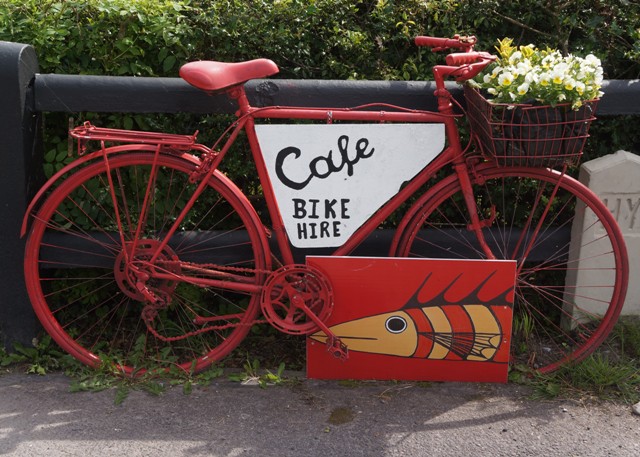
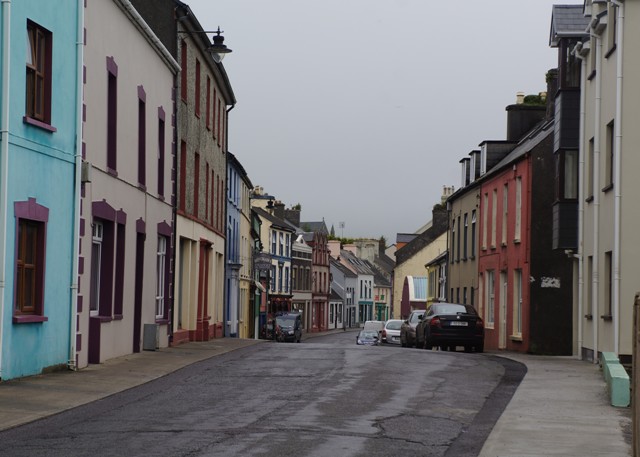
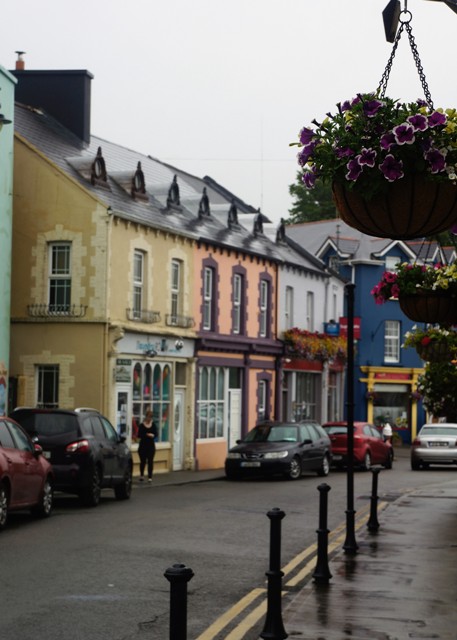
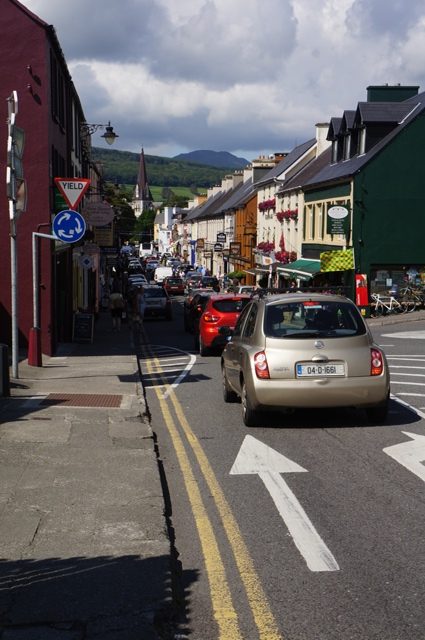
We are definitely back on the tourist circuit. Kenmare is full of people, cars, coaches, bars, cafes, shops, music and cyclists. Lots of cyclists. It seems that the Beara Peninsular is popular with cyclists, maybe because it still has quiet roads, no coaches and has largely missed (or avoided?) the tourism bonanza that has overtaken southwest Ireland.

Lies, Damn Lies and Statistics

No. of days walking: 23
No. of kilometres walked: 504
No. of steps: 672,000
Longest walking day: 36 km Sneem to Kenmare
Shortest walking day: 10 km Castlegregory to Camp
No. of ‘rest’ days: 4
No. of metres climbed: over 10,000 (Everest is only 8,000)
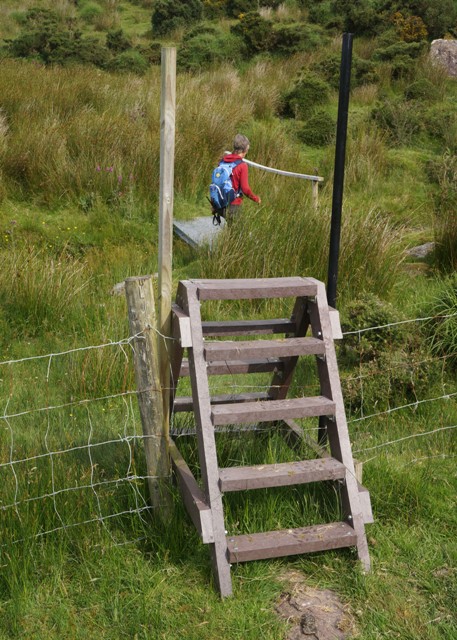
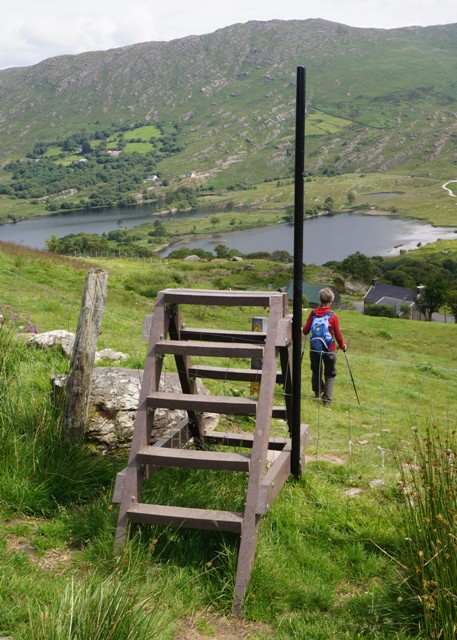
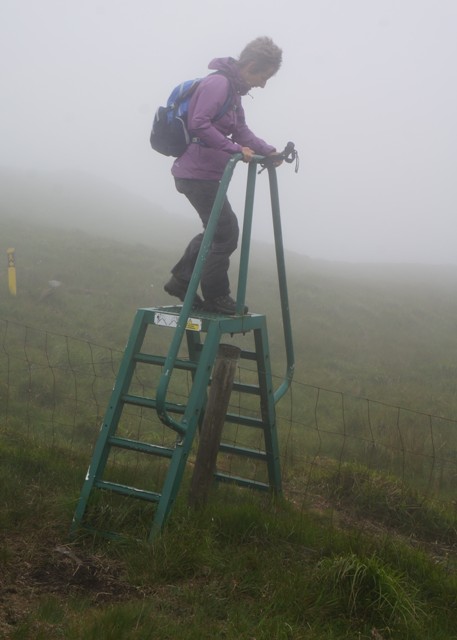
No. of styles climbed: over 450
No. of gates opened and closed: about a 100
No. of different beds slept in: 25
No. of car rides: 2
No. of cars that tried to kill us: 1
No. of ham and cheese filled rolls eaten (butter but no mayo):17
No. of eggs eaten: 47 each
No. of midges that attacked us: a gazillion
No. of sheep we saw: 100,000+
No. of lambs we ate as roast of the day: 5
Favourite meal Barbara: Lasagne, salad and garlic bread at Glengarrif
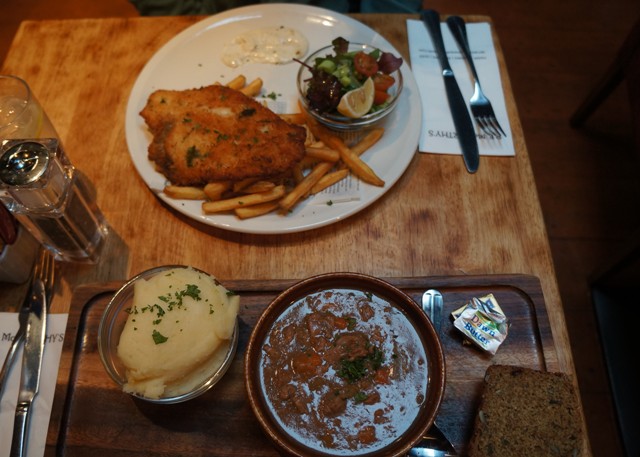
Favourite meal Paul: O’Shea’s Beef and Guinness Pie at Sneem
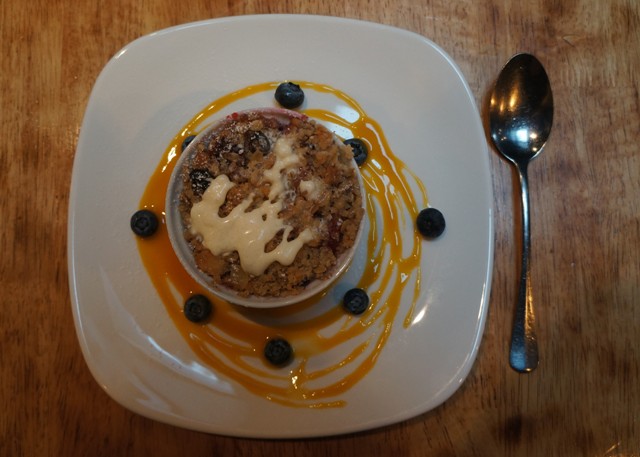
Best rhubarb crumble: Dunquin Pottery and Café (It’s the seaweed)
Food we didn’t like: ‘Air and full of promise’ disappearing artificial cream
No. of fairies seen: not telling
No. of times Barbara said Yuck!! as she stepped in muck up to her ankle: 37
No. of Euros Barbara was fined for saying to the waitress “That was lovely”: 54
No. of times we didn’t know exactly where we were: at least once a day
No. of days without high speed broadband: 2
No. of days we arrived before our bags: 2
No. of days we wished we were at home cycling with our mates: every Wednesday and Friday

No more proverbs, but this time a limerick. This is one of the most well known, but in case anyone doesn’t know it:
There was a young lady in the fall
Who wore a newspaper dress to the ball
The dress caught on fire
And burnt her entire
Front page, sporting section and all.

The Last Test

Lauragh to Kenmare 27km

We knew this day would be a test. Three hills to get over, a climb of 200m, then a climb of 300m, and finally a climb of 400m. 900m climbing and of course 900m of descending.

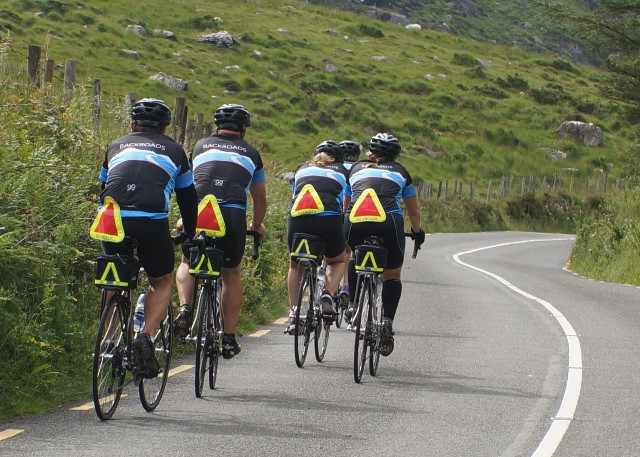
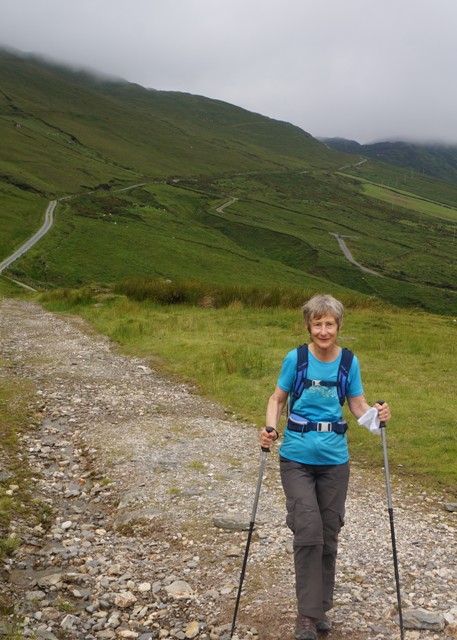
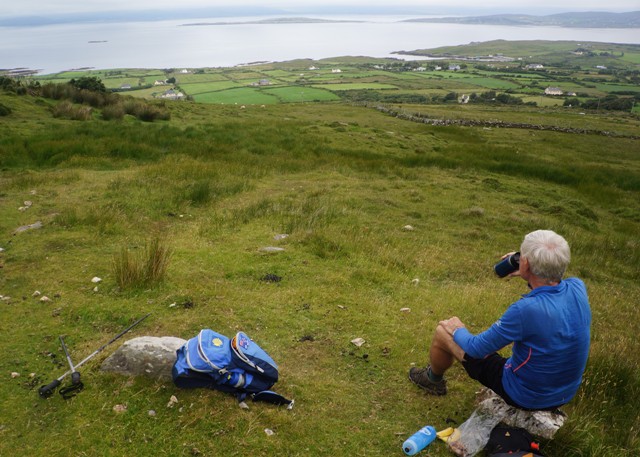
We had a packed lunch from Moulin B & B as there was nowhere to buy food on the route today. It was clear and still and cool when we set out and it was very pleasant on a minor road through a forest. Soon we were into the first climb, Knockatee, and it got hot very quickly out in the open farmland. We crossed over a bigger road and happened to coincide with a group of cyclists from Backroads tours. There were about twenty in three groups. They all had the same jerseys and cute reflective triangles strapped to their butts. From the top there were views out over Kenmare Bay and Kerry Peninsular.

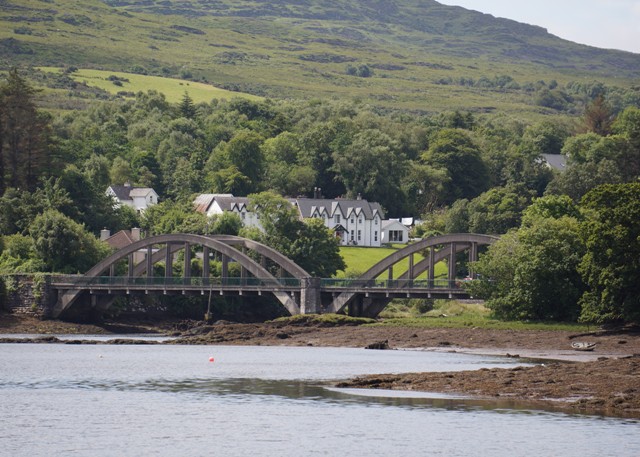
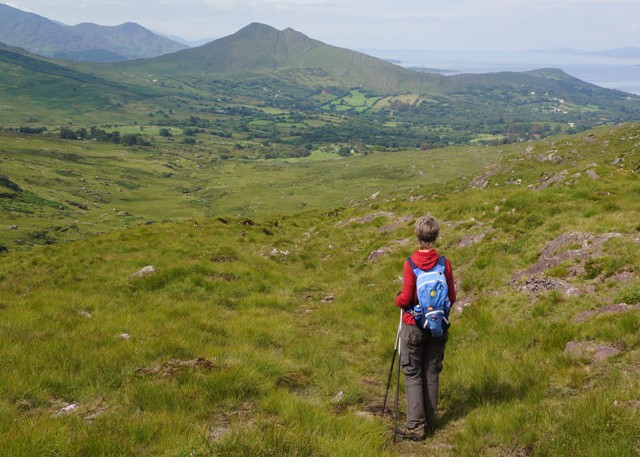
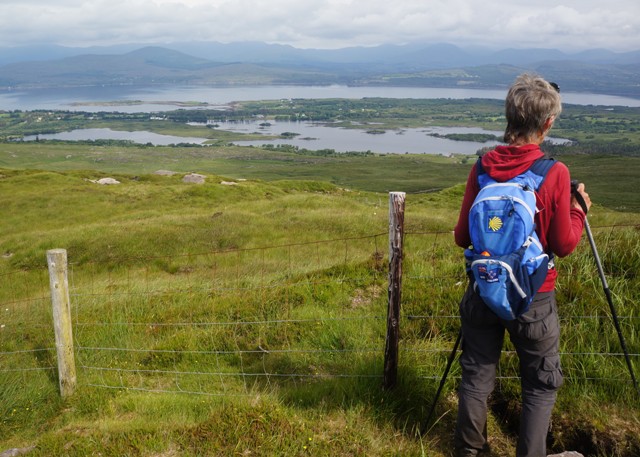
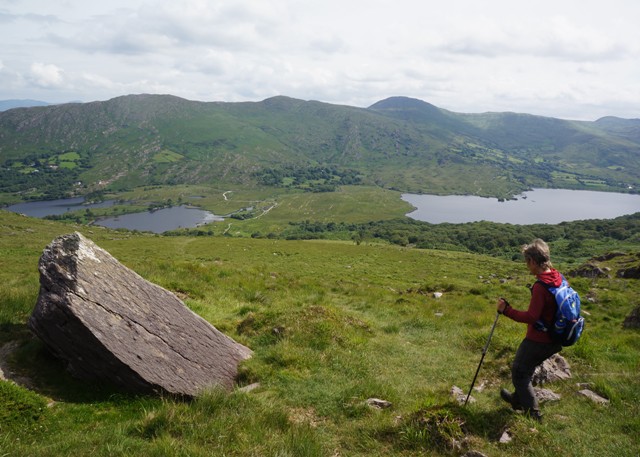
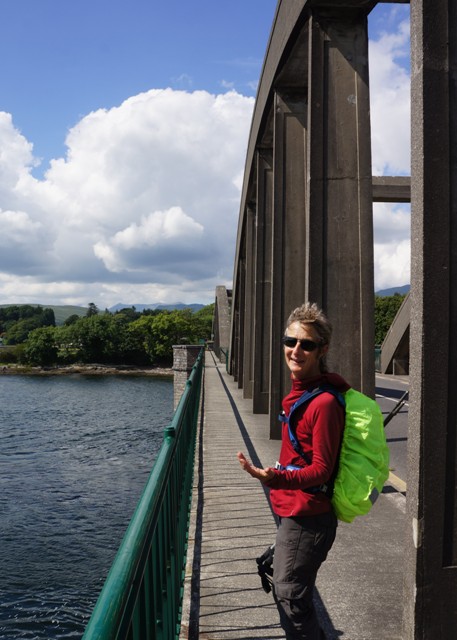
A steep descent then straight into the second climb, Knocagarrane, this time on a grass track. From the top we looked down on four lakes. Three were imaginatively called Cloonee Lough Lower, Cloonee Lough Middle and Cloonie Lough Upper. The fourth was Lough Inchiquin. Another steep descent then crossed between Lough Middle and Inchiquin and onto the third and biggest climb of the day, again on a grass track. From the top of this climb we could see Kenmare in the distance, still 13 km away. The last 8km, now in the mid afternoon , were very hot and on a tarmac road. After an age we at last turned onto the bridge over the Kenmare River. There was a beautiful cool breeze coming up the river from the sea and we just wanted to stay there and soak it up.

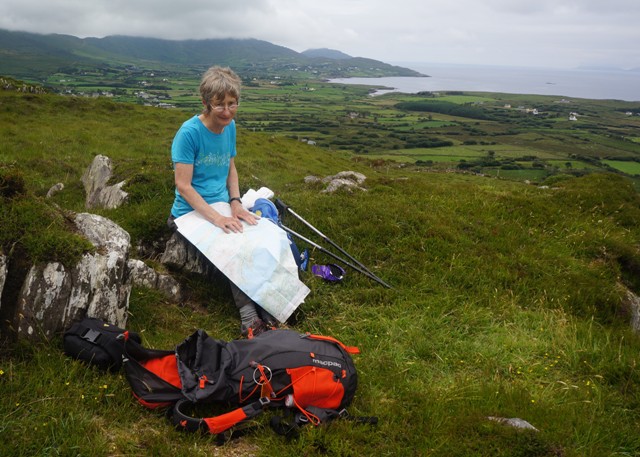
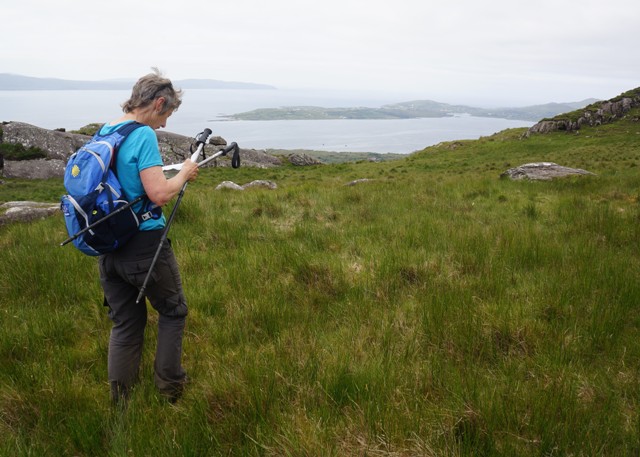
The Beara way has been a bit different to the other two as far as way finding goes. We have typed notes and although they have a profile to show climbs and descents, they have no map. We purchased an Ordnance Survey map but it is 1 to 50,000. So we have some notes, a map and what is actually happening on the ground in front of us. 90% of the time this is fine. 5% of the time it takes a bit of lateral thinking to rationalise the three bits of information. We get this correct about two times out of three. The other 5% of the time the information is missing or is just plain wrong. We guess this and get it correct about 1 time in three. So you have to constantly pay attention and we sure have made some mistakes that have cost us a lot in time and energy.

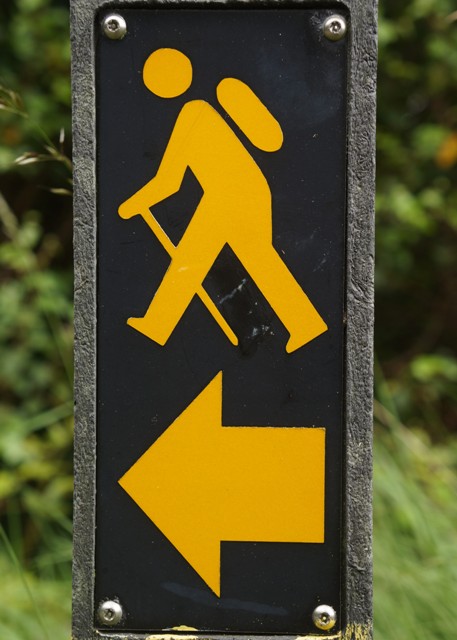
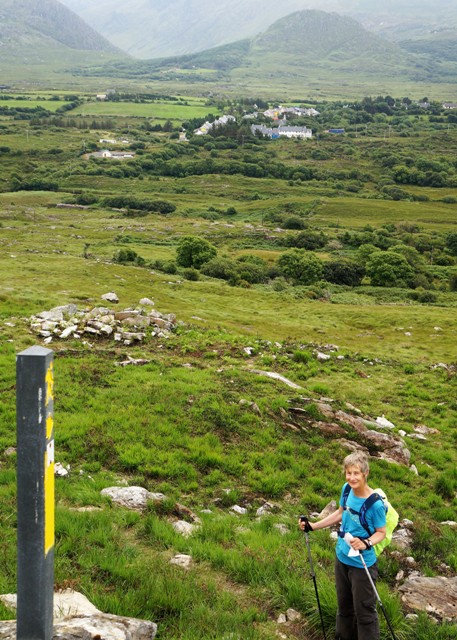
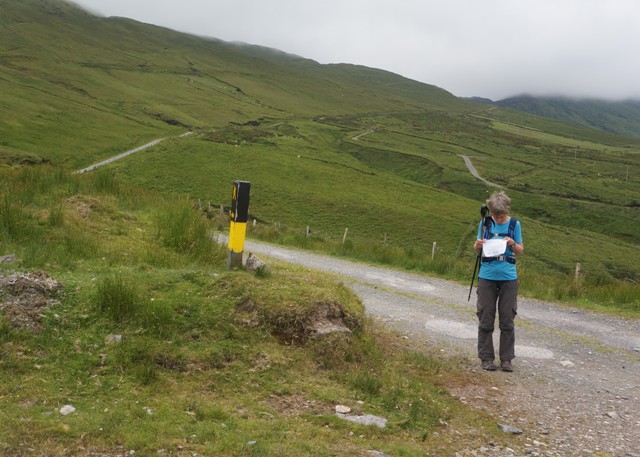
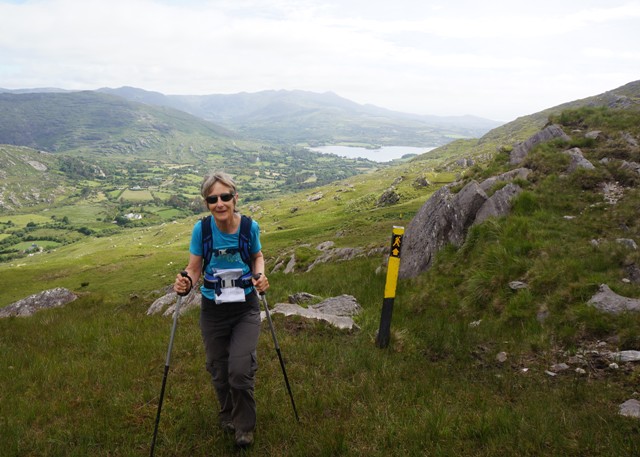
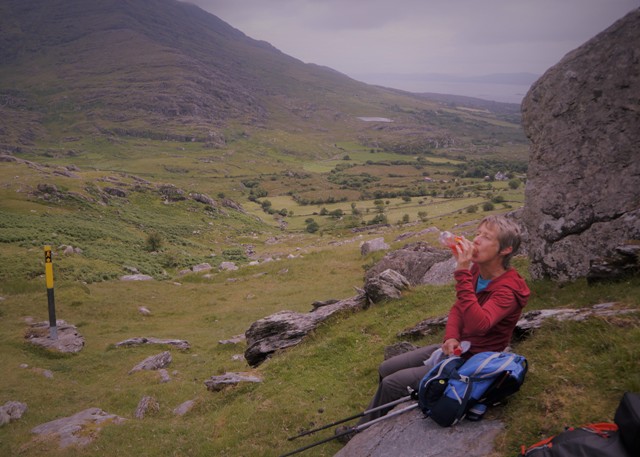
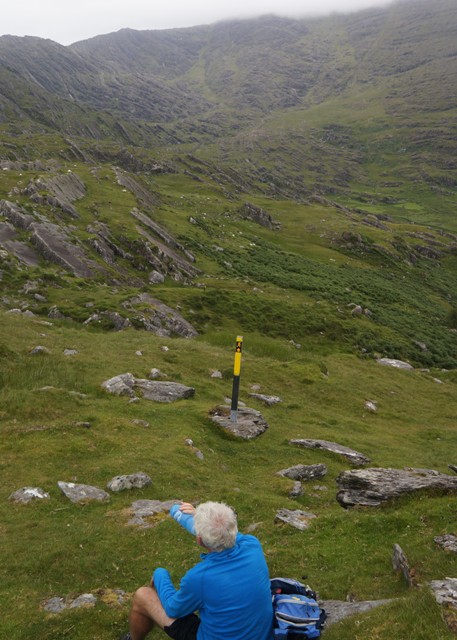
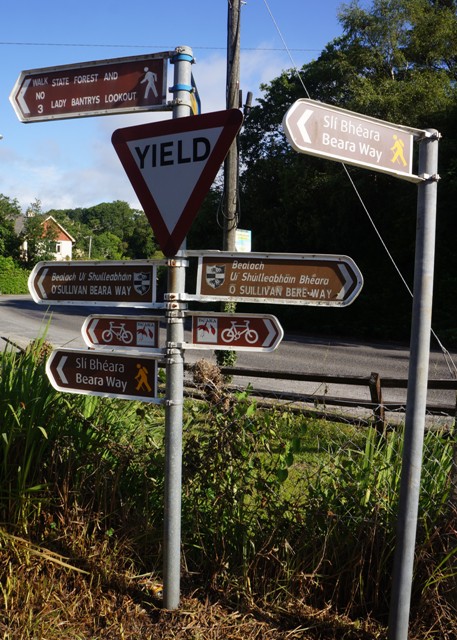
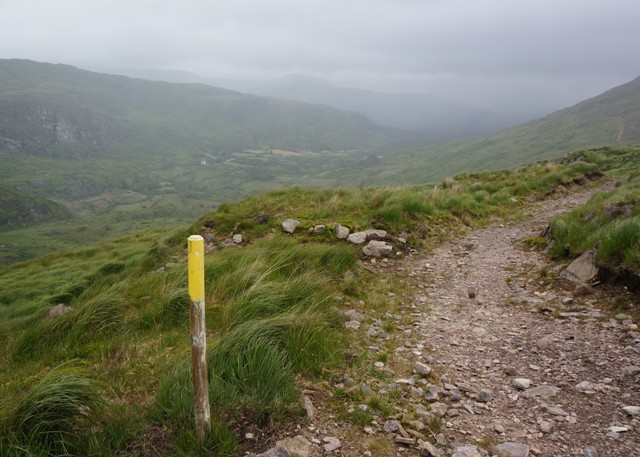
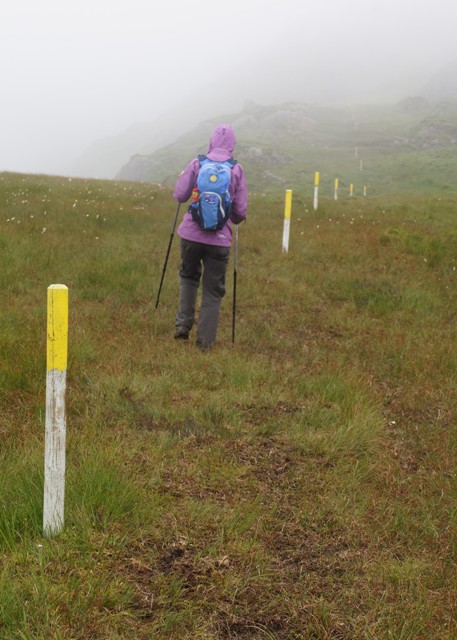
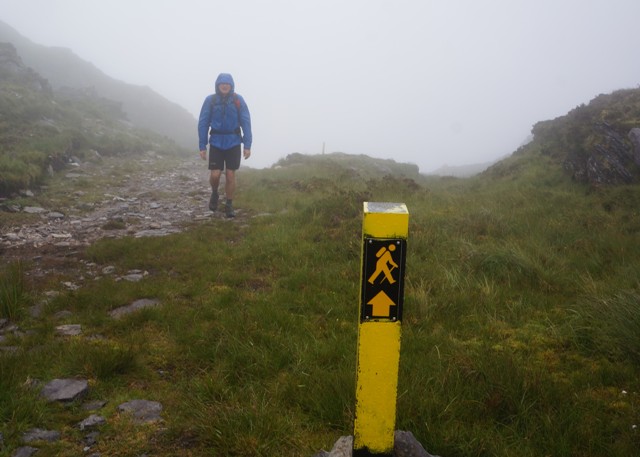
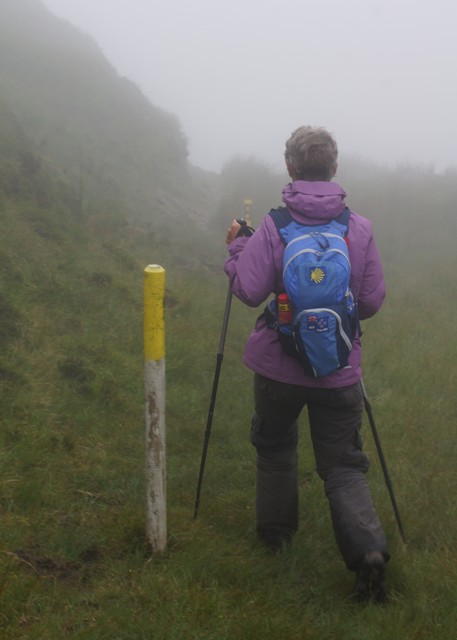
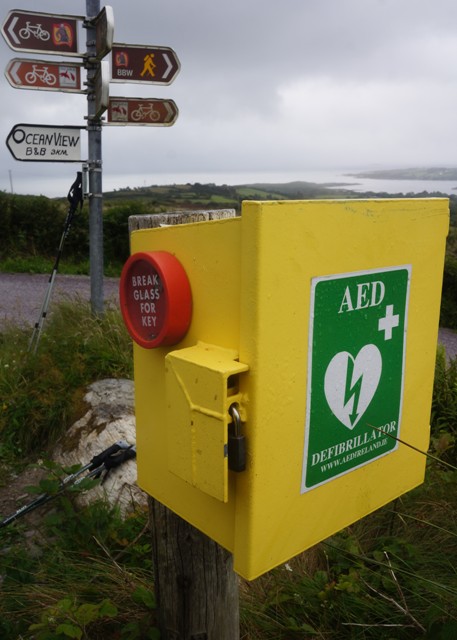
On open hillsides where there is no path, there are brown marker posts with a yellow arrow and the little yellow man. In theory from one post you are supposed to be able to see ahead to the next one but often it is a gap of several hundred metres, or a post has fallen over, or a tree has grown over a post. Up on the high passes where it gets misty the posts are often only 20 or 30 metres apart.

It was very satisfying to finish and get back to Kenmare today. It was physically and mentally challenging and we are happy to have completed just over 500km on the three walks. A quiet, relaxing day tomorrow before we head back to Dublin.

Old Irish proverb of the day: There are two versions of every story and twelve versions of every song.

The Penultimate Day

Eyeries to Lauragh 27km

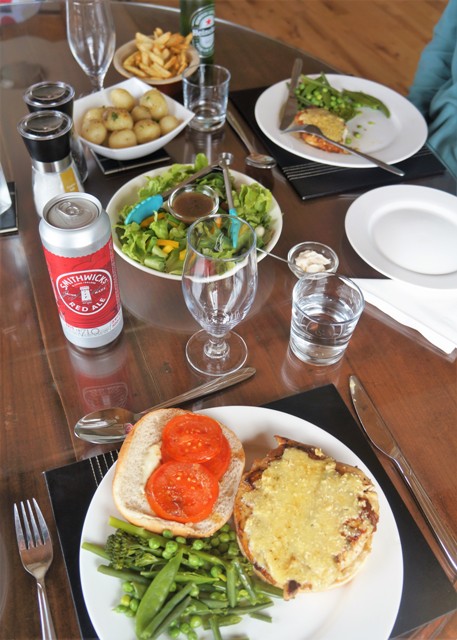
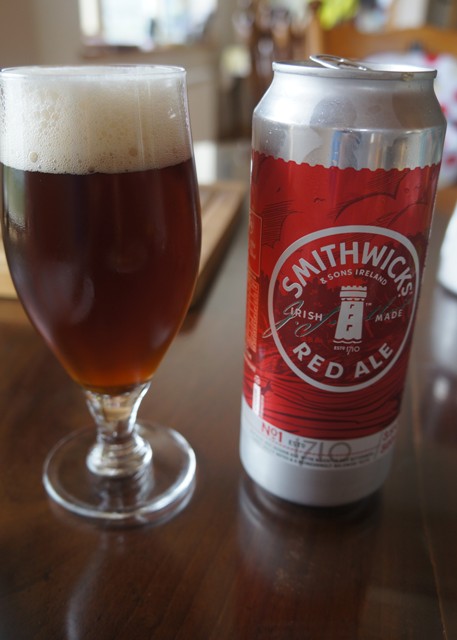
Fran cooked us a wonderful meal last night. We had preordered these over the internet and Barbara had a chicken fillet stuffed with local Mileens (smoked) cheese. I had a chicken fillet burger but the best part was all the home grown vegetables. The best tasting vegetables we have had in Ireland. Potato, beans, peas, brocoli, lettuce, tomato, spring onion. It also came with a complimentary Smithwick’s Red Ale beer.

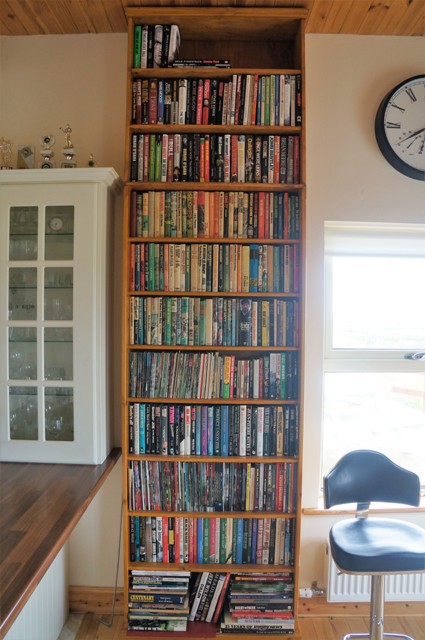
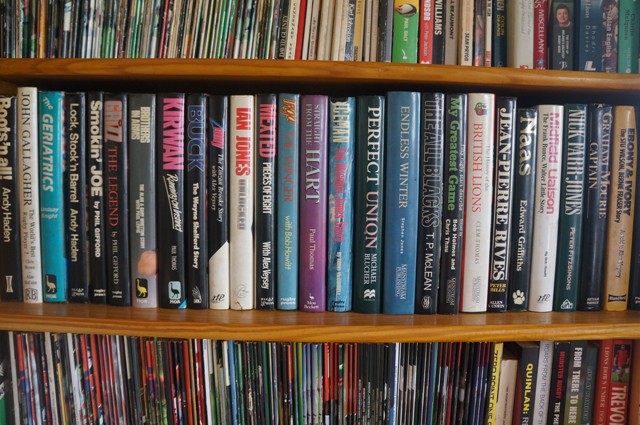
As I said yesterday Fran and husband Kevin are rugby mad. They were at Soldier Field Chicago last November for the historic match when Ireland beat the All Blacks for the first time. In the dining room there is an eleven shelves high book case with probably every book that has ever been published about rugby. There is a large section on the All Blacks with autobiographies on Grant Batty, Stu Wilson and Bernie Fraser, Murray Mexted, Ian Jones, Buck Shelford, Andy Haden, John Gallagher, Graham Mourie, Inga the Winger, Frank Bunce and Walter Little, etc, etc. There were also dozens and dozens of the programmes from all the matches they have been to. I was quite impressed.

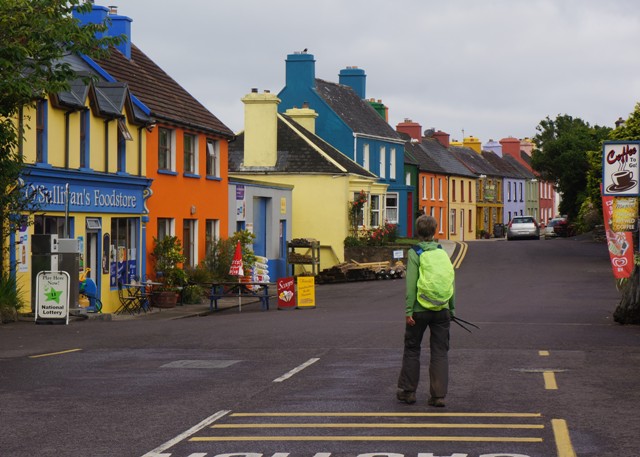
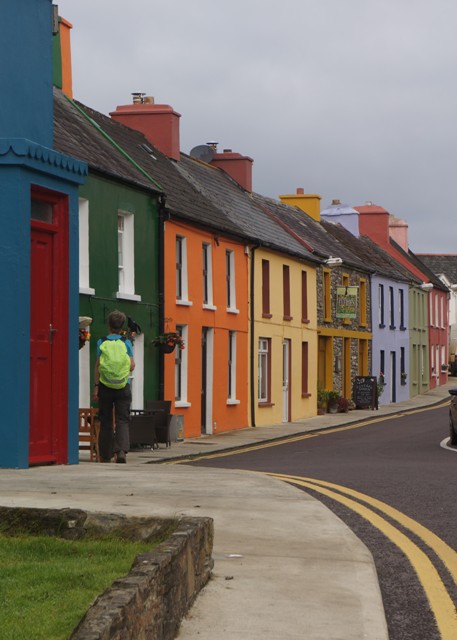
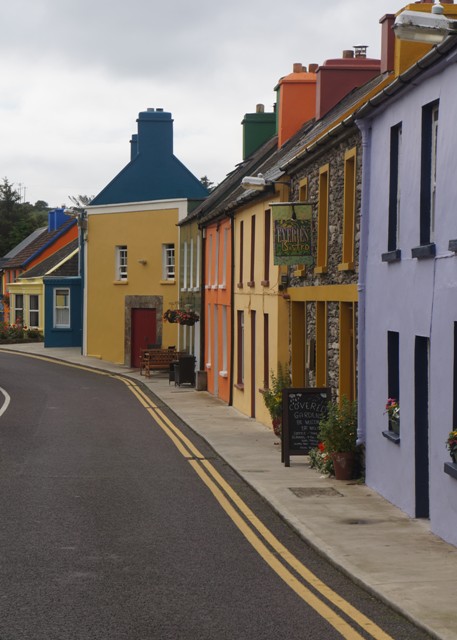
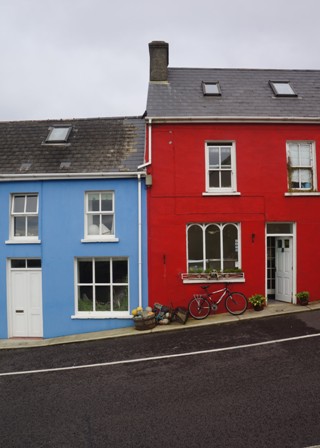
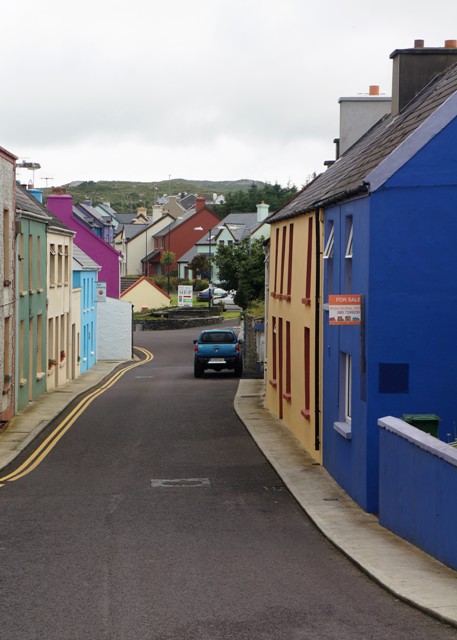
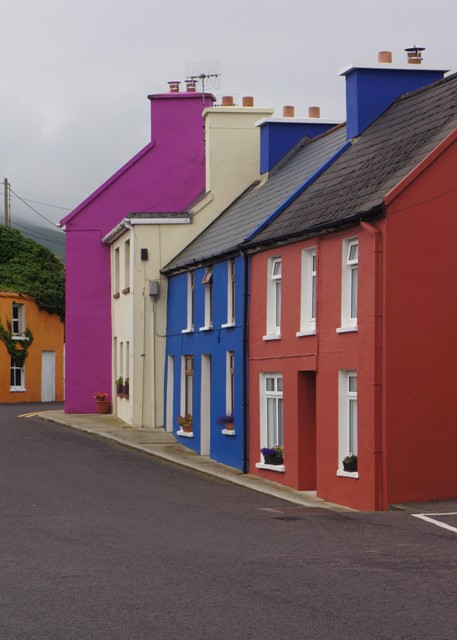
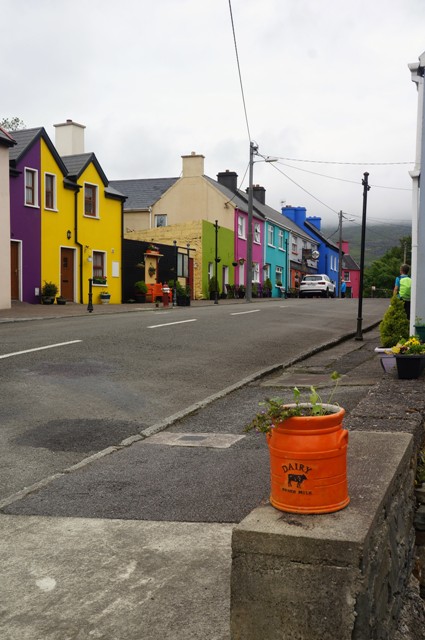
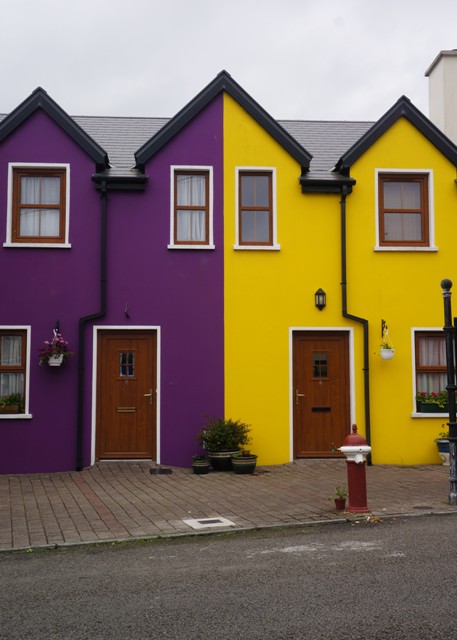
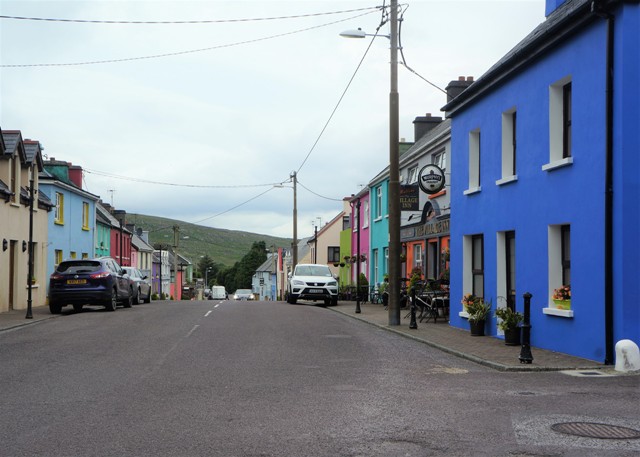
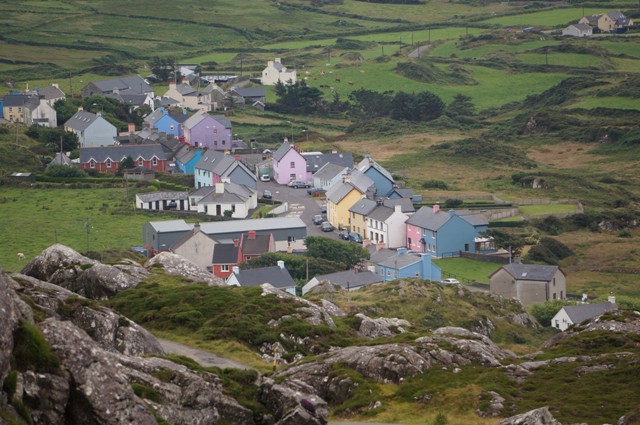
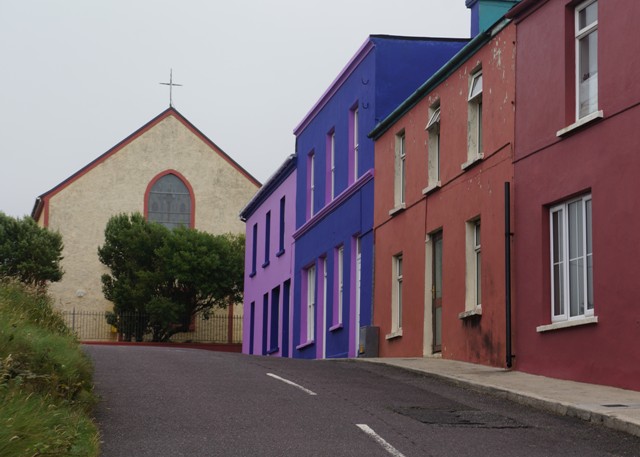
As has become usual for us we first headed into the village of Eyeries for filled rolls, fruit, cookies and a recent addition to the diet: a bottle of Lucozade (the bottle says “a performance partner”). Eyeries is another of those lovely little villages with all the gaily painted buildings. The road out of the village took us along the coast to a tiny fishing community in Ballycrovane Bay. In a field overlooking the bay is a standing stone. We could see it in the distance but couldn’t find a way of getting close to it. The stone has distinctive Ogham markings along its side and at 5.3 metres high is believed to be the tallest Ogham Stone in Europe. The stone is from the bronze age but the inscriptions are from the 3rd to 5th century AD. Ogham is an ancient Irish alphabet consisting of twenty characters formed by parallel strokes on either side or across a continuous line.

From here we climbed a small hill to a plateau with a long narrow lake, Loughfada. This was the best part of the day, a nice grass path alongside the lake for about two and a half kilometres. A steep climb up to a saddle and below us in the valley was our lunch destination, the village of Ardgroom. Lauragh, our destination tonight, has no nearby places to get an evening meal so we planned to have a large lunch and just snacks for dinner.

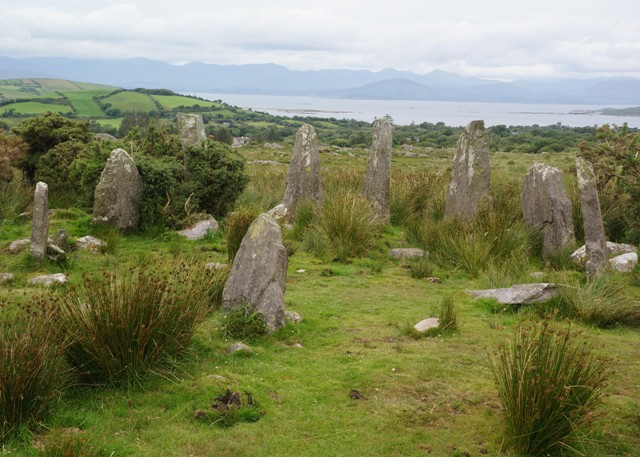
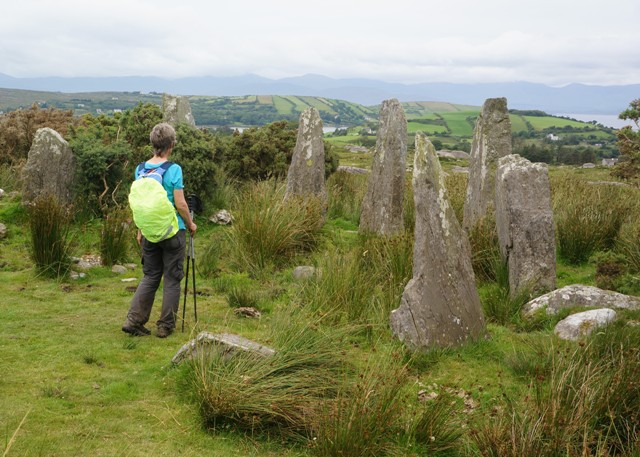
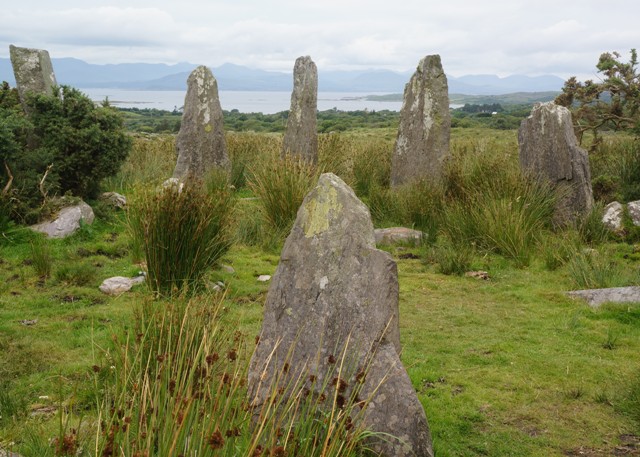
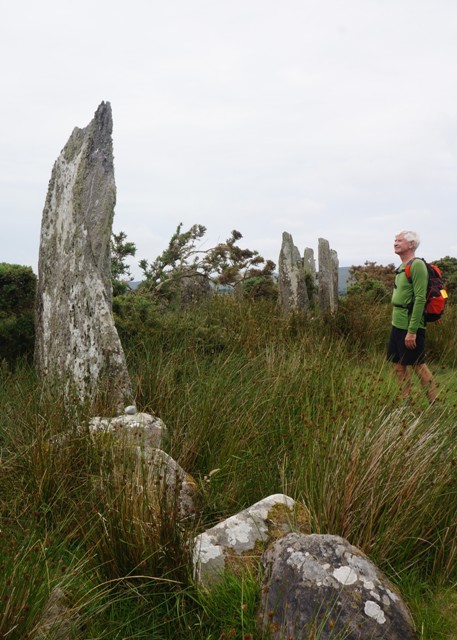
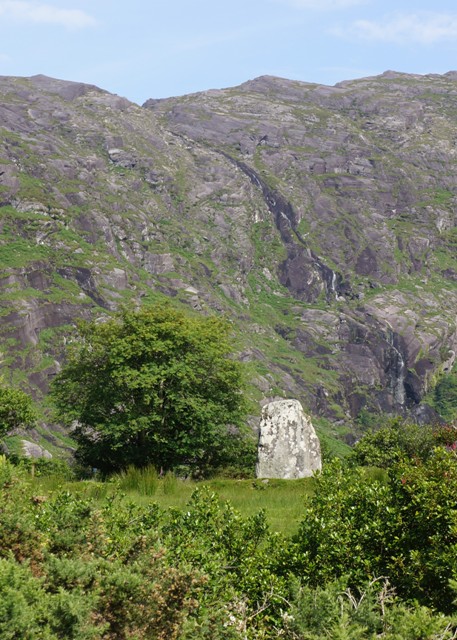
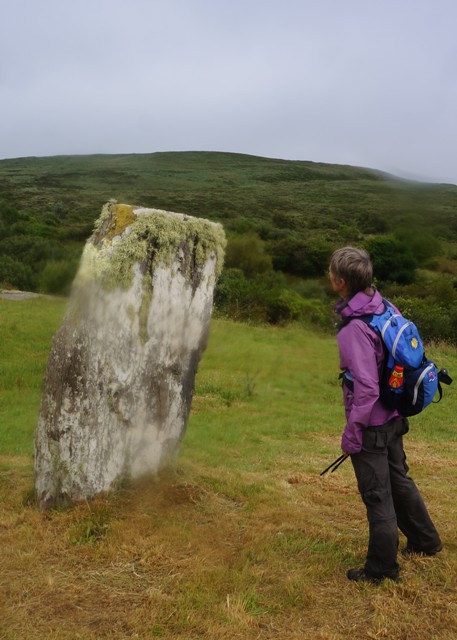
Just out of Ardgroom we did a 1km detour and hike over some fields to the Ardgroom Stone Circle. It was very similar to the one we saw the other day near Castletownbere. This one has a diameter of 7.25 metres and once consisted of 11 stones. One stone has fallen and one is now missing. There is a tall standing stone off to one side, a sentinel stone, which appears to draw attention to the stone circle.

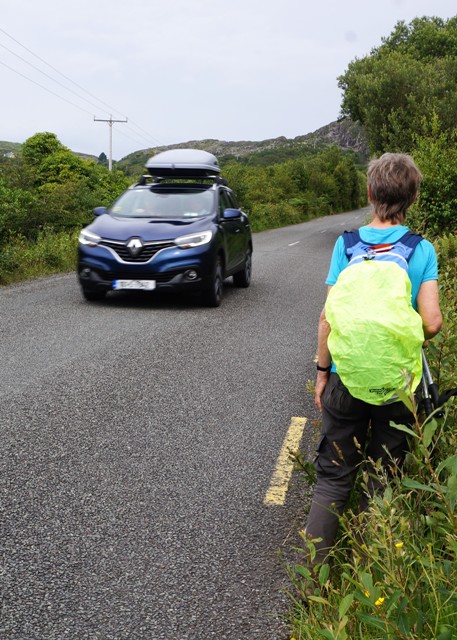
In order to bypass another boggy walk across a hillside we stayed on the R571 road for the last 10km. This is the main road around the Beara Peninsular but it carries very little traffic. It has no shoulder and 99% of drivers are excellent and slow down and pull over, well away from us. Only one driver refused to move an inch and at 100km/hr missed our elbows by about 50mm. We became very adept at jumping into the hedgerows.

Tomorrow is our last walking day and our feelings are mixed. We are looking forward to some recovery time but we are sure that in 3 or 4 days we will wish we were back in the hills again.

Irish saying of the day: Being a bit Irish: You don’t know the words but that doesn’t stop you singing the song.


The Living is Easy

Allihies to Eyeries  12km

At breakfast we said goodbye to a German couple we had become a bit friendly with. They started in Glengarrif the same day as us and we have seen them most days. A couple of times we have stayed at the same accommodation. A few years ago they spent 4 weeks in New Zealand and walked the Queen Charlotte Track. They called it paradise. The Queen Charlotte introduced them to the idea of walking and having your bags transported for you. Now they do it all the time. But now they have to go home as they only have two weeks per year leave from work and study.

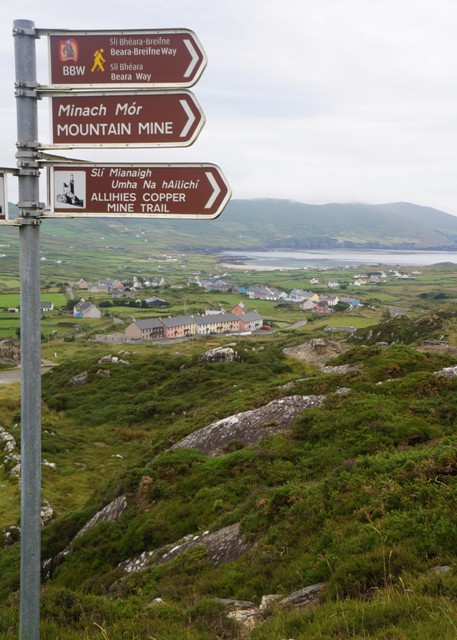
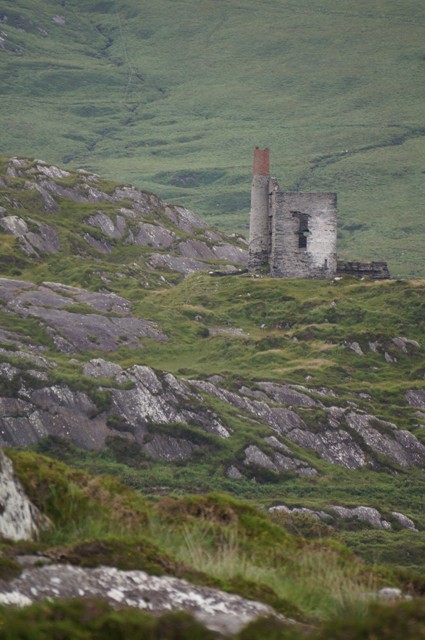
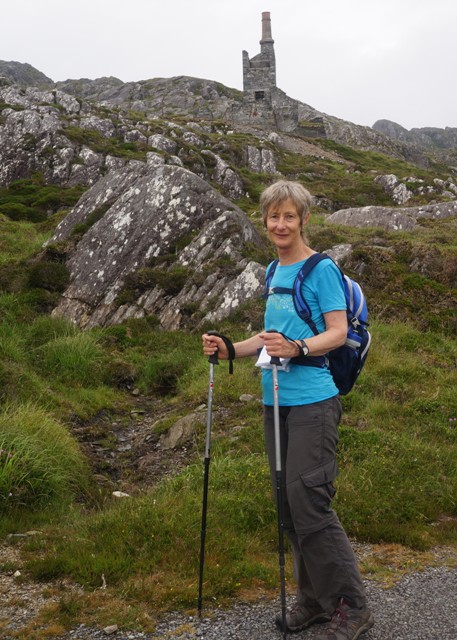
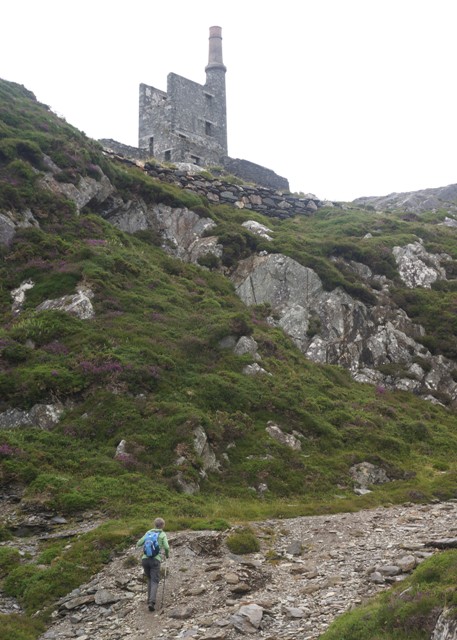
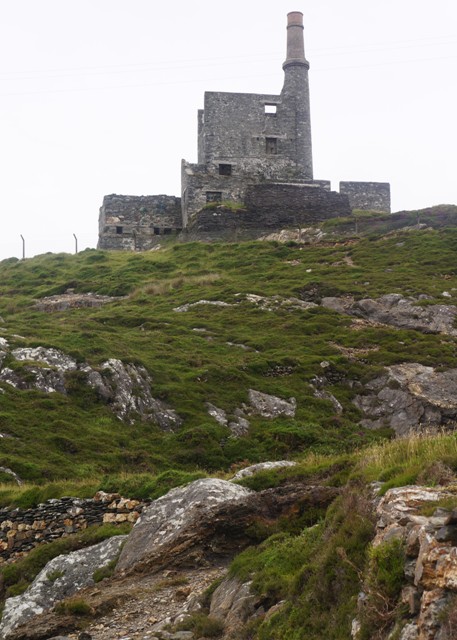
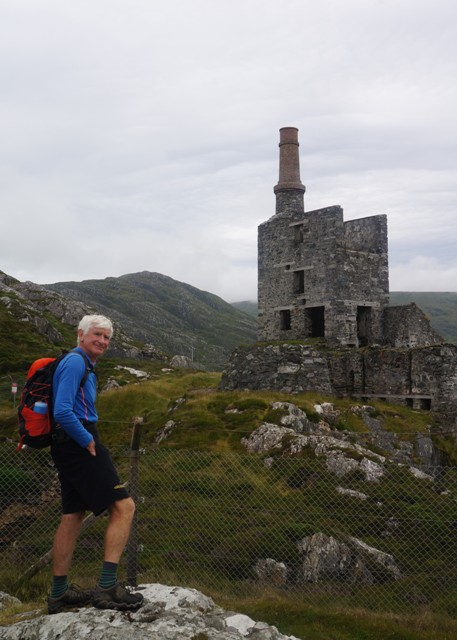
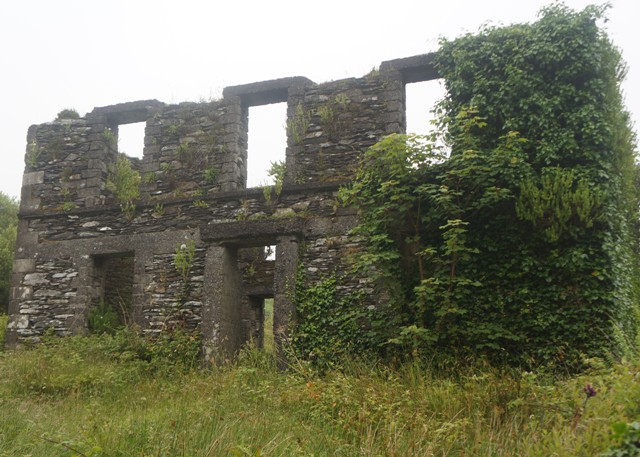
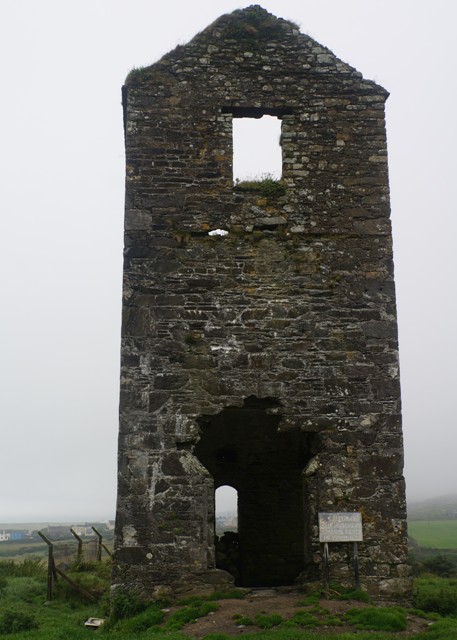
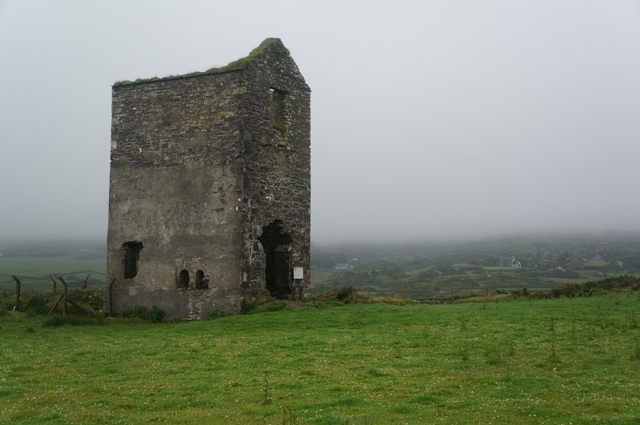
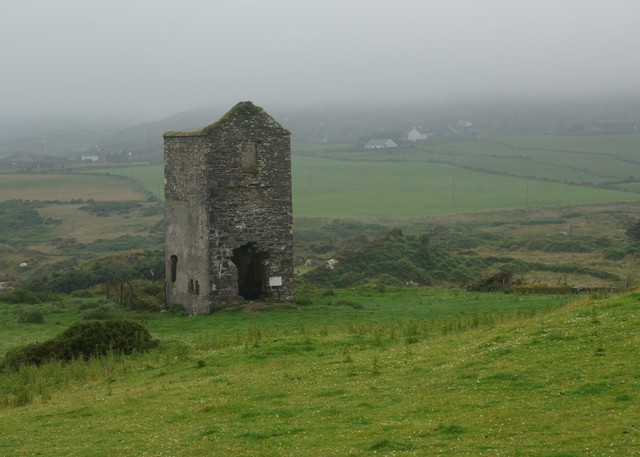
This morning we climbed up the hill behind Allihies passing the largest of the three surviving copper mine engine houses. This one was erected in 1862 to operate the newly invented system of lowering and lifting miners to and from the mines. This mine, Mountain Mine, was the most productive in this area and reached a depth of 421 metres below the surface, 280 metres of this below ocean level. In the distance we could see the North Engine house, its role was to pump water from the depths to enable deeper and deeper mining.

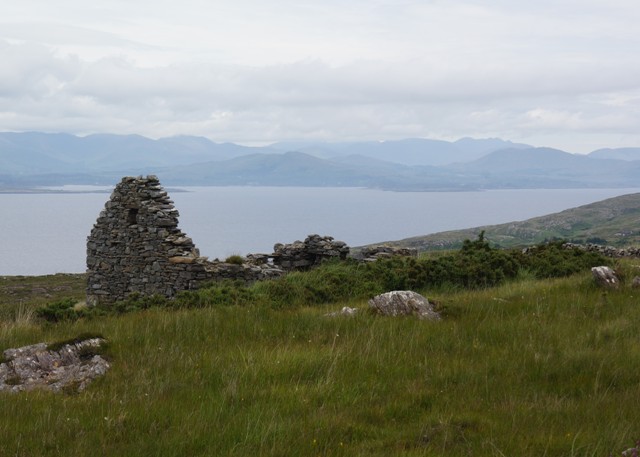
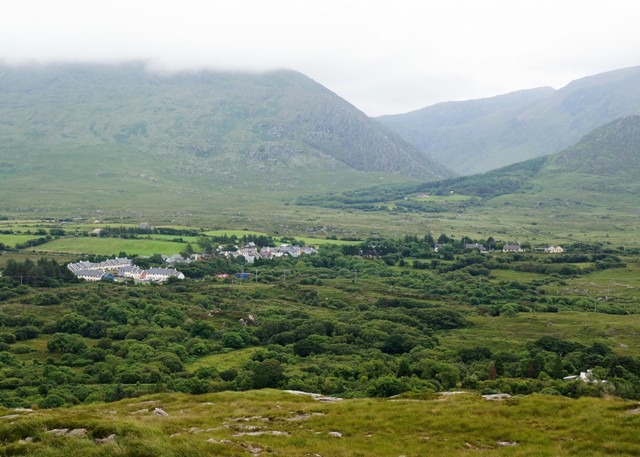
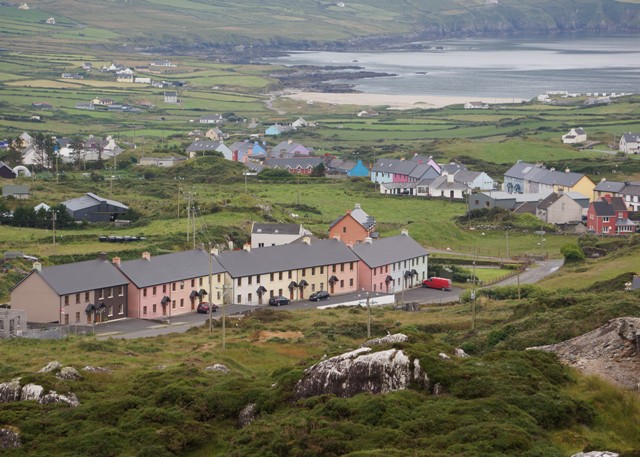
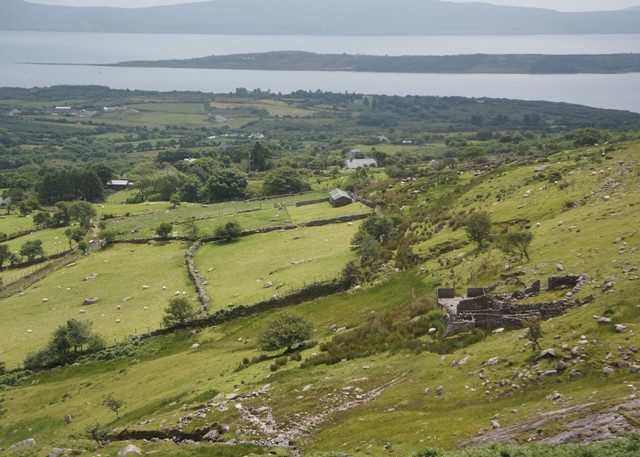
It was nice and clear going over the saddle of the Sieve Miskish Mountains, and not a breath of wind. From the top we had views down into Coulagh Bay, further off Kenmare Bay, and in the far distance the Kerry Peninsular. The walking was easy for the first 7 or 8 kms, on minor tarmac roads and gravel farm roads (what they call a green road).  Then we climbed up onto the open ground of a grassy hill and traversed a steep slope for about 5kms. Trying to stay upright and walk across the slope was tough on the ankles and it was quite slushy and slippery. Great views down over a patchwork of fields, coloured farm houses, and the inlets along the coast. It was so still we could easily hear from far below the sound of tractors working the fields, dogs barking, cows lowing and roosters crowing.

A lovely day. Even with lots of stops and walking at an easy pace we arrived at our B & B by 1.30pm and our bags hadn’t arrived. For the Beara Way it is the job of each B & B to transport the bags ahead to the next accommodation. This is easy when it is only 10 or 20 kilometres along the road. We sat outside and had our bread rolls which we had bought freshly made from the general store in Allihies. Most country general stores will make you a sandwich or roll to order and have a variety of fresh pastries, cookies and scones. No losing weight through lack of food.

Fran at tonight’s B & B, Cappa House, sent a text to last night’s accommodation and within 15 minutes our bags were delivered. Cappa House is also about 2 kms from the village of Eyeries so Fran is making us a dinner here tonight.

Fran said all her family were mad rugby fans and can’t wait for the third test. Local time it will start 8.30am on a Saturday morning which seems a bit strange to us.

Old Irish saying of the day:
Here’s to:
A long life and a merry one
A quick death and an easy one
A pretty girl and an honest one
A cold beer and another one!

A day of two halves

Dursey Island to Allihies 16km

Former All Black captain Sean Fitzpatrick was infamous for having a store of catch phrases he used to trot out at every post match interview. One of his favourites was “It was a game of two halves”. Today we had a “day of two halves”.

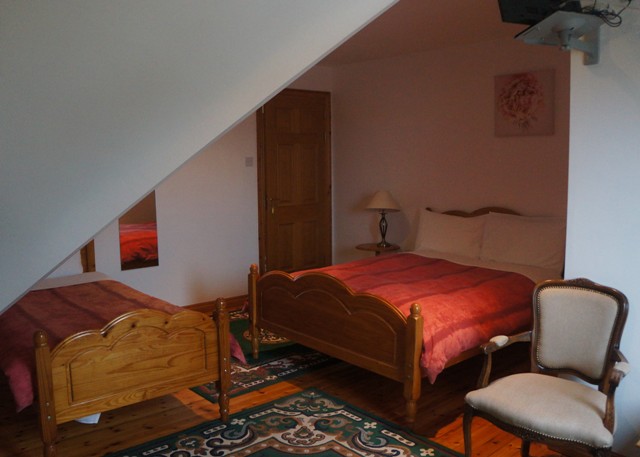
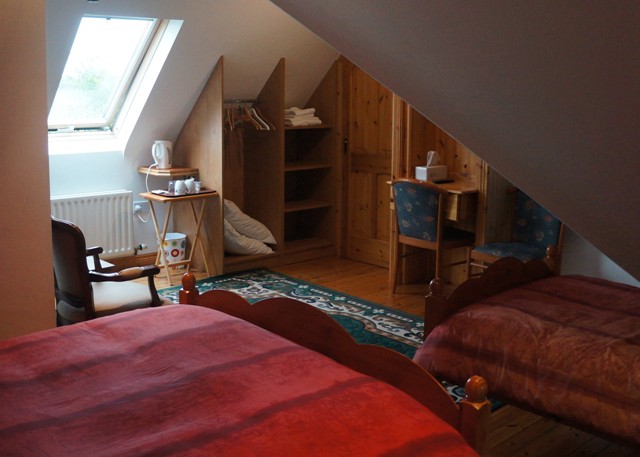
Looking out the Velux roof window at 6 this morning it was a stunning, sunny, windless day. Perfect for our visit to Dursey Island. By the time we had finished breakfast the sea mist had rolled in and everything was whiteout again. Calm and cool but just no visibility. The owner of the B & B drove us the 16km out to Dursey Sound in his car. The plan was for us to do some walking on Dursey Island and then walk back to Allihies.

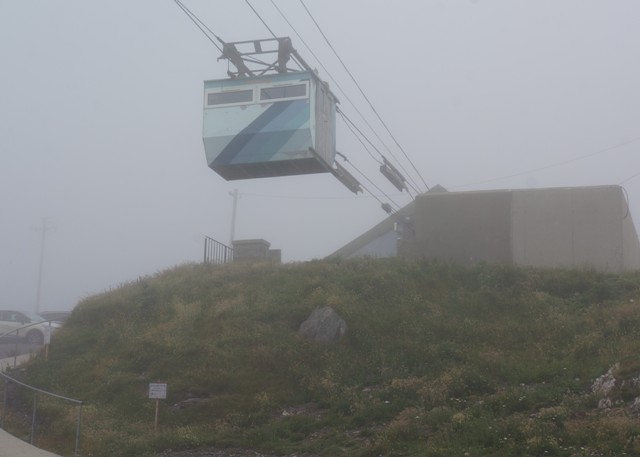
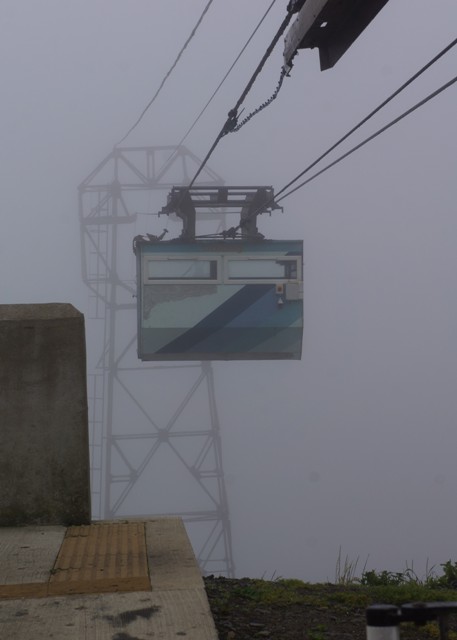
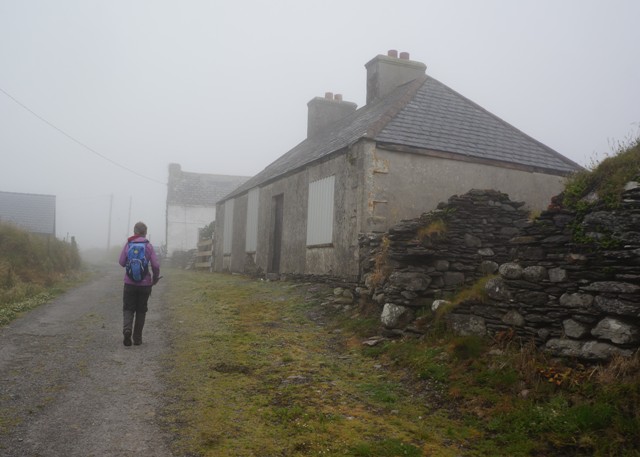
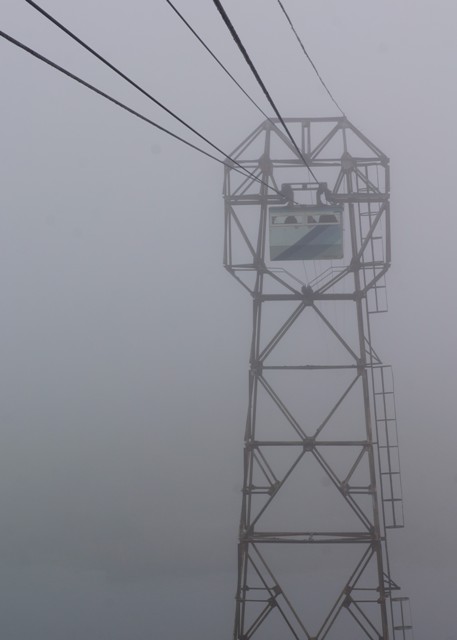
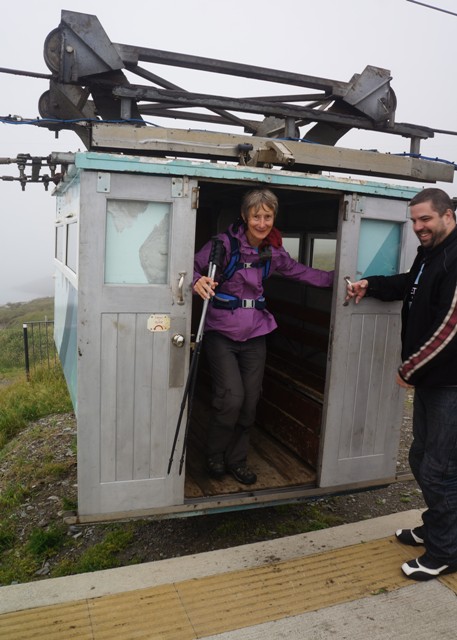
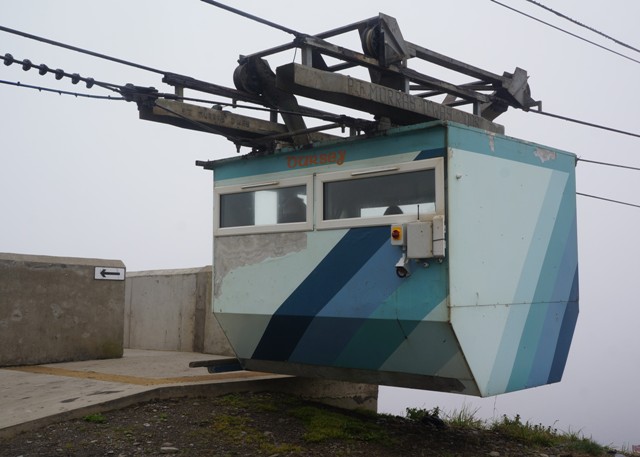
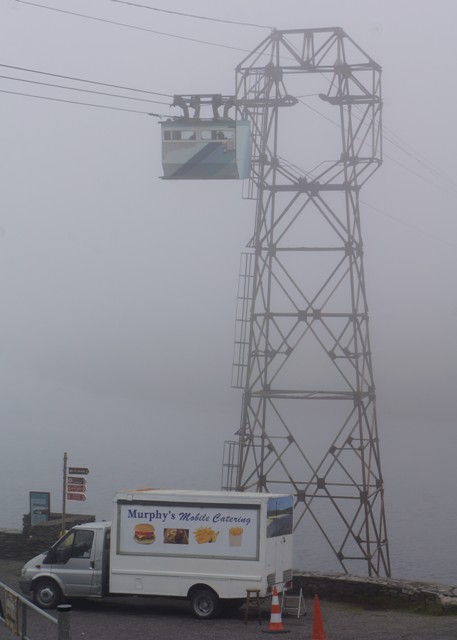
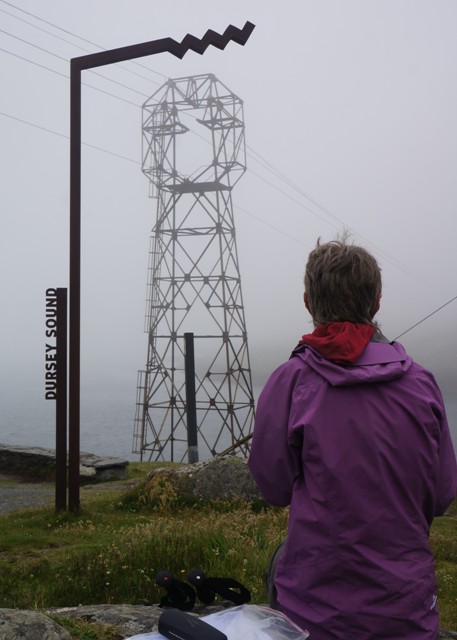
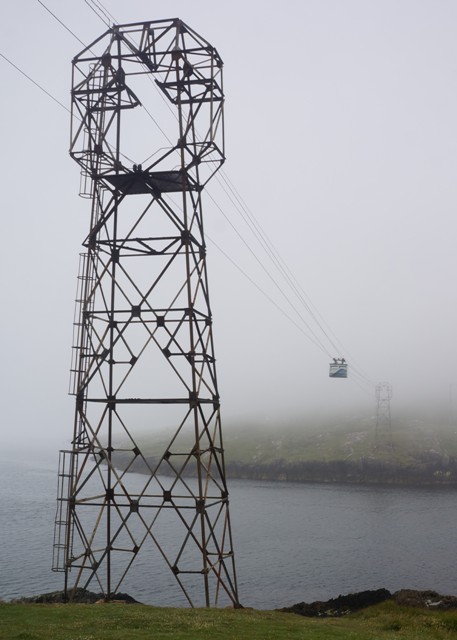
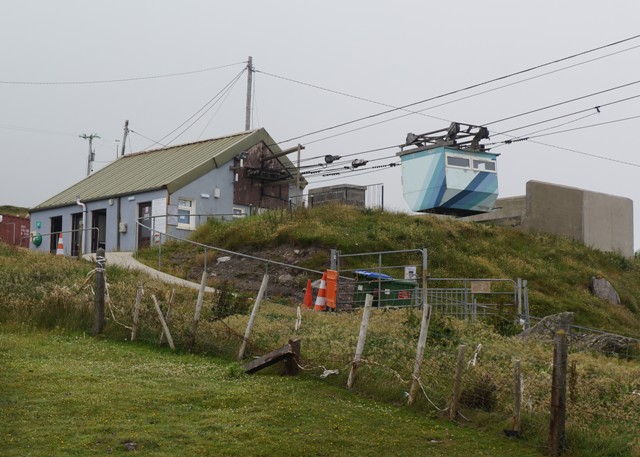
Dursey Island forms the tip of the Beara Peninsular with strong currents racing through the narrow Dursey Sound. The island is serviced from the mainland by a cable car. The only cable car in Ireland and the only one in Europe that travels across the sea.. Before the first cable car was installed in 1969 the island could be cut off for weeks by bad weather. It is said the priest sometimes had to bless the islanders by making the sign of the cross from the mainland. Dursey is the last place where the sun sets in Europe and on 31st December 1999 featured on worldwide television to mark the Millenium. There are no permanent residents left on the island but there are houses to rent and people have vacation homes there.

There are many stories and legends concerning Allihies and Dursey and it has a tragic history. According to local tradition the Children of Lir are buried in Allihies. King Lir’s second wife, jealous of Lir’s love for his children, changed them into swans. The local version claims the swans spent the last three hundred years of their nine hundred year long exile on the Bull, Calf and Cow rocks of Dursey Island. The spell was broken when they heard bells from the church in Allihies and came ashore in human form. The four stones in Allihies are said to mark their graves.

The Viking Age in Ireland was from 800AD to 1150AD, and during that time they used Dursey Island as a slave “depot”. They held their Irish slaves there until they had enough to fill a ship to go home to Scandinavia.

Dursey was the last refuge of the Irish after their defeat at the battle of Kinsale in 1602. Irish Chieftain Donal Cam prepared the island and garrisoned it with 40 men. The English attacked at the end of 1602. The defenders outnumbered and outgunned surrendered in a few hours. They were all hanged. As a reprisal the English burned the houses and the church and slaughtered 300 inhabitants, mainly old men, women and children.

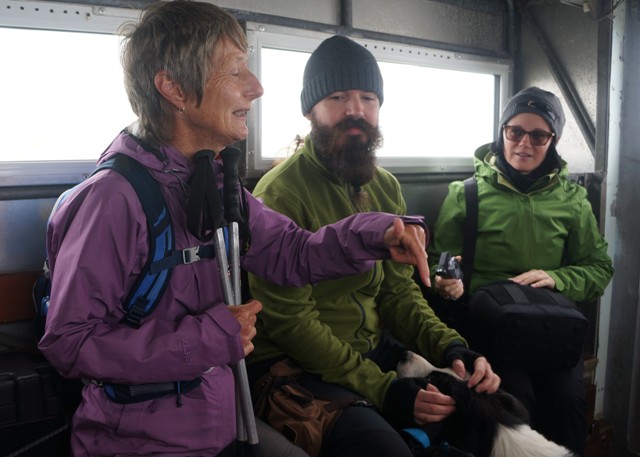
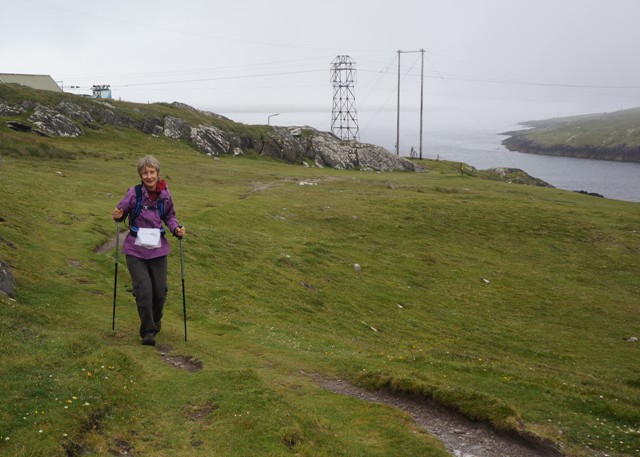
We took the cable car over to the island but it was pretty hopeless trying to see anything. There is a great coastal walk, many ruins, a lighthouse, signal tower etc. We didn’t stay long and crossed back to the mainland. The cable car operates from 9 -11am and 2.30 – 4.30pm. We didn’t want to spend hours wandering about in the mist so came back on the last morning crossing at 11am. From the cable car terminus we set out on the 14km walk along the coast to Allihies. The mist slowly lifted, the sun appeared, and we had a wonderful walk.

The afternoon was perfect. A dry path, great views, warm, sunny and no wind. Ireland at its very best.

Old Irish proverb of the day: Young people don’t know what old age is, and old people forget what youth was.

Whiteout

Castletownbere to Allihies 16km

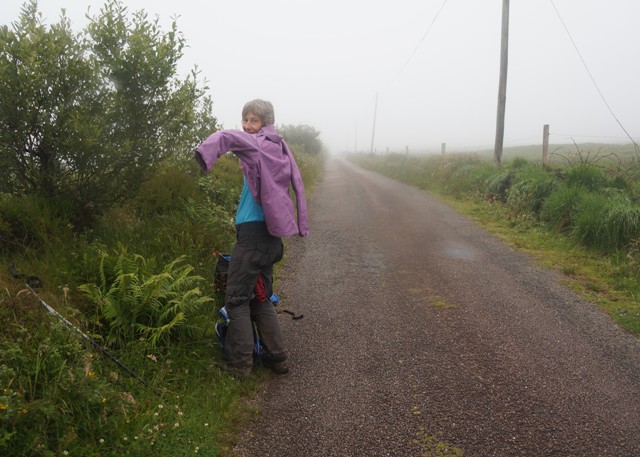
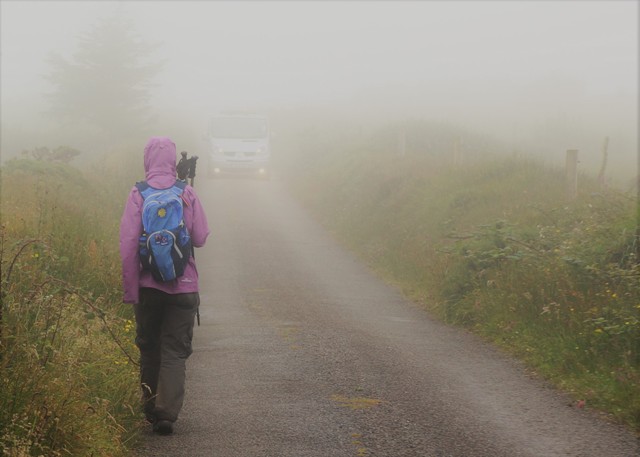
Weather wise yesterday may have been a ‘soft’ day but today was a ‘heavy’ day. We woke to very thick, low mist. It was warm and very humid so all day we felt we were carrying a heavy weight of air.

About 2 km out of Castletownbere, in a field beside a minor tarmac road we visited our first stone circle. Derreenataggart Stone Circle. Stone circles consist of an uneven number of free-standing, spaced stones. The number of stones varies from 5 to 17 and the diameter of the circles ranges form 2.5 to 17 metres. The stones are symmetrically arranged with the two tallest stones marking the entrance on the northeast side. The stones then reduce in height on either side of the circle. The axial stone set directly opposite the entrance in the southeast arc, is the lowest stone in the circle

Stone circles were constructed as ritual and ceremonial sites during the bronze age and are about 3,000 years old. A line drawn from the entrance to the axial stone will orientate on significant solar and lunar events and on some of the brighter stars. There are over 100 examples of stone circles in Ireland.

The stone circle at Derreenataggart has a 7.8 metre diameter. It is now incomplete and may have consisted of 15 stones. Twelve stones survive and of these 8 are standing. I had been hoping for a bright sunny morning to get some shadows on the stones but the misty morning made the circle seem quite ethereal and magical.

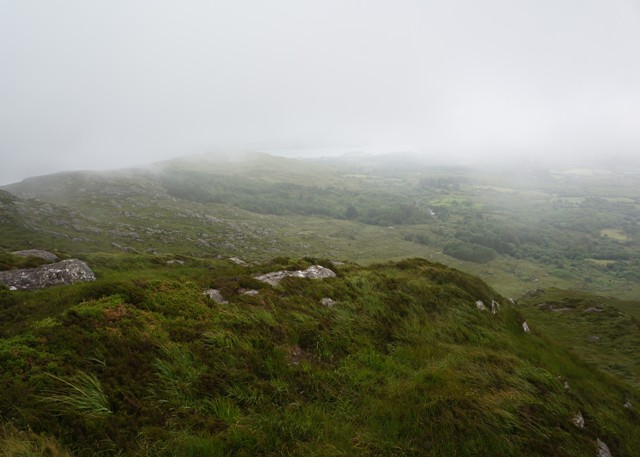
From the stone circle we quickly climbed up into the cloud layer and everything was white out. Our guide notes had us climbing further up across a hillside over boggy fields for some allegedly spectacular views down to Bere Island and Fair Head. We knew nothing would be seen from up there so devised our own route which kept us lower down on a minor tarmac road and kept our feet dry for most of the day. For our route we were using a large scale Ordinance Survey Map, without notes, so we made a few wrong turns which added a few kilometres to the day. Eventually we got it right and came down out of the cloud for a glimpse of Allihies, our destination.

From the bronze age Allihies had been a site for copper mining. In 1812 a company was set up to mine the area and in the next hundred years nearly 300,000 tons of ore were sent to Swansea in Wales for smelting. 1500 people, largely Methodist Cornish miners, were employed in the mines. However the price of copper fell because of discoveries in other parts of the world, the source here ran out and the mining company closed. Allihies went back to being a small farming community. There are three ruined engine houses, used for pumping water out of the mines, still visible, and we had a look at one of them when entering the village. The most prominent one we will see on leaving the village in a couple of days time. There is a very good copper mining museum which has a ‘copper cafe’ where we had a most excellent lunch.
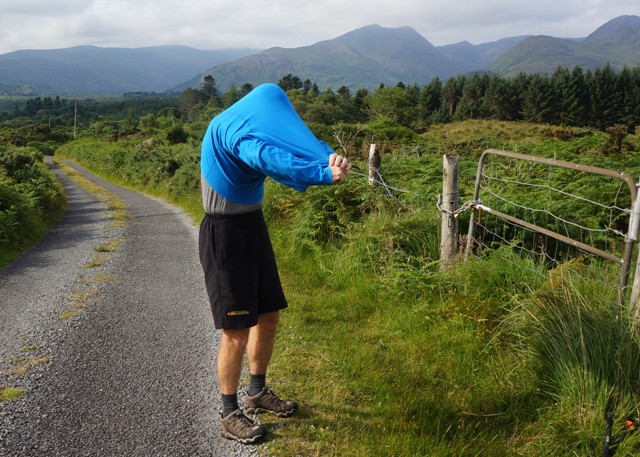
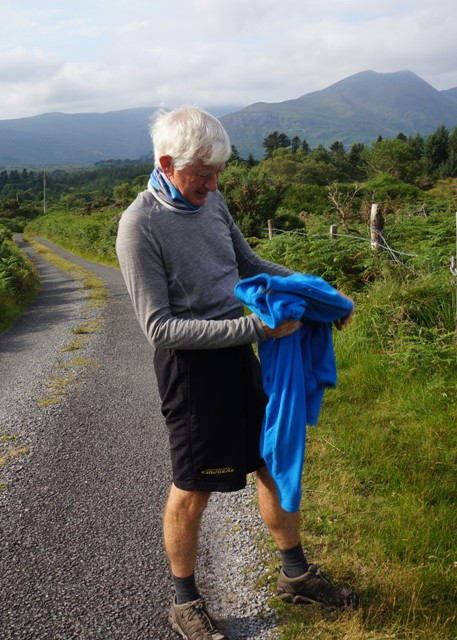
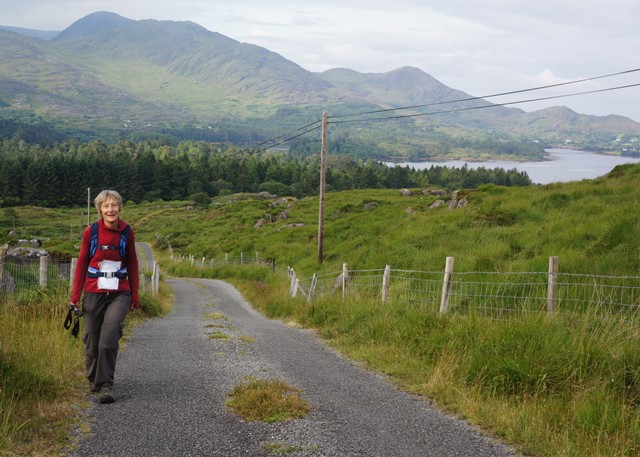
Our B & B is called Beach View and sure enough there is a beautiful white quartz sand beach below us in Ballydonegan Bay. But the beach is man made. The sand is the ore left over from the copper mining.
Allihies is the western most village on the Beara Peninsular and is the furthest village from Dublin in all of Ireland. This is how Beara got its name.

According to the ancient annals, Conn Cead Cathach (Con of the Hundred Battles) fought a fierce battle against Eoghan (Owen) Mór, King of Ireland at Clough Barraige in the early centuries AD. Eoghan was badly wounded in the battle. Those of his followers who survived took him to Inish Greaghraighe (now known as Bere Island) as a safe place for him to recover. There the fairy Eadaoin took him to her grianán (bower) where she nursed him back to health. This part of Bere Island is known as Greenane today.

Having fully recovered Eoghan and his followers then sailed southwards until they reached Spain. While there he met and married the princess Beara, daughter of the King of Castille. Wishing to return to Ireland, Eoghan and Beara sailed north with a large army and landed in Greenane on the south side of Bere Island. Owen took Beara to the highest point on the island and, looking across the harbour, he named the island and the peninsula in honour of his wife.

Old Irish saying of the day: In the land of the blind the one eyed man is king.

A Soft Day

Castletownbere and Bere Island 5km

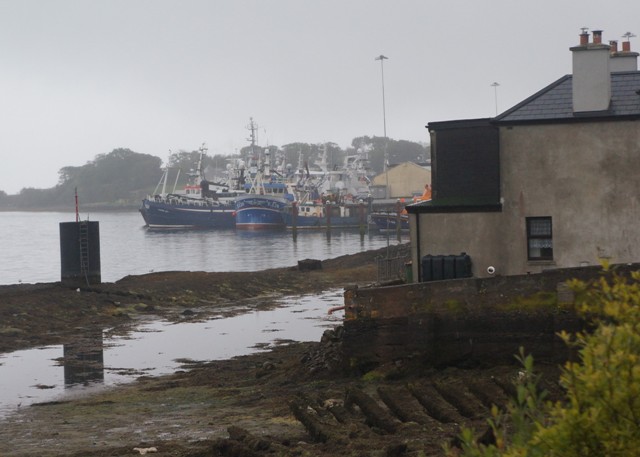
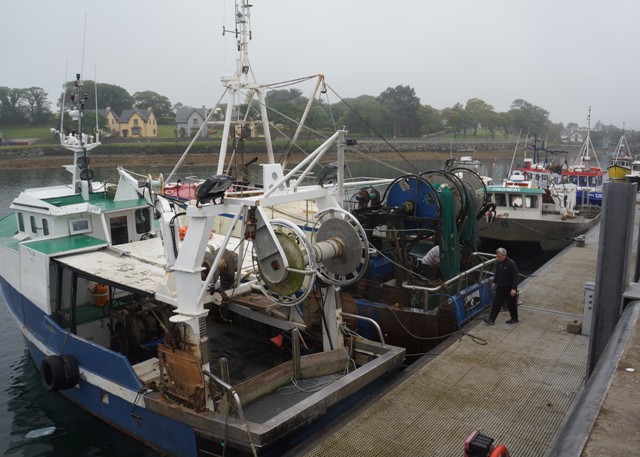
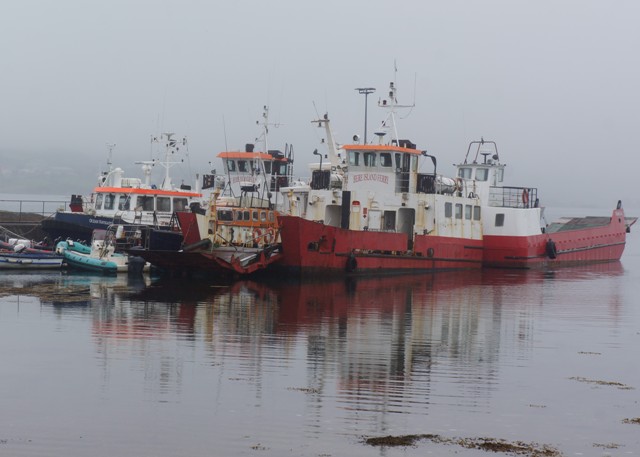
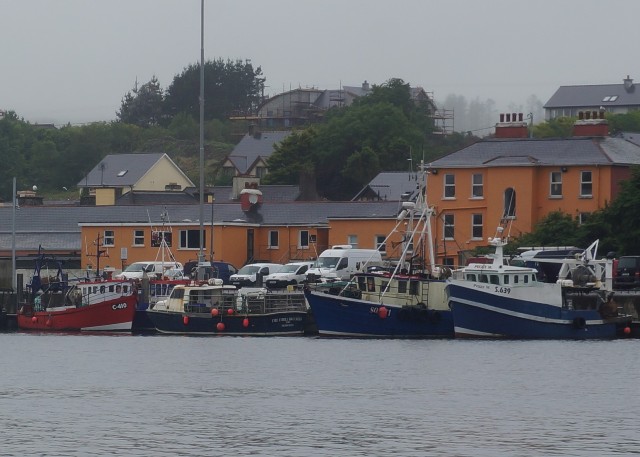
Castletownbere is a busy fishing port that sits on a sheltered bay which is covered on the ocean side by Bere Island. The town was once a stronghold of the O’Sullivan Bere clan. Their nearby Dunboy Castle was besieged and destroyed by sea borne English forces in 1602.

During WW1 the harbour was used as a base for American seaplanes. The harbour itself is one of what are known as the 3 “Treaty Ports”. One of the conditions of the Anglo-Irish Agreement of 1921, was that after Irish Independence the harbour along with Cobh outside Cork City and Lough Swilly in County Donegal, were to remain under British control. The British wanted them to be able to be used as naval bases. In 1938 the ports were handed  back to the Irish government. Bere Island has many forts and gun emplacements built to protect the harbour.

The Beara Peninsular is by far the least touristy of the three we are visiting. Kerry has the most tourists, closely followed by Dingle. But Beara is nice and quiet and we haven’t seen a tour coach yet. They say it is like Ireland used to be 20 or 30 years ago totally tranquil and unspoiled. Compared to Kerry and Dingle it seems completely forgotten about.

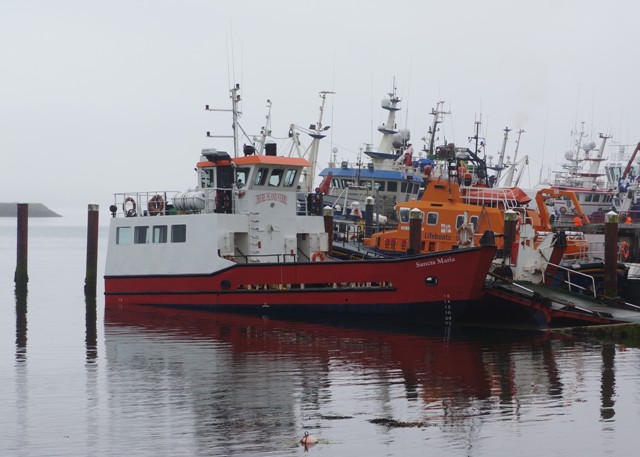
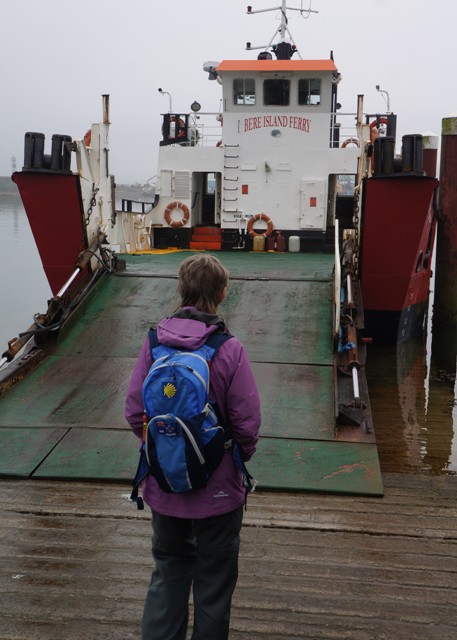
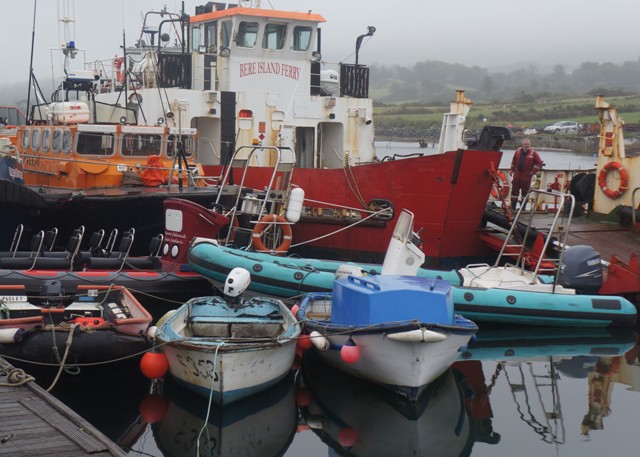
Today was a soft day in two senses. A soft day of walking. We walked back into town and caught the little ‘landing craft’ car ferry over to Bere Island which only takes about 15 minutes for the crossing. The island is approx 10 km x 3km and has a walking loop of 28km. There is a little village (Rerrin) about 5km from the ferry and several other points of interest; a light house, wedge tombs, standing stones, military fortifications, castle ruins, signalling towers etc. All these involved long walks which we chose not to do.

The other sense of it being a ‘soft’ day is the Irish description of the weather. It was a day of low mist, no wind, quite warm, Not really raining but enough to get you quite damp. Quite a lot of glare with the sun trying to get through the grey skies. What here is called a ‘soft’ day. So it was the kind of day that didn’t engender a lot of enthusiasm.

Irish saying for the day: Sometimes I laugh so hard the tears run down my leg.

Loop de Loop

Adrigole to Castletownbere 23 km

Last night’s accommodation, Dromagowlane House caters mainly for anglers. Paul our host has won many fishing trophies and last night the four other guests (all male of course) were here for the fishing. The fishermen usually stay for a week whereas we walkers are just one night stands. It was entertaining at breakfast this morning listening to the guys. They were two pairs of friends, but the pairs didn’t know each other. There was instant rapport as they swapped stories of fishing locations, size of catches, equipment, the ones that got away, etc.

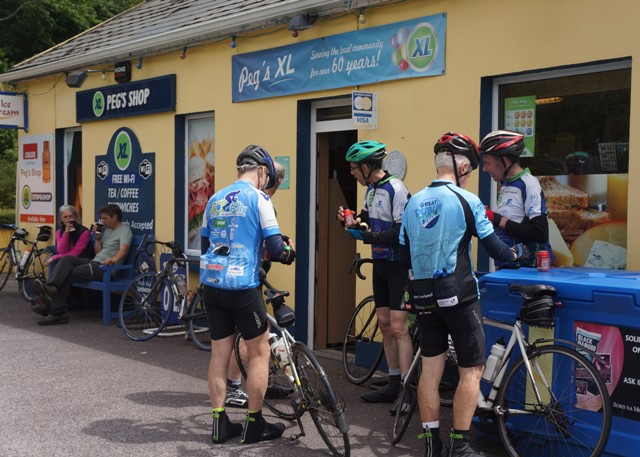
Paul drove us back to Peg’s Store and then went on to deliver our bags to tonight’s destination. Yesterday we had made a lunch order for baps. But Peg had forgotten our order, or the baps had run out or something, anyway we ended up with corned beef and cheese sandwiches. Much later on a hill side we were to learn this was corned beef like we had never tasted before. Sort of a pink spam like substance, that might have contained meat. But when you are in the middle of nowhere, hungry and need energy it all tastes good. Washed it down with luke warm instant coffee. Yum.

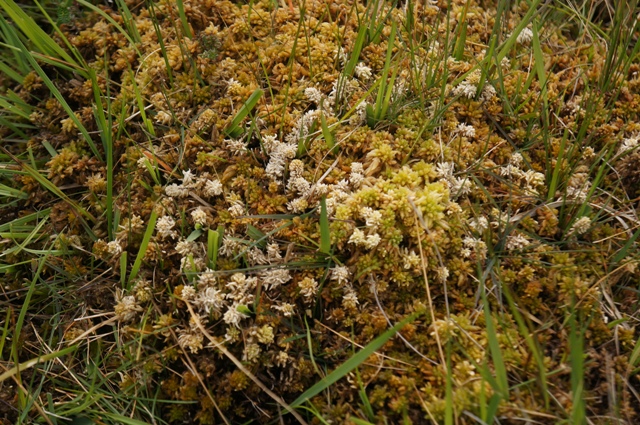
Our entertainment today was to keep an eye out for two insectivorous plants which can be found in the barren uplands here. They are the Sundew which is a tiny reddish plant and the Butterworth which is light green and star shaped. Due to the lack of nourishment from the ground these plants absorb tiny insects and flies to get sustenance. At first we didn’t know what we were looking for but we found them when we realized these plants were very tiny, and everywhere.

Today’s walk was 23 kilometres, to go by road was 10! Every time we thought we were getting somewhere we were turned in another direction away from Castletownbere and always up another hill. Several times we went way up a valley on one side of a stream, crossed over, and came all the way back down the other side. This might have been interesting if everything hadn’t been lost in the mist.

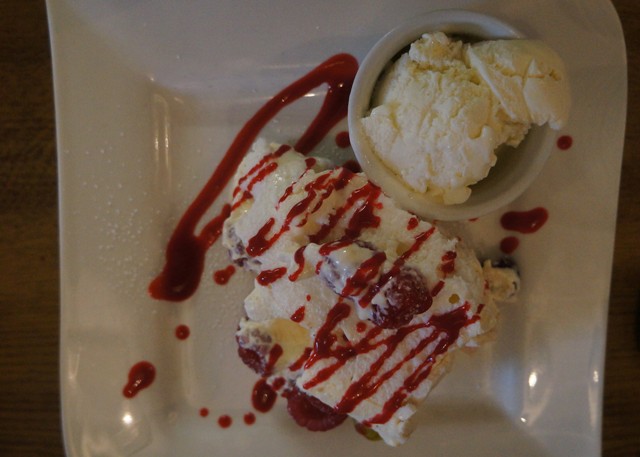
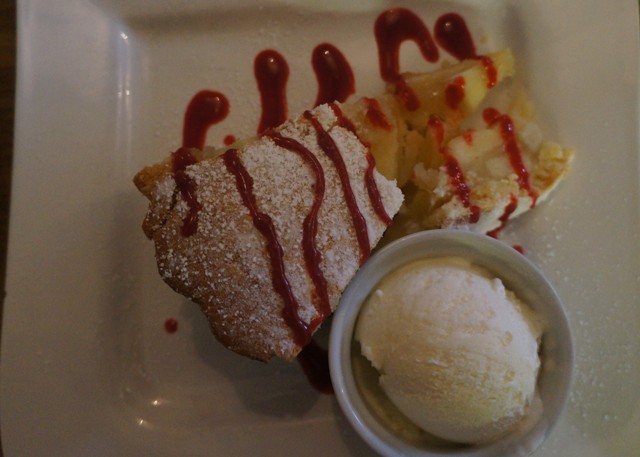
It started to rain an hour before Castletownbere and we arrived in town soaked to the skin. We decided to have dinner then as our B & B is a kilometer out of town. It was 4.30 and they were still serving the lunch menu. The first course was okay but the desserts were to die for. Barbara had pavlova with ice cream and fresh raspberries and strawberries. I had apple pie with ice cream and raspberry couli.

We are here for two nights and tomorrow will take the ferry over to Bere Island and explore. Or if it’s still raining, stay in bed.

Old Irish proverb of the day: If Irish eyes are smiling then they are up to mischief.

Breakfast for Champions

Glengarrif to Adrigole 17km

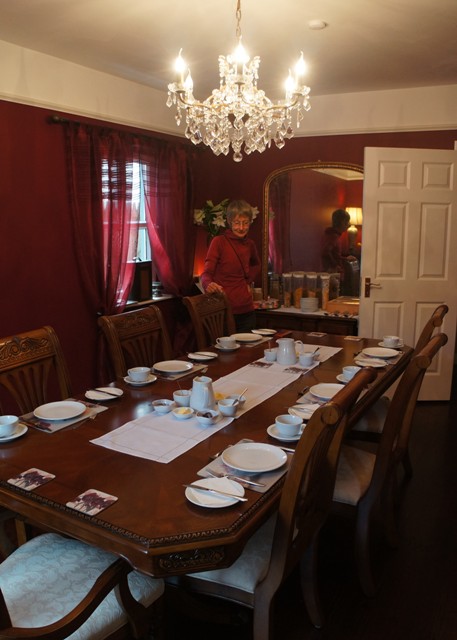
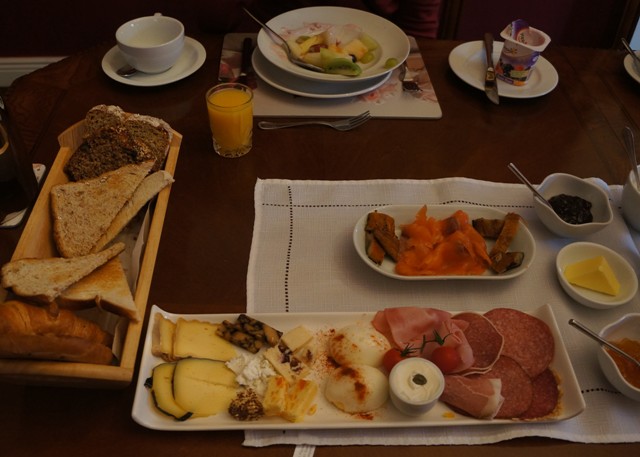
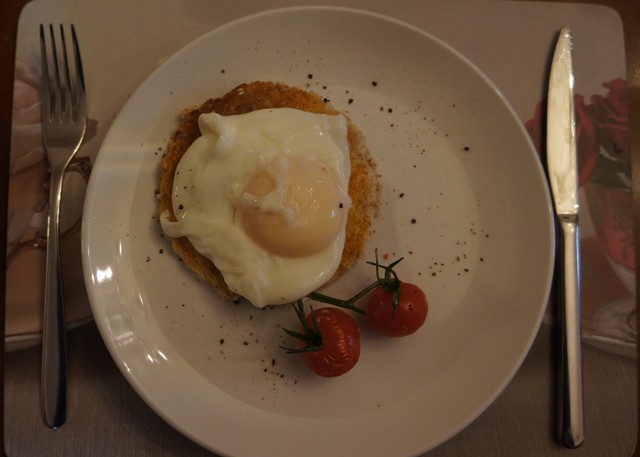
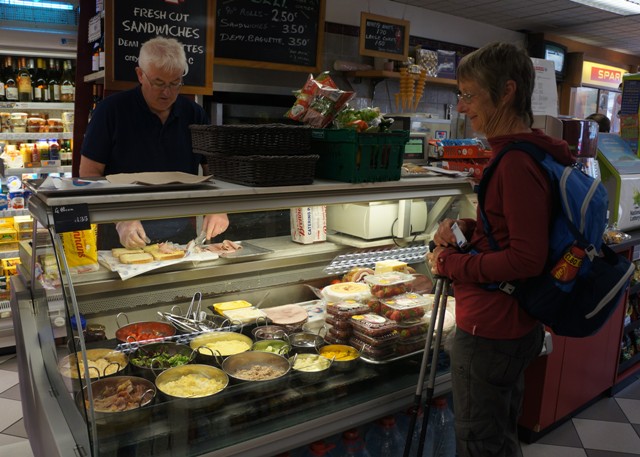
A different breakfast today. It was in a very elegant dining room and at one large table. It started with the usual, juice, coffee and a bowl of fresh fruit with yoghurt. We were then given a platter of smoked fish, salmon, salami, ham and about 10 different cheeses. All very nice and tasty, and very continental but we didn’t think it was the breakfast of champions who had a big climb ahead of them. We asked for something cooked and got one poached egg and two baby tomatoes. First stop was back up to the corner deli for some fresh made sandwiches.

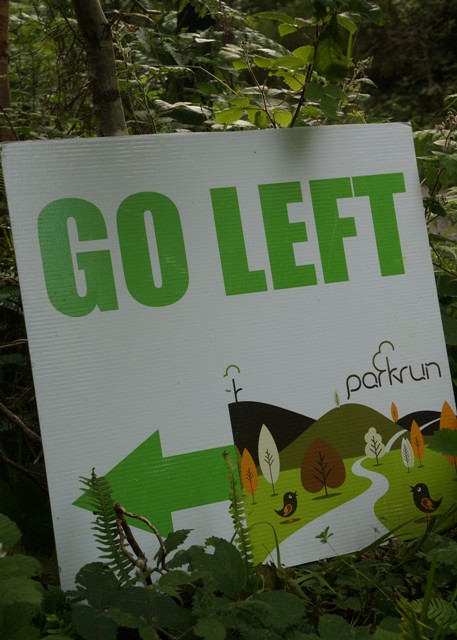
Leaving the village was through the delightful Glengarrif Woods Nature Reserve. This forest is one of the best examples of ancient Oak woodland in Ireland. It was Saturday morning and there was a Park Run going on. The second we have come across. The first was in Tralee. All too soon we had left the lovely valley and were climbing up the steep side of Derrynafulla Mountain. 510m vertical climb in about 3km. The legs were strong but the lungs and heart were working overtime. Mist and then rain set in as we got higher but it wasn’t cold and there was little wind. The way marking was excellent in the mist. About every thirty metres was a yellow painted post so it would have been hard to get lost.

Derrynafulla has its own piece of history. After the loss of Dunboy Castle to the English in June 1602, Donal Cam O’Sullivan, Chieftain of Beara, continued to resist the subjugation of his territory. With an army of about 1,000 soldiers he waged a guerrilla campaign against Elizabethan forces. His men relied entirely for meat, butter and milk on their herd, hidden that winter among the valleys and woods of Derrynafulla. The herd comprised 2,000 cattle, 4,000 sheep and 100 mountain ponies. The Governor of Beara, Sir Charles Wilmot, in a strategic attack, seized the Irish herd stripping O’Sullivan of a crucial resource. Threatened with starvation O’Sullivan was forced to abandon Beara and flee north with 1,000 followers. The sick and wounded were left behind in the woods at Derrynafulla. They are reputed to have stoked the camp fires for four days convincing the English that O’Sullivan was still in occupation. When the ruse was discovered by Wilmot, these unfortunates were promptly put to death.

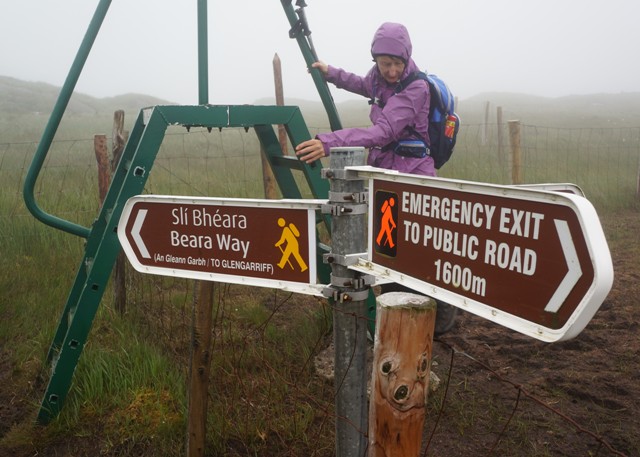
There was a long undulating trudge across the uplands following a fence line with about every tenth fence post painted yellow. There was also quite a large lake, Toberavanaha Lough, which we didn’t see in the white out until Barbara practically stepped into it. At the start of the descent we came to some signage indicating an emergency short cut down to a road. Conditions can get pretty bad up there. We were feeling good and didn’t think it was too bad so came down the normal longer route. In the mist on the descent we missed some ringforts but did find a standing stone.

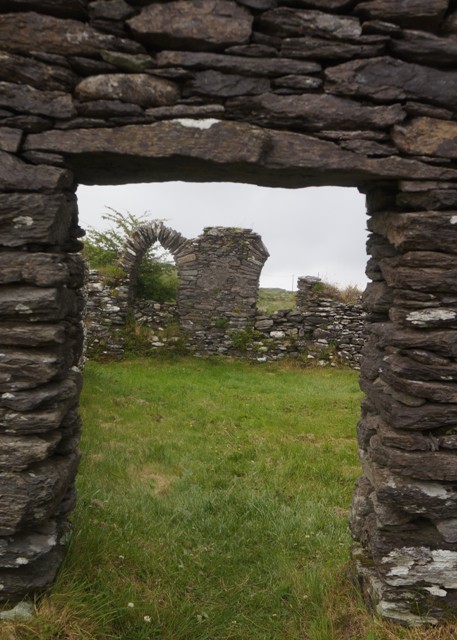
At the bottom we made a slight detour to visit Massmount Church which has been derelict since the 19th century. Also at the church were a German couple doing the same route as us so we might see them over the next few days. We hadn’t seen anyone else all day. Then just a short walk to Peg’s Shop at a cross roads in Adrigole. We were supposed to ring our B & B from there and be picked up. The B & B is about 6km up a side valley. Our phone didn’t want to work but Peg made the call for us. And also took our lunch order for tomorrow. She had some very nice looking home baking so we might stock up. Paul from the B & B soon arrived and we are now in his cosy farmhouse.

Old Irish proverb of the day: There’s nothing so bad it couldn’t be worse.

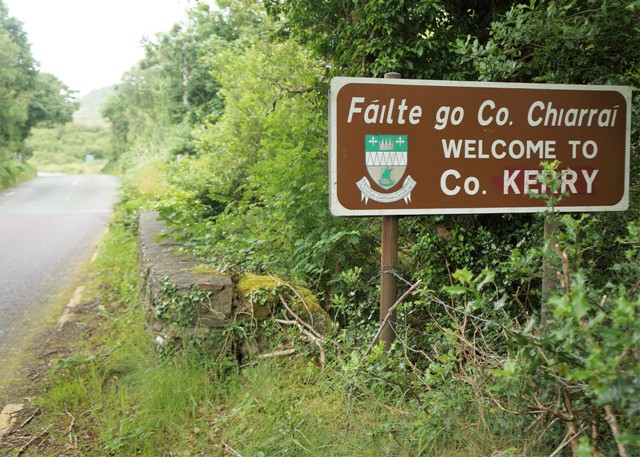
Postscript to yesterday’s post: Since we arrived in Tralee, ie all of the Dingle and Kerry Ways, we have been in County Kerry. As we drove in the bus to Glengarif we crossed into County Cork. The road from Kenmare to Glengarrif curves and twists over the Caha Mountains. It is a wild and lonely place even in summer. There are three tunnels on the Caha Mountain Pass. These seem to have been hacked out of the mountains, not drilled, and are left in a rough hewn state.