All posts by Paul Lenihan

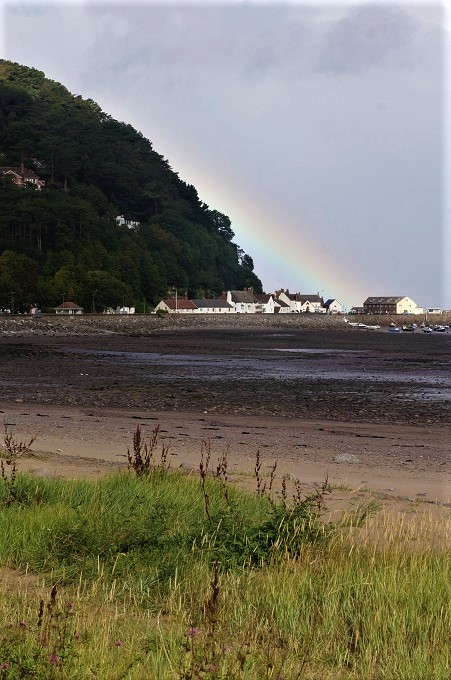
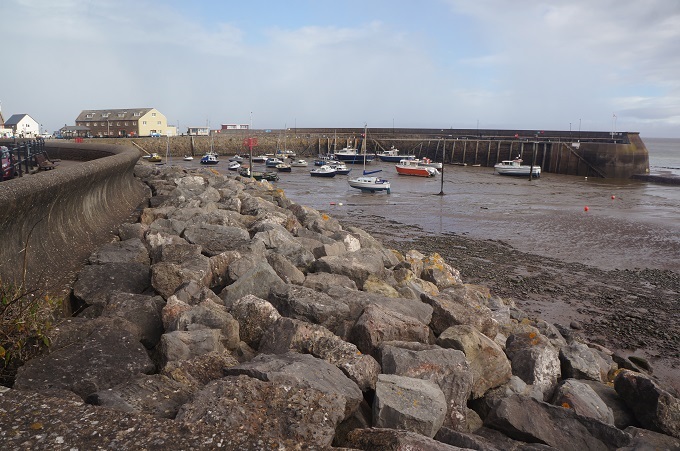
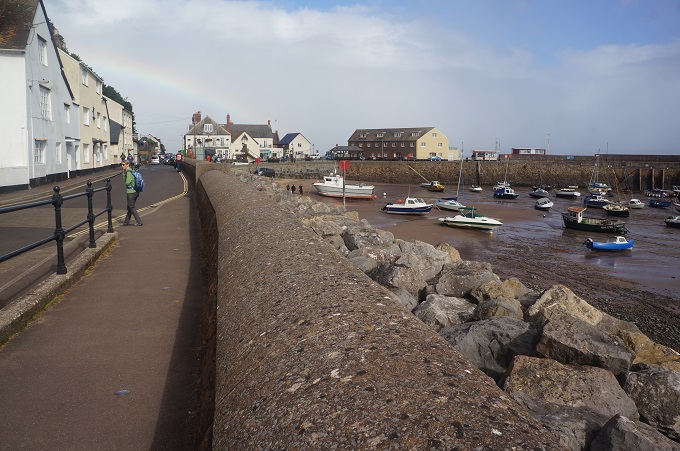
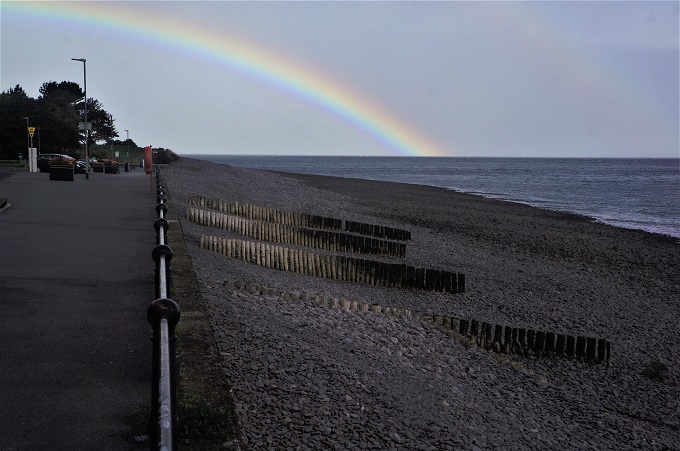
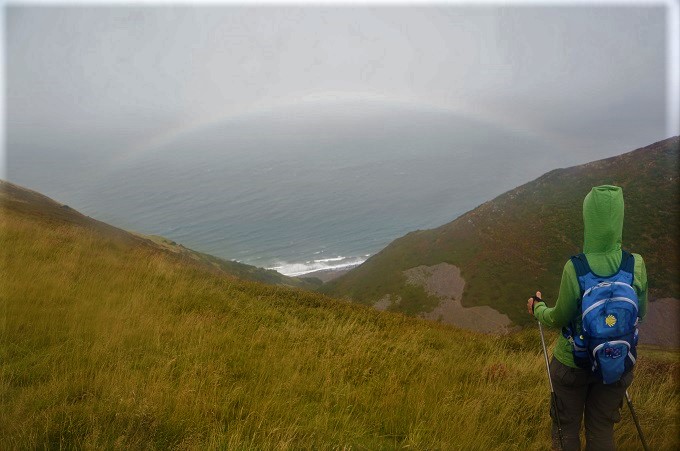
Somewhere over the rainbow………. is Wales

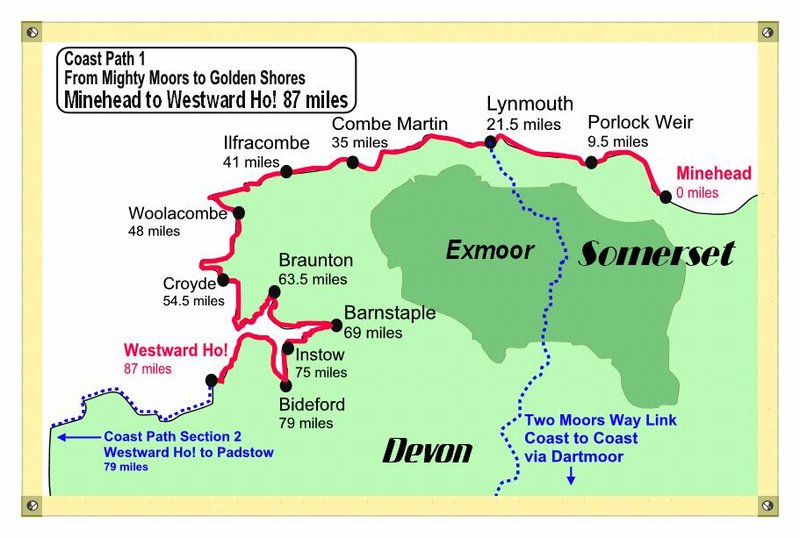
Minehead to Porlock, 18.0kms, 556m ascending (accumulative), highest point 280m

Yeah, we are on the South West Coast Path again. The best thing about today was just being in the outdoors and being on the move.

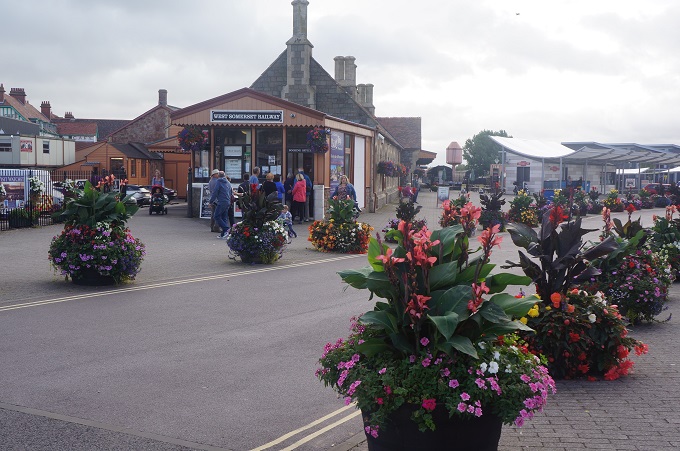
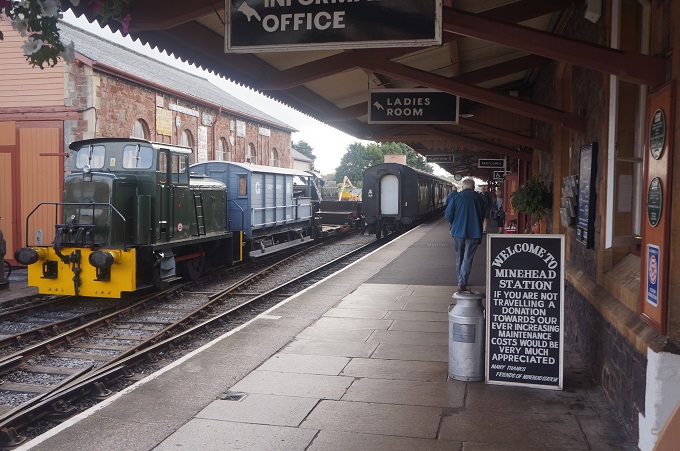
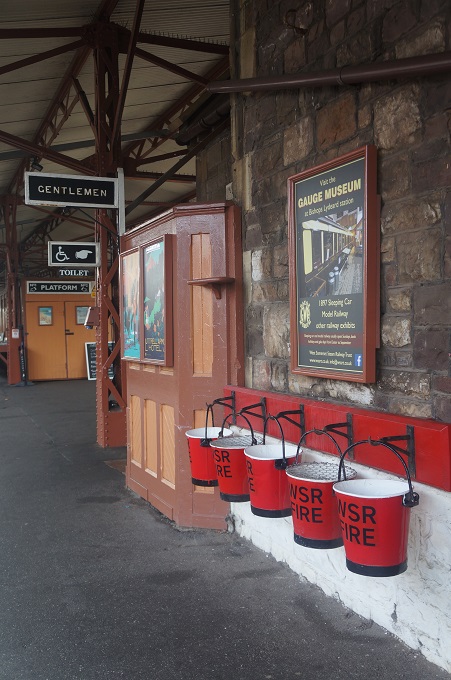
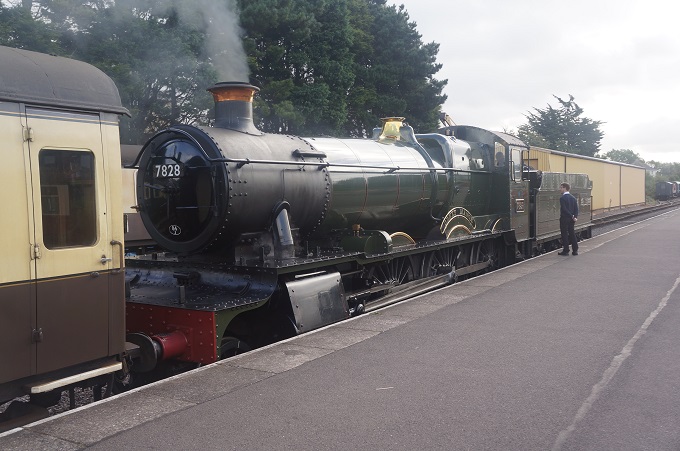
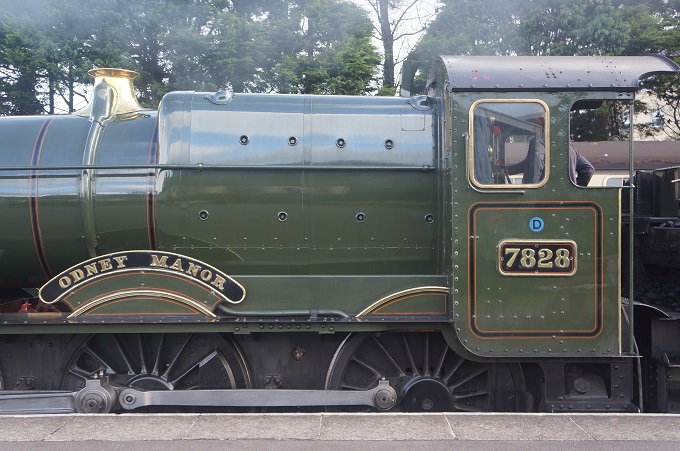
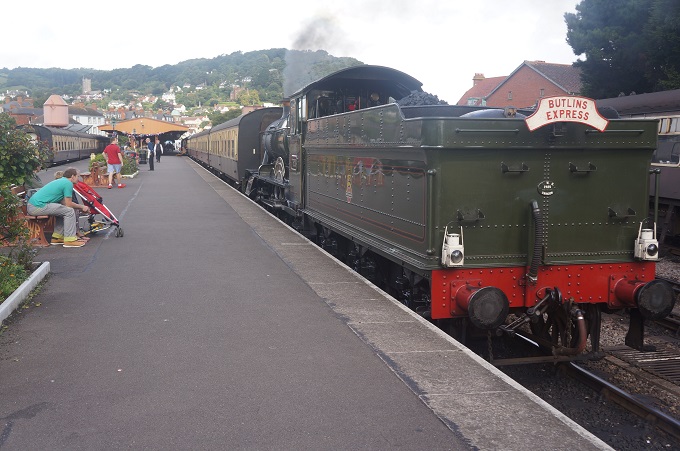
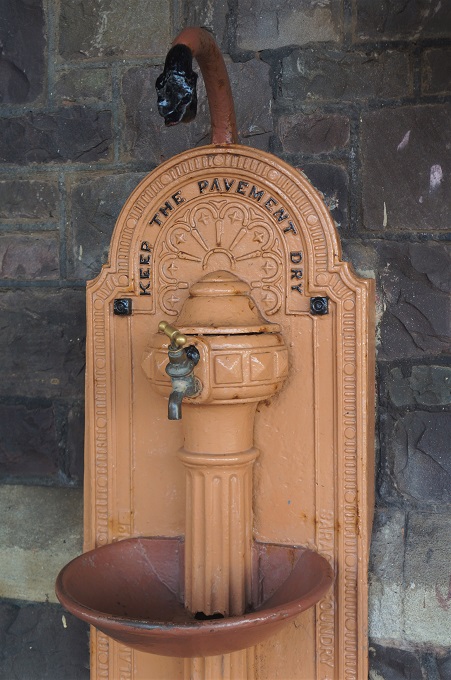
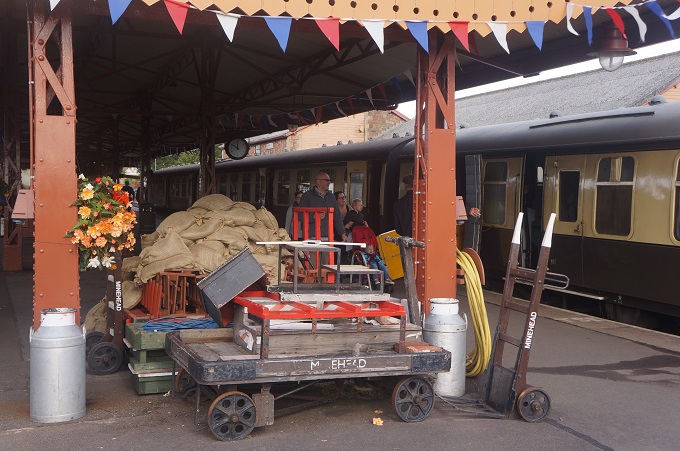
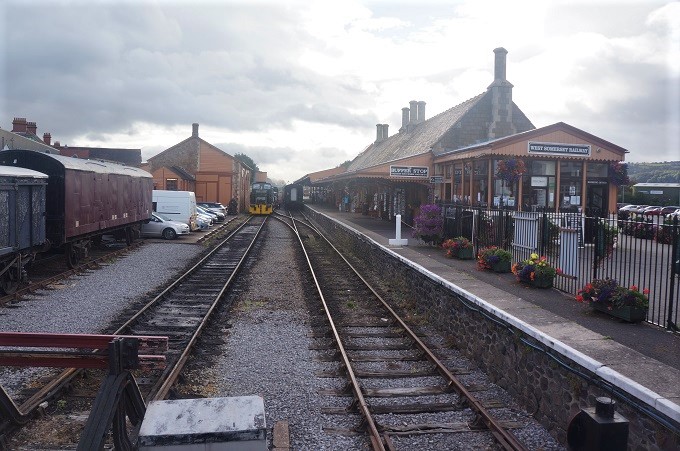
A late departure because breakfast didn’t start until 8.30am. Then we spent some time in Minehead at the railway station where an excursion train of the West Somerset Railway complete with steam engine was about to leave. It runs 20 miles from Minehead to Bishops Lydeard, the longest independent heritage railway in the United Kingdom.

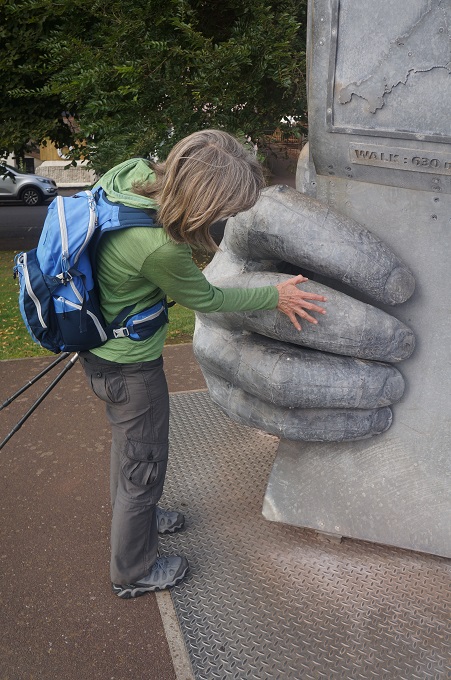
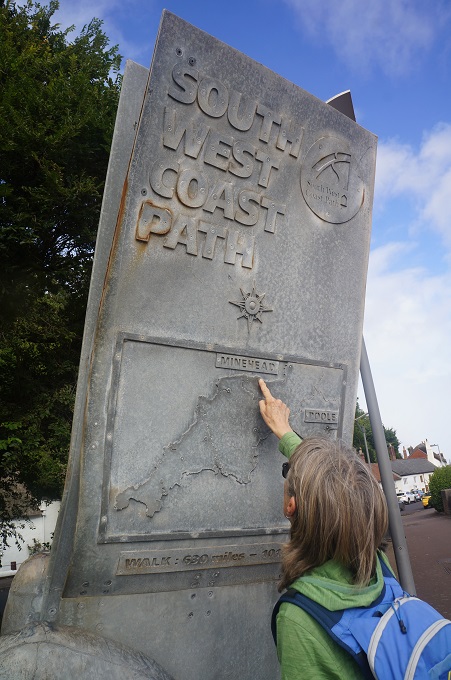
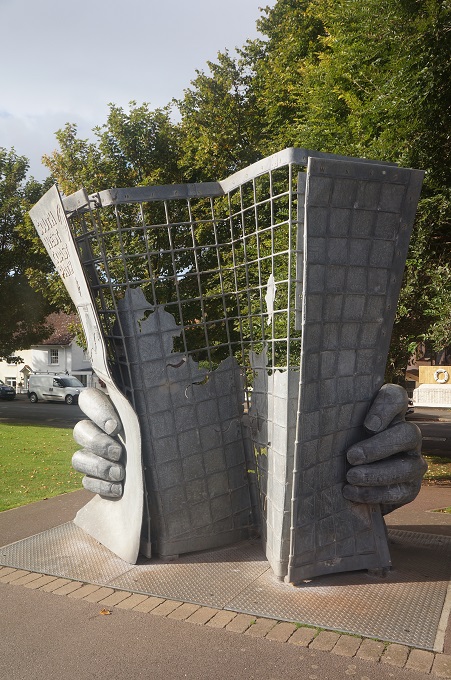
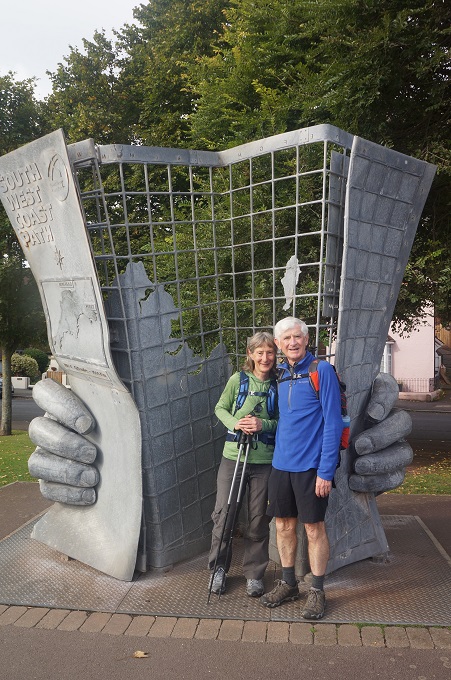
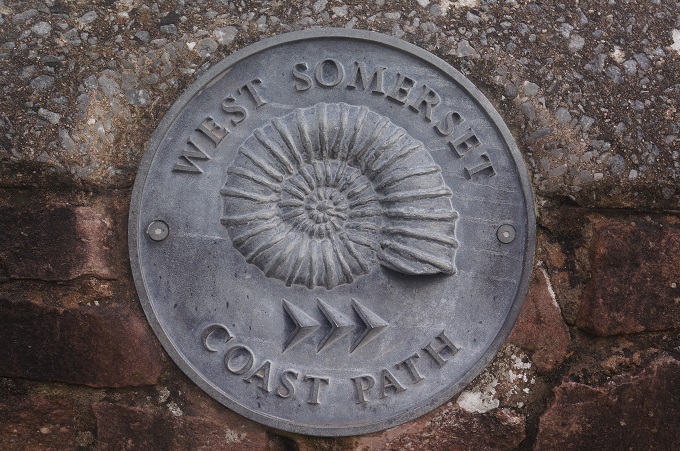
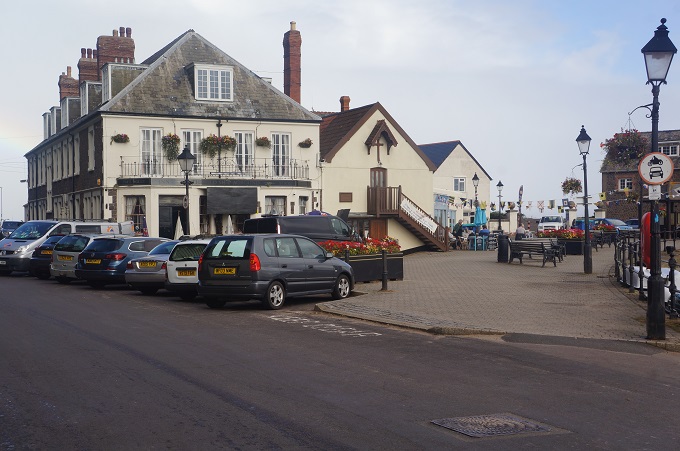
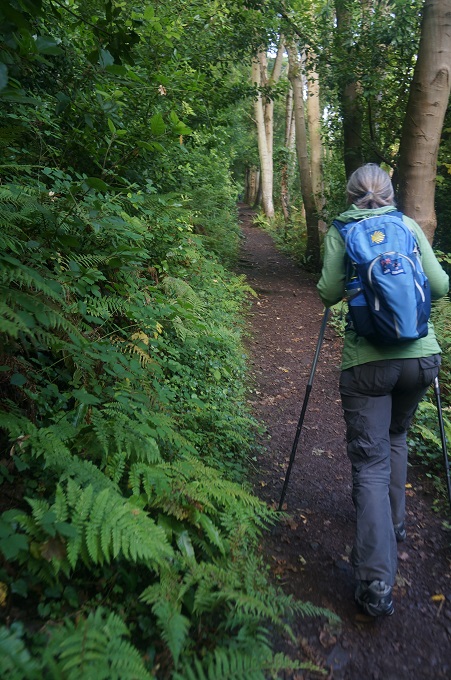
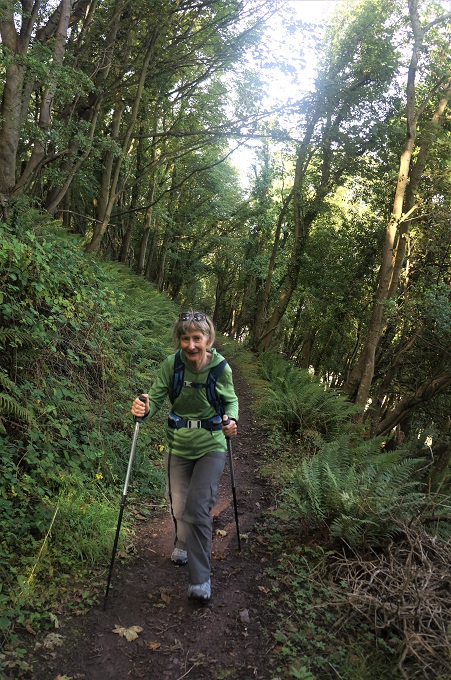
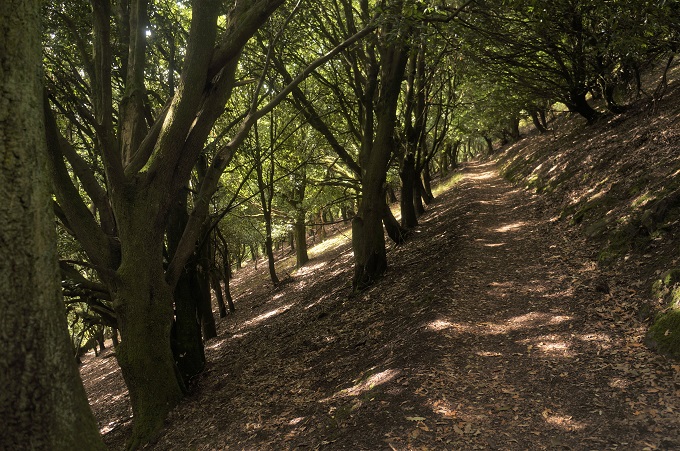
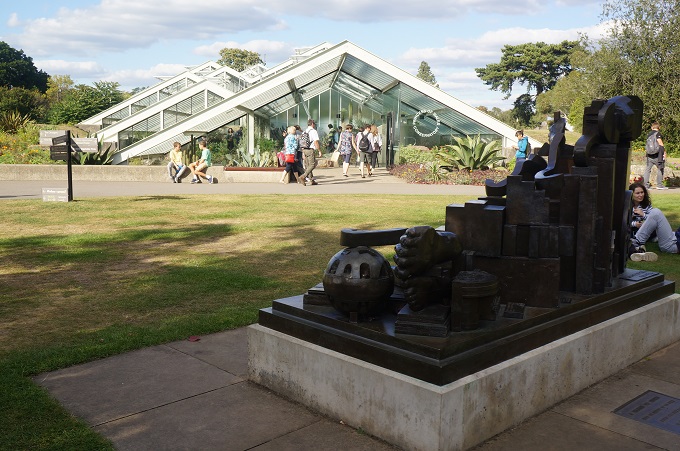
From there we walked around the waterfront to the official start of the SWCP at what is popularly called the ‘Hands Sculpture’ or the ‘Map Sculpture’. It was erected in 2001 and it is pretty much obligatory to have your photo taken next to it. Which of course we did. From here you continue along the waterfront, past the The Old Ship Aground Hotel, leaving the last vestiges of Minehead and the dog walkers behind and plunge into deep dark woods and hit a steep climb to the top of North Hill.

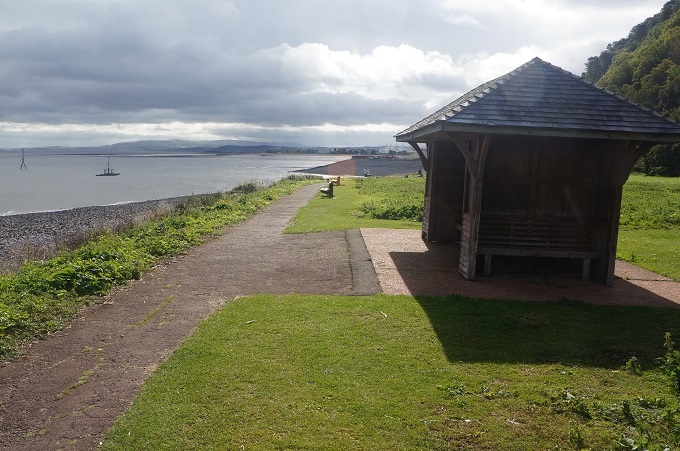
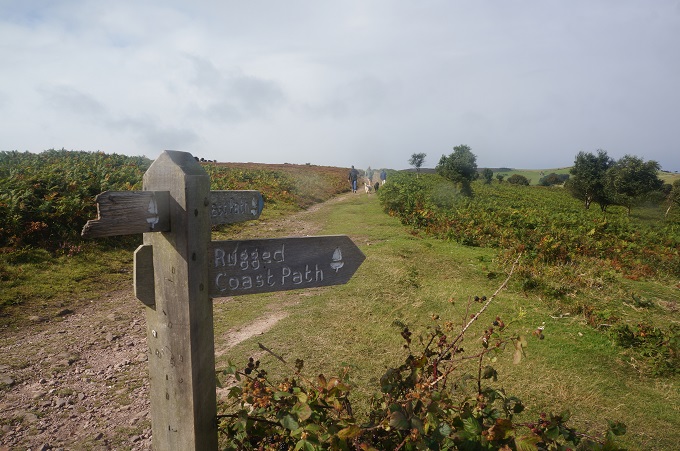
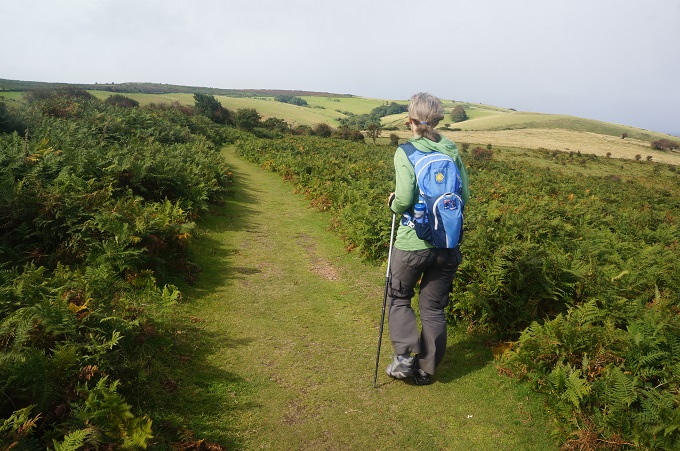
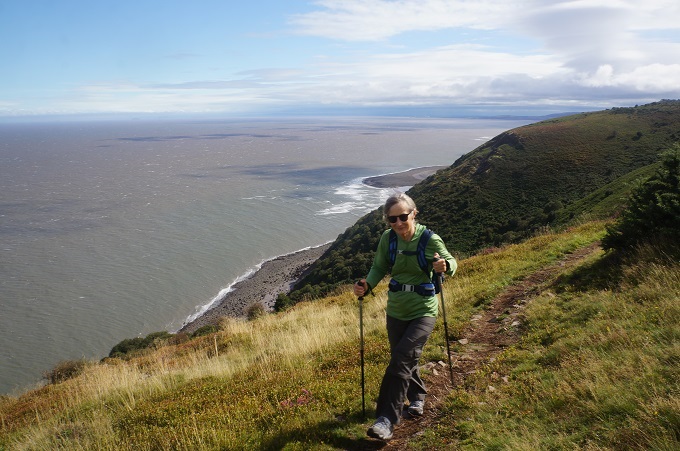
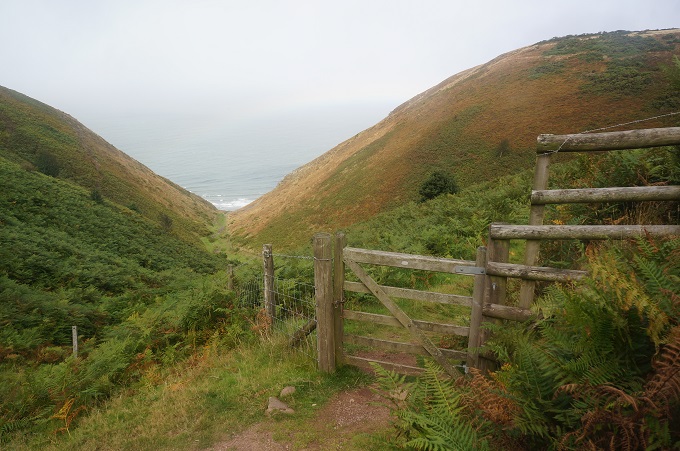
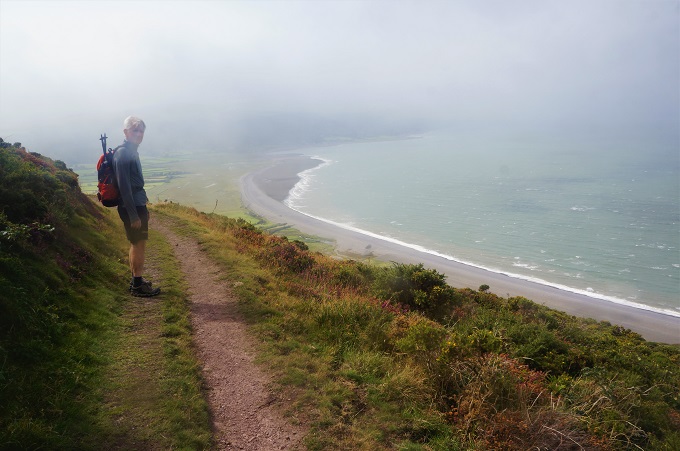
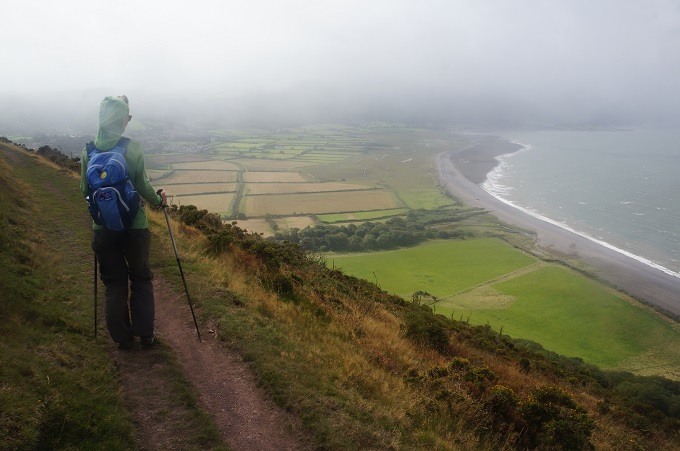
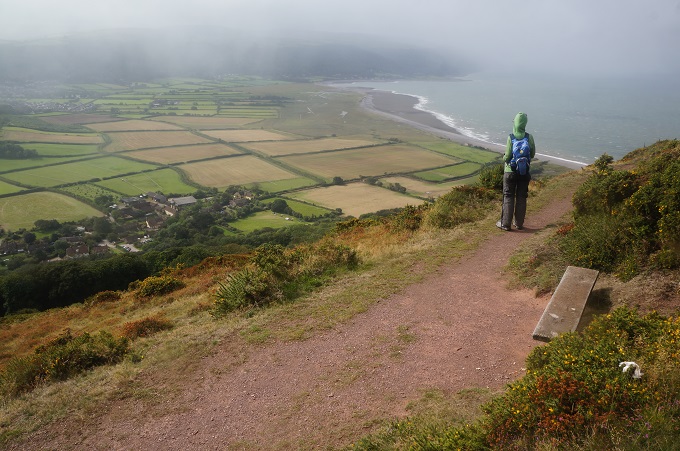
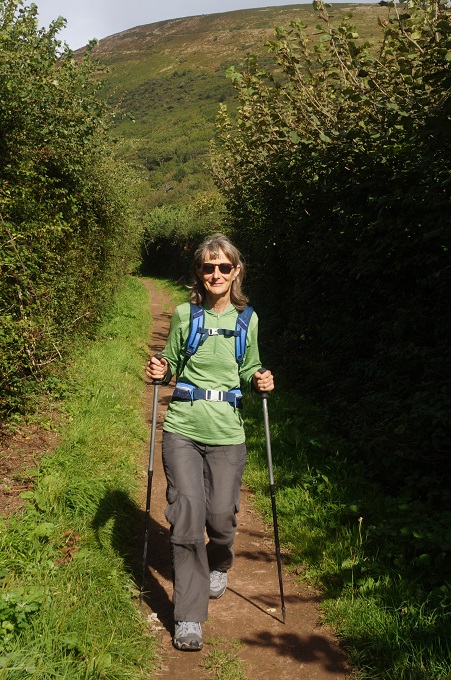
At the top of the hill you are faced with the first choice of the day. The ‘official’ route which goes inland across gently rolling meadows, or the ‘Rugged’ route which stays closer to the coastline, has a lot more ups and downs and gives splendid views over the Bristol Channel toward Wales. Not that we could see Wales in the mist. After wine with dinner last night we were feeling a bit rugged so decided we had better take the rugged route. I think we made the right choice. This was a lonely and remote section of the path far away from roads and settlements where the high expanse of Exmore rolls down and meets the Bristol Channel.

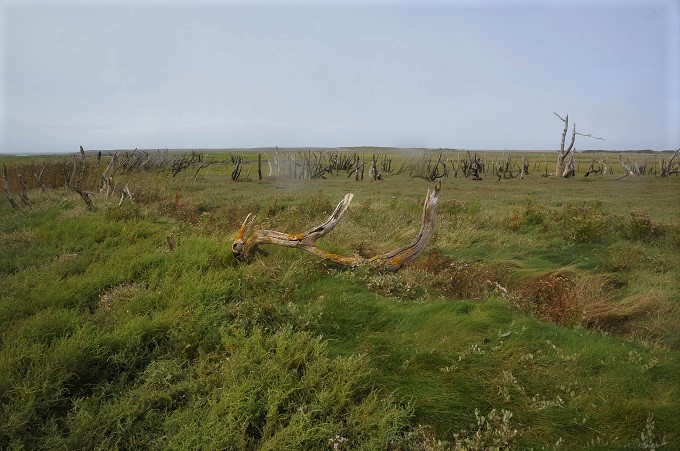
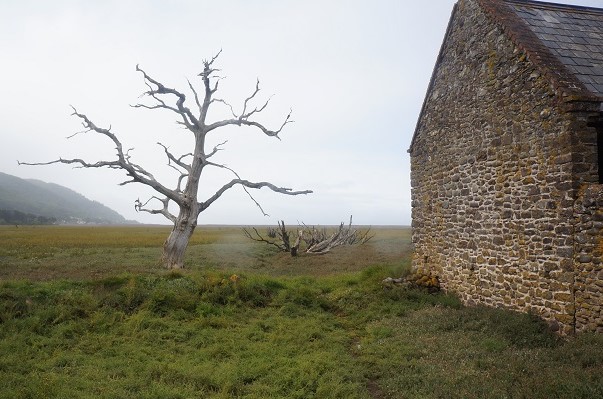
From the hill you look down into the Porlock Vale a wide flat floored fertile valley of farmland. The area is interesting because standing between the valley and the sea is a shingle ridge. The sea has breached the ridge causing the farmland nearest the sea to become a salt marsh with a fresh inundation of salt at every high tide. This has caused large trees to die and become skeletons.
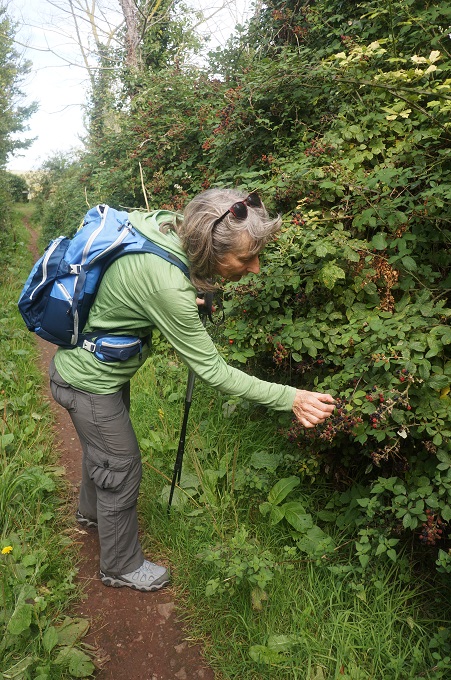
The path across the Vale was hedged with brambles (blackberries to us) and we were able to gorge ourselves on the berries. They were smaller than the ones at home but just as tasty.

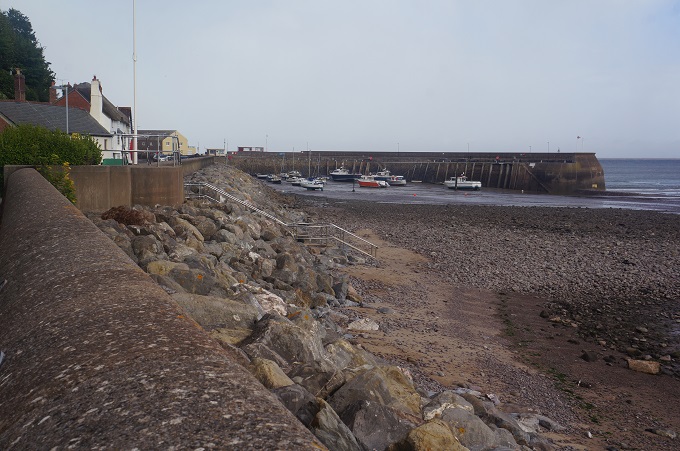
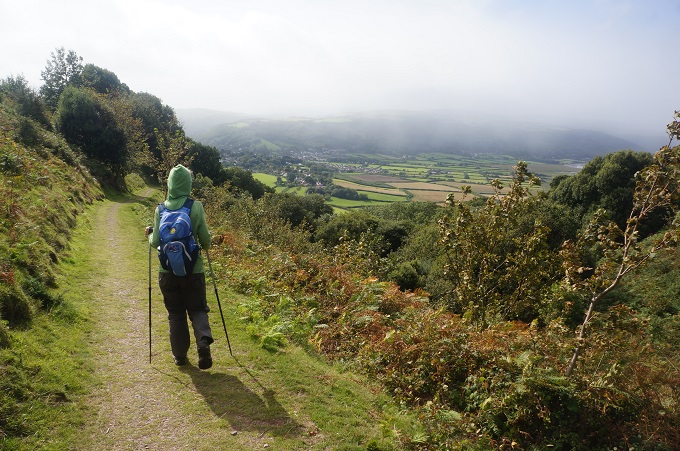
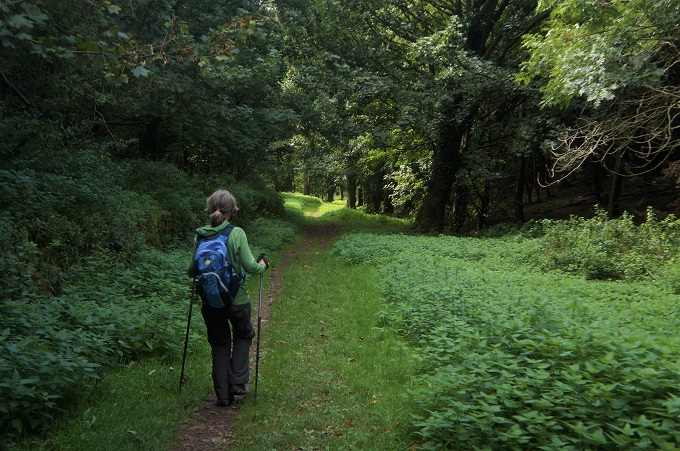
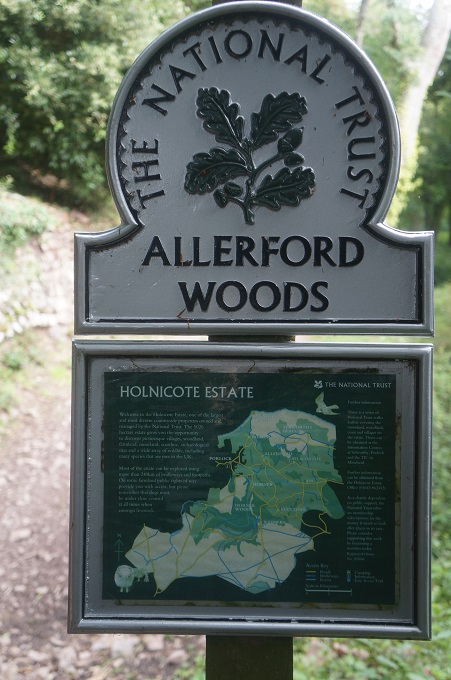
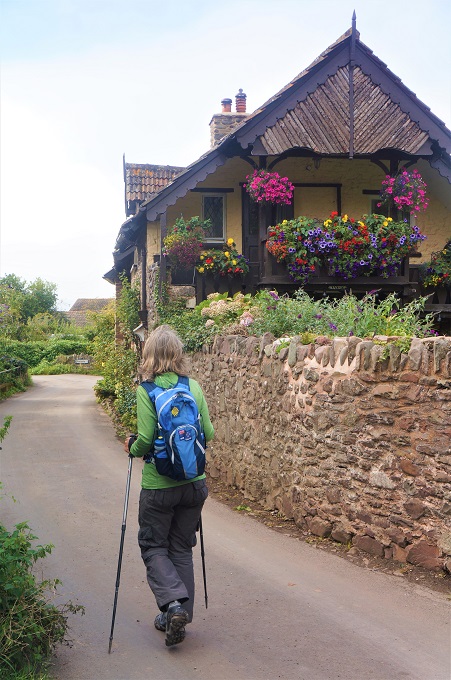
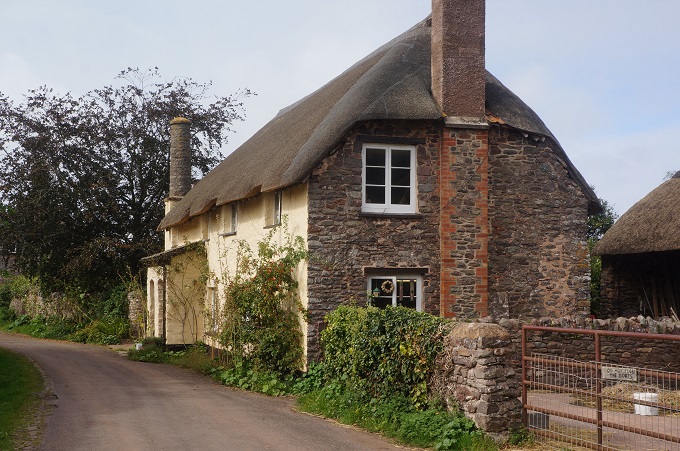
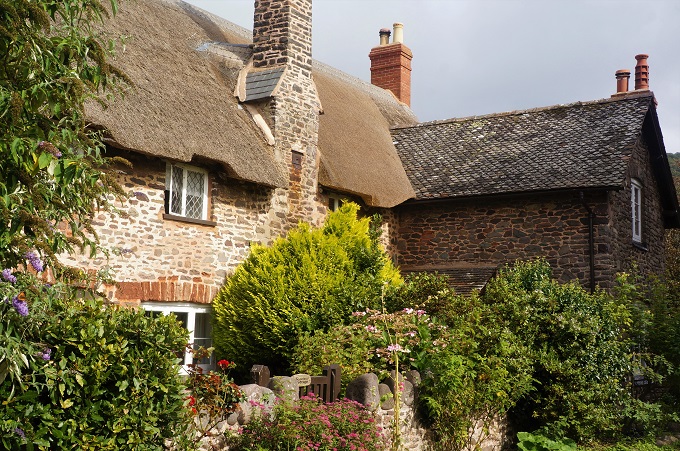
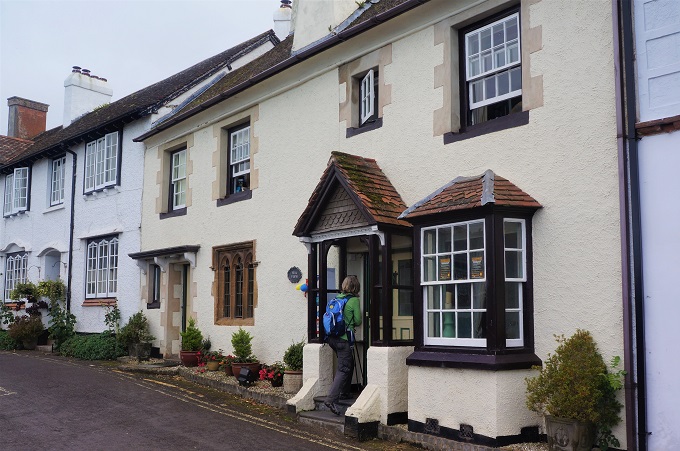
To get down to the valley and the tiny hamlet of Bossington we had a beautiful walk through the Allerford Woods and then a flat walk across the edge of the salt marsh, among the skeleton trees, to the village of Porlock where we are tonight. Porlock is mentioned in the Doomsday Book of 1086 and some of the buildings are only slightly younger. Many of the buildings have thatch roofs and The Ship Inn where we ate tonight dates from the 13th century.
Porlock has long been a favourite place of poets, romantics and dreamers. Samuel Taylor Coleridge and William Wordsworth were frequent visitors and wandered (as lonely as clouds presumably) the surrounding hills and beach.
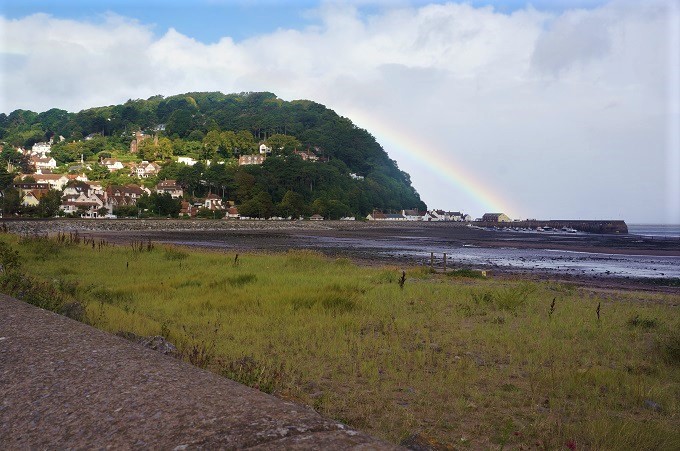
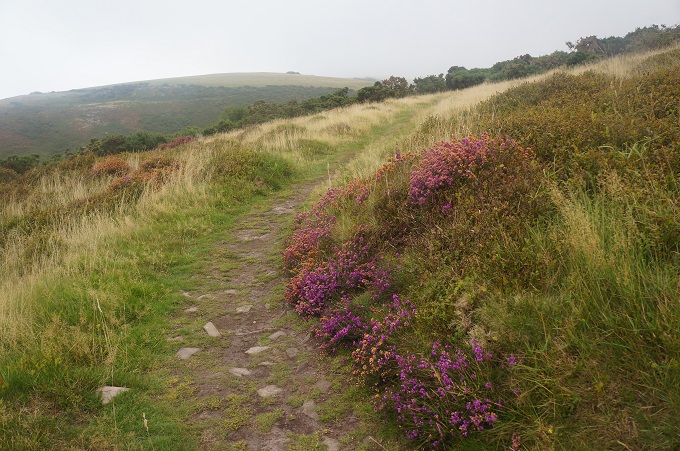
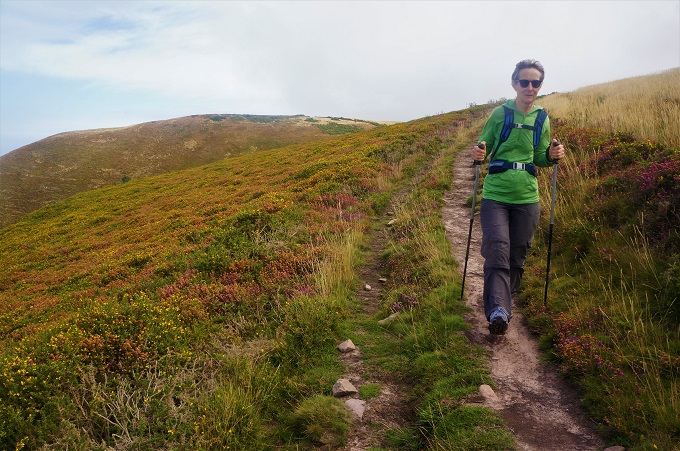
The weather was warm, quite windy and with very, light misty rain on and off interspersed with periods of bright sunshine. This meant we had lots of rainbows and for about the first hour walked with a rainbow directly ahead of us. There was nice contrast between the dark shelter of the woods and the open windy moor with its carpet of yellow gorse and purple bell heather flowers.

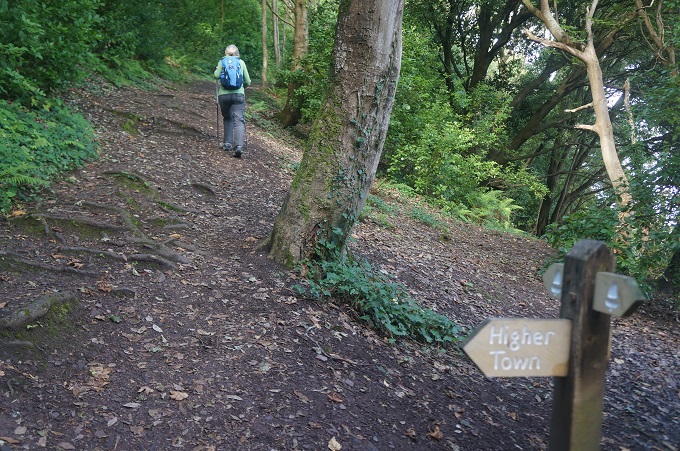
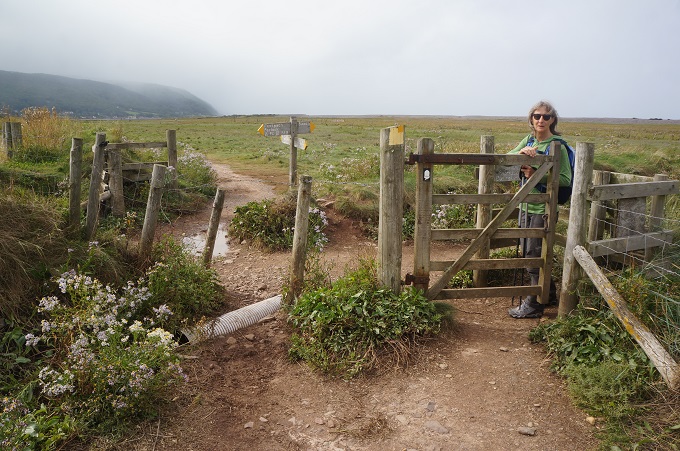
The path is well sign posted but there are so many paths criss-crossing and going to places we have never heard of, and are not on  the maps, that it is easy to end up on unnecessary diversions. This year we have an app loaded on our phone with maps of the SWCP and with GPS you can see exactly where you are when apparently ‘lost’.

Overall a really good first day, bring on tomorrow.


Paddington to Minehead

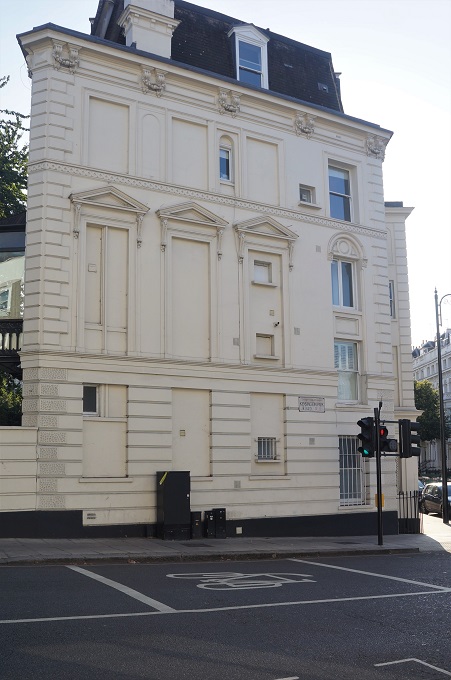
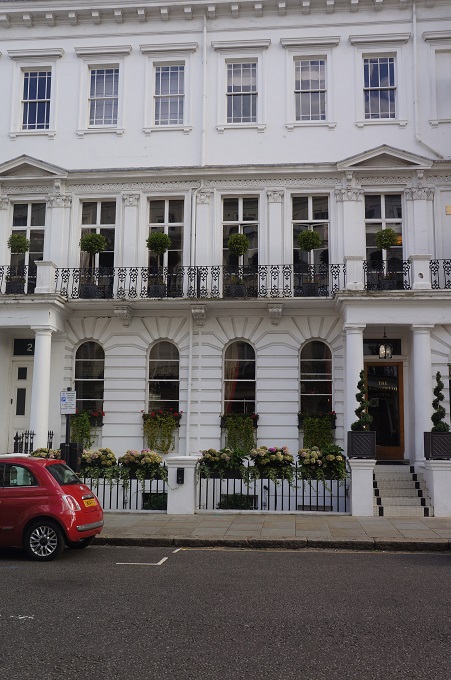
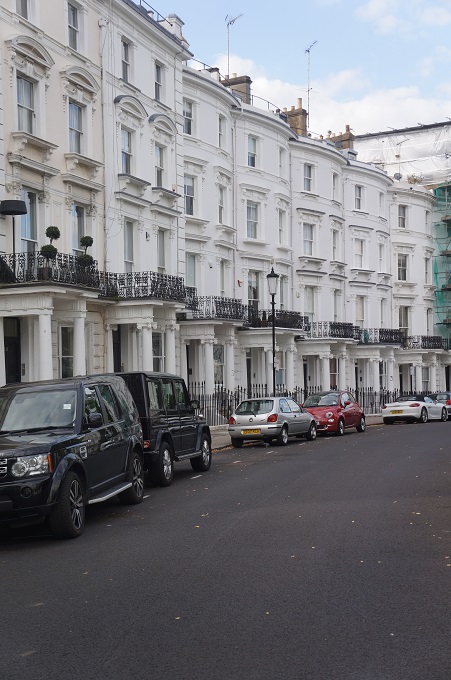
We woke this morning to a truck working outside in the street and looking down from our window saw two trucks removing illegally parked cars. Seems they didn’t have the requisite residents permit. See the photo.

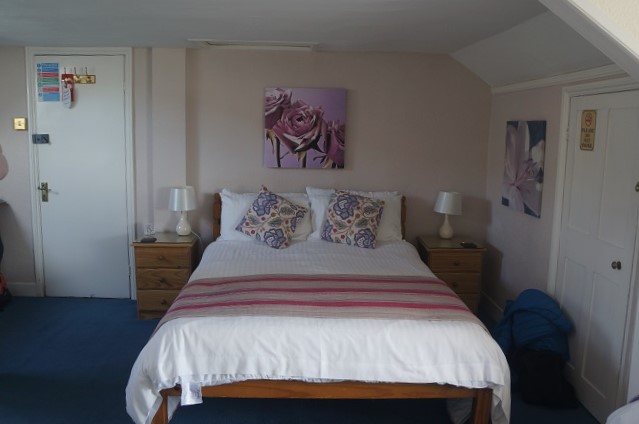
Today was just a transition day. A two hour train trip west on Great Western Railway from Paddington to Taunton, half an hour wait at Taunton for the bus, one and a half hours on the Buses of Somerset to Minehead where we are staying at The Parks Guesthouse. Modern technology is wonderful. Four months ago we booked and paid for the train online and were given a code. This morning at the ticket machine it recognised us and our code and printed out the required tickets.

The train trip was very smooth and uneventful in an almost empty train. Just five stops in two hours and it was pretty fast but not nearly as fast as the TGV train we took from Paris in 2015.

‘Some towns inspire. They have an air of adventure and a sense of urgency. They are mysterious and just a little frightening. You know as soon as you walk into them they are special places. Minehead isn’t one of them’. Mark Wallington, 500 mile Walkies.

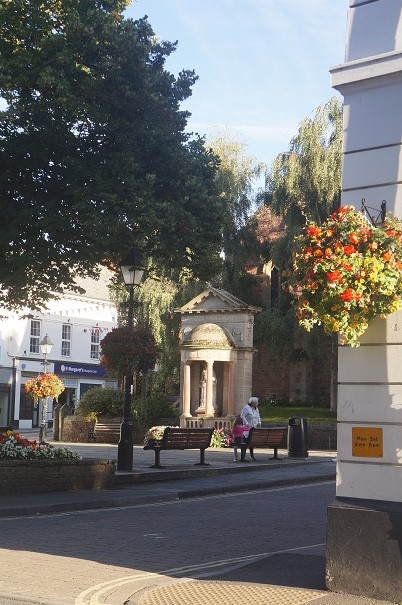
This is being a bit harsh on Minehead. It is a charming, unpretentious, sleepy seaside town. Such a contrast to hectic London and the sort of place we much prefer.

It has three claims to fame. At the eastern end of town is the ginormous Butlins Holiday Camp. In the centre of town is the terminus for the restored steam trains of the West Somerset Railway. At the western end of town is the official start of the 1000km South West Coast Path. The later of most importance for us. Minehead doesn’t even have a mine – the origin of the name is from the Celtic word, Mynedd, meaning ‘hill’.

And we are going to experience some of those hills starting tomorrow. We are a little apprehensive as we haven’t done as much preparation as we have done in previous years and we Know there is a lot of climbing and descending in the first three days. Still we can’t wait to get going!


An indoors day

After two sunny days the weather didn’t look so good today with a high probability of rain, so we decided to go and do something indoors.

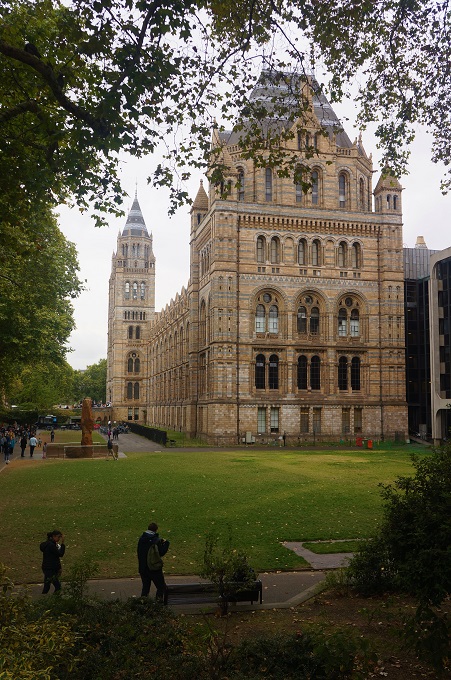
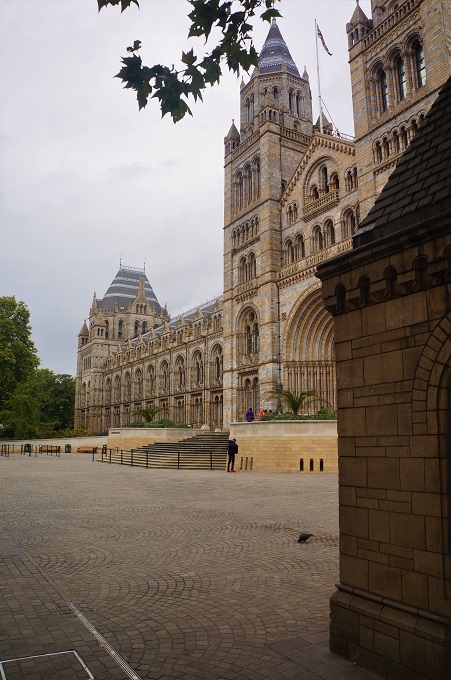
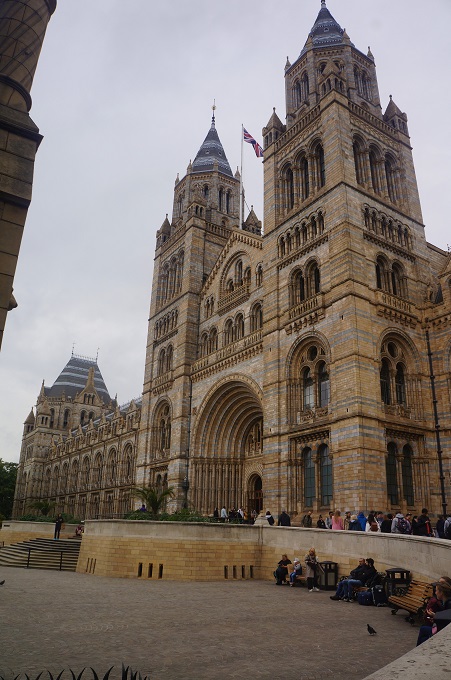
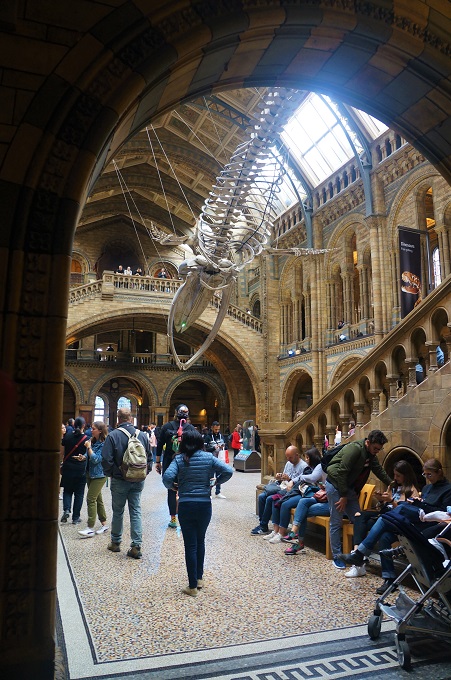
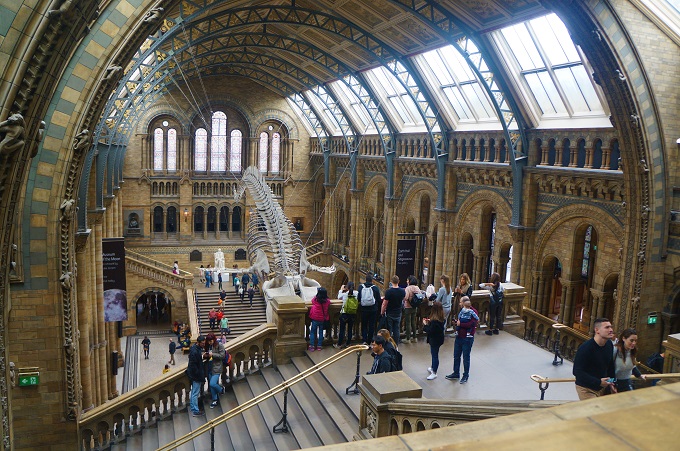
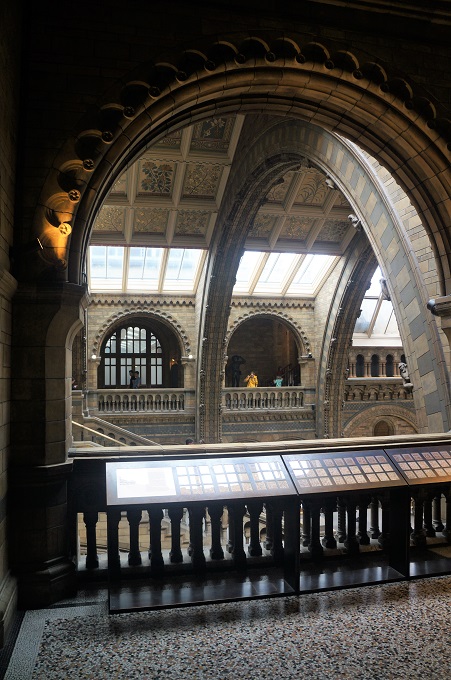
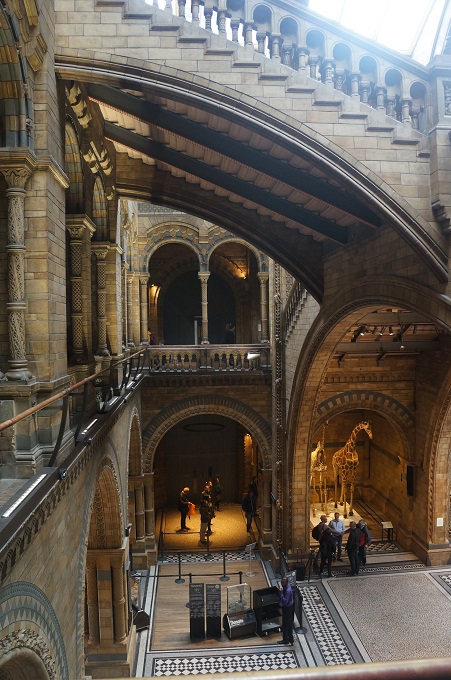
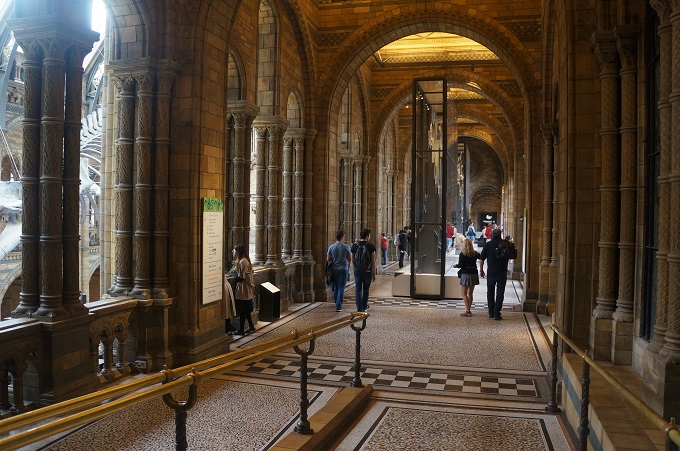
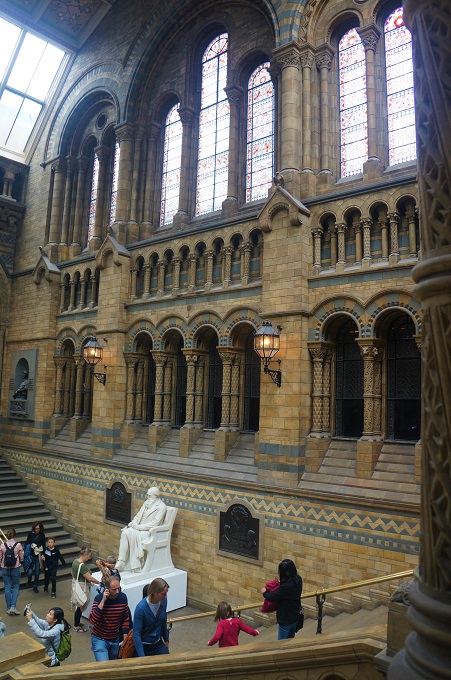
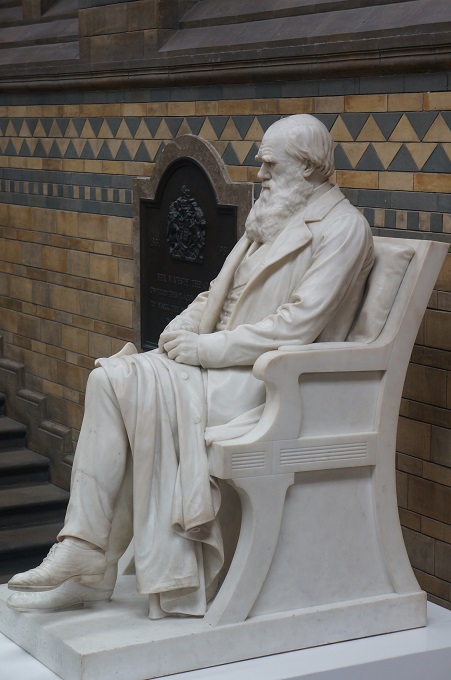
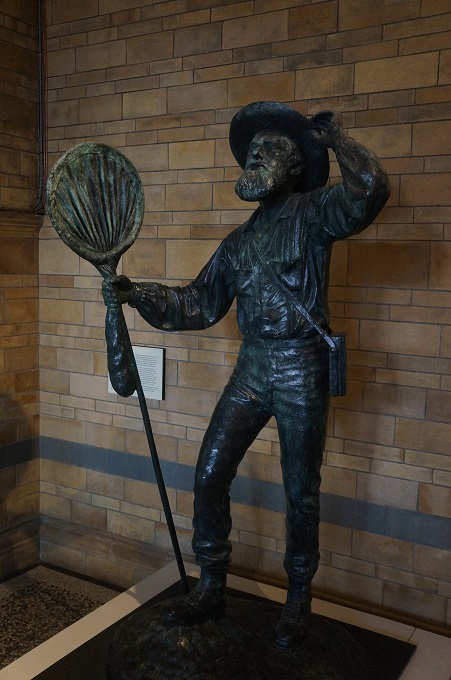
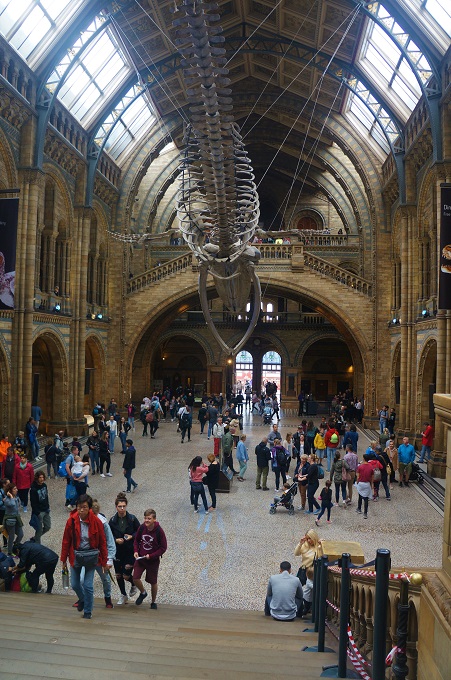
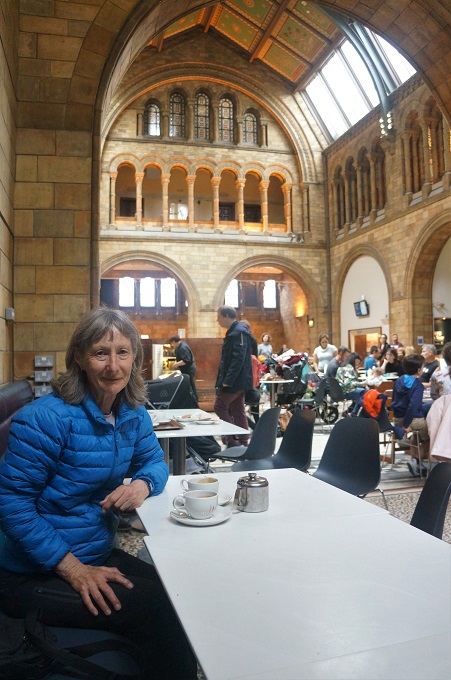
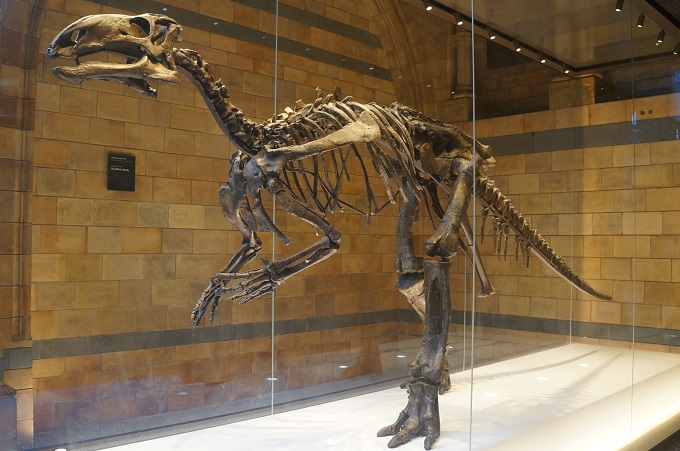
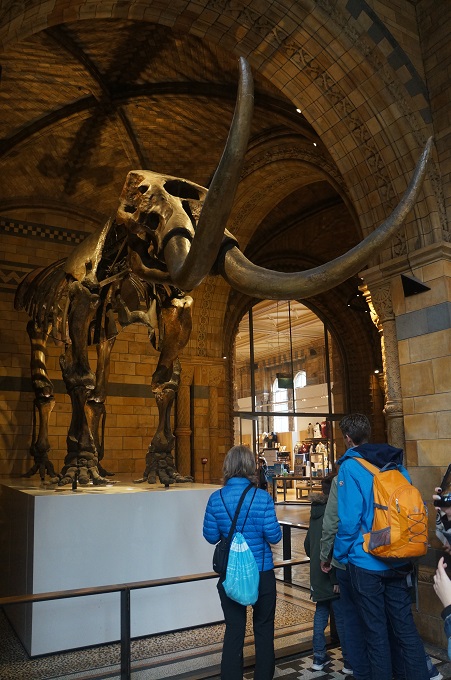
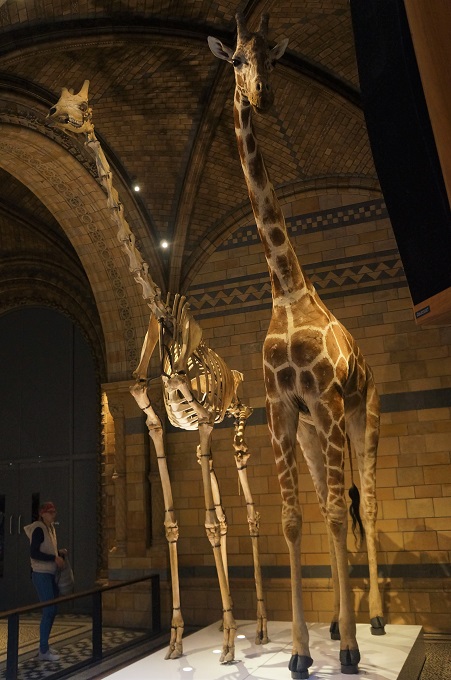
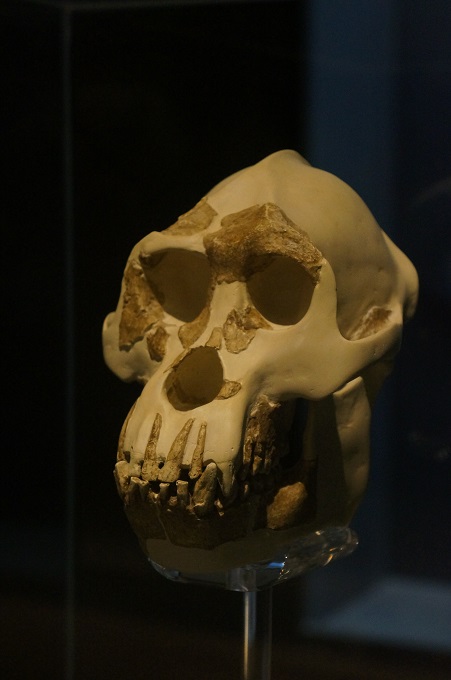
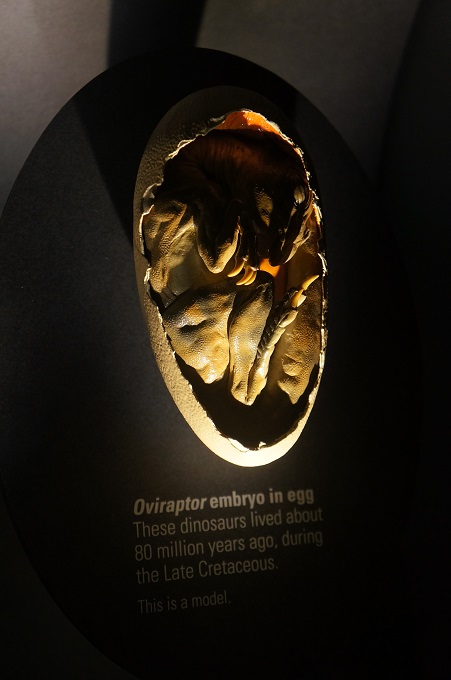
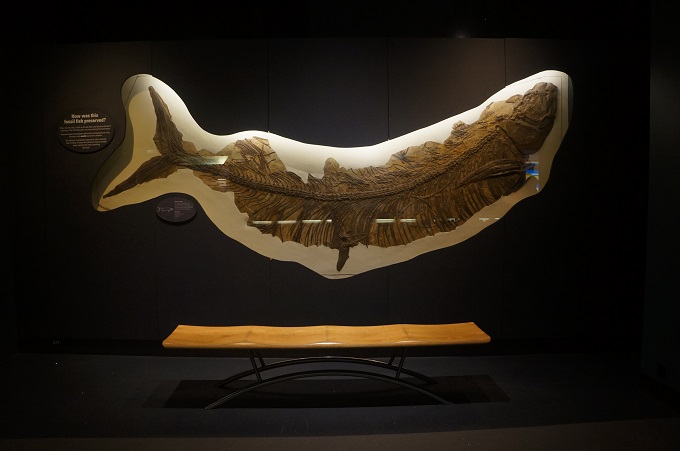
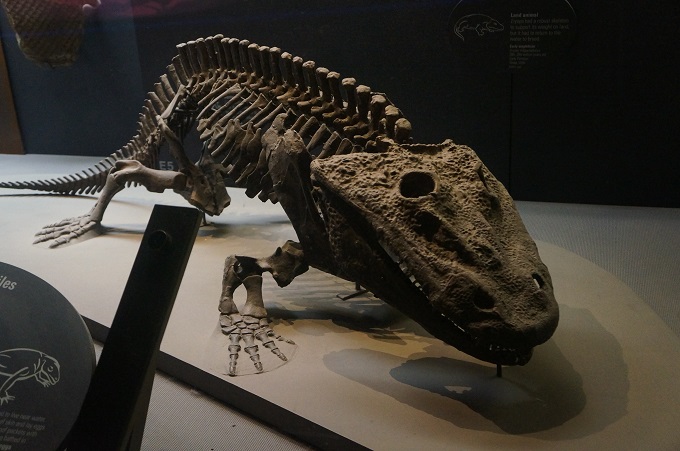
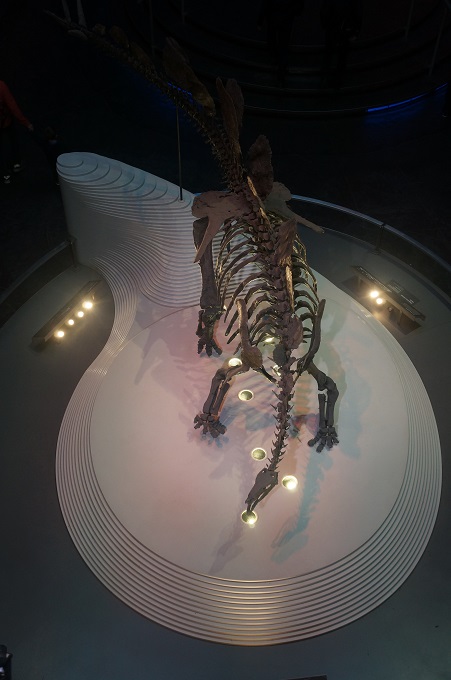
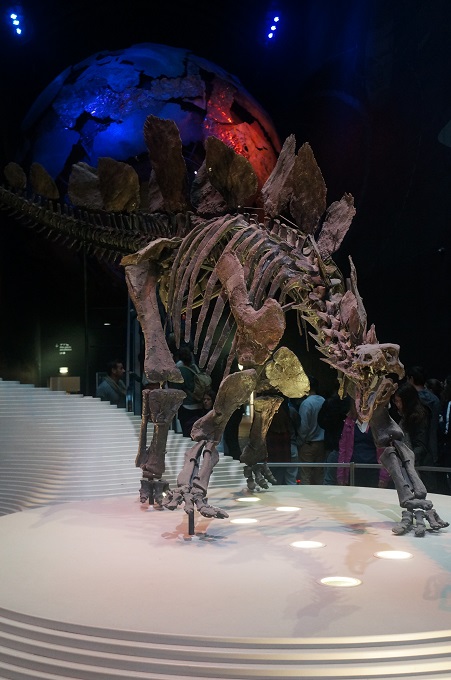
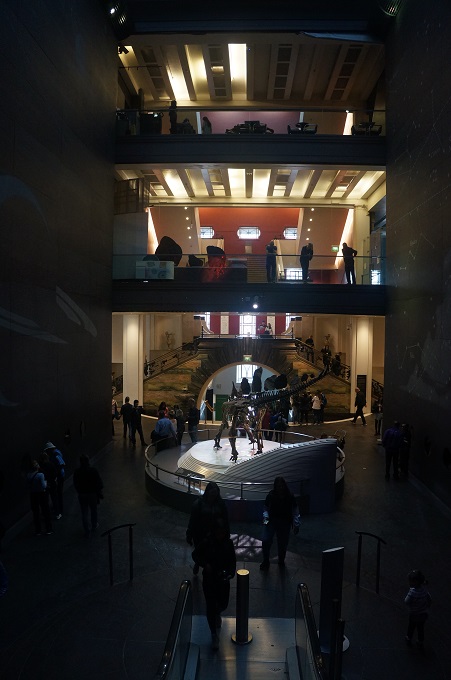
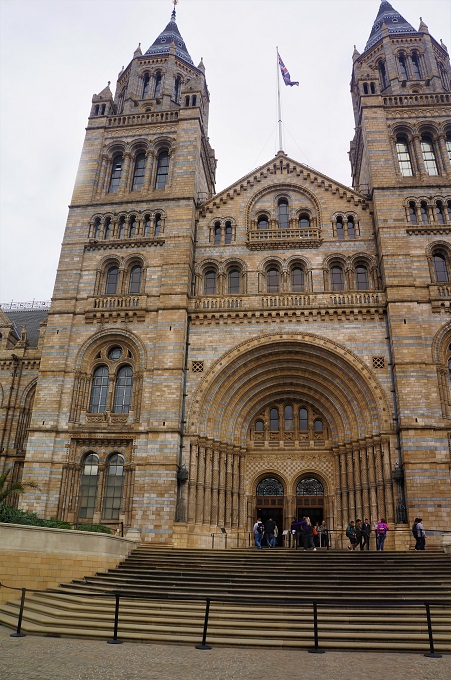
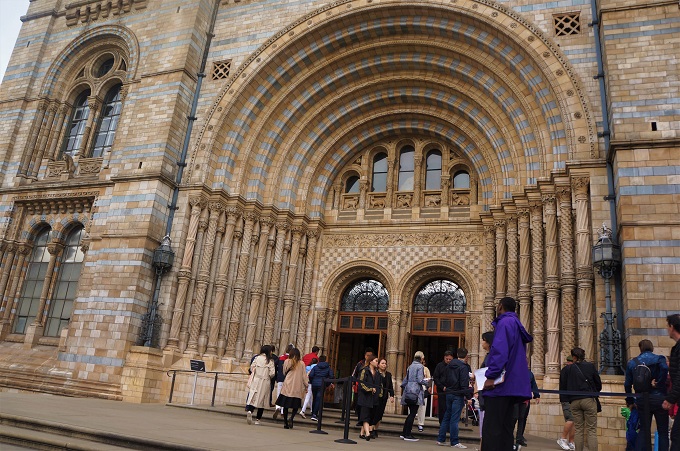
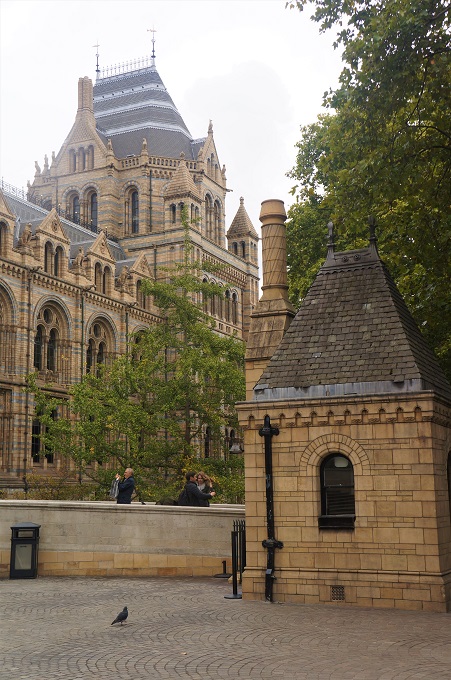
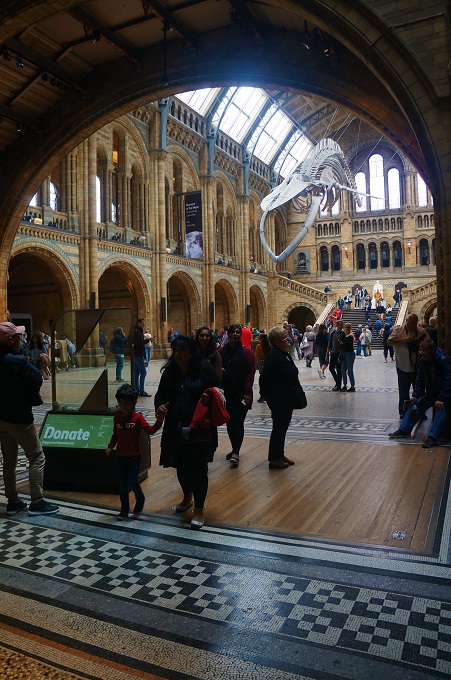
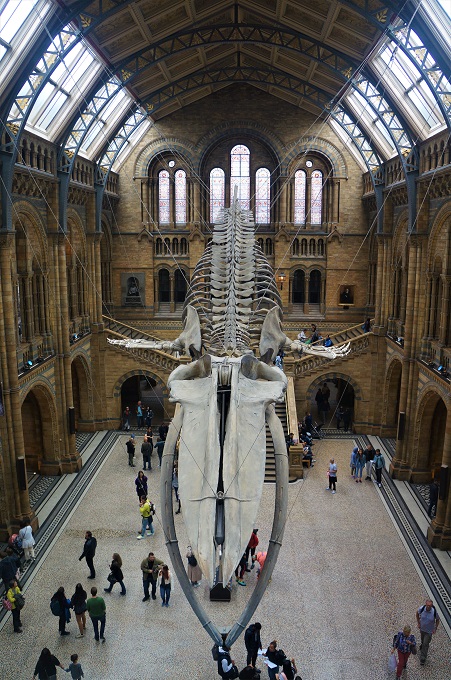
We chose the Natural History Museum mainly because I was interested in the architecture. The building is often called ‘a cathedral of nature’ because of the magnificent main hall and was opened in 1881 to house 80 million items in five main collections: botany, entomology, minerology, palaeontology and zoology. The museum is most famous for its collection of dinosaur skeletons but has many important collections including specimens collected by Charles Darwin on the voyage of the Beagle.

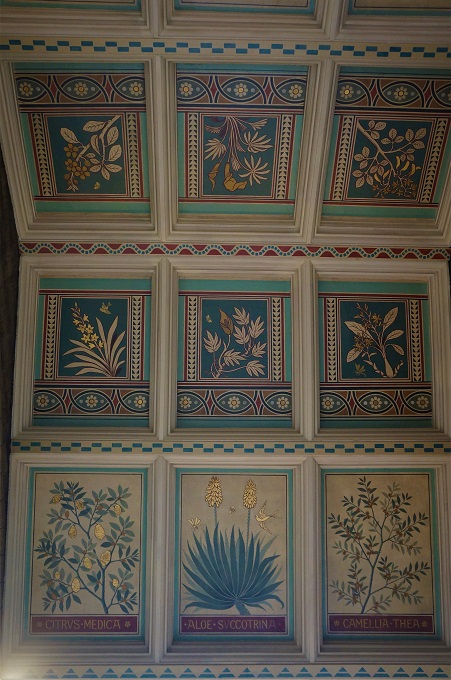
The building is clad in terracotta tiles inside and out, chosen to resist the sooty atmosphere of Victorian London. The tiles have intricate relief sculptures of flora and fauna and their colour gives the building a lovely warm feeling.

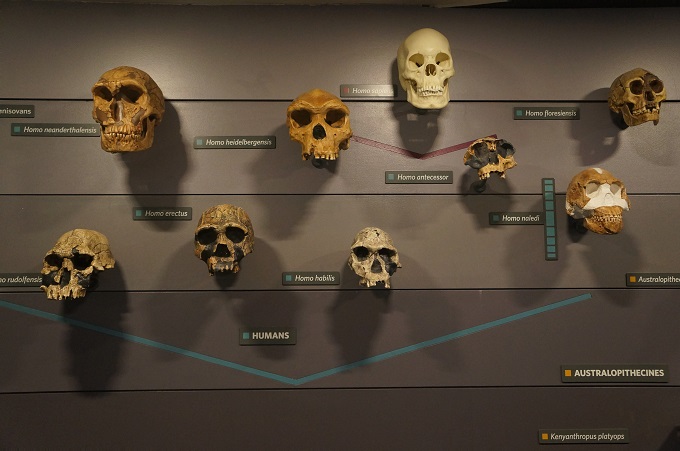
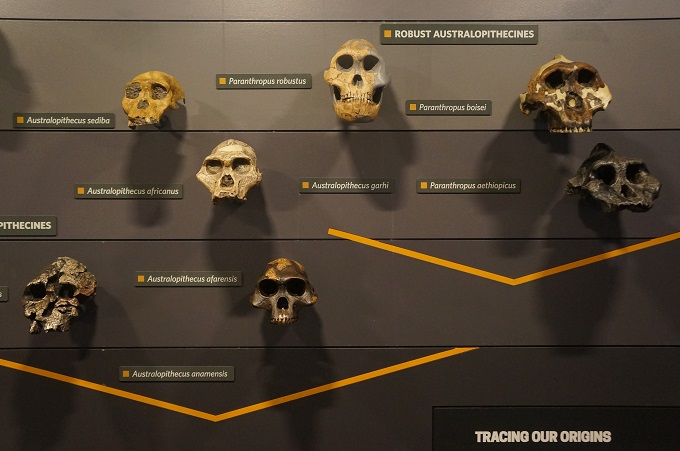
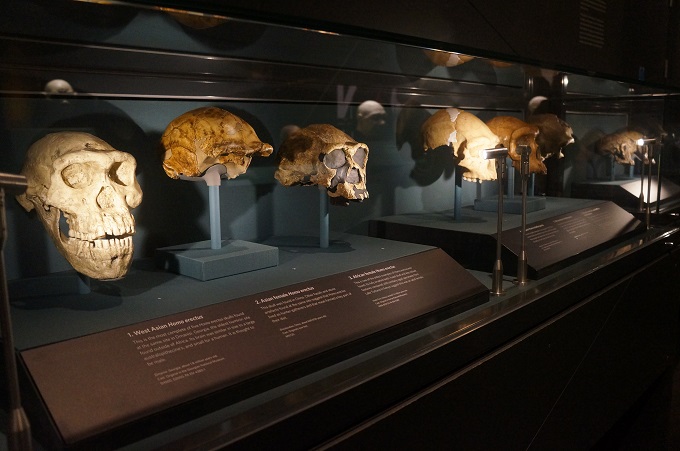
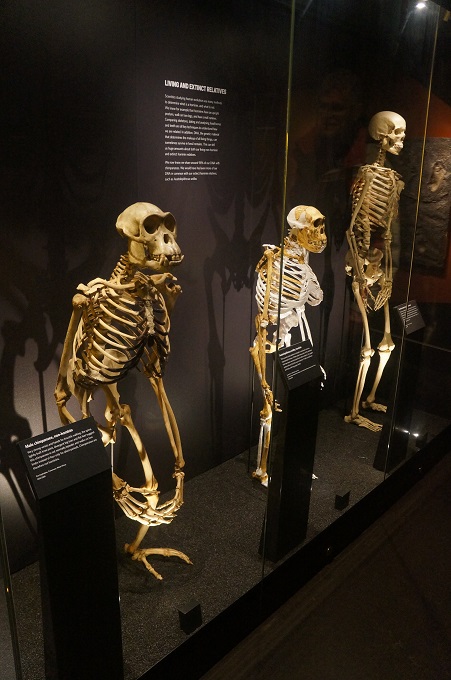
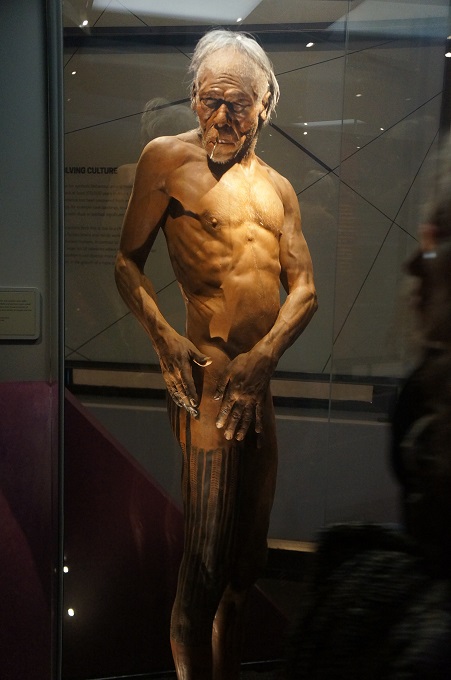
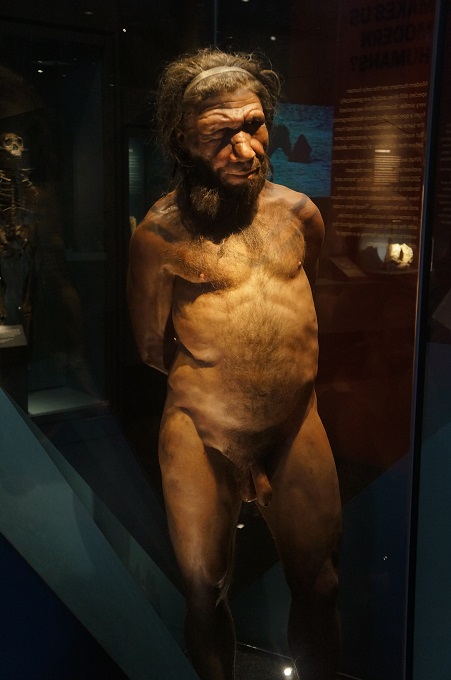
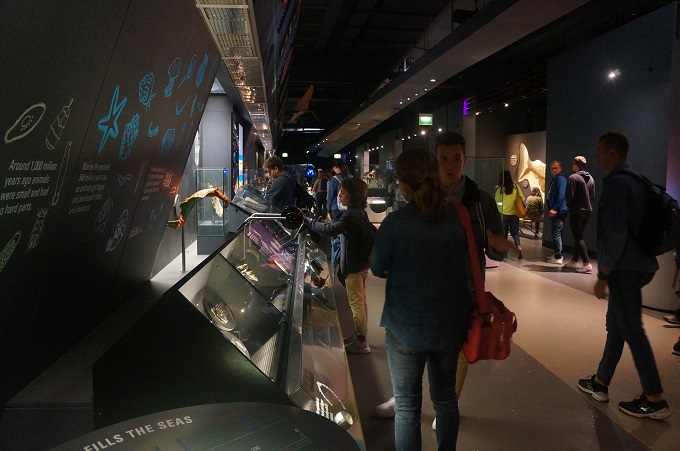
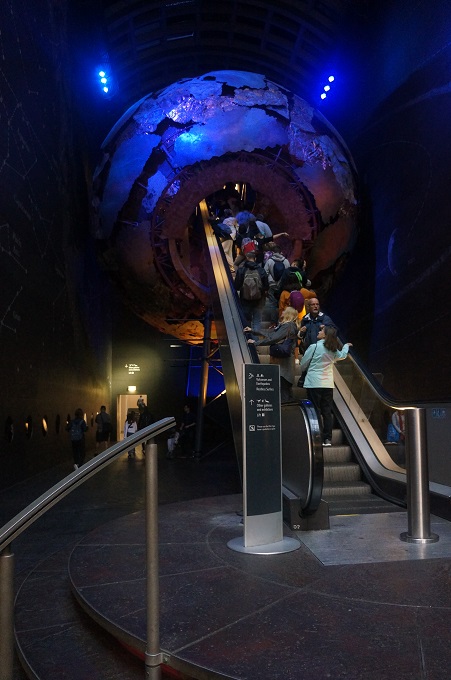
There is no hope of trying to absorb all the museum has to offer, even with multiple visits so we decided just to go to the volcanoes and earthquakes, and the evolution exhibits with a coffee break in between as information saturation sets in quite quickly these days. We kept away from the most popular exhibits which were way too crowded and were full of groups of primary and secondary students.

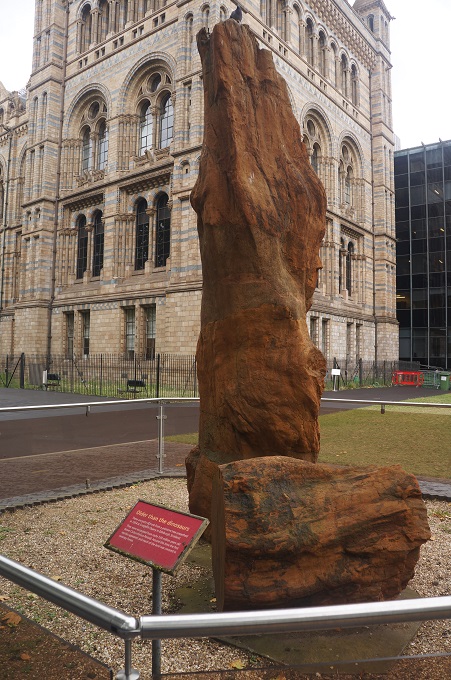
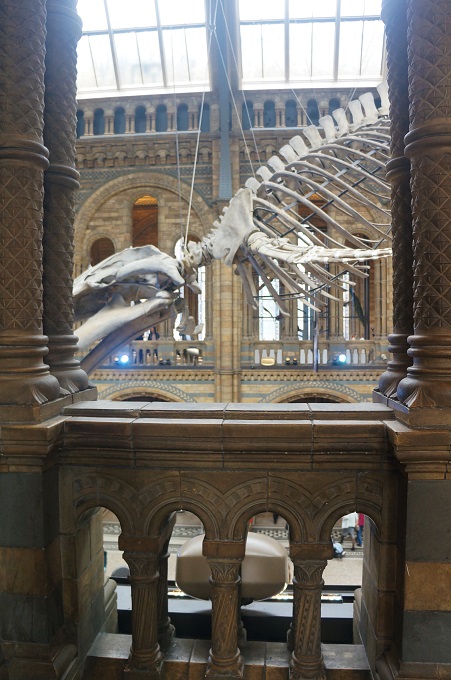
The museum at first seems overwhelming but it is divided into four zones, red, green, blue and orange.  The red zone is themed around the changing history of earth, the beginning of the universe, plate techtonics, volcanoes and earthquakes, human evolution etc. The green zone has fossils, birds, creepy crawlies, the main hall with the blue whale skeleton and section of an 1,335 year old sequoia tree. The blue zone has dinosaurs, fish, marine invertebrates, mammals, and human biology. The orange zone has a wildlife garden and the Darwin Centre – the collection of millions of preserved species. So the signage and colour coding make it pretty easy to get your way around.

So that was our day. It is about a 20 minute walk from our hotel, across Hyde Park to the museum and while there were a few spits every now and then it didn’t really rain. Tomorrow morning we pack our bags and head way out west to Minehead and the beginning of our walking.


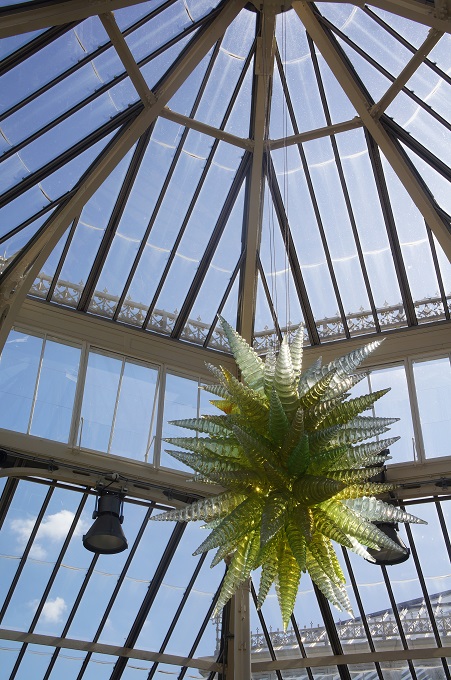
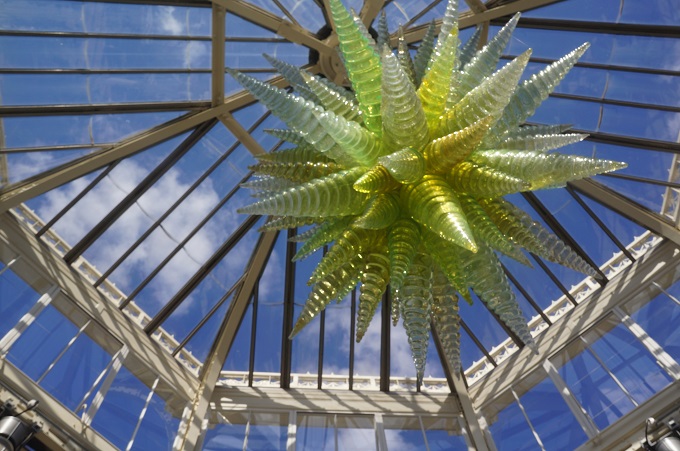
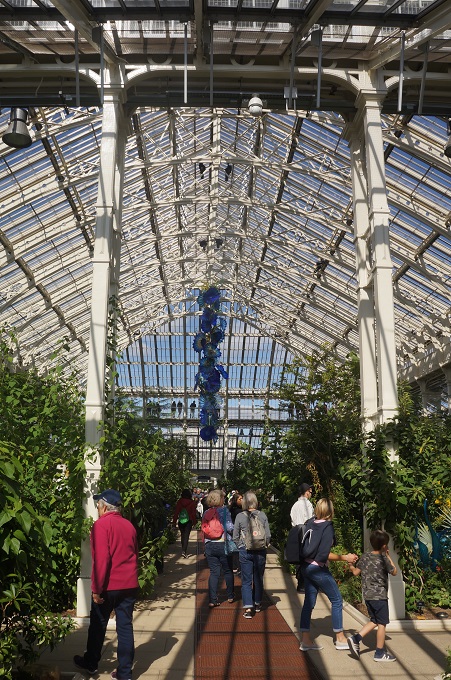
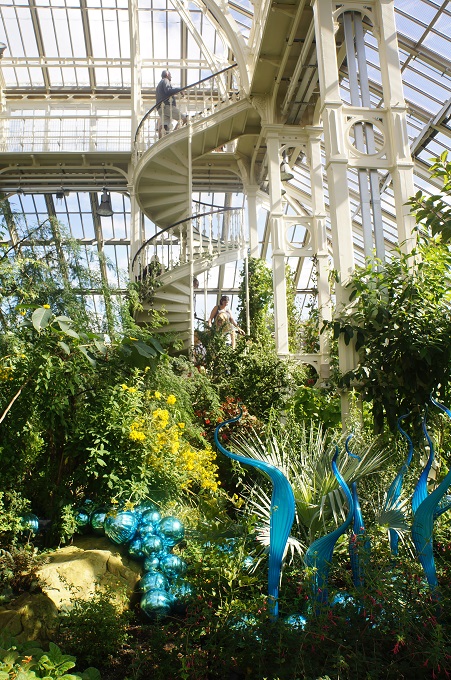
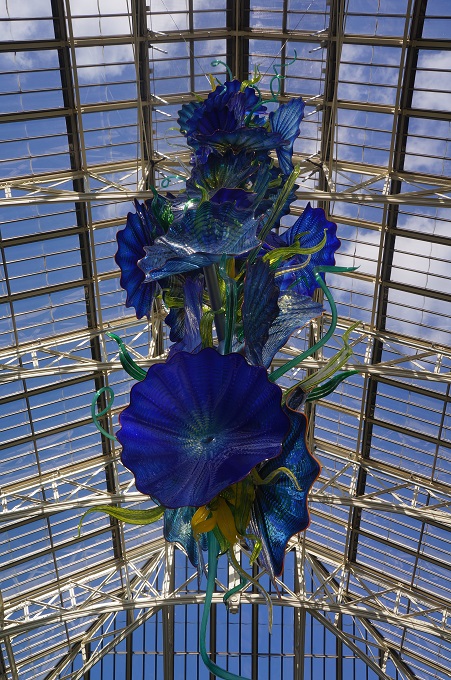
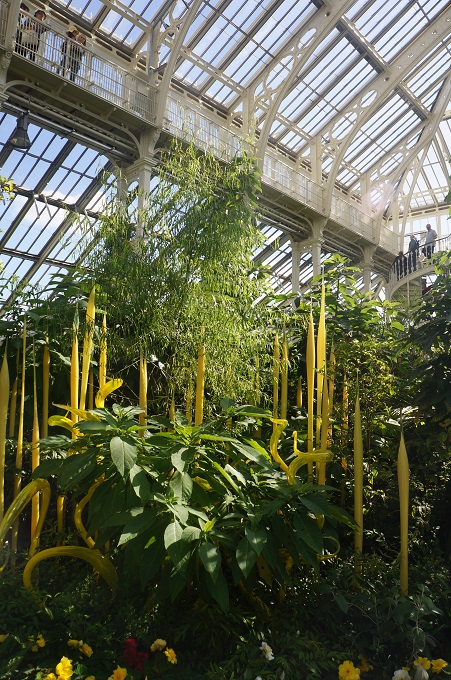
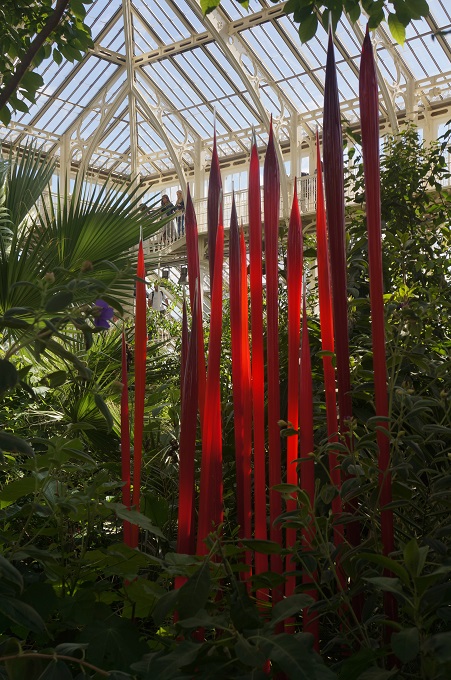
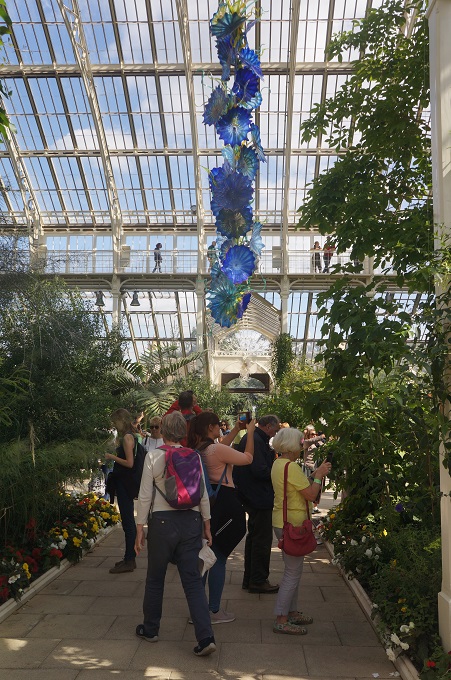
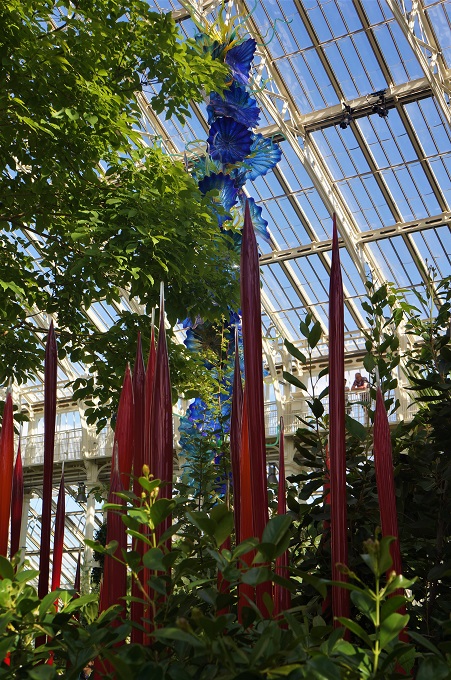
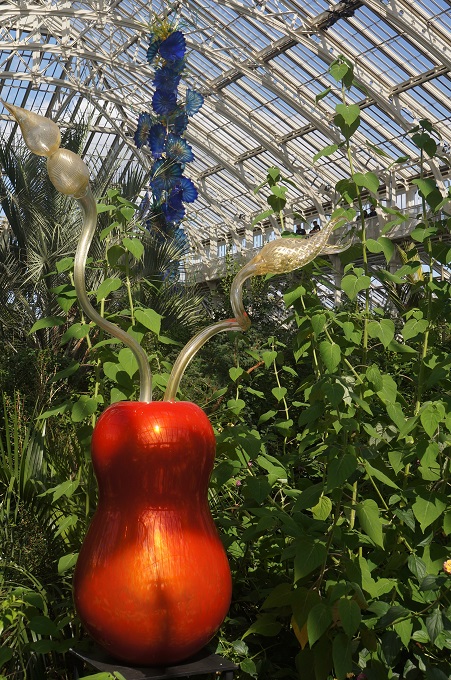
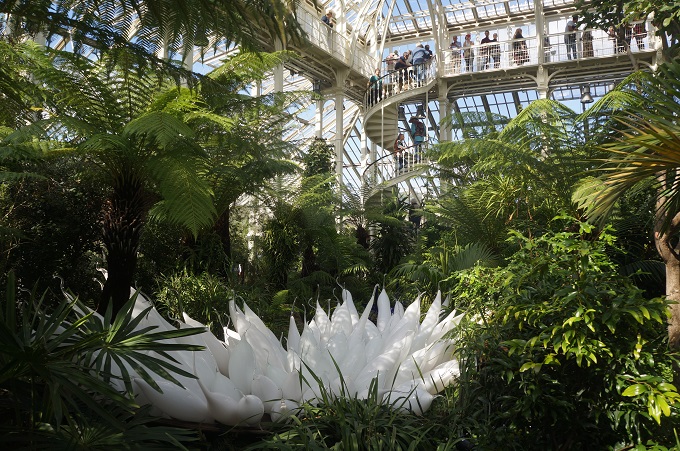
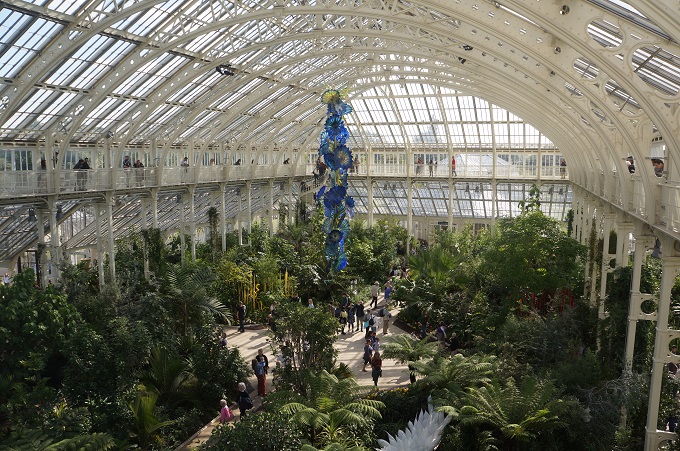
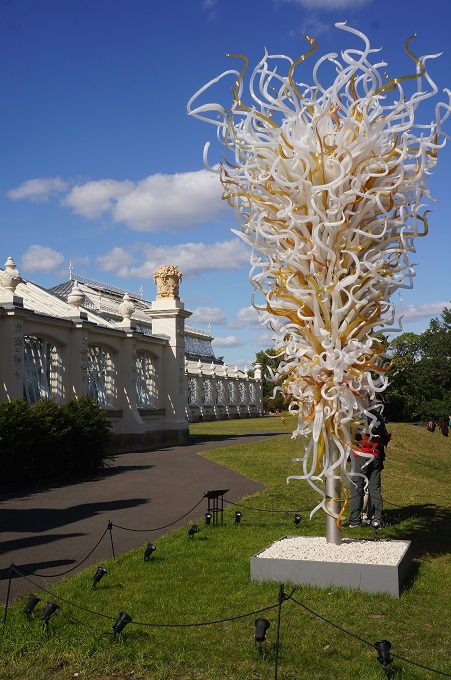
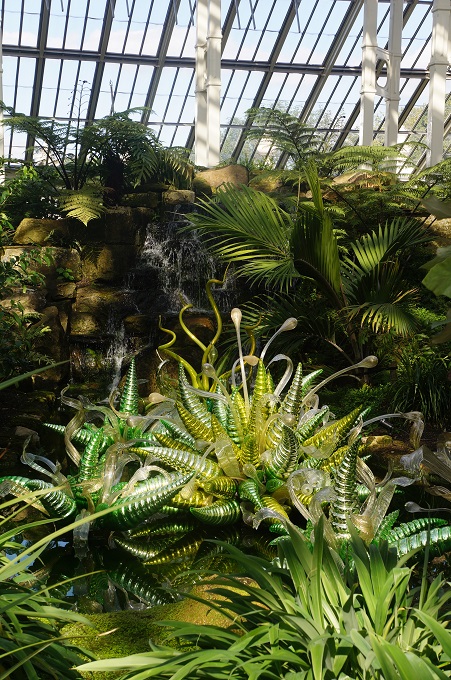
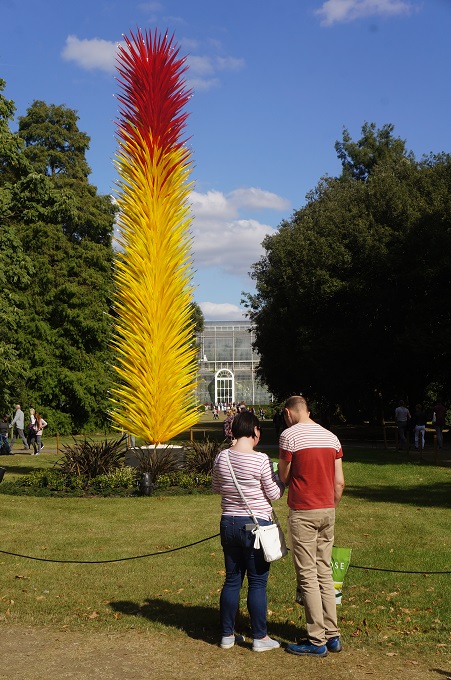
Chihuly at Kew

‘The best friend on earth of man is the tree……’ Frank Lloyd Wright

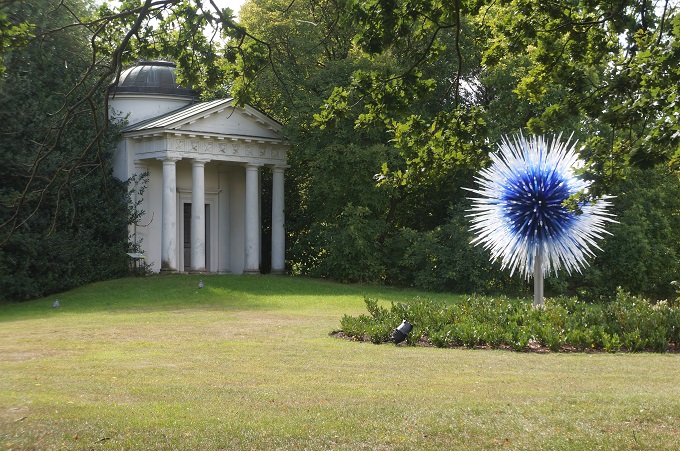
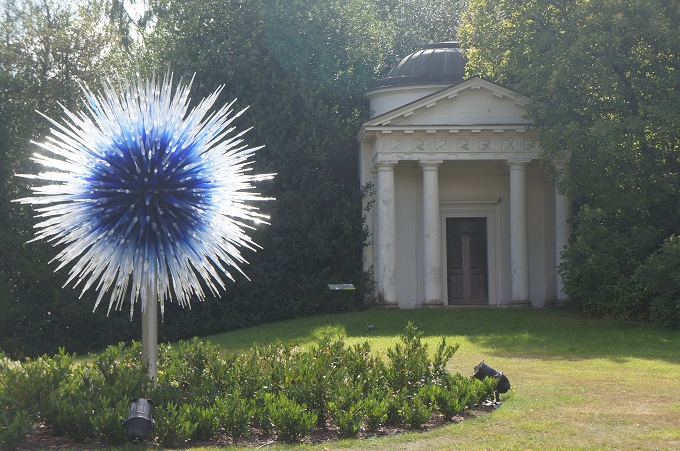
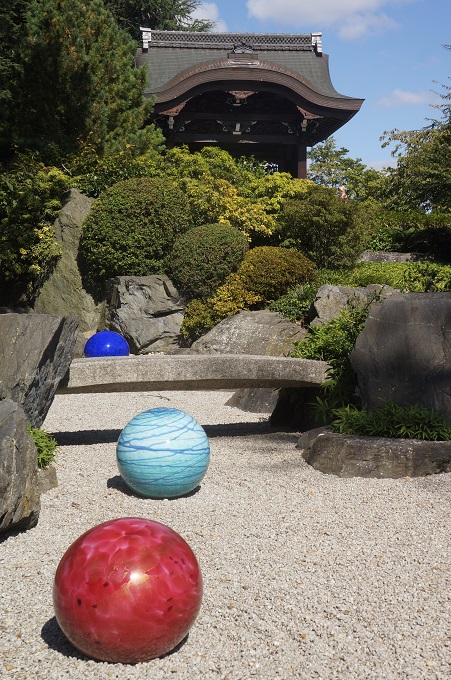
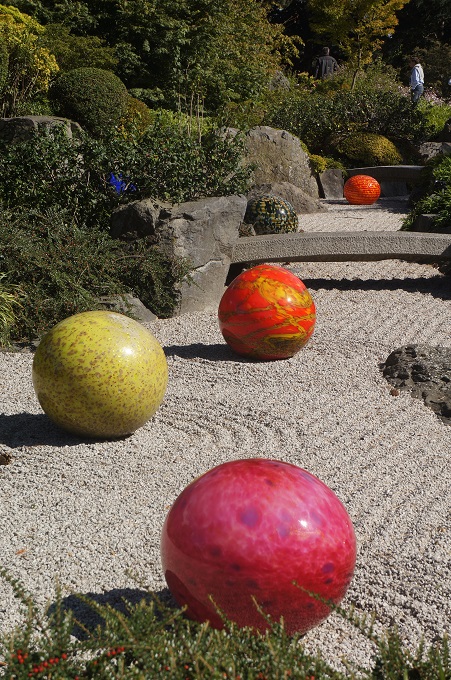
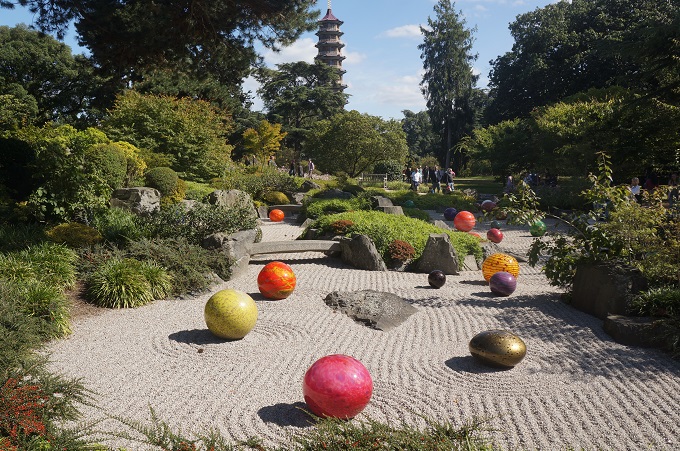
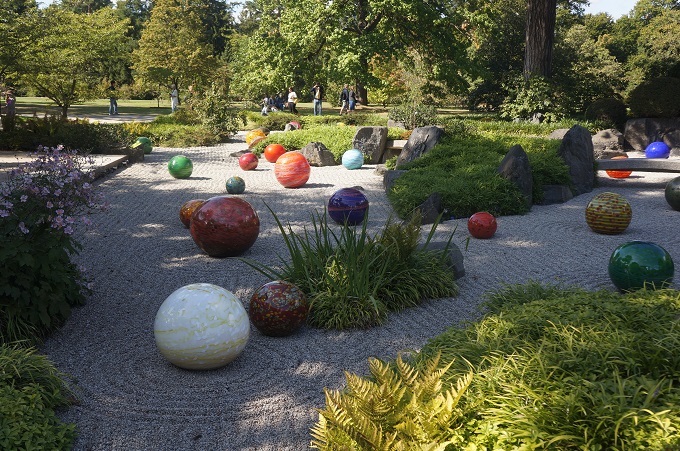
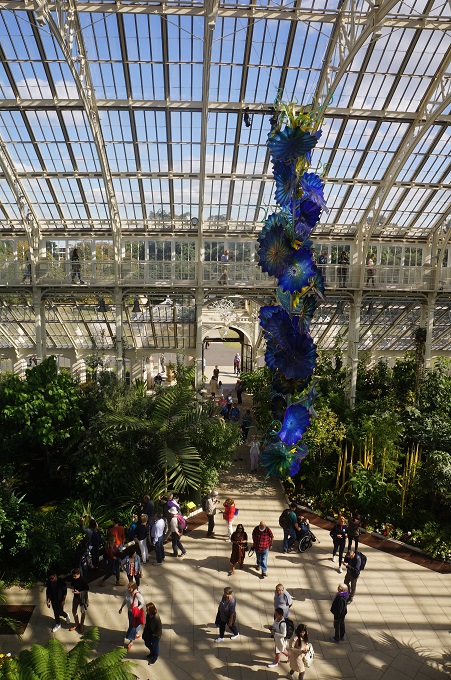
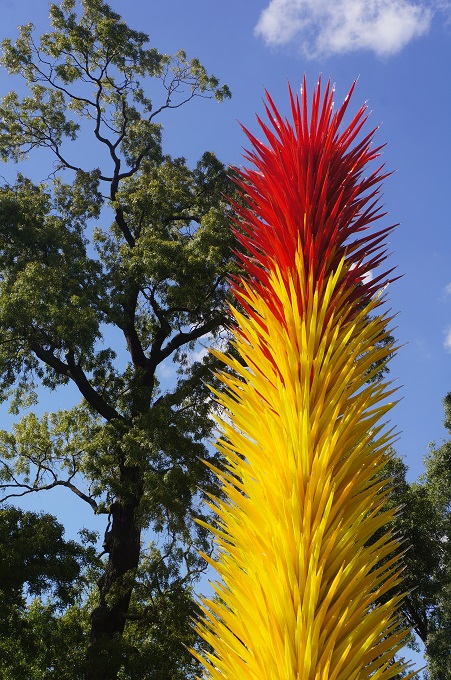
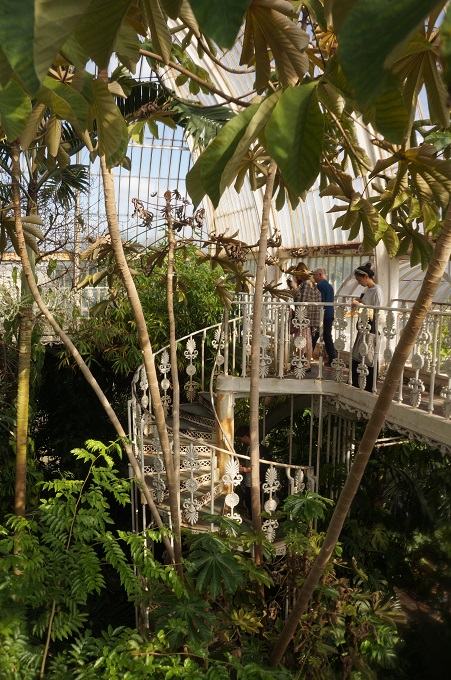
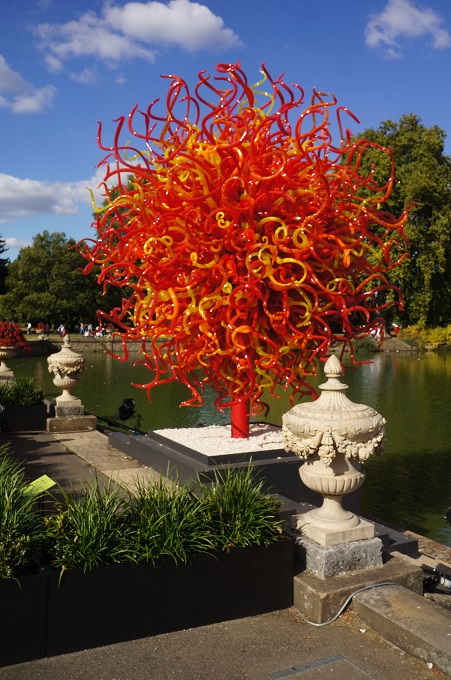
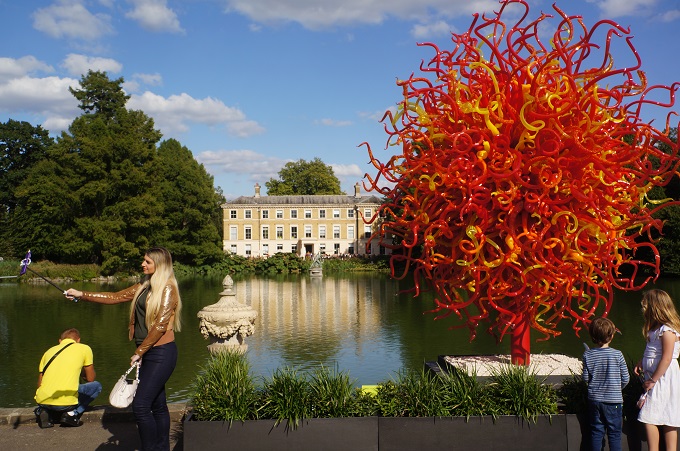
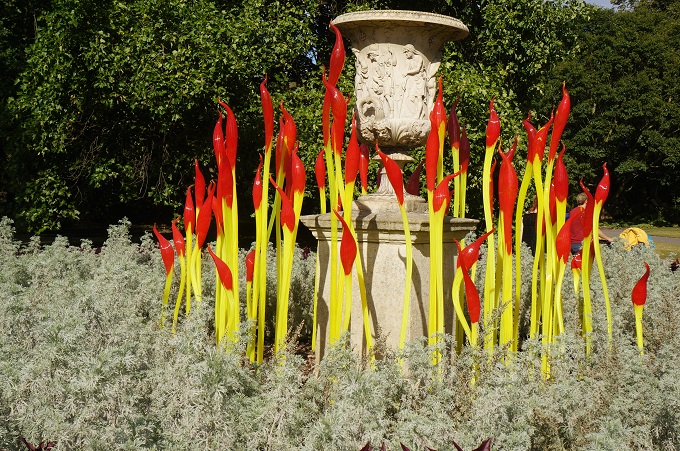
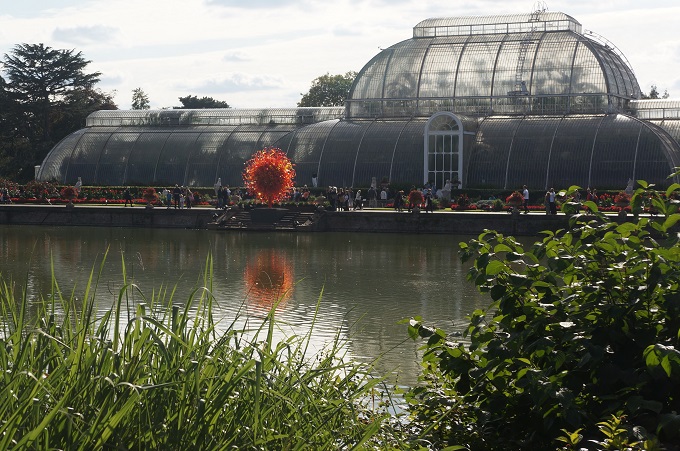
What a difference a reasonable night’s sleep and a decent breakfast make. We woke up pretty much recovered and ready to go. Neither of us had ever been to the Royal Botanic Gardens Kew and we had read that Dale Chihuly had a selection of his work exhibited in the gardens, so we decided to go there for the day.

Chihuly is one of the world’s most daring and innovative artists working in glass. In Seattle, where he lives and works, we had visited the Dale Chihuly Garden and Glass, a stunning museum and garden exhibiting his dazzling work. When in Seattle it is a must see. To see some photos of his work you can visit: www.flickr.com/photos/psyclistpaul/albums and scroll down through the albums until you see Chihuly Garden and Glass 2015.

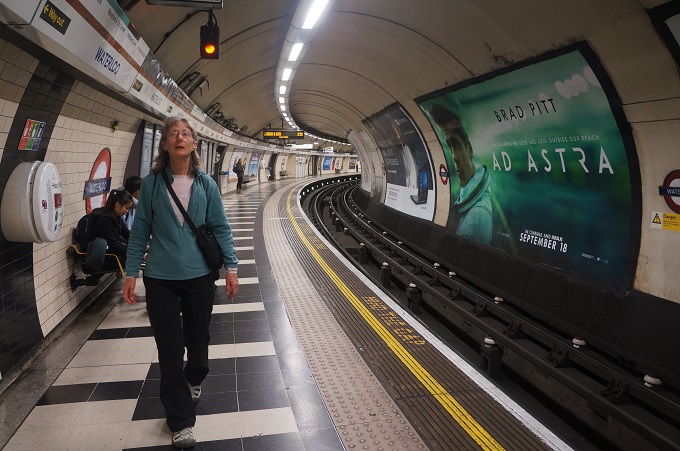
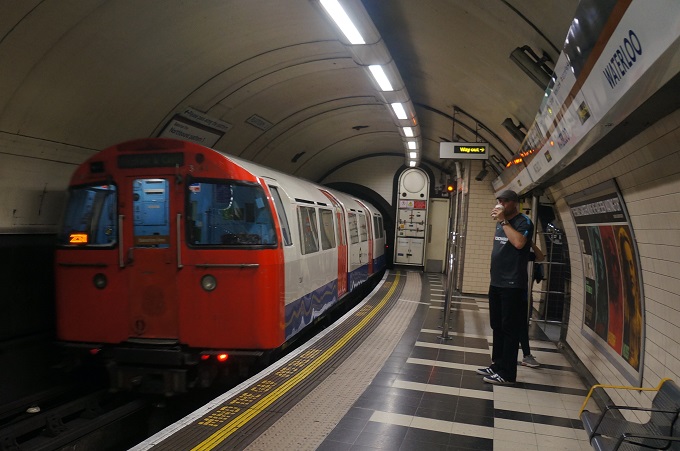
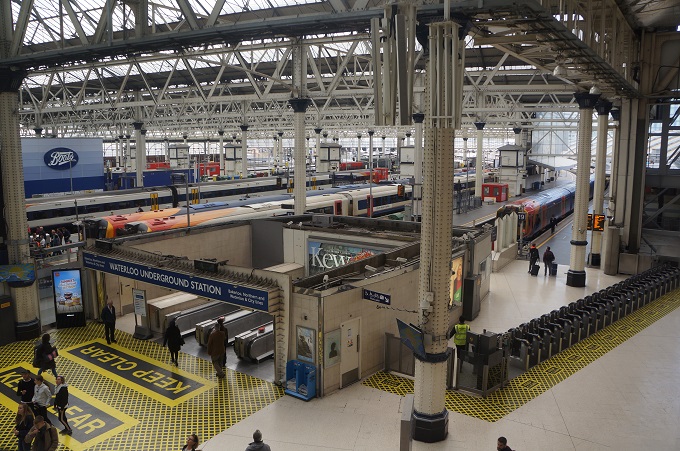
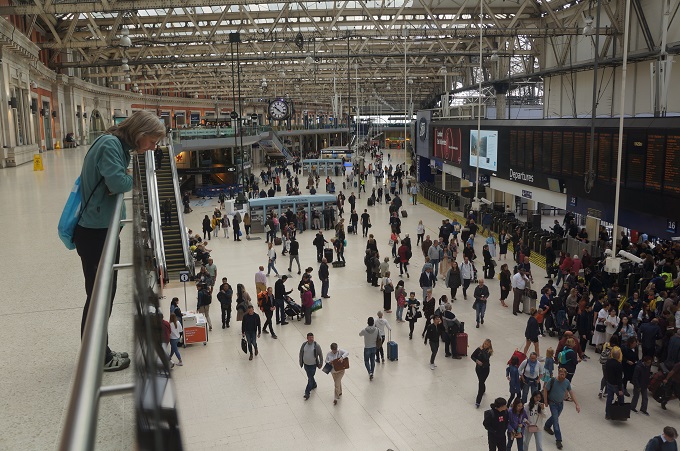
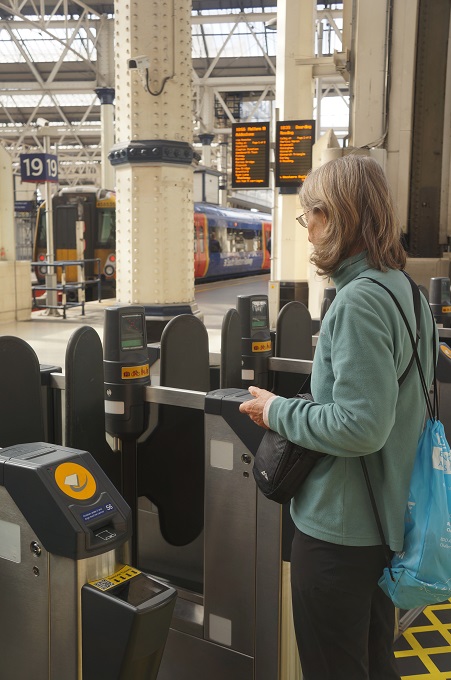
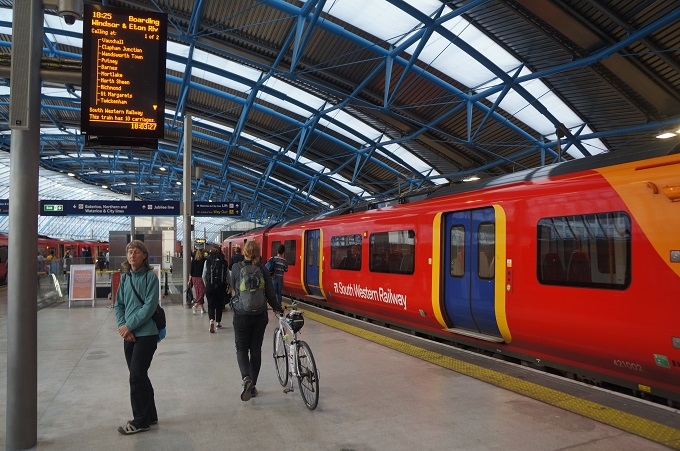
For us to get to Kew it is a 30 minute trip on the underground Bakerloo Line from Paddington to Waterloo and then another 30 minute trip on the aboveground South Western Railway to Kew Garden Station.

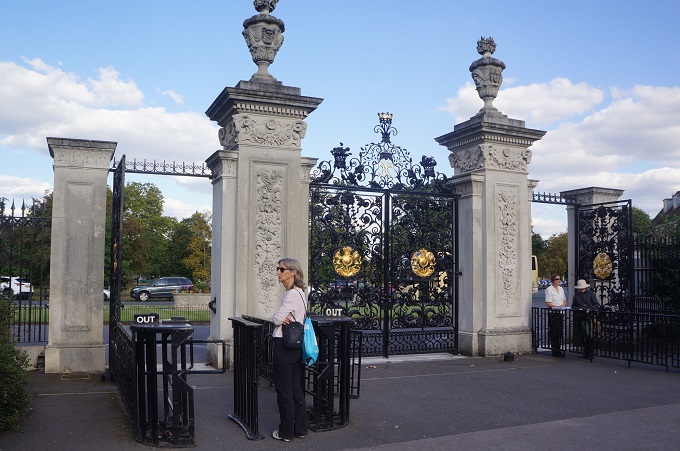
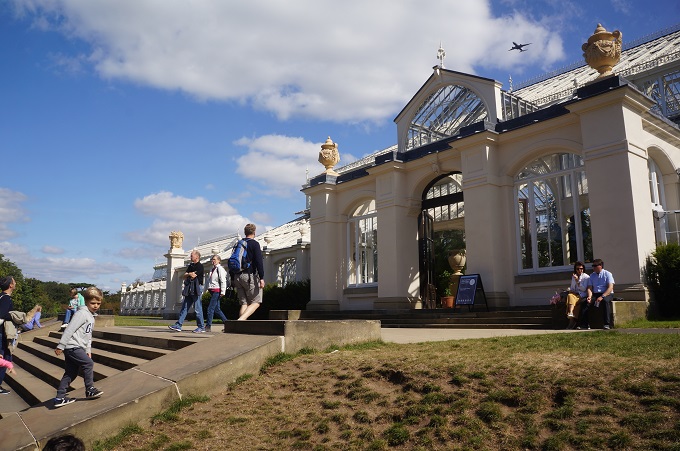
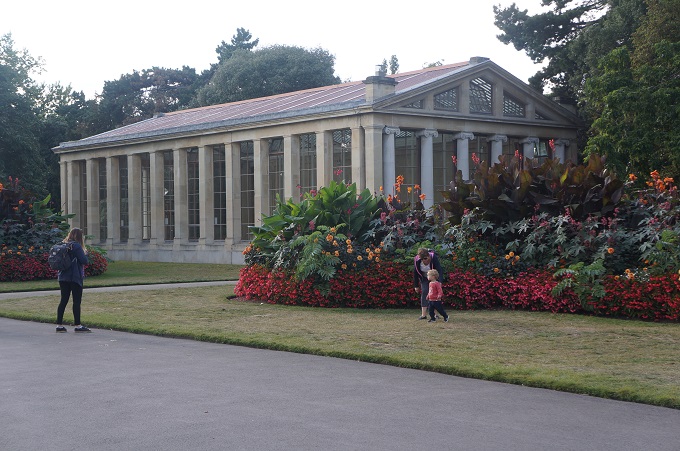
Kew Gardens contains the largest and most diverse plant collection in the world. It has been dated as formerly starting in 1779, beginning as an exotic garden and being enlarged by the merging of royal estates. We didn’t go to view the plants so much as to see Chihuly’s works, visit the buildings and just enjoy being outdoors on a sunny day in beautiful surroundings.

There are many notable buildings and structures and although we didn’t see them all some of the most interesting were:

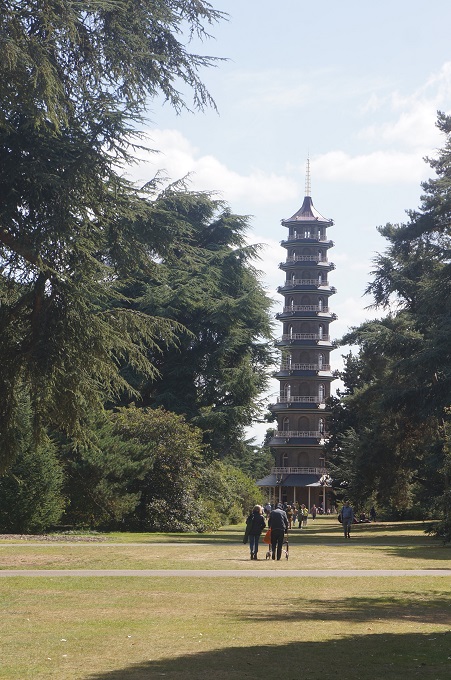
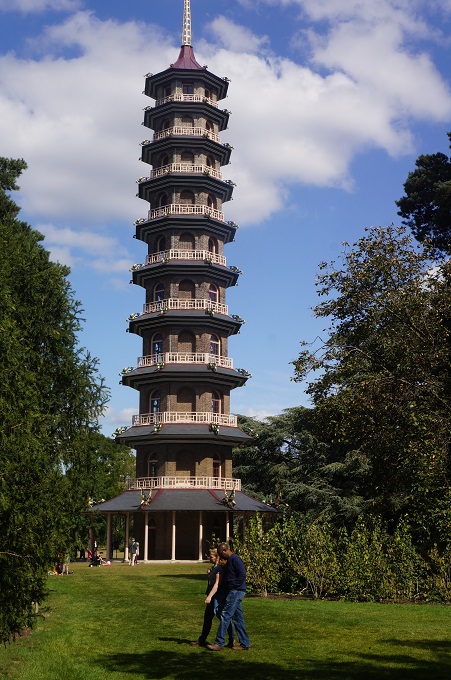
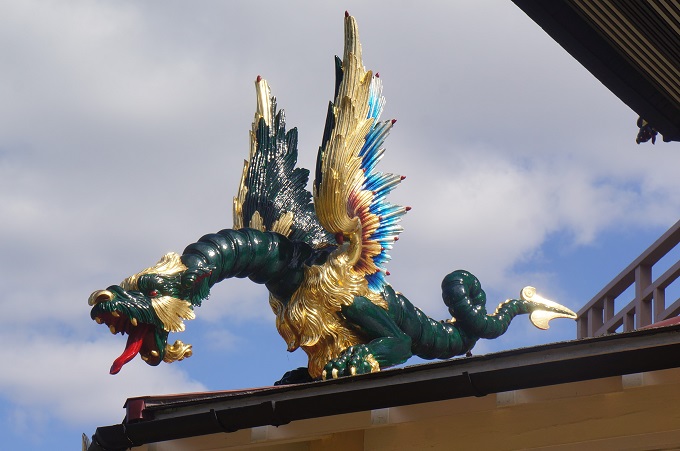
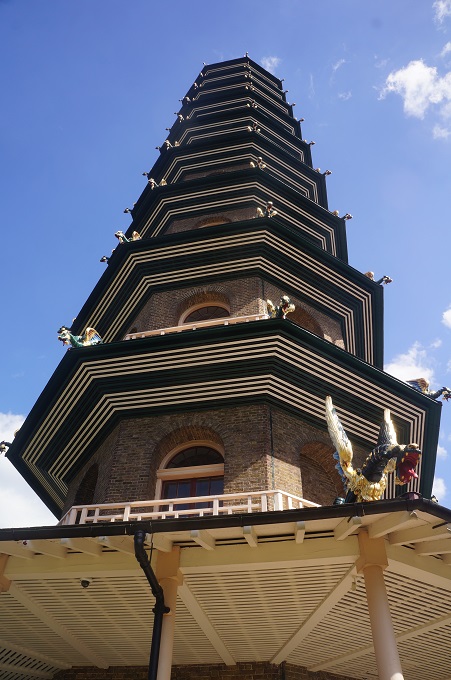
The Chinese Pagoda erected in 1762 and decorated with large colourful dragons.

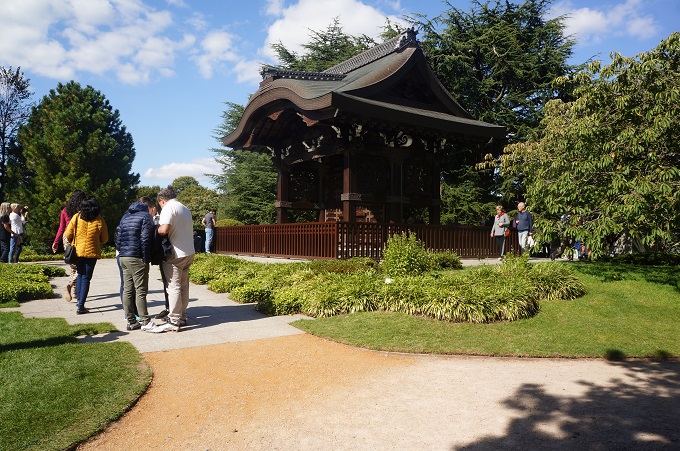
The Japanese Gateway, moved to Kew in 1911, it is a four fifths  scale replica of a temple gate in Kyoto.

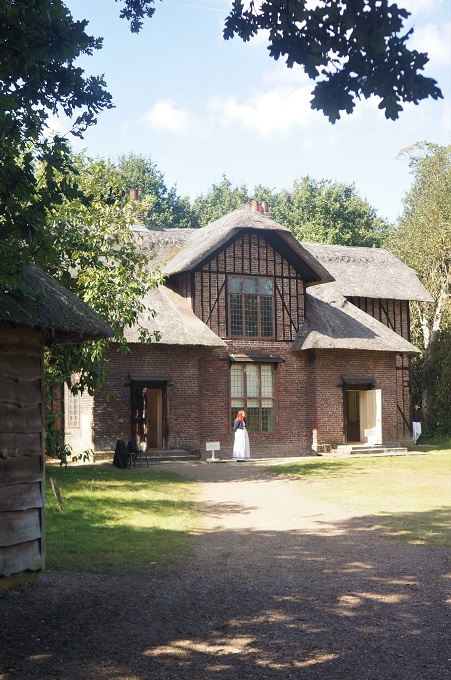
Queen Charlotte’s Cottage built about 1771 for Queen Charlotte and her husband George III on day visits to Kew.

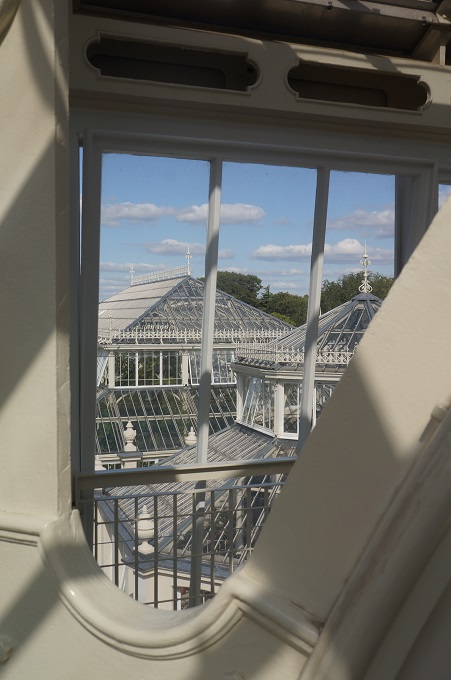
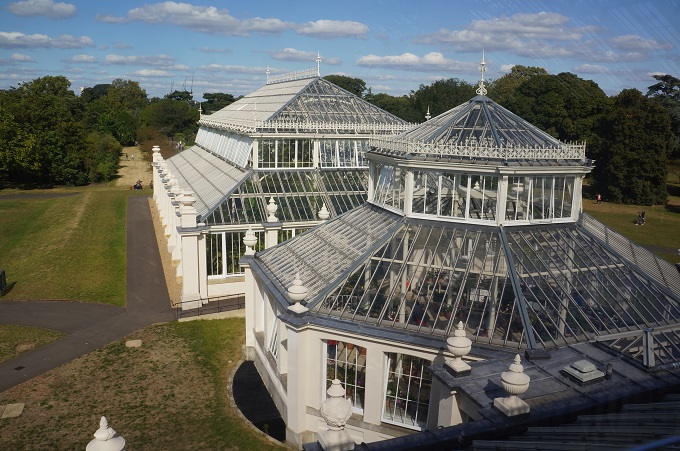
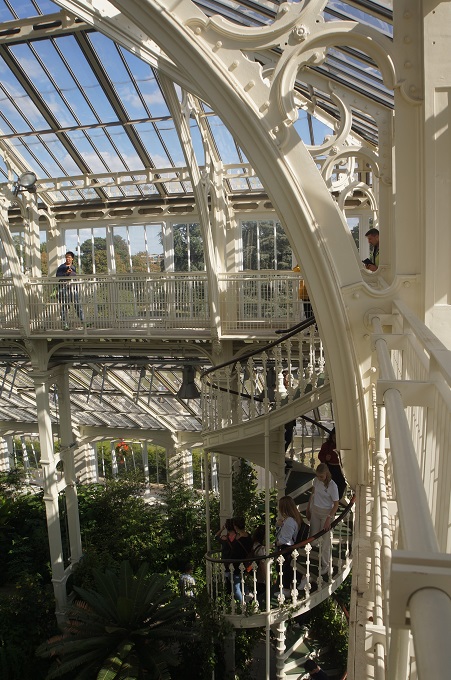
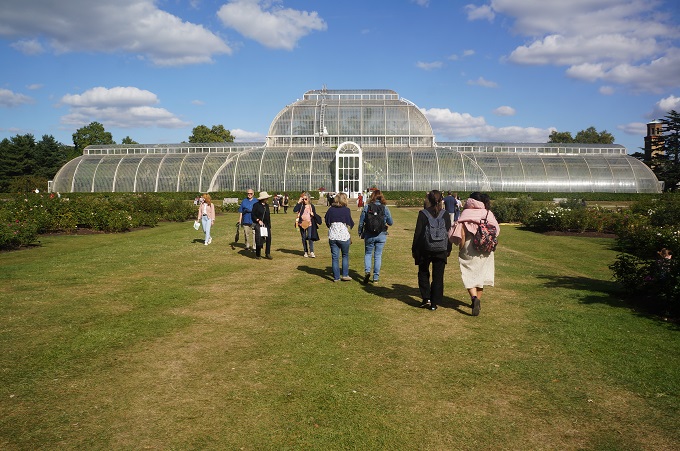
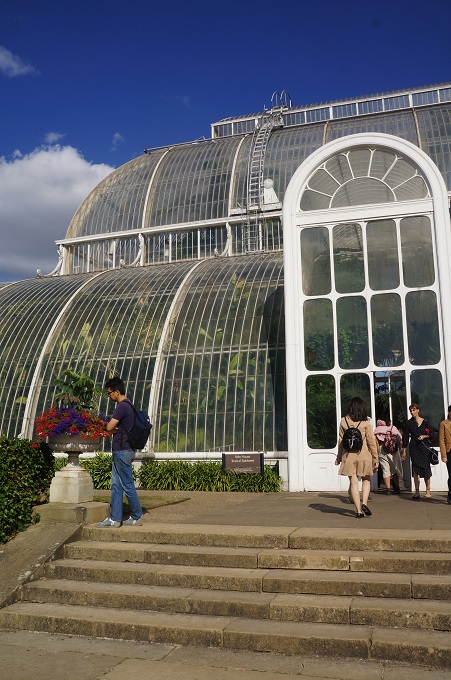
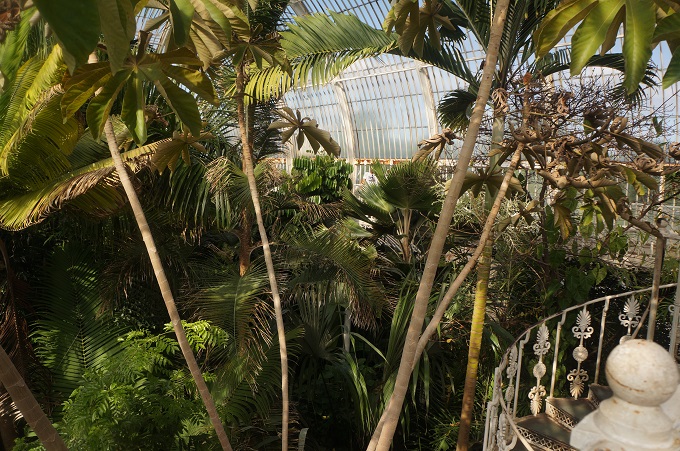
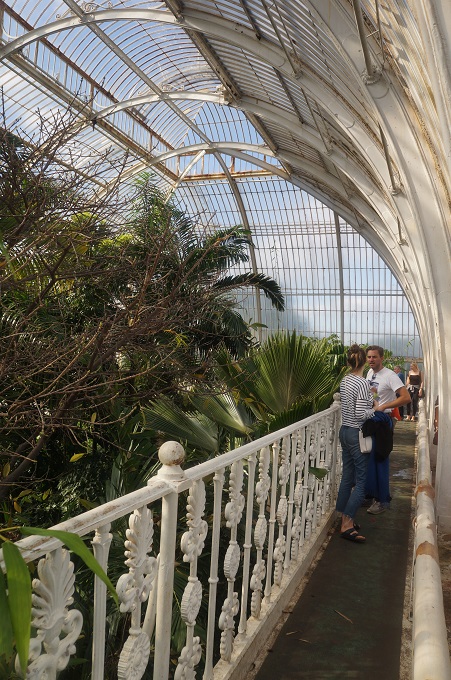
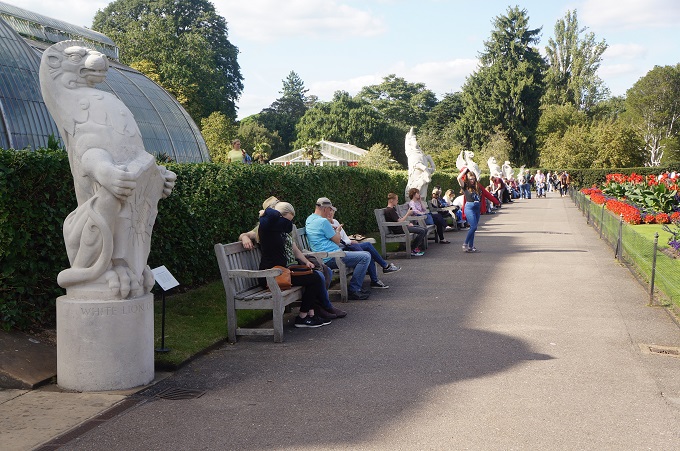
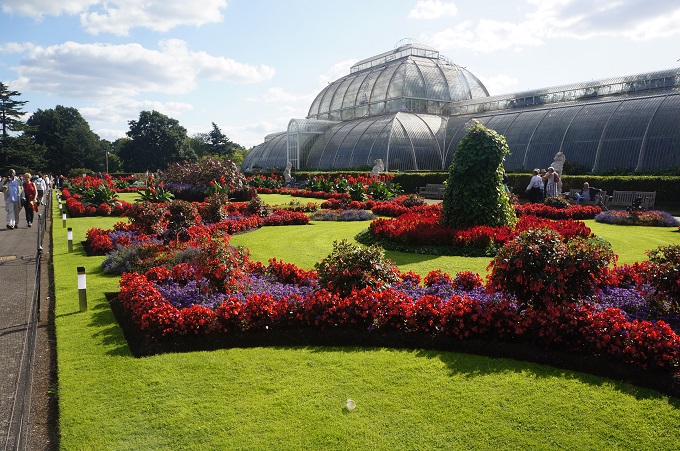
The Palm House and Parterre of 1844 – 1848, a fabulous structure of wrought iron, tubes, prestressed cables and glass with a walkway 9m above the ground to view the tops of the palms. In front of the house are ‘The Queen’s Beasts’, a row of 10 animals bearing shields.

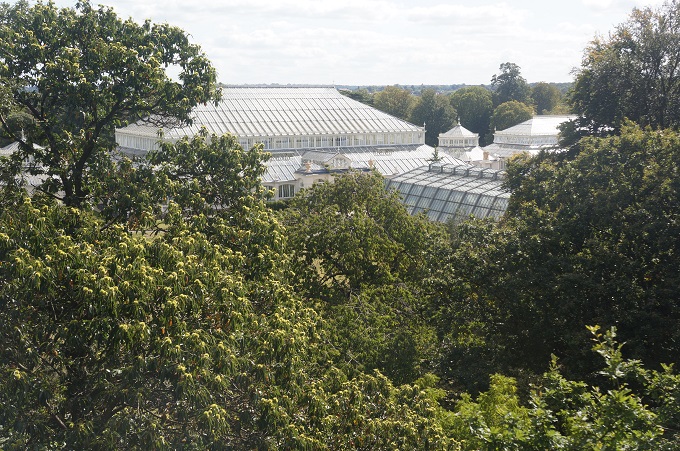
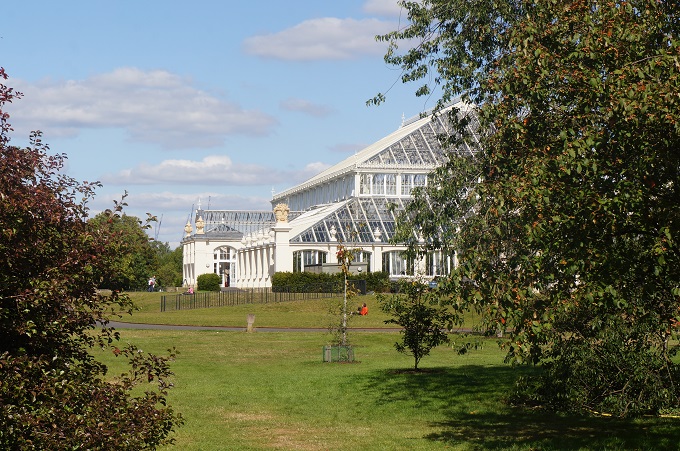
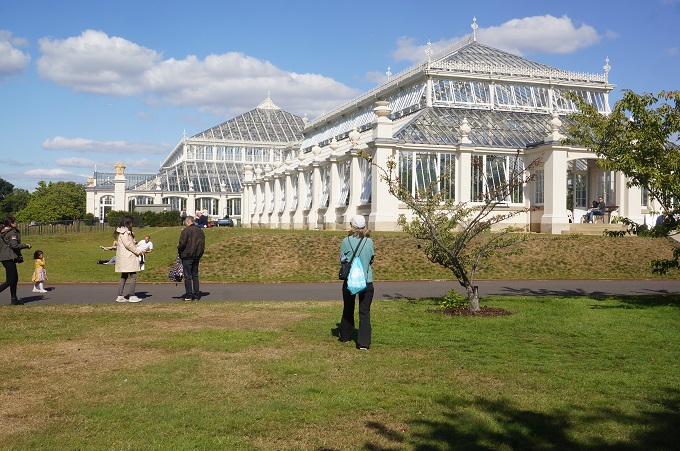
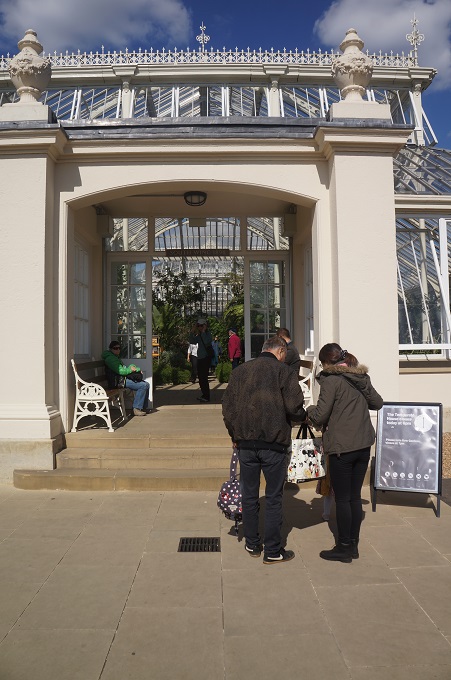
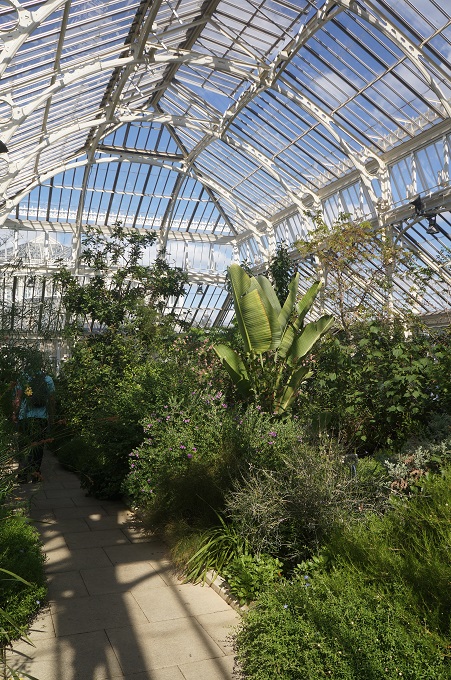
The Temperate House started in 1859, took 40 years to build and is the world’s largest Victorian glass structure.

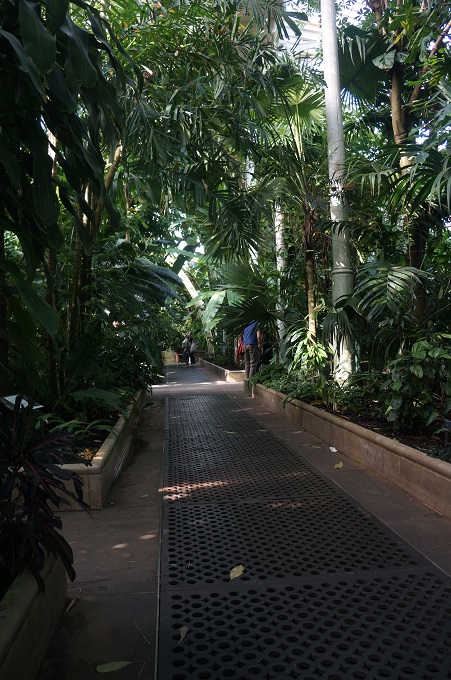
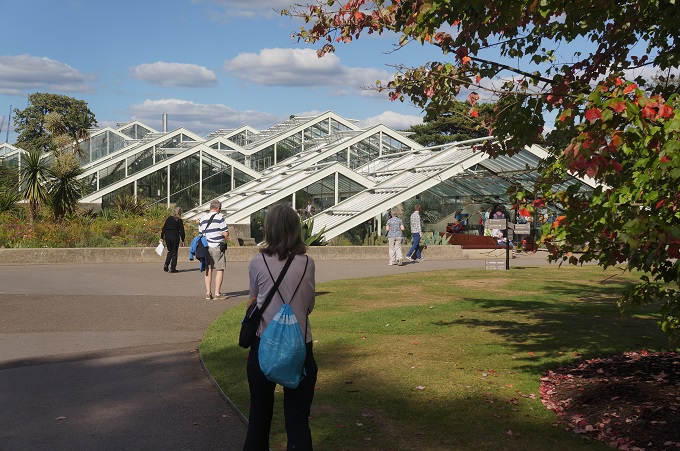
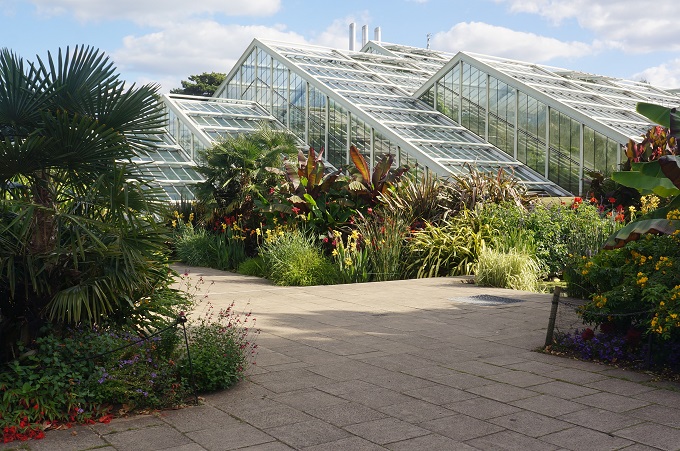
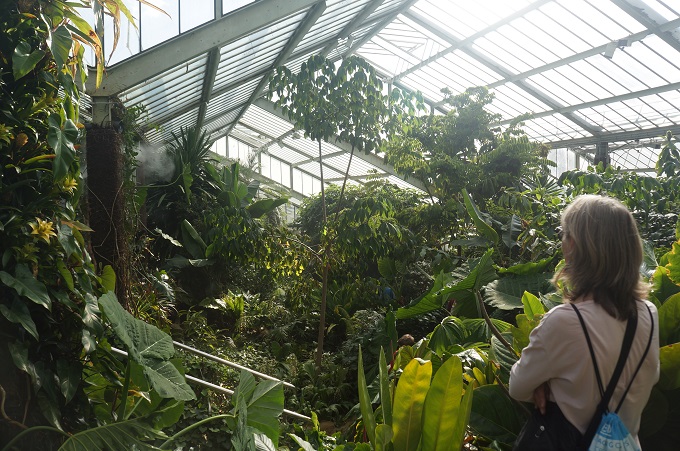
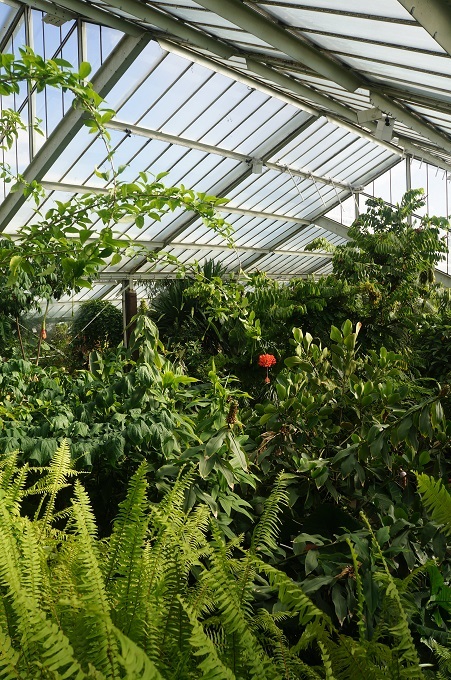
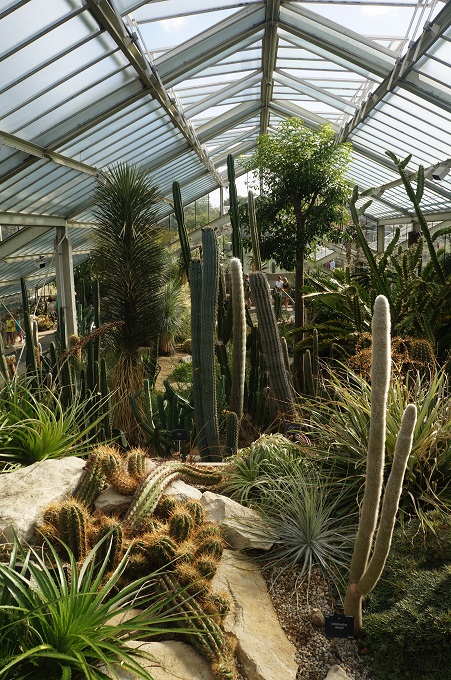
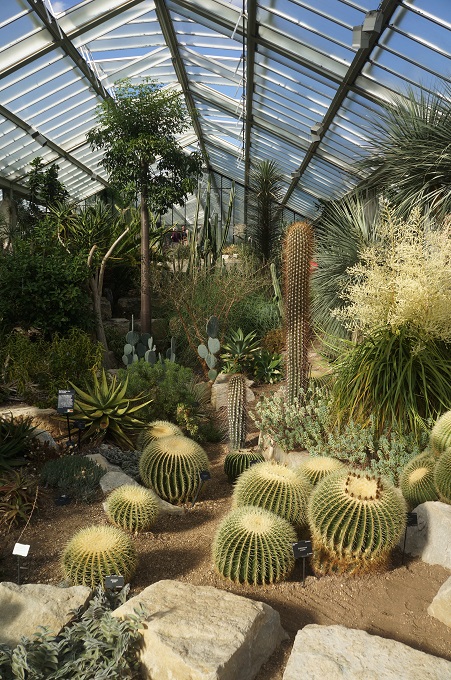
Princess of Wales Conservatory opened in 1987 by Diana Princess of Wales in commemoration of one of her predecessors Augusta Princess of Wales. It contains 10 computer controlled micro-climates of hot, cold, wet, dry, temperate, tropic, etc.

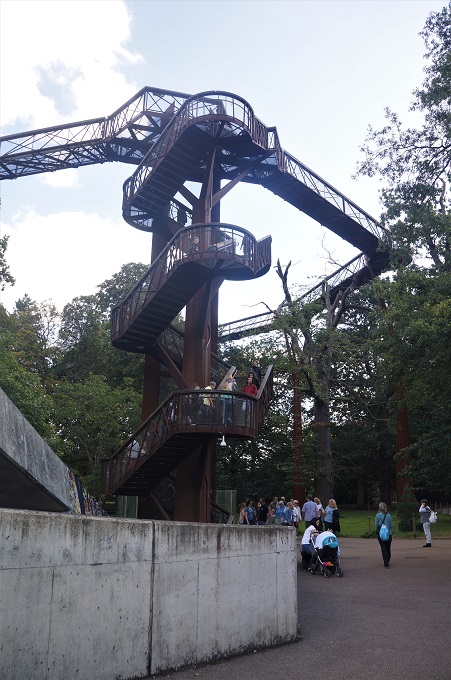
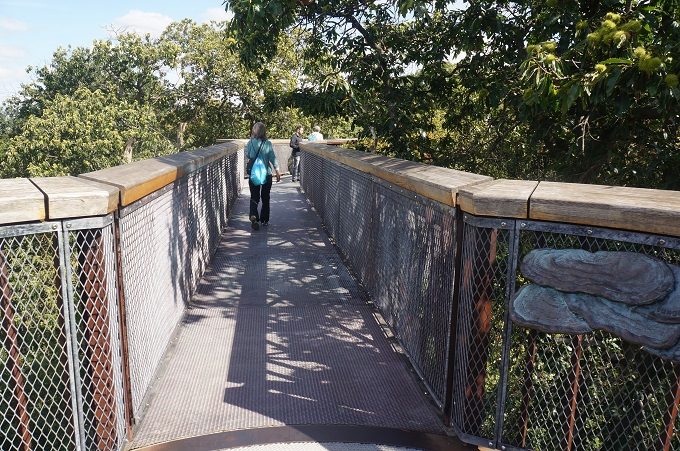
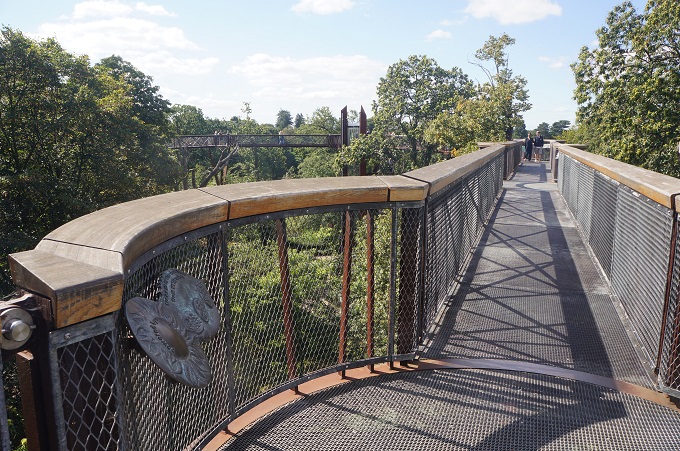
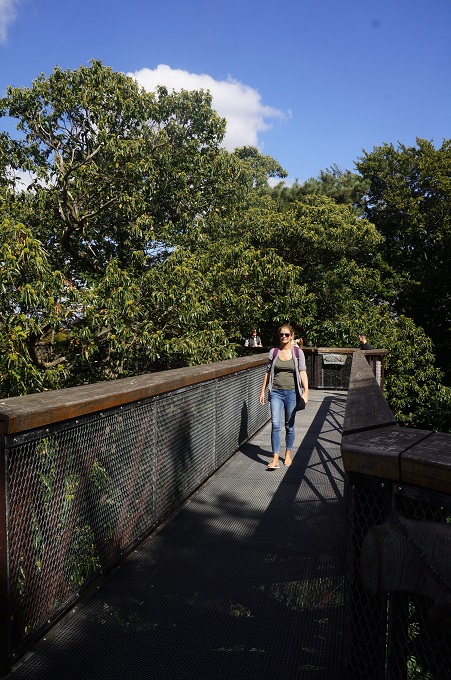
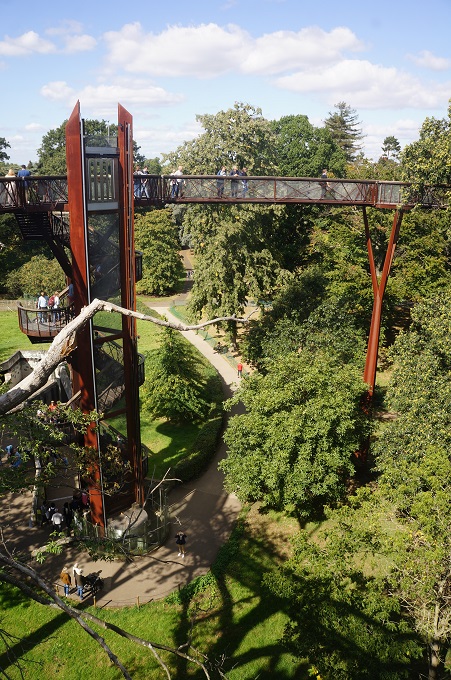
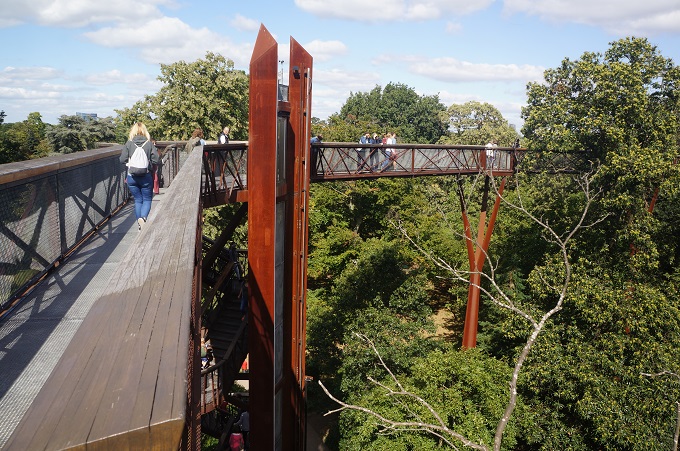
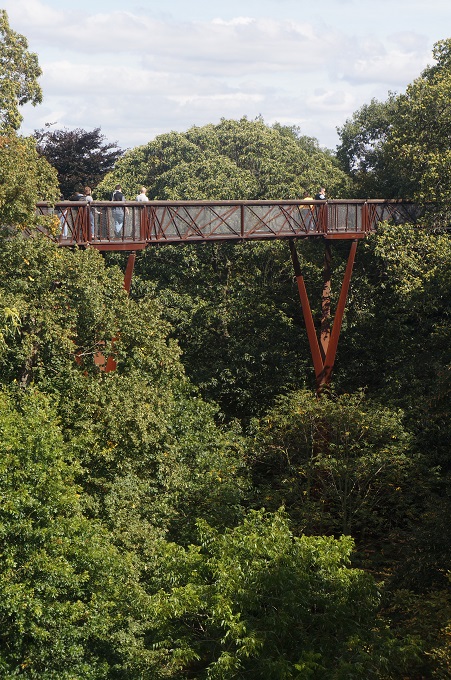
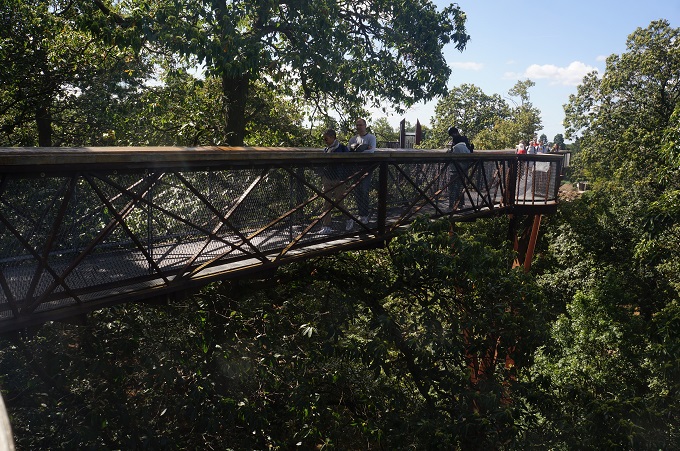
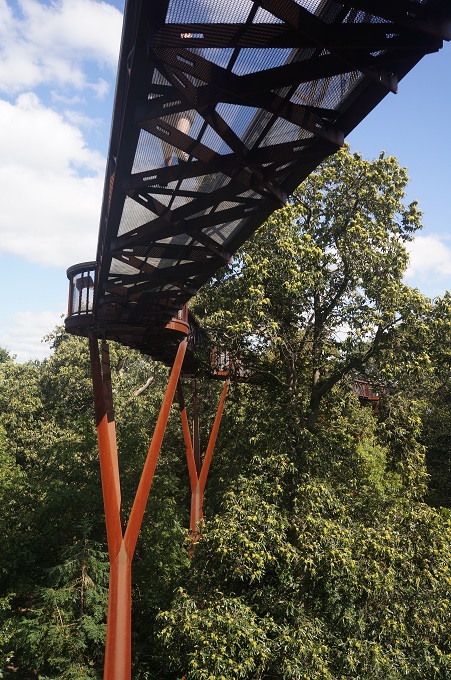
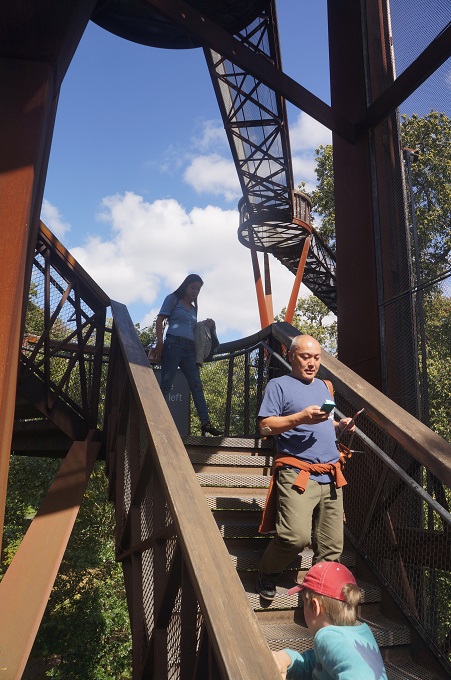
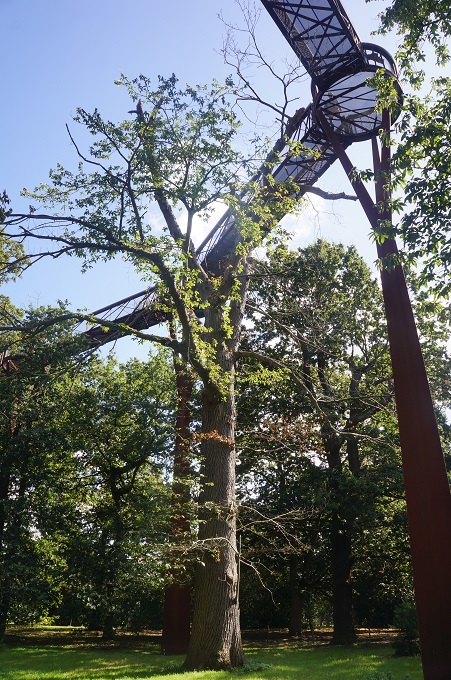
Treetop Walkway, 2008, a 200 metre walk 18 metres above the ground in the tree canopy. When you stop walking it wobbles and sways a lot, caused just by people moving about.

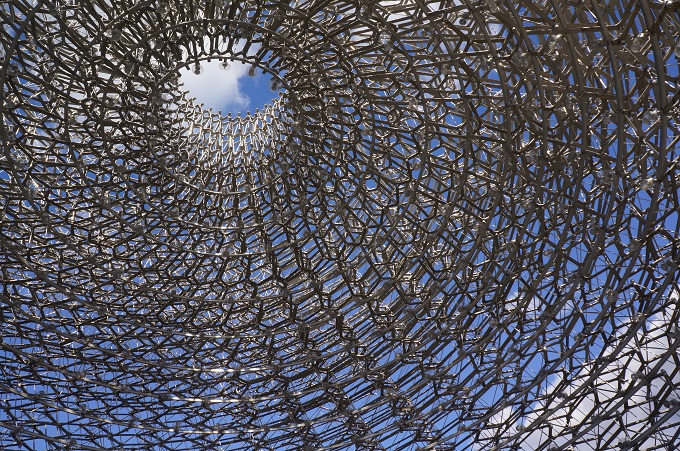
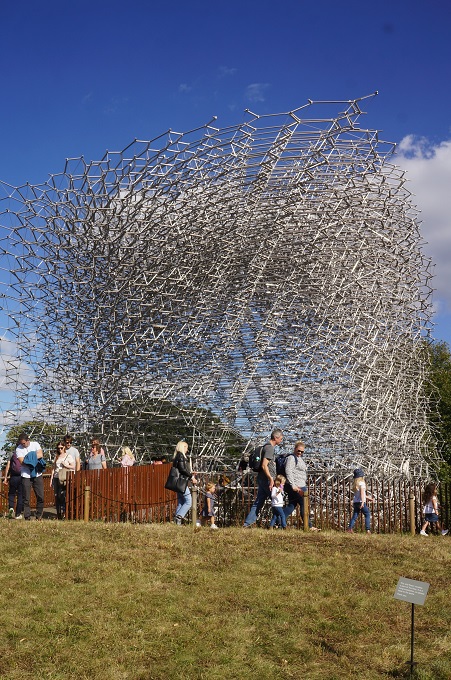
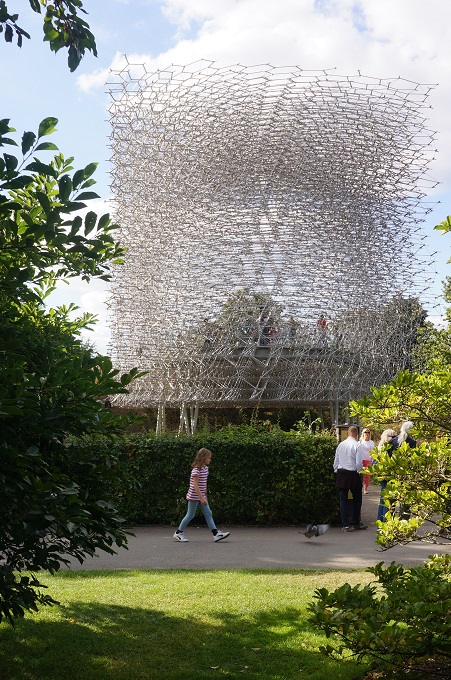
The Hive, 2016, a multi-sensory experience highlighting the extraordinary life of bees.

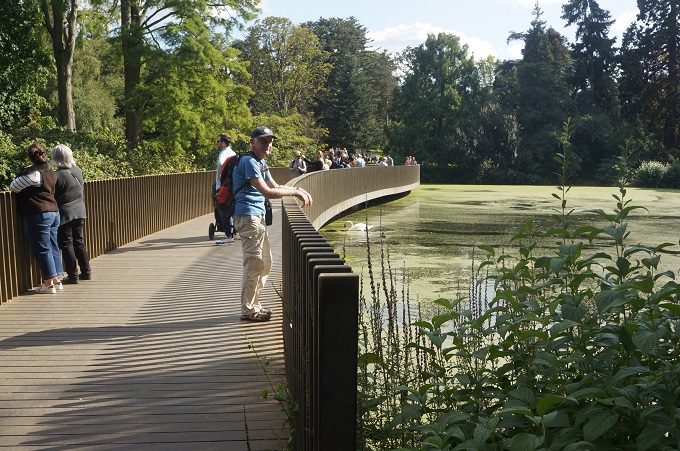
The Sackler Crossing Bridge, 2006, an elegant sweeping double curve bridge of black granite and bronze.

And much, much more and all the time the amazing work of Dale Chihuly popping up in this wonderful, if slightly artificial, landscape. We took it all pretty slowly and had a very relaxing day. Kew gets 1.9 million visitors a year, which is about 5000 per day but it is so big it never feels crowded.

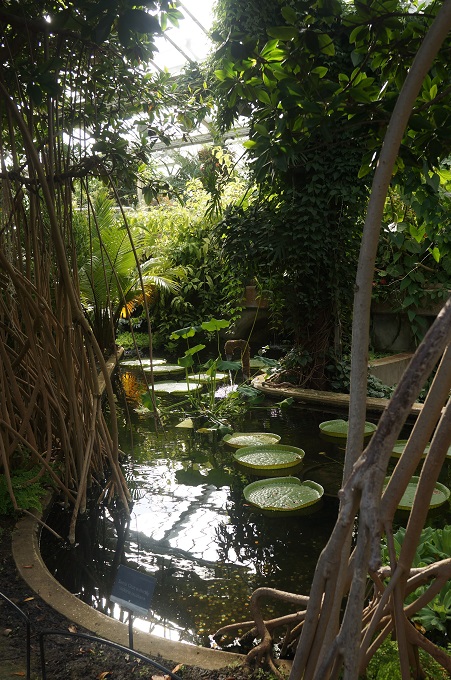
We didn’t spend a lot of time examining the plants but one I was interested to see was Victoria amazonica, a genus of water-lilies from the shallow waters of the Amazon River Basin. It has leaves that float on the water and are up to 3 metres in diameter and can support up to 32 kilogrammes. In a past life I designed additions to the Begonia House in the Wellington Botanic Gardens so that these lilies could be grown in Wellington. We did succeed for a while but the lilies were very sensitive to water and air temperature and humidity and it was very demanding to keep these in a narrow range all year round.

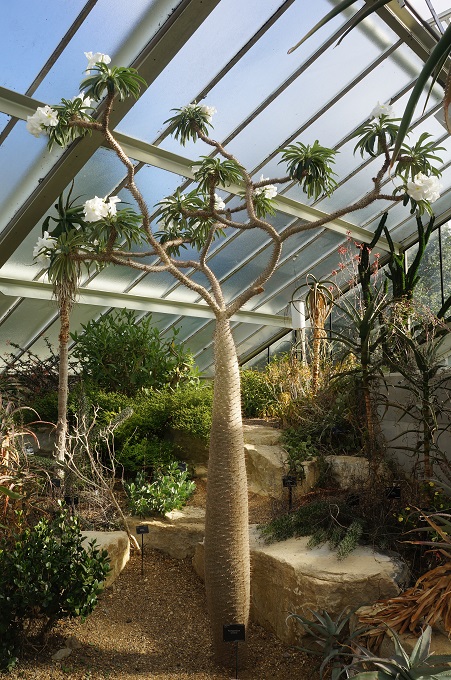
In the desert section of the Princess of Wales Conservatory Barbara found an unusual cactus that looked exactly like an illustration from a Dr Seuss book. So it is now the Dr Seuss Tree.


Knackered in Notting Hill

So we arrived at the hotel at 8.30am but couldn’t get our room until 2.30pm. We are at the Shakespeare Hotel in Paddington, the same hotel we used last year and in the same room. It is an easy train ride from Heathrow to Paddington on the TFL trains using our newly topped up Oyster Cards. We left our luggage at the hotel bag store and set off for a stroll in Hyde Park and to find a coffee.

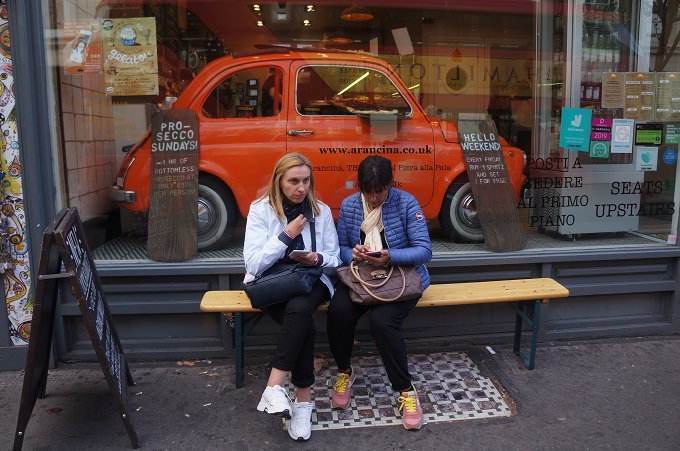
We picked up a brochure on walking tours of London and saw there was an interesting one not far away in Notting Hill starting at 10.45am. This company was called London Walks and they have hundreds of different themed walks. To go on a London Walk you just turn up, no need to book. You meet you guide and the rest of your group outside the designated Tube stop near the area of your walk. Pay in cash £10 for adults, £8 for seniors. The walks last 2 hours. Our guide was Clare, a true Londoner aged in her sixties who lived for a long time in Notting Hill. There were about 20 in our group. We ended up doing the tour twice, but more of that later.

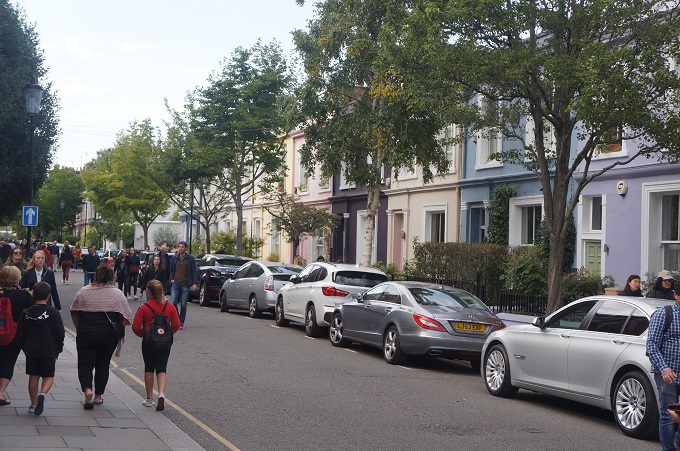
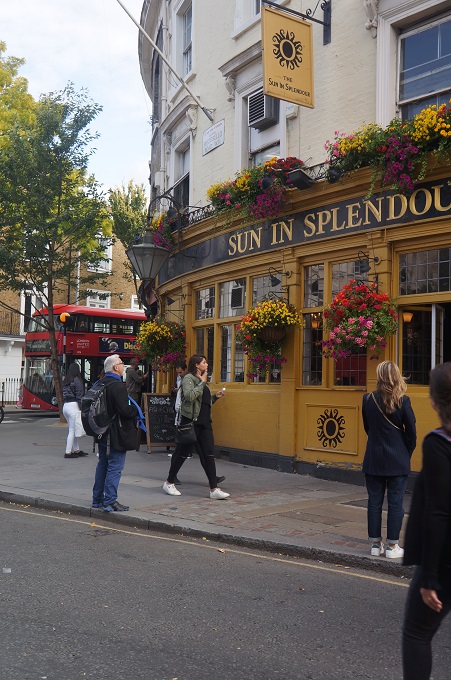
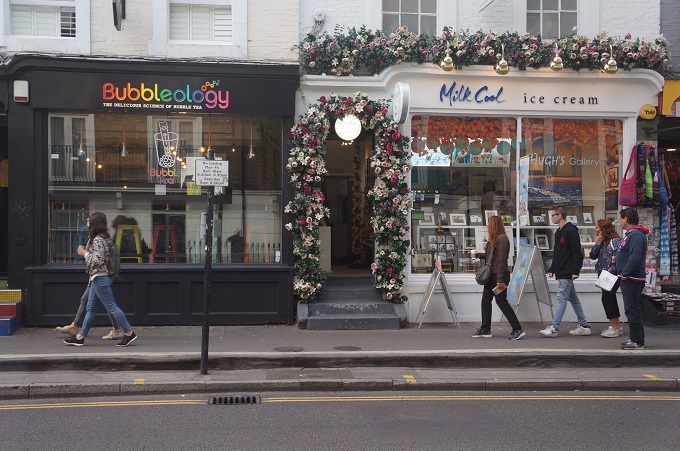
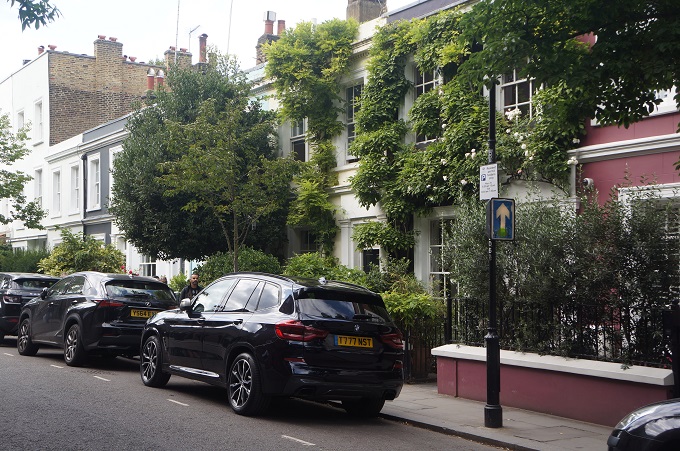
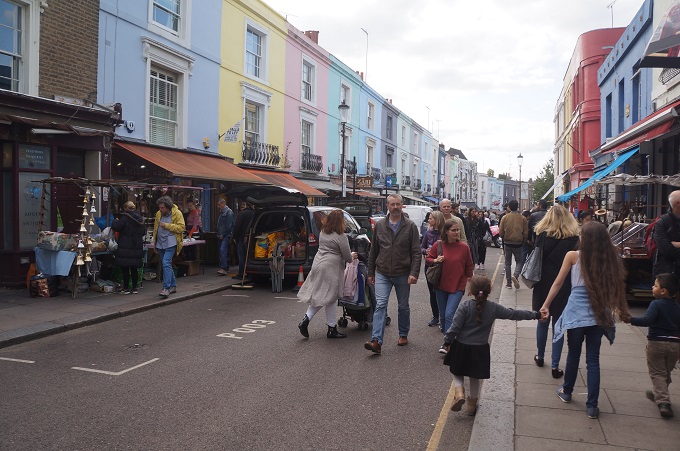
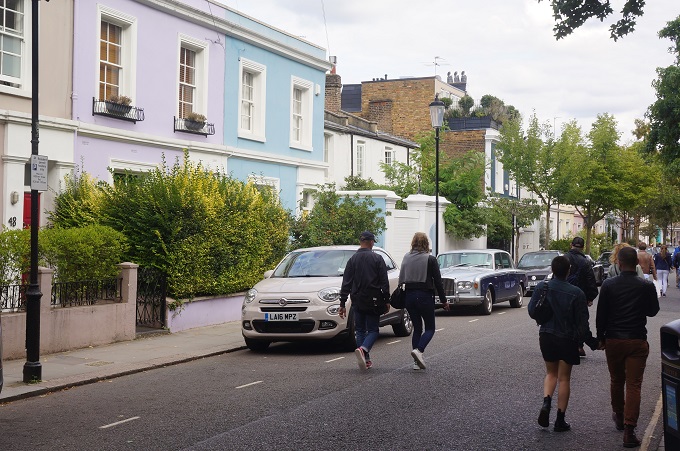
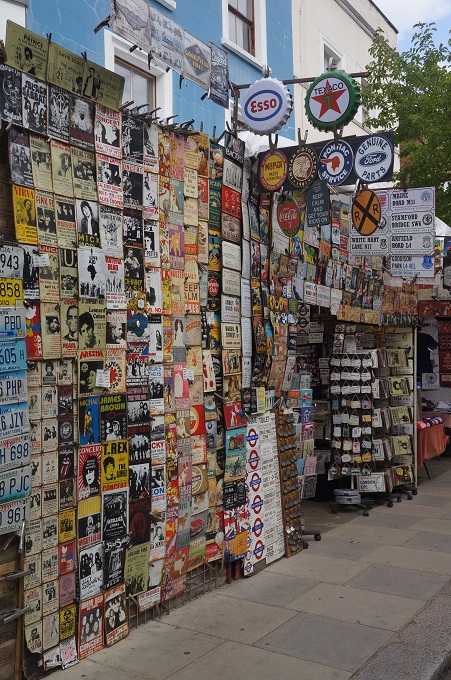
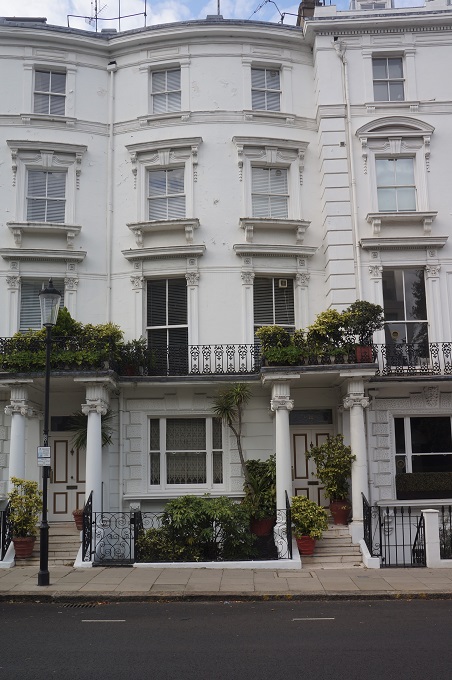
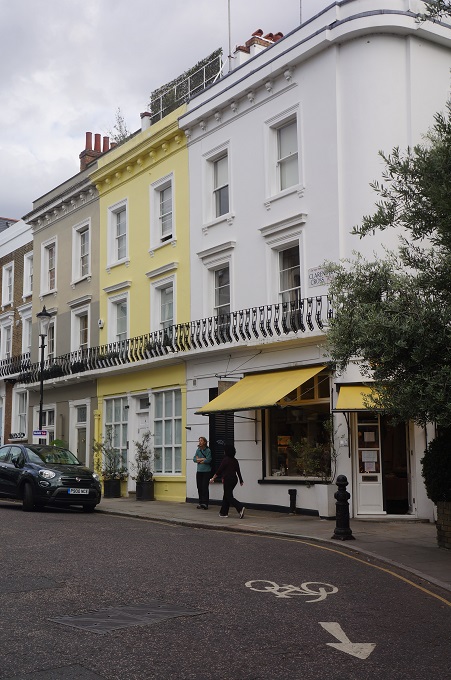
Notting Hill is an affluent, cosmopolitan and multi-cultural district in the Royal Borough of Kensington, West London. It is known for an annual carnival, Portobello Road Markets (Saturdays) and most recently as the setting for the1999 romantic comedy starring Julia Roberts and Hugh Grant, although it has been the setting for more than a dozen other films.

The walk is a pretty leisurely amble through the most interesting streets with Clare stopping every few hundred metres and talking about the history, culture, significant buildings and significant people associated with the district.

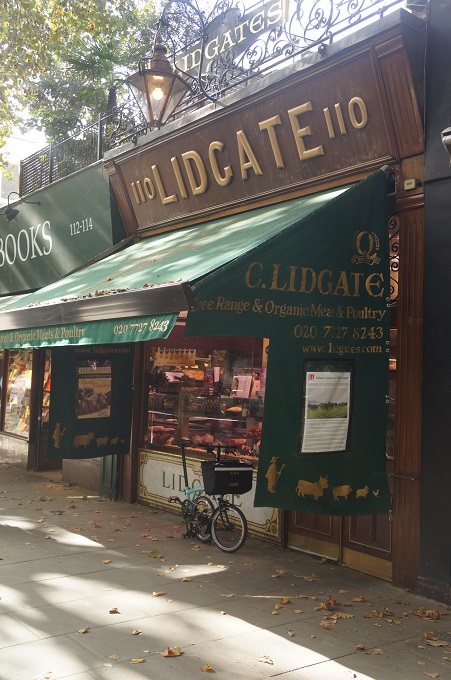
We started at C. Lidgate a butchers founded 150 years ago and now run by the fifth generation of the same family. It is claimed to be the most expensive butcher in the UK with fillet steak at £80 per kilo. They sell meat supplied by the estates of Prince Charlies and on the occasion of the 100th birthday of his grandmother, the Queen Mother, they sent her 100 sausages.

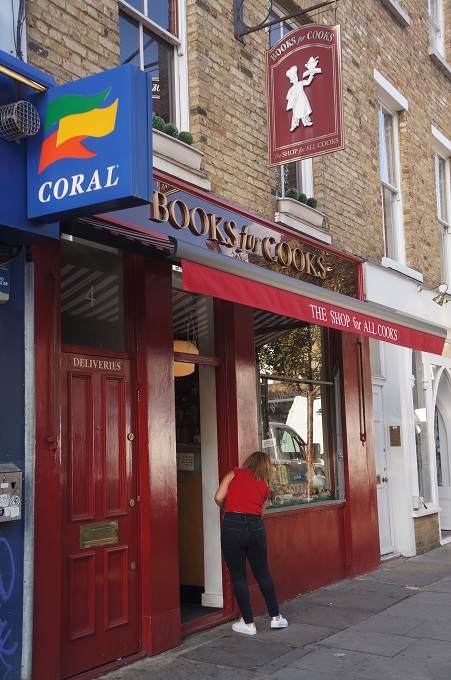
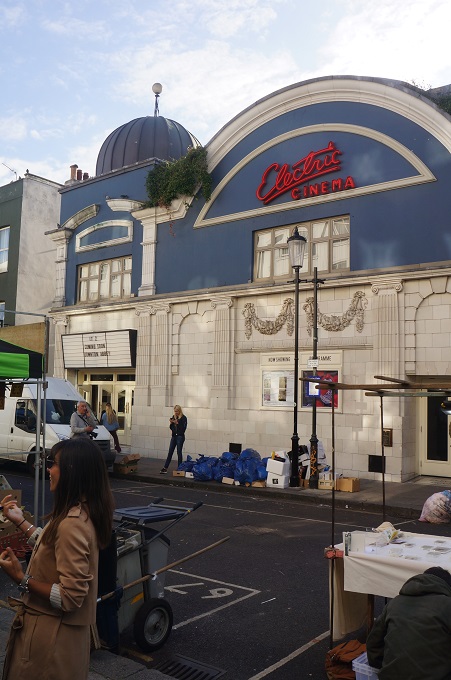
Along the way we saw the Electric Cinema, operating since 1910, one of the first theatres designed specifically for movies. We finished at a shop called Books for Cooks selling exclusively cook books formerly owned by the now deceased Clarissa Dickson Wright and Jennifer Paterson, the two eccentric cooks from the ‘Two Fat Ladies’ television series who drove around on a motorbike and sidecar.

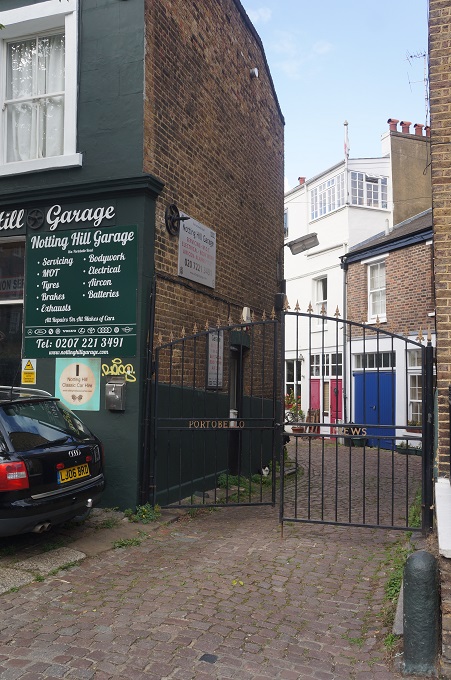
It becomes a bit of a walk past of houses of notable people e.g. Shirley Bassey, Ginger Spice, Annie Lennox, clarinet player Acker Bilk etc. We did see the Samarkand Hotel where Jimi Hendrix died in 1970 where he overdosed on sleeping pills and died of suffocation through vomit. We saw Portobello Hotel where Johnny Depp made a bath of champagne for Kate Moss to bathe in when they were a hot couple.

Notting Hill was rural land outside the City of London up until about 1800. At that time it had a large gypsy encampment and many potteries. The area had good clay for making tiles and pipes. Piggeries were forced out of Marble Arch in London and set up in Notting Hill. The pig slurry filled the pits dug for the clay and formed a foul area of pig slurry called ‘the ocean’. About a thousand gypsies lived in squalor in the ocean.

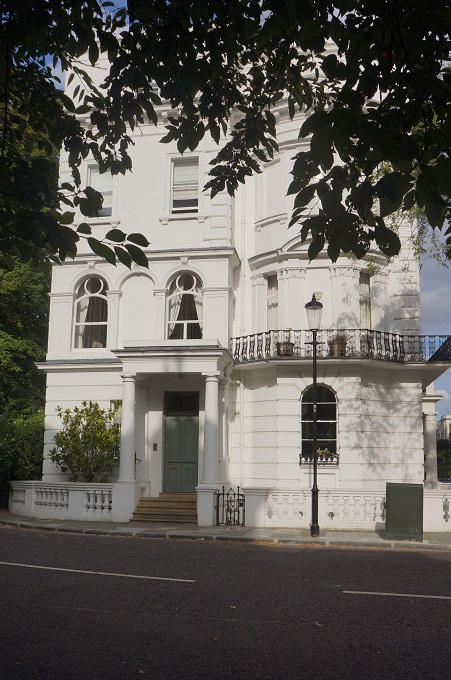
In the 1800s developers moved into the district and built large expensive houses. The developments were terraces or crescents built around private communal gardens or ‘paddocks’. This affluent area also had for a short time its own exclusive race course – ‘The Hippodrome’. By the twentieth century the area had lost its market value and most of the large house were sub-divided into small tenancies and after WWII it became an area for the down at heel in cheap lodgings. Labourers were brought in from the West Indies to help with a labour shortage after the war which led to racially motivated riots in the 1950s. From the 1980s gentrification has seen property prices soar and the houses converted back into large homes.

We thought the walk was pretty good value and Clare was quite entertaining. The walk finished bang on two hours in the Portobello Market. At the start of the walk I realised I had not put the memory card back in my camera after downloading photos at one of our stopovers. So I couldn’t take any photos. We decided to go to our hotel, check in, have a shower and then come back and quickly go around Notting Hill again taking photos of where we had been. This sounded good in theory but was a bit of a disaster in practice. By now we had been about 30 hours without any decent sleep and we couldn’t quite remember where Clare had taken us so we often got lost and there was much back tracking and going around in circles.  Eventually it got too much and two very weary zombies trudged back to their hotel absolutely knackered. We didn’t even eat dinner before collapsing into bed.


But what about the carbon footprint?

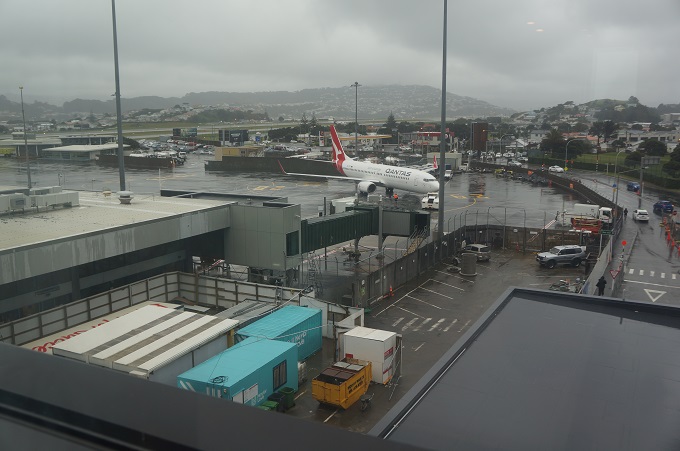
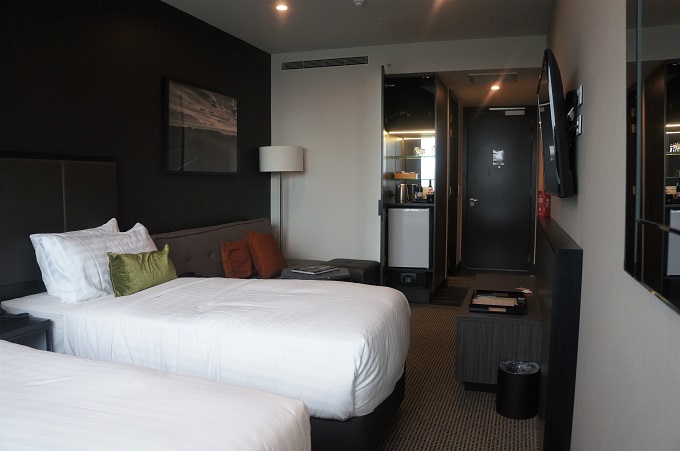
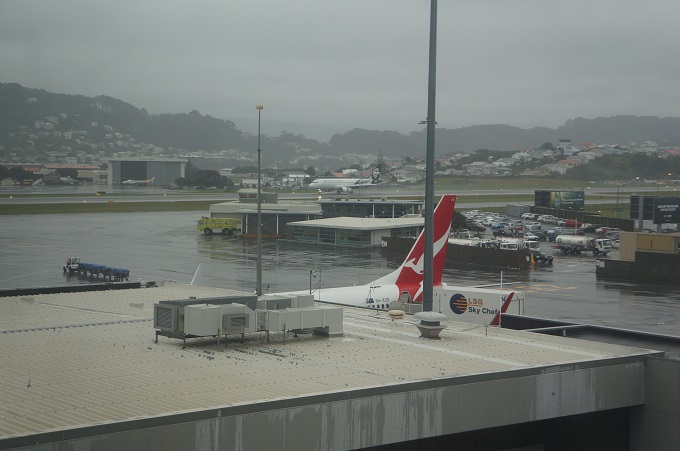
Staying at the Rydges Hotel at Wellington Airport was a new experience for us. It certainly makes for a relaxed and stress-free departure for flights leaving very early in the morning. And it came with one complimentary drink (to share !!) at the bar, always a good way to start a new adventure.

The hotel is a strange modern version of Art Deco, done almost exclusively in black and white. The bathrooms especially are an eye-popping contrast of black and white tiles in a zig zag pattern and matt black plumbing fittings.

It was extremely quiet, the best noise insulation I have ever experienced in a hotel, has very, very comfy beds, and it is only a couple of minutes lift and escalator ride from your room down to the check-in kiosks.

There were a lot of artworks about and for me the best were three beautiful bikes on display. They originally wanted a classic car but couldn’t get it through the doors so the next best thing for cycling enthusiasts and non-art lovers was a display of the finest road bikes on the planet.

The first was a Pinarella Dogma F10, currently the fastest road bike in the world, ridden by Team Sky to three Tour de France titles in 2016, 2017 (Chris Froome) and 2018 (Gerrant Thomas).

The second was a Greg LeMond Team Z from 1991. Hand made with a CrMo frame. Lemond won three Tour De France Tours and two Road Race World Championships.

The third was a Factor O2 Disc, built with no compromises of carbon fibre, disc brakes and blue tooth wireless gear changes. It is only for the fastest riders in the peleton, and The Wobbly Wheelers!

It was a smooth and uneventful flight from Wellington to Sydney except that we now know why New Zealand and Australian soldiers were called ‘diggers’. On a perfect sunny, calm Sydney morning the aircraft landed with an almighty jolt, the pilot seemingly trying to dig a trench the length of the runway. Everyone was tossed violently forward and I had to grab hold of the back of the seat in front.

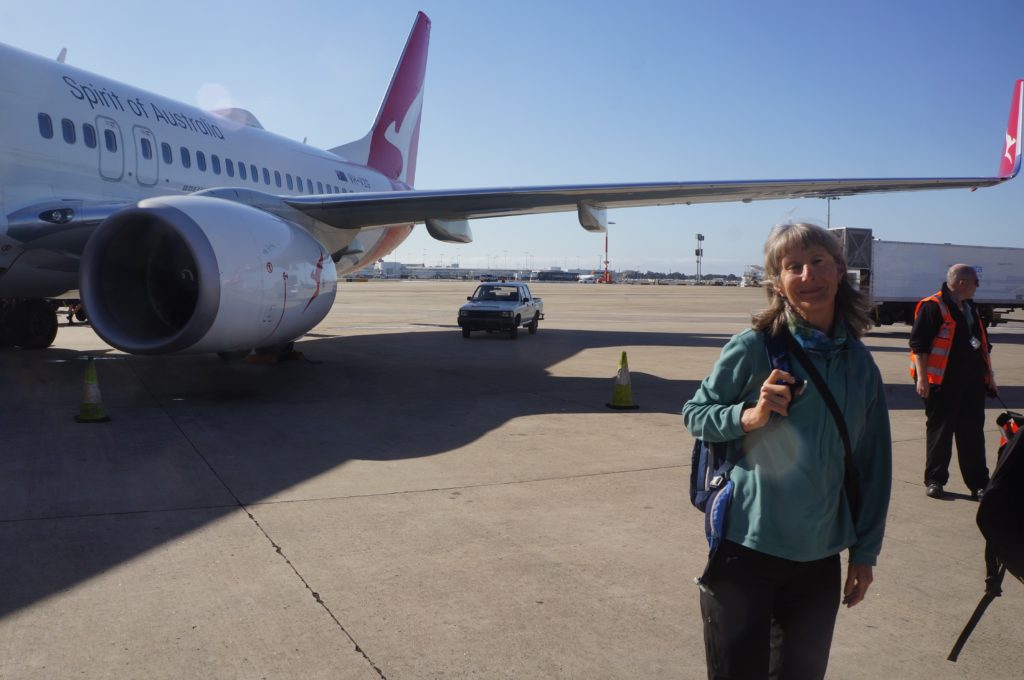
The least said about waiting around for seven and a half hours in Sydney Airport the better. The flight from Sydney to Heathrow was surprisingly good and the time passed quite quickly. An 8hr 20mins leg to Singapore where all 474 passengers had to disembark for an hour and a half while the plane was refuelled and reprovisioned, then a 13hr 30min leg to London. Qantas was exactly on time all the way and the only snag was when we got to Heathrow there was some congestion so we flew in circles for about 20 mins.

We arrived at Heathrow at 6.30am all well and with all our bags. We were at our hotel by 8.30am but couldn’t check in until 2.30pm so dropped off our luggage and set off to find something to do for 6 hours. More on that in the next post.

As usual we arrived in London with a guilty conscience. A return flight Wellington to Heathrow produces emissions of 5.71 tonnes of carbon dioxide equivalent per person. The average yearly emissions for New Zealanders are 16.9 tonnes of carbon dioxide equivalent so we have used a huge chunk of our share in just these flights. We’ll be planting hundreds of trees in QE Park next winter. Our little 1300cc Suzuki Jimny produces 0.21 tonnes of carbon dioxide equivalent per 1000kms so we’ll have to cut back our driving drastically as well.


2019

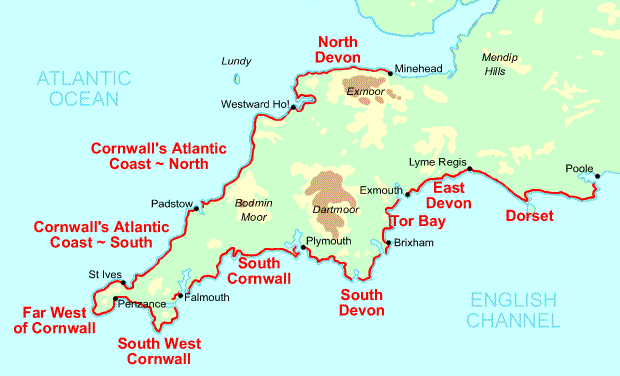
Last year we walked 500 km of the South West Coast Path from Westward Ho! to Plymouth. At 1000 km the South West Coast Path is the longest of the United Kingdom’s National Trails.

We enjoyed the walking so much we have decided to return and walk a further 300 km approximately.

This year’s walk is in two stages. The first stage is from Minehead to Westward Ho!

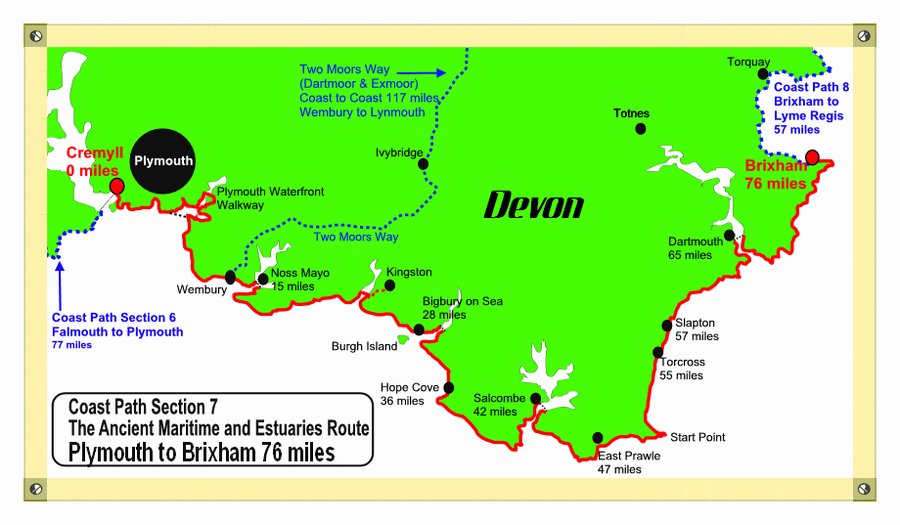
The second stage is from Plymouth to Brixham.

Before and after walking the South West Coast Path we will have a few days in London. On the way home we will stop over in Perth Western Australia for six days for the wedding of our son Simon and his fiance Dezaray on Rottnest Island.

SCWP Overview

South West Coast Path – An Overview

We walked over 500 kilometres of the SWCP, starting in Westward Ho! (Devon), walking the entire coast of Cornwall and finishing in Plymouth, back in Devon. This is about half the1000 km of the total SWCP which starts in Minehead and finishes in Poole.

The walk is classified as strenuous and from our experience for the section we walked we would say it is 5% easy, 45% moderate, 40% strenuous, 10% severe. The coast is not flat and every day, several times, you climb from sea level to the top of cliffs and headlands, and back down again. The highest cliff we climbed was 230 metres above sea level.

We walked for thirty days at an average of about 17 km per day. Our longest day was 27 km and our shortest day was 8 km. There are many, many places to get accommodation and food so you can vary the length of each day to suit your ability and the time you have.

We walked in late spring and early summer and had very good weather most of the time. Very little rain and a few days of mist and low cloud. Not too hot with temperatures in the late teens and no strong winds just gentle sea breezes. There had been very little rain in early spring so the track was mostly dry and areas that would be muddy and boggy in the wet were hard and bone dry.

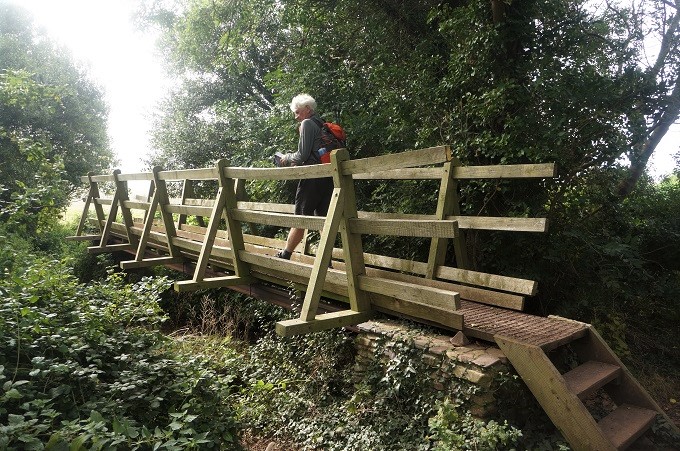
This is a well- formed path mostly on dirt but also on sandy and stony beaches, sand dunes, tarmac roads, farm roads, grassy fields, cobblestones, concrete paths, rocky outcrops, and boardwalks. The path gets a lot of use and so it is clearly visible. The confusing thing is that there are also many other public paths joining and criss-crossing the SWCP so you have to keep your wits about you to stay on the correct route. There are also hundreds of farm gates, kissing gates, bridges and stiles to negotiate and thousands of steps to climb.

A lot of the path runs along the edge of cliffs and in many places the cliffs are crumbling or unstable and have slipped away. In most cases there are signs and temporary fences and the path is diverted, often only a few metres, inland around the dangerous area. Some diversions are longer and the longest we had added an extra 4 km to the length of the stage. The path does tend to religiously follow the coast and many times a short cut could have been taken to bypass a headland.

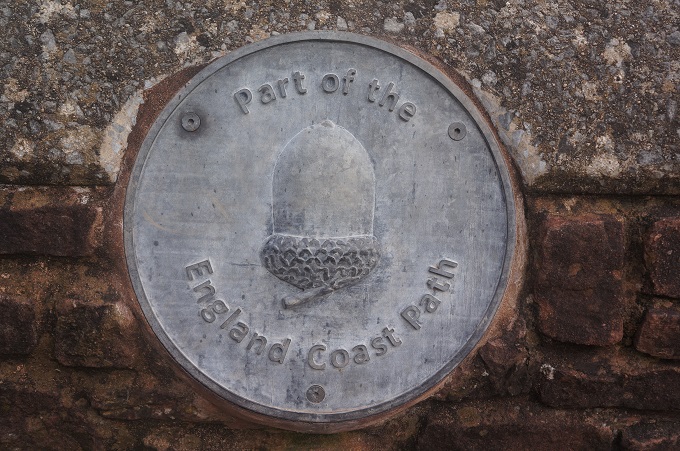
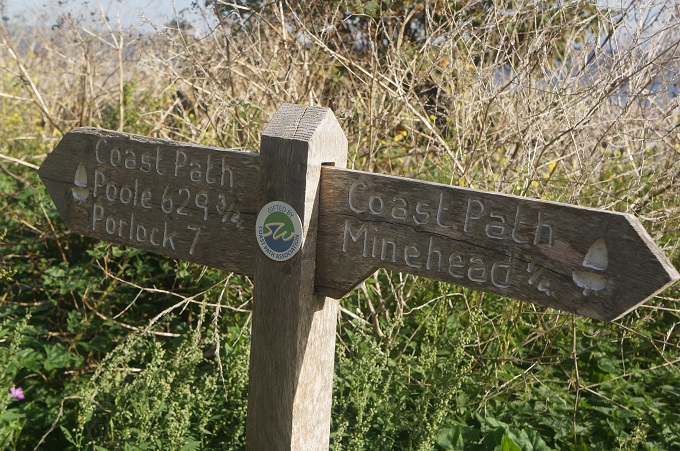
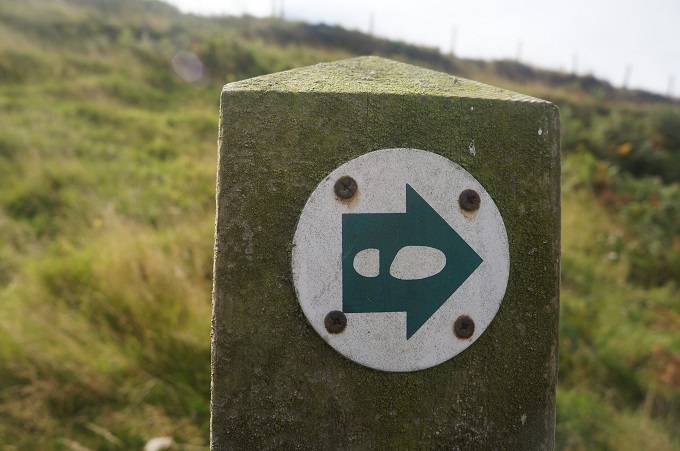
Signage is generally very good. The SWCP is a National Trail and has been a continuous path since 1978 so it is well established. Signs are usually timber, pointing in the direction to go, say ‘Coastal Path’ and give the miles to the next village. In addition, at junctions or where there are other public paths crisscrossing there are timber posts with a yellow arrow and an acorn (the National Trail symbol) showing the way. Inevitably a few signs or posts are missing or buried in hedgerows but if you always keep the sea on one side of you (left or right depending on whether you are going north to south or vice versa) and take the path closest to the coast (but not the one-way paths down to isolated beaches), you will never get lost. The hardest places to navigate through are the large towns and cities.

We used two volumes from the ‘Trailblazer’ series: Exmoor & North Devon Coast Path, SWCP Part 1 Minehead to Bude, and Cornwall Coast Path SWCP Part 2 Bude to Plymouth. These are very detailed with large scale maps (1:20,000) showing almost every gate, bench, set of steps, stone wall, etc for every inch of the path.  They also contain walking times, info on tricky junctions, places to stay, places to eat, points of interest and detailed public transport information. They only show what is happening right on the coast path and maybe a kilometre inland.

We also used two Harvey National Trail Maps: SCWP 1 Minehead to St Ives and SWCP2 St Ives to Plymouth. These are 1:40,000 and also have a ton of information but give a much bigger picture of where you are in relation to roads, inland towns etc, away from the coast.

We didn’t take smartphones but you can use GPS to track exactly where you are and where to go. The Trailblazer books have way GPS marker points you can tick off as you go.

The SWCP is maintained by volunteers and the local councils so the standard varies quite a bit. For us the biggest issue was from Lizard to Plymouth which has a subtropical climate and very lush vegetation. Some of the track was freshly trimmed with an edge trimmer but other parts were shoulder high in grass, wild flowers, bracken, brambles, thistles and nettles. When this is wet from dew, mist or rain you get saturated and stung.

The SWCP also uses rights of way over farms so you often will be sharing a field with sheep, cows or steers, horses and ponies. This is not an issue and they seem content sharing their territory with lots of walkers. We didn’t encounter any mosquitos, sand flies, biting ants etc.

Everyday there are interesting things to see, including  iron age hill forts, castles, ruins, churches and chapels, lighthouses, coastguard watch lookouts, lifeboat stations, memorials, plaques, statues, fortifications (ancient, old and new), mines, mining engine houses, holiday parks, houses, cafes, pubs, radar installations, navigation towers, military areas, airports, golf courses, harbours (large and small), villages, beaches, estuaries, rock stacks, rock arches, sink holes, emerald seas ,seals, dolphins, sea birds, etc.
We had been hoping this would be a social walk like the Camino in Spain but we met nobody who was doing a walk on the SWCP as long as us. We became friendly with a few people who were walking for a few days or up to about a week. Occasionally there are a lot of people on the path but these are day walkers or dog walkers and are usually close to beaches, towns or villages or at car parks near particular points of interest. There are more people about on weekends, bank holidays and school mid term breaks. Usually we walked in splendid isolation.

There are lots of swimmable beaches and all the ones near villages or car parks have life guards. Surfing and swimming is hugely popular in Cornwall. Dangerous beaches are clearly sign posted. In late spring/early summer the water is cold, about 11°C and almost everyone in the water wore a wet suit. We swam only once, on our shortest walking day. We didn’t get hot enough to think it was worthwhile to stop, get changed, swim, get dried, get sand off everything, and carry on.

We had to research each day to see if we would be able to get food and drink along the way. Usually there were several options but a few days nothing was available. In this case we bought supplies at a shop before we left in the morning or if we couldn’t do this the B & B or pub owner would make us a packed lunch (£5 – £8 each). Many villages and beaches have seasonal cafes set up only  for the summer. All the villages and most popular beaches had clean, well maintained, male and female (not all gender) public toilets. At about two thirds of these you have to pay to pee, so keep a stash of 20 pence coins.

All the SWCP we walked was well serviced by public transport. Just about every village was on the route of either one or both of two bus companies that operate in Cornwall. A lot of walkers we met would drive to a village, walk say 10 or 20 kms then catch a bus back to their car. The bigger towns like Newquay, St Ives, Penzance, Plymouth are also on the train system. Pretty much everywhere you could get a taxi. The nature of the SWCP means that many ferries must be used to cross estuaries. The smaller ferries are often seasonal (end of May to mid Sept) and dependant on the weather and tides. The landing points for some ferries also changes with the state of the tide. Information on trains, buses and ferries was readily available.
We stayed in B & Bs and small three star hotels. These had all been pre-booked by Macs Adventure and varied from homes with two guest rooms to hotels or inns with up to ten guest rooms. All were very comfortable, some luxurious. Locations were often good, very close or sometimes right on the path, but a few were about 2 or 3 kms away which made for some extra walking each day. They all had excellent breakfasts of juice, cereal, porridge, yoghurt, tea, coffee, toast and a choice of cooked breakfasts – you didn’t have to eat ‘full English’. Of the 33 places we stayed only one did not have excellent free wifi.

Food on the SWCP is great if you eat fish or sea food. Menus dominated by fish are natural for an area whose history and livelihood is so tied to the sea but for us who are not so keen on sea food the alternatives were a bit limited – burgers, lasagne, curries, steak and ale pie.  Vegetables were hard to come by, everything came with mauve cole slaw or insipid salads, and chips. Sunday was the best day, everywhere there was a carvery and vegetables.
Overall this is a fantastic walk. Hard work but very rewarding, on a superb coastline with a huge variety of history, wildlife, geology and scenery.

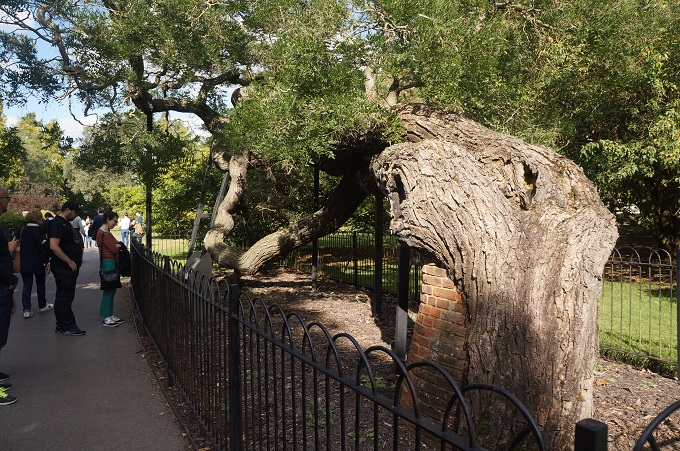
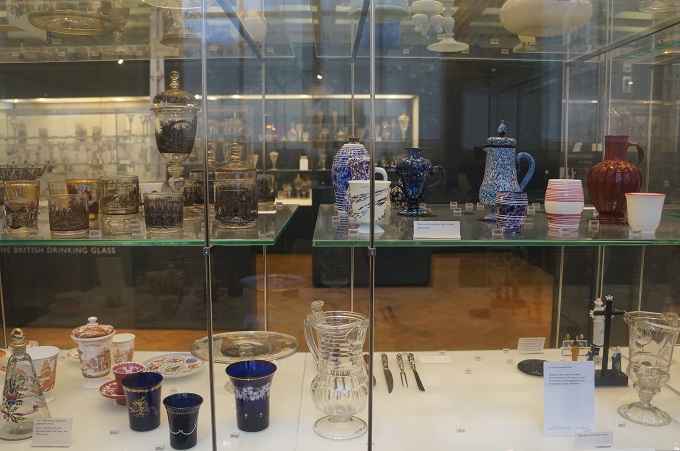
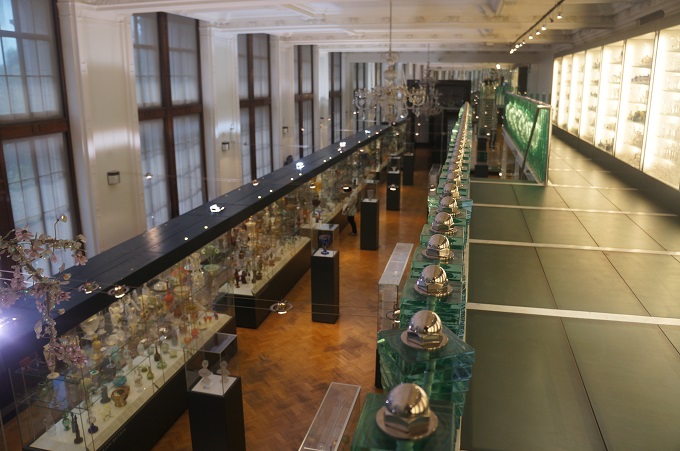
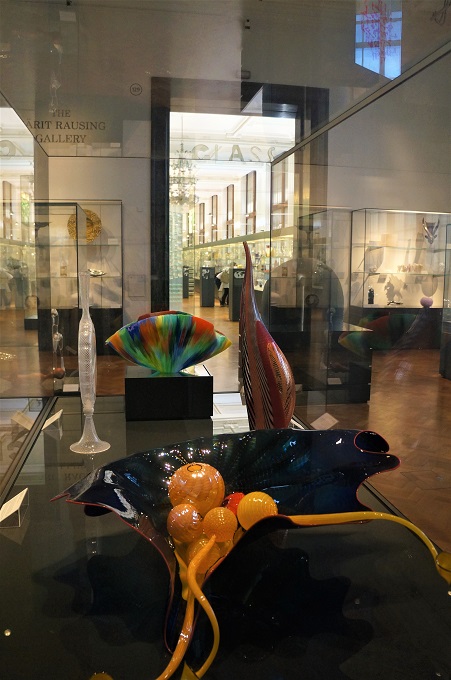
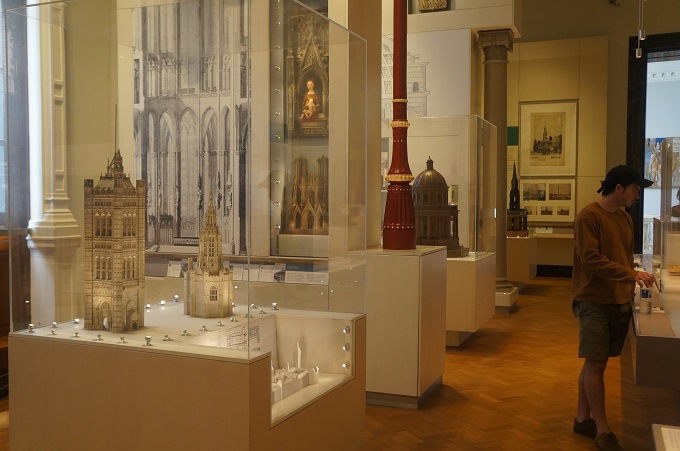
V & A Museum and The Elfin Oak in Hyde Park


London Stuff