Wednesday 6 May 2026
Day 15 of walking
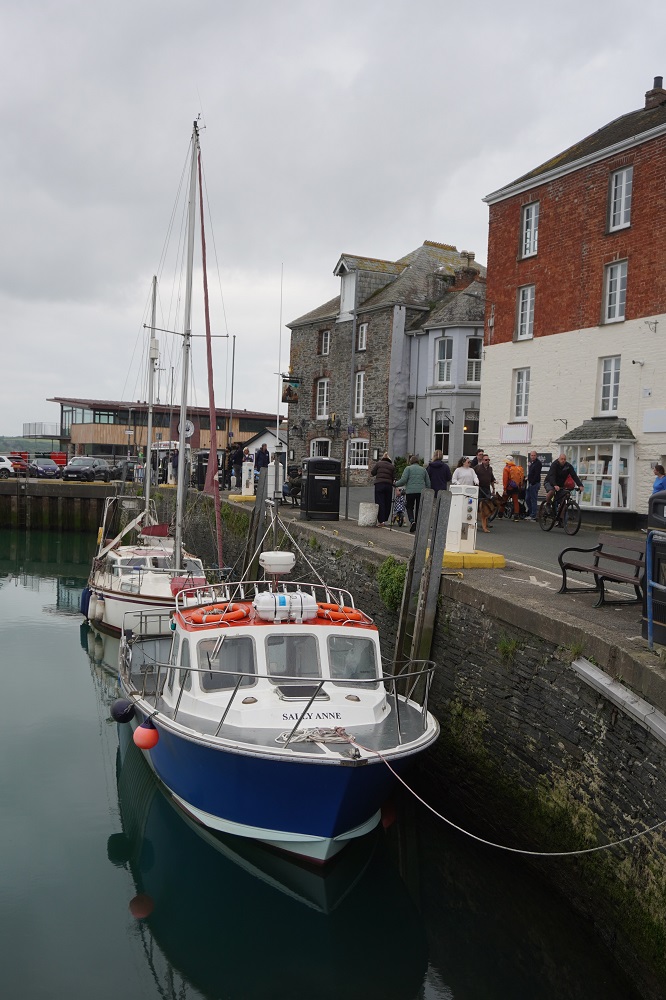
Port Isaac to Padstow
Distance: 18.29km
Total distance: 296.67km
Climbing: 520m
Total climb: 10,075m
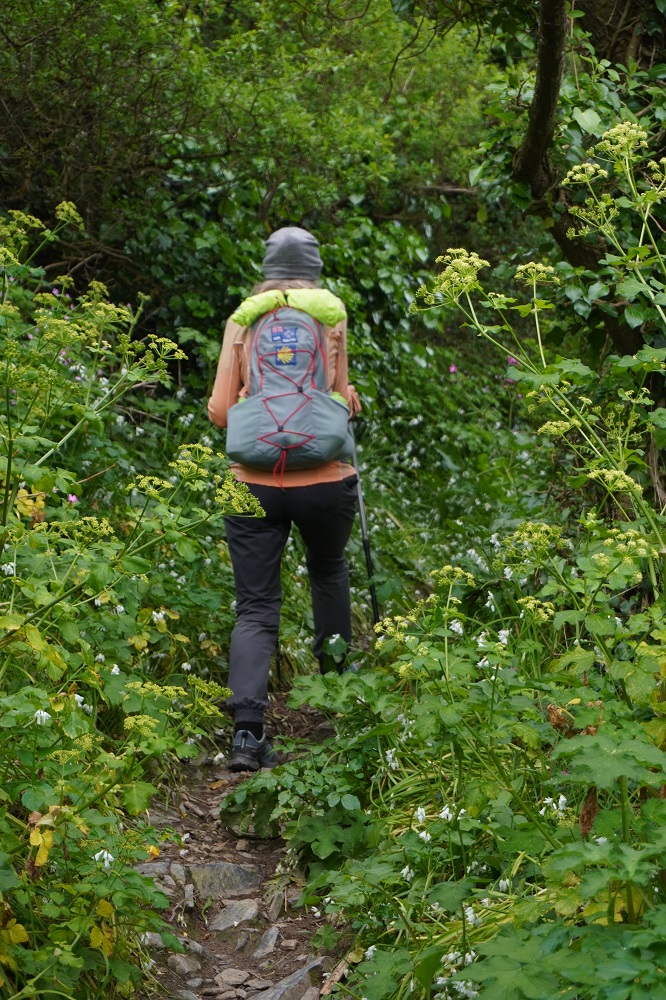
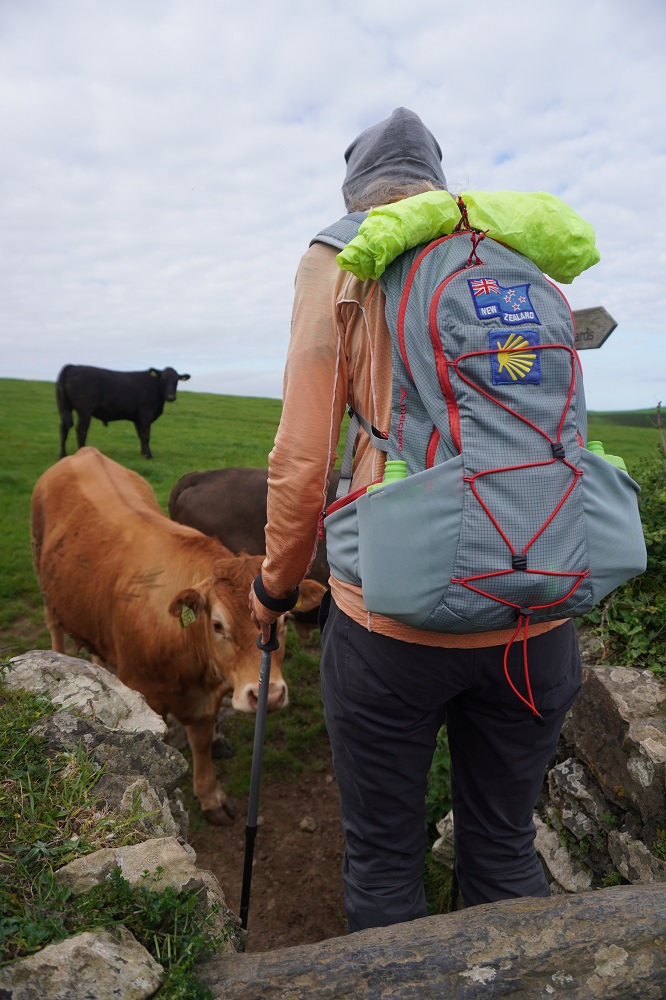
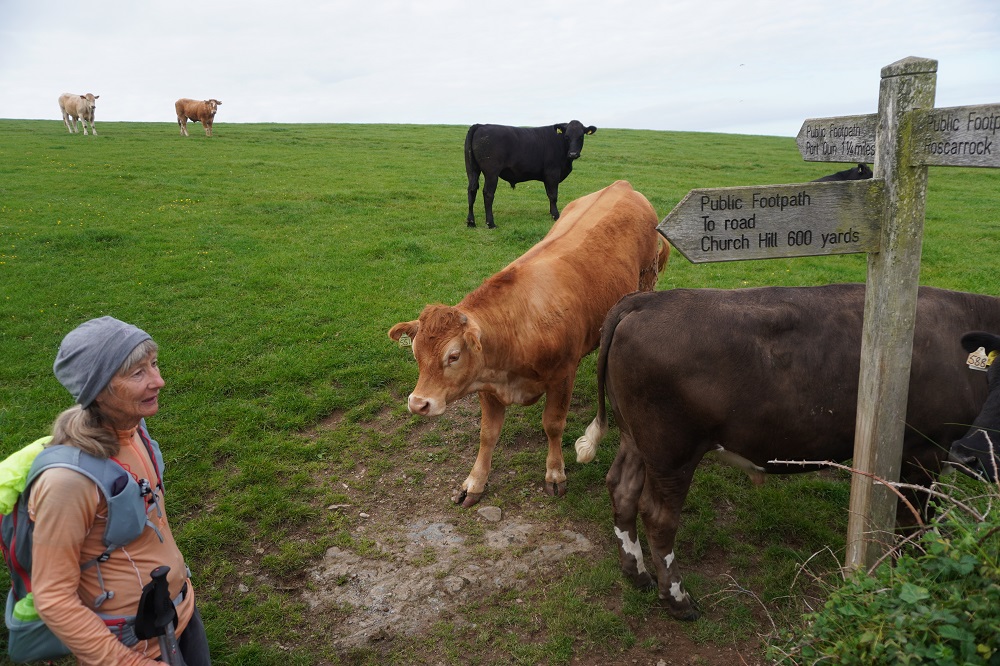
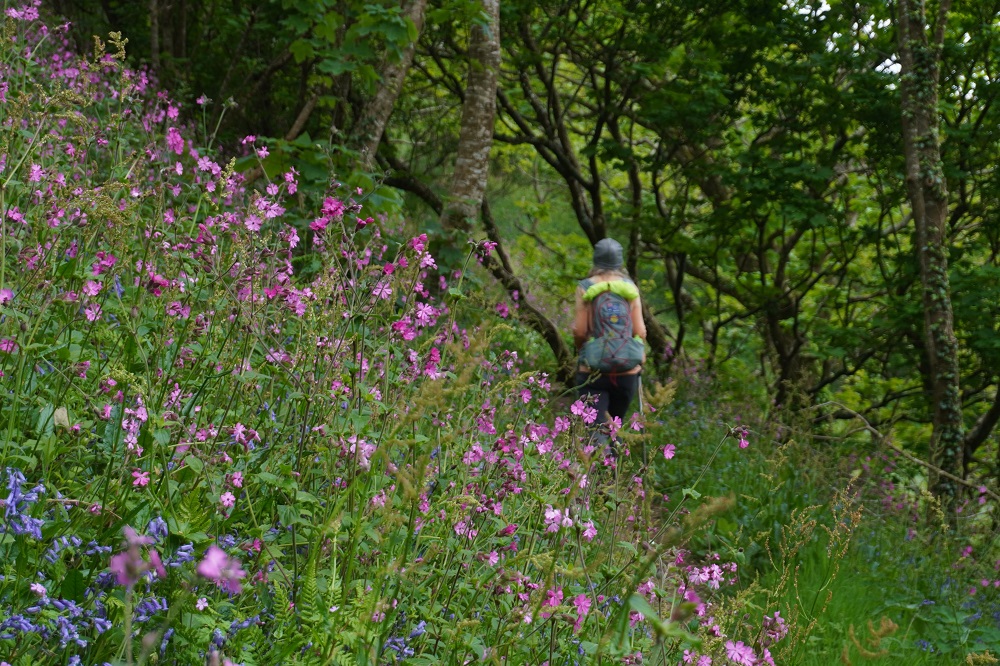
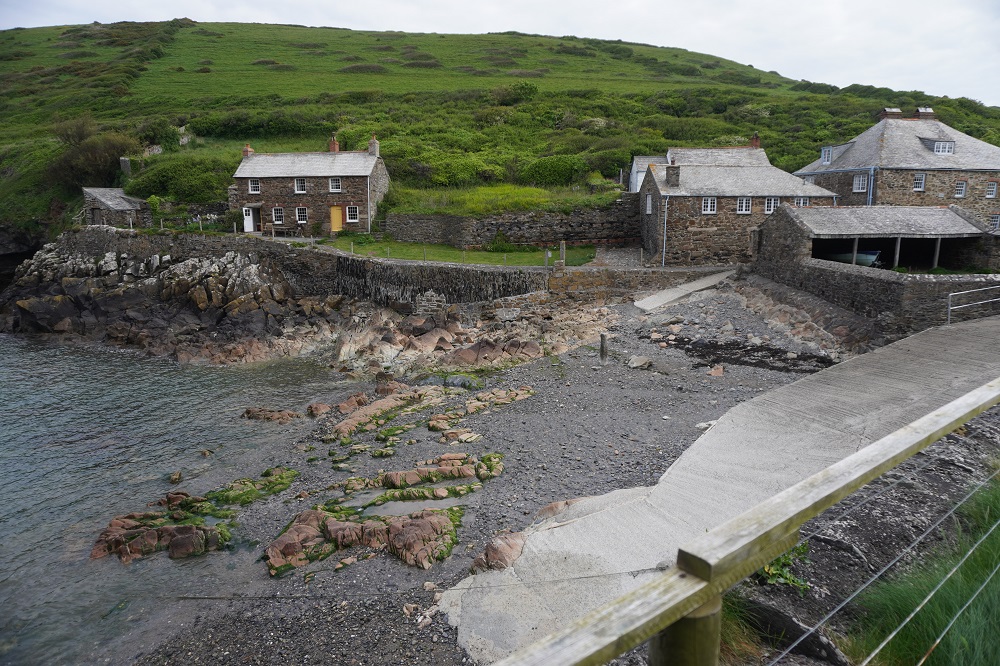
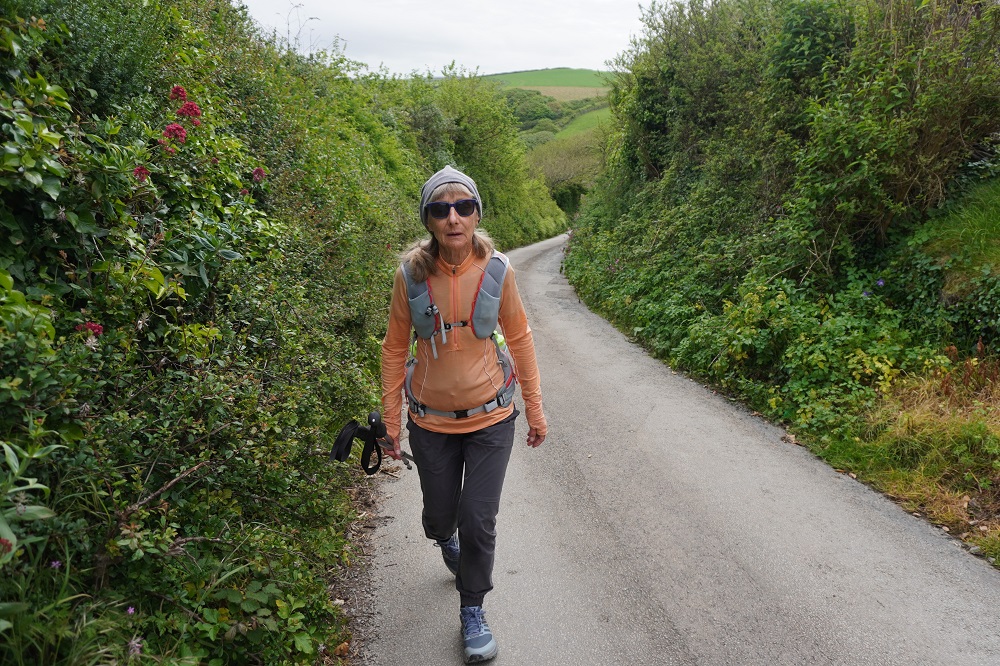
Today was our easiest day so far. The first 3 miles were supposed to be a winding tough section to Port Quin but there was an alternative path that went inland and after an initial climb was easy, going over farm land for 1¾ miles to Port Quin. The hardest part was getting over a stile where the cows were blocking our way and weren’t prepared to move. Barbara is now an experienced old cow hand and soon had them scattered. Port Quin is a tiny little former pilchard fishing village with a small beach and just a few houses. No refreshments or amenities but did have a sauna.
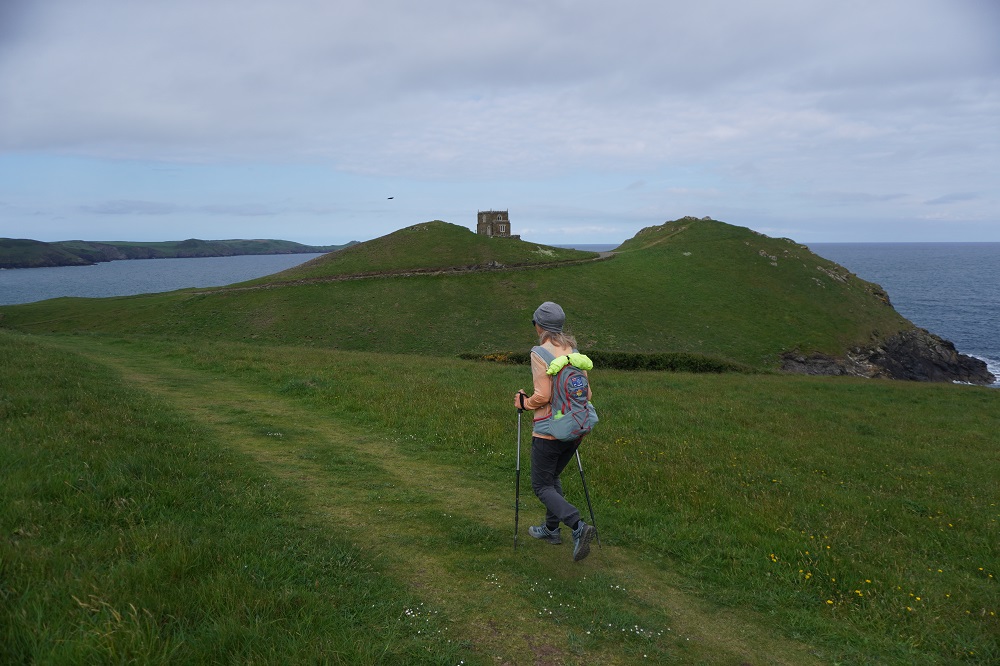
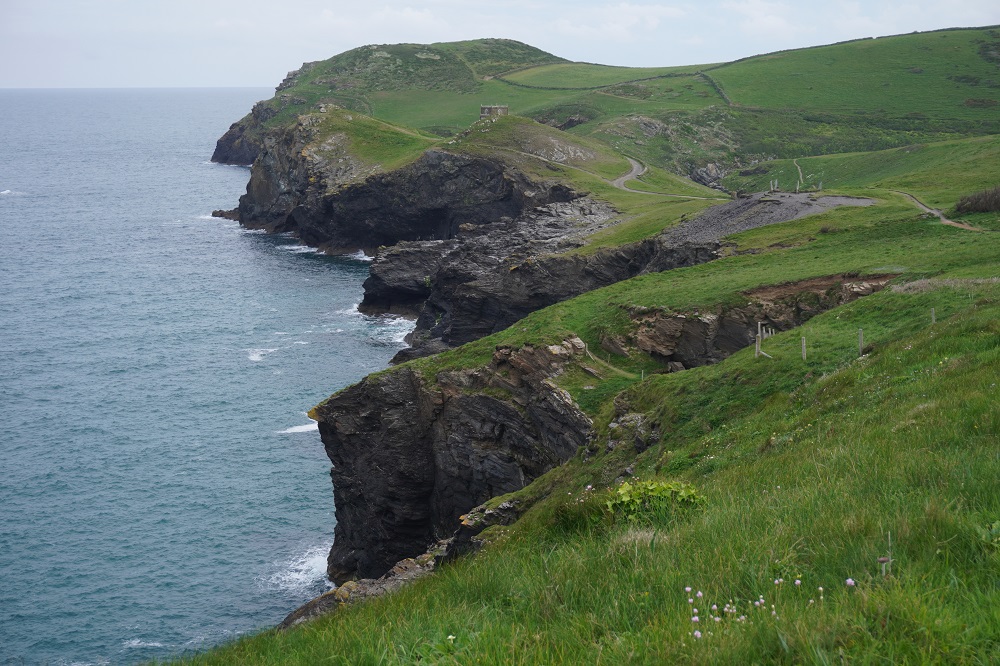
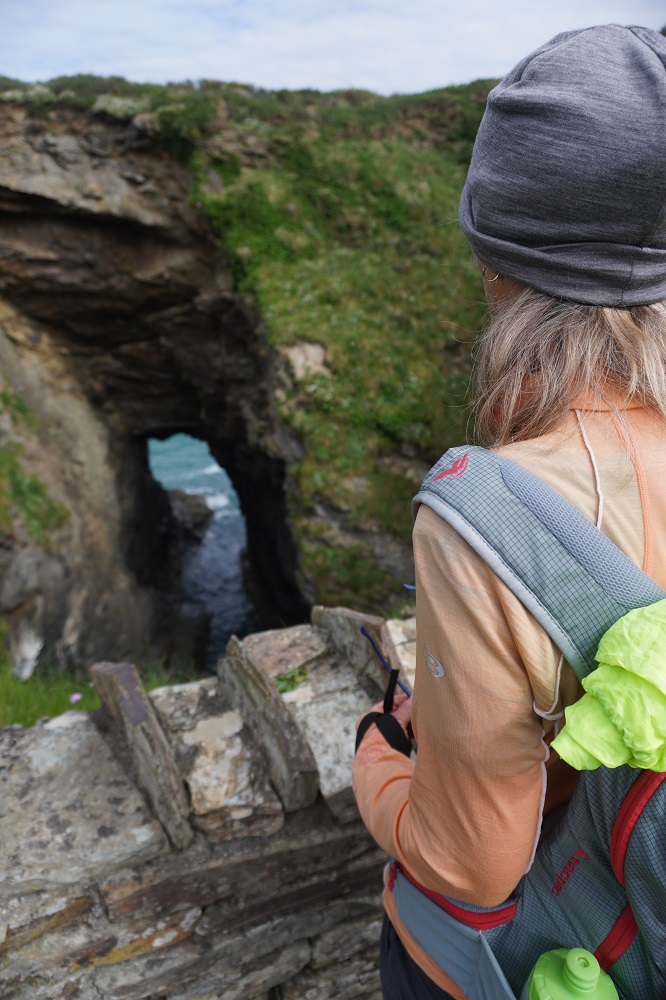
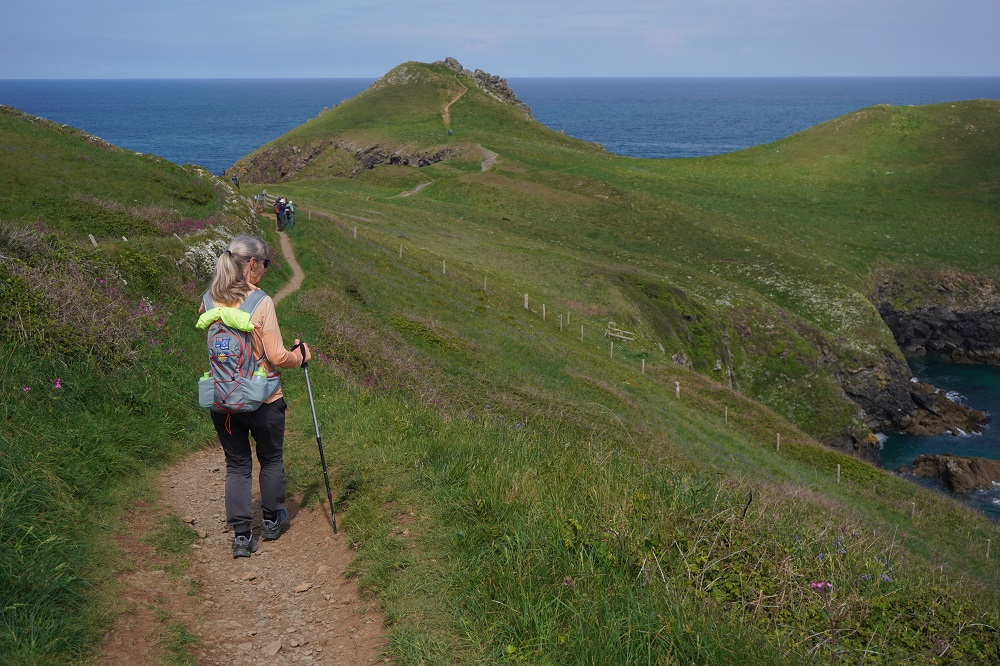
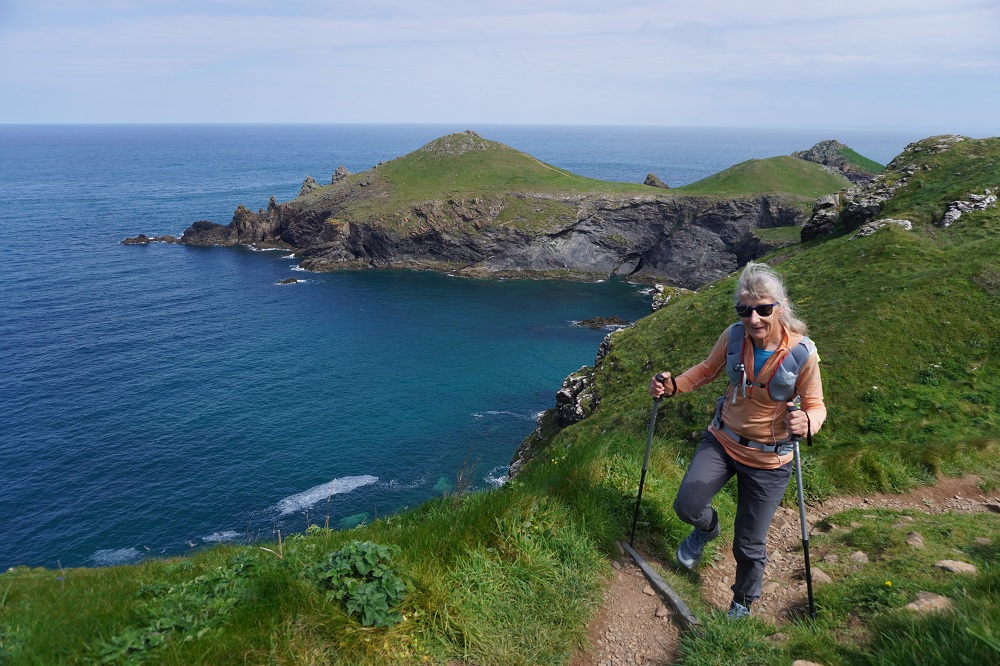
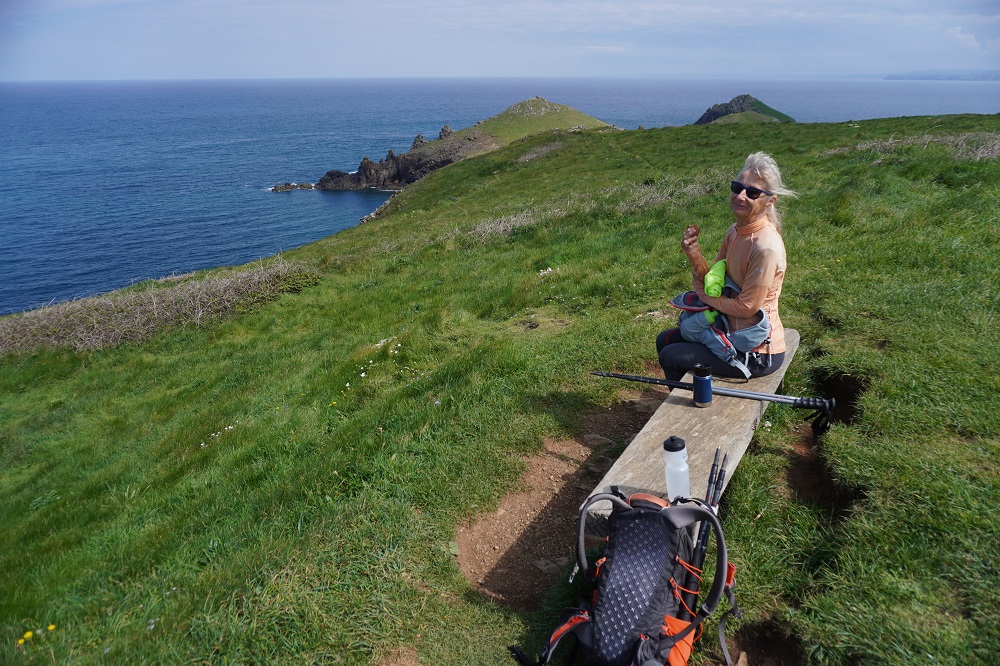
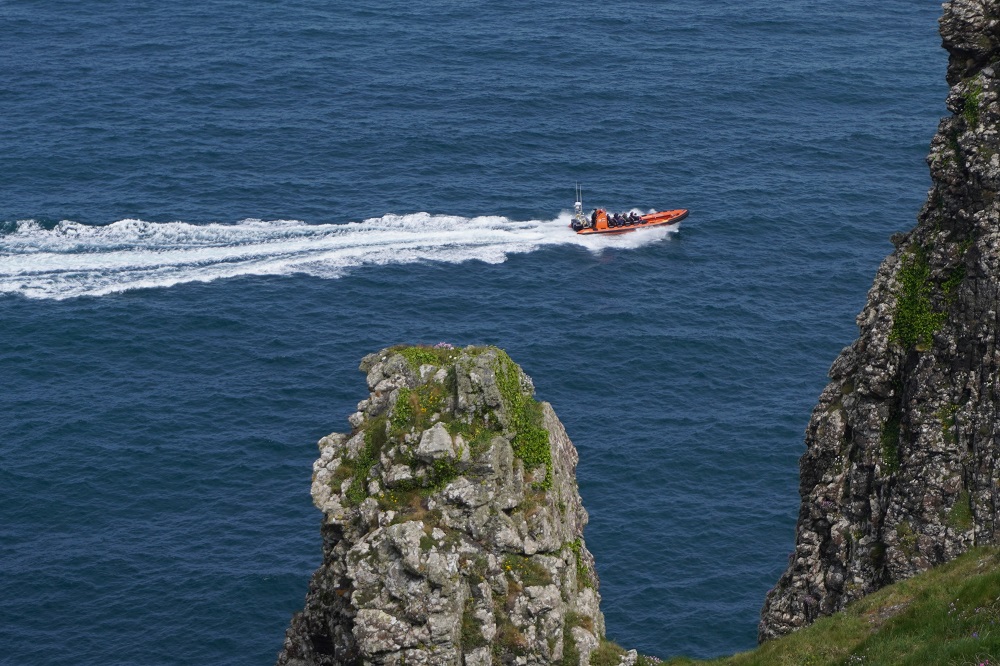
From Port Quin it was fairly easy walking over the windswept and beautiful headland called The Rumps – an iron age hill fort. We sat on a bench there and had our coffee break. We could see all the way back to Tintagel and below us high powered speed boats taking tourists out for a blast down the coast. We have a routine of walking for about two hours, having a coffee break from our Kleen Kanteen flask, walking another two hours, have lunch (usually something we have brought with us) and then walking to the end of the day. The underlying theory is: drink before you get thirsty, eat before you get hungry and rest before you get tired. Of course there isn’t always a waiting bench, or it is exposed, windy, cold or raining, so sometimes it gets pushed out to three hours or more before stops.
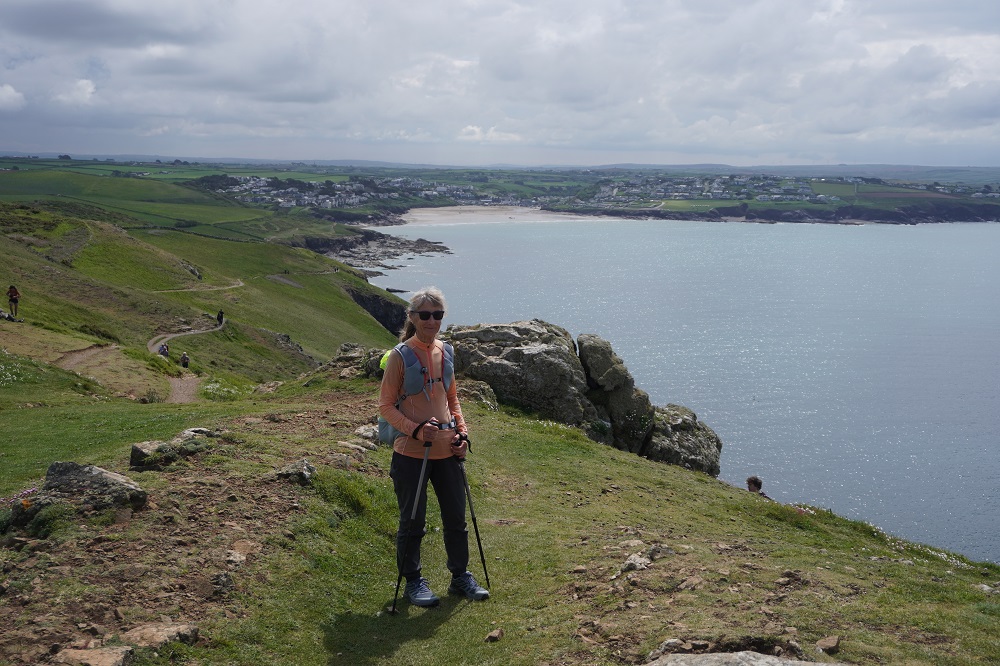
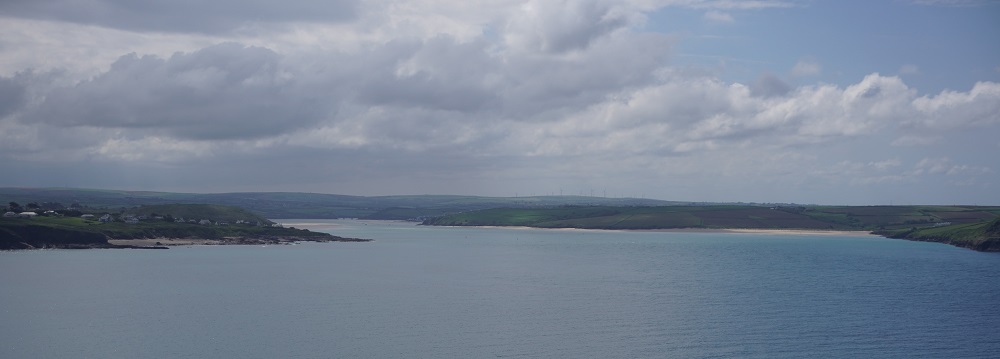
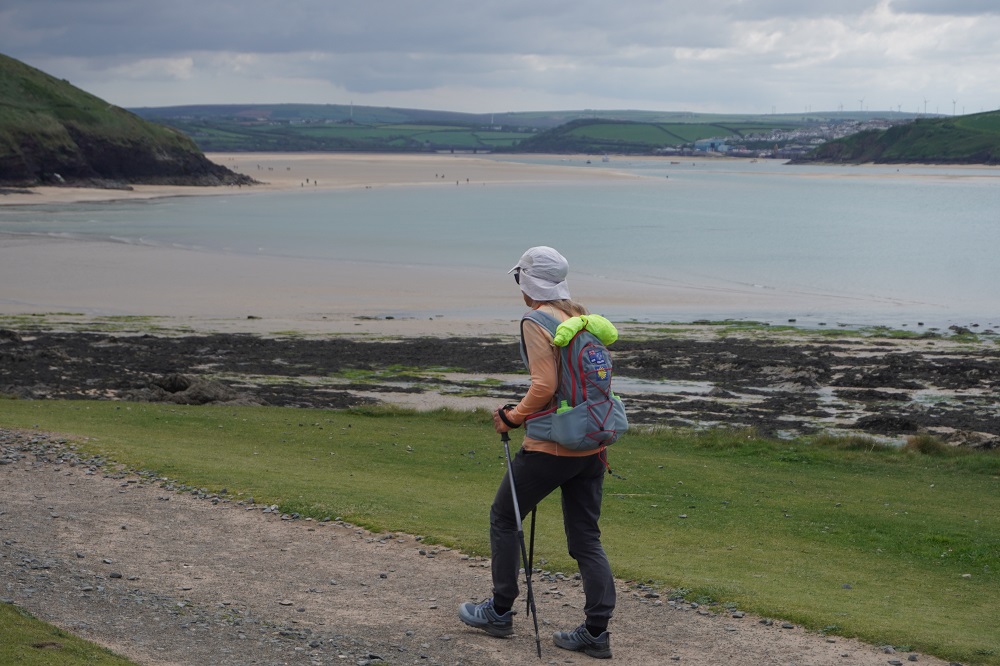
A gentle walk around Pentire Point and the vast Padstow Bay comes into view, this is the estuary of the Camel River. On Pentire Point there is a plaque commemorating the moving war poem For the Fallen written somewhere on this point by Laurence Binyon in 1914 at the start of WW1. We all know the famous last stanza:
They shall not grow old, as we that are left grow old
Age shall not weary them, nor the year’s condemn
At the going down of the sun and in the morning
We will remember them.
Binyon was too old to serve in WW1 but he enlisted as a hospital orderly and was inspired to write his poem after seeing the staggering numbers of wounded and dead soldiers after the Battle of Verdun.
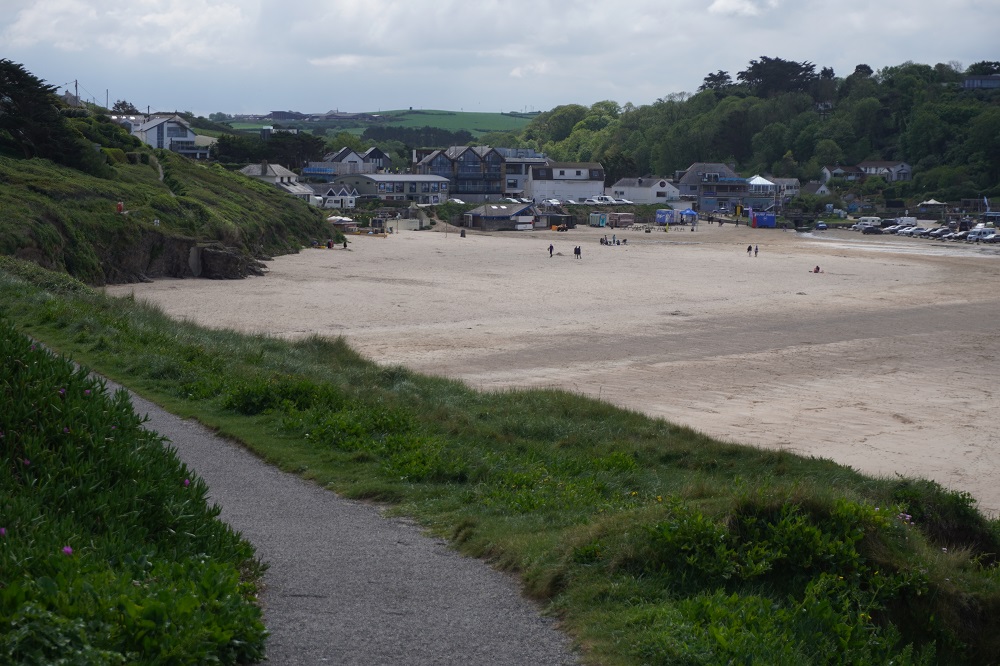
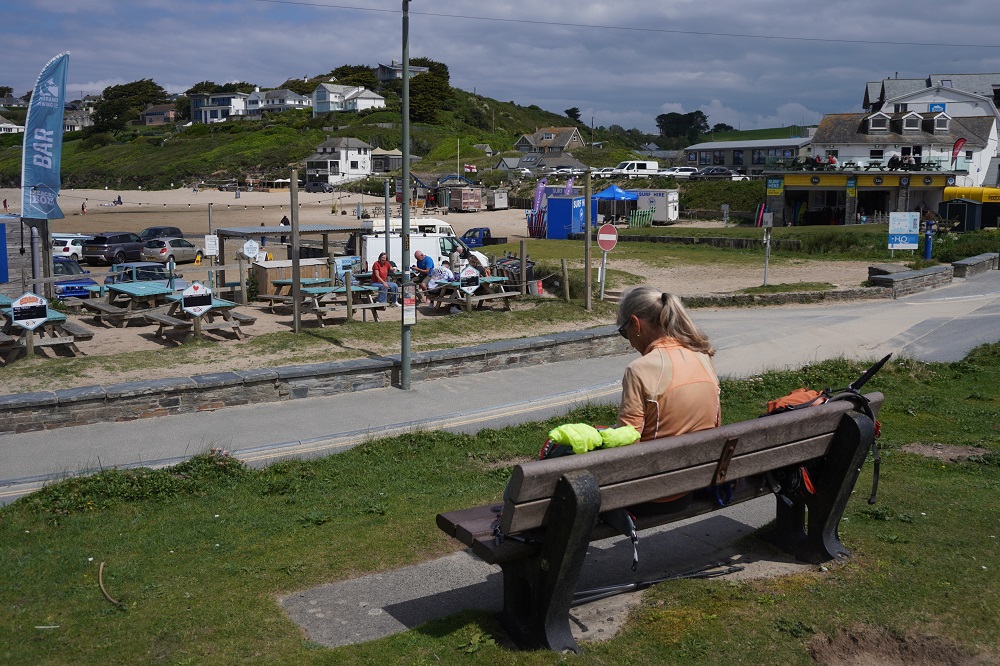
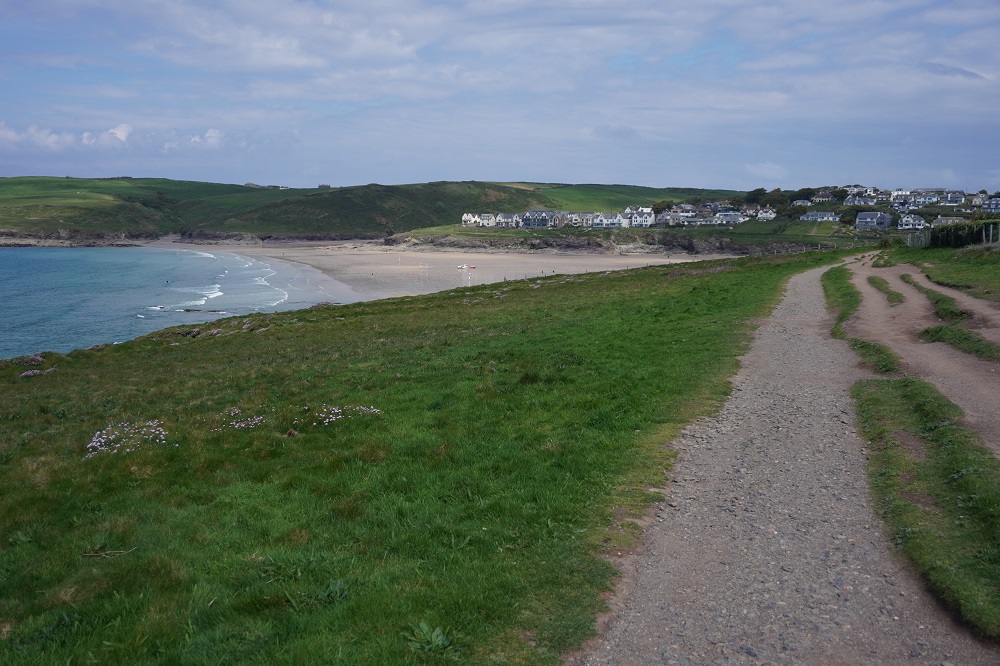
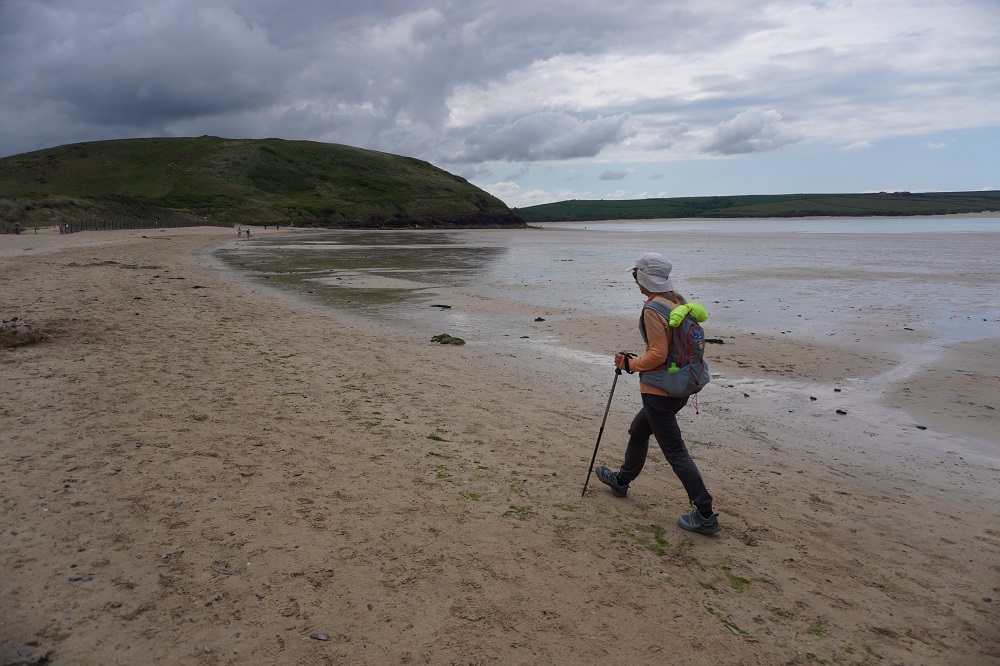
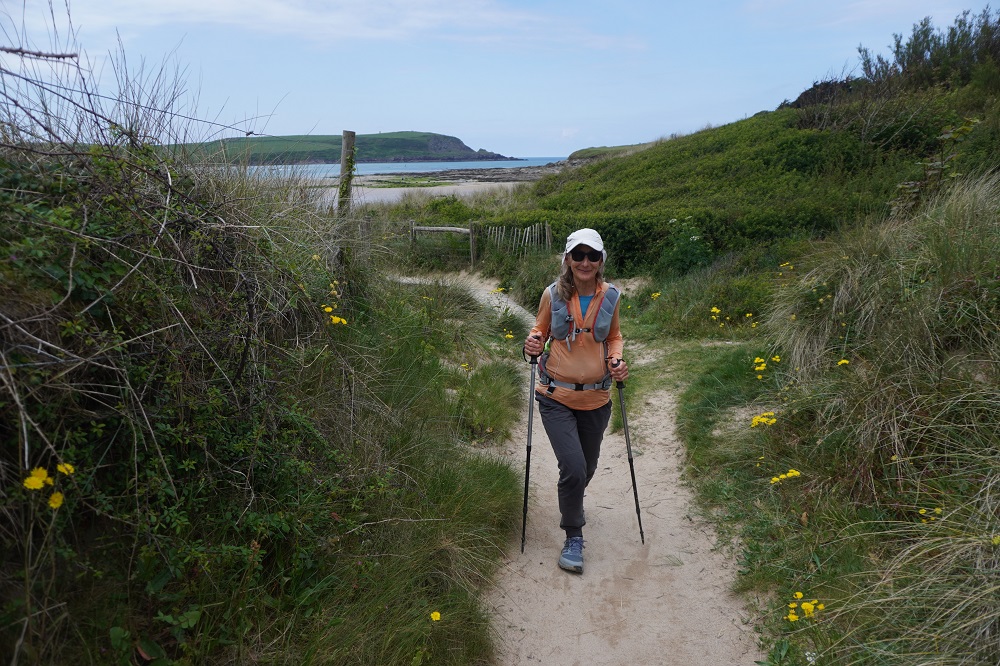
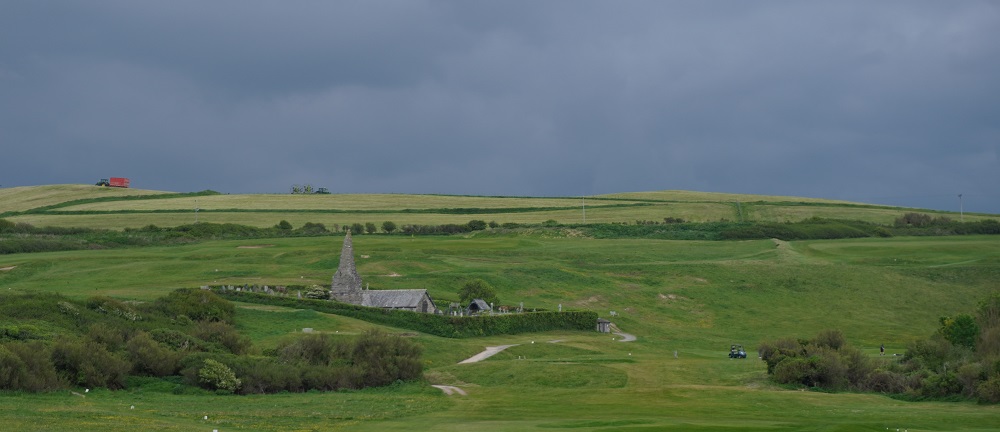
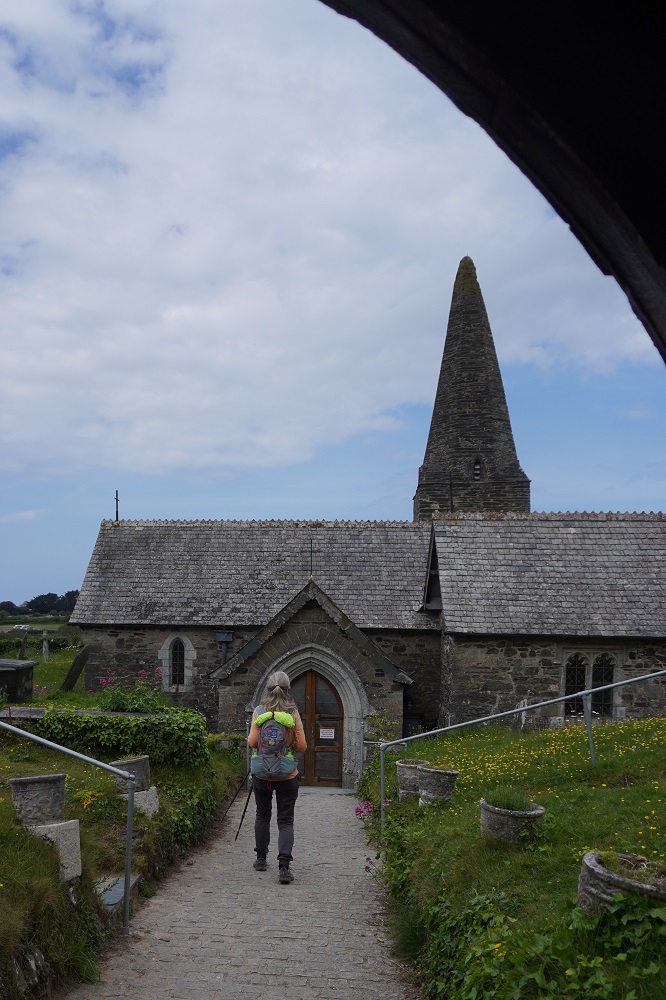
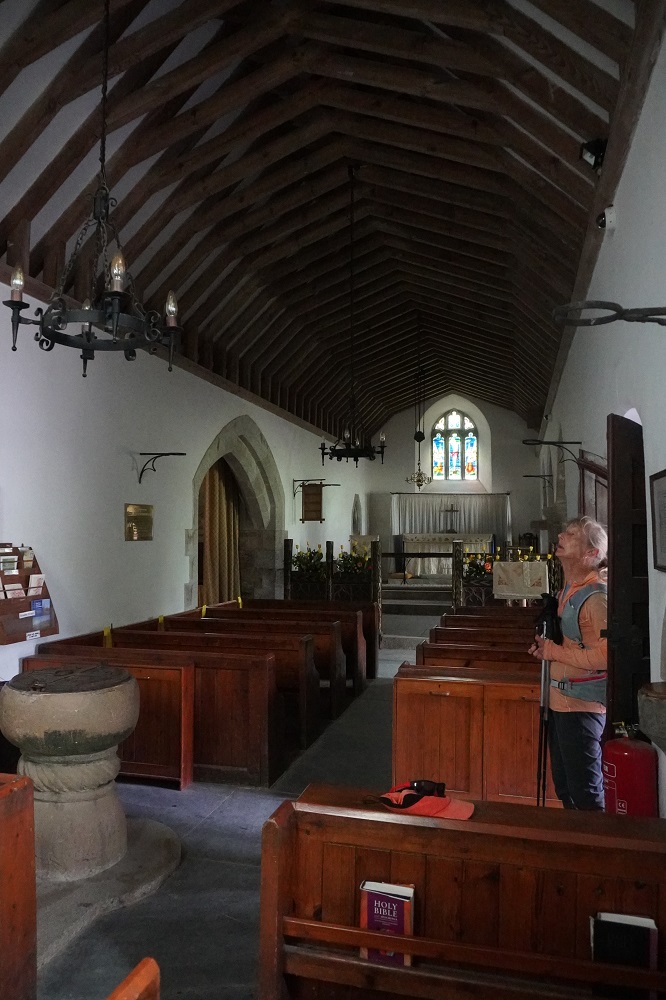
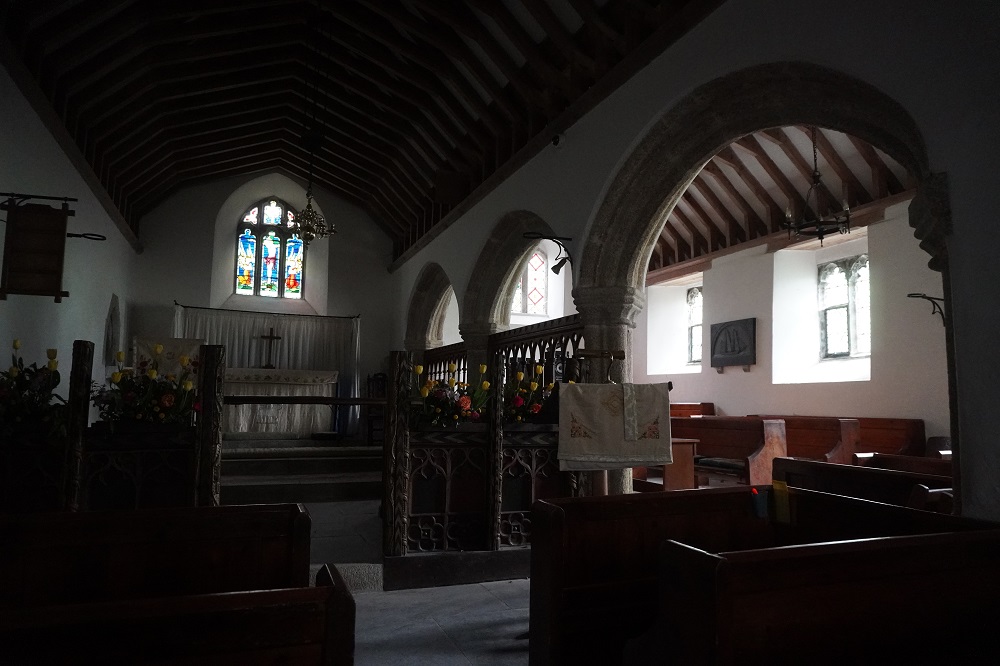
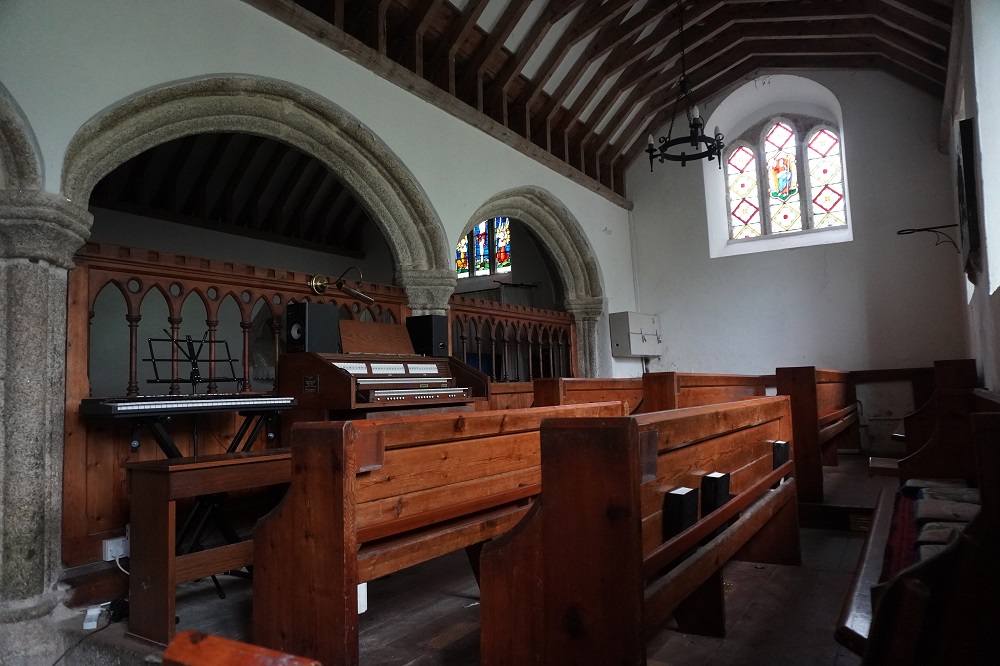
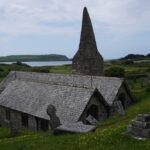
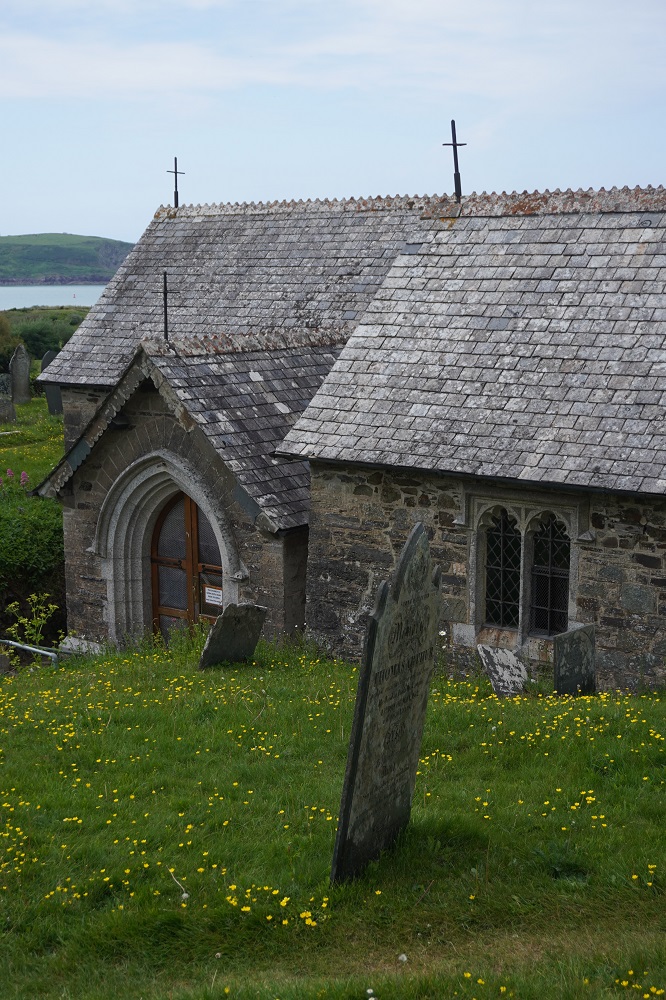
Before entering Padstow Bay we had to pass through the seaside resort of Polzeath, a popular holiday destination for families and surfers. Even what had been low cliffs were now left behind and it was easy flat walking behind the dunes and across the beach to Rock. Before reaching Rock we did a little side trip through a golf course (watch for flying golf balls and keep to the path marked by white stones) to the 12th century Church of St Enodoc. Enodoc was an obscure Celtic Saint. We love these little ancient churches. This one was left to rack and ruin by the 1800s but in the 19th century was faithfully restored using mostly the original materials. It has a distinctive bent spire which looks like it has been battered by storms. It does have working bells and ropes inside.
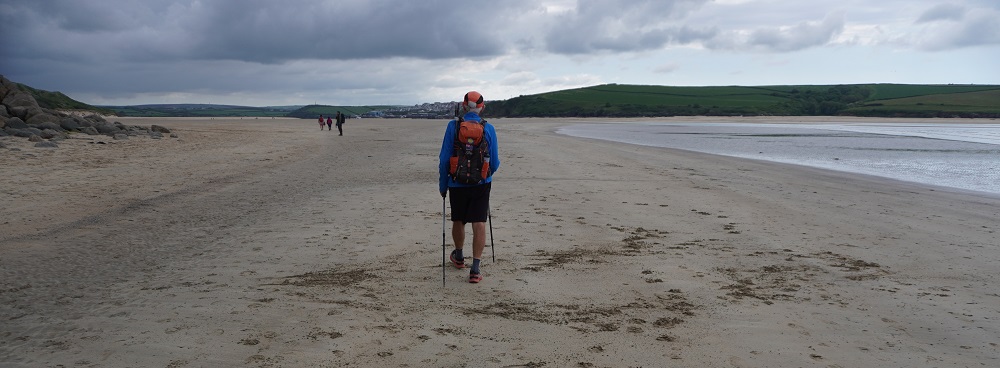
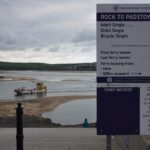
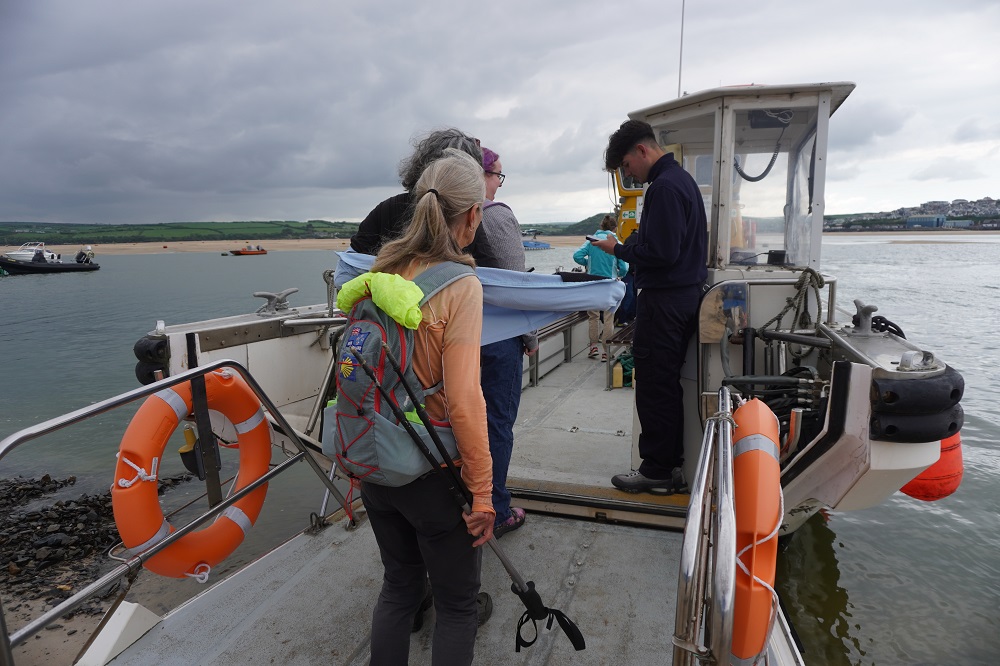
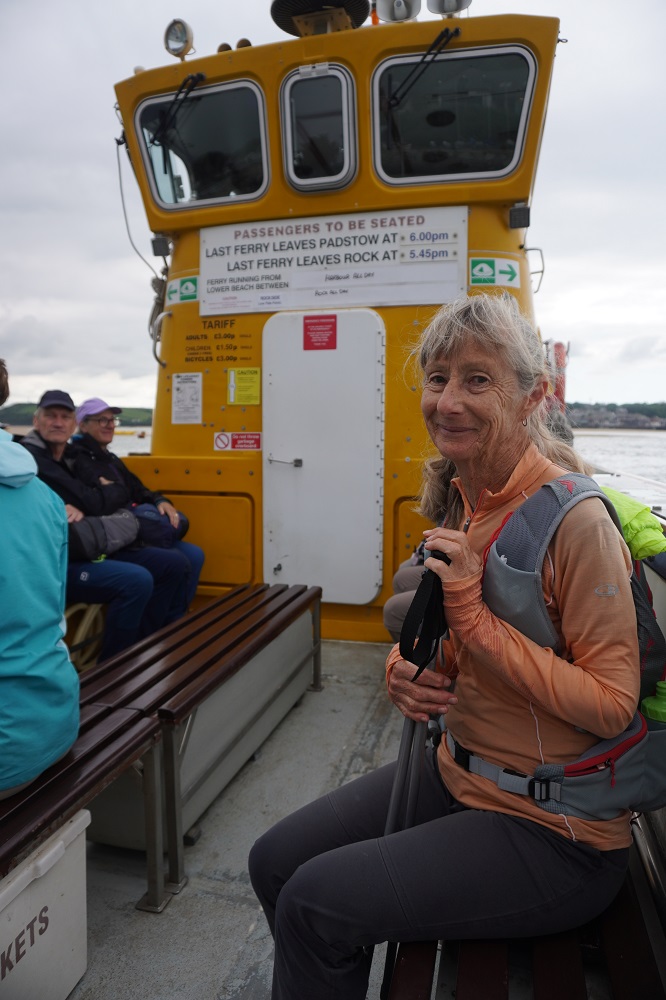
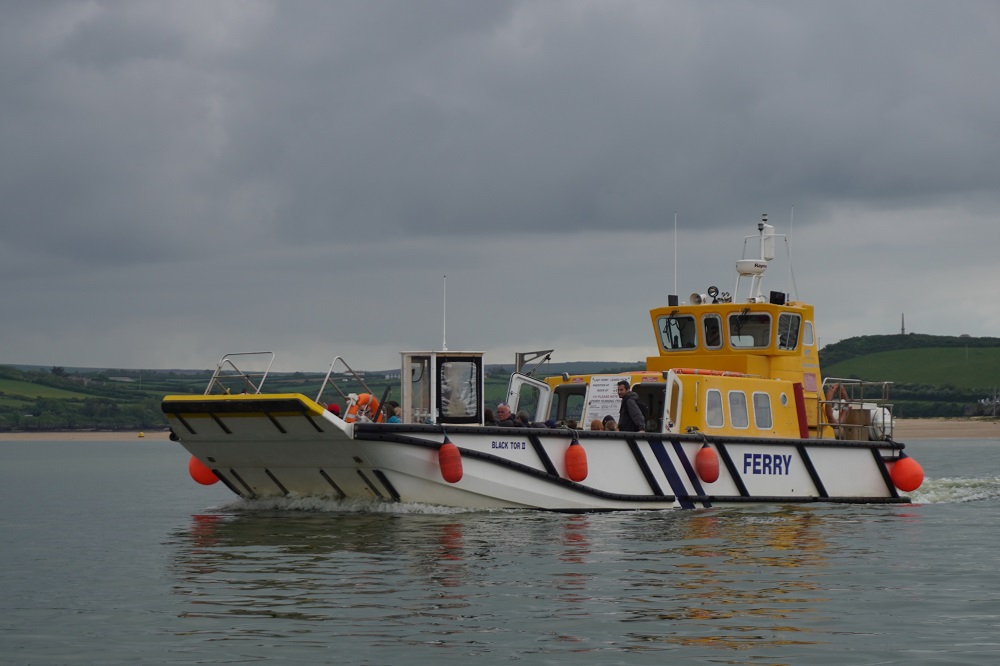
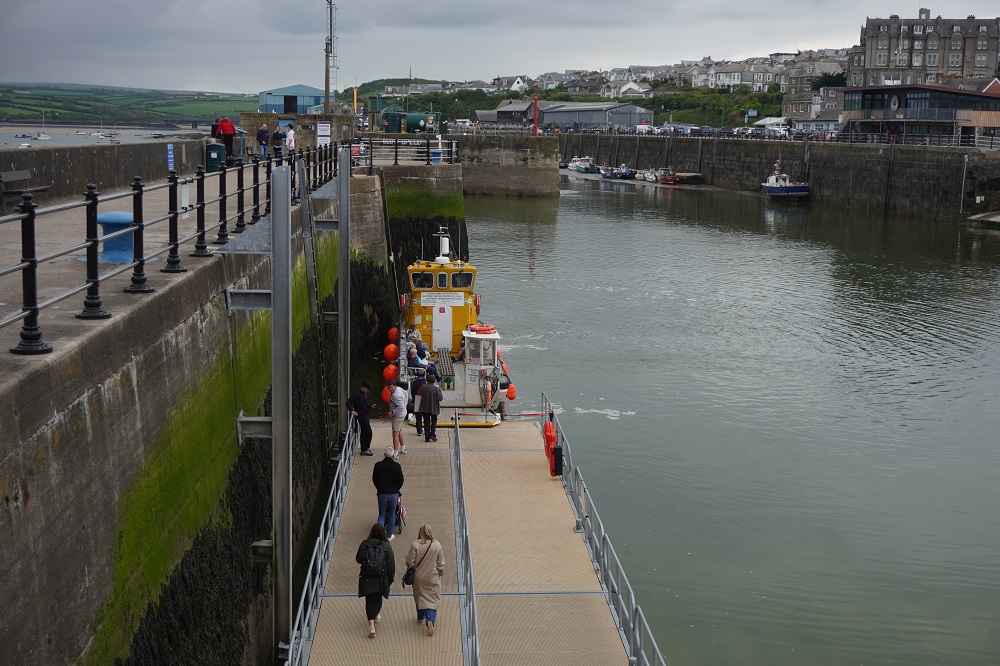
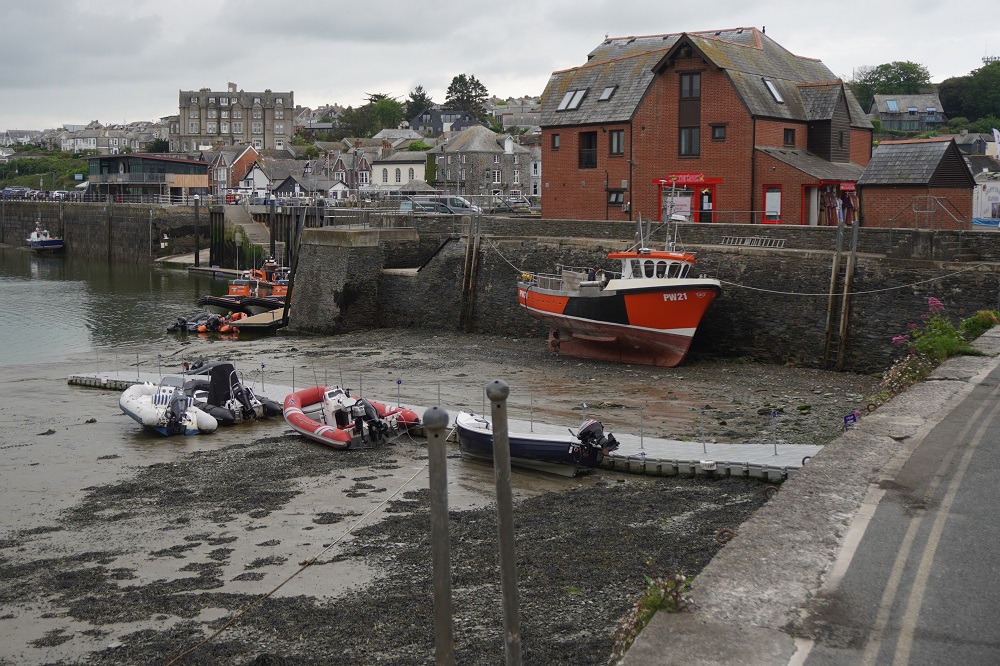
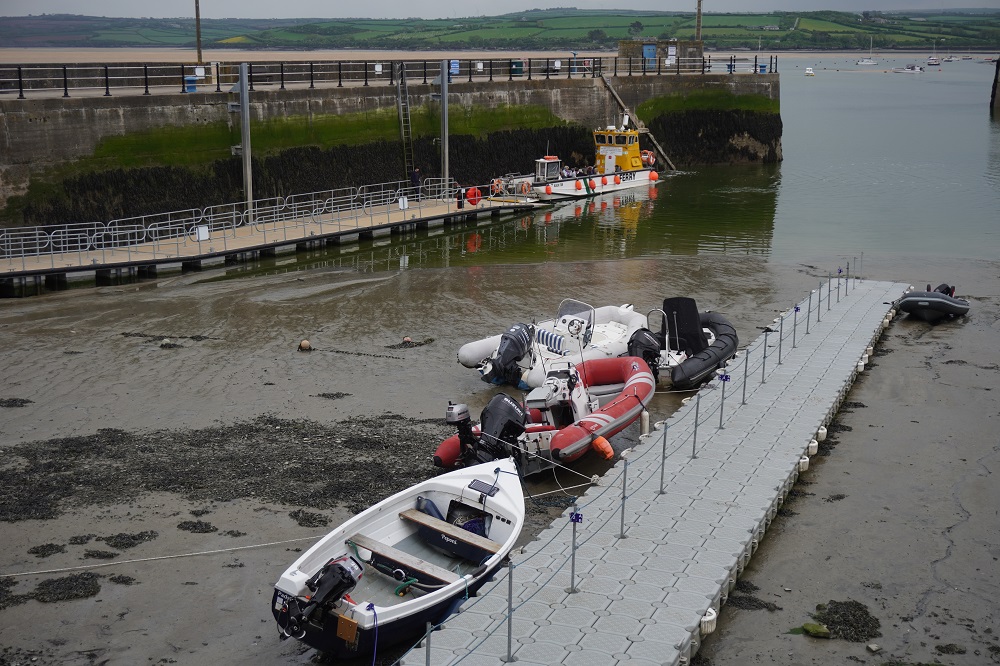
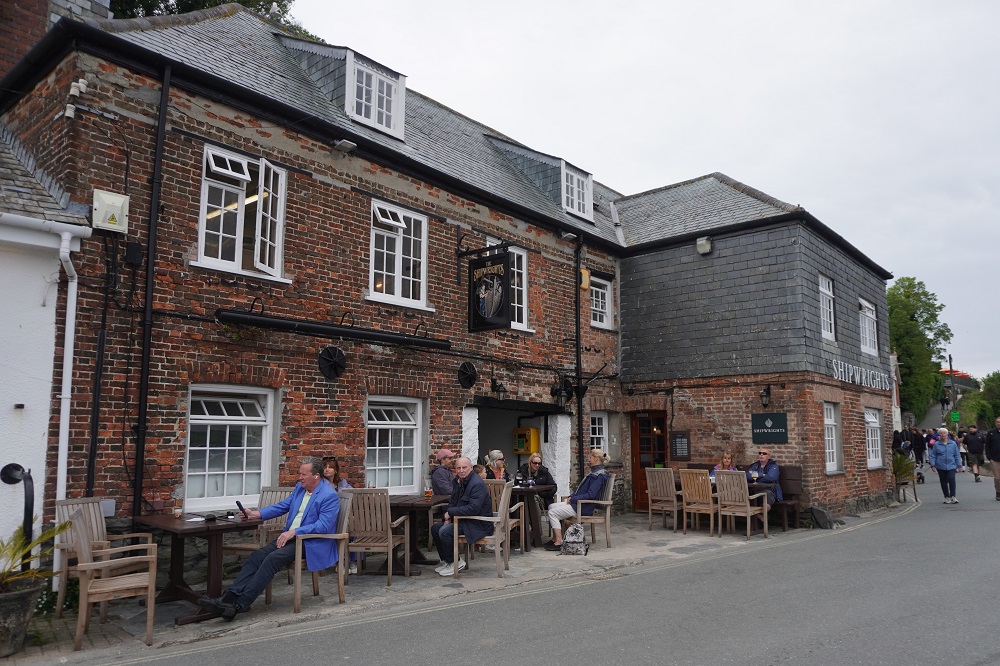
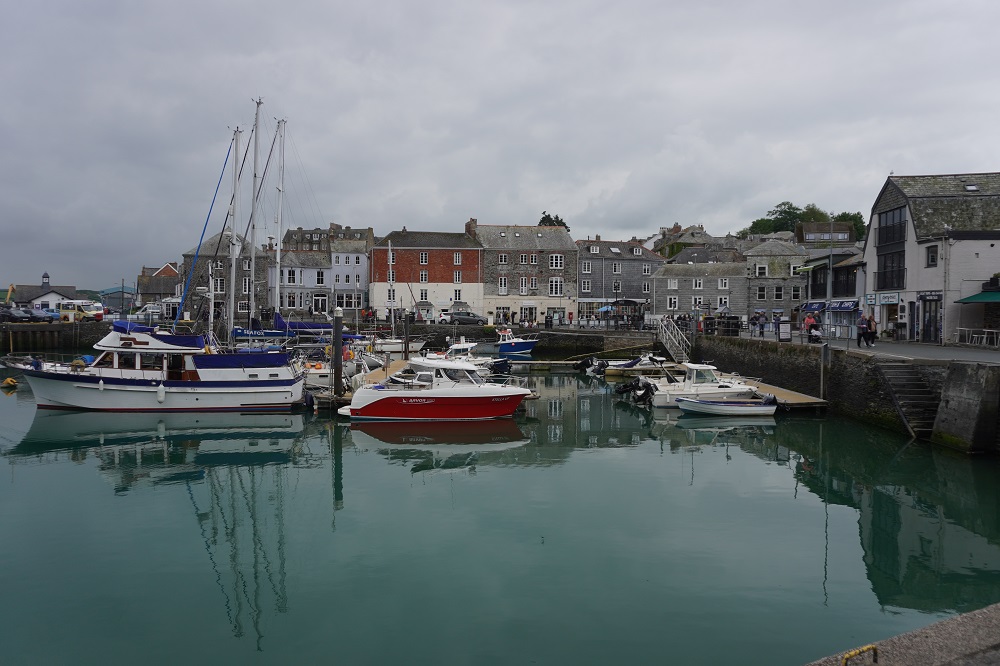
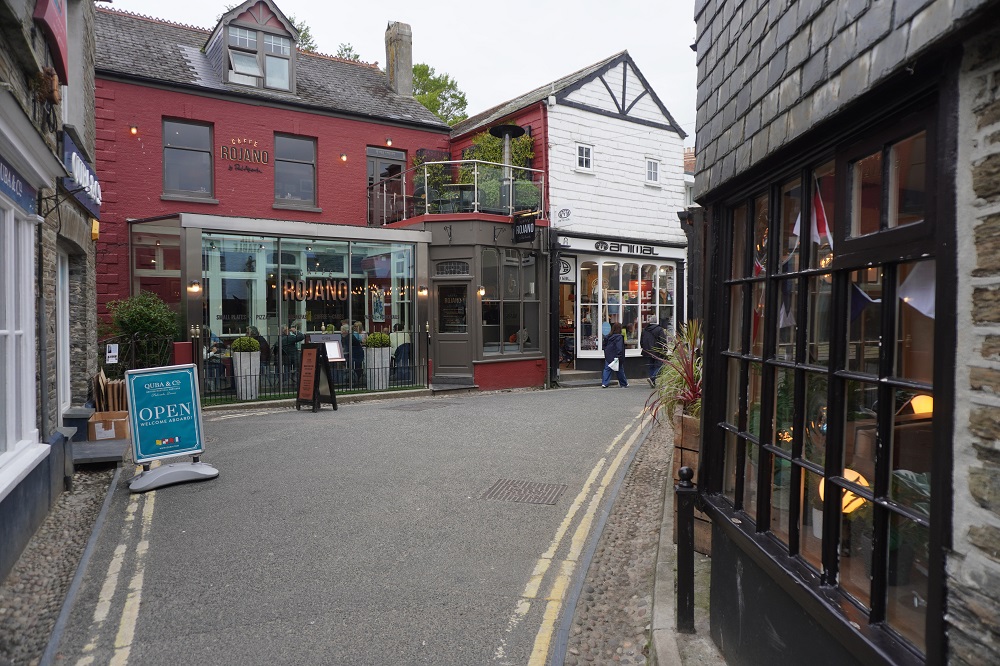
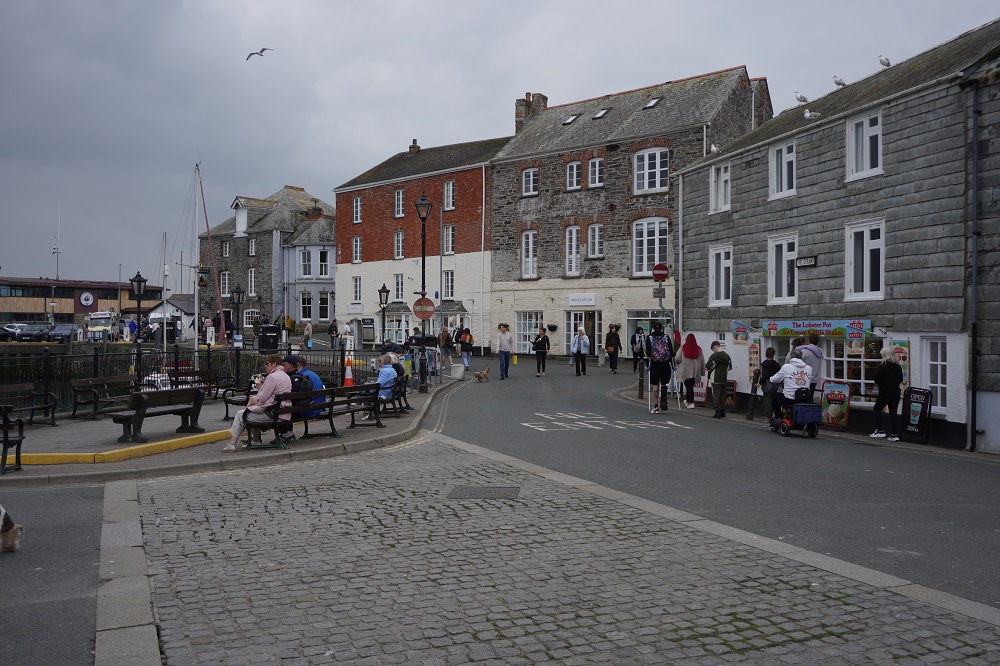
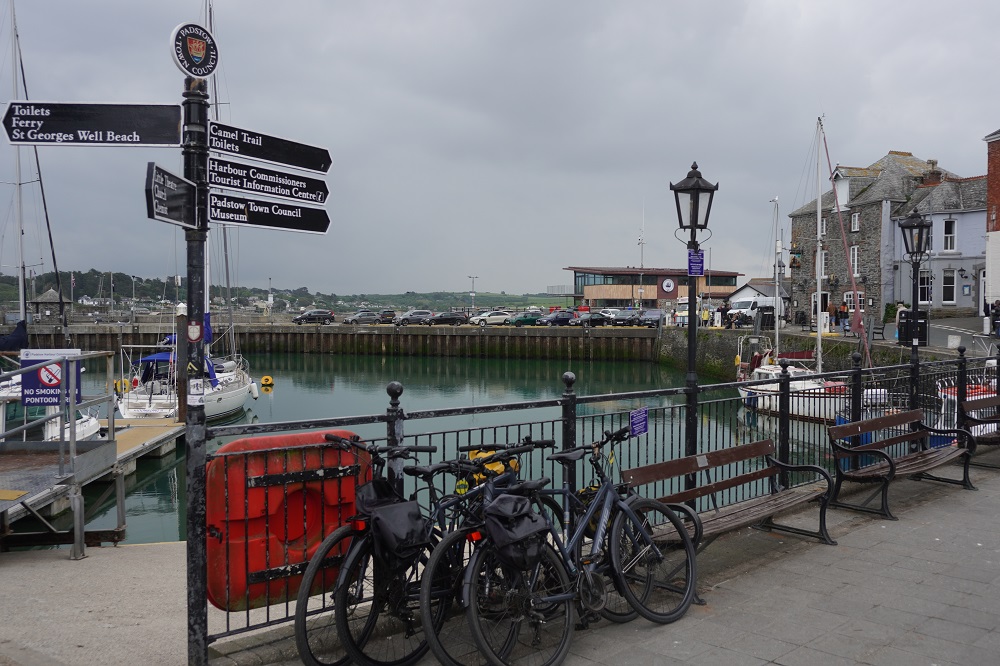
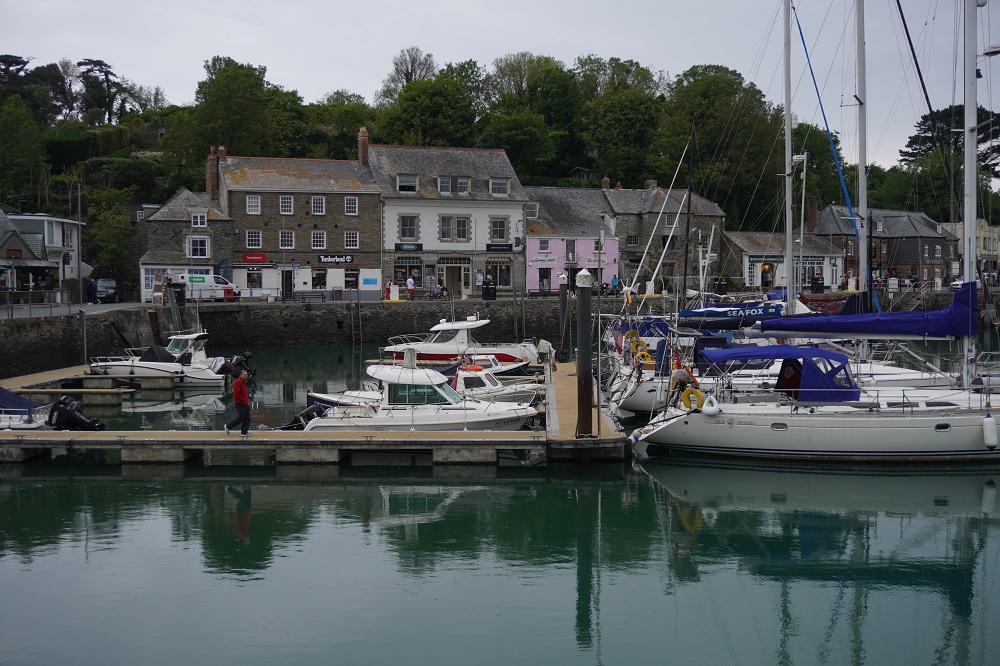
The tide was out so we left the path and walked over the wide beach to Rock. Rock is directly over the River Camel estuary from Padstow. The ferry from Rock is a regular year round service and the first of 13 ferries we will use on the Coast Path. £3 each for a 10 minute crossing. We though we may have to use some cash for the first time on this trip but even this little ferry was cashless, card only. The ferry takes you right into the heart of Padstow in its harbour. It is then just a few minutes walk to our accommodation.
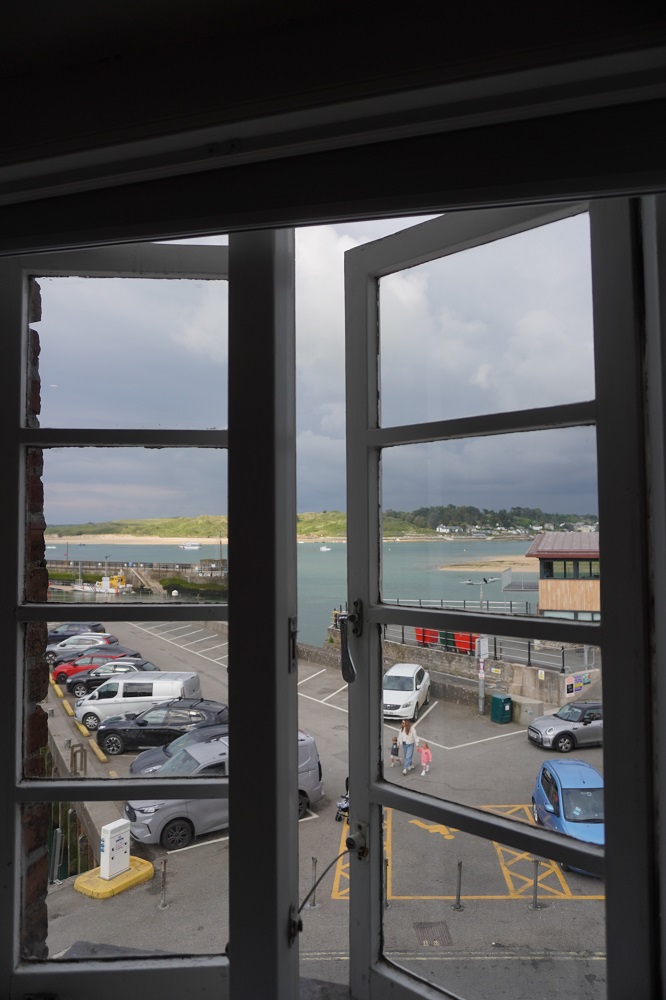
We are staying in The Old Custom House and as its name suggests was once the home of Revenue and Customs in Padstow. It was built in the 18th century and is right on the water’s edge overlooking the harbour. It has lots of charm and character, we have a huge room but are up two flights of stairs on the top level. Last time we were in Padstow we had a “rest day” and hired bicycles and went 18 miles up the Camel River on a beautiful flat ride. This time we are here one night and move on tomorrow.
Note: Who pays the ferryman was a hit TV show when we first visited England in 1978.
-
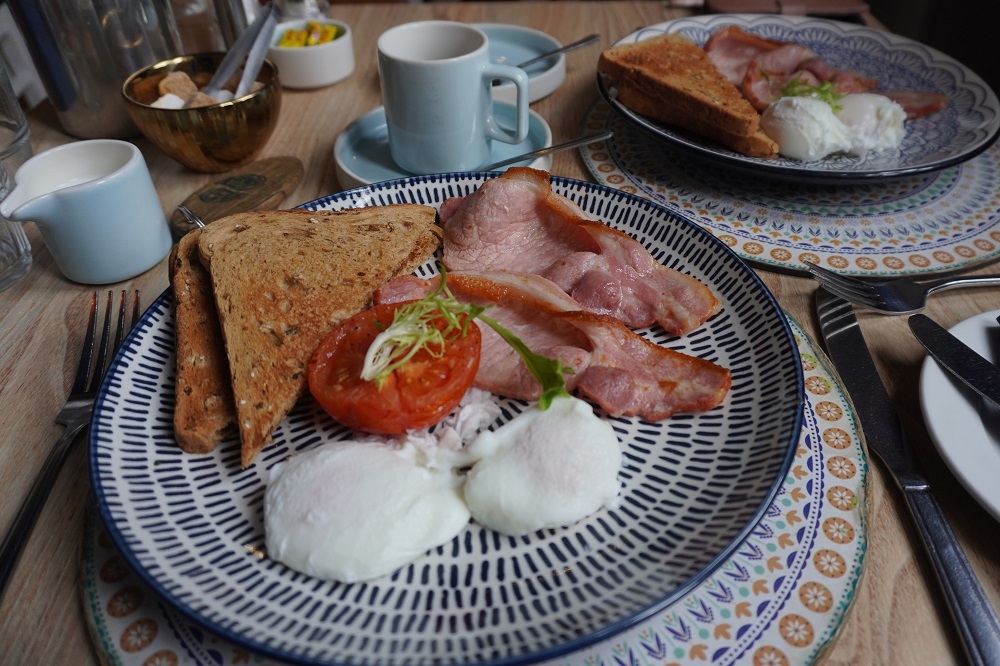
- Breakfast The Old School Hotel Port Isaac
-
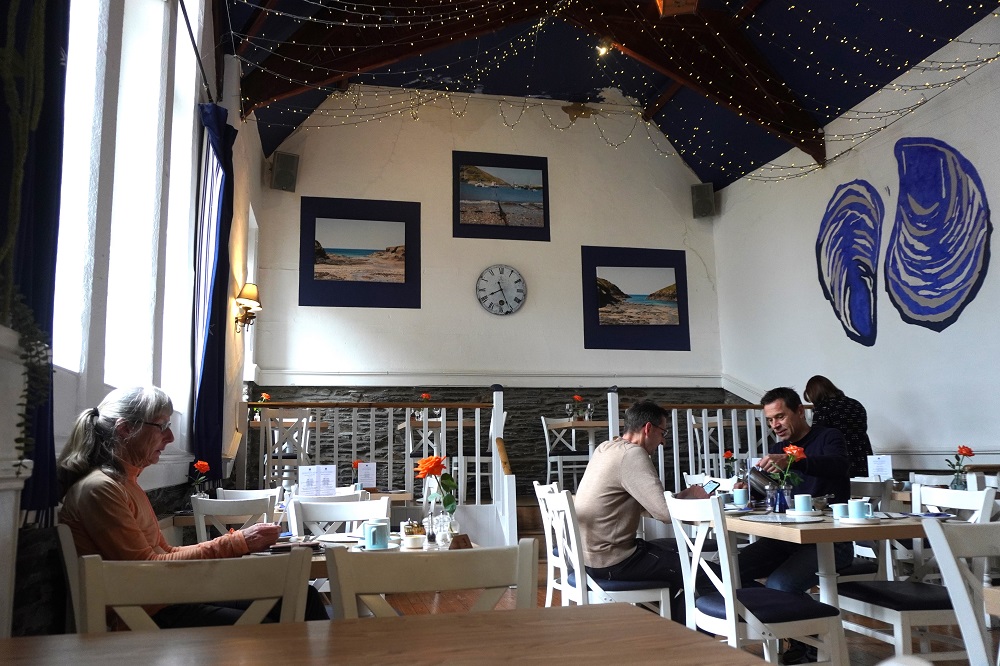
- Breakfast Room The Old School Hotel Port Isaac
-
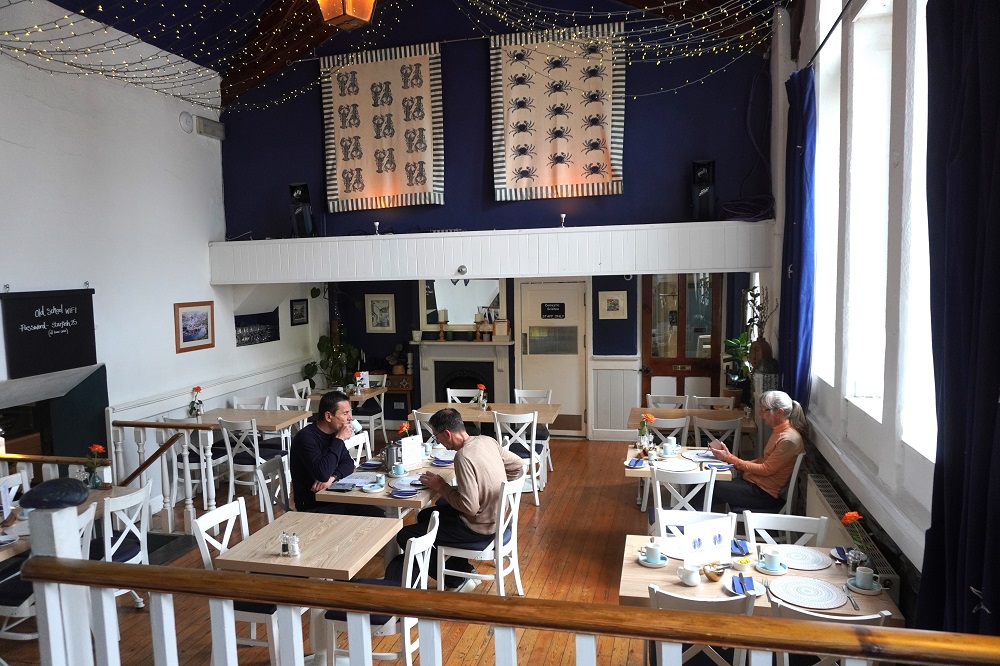
- Breakfast Room The Old School Hotel Port Isaac
-
- Leaving Port Isaac
-
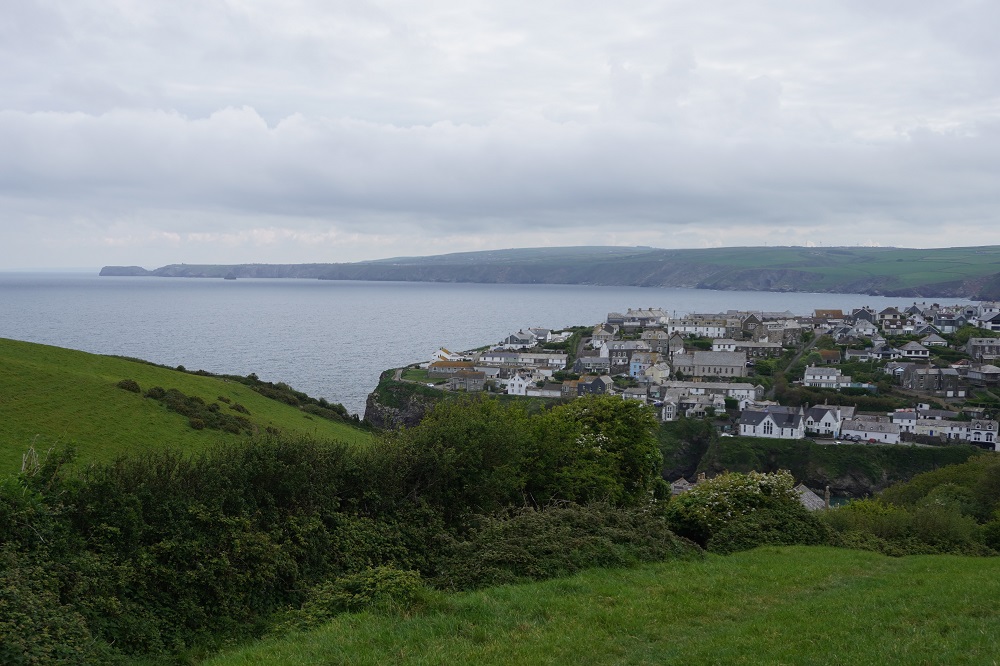
- Leaving Port Isaac, Tintagel far left
-
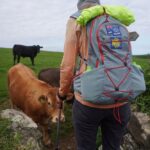
- Cows blocking stile
-

- Cows blocking stile
-
- Inland walk Port Isaac to Port Quin
-
- Inland walk Port Isaac to Port Quin
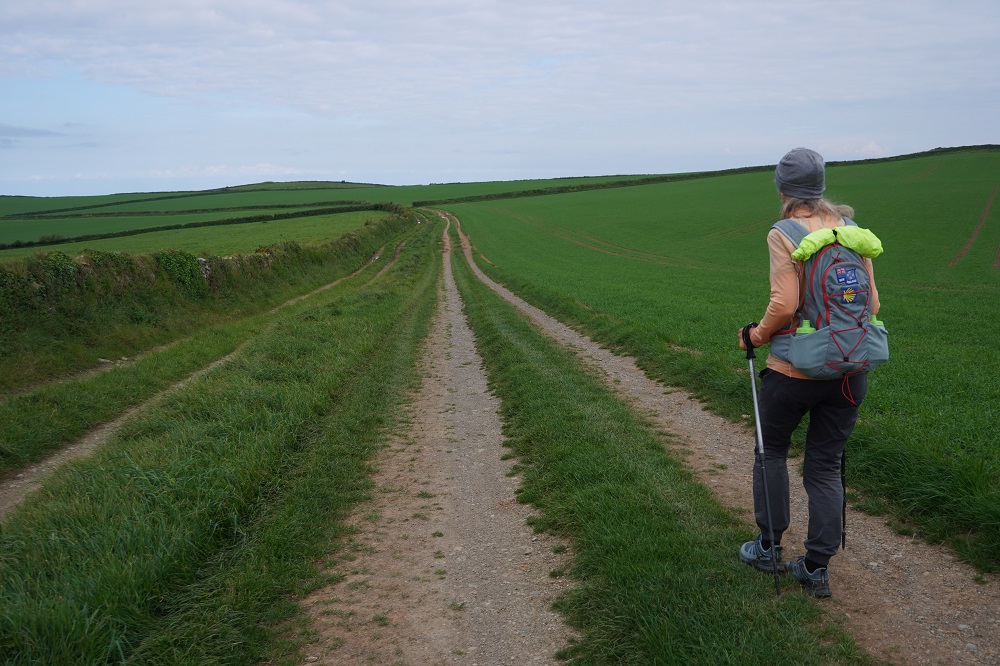
-
- Inland walk Port Isaac to Port Quin
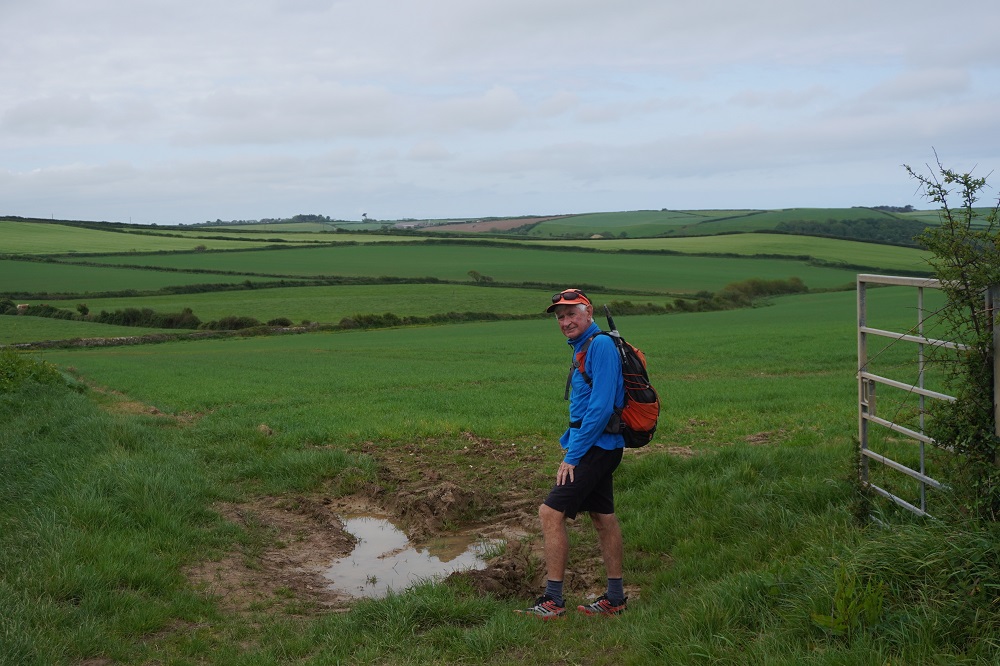
-
- Inland walk Port Isaac to Port Quin
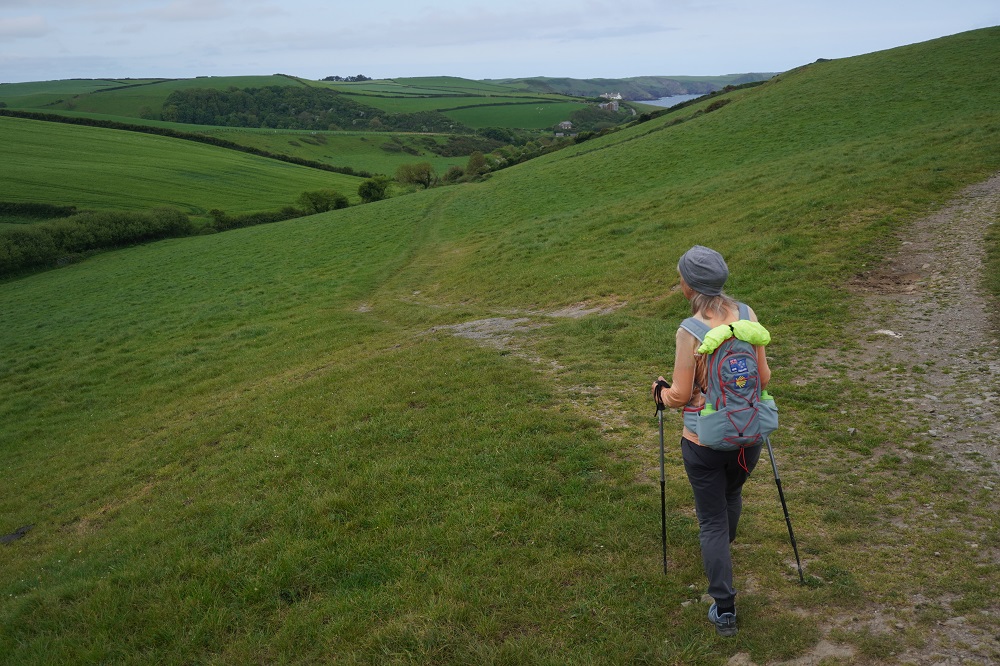
-
- Inland walk Port Isaac to Port Quin
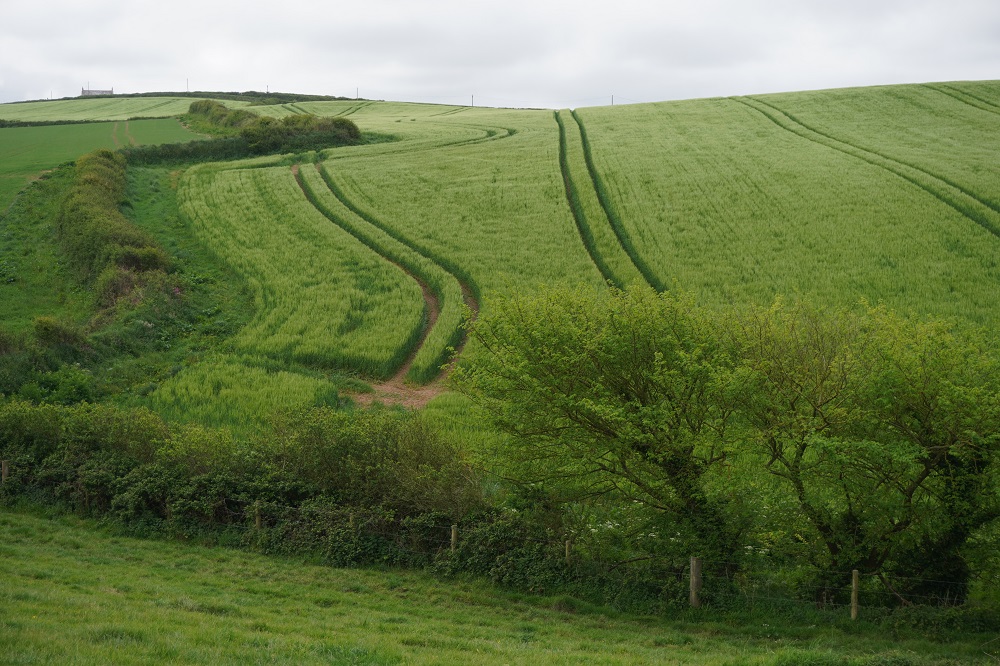
-
- Port Quin
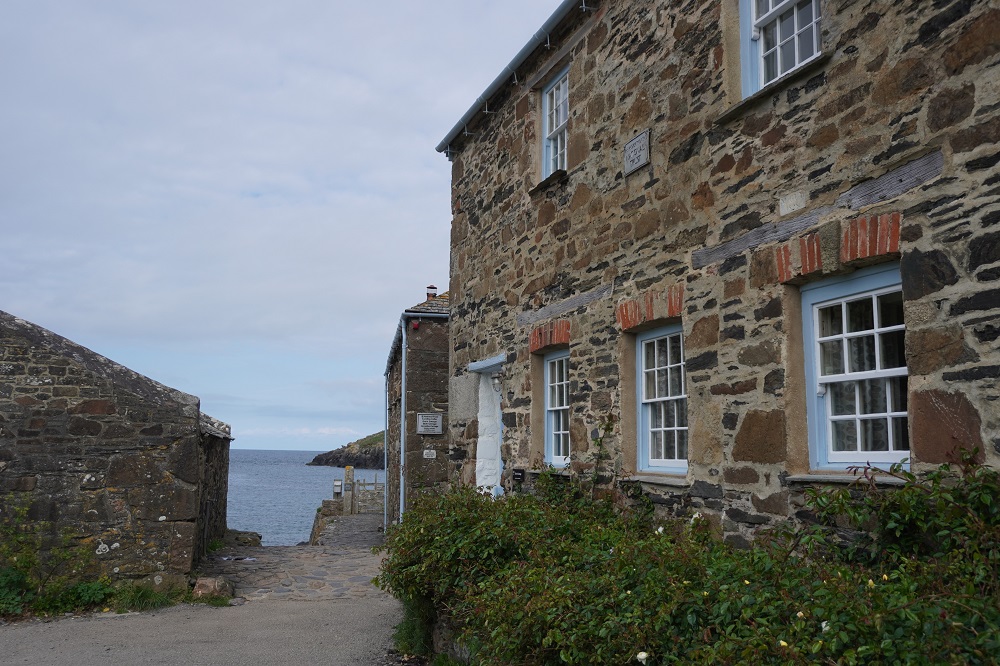
-
- Port Quin
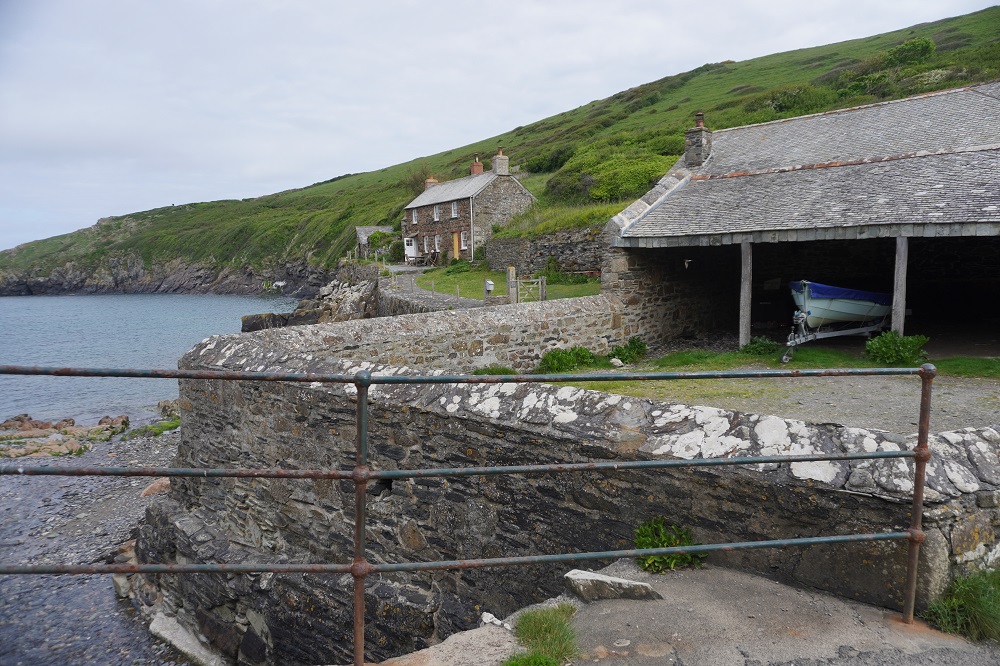
-
- Port Quin
-

- Road walking Port Quin
-
- Doyden Castle
-
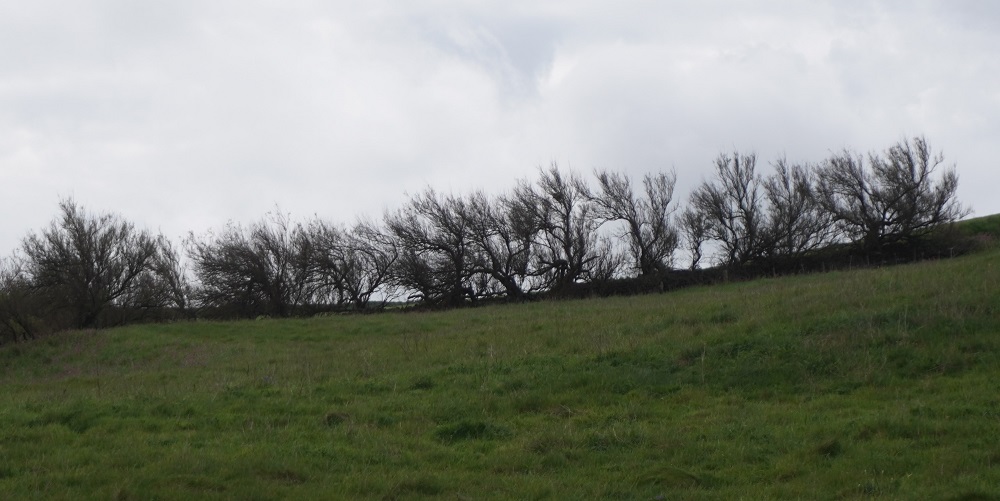
- Funny trees
-
- Coast to Trevan Point
-
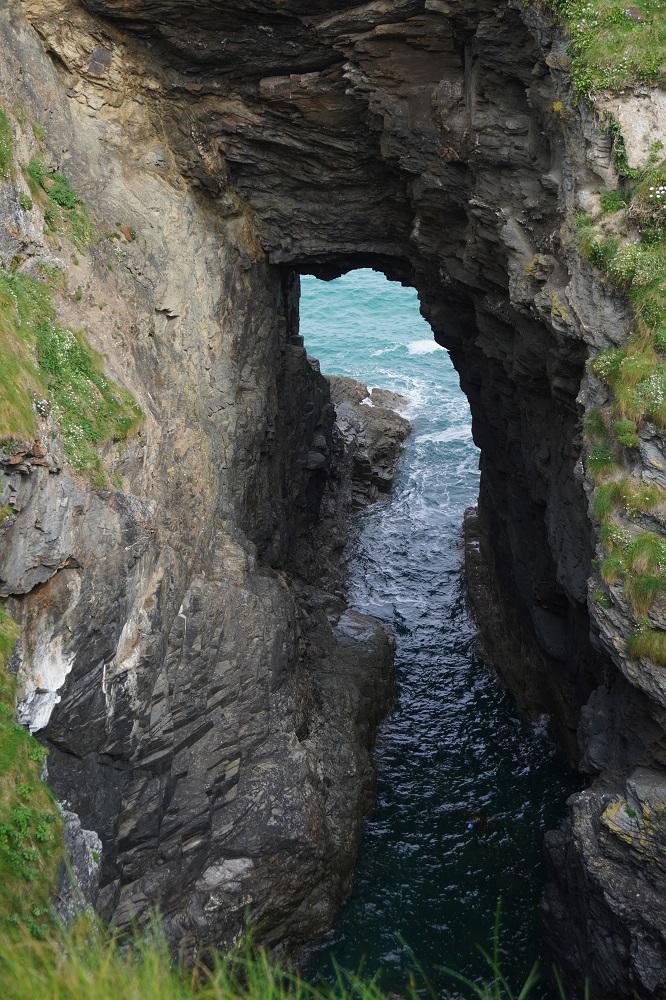
- Arch, The Rumps
-
- Arch, The Rumps
-
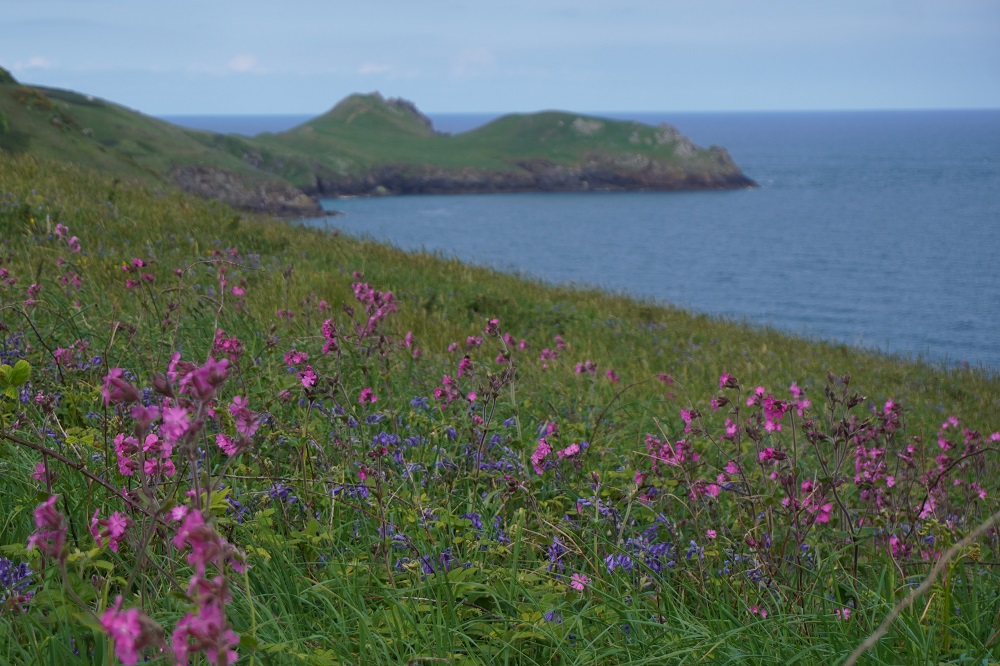
- The Rumps
-
- The Rumps
-
- The Rumps
-
- Coffee at The Rumps
-
- Boat ride off The Rumps
-
- Polzeath from Pentire Point
-
- Padstow Bay from Pentire Point
-
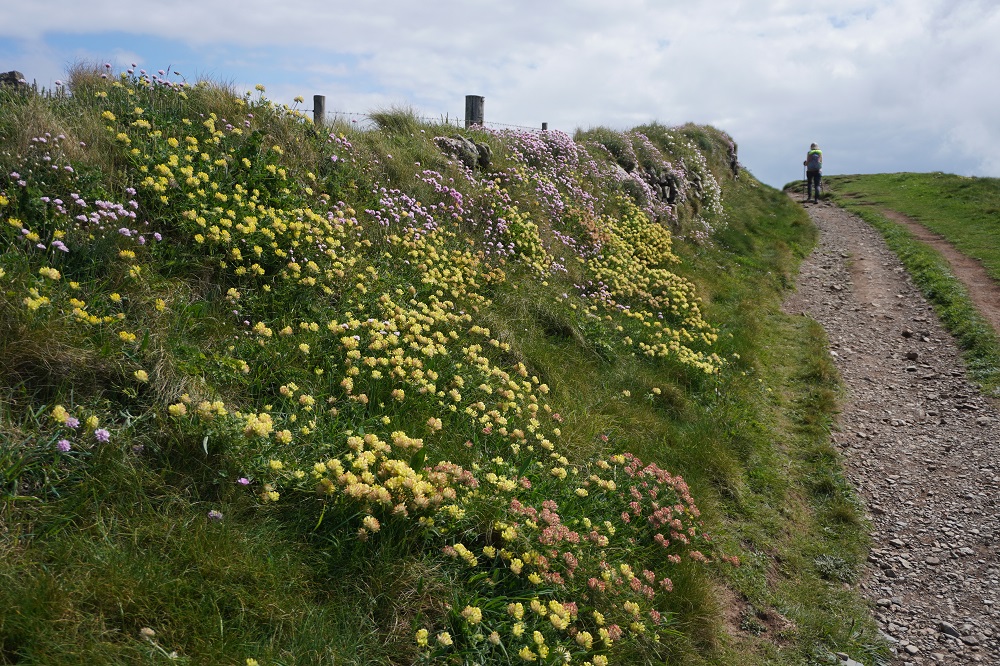
- Spring flowers, Pentire Point
-
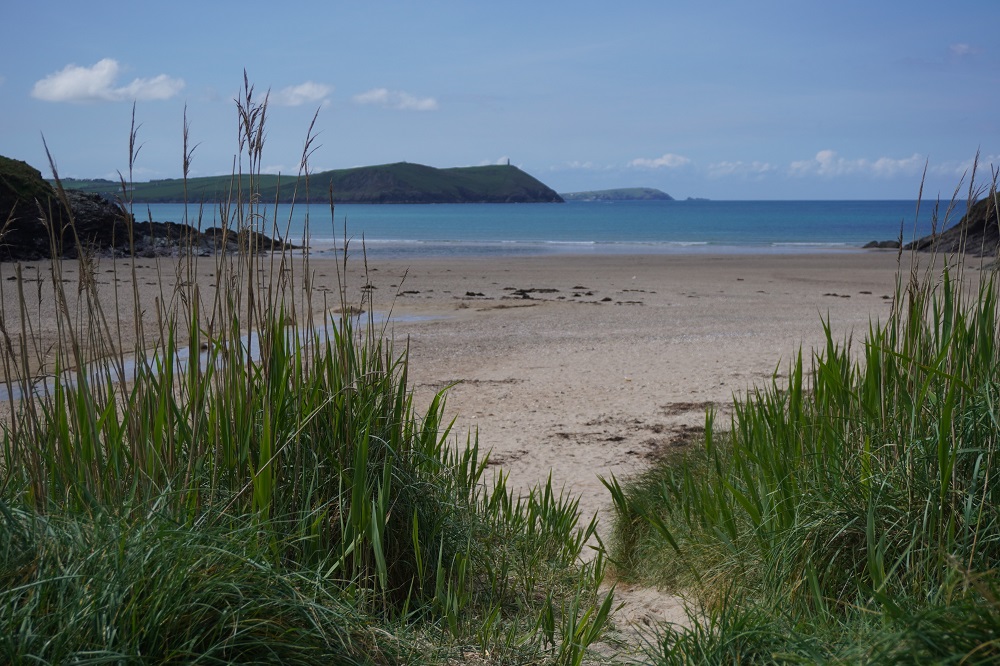
- We will walk there tomorrow
-
- Polzeath
-

- Polzeath

-

- Polzeath

-
- Polzeath
-
- Hayle Bay
-
- Padstow Bay and the Camel Estuary
-
- Daymer Bay
-
- Dunes Daymer Bay
-
- St Enodoc Church
-
- St Enodoc Church
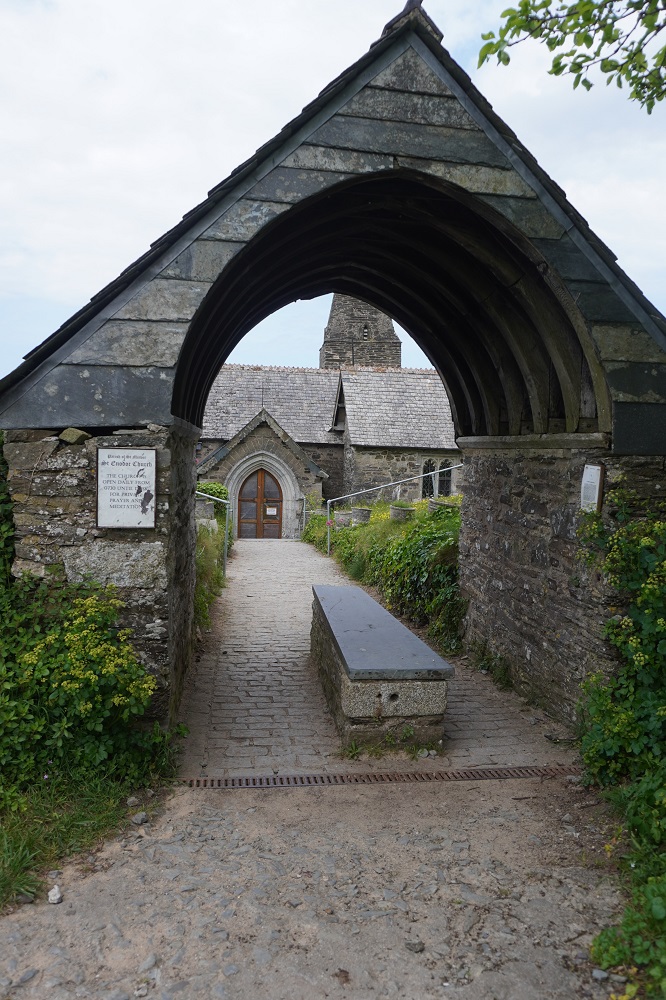
-
- St Enodoc Church
-
- St Enodoc Church
-
- St Enodoc Church
-
- St Enodoc Church
-
- St Enodoc Church
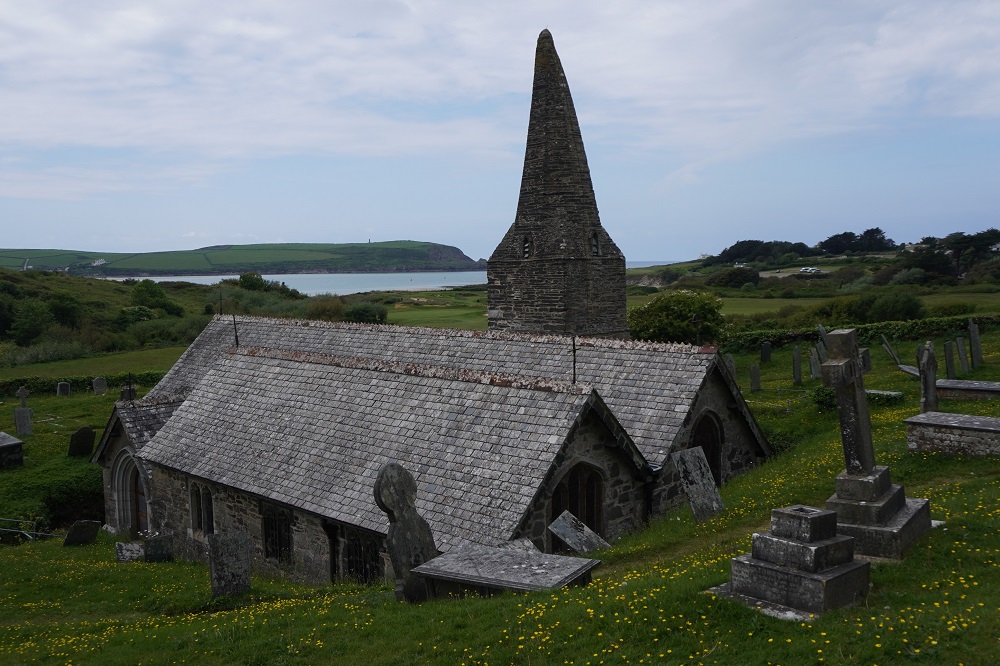
-
- St Enodoc Church
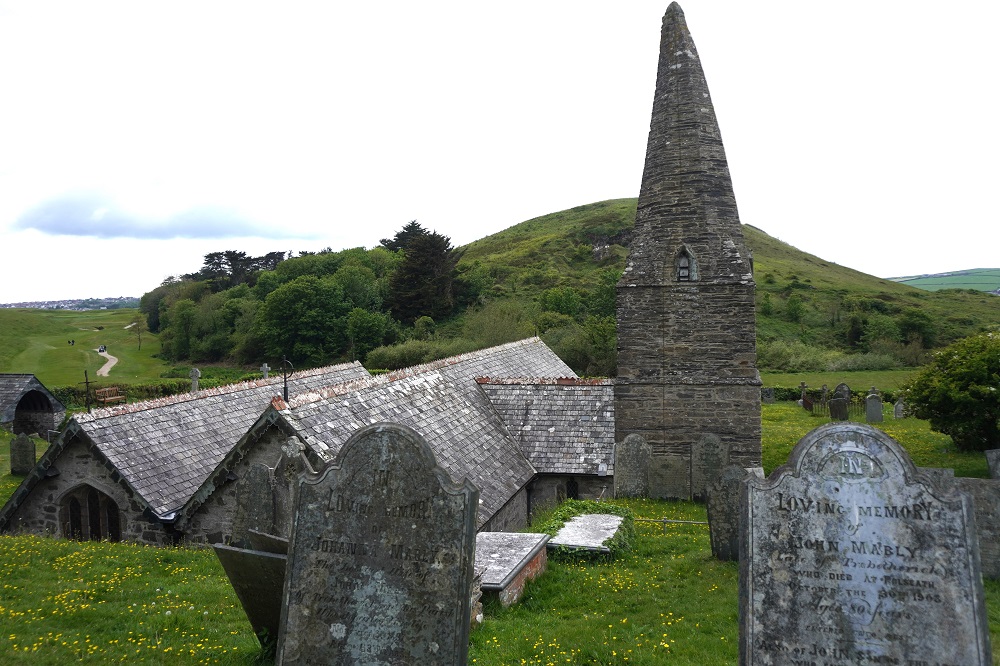
-
- St Enodoc Church
-
- Daymer Bay on the way to Rock
-
- Rock to Padstow Ferry
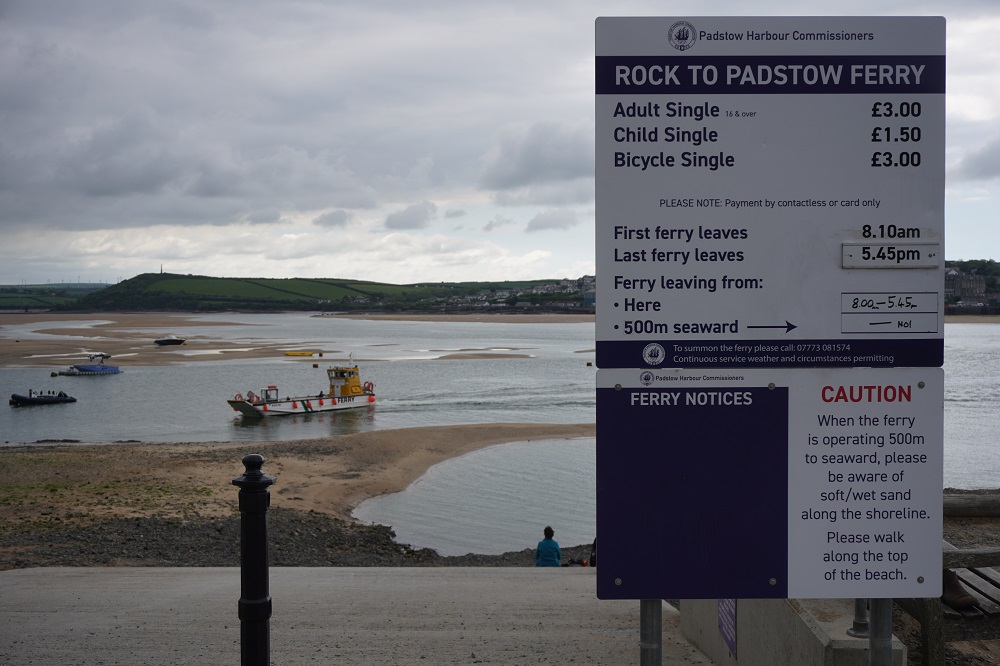
-
- Rock to Padstow Ferry
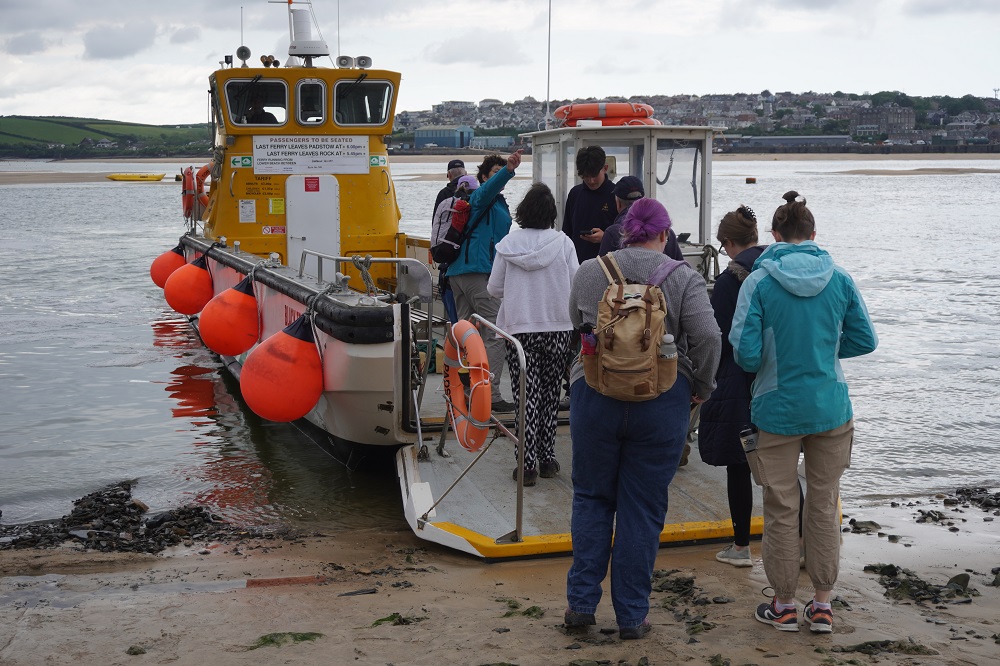
-
- Rock to Padstow Ferry
-
- Rock to Padstow Ferry
-
- Rock to Padstow Ferry
-
- Rock to Padstow Ferry
-
- Padstow
-
- Padstow
-
- Padstow
-
- Padstow
-
- Padstow
-
- Padstow
-
- Padstow
-
- Padstow
-
- The Old Custom House Padstow
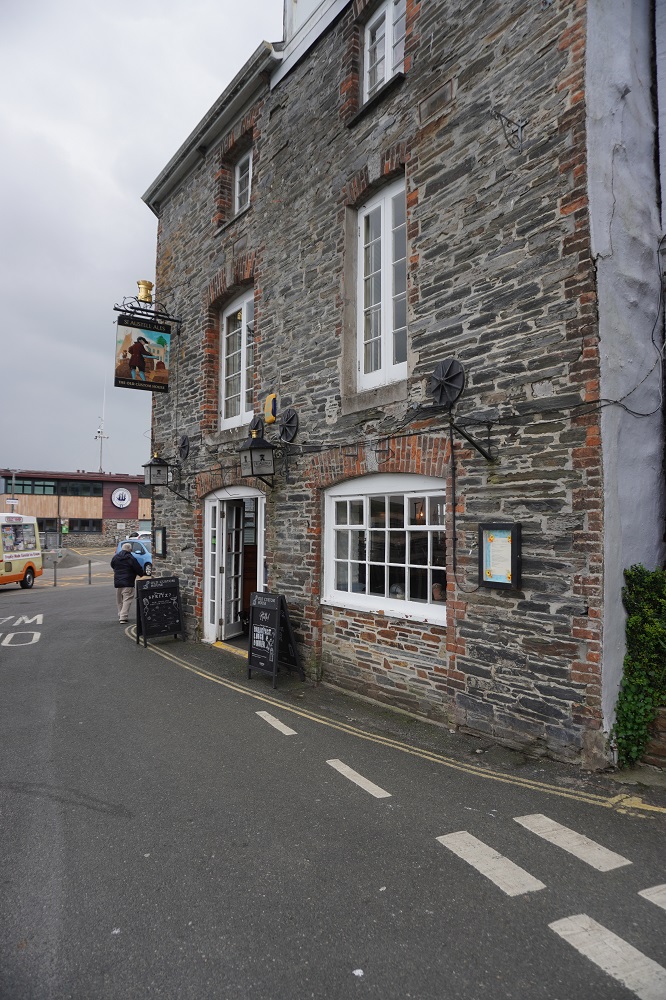
-
- The Old Custom House Padstow
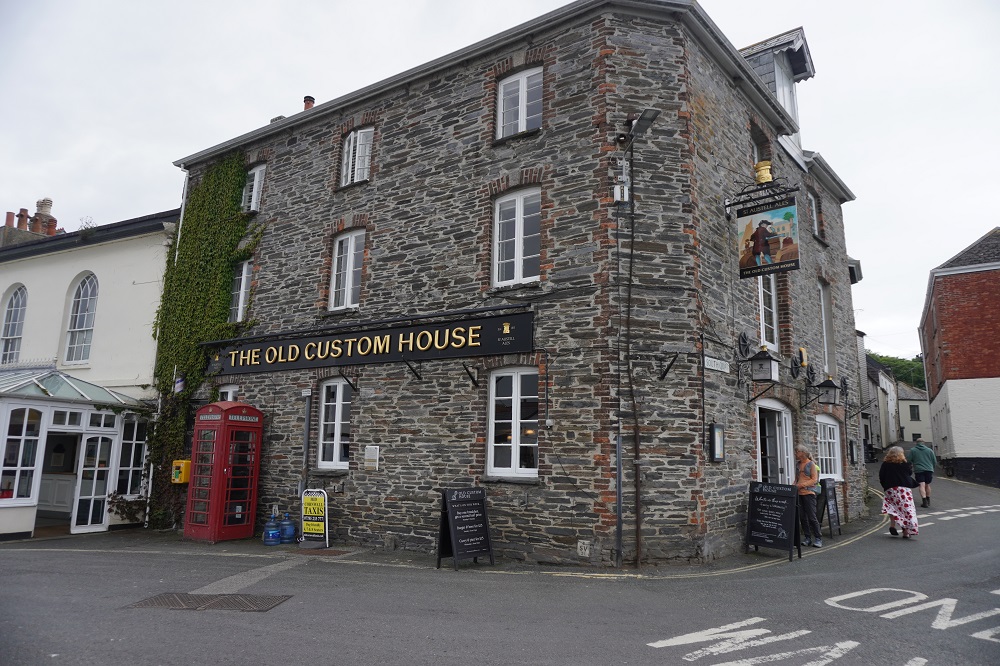
-
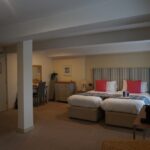
- The Old Custom House Padstow
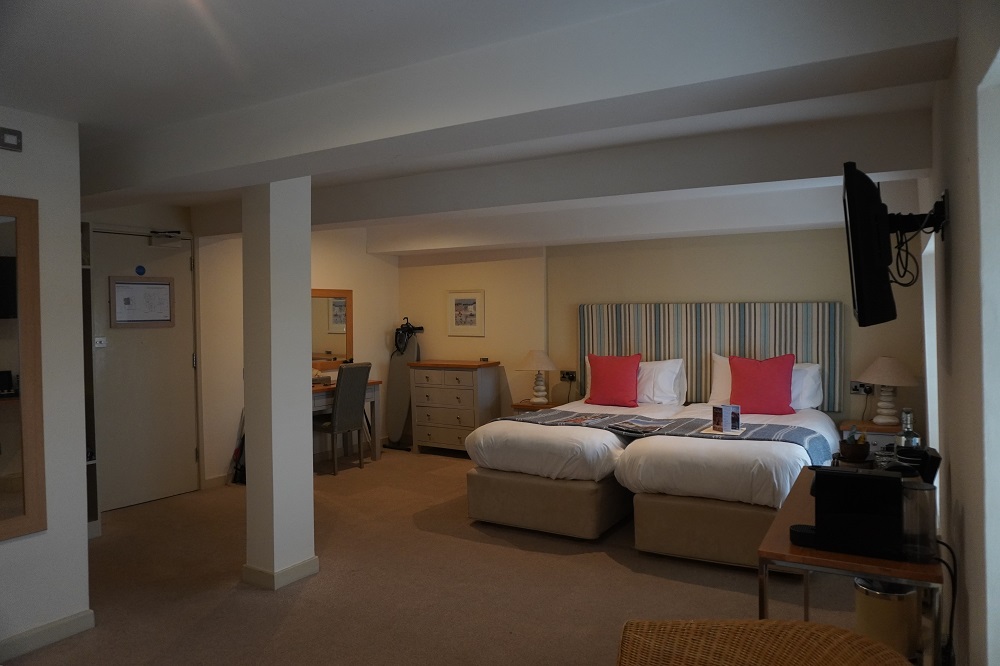
-
- The Old Custom House Padstow
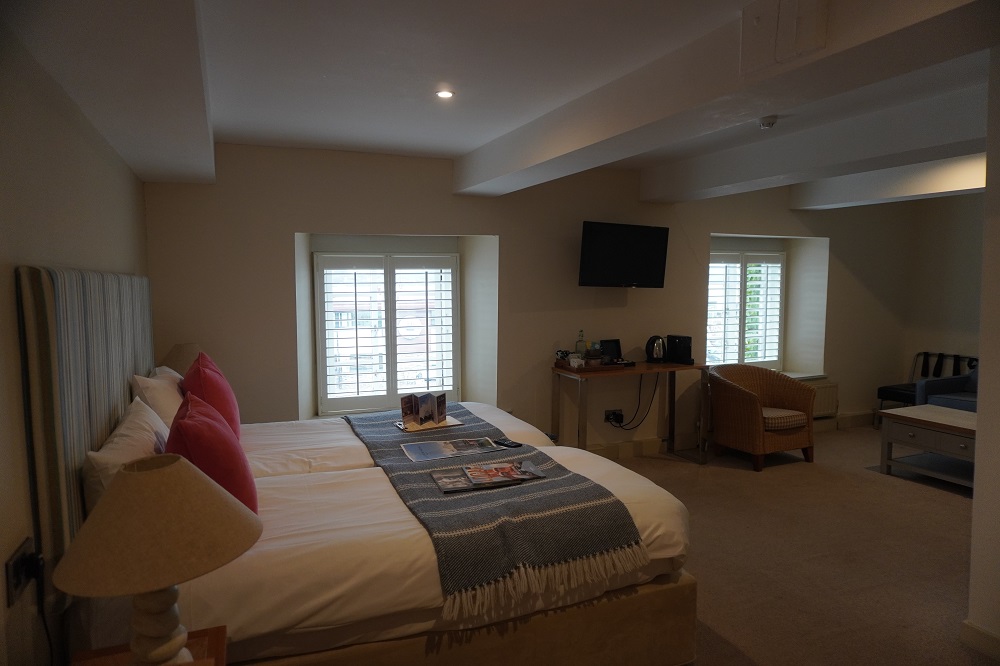
-
- The Old Custom House Padstow
-
- Padstow
-
- Padstow
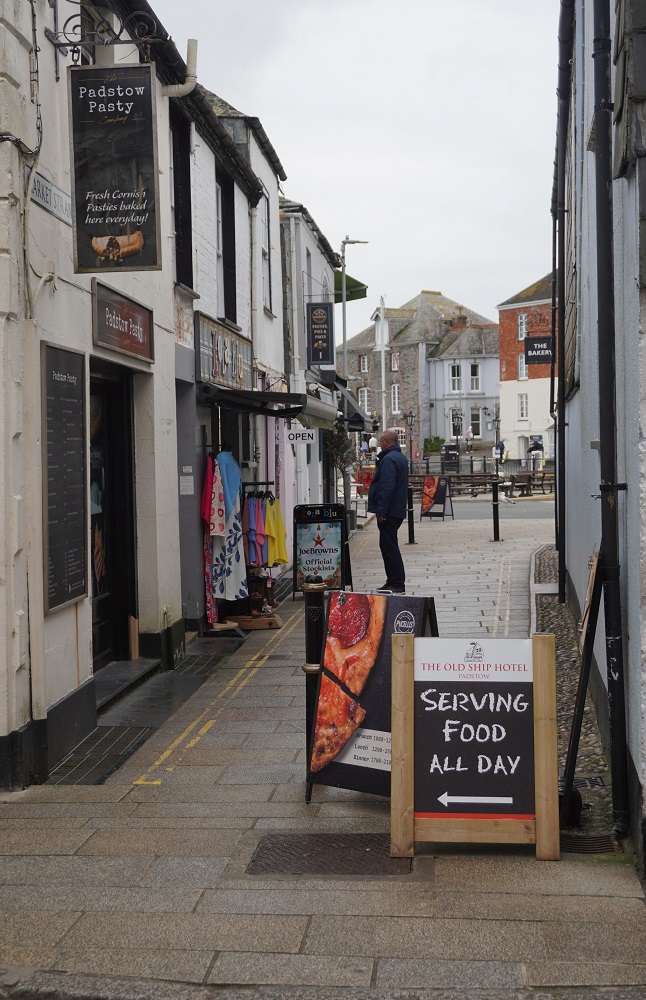
-
- Padstow