We are listening

Morwenstow to Bude, 11.5km, 223 metres of climbing 312 metres of descending

‘Long is a mile to he who is tired’. Buddha

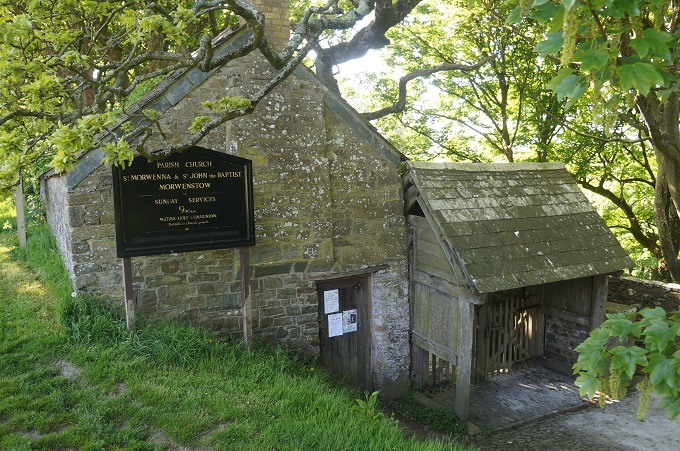
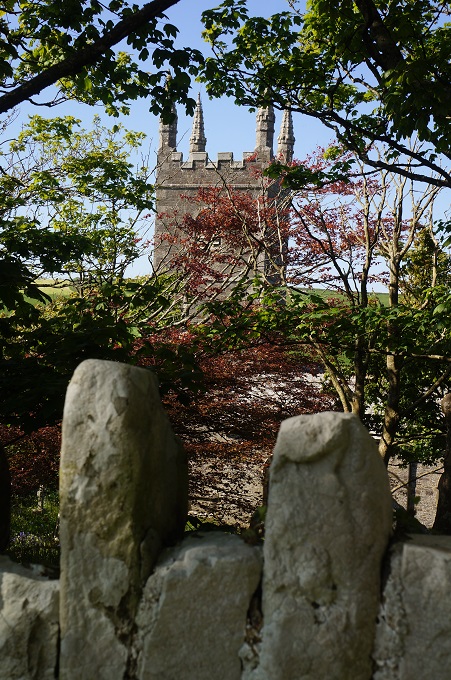
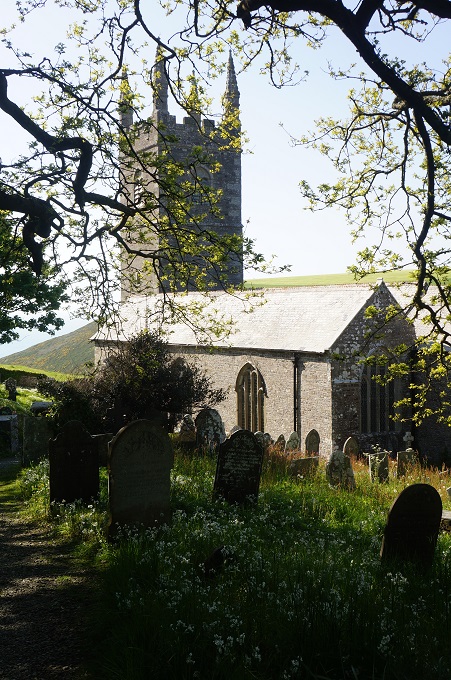
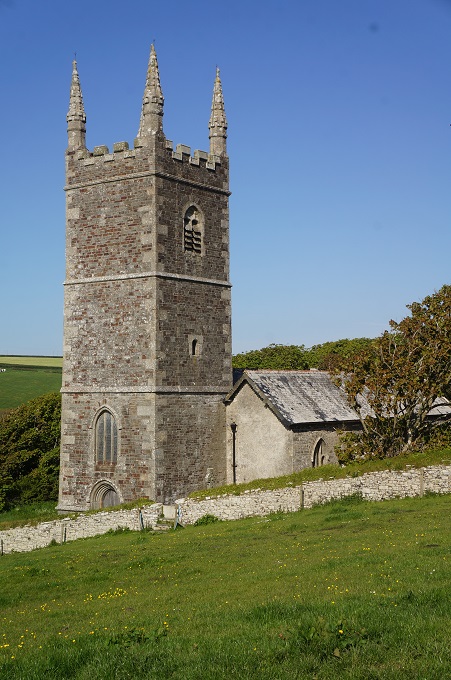
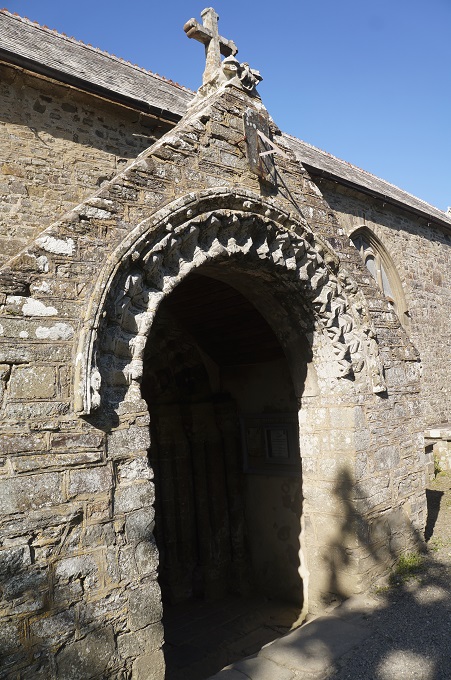
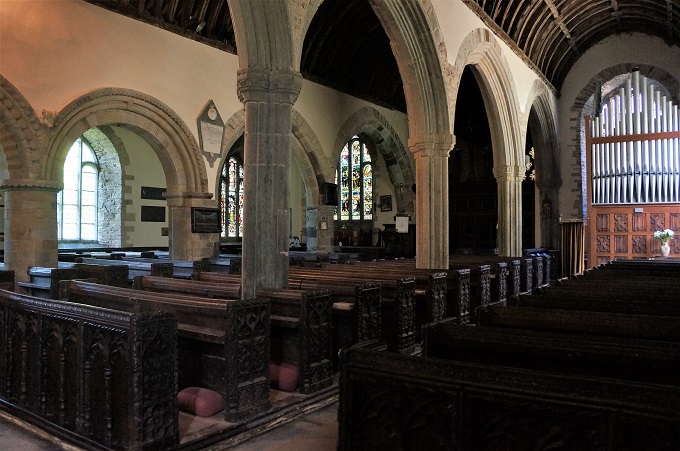
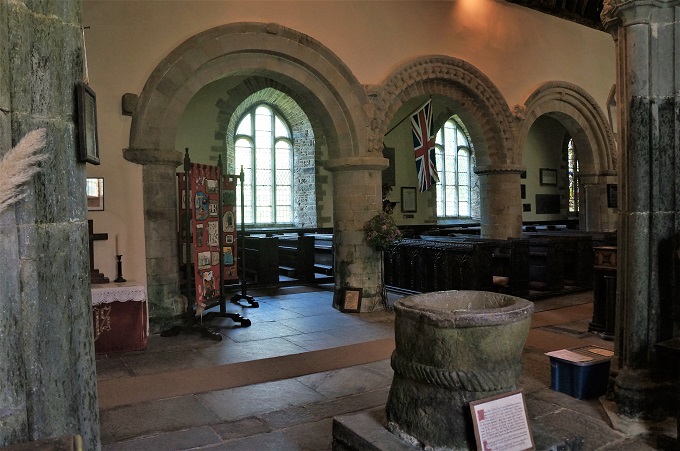
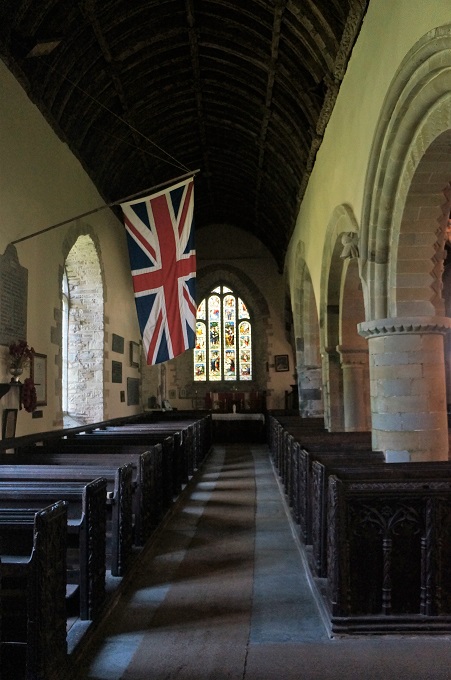
Before hitting the path today we had a look inside the parish church of St Morwenna and St John the Baptist. For such a small settlement this is quite a large and intricately decorated church with four stained glass windows, an organ, Romanesque arches down one side of the nave and Gothic arches down the other. It dates from 1145 and on the wall is a list of all the vicars from that date until the present.

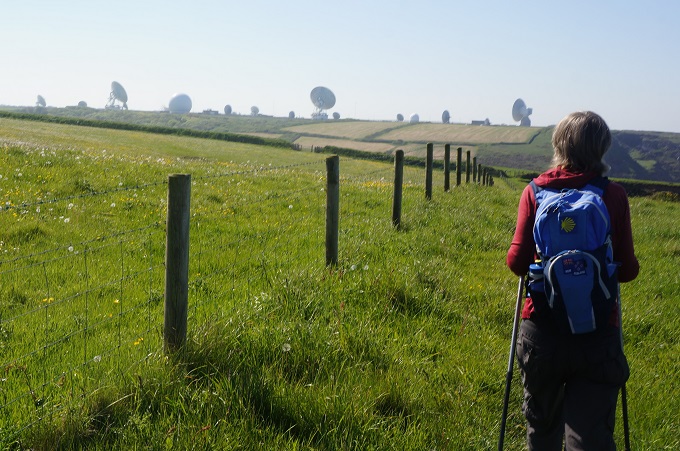
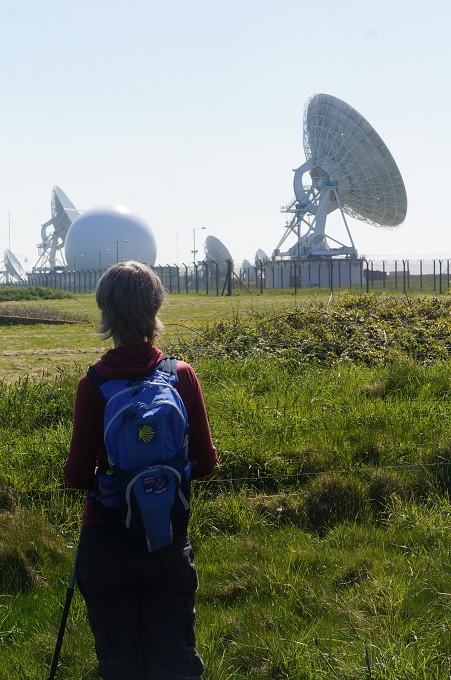
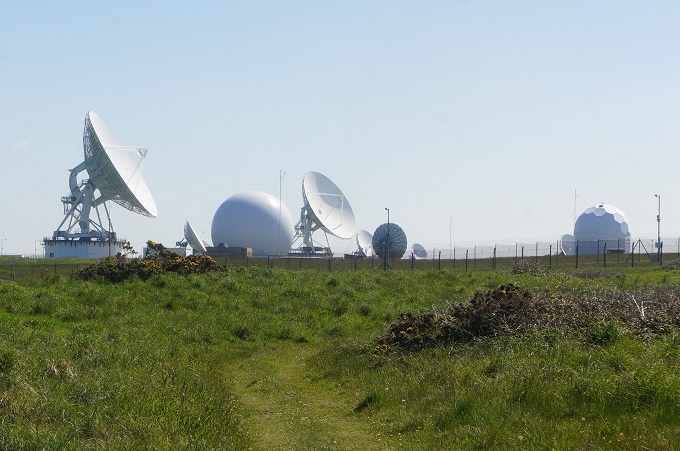
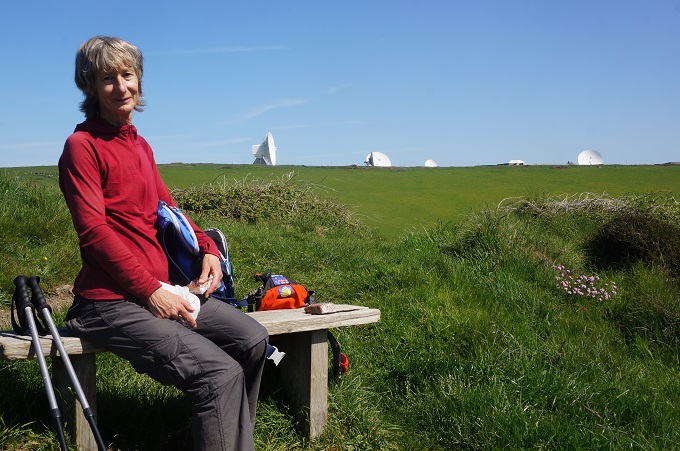
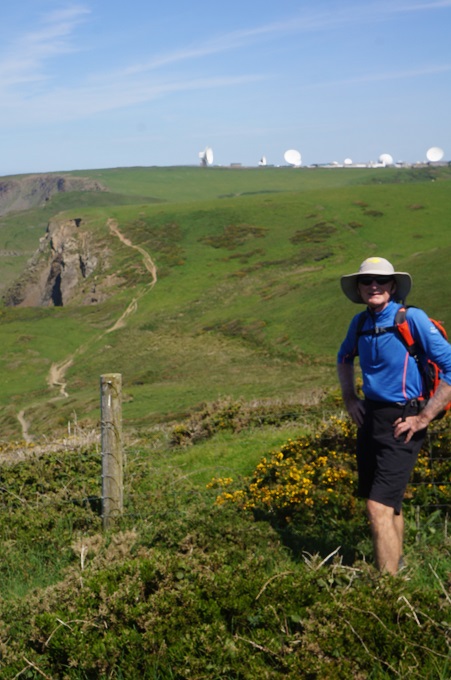
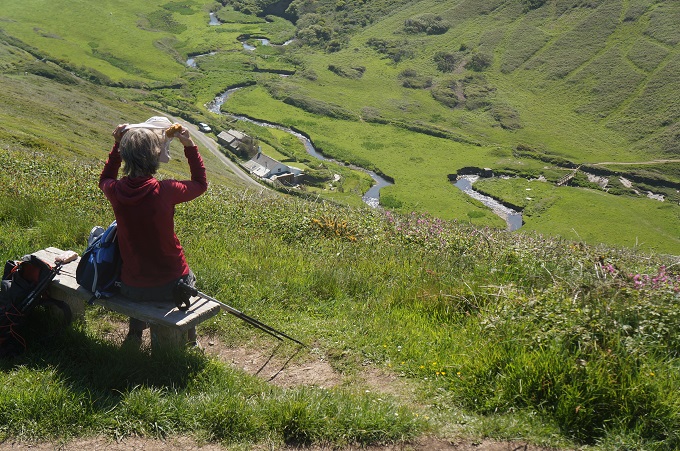
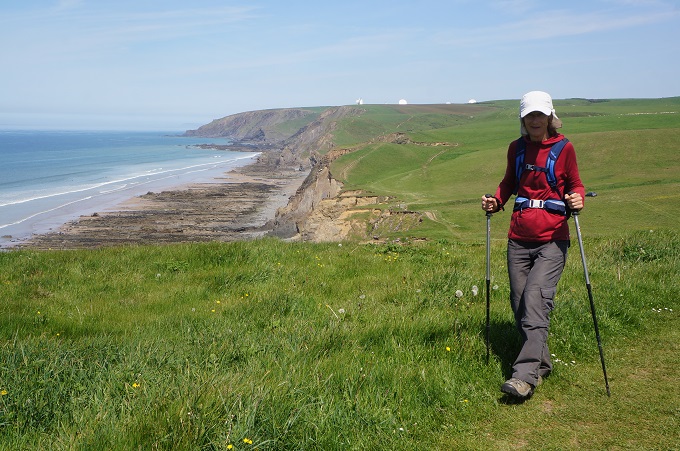
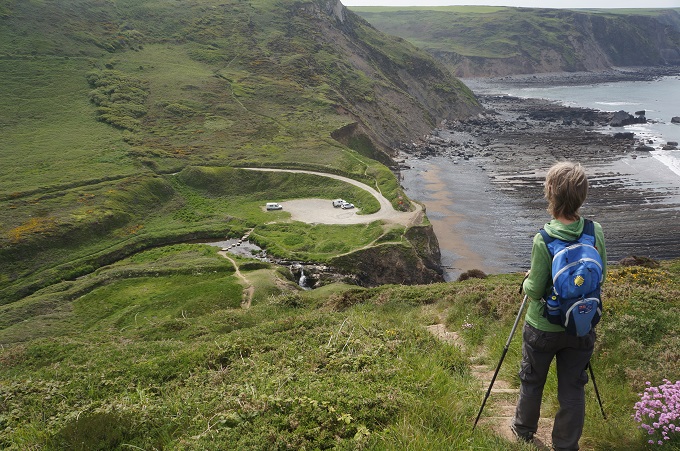
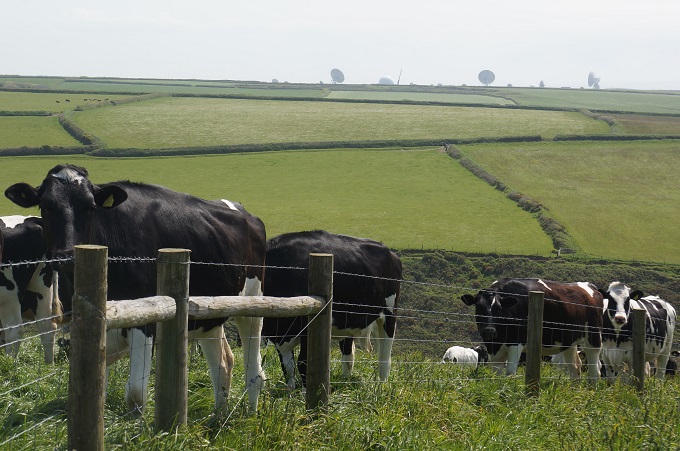
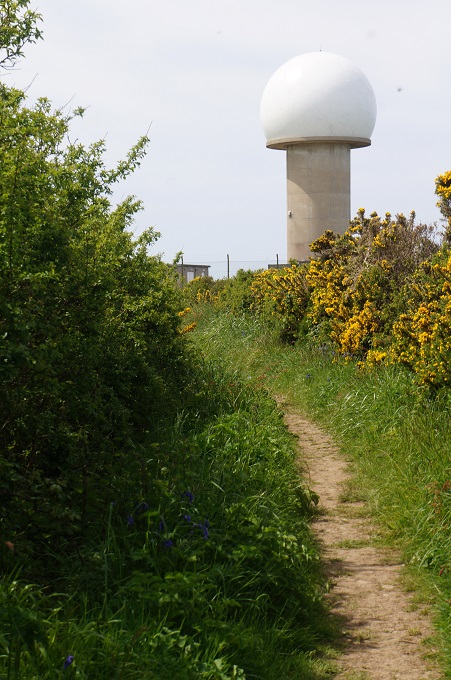
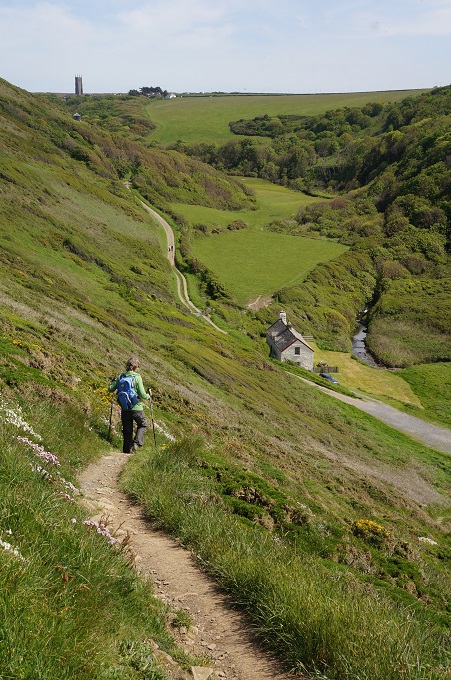
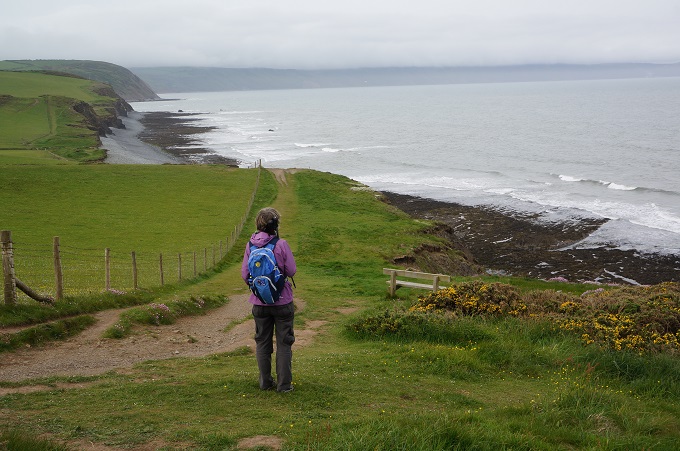
Today was a continuation of yesterday, relentless gradients as we clambered in and out of the valleys of Tidna Shute and Stanbury Mouth (the steepest of all the climbs). At this point you are rewarded with the huge complex of GCHQ Bude. Government Communications Head Quarters Bude. This is a UK satellite receiving station and eavesdropping centre.

There are 21 satellite antennae three of which are 30 metres (100 feet) in diameter. The station is a UK and USA co-operative spying site. It is a bit eerie because you see the giant dishes ahead from miles away and when you look back after passing them they are still there staring at you.

There was one more steep challenging valley, Duckpool, and then the gradient finally relented and mercifully the path became gently undulating into Bude. Approaching Bude cafes, tearooms and caravan parks started to appear, and there was a significant increase in the number of people out jogging or walking, with or without dog.

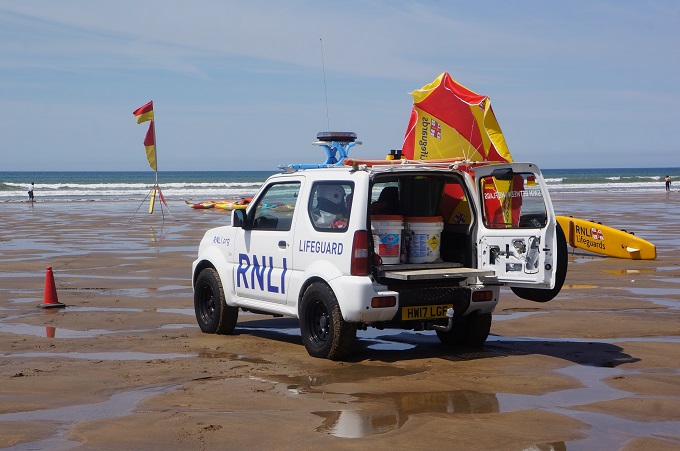
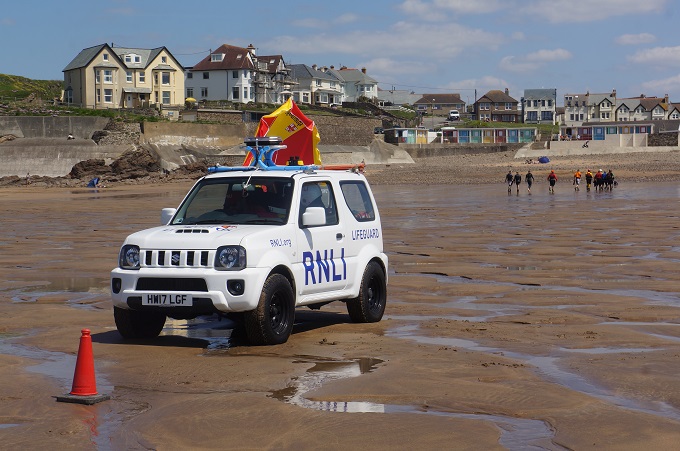
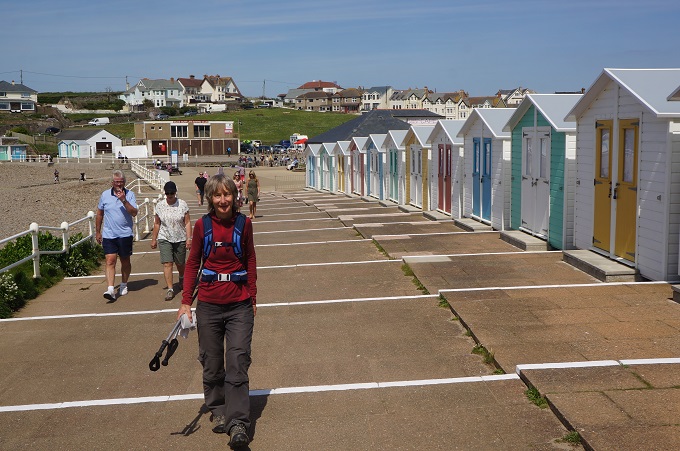
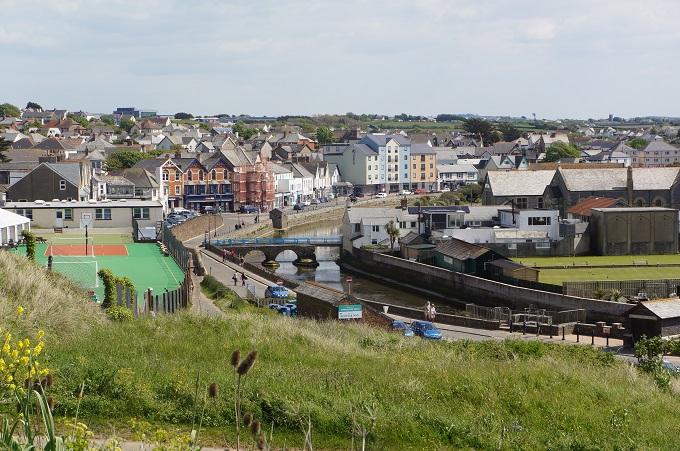
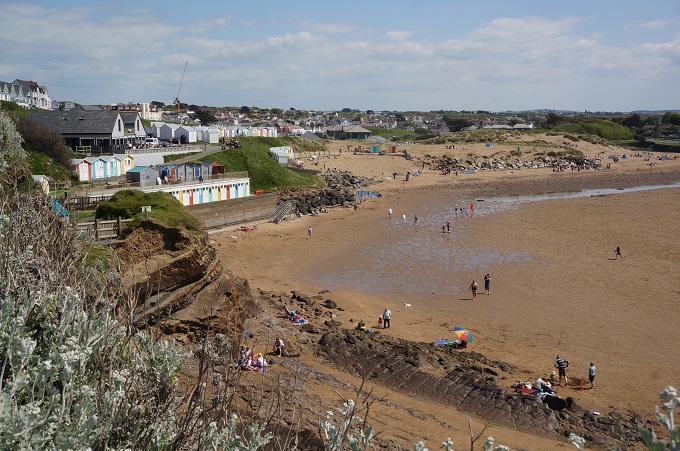
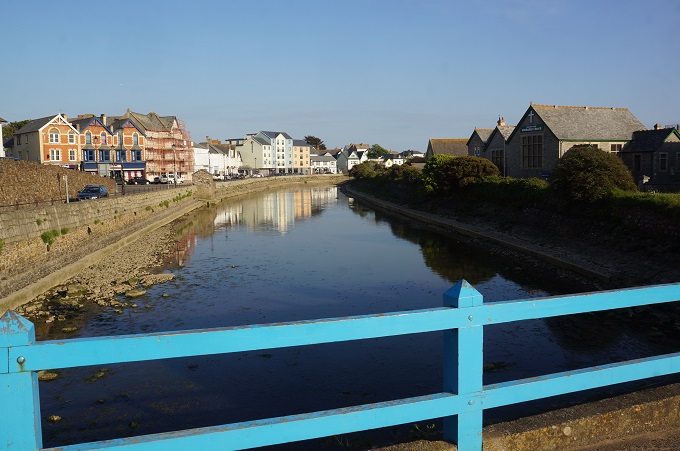
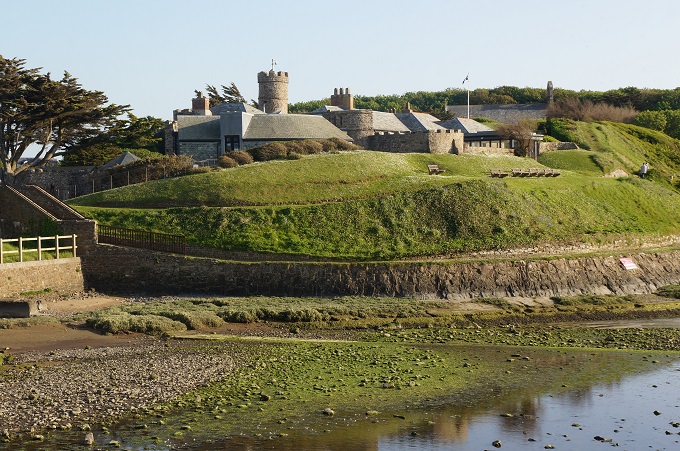
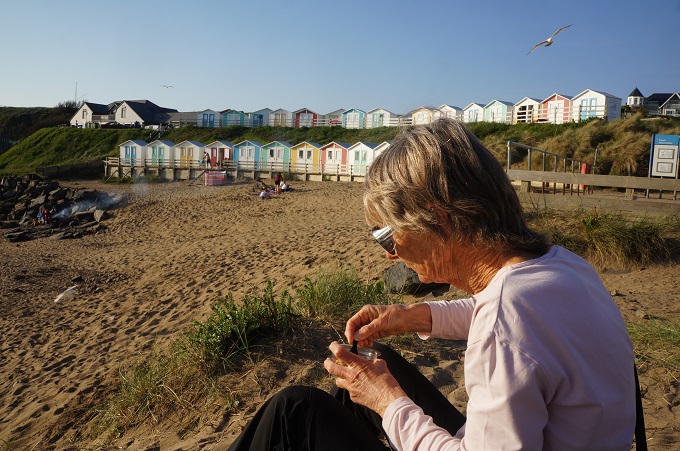
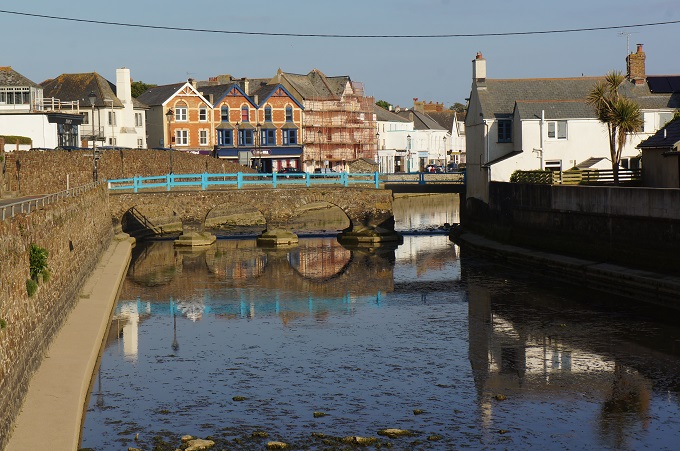
The coast has also changed and it is now the long sandy Cooklets and Summerleaze Beaches, with surfing, swimming , life guards and families out enjoying a beautiful sunny day. Bude is a compact, charming seaside town with everything you would expect including a small castle and a canal. The canal was dug to transport sand from the seashore inland to be spread on the poor soil. Part of this has been restored and there is a very pleasant walk along the tow path.

We fare welled two sets of new friends today. Sue and Len who are locals from Devon and the two laughing Norwegian lads. We have walked with them and had breakfasts, coffees and dinners with them on and off for the last four days.

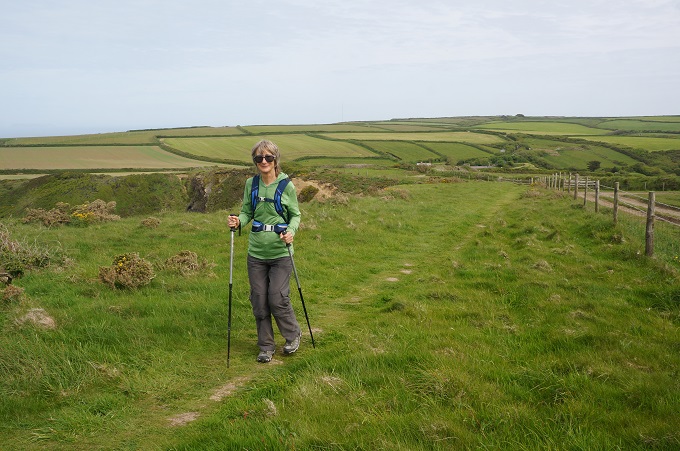
We are now getting into the rhythm of the walking. It always seems to take four days. It is great!


Kernow

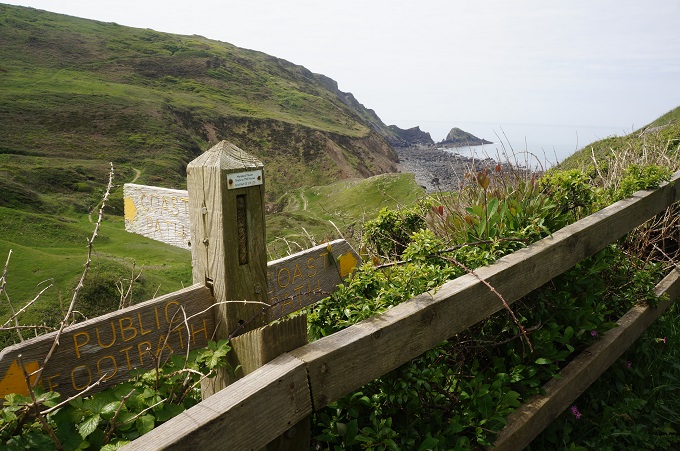
Hartland Quay to Morwenstow, 13km, 1271 metres of climbing

‘Obstacles do not block the path, they are the path’

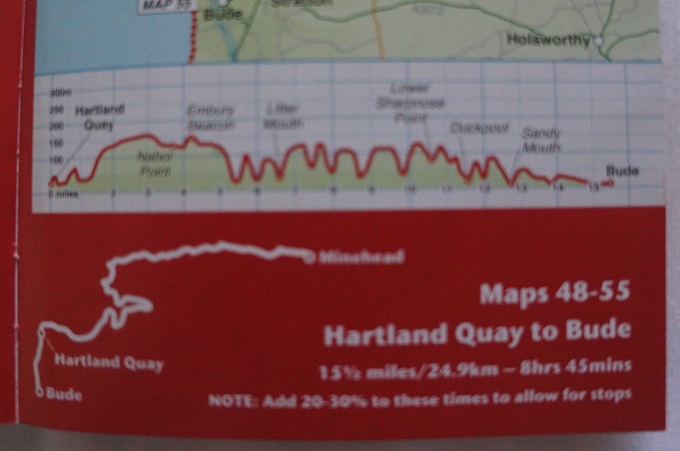
Hartland Quay to Bude is acknowledged as the hardest stage on the entire South West Coast Path. It is a slog across soaring summits and plunging coombes and has ten major ascents and descents as you scramble across valley after valley. The young, fit and hardy do this 25 km stage in one day but the older (and wiser?) ones like us, choose to do it in two days with a stop at Morwenstow.

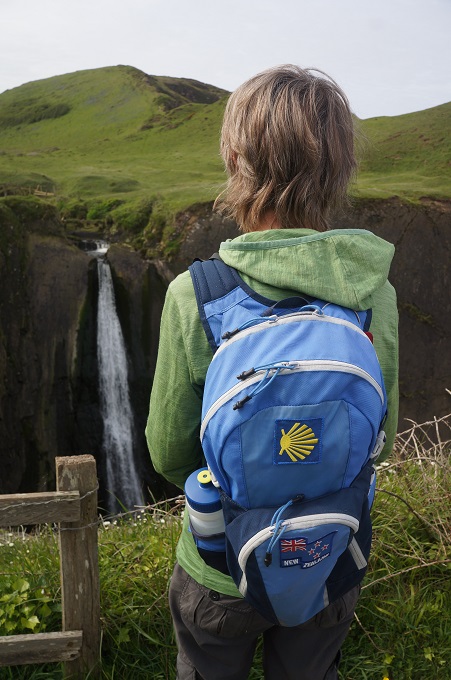
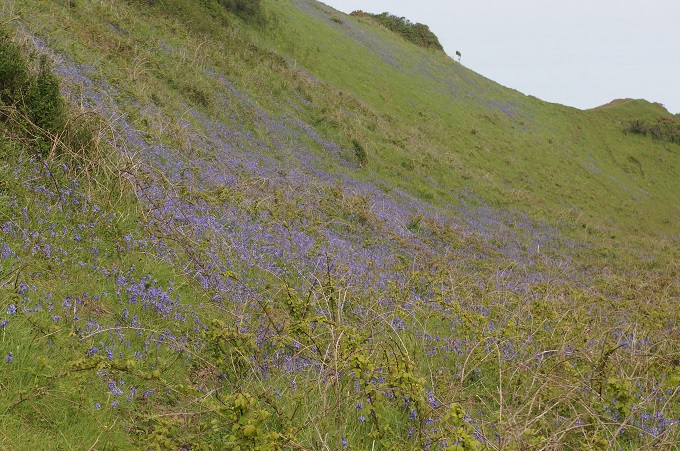
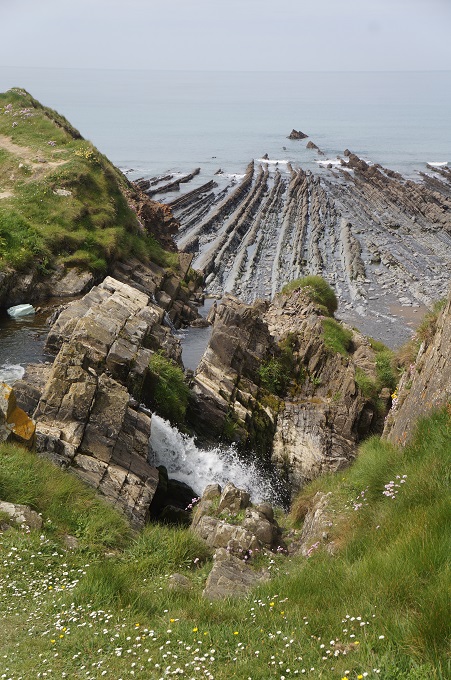
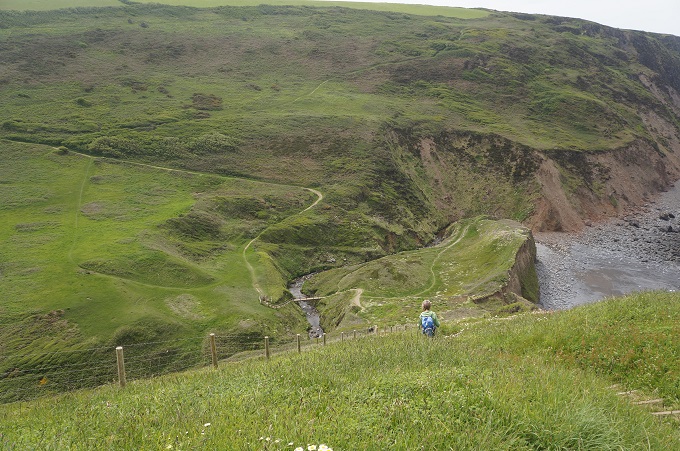
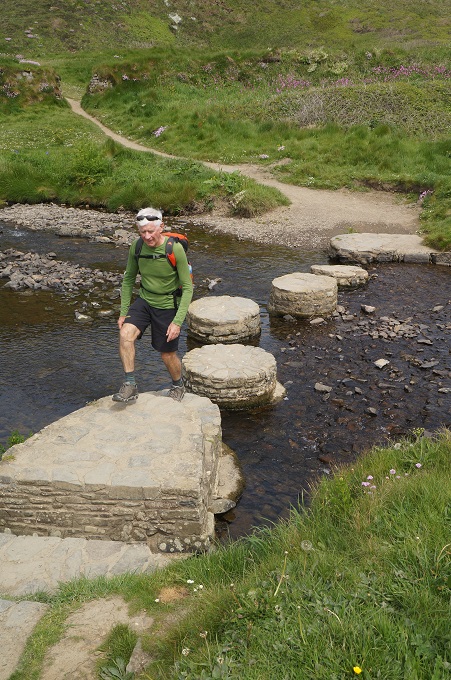
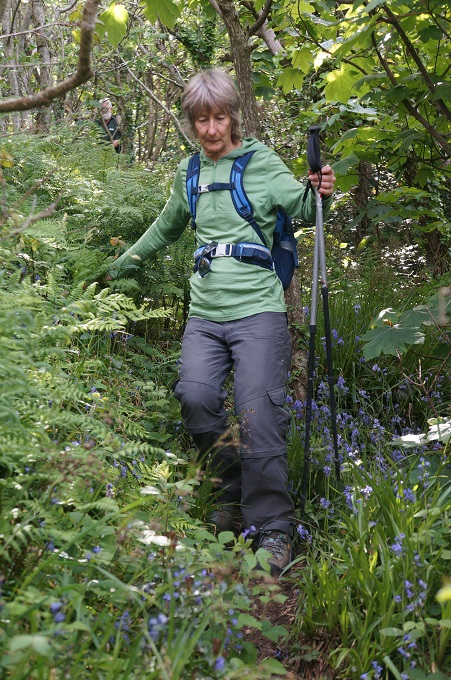
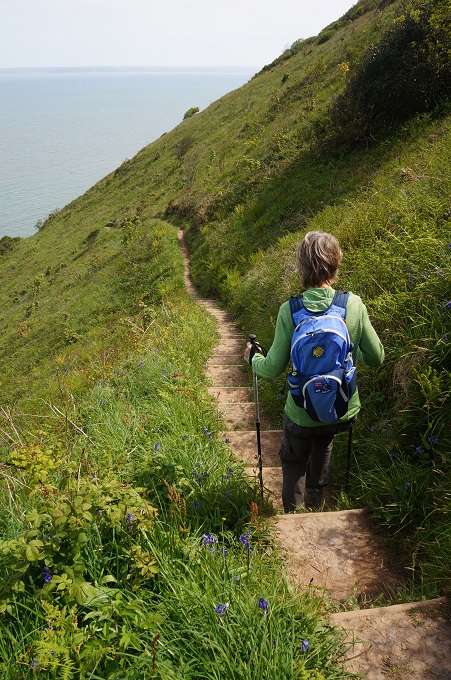
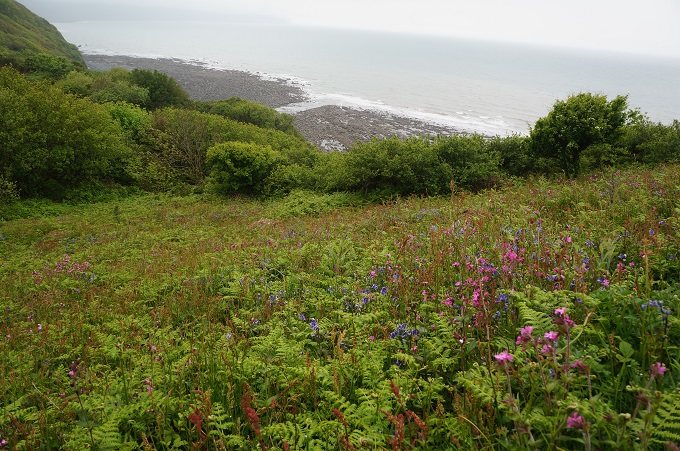
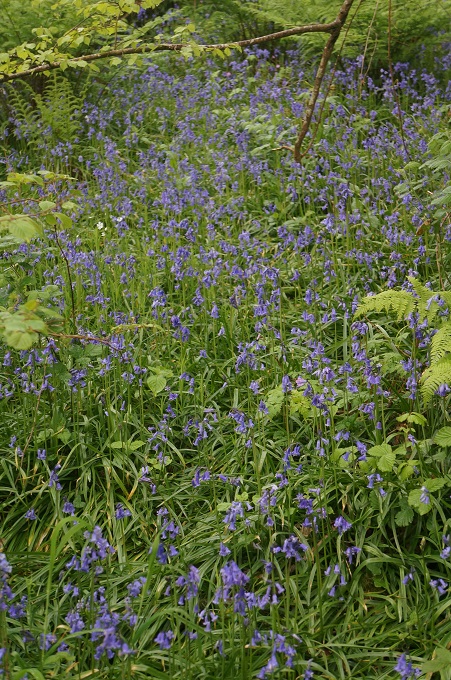
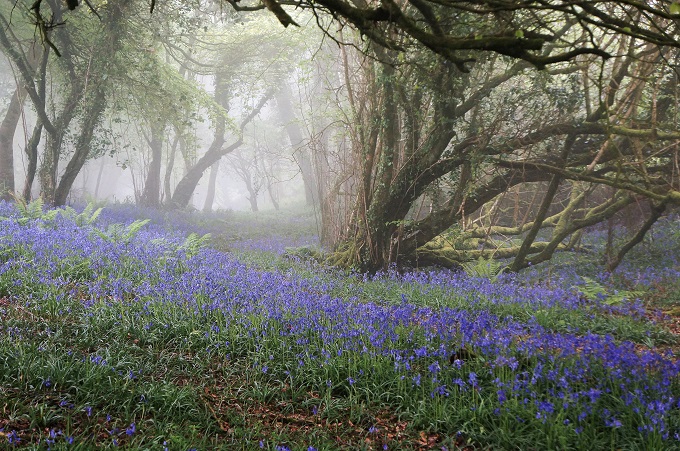
We both slept really well last night and felt fresh and ready to get into it this morning. The start was surprisingly gentle across grassy meadows and hill sides of blue bells. The first point of interest was an impressive waterfall at Speke’s Mill Mouth.

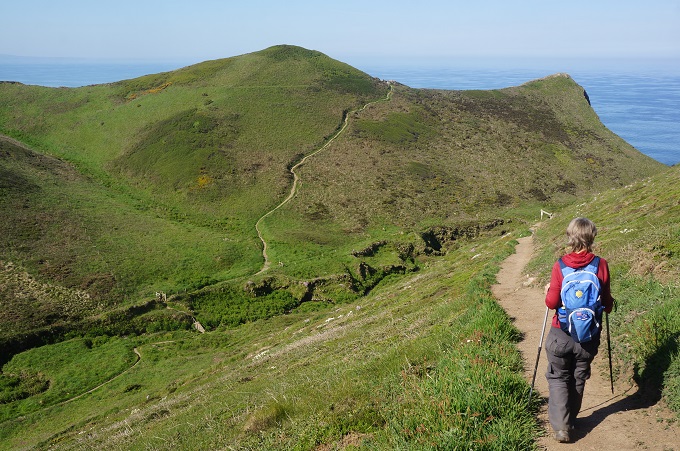
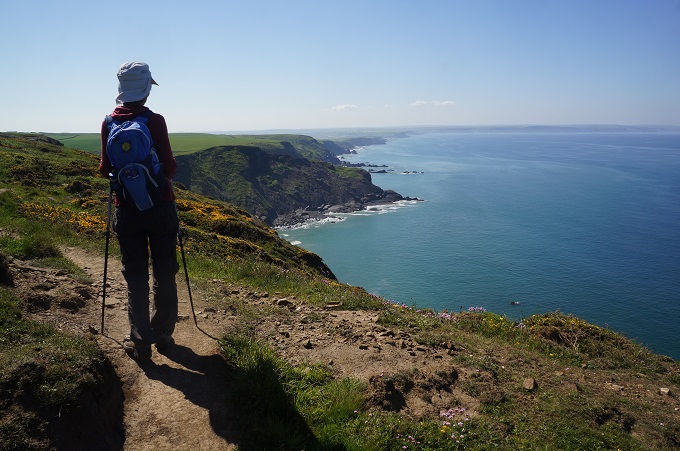
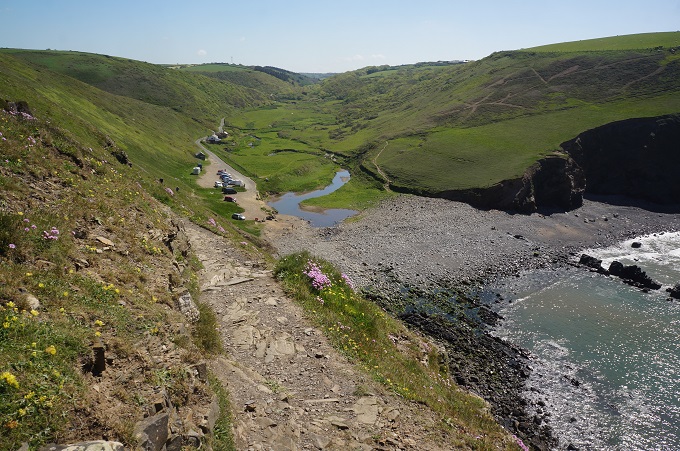
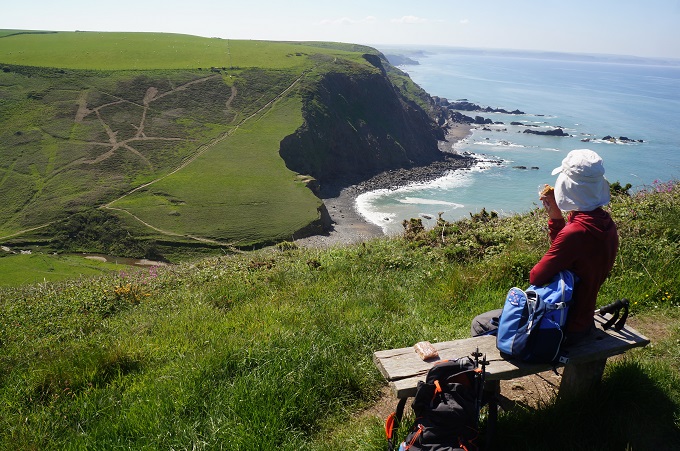
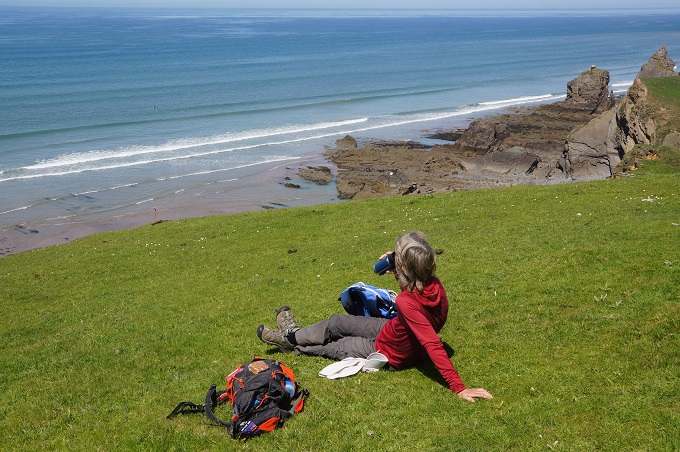
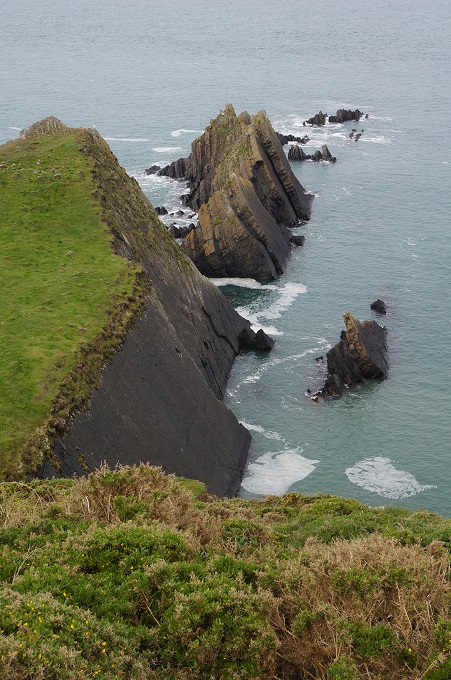
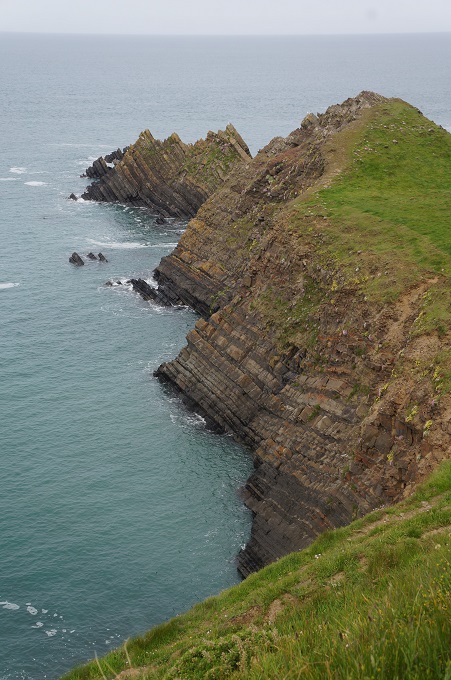
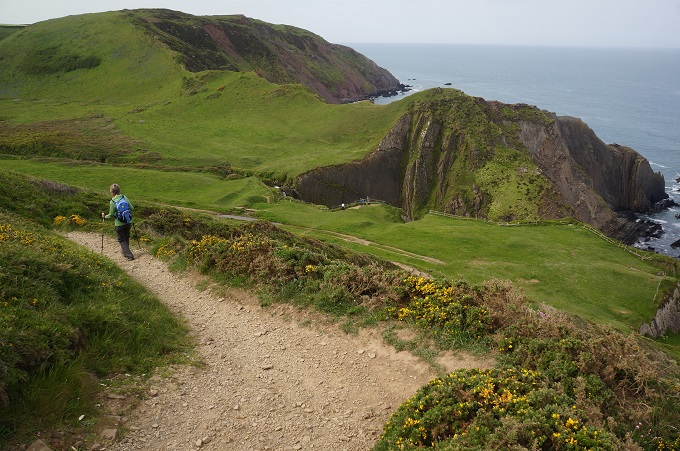
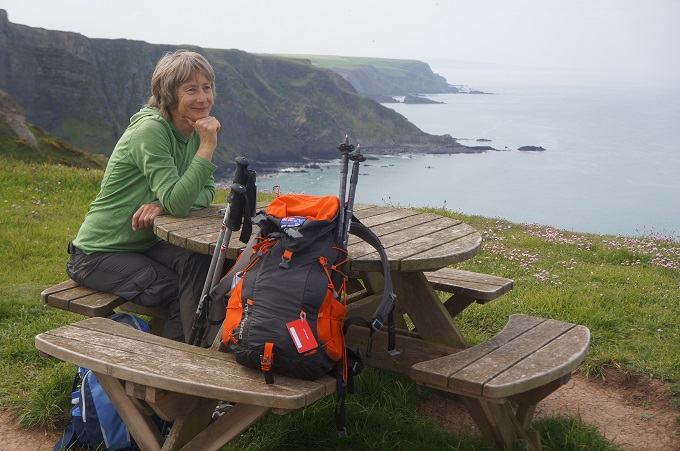
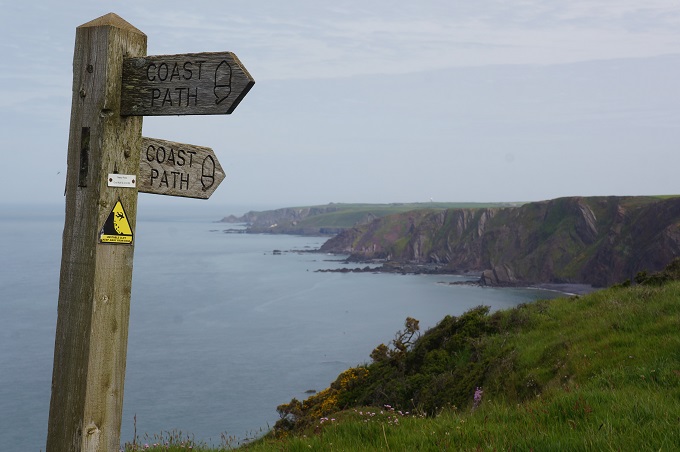
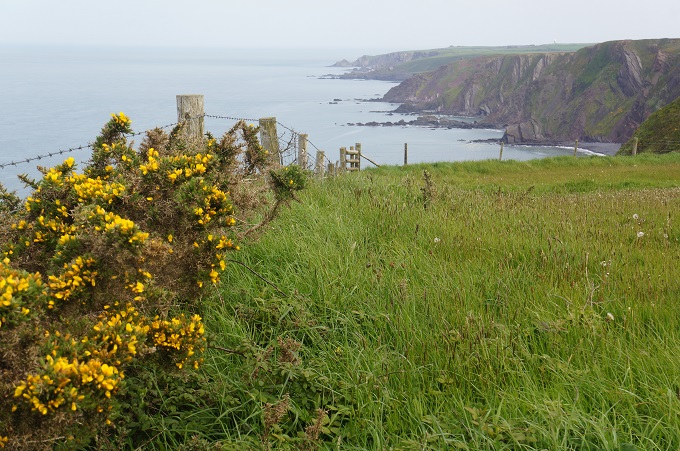
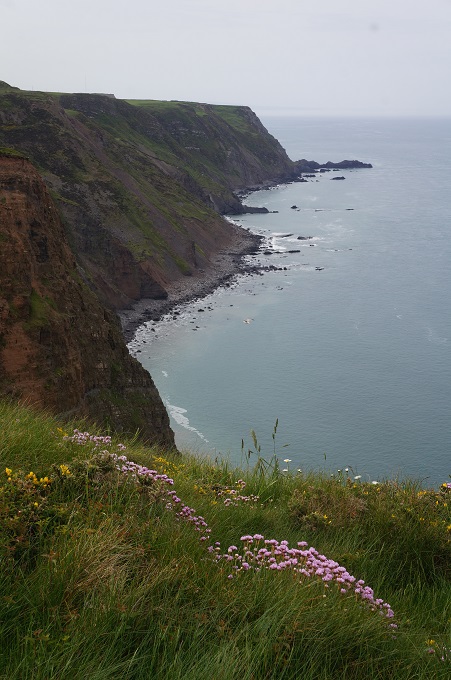
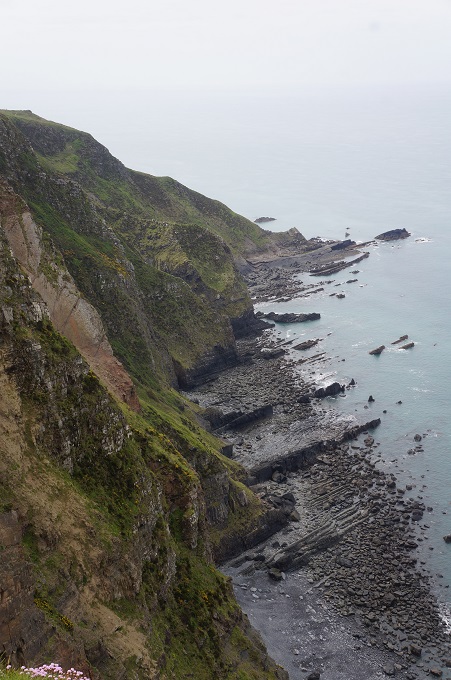
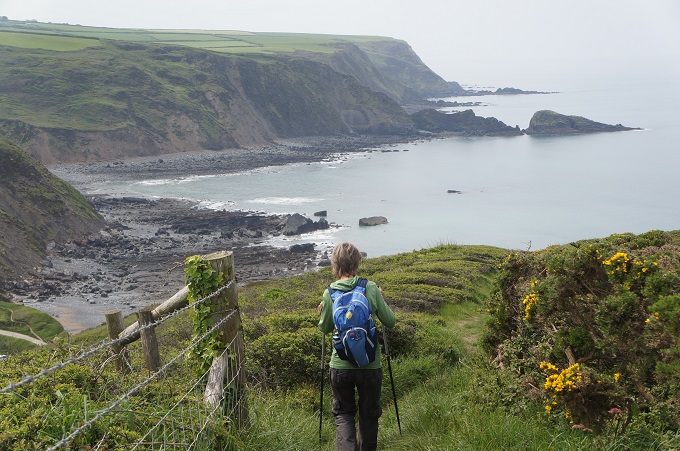
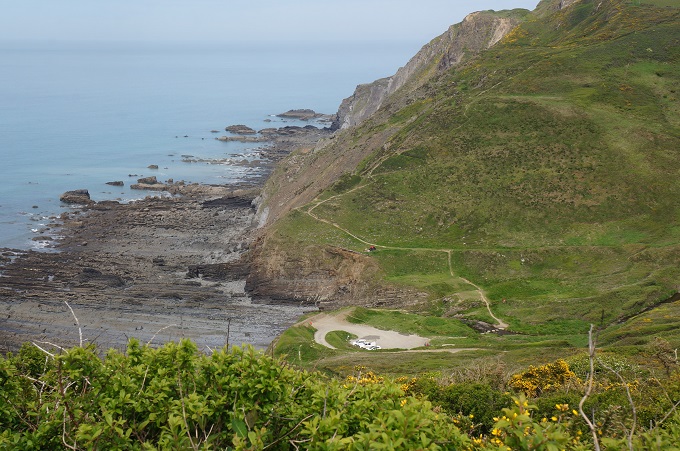
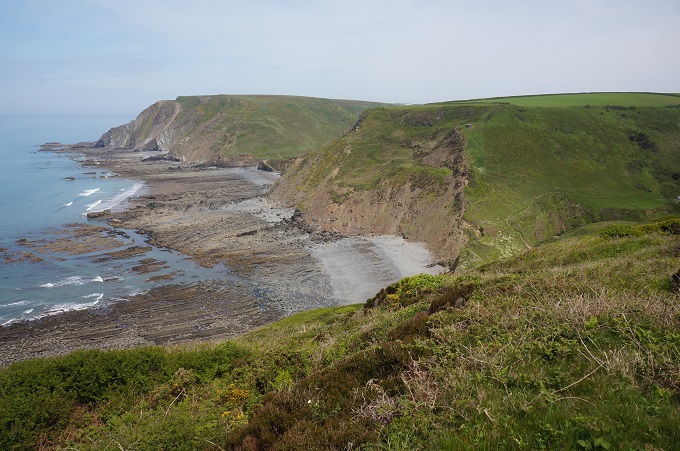
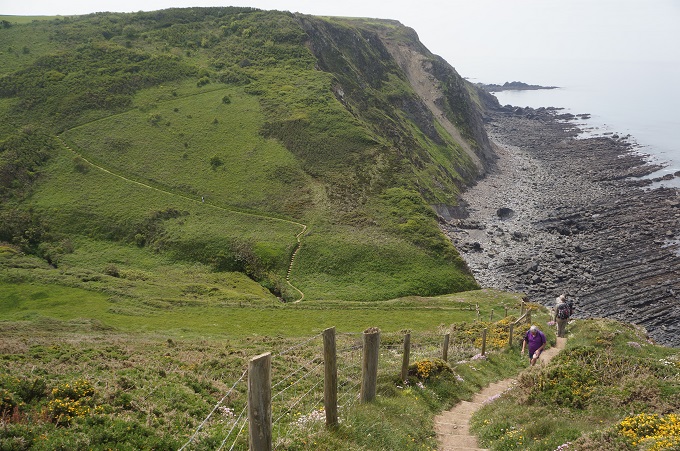
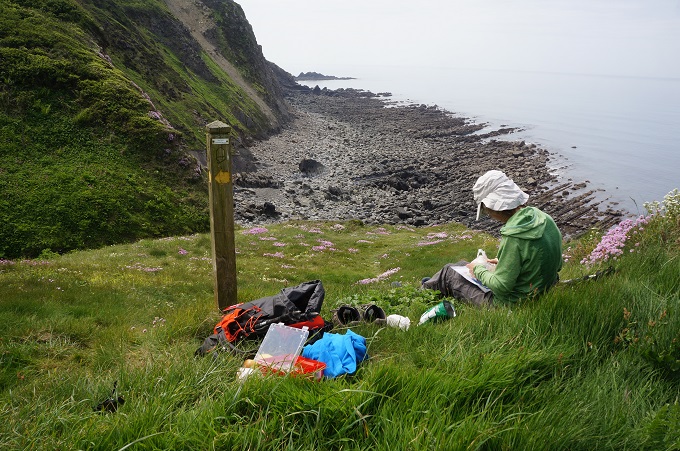
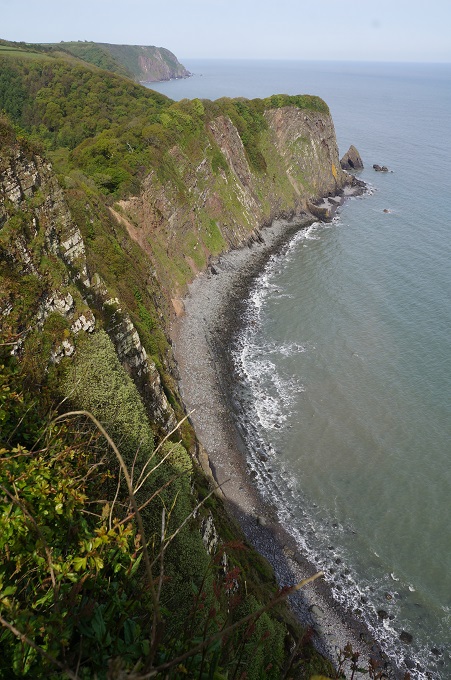
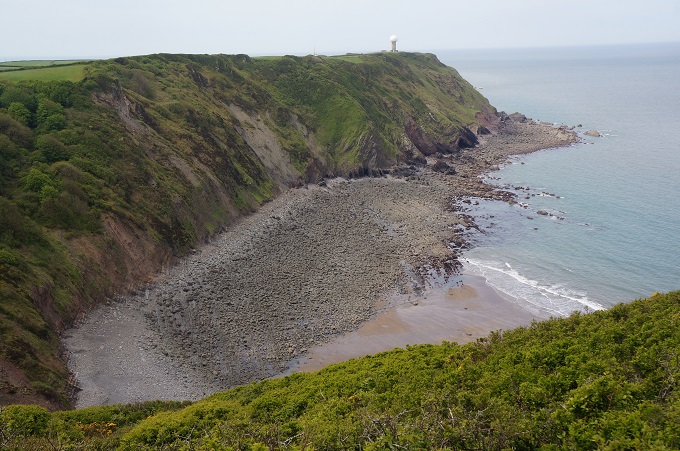
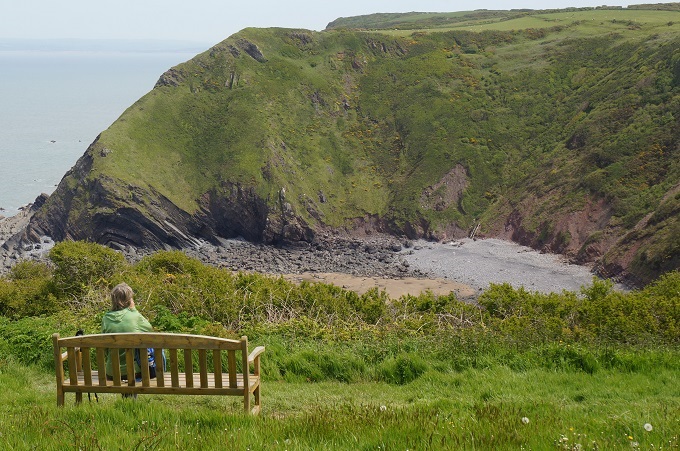
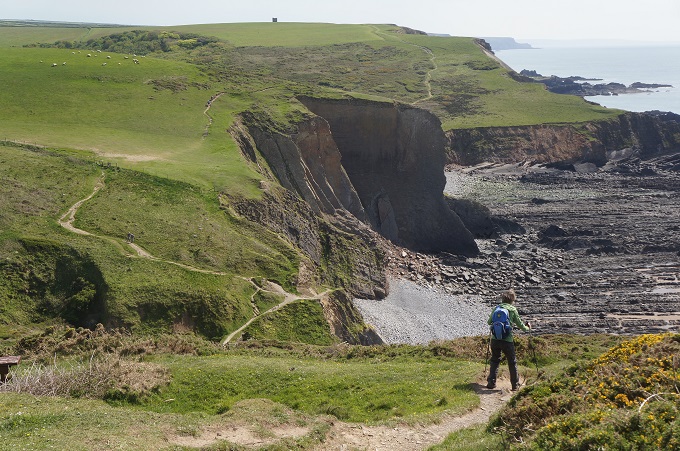
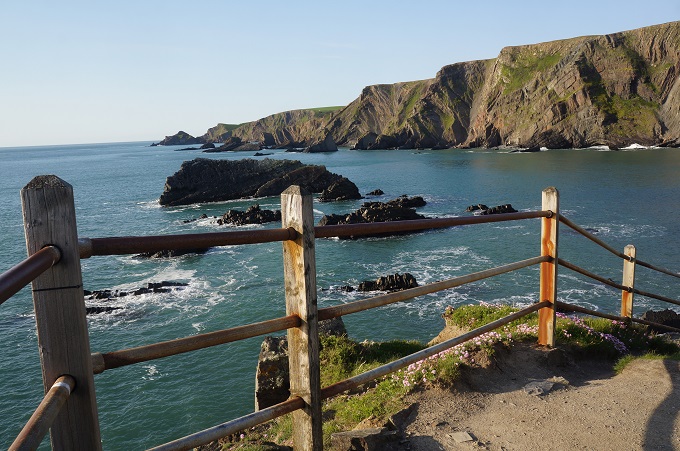
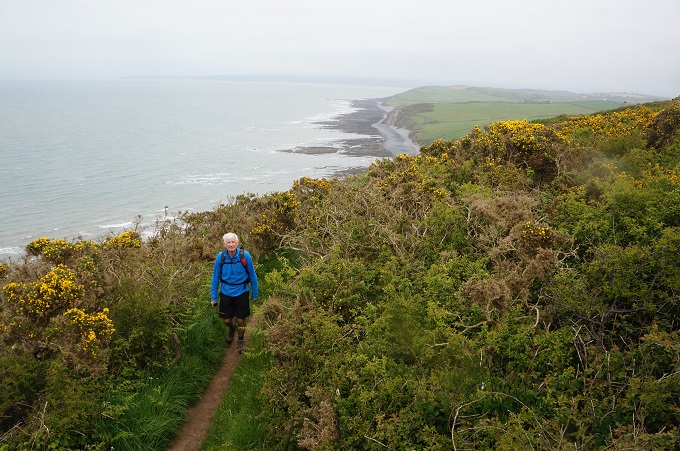
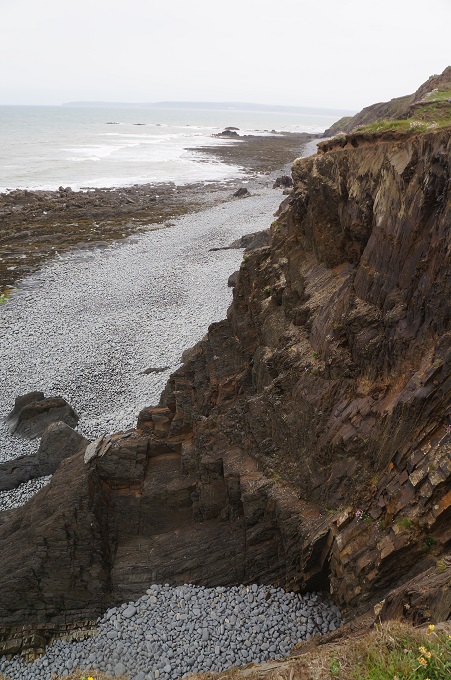
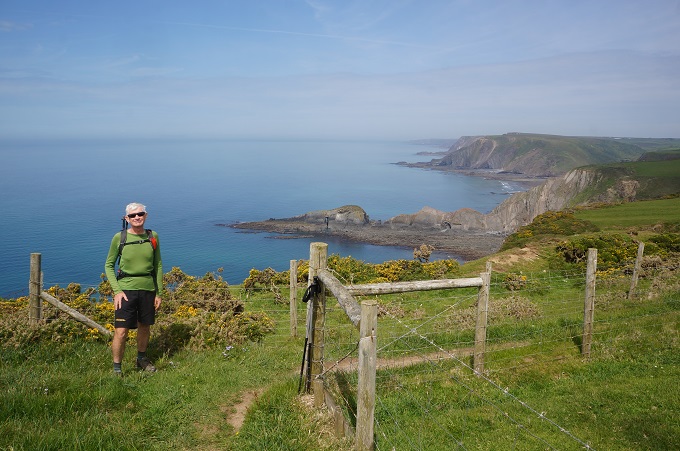
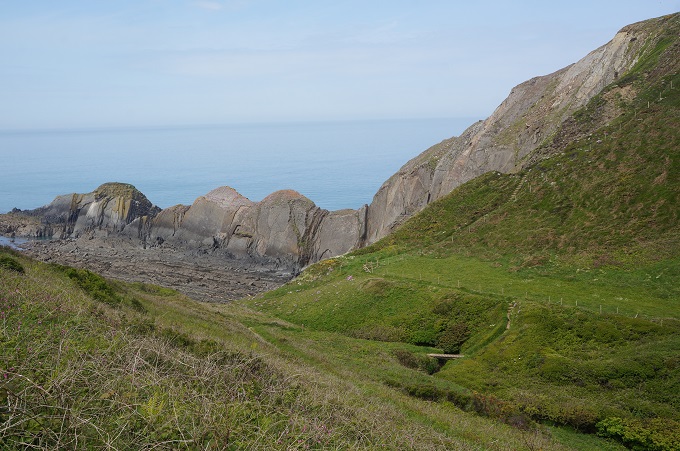
From there it was five calf-popping ascents and knee wrenching descents, but the views of the dramatic coastline were awe-inspiring. Great ragged ridges of rock stretched out into the Atlantic Ocean, backed by high surf fringed cliffs. The coast is punctuated with high jutting headlands and tiny, often inaccessible beaches.

Some highlights of the day:

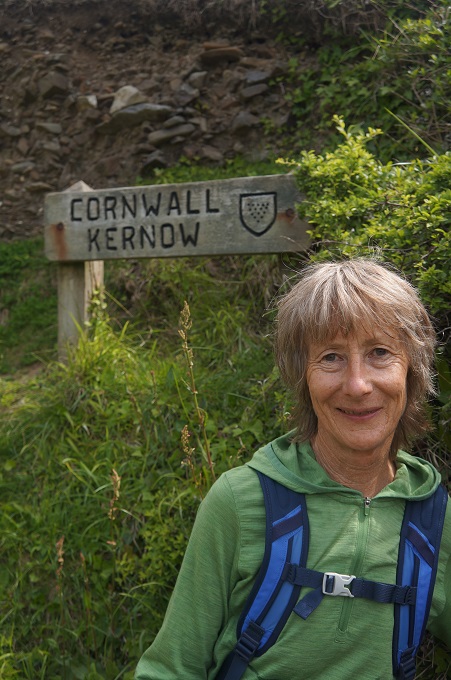
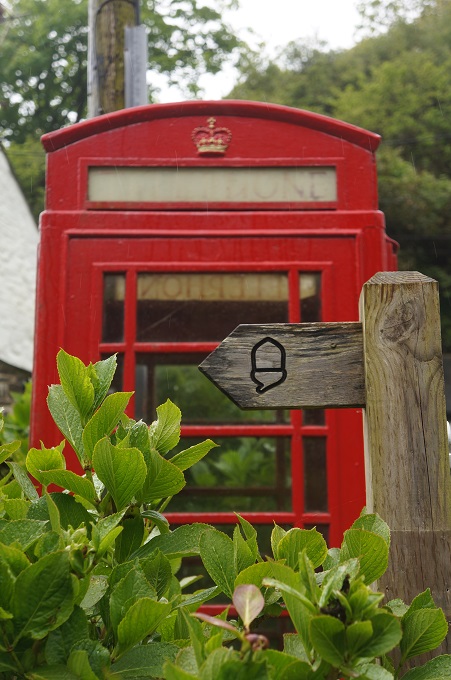
We crossed over from Devon into Cornwall. Called Kernow round here. We can now have a Cornish pastie. It would not have been right to have one while still in Devon. Devon also has a tradition of pasties and they don’t put swedes or parsnips in theirs.

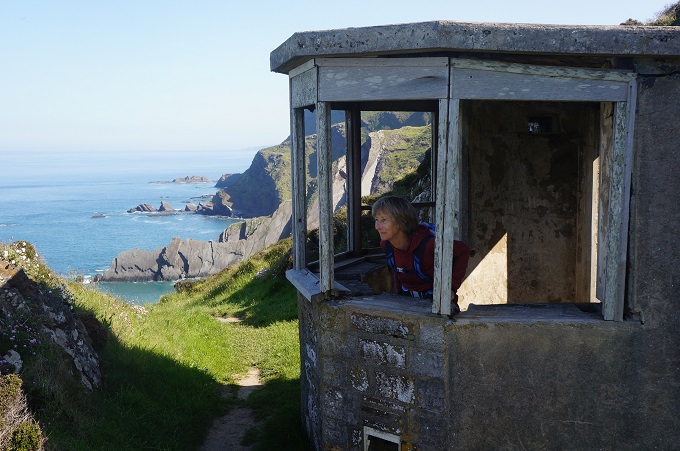
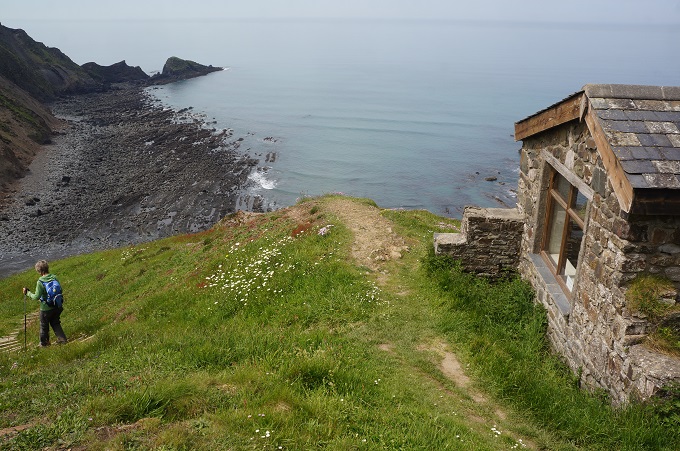
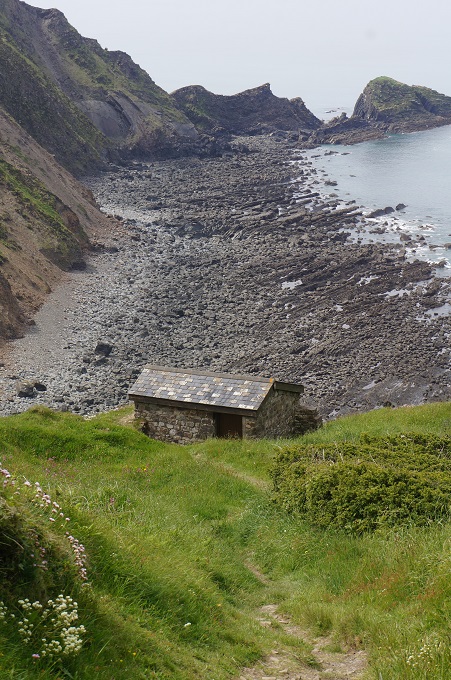
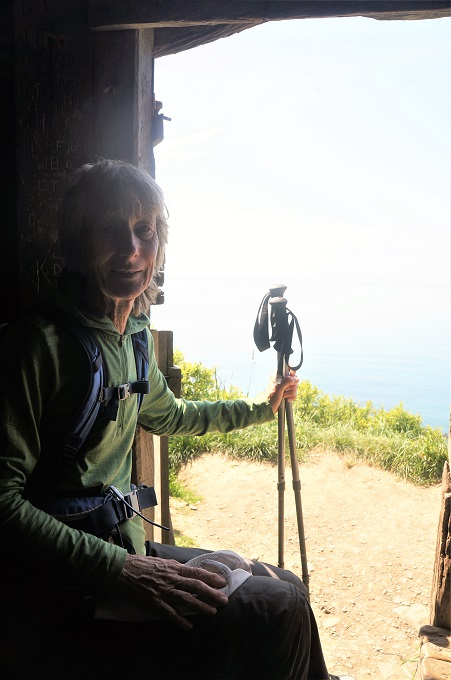
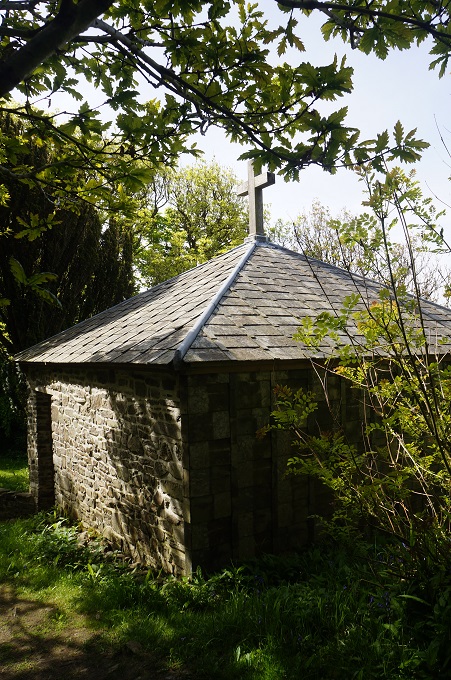
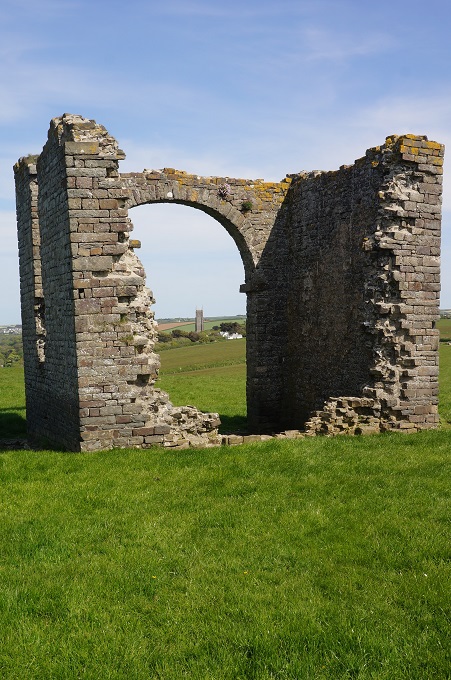
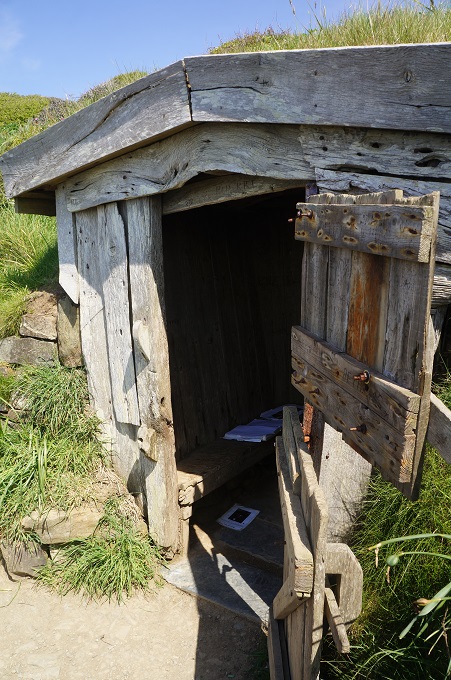
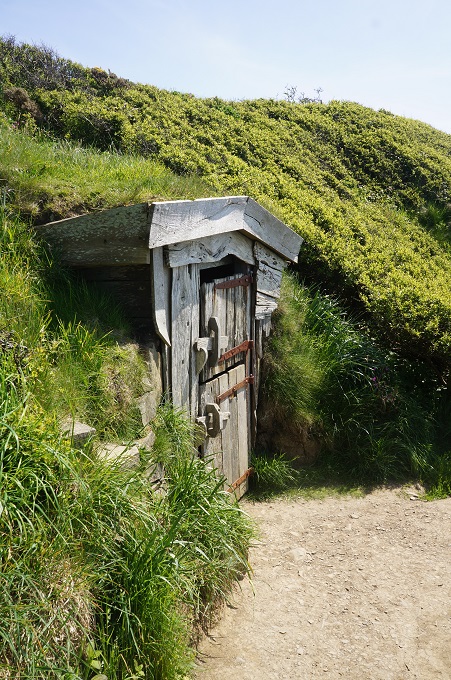
High on a cliff above Marsland Valley is a small stone hut. It was constructed by the author, poet, playwright and pacifist Robert Duncan so that he could have views out over the sea while he was writing.

Further along on Vicarage Cliff we came to another tiny hut made of drift wood and timbers salvaged from ship wrecks. This was the hut of Robert Hawker, clergyman, writer, maverick and saviour of ship wrecked sailors. He used the hut, sometimes under the influence of opium, for writing and watching out for ships in trouble.

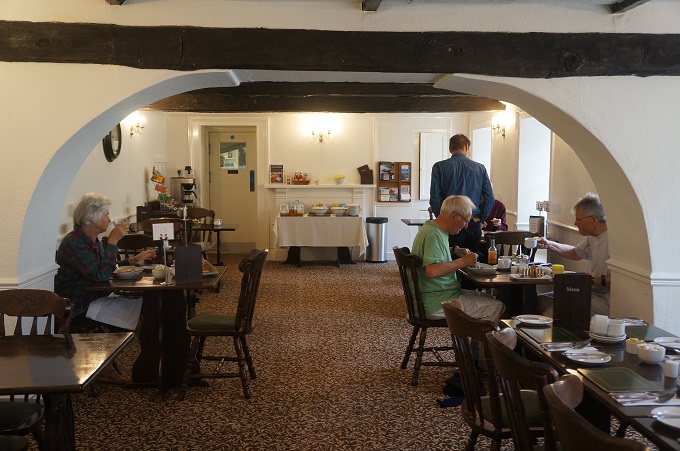
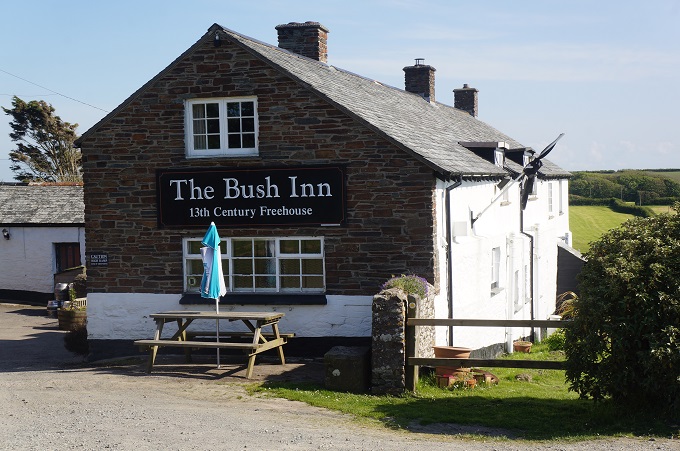
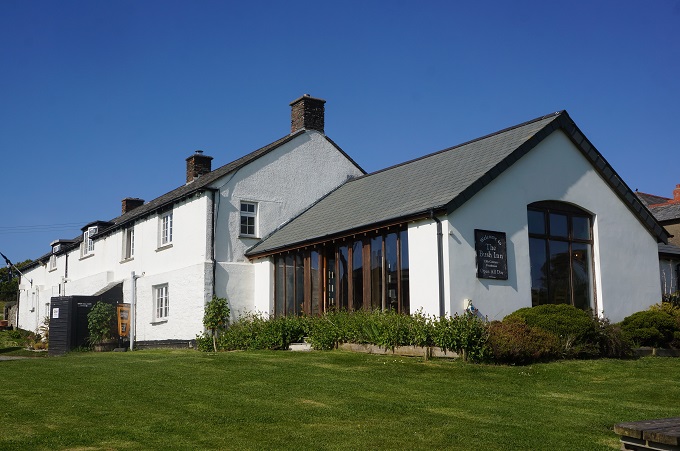
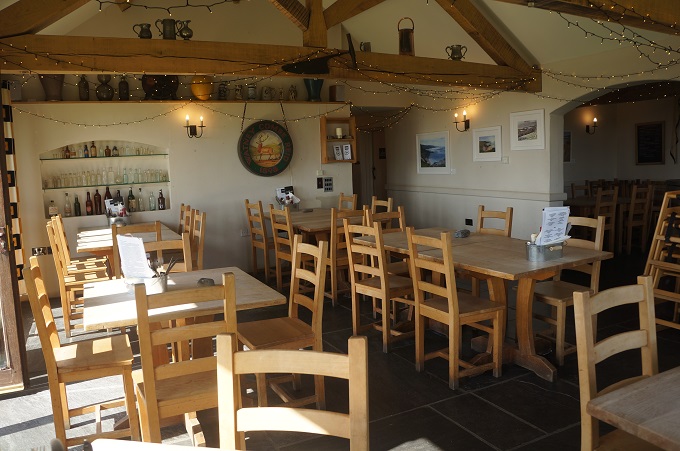
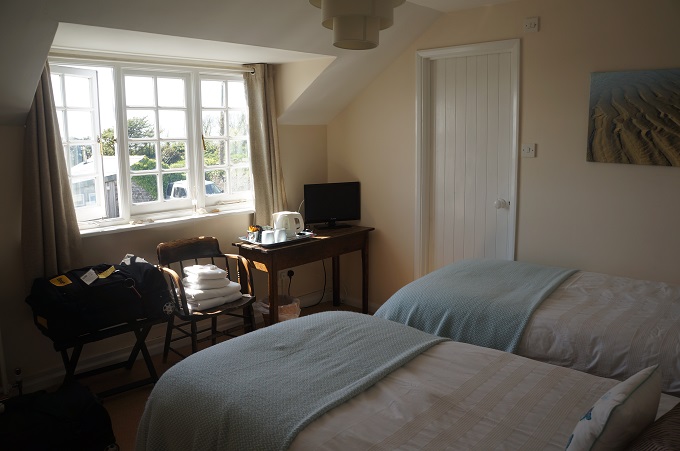
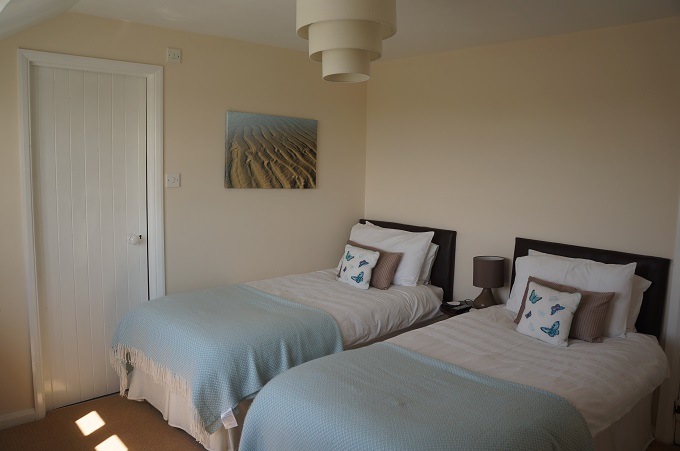
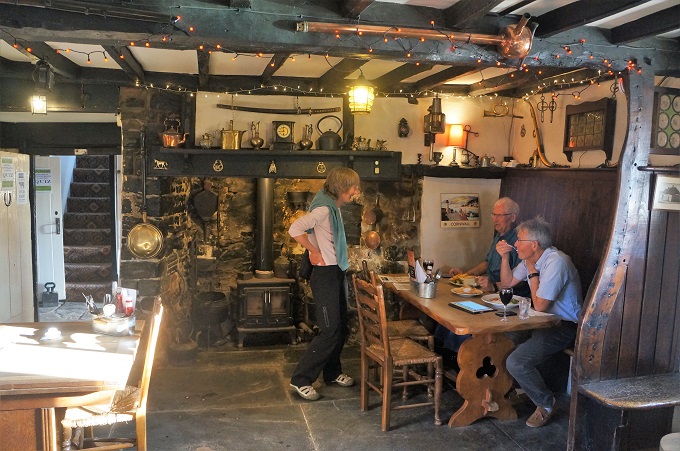
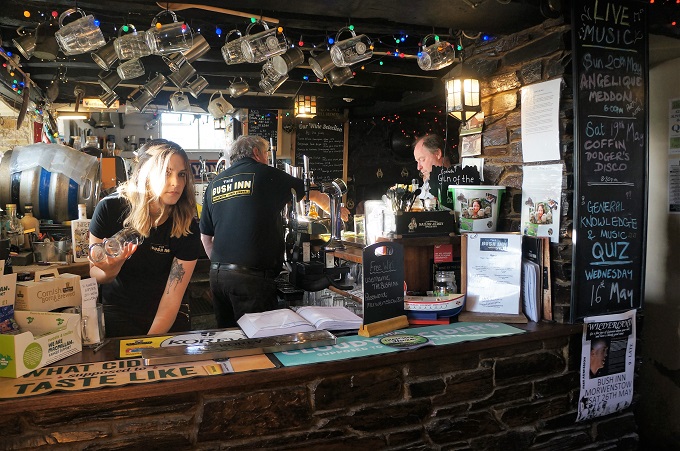
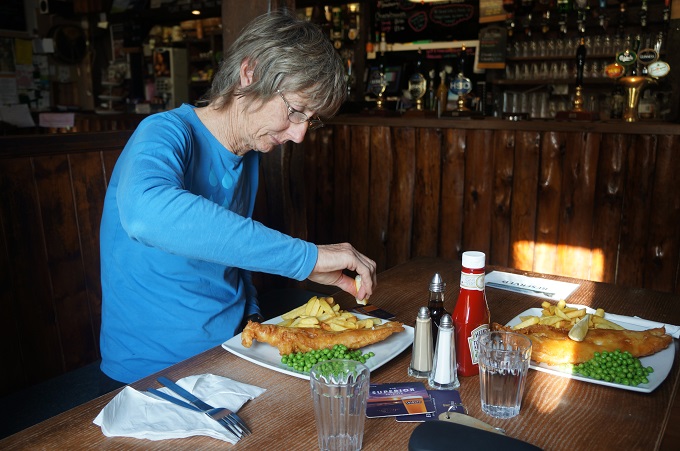
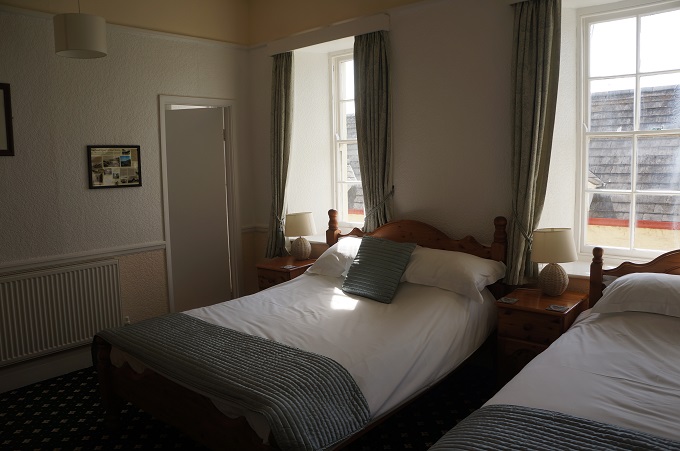
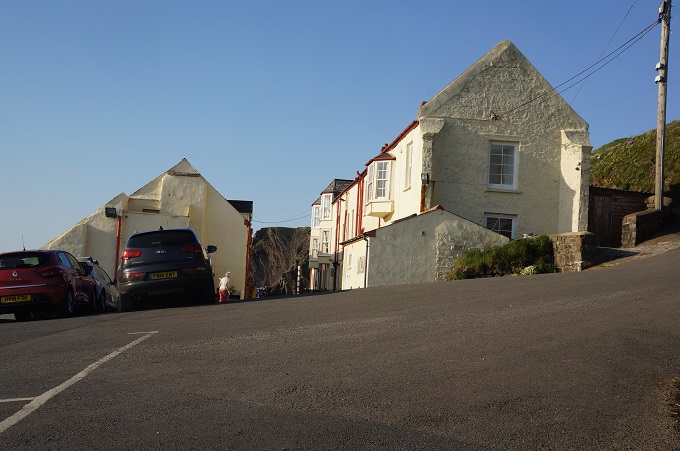
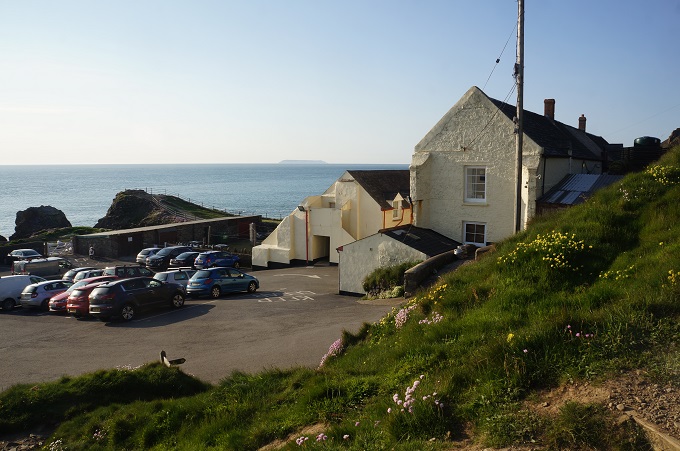
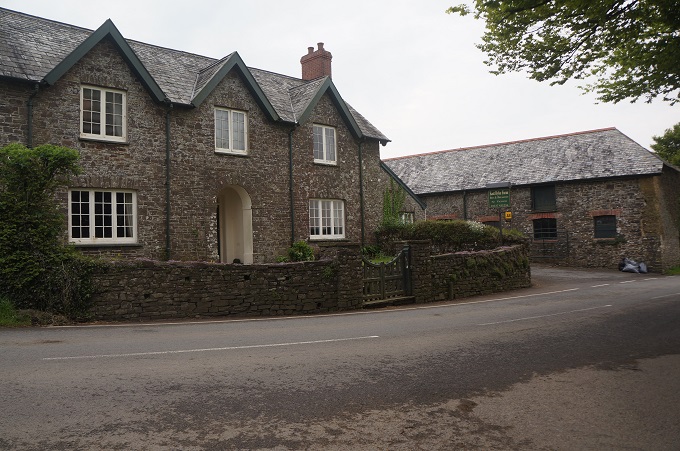
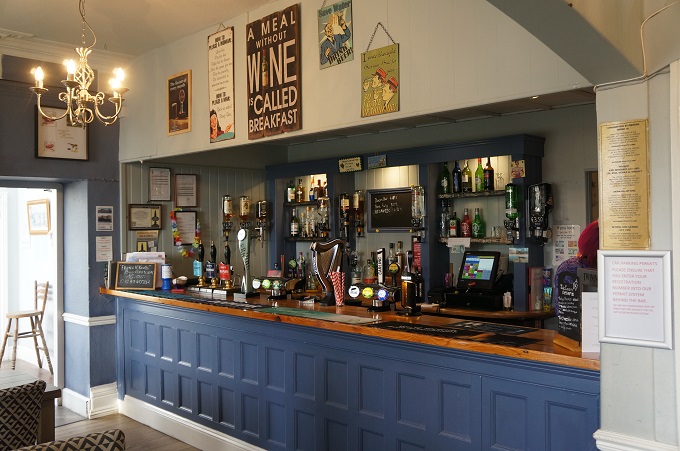
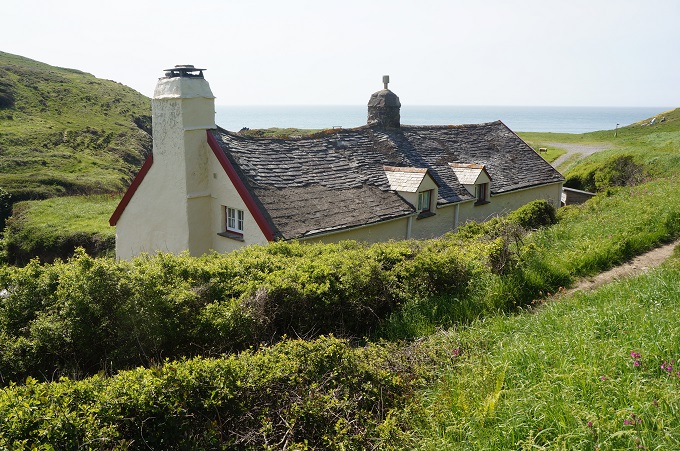
Tonight we are staying in The Bush Inn in Morwenstow. It is the most northerly inn in Cornwall and claims to be the second oldest in the country, dating from the 13th century. The name of the inn is said to derive from when an actual bush was hung outside the inn to signify a new batch of ale had been brewed.

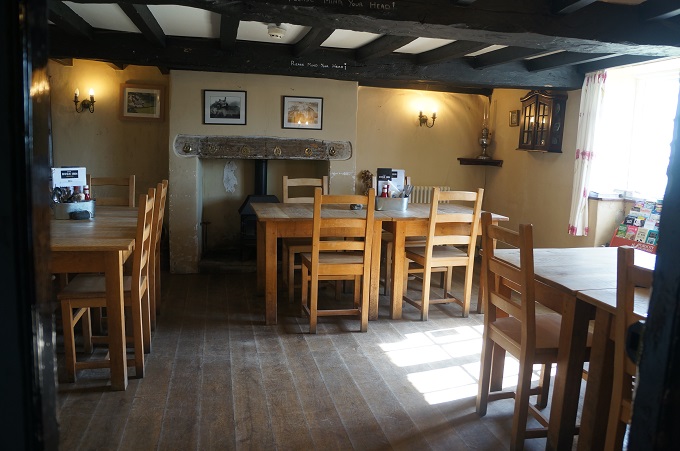
The inn has a religious past. Behind the end of the counter in the lower bar is a piscina carved from serpentine stone where monks prepared the sacraments for holy communion. Also In the lower bar is a ‘leper’s squint’, a small window from which poor unfortunates could observe the service without having to enter the building. In the middle bar is a crude celtic cross carved into a flagstone, although it could actually be the imprint of the bottom of an ancient cheese press.

Morwenstow also has a delightful medieval Anglican church, Saint Morwenna and Saint John the Baptist. The church yard contains many un-named head stones for the bodies of sailors plucked from the sea and given a Christian burial.

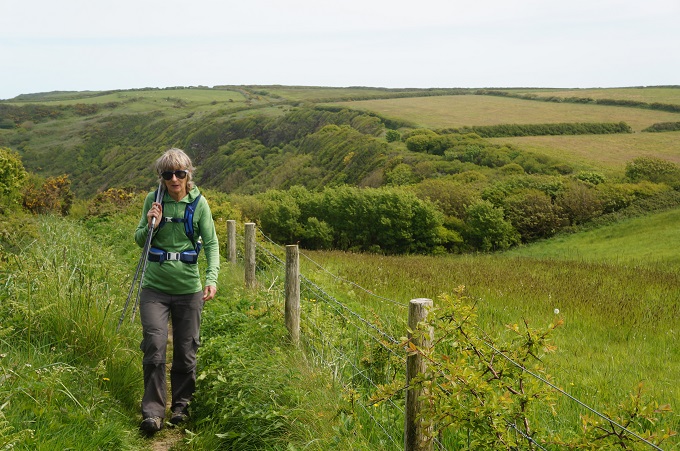
A hot, sunny day today, perfect walking conditions, great scenery. What more could you want? We are starting to feel strong and in another day will be right into the rhythm of the walking.


A Retreat for the Wrecked

Clovelly to Hartland Quay, 18km, 725 metres of climbing

‘Walking is the answer. Who cares what the question is’

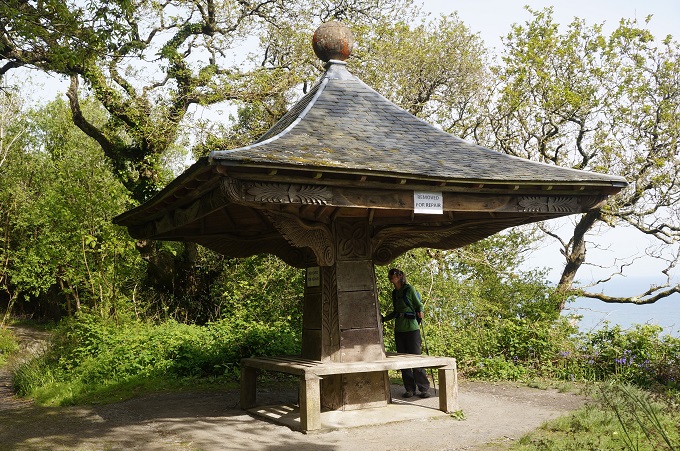
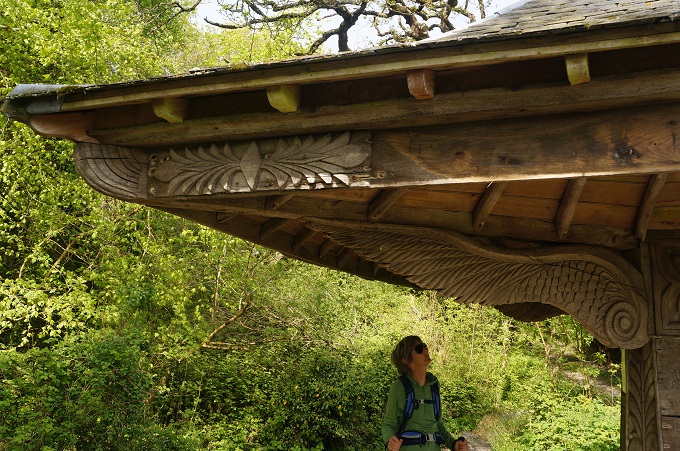
Today started off gently enough. A continuation of yesterday with a stroll through the woods of the Clovelly estate. Walking through a tunnel of rhododendrons we came across an ornate wooden pagoda-style structure known as Angel’s Wings, which was carved by a former butler of the estate.

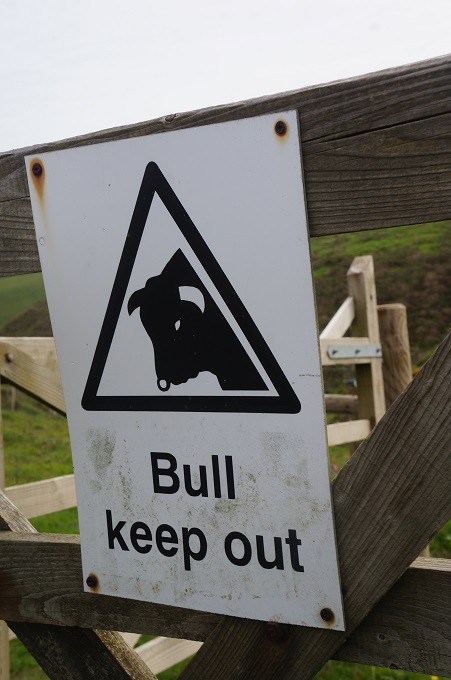
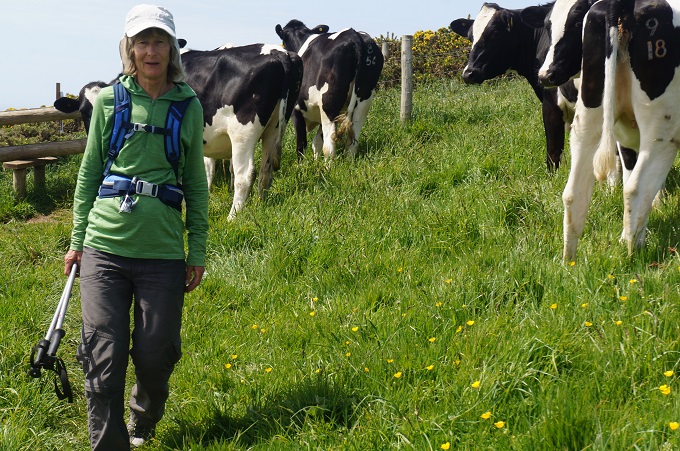
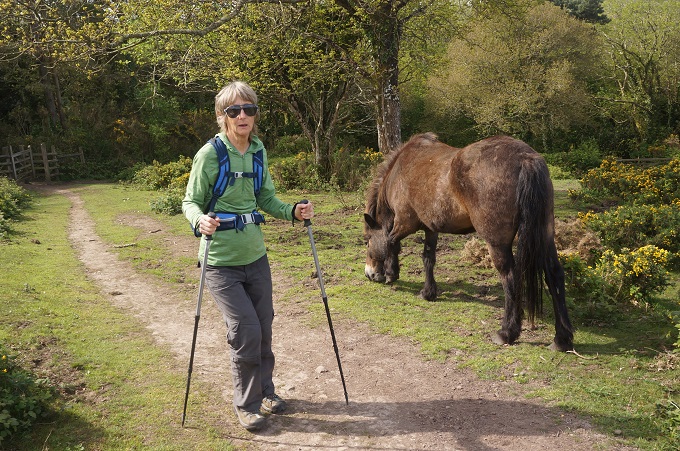
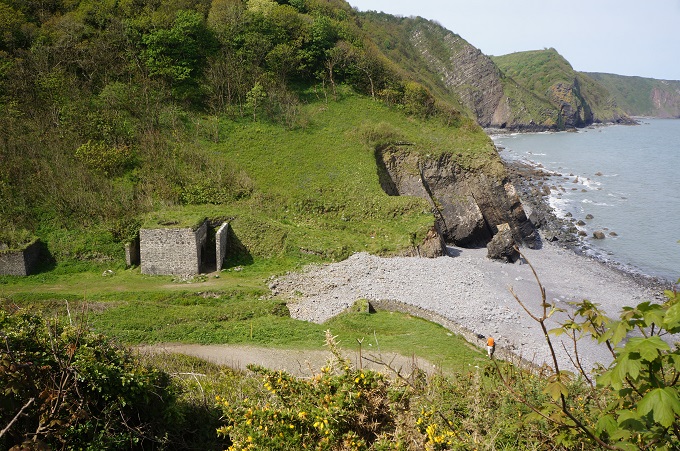
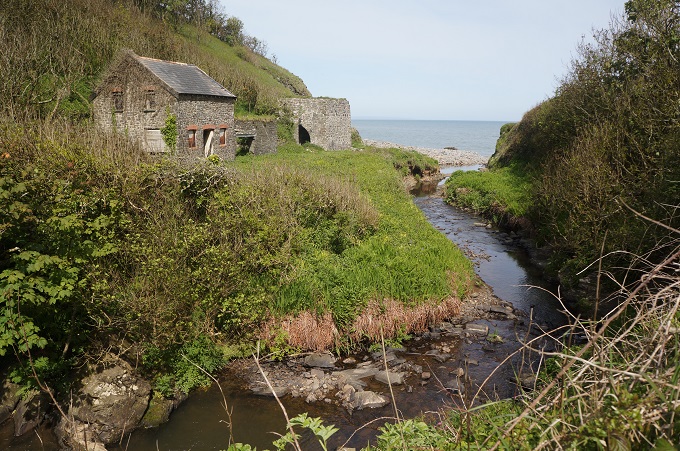
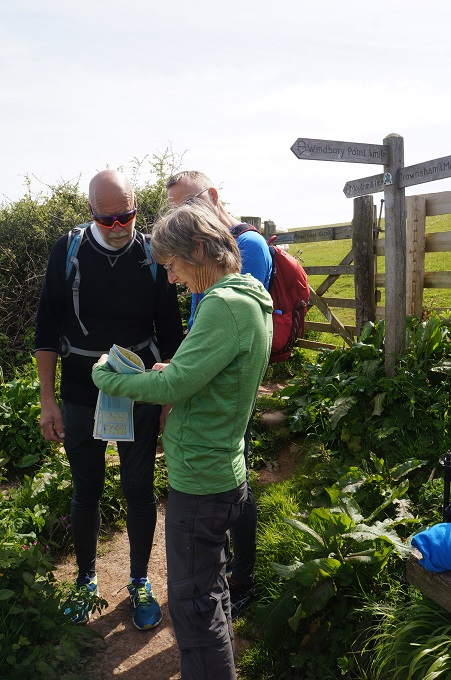
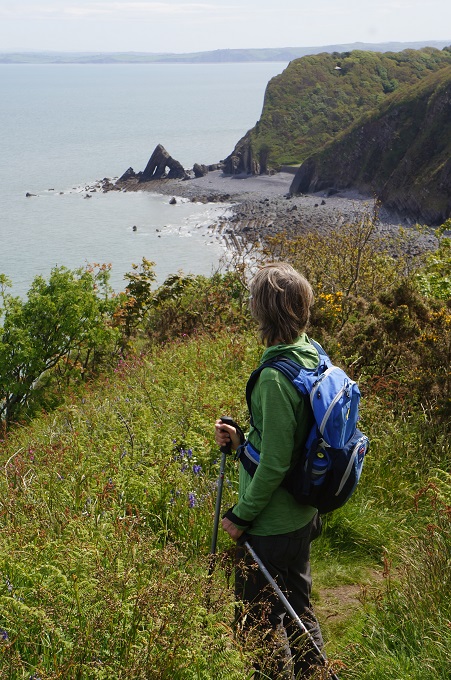
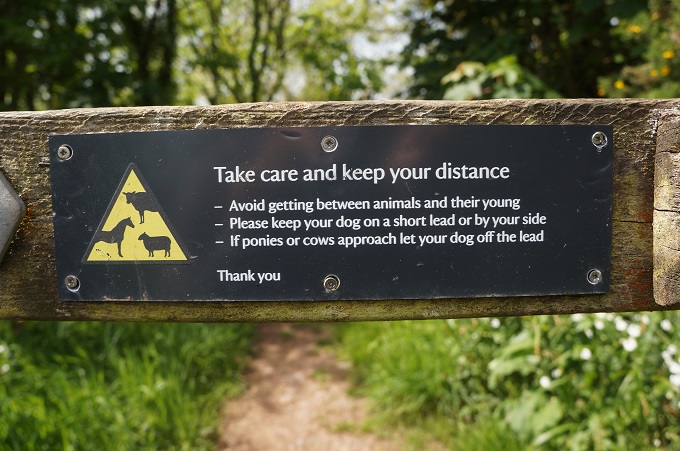
More wandering through woodland and across open fields, avoiding the scary-looking (but presumably benign) steers of the estate. These ones were sitting down and just ignored us. Then a steep descent to Mouthmill Beach. This was once the haunt of smugglers but is now home to a ruined lime kiln, and, just off shore, Blackchurch Rock with its two sea-sculpted ‘windows’.

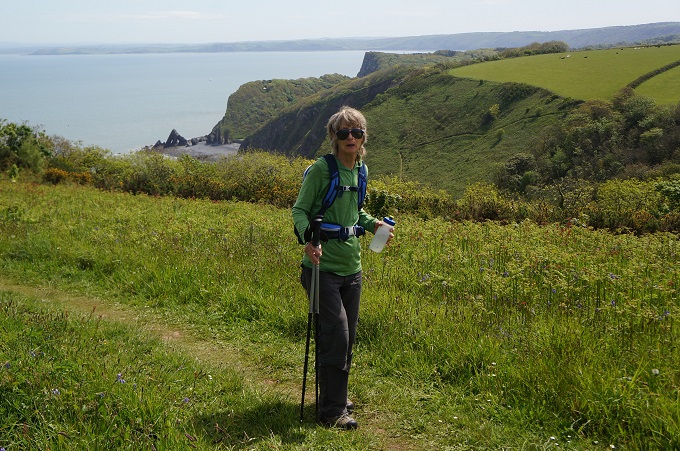
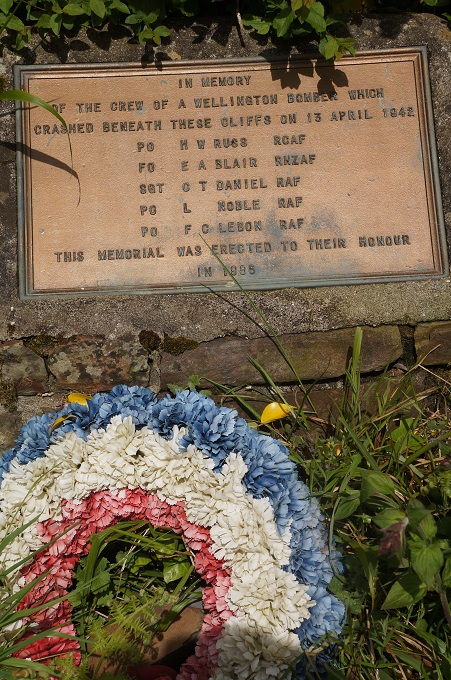
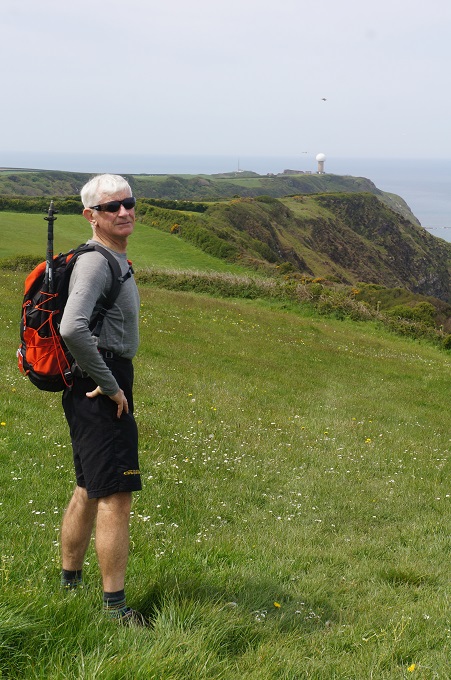
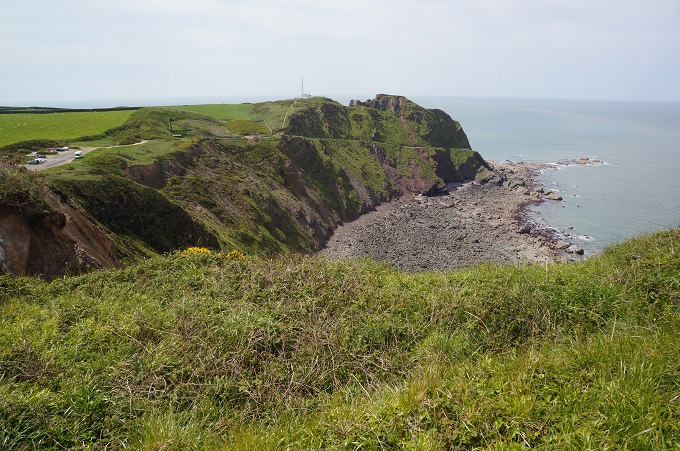
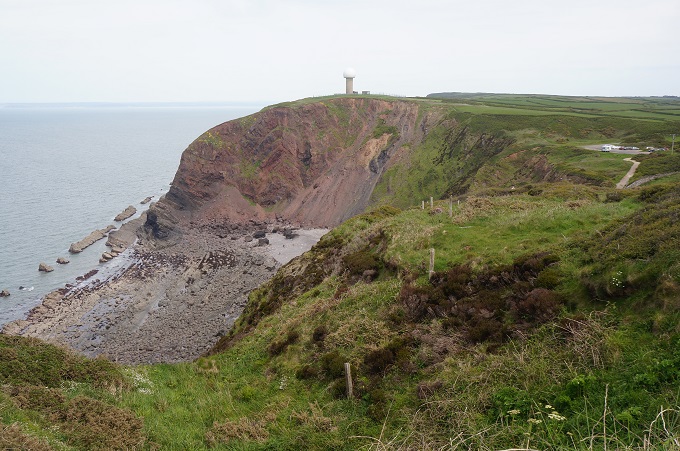
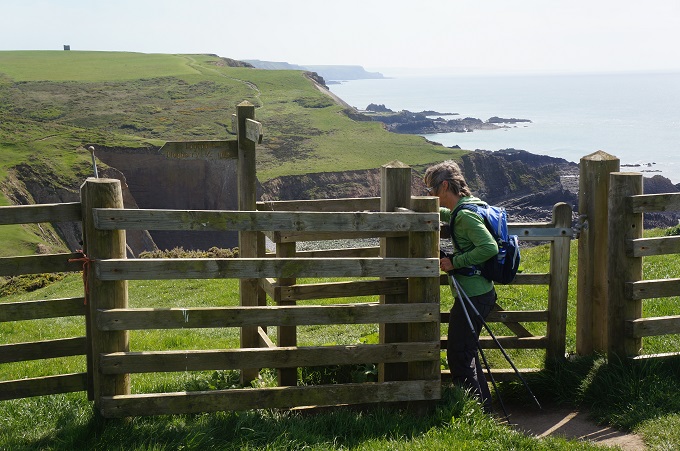
A steep climb back up to the top of the cliff and then, grassy field, gate, grassy field, gate, on and on for ages. In one field was a memorial to the crew of an RAF Wellington bomber that crashed at the foot of the cliff in 1942. One of the crew was from the RNZAF. Far off in the distance we could see a giant white golf ball on a tee. As we got closer it turned out to be the Hartland radar station.

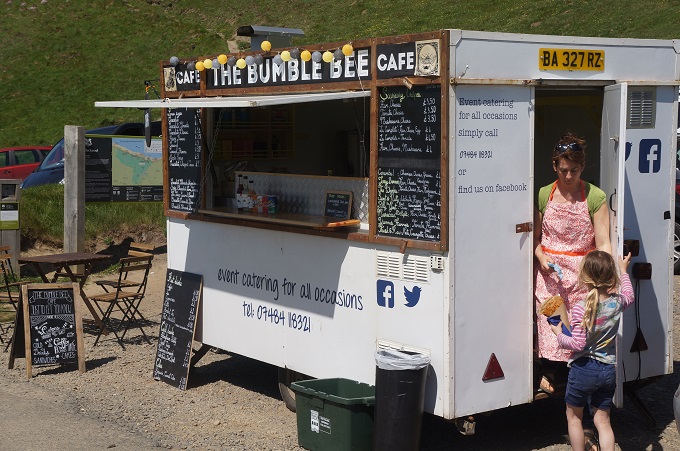
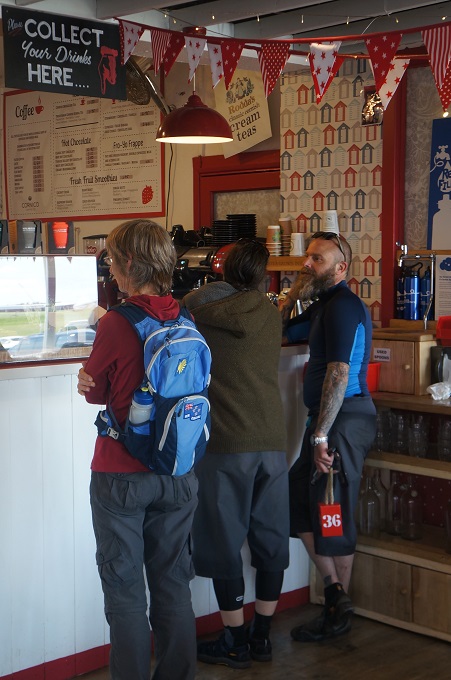
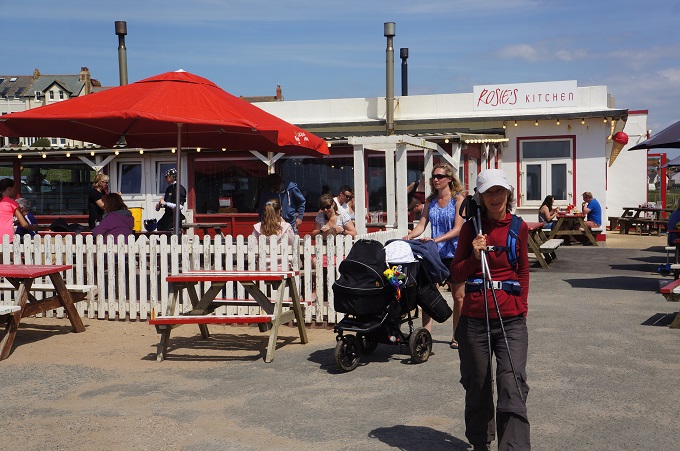
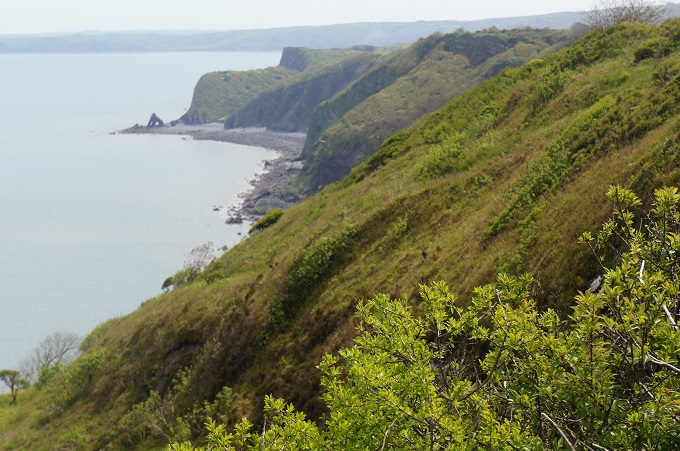
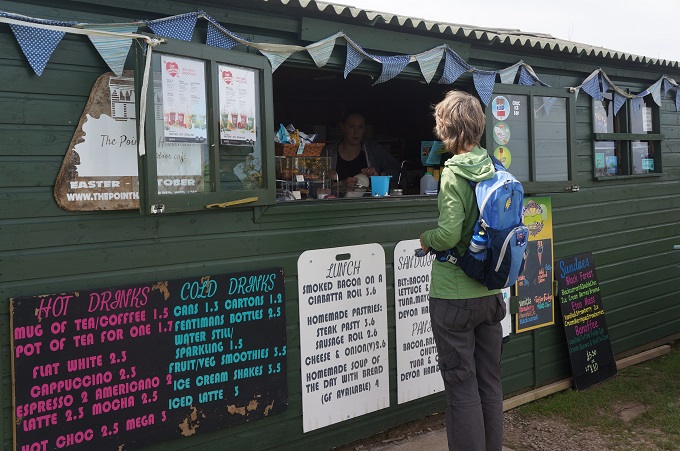
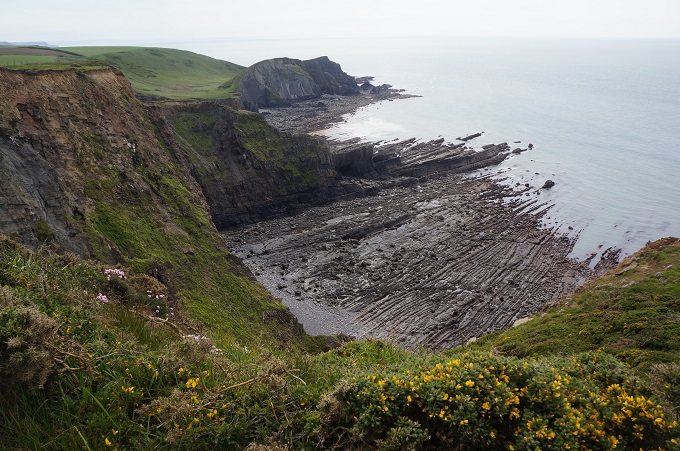
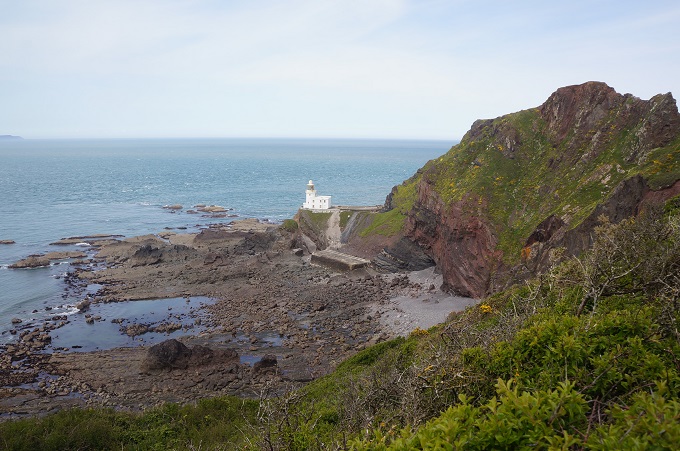
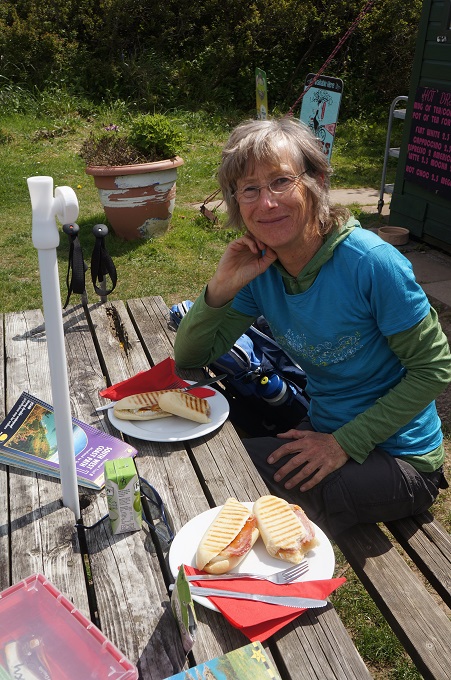
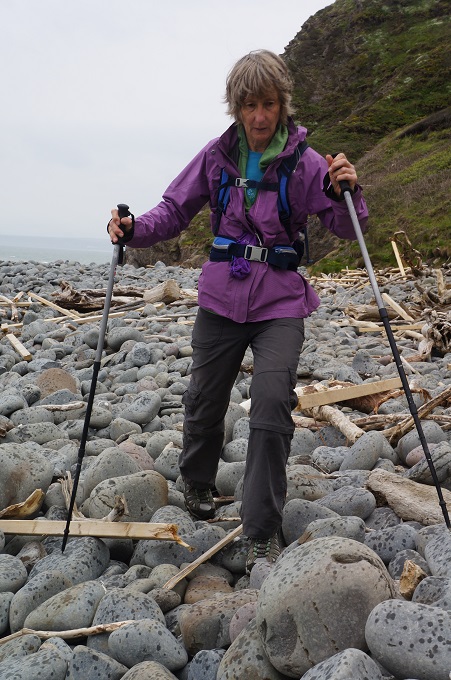
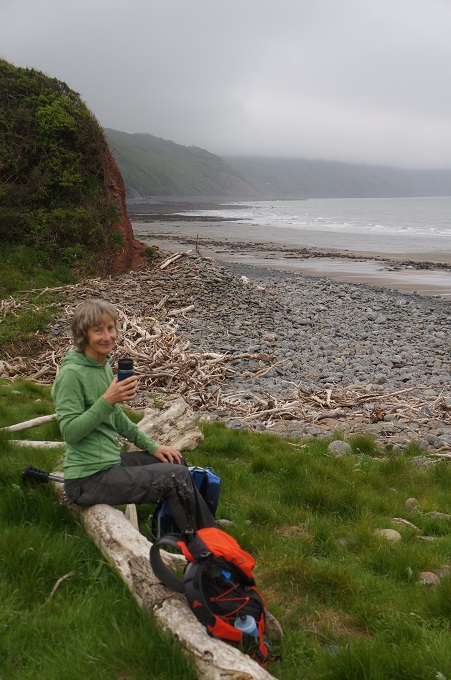
Near the radar station was a temporary summer café so we stopped for refreshments. From here at Hartland Point (with an 1874 lighthouse) the coast turns south and the landscape changes to dark brooding cliffs with jagged fingers of rock stretching into the Atlantic Ocean.

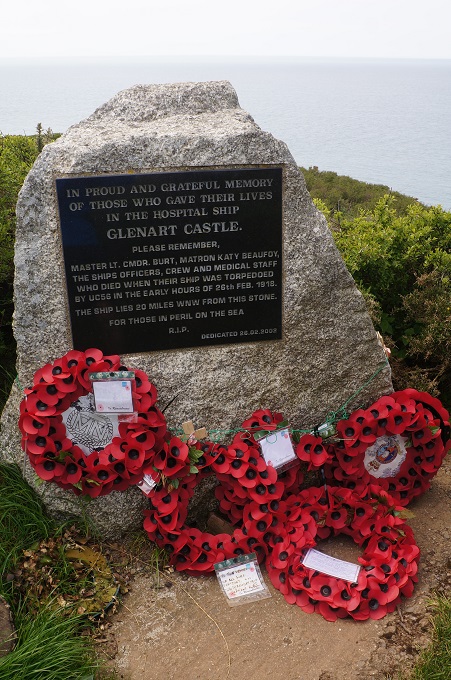
More walking along the cliffs. We passed a memorial to the Glenart Castle, a hospital ship torpedoed by a German U-boat in 1918.  Of the 186 on board, 153 were lost.

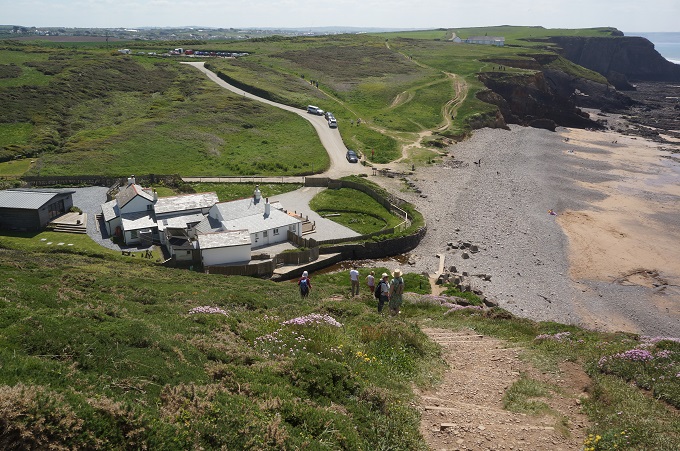
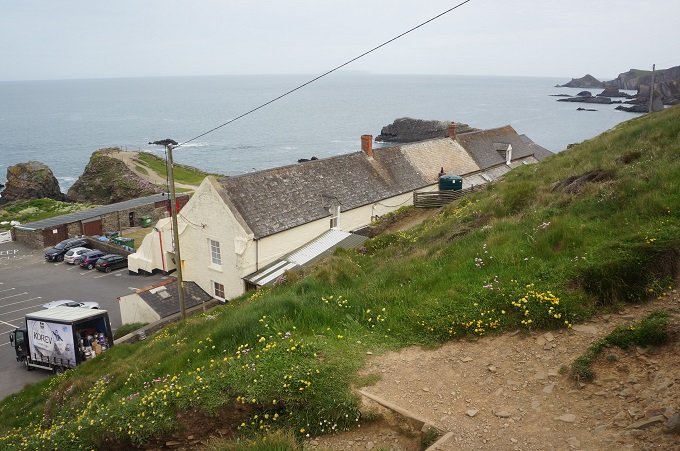
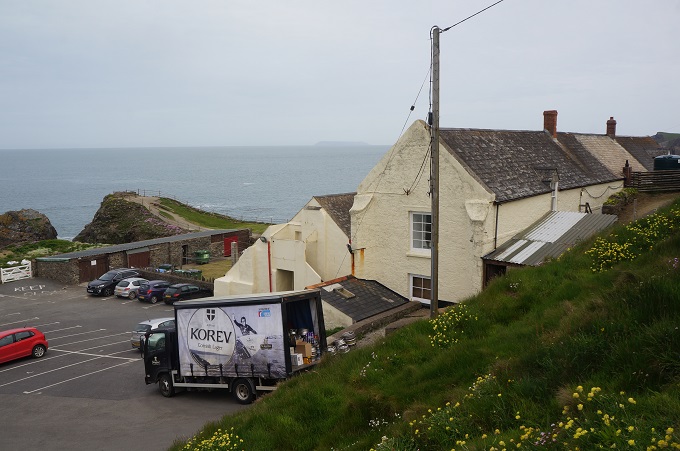
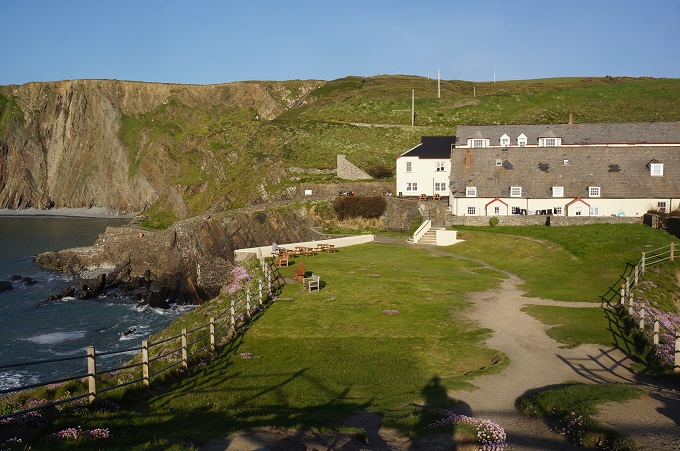
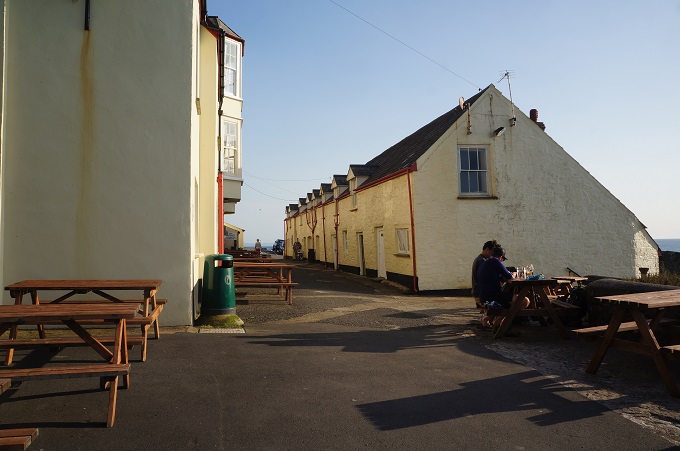
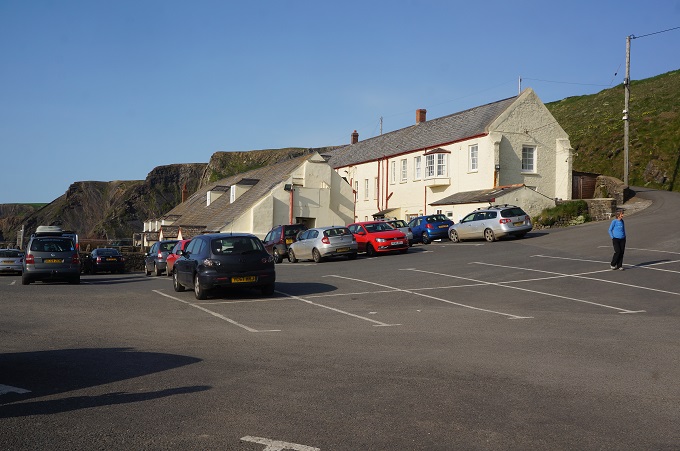
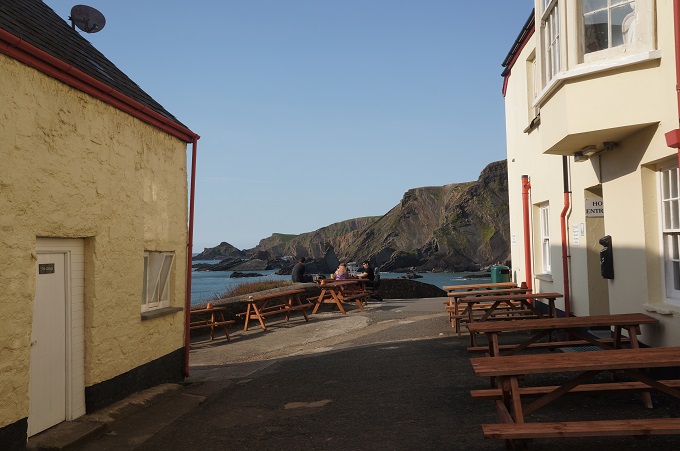
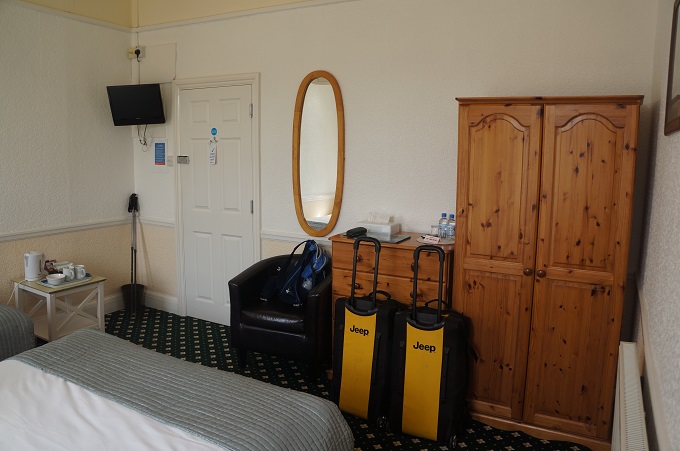
The day was hot and sunny and by this time we were getting tired. The last 5 km were the toughest of the day with a succession of steep climbs and descents until we at last came to Hartland Quay, a lonely out post with car park, toilets, refreshments, and best of all, our hotel.

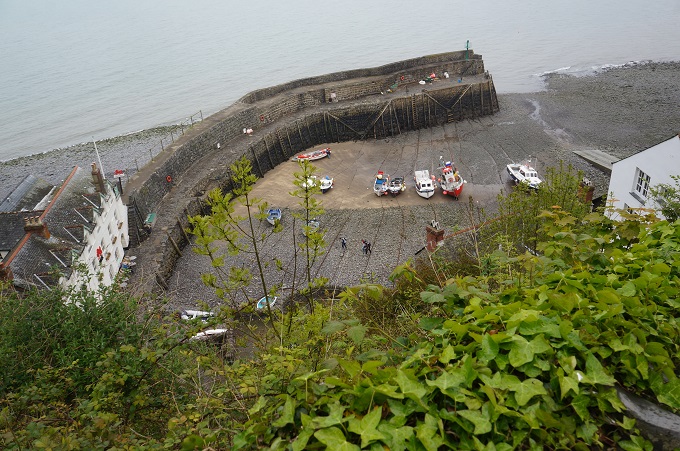
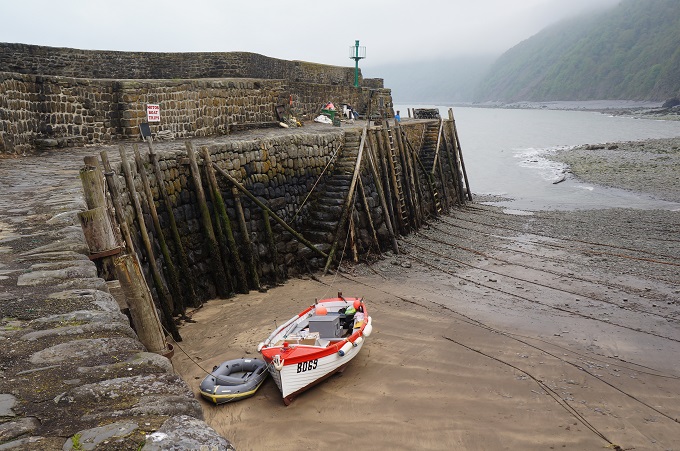
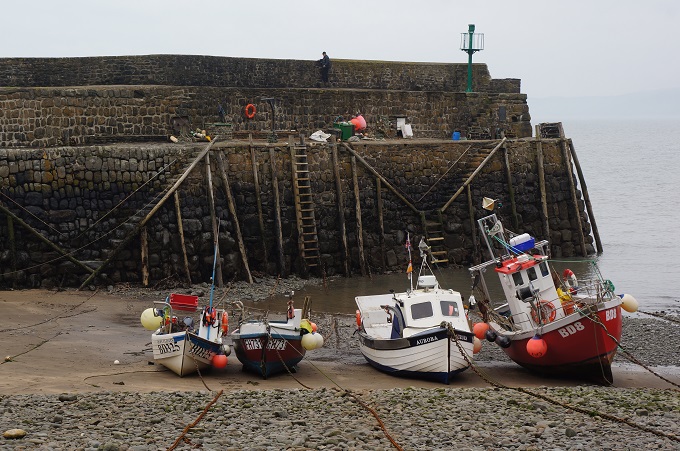
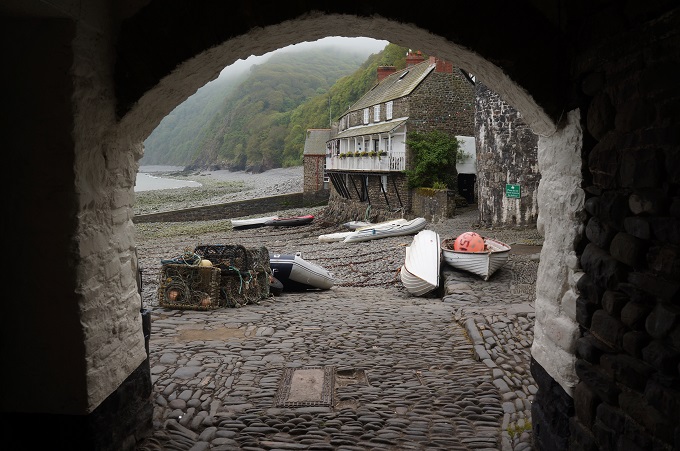
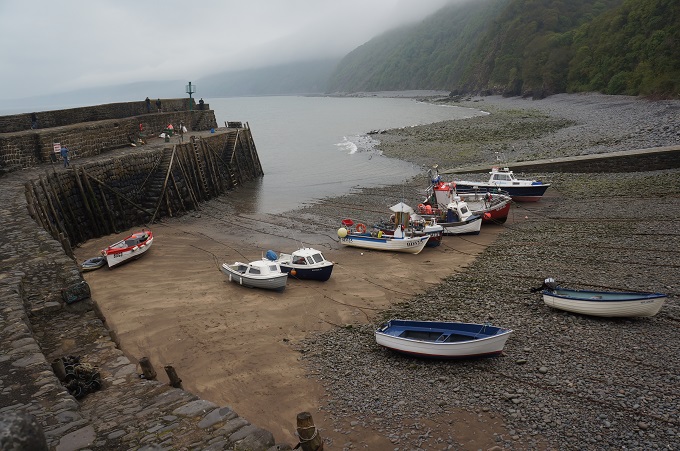
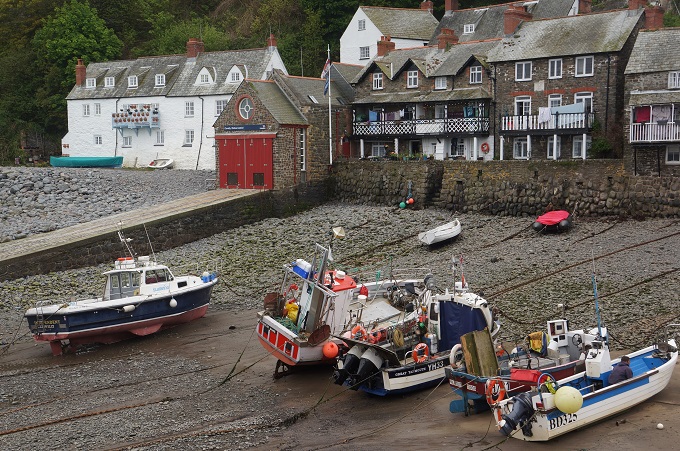
The hotel, converted from what were once stables and customs houses hints at the importance of this spot as a major port in the past. It had a quay like the one at Clovelly (see yesterday’s photos) but this was destroyed in a storm in 1887. They have a great bar for meals, The Wrecker‘s Retreat. They say this coast has approximately 10 ship-wrecks per mile.

So, are we now seasoned walkers? Acclimatised to our new way of life, our feet hardened, our backs strong, our legs like two solid tubes of steel? Not bleeding likely!

Legs tired, eyes heavy, more walking tomorrow: up hills, downs hills, up hills, down hills repeat.

Another couple of days and we will come right.

If

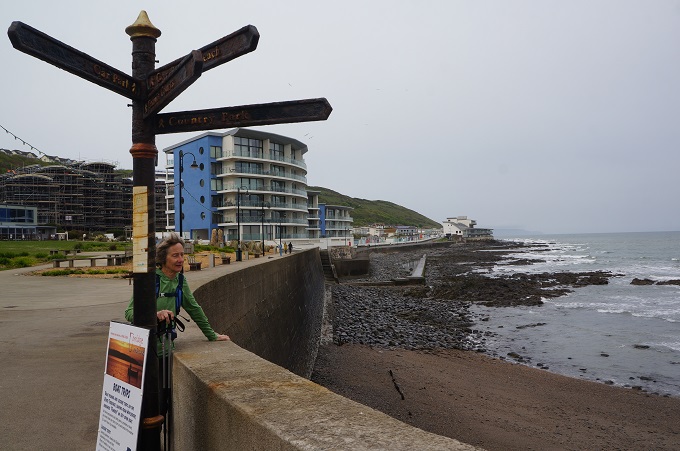
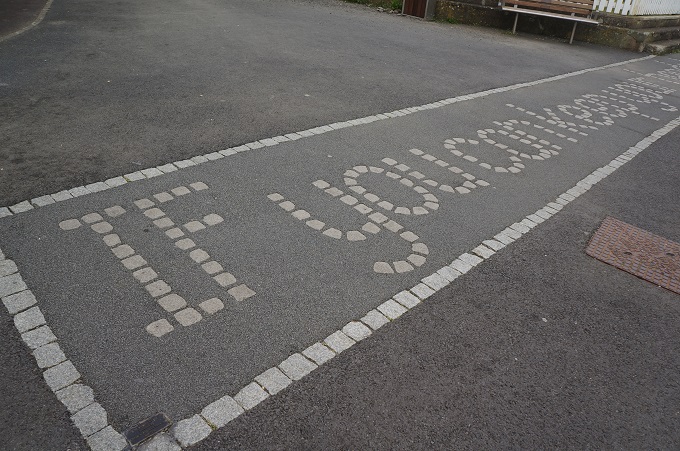
In my post yesterday I included a photo of some of the words of the Rudyard Kipling poem ‘If’ that are written in stone in the esplanade paving at Westward Ho! If anyone is interested here is the complete poem.

If you can keep your head when all about you
Are losing theirs and blaming it on you,
If you can trust yourself when all men doubt you,
But make allowance for their doubting too;
If you can wait and not be tired by waiting,
Or being lied about, don’t deal in lies,
Or being hated, don’t give way to hating,
And yet don’t look too good, nor talk too wise:

If you can dream—and not make dreams your master;
If you can think—and not make thoughts your aim;
If you can meet with Triumph and Disaster
And treat those two impostors just the same;
If you can bear to hear the truth you’ve spoken
Twisted by knaves to make a trap for fools,
Or watch the things you gave your life to, broken,
And stoop and build ’em up with worn-out tools:

If you can make one heap of all your winnings
And risk it on one turn of pitch-and-toss,
And lose, and start again at your beginnings
And never breathe a word about your loss;
If you can force your heart and nerve and sinew
To serve your turn long after they are gone,
And so hold on when there is nothing in you
Except the Will which says to them: ‘Hold on!’

If you can talk with crowds and keep your virtue,
Or walk with Kings—nor lose the common touch,
If neither foes nor loving friends can hurt you,
If all men count with you, but none too much;
If you can fill the unforgiving minute
With sixty seconds’ worth of distance run,
Yours is the Earth and everything that’s in it,
And—which is more—you’ll be a Man, my son!

It is an example of Victorian era ‘stiff upper lip’ self-discipline, a father giving advice to his son.

On the road again

Westward Ho! to Clovelly, 18km + 2km to accom, 913 metres of climbing

‘Walking outside in the fresh air is better than trudging around inside your brain’

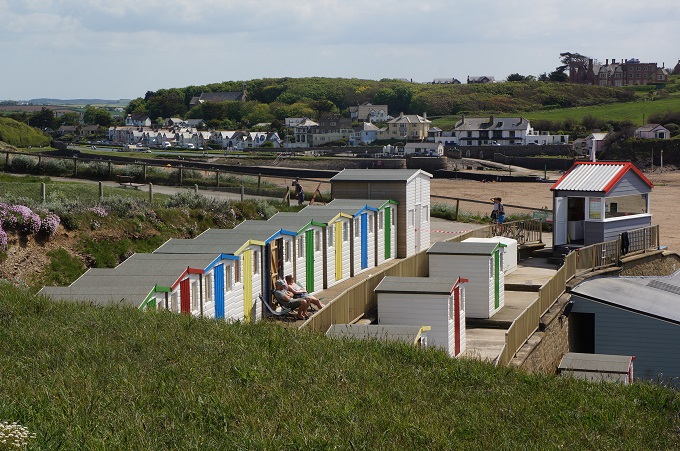
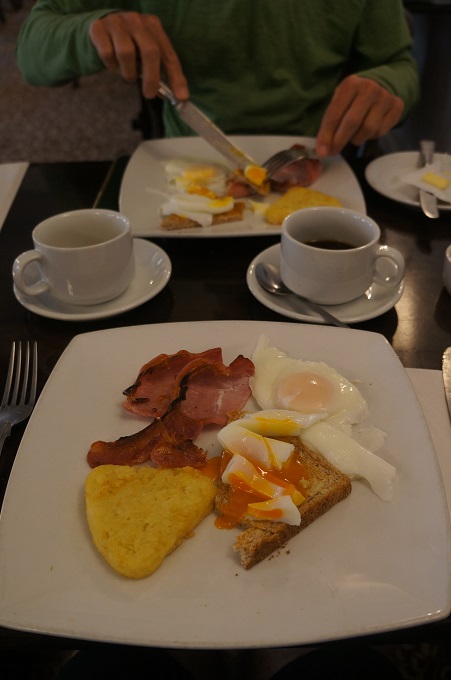
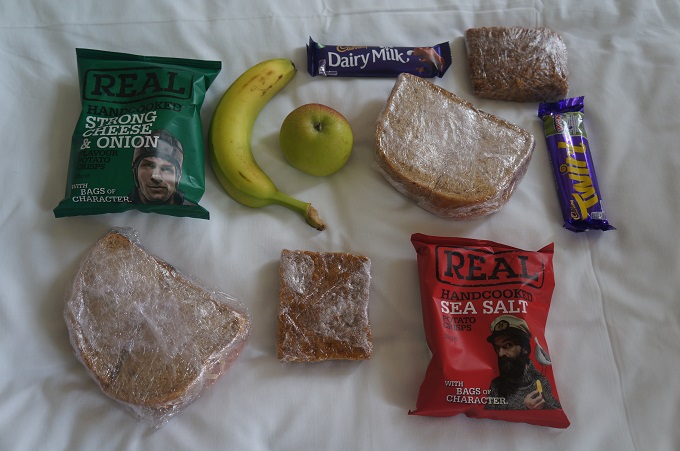
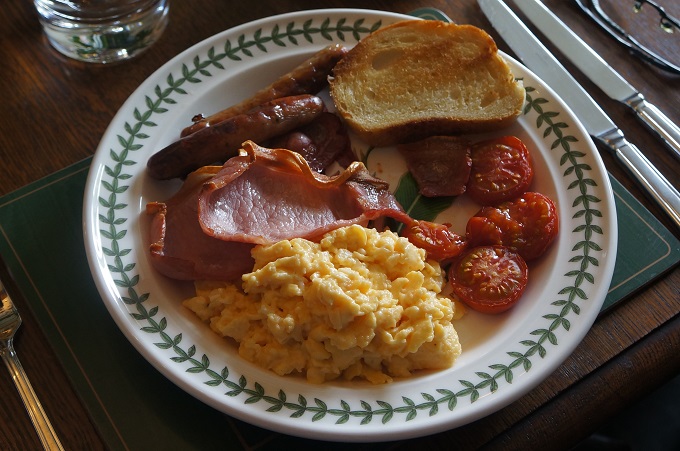
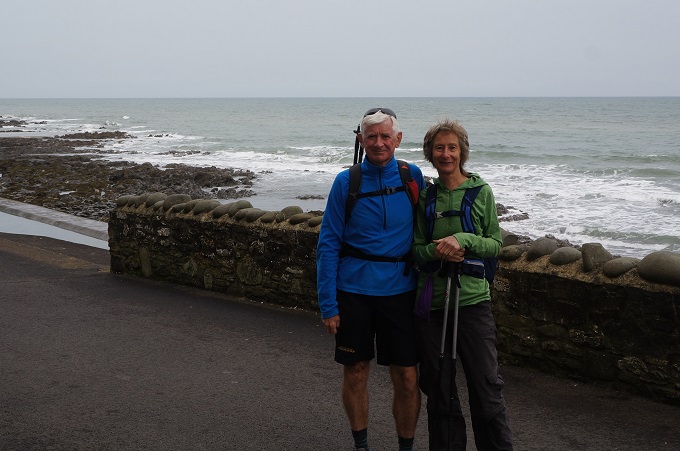
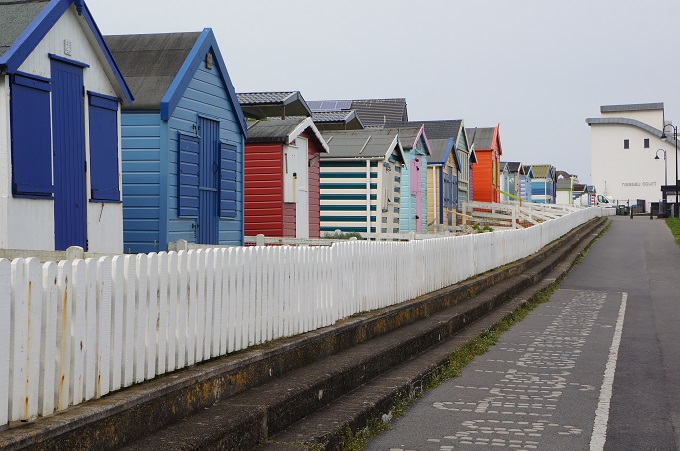
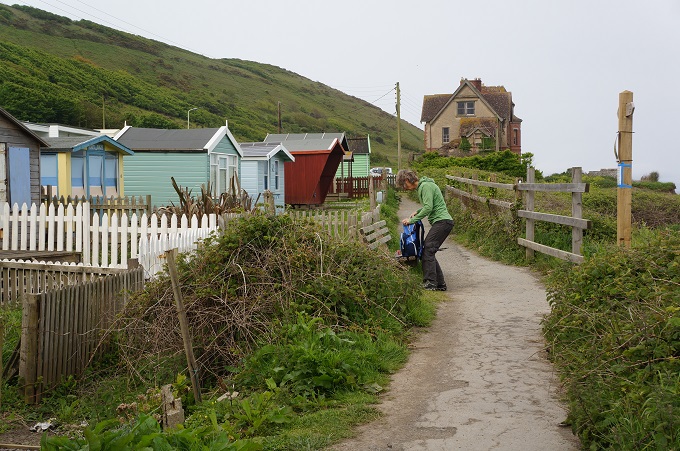
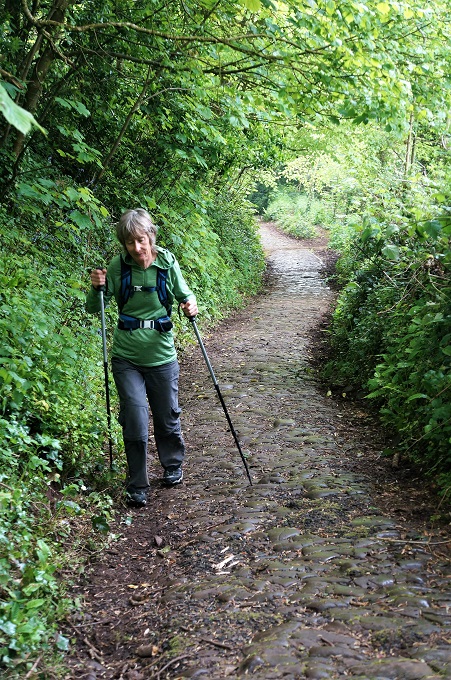
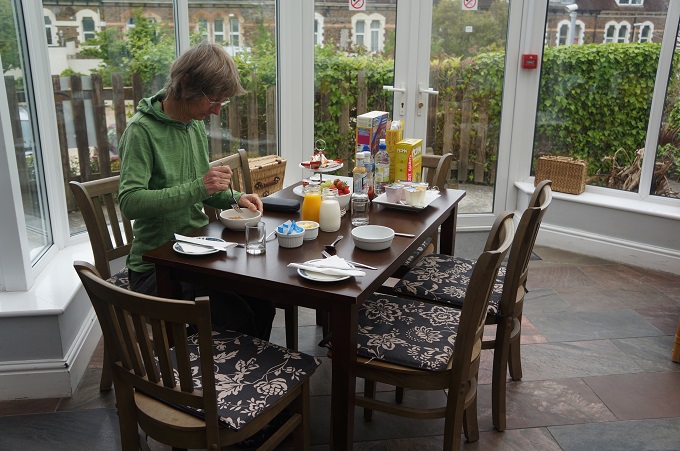
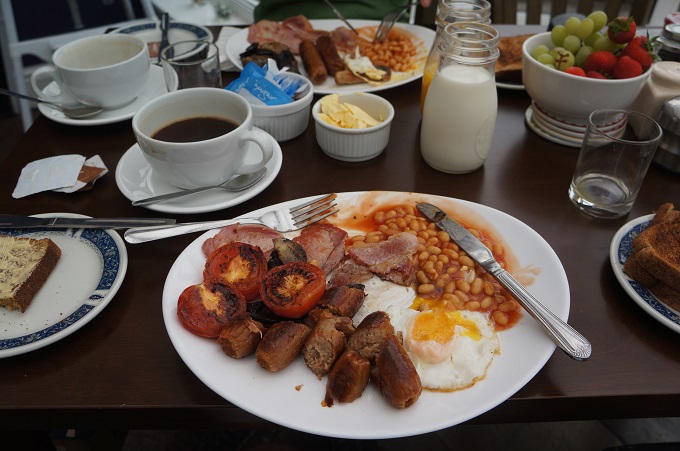
We were so happy to be underway at last. A full English breakfast at The Village Inn and then we picked up some food for the day from the local co-op. After getting a local guy on the Esplanade to take our photo we made our escape from Westward Ho! past some bathing huts and holiday chalets along the path of a disused railway. We were almost lulled into a false sense of confidence.

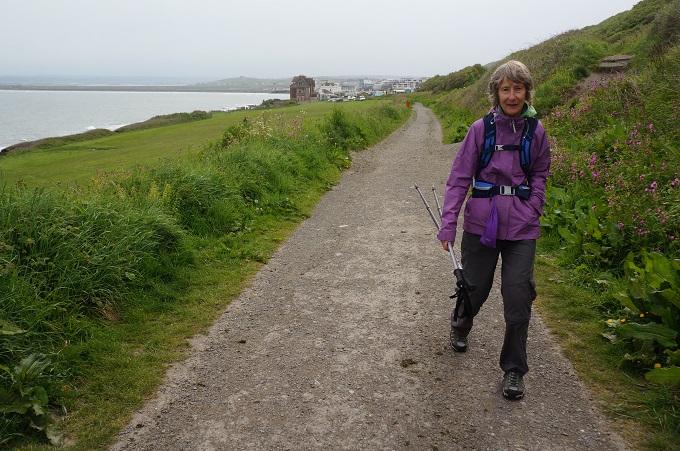
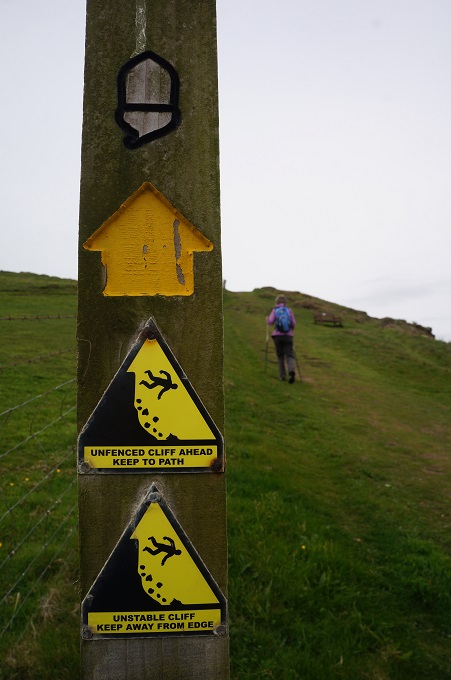
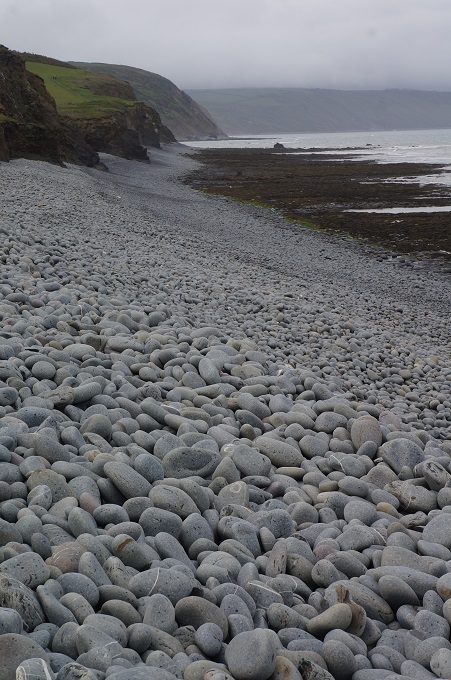
The grassy path climbed up onto undulating cliffs above a pebbly beach. There were steep descents into substantial valleys (coombes) and we had several testing climbs to the cliff tops again. The cliffs themselves are very crumbly and signs warned us not to get near the edge. This continued for the first half of the day, strenuous walking out in the open.

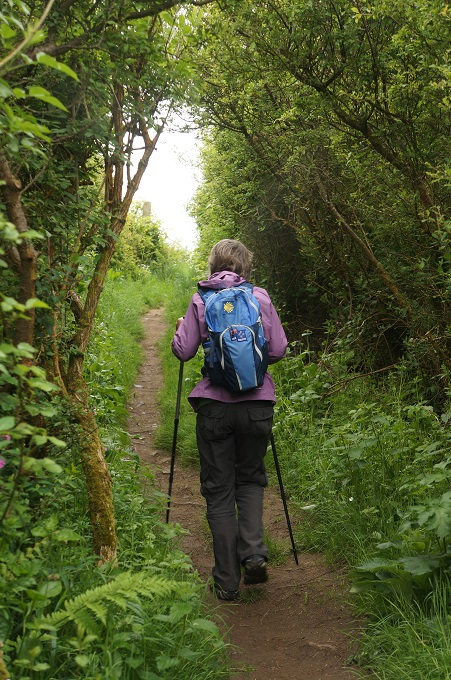
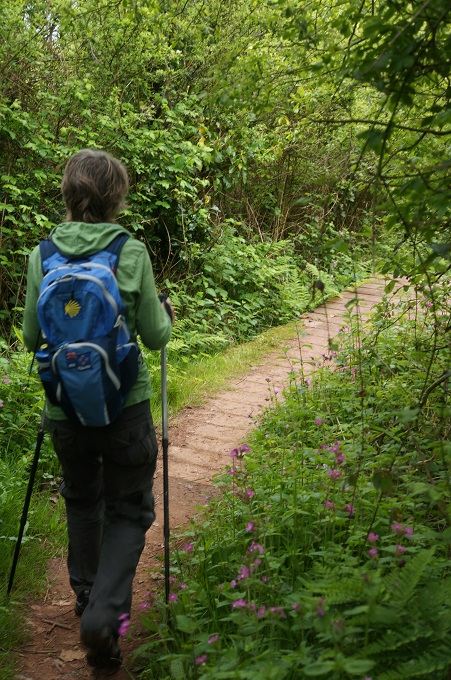
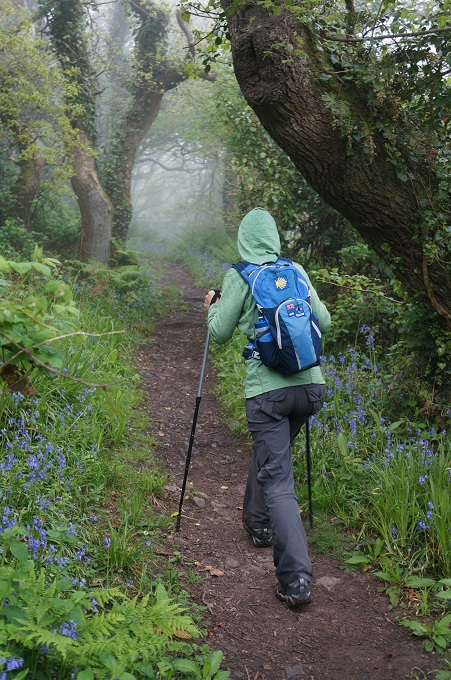
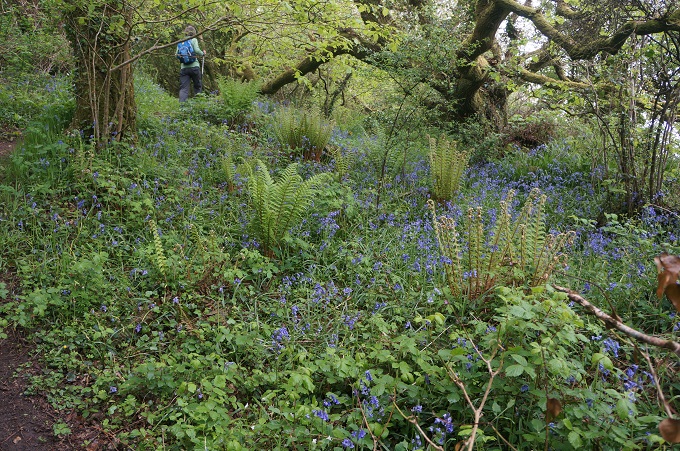
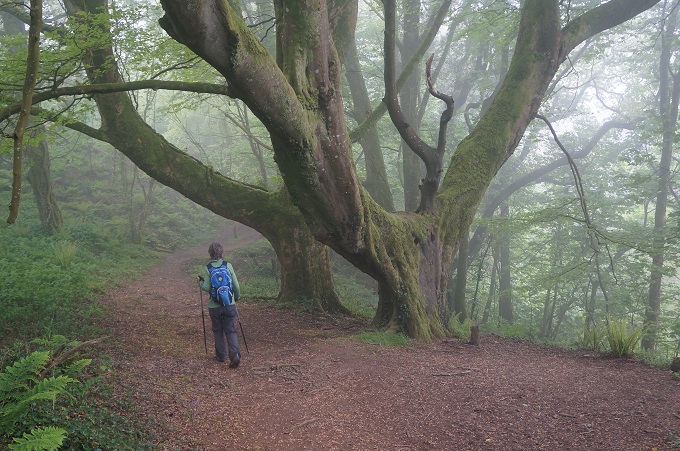
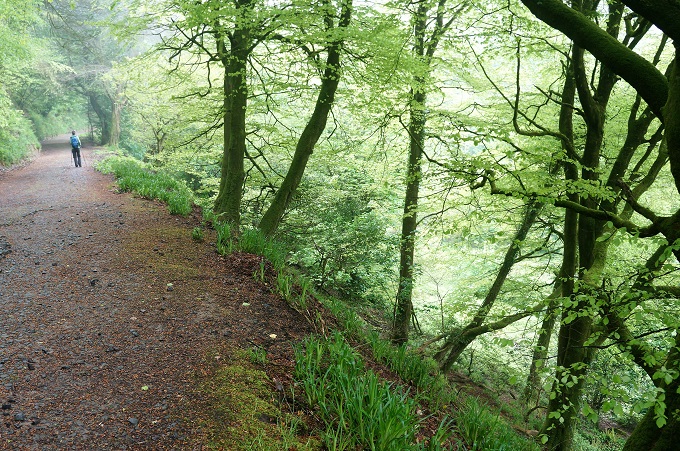
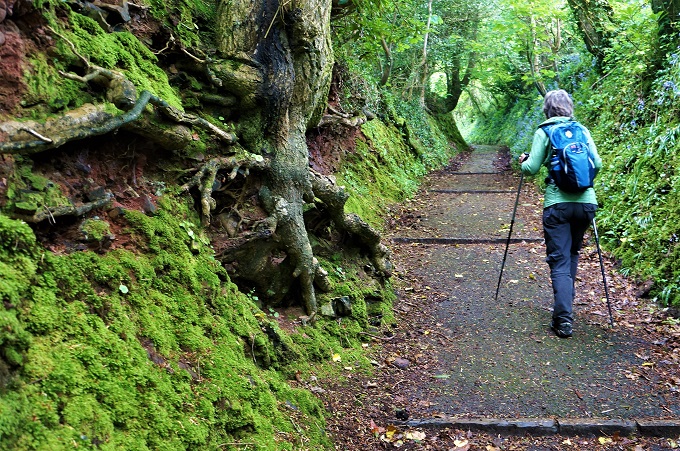
For the second half of the day the path changed from a cliff top clamber to a woodland walk. This was quite beautiful with some huge beech trees and gigantic rhododendron bushes. The ground was covered in Blue Bells, sometimes whole meadows of them. The trees would give welcome shade on a sunny day but today they kept us dry. Leaving Westward Ho! it had been overcast but dry with no wind. By midmorning a sea mist had rolled in we were getting wet in light drizzle.

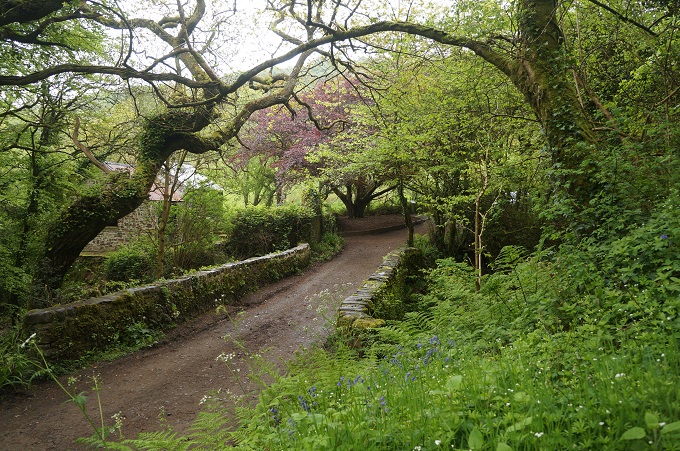
For the last 5 km into Clovelly the path joined ‘Hobby Drive’ a 19th century ‘bridleway’ that snaked its way along the cliff side. A wide path surrounded by trees and at a nice gradient.

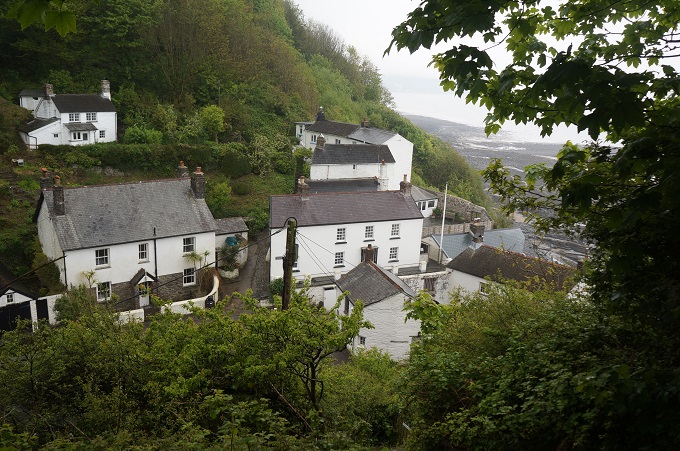
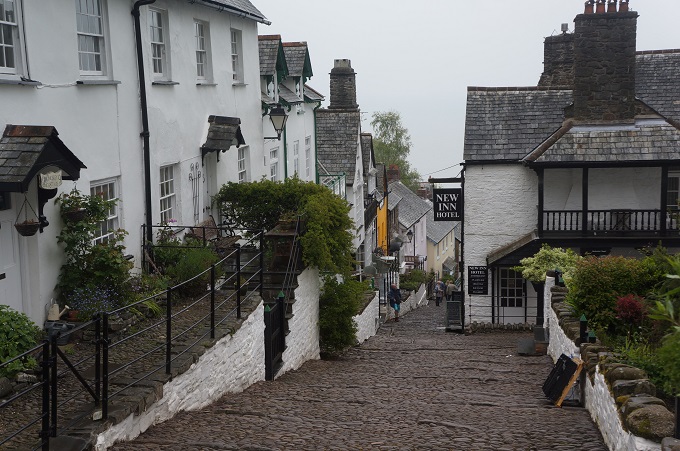
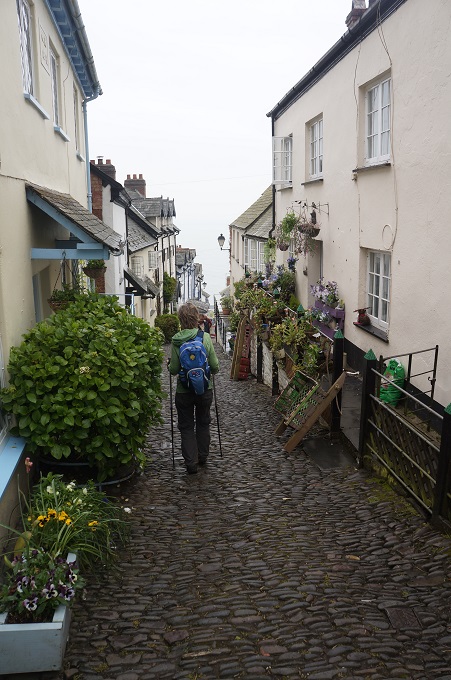
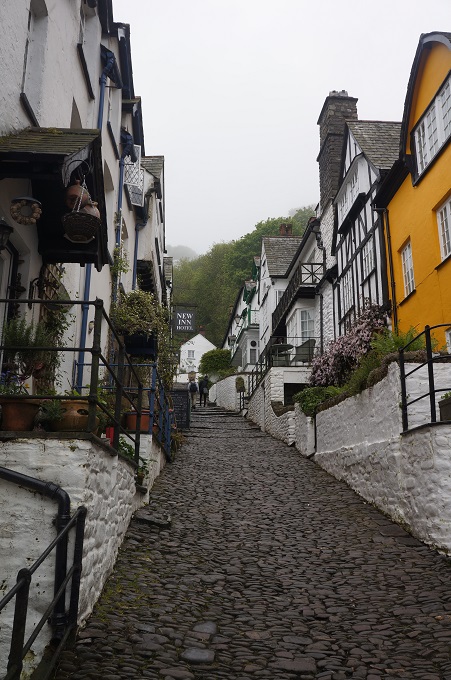
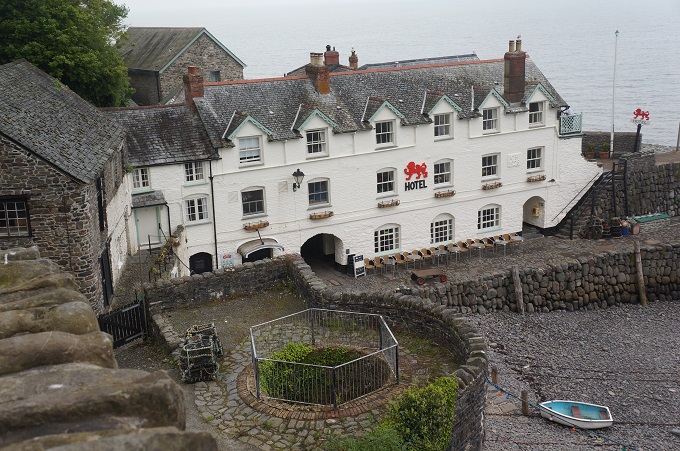
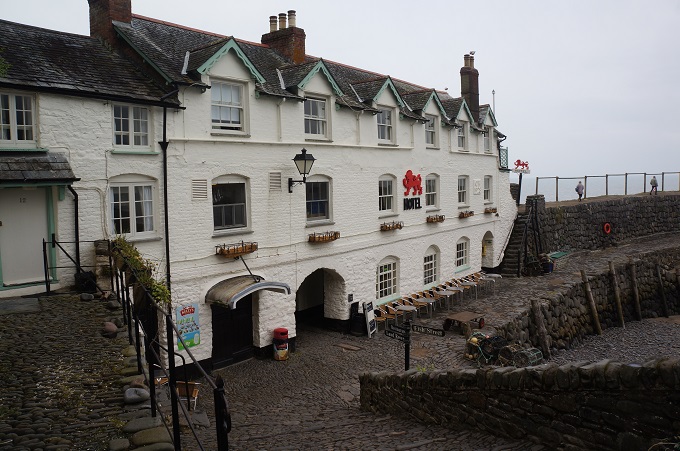
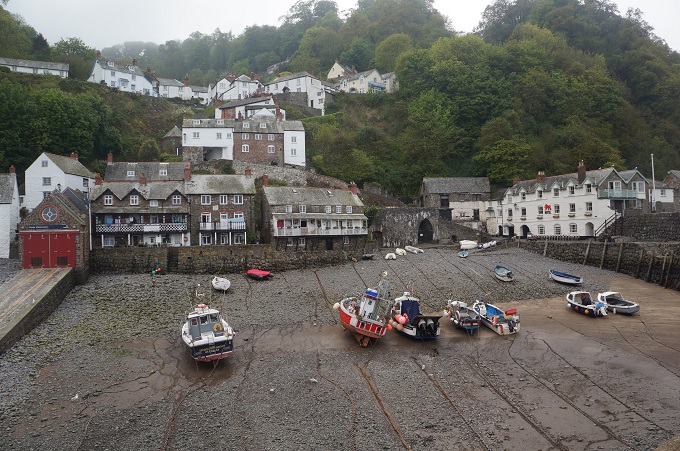
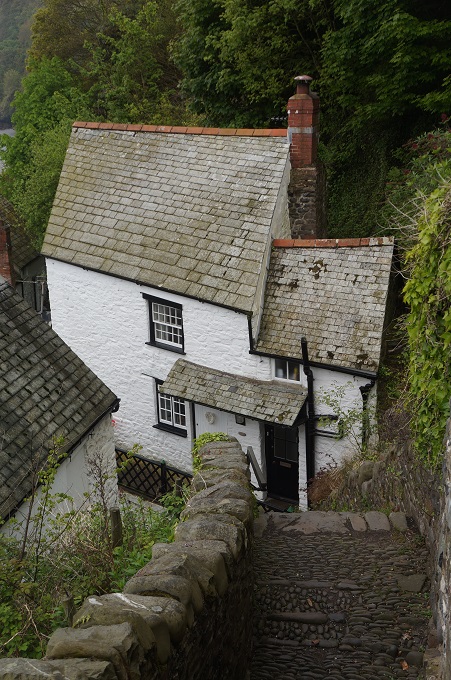
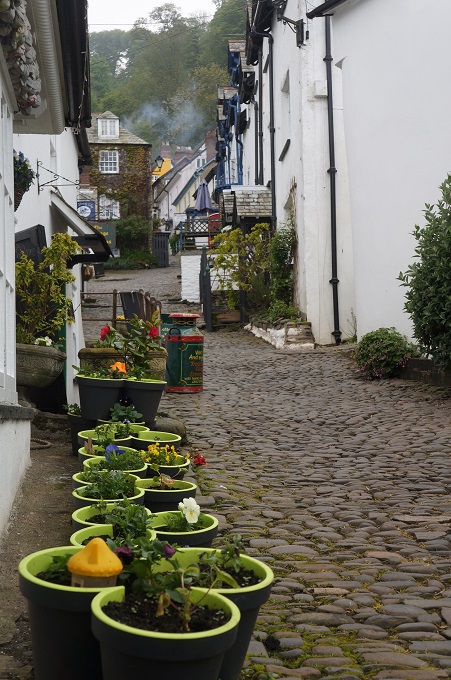
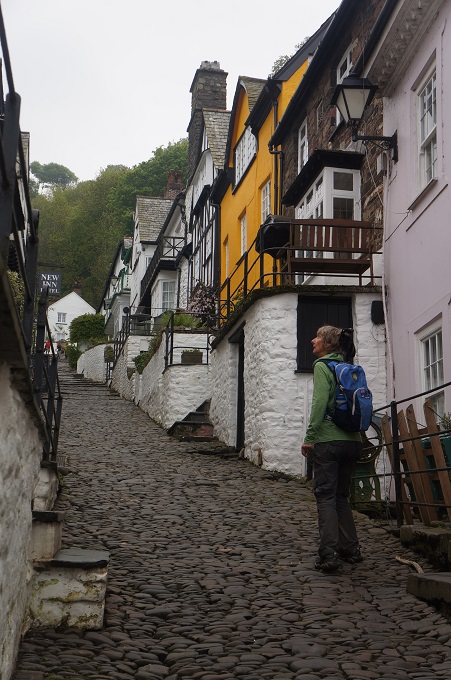
Clovelly is one of the loveliest villages on the entire South West Coast Path. Four hundred feet of cobbled street rolling down a narrow cleft in the coastline to a tiny harbour, lined on either side by wonderfully preserved cottages.  The gradient of the main street (named Up-a-Long and Down-a-Long) is enough to prevent traffic from using it. Instead goods are brought in by sled from the top and rubbish is taken to the bottom and removed by boat. There is a road linking the harbour at the bottom with the car park at the top which is used by Land Rovers to shuttle the elderly and the lazy.

Clovelly is actually privately owned. The Hamlyn family acquired the fishing village as part of their purchase of the entire Clovelly Estate in 1738.

We passed many people on the path today and got to stop and chat with a few of them. Mostly locals and one guy who was on day 5 of a walk from Land’s End to John O’Groats. He expected to finish in late July.

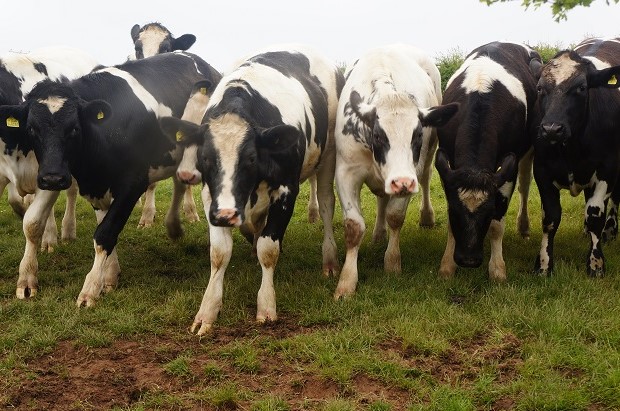
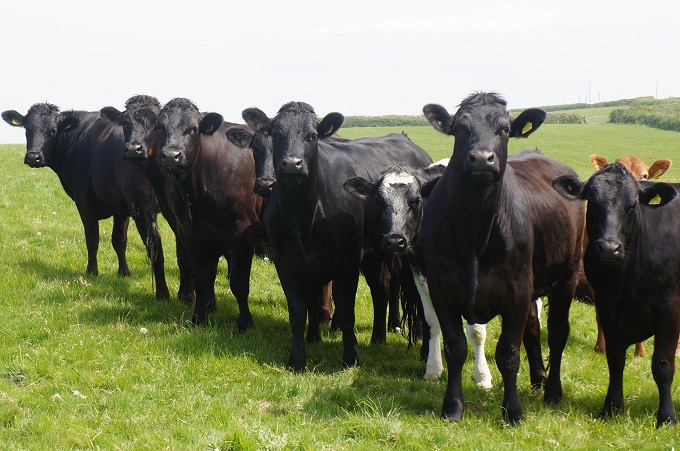
Going from Clovelly to our accommodation, our route notes had us taking a short cut crossing two paddocks. In the second paddock twenty cows took offence at our invasion of their territory and ran to surround us. We beat a hasty retreat and walked the long way around on the road. Every year in the UK several people get trampled to death by herds of cows. Not us this time.

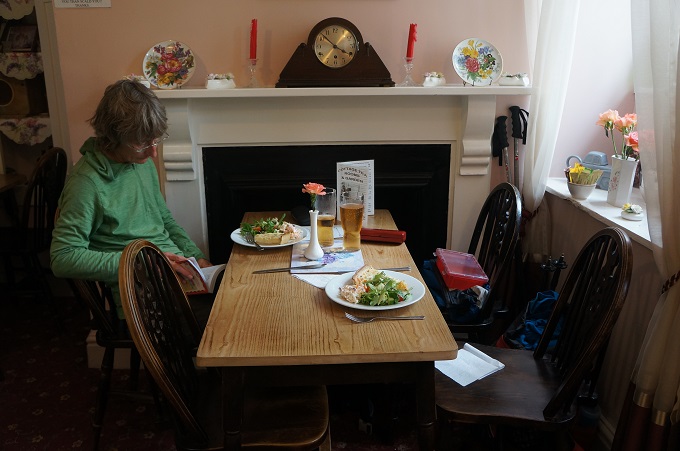
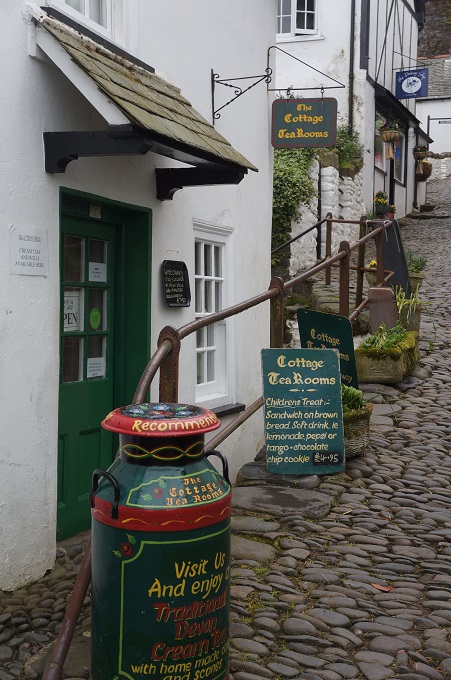
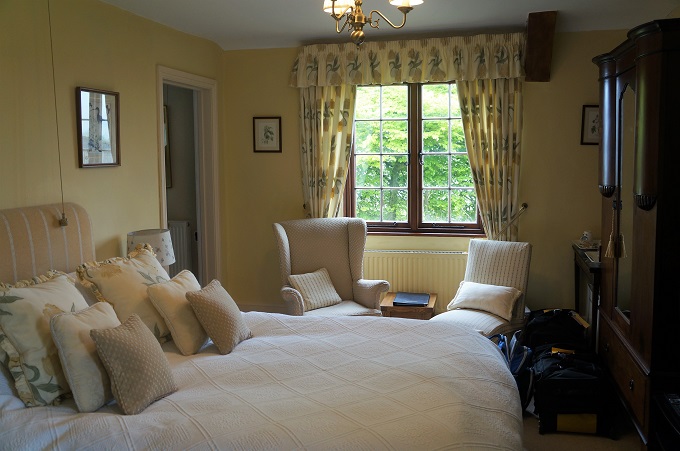
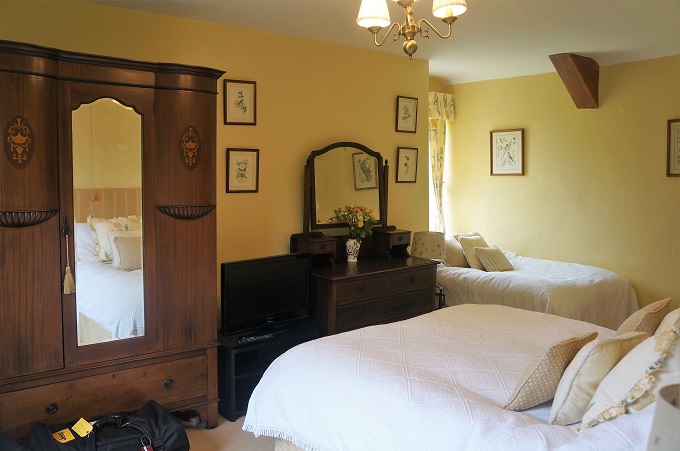
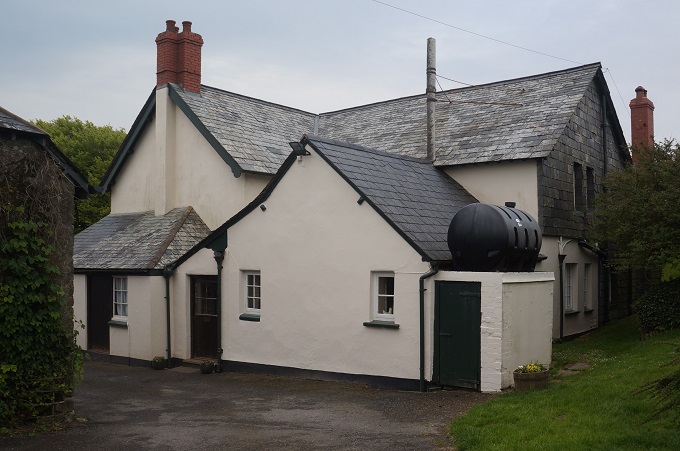
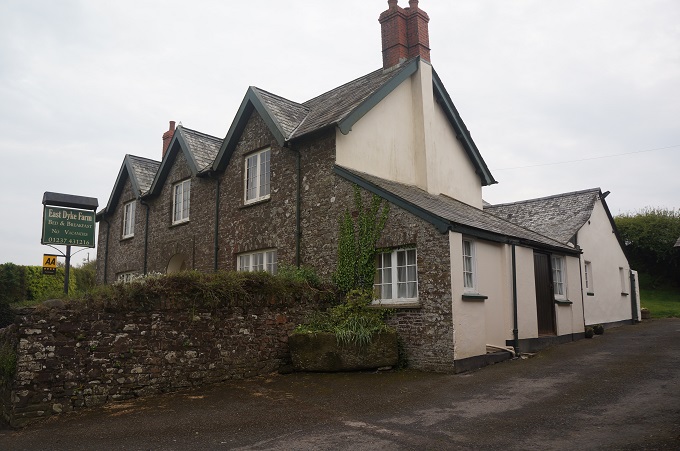
Tonight we are staying at East Dyke Farm. This is a working farm and we might get some lessons from the owners on how to handle cows. It is a bit upmarket for us and is very, very comfortable. We had a late lunch/early dinner at The Cottage Tearooms in Clovelly and for supper ate the food we had purchased at the co-op.

Today was the same distance as we often walk – home to the Waikanae cinema and back, but today we climbed up and down 500+ metres rather than about 10. We did it okay but it will be interesting to see how our legs and knees feel in the morning.


I do like to be beside the seaside

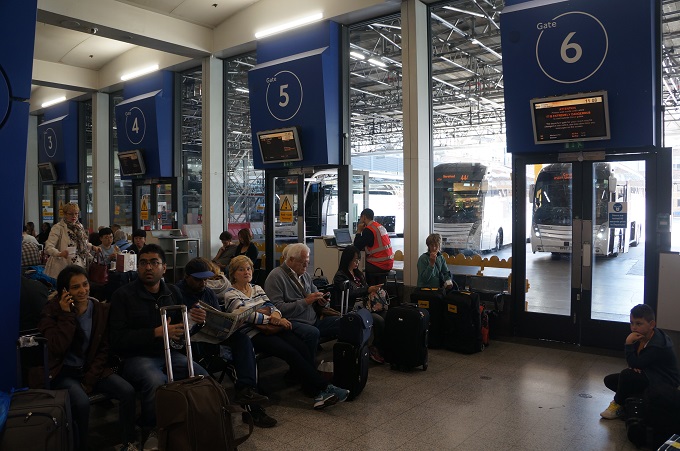
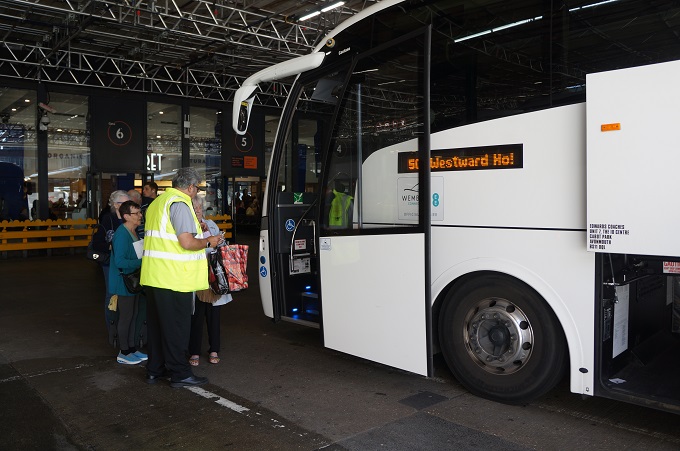
After seven hours on the bus we have arrived at long last in Westward Ho! Incredibly good value at £10 for the fare.

The route through beautiful green countryside was mainly down six lane highways but there were at least a dozen excursions through roundabouts, traffic lights and road works into villages and towns to set down and pick up passengers. It was a bright, sunny day with lots of glare so spent all day in the bus drifting in and out of consciousness. When we reached the coast near Barnstable there was just a weak reluctant sun in the sky and we were enveloped in a cold clammy sea fog. Here in Westward Ho! it is warm and sunny again.

There were no stops long enough to go and get food but luckily we had brought some sandwiches, fruit and drinks with us.  We have left the hustle and bustle of London for the peace and quiet of the seaside.

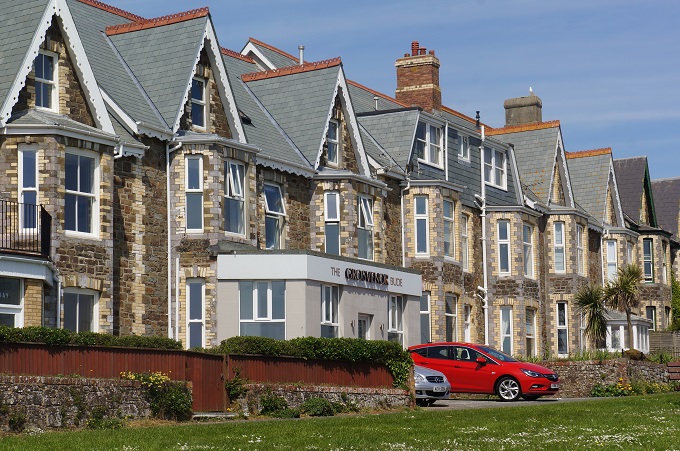
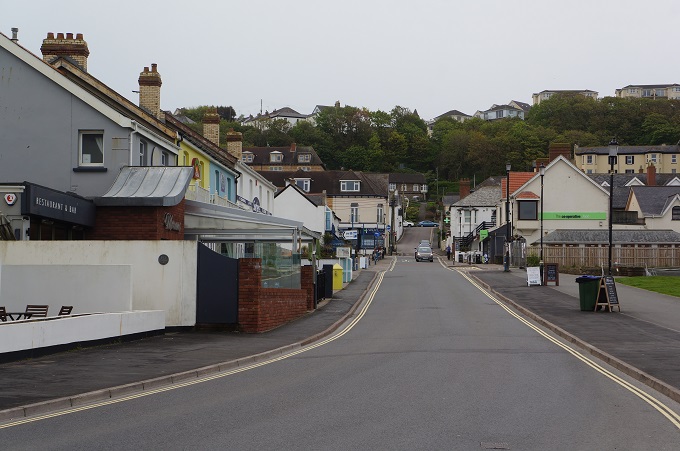
I suppose the name Westward Ho! conjures up images of seafarers, buccaneers and adventures on the high seas but it is really quite a bland seaside town of residential care homes and static caravan parks. It won’t come close to winning the prize for the most picturesque village on the south west coast. It also lacks the history of other towns we will pass though, having started from nothing as a seaside resort in 1864.

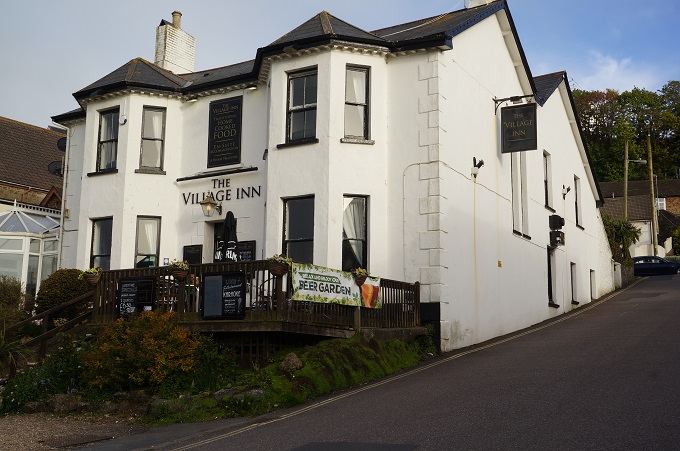
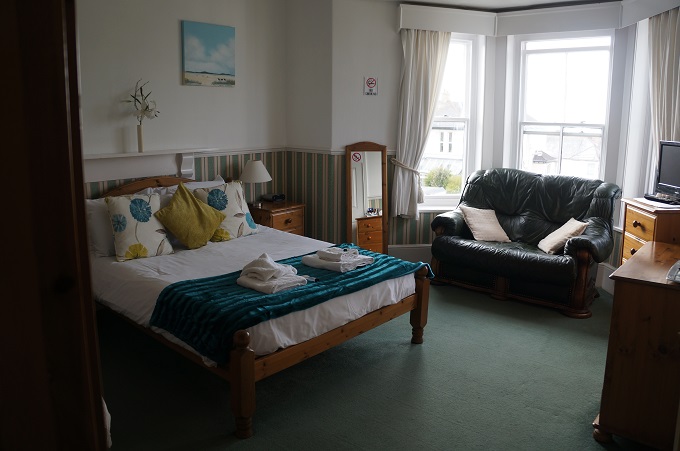
For all that, we are staying in the lovely Village Inn in an upstairs room with a view of the sunset over the sea. The room is very comfortable, they serve pub meals downstairs and Trevor the host is very friendly. We can’t wait to get started tomorrow – 500 km of the South West Coast Path here we come!


Westward Ho!

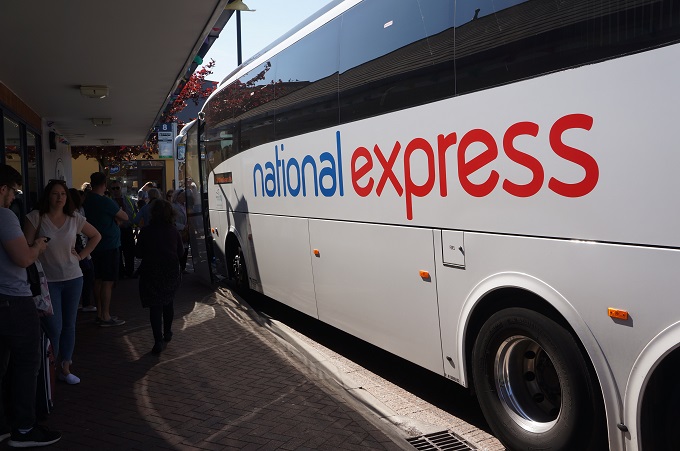
Today (Tuesday) we leave London for the time being and at midday catch the National Express coach to Westward Ho! the starting point for our walk on the South West Coast Path.

Westward Ho! is a seaside village in Devon (pop 2112). It is noted for its unusual place name.

The village is named after Charles Kingsley’s novel Westward Ho! published in 1855, which was set in nearby Bideford. The novel was a bestseller and as the Victorians had a passion for seaside holidays entrepreneurs saw the opportunity to develop tourism in the area.

A hotel was built, named the Westward Ho! Hotel, and the expanding settlement also took on the name Westward Ho!

The village is the only place in the British Isles that intentionally has an exclamation mark as part of its name. As far as I know it is also the only town named after a novel rather than the other way around, ie a novel being named after a town.

Westward Ho! is a historical novel set partly in Bideford during the reign of Elizabeth I. It is based on the adventures of a young man who goes to sea with Sir Francis Drake and Sir Walter Raleigh to the New World where they do battle with the Spanish.

The title of the novel comes from the traditional call of boat-taxis on the River Thames which would call “Eastward ho!” or “Westward ho!” to show their destination. “Ho!” is a call to attract passengers meaning “hey” or “come”.

I can see for miles and miles

Another lovely spring day, warm, sunny and no wind. We walked for miles and miles along canal paths today.

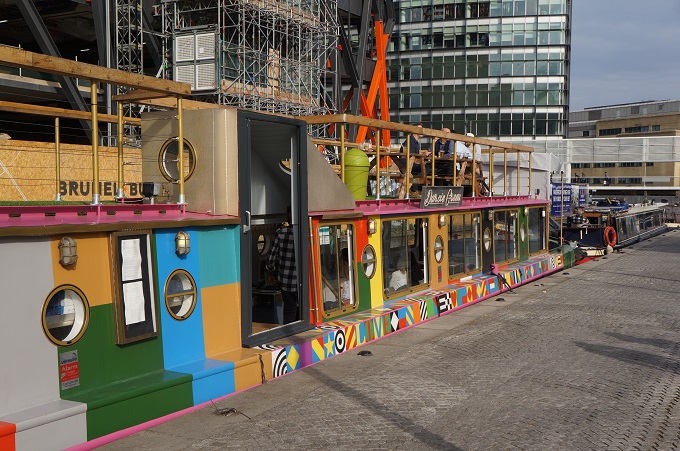
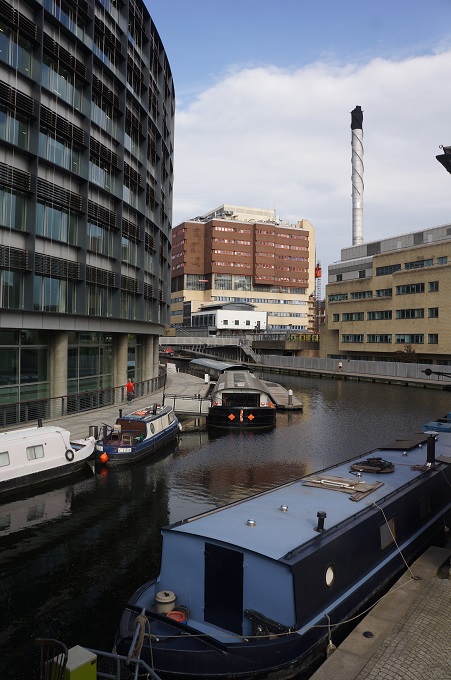
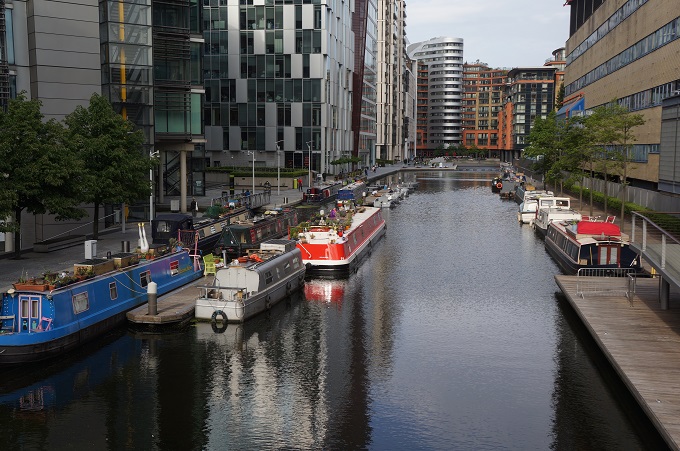
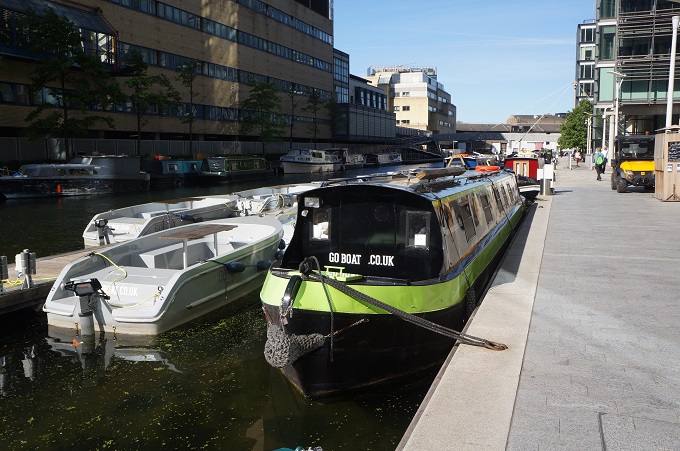
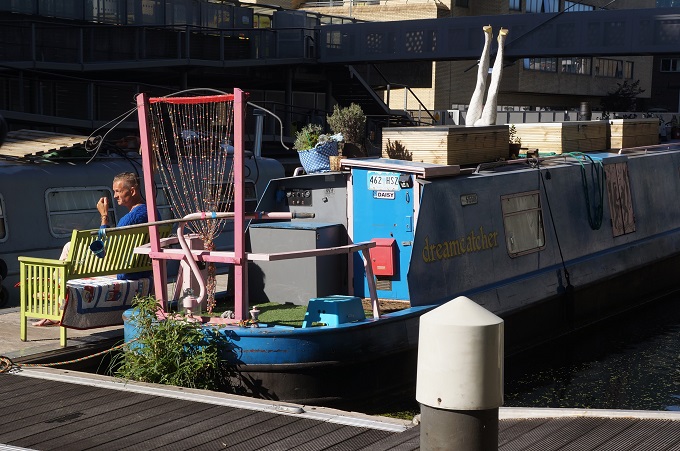
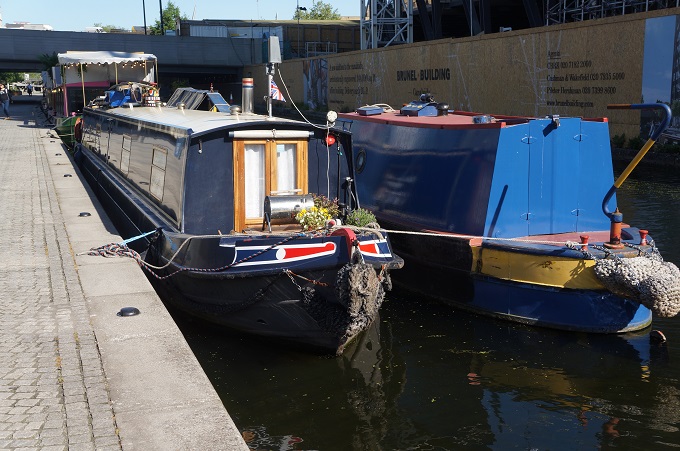
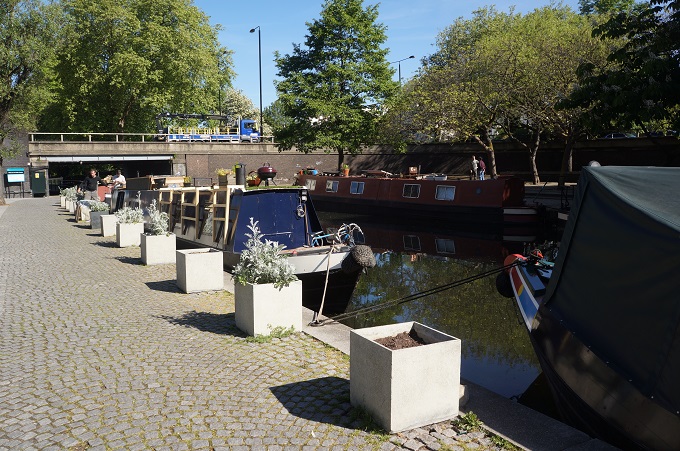
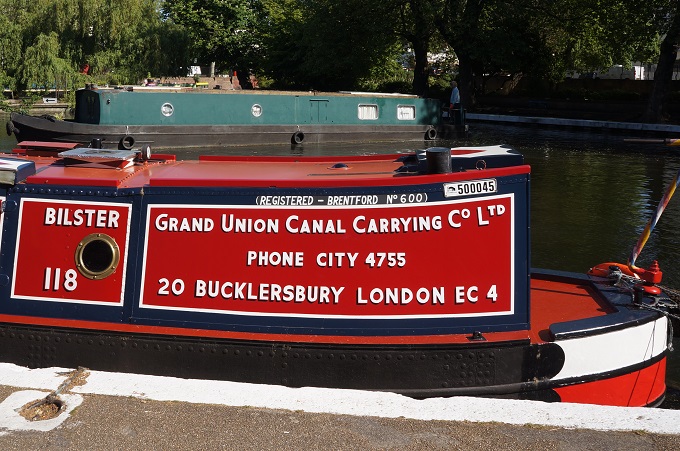
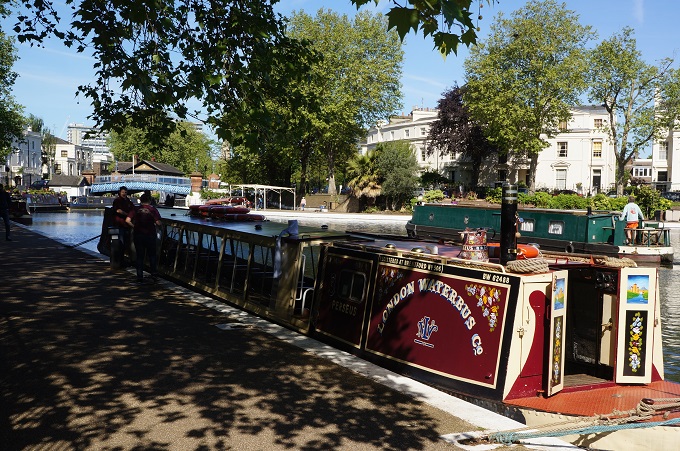
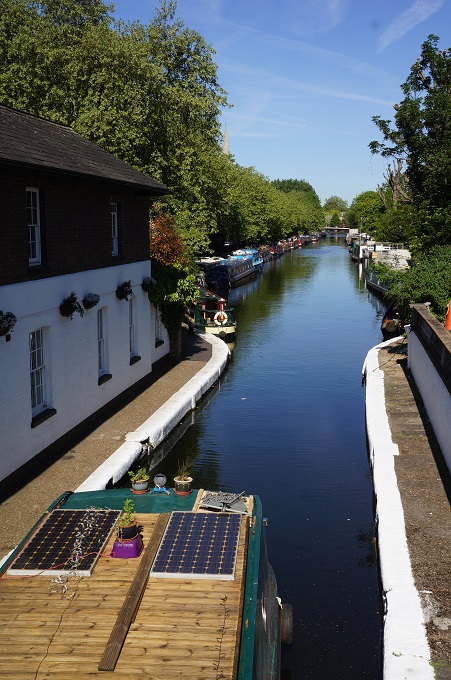
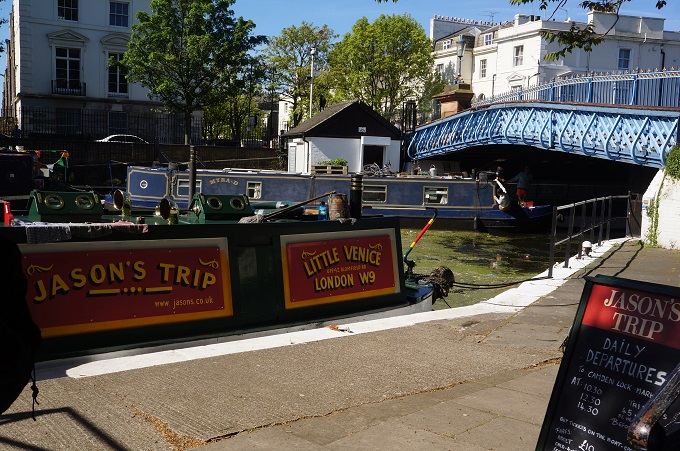
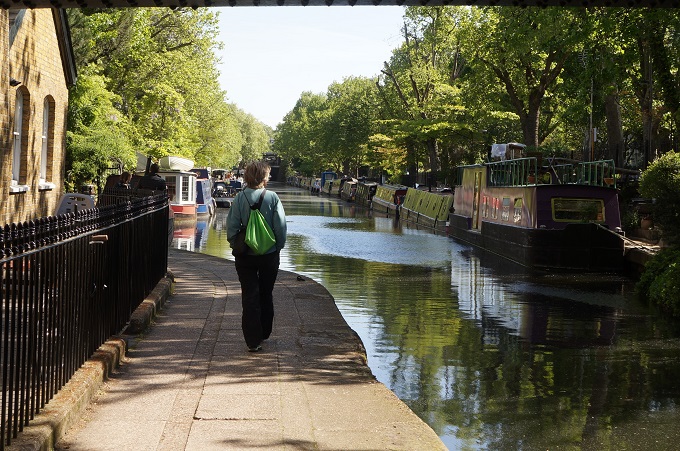
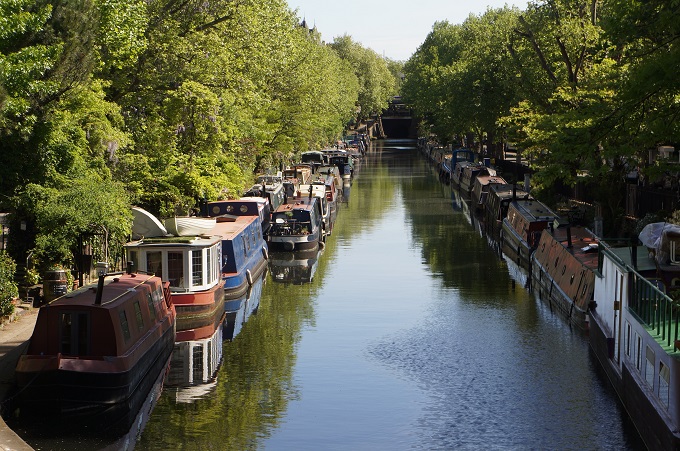
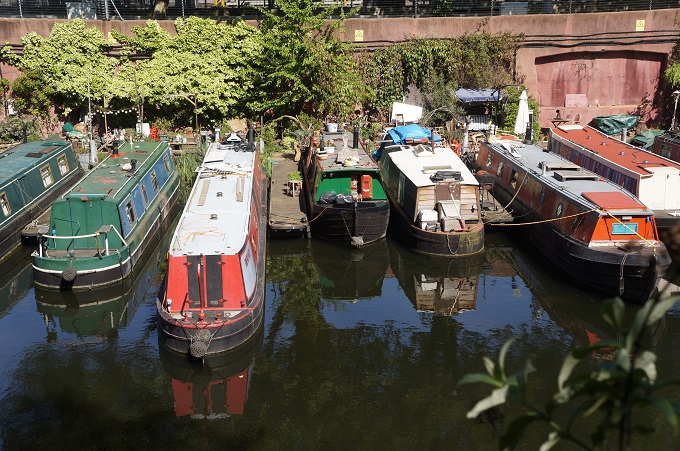
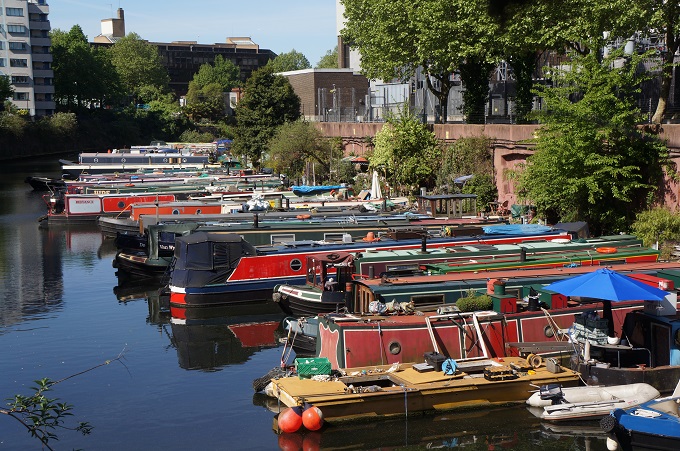
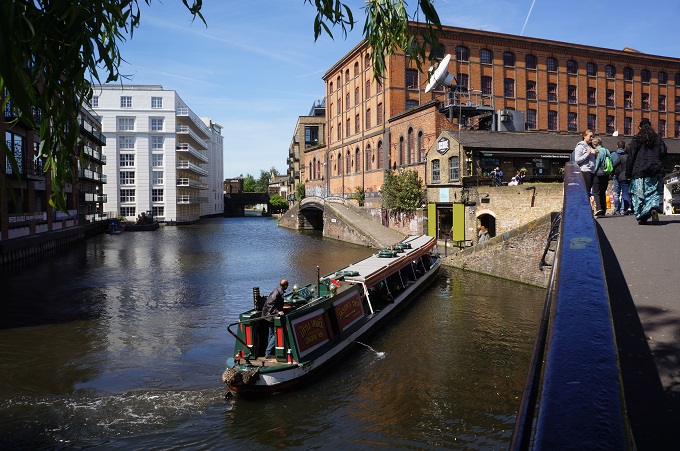
We started in Paddington Basin which is only 5 minutes from our hotel. The Paddington Arm of the Grand Union Canal, constructed in 1801, terminated in a 4 acre stretch of water called Paddington Basin. The basin was situated on a major road and hence was a busy transhipment facility for the supply of goods from the Midlands to London. Since 2000 the basin has been the centre of a major redevelopment and is surrounded by modern office buildings and apartments. Paddington Basin joins into Little Venice which is the junction of the Grand Union Canal and Regent’s Canal.
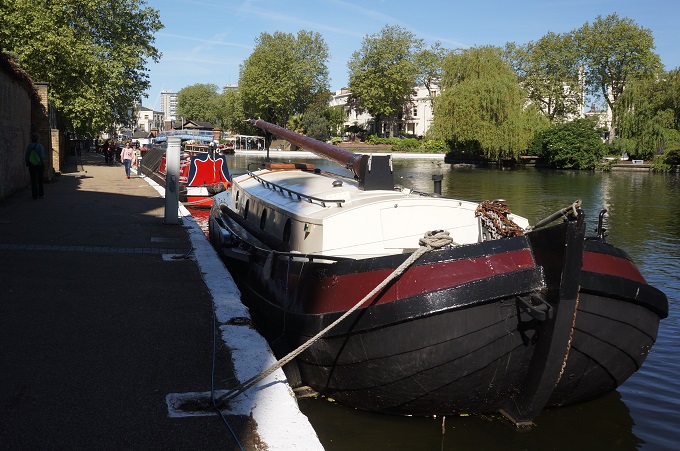
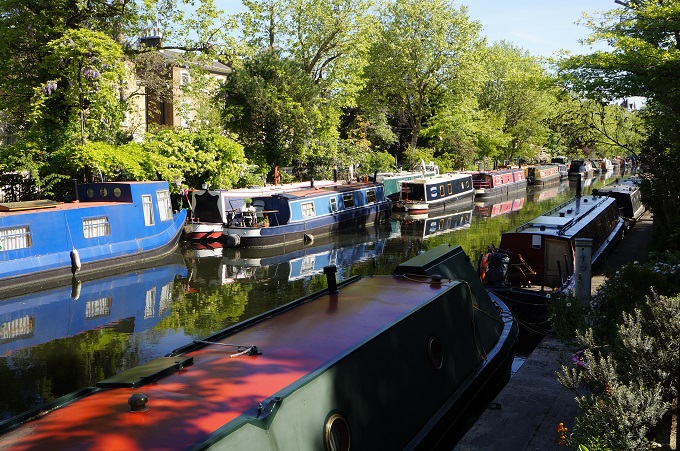
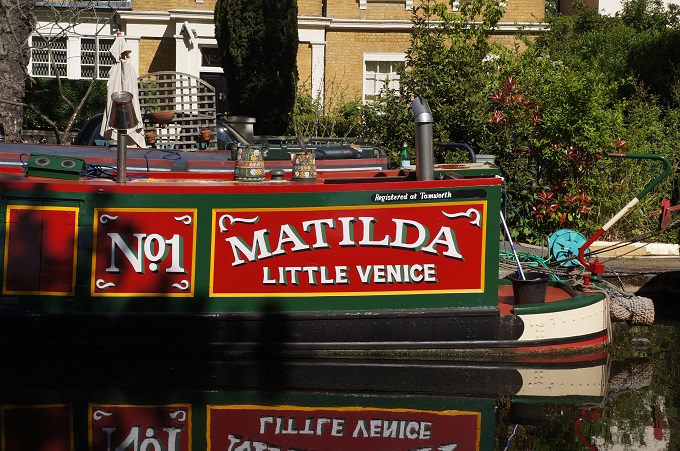
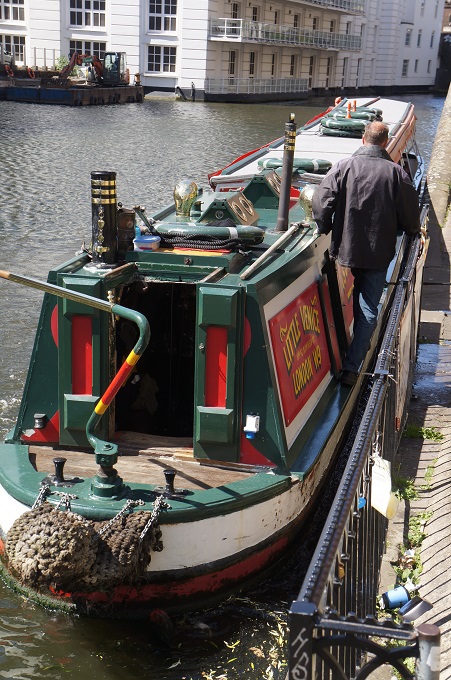
Little Venice is a neighbourhood at the junction of the Paddington Arm of the Grand Central Canal and Regent’s Canal. The area had been known as London’s Venice for a century or more before ‘Little’ was added. It is very pretty and an oasis of peace and tranquillity, home to many cafes and pubs. The name is usually attributed to Robert Browning but also sometimes to Lord Byron.
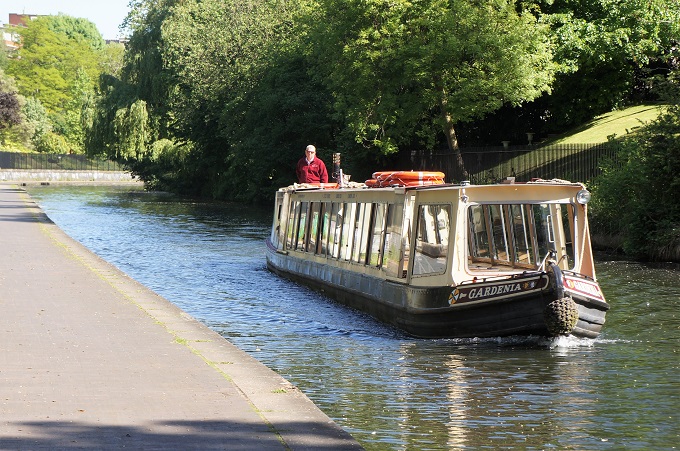
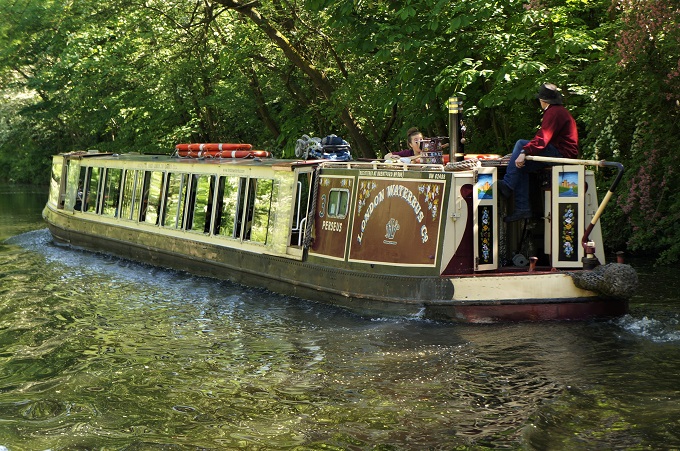
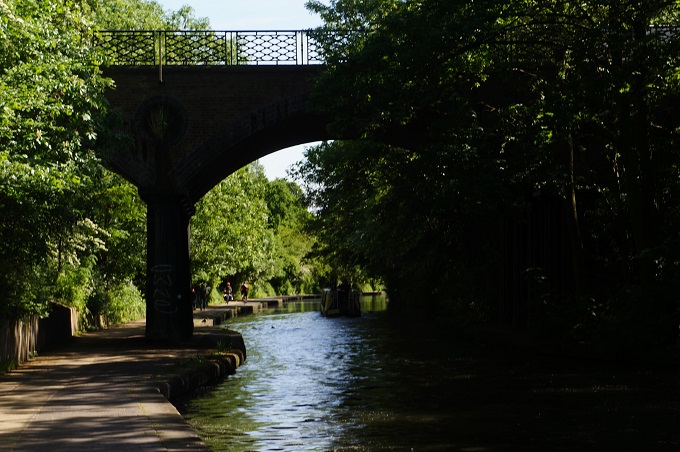
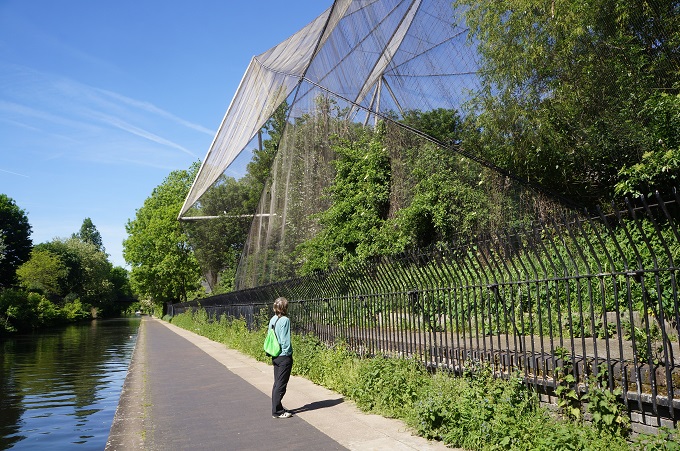
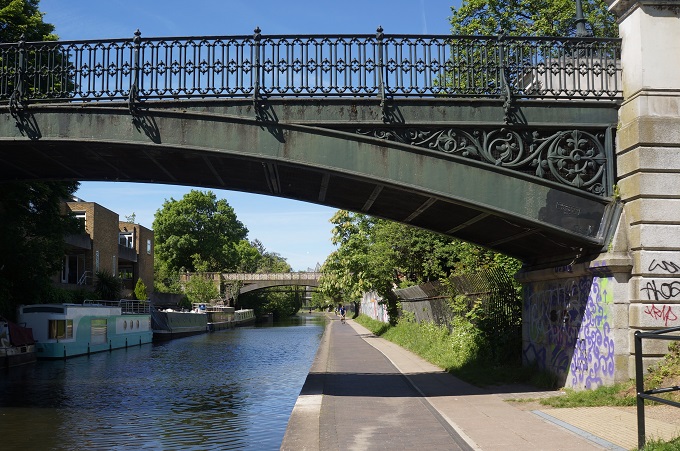
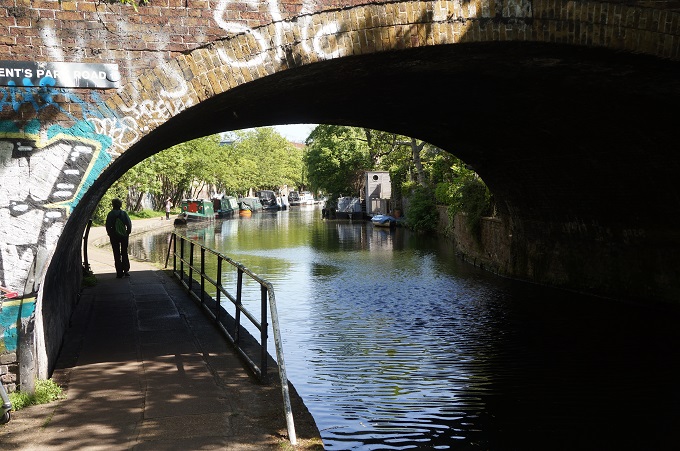
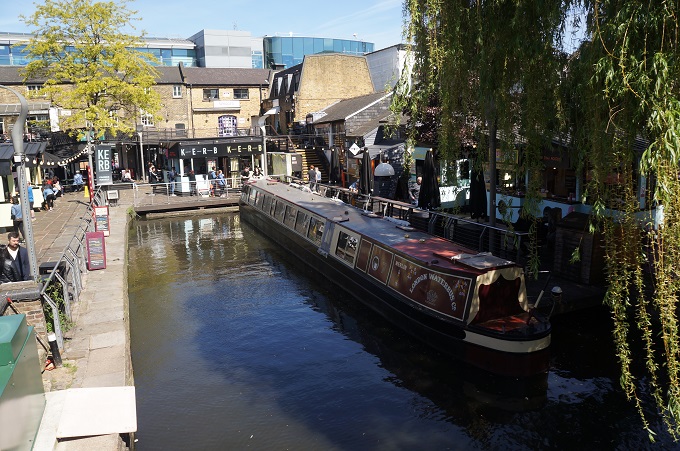
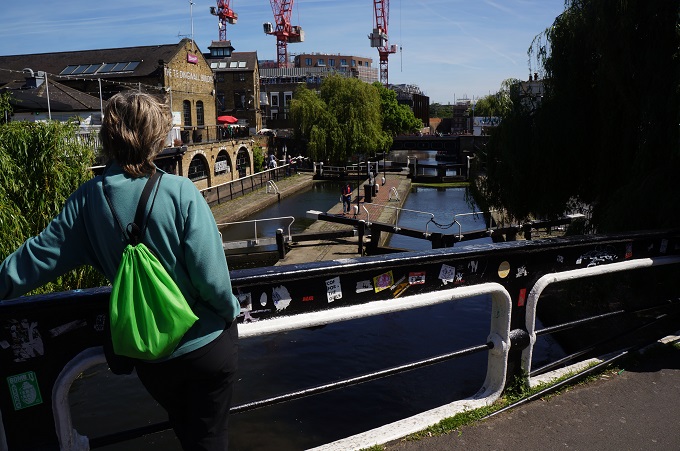
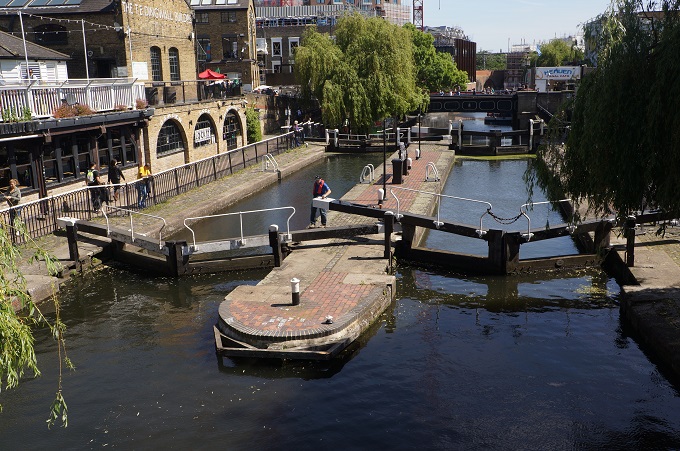
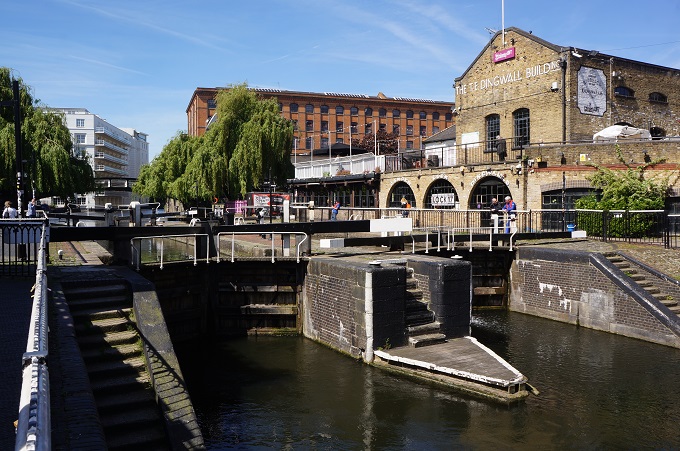
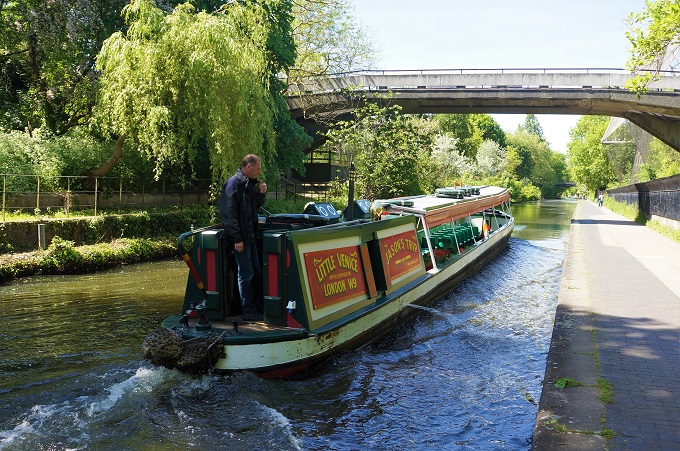
Regent’s Canal provides a link from Paddington Arm to Limehouse Basin and the River Thames. The canal is used for pleasure cruising and has a water bus service from Maida Vale to Regent’s Park Zoo and Camden Lock. We walked as far as Camden Lock and in this section the canal passed through two tunnels, one of about 300 m and the other about 75 m, while we walked on a road over the top. At Camden there is a very popular market with cafes, food stalls and vendors selling everything under the sun.
Walking alone the canals is always a peaceful experience. They are a great way to escape the busy streets and often hidden from surrounding buildings. The ones we saw today were very popular with walkers and cyclists. From Regent’s Canal we climbed to nearby Primrose Hill.
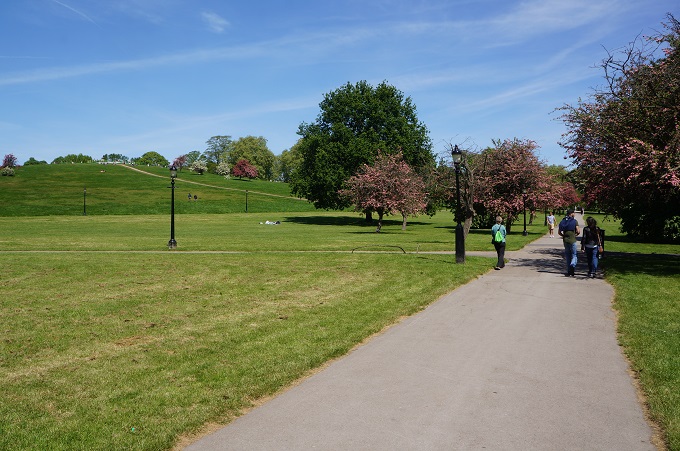
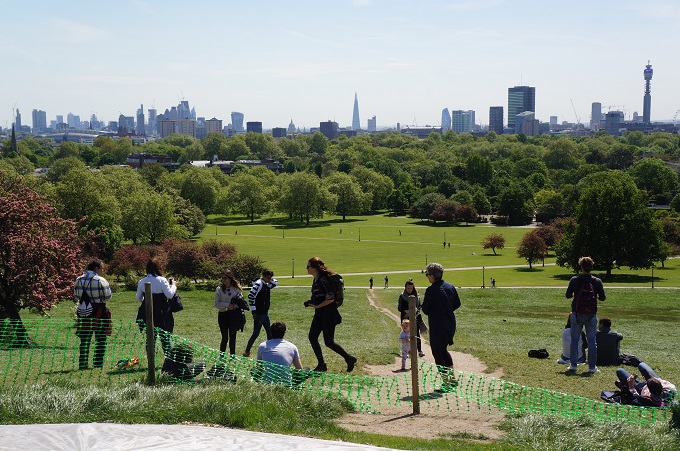
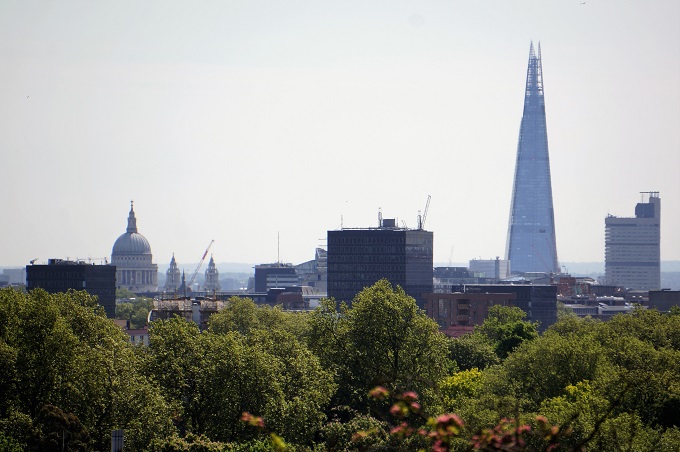
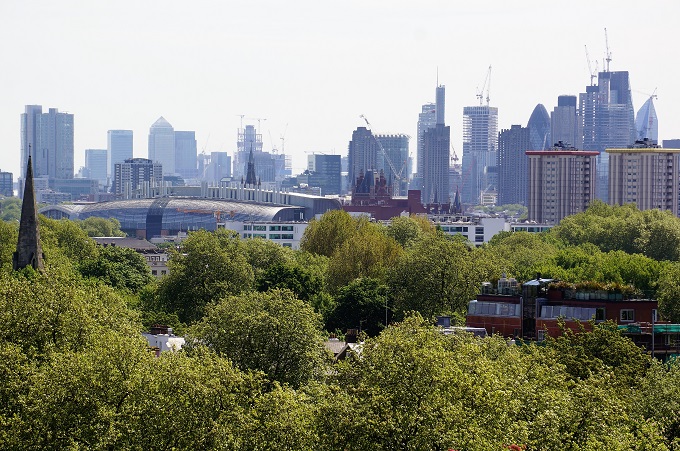
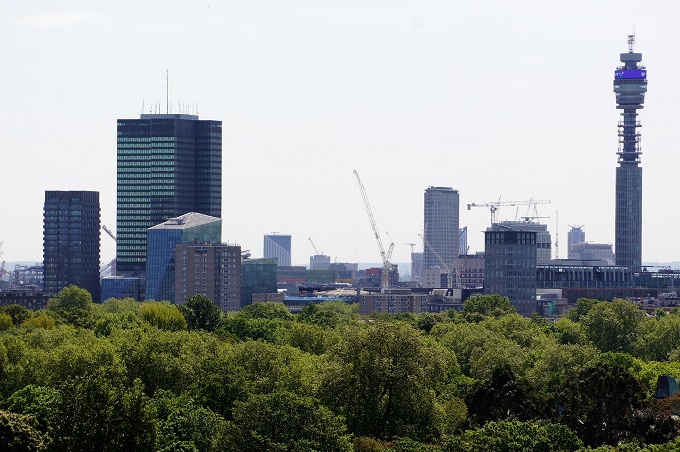
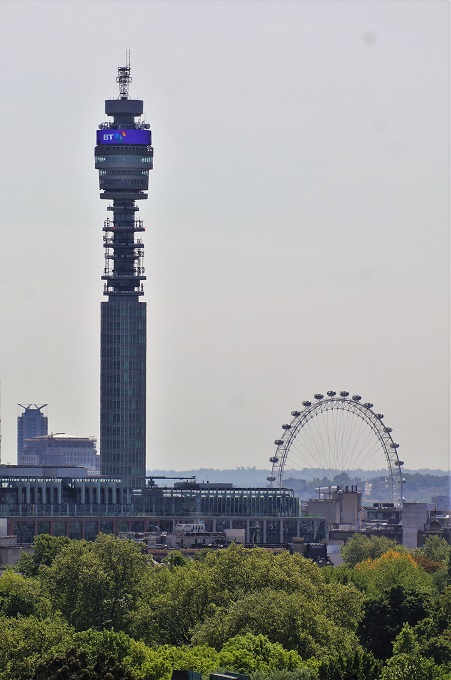
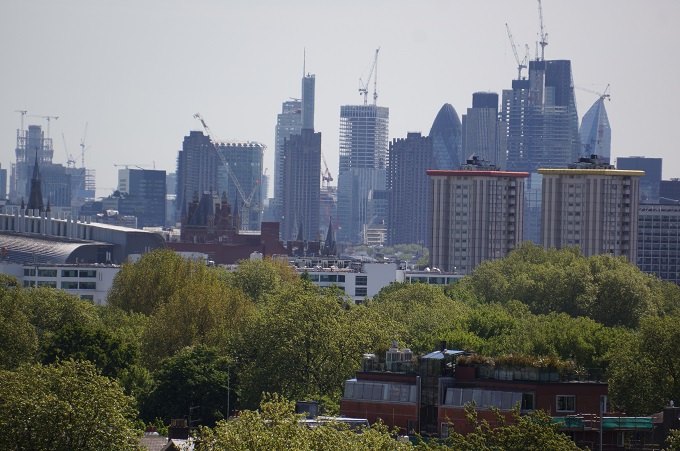
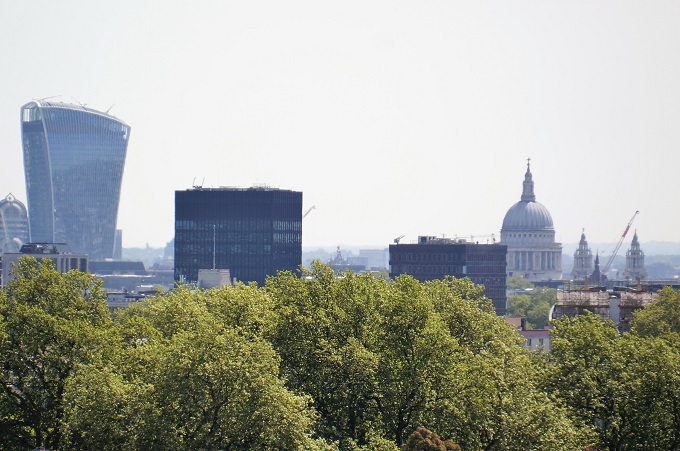
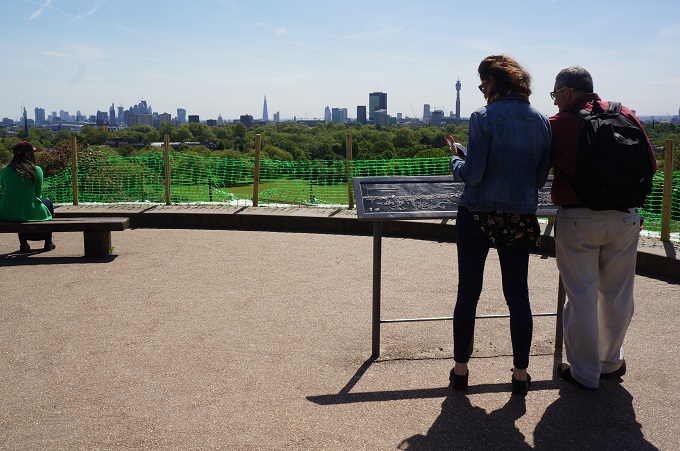
Primrose Hill is a district but it does have a hill, all of 66.7 metres above sea level, in the middle of a large park. The hill is very popular with we tourists because from its summit you get a good view of London’s skyline and can see for miles and miles.

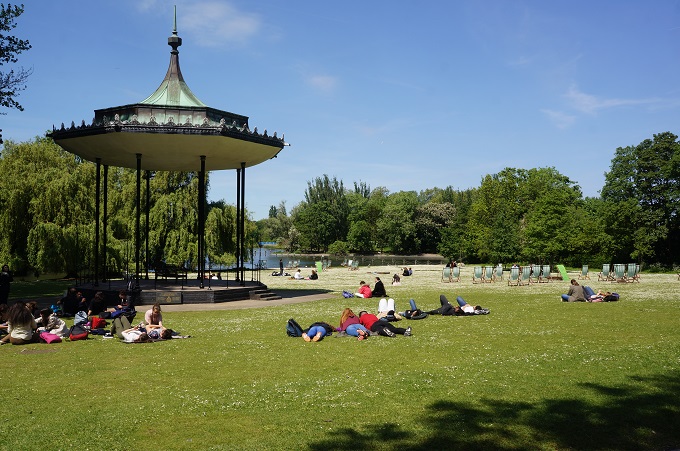
Primrose Hill is adjacent to Regent’s Park and we walked through it back to the city. The park is one of the Royal Parks of London, officially The Regent’s Park, and is 410 acres. It was appropriated by Henry VIII on the dissolution of the monasteries. It has open parkland, a lake, sports pitches, playgrounds, flower gardens, nurseries, the London Zoo, and an open air theatre.

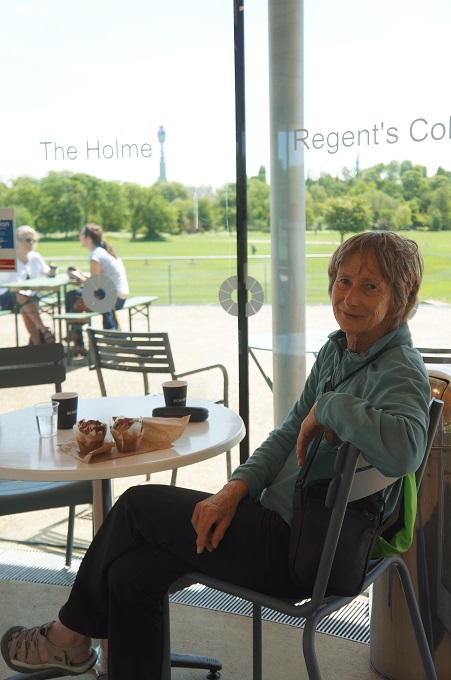
We were flagging a bit at this stage so stopped at a café called The Hub for a double espresso. The cafe was circular, on the top of a little mound and surround in all directions by cricket pitches.

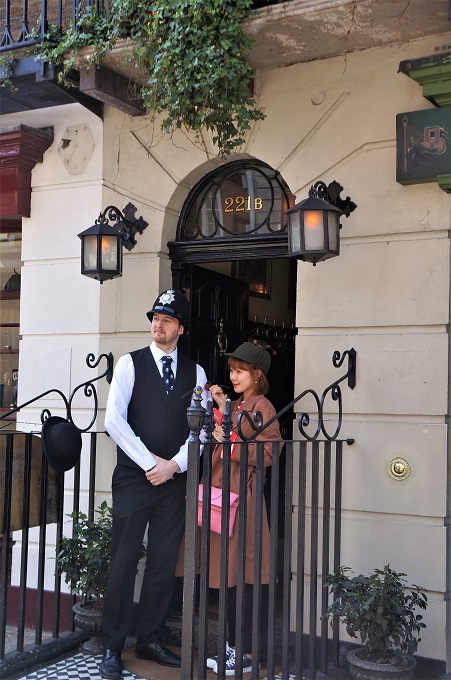
Just outside (The) Regent’s Park is Baker Street so we went to gawk at 221B with all the others. There is a Sherlock Holmes museum at 221B Baker St but it is really 239. When Arthur Conan Doyle wrote the stories and created the fictional home of Sherlock Holmes, Baker St did not go as far as 221, this didn’t happen until the 1930s. At this time a building society building was allocated the numbers 215 to 229. There never was a 221B. In 1990 the Sherlock Holmes Museum which was at 239 was reallocated the number 221B even though it is out of sequence with all the other numbers in the street.
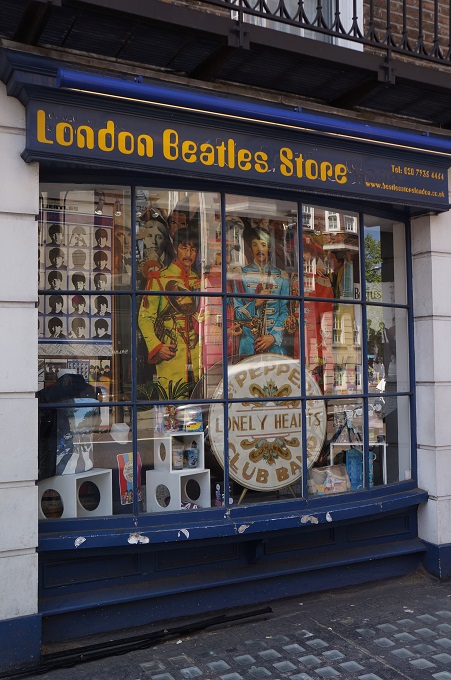
Next to 221B is a Beatles Shop. Basically full of Beatles labelled crap. Maybe I’m biased as although I like Beatles music now I was much more of a Stones fan in my youth.


Tally Ho! Pashley Passion

A warm, sunny day today with no wind. Great day for a cycle ride.

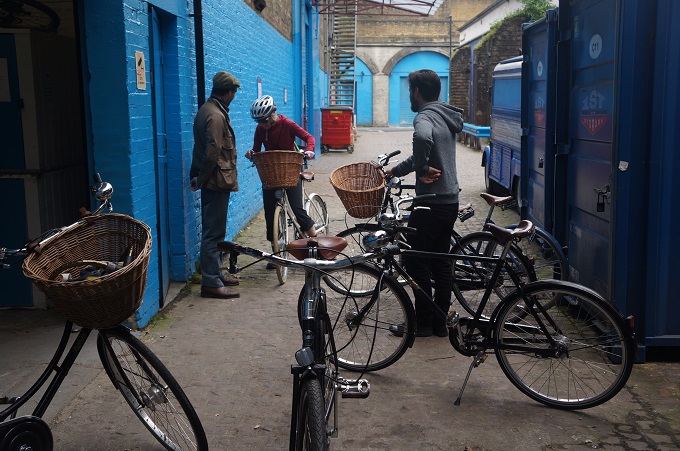
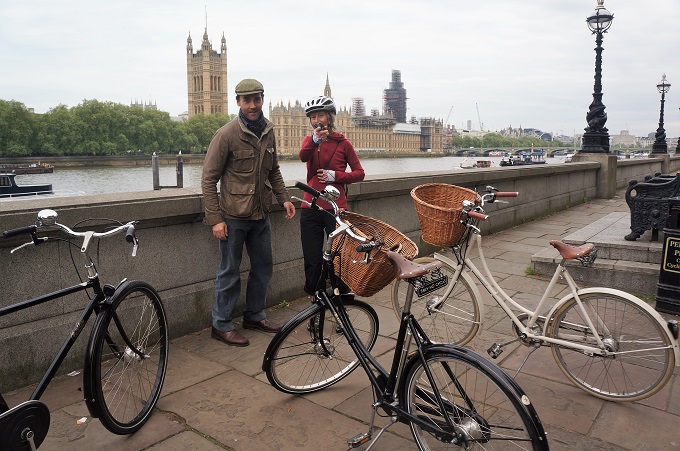
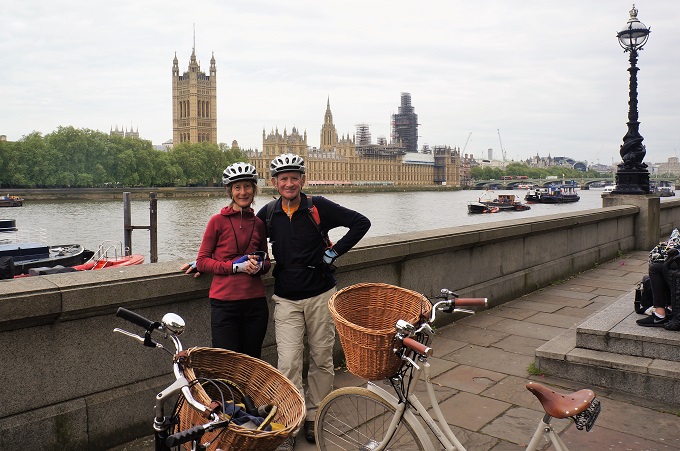
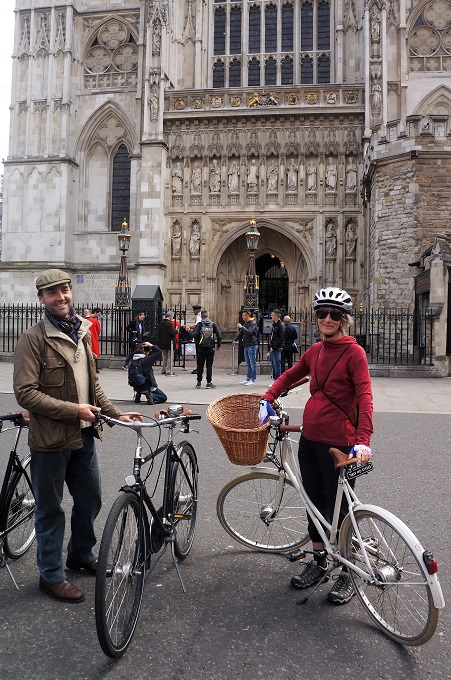
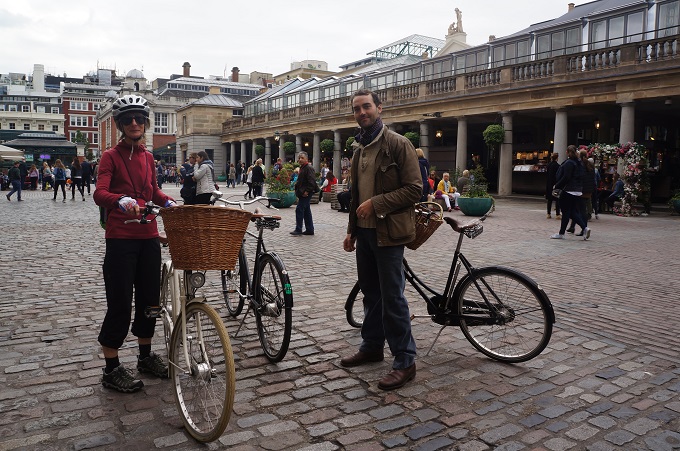
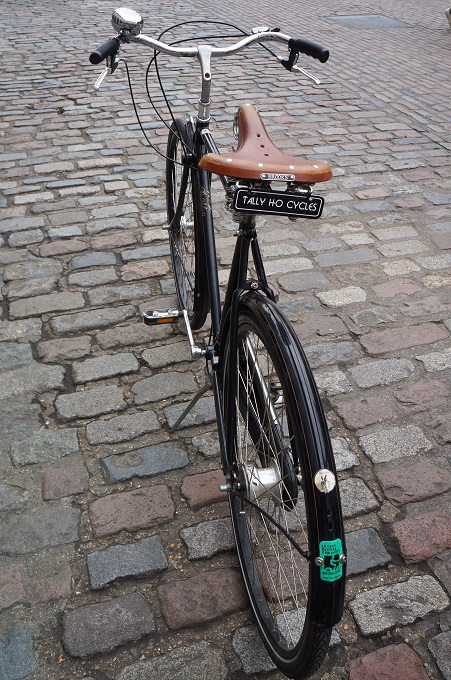
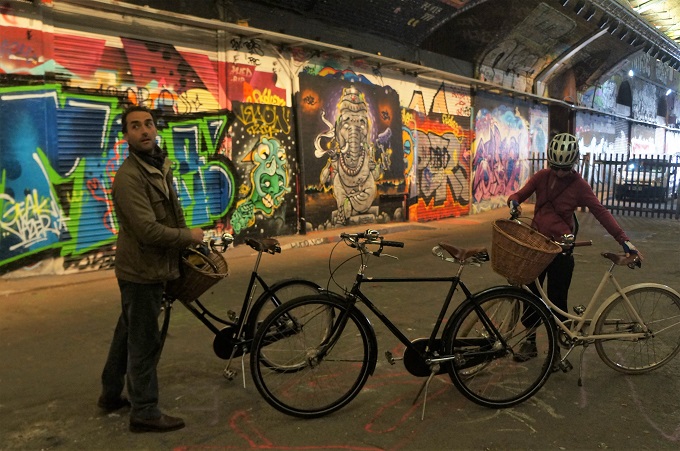
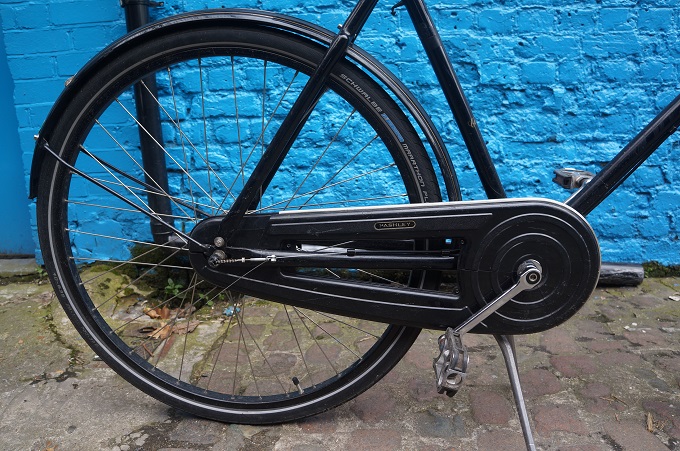
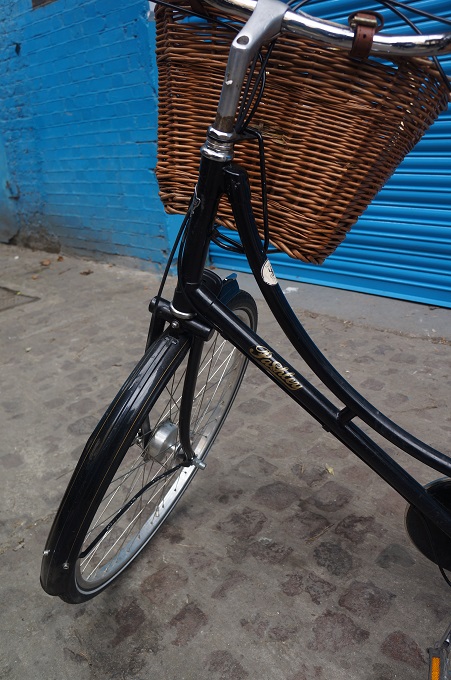
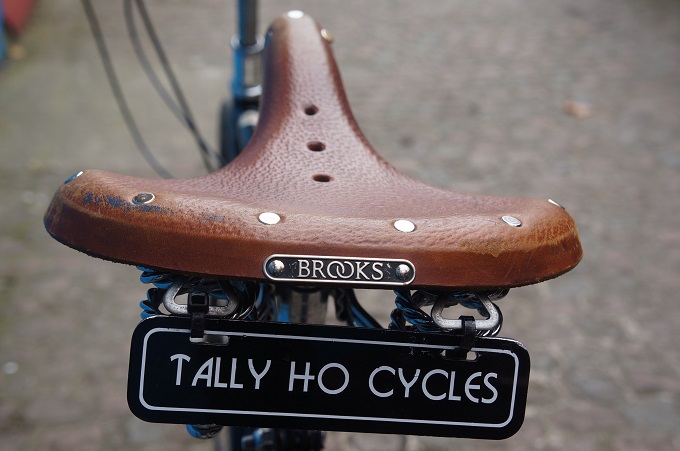
We had pre-booked a 3 hour guided cycle tour with Tally Ho! Bike Tours. They are based in a couple of shipping containers in a scruffy lot in Lambeth, just on the south side of the Thames. There are several companies offering pretty much the same tours but Tally Ho! use Pashley Cycles so that is why we chose them.
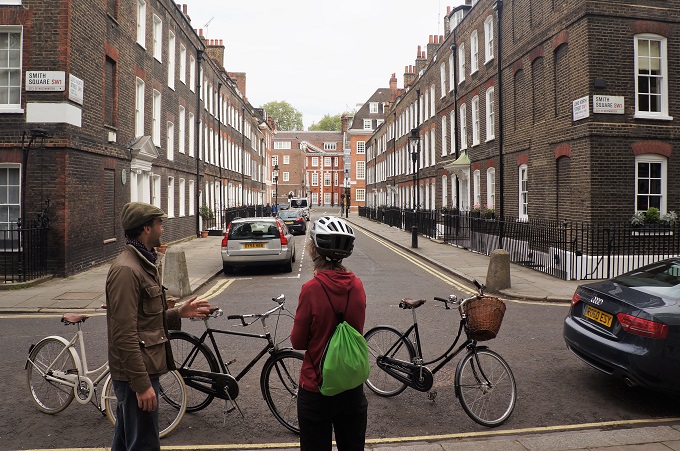
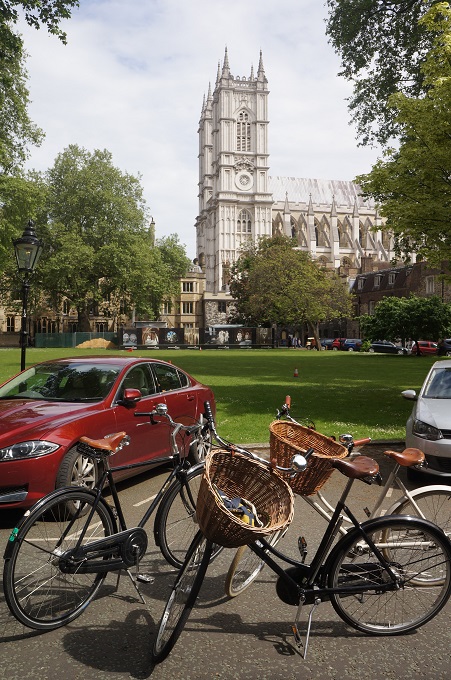
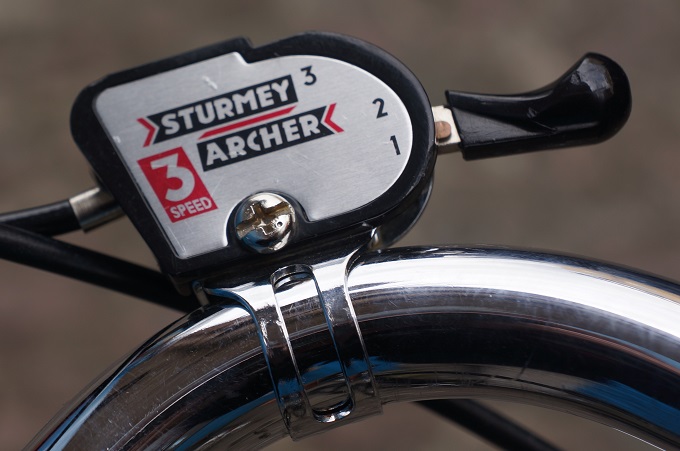
Pashley bikes are made by hand in Stratford-Upon-Avon and the designs haven’t changed much since the company was founded in 1926. They are very sturdy, quite heavy steel frame bikes and have only 3 or 5 gears. They have a very upright riding position and you should really be wearing tweed to look the part.
Our guide was a lovely man called Tristan who is a musician and actor when not being a bicycle guide. We were his only customers today so we had our own personal tour. We had chosen to cycle on a Sunday morning figuring that would be the time with the least traffic on the roads.

Thanks to Boris Johnson, former Mayor of London and now Secretary of State for Foreign Affairs in the UK Government, London has an extensive network of cycle paths through the parks, and cycle lanes in the streets.

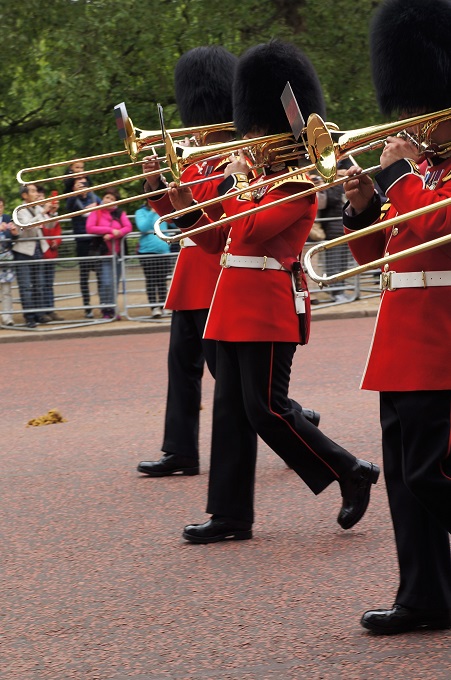
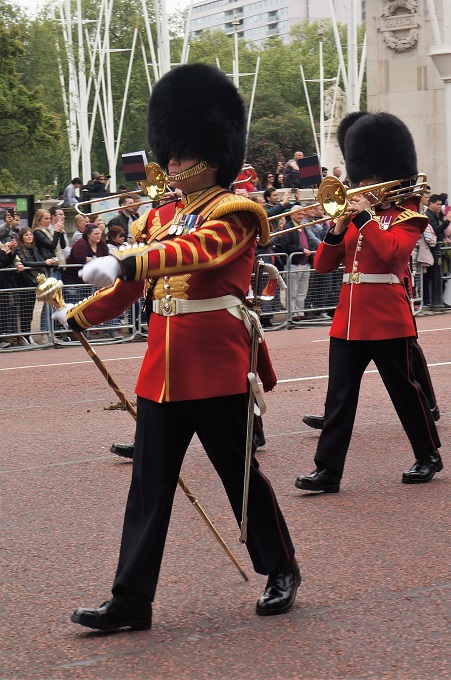
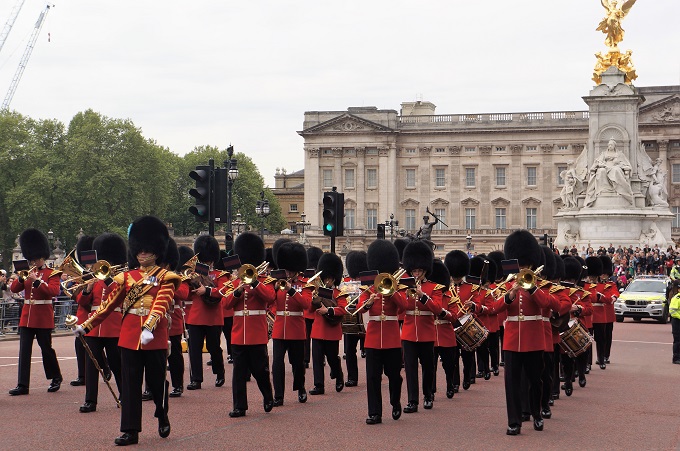
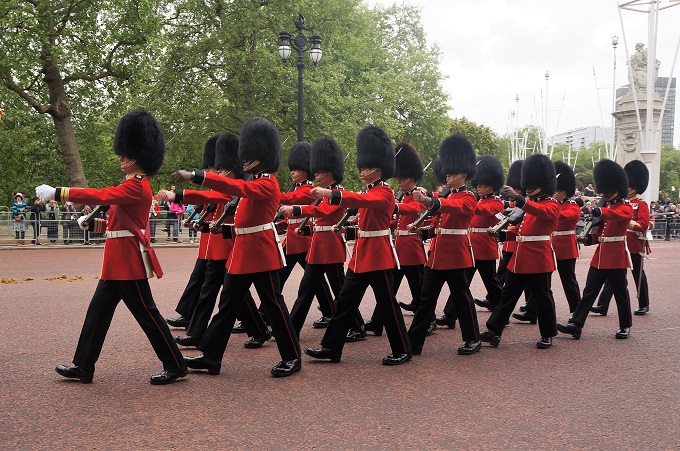
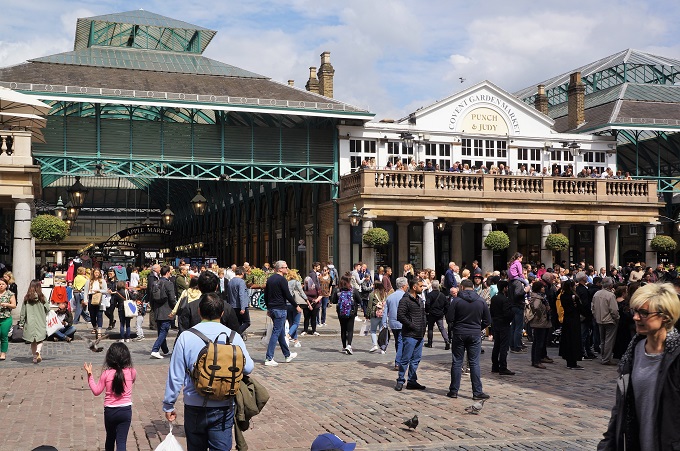
It was great to be going more than 3 miles per hour, scaring pedestrians with our Pashley musical bells, bouncing over the cobble stones and running red lights like cyclists everywhere. You can see an awful lot in 3 hours cruising around on a bicycle. They have several themed tours, this one covered some of the London classics: Westminster Abbey, Parliament Square, Buckingham Palace (for the changing of the guard), Covent Garden, the theatre district, Archbishop of Canterbury’s Palace, Leake Street, lots of quiet little streets and squares etc.

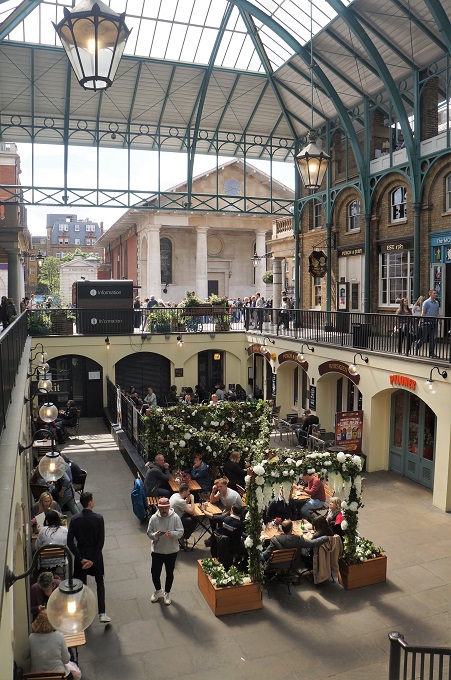
After a couple of hours we had a coffee stop at an upmarket coffee shop called Notes in Covent Garden. £11.50 ($23) for two rather weak long blacks and sumptuous chocolate brownies.

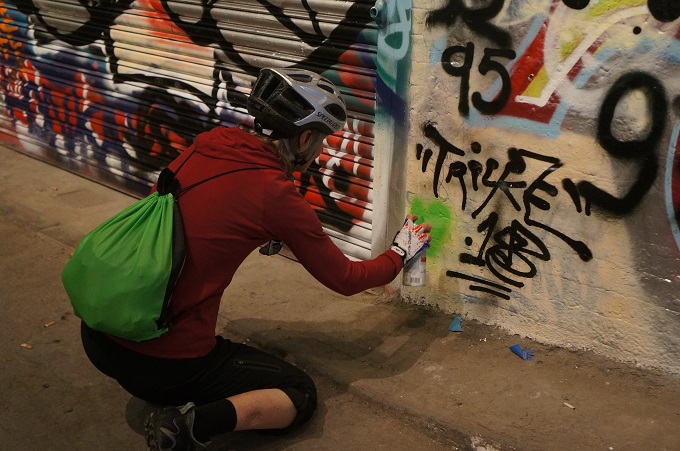
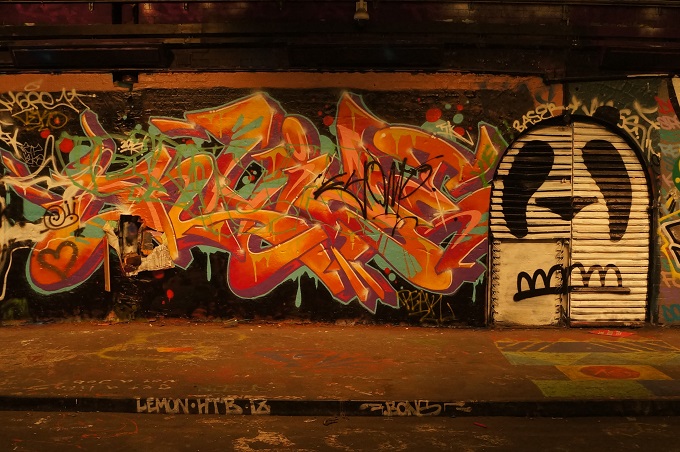
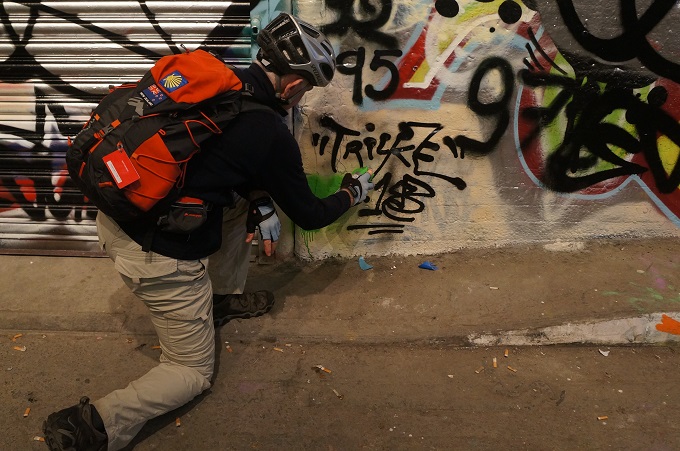
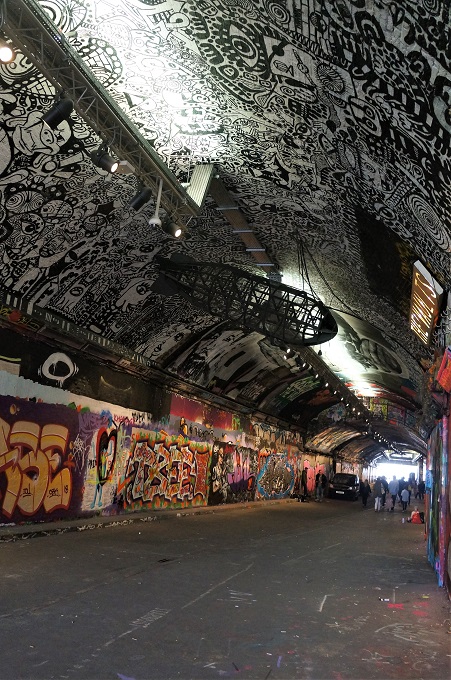
Last stop on the tour was the Leake Street Tunnel. A very unsavoury looking place under a railway viaduct. It is alleged Banksy, the anonymous graffiti artist and political activist, did some of his work in the tunnel. Now anyone is allowed to do any spray can work they like on the walls and ceiling. Tristram produced a spray can and we both added to the graffiti art. Or perhaps we just defaced it.

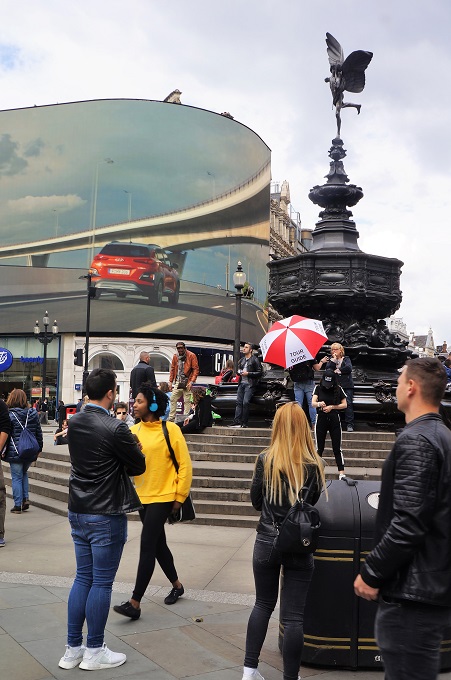
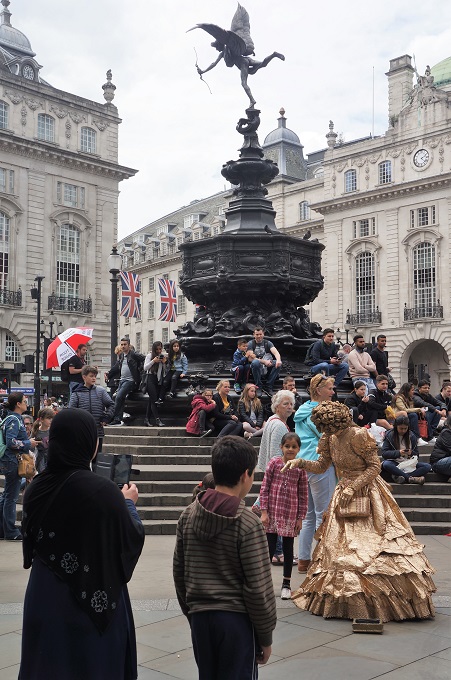
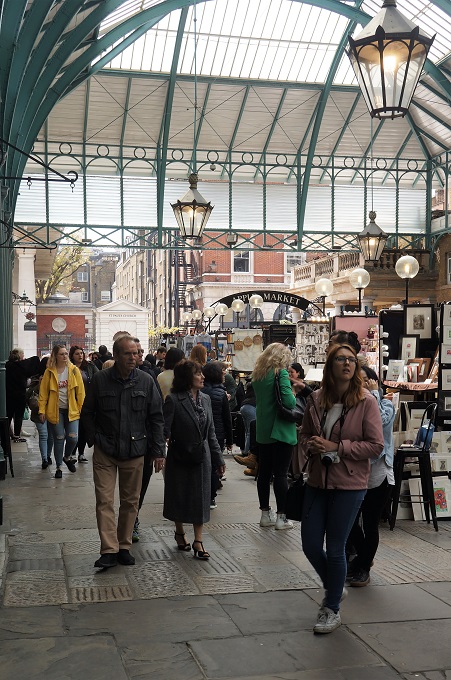
Walked back via Piccadilly Circus and Covent Garden both with so, so many people everywhere.


We will never surrender

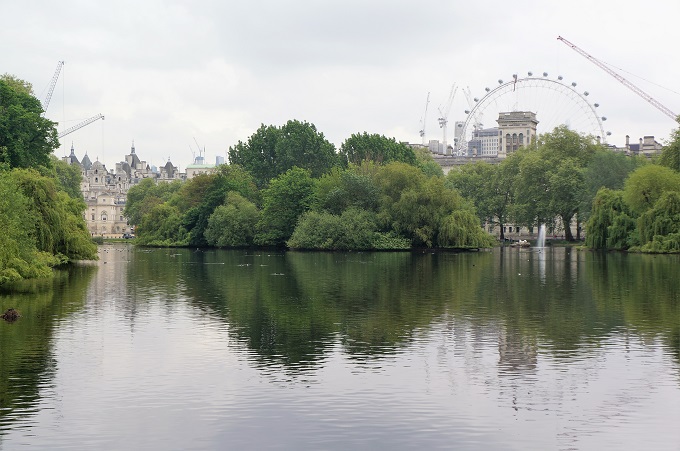
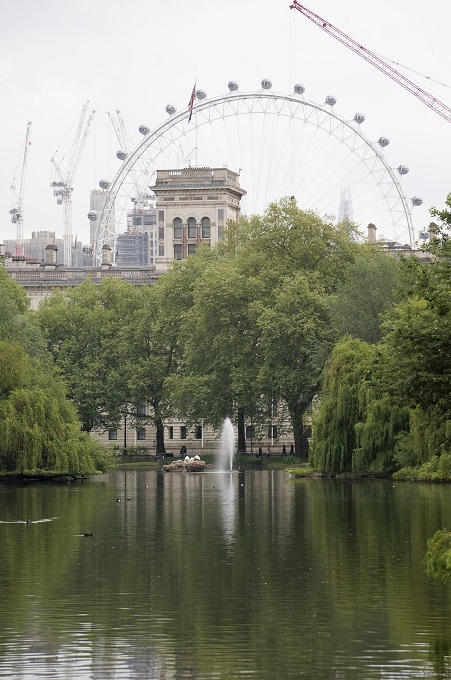
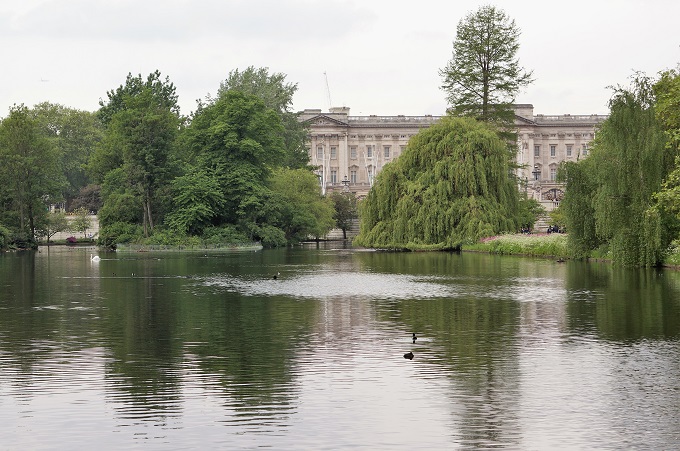
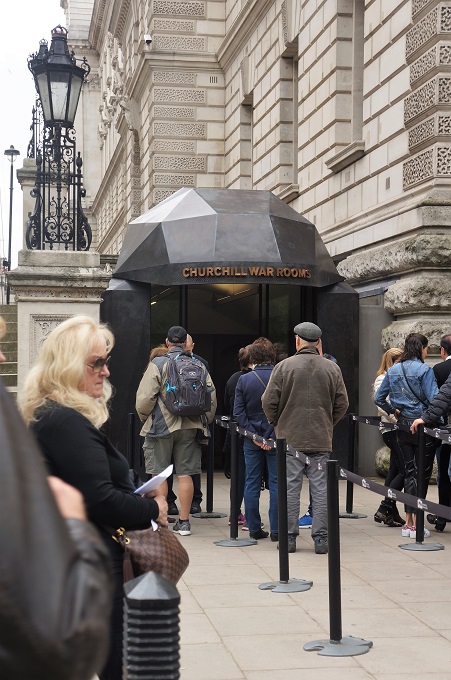
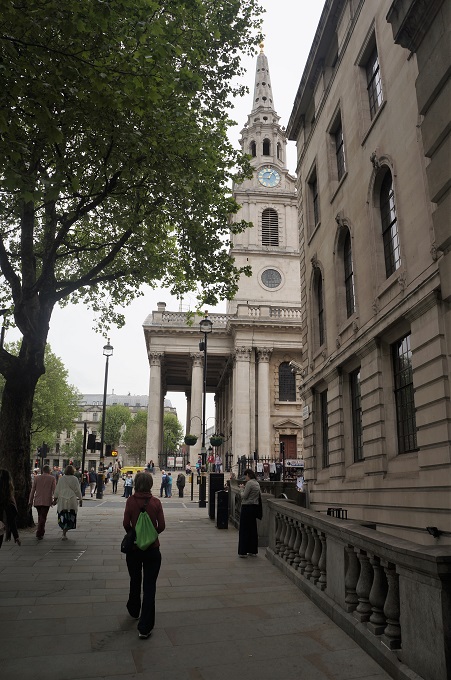
We have decided not to use the Underground or the buses and have not purchased an Oyster Card. This is a deliberate decision to get us walking and keep our fitness level up for the South West Coast Path. Today started with another walk across Hyde Park, then across Green Park, then across St James Park to Westminster and the Churchill War Rooms.

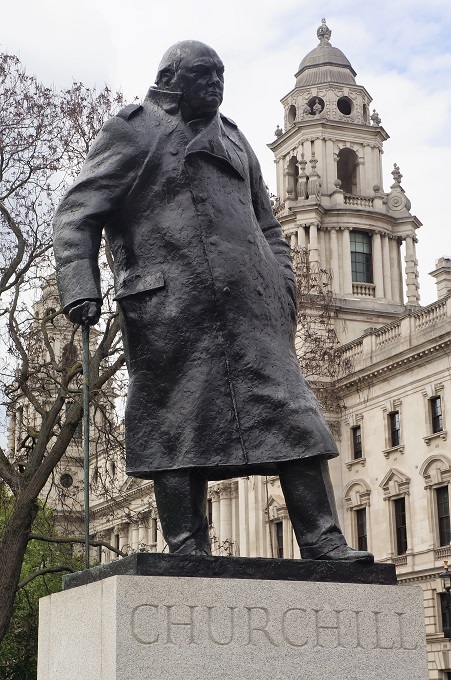
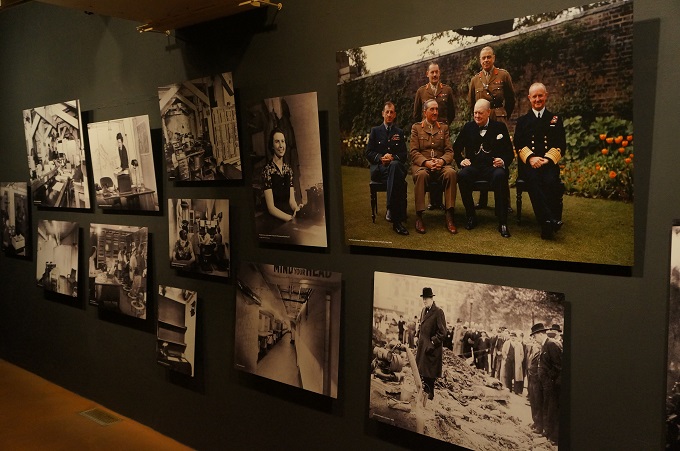
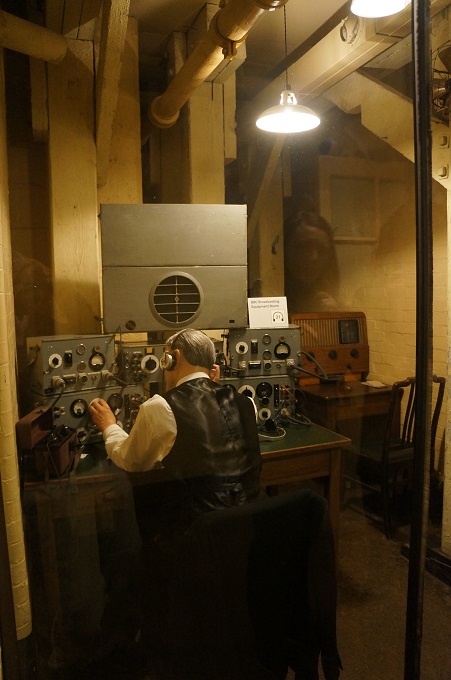
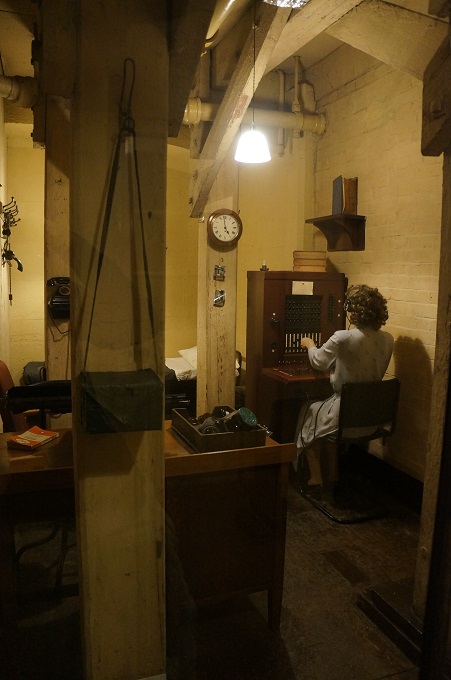
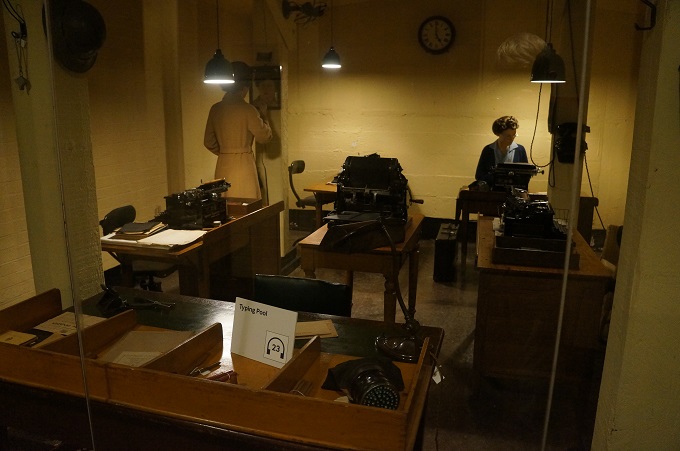
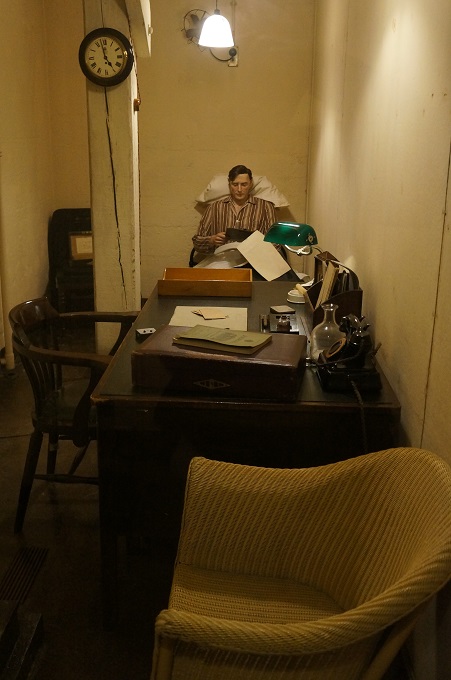
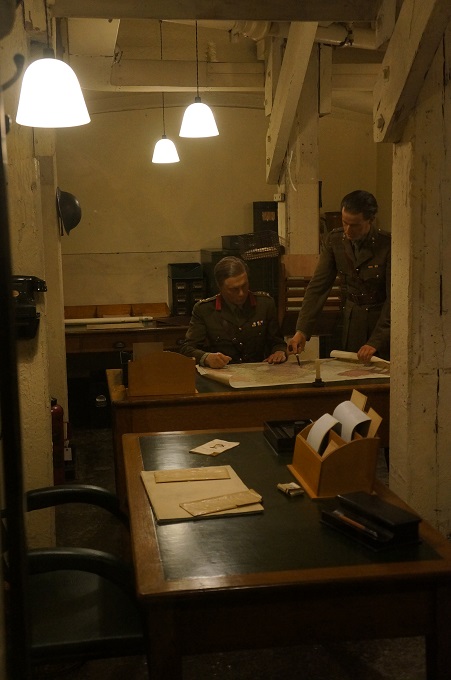
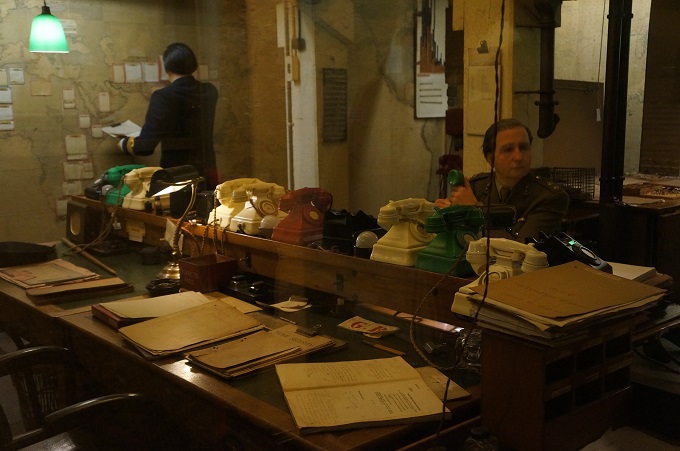
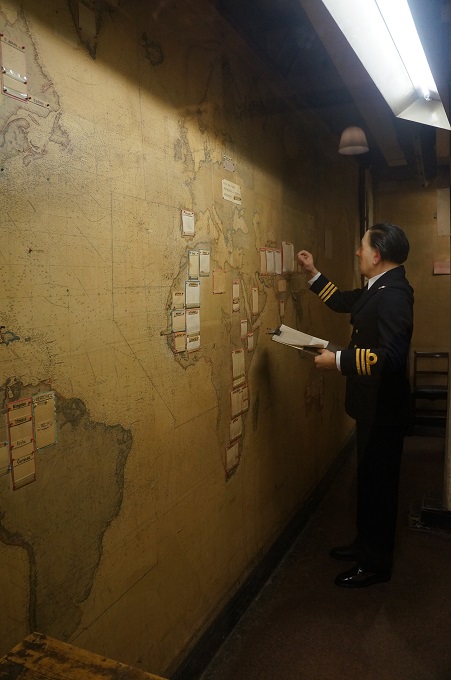
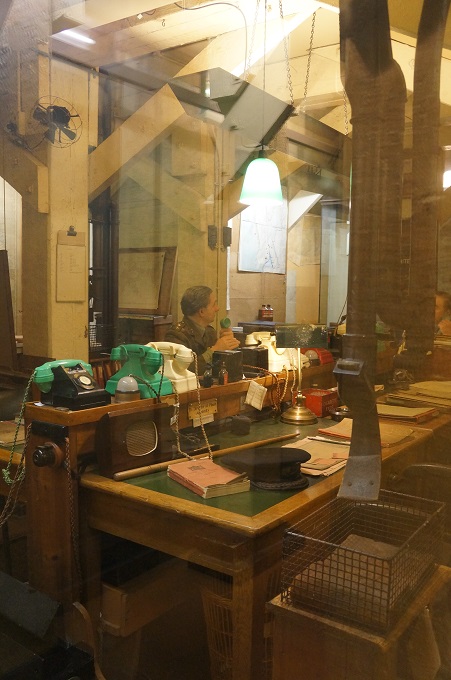
A couple of months ago we went to see the movie Darkest Hour which covers about a week of Winston Churchill’s life in 1940 when he became Prime Minister and WWII was going very badly for The United Kingdom and its allies. Many scenes in the film are set in the War Rooms. Barbara had visited the War Rooms four years ago and thought I would be interested and enjoy it. Which I did. So spent a couple of hours back in the 1940s and Barbara sat on a bench reading her book and watching the present world go by.

We were there for opening at 10.00 am and fortunately the queue was very small. Inside the space is very tight with narrow winding corridors and small rooms. For this reason they restrict access to waves of 15 at a time about every 10 minutes. Later in the day the queues get very long with waits of up to 2 hours. I was inside in just a few minutes.

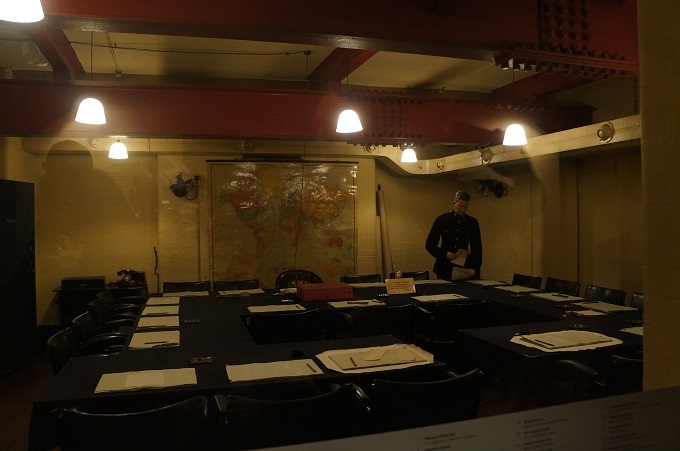
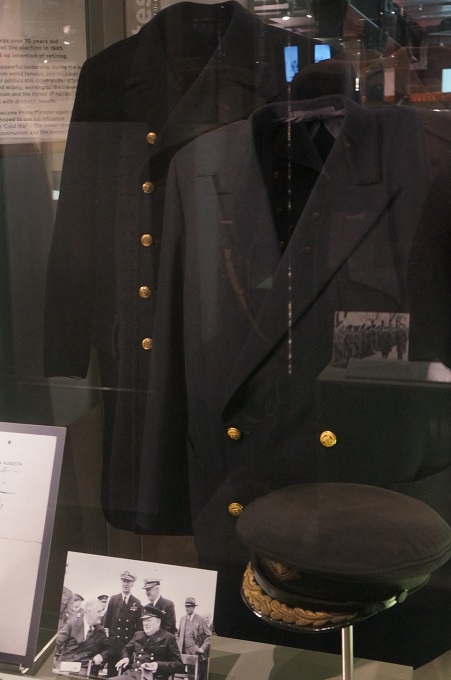
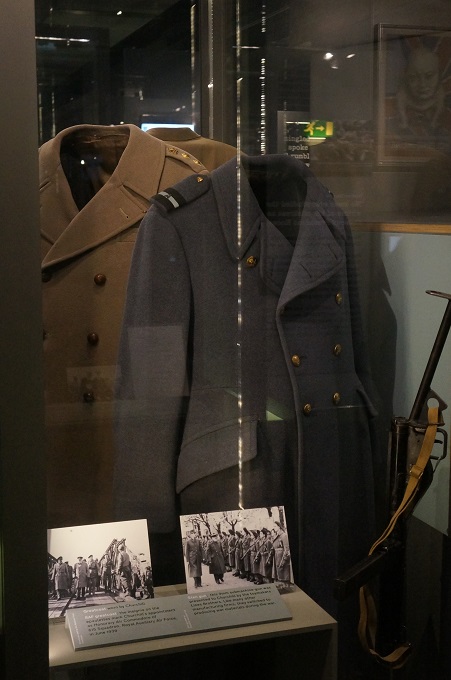
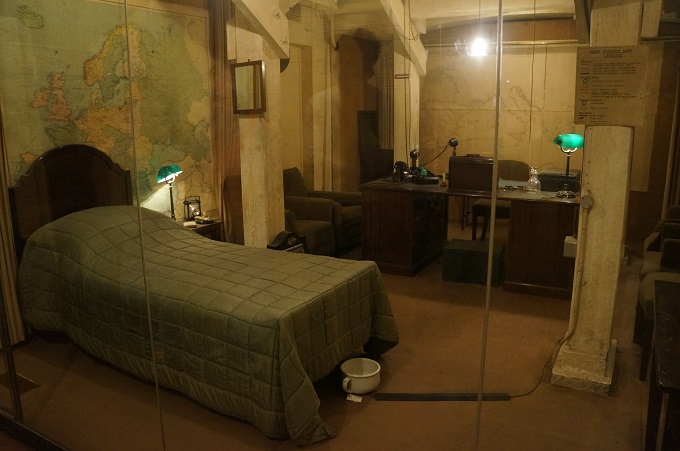
The Churchill War Rooms is a museum run by The Imperial War Museum. It is an underground complex that housed a British Government command centre throughout the Second World War. In 1938, with war looming the government decided to build a temporary command centre in the basement of the then new building the New Public Offices (now HM Treasury). The basement was strengthened and communication, sound proofing, ventilation and broadcasting equipment was installed. The War Rooms were completed one week before the declaration of war in Sept. 1939. At the height of the Blitz bombing an additional 5 feet slab of concrete was added to the roof of the basement.

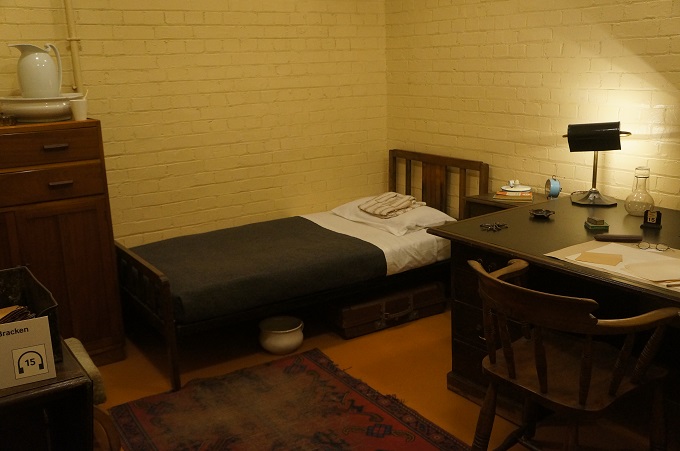
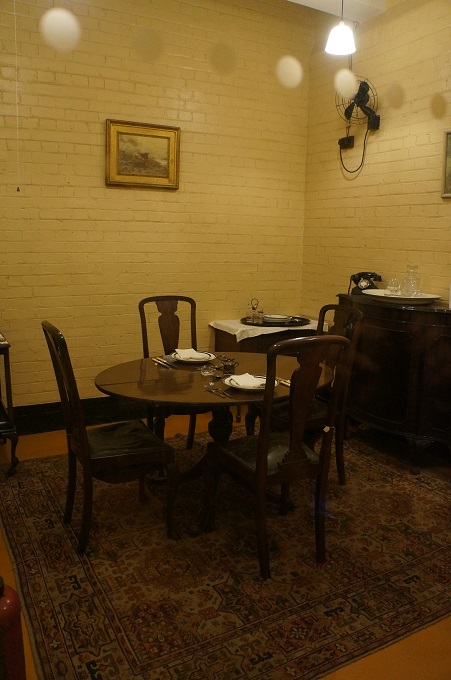
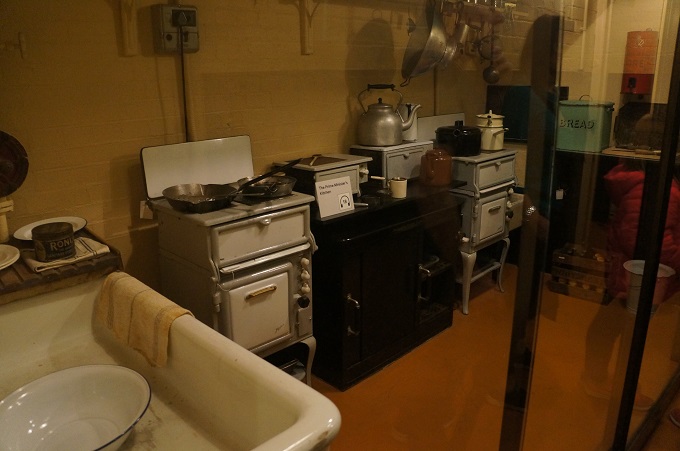
The Rooms include the Map Room, the Cabinet Room, the Transatlantic Telephone Room, Churchill’s office-bedroom, accommodation and facilities for military staff, telephone switchboard rooms, etc. As you can imagine it is a rabbit warren of tight corridors and small rooms squeezed into the basement of an existing building. It was used continuously until the end of WWII on VJ Day, and then abandoned.

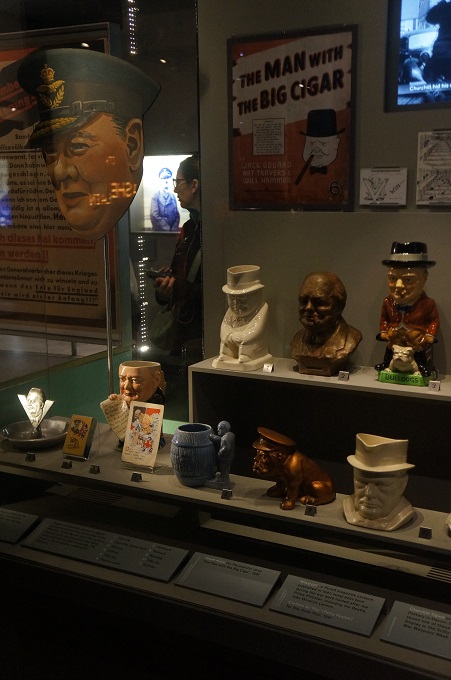
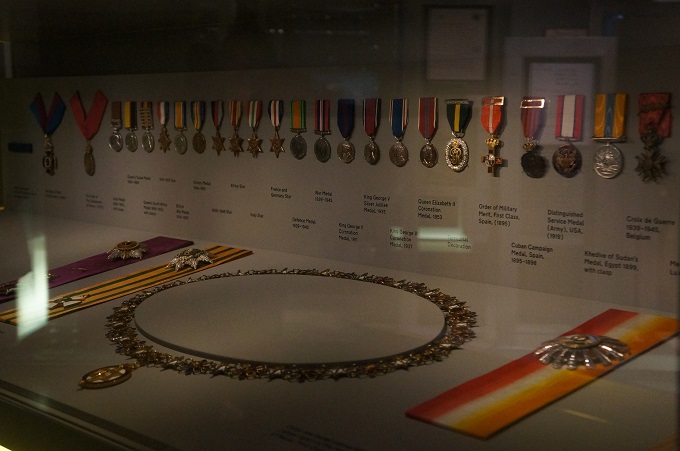
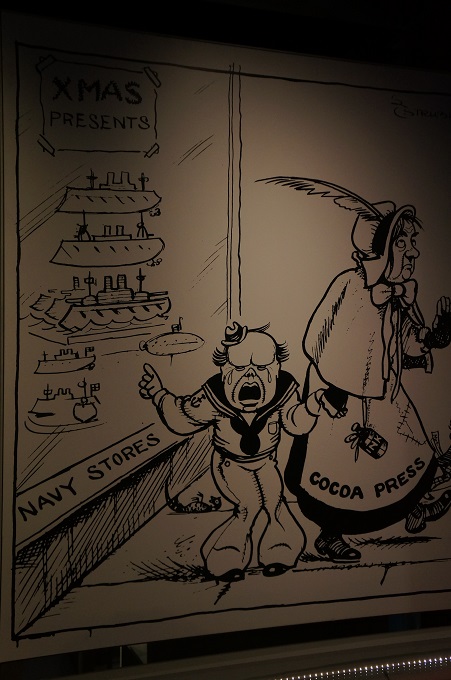
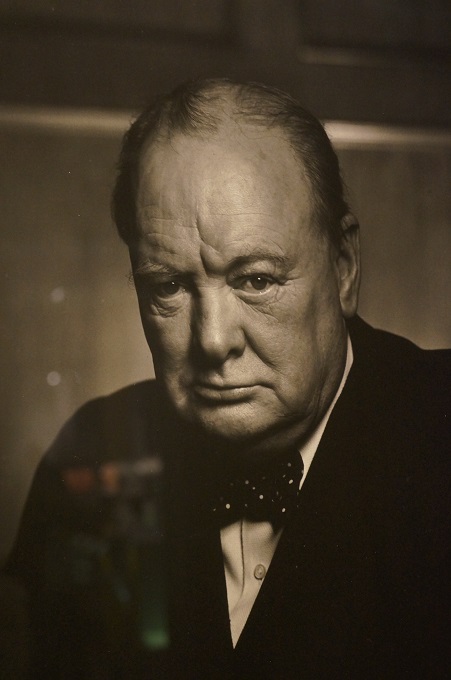
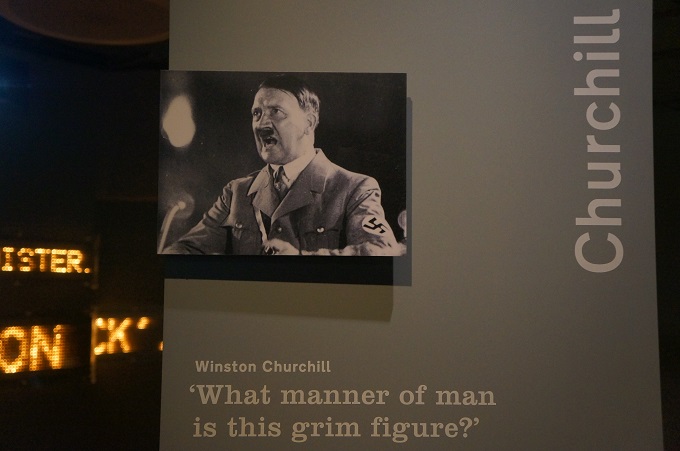
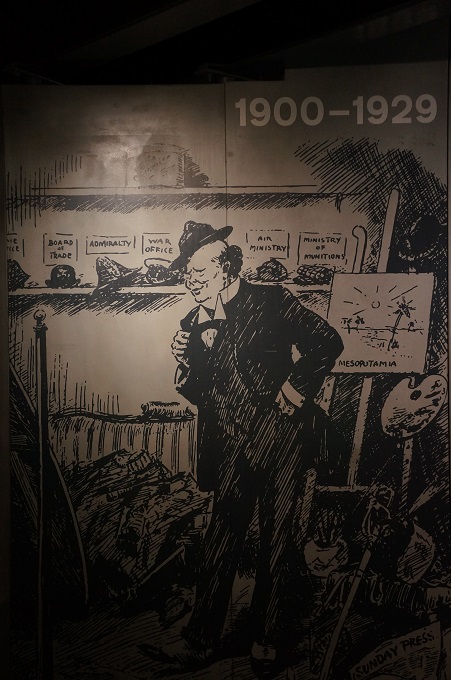
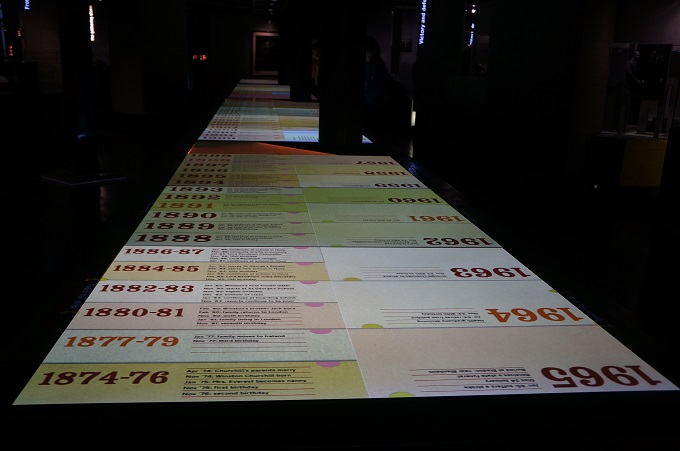
The Rooms were opened to the public as a museum in 1984 and expanded in the 2000s to include an area which had been Churchill and his wife and close associates accommodation. This became a museum dedicated to the life of Sir Winston Churchill. This is a fascinating step back in time which I thoroughly enjoyed. You each get a hand held listening device and press a button for each room to get an excellent commentary.

The Churchill Museum has all the latest whizz bang technology to skilfully present the 90 year, distinguished life of a complex and complicated man. It has deservedly won many awards. Of course there is a lovely tea shop and a huge gift shop, the biggest space in the complex.

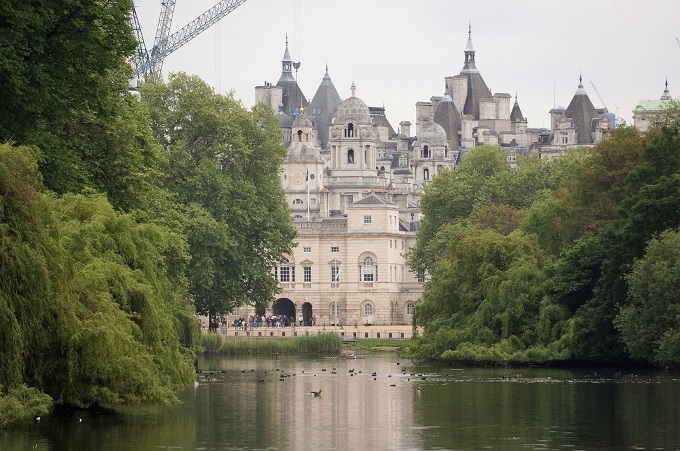
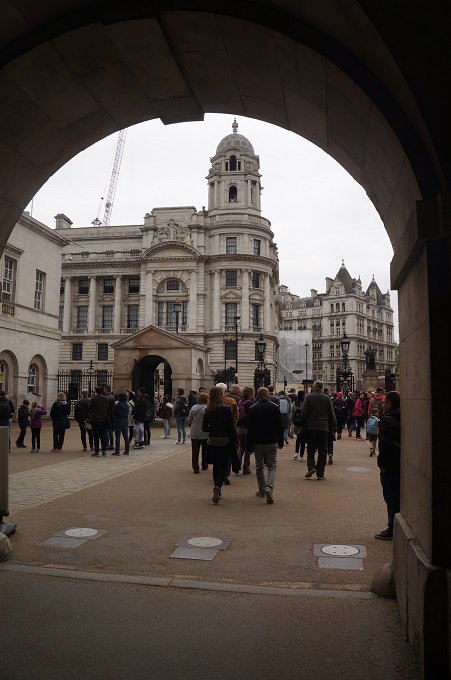
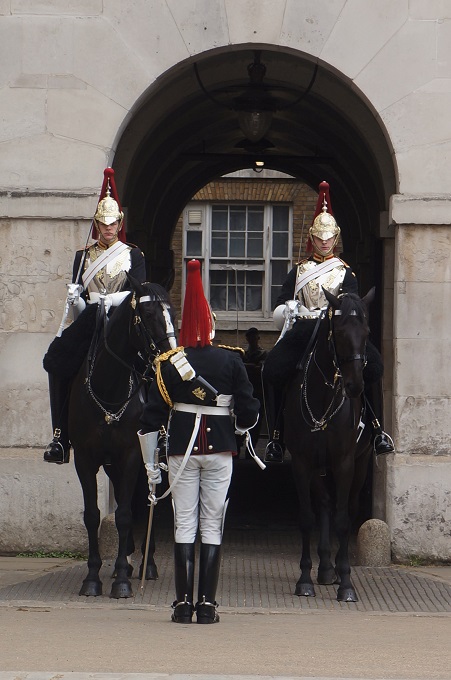
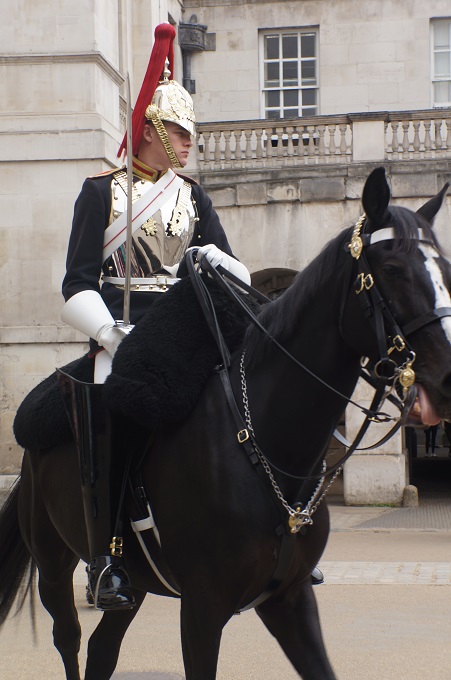
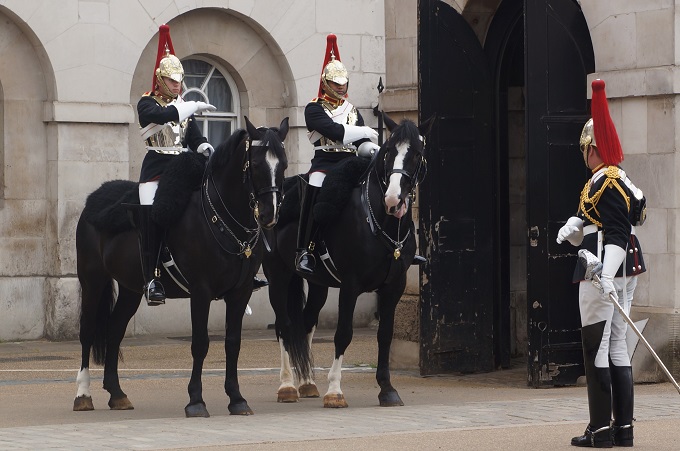
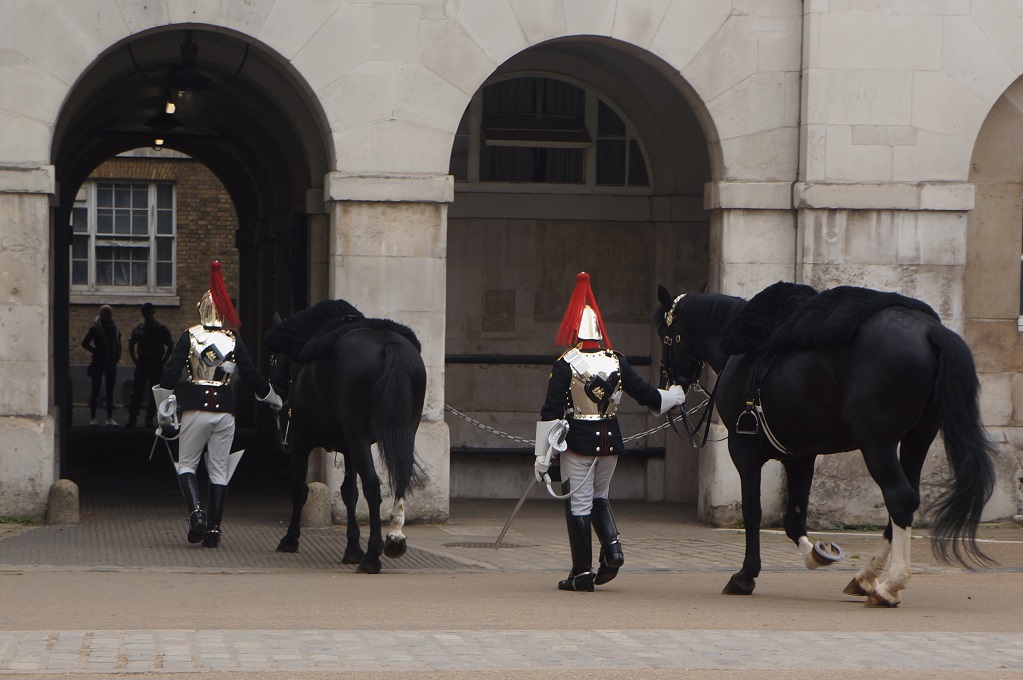
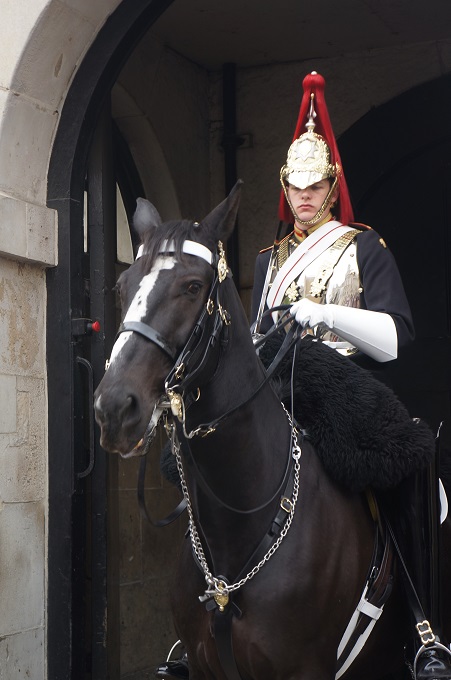
From the War Rooms we went around the corner to Horse Guards Parade where they were just about to change the guard. This involved lots of screeched orders and slapping of horses if they moved a muscle. It is amazing how many people think they can go up to a horse on guard duty and have a selfie patting the horses nose or hugging it around the neck.

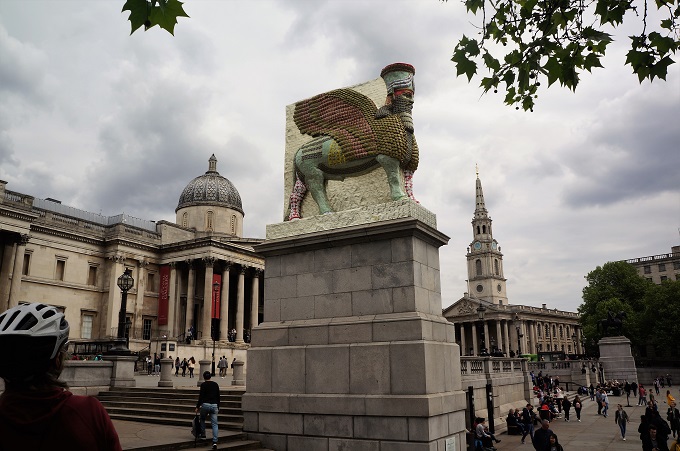
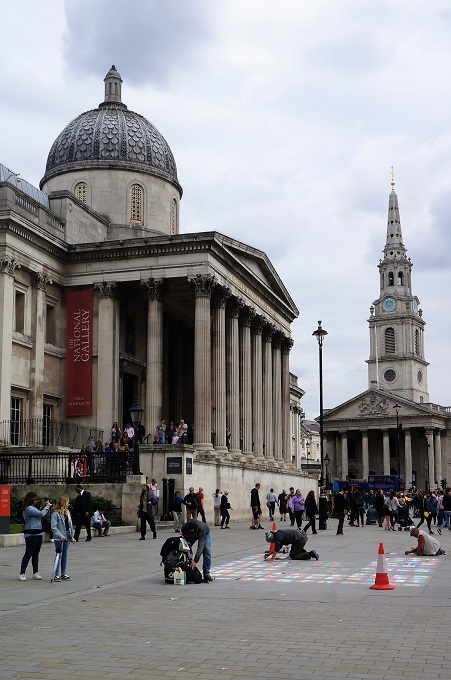
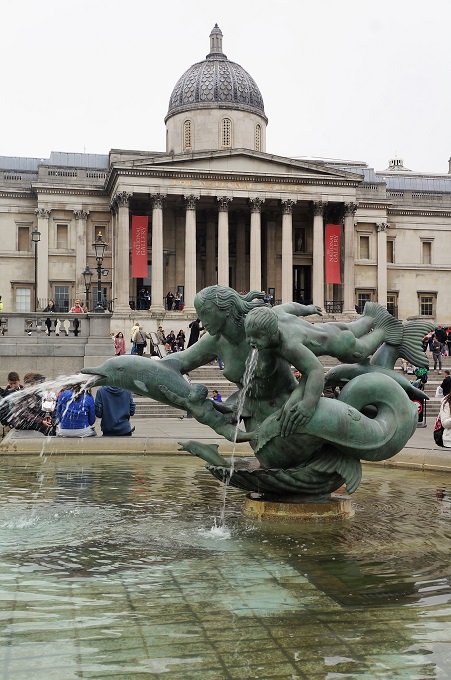
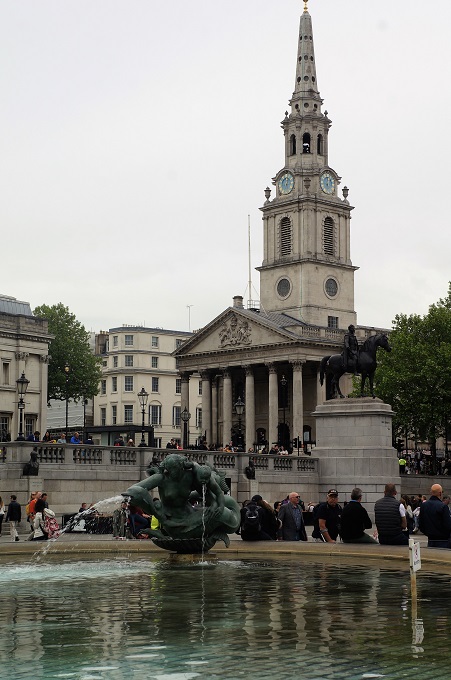
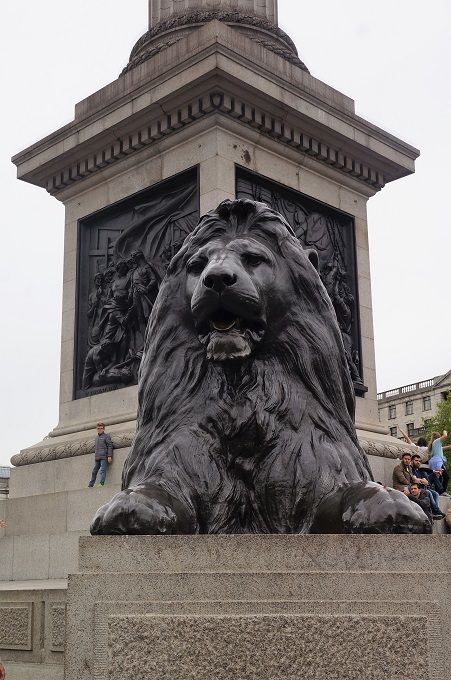
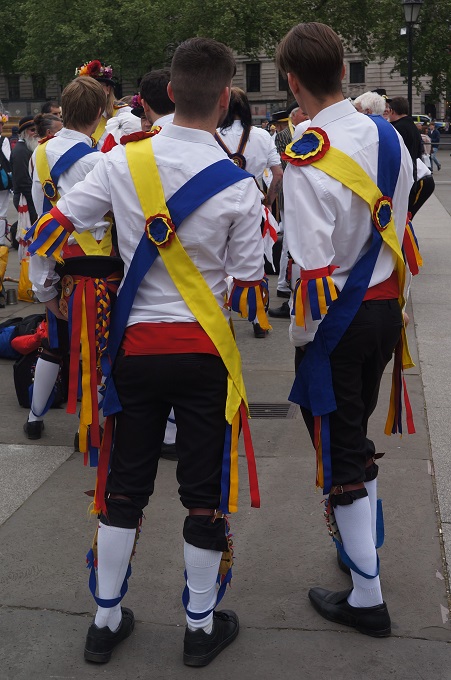
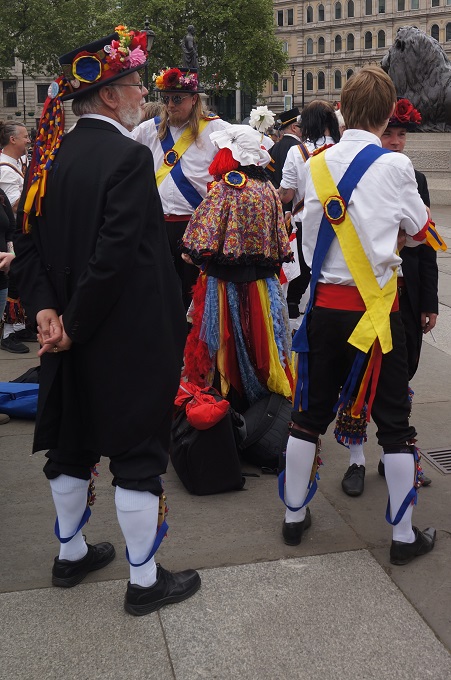
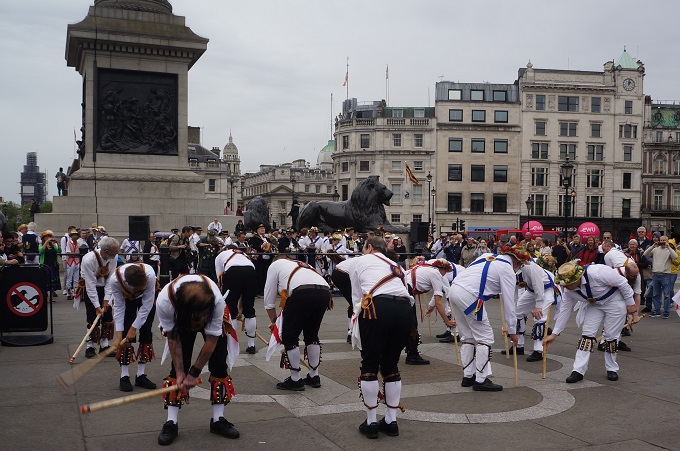
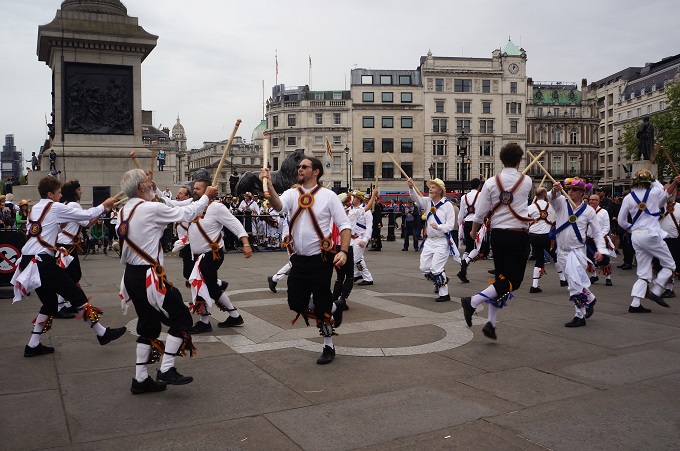
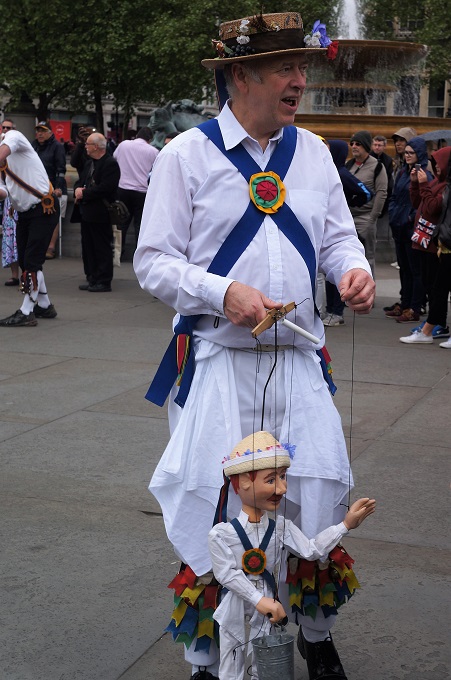
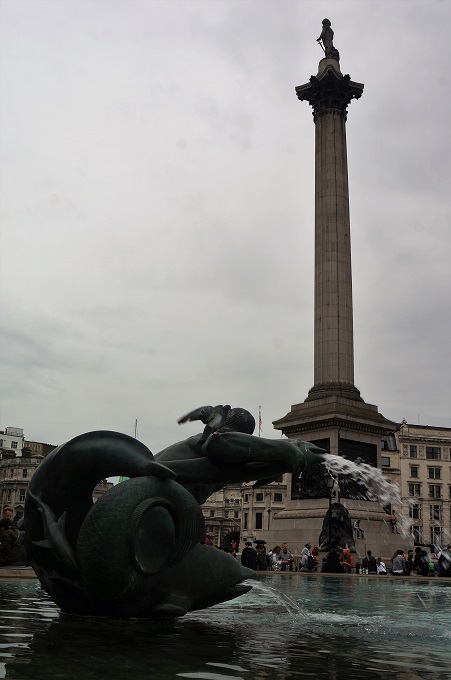
Then to Trafalgar Square where there was a huge crowd of people. All the Morris Dancing groups in the City of Westminster had gathered to put on a show. This was great. Lots of jangling bells, crashing of sticks and hopping around on one foot. The dancers were having a wonderful time and the crowd absolutely loved it.

For the second holiday in a row I have forgotten to bring the battery charger for my camera so we made our way to the chaos and crowds of Oxford Street to find Jessops Camera Shop were I duly bought yet another (rather expensive!) charger. I now have three so if anyone wants a universal battery charger just let me know.

Unfortunately it was now raining, we didn’t have all our rain gear and were getting quite wet. We picked up a Boots Pharmacy Meal Deal (drink + sandwich/pasta + fruit/chips/bar) £3.99 and retreated to our hotel to dry out.

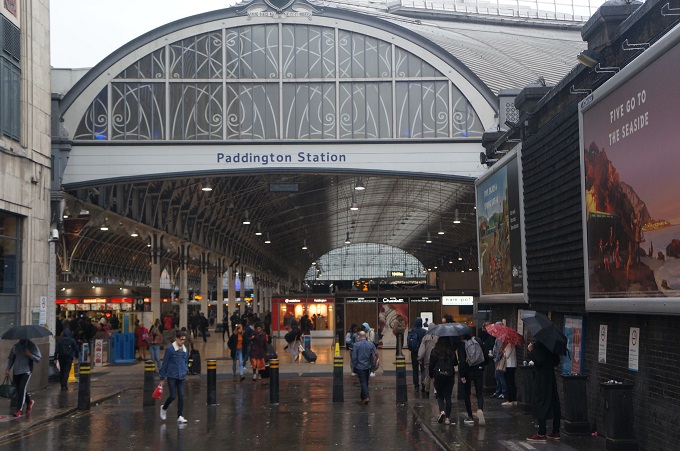
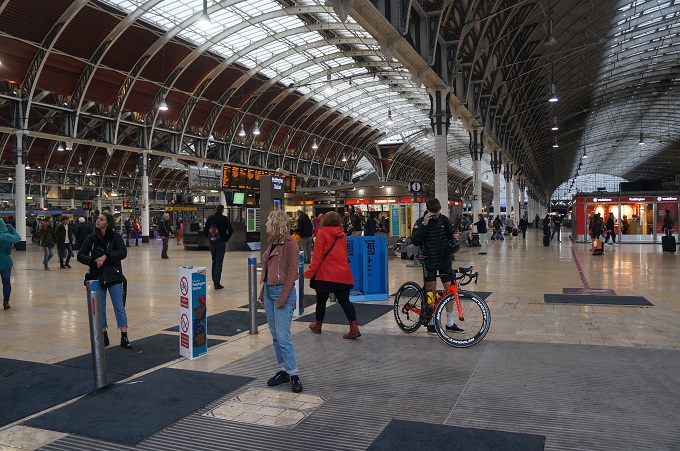
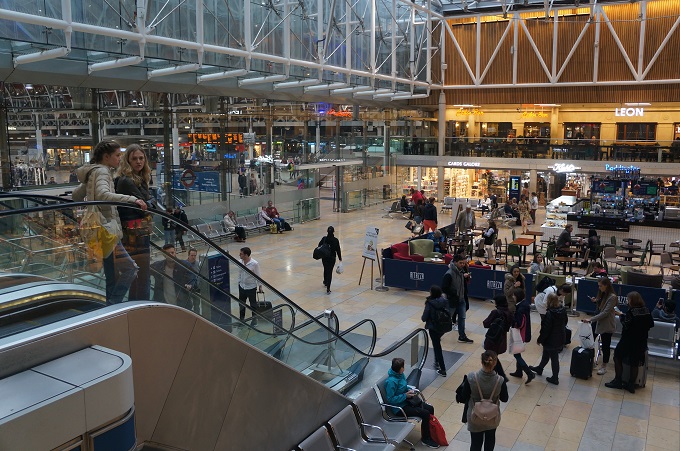
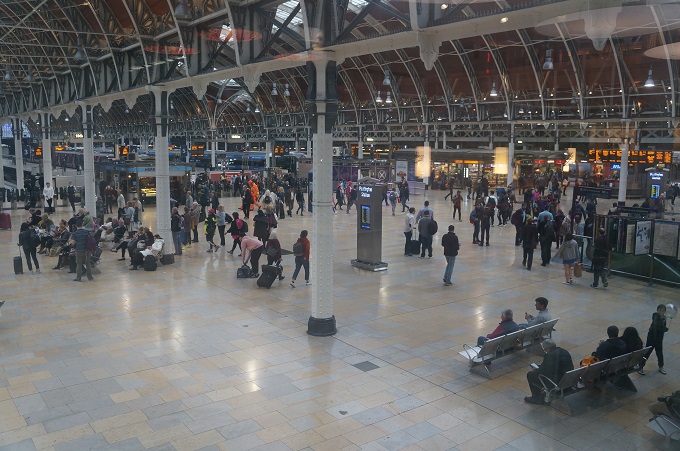
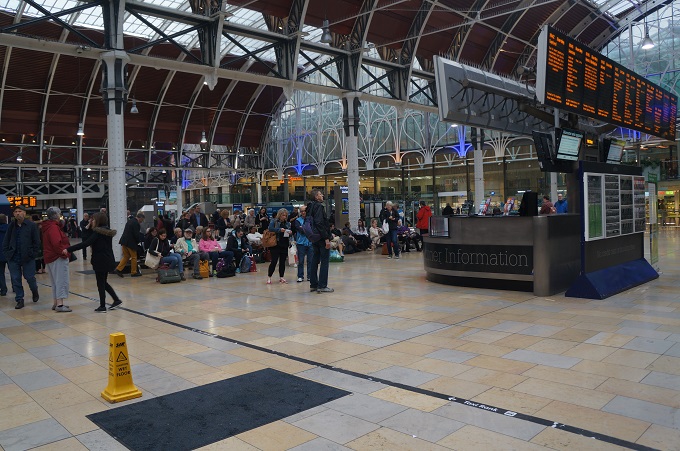
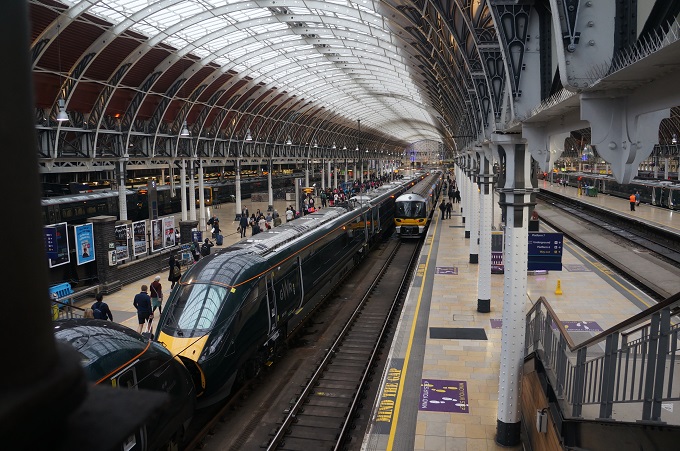
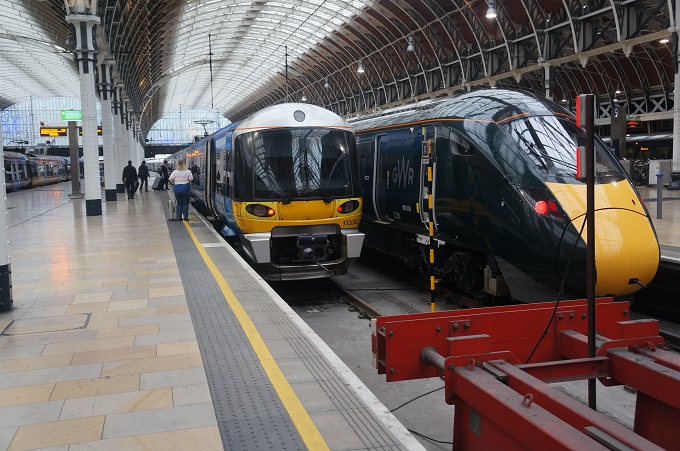
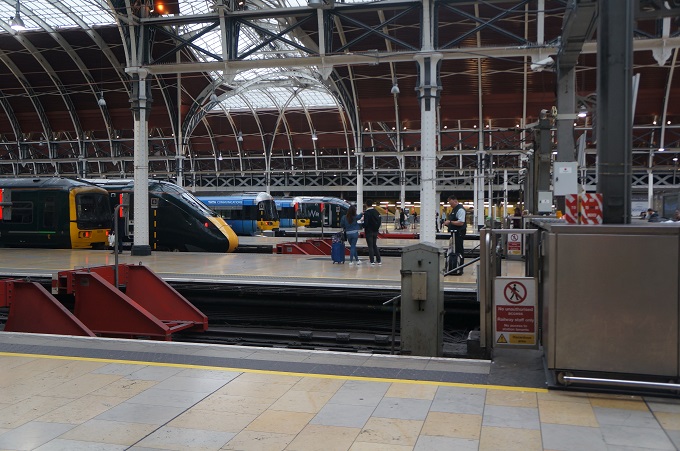
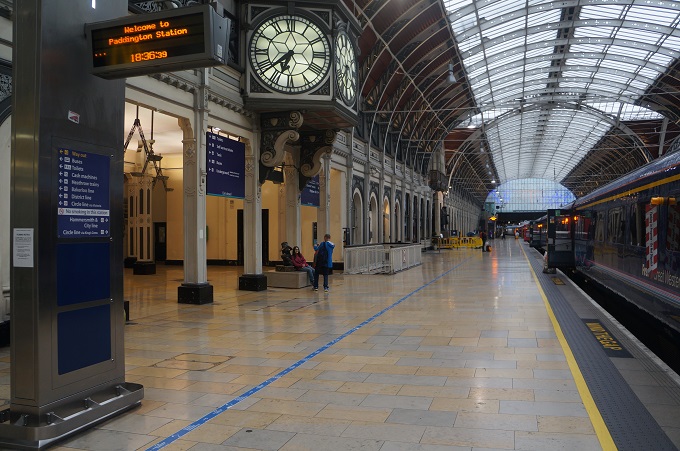
What do you do on a rainy Saturday afternoon? Why of course you go to the mall. Not ‘The Mall’ which goes from Buckingham Palace to Trafalgar Square, but the shopping mall. The nearest one to us was actually at Paddington Station. This is one of seven railway stations in London and is large but by no means the largest. From here trains go to the suburbs and further afield out to the west. Somewhere down below are two underground tube stations. It has all the shops of a regular shopping mall and an extensive food hall. This station is where we arrived at midnight the other day and where we return from Plymouth in about 6 weeks.

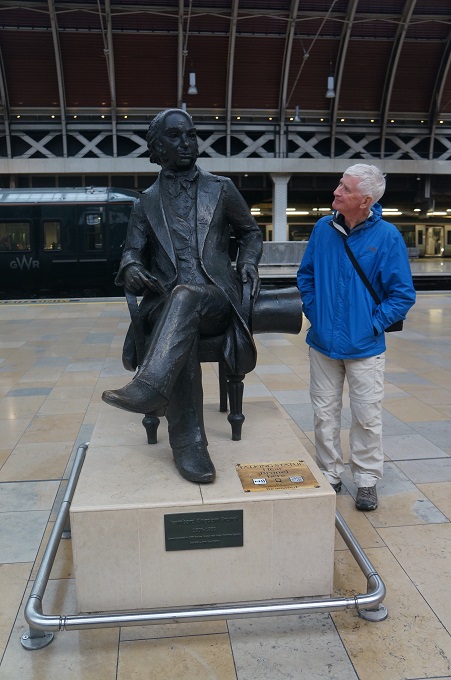
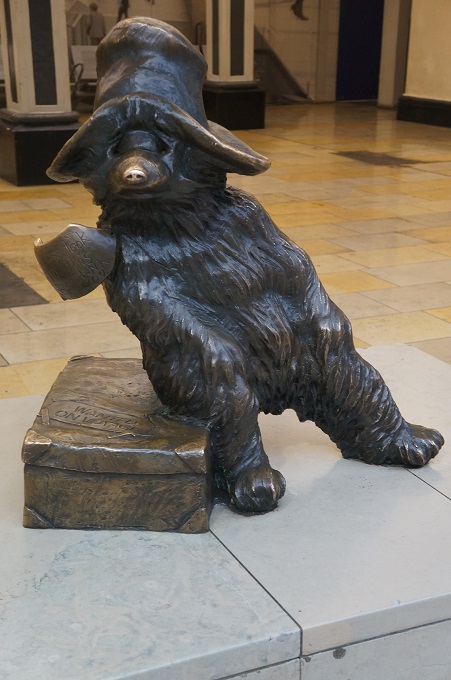
We met two new friends, Paddington Bear and Isambard Kingdom Brunel one of the great engineering geniuses of the 19th century, who among a vast catalogue of other achievements (designing tunnels, bridges, railways, ships etc, etc) designed this railway station.

Tomorrow we go cycling, let’s hope for no rain.