Walk on Water

St Michael’s Mount

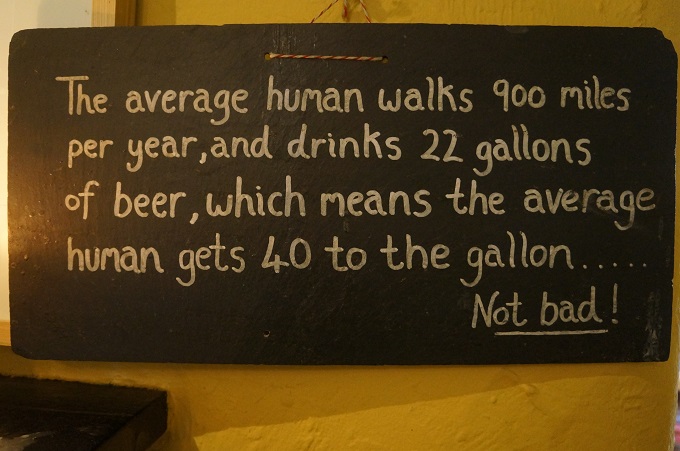
‘Walking is man’s best medicine’. Hippocrates

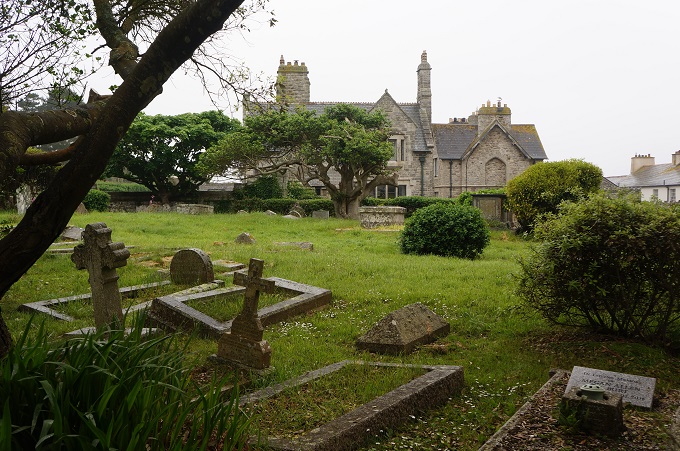
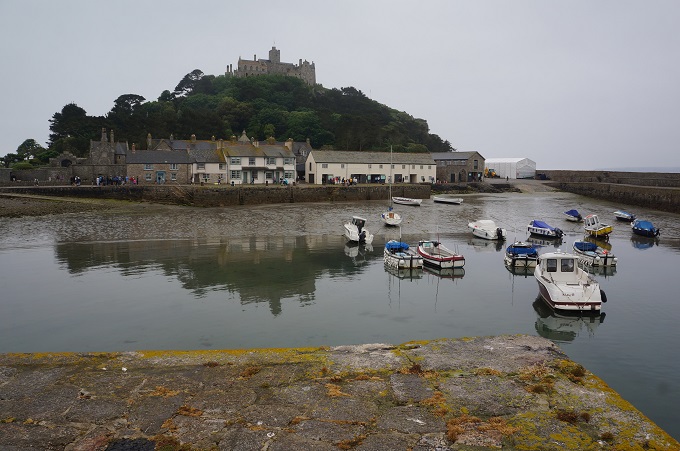
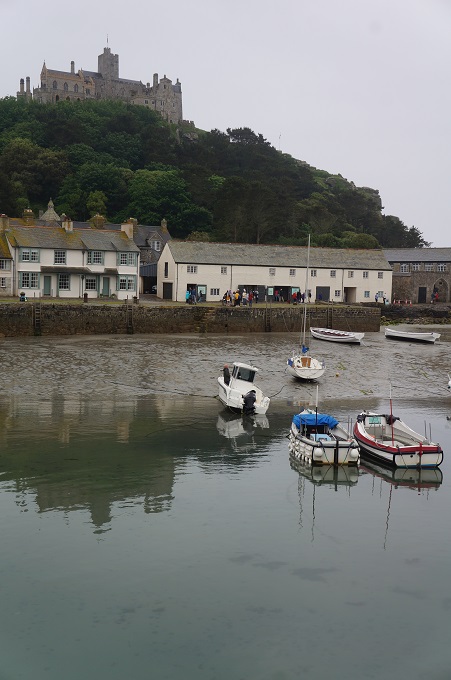
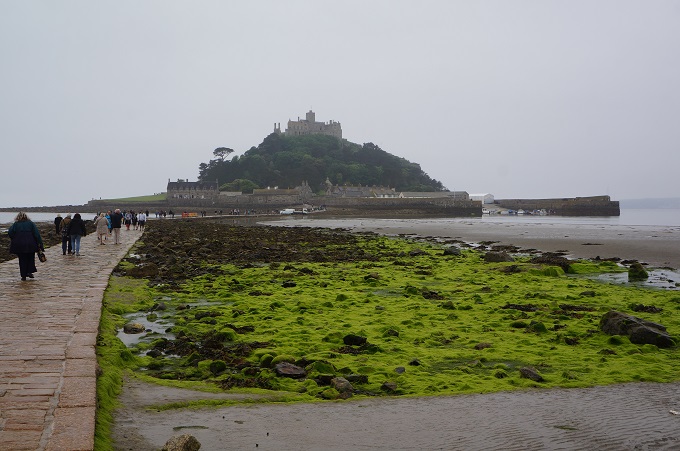
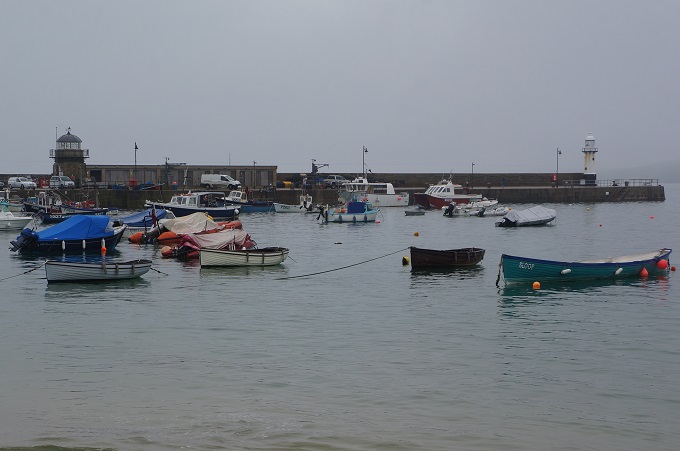
 Today in Penzance today we had the third of our rest days and of course went to St Michael’s Mount.

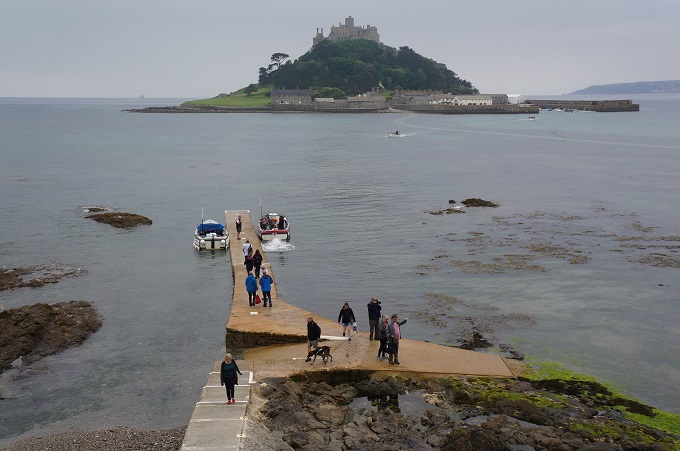
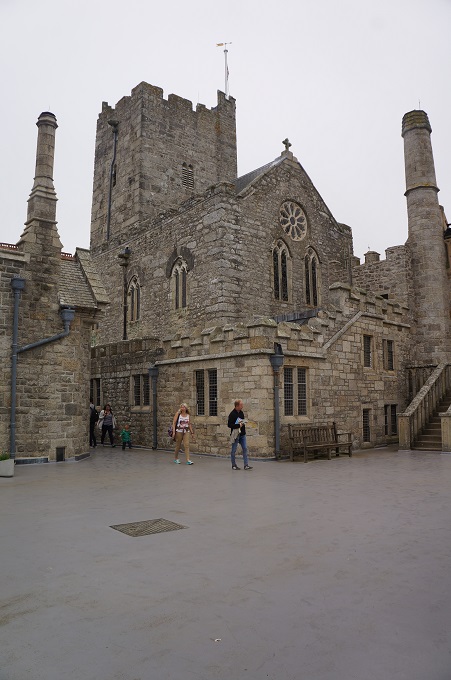
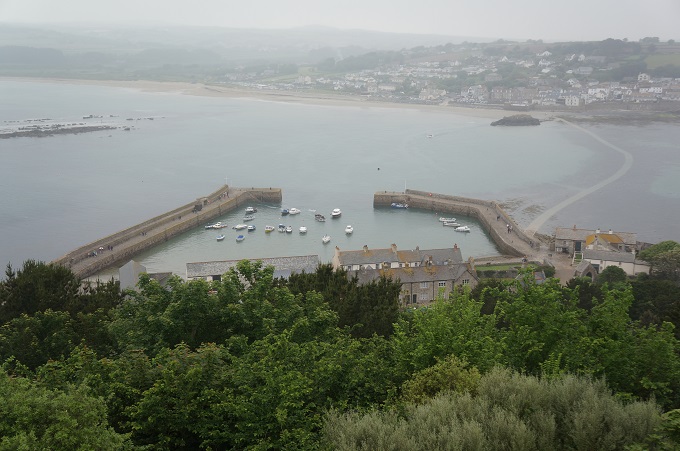
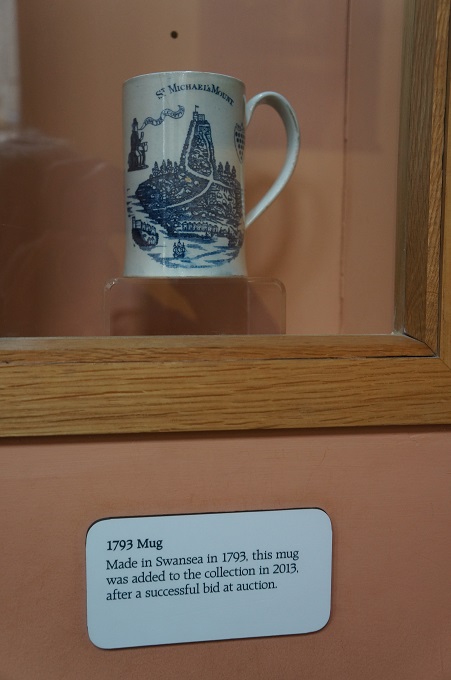
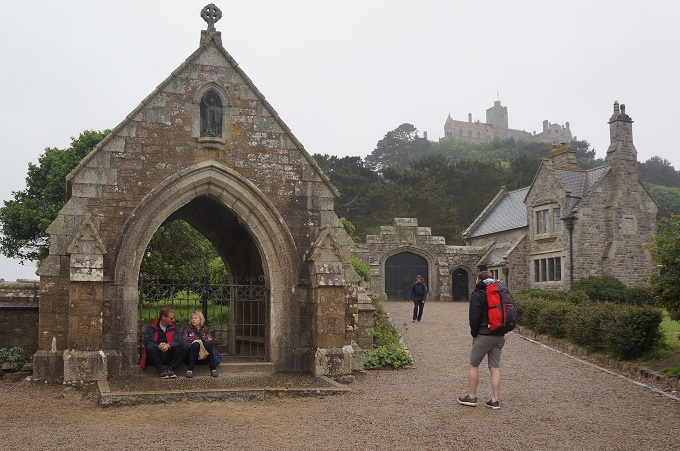
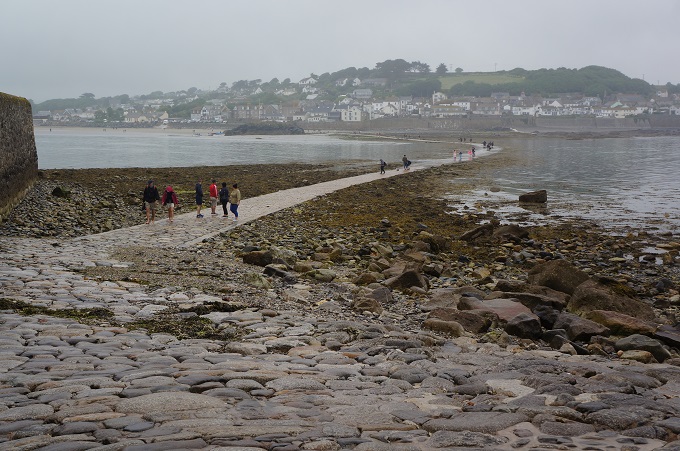
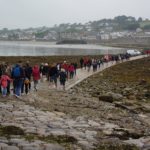
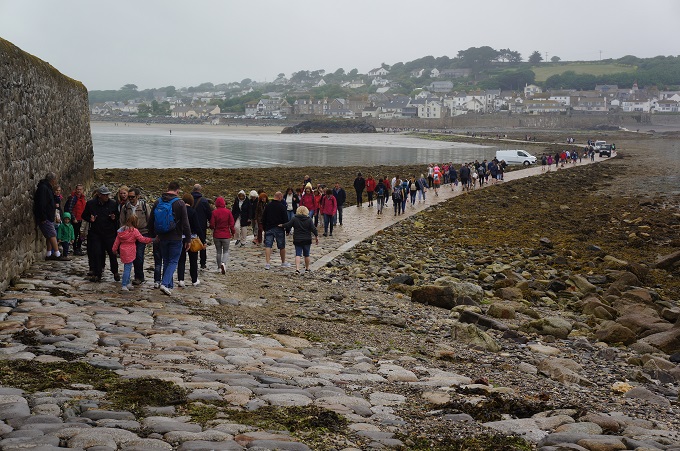
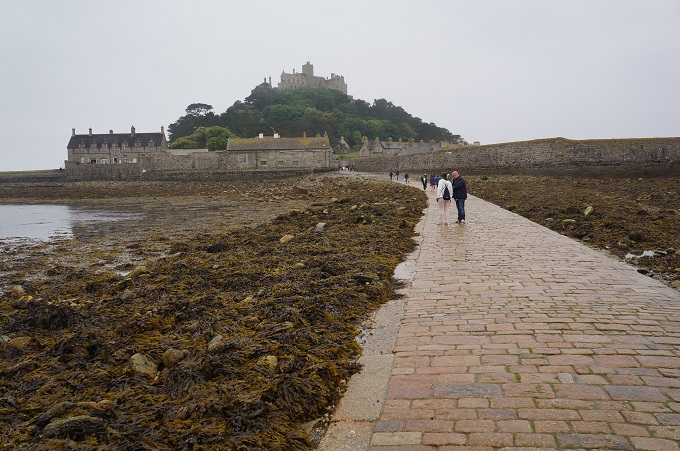
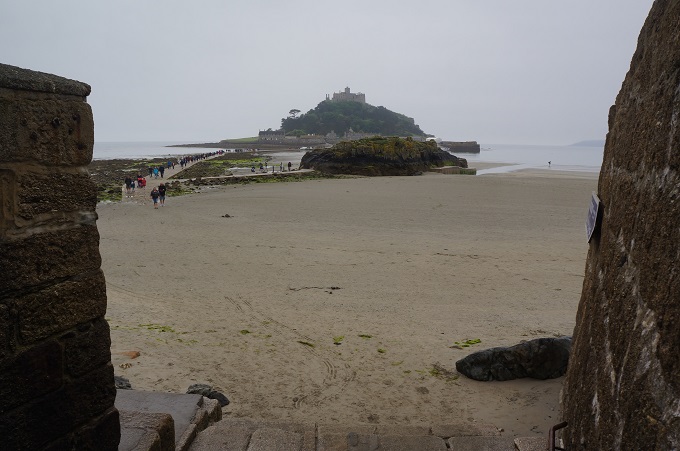
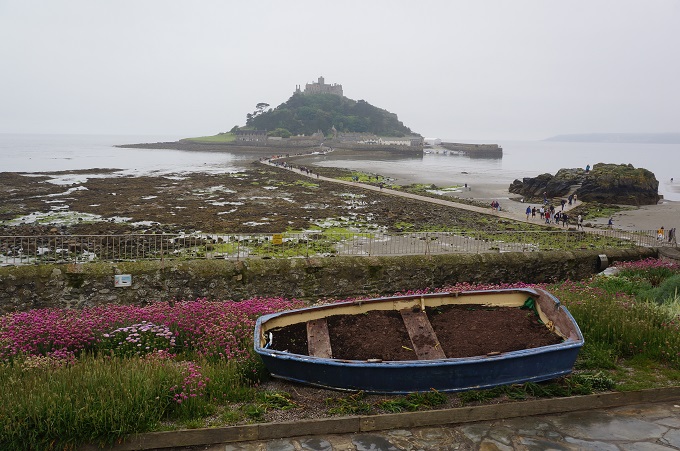
St Michael’s Mount is a small tidal island in Mounts Bay, just off shore from the town of Marazion. It is linked to the mainland with a man-made causeway of granite sets, passable about one and a half hours each side of low tide. At other times a fleet of small ferries take people to and from the island.

It may have been the site of a monastery from the 8th – 11th centuries but the earliest buildings on the summit today date from the 12th century. In the 11th century it was given as a sister island to the Benedictine religious order of Mont Saint Michel in Normandy, with which it shares the same tidal island characteristics. The island was seized and sold many times over the centuries until it was bought by the St Aubyn family in the mid 1600s. St Michael’s Mount is now owned and managed by the National Trust but the St Aubyn family still have a right to occupy and live on the island.

During the 6th century before the castle was built, according to legend, the island was home to an eighteen foot giant named Cormoran, who lived in a cave with his ill-gotten treasures obtained from terrorising local towns and villages. One day a young farmer’s son named Jack took on this gigantic menace, who had an appetite for cattle and children, and killed him by trapping him in a concealed pit, bringing down his axe upon his head. When he returned home, the villagers gave him a hero’s welcome and from then called him ‘Jack the Giant Killer’.

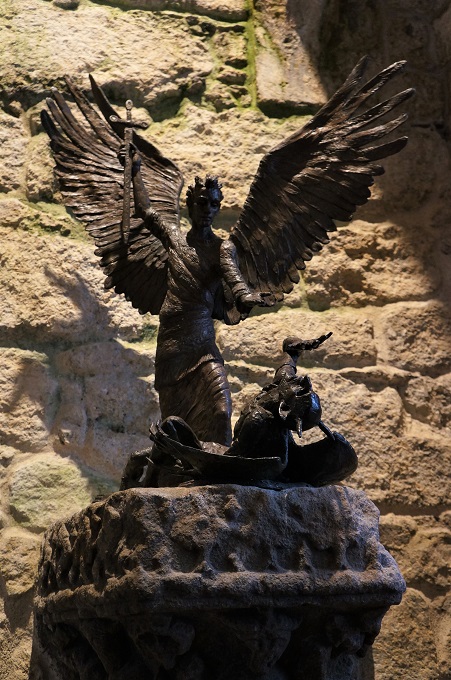
From as far back as 495AD, tales tell of seafarers lured onto the rocks by mermaids, or guided to safety by the apparition of St Michael, the patron saint of fishermen. It is said he appeared on the western side of the island to ward fishermen off from certain peril. This legend and four miracles said to have happened in 1262 and 1263 have bought pilgrims, monks and people of faith here ever since.

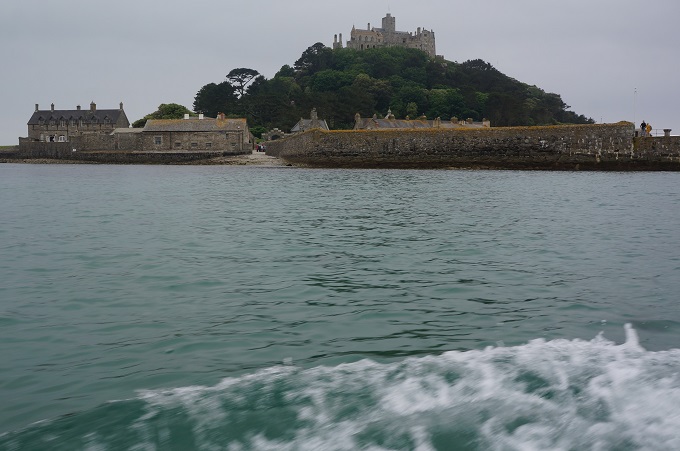
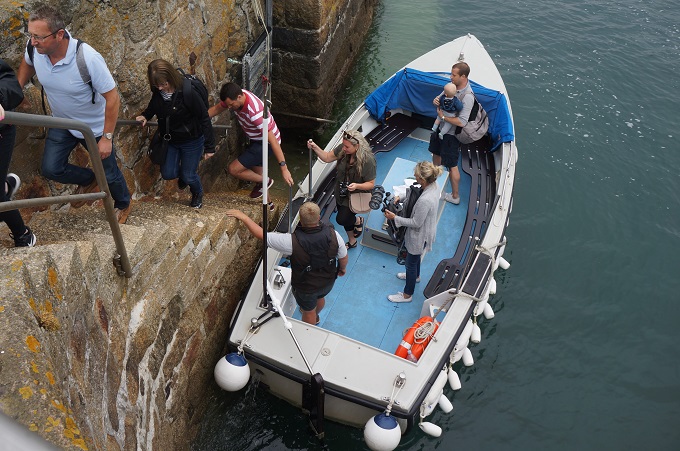
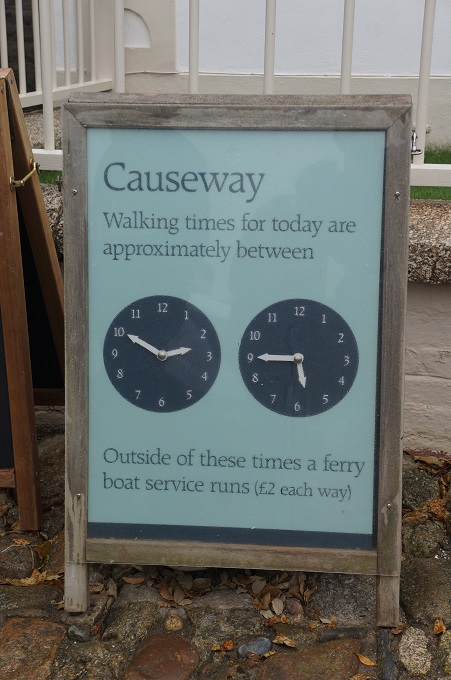
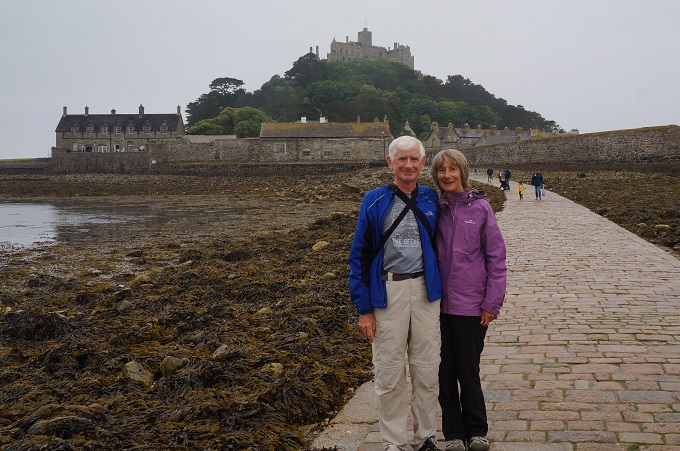
Access to St Michael’s Mount is at the village of Marazion which is about 7 kms from where we are staying in Penzance. As this is a designated ‘rest’ day we decided to take the bus both ways. We wanted to walk one way across the causeway which today was above water between 2.50pm and 5.40pm. We timed our visit to use one of the little ferries (£2) to get from the beach at Marazion to the harbour on the island and used the causeway to walk back.

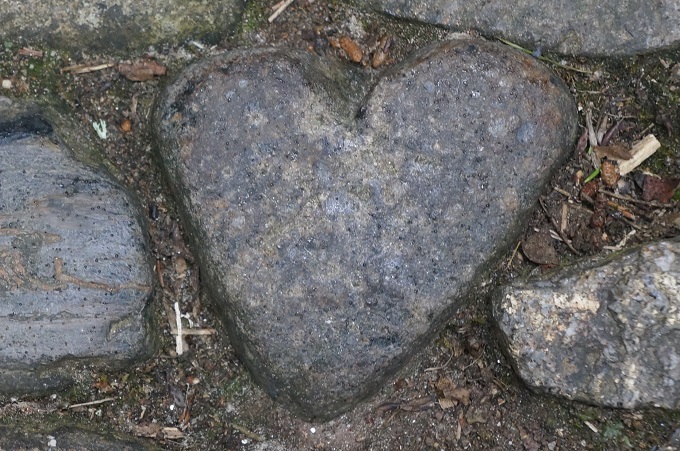
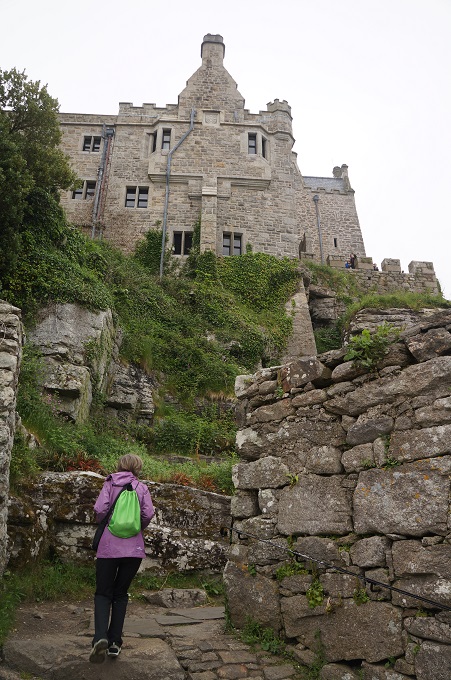
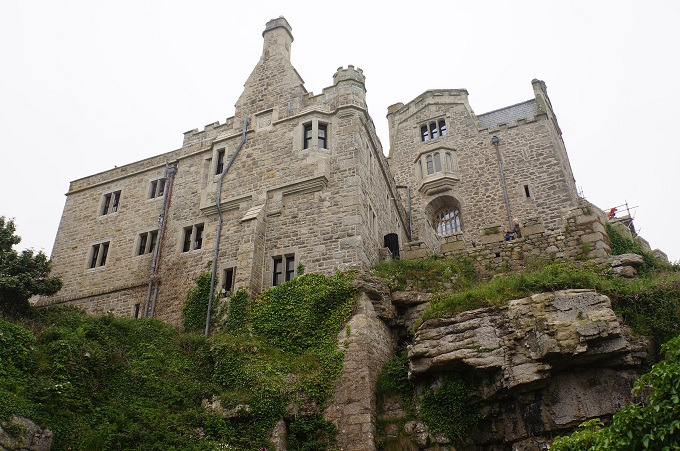
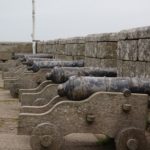
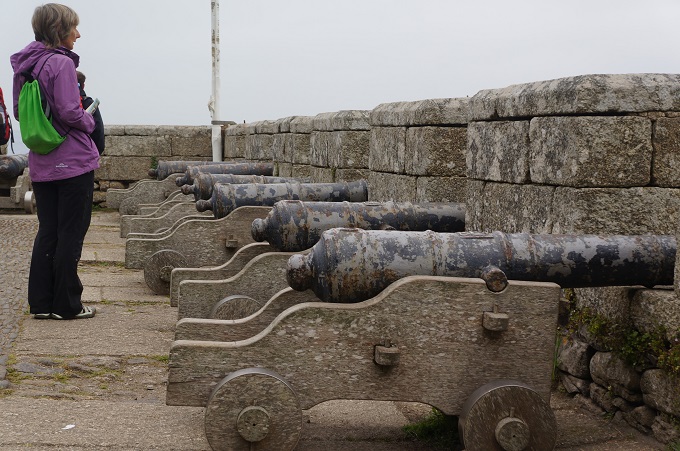
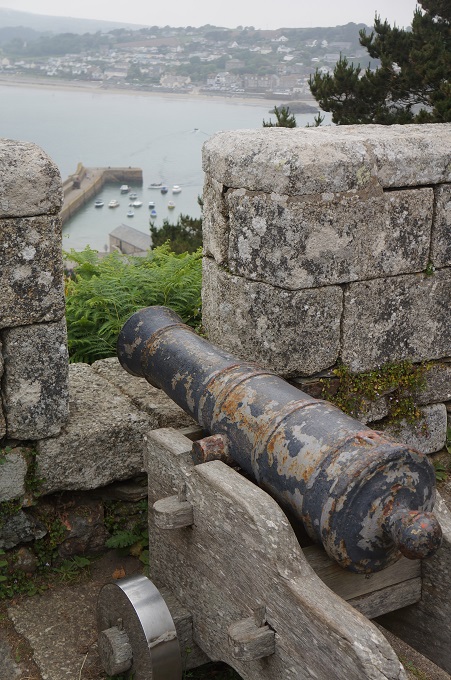
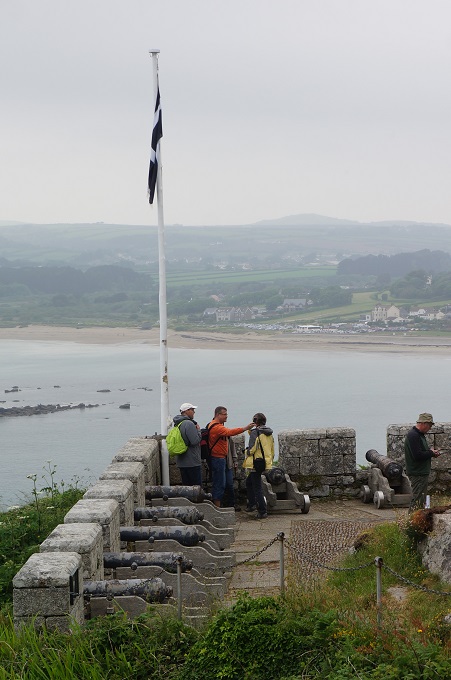
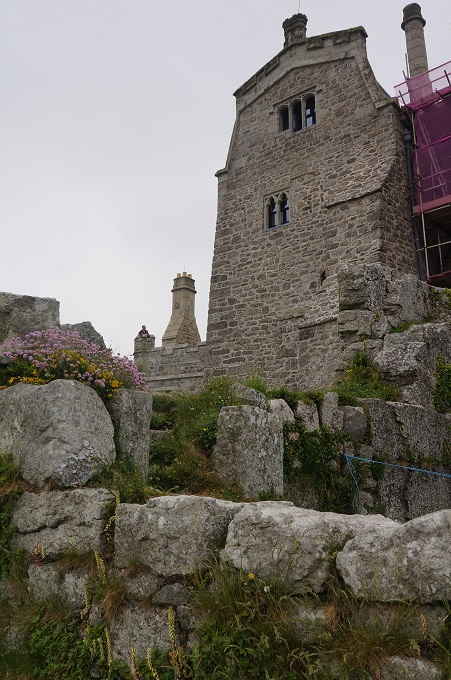
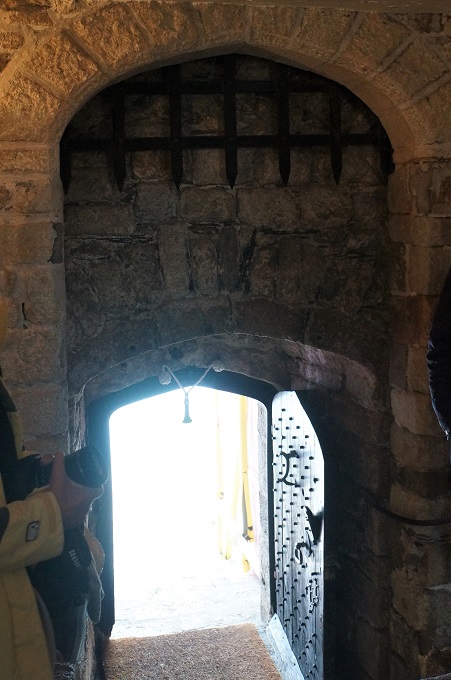
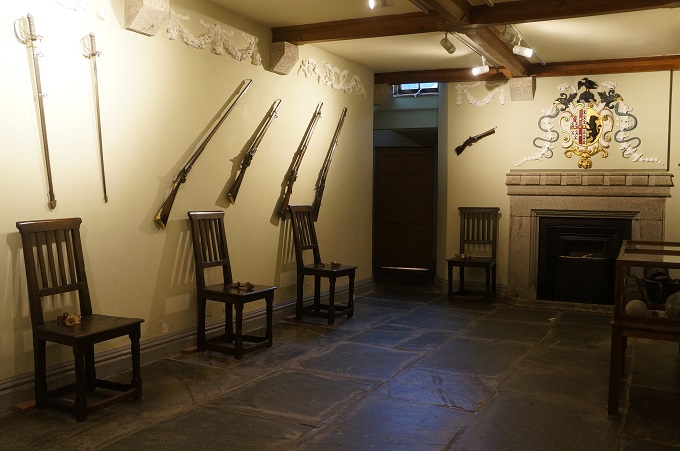
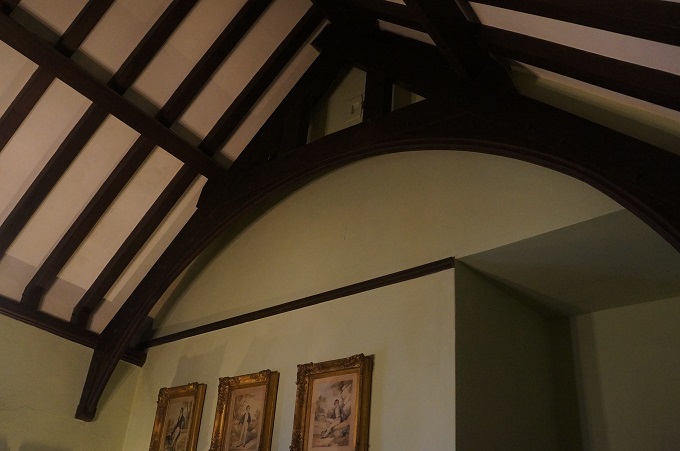
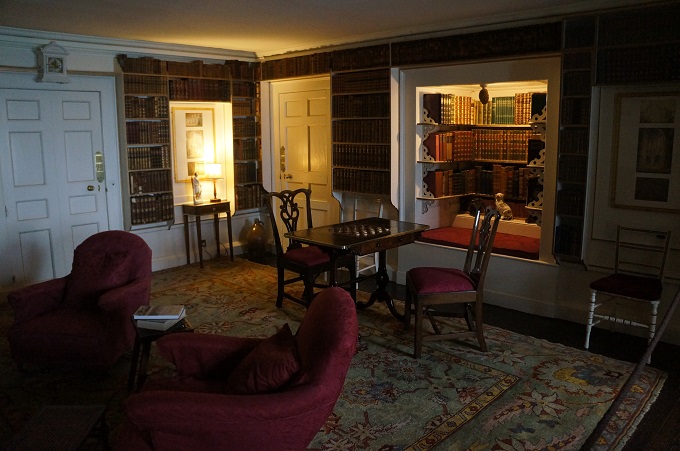
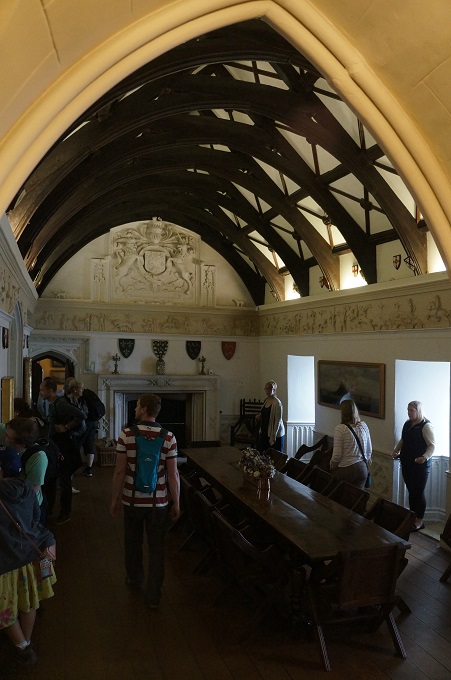
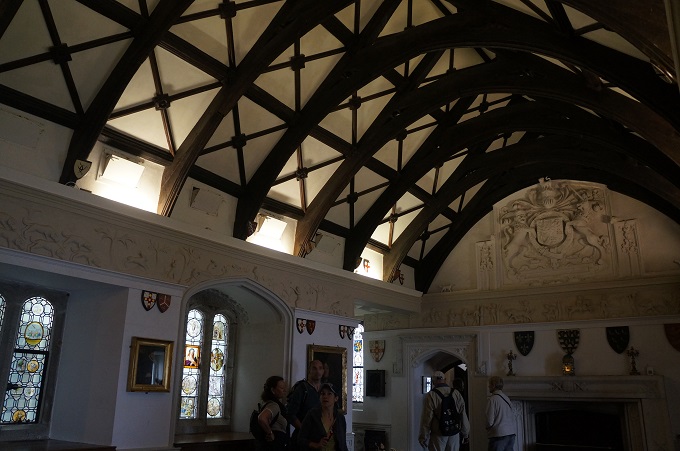
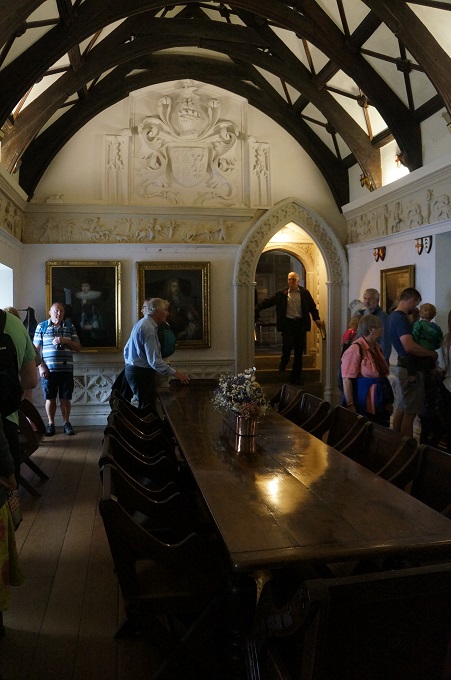
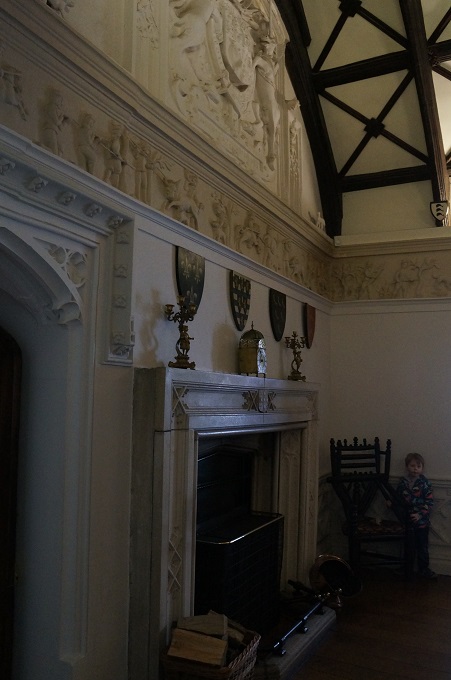
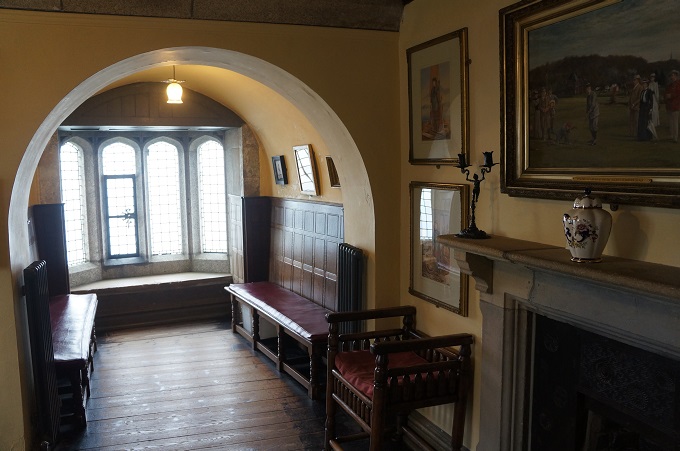
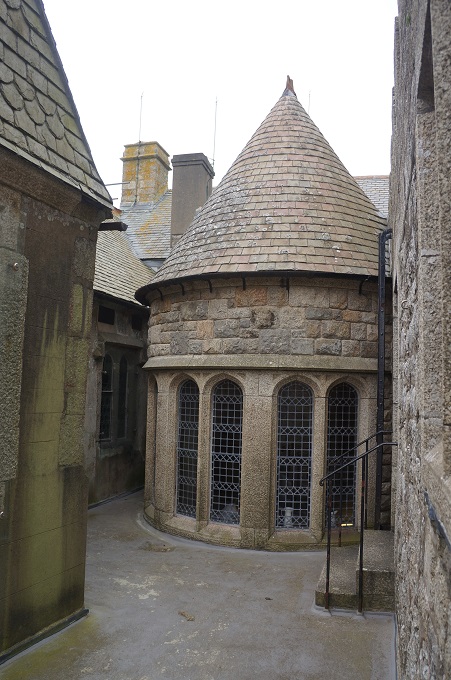
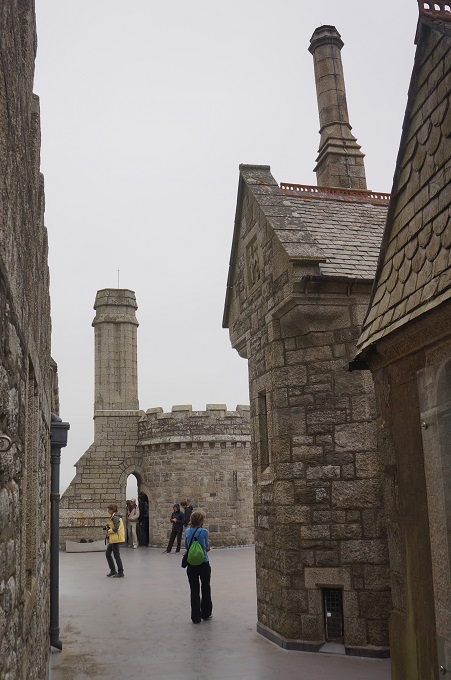
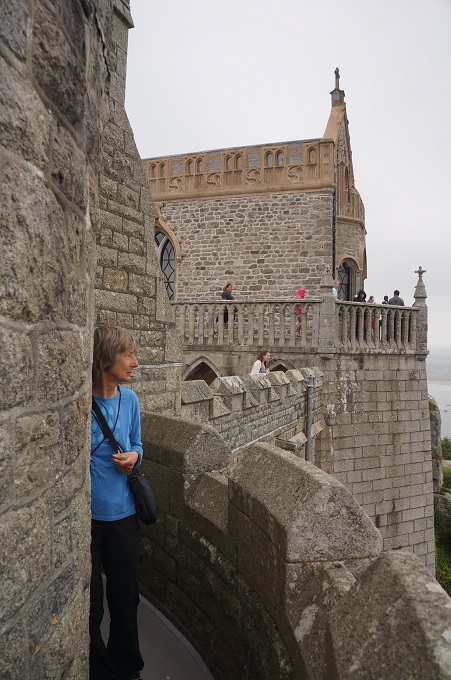
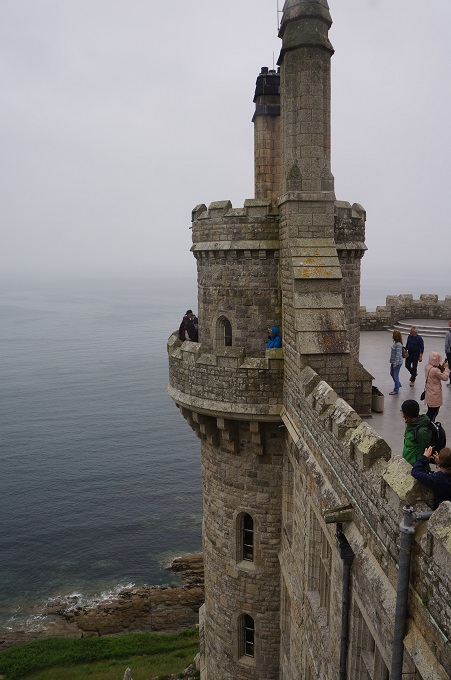
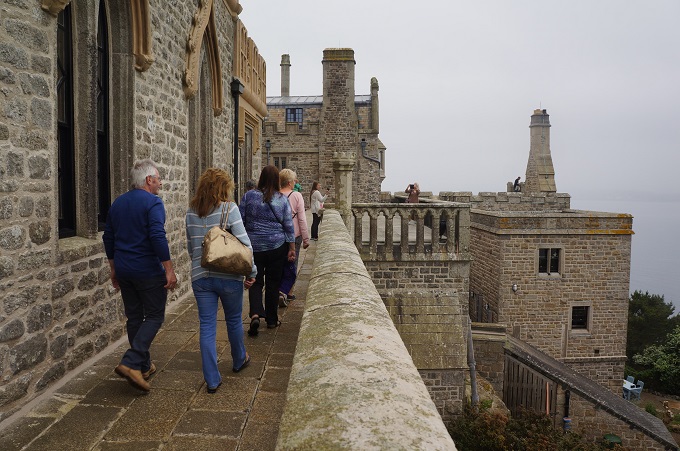
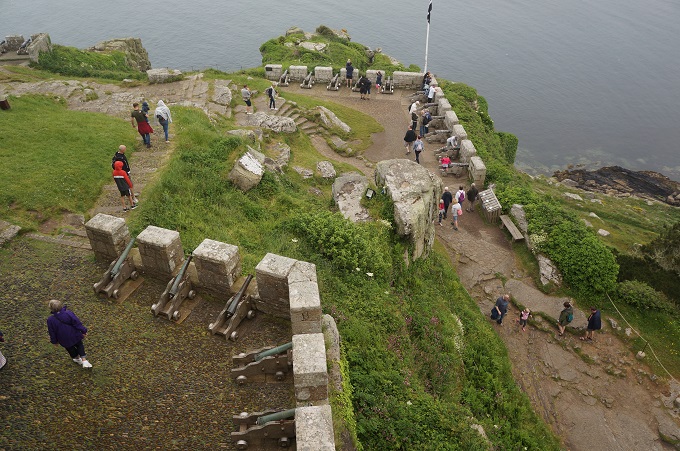
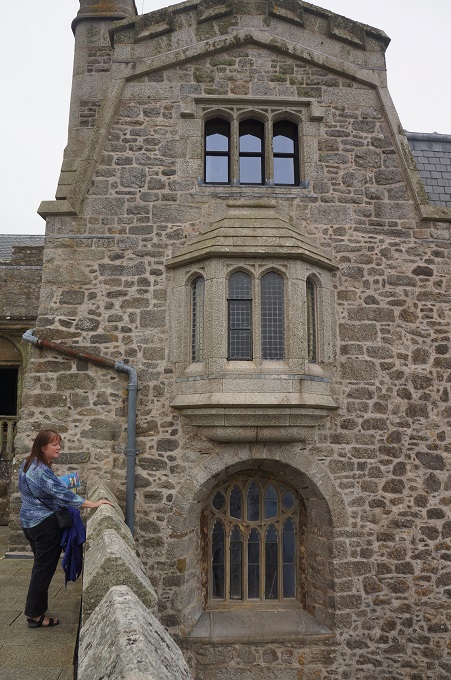
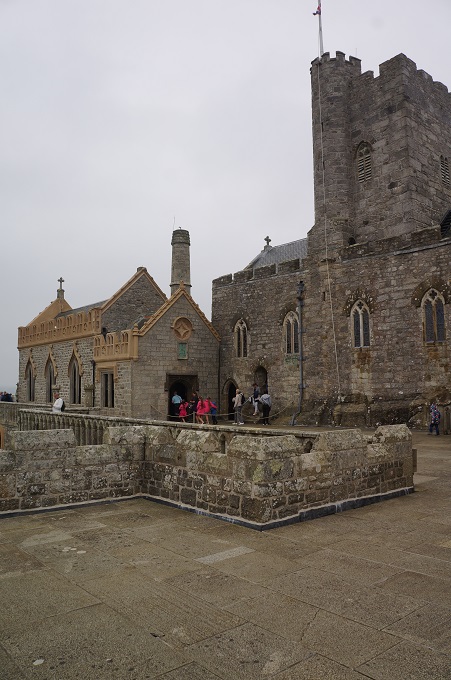
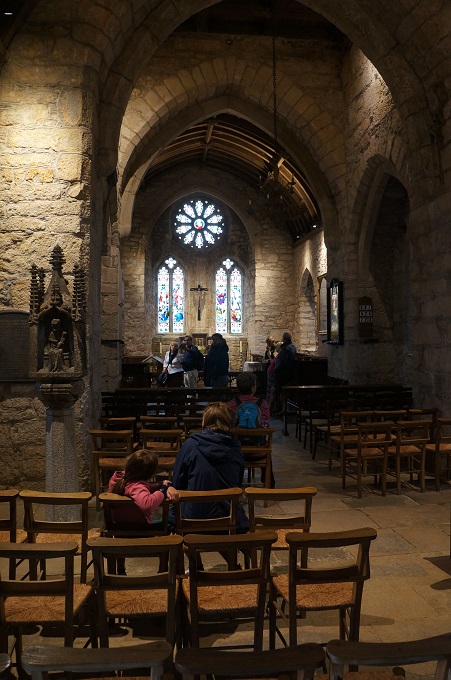
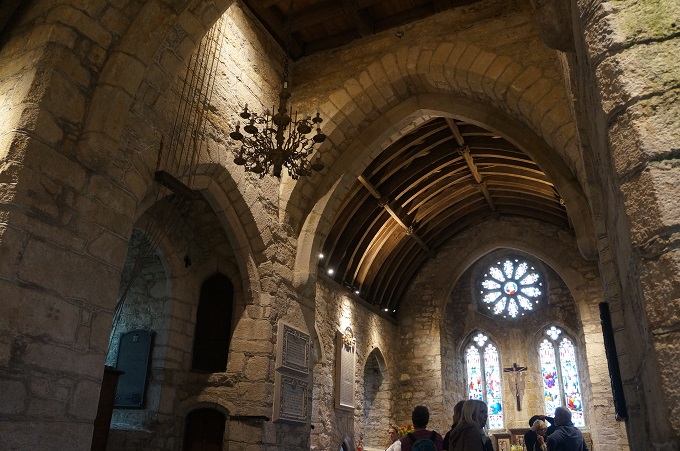
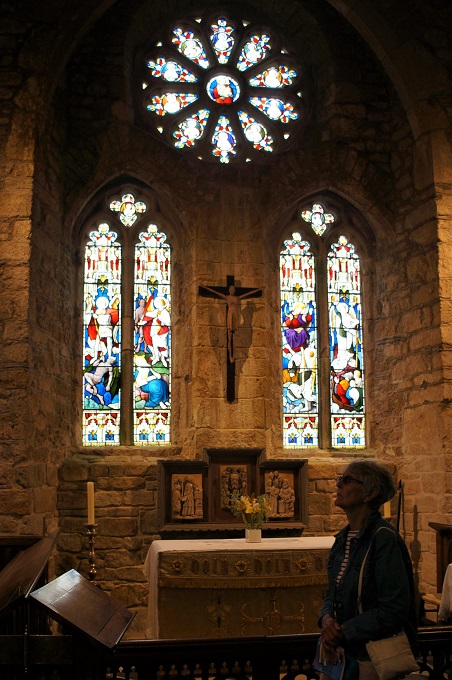
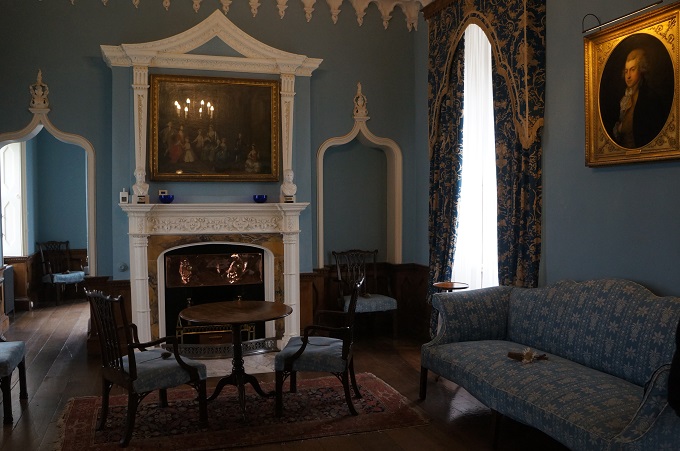
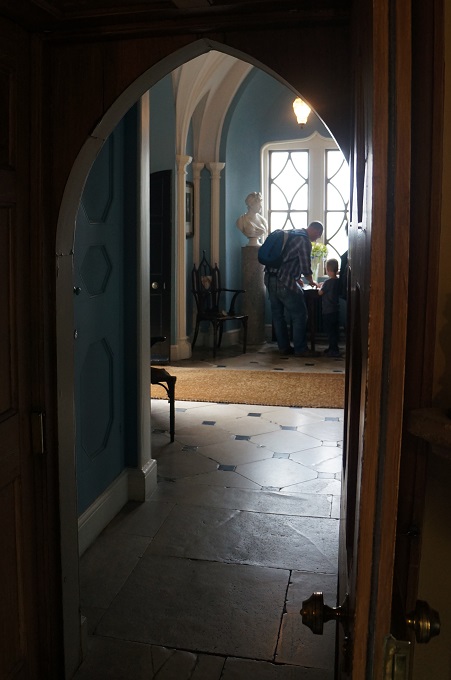
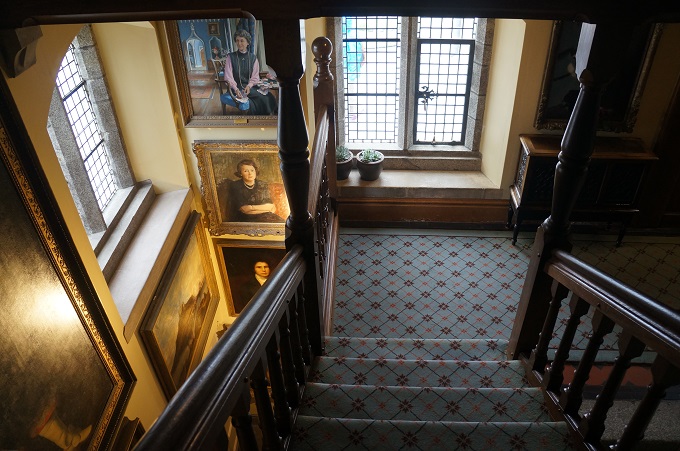
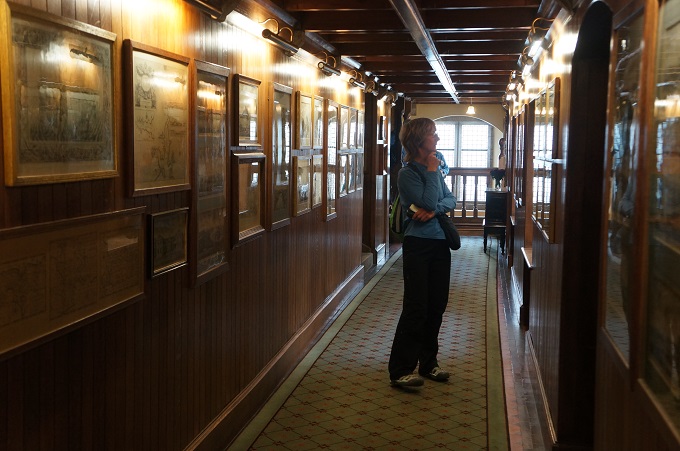
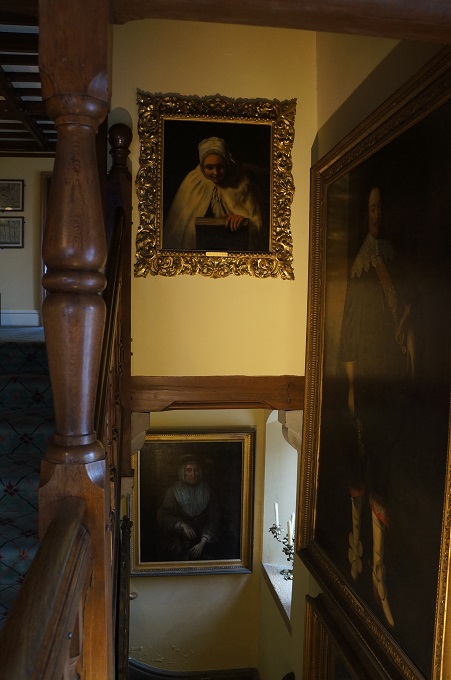
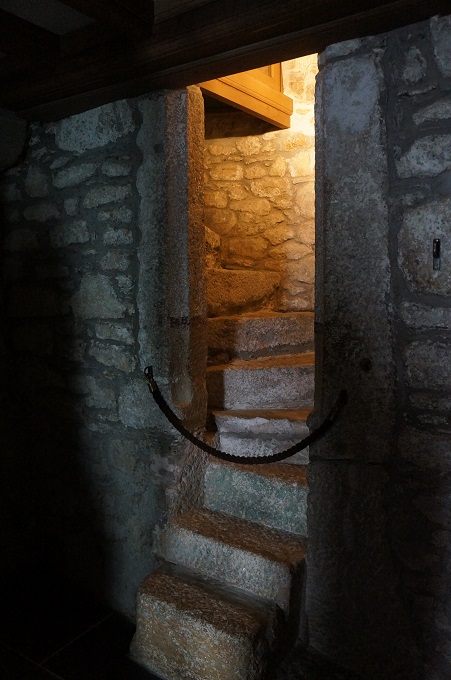
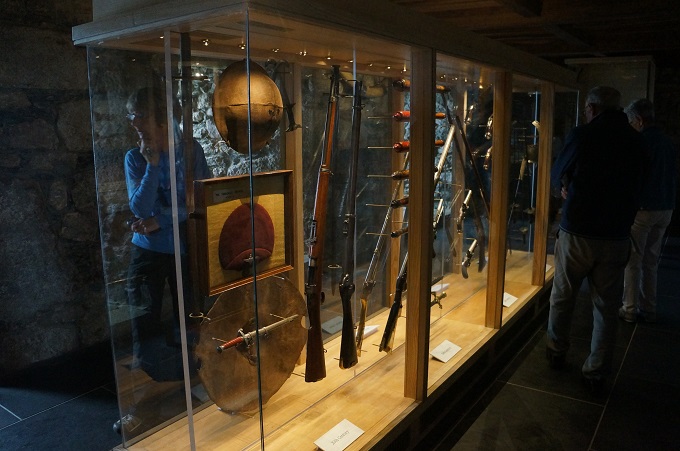
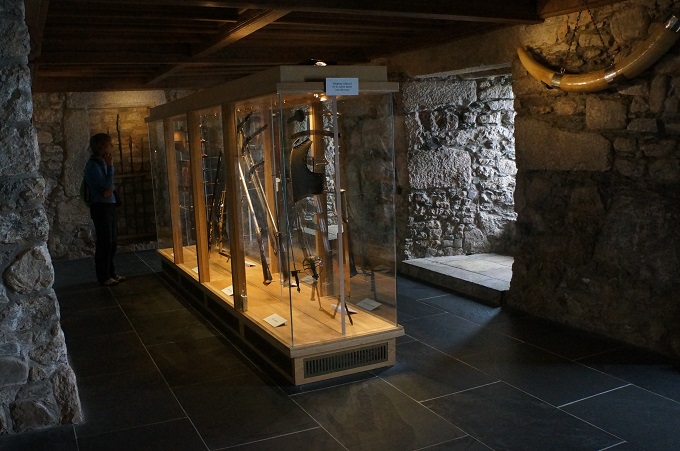
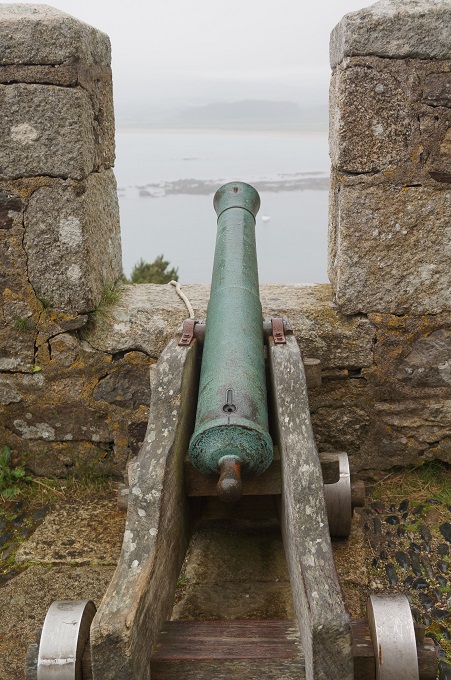
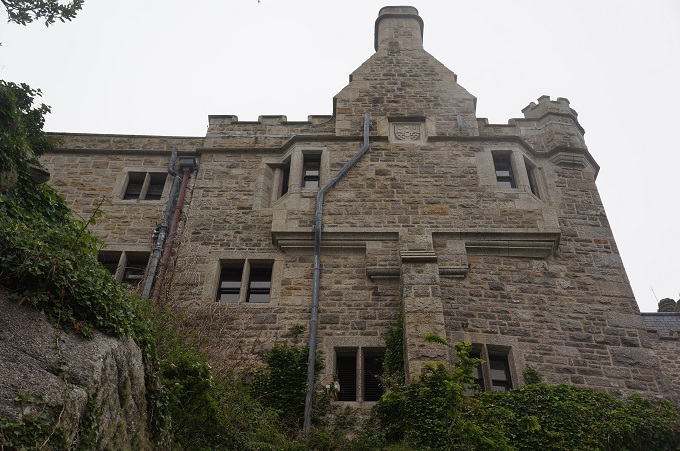
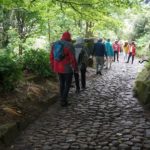
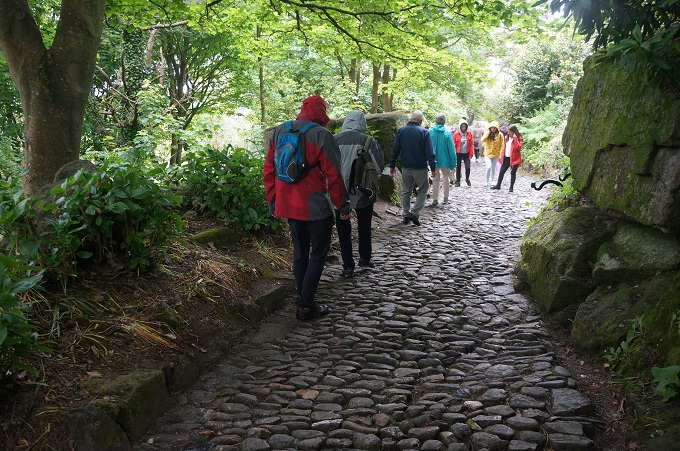
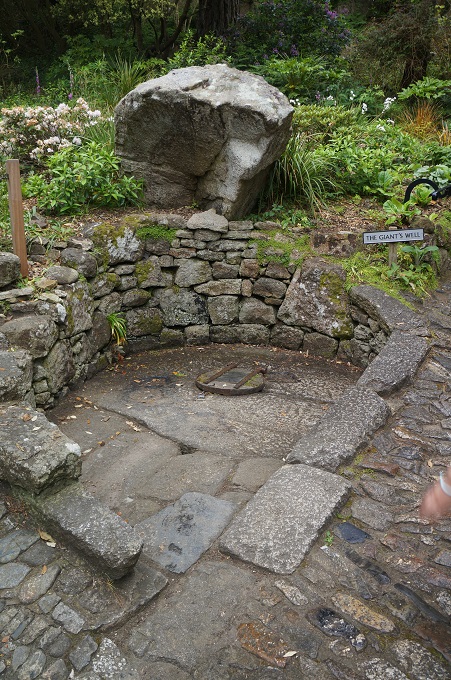
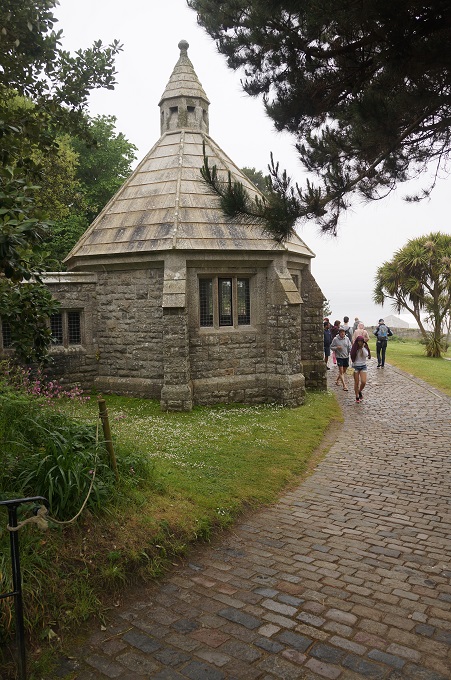
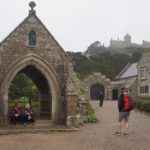
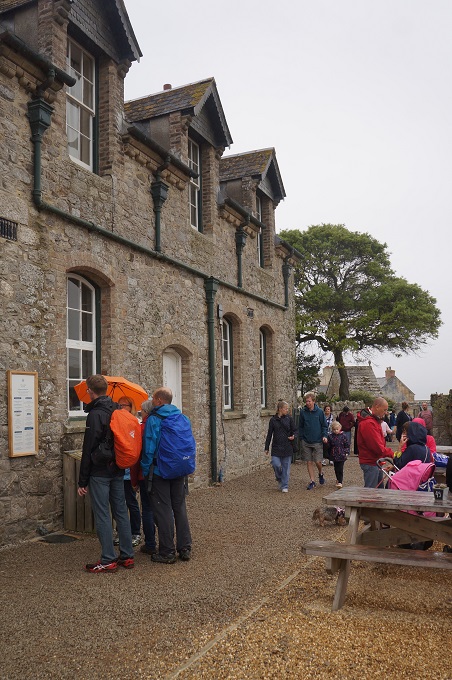
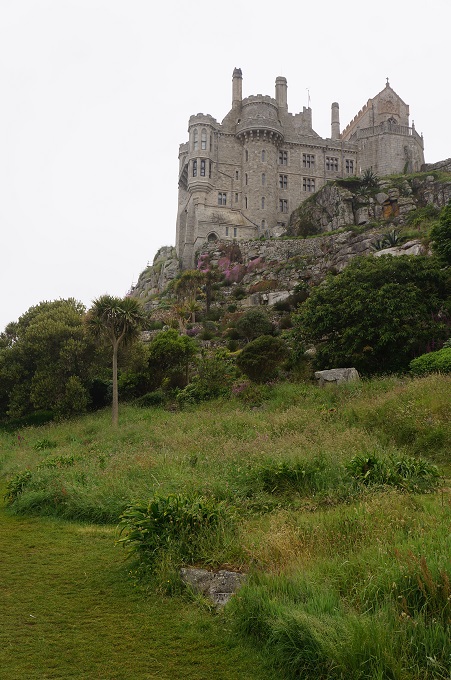
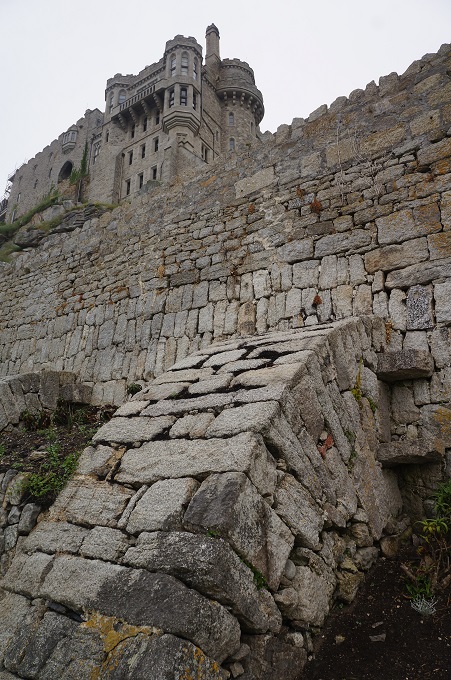
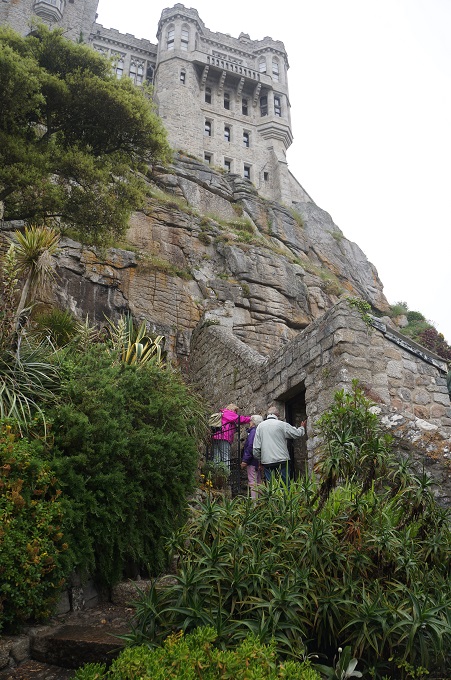
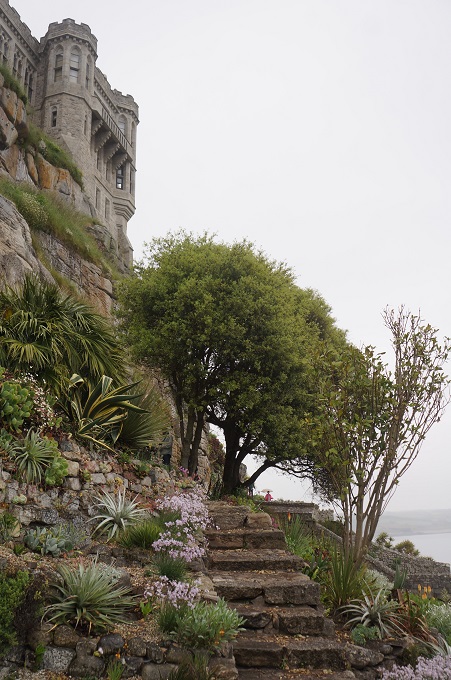
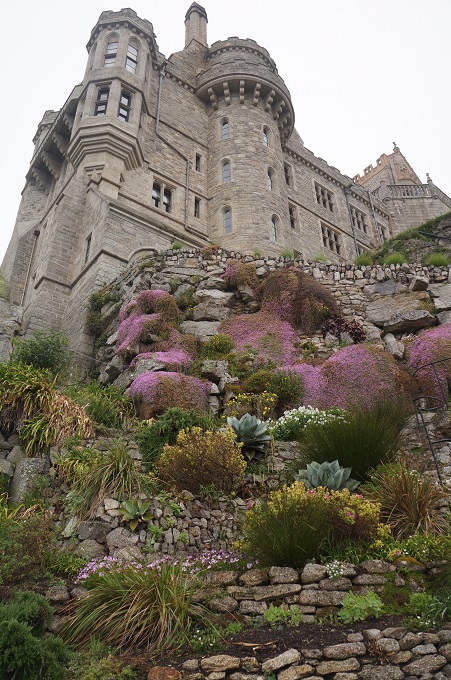
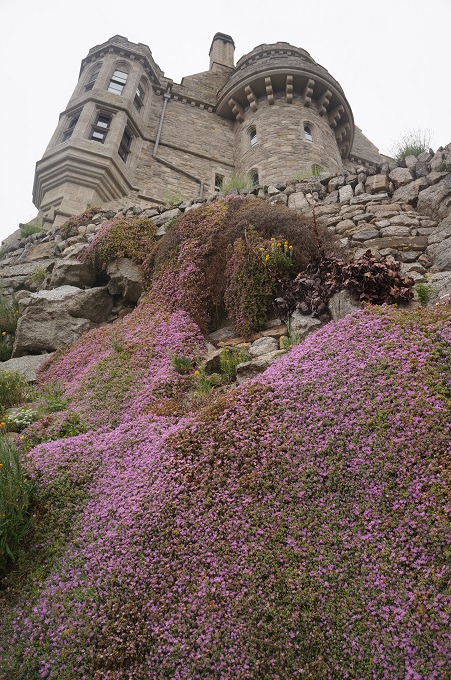
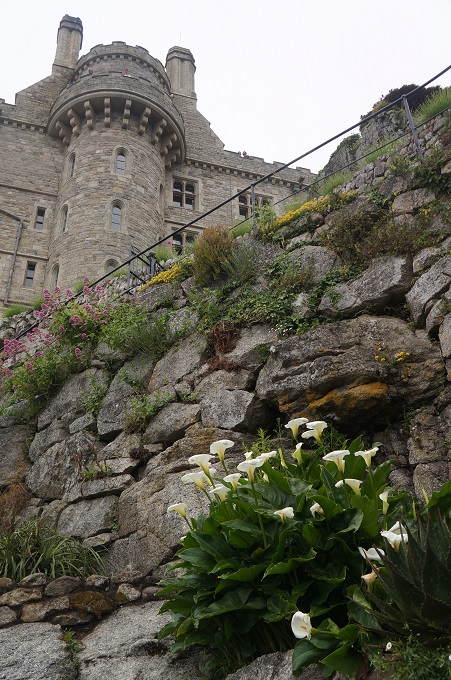
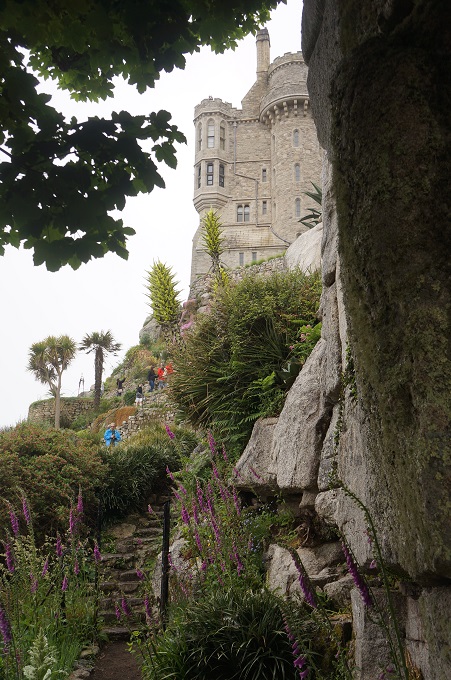
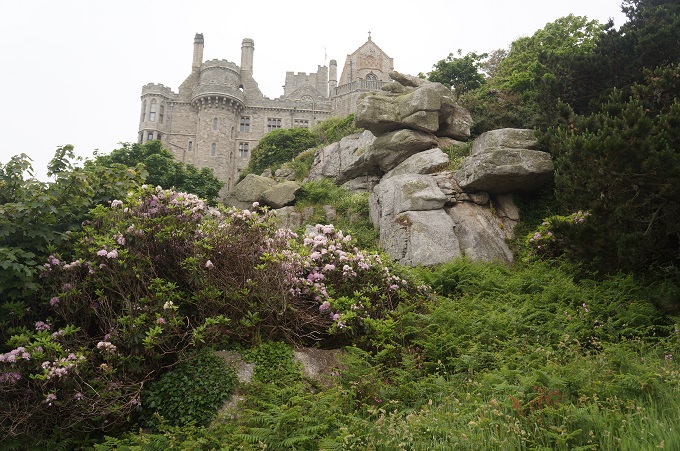
When you arrive on the island the castle seems to loom over you and the uniform grey granite makes it seem quite imposing and daunting. It is quite a steep climb on a cobblestone path (past the giant’s well and heart) up to the gun batteries and the castle entrance. Once inside it has more of a human scale. About a dozen rooms are open to the public and these are all quite intimate, cosy spaces. They feel well lived in and relate almost entirely to the occupation of the St Aubyn family.

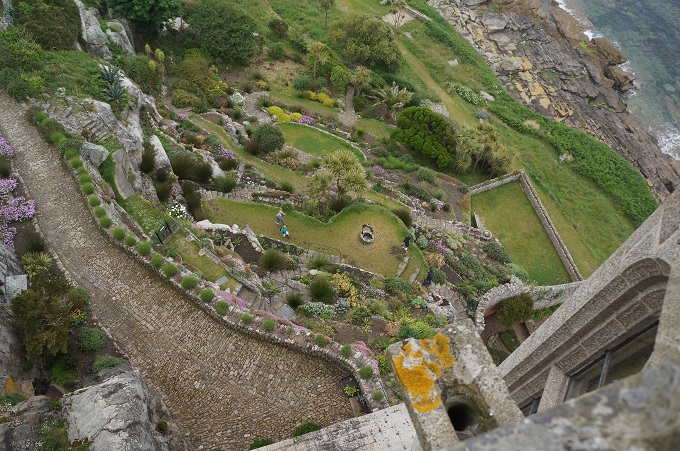
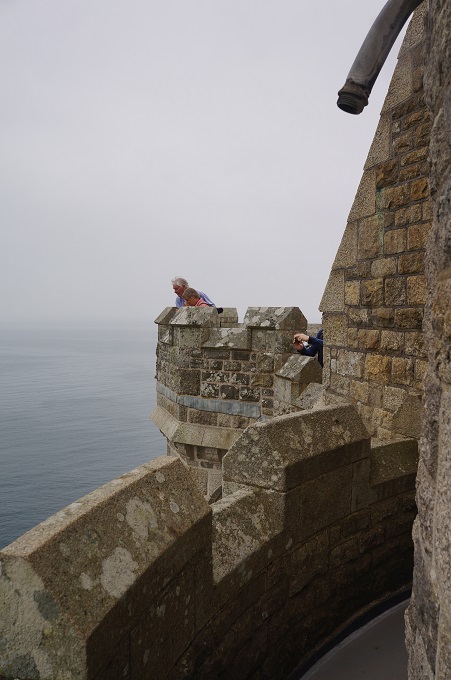
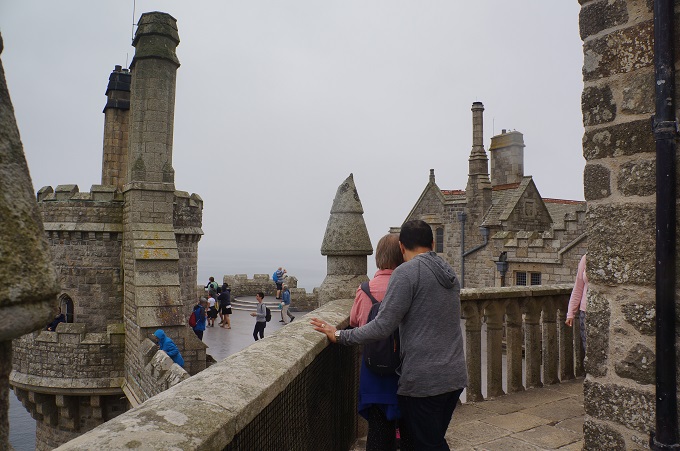
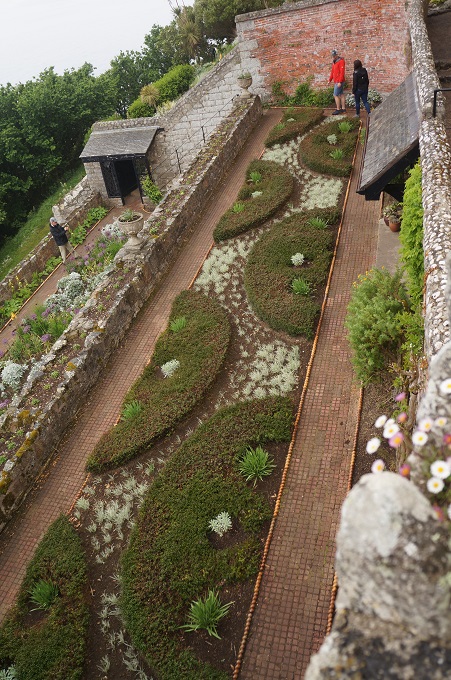
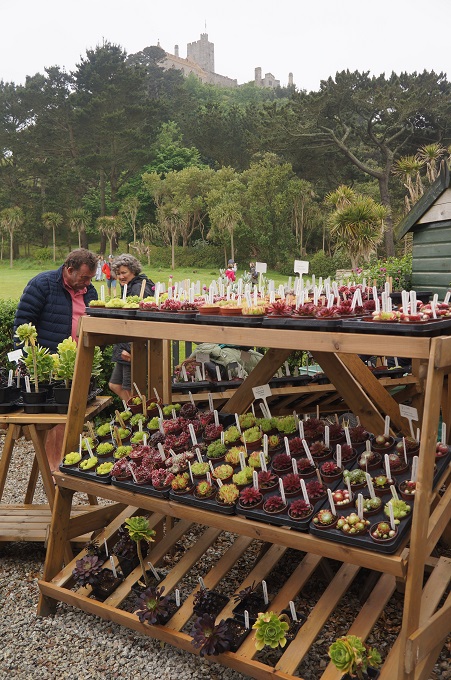
On the south-east side of the castle, capturing the warmth of the sun, is a garden first started in 1780. The sun’s heat is absorbed by the granite core of the island and released back in the winter, maintaining a frost-free climate. Many succulents as well as herbaceous and tender perennials are grown. The layout of the garden is such that you can enjoy it walking through it on the terraces but also from the battlements above for an aerial view. A lot of the succulents are damaged at the moment due to a heavy fall of snow earlier this year. The first snow on the island in 30 years.

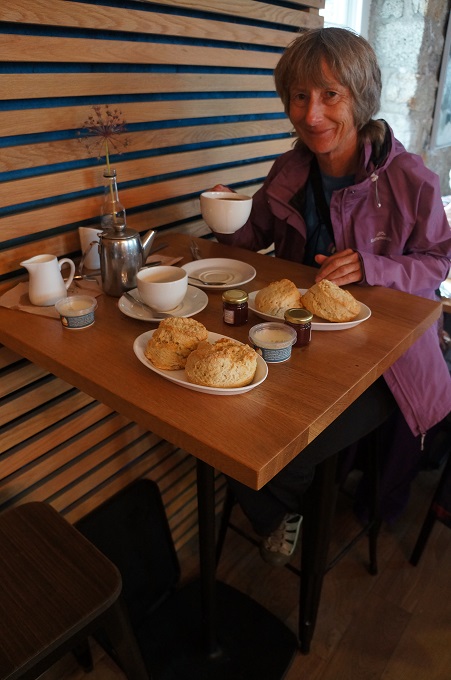
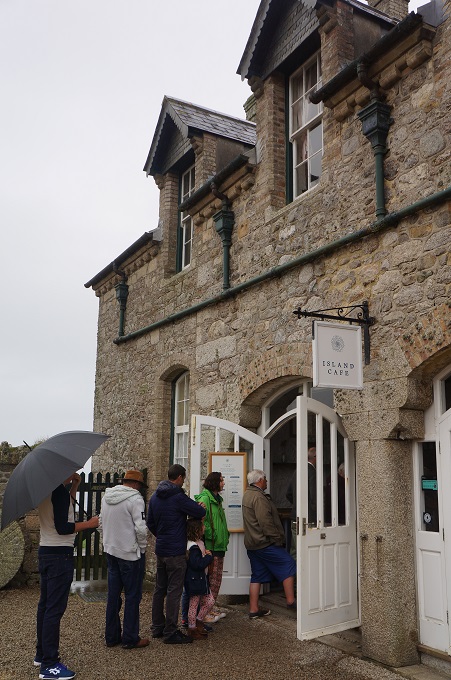
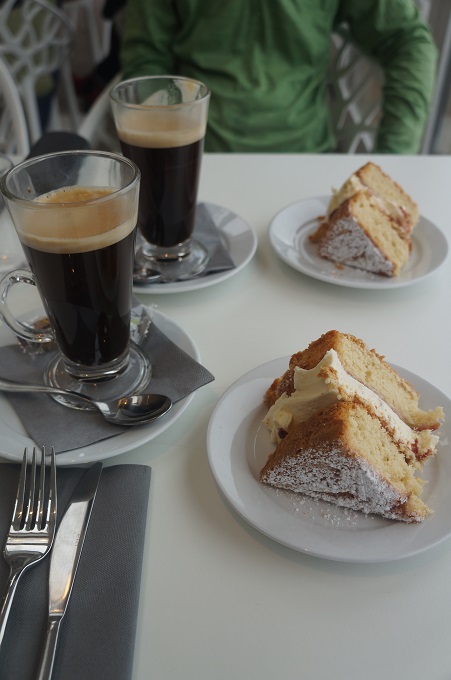
So it was another great day. Overcast and a bit hazy all day with some light drizzle while we retreated to the cafe for a cream tea. I think this just added to the atmosphere of the island and castle. Mid term break has finished and it is still early in the summer season so not too many people  about.

PS in Penzance we did not see one single pirate or the very model of a modern major general!


I See Red, I See Red, I See Red (The Great Split Enz)

Porthcurno to Penzance, 21 km, 642 metres of climbing

‘I took a walk in the forest and came out bigger than the trees’. Thomas Henry Thoreau

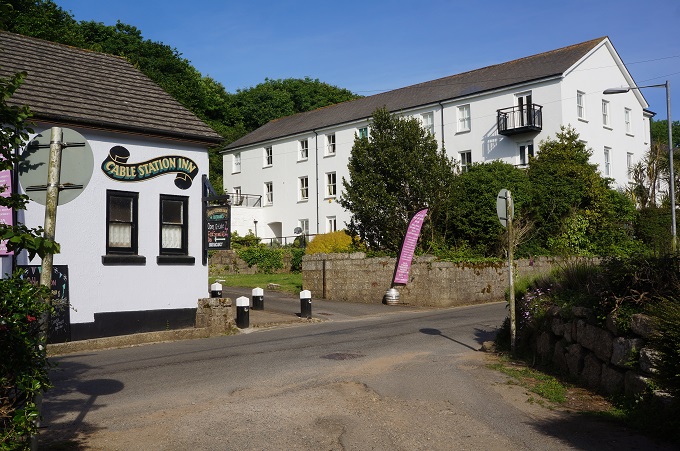
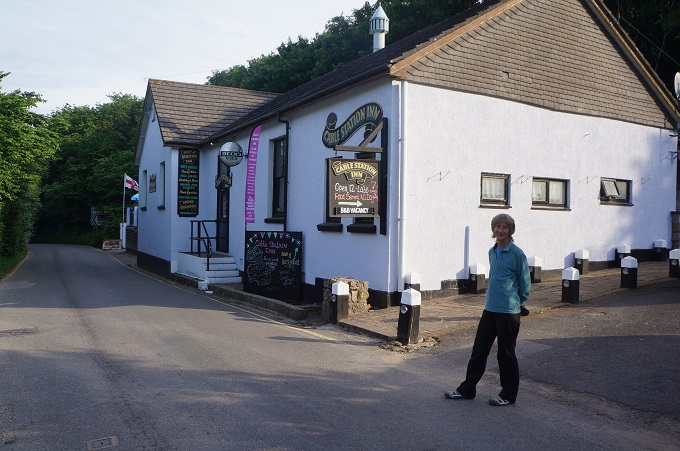
 Last night we stayed in Porthcurno which is a tiny village covering a small valley and a beach. It is unusually well known for its size because of its history as a major international underwater communications cable station. In 1870 the first cable was laid linking Porthcurno to India (then a British colony). Between the two world wars there were fourteen separate cables coming ashore at Porthcurno and it was the largest underwater cable station in the world. The old cable station is now an excellent museum but unfortunately we didn’t get to visit it. We arrived here at 5.00pm last night and left at 9.00 am this morning and the museum hours are 10.00 am to 5.00 pm. It was a toss up between the Minack Theatre and the Cable Museum and the theatre won. The oldest and largest building in Porthcuno is The Barracks, accommodation for the Cable & Wireless Engineering College. A little university by the sea.

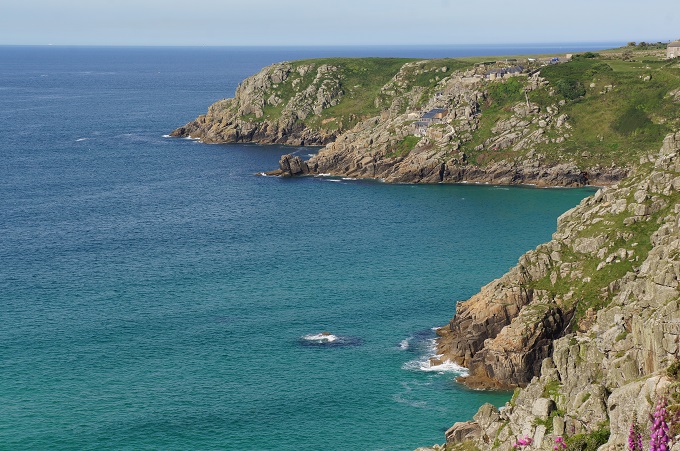
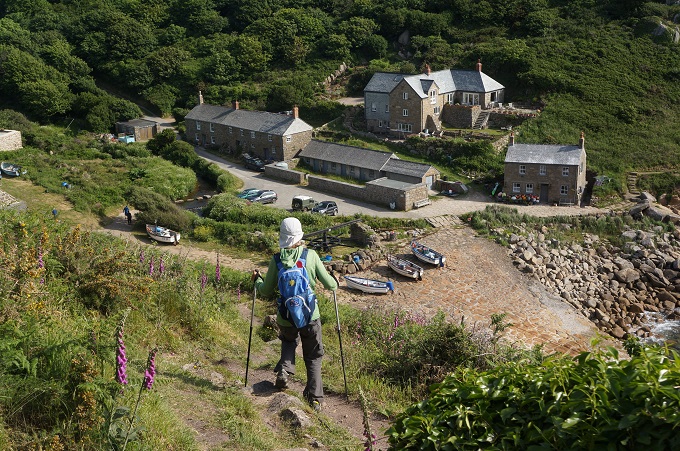
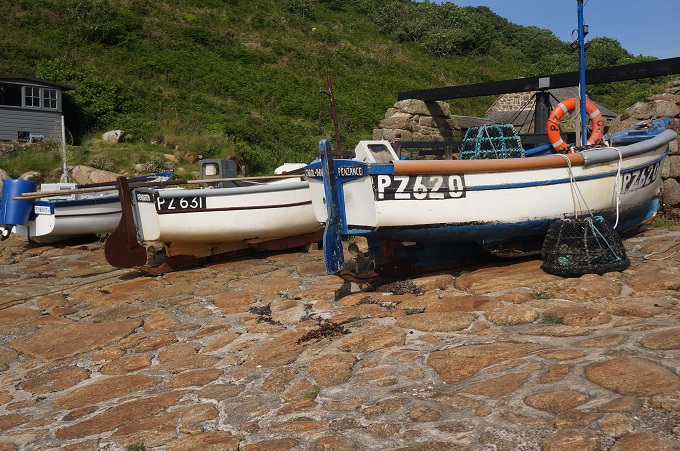
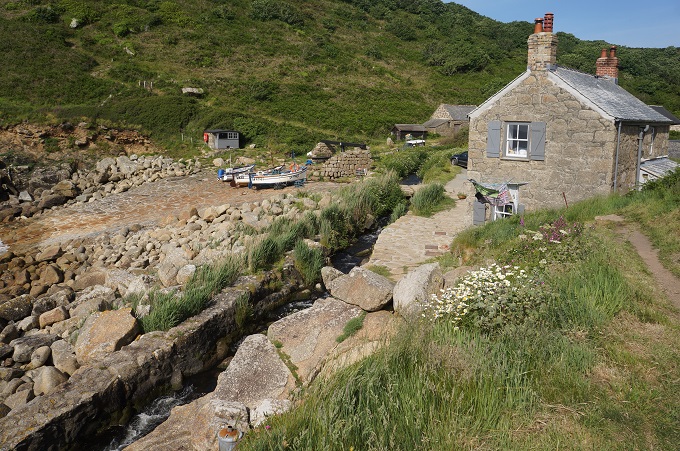
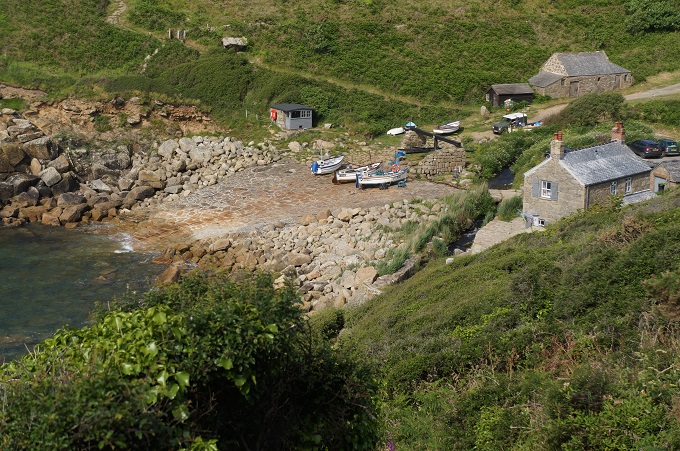
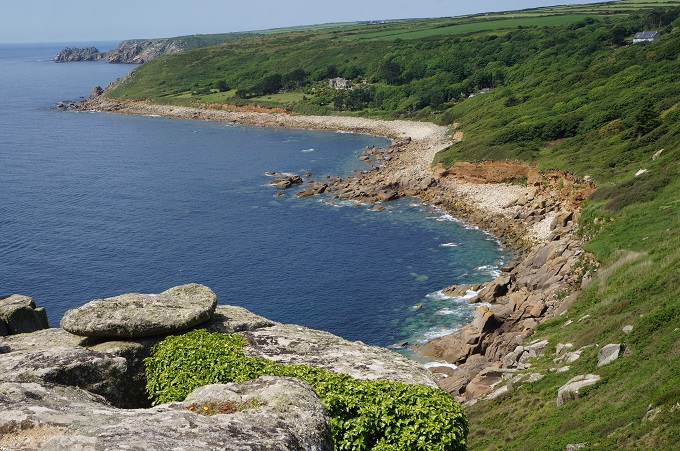
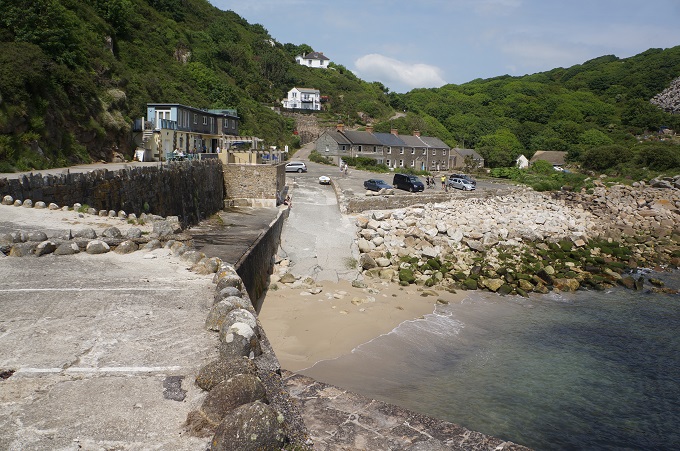
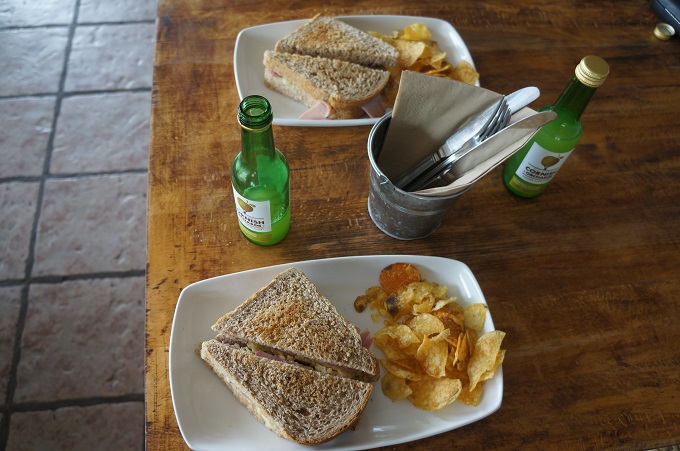
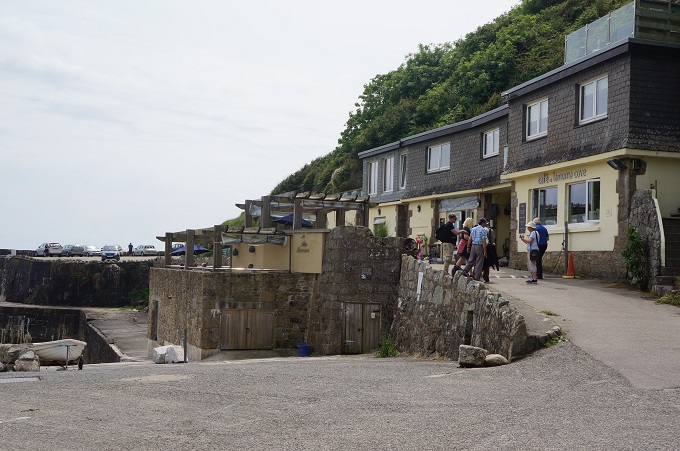
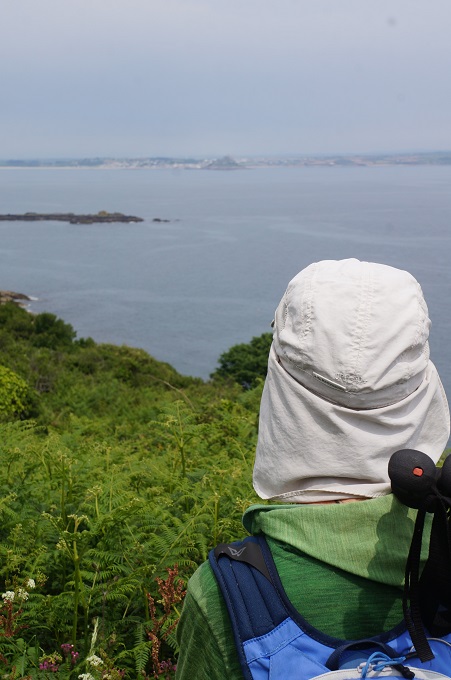
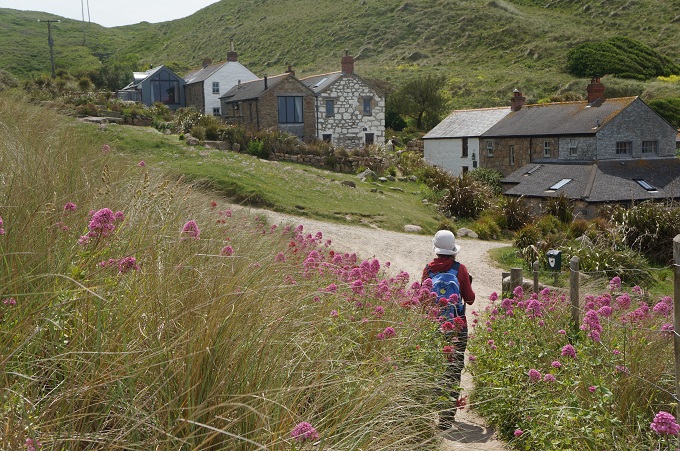
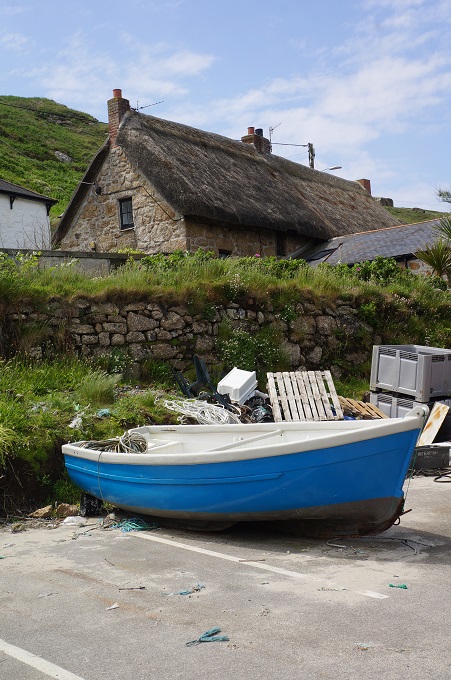
The first section today was quiet, remote and a very scenic section of cliffs and headlands, punctuated by some picturesque coves and a lighthouse. Penberth was entirely free of tourists (because they don’t allow dogs?) and passing through it seemed almost an intrusion on the people who make their living from the sea there. Lamorna Cove had a café so we could stop for some lunch of toasted sandwiches and apple juice.

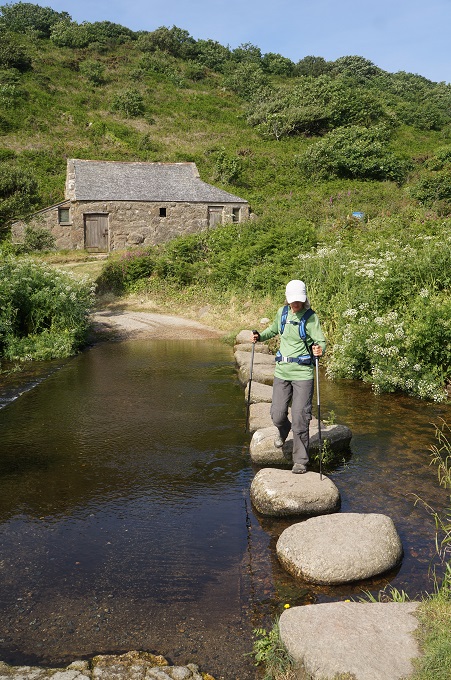
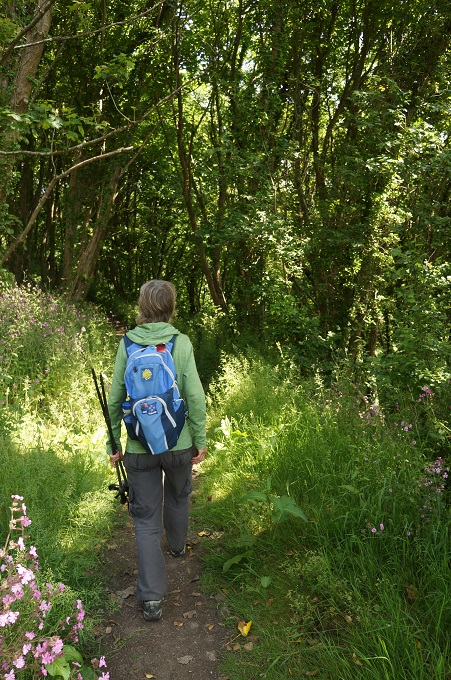
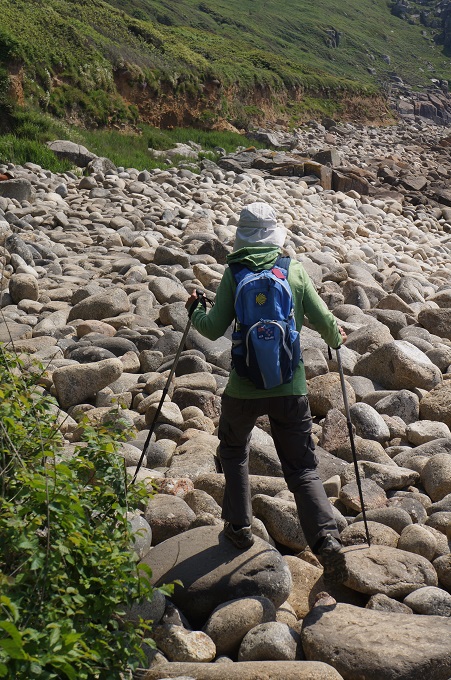
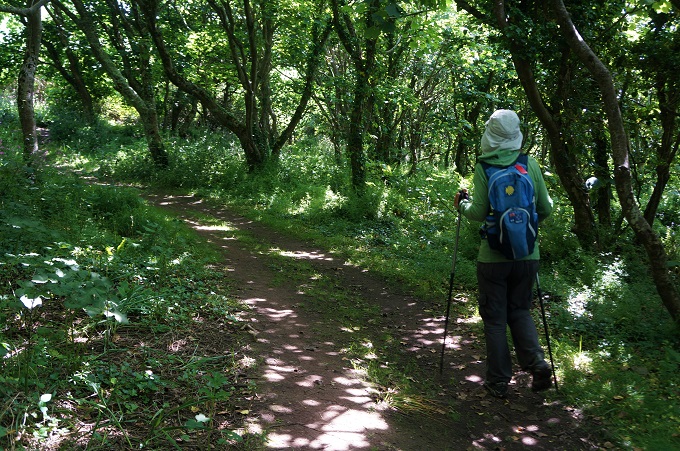
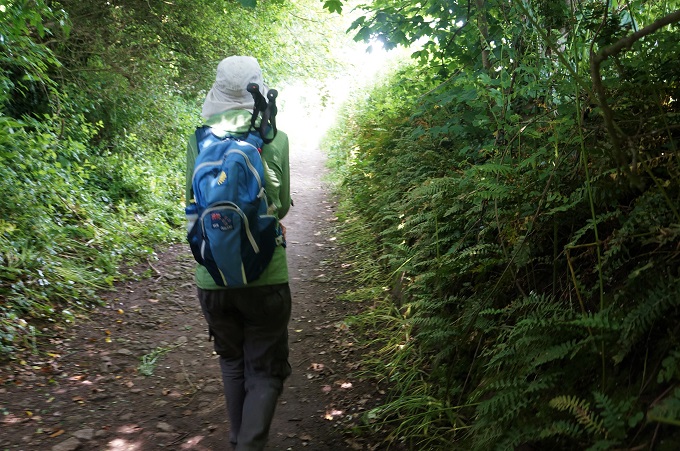
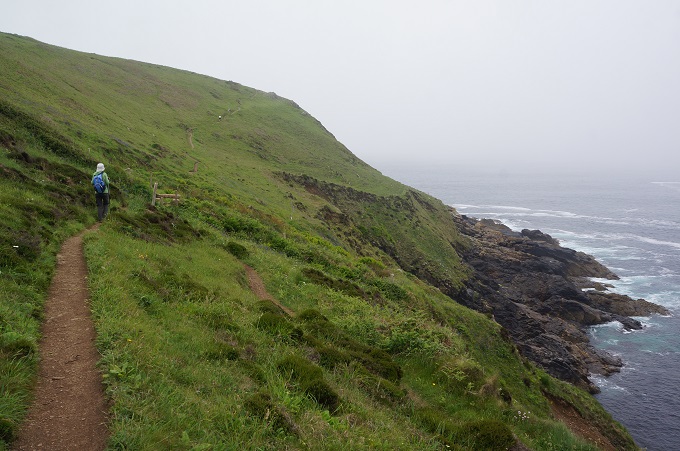
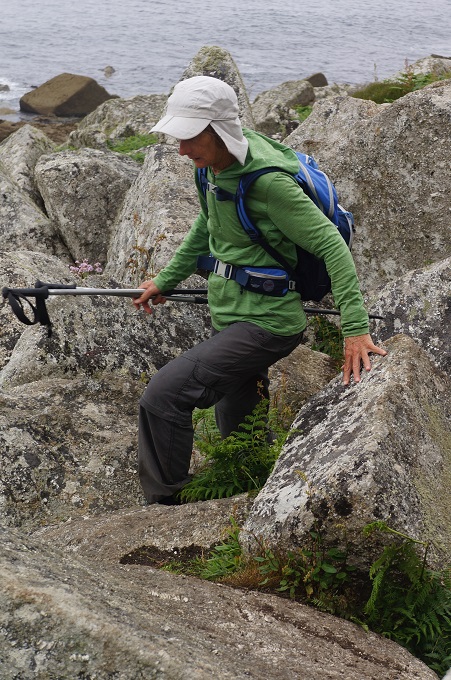
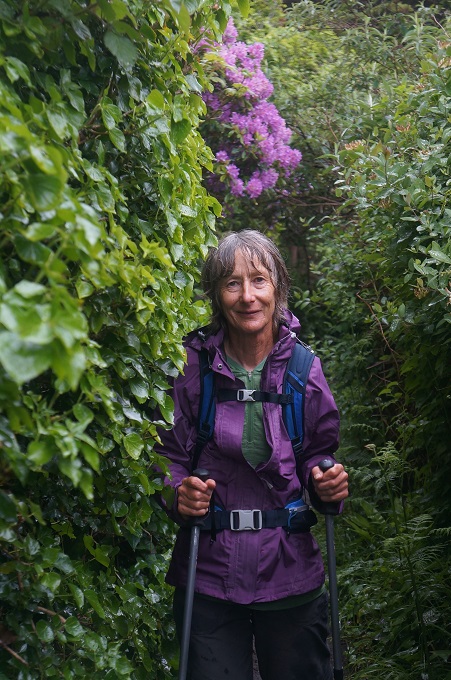
Since we turned the corner at Land’s End and are now heading east the landscape has changed and this part of the coastline is described as sub-tropical. The undergrowth is denser, in some places growing overhead to make a shady, cool tunnel. The wild flowers are back and in two places we walked through woodland of stunted oak and near the end of the day a pine forest. For most of the day progress was still slow over a stony, often muddy path. At one point we had to dance our way over large boulders on the beach.

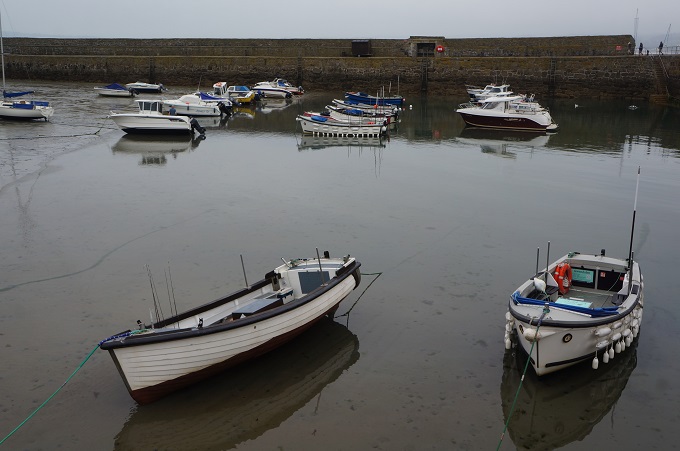
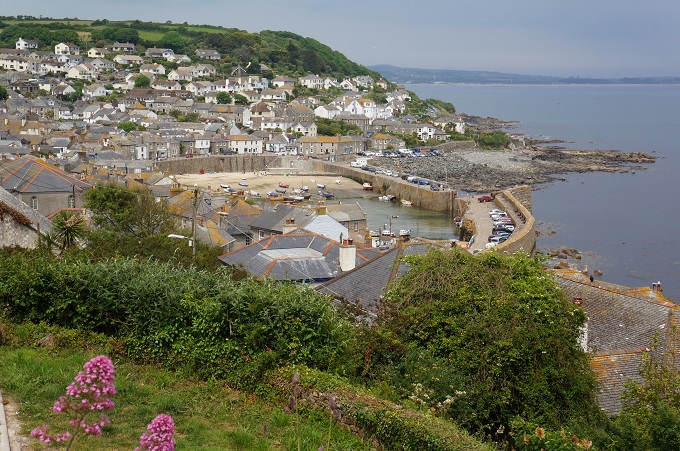
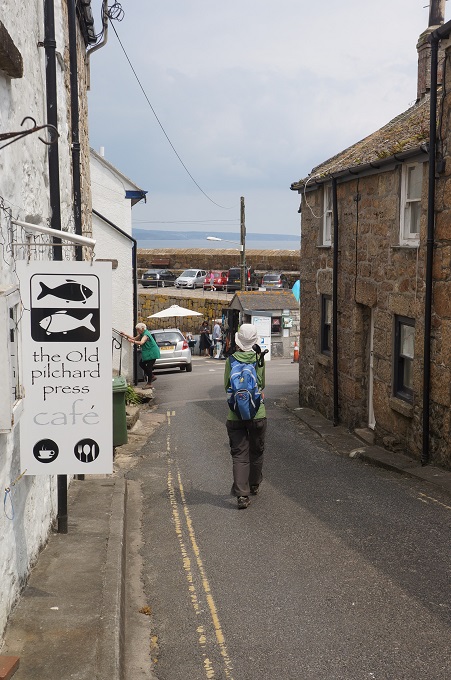
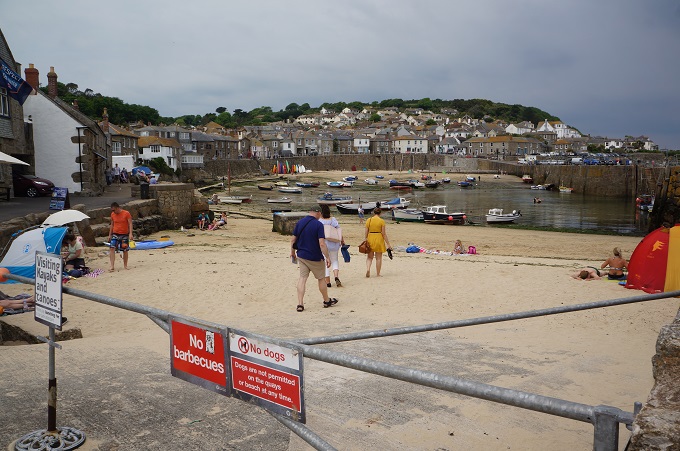
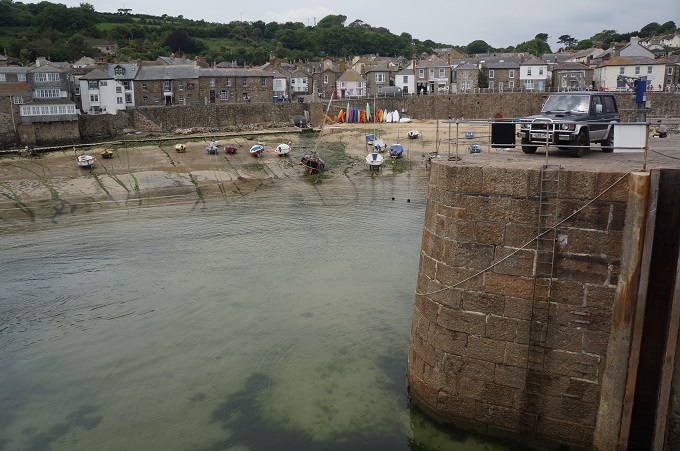
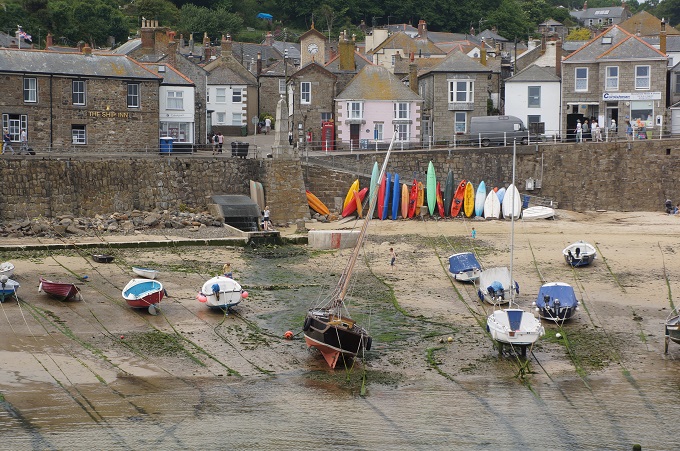
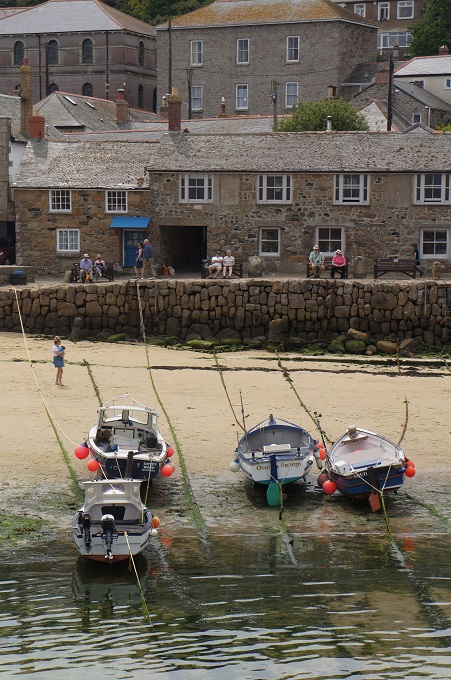
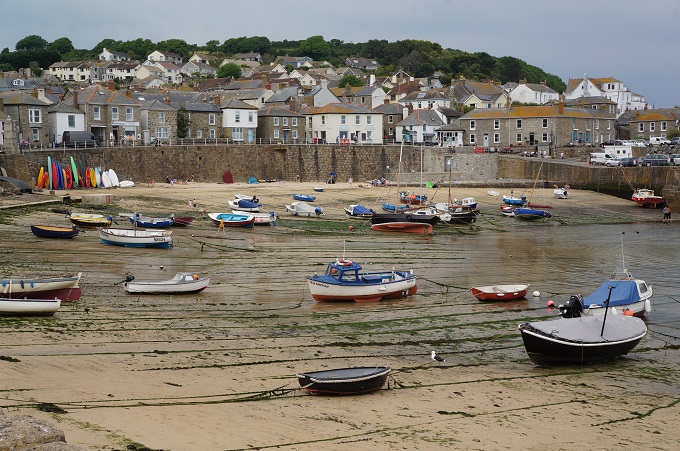
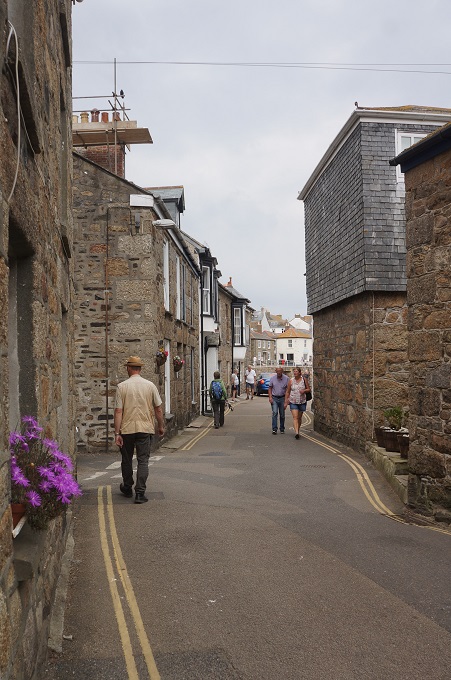
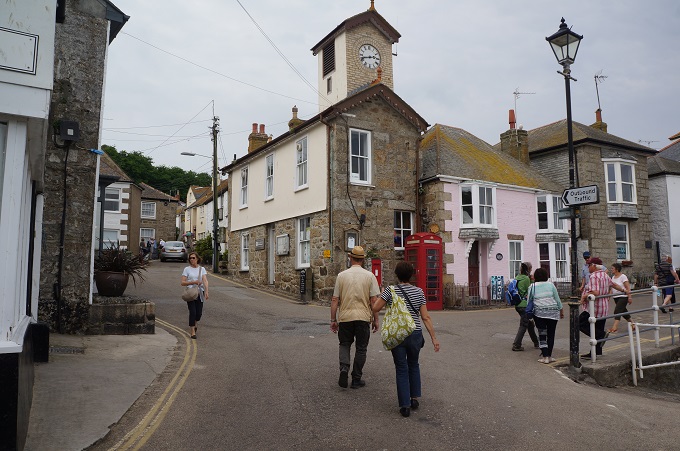
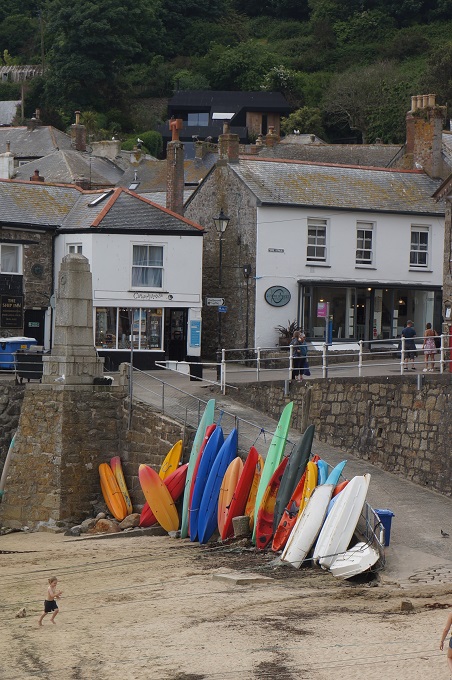
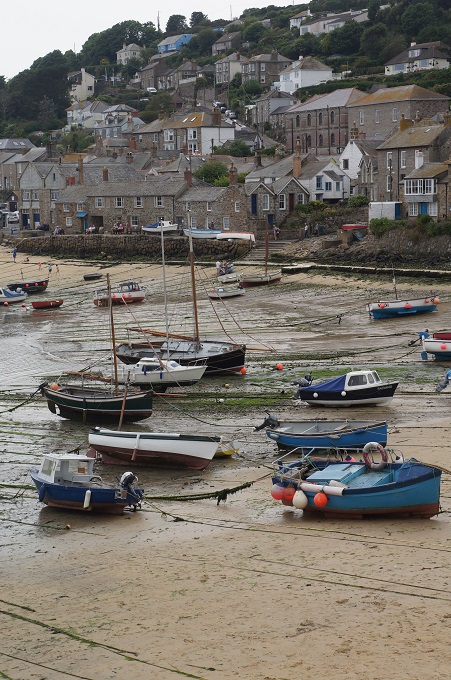
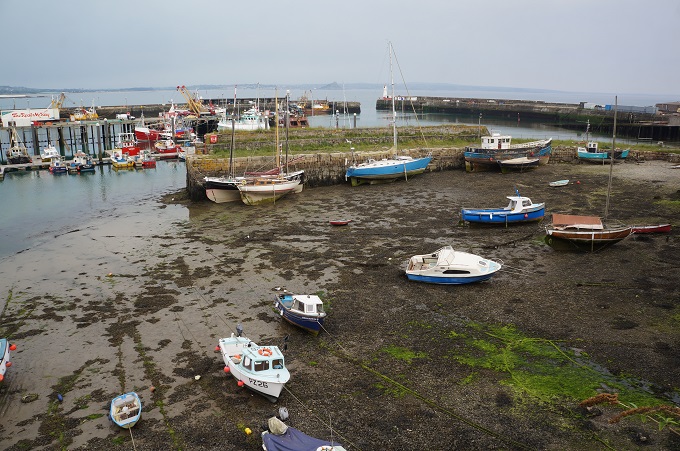
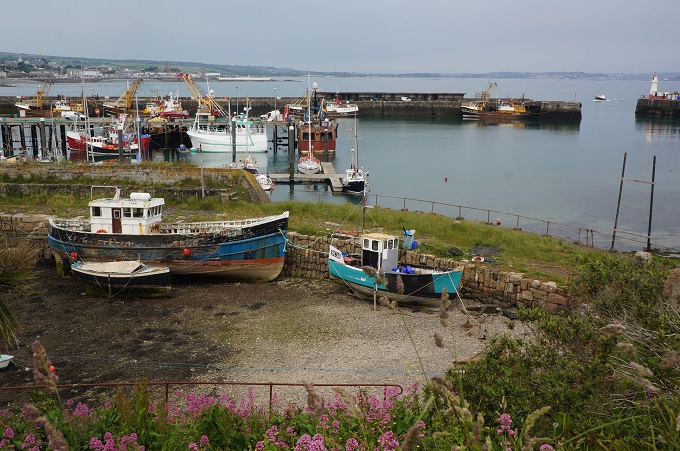
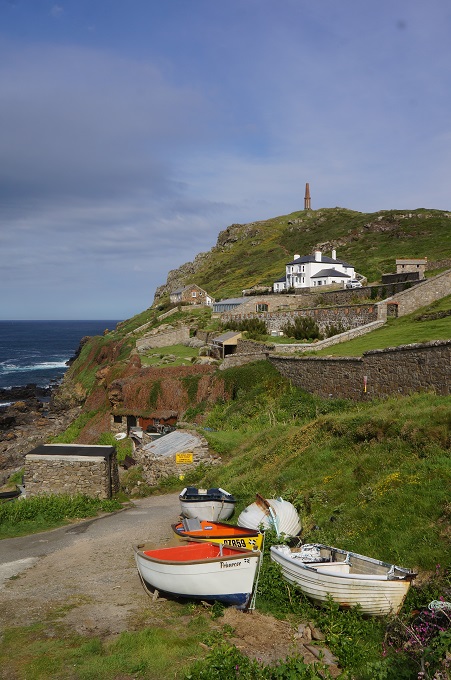
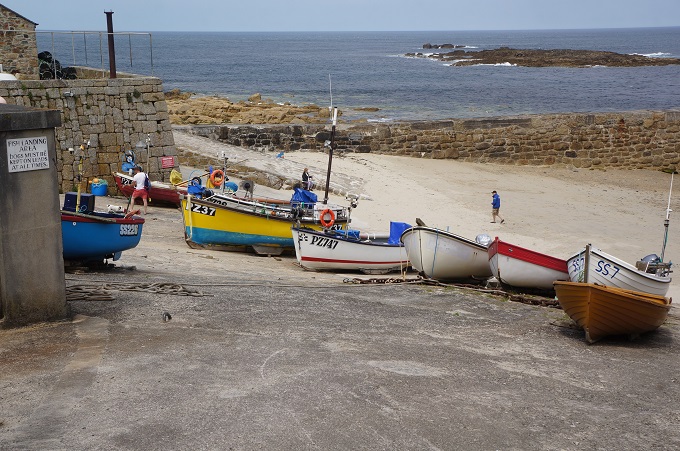
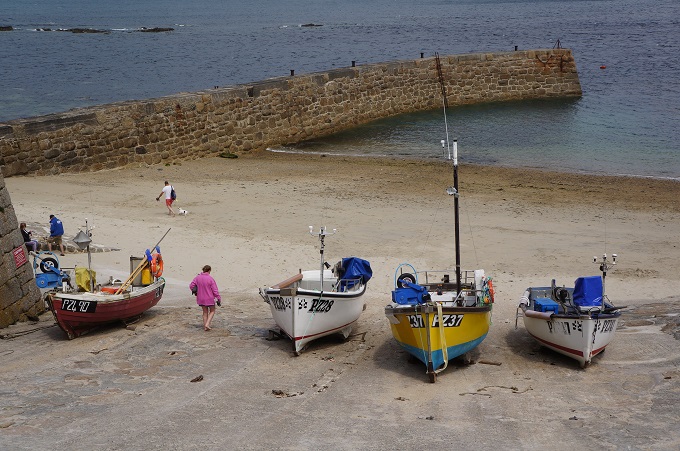
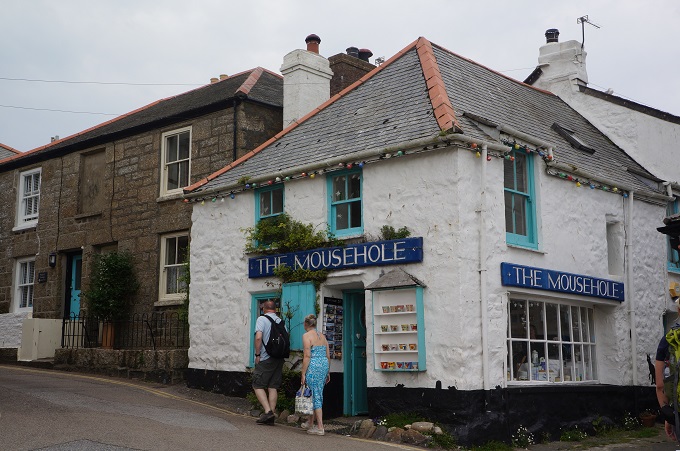
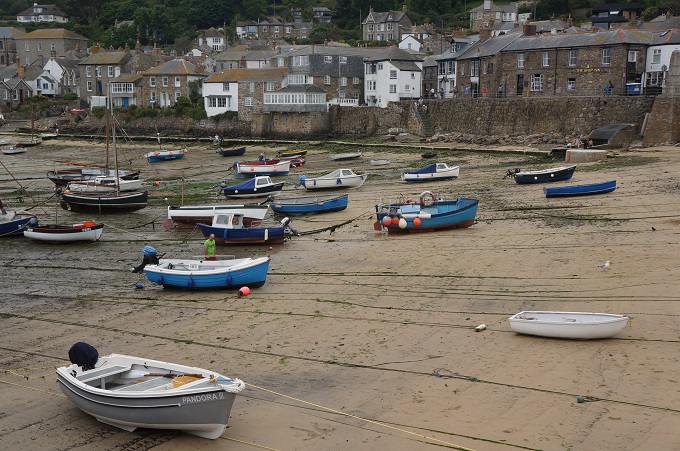
At the end of the day we passed through two contrasting fishing villages. The first was Mousehole – pronounced ‘mowzell’. This is a former pilchard-fishing village and is like a film-set. A romantic notion of what a Cornish village should look like and one of the most appealing we will see on the Coast Path. The tide was out and so it looked even better with all the boats lying stranded on the sand. We approached Mousehole from over a hill and then wound our way down to it through narrow streets, so it was all quite dramatic.
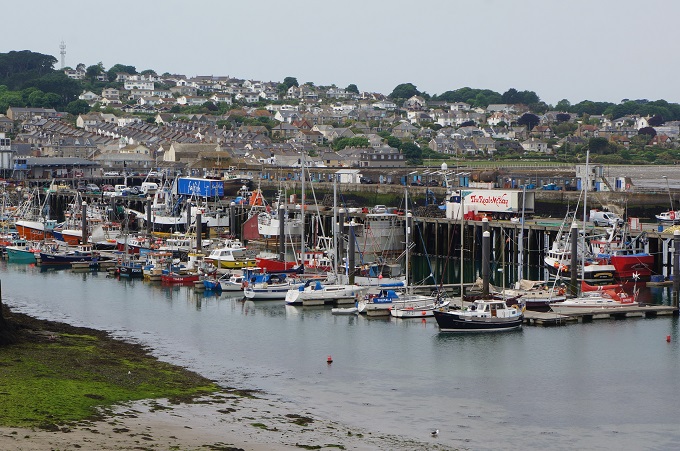
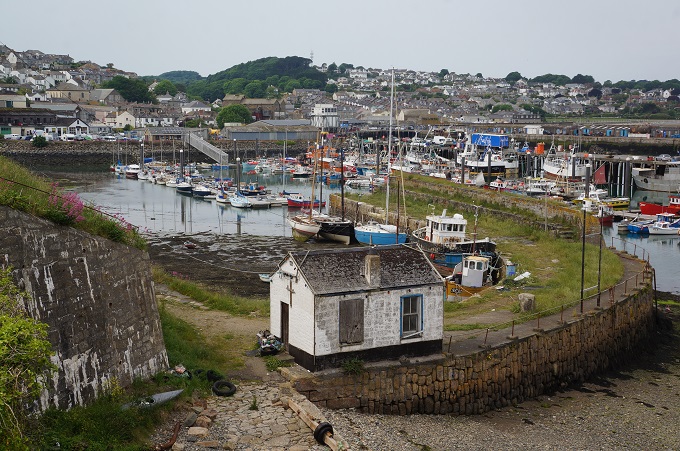
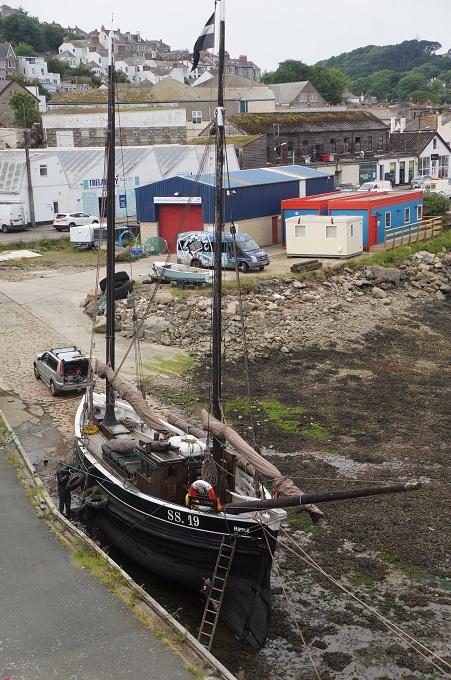
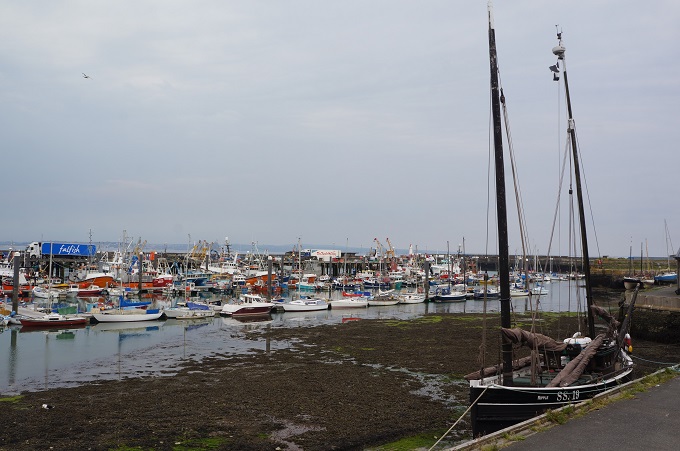
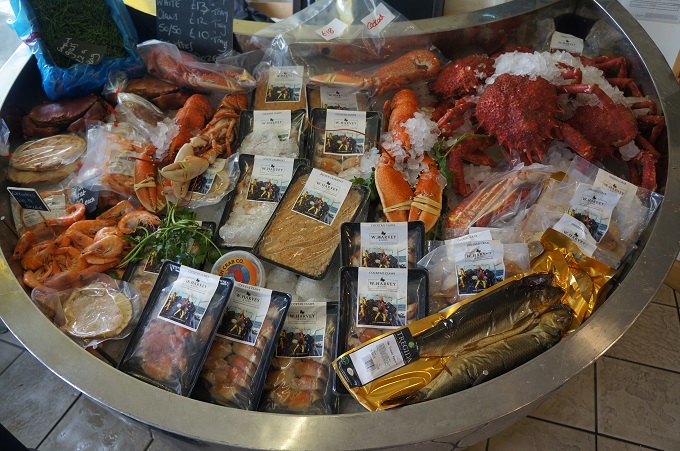
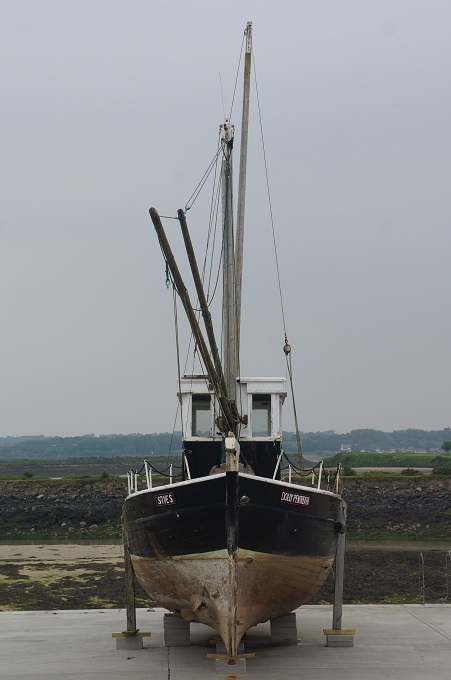
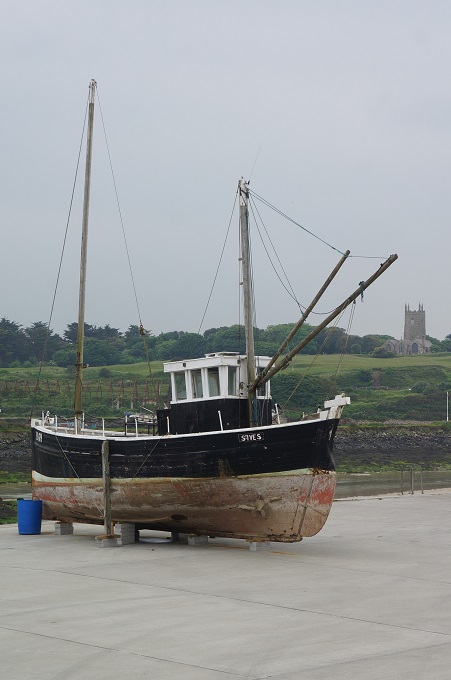
Between Mousehole and Penzance is the working fishing port of Newlyn. It steadfastly refuses to be turned into a nostalgic trip for the benefit of tourists. It has all the good, bad and ugly of a port just wanting to get on with business. For someone like me who likes to lean on the rail and watch boats, Newlyn is full of interest. At this point I would like to apologise for all the photos of boats.

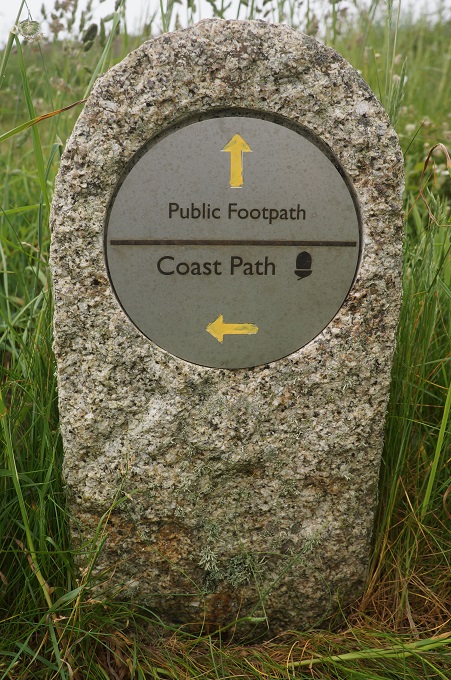
We had our first instance today of getting a bit lost. This morning we were happily walking along when we realised the usual narrow path had become a wide gravelled farm road and we hadn’t seen any acorn signs for a while. It didn’t feel right. We decided to back track to find the last sign. After about half a km we met an elderly Dutch couple we were on nodding terms with, and they convinced us we had been on the right track and so we turned around and the four of us proceeded again. After about a km it was pretty obvious the farm road was going inland away from the coast. We all stopped and were consulting books, notes and maps, when a young Dutch couple came along behind us.  They had a map and confirmed this wasn’t the coast path, but it didn’t matter, this often happened to them. They never back tracked just kept going ahead until they found another road that went back to the coast. So the six of us joined up and soon enough we found a road to a camping ground that had access to the coast path. We probably did an extra three km which doesn’t matter for the young ones, but for us oldies every km tells at the end of the day.

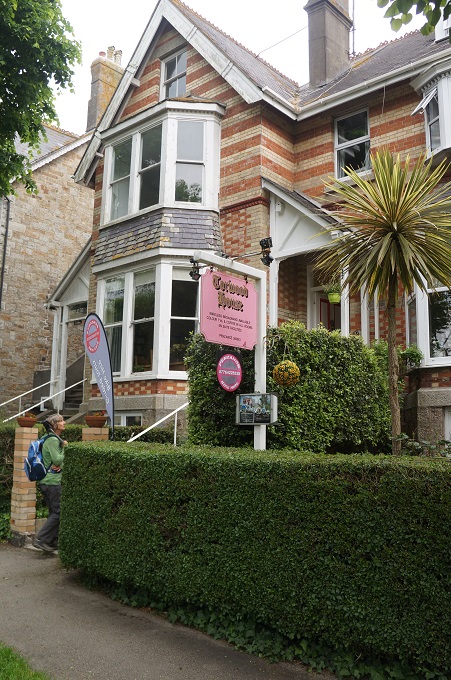
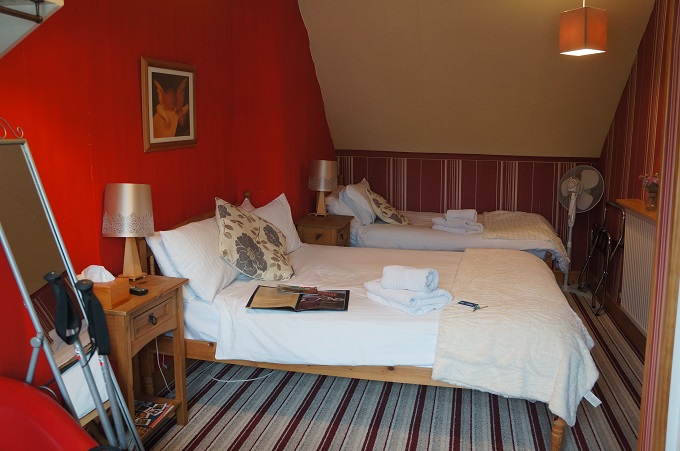
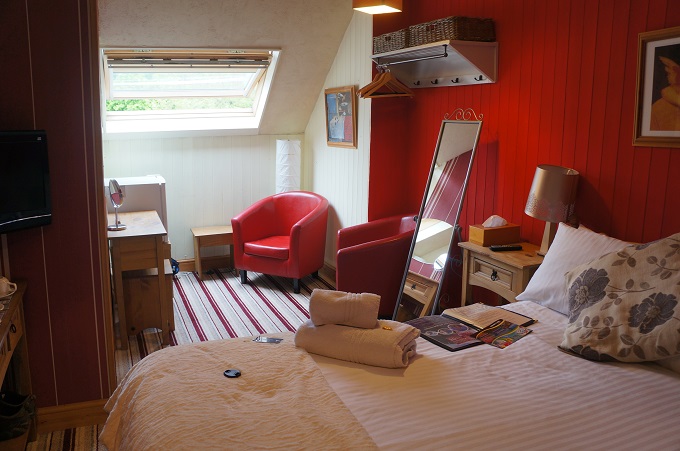
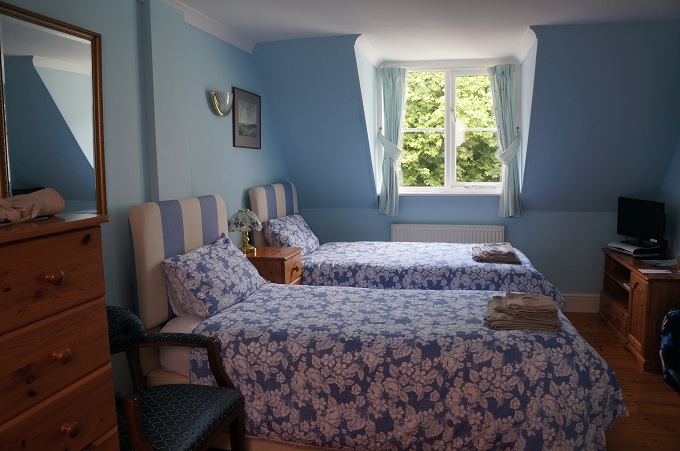
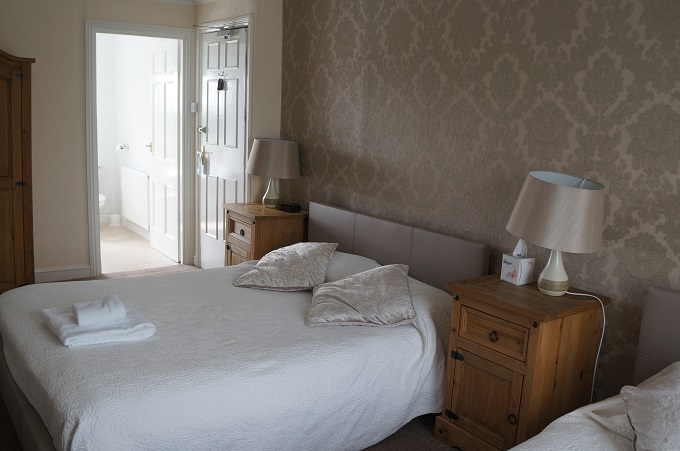
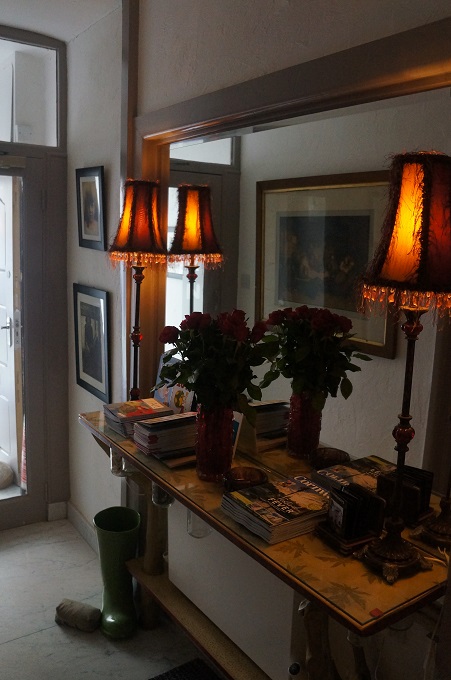
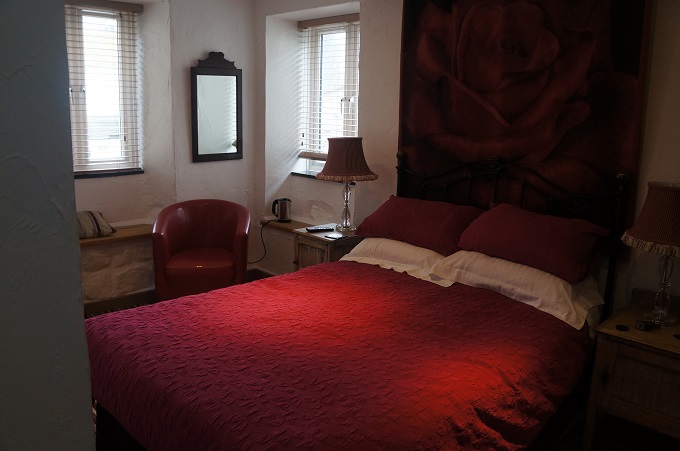
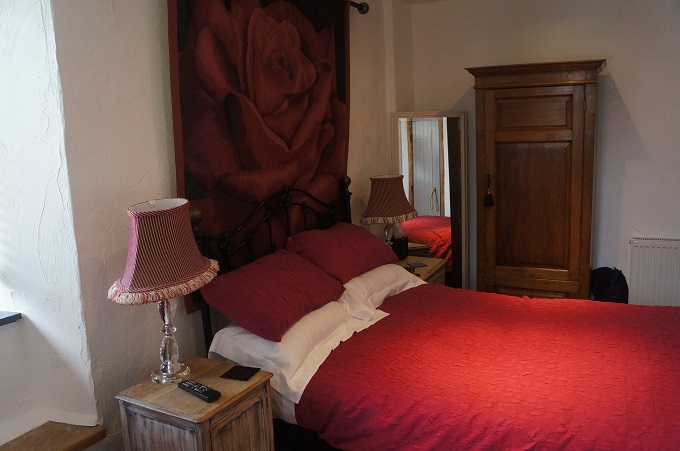
Tonight we are in the attic of a three story Victorian villa and the owners seem to have a thing for red. We have two red leather chairs, red striped carpet, red striped wall paper on one wall and screaming red paint on the other. We have to spend two nights here!!

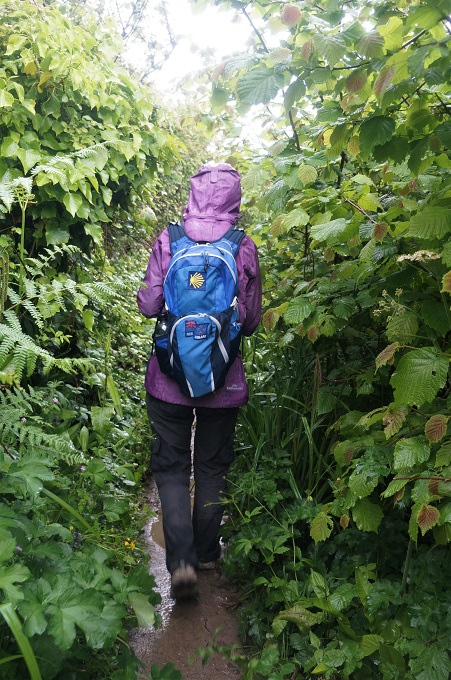
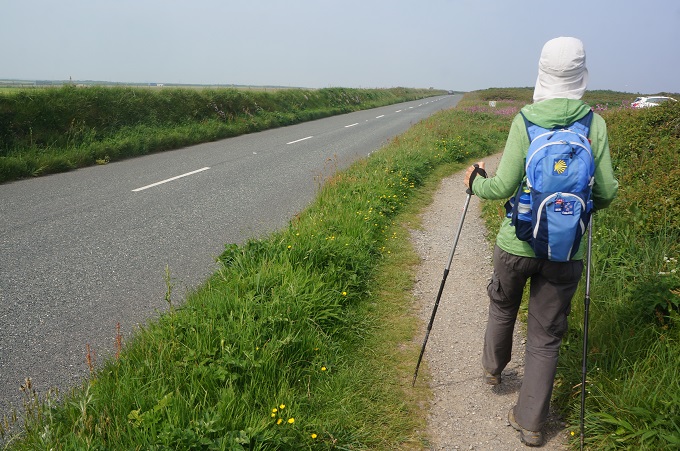
We didn’t enjoy today as much as previous days. It was hot and humid and we were often walking in narrow hedgerows with two metre high vegetation pressing in on us. The last five kms we walked on a sealed cycleway/footpath close beside the sea. A nice change.


The First and Last

St Just to Porthcurno, 20 km, 475 metres of climbing

‘All truly great thoughts are conceived while walking’. Nietzsche

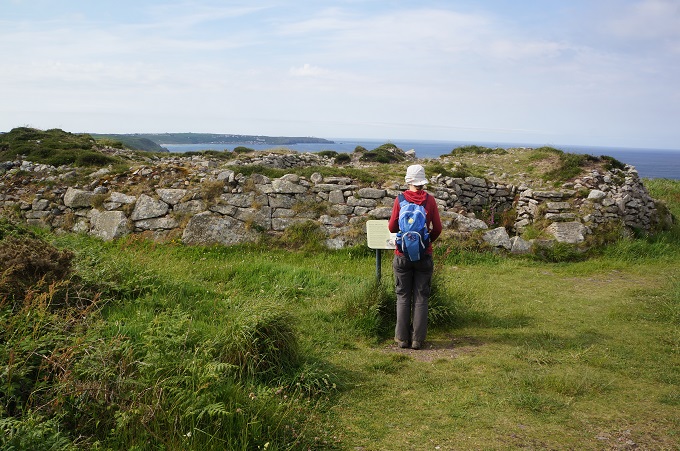
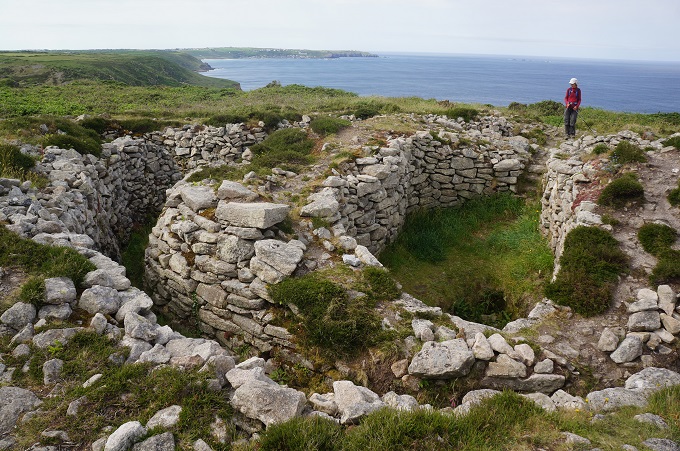
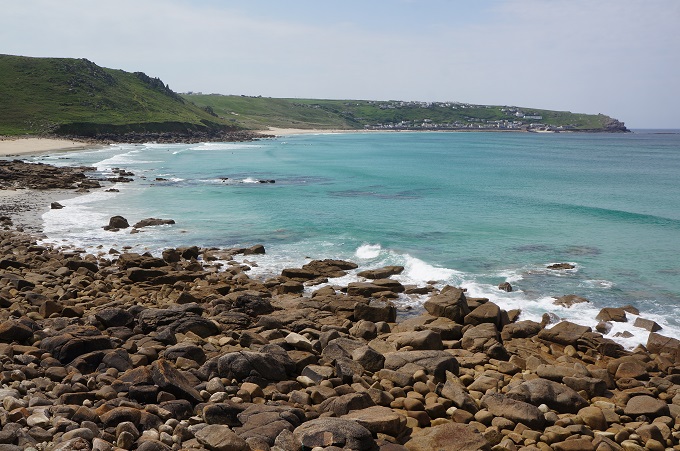
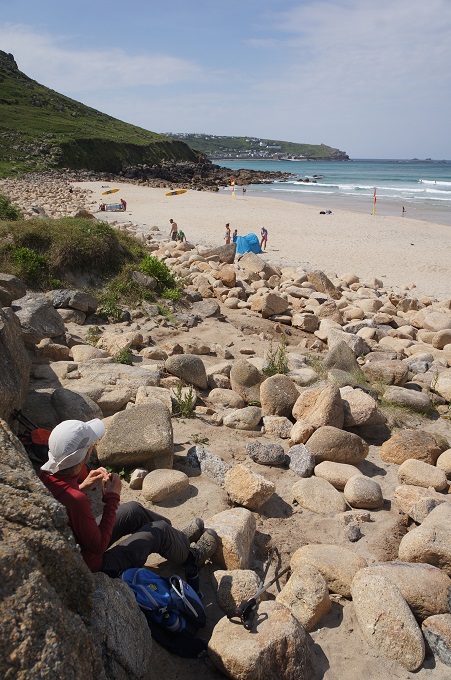
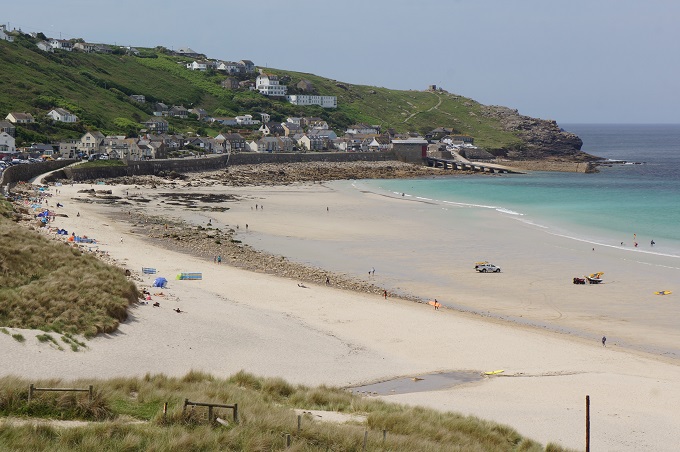
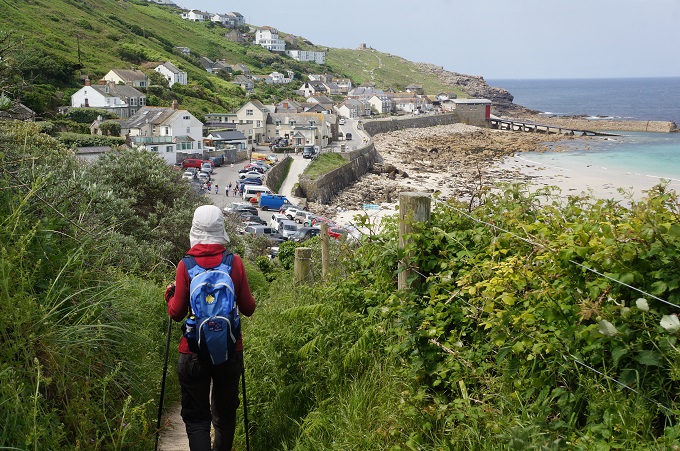
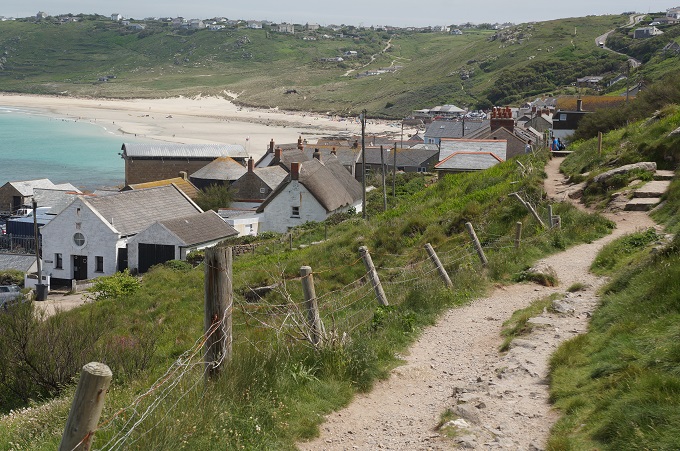
 Today started out an easy walk along the cliffs, gradually flattening out to provide a gentle approach through sand dunes to Whitesand Bay (coffee stop) and Sennen Cove (loo stop). Not long after leaving Cape Cornwall we had come to the Ballowal Barrow, This is a bronze age funerary monument. In the centre of the barrow was a mound surrounded by two concentric drystone walls. Inside the ring of walls were five small stone lined chambers known as cists, some which had bronze age pottery and probably held cremations. Two pits forming a T shape may have been graves. This barrow was discovered in 1878 and the excavations and some alterations done at that time make the site difficult to understand today.

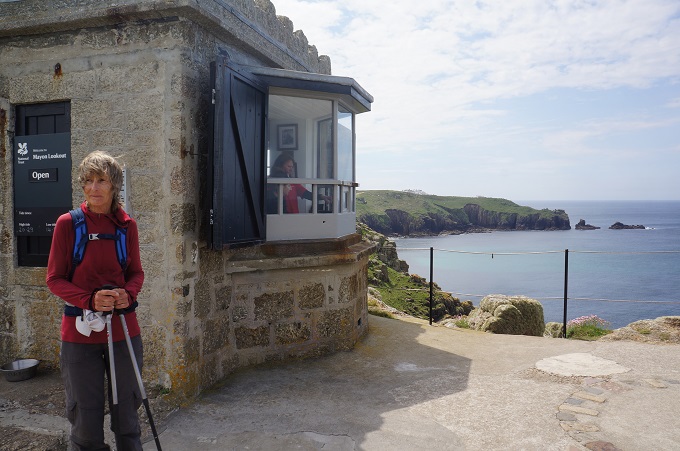
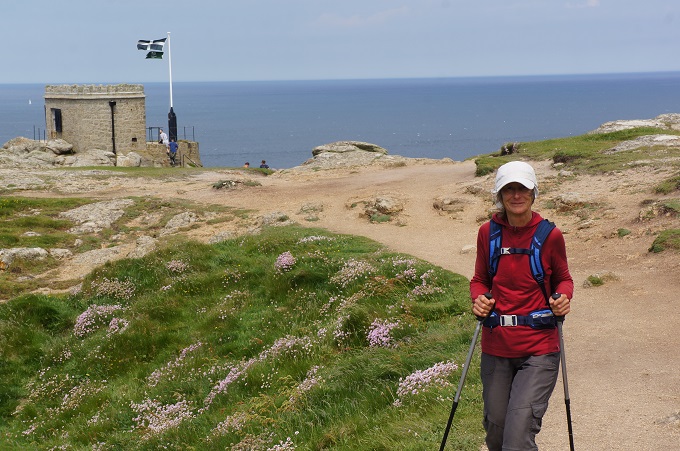
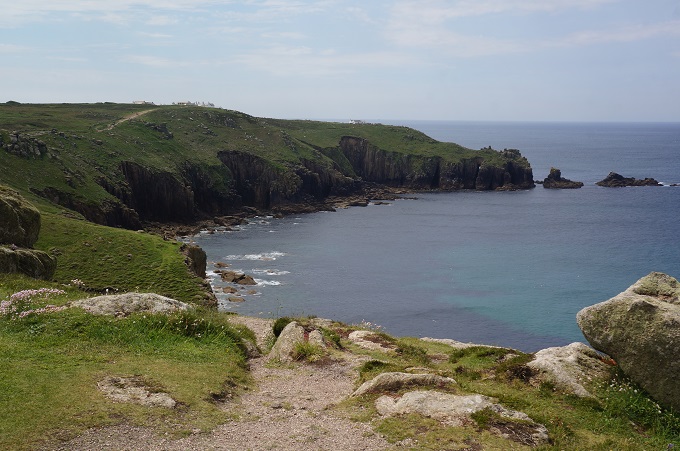
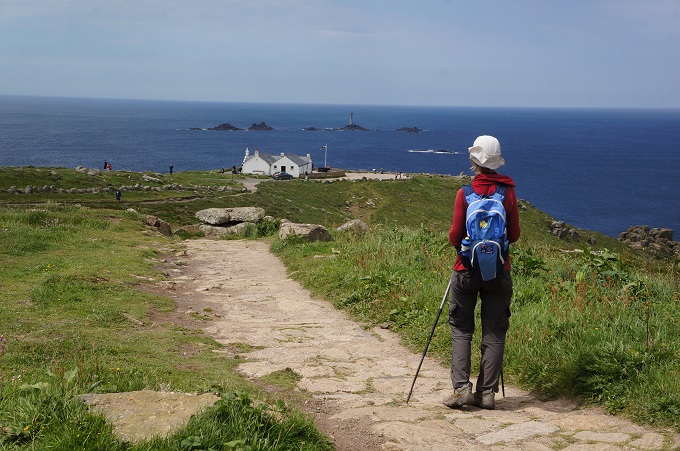
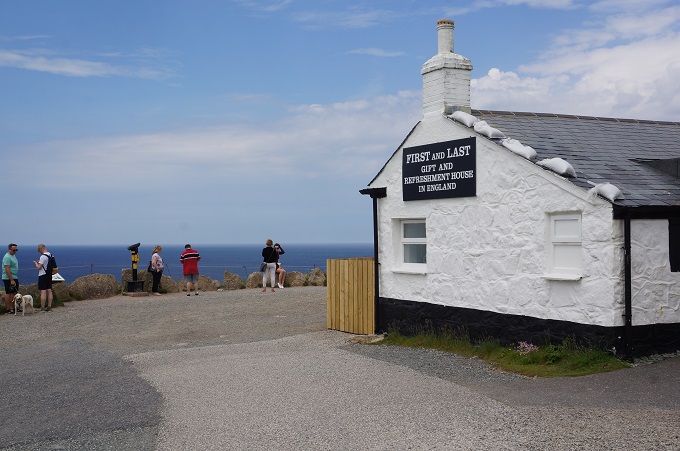
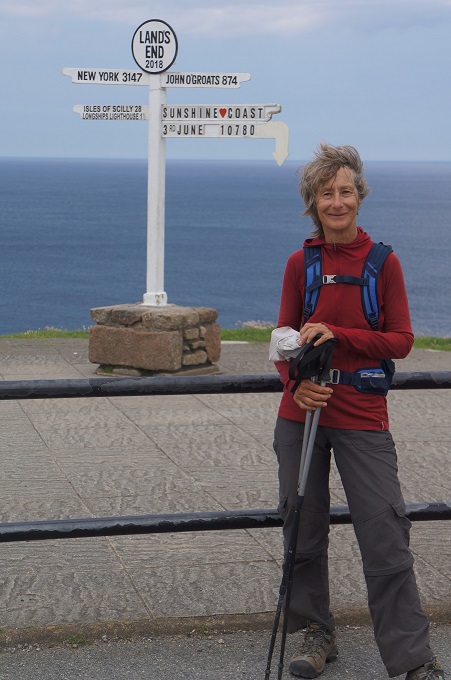
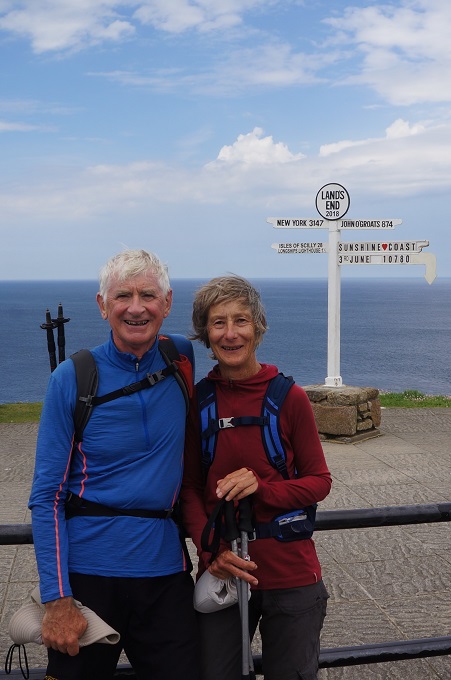
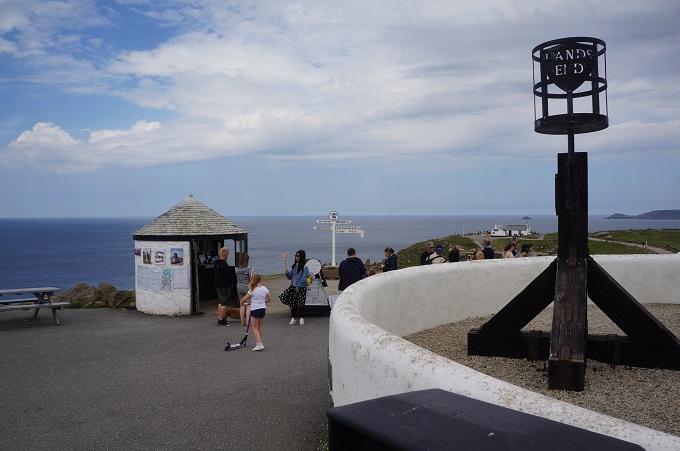
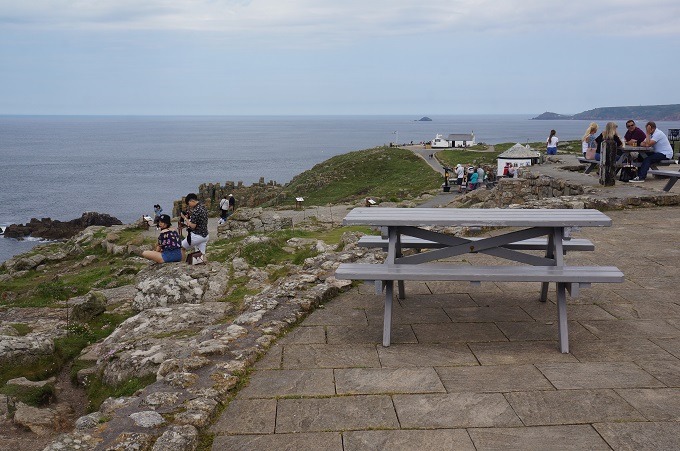
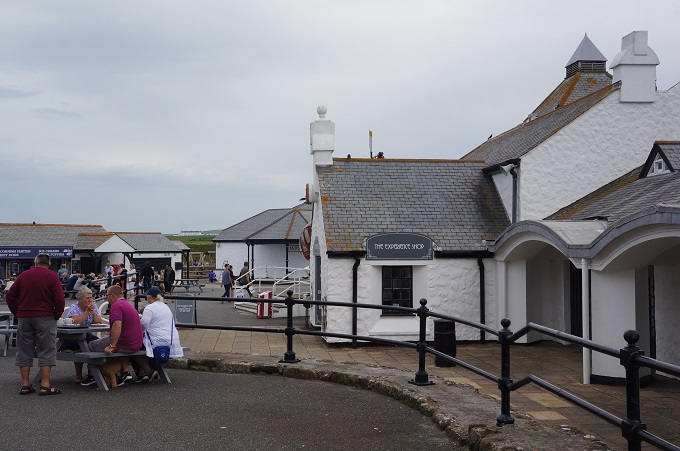
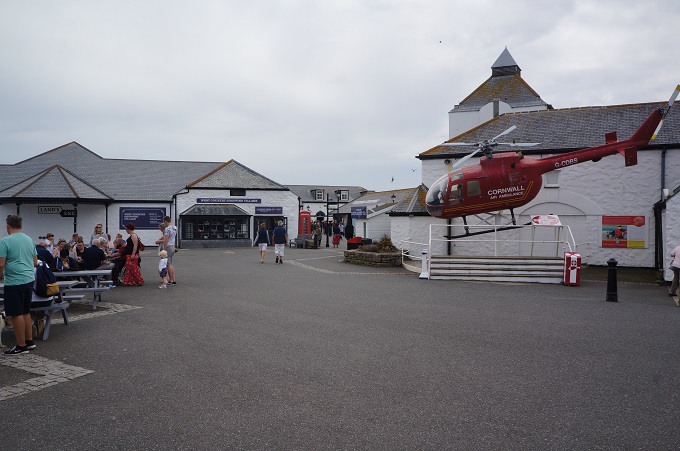
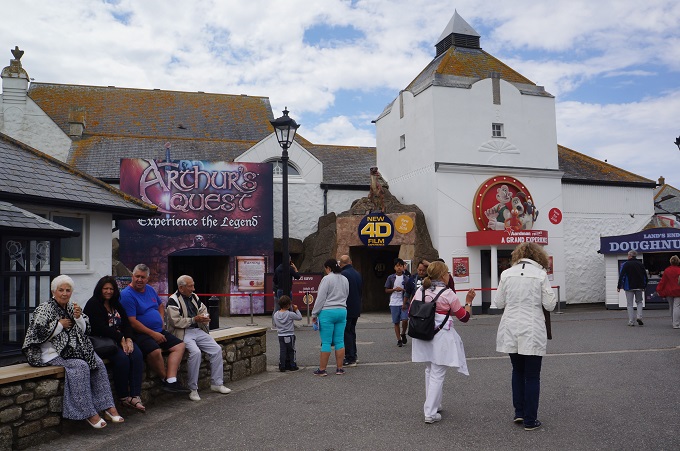
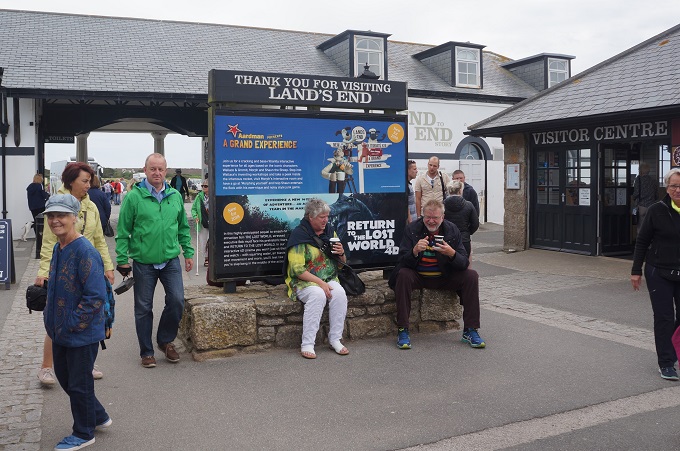
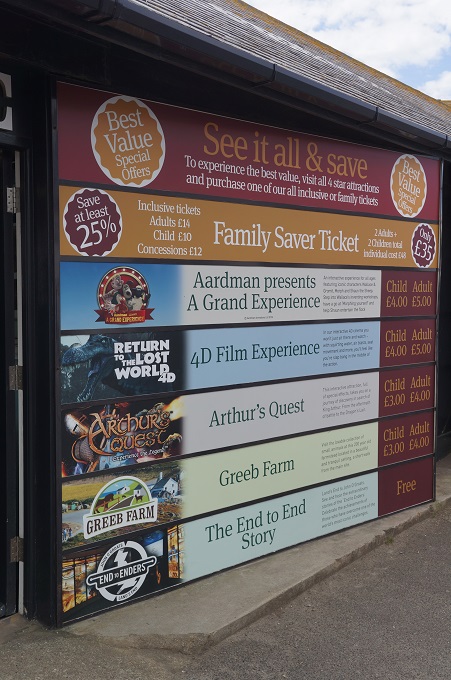
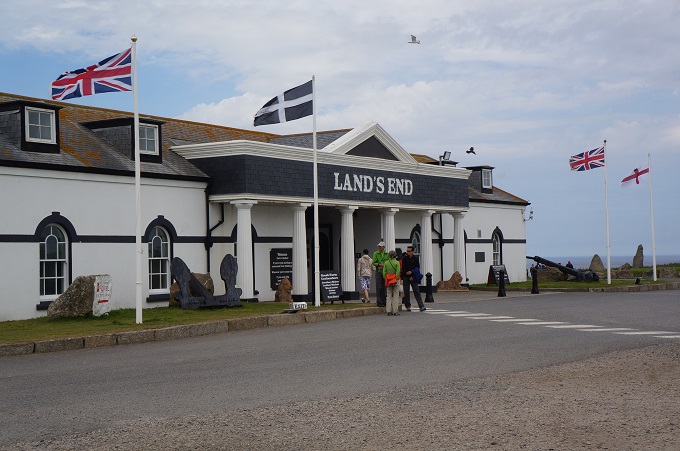
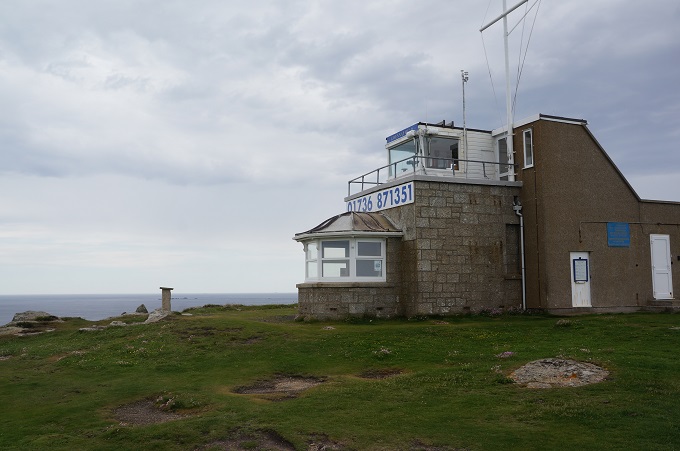
From the start this morning we had been able to see the headland of Land’s End. It took us about four hours to get there and we had mixed feelings about what to expect. We had read that the rugged beauty of the coastland was spoilt by a huge coach and car park, a massive hotel, bars and restaurants, a shopping village and masses of children’s theme park rides. It wasn’t too bad and had sort of been done ‘tastefully’. We had the obligatory photo taken in front of the Land’s End sign post with the distances to John O’Groats and New York. The sign post is inside a fence and by paying some money they will put up the distance to your home town and you get photographed in front of it. We didn’t bother –  it’s 11,796 miles from Land’s End to Paraparaumu in case you’re interested. We had a look at ‘The First and Last House’ and walked through the shopping village without buying anything, and got out of there. The path was busy for about half a kilometre and then it was back to the beautiful rugged isolation.

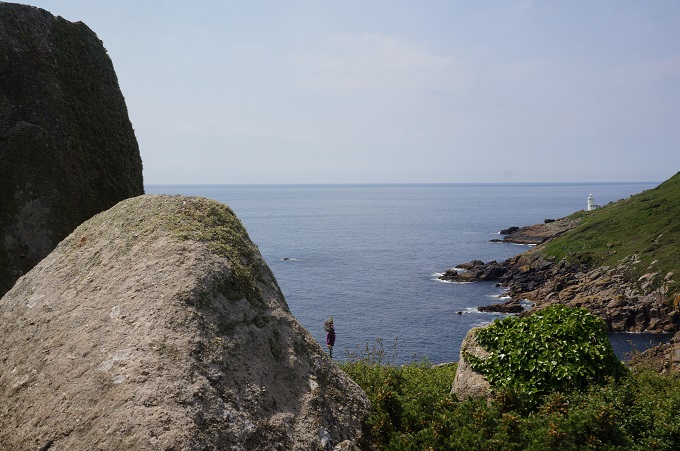
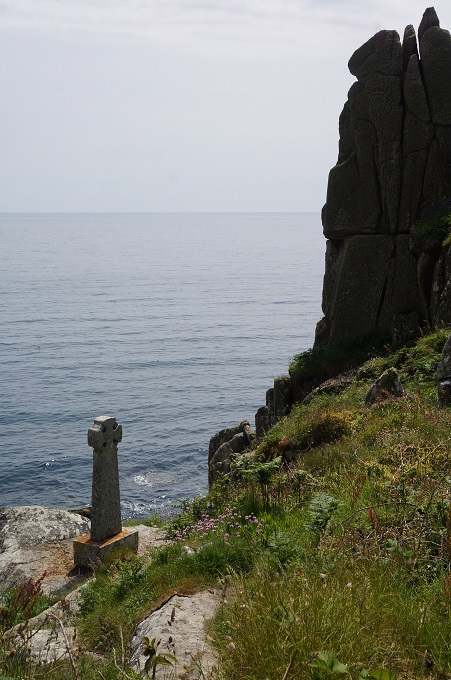
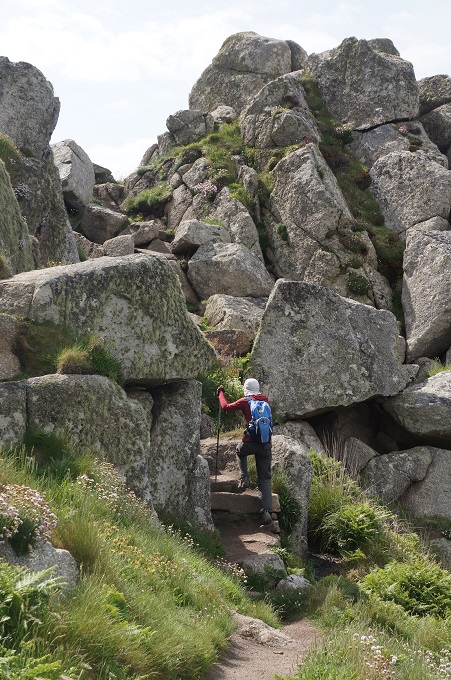
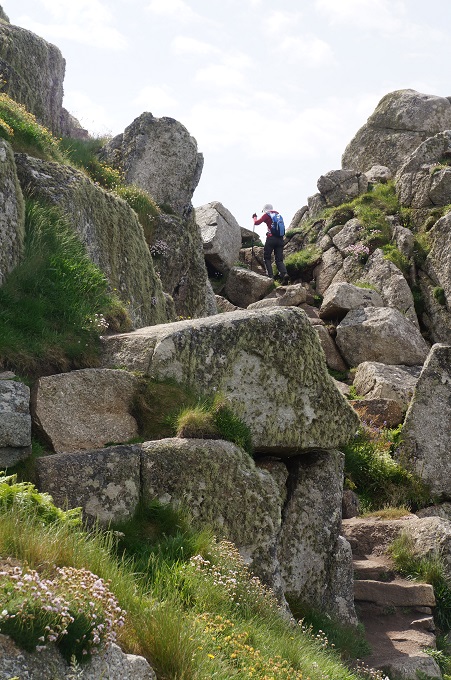
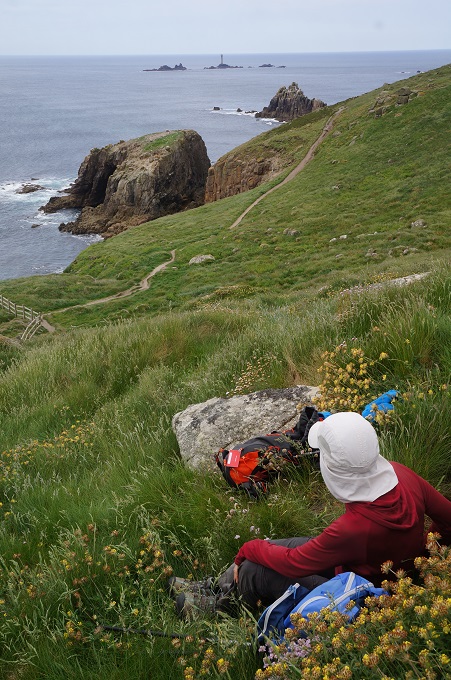
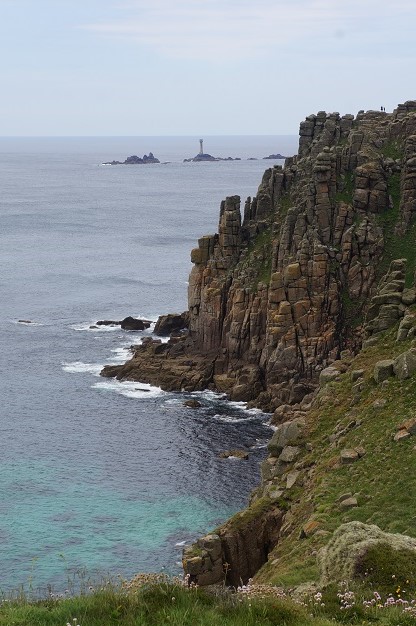
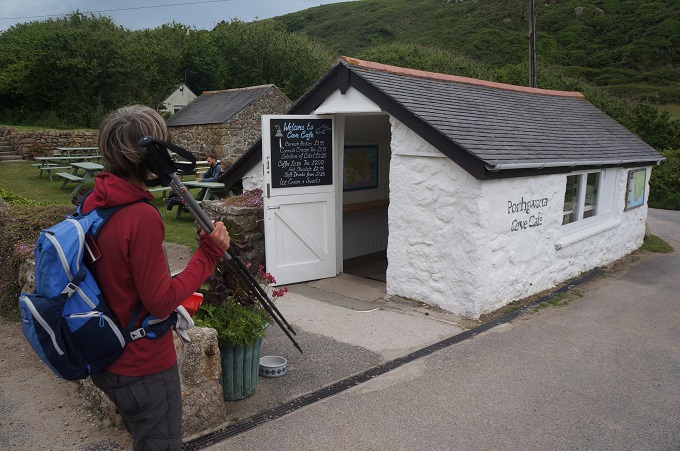
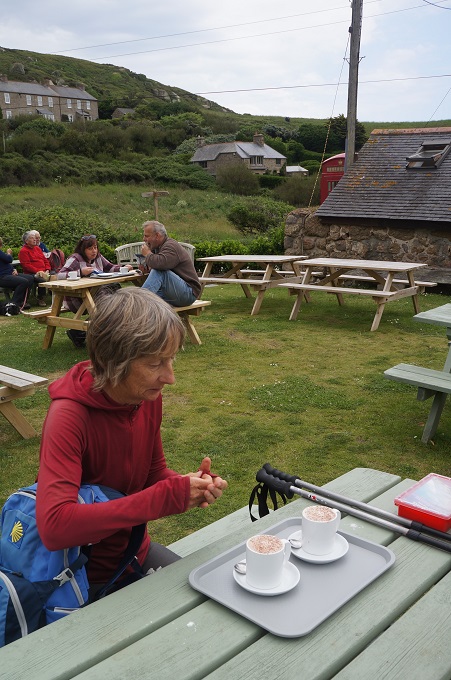
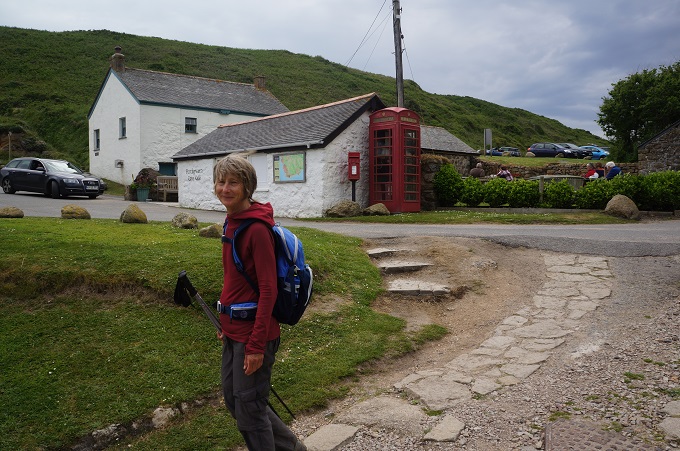
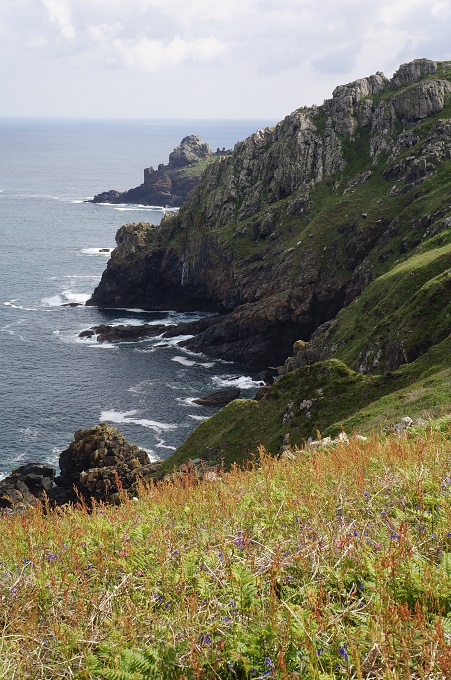
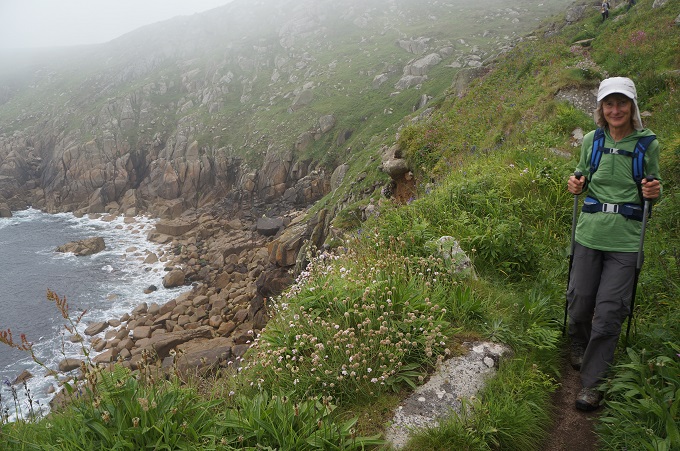
The next three hours were rugged and isolated. Great granite headlands and massive rock outcrops. It was quite windy and felt like it might rain. We were feeling pretty tired when we suddenly dropped down into the tiny cove of Porthgwarra which had a tiny café, The Cove Café.  A lovely hot chocolate revived us and we set out for Porthcurno. Just short of Porthcurno is the fabulous Minack Theatre.

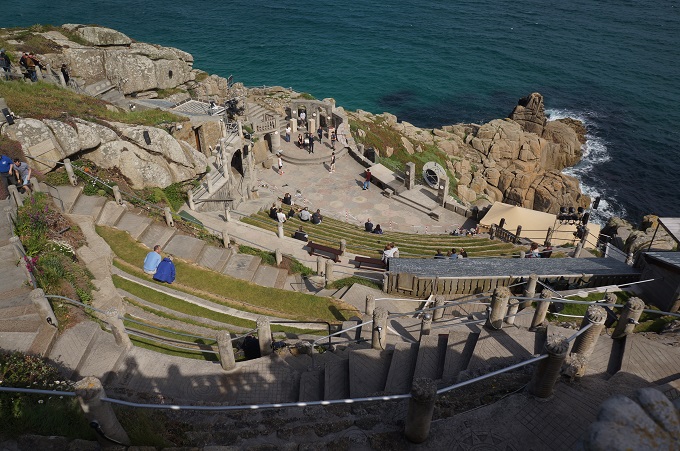
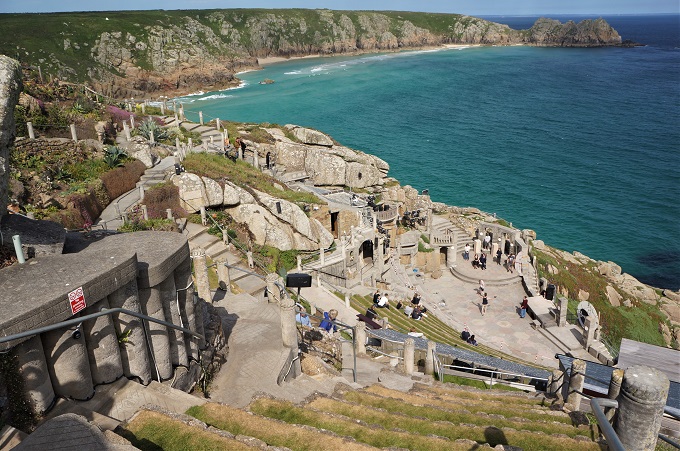
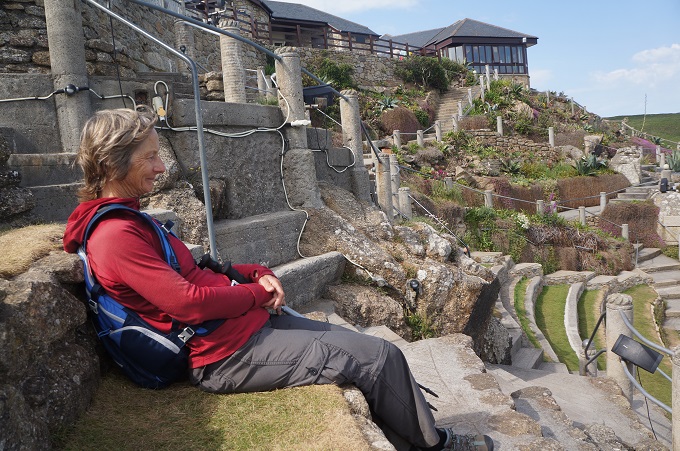
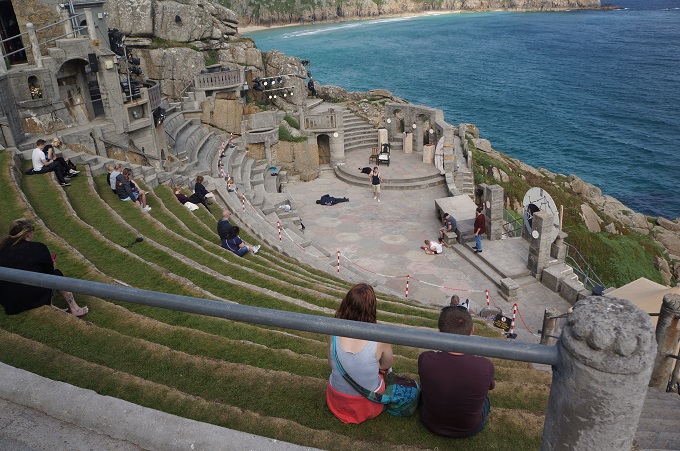
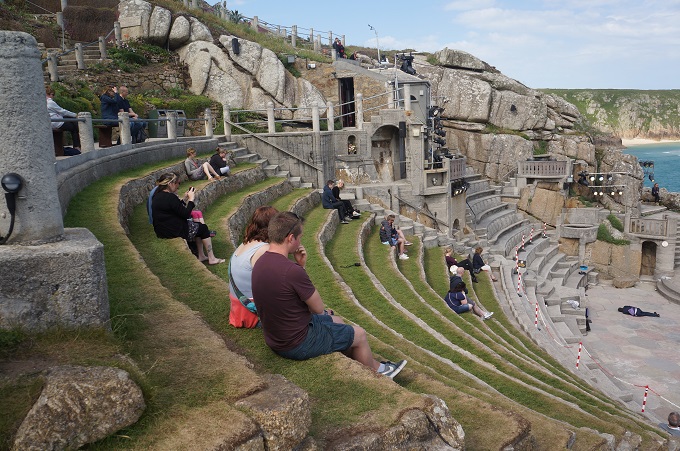
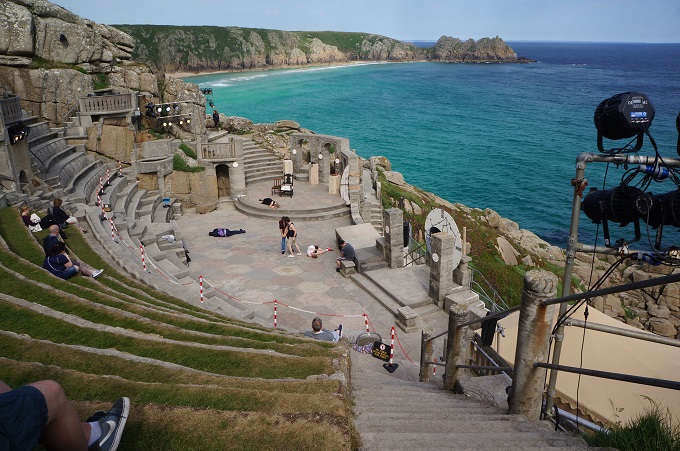
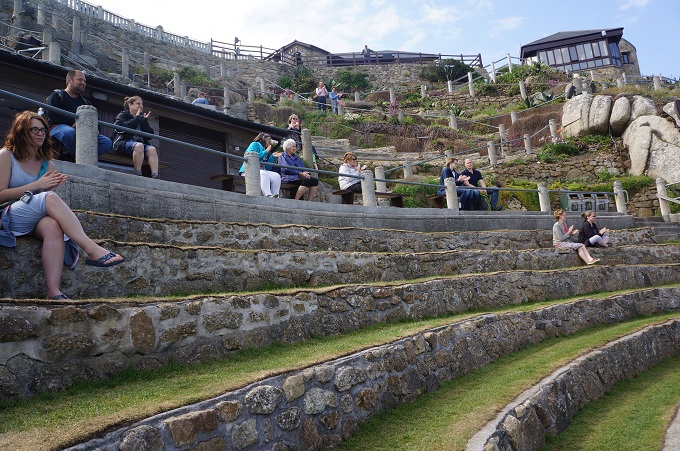
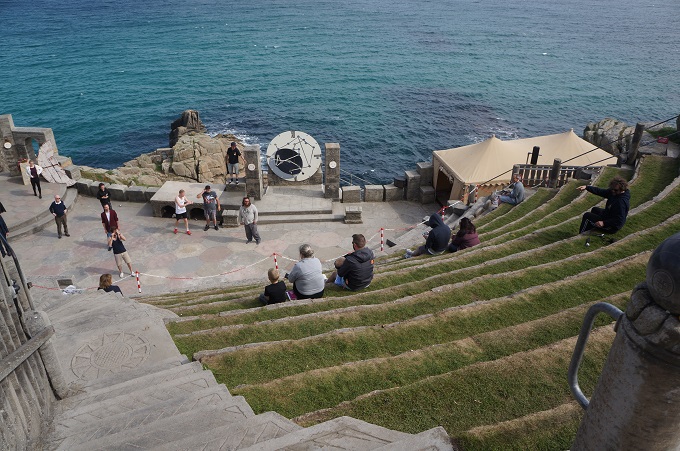
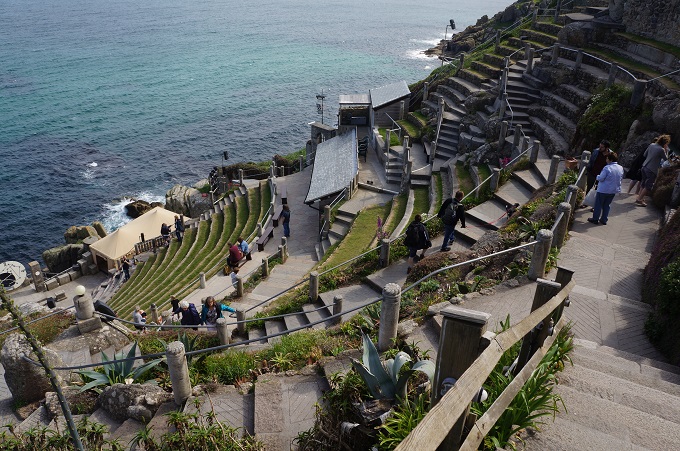
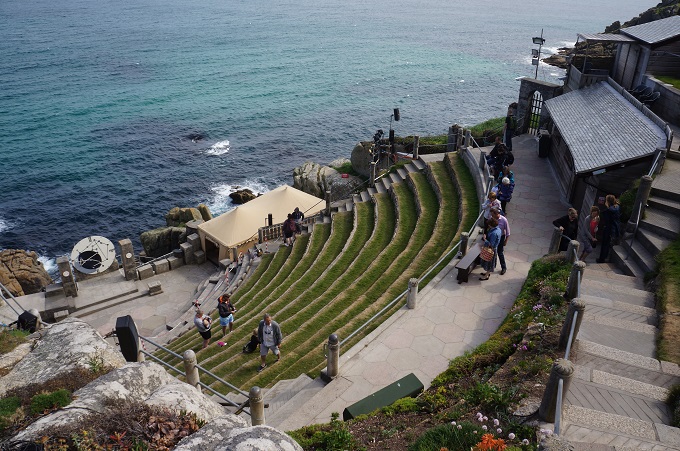
Minack Theatre is an extraordinary open-air theatre constructed above a gully with a rocky granite outcrop perched above the Atlantic Ocean. It is the creation of Rowena Cade, who by hand, with two of her gardeners, moved endless granite boulders and earth to make terraces. The first performance was in 1932 in a much smaller theatre than we saw today. The theatre continued to expand and improve until Rowena’s death in 1983. The theatre operates from May to September with childrens and adults, matinee and evening sessions. It operates rain or shine, bring your own cushion. We were there about four in the afternoon and a rehearsal of Hamlet was taking place, so we stayed and watched the last act.

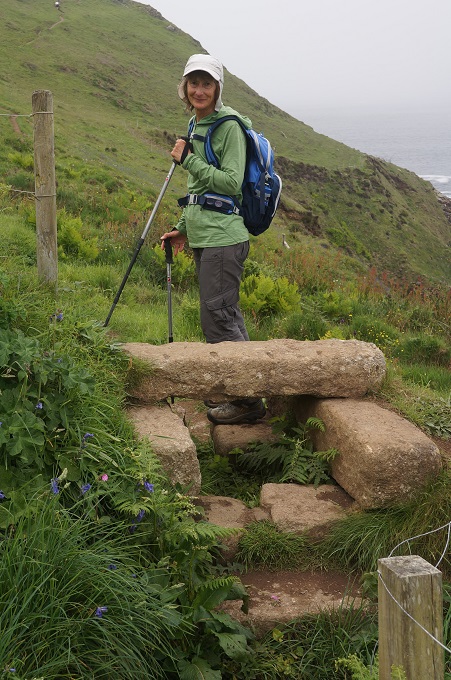
Today was our 17th day of 34 on the South West Coast Path so we have reached our halfway point. We are slightly over half way for distance traveled. We are still full of energy and enthusiasm and enjoying every minute of it.  That’s not totally true, sometimes we are tired, hungry, thirsty, sick to death of stumbling over stones, climbing stiles and opening and closing gates. But not much.


The Old Boys

Treen to St Just, 17km, 475 metres of climbing

‘Don’t worry about walking a mile in my shoes. Just try a day thinking in my head’. Aunty Acid

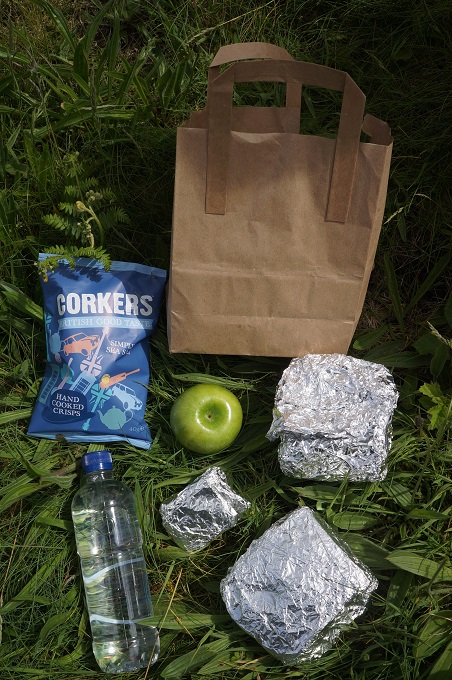
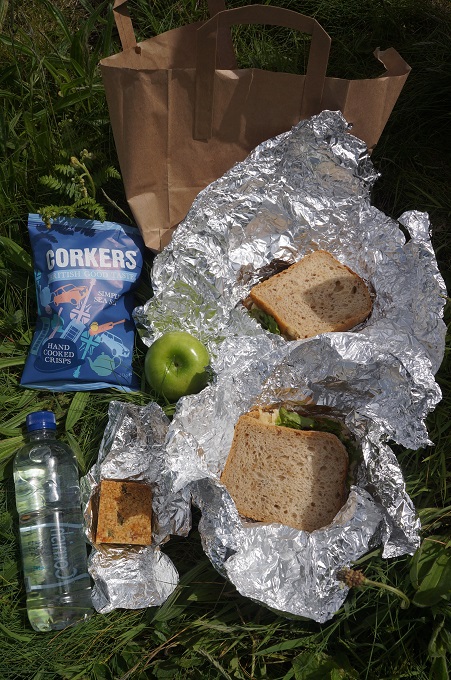
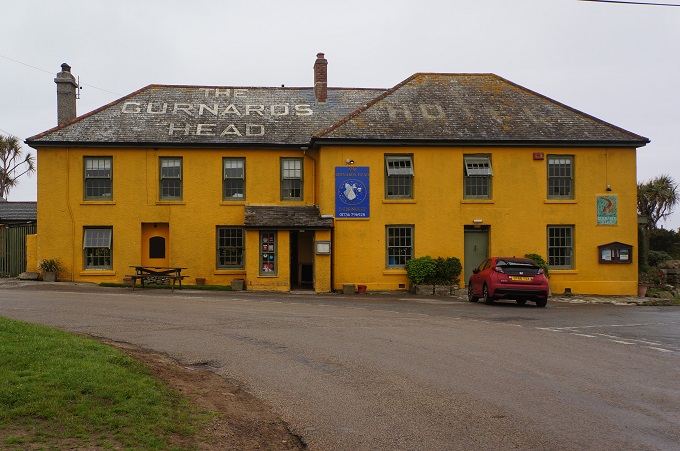
There were to be no places to buy any food or drink on the walk today so we bought a packed lunch at The Gurnard’s Head Inn. It looked quite big so we just got one to share. Two ‘huffers’ (sandwiches of cheese, lettuce and a yummy pickle), a flap jack, a bag of chippies, an apple and a bottle of water. All for just €10.50 – maybe a trifle expensive.

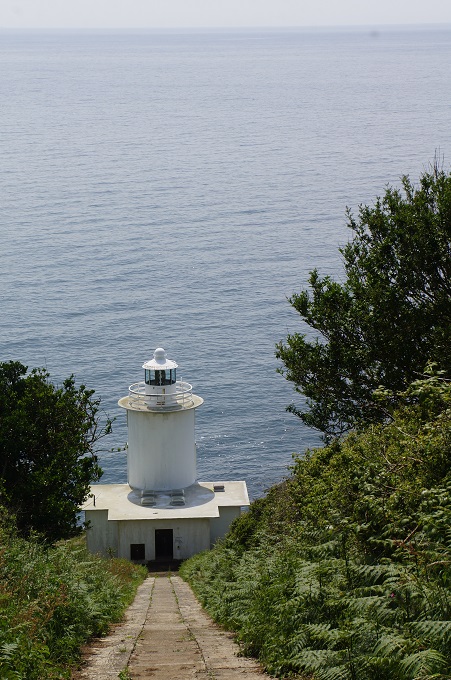
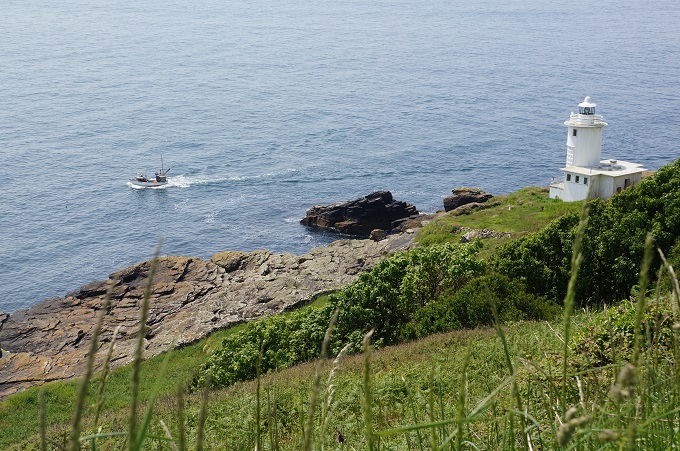
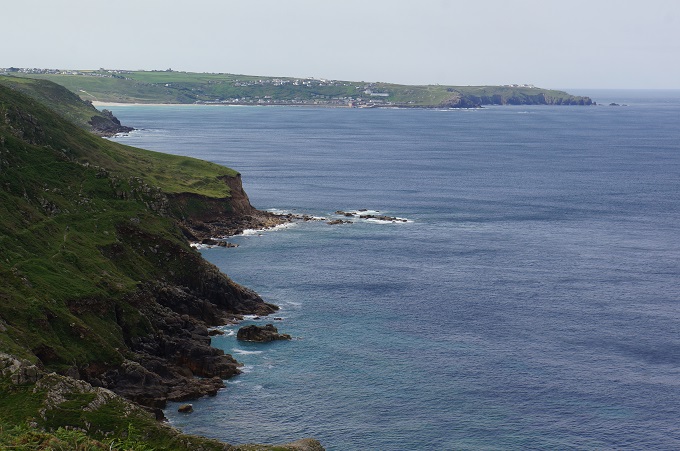
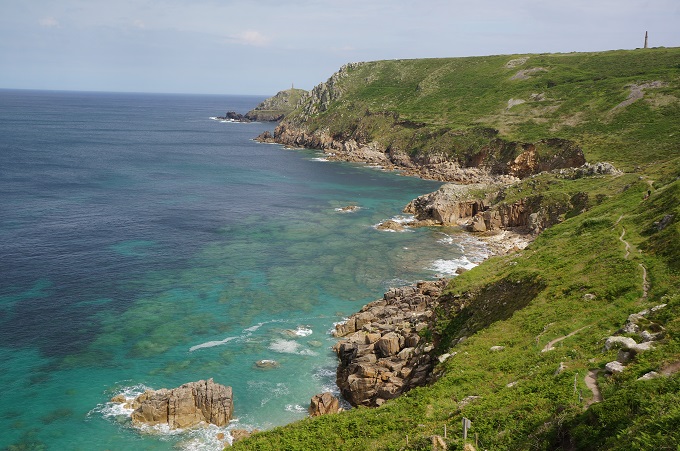
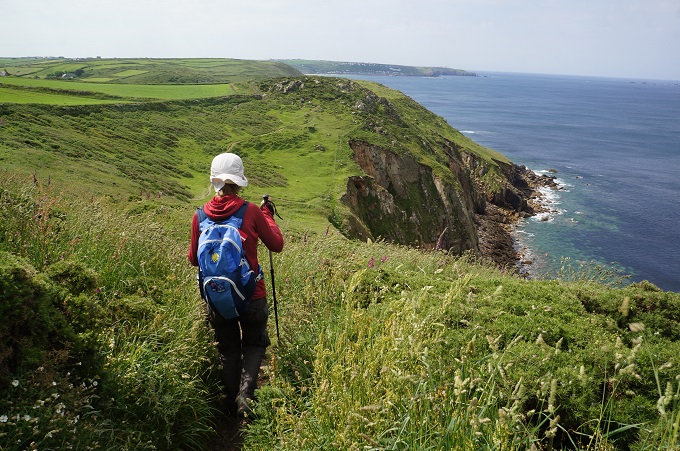
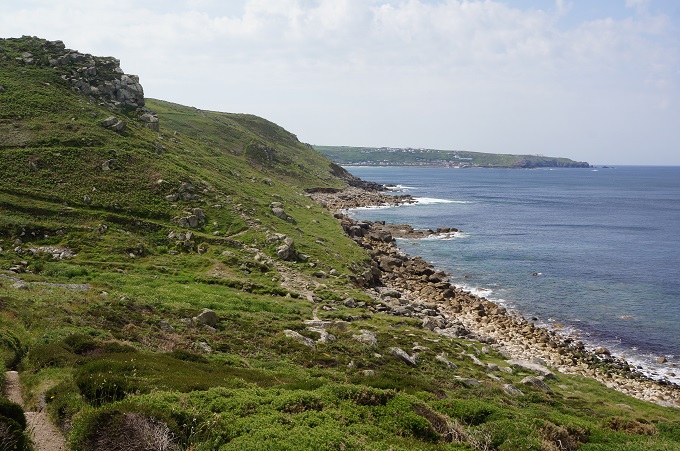
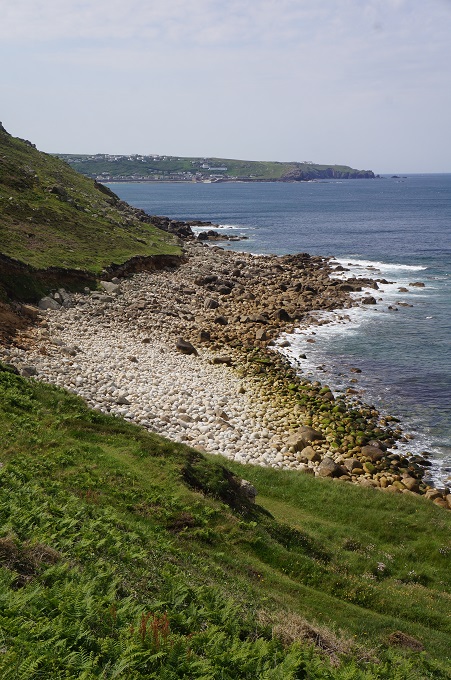
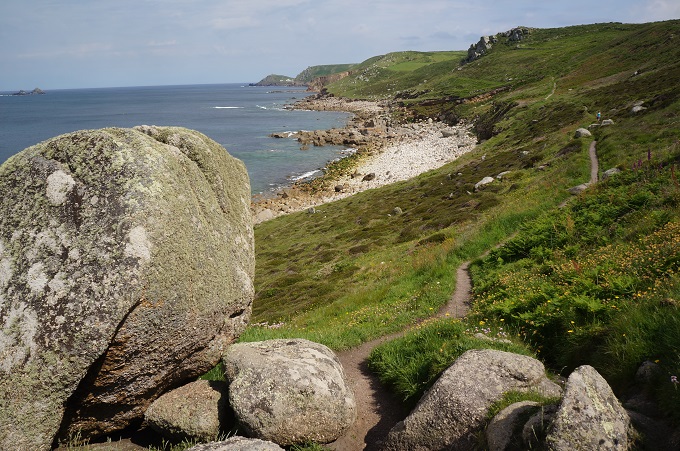
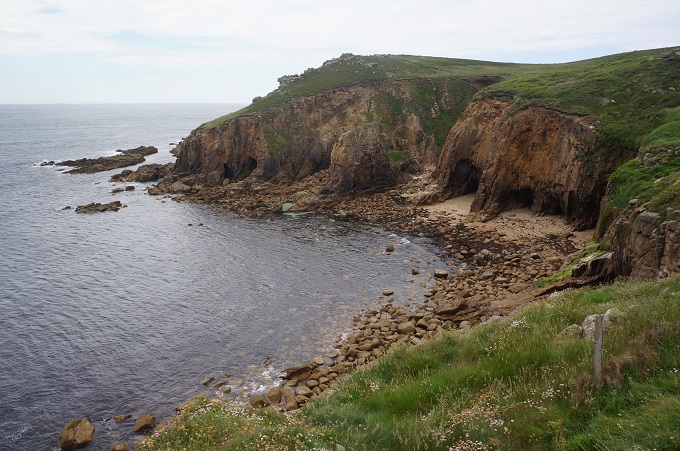
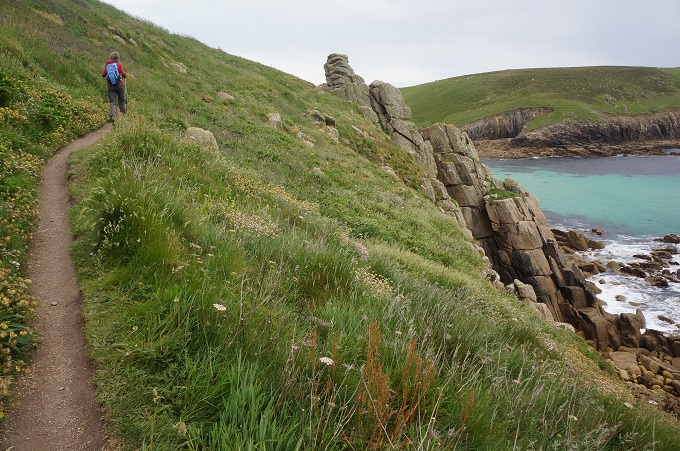
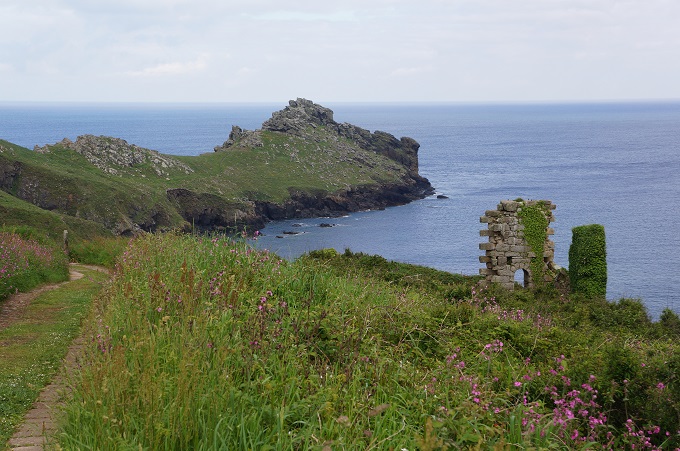
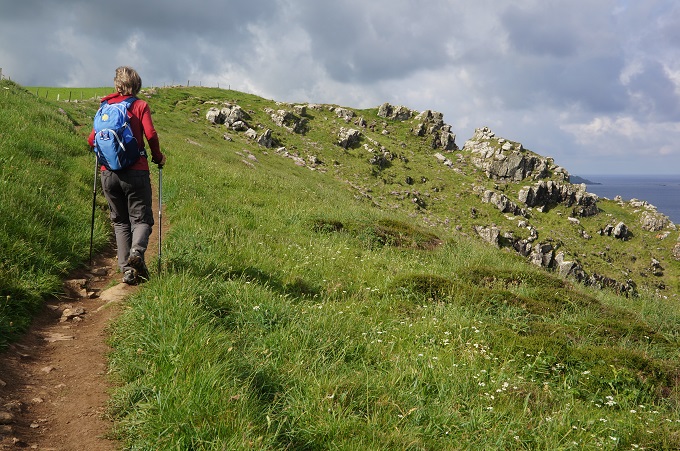
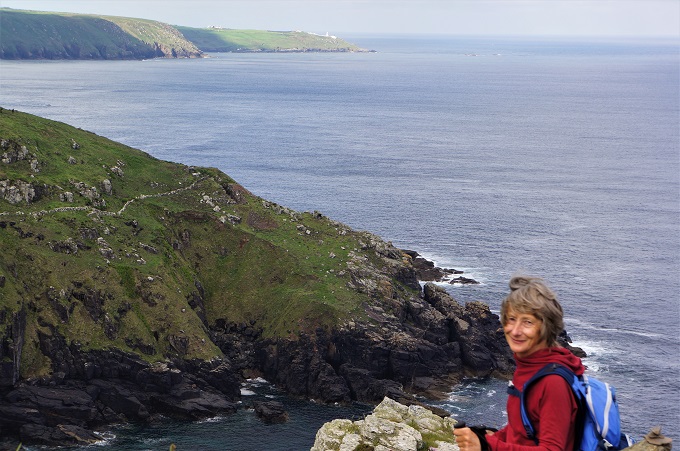
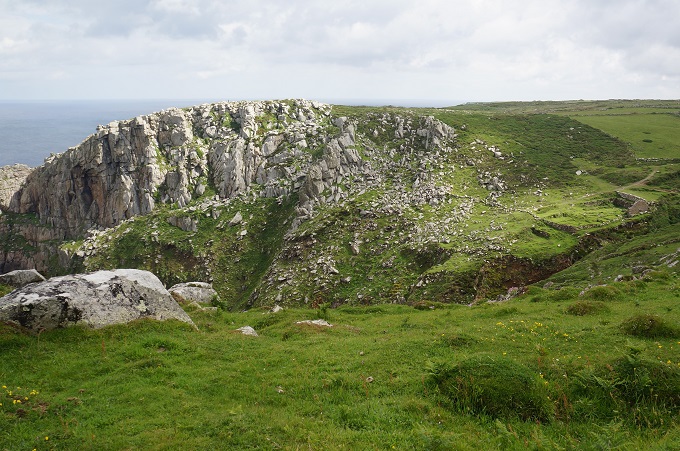
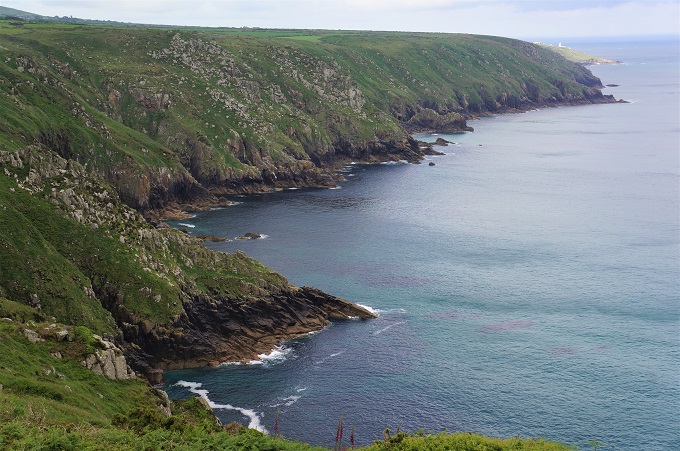
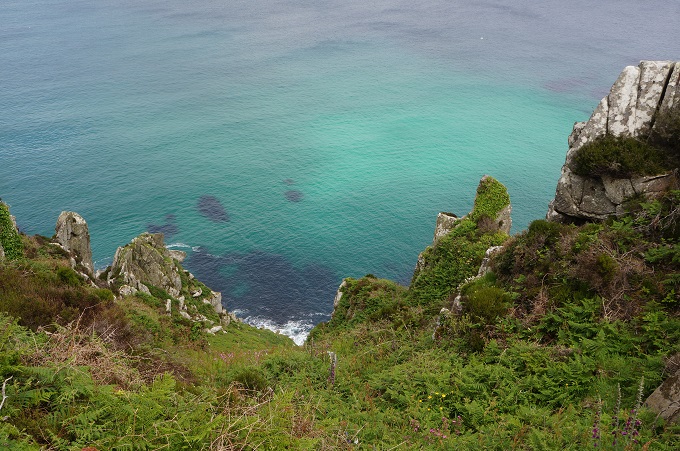
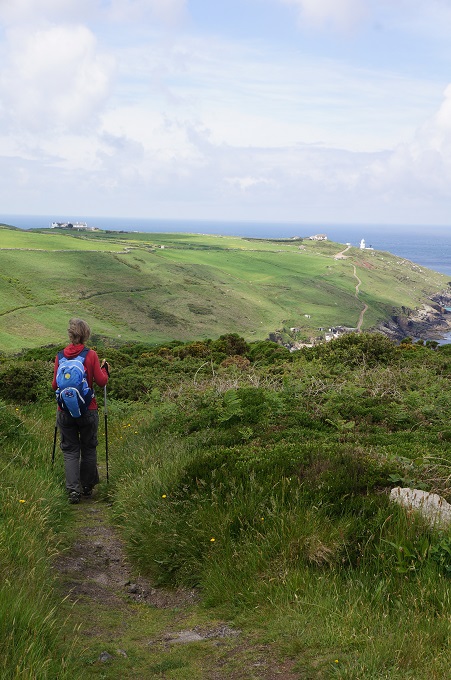
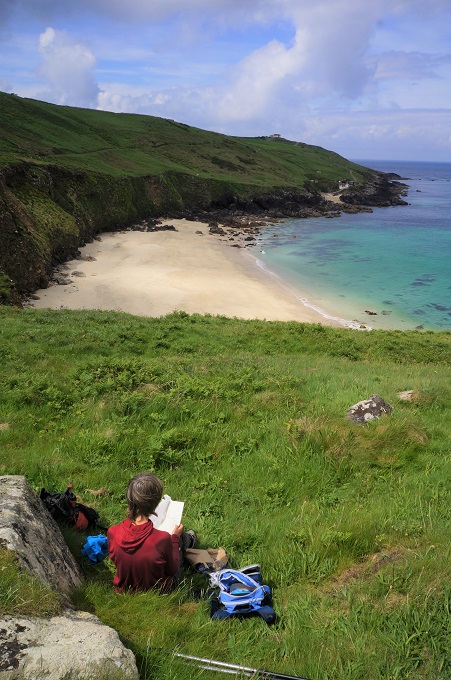
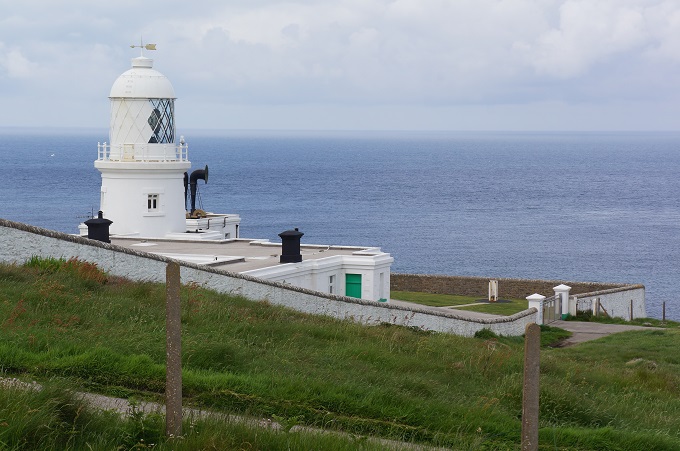
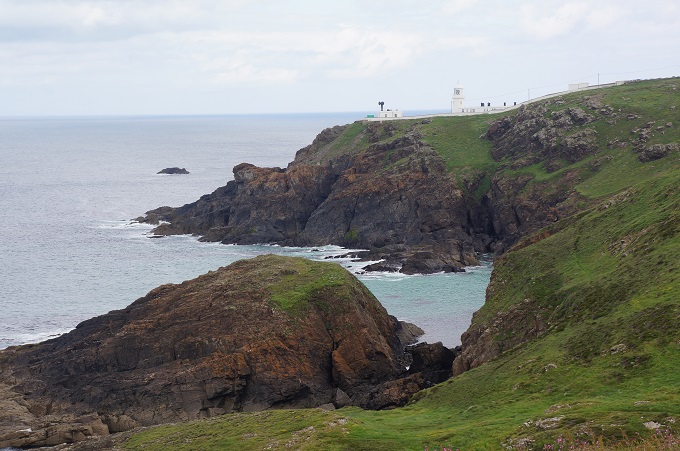
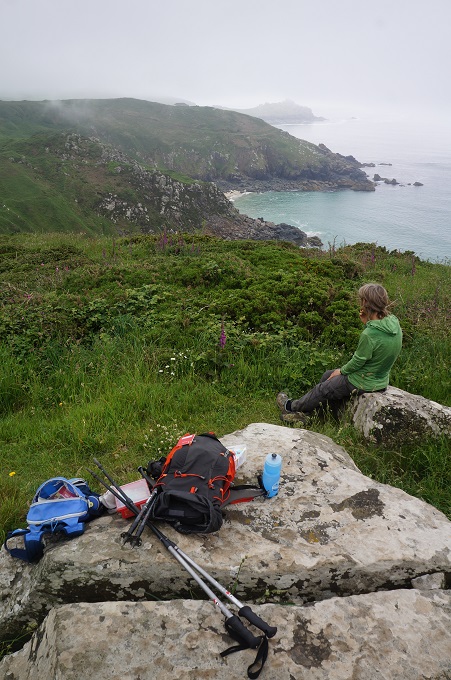
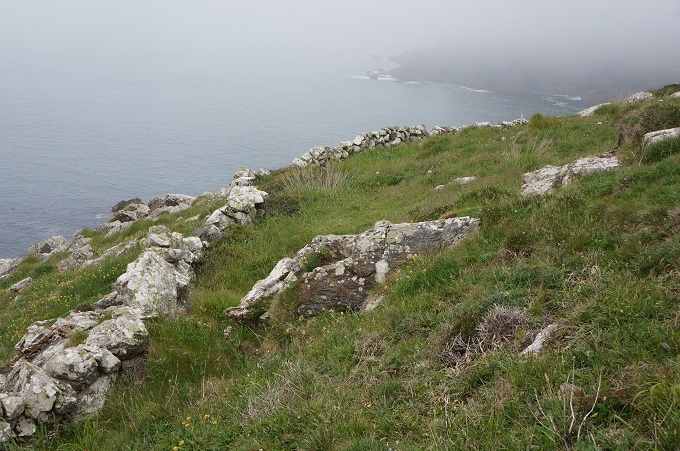
Today started off as a continuation of yesterday; stark cliffs, granite pinnacles, rugged exposed headlands and tiny scenic coves. Today we also had more sun so we had translucent emerald water. The going was a bit slow as the path had more boggy patches and boulder strewn hillsides. From the start we could see the Pendeen lighthouse far away in the distance, gleaming in the sun.

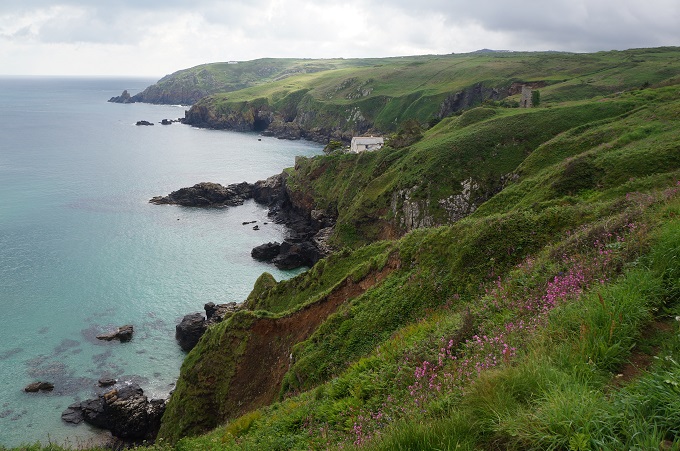
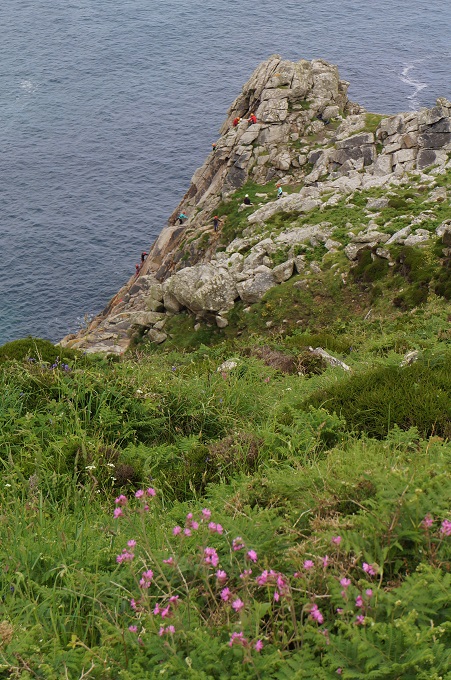
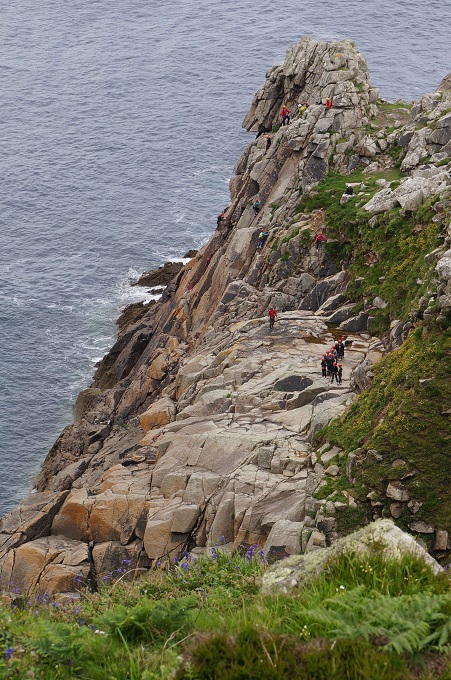
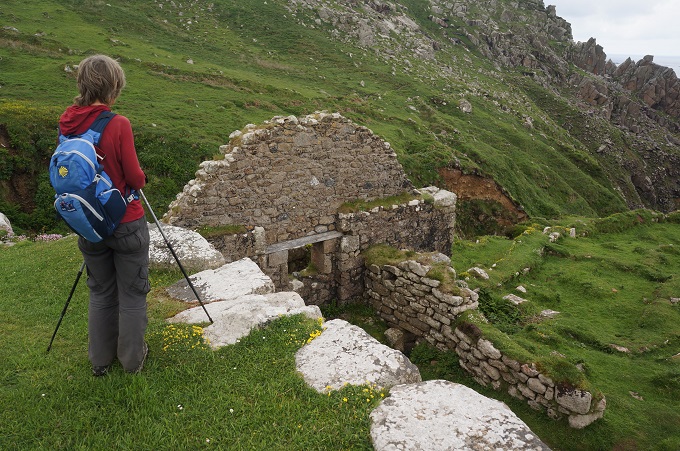
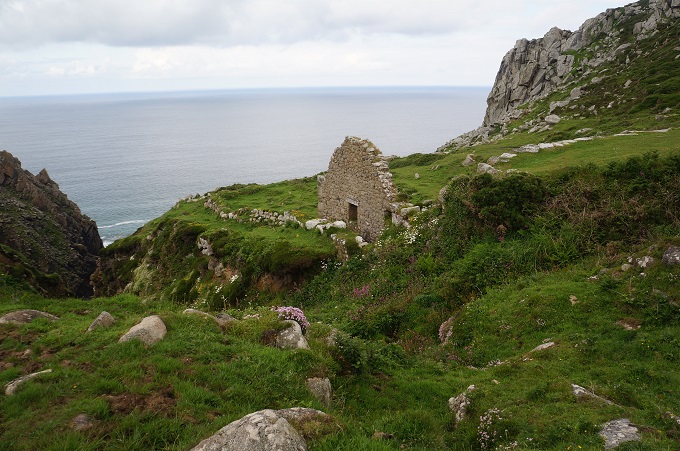
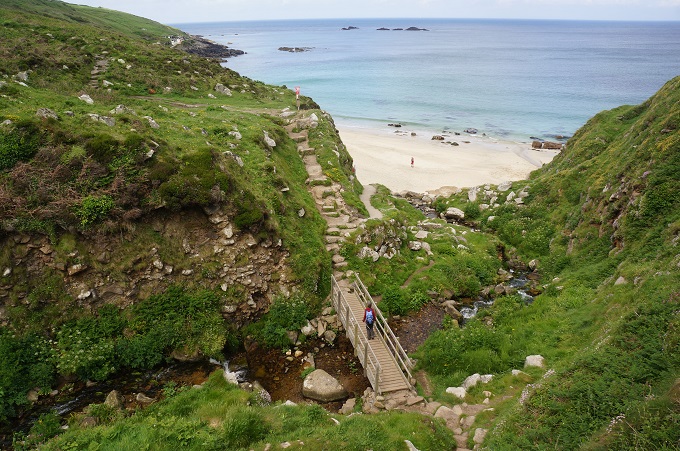
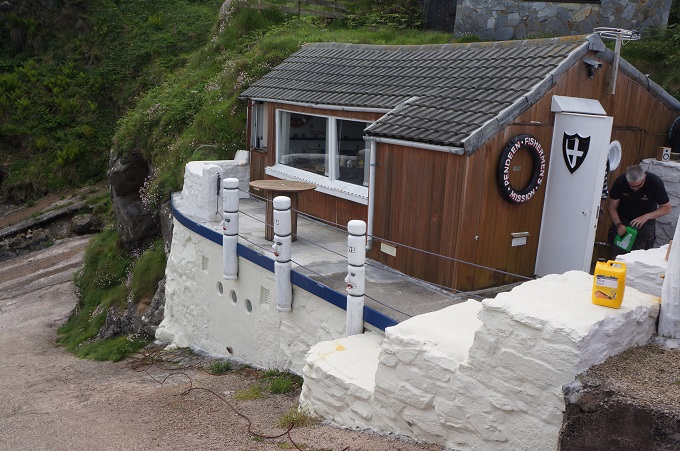
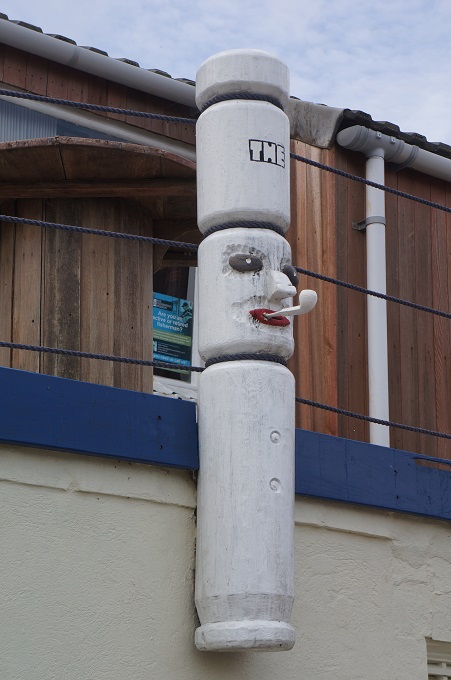
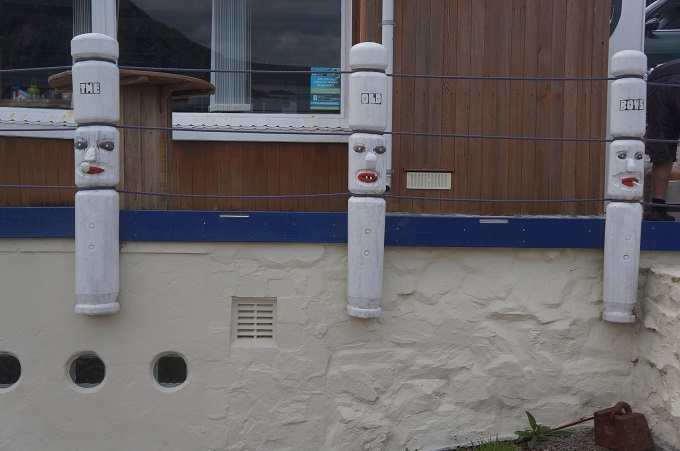
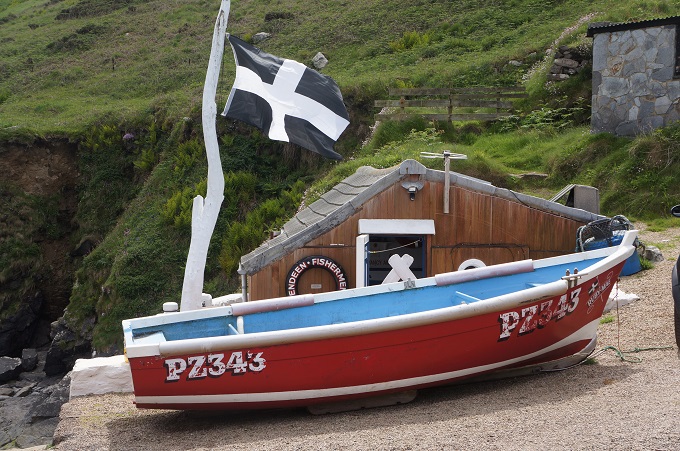
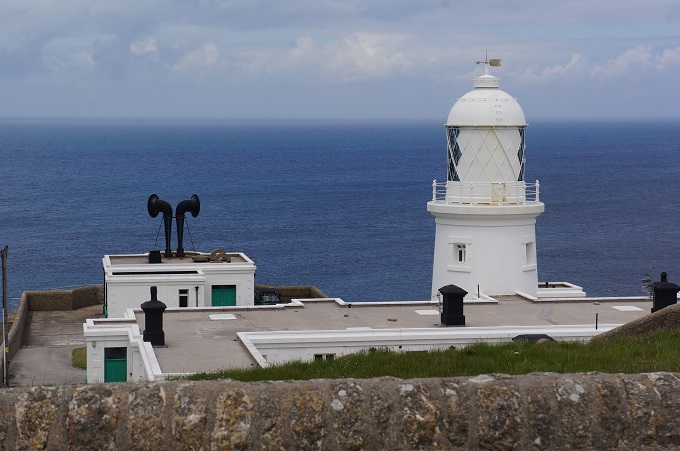
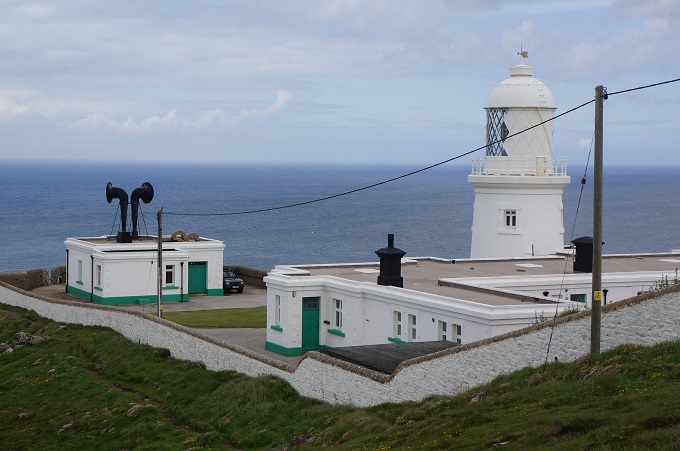
Things of interest this morning were ruins below an iron age fort at Bosigran and rock climbers suspended over the ocean on the cliff face of Bosigran. This is a popular spot for climbing and nearby was a car park full of cars at 9.30 in the morning. We had hoped to make it to the lighthouse for lunch but after four hours stopped at a small headland overlooking the lovely Portheras Cove. From this spot we could see a tiny white building on the cliff edge overlooking a tiny cove called Boat Cove. On inspection this was The Pendeen Fisherman’s Mission and the building was shaped like a boat, complete with port holes. There were three large balustrade posts to a deck, and these had been carved with the heads of sailors. They were called ‘The Old Boys’. From here it was a short walk to Pendeen Watch Lighthouse.

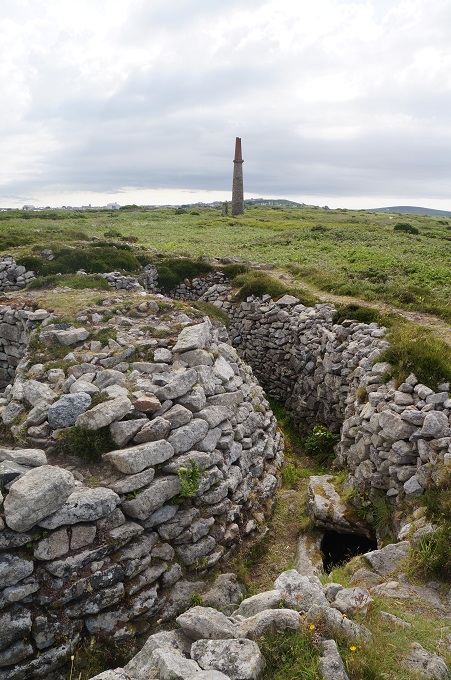
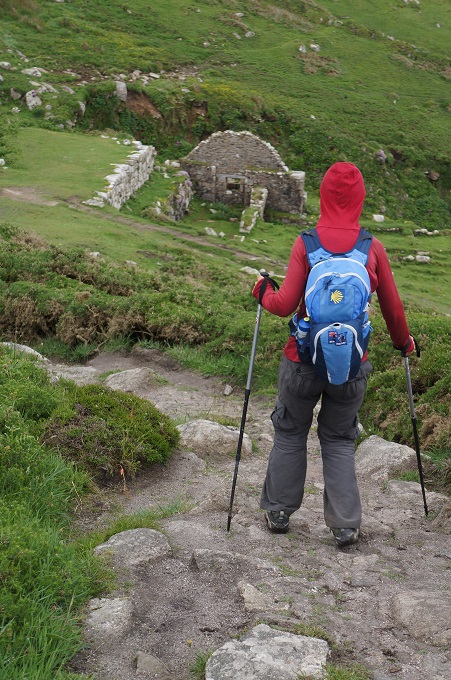
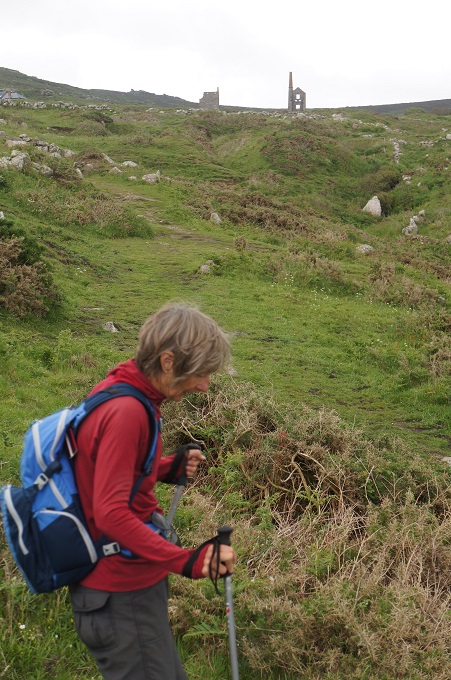
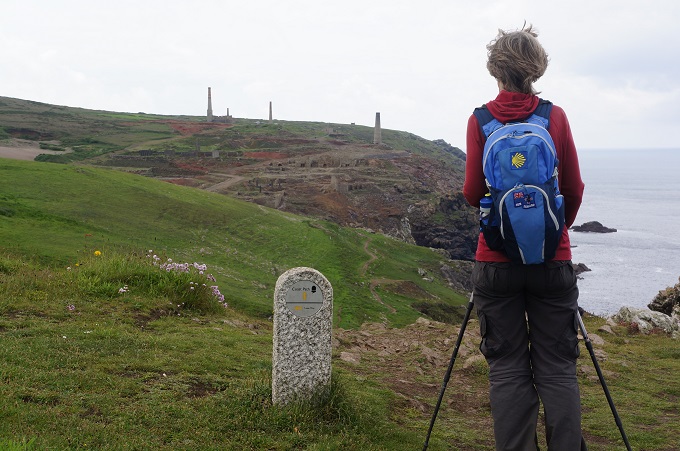
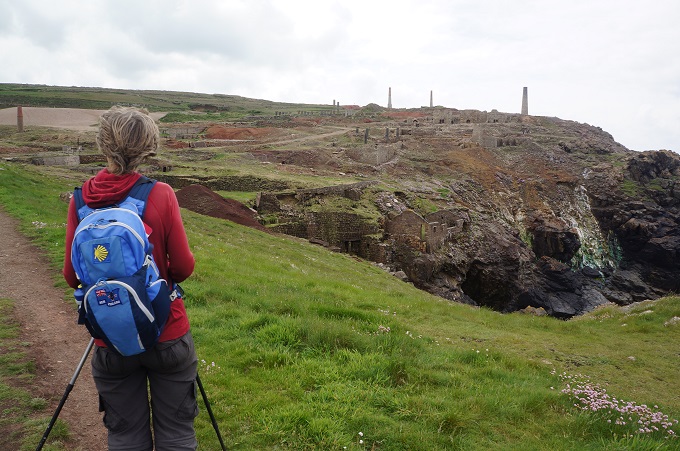
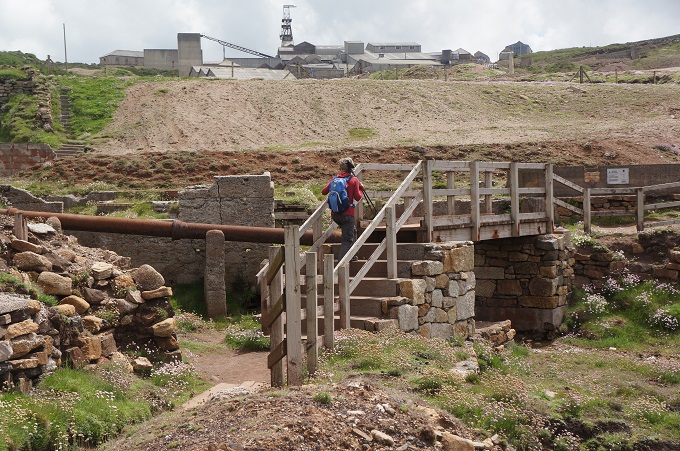
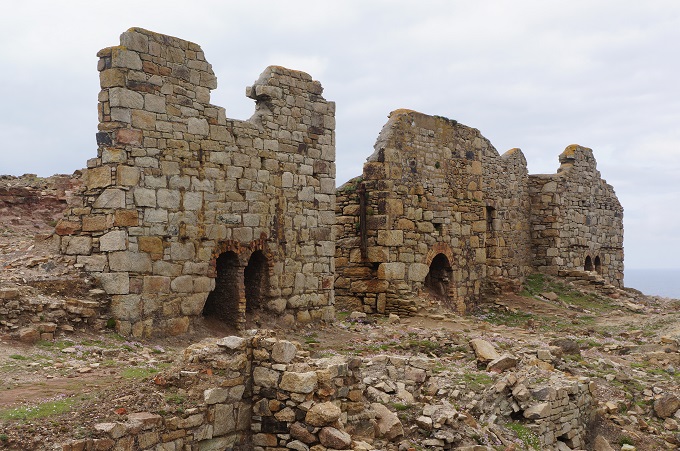
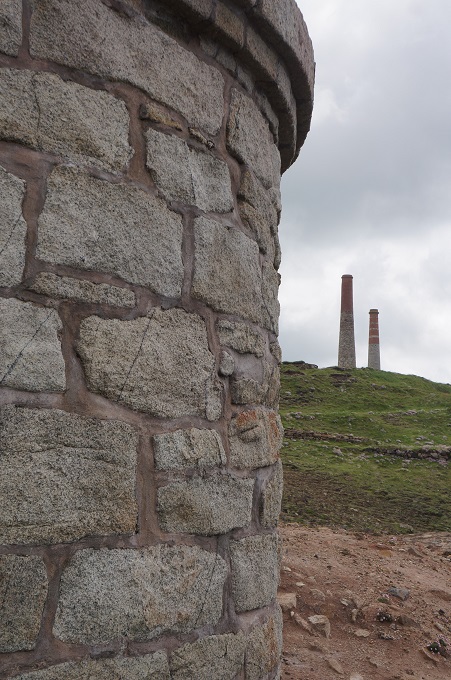
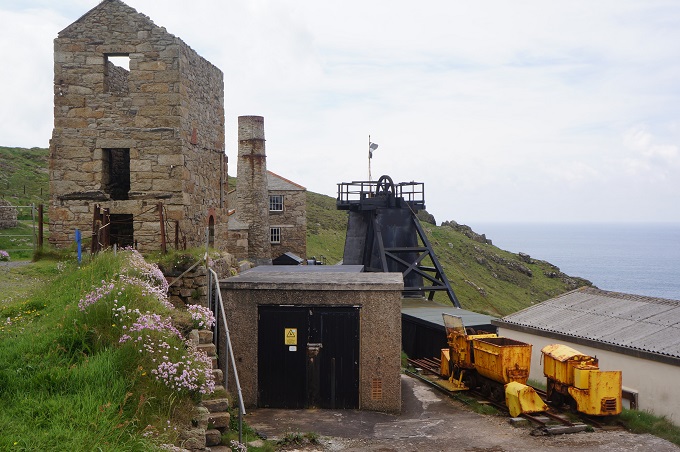
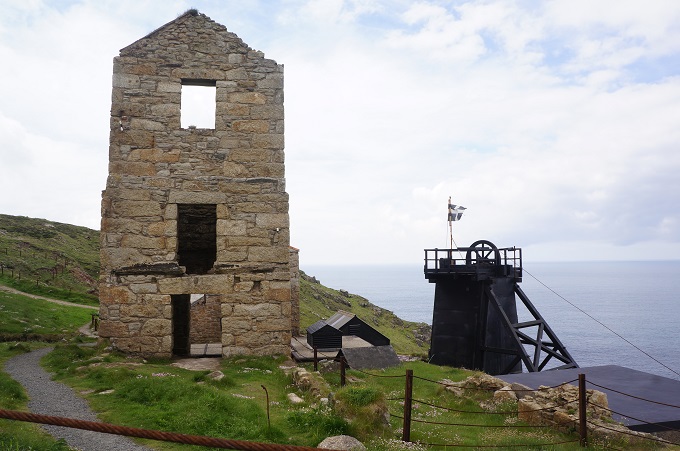
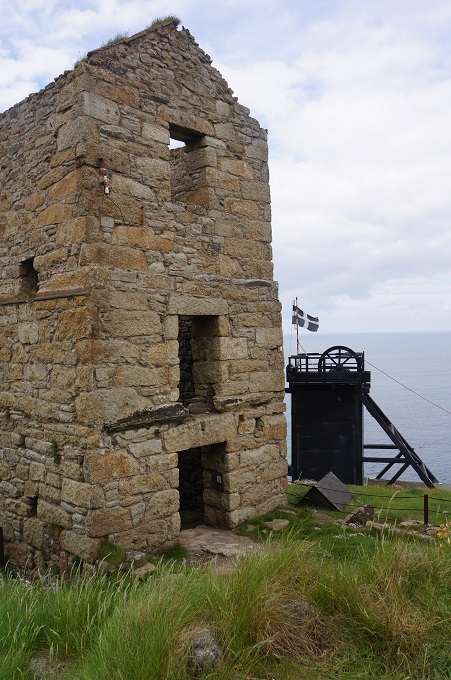
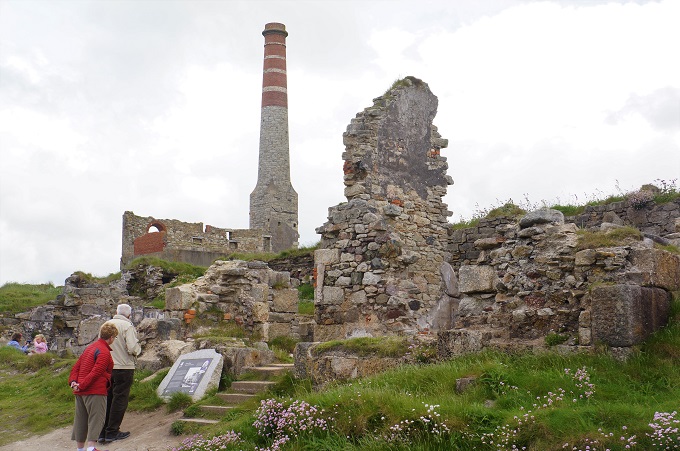
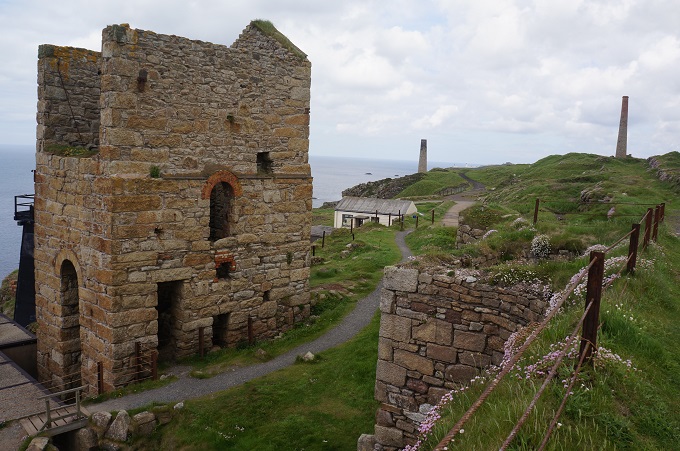
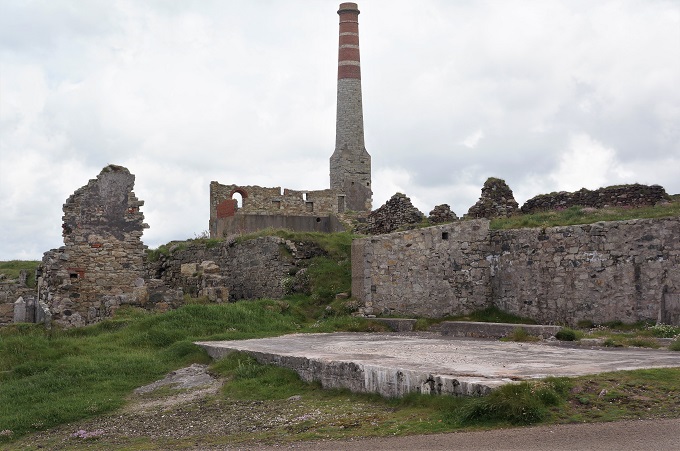
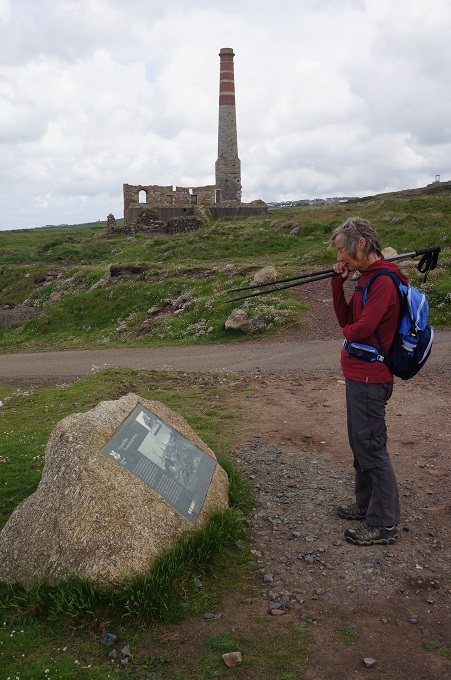
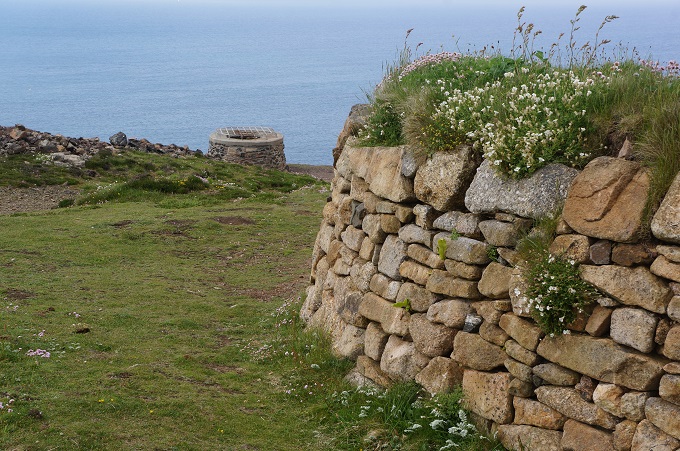
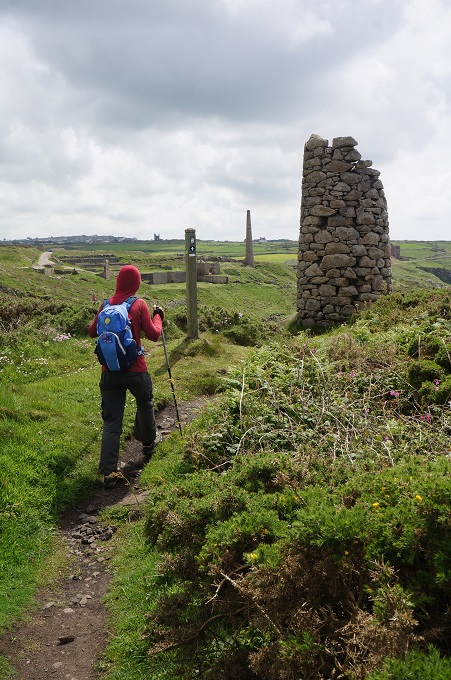
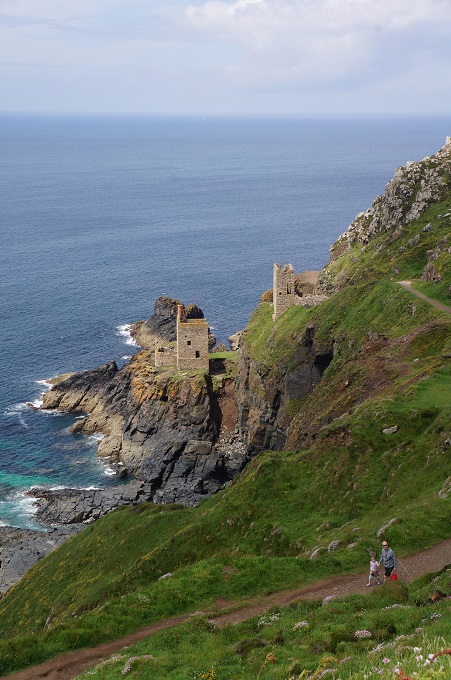
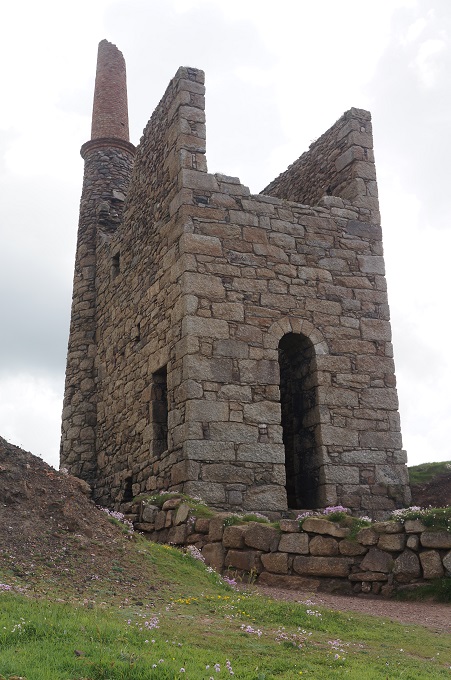
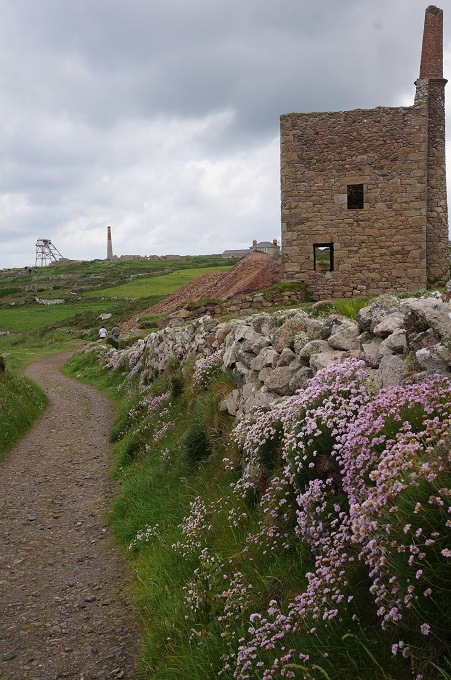
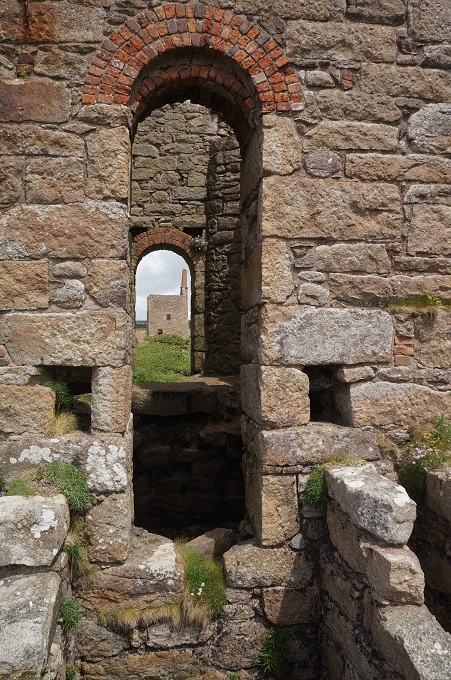
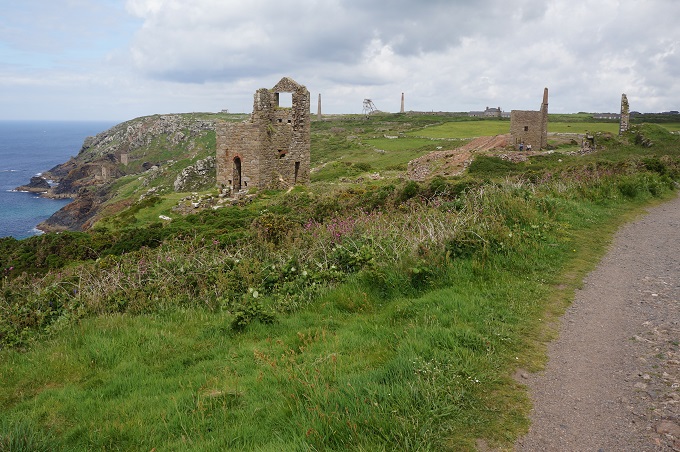
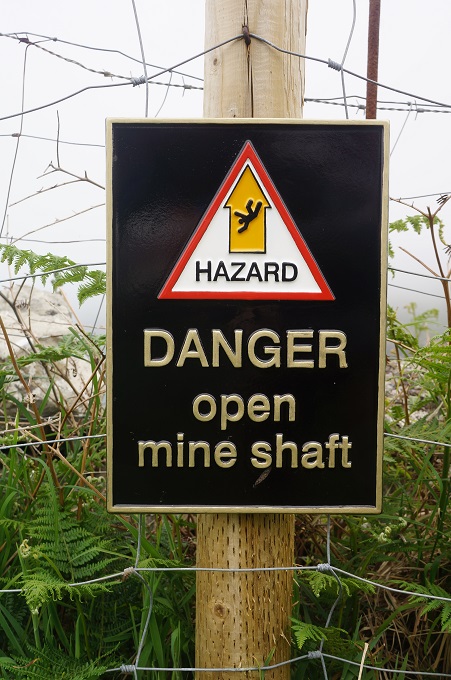
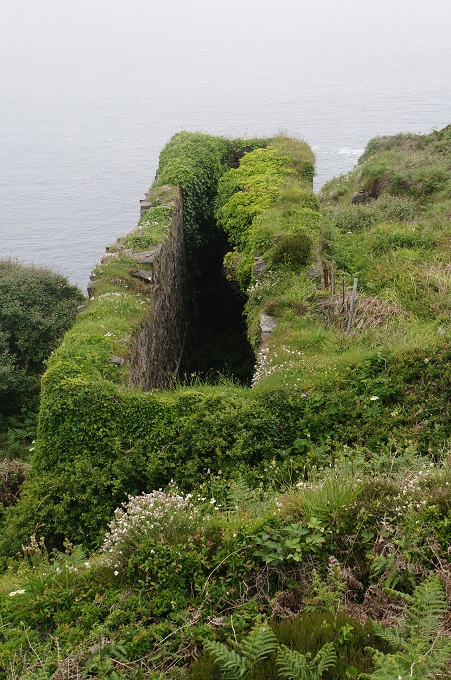
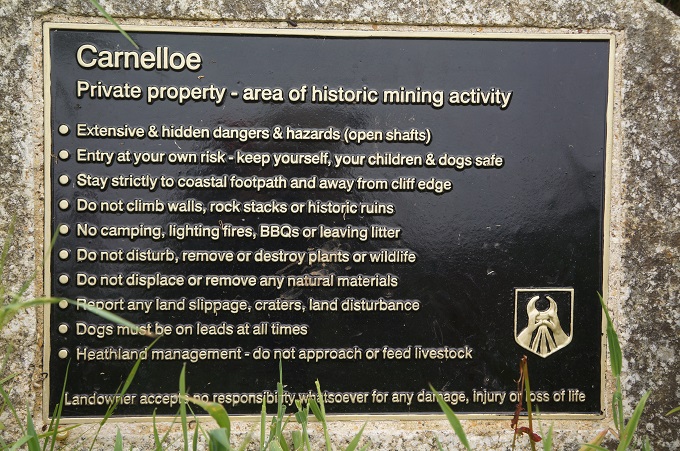
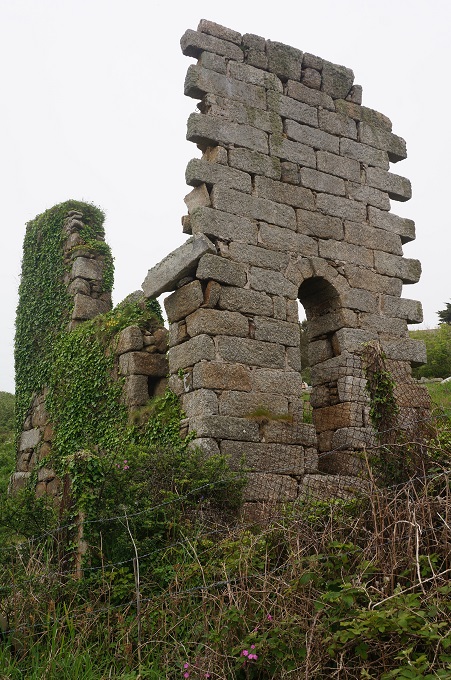
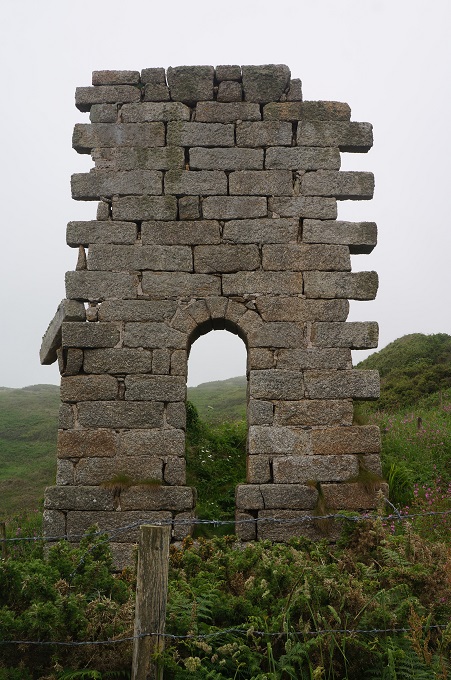
From the lighthouse to the end of our day at Cape Cornwall it was all about Cornwall’s coastal mining heritage. This ranged from unattractive 20th century industrial relics and slag heaps to romantic stone-built cliff-face engine houses. All in a state of ruin. At the old mining area of Geevor (which only ceased operations in 1990) there is a museum and at Levant the National Trust has a working steam engine in the Levant Beam Engine House. At both of these places there were tours down into the mines. There are hundreds of miles of underground galleries and shafts extending far out under the sea, all abandoned and forgotten. We didn’t have time to stay and take any of the tours and in any case Barbara thought the whole area looked ‘Grim’.

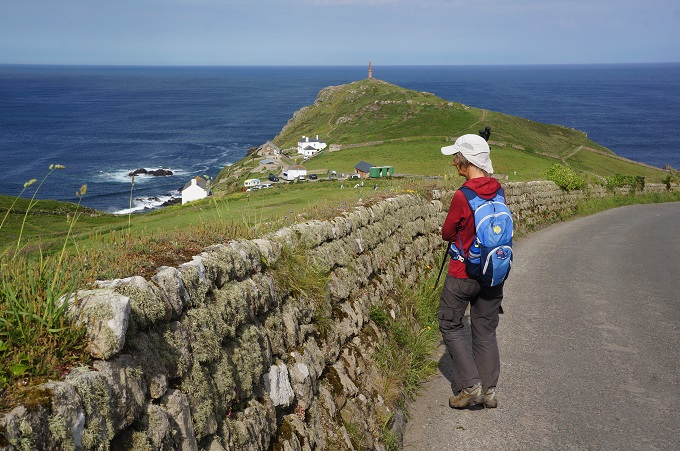
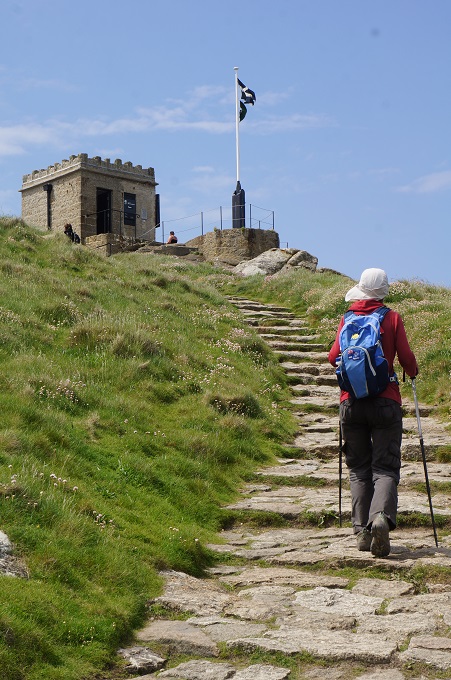
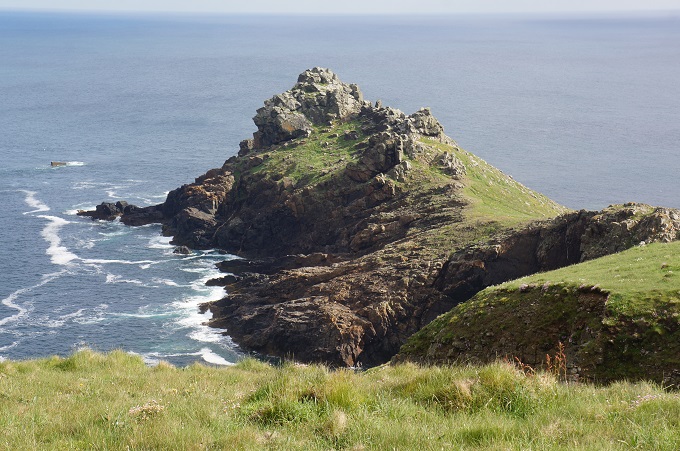
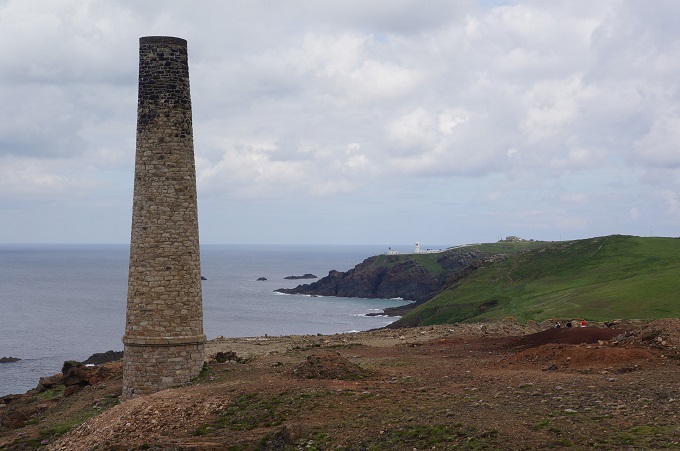
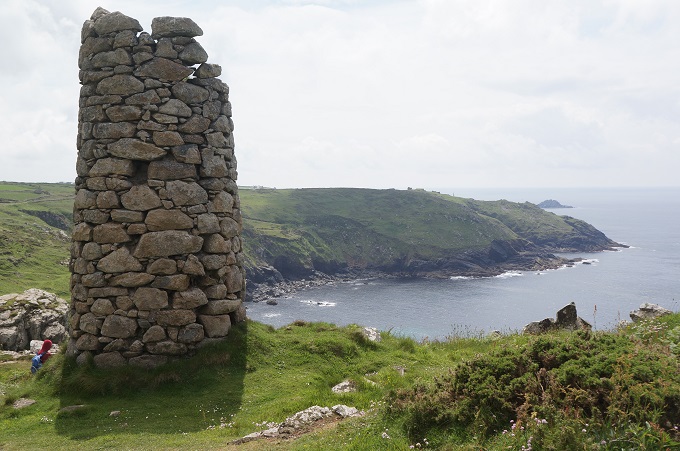
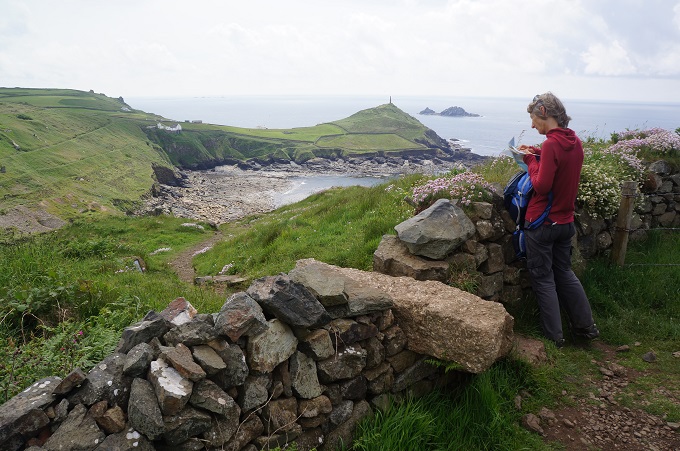
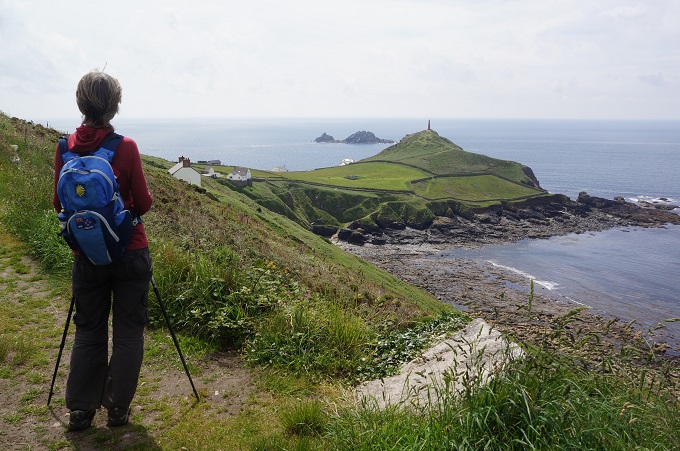
Apart from going inland 2 km to the village of St Just, our walk ended at Cape Cornwall. This is a striking conical headland once thought to be the most westerly point in mainland Britain. It was later determined that Land’s End had this distinction. Cape Cornwall is referred to as ‘the connoisseur’s Land’s End. A cape is defined as a headland where two oceans or currents meet; in this case the English Channel and St George’s Channel. At the highest point of the cape is a mining chimney dating from the 1850s. This has been left as a navigation aid.

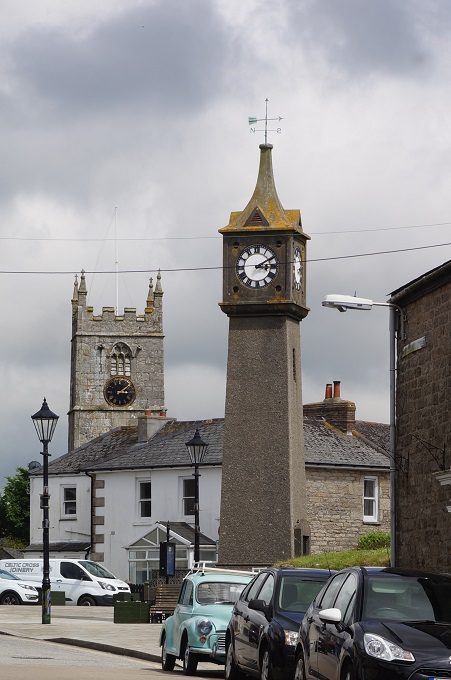
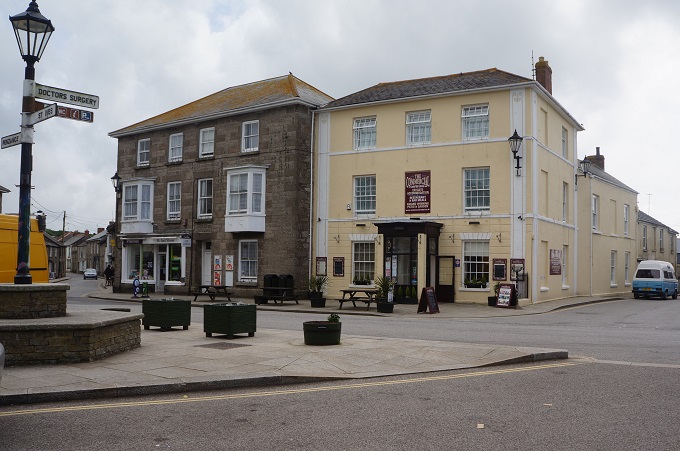
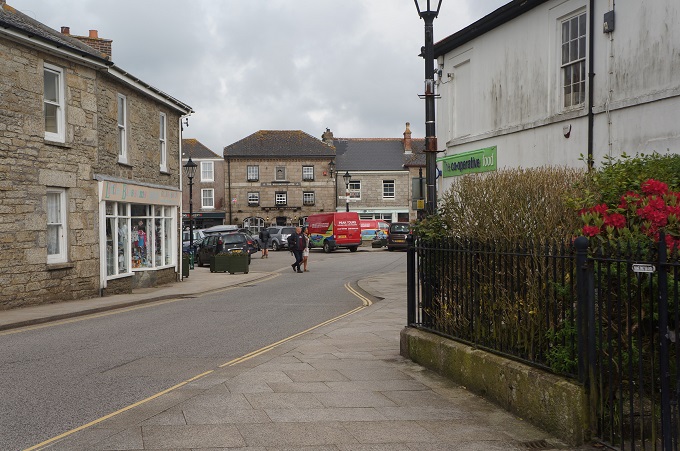
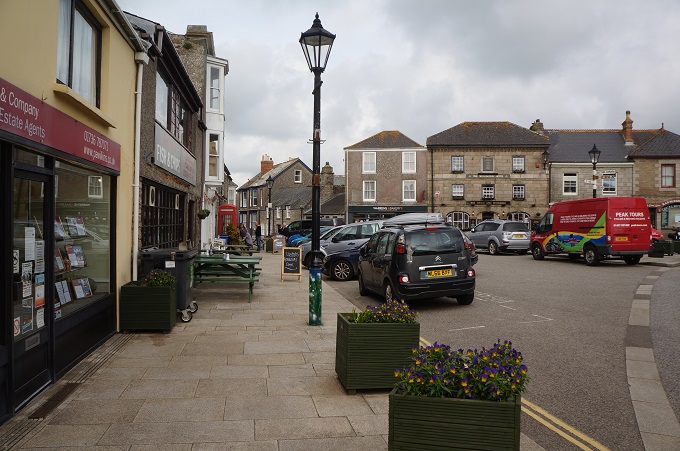
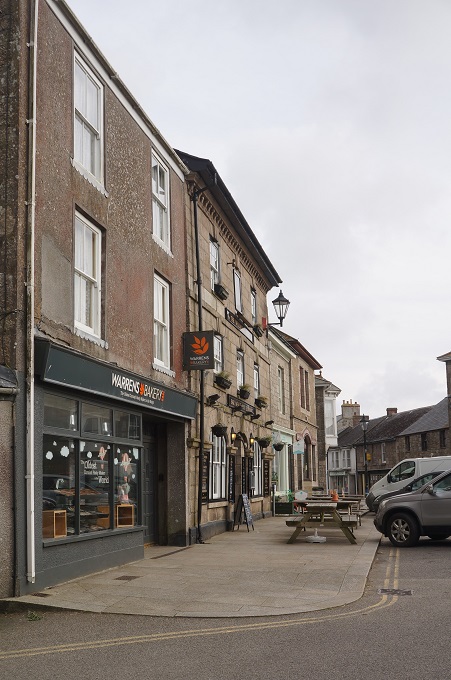
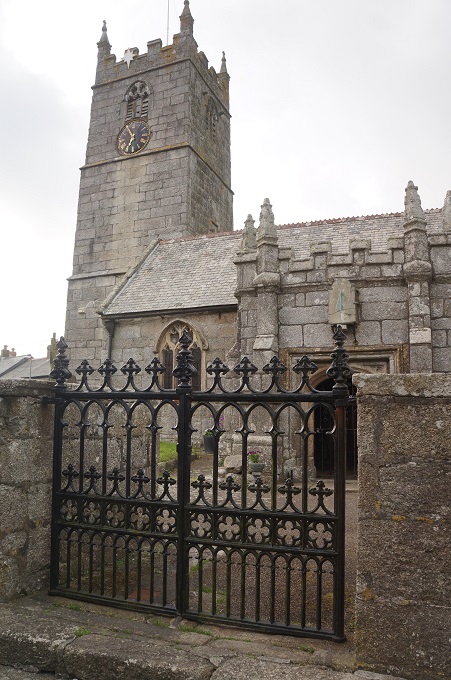
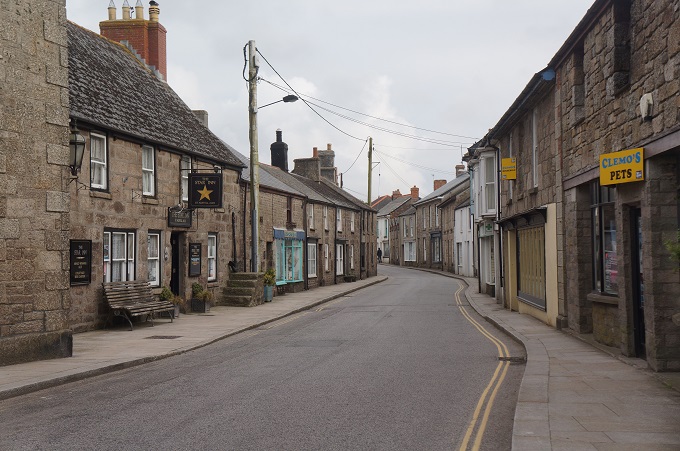
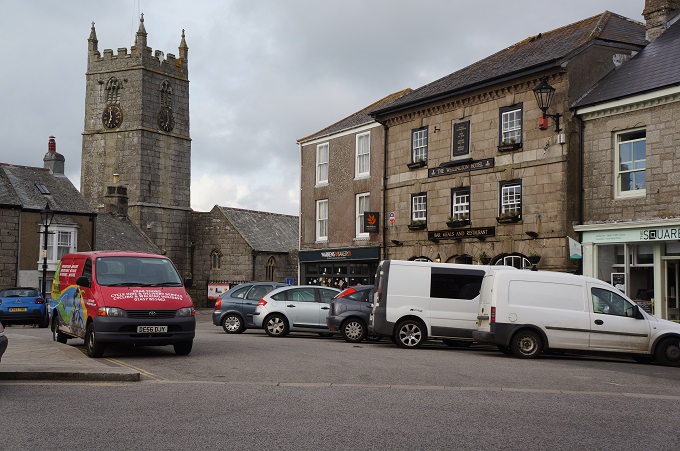
We are tonight in St Just, the most westerly town in mainland Britain. It is a lovely town, pop about 4,000 with a strong arts community. There are pubs and cafes centred around a tiny (triangular) square and most of the buildings are made of granite. Believe it or not, it is not known who St Just was!

St Just


Not as old as you think

St Ives to Zennor Treen, 14km, 525 metres of climbing

‘If you can’t figure out where you stand with someone, it might be time to stop standing and start walking’

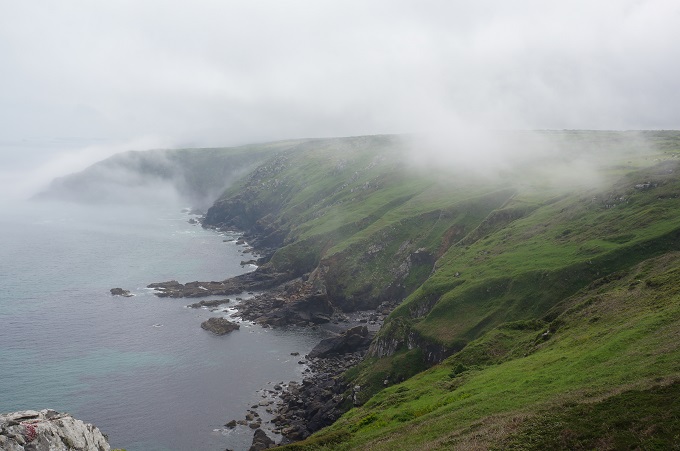
There were no settlements on the section today so its character was lonely and remote. It was supposed to be tough going with rocky scrambles and boggy lengths. It was described as a magnificent length with stark cliffs, rock pinnacles, tiny scenic coves with translucent water, rugged exposed headlands, ruins, inland views over empty moorland.

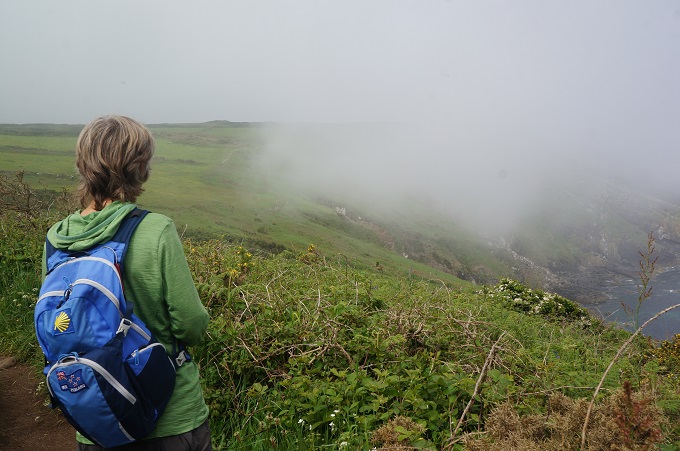
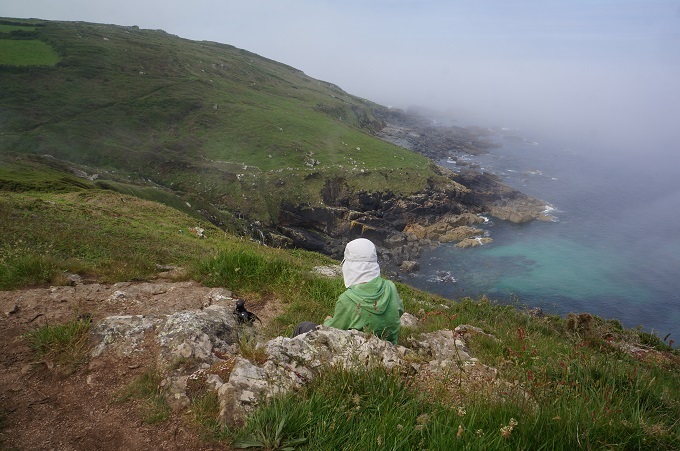
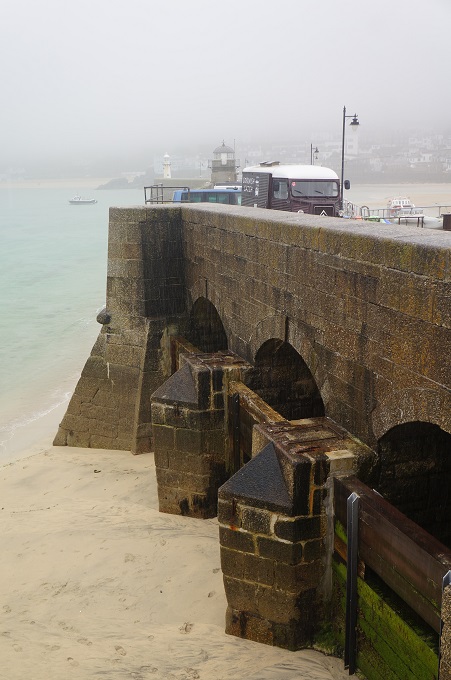
It was very good but we didn’t see it at its very best. St Ives was surrounded in mist as we left this morning and the mist hung around all day. Clearing occasionally but rolling in from the sea again. This made the temperature a bit cooler so it was excellent for walking without having the sun beating down on you.

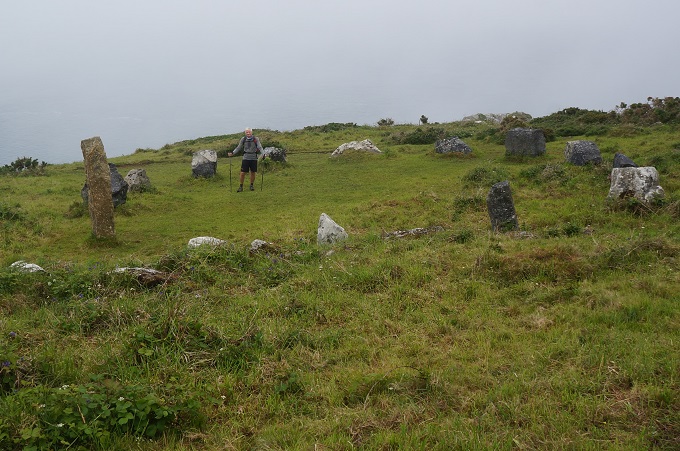
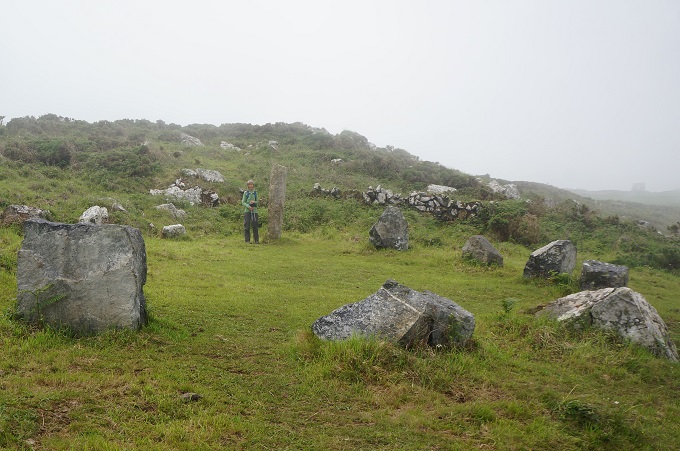
Early in the day we came across a stone circle, similar to the many we had seen in Ireland. Cornwall does have an ancient history. Mesolithic nomadic hunters and gatherers settled after the Ice Age. Neolithic man arrived about 3500BC and they had the skills to rear crops and raise flocks and the art of building ’quiots’ – stone chambers used for communal burials. In 2000BC the Beaker Folk arrived and many believe it was they who erected the stone circles and standing stones in southwest England.

Despite the prevalence of ancient monuments and standing stones in the area the one we saw is a more recent addition. Fable has it that these stones were once 13 old farmers, and one beautiful 19 years old virgin from St Ives (it is said that she was extremely difficult to find!) They were all caught dancing an ancient harvest fertility rite Morris Dance, on feast Sunday, by the local Magistrate, and were immediately turned into stone forever! They say this was about 1947.

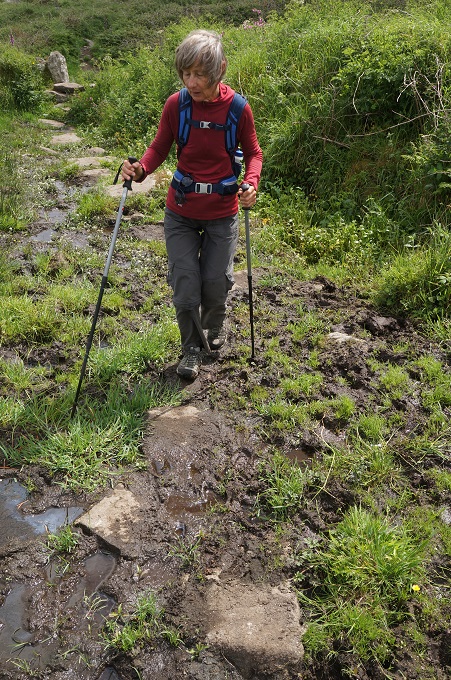
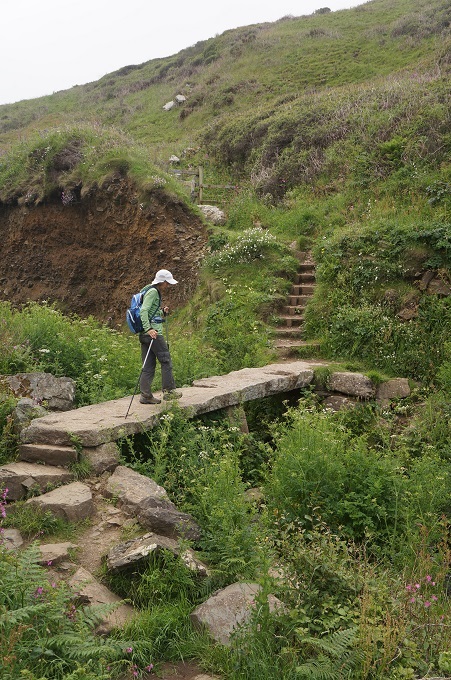
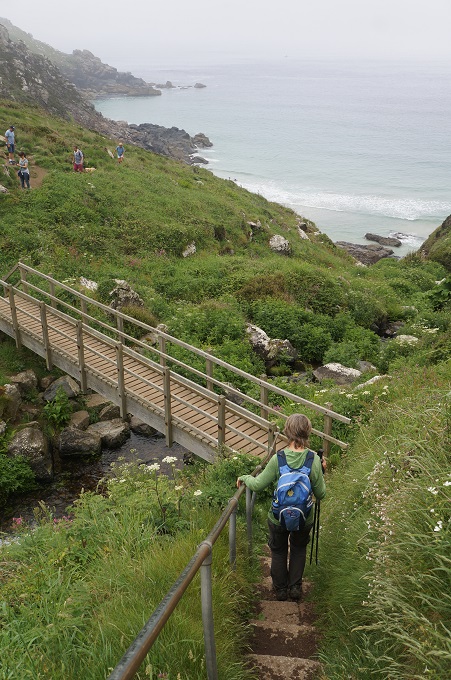
The path hugged the contours, sending us on an endless series of ups and downs but these were not as severe as those we did around Port Isaac. You had to keep your eyes on the ground all the time as it crossed boggy fields and rough and rocky terrain. This made for very slow walking.

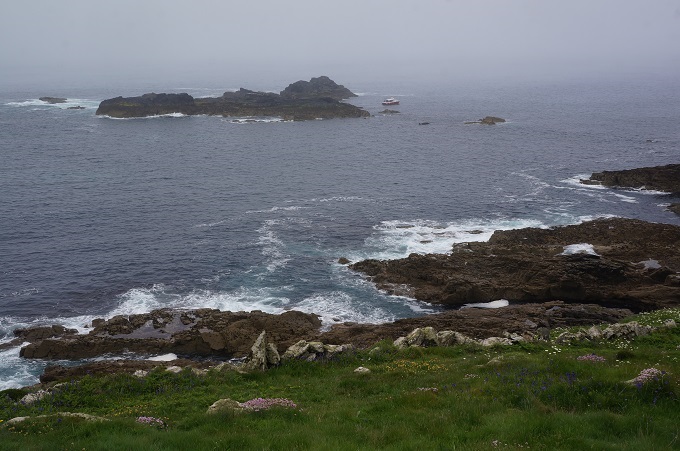
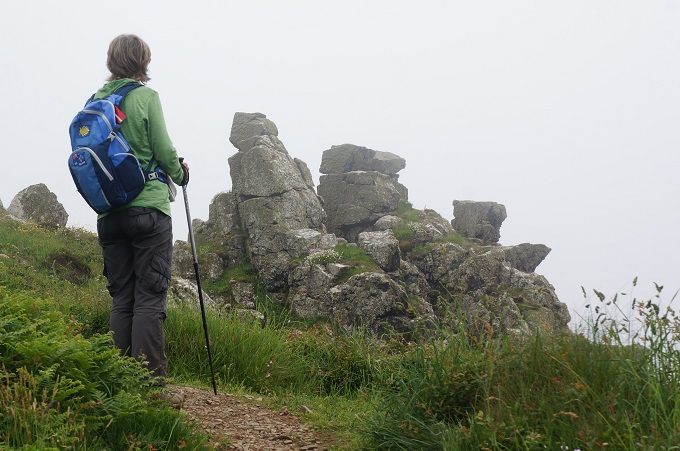
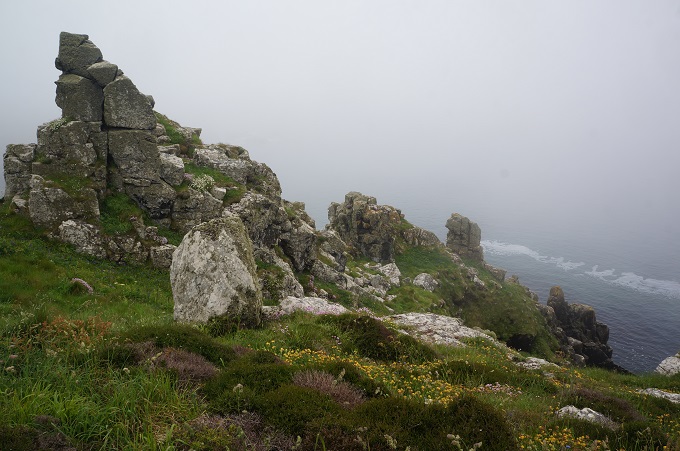
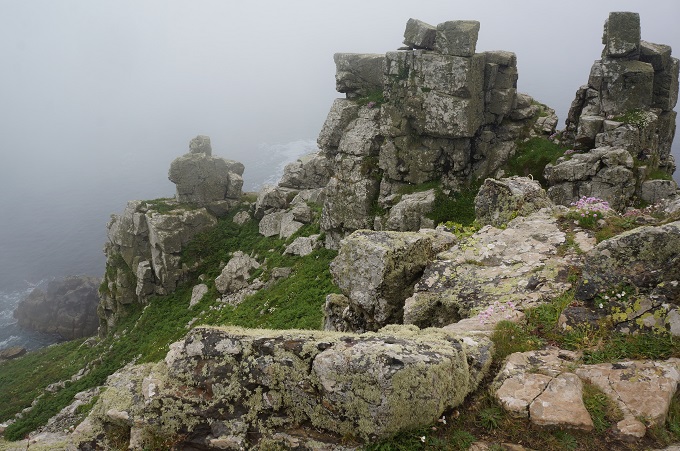
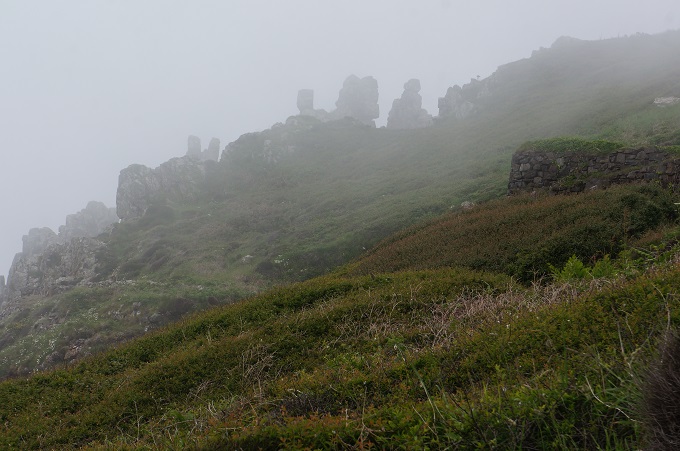
When the mist cleared the coast and off shore island were quite dramatic and there were some amazing granite rocky outcrops. When the mist closed in these looked as though we were being pursued by giants. There were seals far below hauled out on the rocks near River Cove and off shore we could see The Carracks, islands where the tour boats from St Ives go to see the seal colony.

Macs Adventures had made some complicated arrangements for us today. They had us walking about 11km from St Ives then going inland 1 km to Zennor where a taxi was booked for 5.30pm (???) to drive us about 3 km to The Gurnard’s Head Hotel at Treen. A return taxi was booked for 9.30 am tomorrow morning. But by continuing to walk on the coast path for another half hour there was a turn off and about a 1km walk inland to Treen. This is what we did and at the hotel rang up and cancelled both taxis.

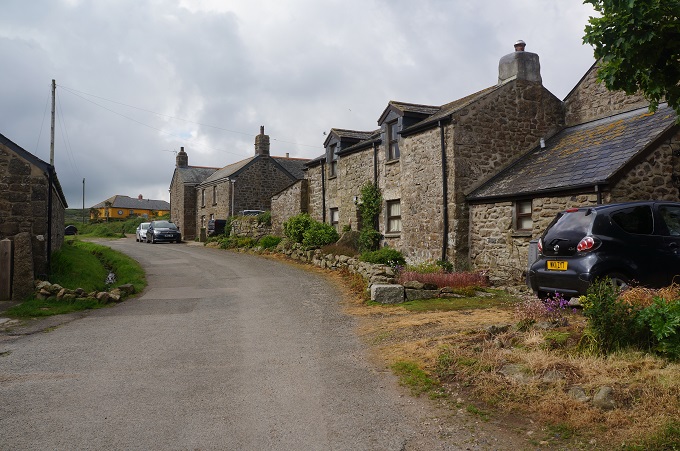
Treen has the hotel, a bus stop, a mail box and a stone farmhouse with a lovely stone barn. What a contrast to last night in St Ives!


St Ives

‘You have brains in your head, you have feet in your shoes, you can steer yourself any direction you choose’. Dr Seuss

St Ives takes its name from the Irish princess and missionary, St Ia, who according to legend, sailed from Ireland to Cornwall in the 5th century on a leaf.

From the middle ages onward, St Ives was a small but thriving town based on the traditional trades of mining and fishing, reaching a peak in the 19th century with world-wide demand for locally caught pilchards (sardines) as well as tin and copper. At its peak about 300 boats operated from St Ives, netting millions of fish every year by the use of ‘seine’ nets.

It was the quality of the light and the landscape that first attracted artists to St Ives and is still inspiring them today. St Ives had been a destination for artists since the early 1800s but it was the arrival of the railway in 1877 which led to the biggest change the town had ever seen. The Great Western Railway invested heavily in tourism, marketing the ‘Cornish Riviera’. From this time artists flocked to St Ives, hiring a train once a year to transport their works to London in time for the Royal Academy exhibition.

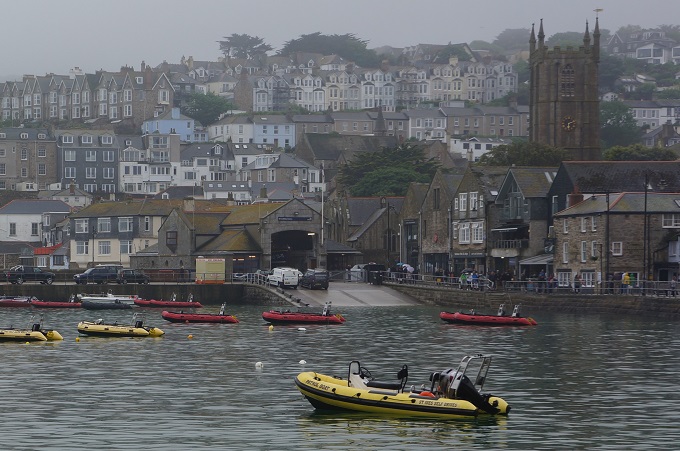
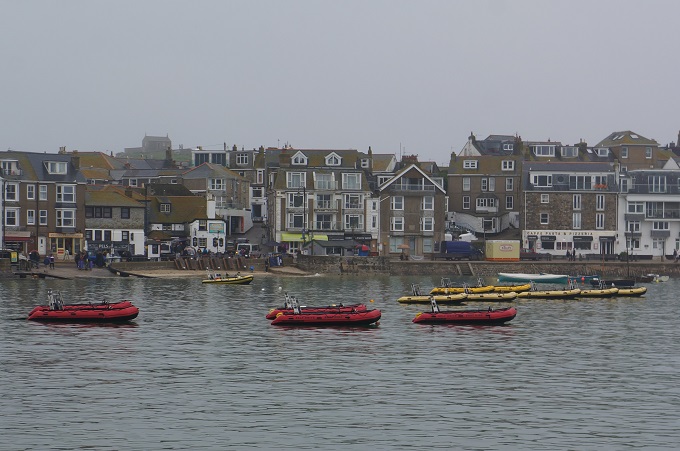
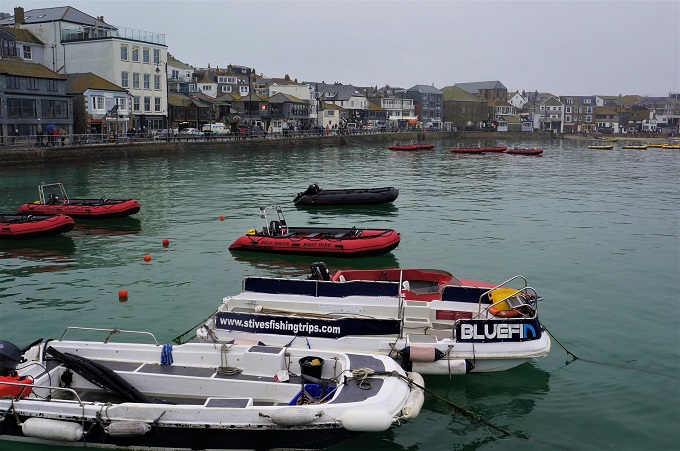
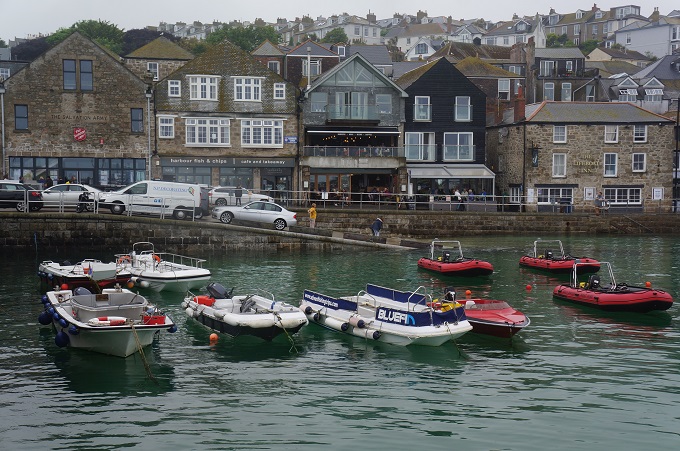
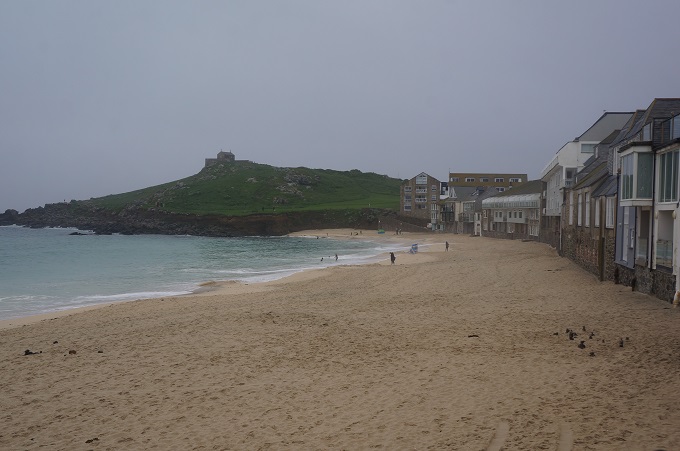
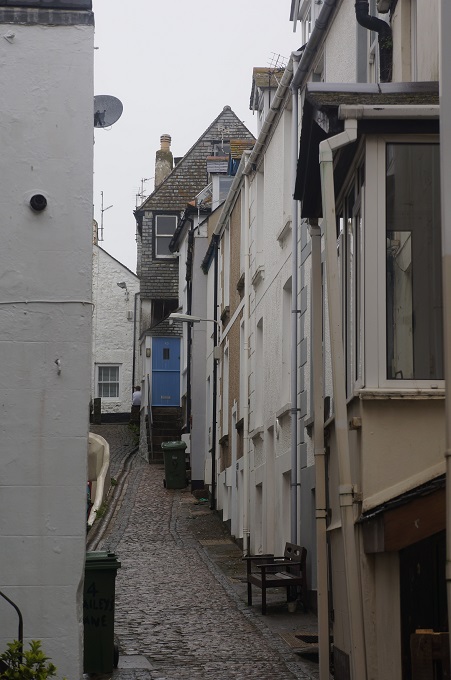
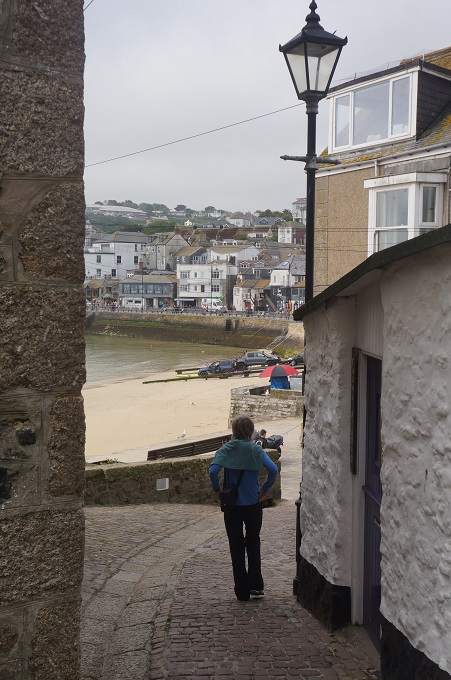
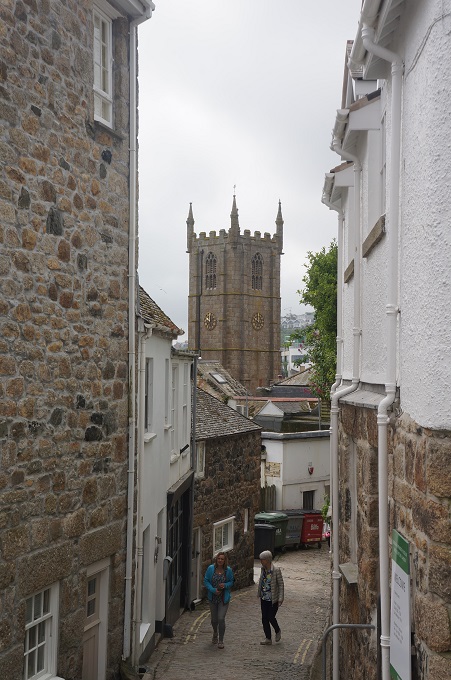
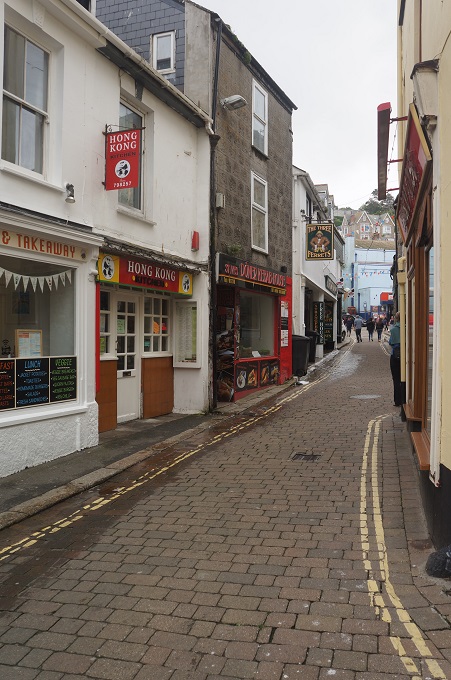
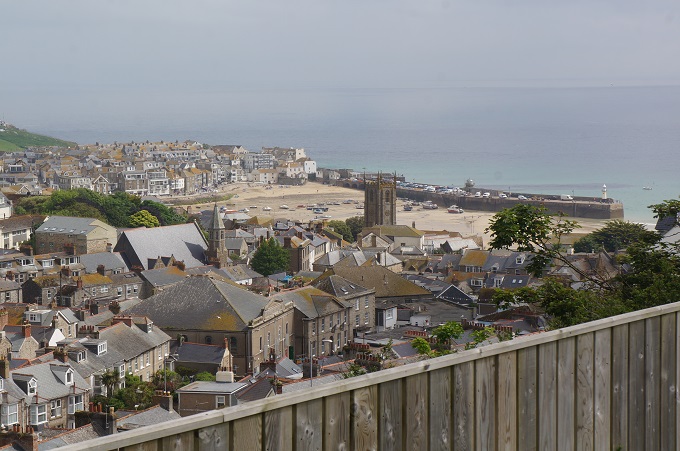
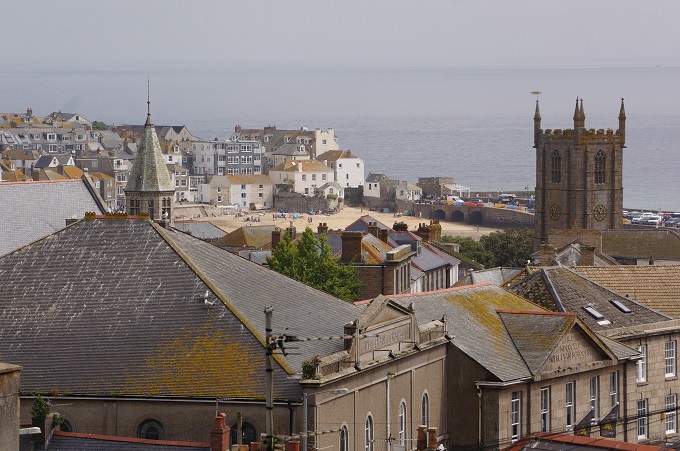
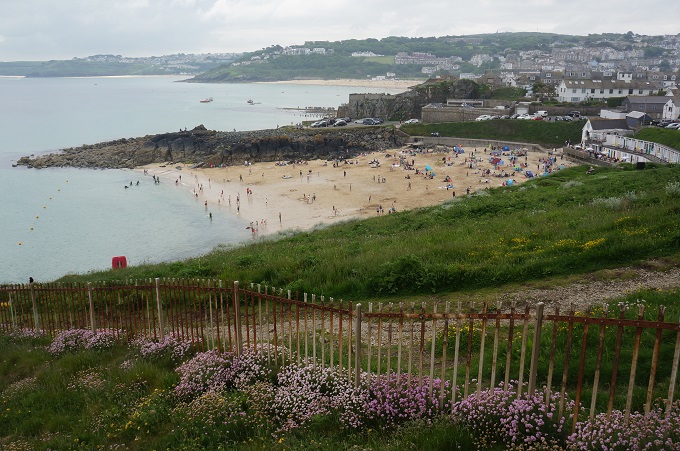
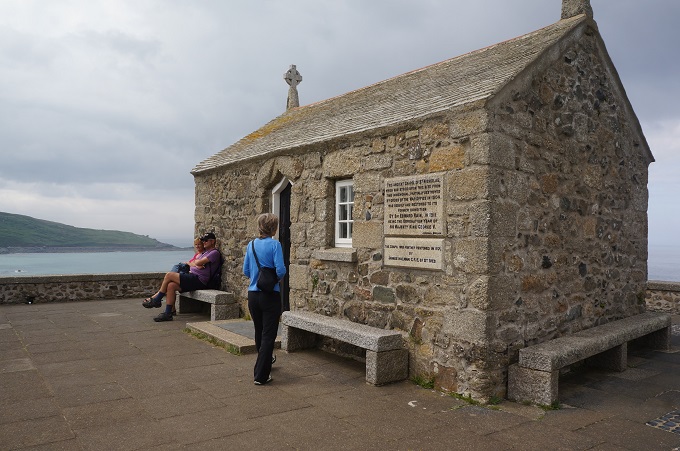
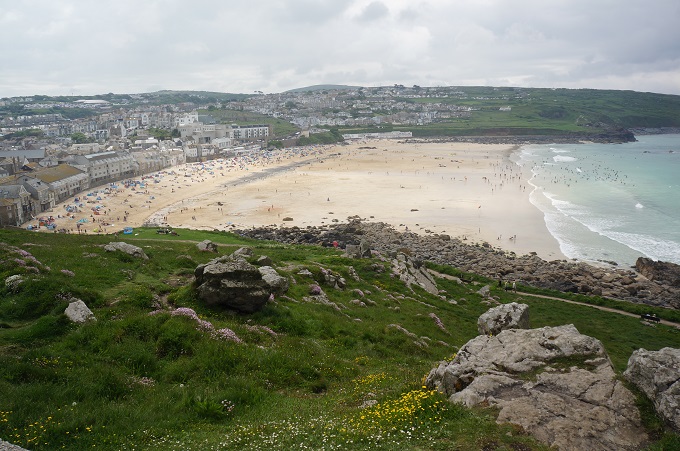
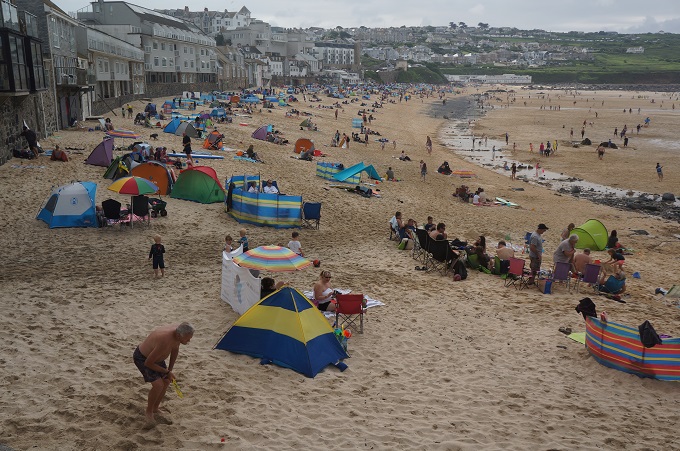
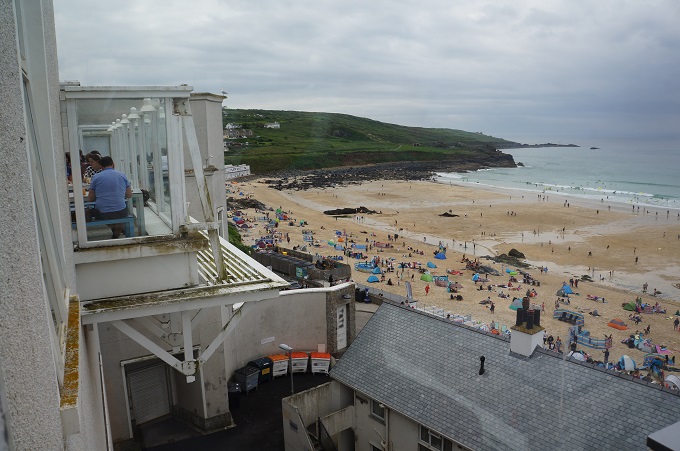
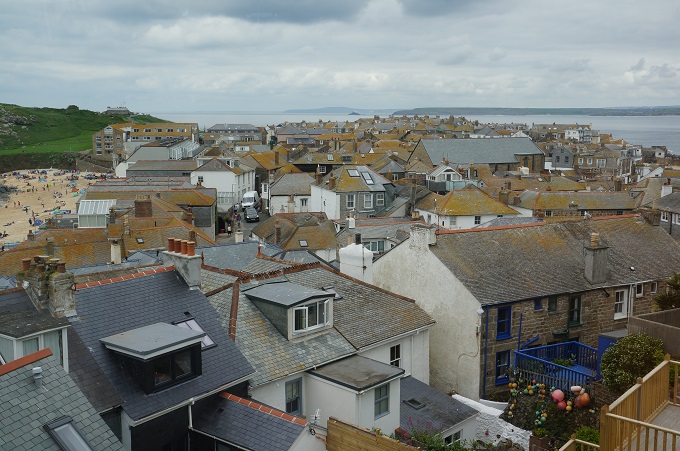
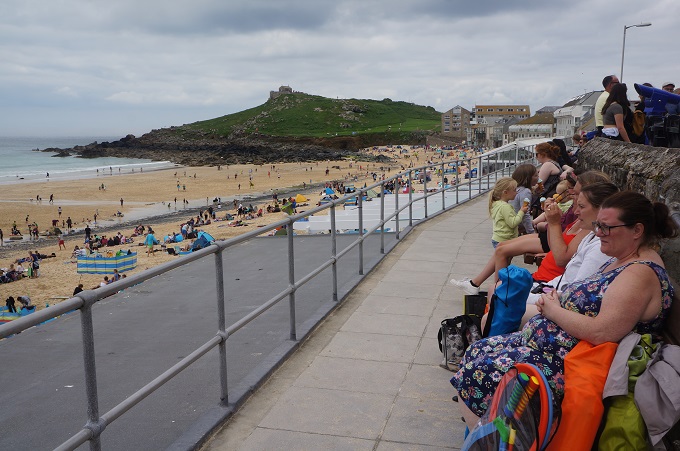
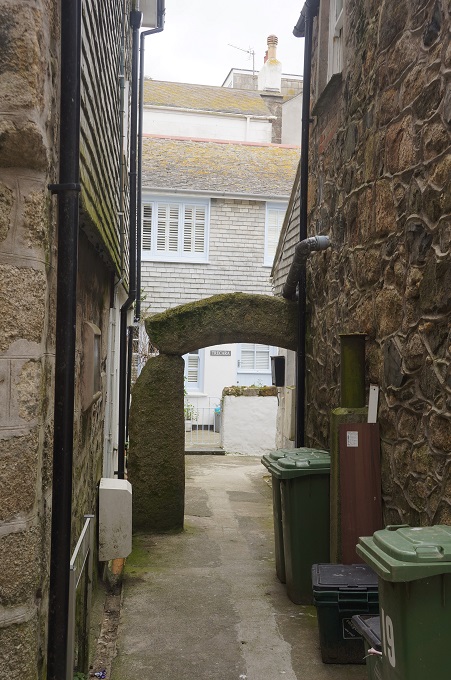
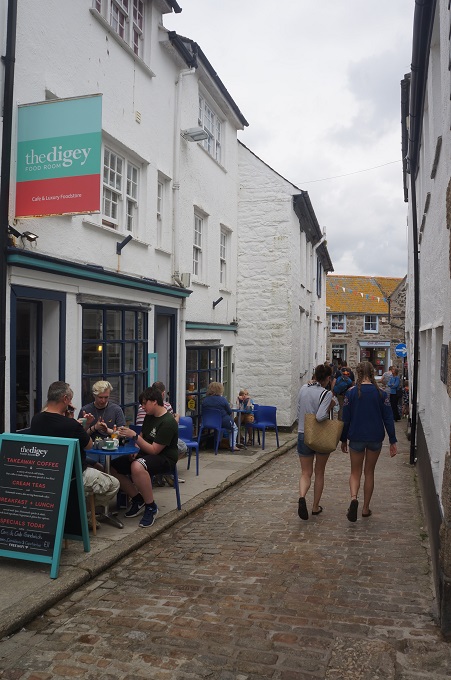
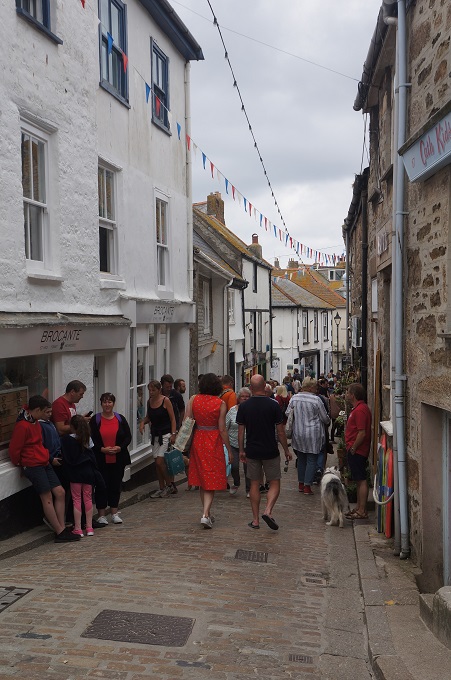
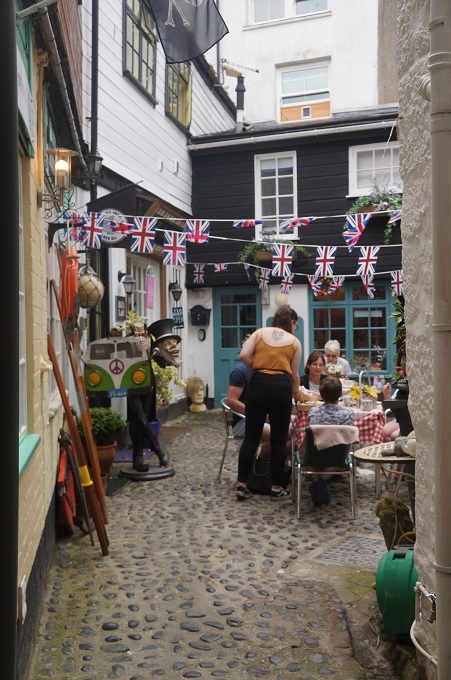
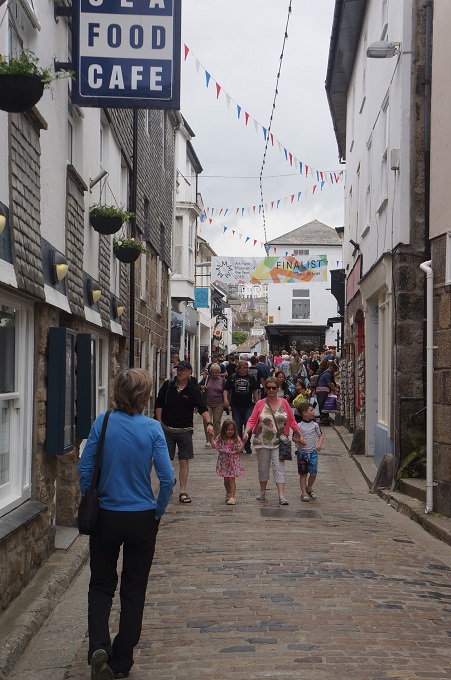
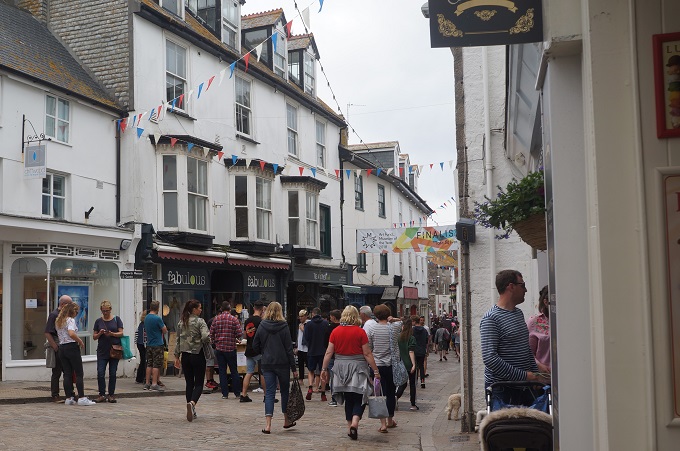
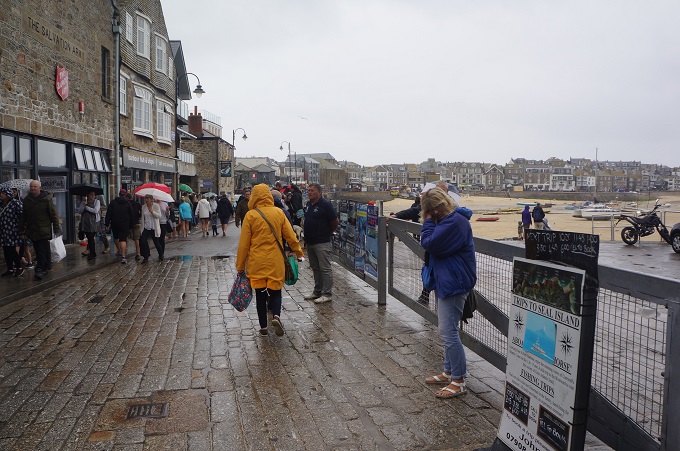
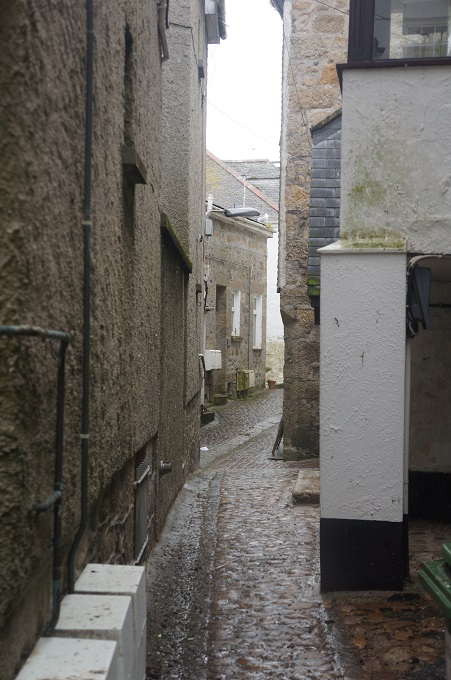
Today St Ives is a hugely popular holiday hotspot with four beautiful beaches, an historic and modern art scene, museums, galleries, festivals, a local colony of seals, fine dining and modern hotels. And of course it is gloriously picturesque with narrow cobble stone streets and fisherman’s cottages.

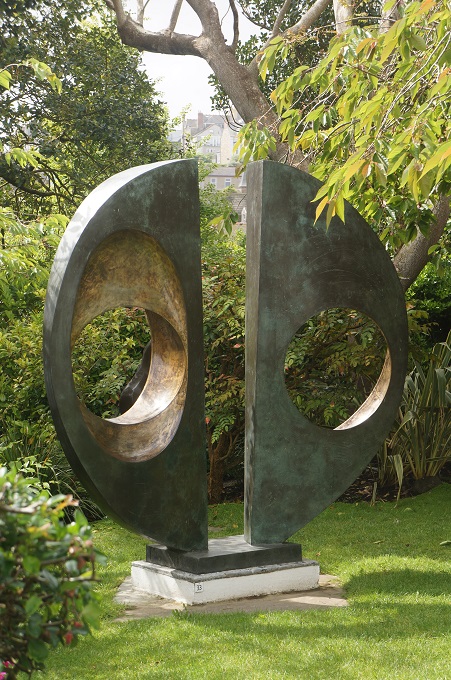
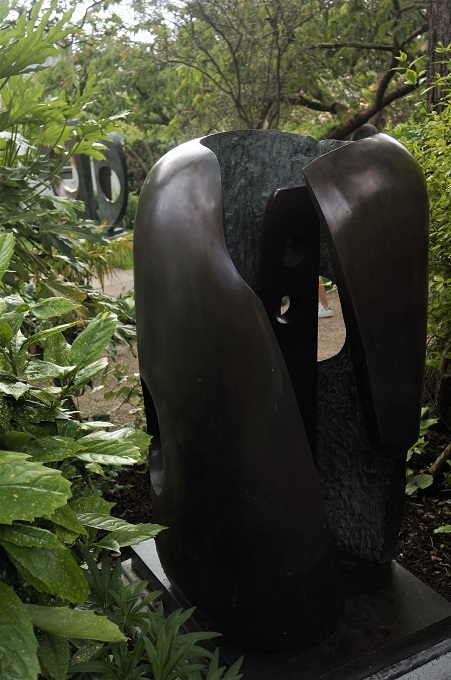
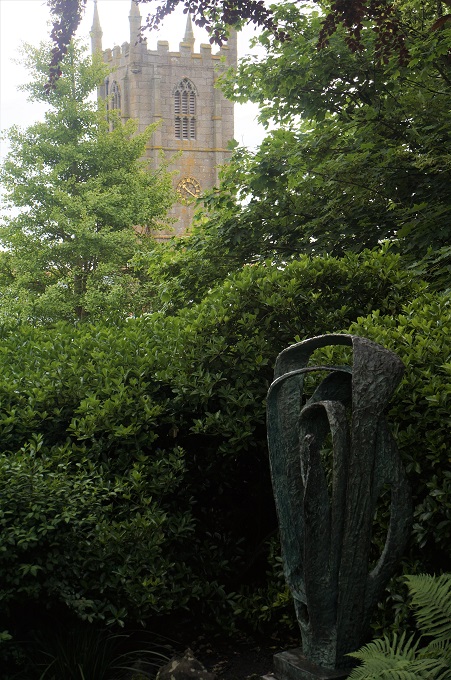
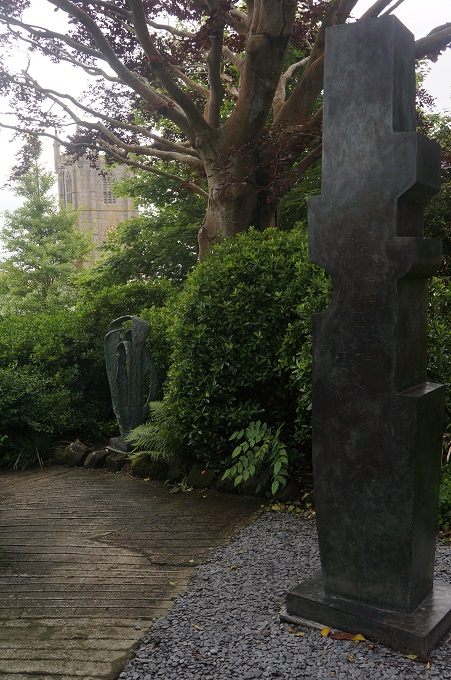
We had a very leisurely day exploring the town with a bit of culture thrown in at the Tate St Ives and the Barbara Hepworth Museum and Sculpture Garden. We needed a rest today but can’t wait to get on the path again.


Tate St Ives

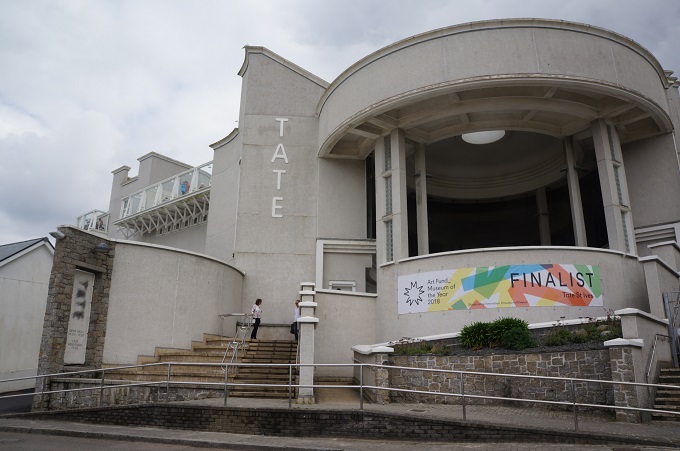
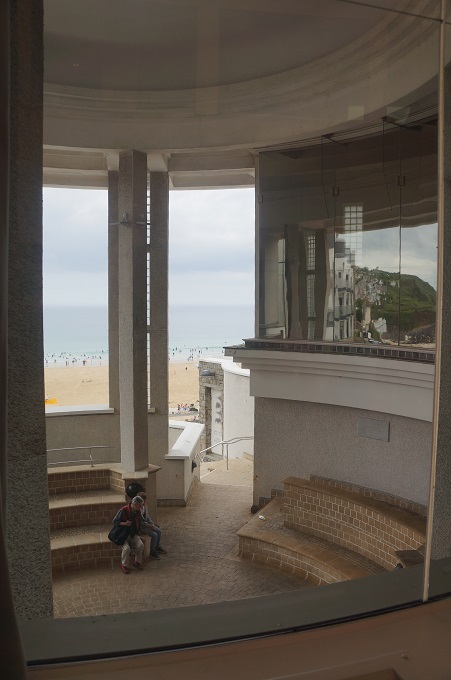
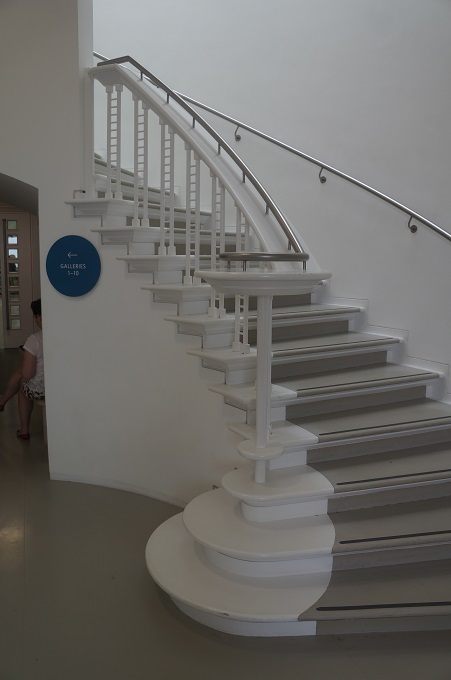
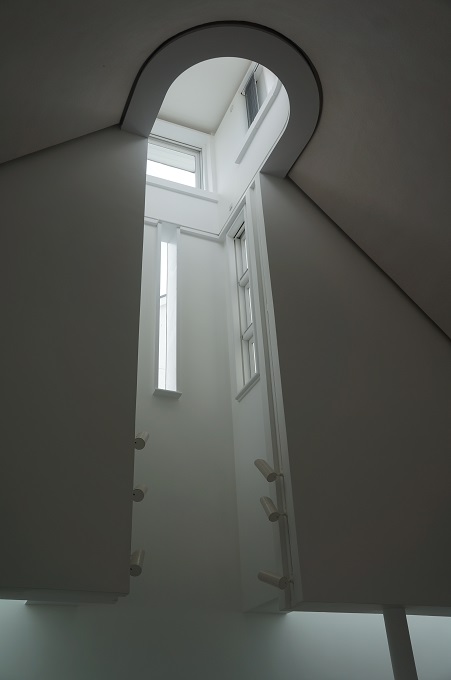
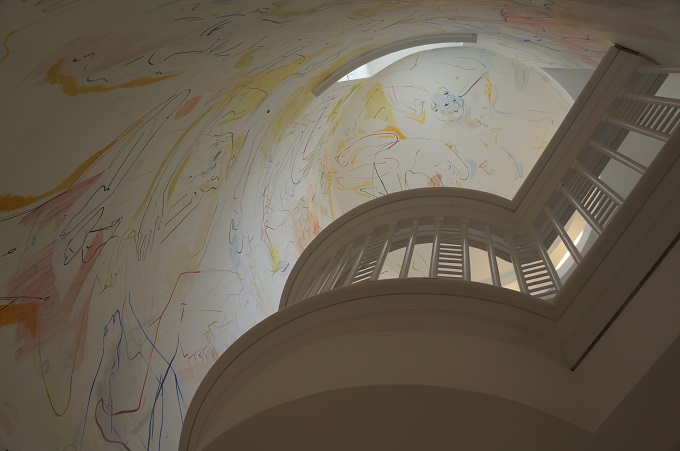
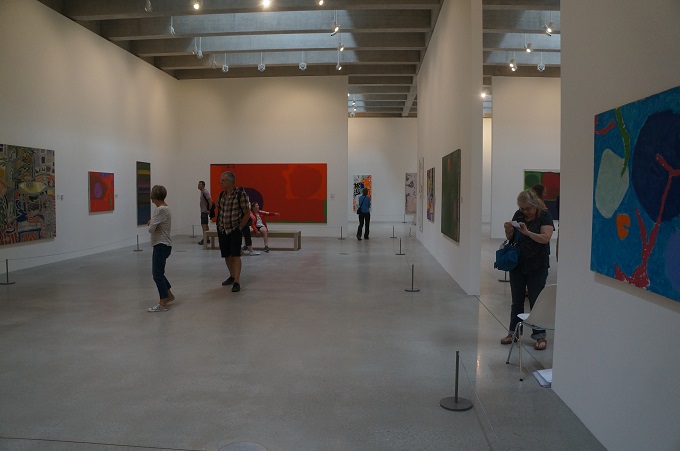
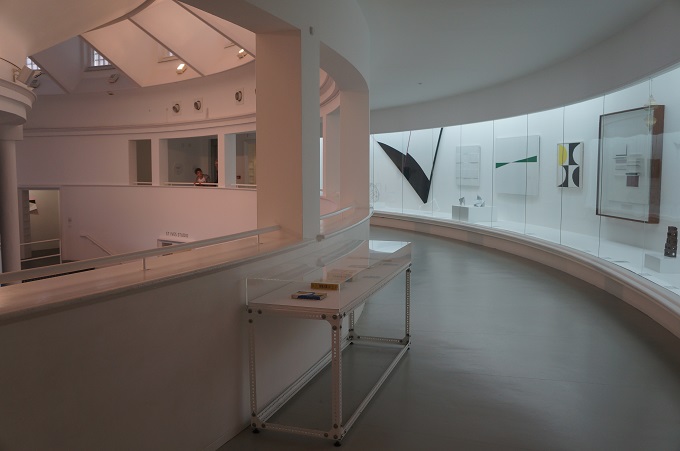
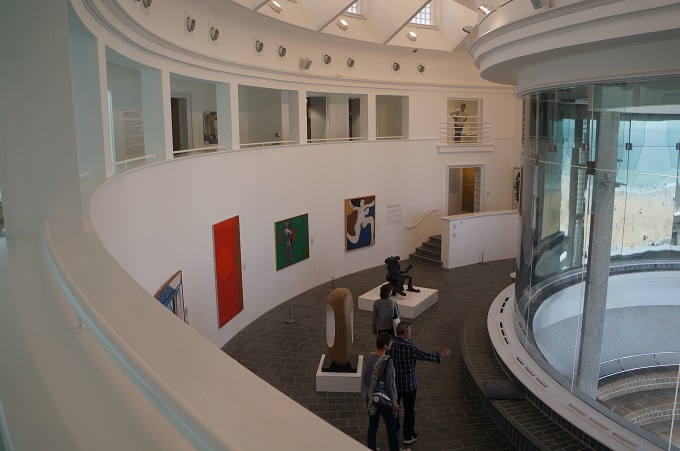
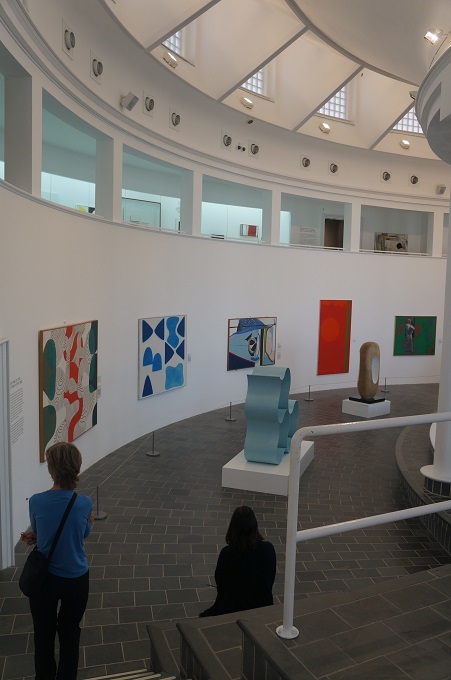
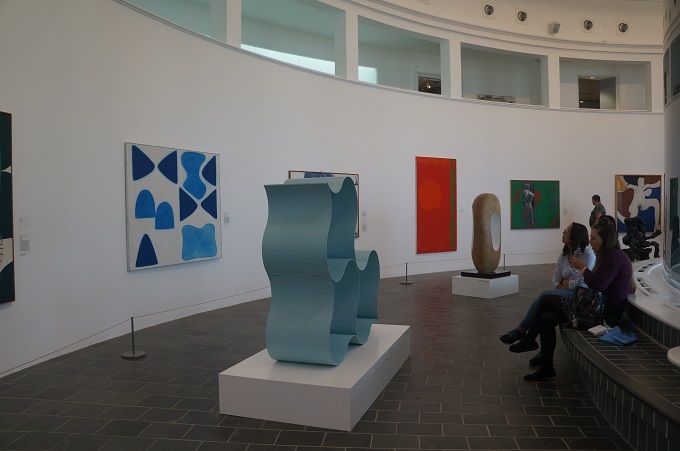
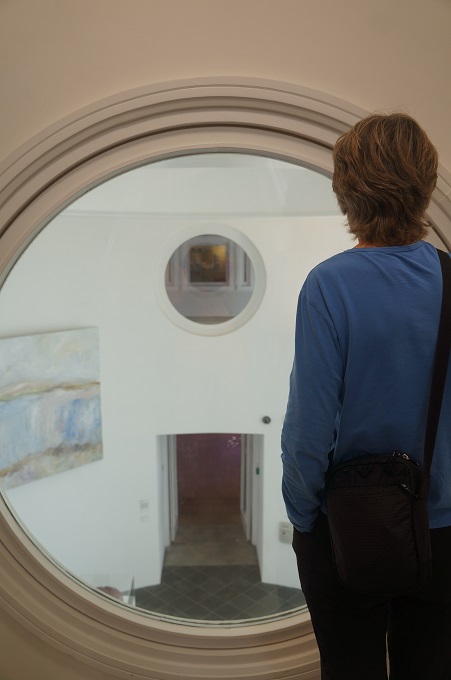
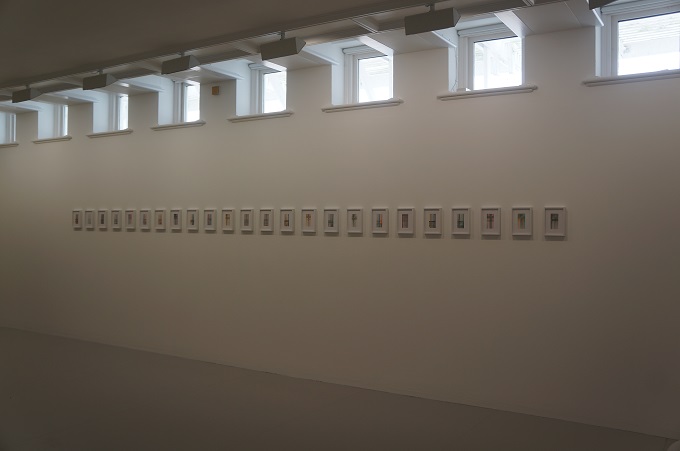
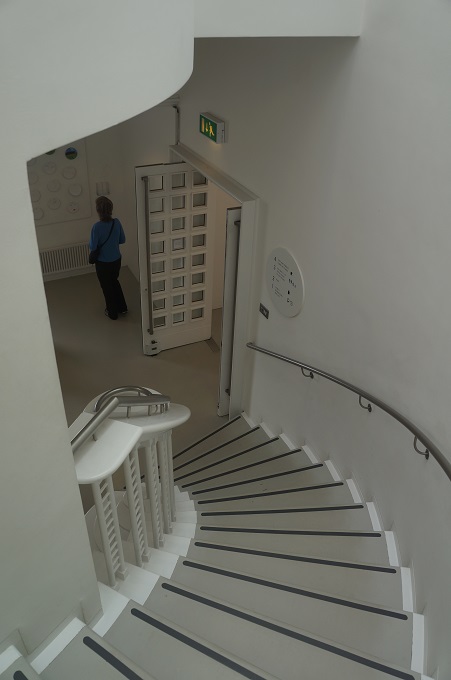
For our second dose of culture today we went to the Tate St Ives. This is an art gallery exhibiting work by modern British artists with links to the St Ives area. It was built between 1988 and 1993 on the site of an old gas works and from the outside the rotunda in the middle does sort of look similar to a gas works. It had major renovations and additions which were completed last year. This art gallery is one of a family of four, the others being Tate Britain (London), Tate Modern (London) and Tate Liverpool. As the architect of two art galleries in my past life, I guess I was as much interested in the building as I was in the exhibits.


Barbara Hepworth

(Jocelyn) Barbara Hepworth 1903 – 1975

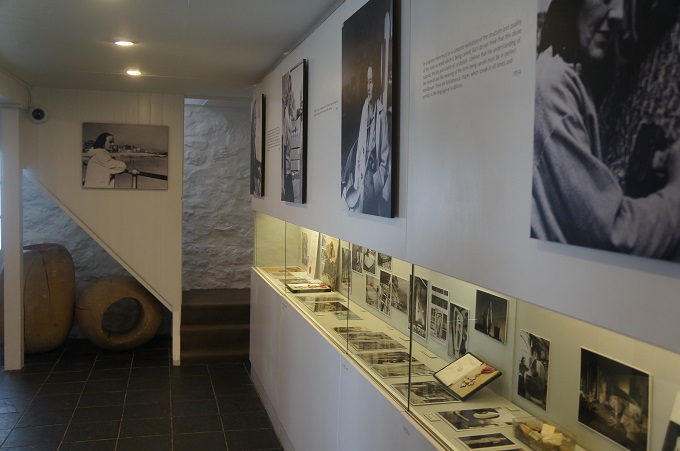
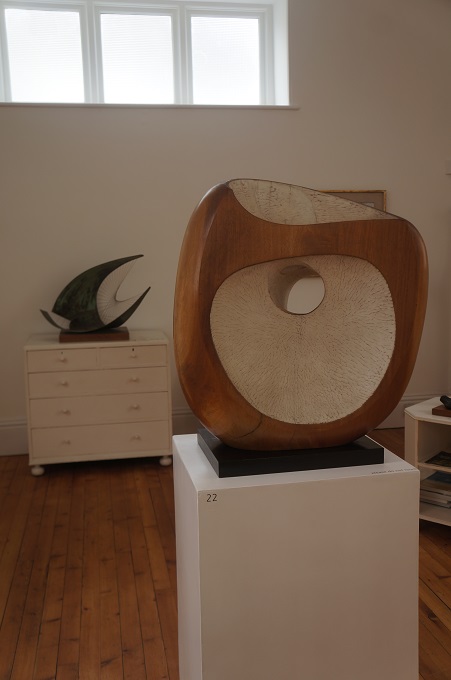
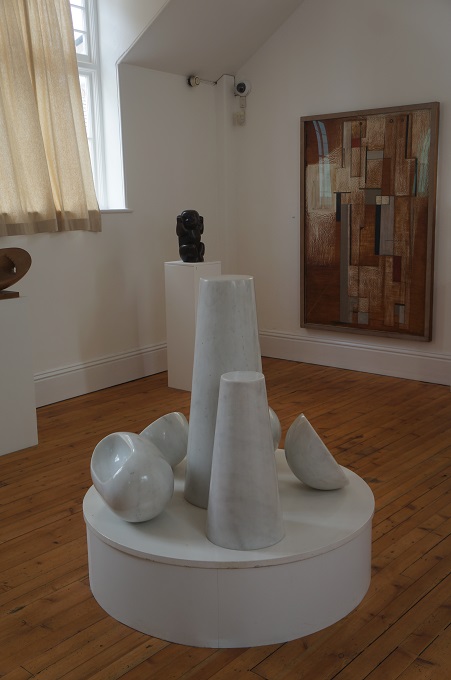
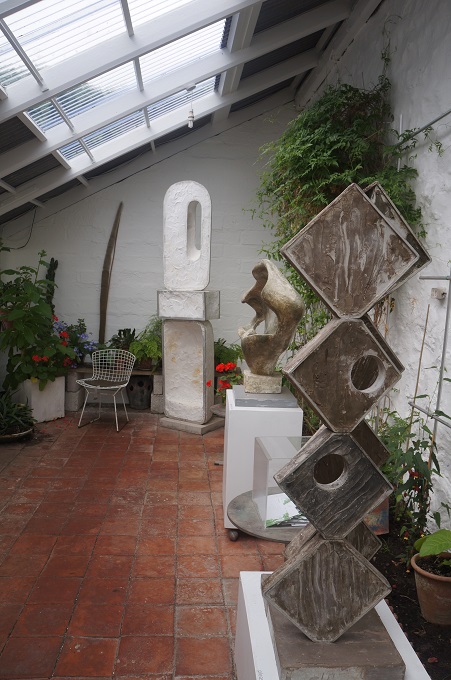
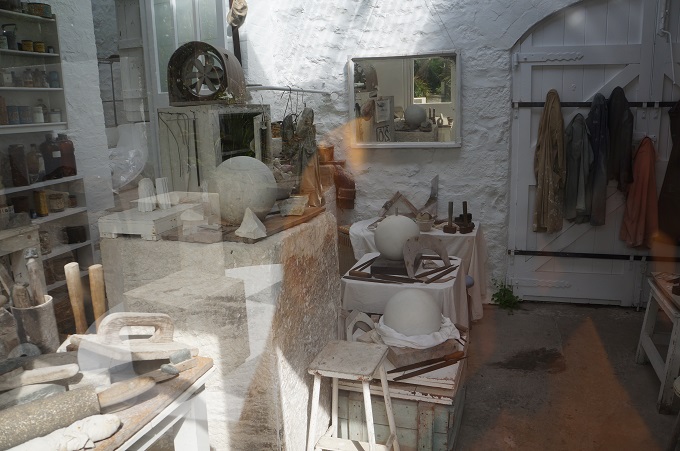
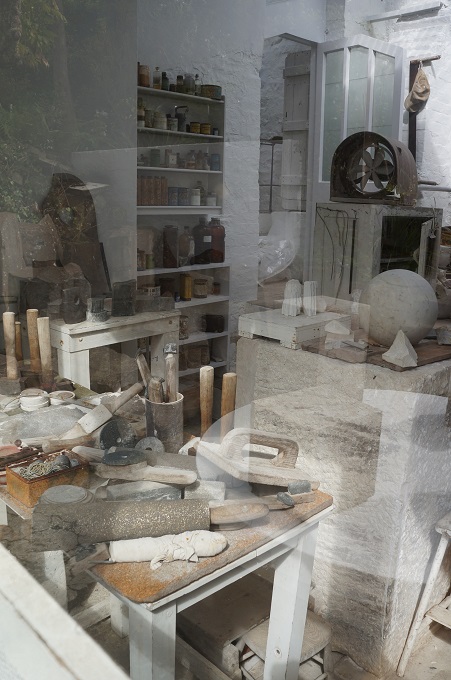
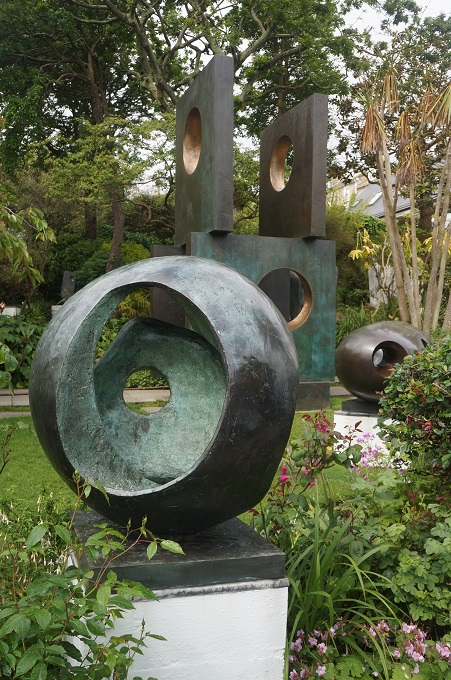
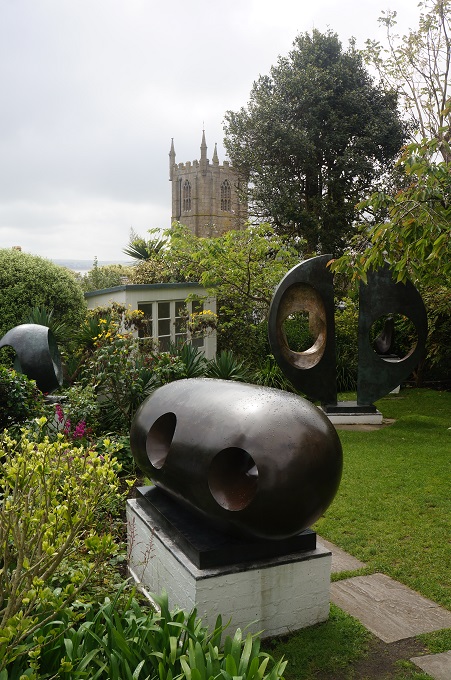
Today we visited the Barbara Hepworth Museum and Sculpture Garden. Barbara Hepworth was a well known sculptress who worked mainly in stone and bronze. The museum is on the site of her former studio which has been preserved exactly as it was when she died in 1975. Some of the sculptures are big enough to step inside and around so that you can study every angle. As well as the museum and her studio there is a collection of her sculpture in a very peaceful garden.


Talk to a Local

Hayle to St Ives, 9.5km + 3 km from accommodation, 188 metres of climbing

‘Some people walk in the rain, others just get wet’

We didn’t have great expectations for today. Our shortest day so far, the first 3 km a repeat of yesterday, walking through an industrial area, walking alongside a very busy road and not a great weather forecast. But as is often the case it turned out a great day.

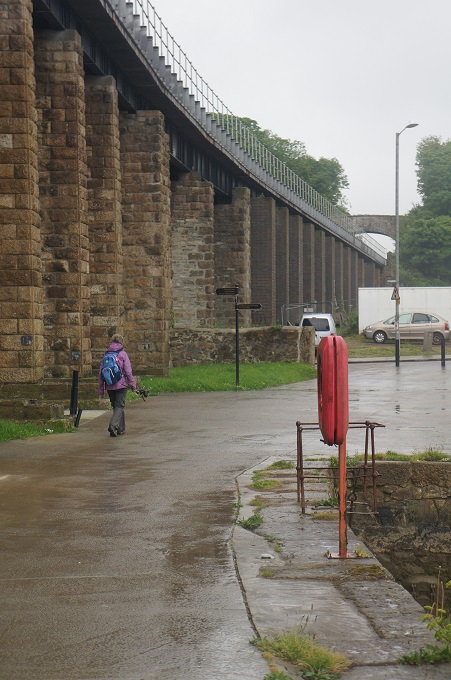
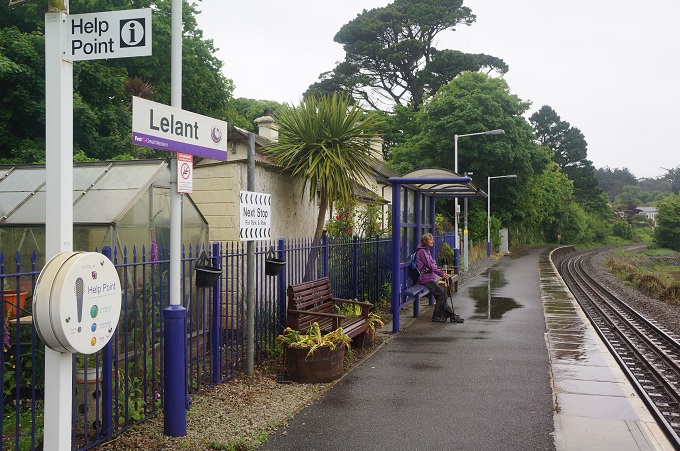
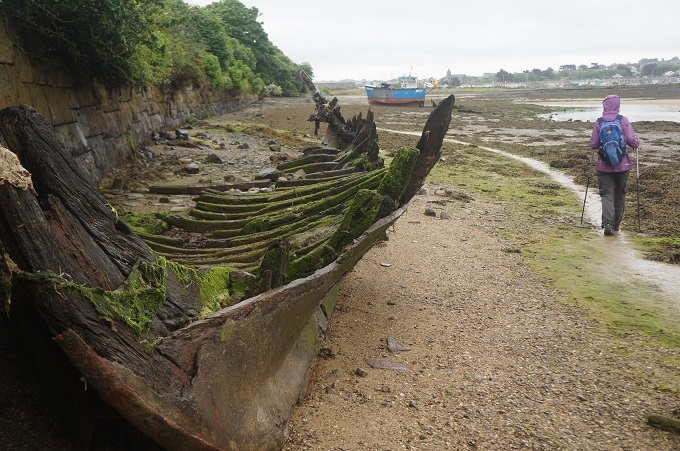
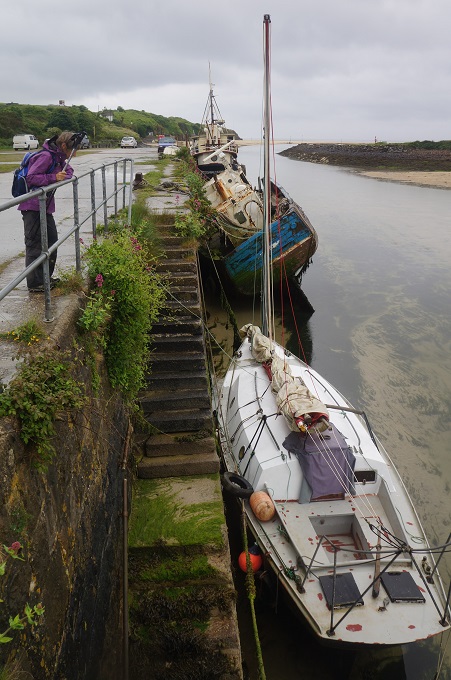
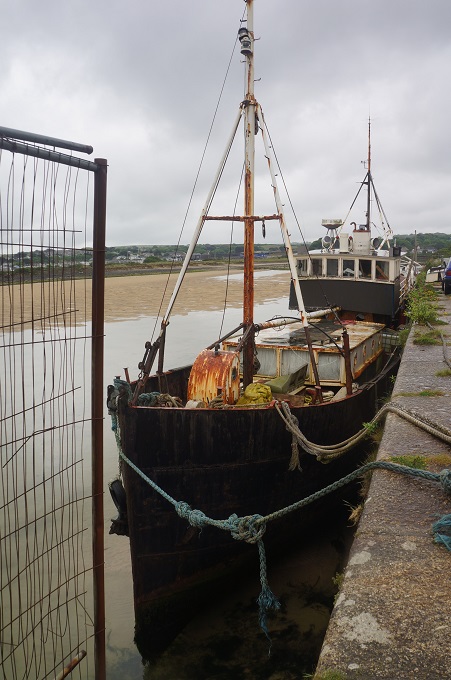
King George V Memorial walk was much more interesting when we were fresh this morning, than when we were tired yesterday afternoon.  The industrial area was a rundown section of the Hayle River but with lots of old boats and buildings, something I find quite interesting. There was an unpleasant couple of kilometres walking alongside the busy road and it was now raining. We managed to suss out a much quieter road to a ‘park and ride’ railway station at Lelant Saltings. This is a branch line from St Erth to St Ives.

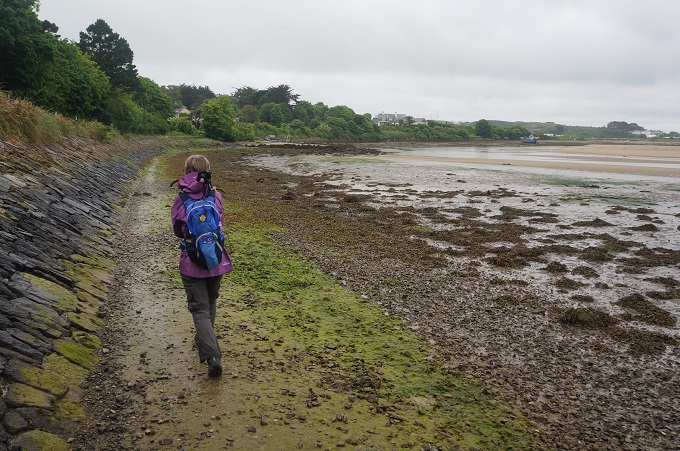
There we met and spoke to a local guy who had been in NZ last year walking the Abel Tasman and Queen Charlotte Walkway and toured the South Island in an RV. He put us onto a local path on the estuary side of the railway track which followed the Hayle River past Dynamite Point, around a golf course and onto yet another wide golden beach, Porthkidney Beach. Dynamite Point is a remote wharf on the river opposite Hayle where they used to unload dynamite to be used in the mines.

This was a thousand times better than the official route which followed the busy road. We were trying to walk slowly as we only had a few kms to go and checking in at our B & B was ‘strictly 4pm to 6pm’. At the next beach, Carbis Bay we stopped at the Carbis Bay Beach Club Hotel for coffee and cake. This was quite a snooty affair with uppity waitresses in white shirts and black trousers and waistcoats. Barbara gave them a detailed description of what we knew as a long black and which was not what they called an americano or a double espresso. Miraculously they delivered the best coffee we have had in England but let it down with sponge cake that was at least 3 days old.

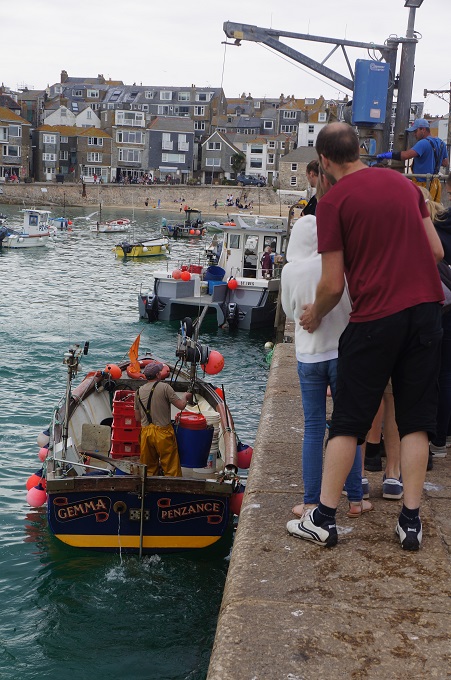
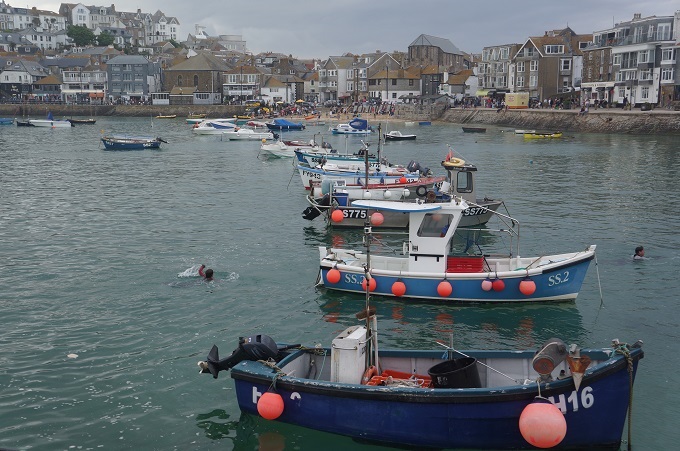
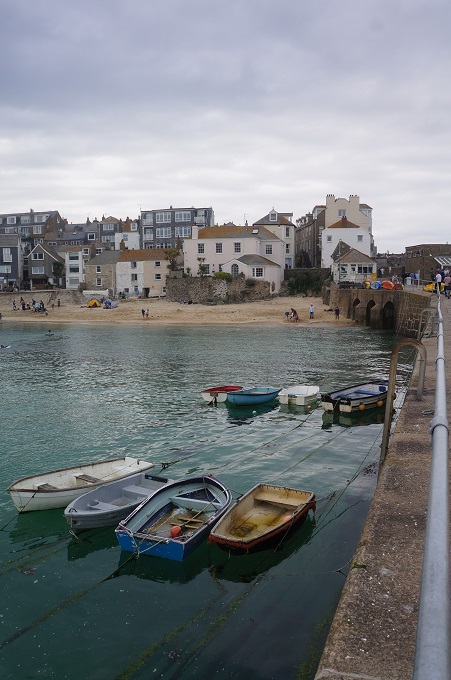
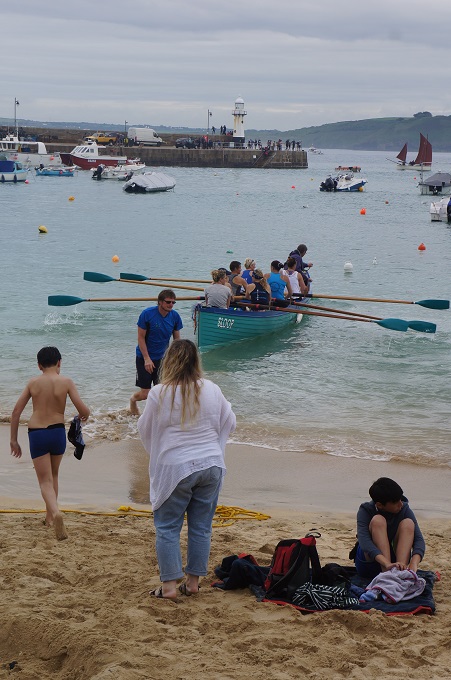
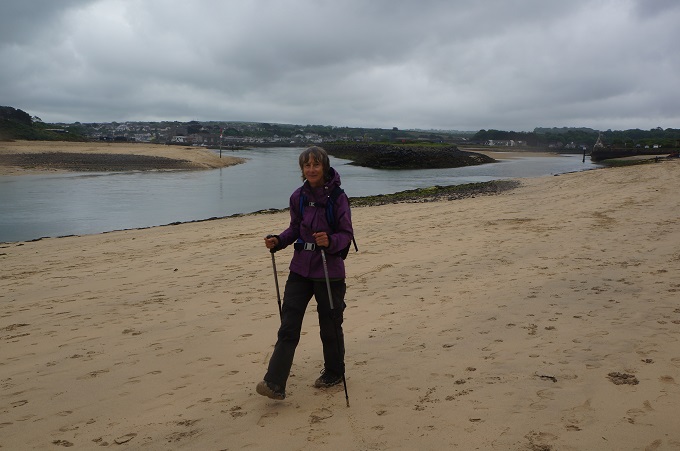
From here we walked on the beach all the way into St Ives, trying to walk more and more slowly. We thought it was interesting arriving in St Ives from the seaward side rather than the landward side by car or coach. The tedious part of the day was spending two hours watching the tide come in. It was now raining steadily and the only covered shelter we could find was outside the women’s toilets.
Another rest day tomorrow and we will explore the town.


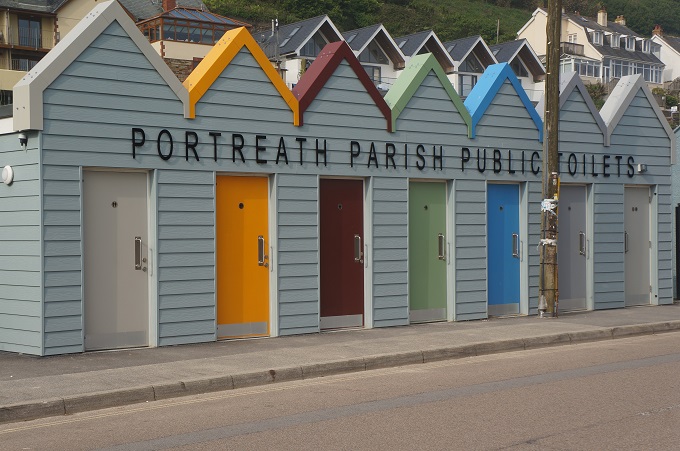
May the Porth be with you

Portreath to Hayle, 19.9km + 3 km to accommodation, 415 metres of climbing

‘I love long walks, especially when they are taken by people who annoy me’. Fred Allen

Portreath, Porthtowan, Chapel Porth, Trevallus Porth, Perranporth, Mawgan Porth, Portcothan, so many porths! We can’t remember which one we are at. We often stop and talk to people and they ask where have you come from, and where are you going? It’s a bit embarrassing when we can’t remember. We can’t say we came from Porthwhat’sit and we are going to What’sitporth. They would look at us as if we have wandered out of an institution for the dazed and bewildered.

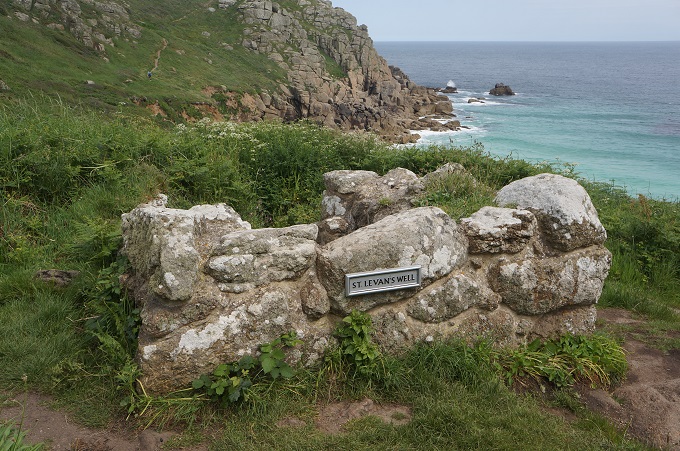
And then there were the ports: Port Quin, Port Isaac, Port Gaverne, Port Gennys. And now we are getting into the saints: St Agnes, St Ives, St Just, St Levan. I might start writing on my left hand where we set out from and on my right hand where we are going to.

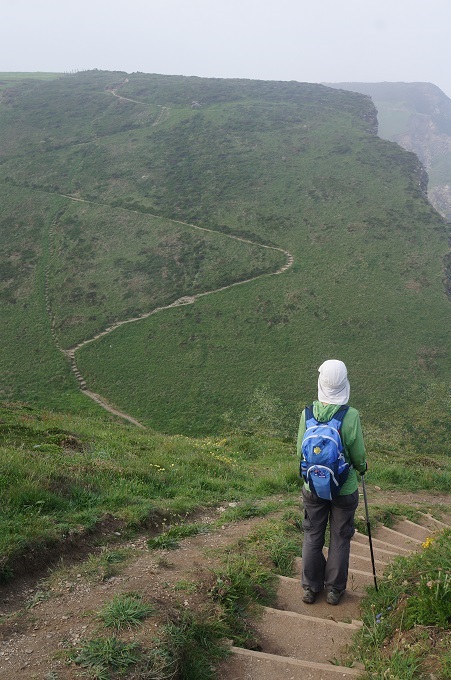
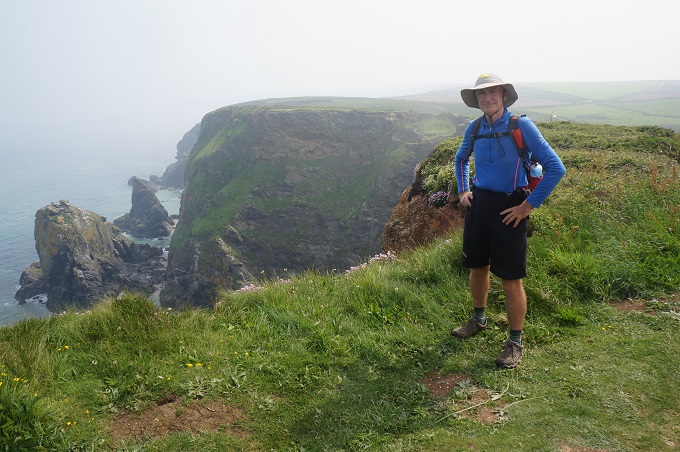
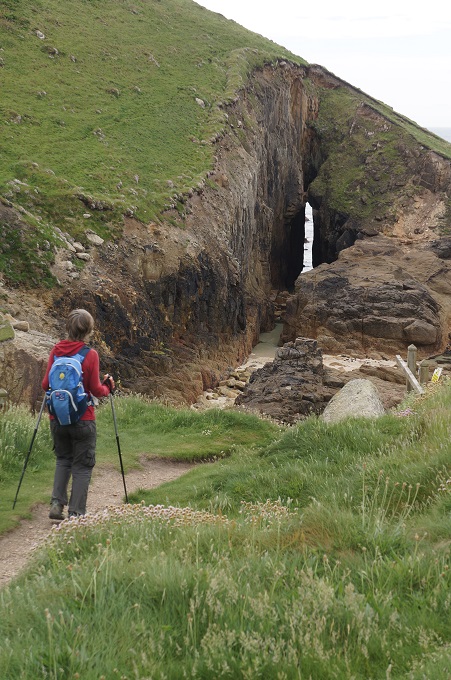
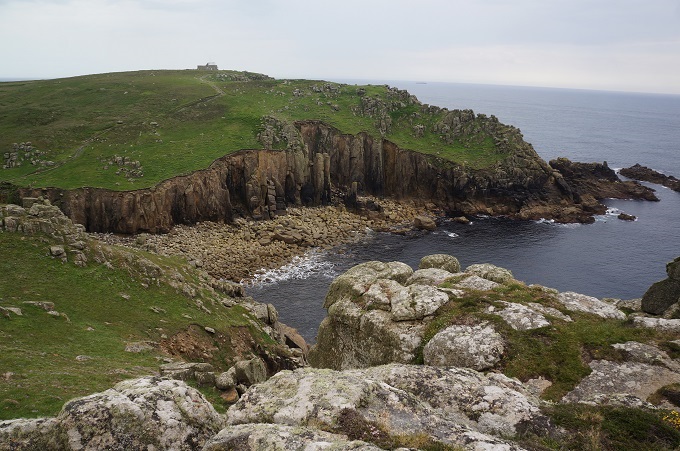
There was a nasty start to the day and then two distinct characters to the coast for the rest of the day. Almost straight out of Portreath we had two gut buster rollercoaster climbs and descents through steep valleys. This was nasty because we had not yet warmed up and got into the rhythm of the day. From here to Godrevy Point it was walking on high level cliffs with the sea far below.

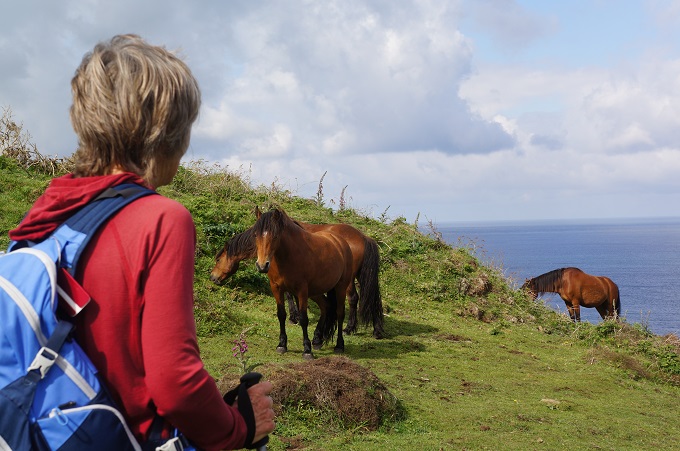
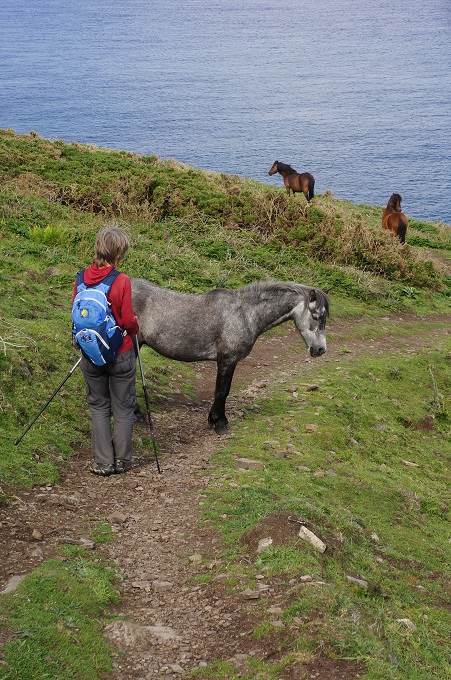
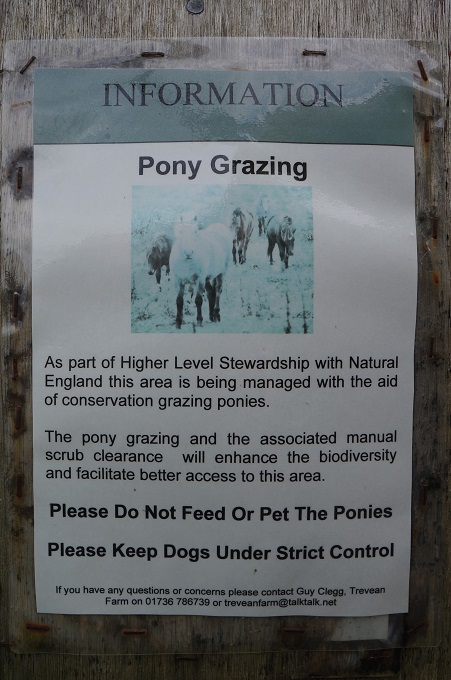
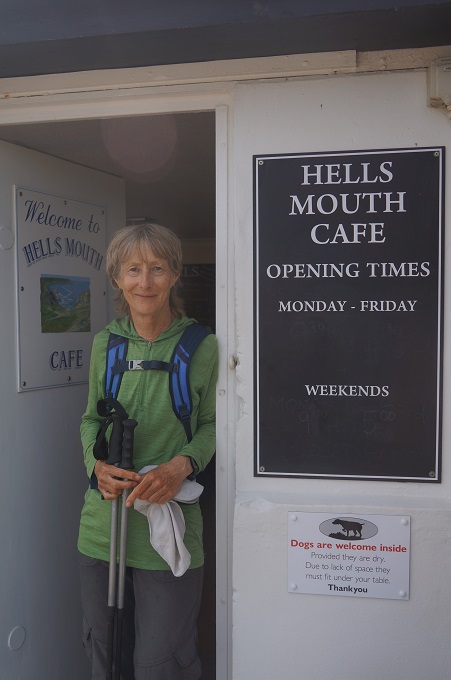
The highlights of this section were the Hell’s Mouth Café (opposite Hell’s Mouth Cove) where we had a cool drink, Shetland Ponies grazing at the side of the path, and seals on the rocks far below at Navax Point. At least a small crowd of people claimed to see seals but with our poor eye sight we couldn’t make out anything. We didn’t mind as twice we have practically stepped over seals on Paraparaumu Beach. The lowlight was that for a while the path was right alongside a busy road.
Off Godrevy Point is an island with an offshore lighthouse. This was the inspiration for Virginia Woolf’s classic novel, To the Lighthouse. Written in 1927, it drew on her memories of holidays with her parents in St Ives: the lighthouse in the book is merely a device for the development of the plot.

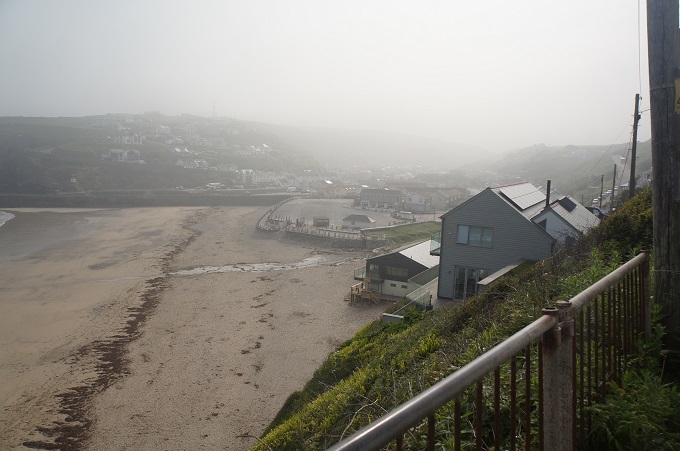
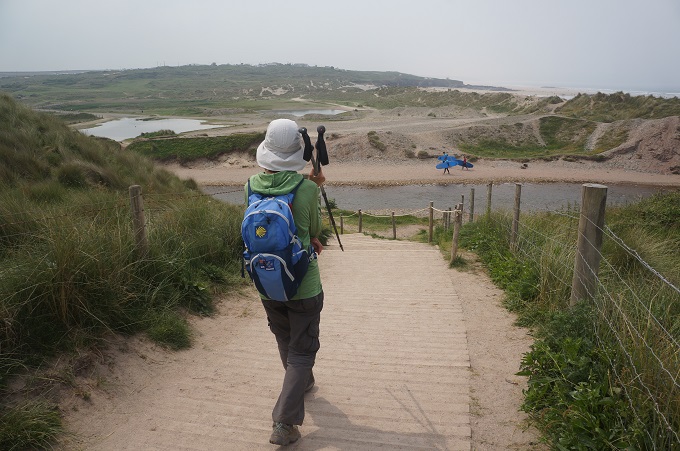
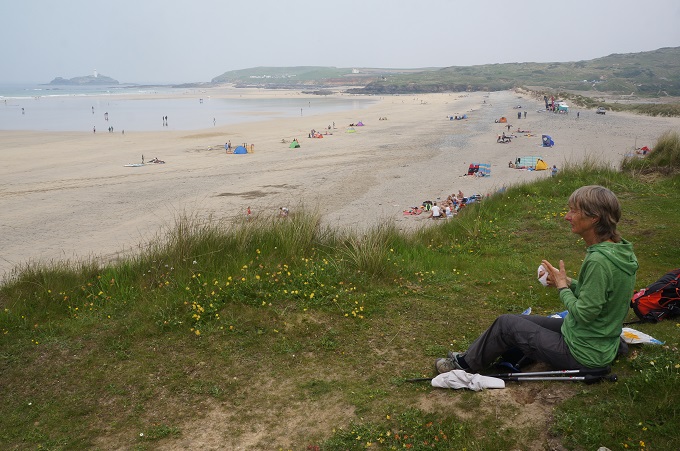
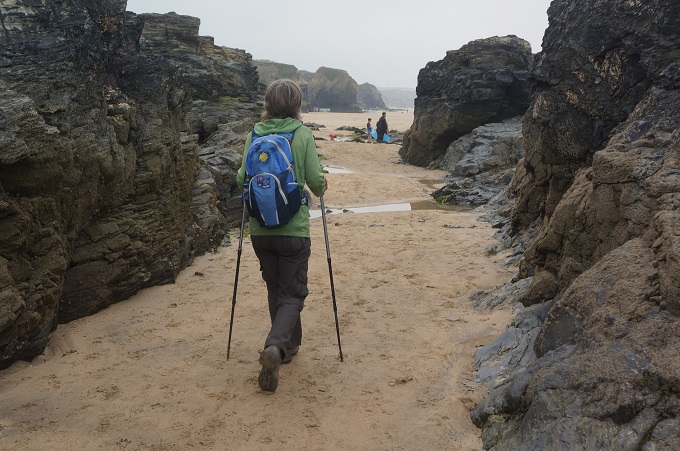
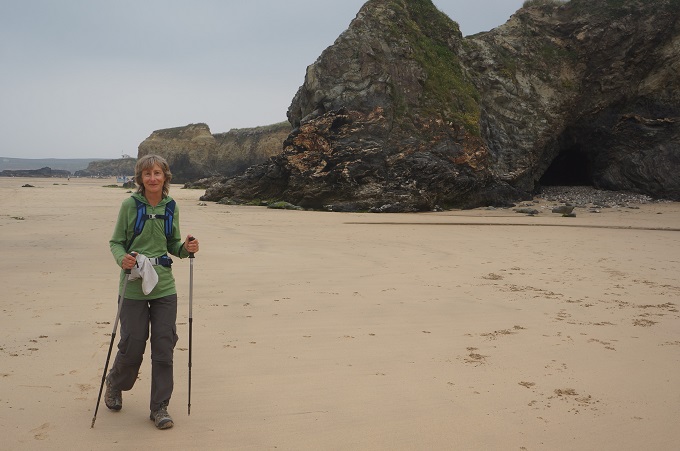
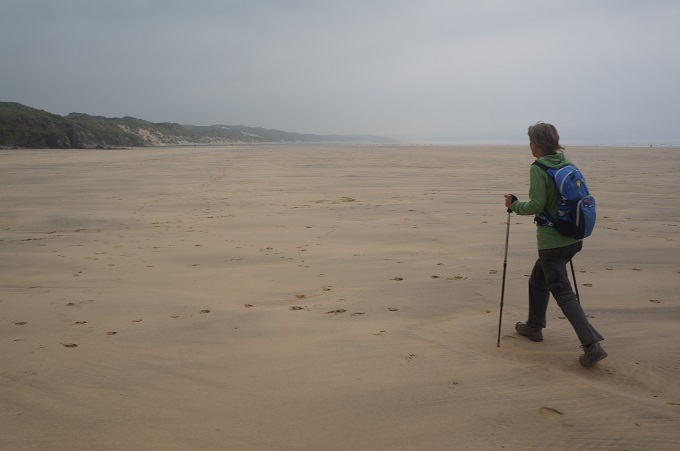
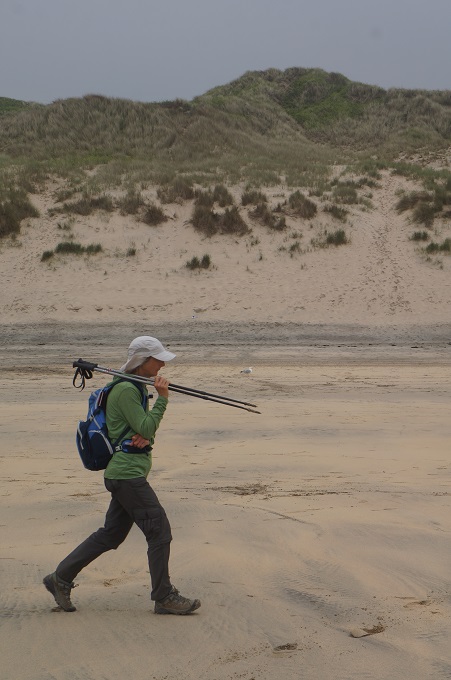
The second half of the day focused on sand, either dunes or beach, and the great colourful sweep of St Ives Bay. At Gwithian we trudged through the dunes for a while but soon decided it was far easier walking on the beach. It was only an hour past high tide so there was no chance of being trapped on the beach. St Ives Bay is 4 miles (6½ kms) long but we made really good progress. At about four locations along the beach there was a public car park, a life guard station, red/yellow flag swimming area and hence lots of families. This week is spring break for the school kids.
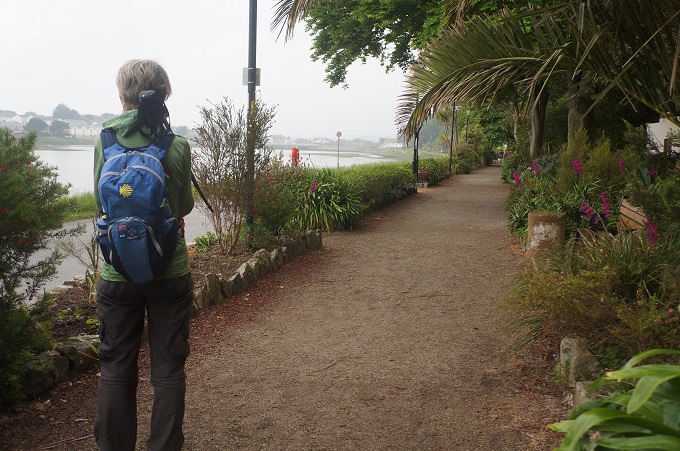
From the end of the beach the walk into Hayle was through a depressing industrial area. Our hotel is a further 2 miles inland but this was mostly along the King George V Memorial Walk which runs alongside Copperhouse Pool – a relic of Hayle’s industrial past. The walk is decorated with Victorian lamps, benches, ponds, fountains, a scent garden and hundreds, maybe thousands, of different species of plants.
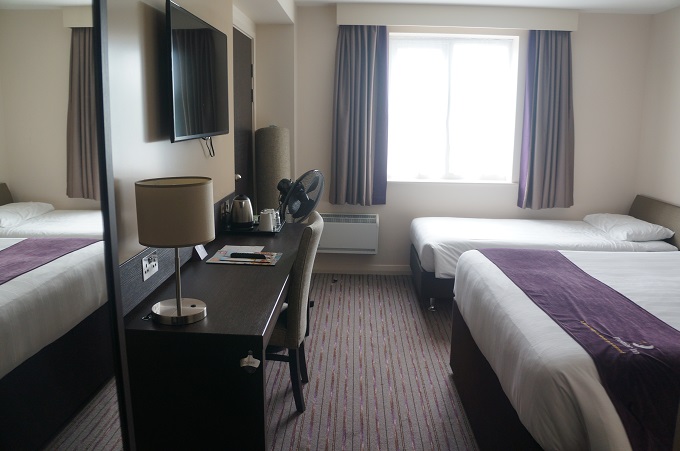
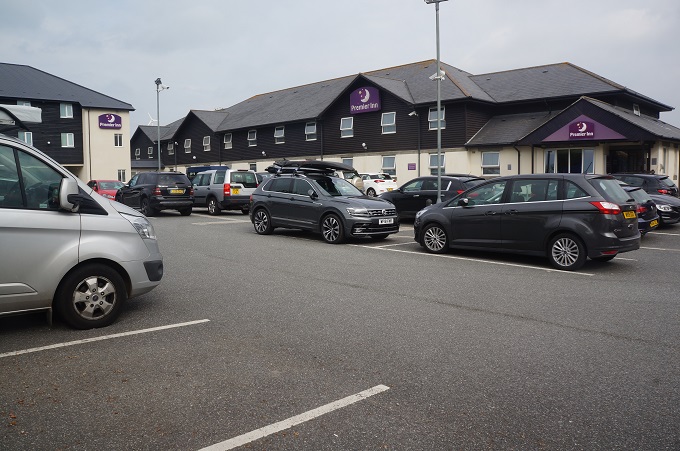
Our hotel, The Premier Inn, is large, modern and part of a chain. It is located in a commercial layby on a busy road. The layby is shared with a Marks & Spencer Store, Next, Boots, Castro Coffee, MacDonalds, a petrol station and acres of car parking. Pedestrians have to risk their lives crossing two large roundabouts to get here. Apart from us I don’t think anyone has ever walked here.