London River Cruise


St Paul’s Cathedral


To London, To London

Plymouth to London

Awoke to a lovely sunny day in Plymouth after two days of low cloud and mist. We couldn’t stay to enjoy it unfortunately.

We had about a forty minute walk from the guest house through Plymouth City Centre to the train station. The centre of Plymouth was destroyed by bombing in WW2 and so all the main shopping/commercial centre is relatively new. There is a long wide pedestrian mall running right through the shopping precinct. Almost every building is designed in what would have been the height of 1950/1960s modernist architecture. Sixty years on it all looks slightly depressing. Every façade is perfectly composed and proportioned, simple geometric shapes, no decoration, little colour, mostly white or grey, refined detailing, the ultimate ‘less is more’. It’s interesting as a snapshot in time but it all looks so serious. I think it desperately needs some whimsey and idiosyncrasy. Some one to poke some fun at the rules.

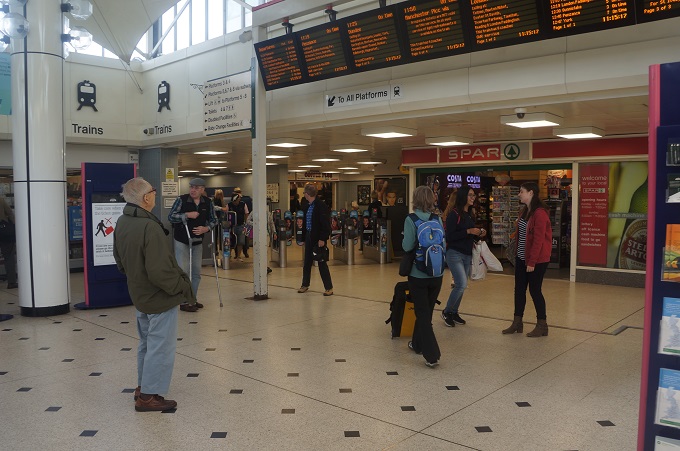
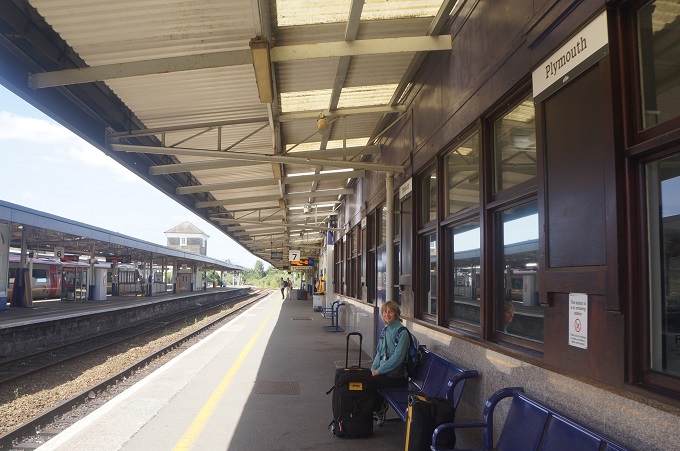
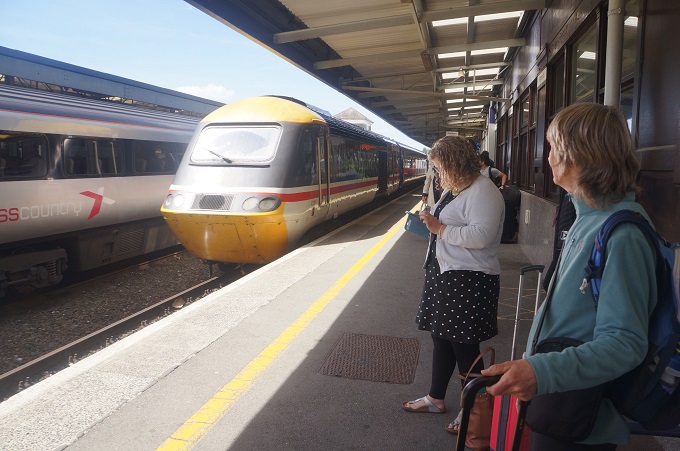
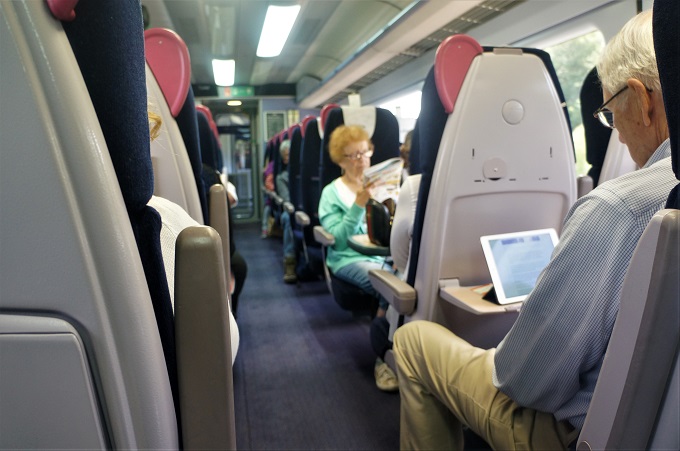
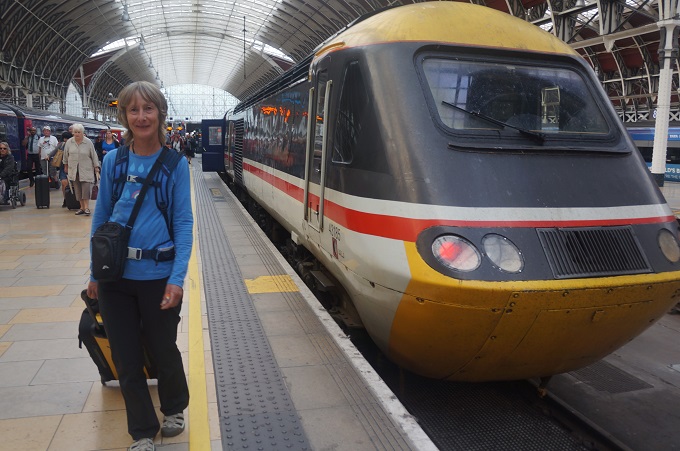
From Plymouth we took ‘The Cornishman’ Great Western Railway train to Paddington London. About a 230 mile journey in 3 hours twenty minutes. An eight coach train, including a first class coach at the rear and a restaurant car. It was very comfortable, quiet and punctual. Five stops along the way, four near the Plymouth end of the line and the fifth at Reading about half an hour from London. It took about half the time of our bus trip from London to Westward Ho! but then it cost a bit more than twice as much.

We had booked and paid for train tickets before leaving home but had to collect the tickets at the train station. This involved inserting the same debit/credit card used to pay for the tickets into a machine, typing in a seven digit code that had been emailed to us, and hey presto out popped our tickets. And we got the credit card back!

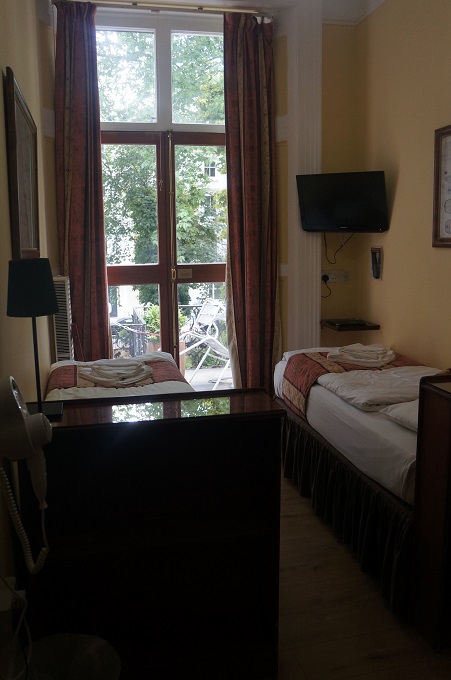
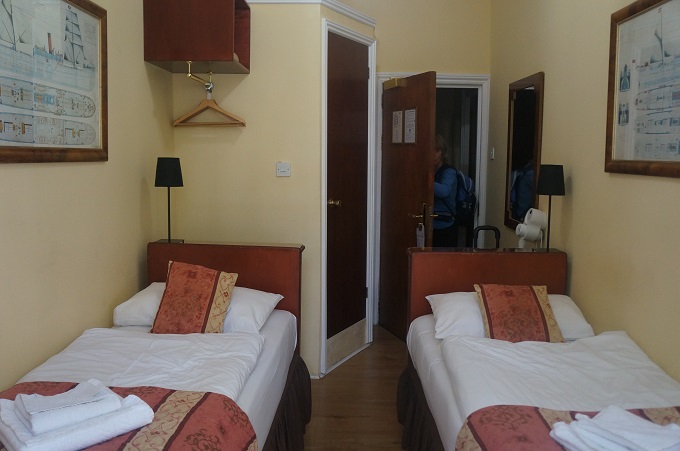
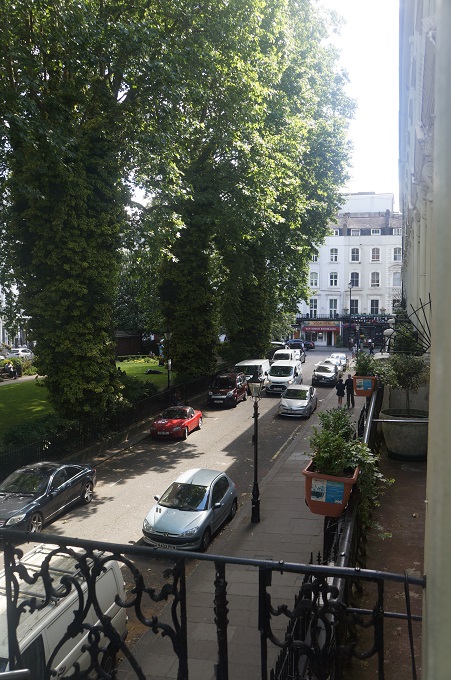
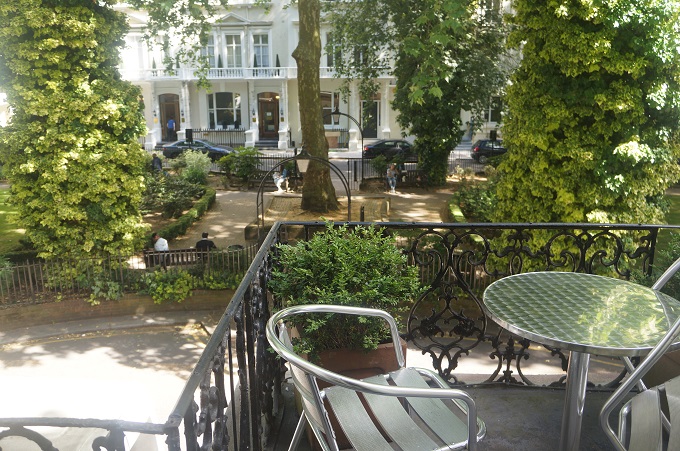
After five and a half weeks away we are back at the Shakespeare Hotel in Norfolk Square. A different room, this time on the first floor. A room that makes us smile. The largest dimension is the height! It is tiny but we love it as it has large French doors onto our own little balcony overlooking the trees and gardens in the square. We can still imagine we are out in the English countryside not in the heart of one of the biggest cities in the world.


Plymouth

A quiet day wandering around the historic city of Plymouth. Although highly recommended we didn’t get to the Plymouth Gin Distillery.

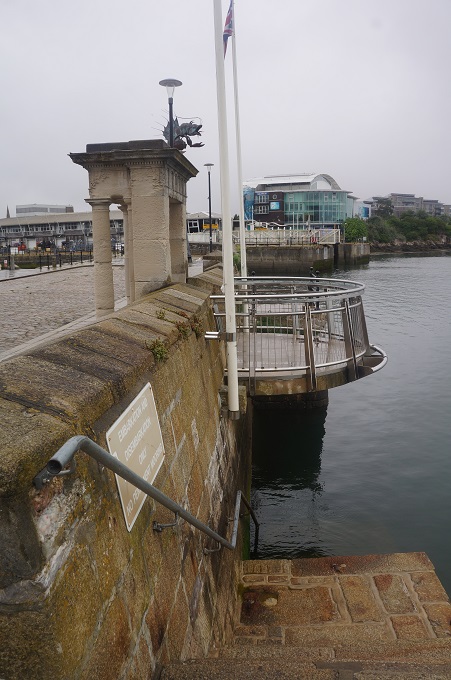
We made our way to the Mayflower Steps to ‘officially’ complete our walk. I reckon the finish should be at the Cremyll ferry where you ‘officially’ move form Cornwall into Devon.

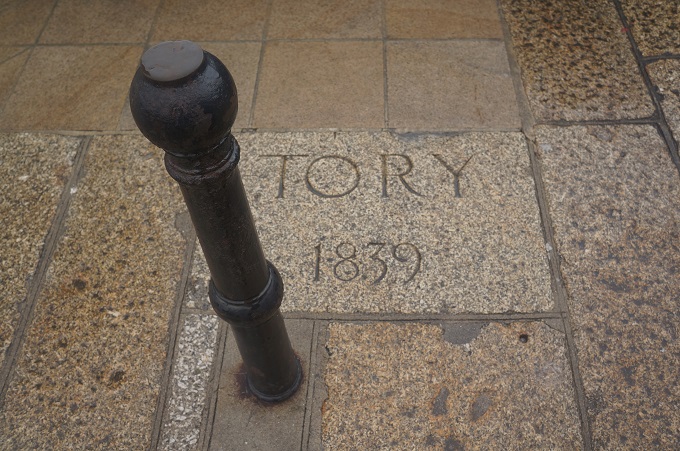
The Mayflower Steps are a bit of an anti-climax. There is a memorial but the causeway of 1620 was destroyed long, long ago and the present steps are only from the 1890s. Amazingly we were the only ones there. No coach loads of American tourists, just two Kiwi tourists admiring a far more important memorial. This same quay is where the New Zealand barque Tory set sail in May 1839 for Port Nicholson, now Wellington, to start the settlement of New Zealand.

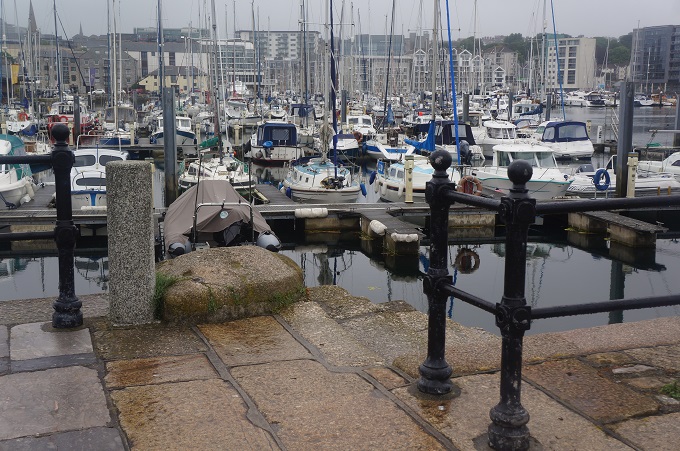
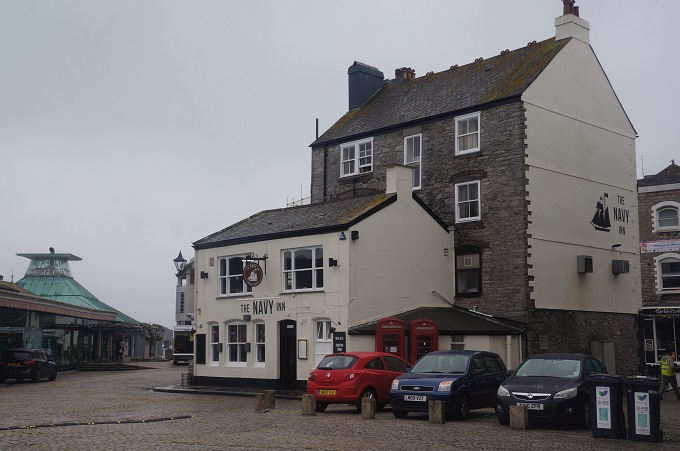
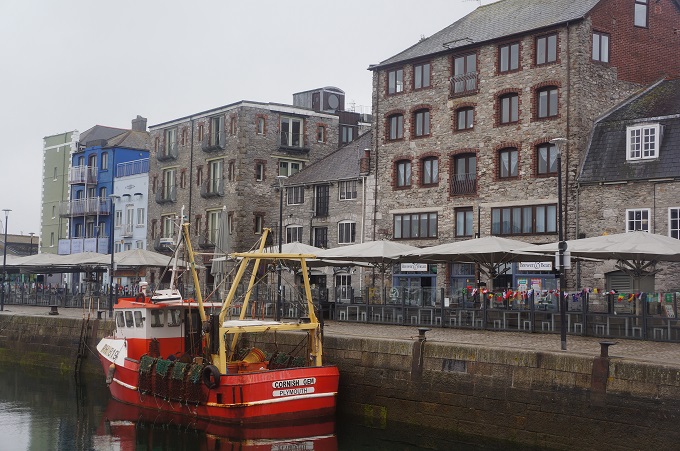
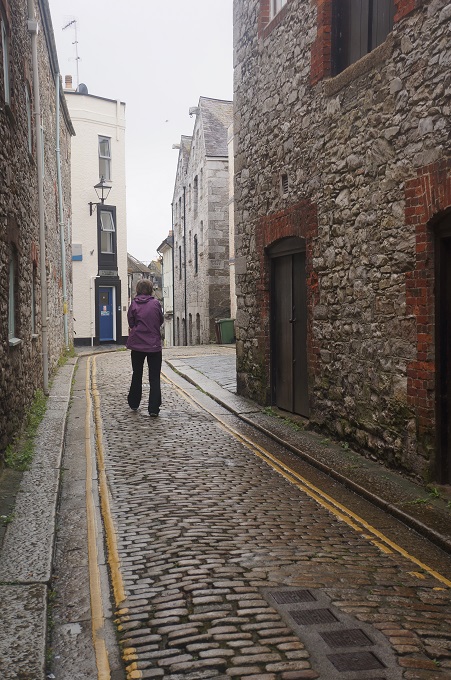
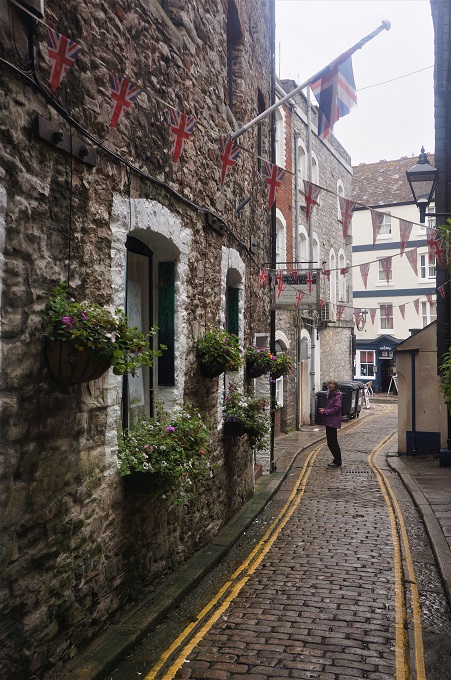
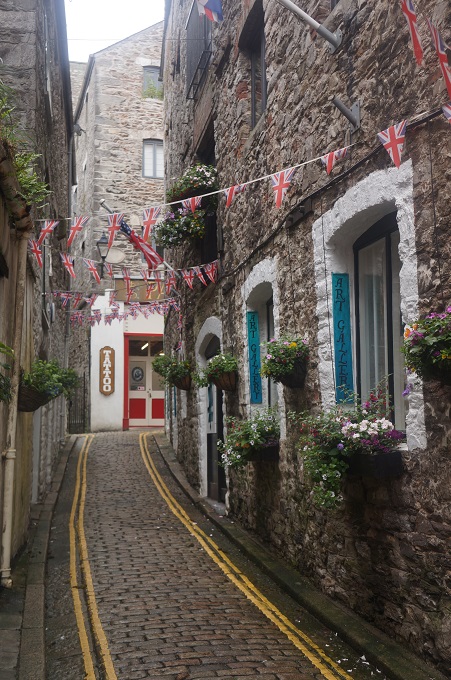
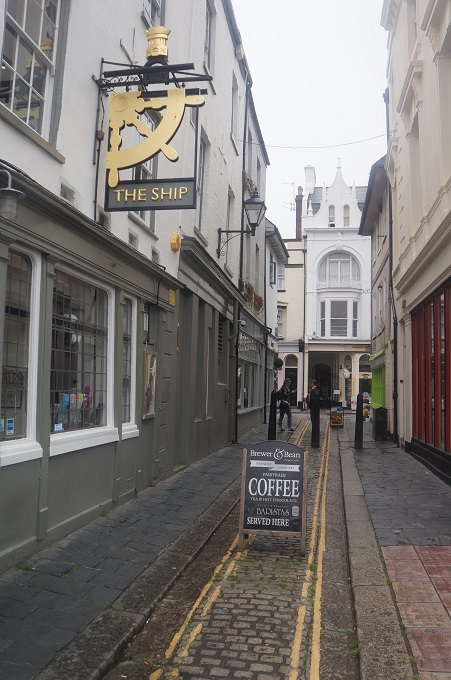
We had a look around Barbican. Barbican is the ‘old town’ area around Sutton Harbour, the original harbour of Plymouth. It is one of the few parts of the city to escape destruction during the bombing of WW2. A few of the streets and alleys still have the character of an old fishing port. It is said to have the highest concentration of cobbled streets in England.

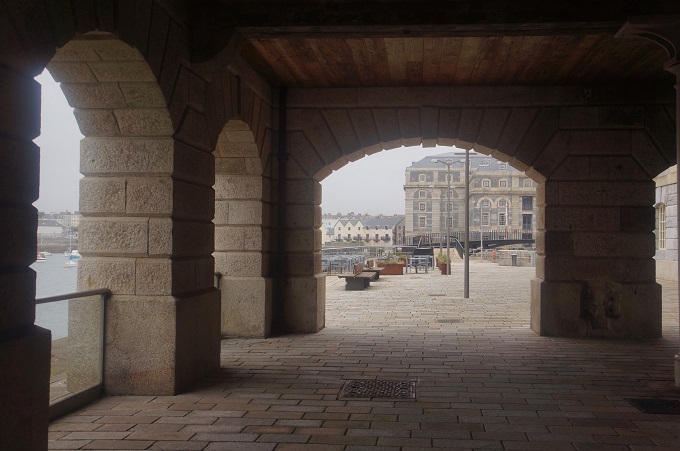
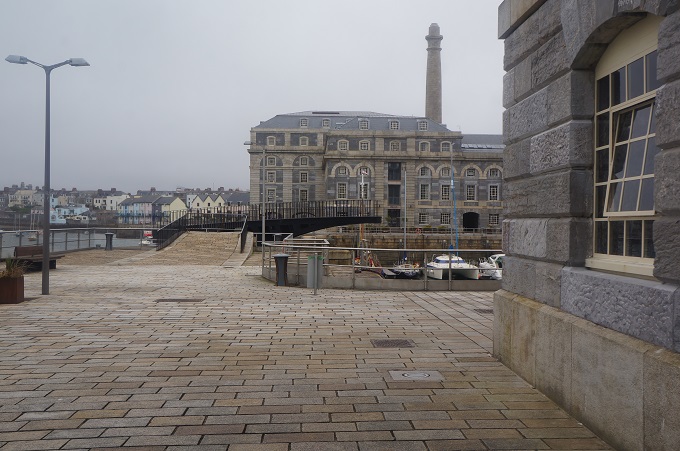
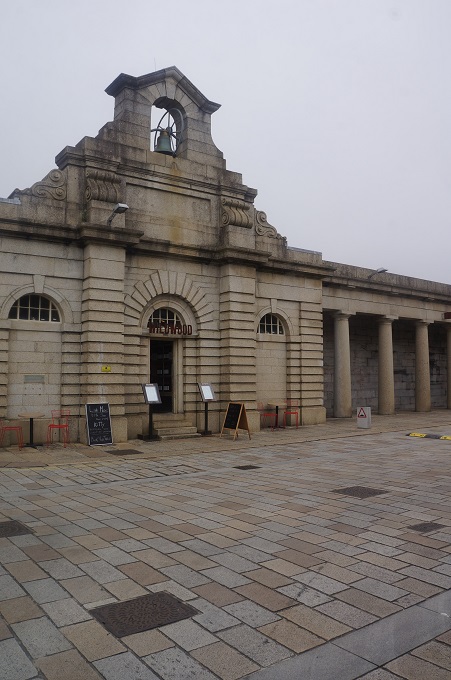
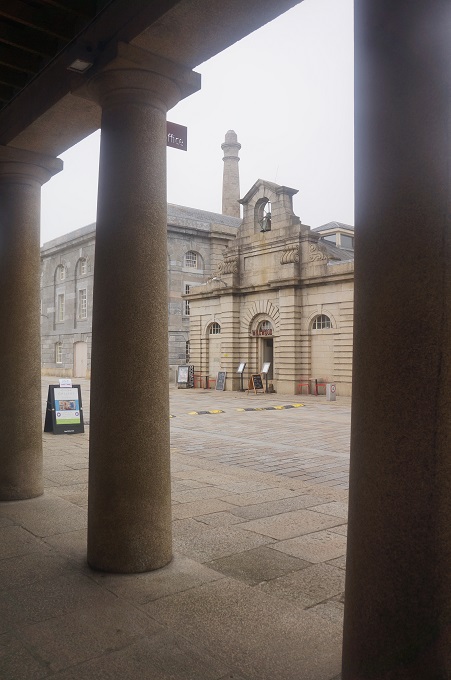
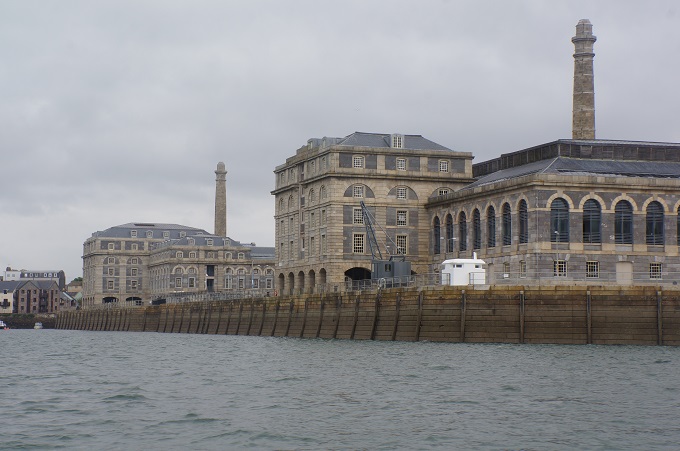
In the afternoon we walked back to Stonehouse (where the Cremyll ferry dropped us yesterday) and had a look around Royal William Yard. This is a huge complex that was the major victualling depot for the Royal Navy. It was built in 1826 – 1835 and is named after King William IV. It had slaughterhouses, bakeries, a brewery, a biscuit factory, coopers for making barrels and vast storehouses for food, clothing and equipment. The navy moved out in 1993 and now it is a mixed-use development of residences, restaurants, cafes, shops, a marina, a ferry terminal, etc. It was all looking very quiet and empty while we were there.

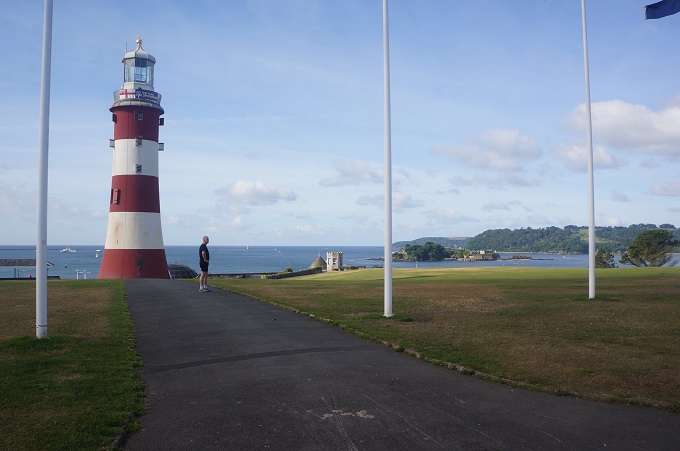
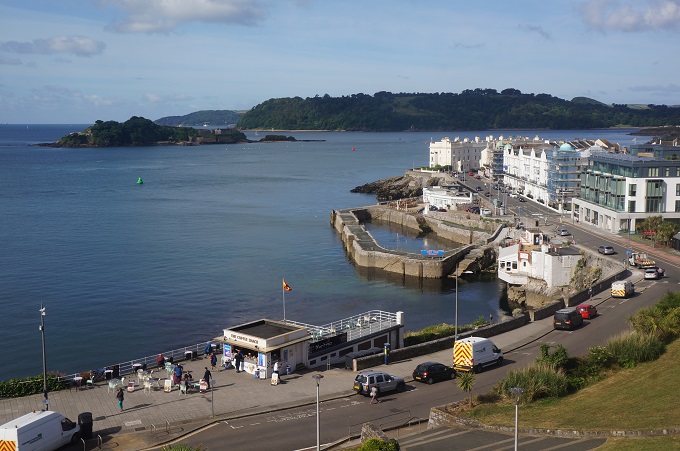
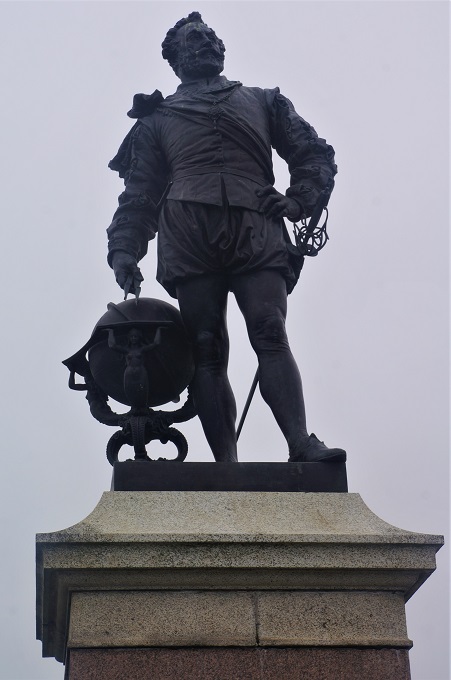
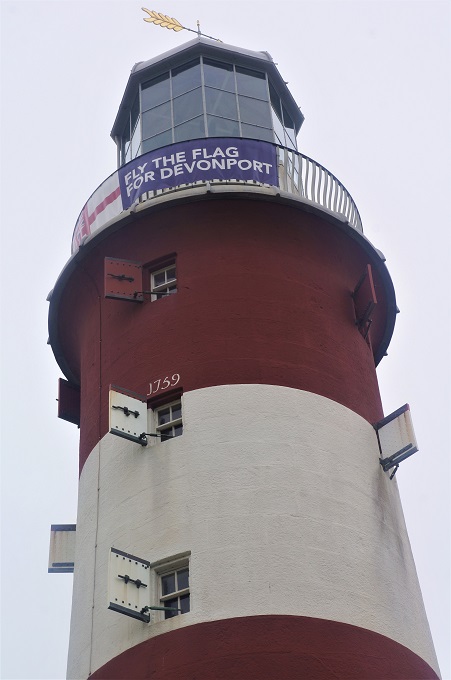
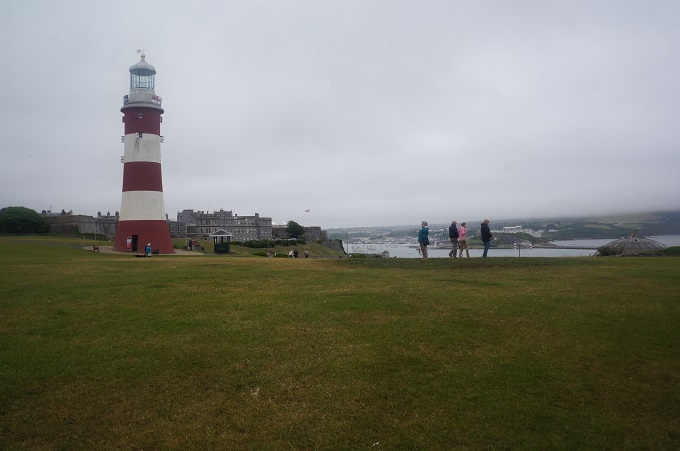
We also visited The Hoe. This is a green expanse on a hill that separates the city of Plymouth from the sea. It is most famous for being the site of Francis Drake’s game of bowls in 1588. With the Spanish Armada fast approaching he resolved to finish his game and wait for the tide to turn before engaging with the enemy. There are a lot of other memorials and statues on the green including Smeaton’s Tower. Originally the third lighthouse to be put on Eddystone Rocks ( 14 km southwest of Rame Head where we were at the chapel yesterday), it was dismantled in 1882 and the upper portions rebuilt on The Hoe. Smeaton was the original builder of the tower in 1759.

Tomorrow we catch the train back to London. What a shock that will be. The thing we loved most about the South West Coastal Path was its quietness, remoteness and isolation.

For those who are interested: Plymouth lies on two rivers, the Tamar and the Plym, hence its name, the mouth of the Plym.


Lies, Damn Lies and Statstics

Number of walking days: 30
Number of rest days: 5 (Padstow, St Ives, Penzance, Falmouth, Charlestown)
Number of kilometres walked: over 500 (not including rest days)
Number of steps taken: 666,879
Number of signposts: 1236
Number of bridges crossed: 151
Number of ferries: 8
Number of gates opened and closed: 327
Number of stiles climbed: 461
Number of steps climbed: 13,395
Number of swims: 1
Number of metres climbed: two Mt Everests
Best breakfast: Red Fox Barn
Best dinner: Roast Loin of Pork, Coombe Barton Inn, Crackington Haven
Smallest breakfast: Port Gaverne Hotel
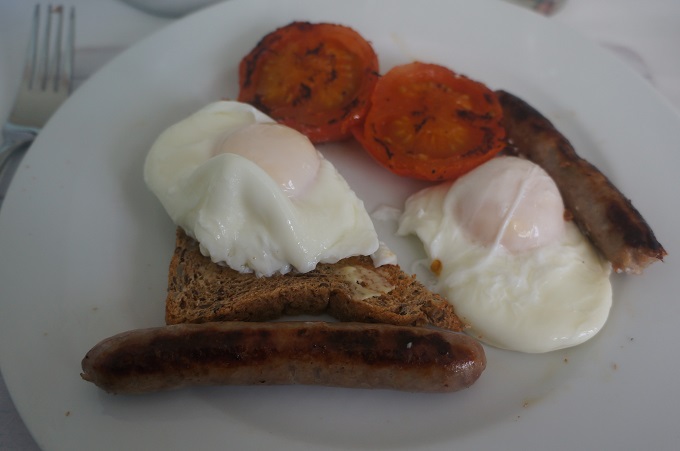
Number of poached eggs eaten: 58 each
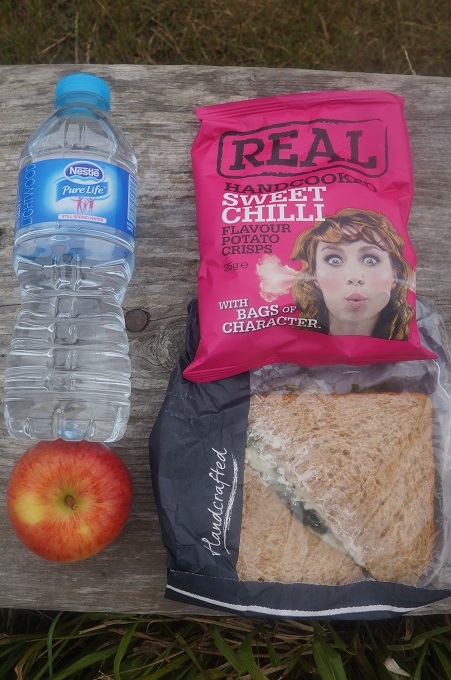
Most expensive packed lunch: Little Fox, £8
Prettiest town: Clovelly, Port Isaac, Polpero, so many others
Ugliest town: Portreath
Longest day: Porthleven to The Lizard, 27 km
Shortest day: Mawnan Smith to Falmouth, 6 km
Place I’d like most to go back to: Polpero
Place I will never go back to: Lands End
Number of beds slept in: 30
Narrowest bed slept in: Mevagissey Bay Hotel
Most comfortable bed: the one at the end of a tiring day
Least comfortable bed: the ones on rest days
Number of times we got lost: 2
Number of places with no wifi: 1
Number of days until we got sick of Full English Breakfast: 3
Number of Cornish Pasties eaten: 4, went off them quickly – too much salt and pepper
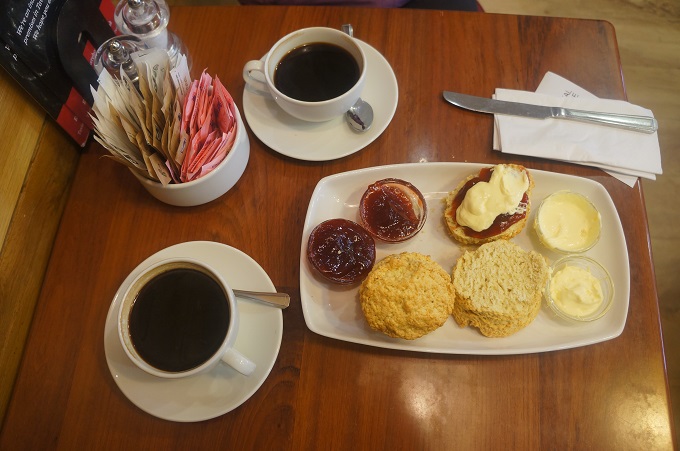
Number of Cornish Cream Teas: 3, scones too crumbly, what a mess to eat
Number of glasses of wine/beer/cider: 5 (a very dry walk!)
Number of desserts eaten: 1 (and it was shared!)
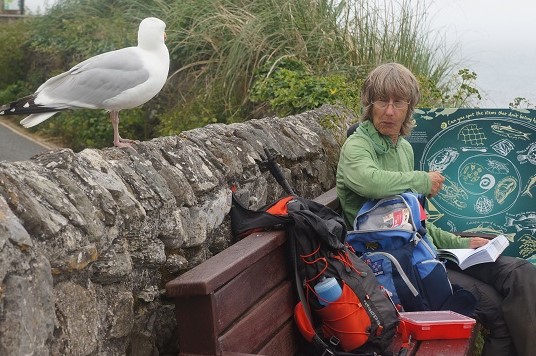
Number of times food stolen by a sea gull: 1
Number of things we lost: sun glasses
Number of things we left behind in hotel rooms: 0 – not bad for us
The most luxurious accom: Red Fox Barn, Little Fox Hotel
The squeakiest floors: Coombe Barton Inn Crackington Haven
Number of kisses Paul got at a kissing gate: 0 (cows and sheep don’t count)
Number of kisses Barbara got at a kissing gate: lost count
Number of boat harbours we passed through: 49
Number of nettle stings: how many grains of sand on a beach?
Number of Iron Age Hill Forts we crossed: 37
Number of Iron Age Hill Forts we actually recognised: 2
Number of photographs taken by Paul: 2988
Number of photographs taken by Barbara: 101


Happy and Sorry

Portwrinkle to Plymouth, 23 km, 661m climbing

‘Hope is the dream of a walking man’

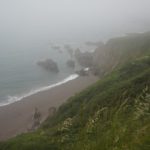
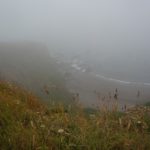
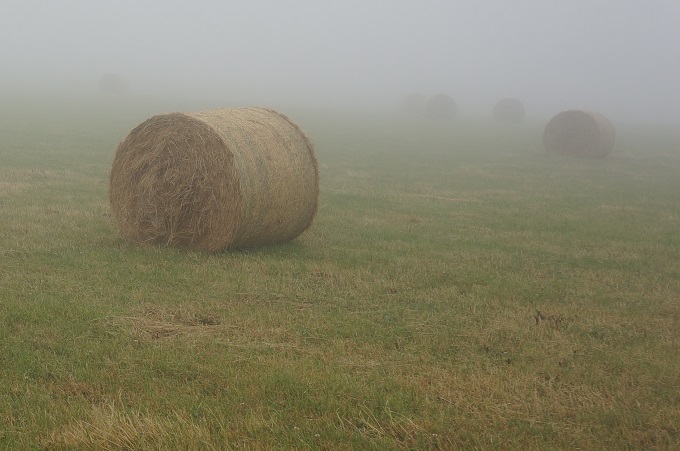
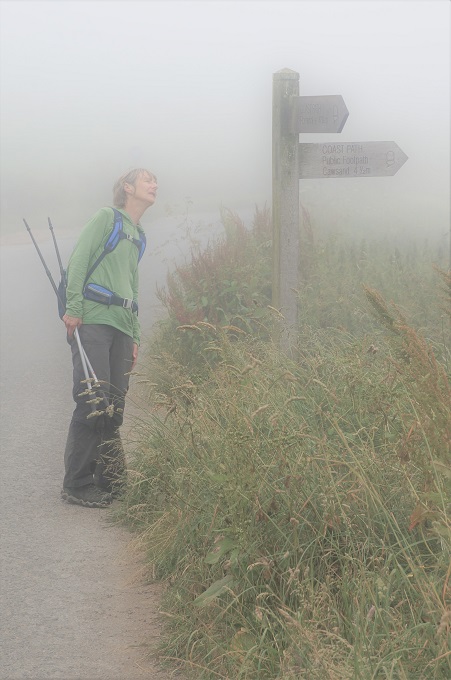
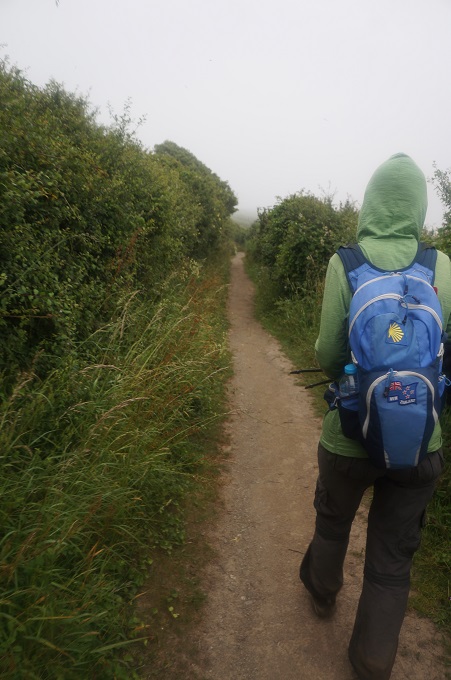
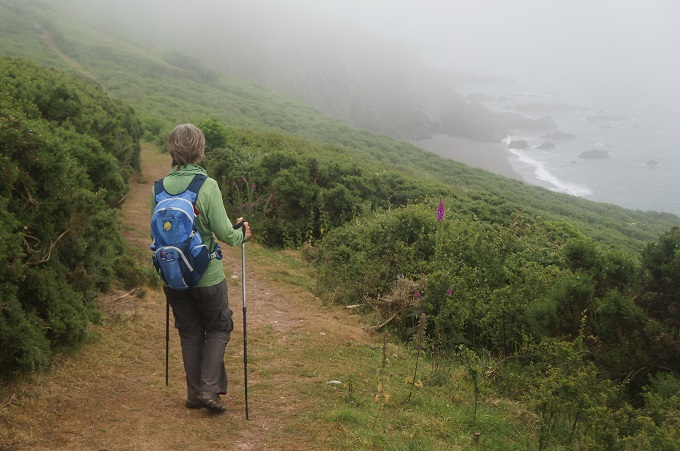
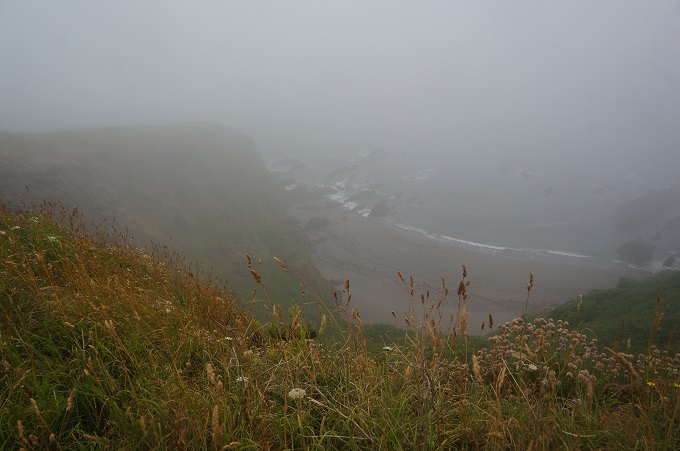
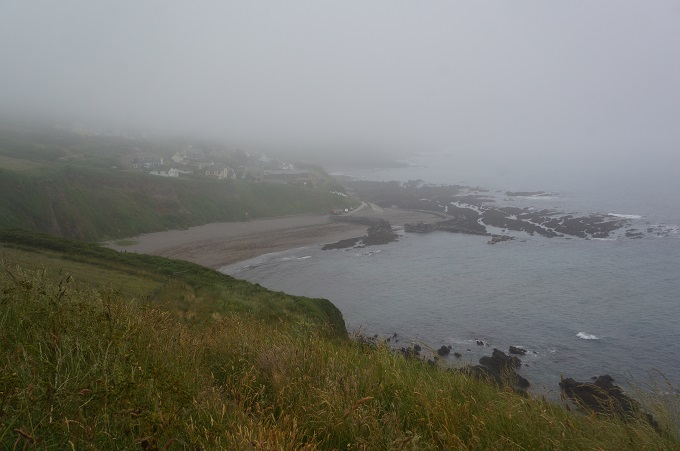
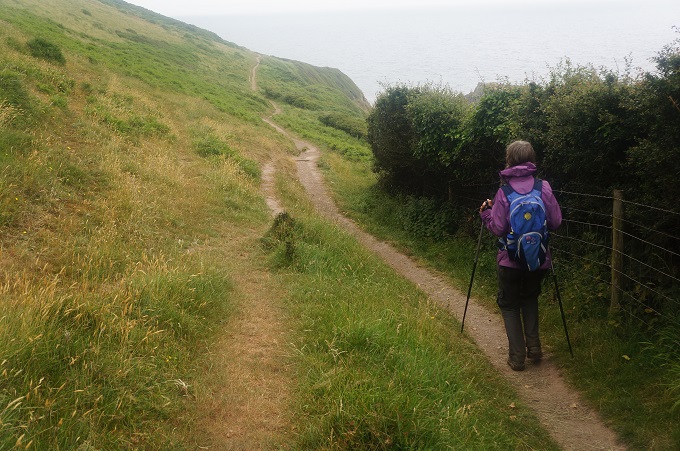
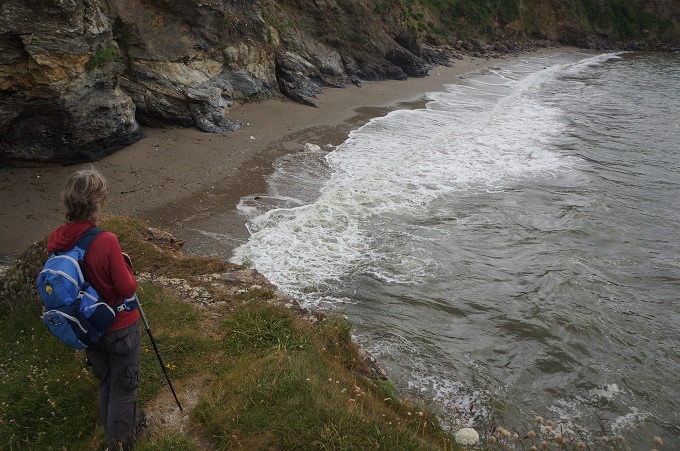
Our last day of walking started out not so good but got better and better as we progressed to our final destination, Plymouth. We woke to thick, low mist although the forecast was for this to clear later in the day. From the Little Fox we had to find our way back to the path, a distance of about 1km. This involved walking along a road then diagonally crossing a couple of fields. On a bright sunny day this would have been easy but in the whiteout mist I got a bit disorientated and was wandering around fields with bales of hale randomly emerging from the murk. Eventually we found a road, I wanted to go left, Barbara was sure we should go right. This time she turned out to have a better sense of direction than I did. Walking on the road was nerve racking in the white out. There was no shoulder or footpath and cars and trucks would come flying out of the mist. We could hear them coming long before they suddenly were in front of us.

The next obstacle was the gunnery ranges at Tregantle Fort (military area). If a red flag is flying it indicates the ranges are being used, all the gates are locked and an alternative path along the road must be used. No flags were flying today so we could use the off-road path through the fort. From here the path flirted with minor tarmac roads and a cliff side trail past wooden holiday chalets.

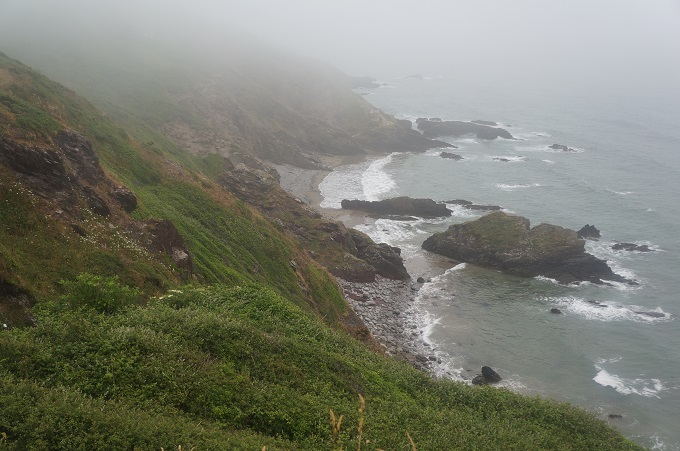
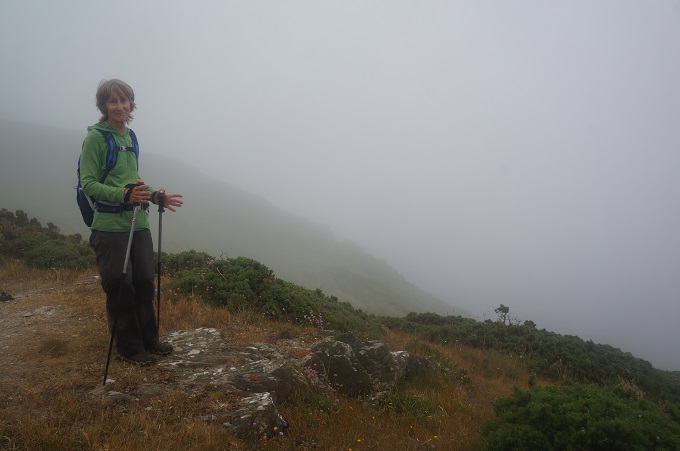
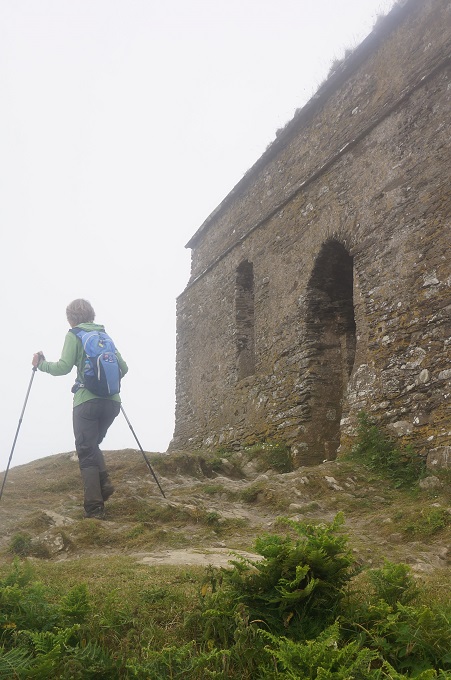
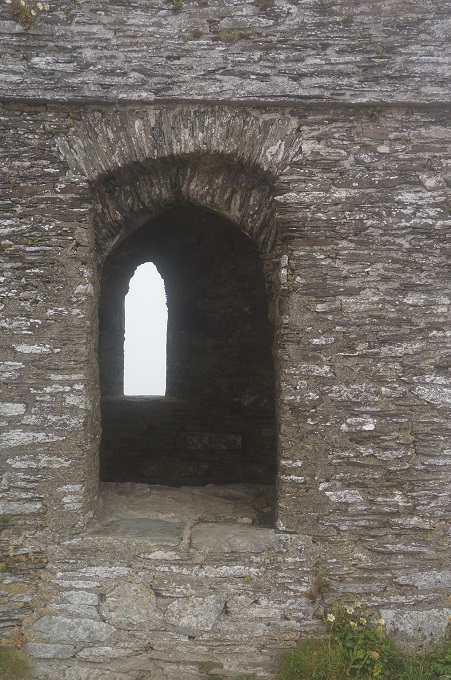
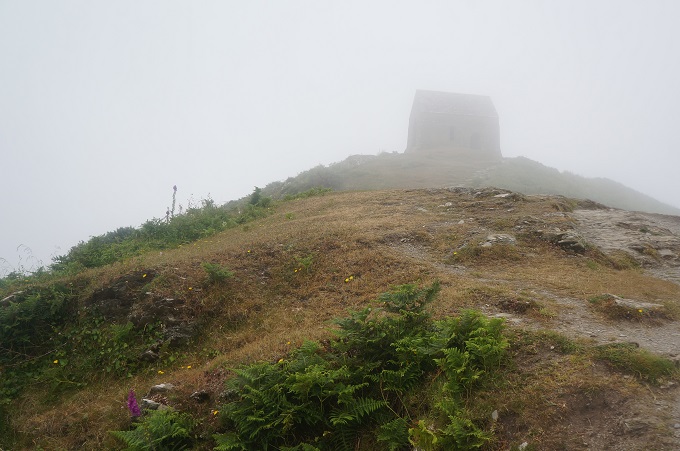
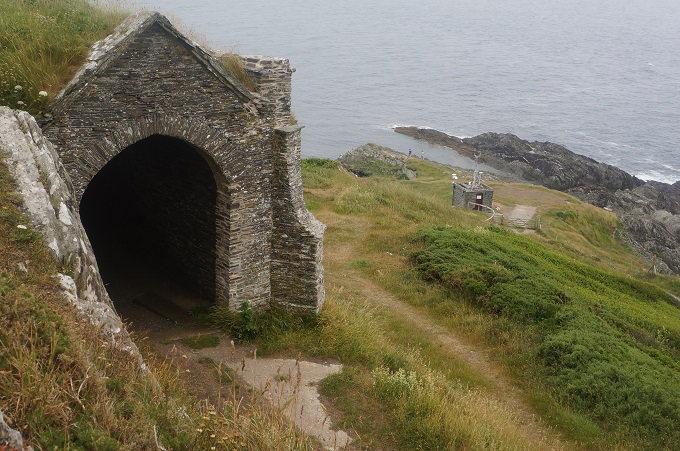
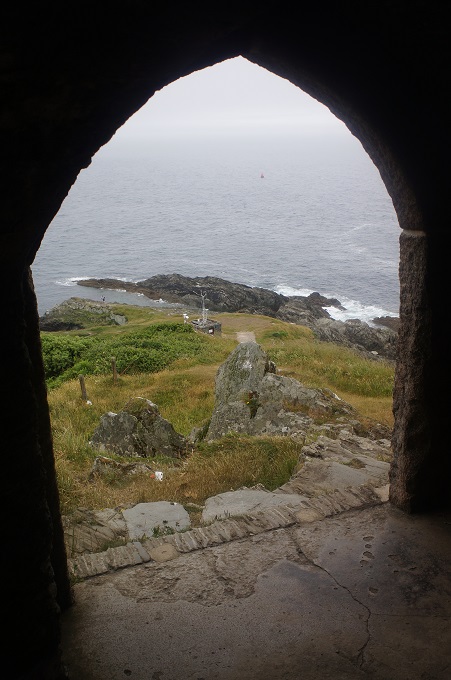
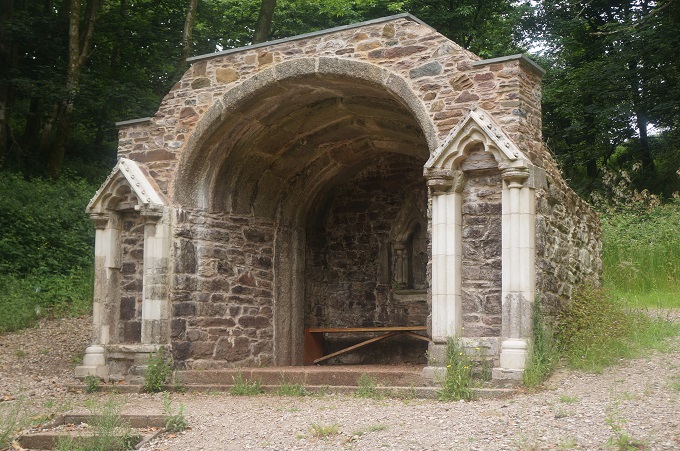
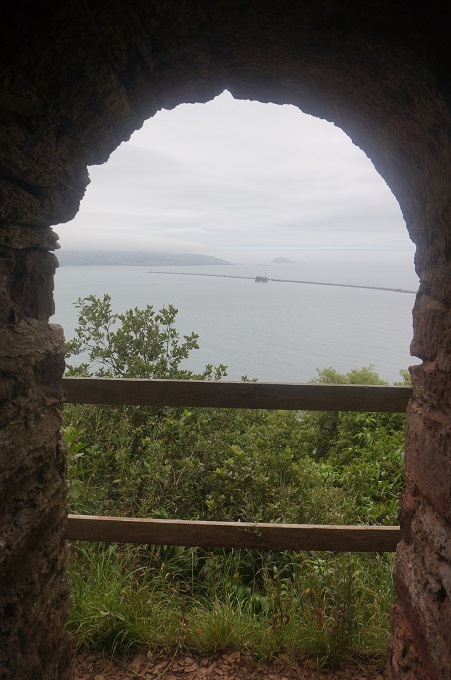
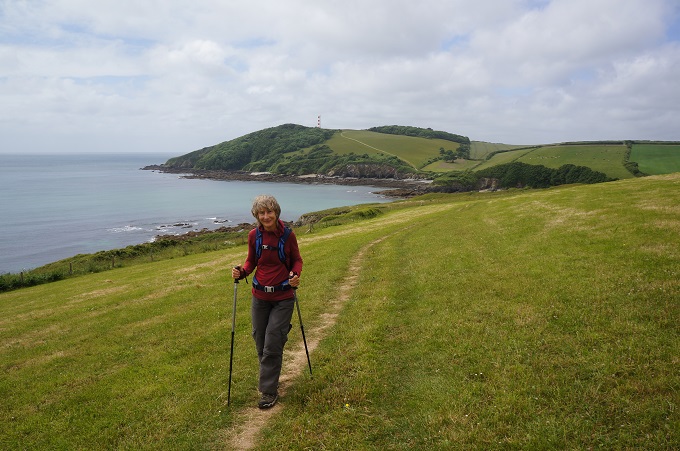
The highlight of the day came at Rame Head. This was the only climb of the day and was a gentle one. At the summit, emerging from the mist was a lovely little chapel, dedicated to St Michael. The building dates back to the 14th century and is built on the site of an even earlier Celtic hermitage. A priest would stay here and keep a beacon burning for passing ships.

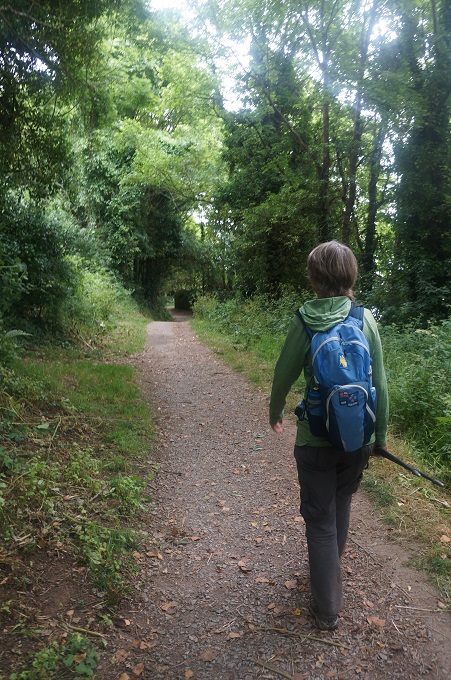
We knew we were getting closer and closer to Plymouth as more and more ships started appearing in the sea off to our right. Yachts, a tanker, a warship, ferries. The walk was very, very easy on a gentling sloping wide path, mostly through woodland. We passed a little grotto and chapel and a ruined Folly Tower – built in the 19th century for Princess Adelaide (wife of William IV, and the women after whom Adelaide in South Australia is named). The last section to Cremyll was through Mount Edgecumbe Park with its historic house and gardens and the national camelia collection.

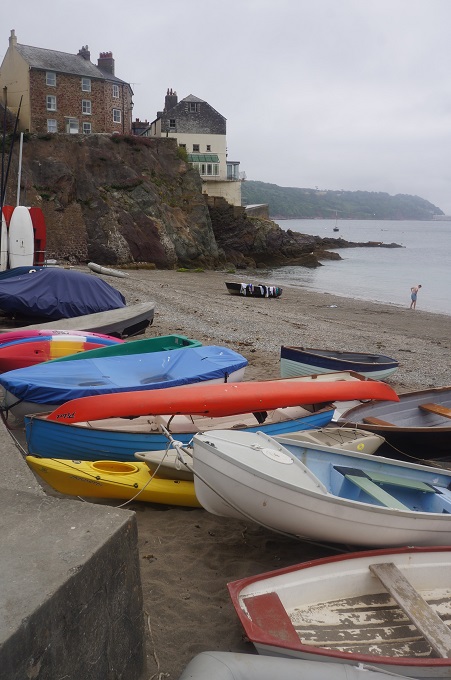
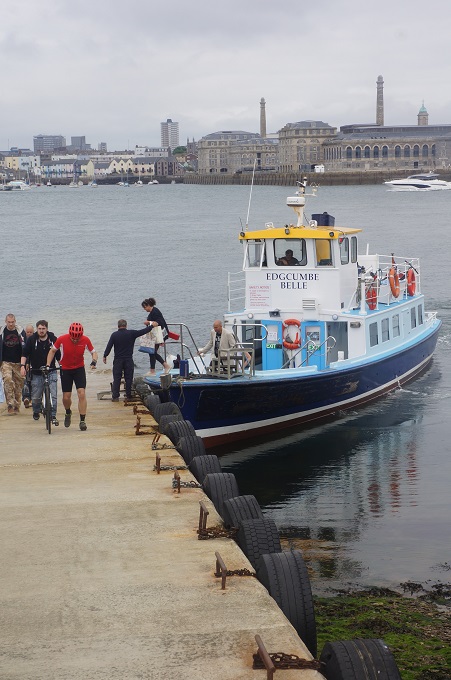
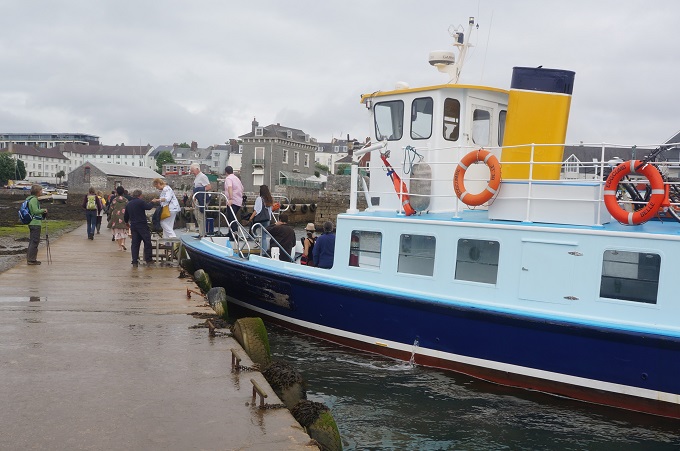
At Cremyll we caught the ferry across the River Tamar to Admiral’s Hard, Stonehouse, in Plymouth. This was a ten minute journey and half way across we passed from Cornwall into Devon. The river being the boundary. A ferry has been operating here since 1204. Presumably not the same boat.

So we have reached Plymouth and the walk is over. We always have mixed feelings at this stage. Happy to have accomplished our goal. Sorry it has ended. Happy to not have to put on our filthy walking shoes tomorrow. Sorry the simple rhythm of eat, walk, sleep is over. Happy to rest our weary bodies. And in about two days time sorry we can’t go and do it all over again.

It has been a really happy trip, a fun trip because we spent a lot of time doing things we really like. It was challenging at times but never too challenging. We feel quite proud to have completed over 500 km of a walk that has many sections classified as strenuous and some classified as severe.

Traditionally this section ends at the Mayflower Steps so tomorrow morning we will go and find them and then we will have officially finished. But we won’t be in our smelly shoes and walking clothes.


Last But One

Looe to Portwrinkle, 13 km, 599m climbing

‘There are some walks you have to take alone’

A short and uneventful day today. Not a great deal of interest and what was of interest we probably missed in the mist. The walking was sometimes a bit monotonous (maybe it’s just us, this was our 29th day of walking) and too much of it was done on roads, often narrow and without a shoulder or footpath.

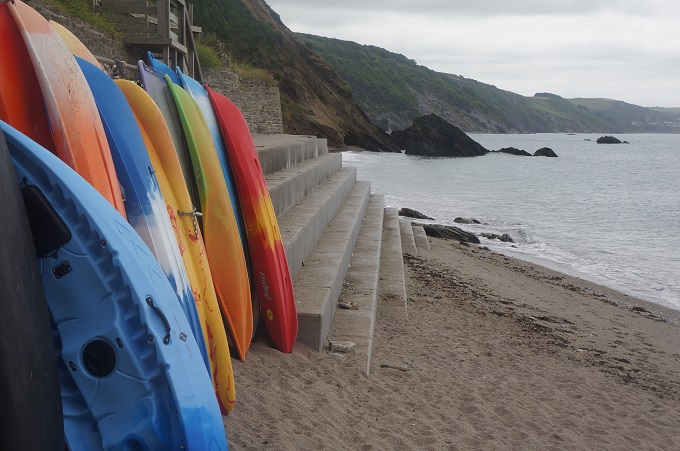
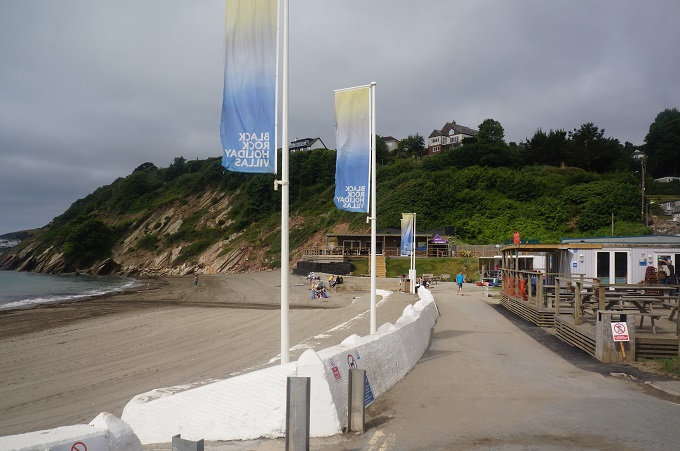
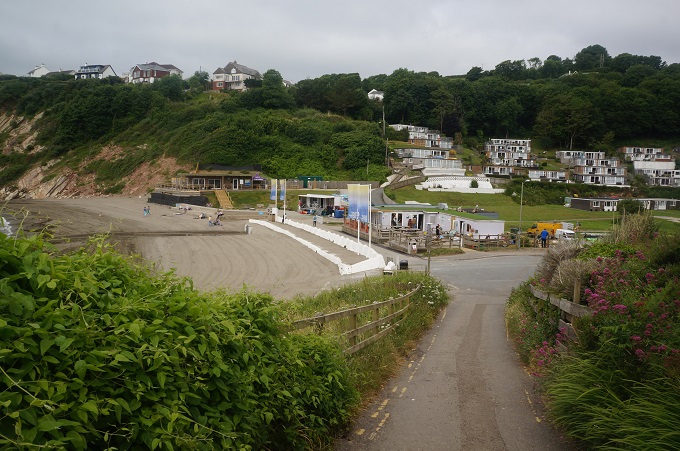
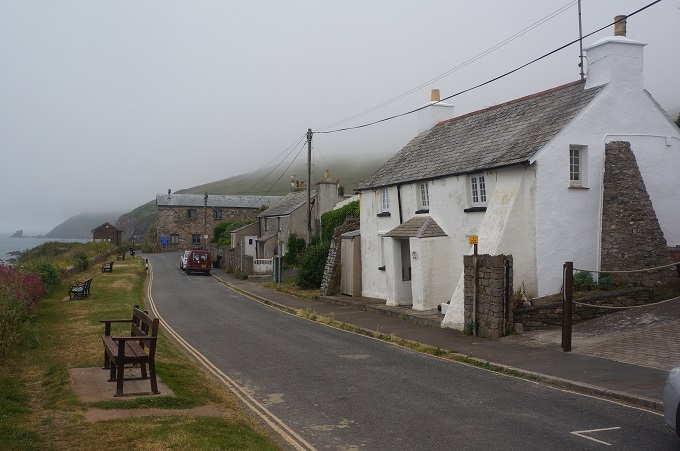
Leaving Looe we came to the rather strange seaside hamlet of Millendreath. It was once a thriving holiday village but for a few years was largely abandoned. Many of the homes are boarded up. It seems to be reviving with two new cafes on the beach and rebranding itself as Black Beach.

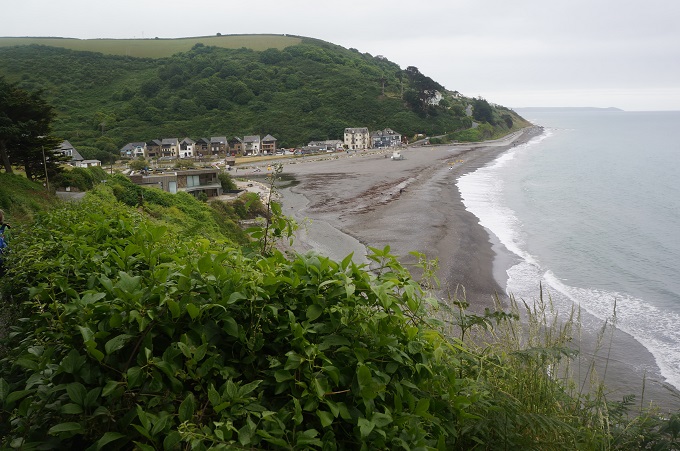
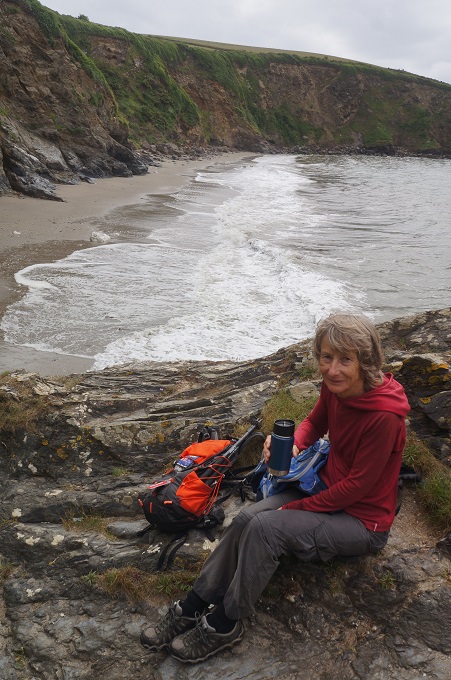
At this stage there wasn’t much walking near the coast, the path being diverted due to numerous slips. It wasn’t unpleasant, we walked along quiet roads, through woodland, across grassy fields and through a pine plantation. Eventually we came to the beach at Seaton and had a coffee from our Kanteen. At low tide you can walk on the beach for the next 2 km to Downderry but unfortunately it was nearer high tide so we had to walk along some very monotonous streets of bland modern seaside housing.

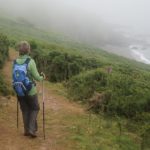
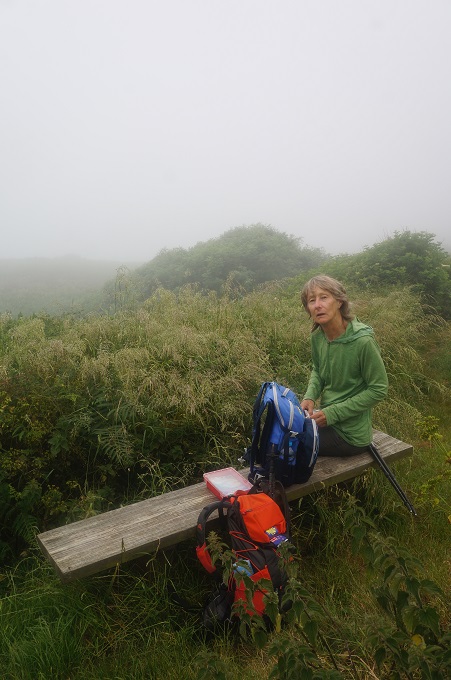
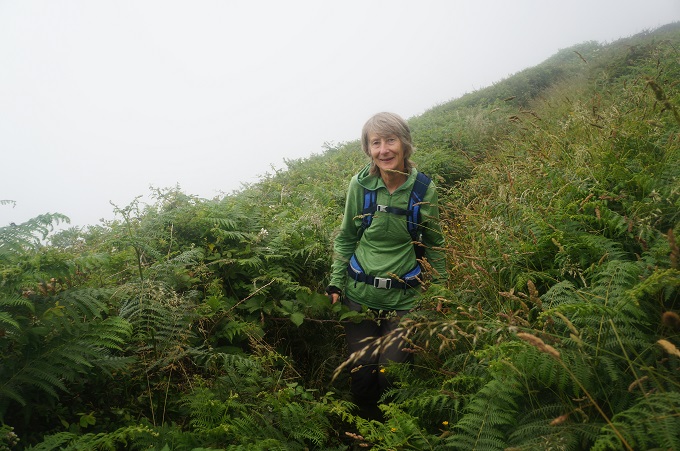
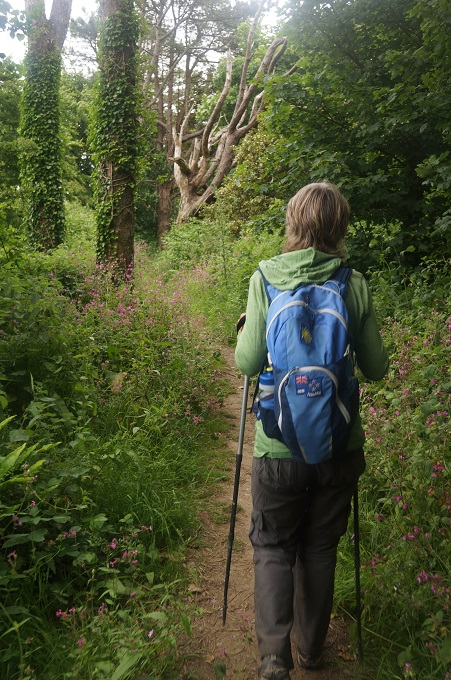
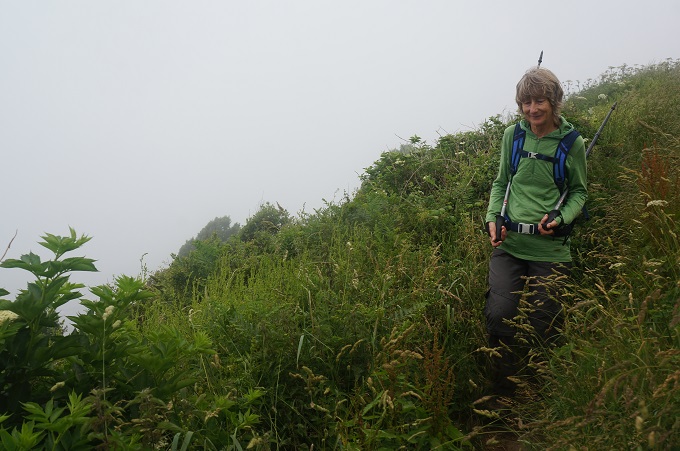
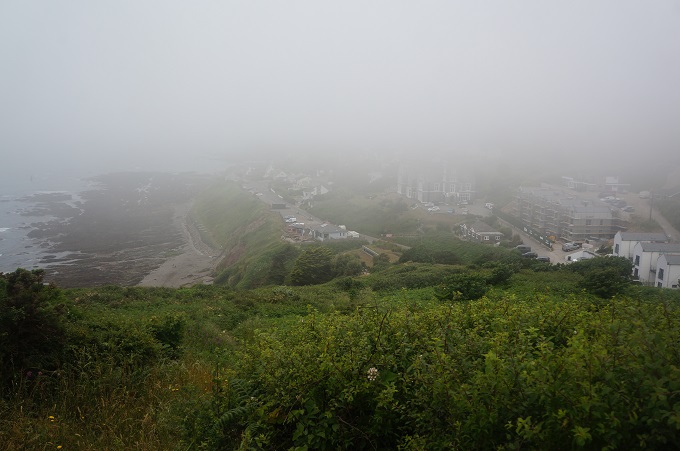
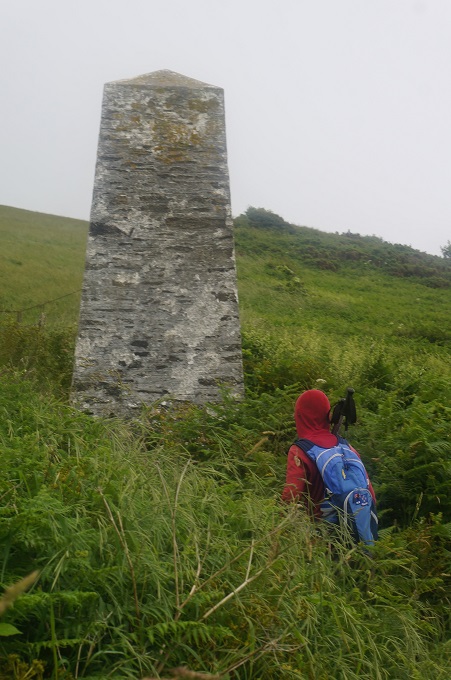
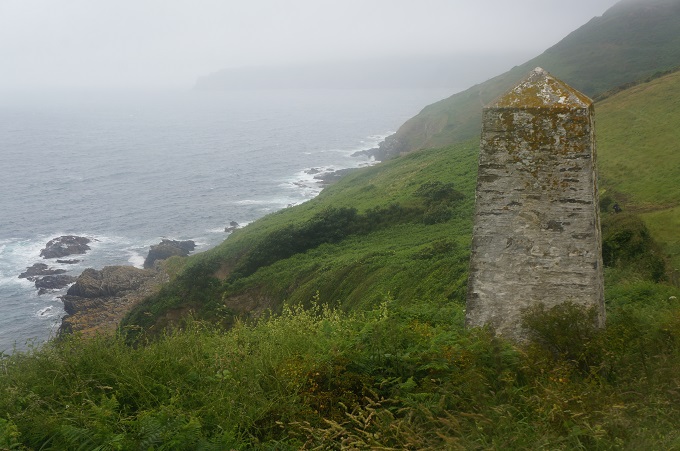
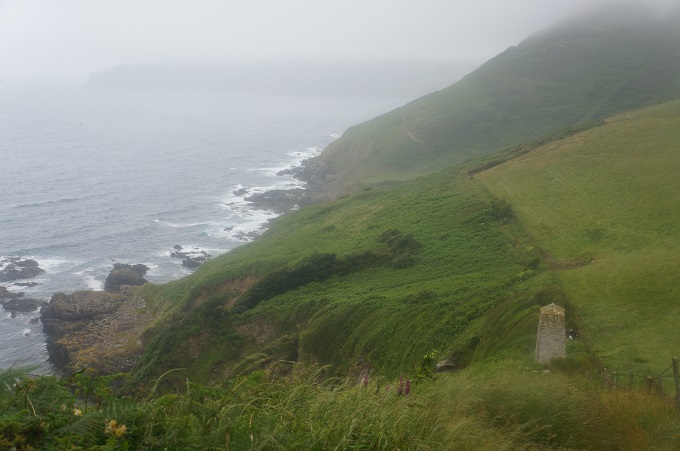
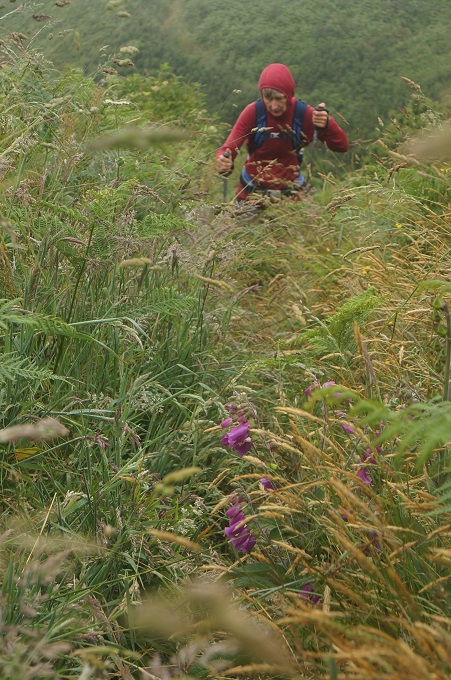
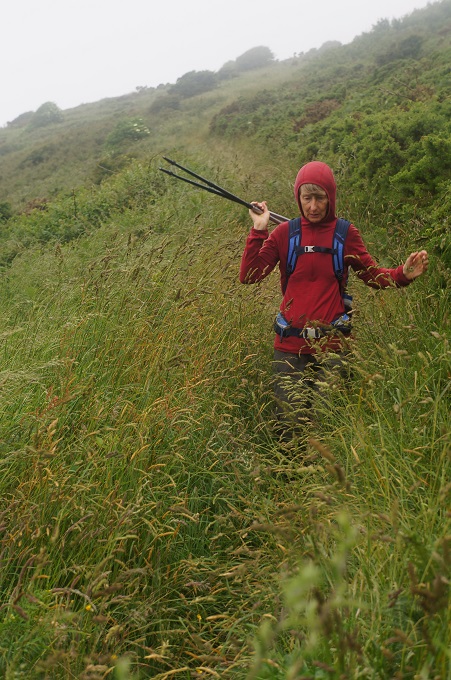
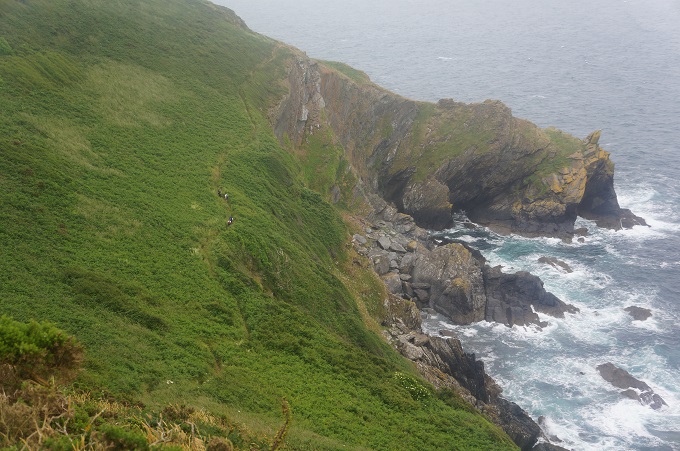
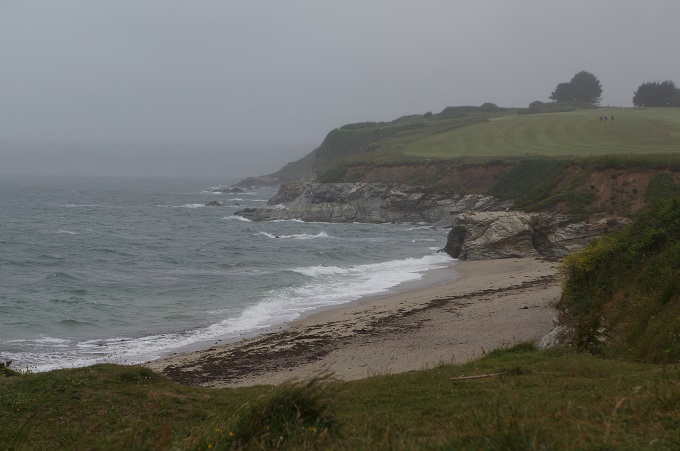
Off the road and back on the Coast Path we did the only real climb of the day up onto the cliffs. The vegetation was so lush it was often hard to find and follow the path. The hedgerows, bracken, brambles, nettles etc were up to our shoulders at times. The summit was covered in mist and what should have been great views along the coast were just whiteout. We could hear, but certainly couldn’t see, the waves crashing on the rocks below.

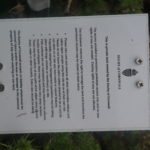
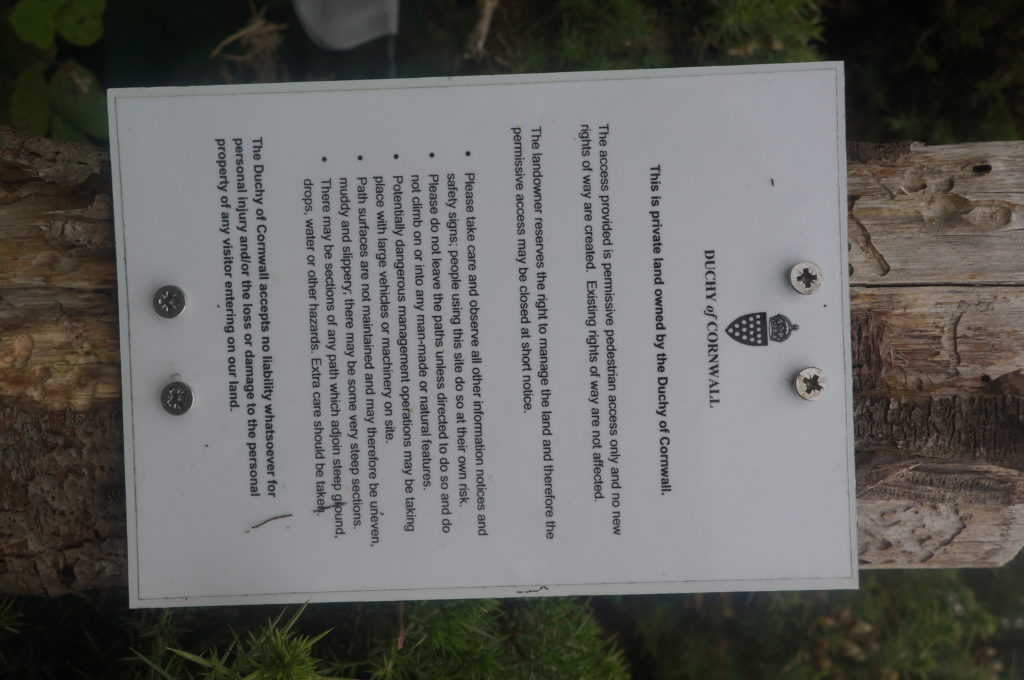
We did see a notice screwed to a fence, from the Duchy of Cornwall, ie Prince Charles. The guts of this is that this is their private land and the access they are providing is ‘permissive pedestrian access only’ and no new’ rights of way’ are created.

In the UK rights of way are theoretically established because the owner has dedicated them to public use. However, very few paths are formally dedicated this way. If members of the public have been using a path without interference for 20 years or more the law assumes the owner has intended to dedicate it as a right of way. If a path is unused for 20 years, it does not cease to exist, the guiding principle is ‘once a highway, always a highway’.

On a public right of way you have the right to ‘pass and repass along the way’ which includes stopping to rest, admire the view or consume refreshments. You can also take with you ‘natural accompaniment’ which includes a dog. Farmers must ensure that paths are not blocked by crops and if crops are growing over the path you have every right to walk through them.

Having the permission of the Duchy we proceeded down to sea level and Portwrinkle. It has a little stone walled harbour empty of boats, a grand hotel (with ghost), a café, seaside houses, a bus stop, public toilets and a golf course. It has no charm and character at all. We stopped to eat our lunch and spent most of the time warding off a very pesky, determined gull.

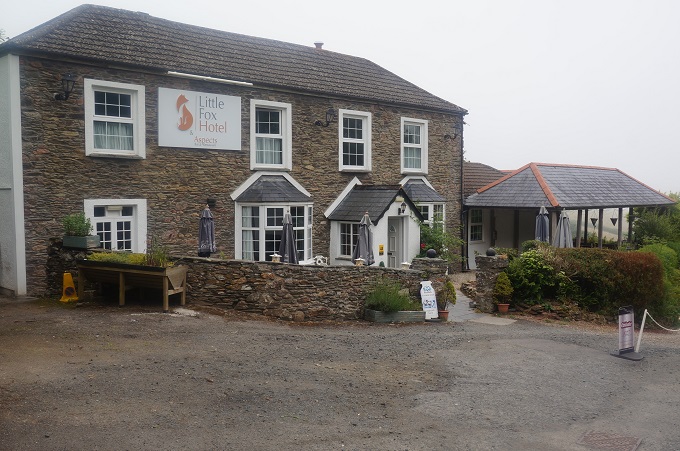
A walk along the side of the golf course and inland a bit and we are at The Little Fox Hotel. A very comfortable establishment standing alone among woodland and fields. Our room is in a very nicely converted stone stables and is the largest of the thirty we have used on this adventure so far.
Today was our penultimate day so we have mixed feelings about tomorrow. Feeling a bit flat.


Three Villages

Fowey to Looe, 19 km, 827m climbing

‘Maybe I can’t stop the downpour but I will always join you for a walk in the rain’

A damp day today. In Ireland they would call it a soft day. Just enough drizzle to make you damp so you put on a rain jacket. Then it clears a bit so you are too hot and take off the rain jacket. As you go around a headland it is windy and cold so on goes a warm layer. Up the next hill you get far too hot so off comes a layer. At the top it is misty and drizzly so the rain jacket goes on again. Costume changes all day.

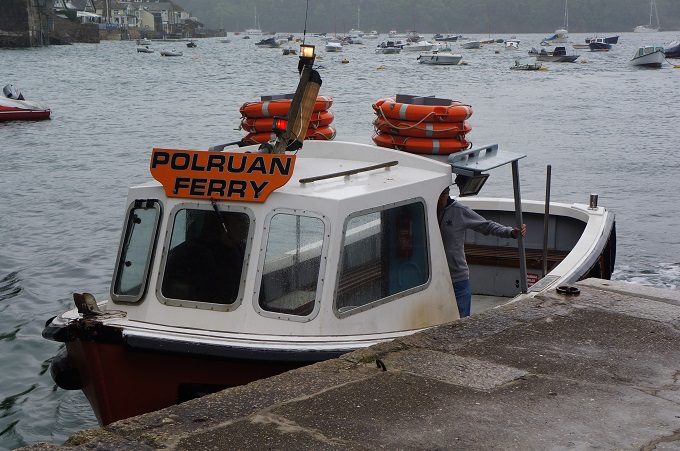
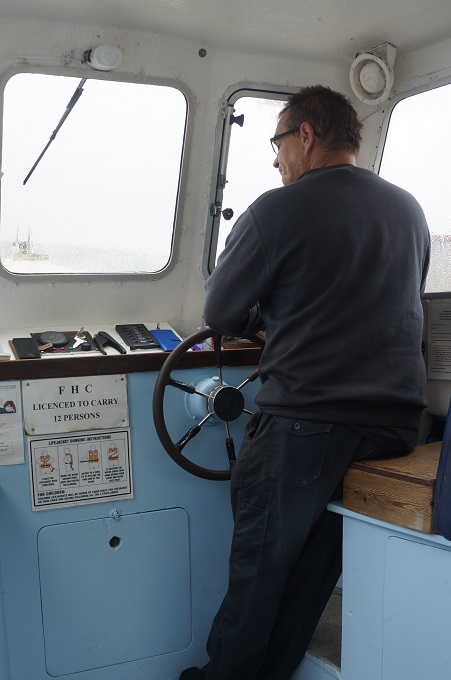
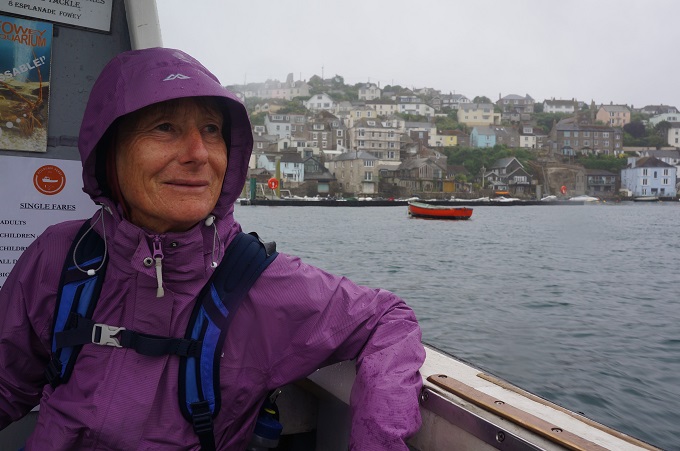
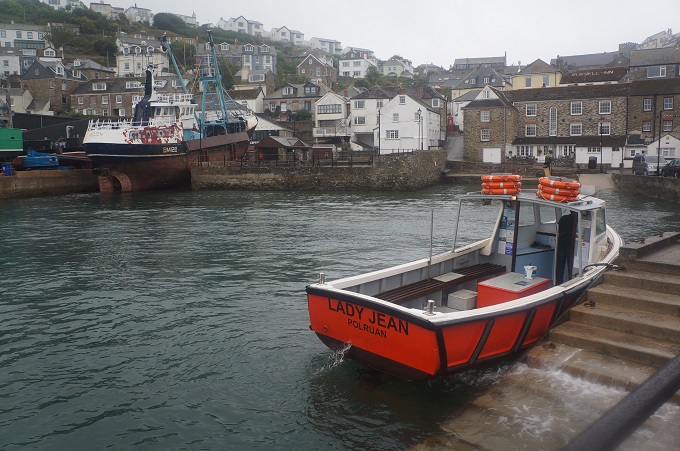
Today was a day of three villages separated by two quite different walks. At Fowey we caught the ferry over the river to Polruan on the other side, a ten minute crossing. The first scheduled sailing was at 9.45 am but as usual we were there just before 9 am. Almost immediately a ferry boat arrived and the ferryman said he would take us there and then. This was great as it put us ¾ of an hour ahead of schedule for the day.

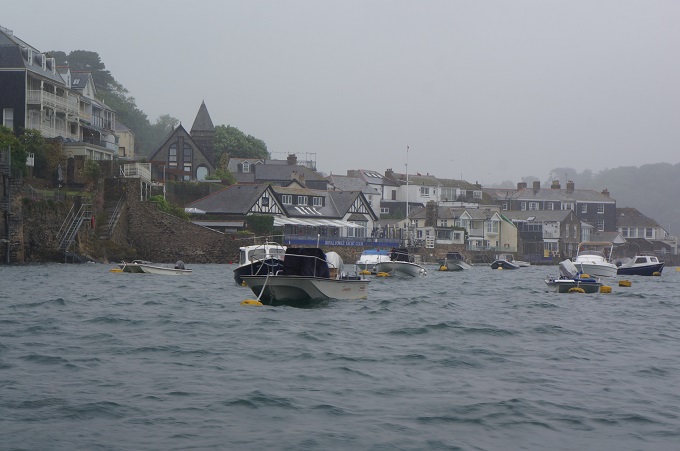
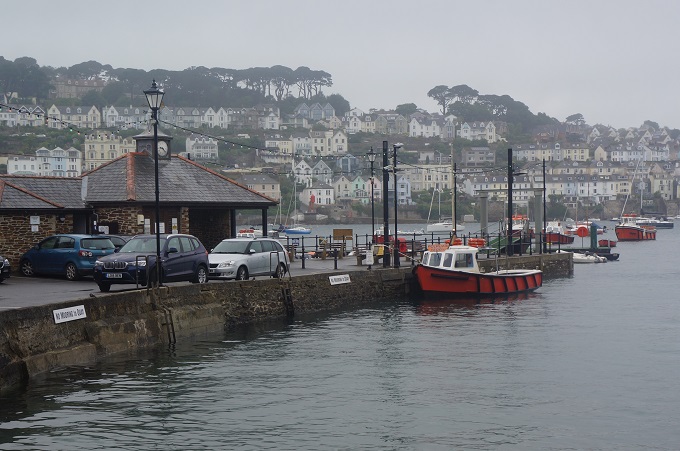
Polruan is a much quieter and serene version of the bustling and touristy Fowey even though they are so close and face each across the river. A couple of kilometres upstream there is a car ferry linking the two villages. It was a bleak and breezy morning and the crossing was quite choppy. On a clear sunny morning the view back to Fowey would have been fantastic but today it almost disappeared in the murk.

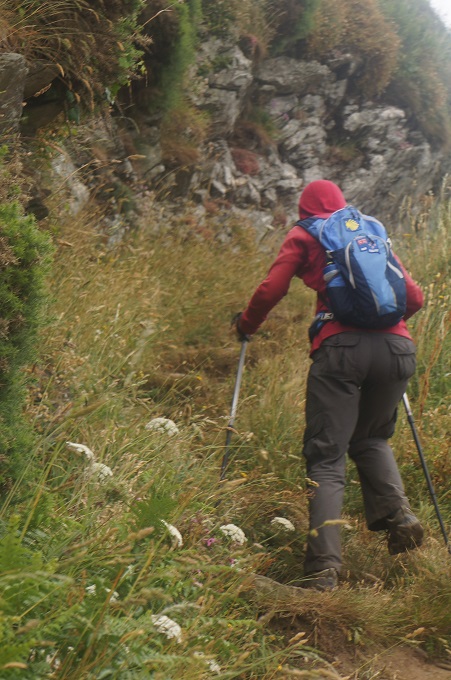
The walk to Polpero was hard work with a lot of climbing up impressive headlands. Again it wasn’t looking its best in drizzle. This part of the path was very overgrown and you couldn’t look at the views much as you had to concentrate on where to put your feet down there somewhere in the foliage.

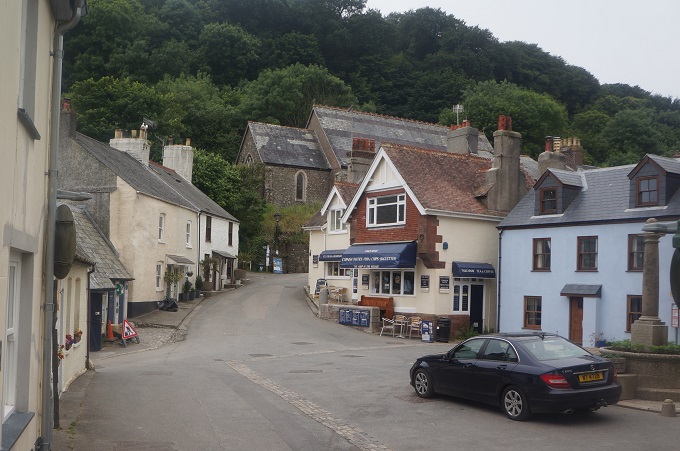
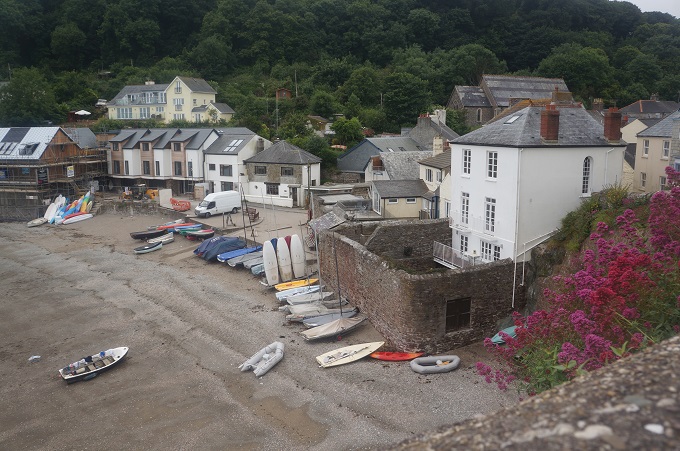
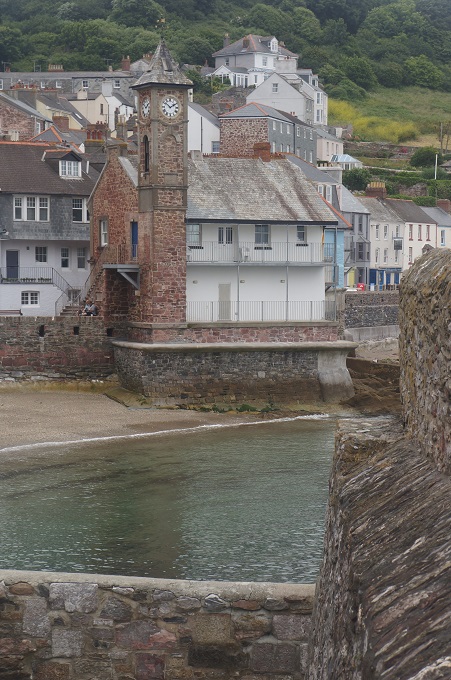
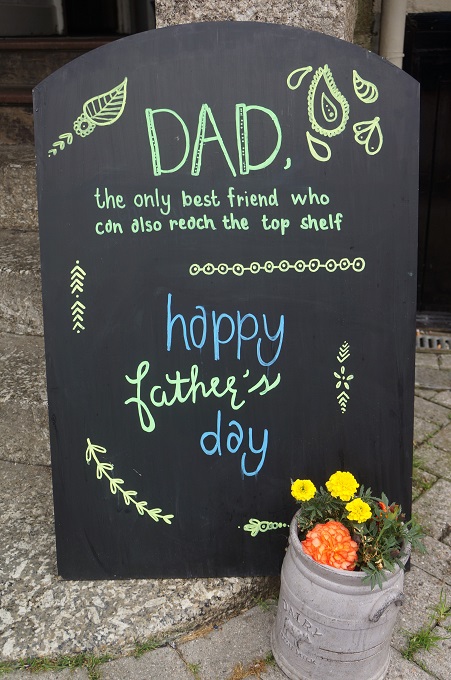
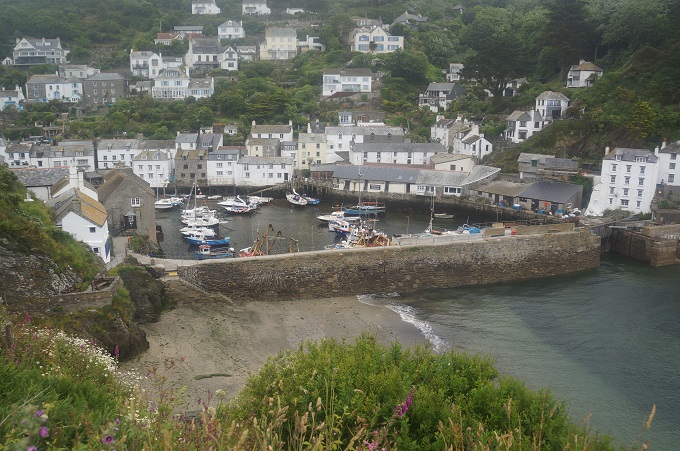
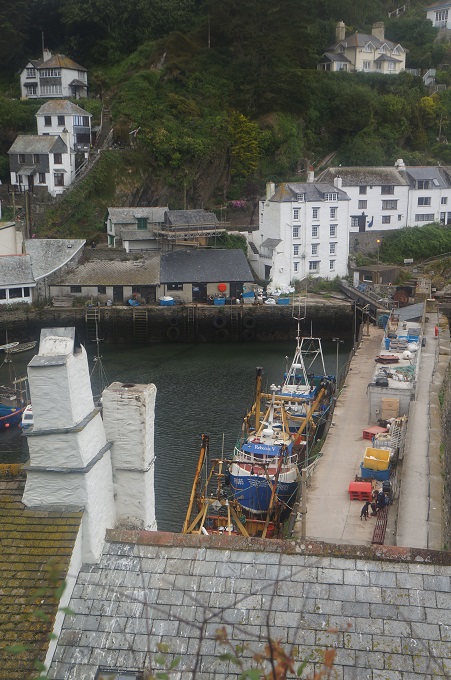
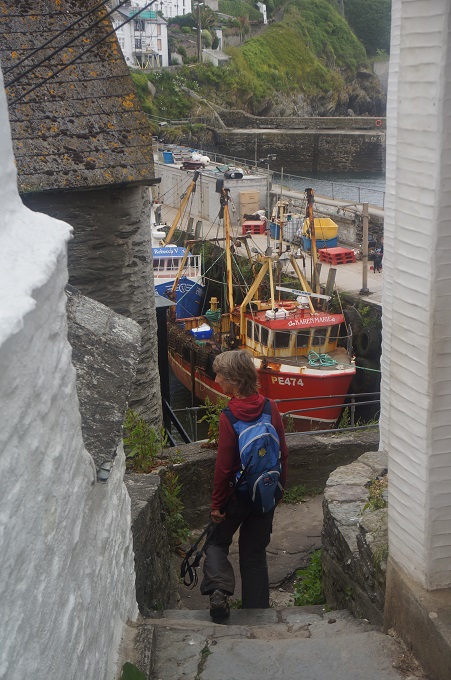
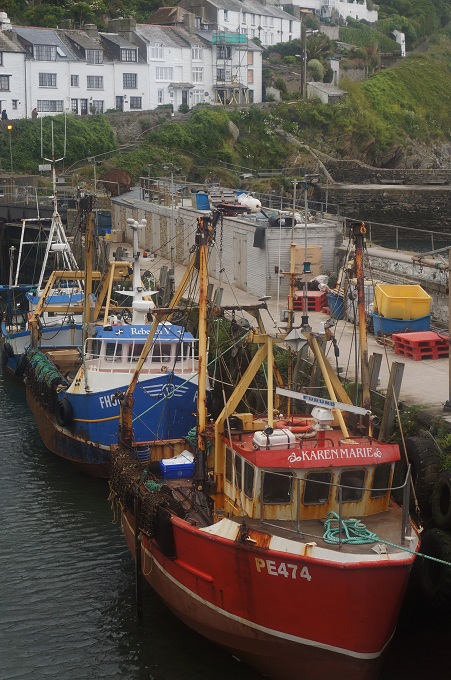
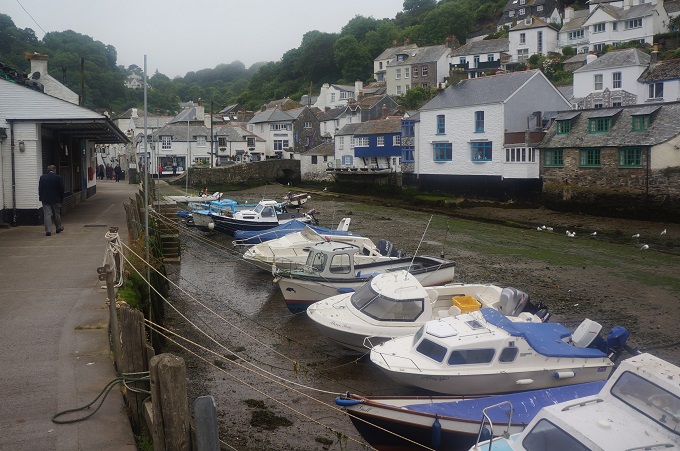
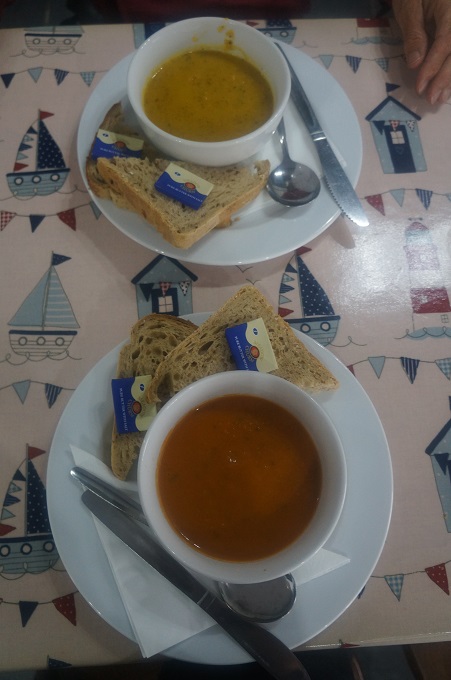
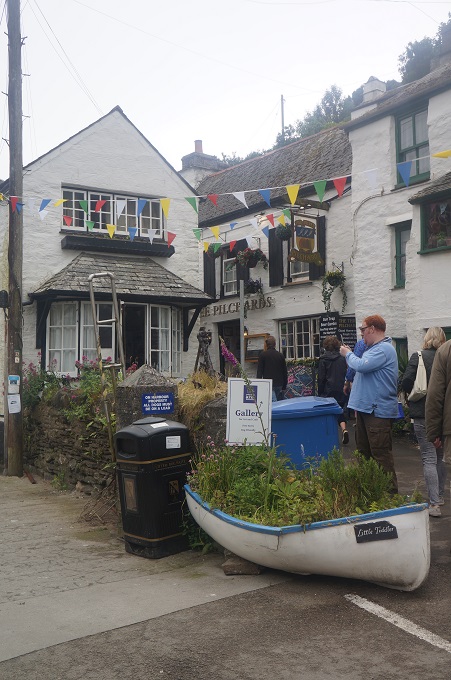
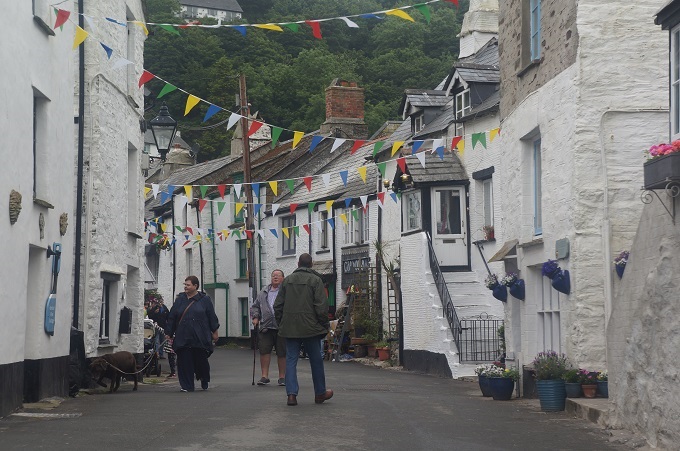
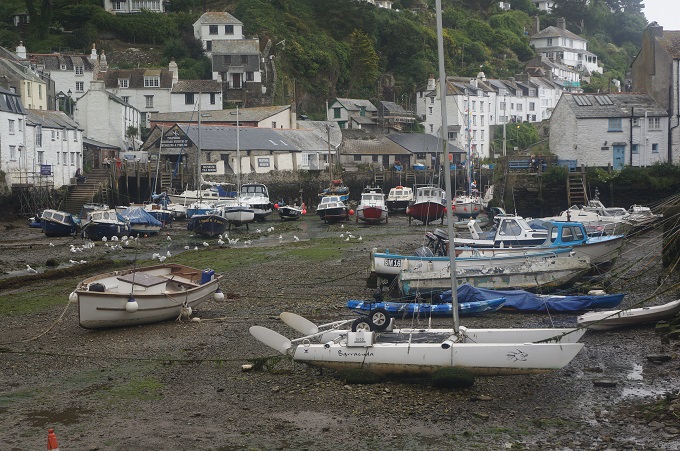
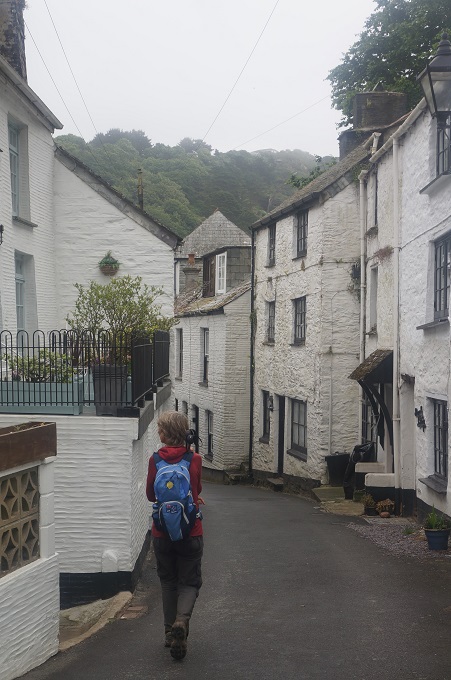
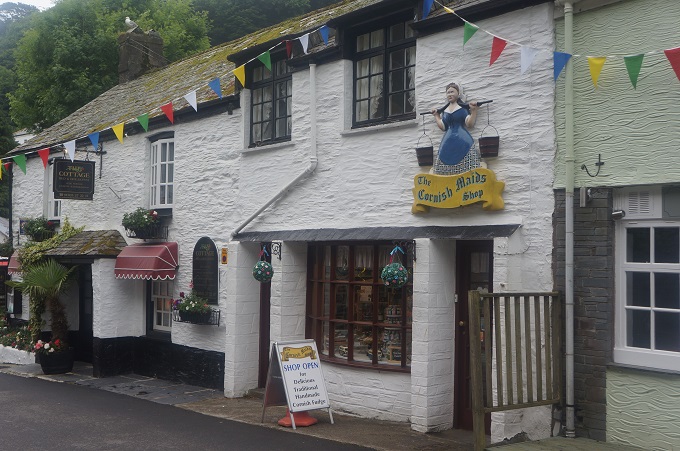
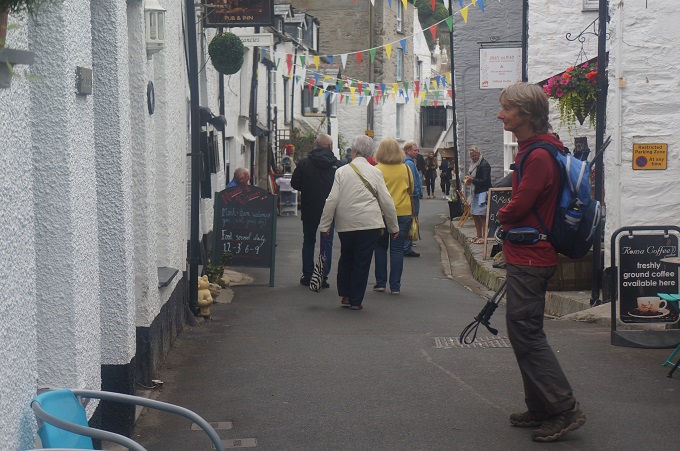
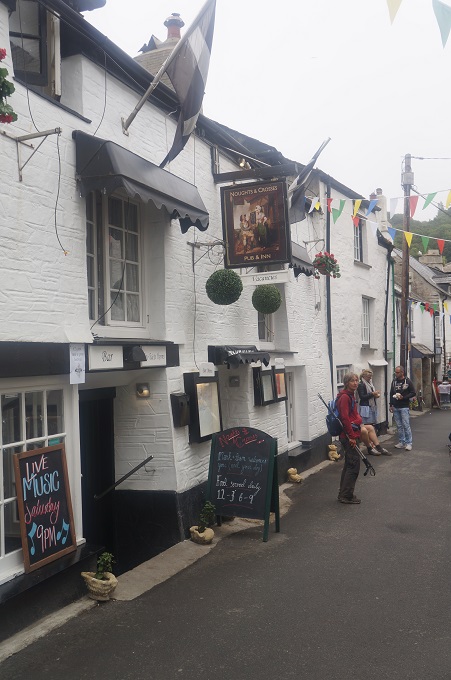
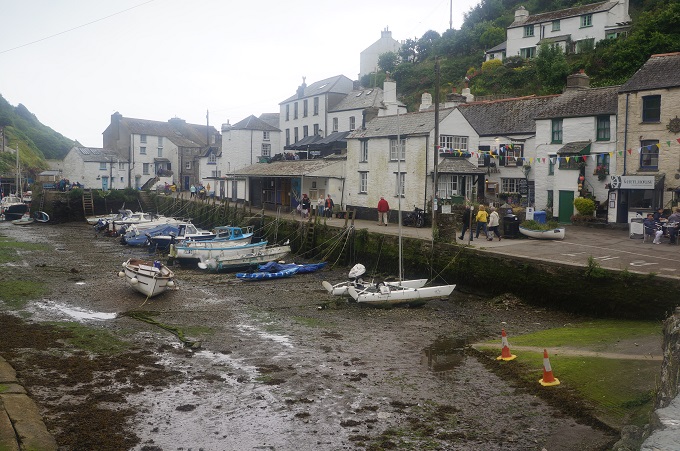
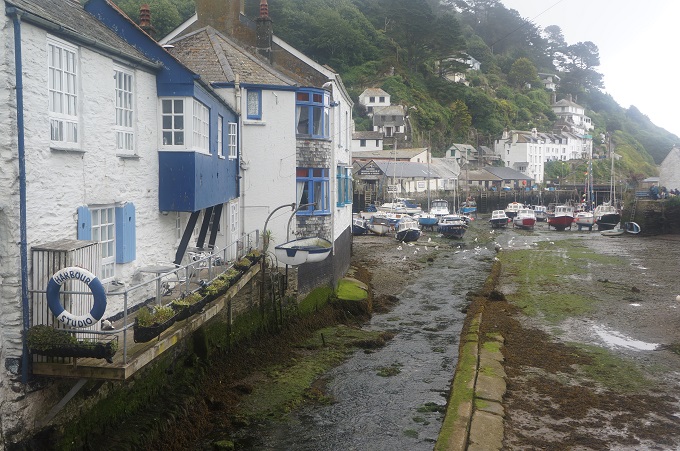
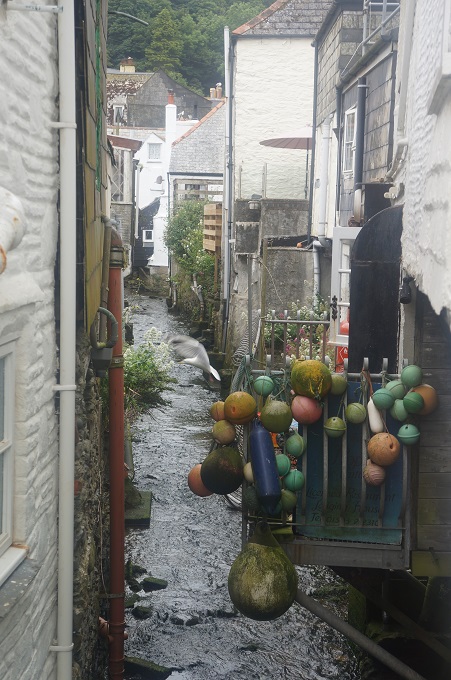
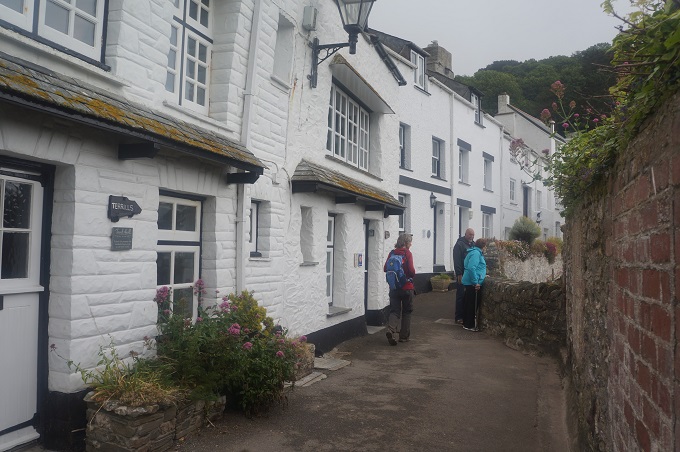
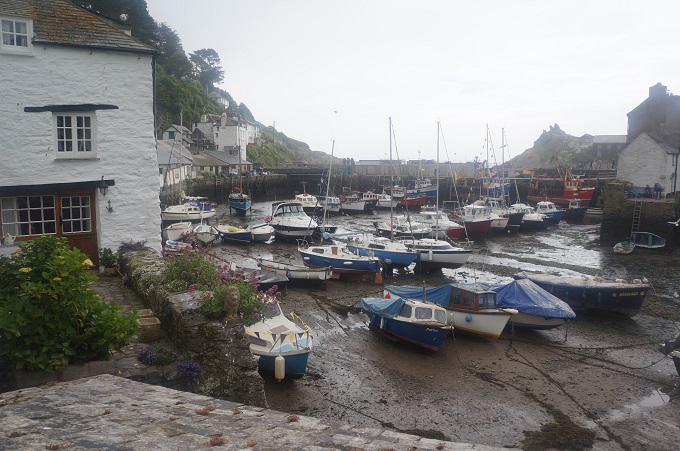
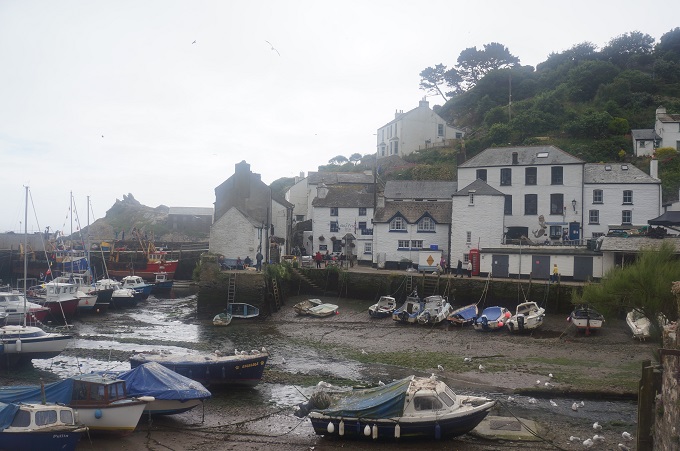
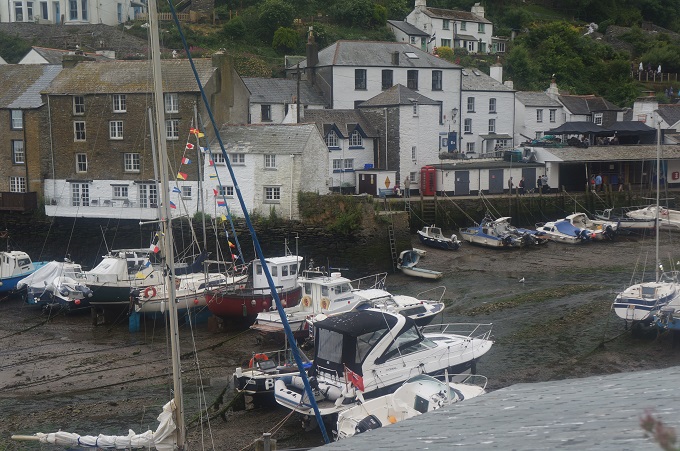
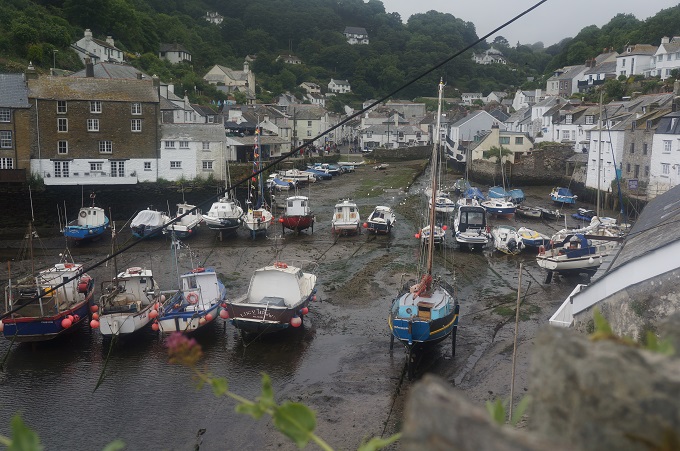
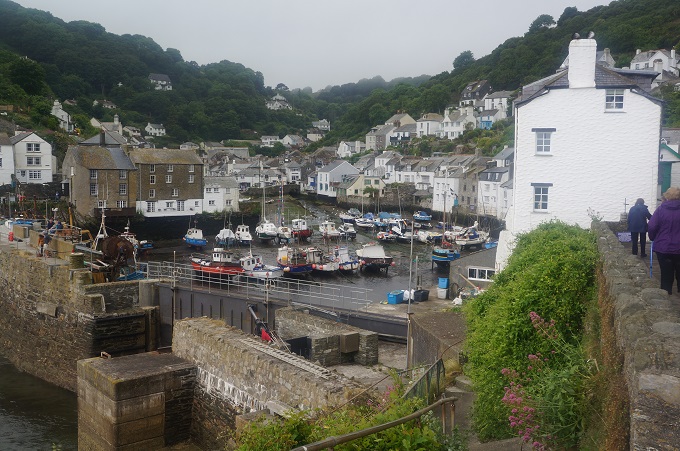
Polpero is yet another picturesque town, squeezed between two high hills clad in pine forests. The layout is unusual as the town is strung out along two parallel roads stretching inland for about a mile. It survives on fishing and tourism and was very busy today as it was Fathers’ Day. It’s another village you come across unexpectedly. Walking around a quiet and remote headland you suddenly come across a high stone harbour wall and behind it tiers of white houses stacked up on the sides of the valley. We stopped for some lunch of soup and bread.

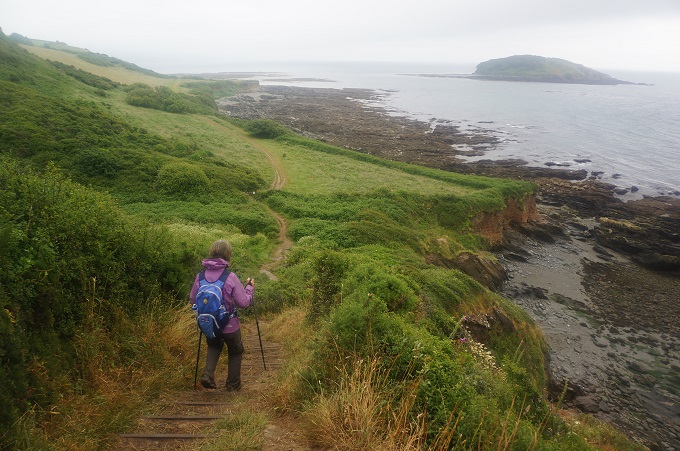
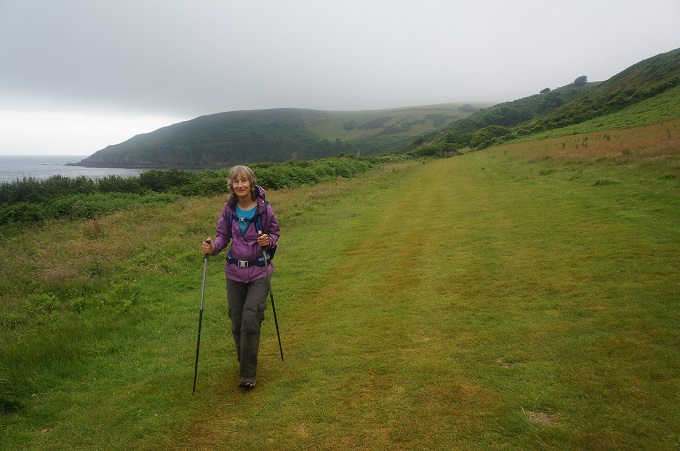
After lunch the walk was gratifyingly gentle on ever reducing low headlands. This weekend, Sat and Sun, there was a Coast to Cove event on – running or walking – and the path was freshly mown and a dream to walk on. This was the easiest walking in 4 weeks. Nearing Looe you pass Looe Island (aka St George’s Island) which you can actually walk to a couple of times a year when the tide is particularly low. According to local legend, Jesus of Nazareth visited Looe Island with Joseph of Arimathea in order to buy tin – though presumably he didn’t need to wait for the tide in order to walk out.

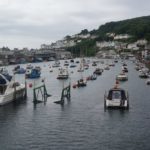
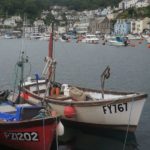
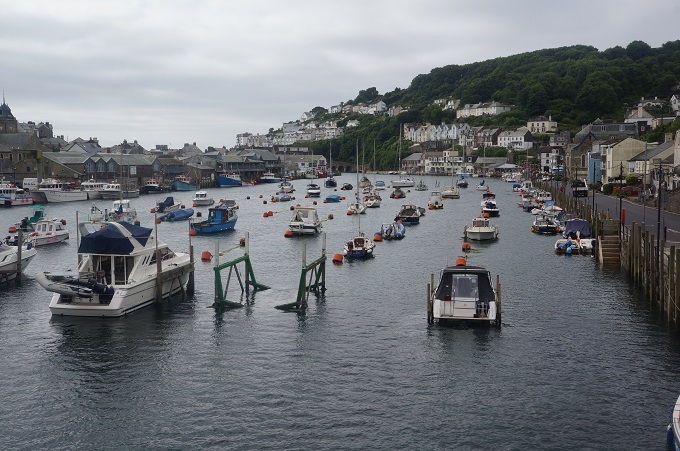
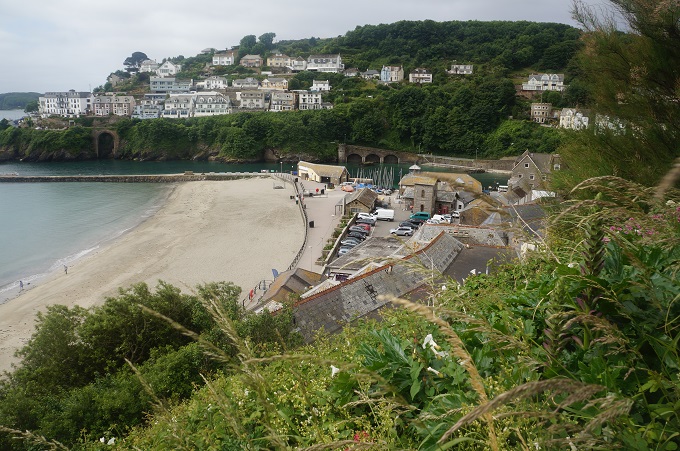
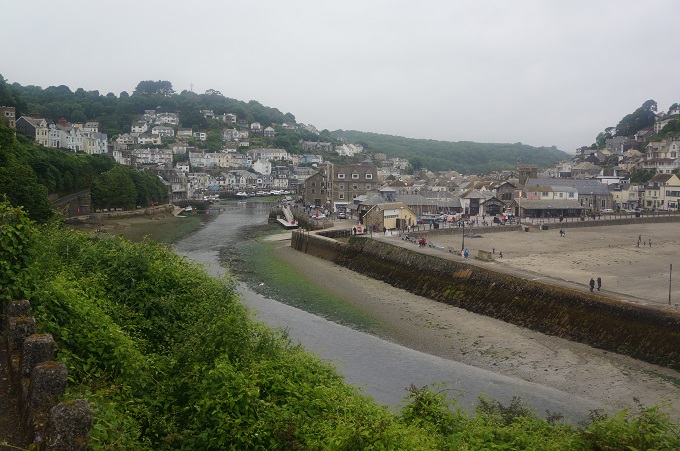
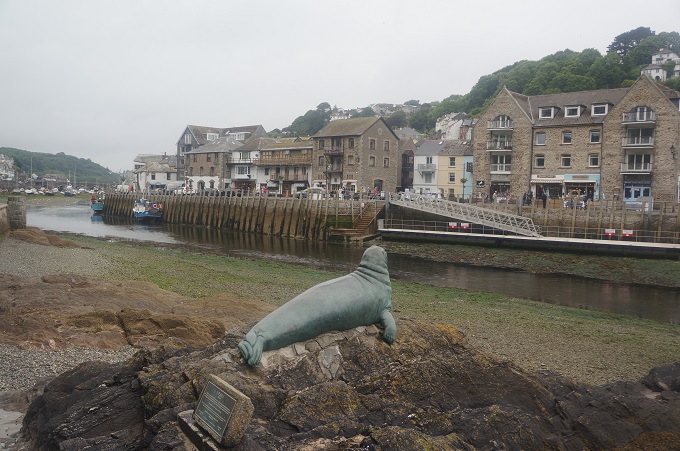
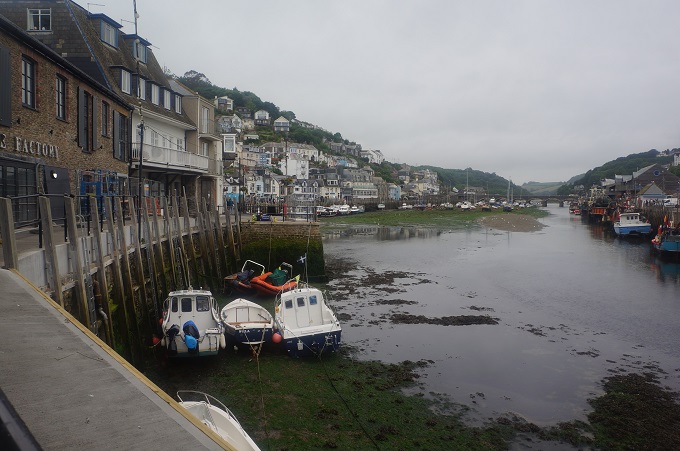
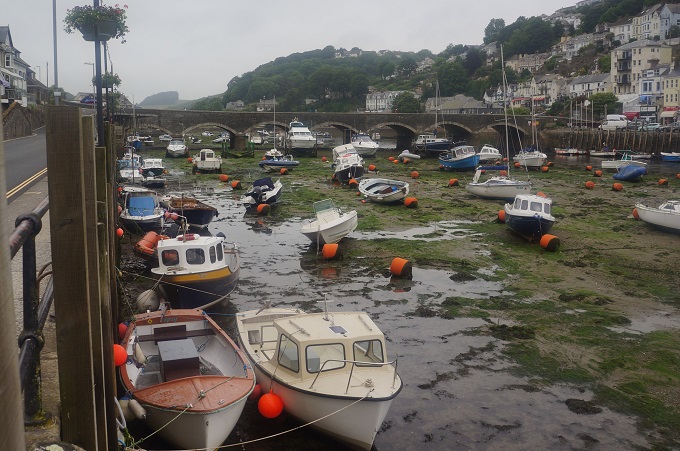
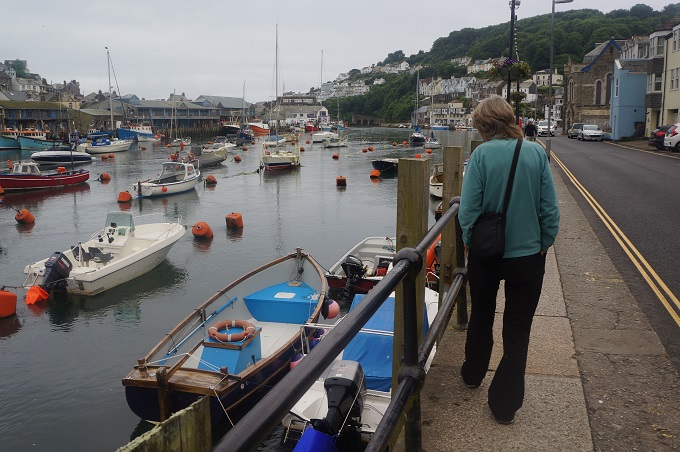
Loee (pronounced loo) is a medium sized coastal town divided into two halves – East and West Looe –  by the river of the same name. The river is crossed by a stone arched bridge. The town has a long history as a commercial port and boatbuilding town, but only really grew in the 19th century with the Victorians’ insatiable appetite for seaside holidays. It still has a fishing industry and a tourism industry. We are staying here tonight and found it a bit odd. All the accommodation is in West Looe but all the entertainment, pubs, cafes etc are in East Looe.


Separate Ways

Charlestown to Fowey, 19 km, 345m climbing

‘I’m walking my own path, your approval is not needed’

Our trip notes described today as being positively gentle with the price to pay for this leniency being a walk around a golf course, then around the back of a large china clay works and walking alongside a section of busy road.

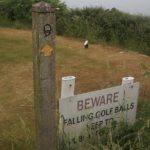
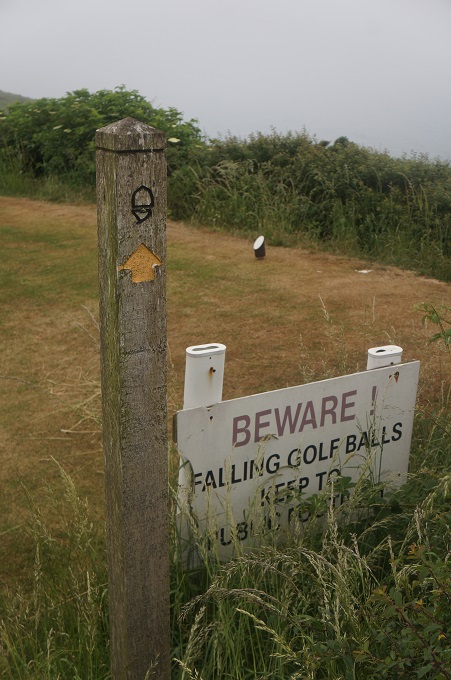
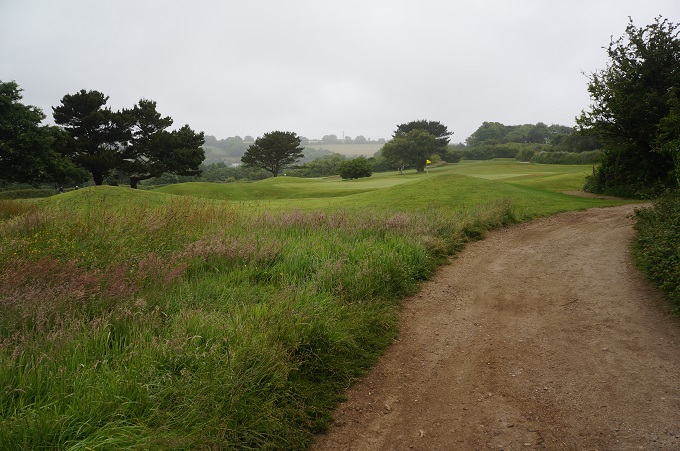
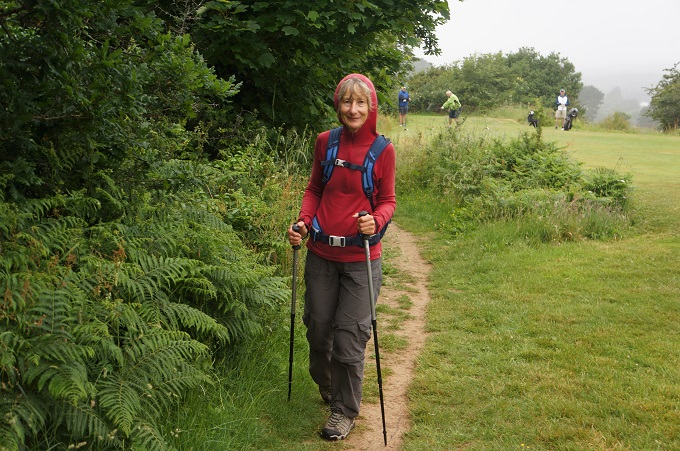
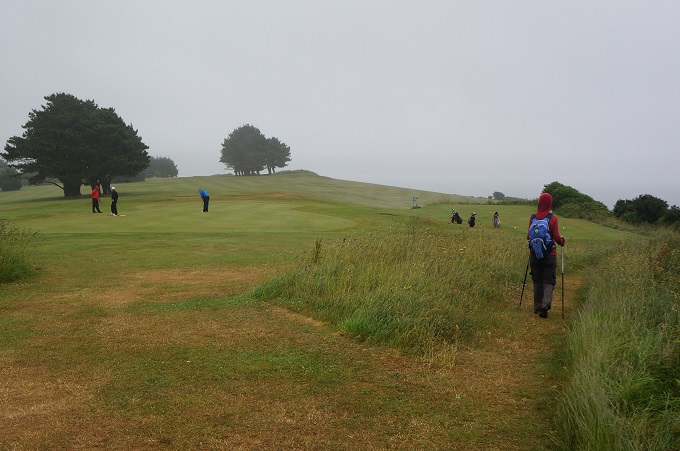
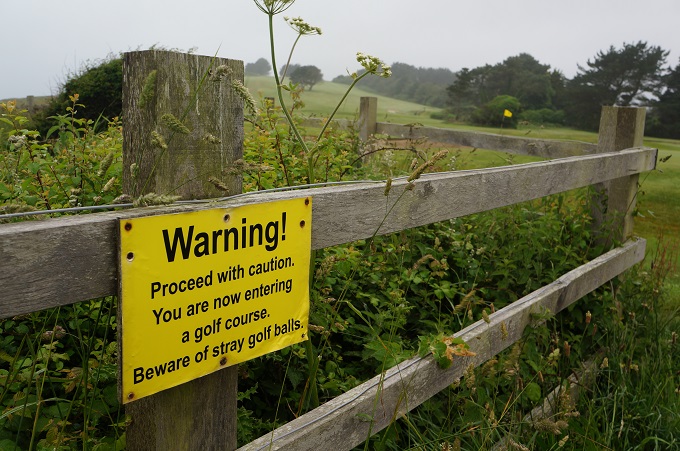
It was a bit murky and very slightly drizzly as we left Charlestown and after a climb onto some low cliffs we were soon walking around the edge of the Carlyon Bay golf course. Walking actually on the edge of the fairways. There were lots of signs warning us of stray golf balls and despite the weather there were a lot of golfers out on a Saturday morning. It seemed like we walked the length of all eighteen holes and survived without being hit by any hooks or slices.

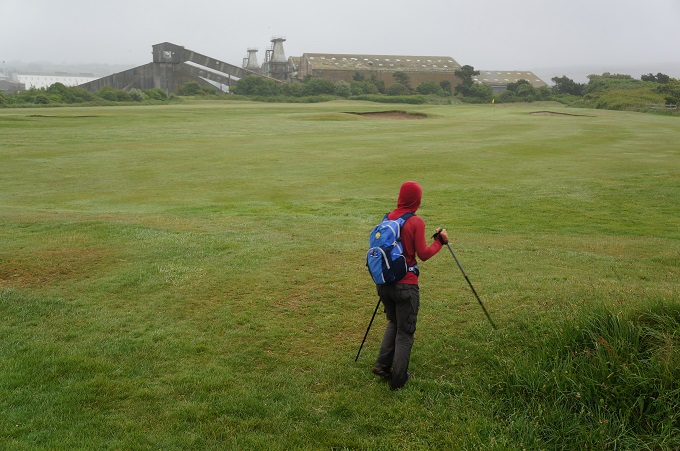
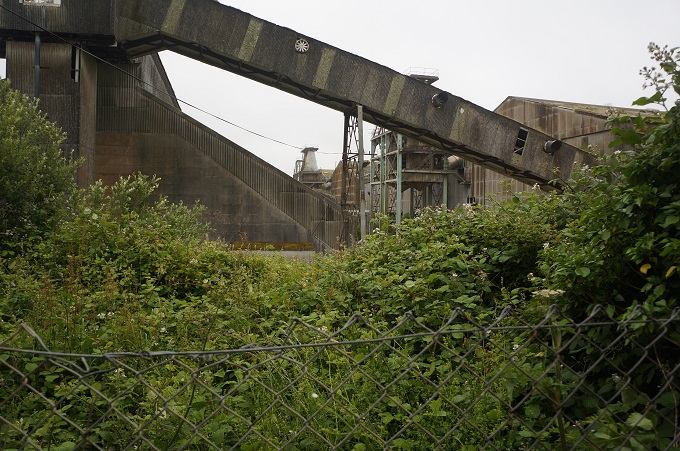
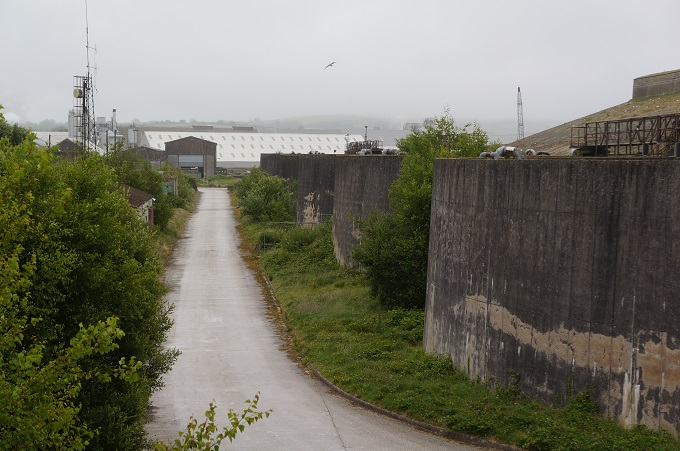
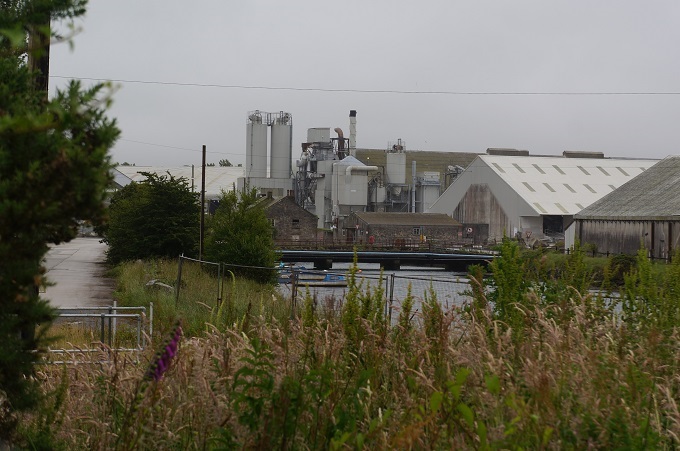
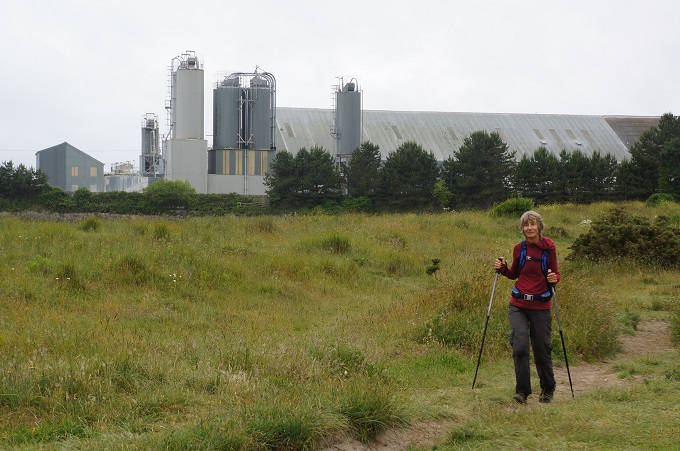
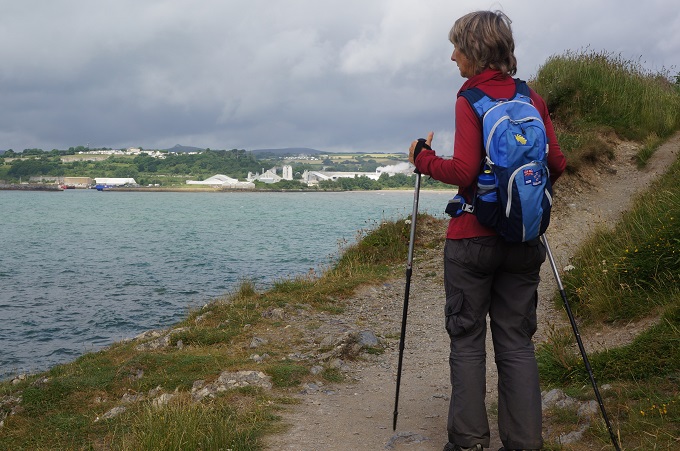
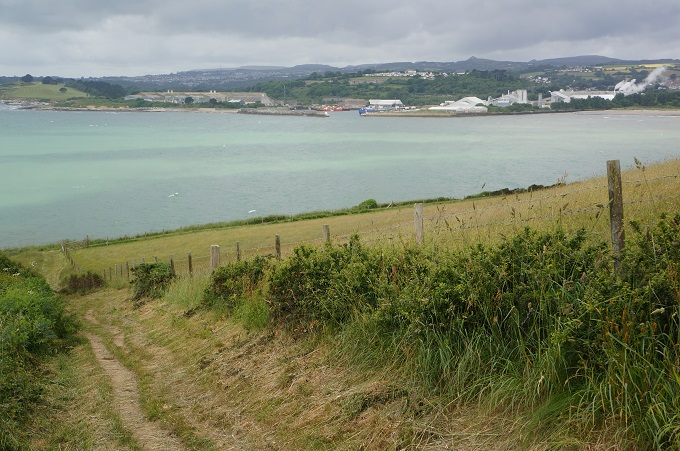
Immediately after the golf course the path took us inland around a large china clay works. It is on the coast and has its own harbour and wharfs and the whole area it occupies is out of bounds. We passed huge derelict warehouses, conveyor belts and industrial machinery from the first factory set up in the 19th century. Then past the present operating factory with even larger modern buildings. This was all quite interesting in its own way even if not very attractive. It did remind us that we are still in the real world even while walking the beautiful, wild and remote coast.

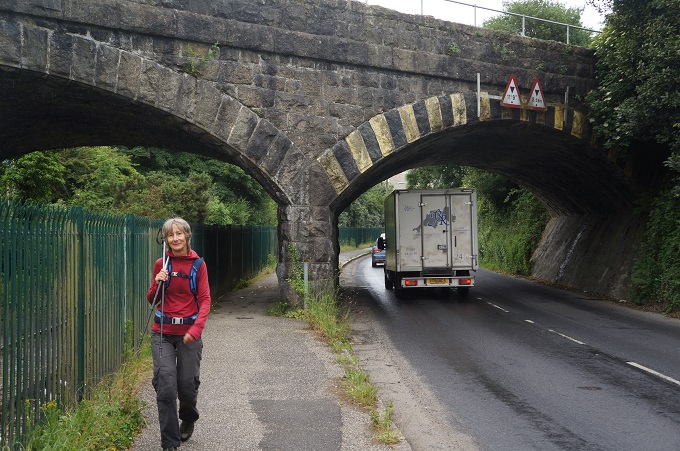
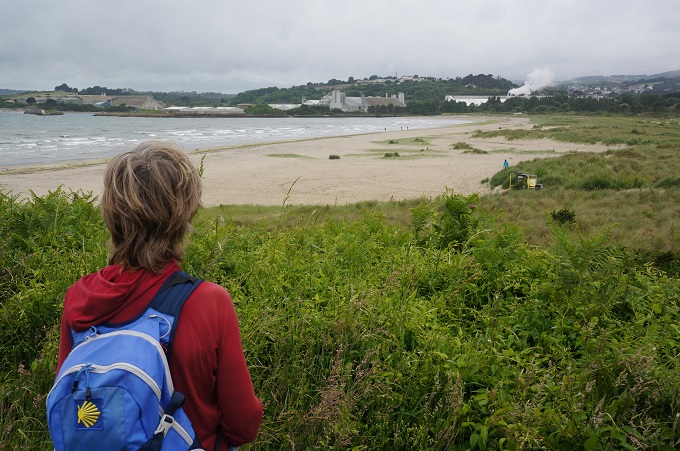
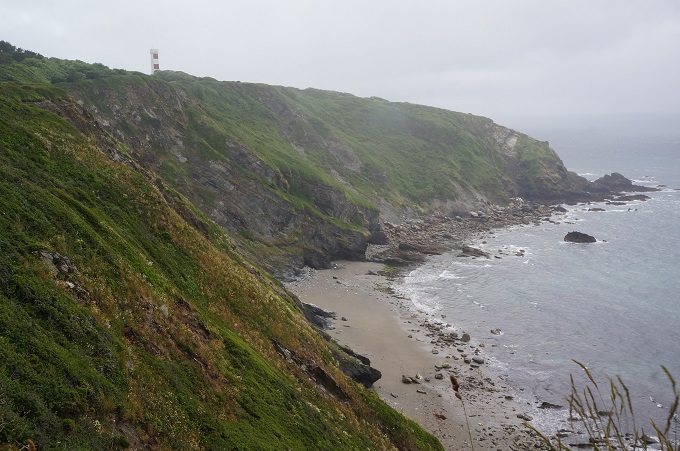
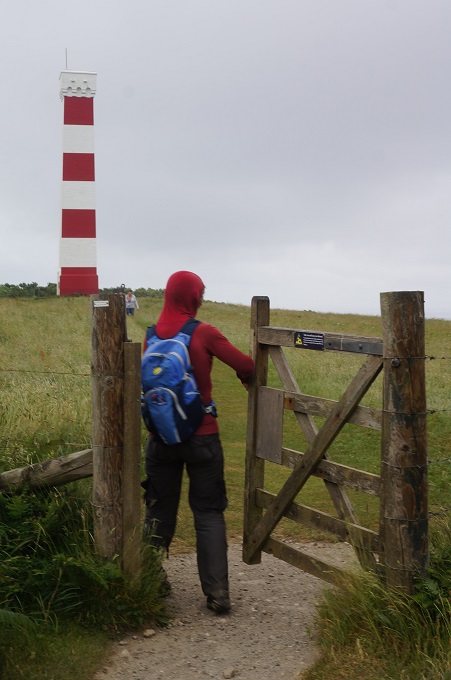
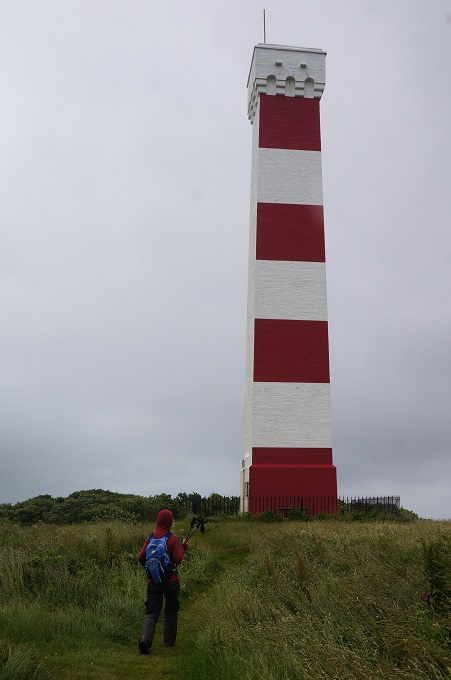
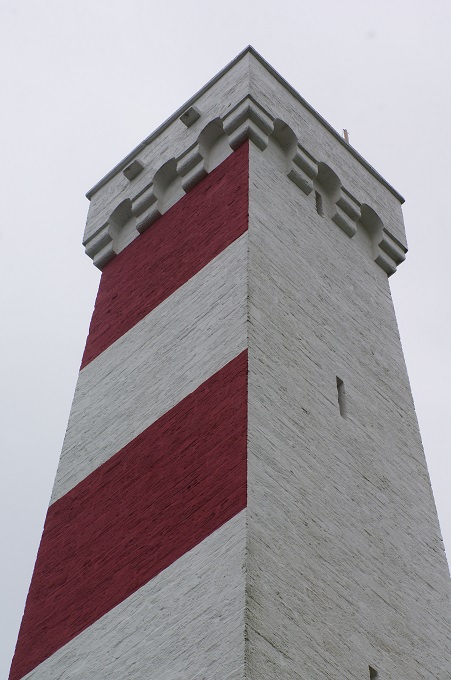
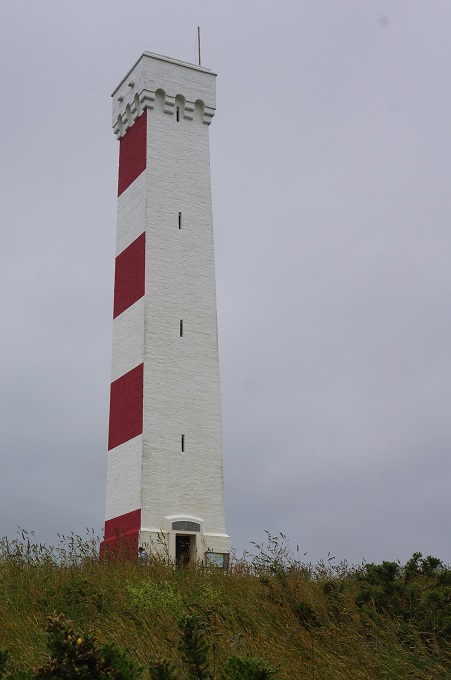
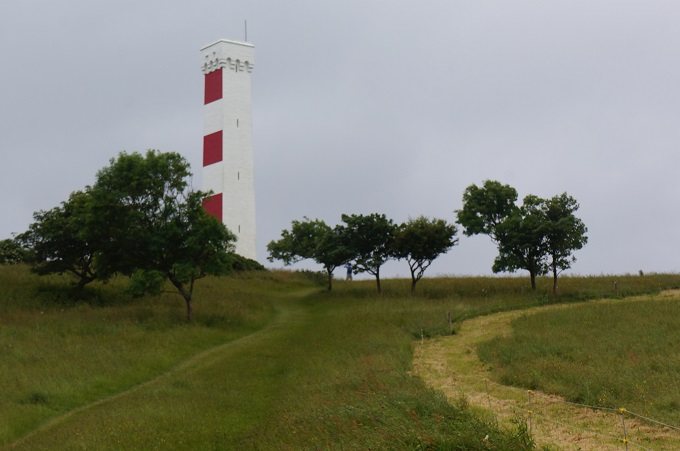
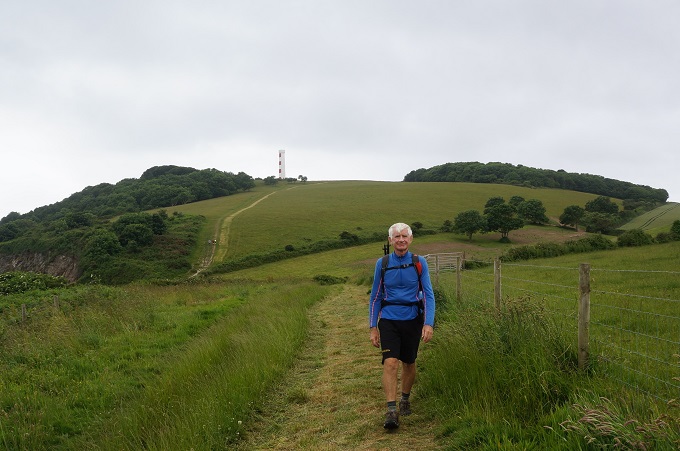
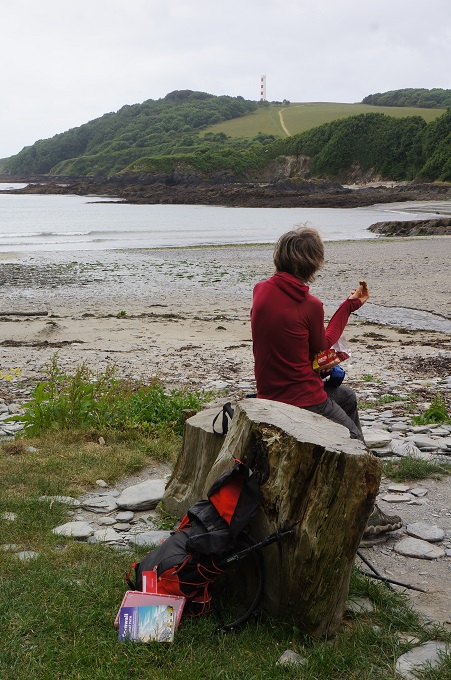
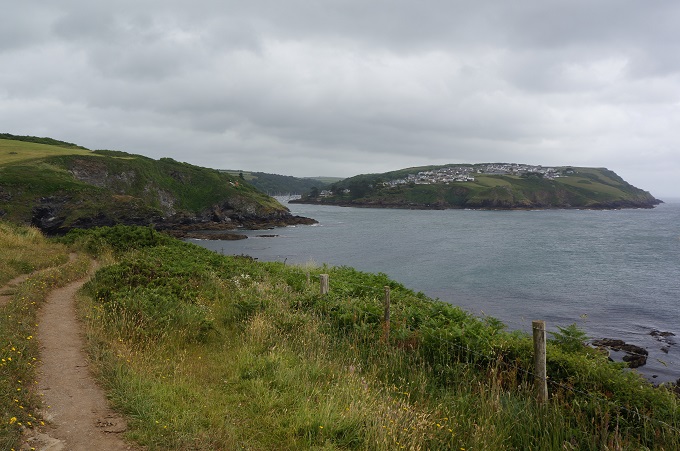
To get around the china clay works we had to walk alongside some busy roads, under two railway viaducts and through some streets of pretty mundane workers’  housing. Eventually we got onto a nice beach and then up onto some low cliffs. After passing through Polkerris and its lovely little enclosed beach we tackled the only real climb of the day up to Gribbin Head. On the summit is a red and white painted tower, or daymark, built in 1832 as a navigation aid to sailors to pinpoint the entrance to Fowey Harbour. It is described as a ‘handsome Greco-Gothic Square Tower’, well maybe.

In WW2 this area, and a headland we had climbed just outside Falmouth, were used as decoy sites to lure enemy bombers away from Falmouth and Fowey. Special effect systems were scattered strategically across the headlands and controlled from bunkers. The effects were designed by British film studios to simulate lights from docks, railway tracks and stations, and fires caused by exploded bombs. As enemy bombers approached, the bunker crew switched on the lights. Flying at night the air crew were fooled into thinking they had spotted Falmouth or Fowey. As the bombs were dropped the bunker crew triggered fires and explosions to give the impression of successful bomb strikes.

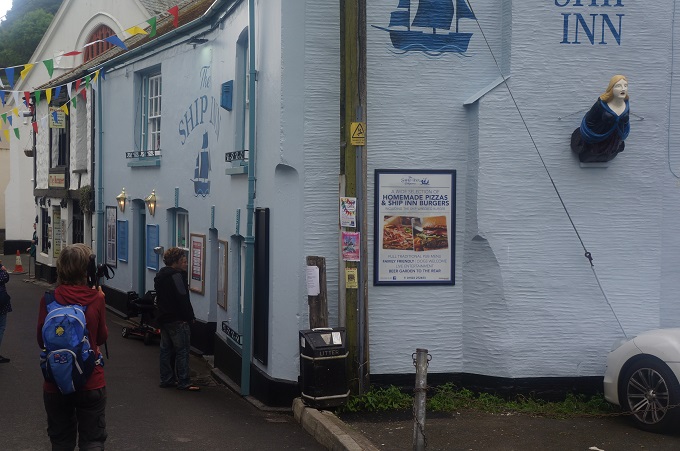
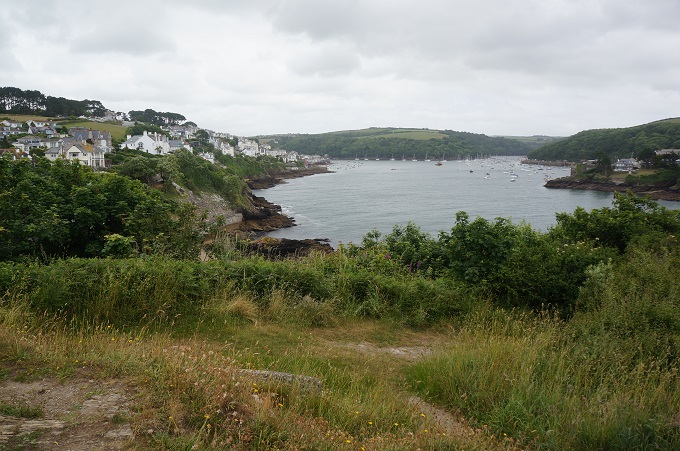
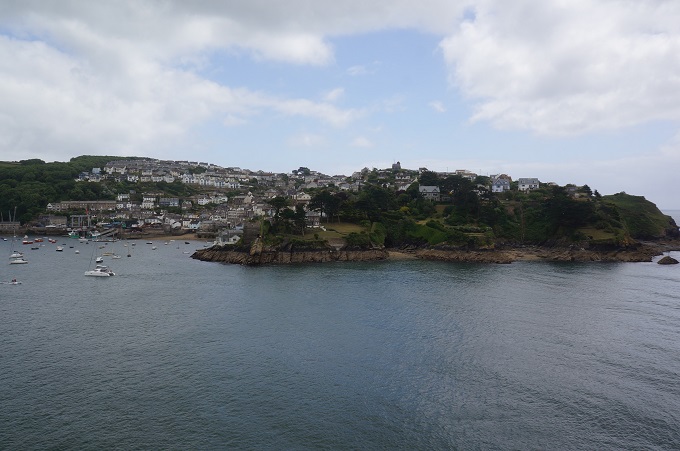
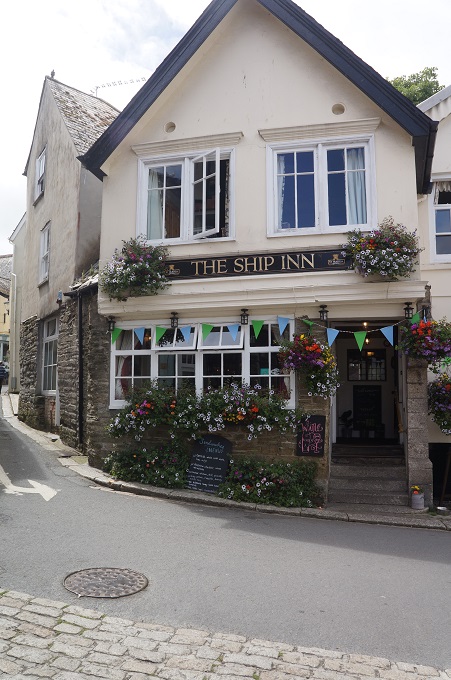
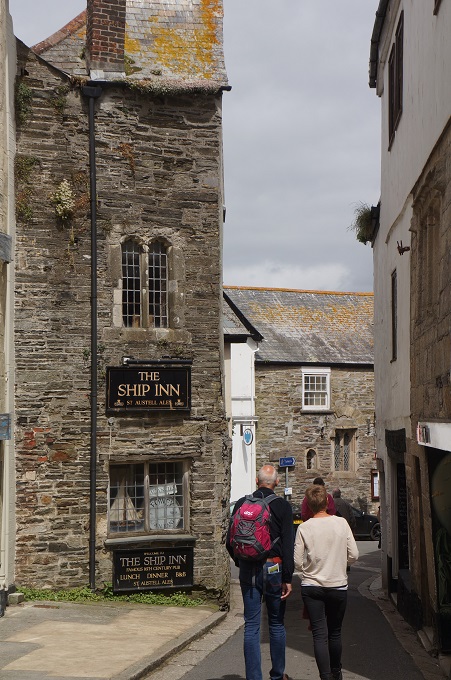
Next a descent from the head to another sheltered beach with a pond and a lovely stone house – the inspiration for the beach house in Daphne du Maurier’s novel Rebecca. Then into Fowey – pronounced ‘Foy’ (as in toy). An incredibly quaint, laidback and serene little Cornish town, one of the most attractive on the whole of the coast path. Once a major trading port, the fortunes of Plymouth expanded at Fowey’s expense, and the locals returned to fishing and smuggling, and now tourism to make a living. We arrived in Fowey quite early so went to a pub to have some lunch and guess what, it was a Ship Inn. Our third Ship Inn in four days.

Our bags were on a different holiday today. They went to one place, we went to another. Our hostess Doreen tracked them down and they were delivered within half an hour in a perfectly restored VW Kombi van. About 10 days ago Max Adventures emailed us to advise our proposed accommodation in Fowey (Wellington’s Guesthouse) was double booked and we could either stay a third night in Charlestown (and shuttle by taxis) or change to a standby B & B in Fowey, which we chose to do. However our bags went to Wellingtons while we went to 4 The Windmill. The luggage transfer company hadn’t been advised of the change by Max! All ended well and we have been able to have a shower and change into relatively fresh clothes.


The Eden Project

The Eden Project

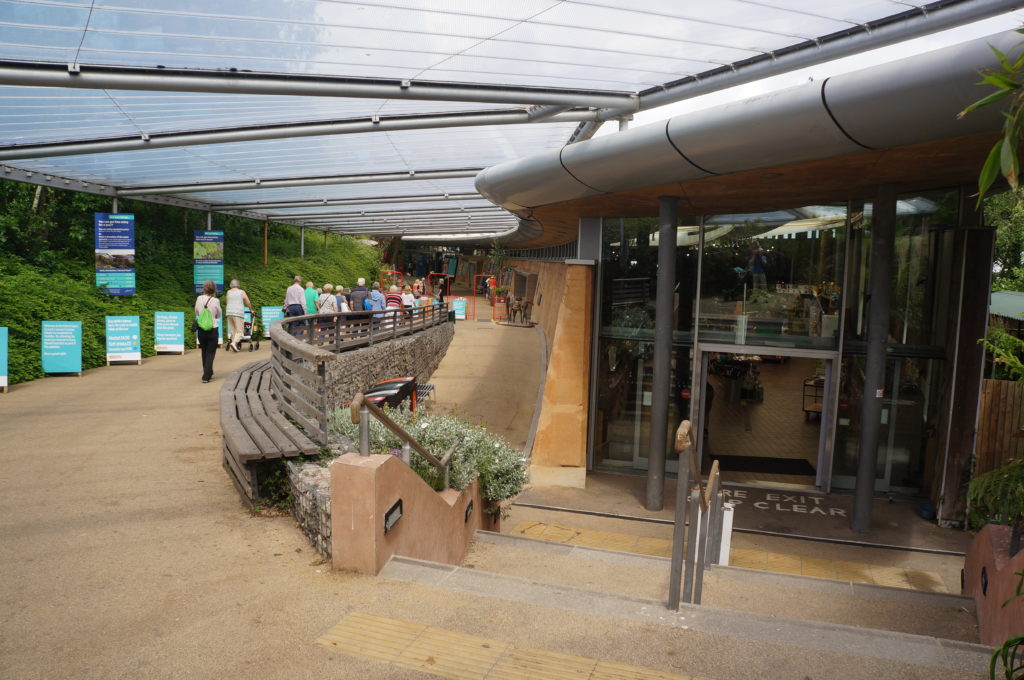
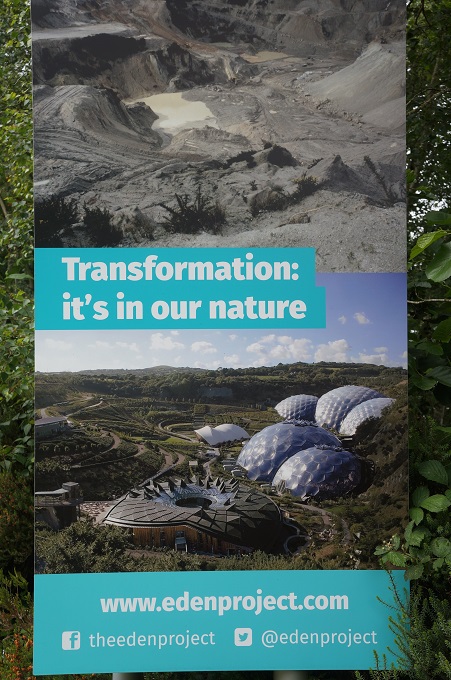
Today we went to the Eden Project. This a little distance away from Charlestown so we walked about two and a half kilometres to the St Austell railway station and caught a local bus that takes you right to the entry. If you go there by train, bus, cycle or walk there is a discount of 10% on the entry fee. This is pretty common throughout England.

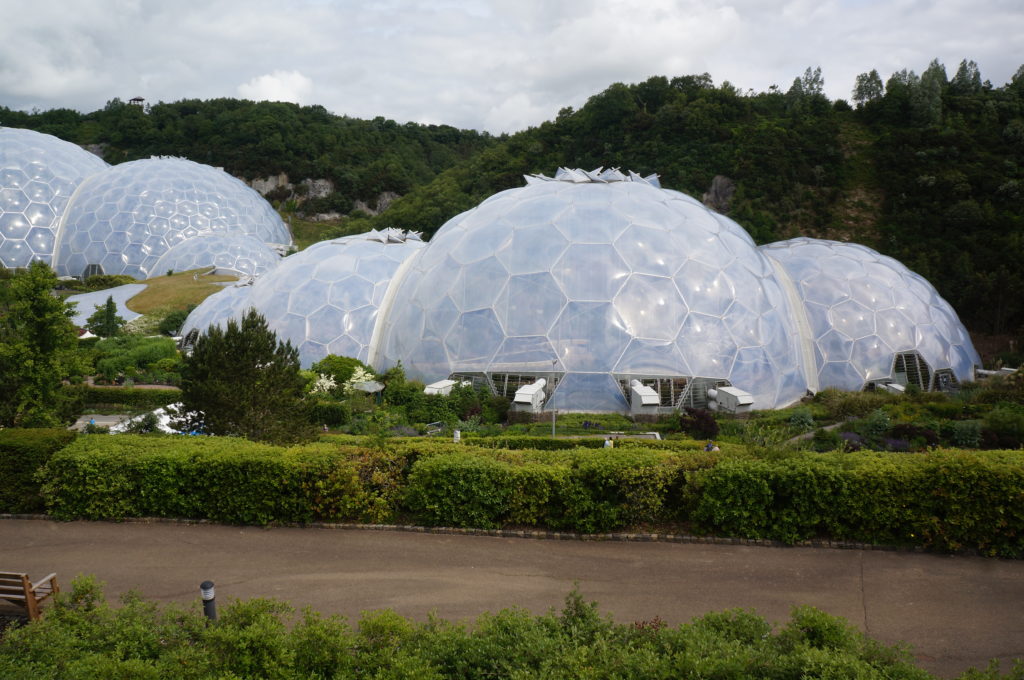
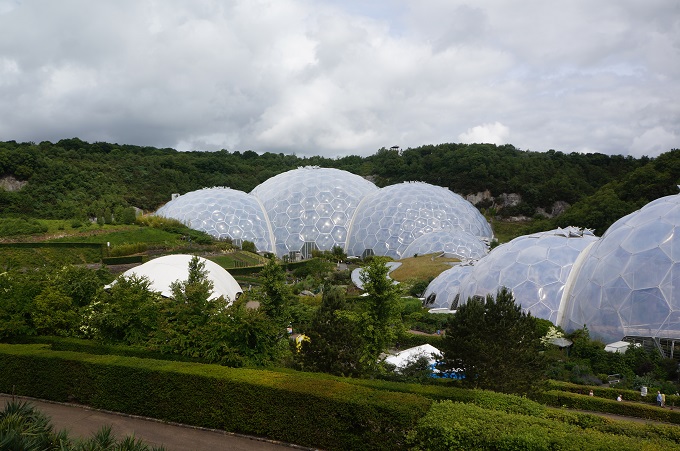
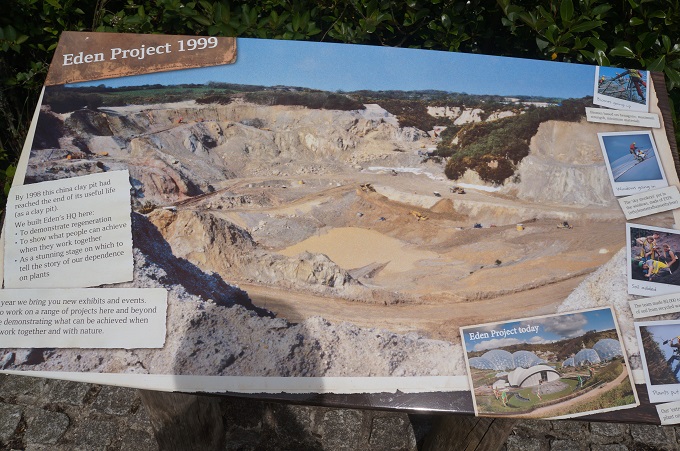
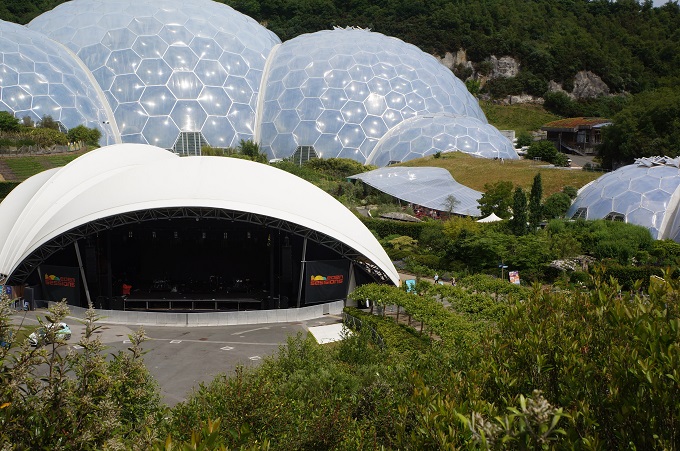
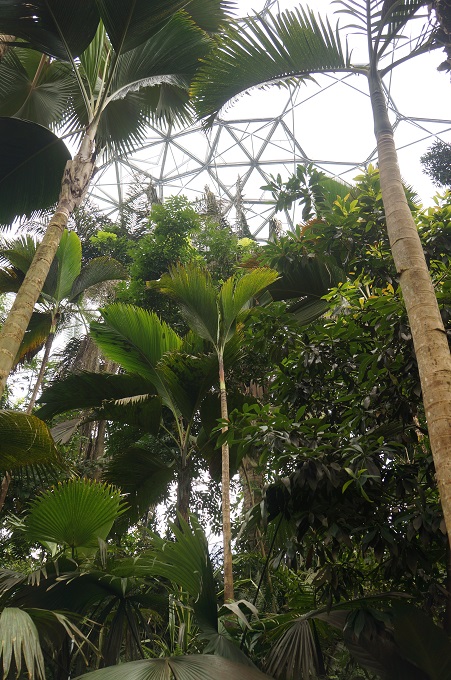
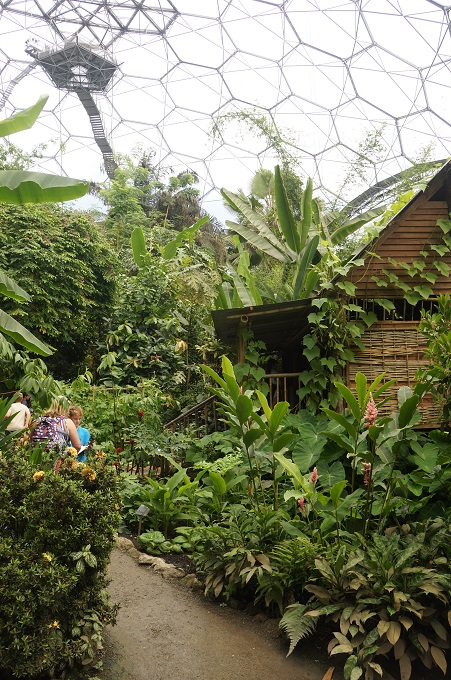
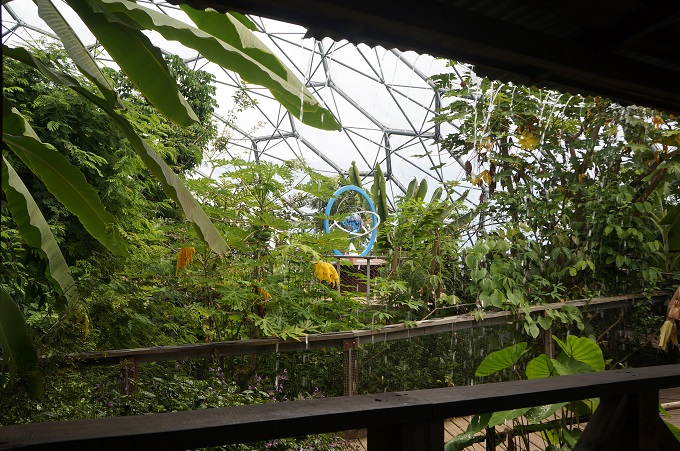
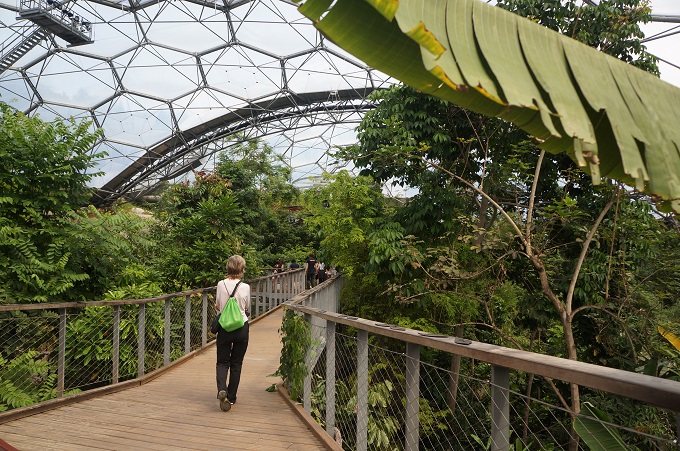
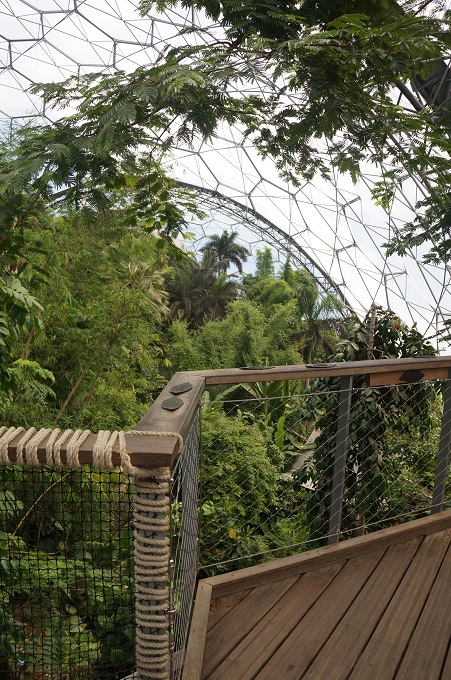
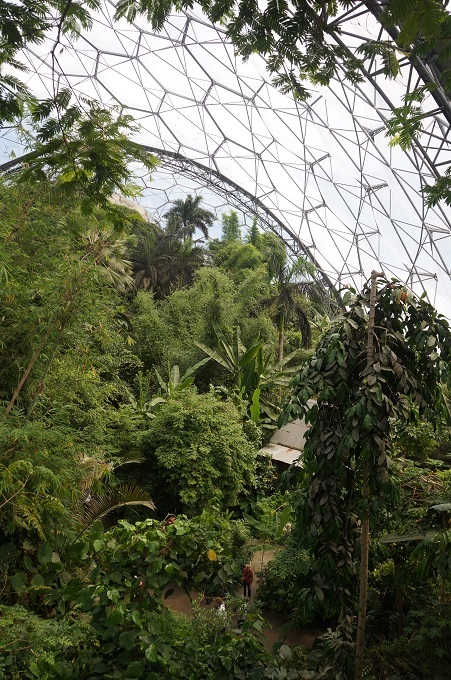
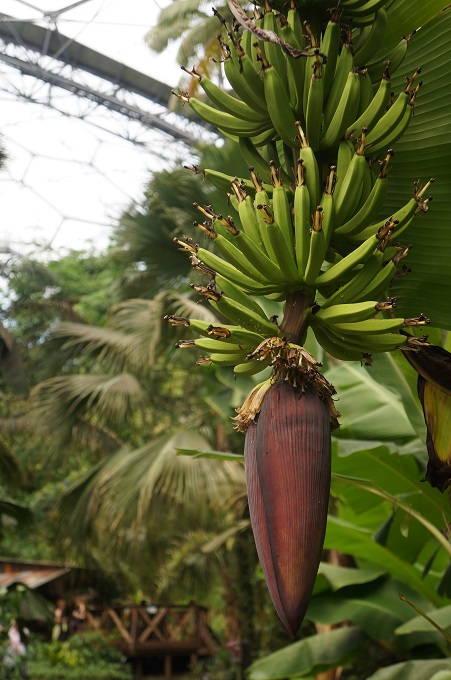
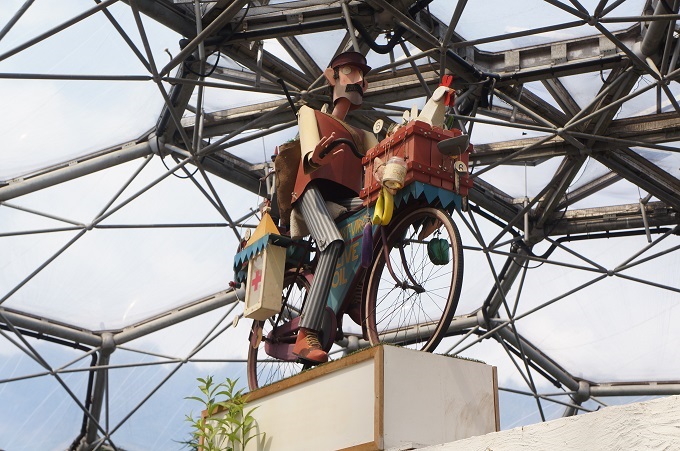
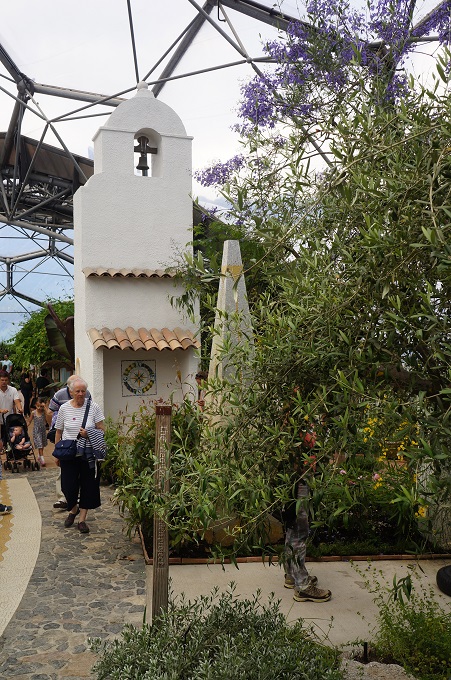
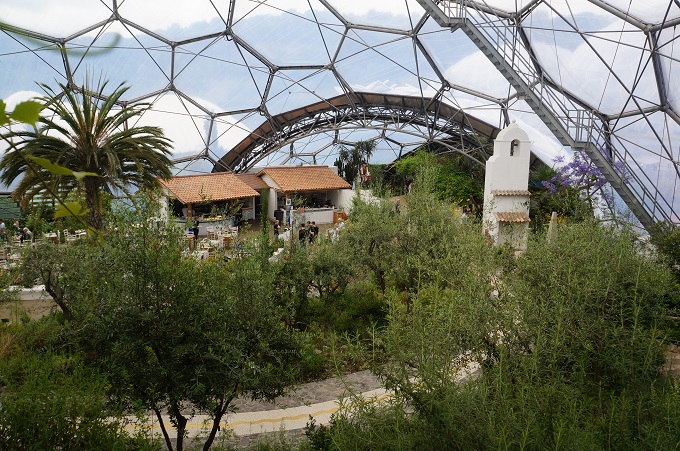
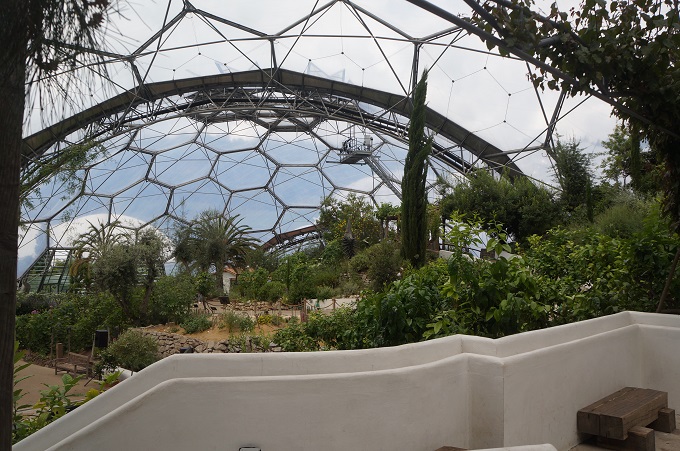
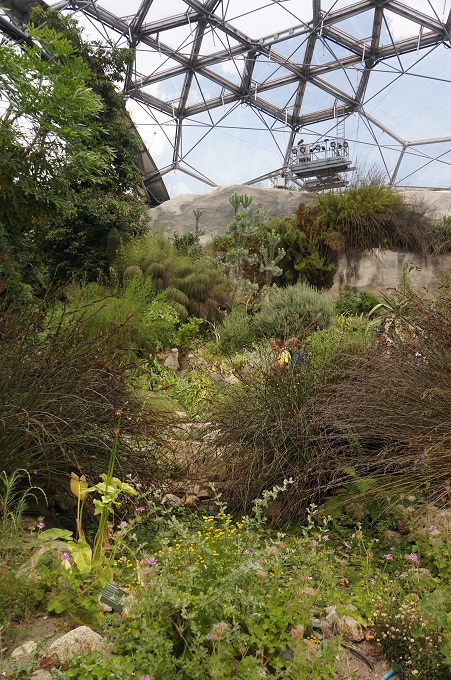
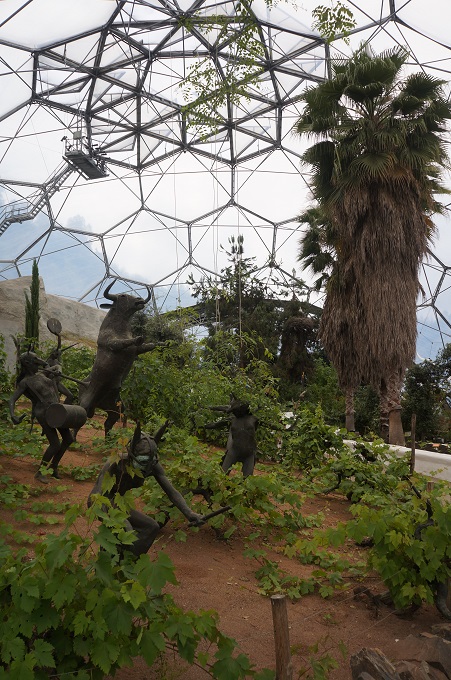
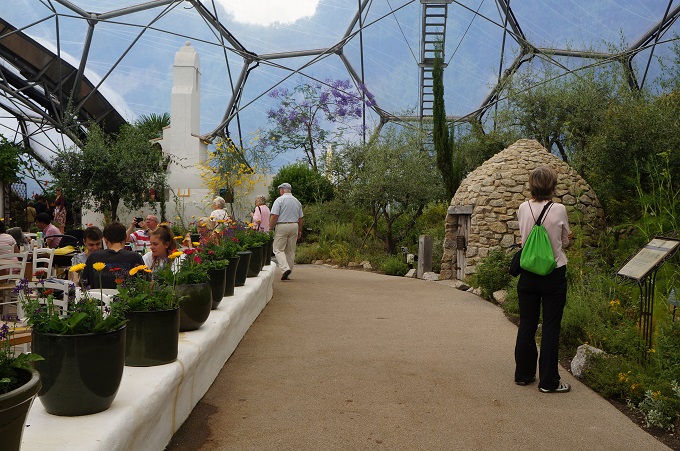
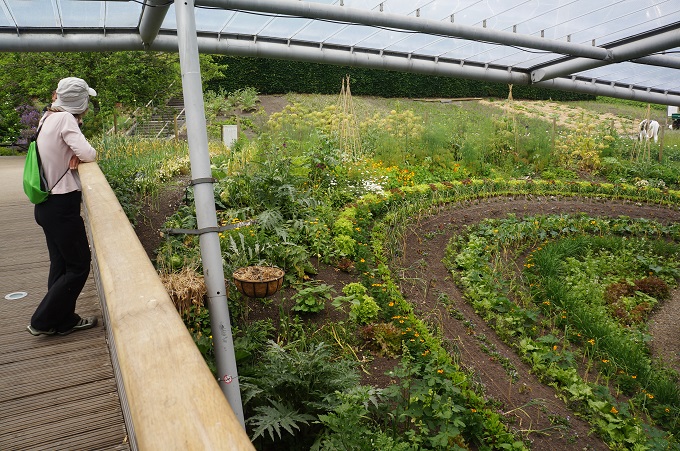
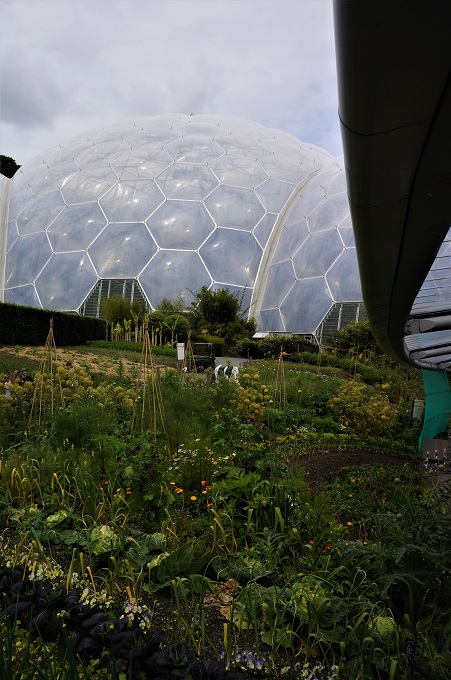
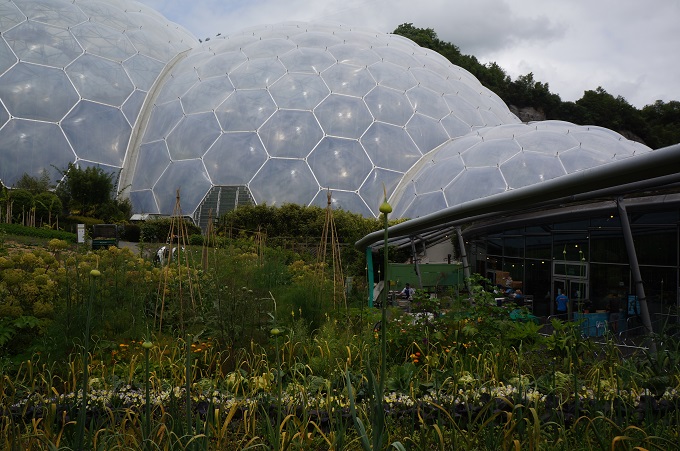
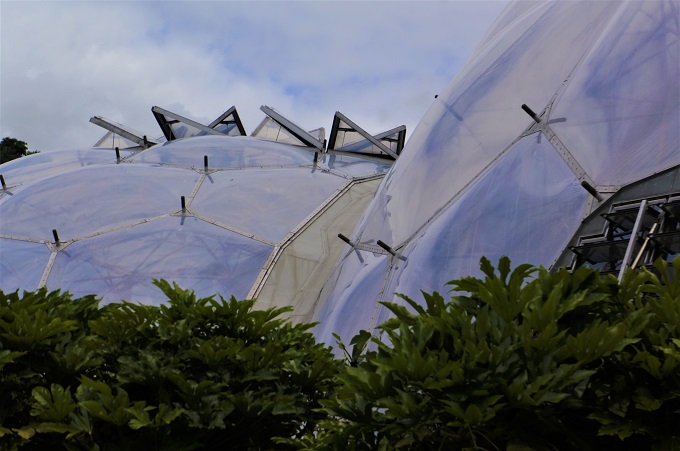
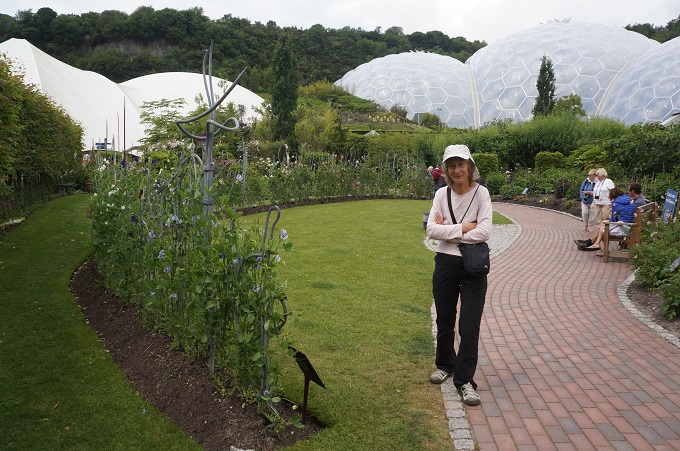
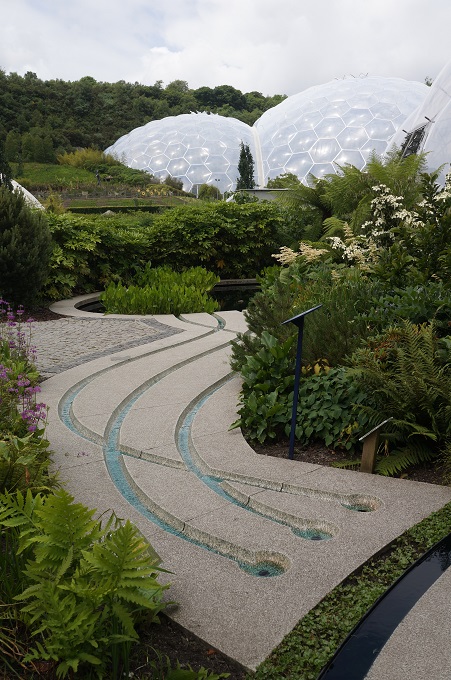
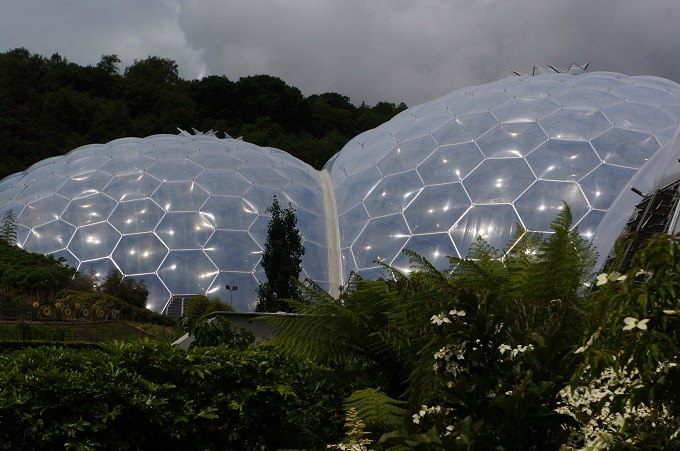
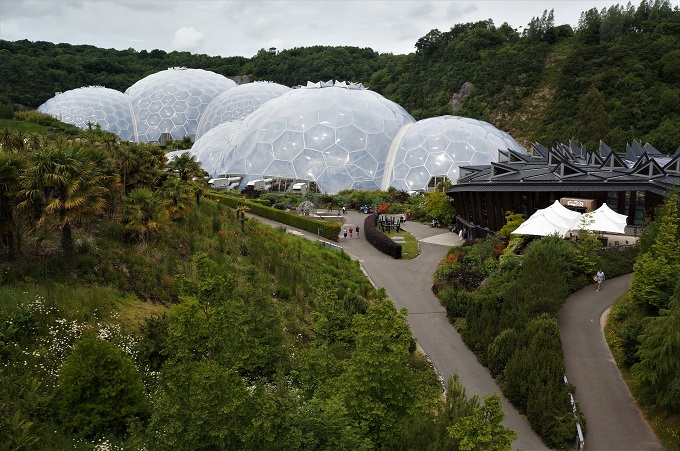
The Eden Project is a huge garden located inside an abandoned china clay quarry. As well as acres of outdoor gardens and landscaping there are two ‘biomes’, the larger one a rainforest environment and the other a Mediterranean environment. The biomes consist of hundreds of hexagonal and pentagonal inflated plastic cells supported on tubular steel frames. From a distance they look like interconnecting soap bubbles made of bubble wrap. The architecture and engineering is pretty amazing.
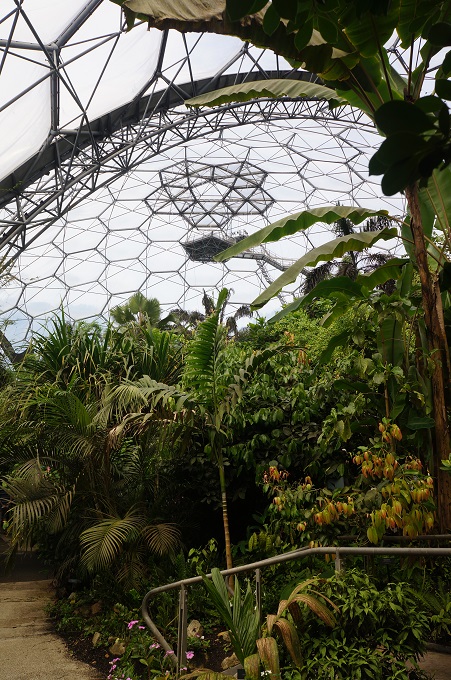
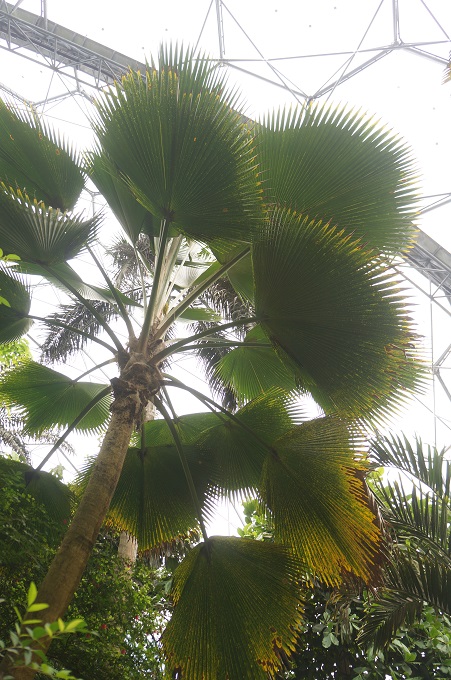
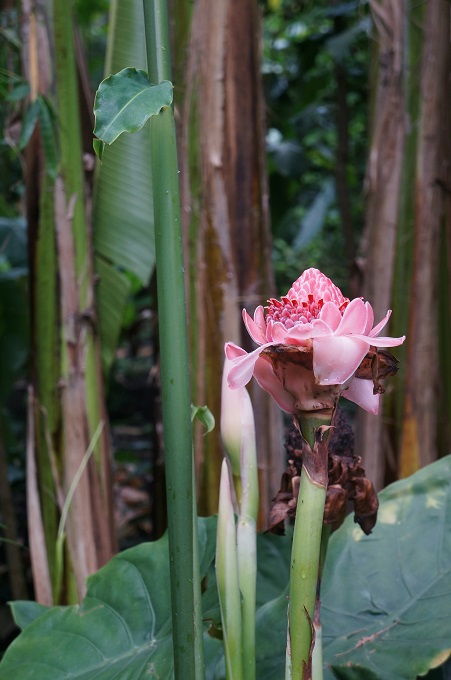
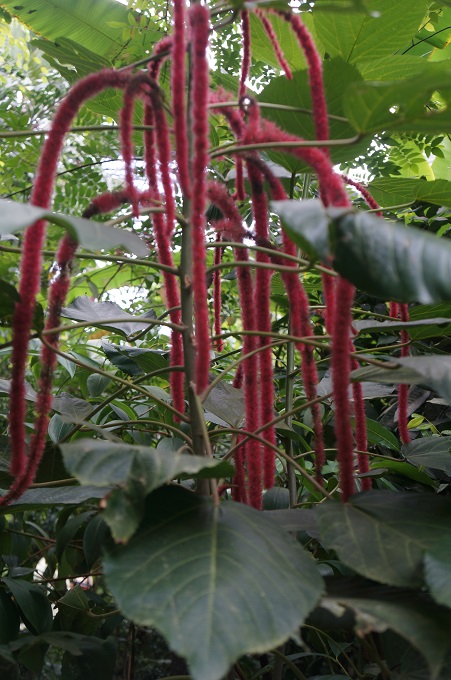
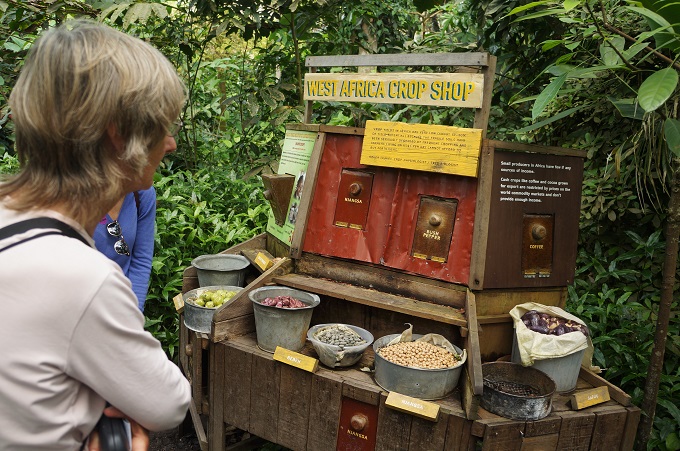
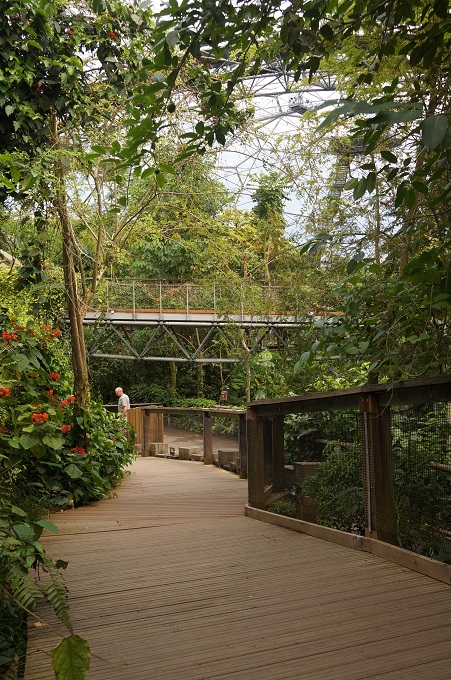
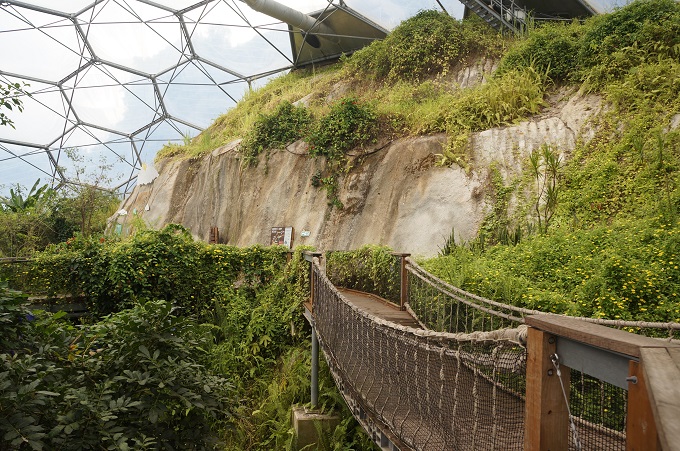
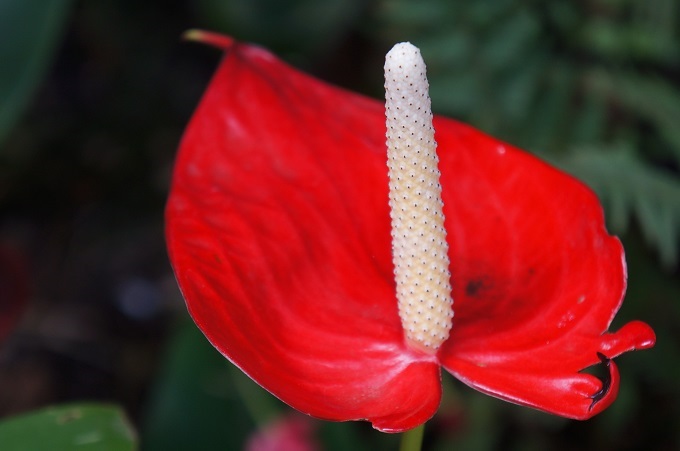
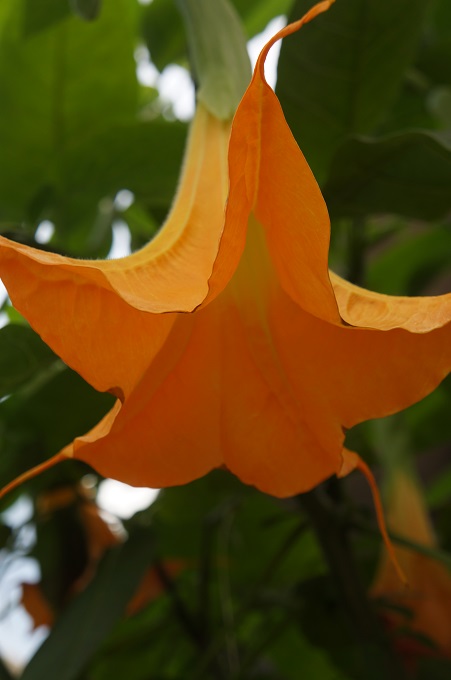
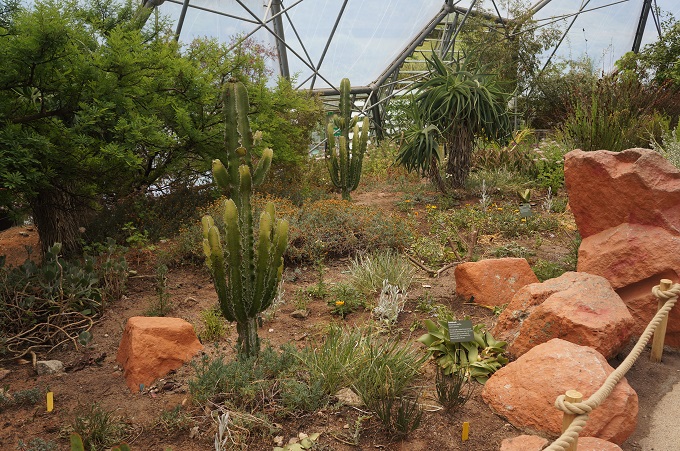
The Project is basically an education and learning centre focusing on the interdependence of plants and people. The rainforest biodome is the largest green house in the world and contains thousands of species from rainforests in Africa, Asia and South America. It is hot, steamy and humid and explores how rainforests feed us and keep us alive. It has waterfalls, pools, and a forest canopy walkway The Mediterranean biodome is a bit cooler and drier like California, Western Australia, South Africa and the Mediterranean. It has citrus groves, gnarly vines, cacti, olive trees and wild flowers.
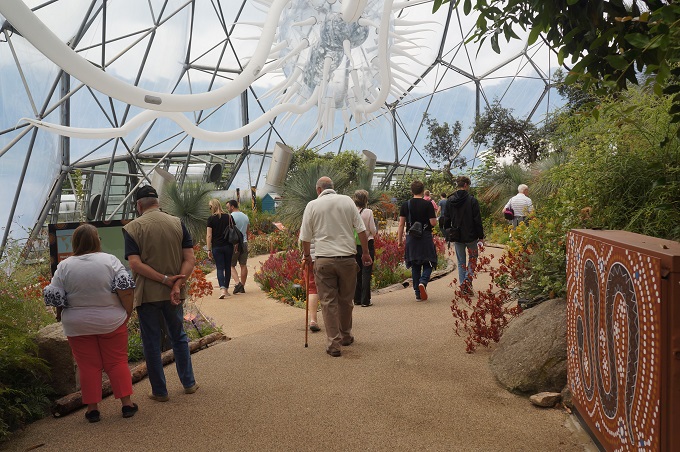
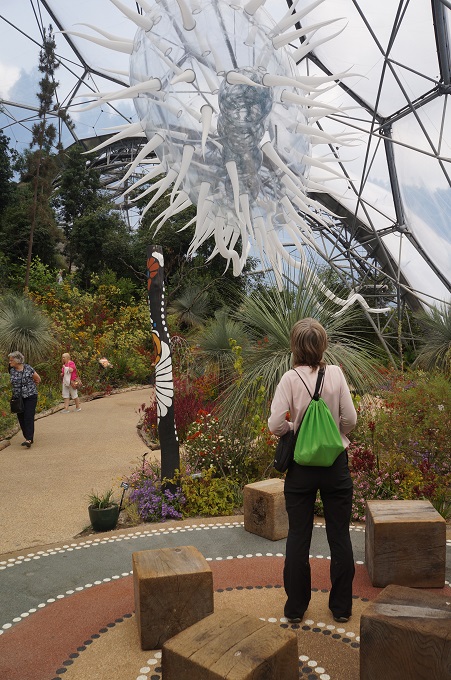
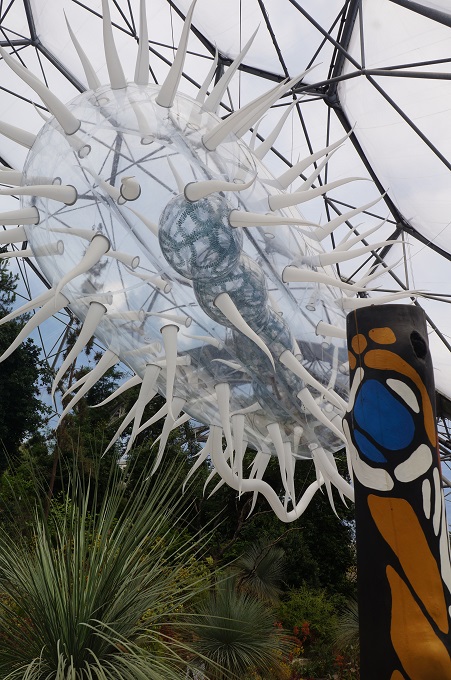
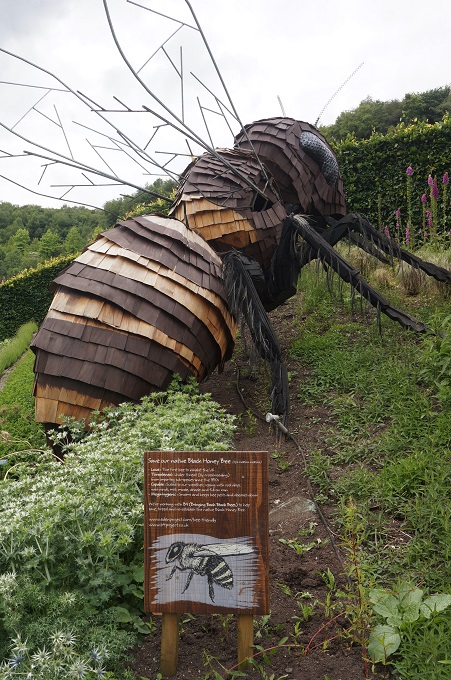
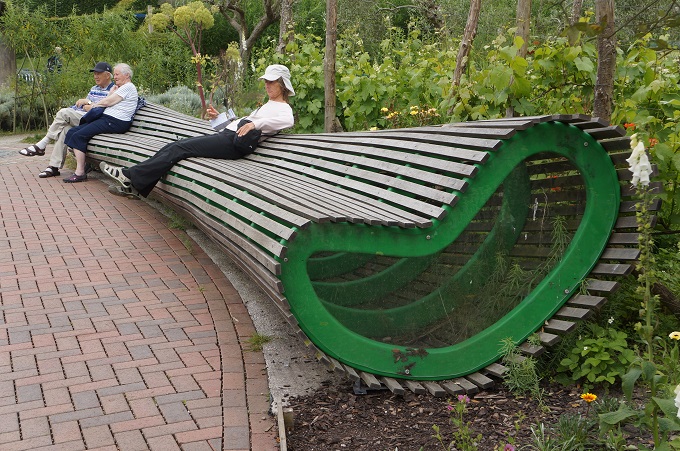
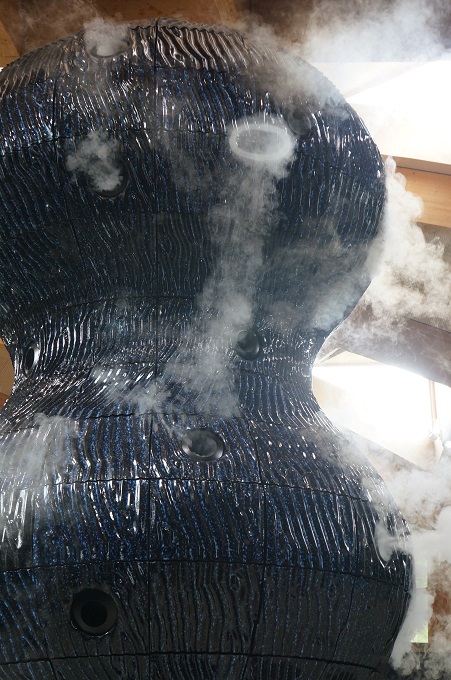
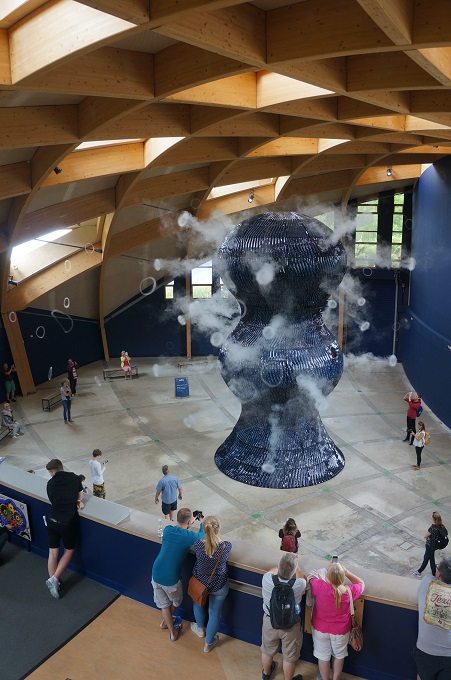
A third new attraction is The Core. This has an exhibition on ‘invisible worlds’ – things that are beyond our senses – too big, too small, too fast, too slow, too far away in space and time. It also has permanent and temporary art works –  as do the outside gardens.

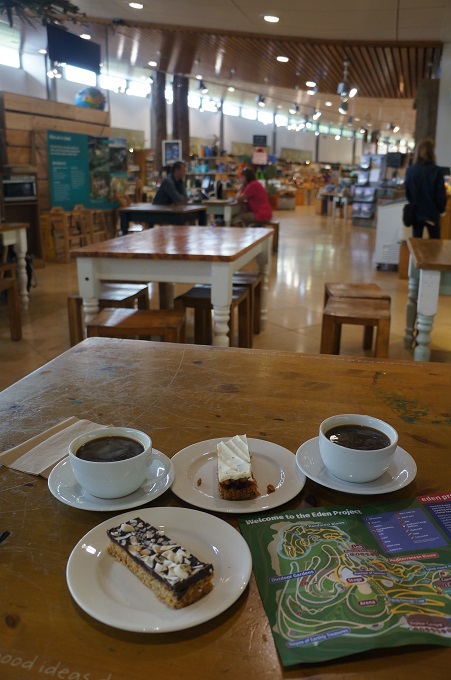
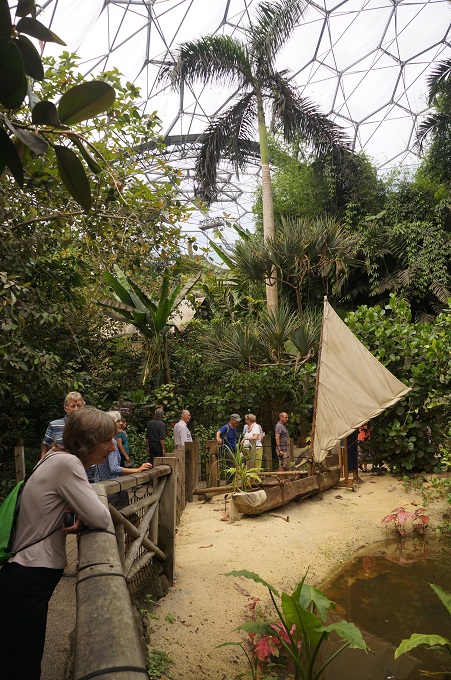
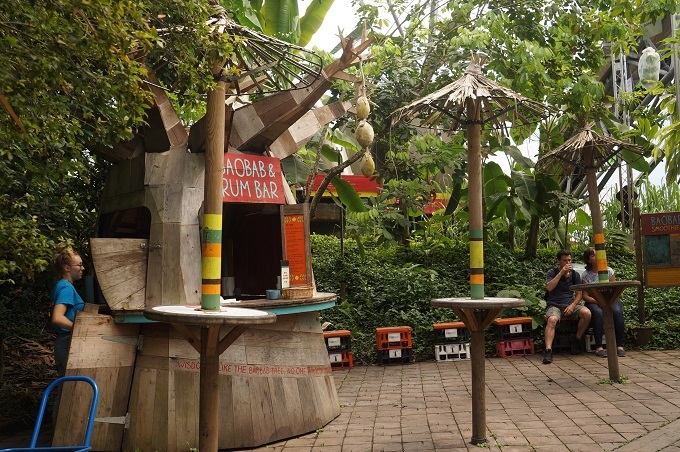
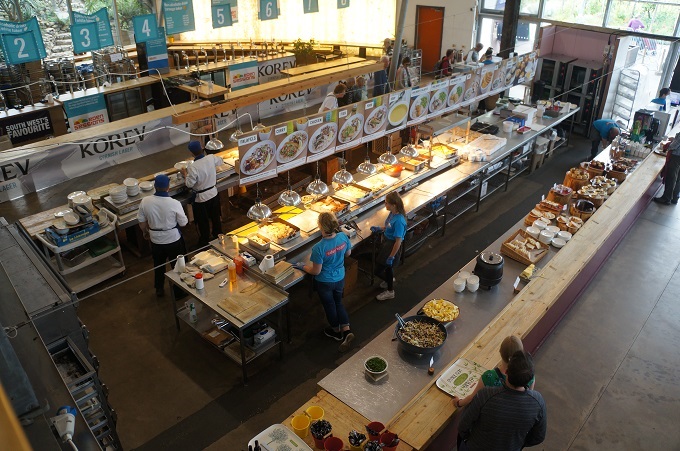
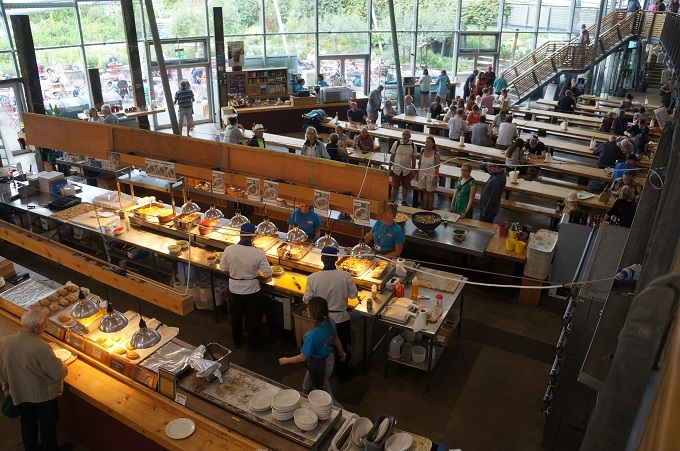
Since it opened in 2001 this has been a huge visitor attraction and is a great day out. There are guided tours, five cafeterias and two large gift shops. This is not the traditional botanic garden with avenues of trees and a green house. This is much more like a theme park and zoo for plants with a food court and lots of interactive things to do. It is maybe a bit too ‘Disneyesque’ with bamboo jungle huts, Polynesian outriggers on a pond, adobe Mexican bell towers, etc. but it has to compete in a tough entertainment market.

After a few hours we were suffering from stimulus overload. This wasn’t helped by us timing our arrival to coincide with that of about fifty 9 and 10 year olds. Despite our best efforts we kept meeting up with them. Really, they were lovely, all so keen and eager, doing little drawings and filling in their activity sheets. The teachers were the ones who seemed to be stressing out over all the enthusiasm.

So a very good day out. For both of us The Eden Project has been on the list of places we would really like to see.