All posts by Paul Lenihan

The British Museum
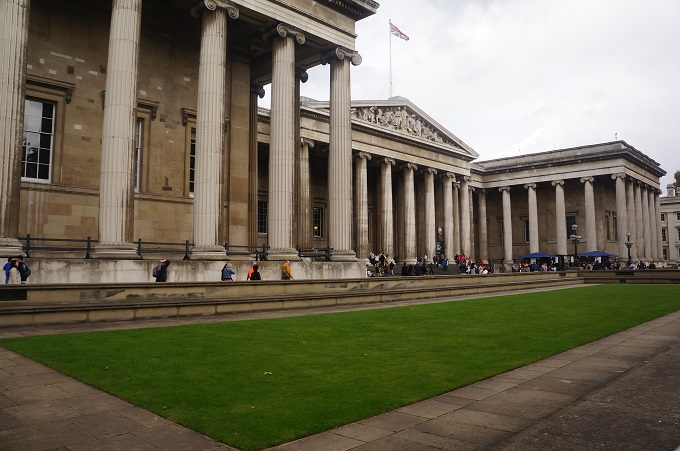
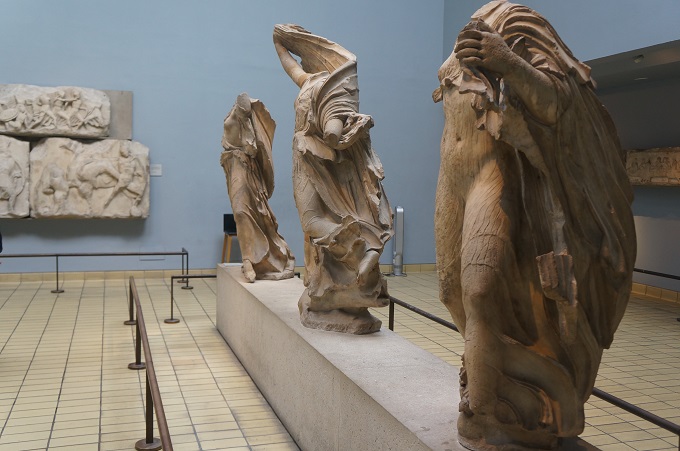
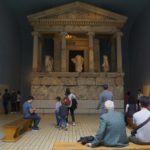
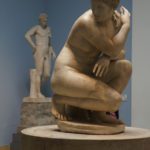
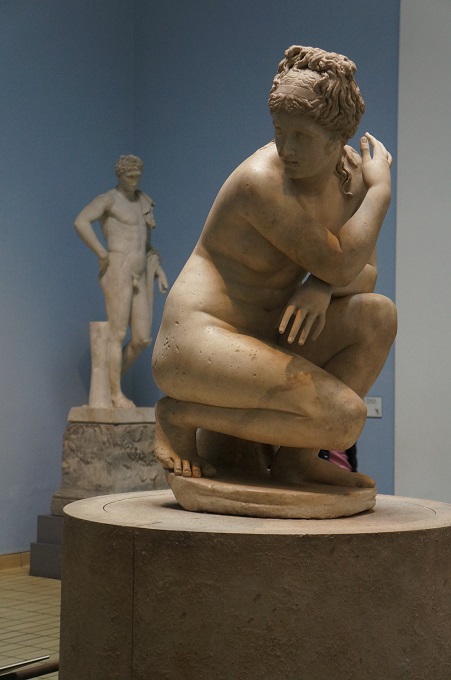
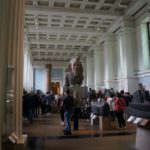
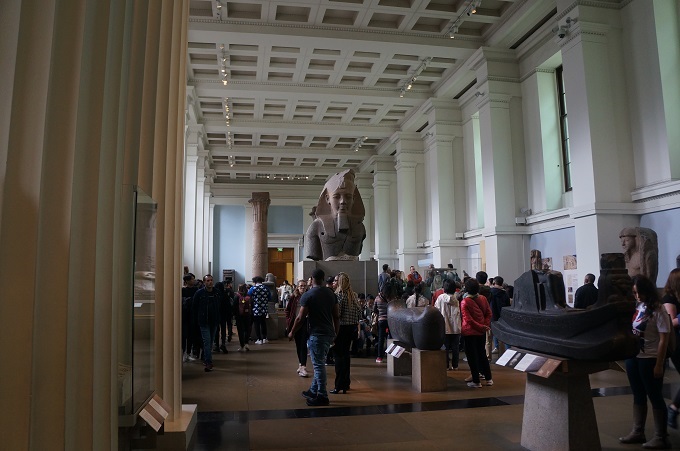
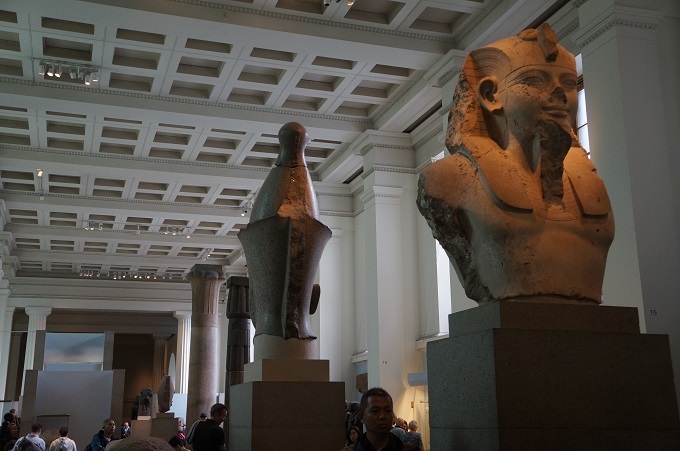
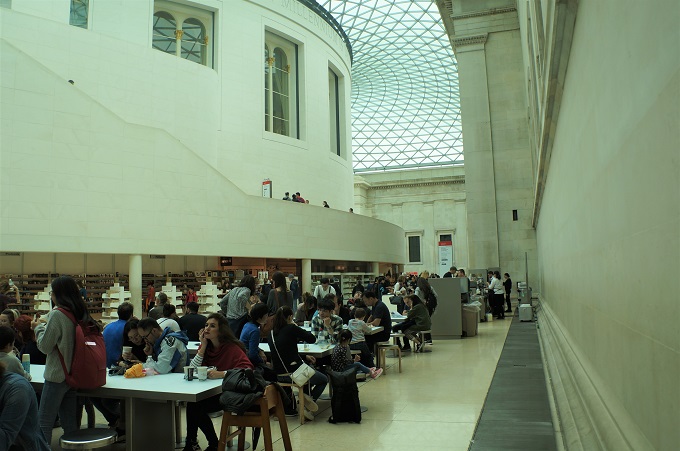
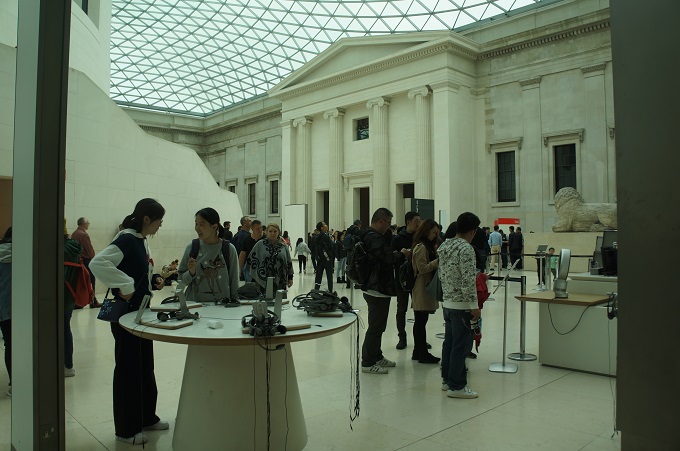
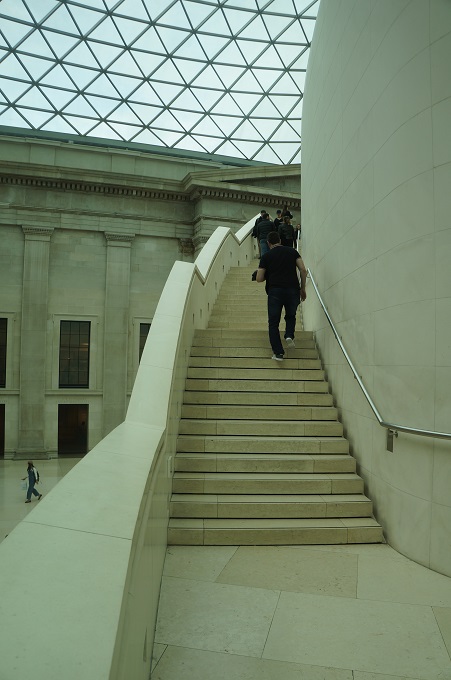
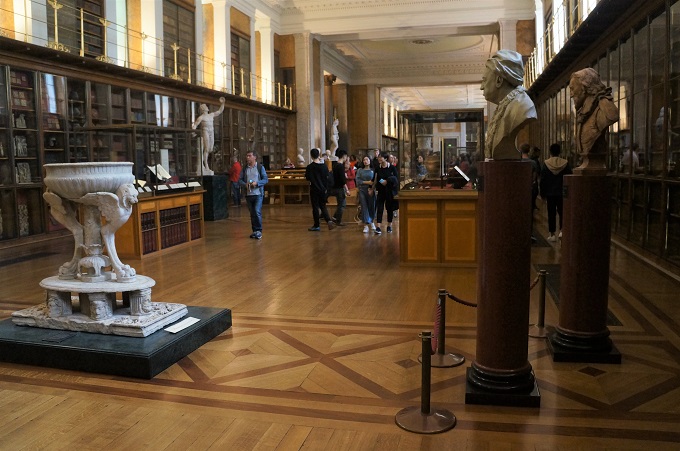
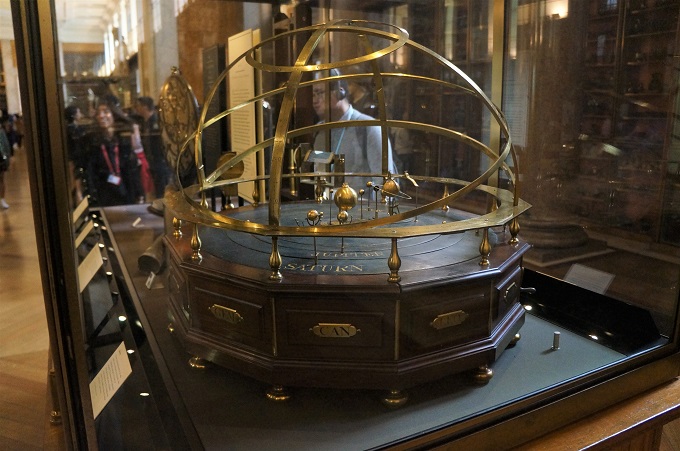
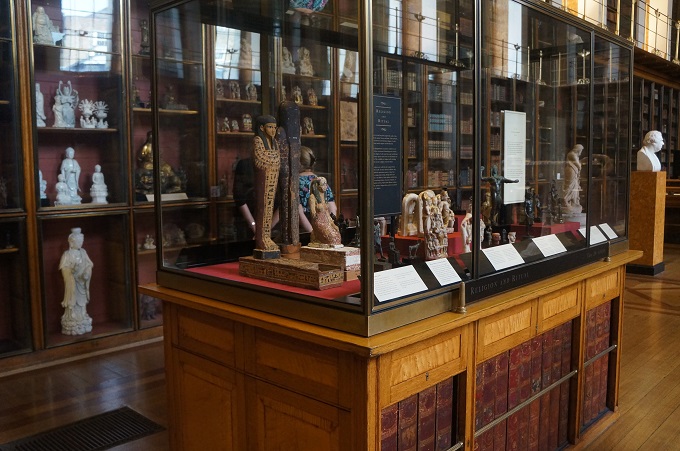
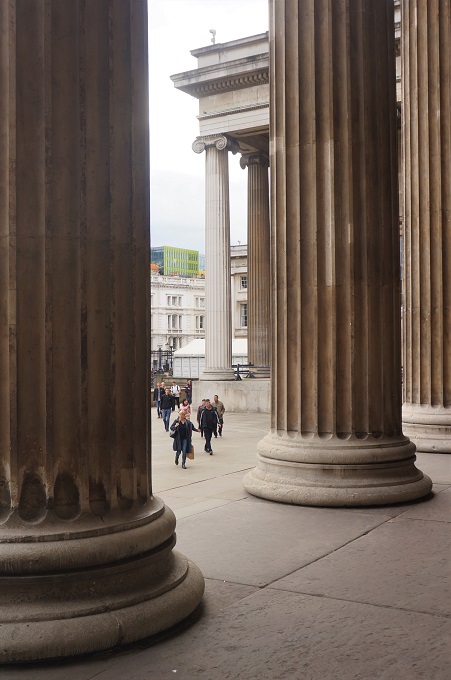
After our Victorian Tea at the Victoria and Albert Museum it was off across London to the British Museum. Starting with a bequest of 71,000 objects from Sir Hans Sloane in 1753, the British Museum is now a vast complex of 78 galleries and 8 million objects spanning the history of the world’s cultures from stone age man to the 21st century.
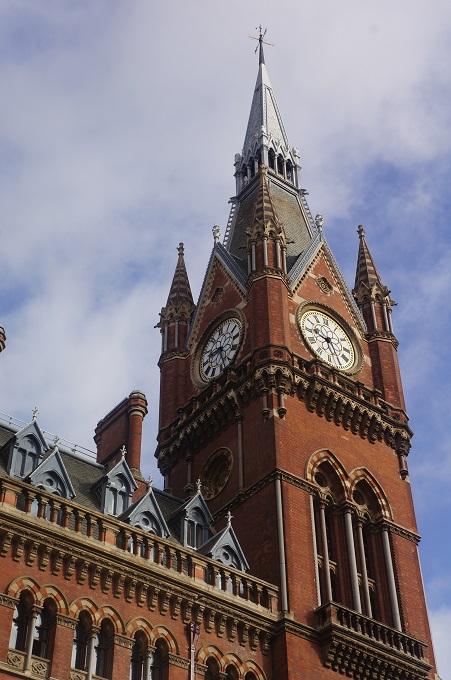
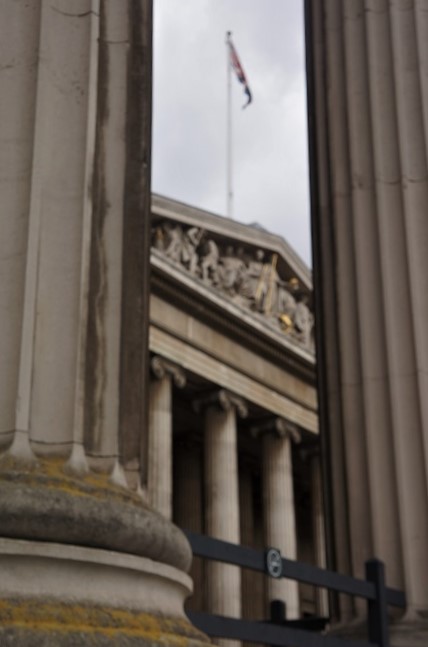
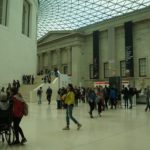
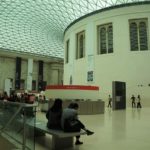
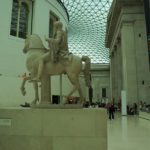
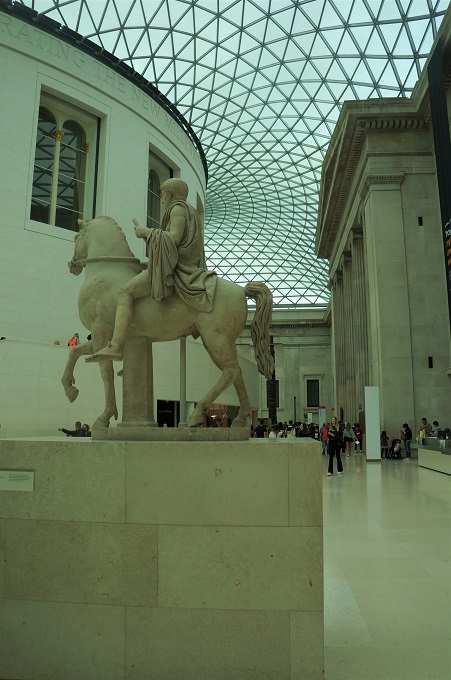
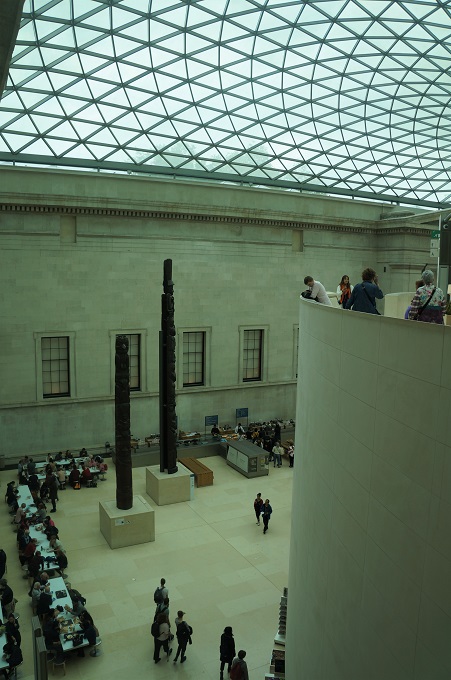
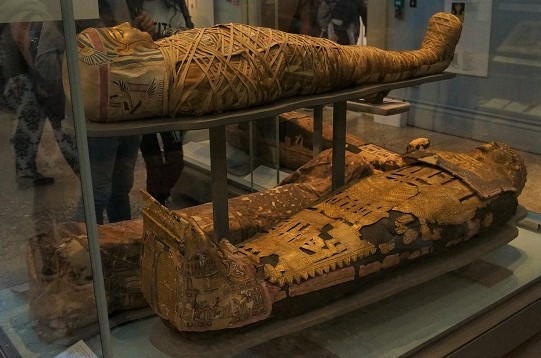
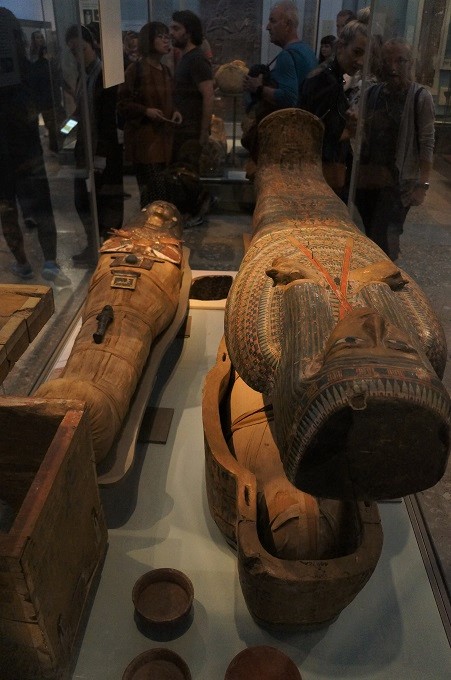
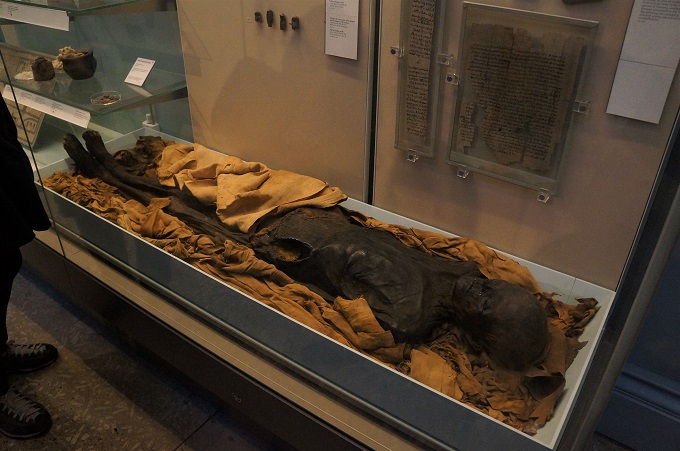
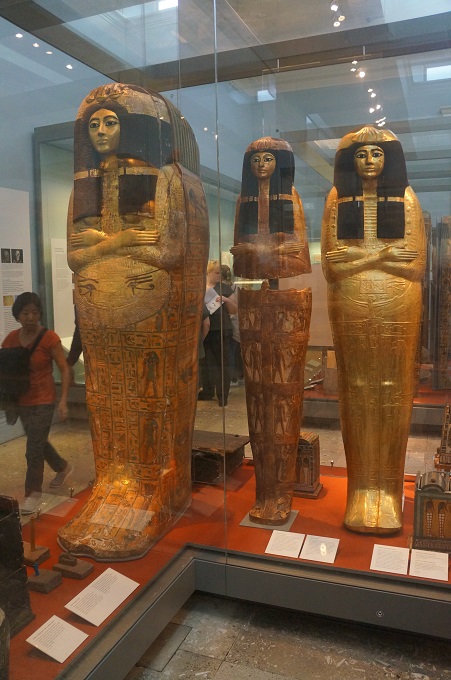
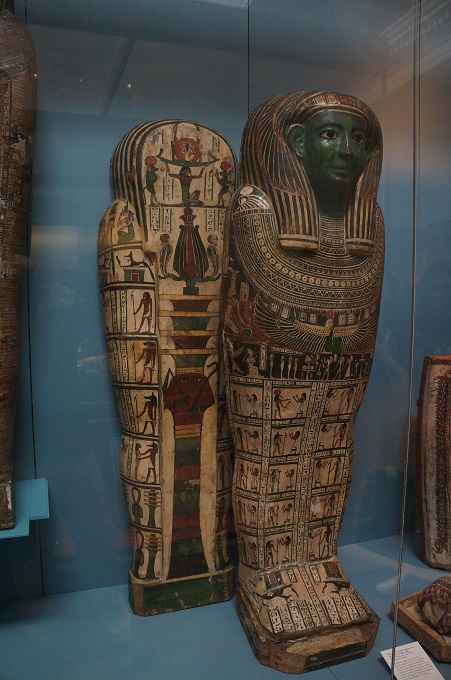
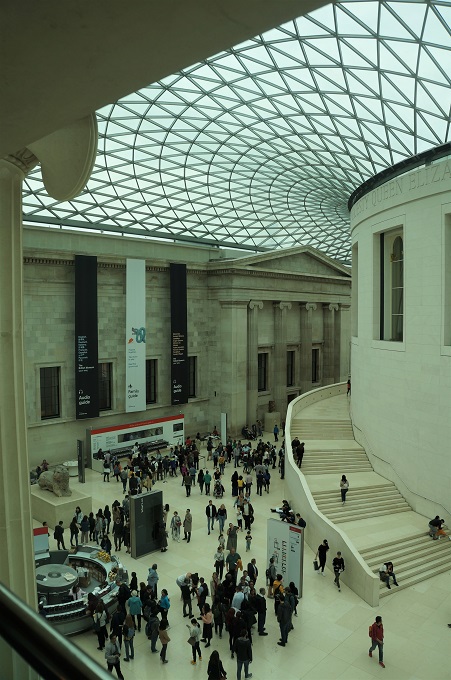
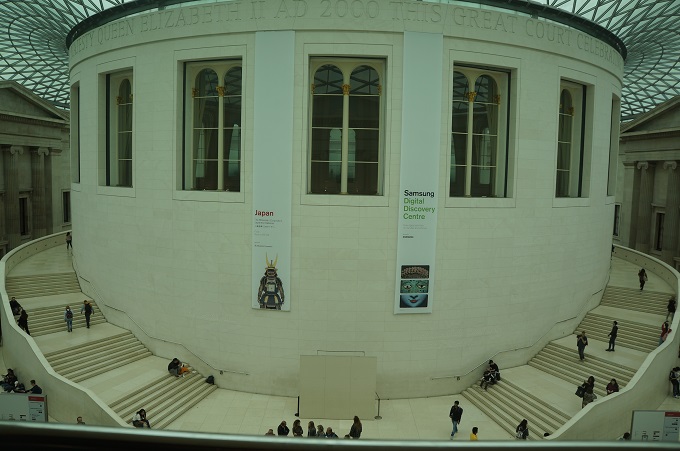
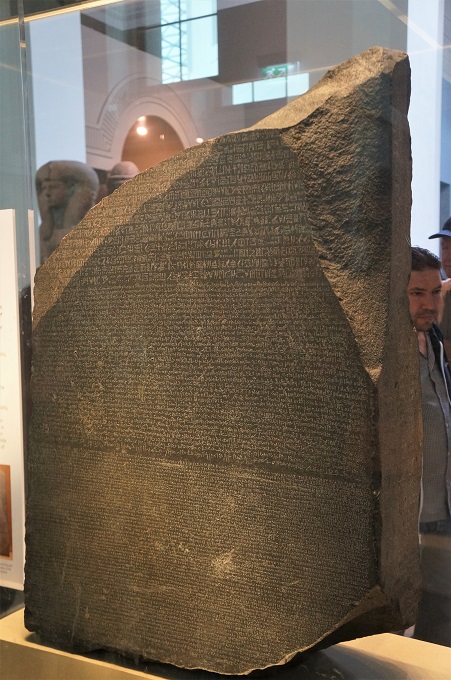
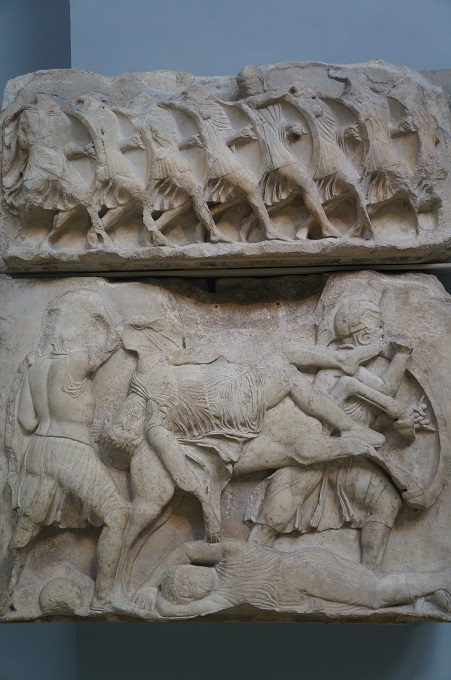
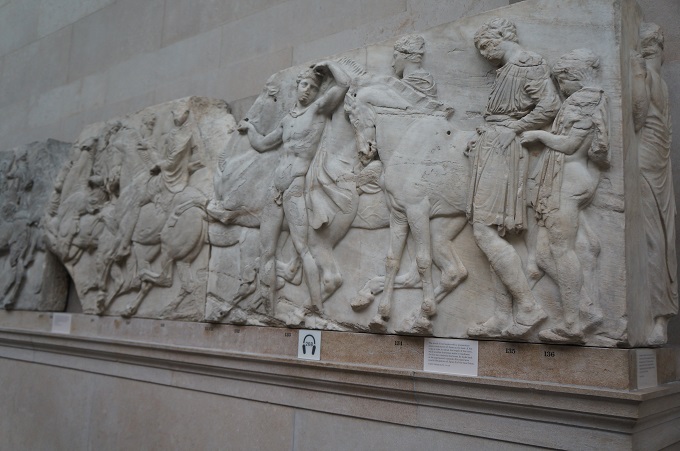
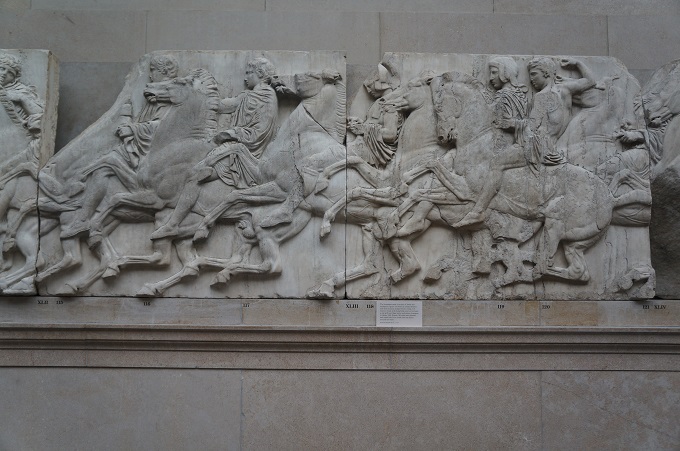
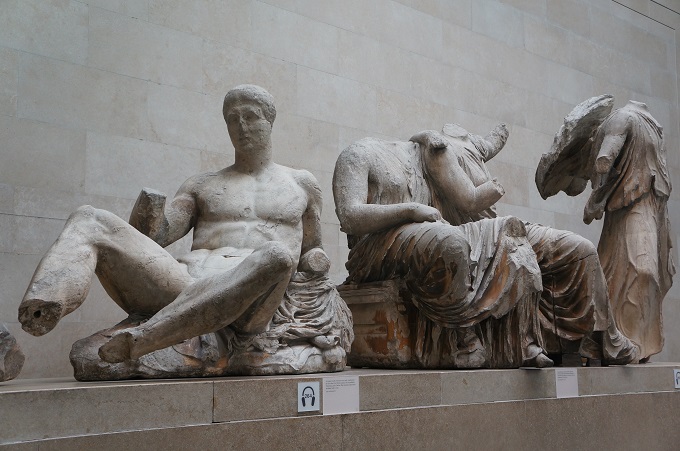
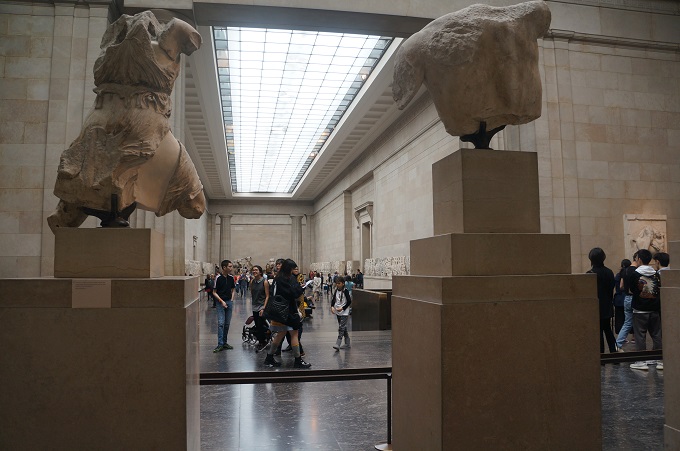
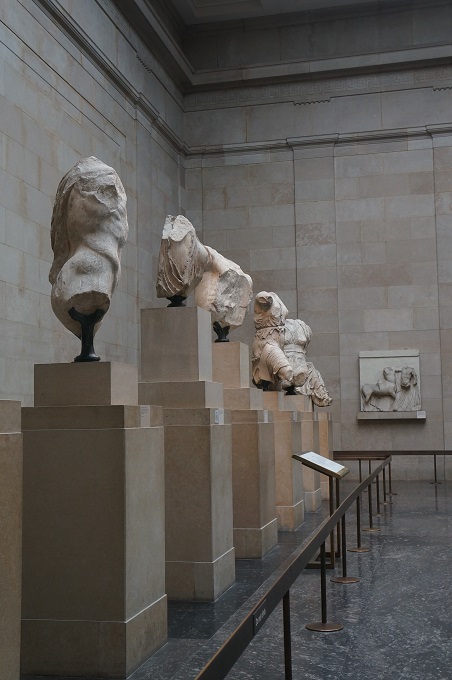
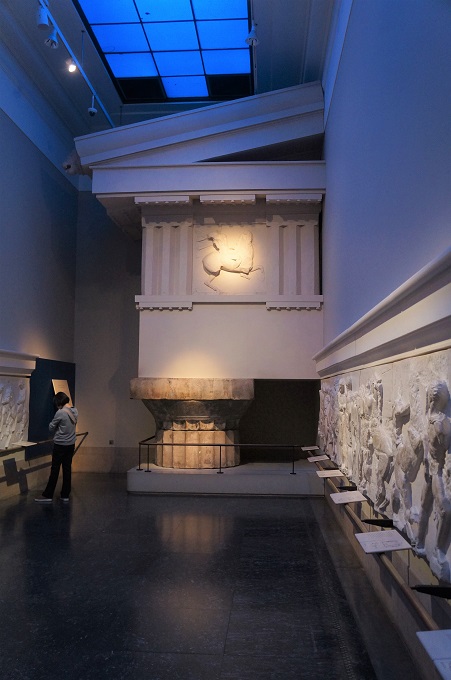
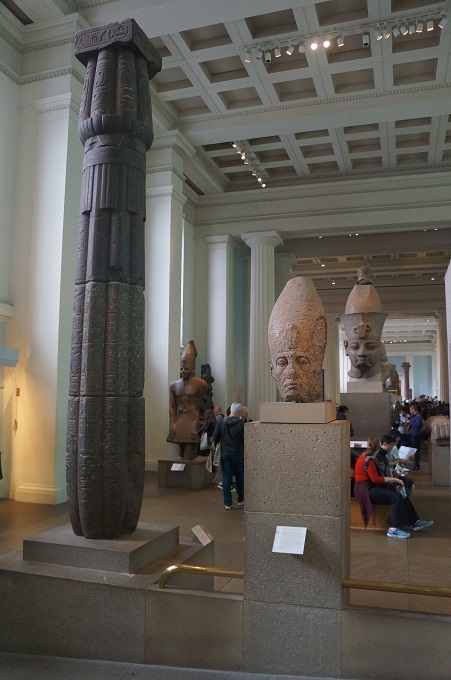
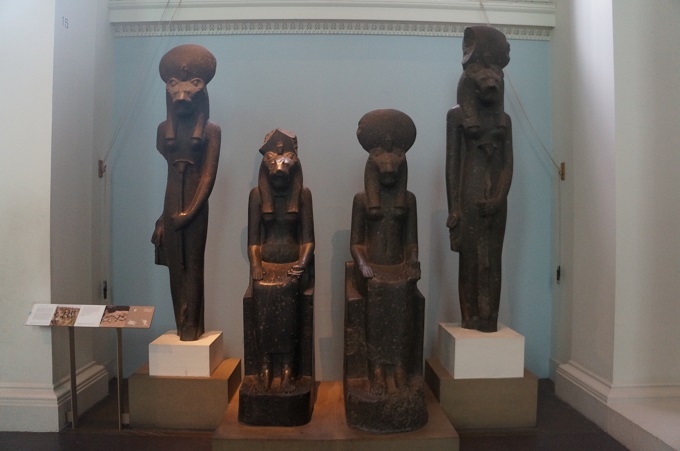
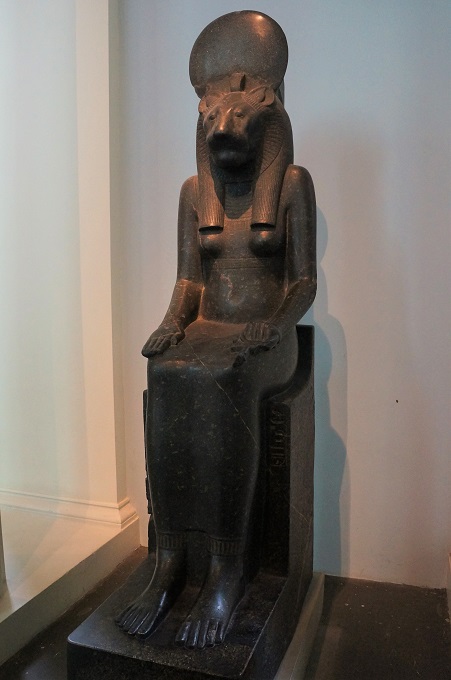
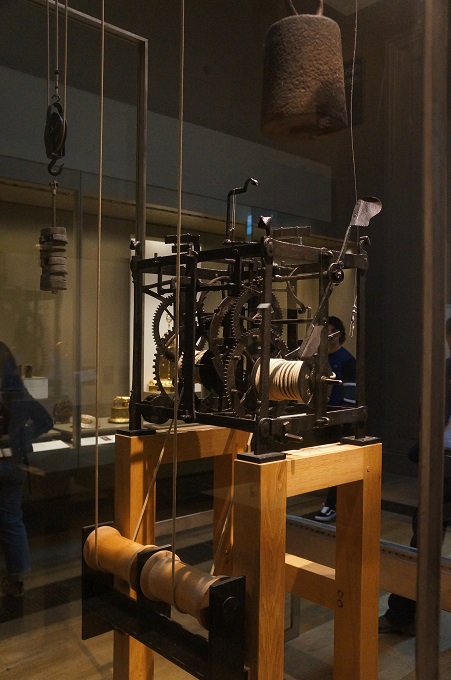
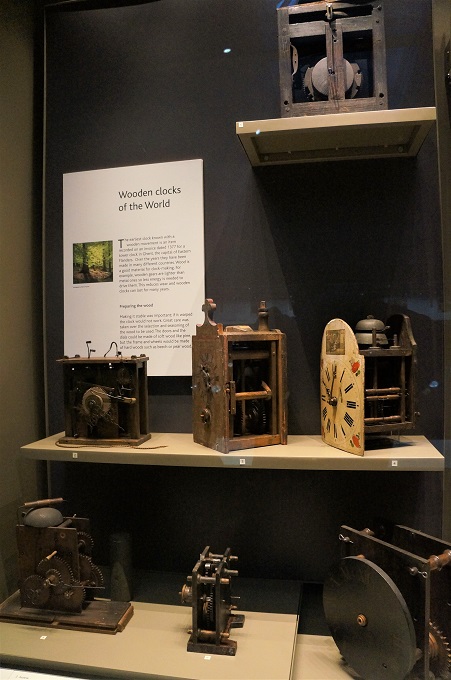
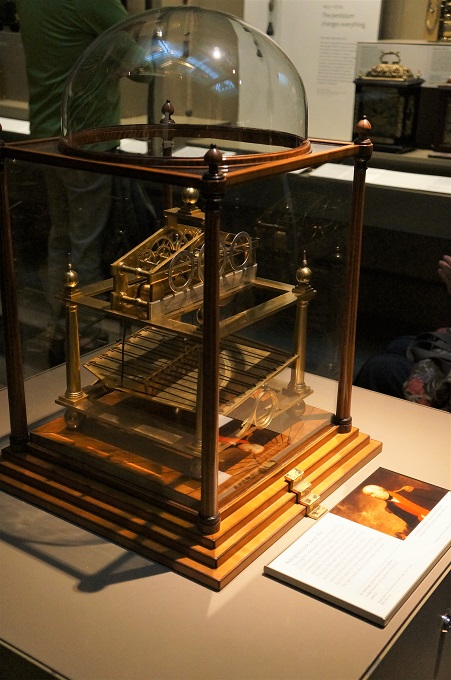
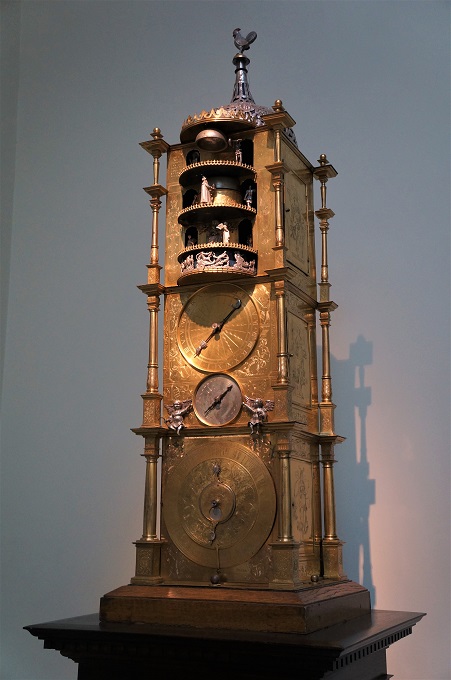
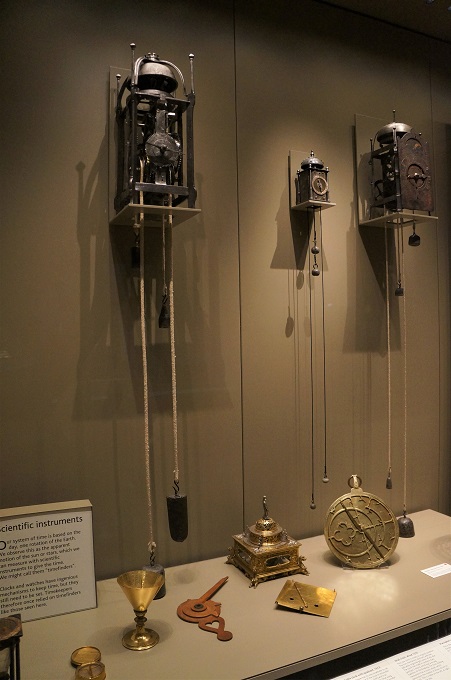
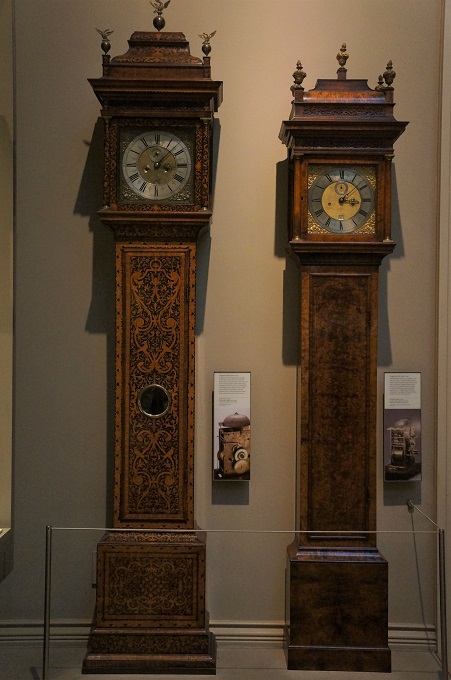
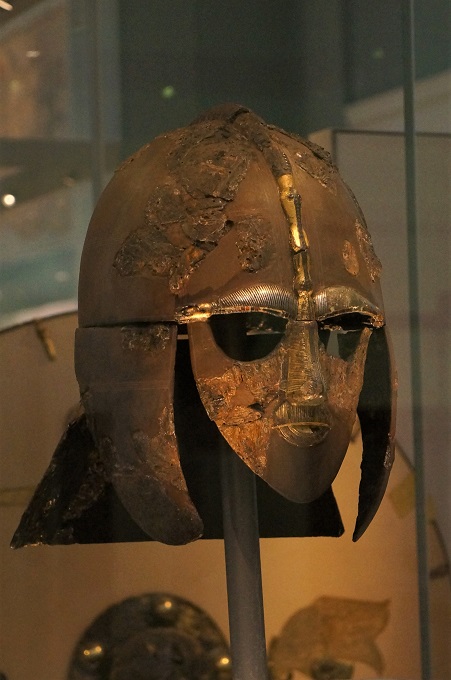
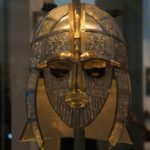
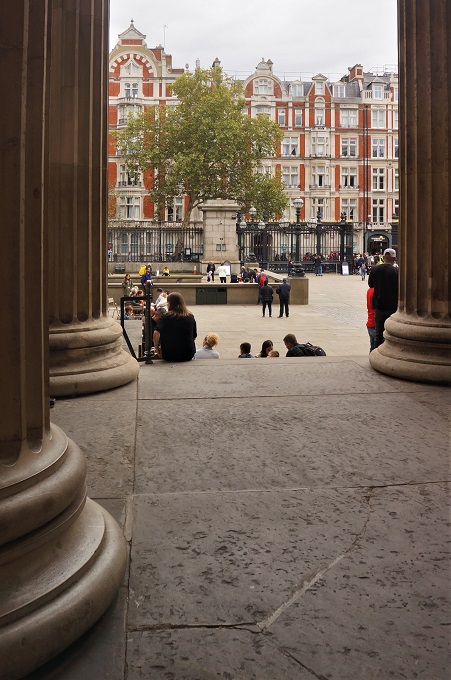
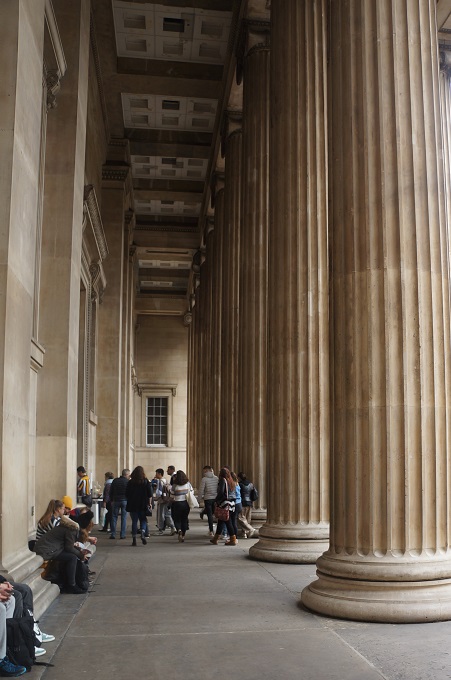
As usual I was as interested in the architecture as much as the contents, particularly Sir Norman Foster’s glass roof to create The Great Courtyard in the year 2000. If I visited the museum every day for the rest of my life I couldn’t absorb all that is on display. I just concentrated on a few things: the Rosetta Stone, Ancient Egypt and the Mummies, the friezes and sculptures of the Parthenon, and clocks and watches. So the photos are a bit of an eclectic mixture.
 

Victorian Tea

There is nothing better for a man than that he should eat and drink, and make his soul enjoy the good of his labour. Ecclesiastes

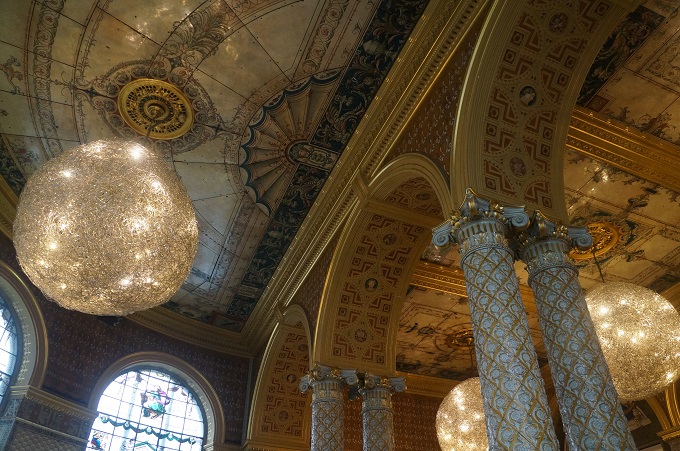
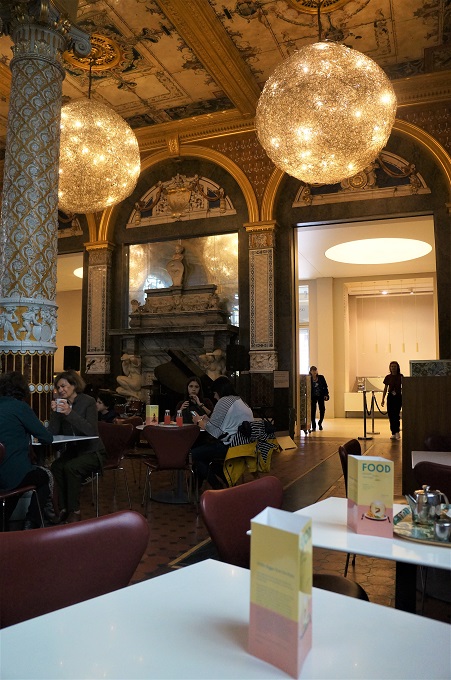
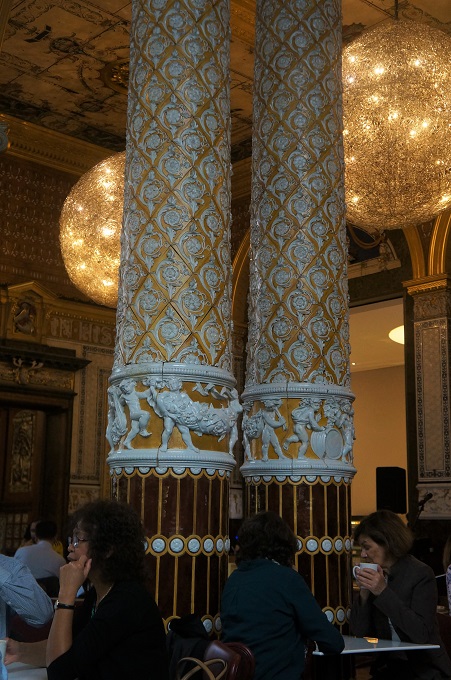
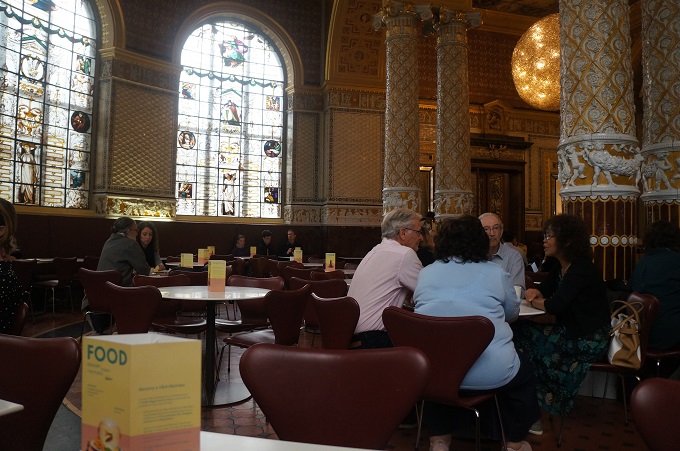
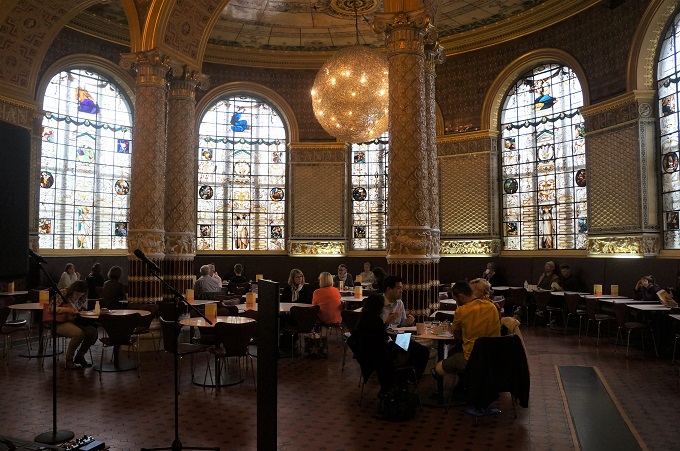
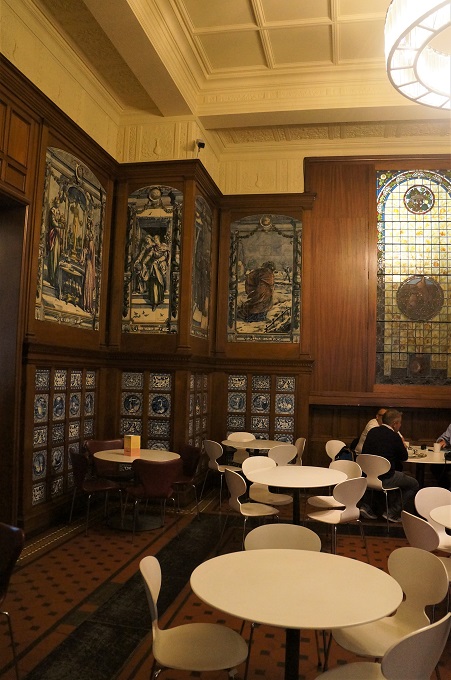
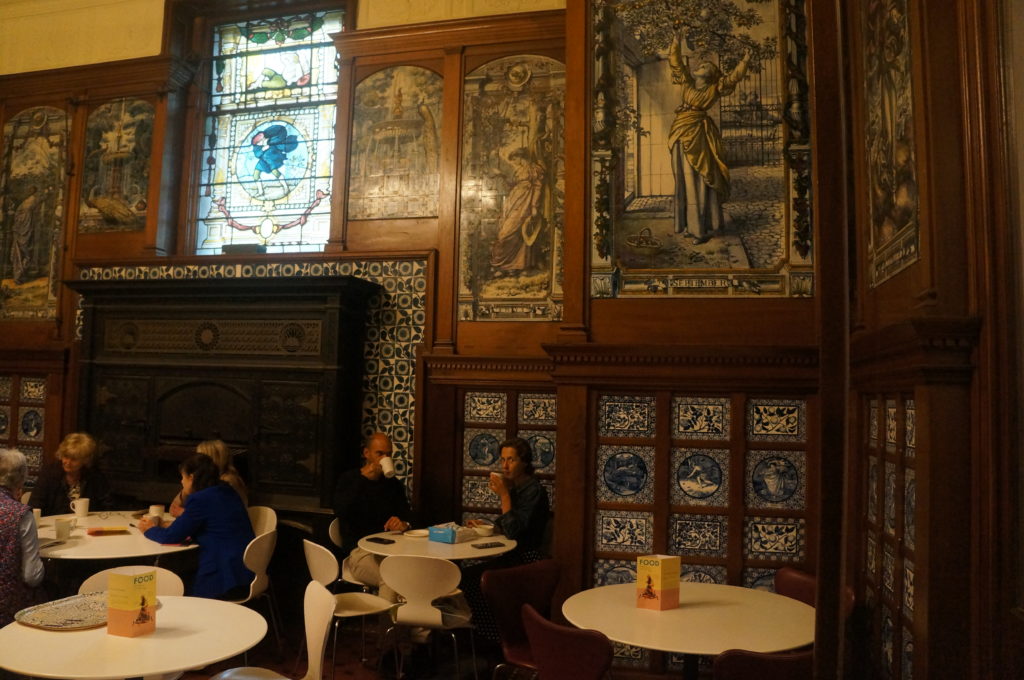
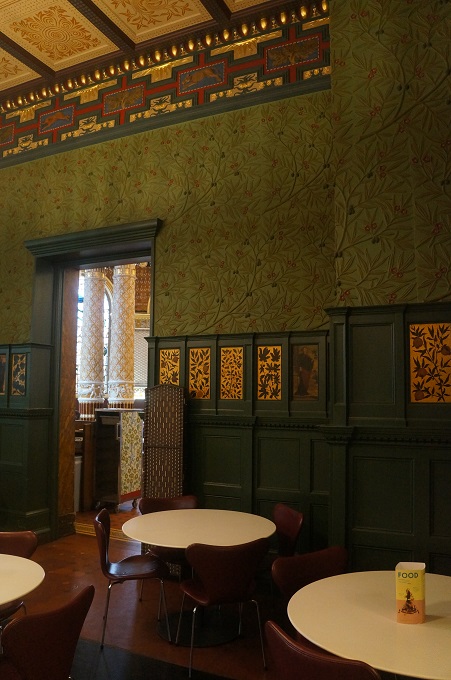
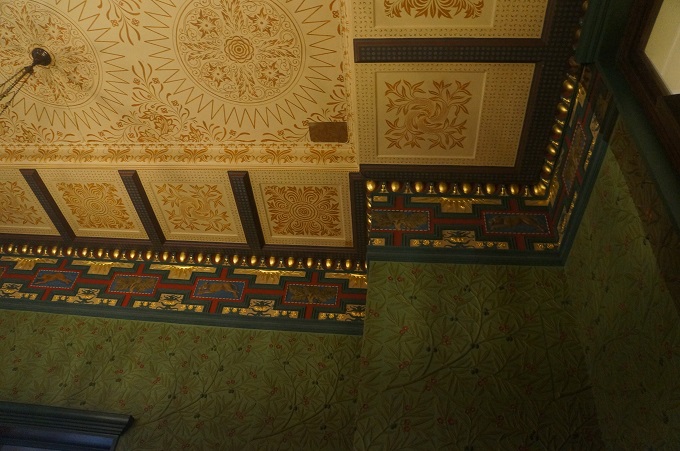
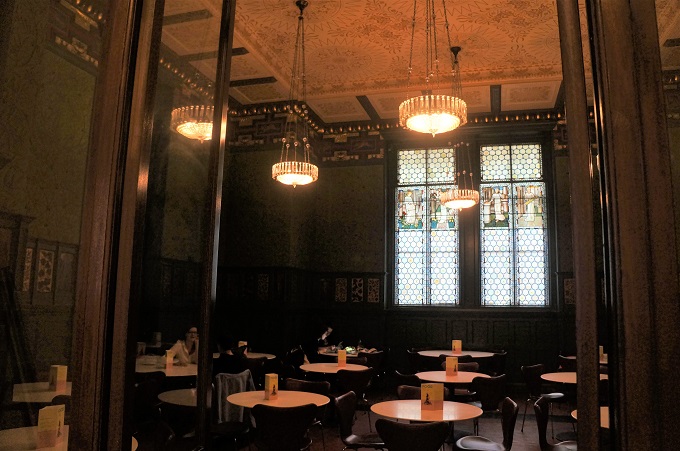
This morning we went for tea at one of my all-time favourite establishments, the world’s oldest museum restaurant at the Victoria and Albert Museum. It has three beautifully designed period rooms, The Gamble, Poynter and Morris Rooms, named after their designers. These rooms date from 1868 although there was a “hideously ugly” refreshment room previous to these dating from 1856.
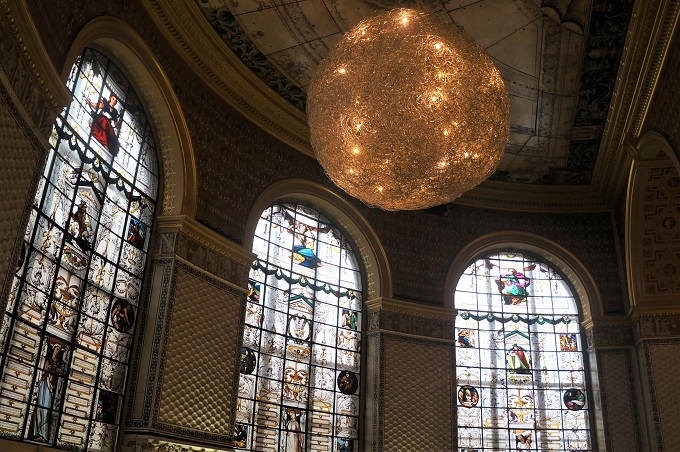
The Gamble Room looks like one of the richly and gaily-adorned cafes of Paris. The walls and columns are covered in colourful glazed ceramic tiles, there are embellishments of cherubs and cupids, grand mirrors, stained glass windows, carved scenes with elephants and camels and an enamelled pressed iron ceiling.

The Poynter Room has glazed ceramics on the walls mostly with a Dutch blue paint. The tiles were painted by female students attending a special porcelain class for ladies at the National Art Training School. As well as patterns of flowers fruit and peacocks, the sets of tiles on the upper walls represent the months and seasons and signs of the zodiac.

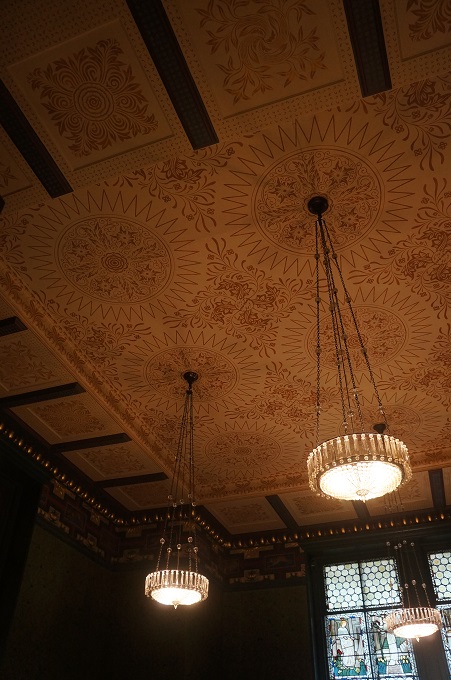
The Morris Room is circled in a plaster relief of olive boughs and a frieze of hounds chasing hares. There are signs of the zodiac and images of medieval women performing domestic tasks.  The ceiling is covered in geometric patterns and floral arabesques pricked directly into the wet plaster. The windows are of bullseye bottle glass and the wall panels a deep forest green. Hints of the organic patterns that would later make Morris famous can be seen in the undulating olive boughs that wind through the room’s plasterwork.

For the record we had Millionaire’s shortbread, Pain au Chocolat and English Breakfast tea. About 500 calories.


Hop-on Hop-off

London

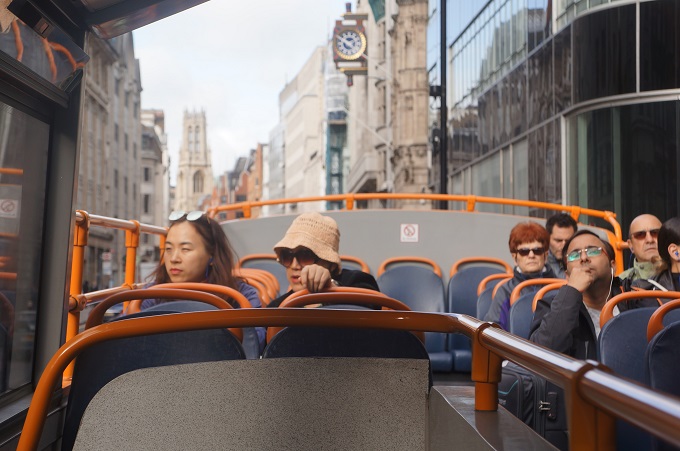
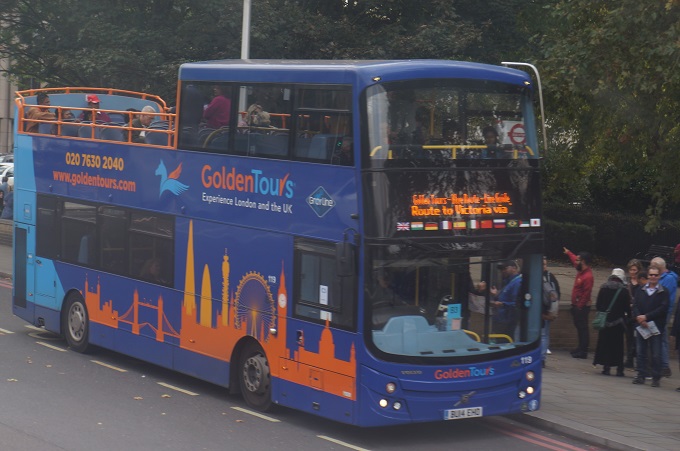
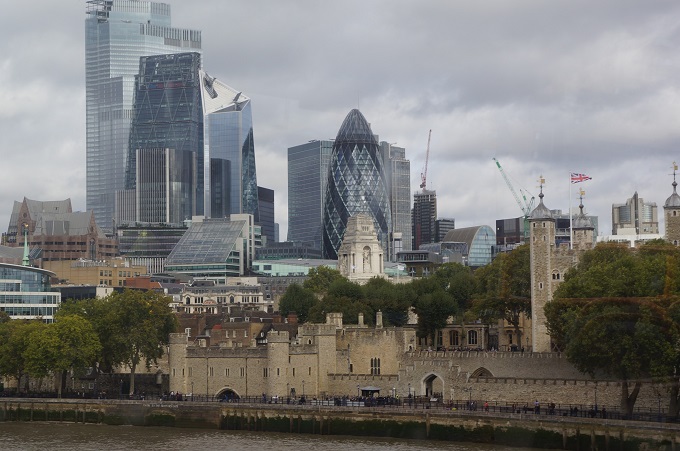
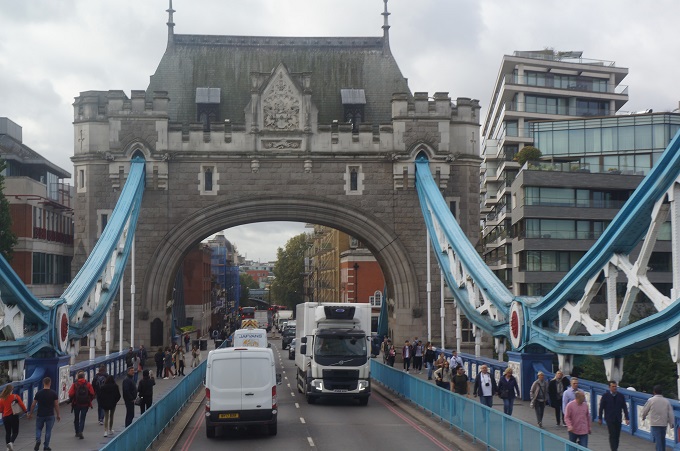
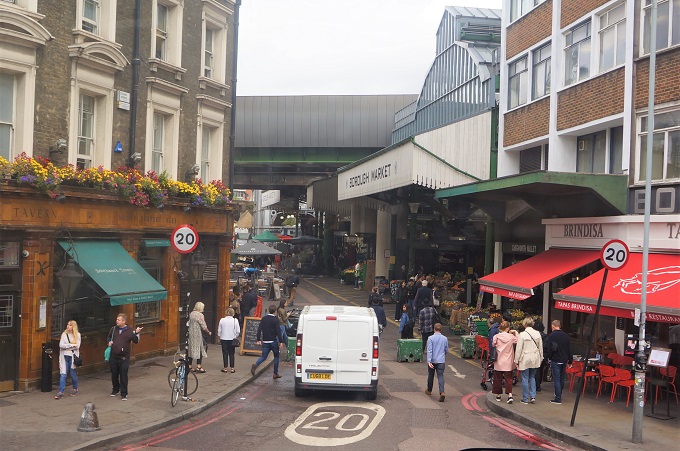
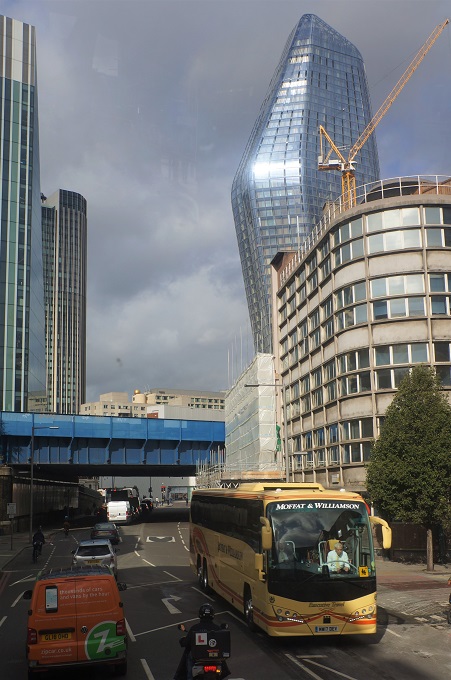
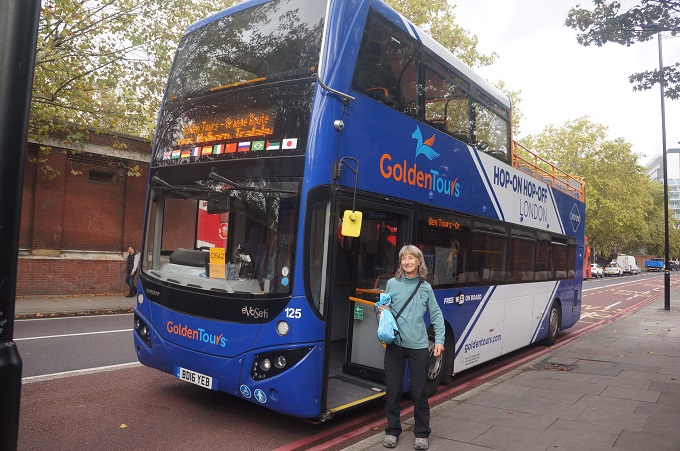
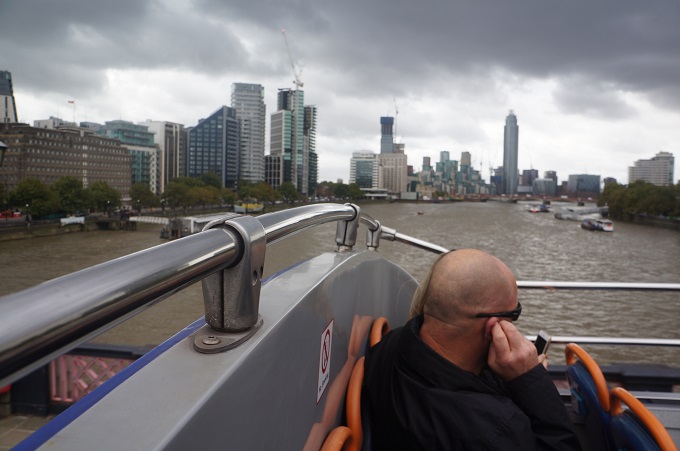
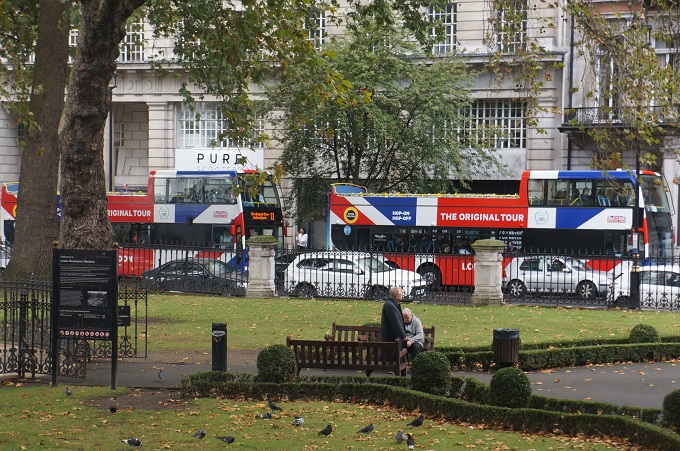
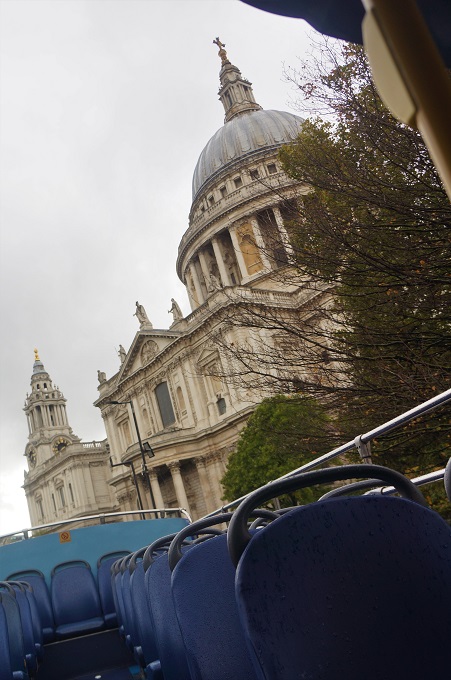
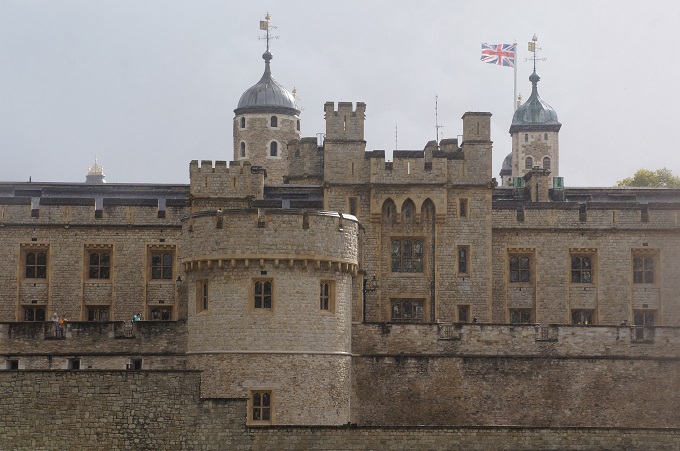
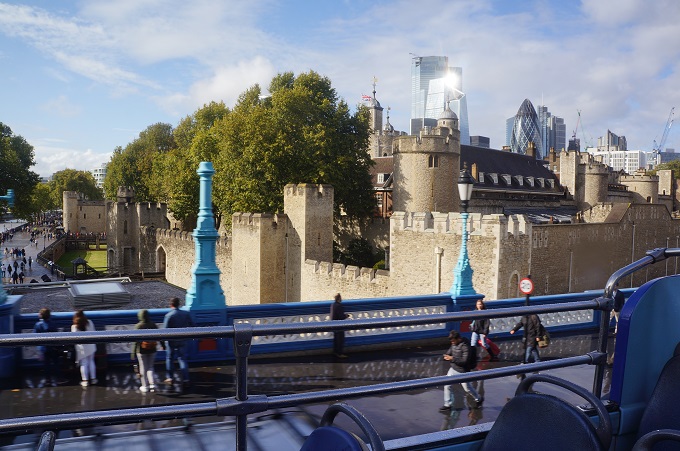
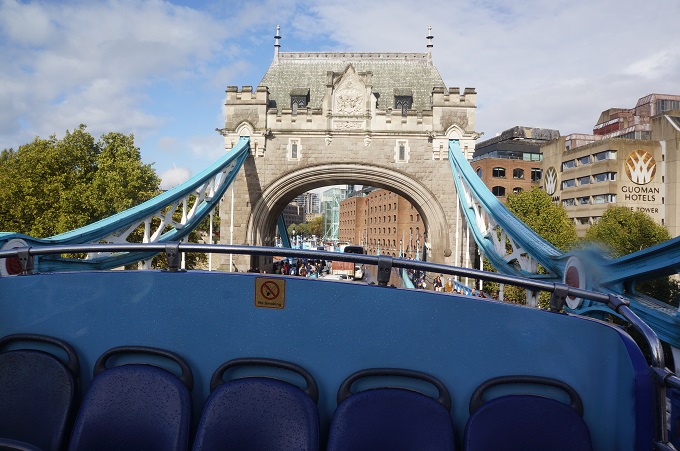
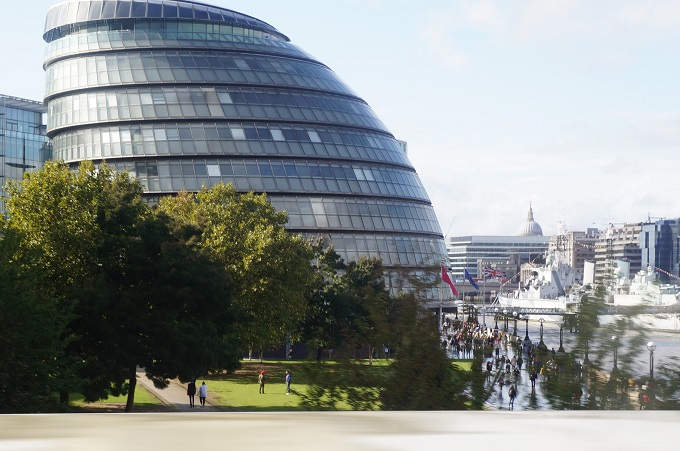
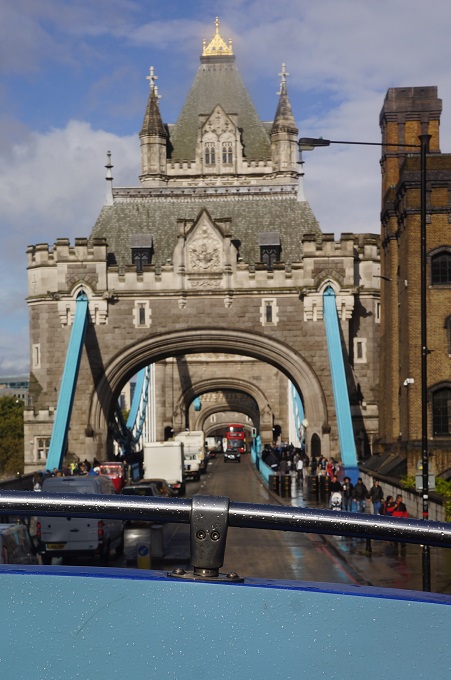
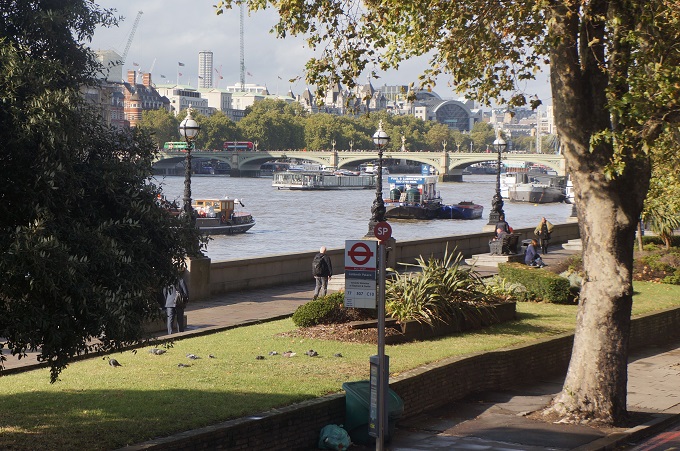
Today we were the consummate tourists and did a Hop-on Hop-off bus tour of London. There are umpteen companies running these so it is a bit of a pig in a poke which one to choose although they all do pretty much the same stuff. Eventually we chose Golden Tours because they had a stop nearest our hotel and had a “grand tour” which took in most of the popular sites. This company had four different day tours and an evening tour and your ticket is valid all day on any and all the tours and you can hop-on/hop-off at 79 different stops. We were on one of the early buses and were in the fact the first ones on, so sat upstairs in the front seats.

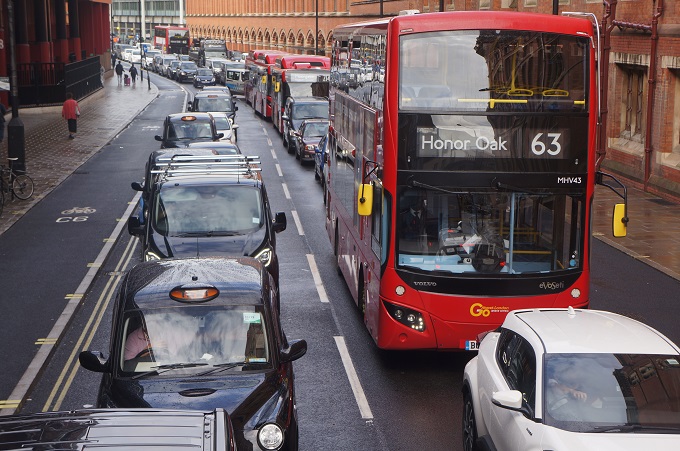
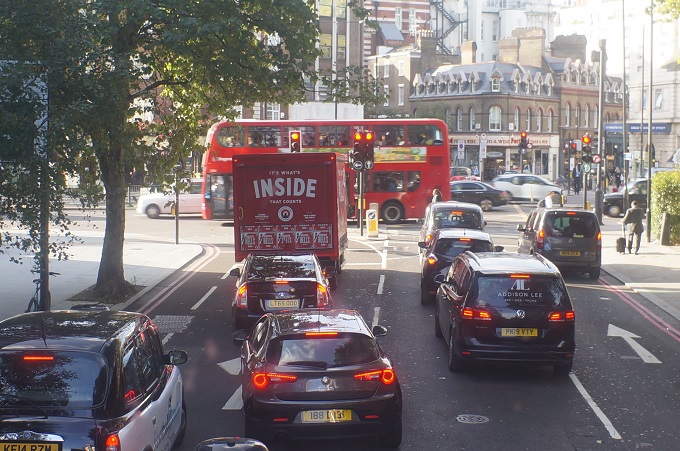
London traffic is of course crazy and the way these huge double decker buses get around is awesome. We reckon private cars make up only about 10% of central London traffic, all the rest are taxis, buses, bicycles, motor bikes/scooters, vans, trucks, ambulances, fire engines and police cars. Many of the cyclists seem to have a death wish, ducking and diving, taking short cuts and taking on the buses without flinching. The tour took three hours and we probably spent a quarter of that time stopped in traffic. This was okay as it gave you plenty of time to look at what was going on, buildings, parks etc.

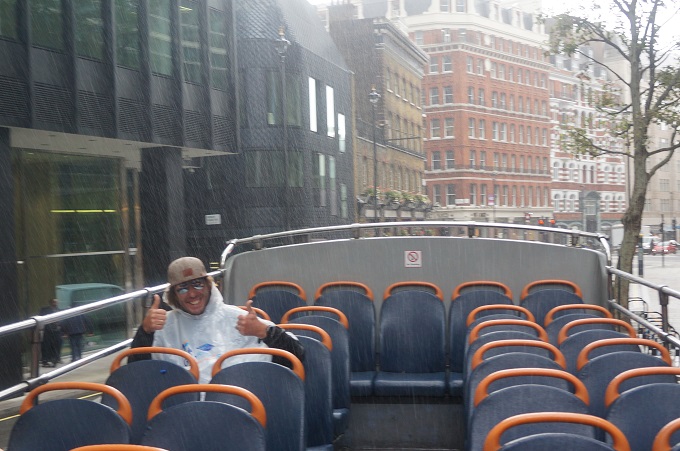
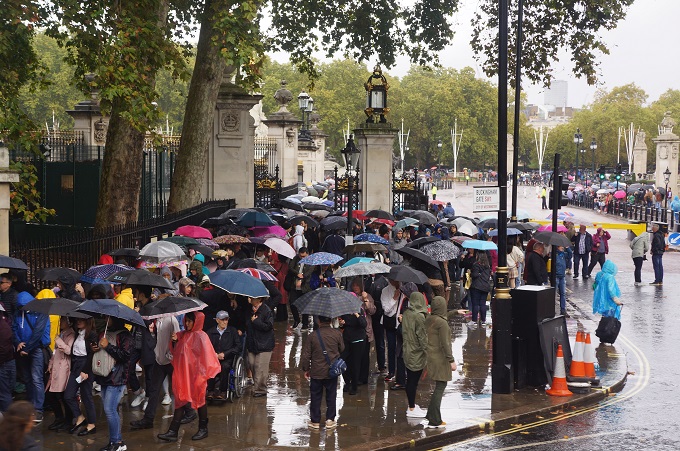
The weather was fine and sunny generally but we had periods of heavy rain which sent everyone on the open part of the upper deck diving for shelter. We each had ear phones for a sporadic commentary and ponchos were available for when it rained. The audio was 90% classical music with just short descriptions of places and buildings, statues, parks etc. The commentary at times did seem to get out of sync with where we actually were. We didn’t hop-on or hop-off at all stayed, on the bus the whole route and got off where we got on near the hotel.

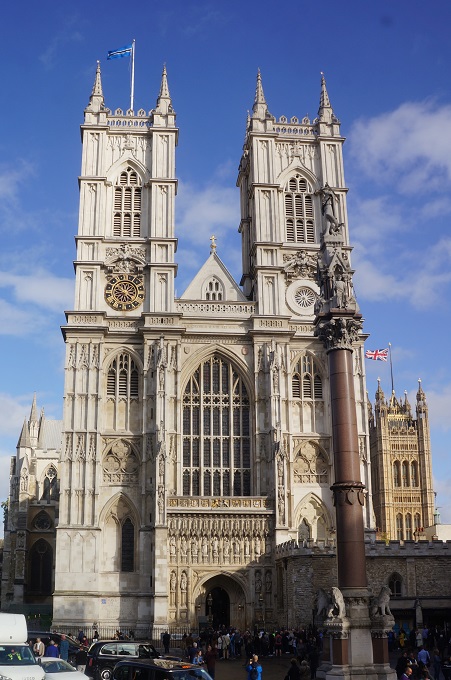
We went back to our room, had some lunch and decided to do it all again. This time at the back of the upper deck and on the opposite side of the bus. Even though this was supposed to be the same tour, in a few places we went different routes. For example in the morning we didn’t pass Westminster Abbey but did in the afternoon. Also some of the commentary we got in the morning we didn’t get in the afternoon but there was a lot of new stuff. I wonder if the descriptive bits are activated by the driver and sometimes he forgets or is just distracted, concentrating on traffic. The afternoon tour also had some heavy showers.

So we spent six hours on buses today and know some of the streets and sites of London reasonably well. At least we can see the big picture of where things are.

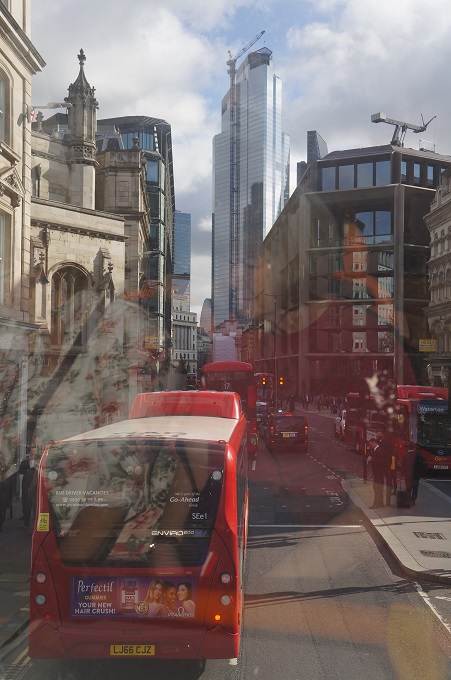
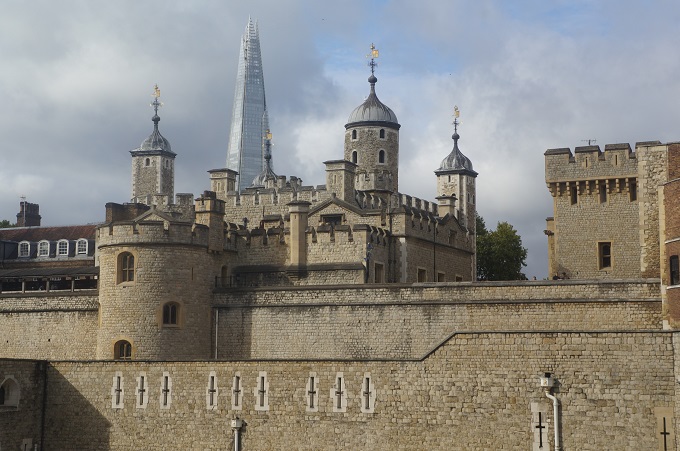
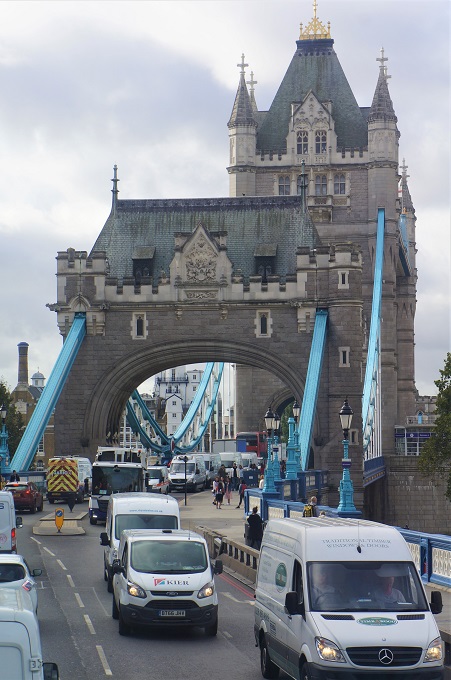
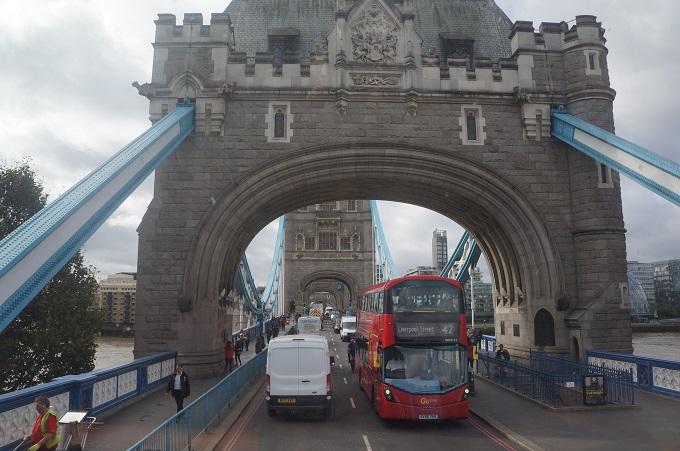
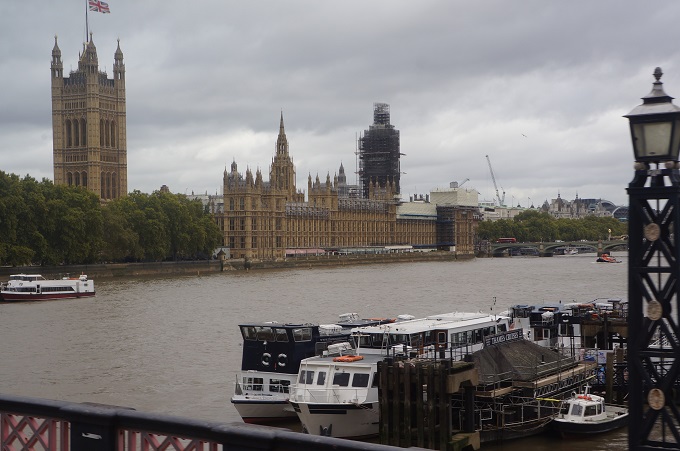
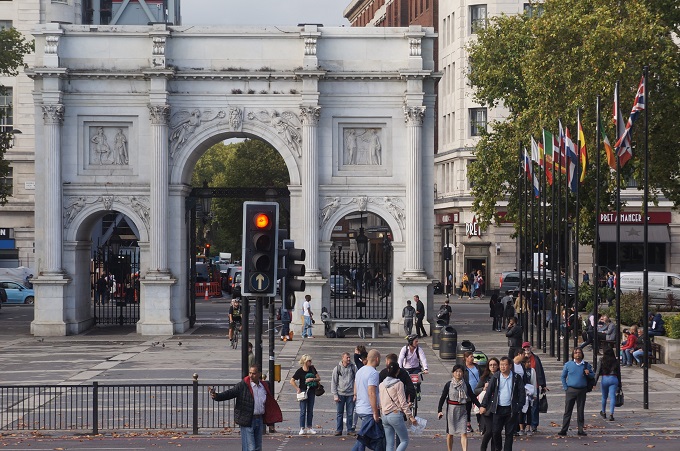
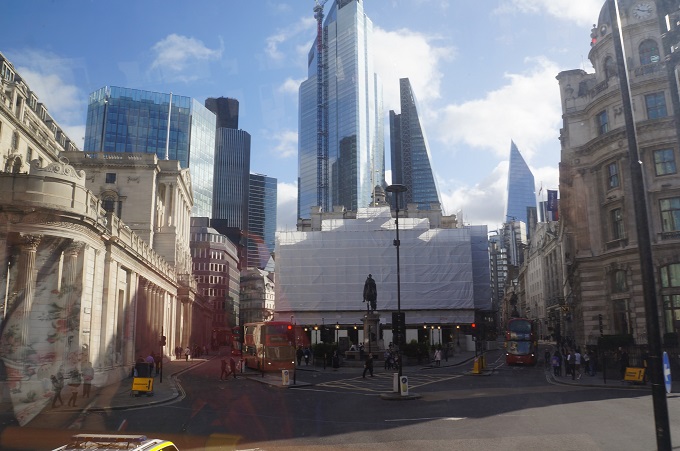
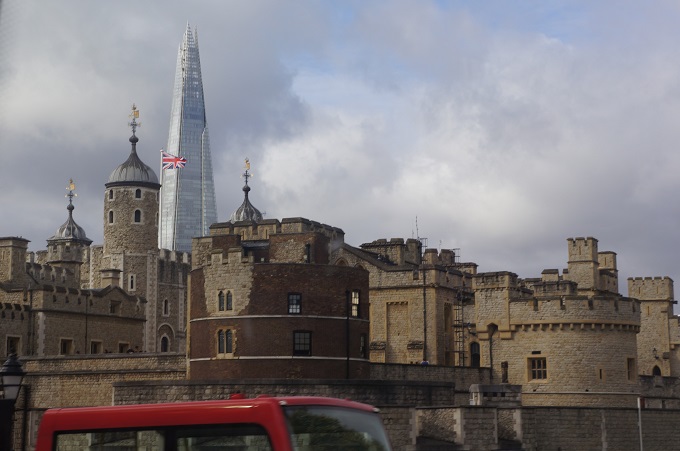
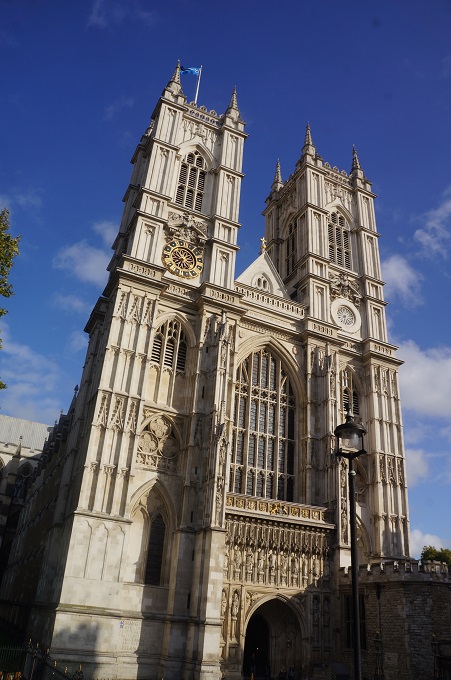
The photos are a bit of a random selection, a mixture from the morning and afternoon, and I haven’t bothered to caption most of them.

The best thing about today was that there was no walking. The worst thing about today was there was no walking. Our minds and our bodies are in two different spaces.


Two to London

Brixham to London

This was just a transition day to get us from South Devon to London.

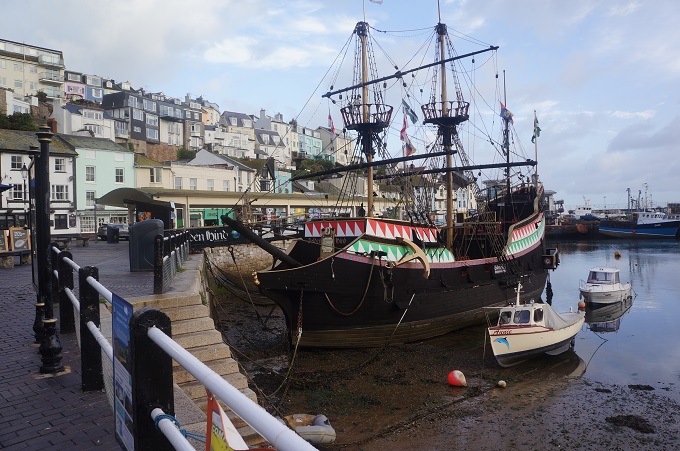
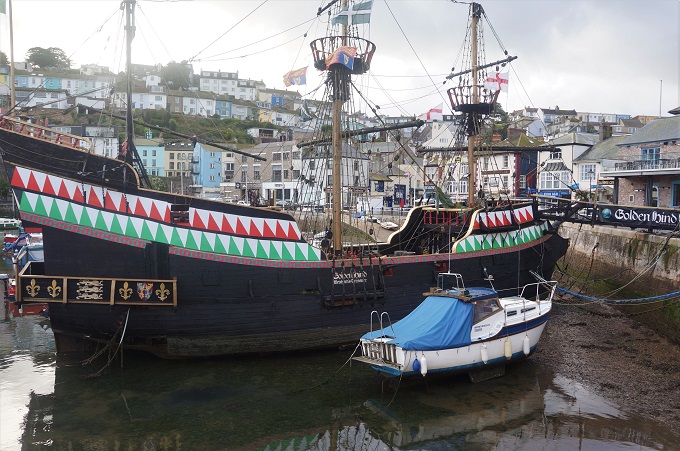
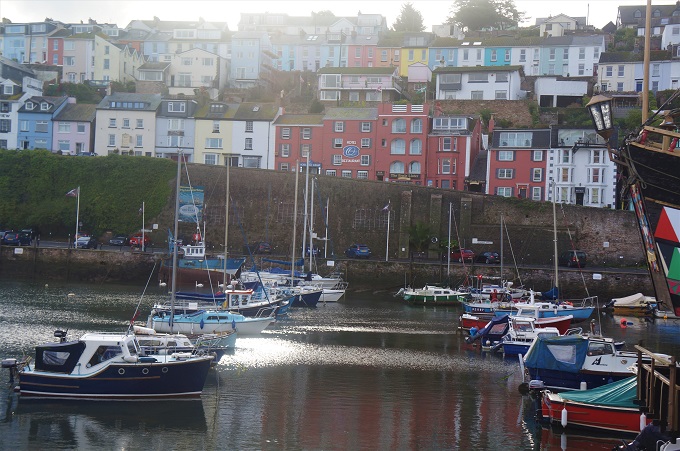
It was a pity but we didn’t have time to explore Brixham. Just a quick look at a 1963 full size replica of the Golden Hind, Sir Francis Drake’s Tudor Galleon which he sailed around the world from 1577 to 1580. This is one of the iconic ships of the age of exploration. This particular replica was made for a television series.

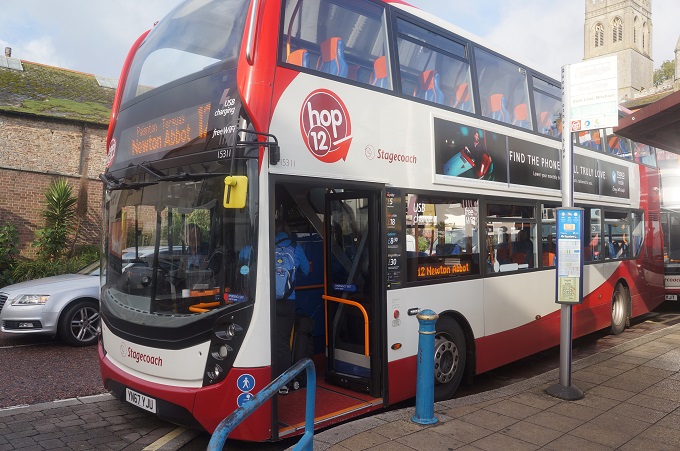
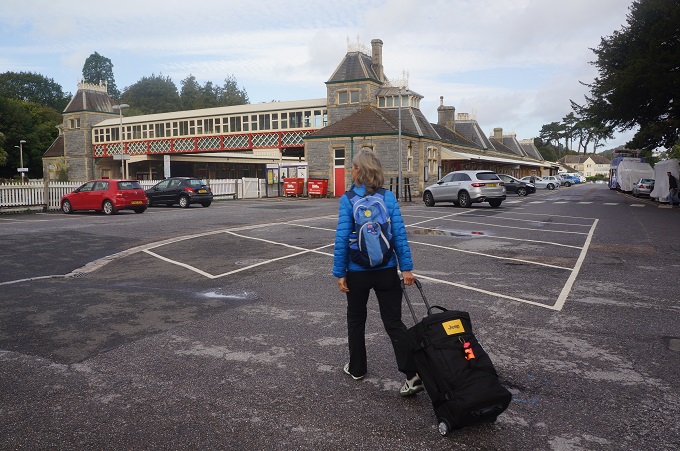
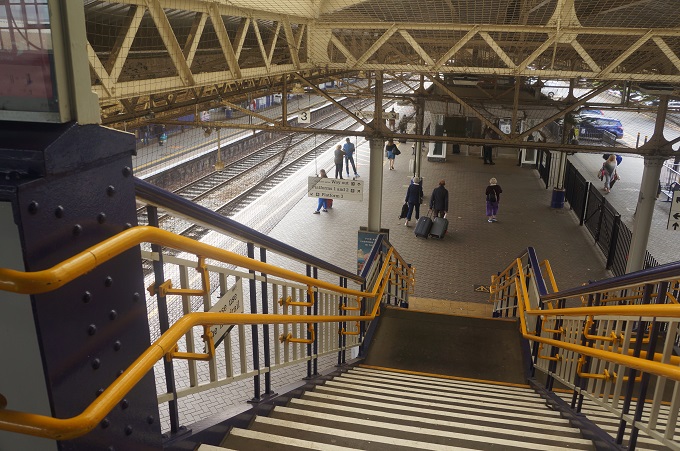
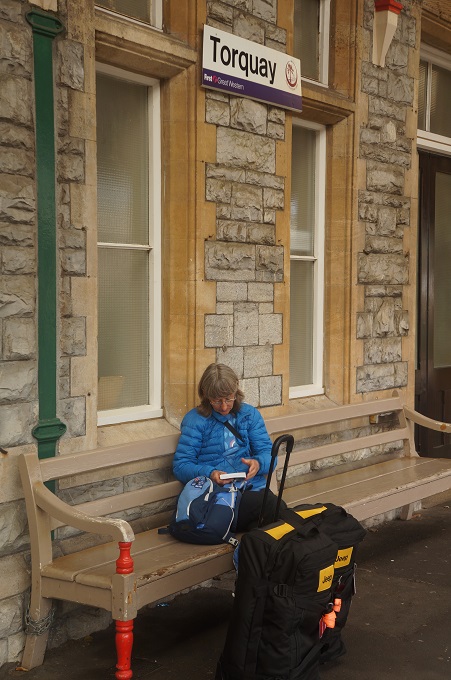
From Brixham we got a Stagecoach Southwest No.12 bus to Torquay Railway Station, about a forty minute trip with about forty stops, for £4.50 each. Once again it would have been nice to explore Torquay but the trains weren’t going to wait for us. I stayed in Torquay in 1989 for four days when the Wellington City Council sent me to a zoo designers’ conference based at Paignton Zoo. I also visited zoos in San Diego, Los Angeles, Bristol, Chester, London and Singapore.

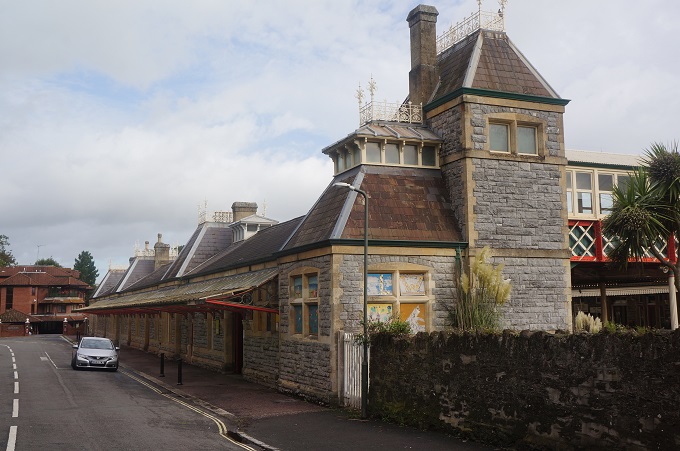
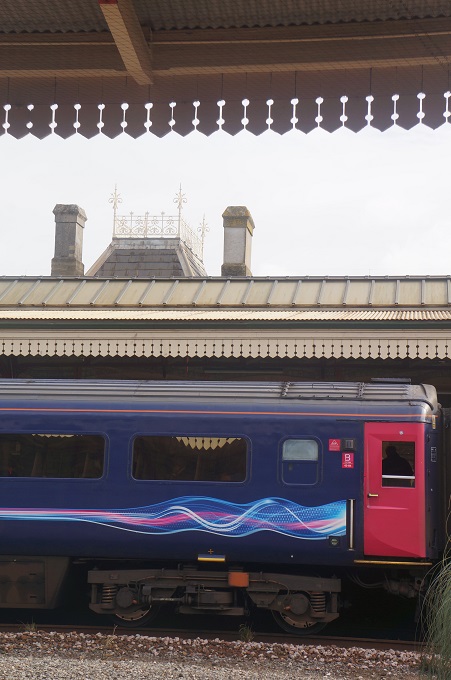
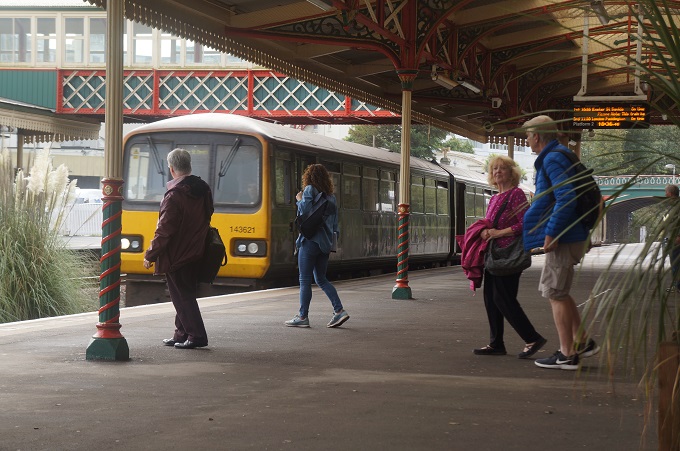
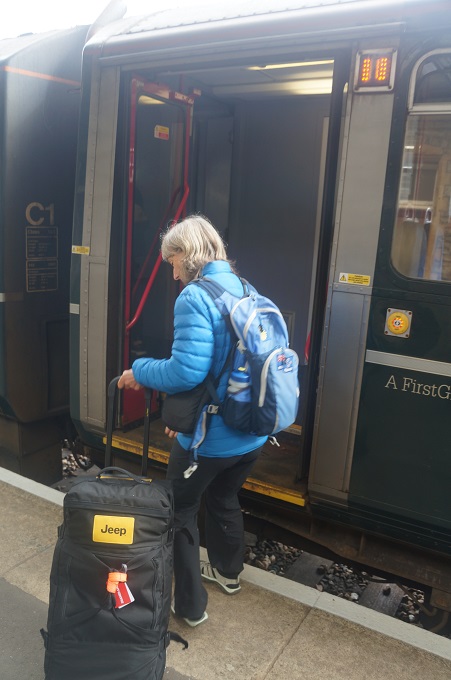
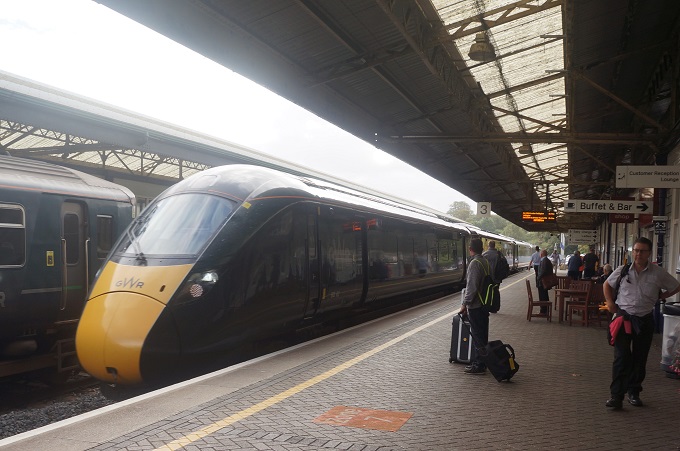
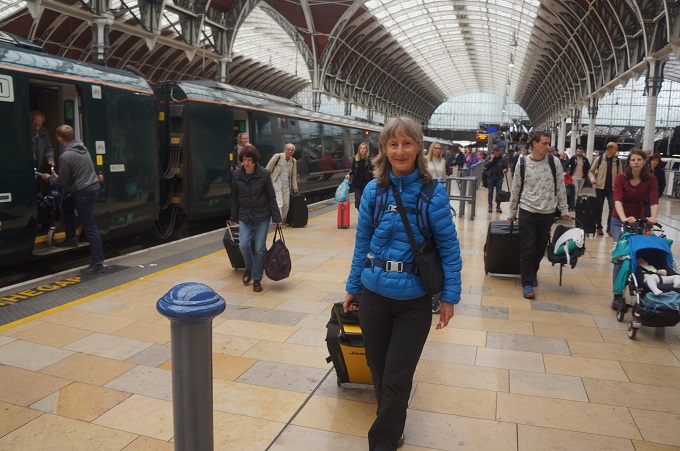
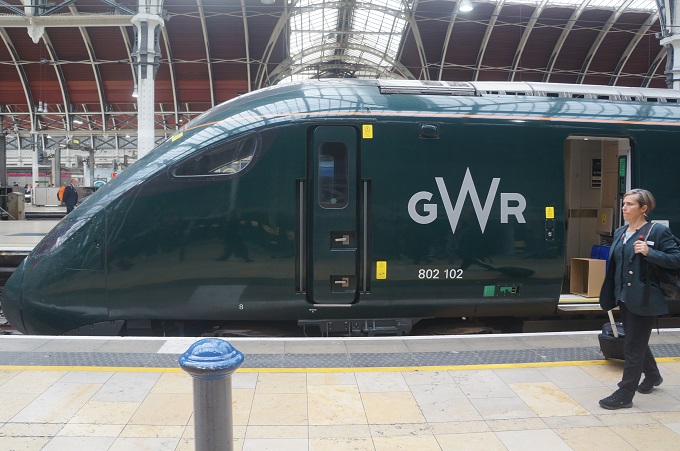
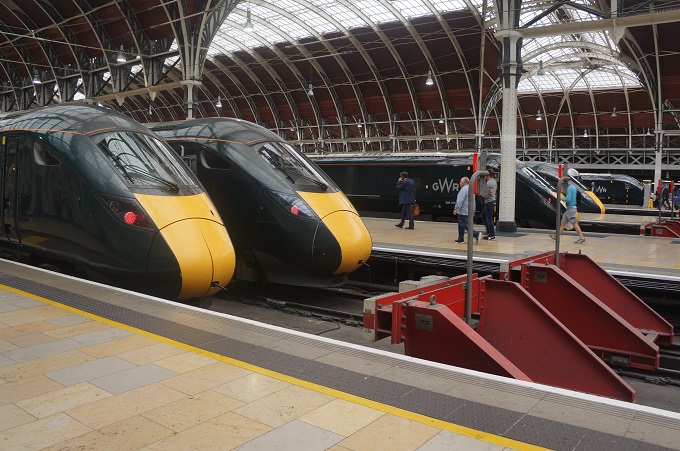
But there was a train to catch. A branch line trip to Abbott Newton where we transferred to “The Cornishman” which had originated in Penzance or Plymouth or somewhere. When we boarded the train was already quite full and there were only three more stops between Torquay and Paddington, a journey of three hours. We had prepaid tickets and once again the machine recognised my credit card (you have to present the same credit card you used online to purchase the tickets) and spat us out our cardboard ticket. You can’t get a ticket from a human in the ticket office as they can only print paper tickets and a cardboard one is required to go through the automatic turnstiles. The combined train fare was £37.50 each.

We used the time on the train to write the blog post “Lies, Damn Lies, and Statistics”. As well as sleeping and eating our pre-purchased lunch.

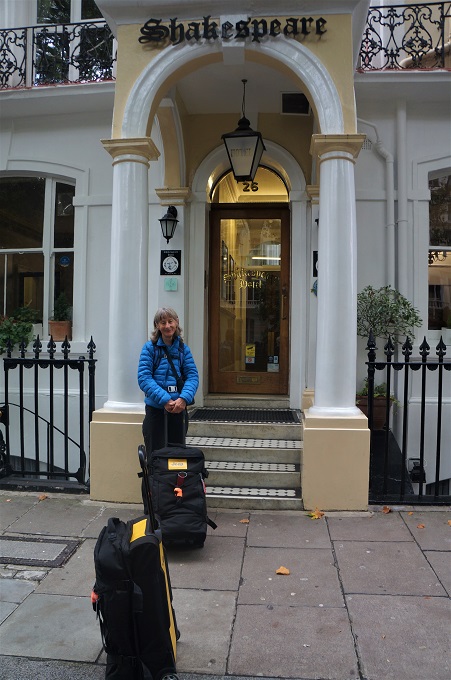
We are back at the Shakespeare Hotel, for the fourth time in two years, and planning what to do for the next few days. We have three full days in London, Fri, Sat and Sun before flying out to Perth on Monday.


Lies, Damn Lies and Statistics

Number of walking days: 13
Number of rest days: 1 – Dartmouth
Number of kilometres walked: over 300 (not including rest days)
Number of steps taken: 500,000+
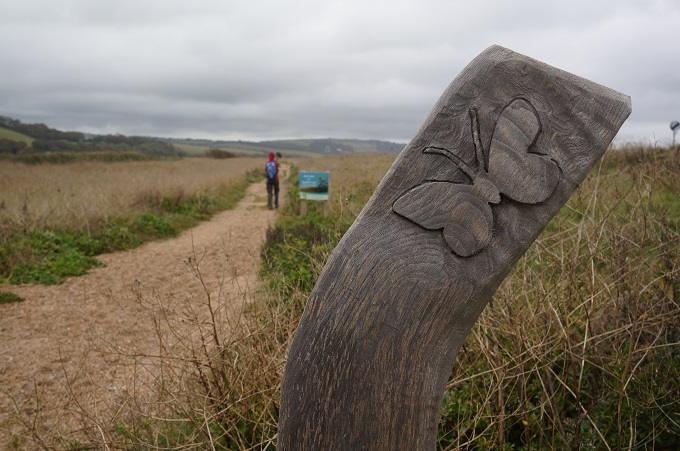
Number of SWCP signs we saw: 1236
Number of SWCP signs we missed: unknown but far too many
Number of bridges crossed: 151
Number of ferries: 5
Number of gates opened and closed: 187
Number of stiles climbed: 27
Number of steps climbed: 2,600
Number of swims: 0
Number of metres climbed: 7,990 (nearly Mt Everest from sea level)
Highest cliff climbed: Great Hangman 318m
Most metres climbed in a day: 1,518m
Least metres climbed in a day: 17m
Number of times chased by cows: 0 (they are better behaved in Devon)
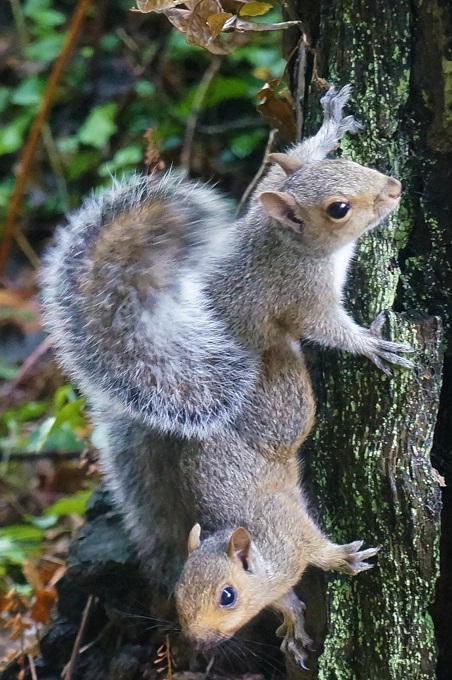
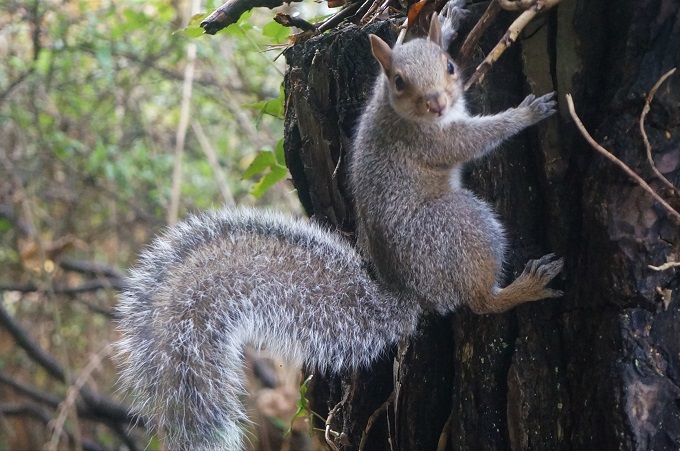
Cutest animals we saw: grey squirrels
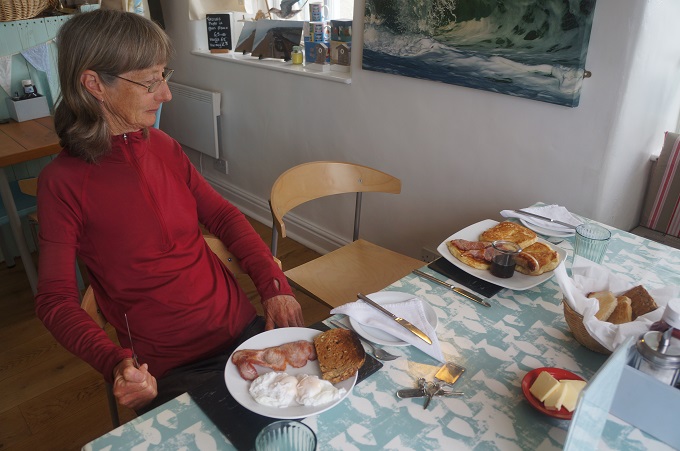
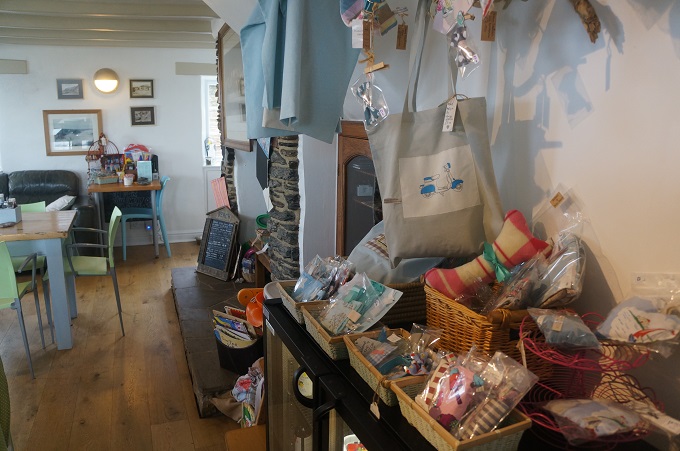
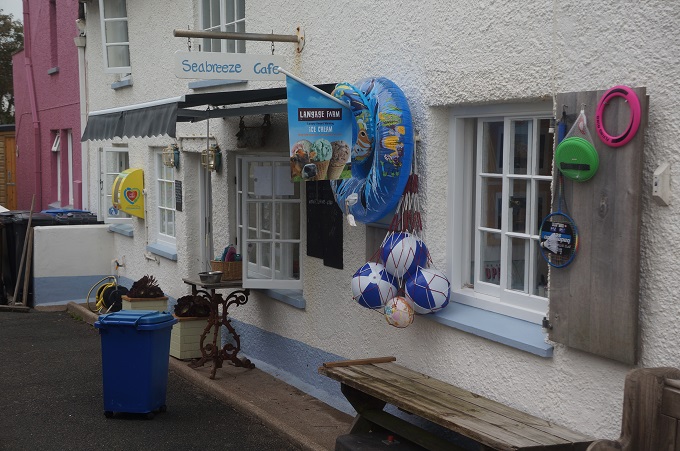
Best breakfast: Sea Breeze Plymouth, thank you Anne
Best dinner: Wheelhouse Restaurant, Minehead, Pork and apple pie
Smallest breakfast: Salcombe
Number of poached eggs eaten: 24 each
Most expensive packed lunch: Noss Mayo, £6.50
Prettiest town: Porlock
Ugliest town: Paignton
Longest day: 27 km Woolacombe to Braunton
Shortest day: Minehead to Lynmouth14 km
Place I’d like most to go back to: Brixham
Place I will never go back to: Paignton
Number of beds slept in: 16
Narrowest bed slept in: Salcombe
Most comfortable bed: the one at the end of a tiring day
Least comfortable bed: the ones on rest days
Number of times we really got lost: 1
Number of times we couldn’t find our B & B: 8 (tired brain fade at the end of the day)
Number of times our bags left before us: 2
Number of places with no wi-fi: 0
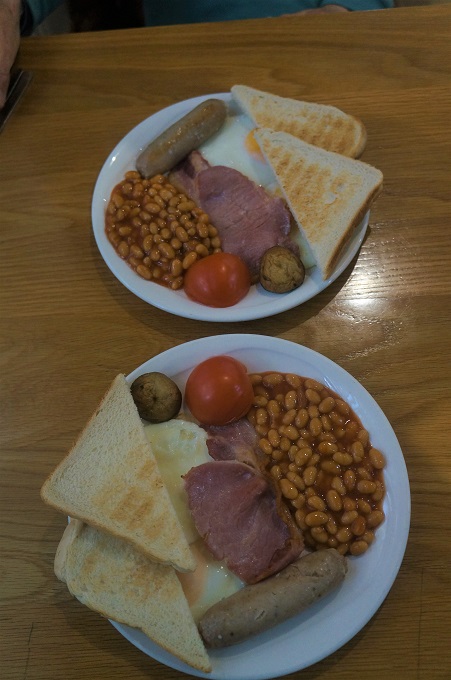
Number of days until we got sick of Full English Breakfast: 3
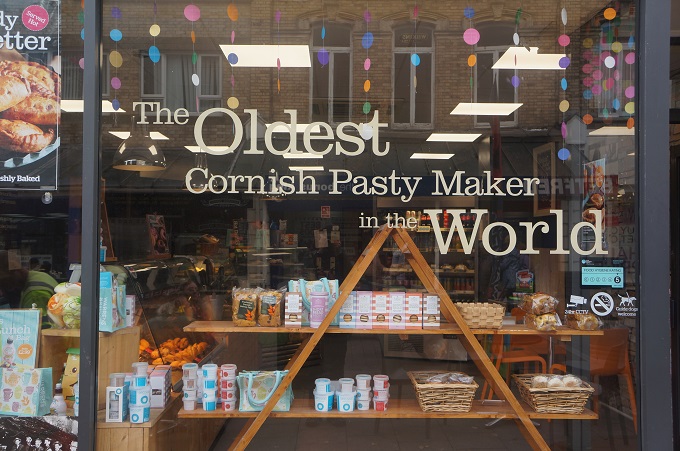
Number of Cornish Pasties eaten: 0, went off them last year, too salty for us
Number of Cream Teas: 2, complementary at B & B when we arrived
Number of glasses of wine/beer/cider: 4 each (a very dry walk!)
Number of desserts eaten: 0 (gained too much weight last year)
Number of times a dog wanted our lunch: 4
Number of things we lost: sun glasses, sun screen
Number of things we left behind in hotel rooms: 0 – not bad for us
The most luxurious accom: Instow Barton B & B and Dartmouth Boutique B & B
The squeakiest floors: Worswell Barton Farmhouse Noss Mayo
Number of kisses Paul got at a kissing gate: 0 (cows, sheep and dogs don’t count)
Number of kisses Barbara got at a kissing gate: lost count
Number of boat harbours we passed through:
Number of nettle stings: only 1, we learnt from last year
Number of Iron Age Hill Forts we crossed: 1
Number of Iron Age Hill Forts we actually recognised: 0
Number of photographs taken by Paul: 2054
Number of photographs taken by Barbara: 54
Articles of clothing not worn: 40%
Number of rivers waded through: 1 – The Erme
Number of times we got absolutely saturated: 1 – Torcross to Dartmouth
Best new technology: South West Coast Path phone app (saved us dozens of times)
Most obsolete must have: paper maps (didn’t look at ours once)
Most favourite drink during the day: fruit smoothie (Pau)
Most favourite drink during the day: Kleen Kanteen coffee (Barbara)
Number of times we ran out of water: 1

Chip ‘n’ Dale

Dartmouth to Brixham, 20kms, 912m ascending, 3762 ascending accumulative

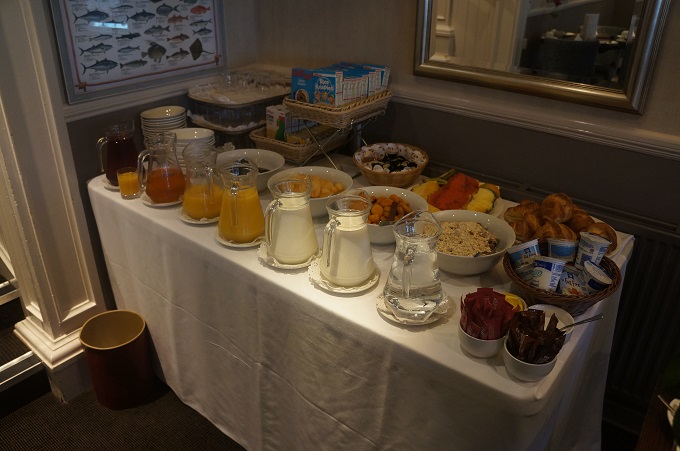
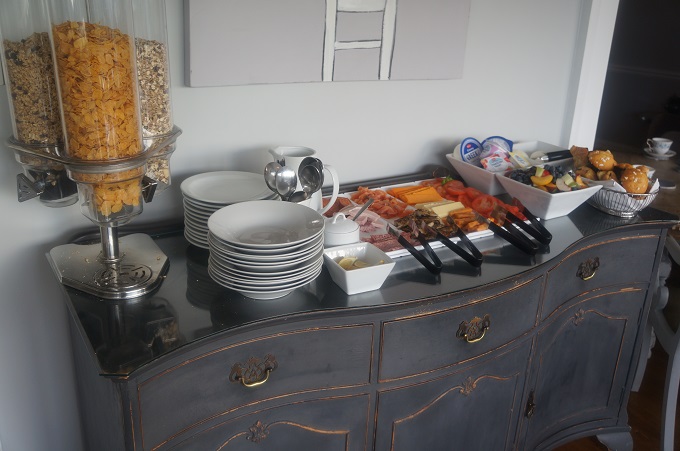
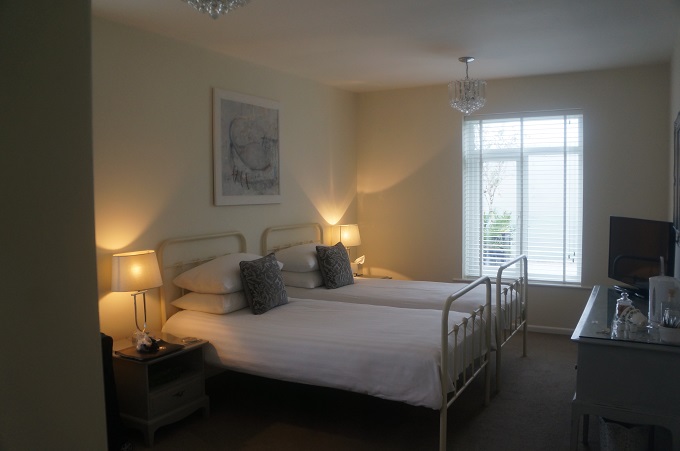
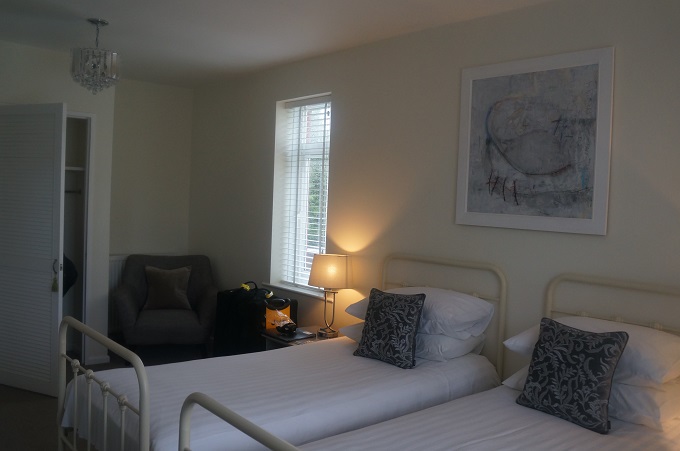
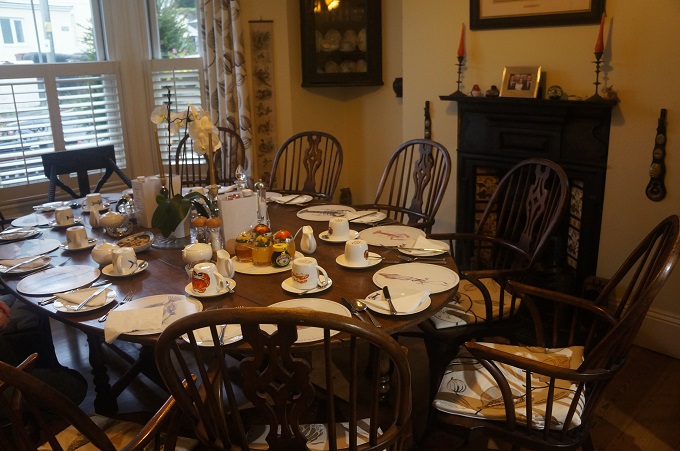
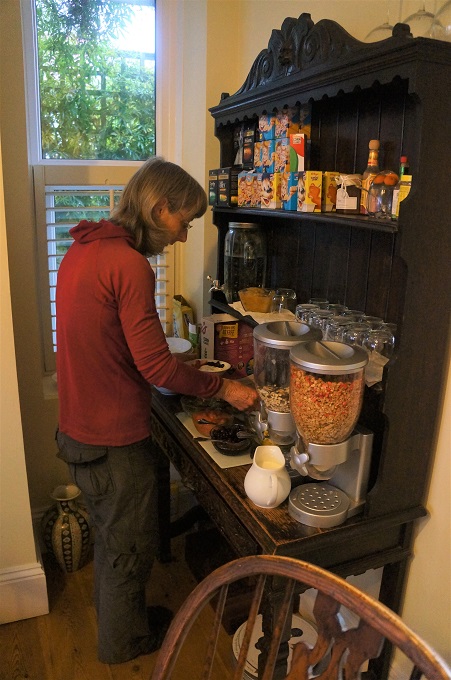
The Dartmouth Boutique B & B was the first accommodation not to offer a cooked breakfast. Instead they had a very good continental breakfast; a wide choice of juices, muesli, yoghurt and fresh fruit. A great selection of ham, salami, cheeses, boiled egg, toast and jam, tea and coffee. If you were still hungry – croissants and muffins. This was a refreshing change from the usual English cooked breakfast.

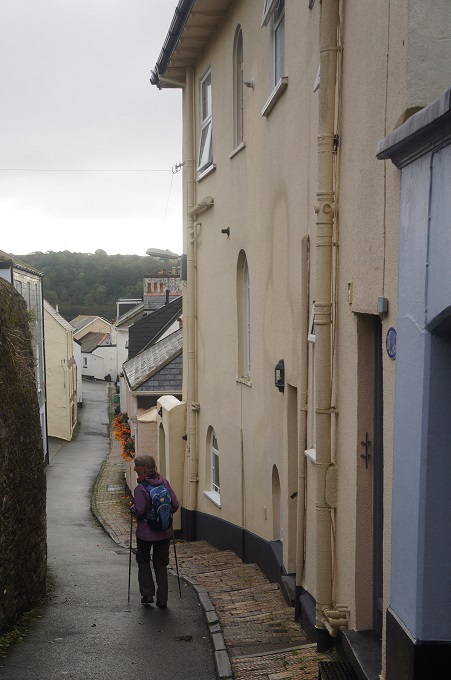
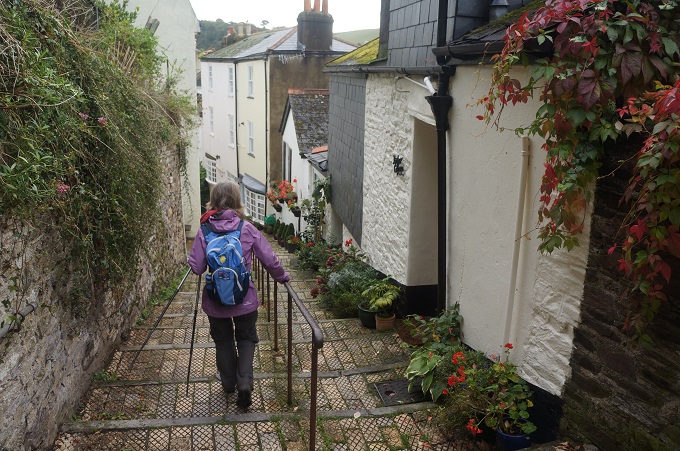
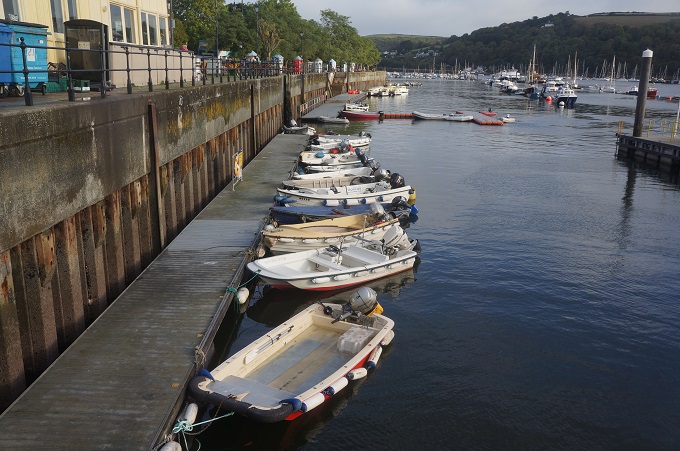
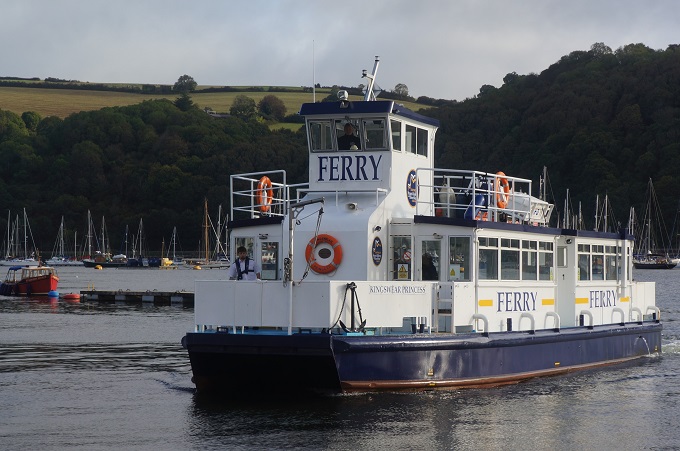
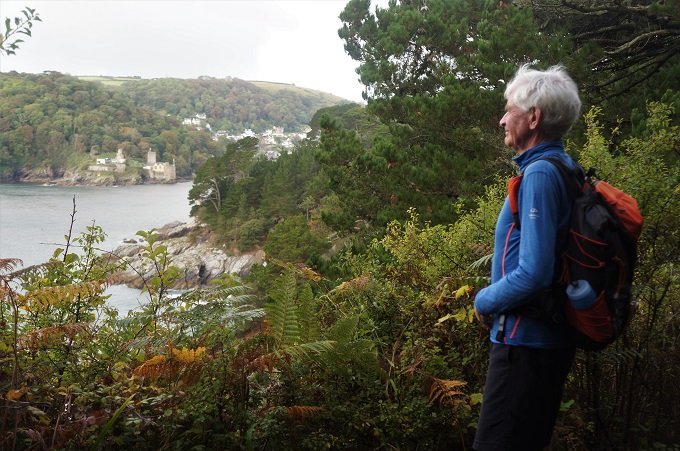
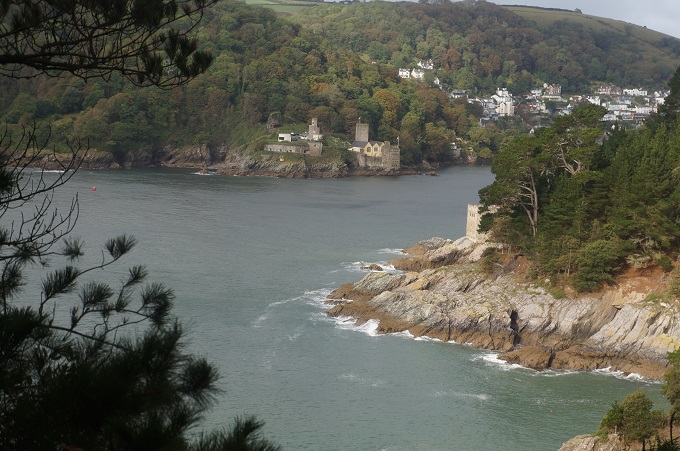
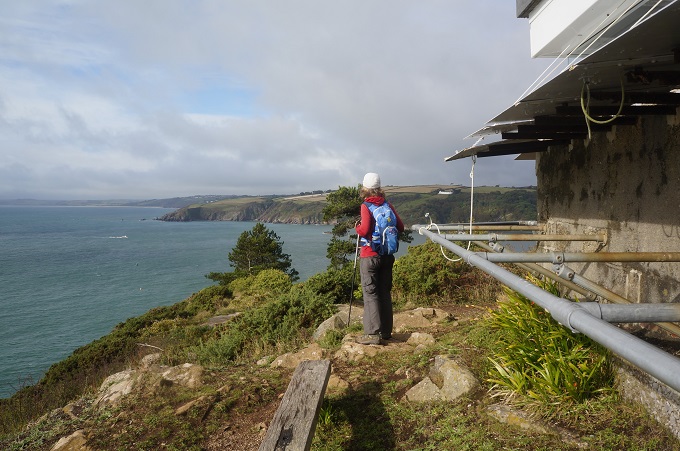
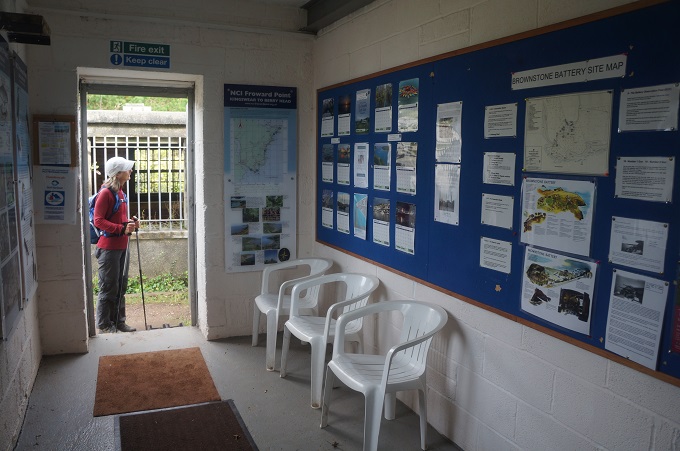
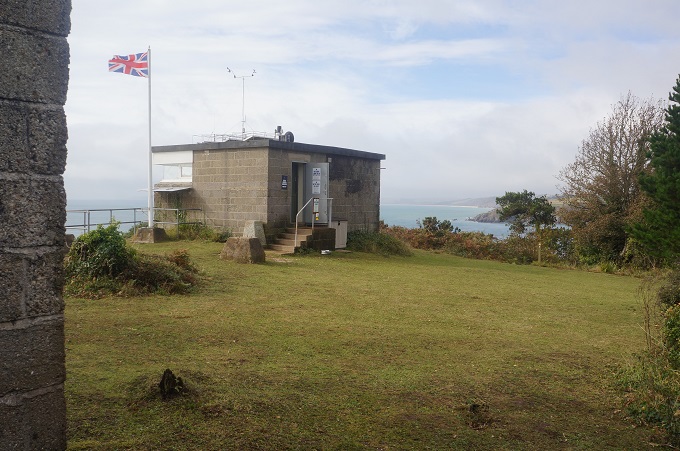
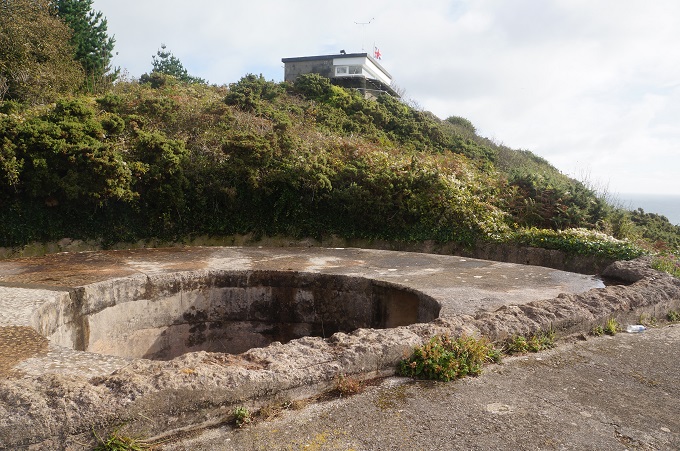
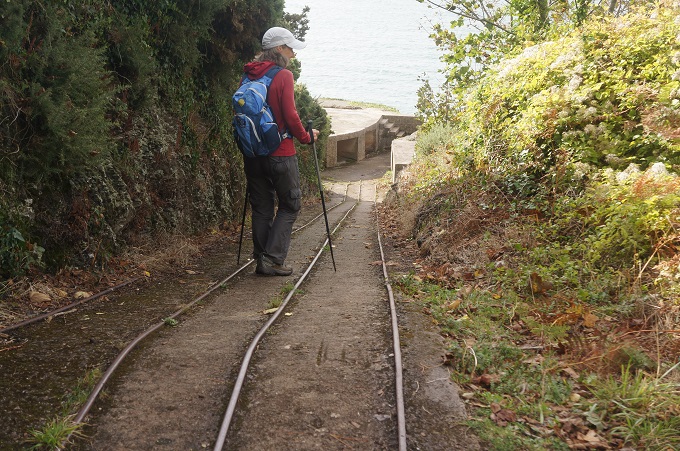
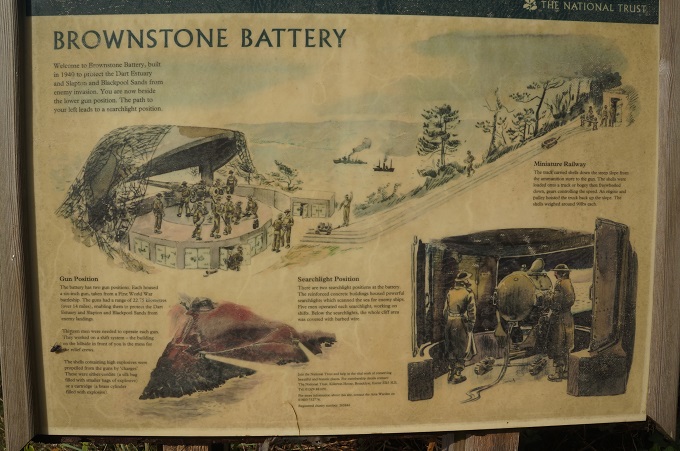
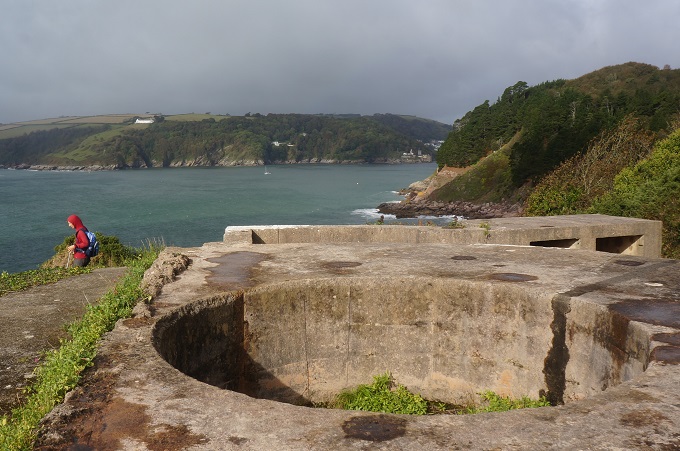
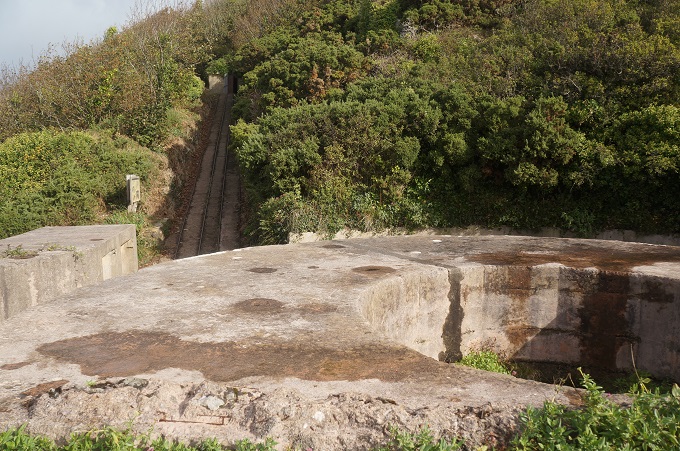
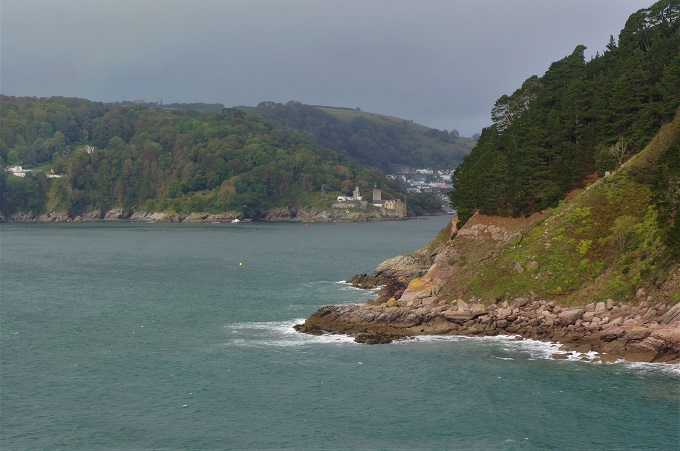
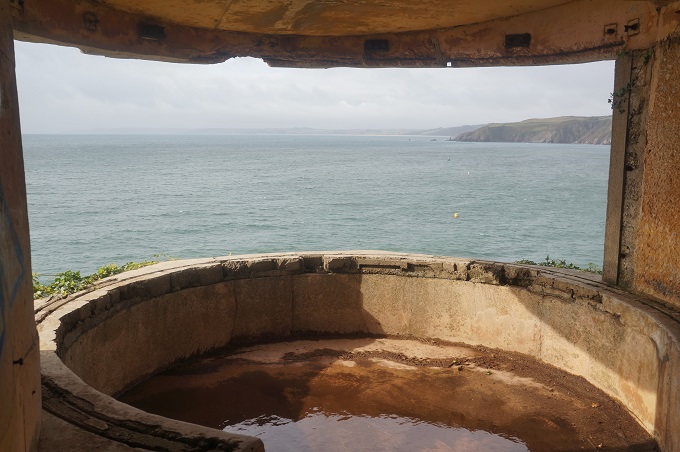
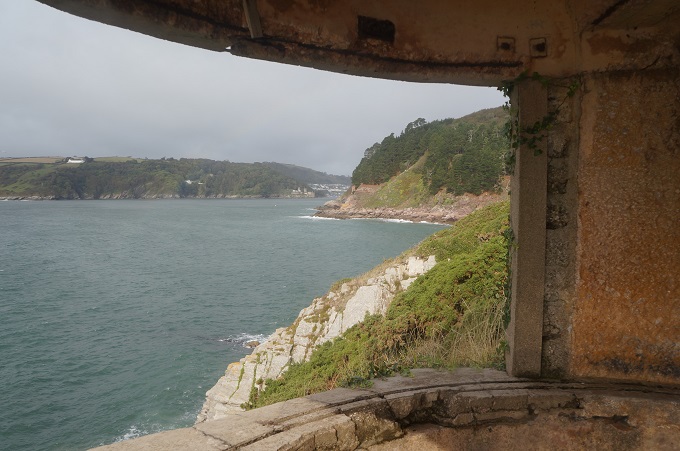
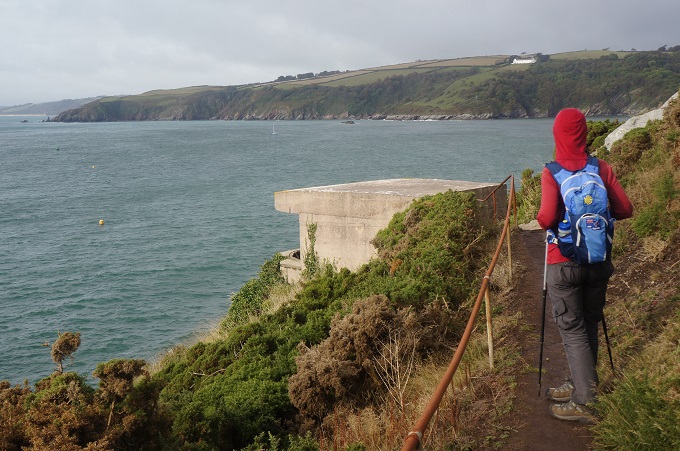
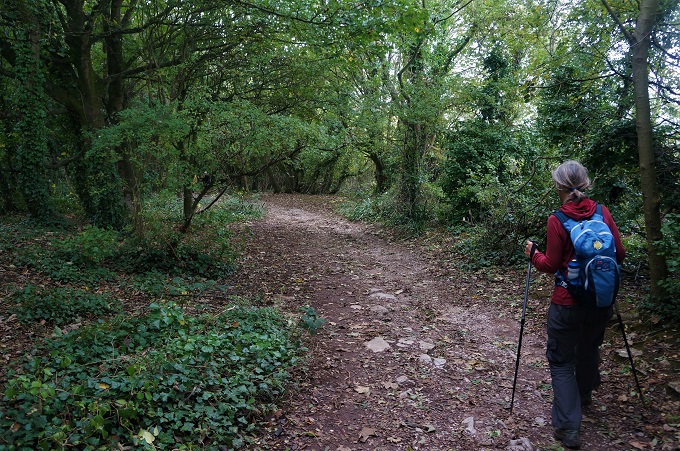
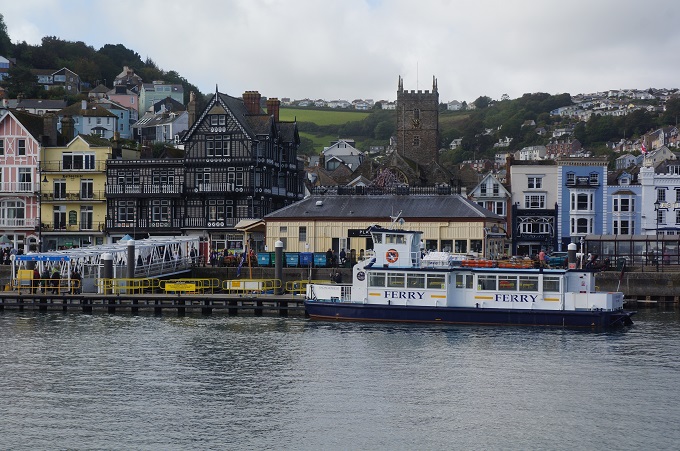
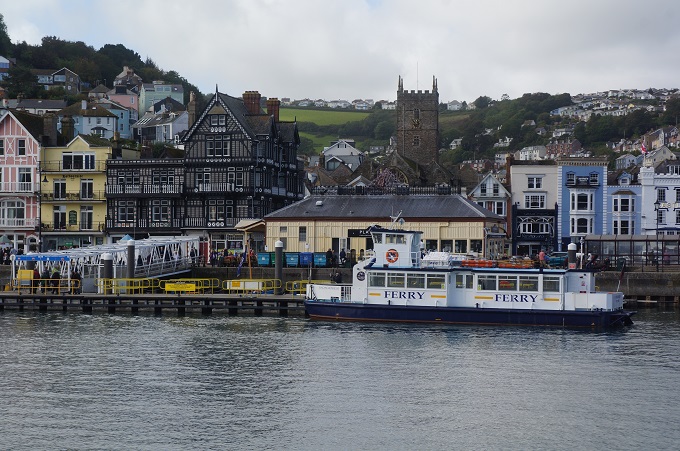
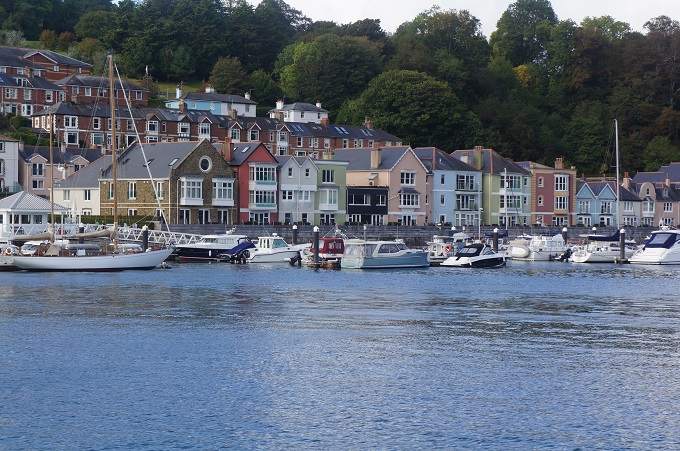
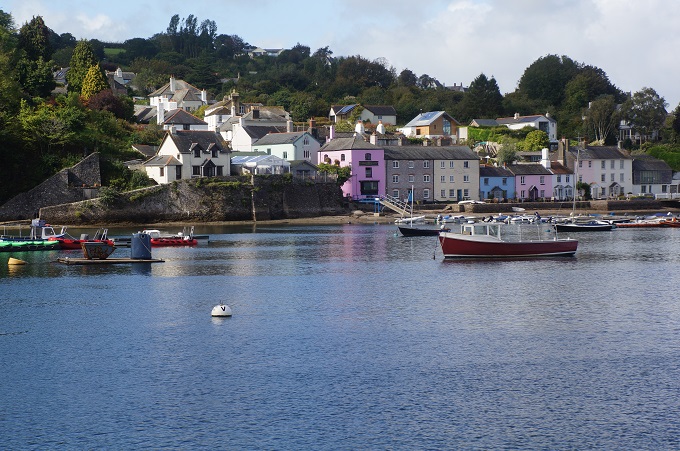
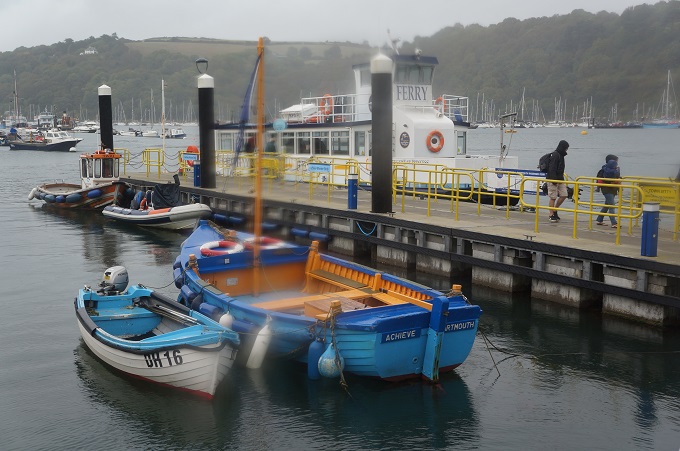
We tried a different route from the B & B high up on the hill down to Dartmouth, winding our way down narrow streets. Managed not to get lost. Then we had a quick ferry ride over the Dart to Kingswear to continue the Coast Path. Pleasant woodland walking with some very playful grey squirrels, views across to Dartmouth Castle and then a small climb to Inner Froward Point where there was a Coastguard Lookout and visitor centre. Also at the point were the remains of an extensive WWII defence position, Brownstone Battery.

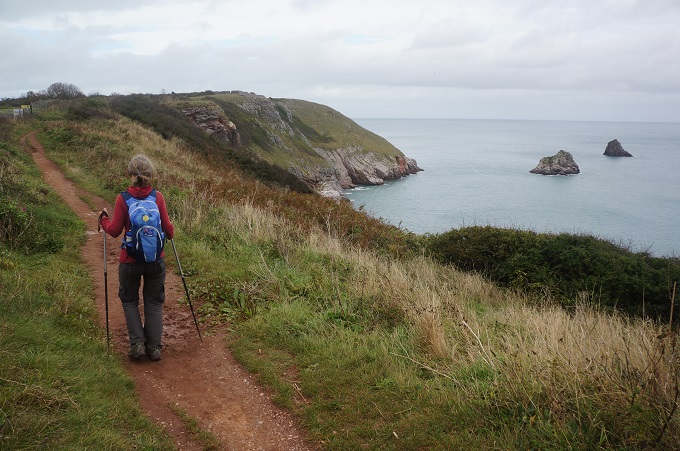
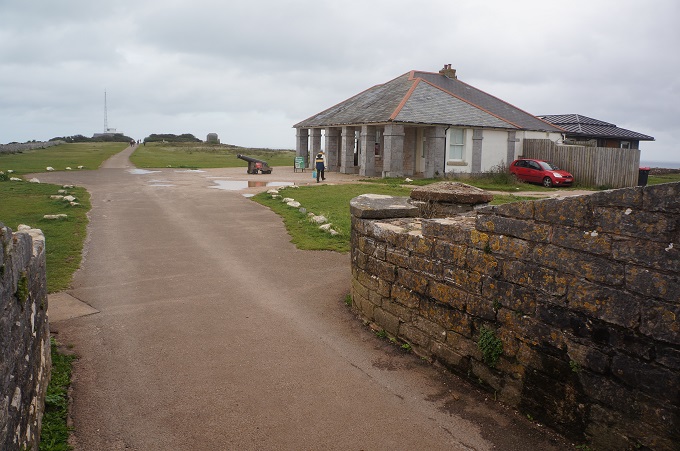
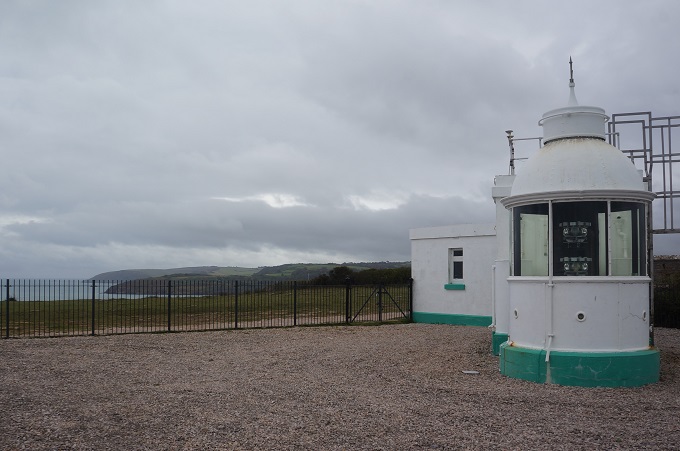
Then some tacking along the hillside mainly through gorse and open pasture but some patches of woodland and apple trees. The middle of the day had two big descents and climbs the first at  Scabbacombe Sands to Crabrock Point and the second at Man Sands up to Southdown Cliff. We take these in our stride now. We are like two old farm tractors, not fast or flashy, but put us in low gear and we will chug up the climbs without missing a beat. Some easier walking then to our last Headland for this year – Berry Head. Here there are two Napoleonic-era forts, visitor centre, café and lighthouse. The lighthouse located at 58 metres above sea level is at the highest altitude of any British lighthouse. Probably as a result of its lofty location, it is also the smallest lighthouse in Britain, at just 5 metres high.

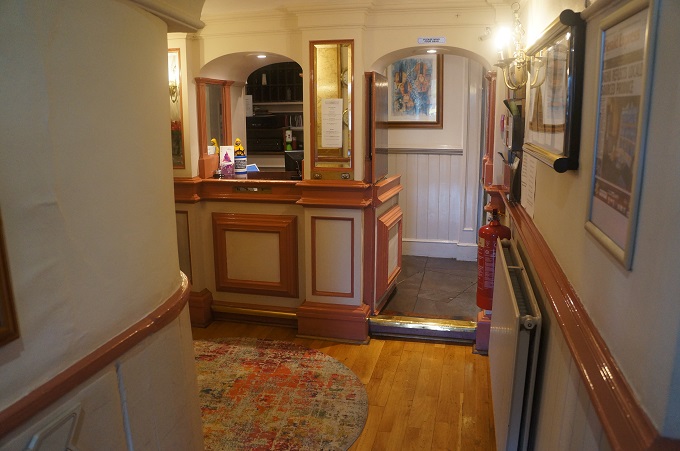
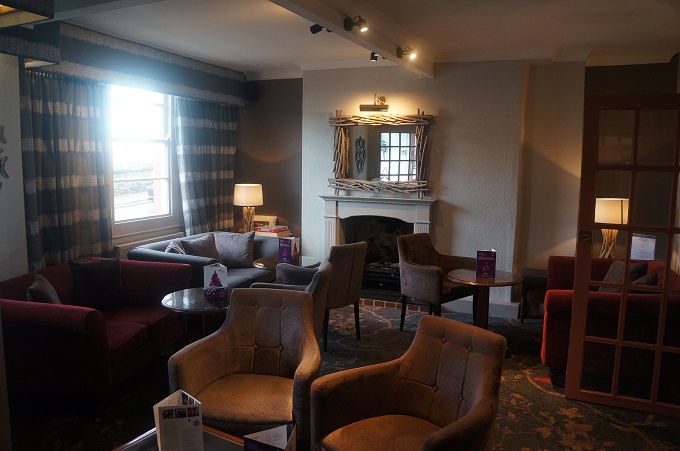
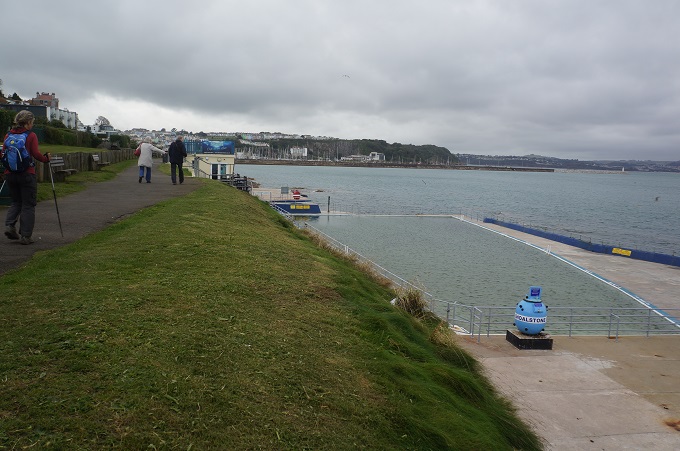
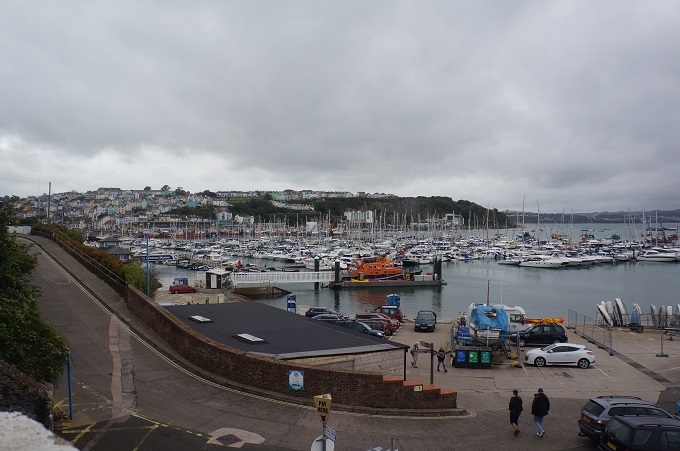
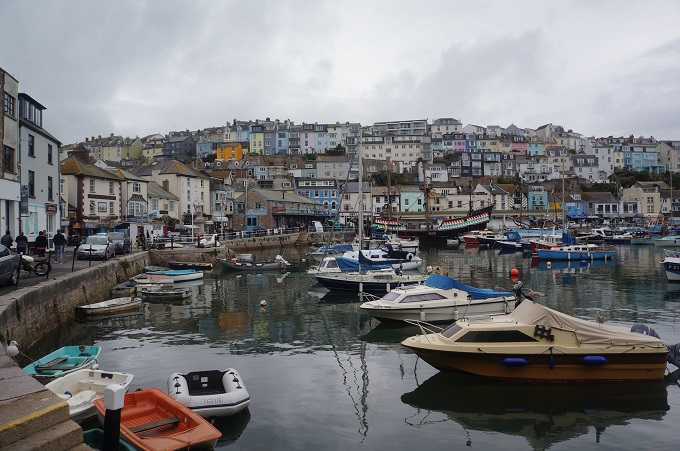
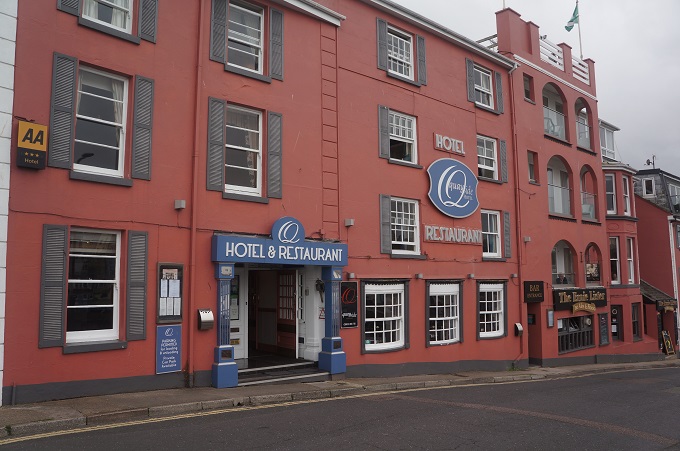
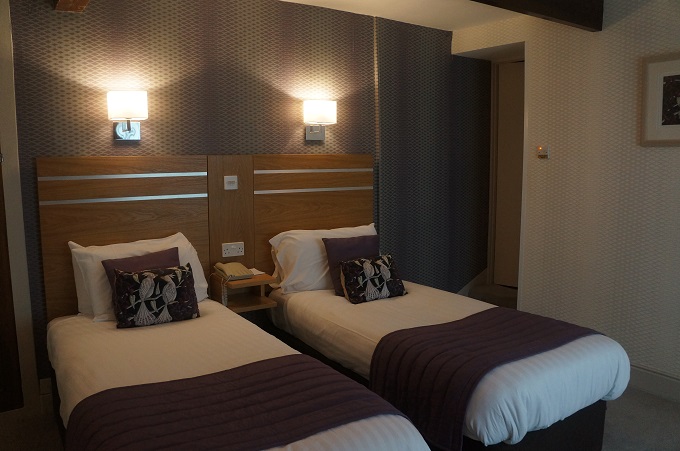
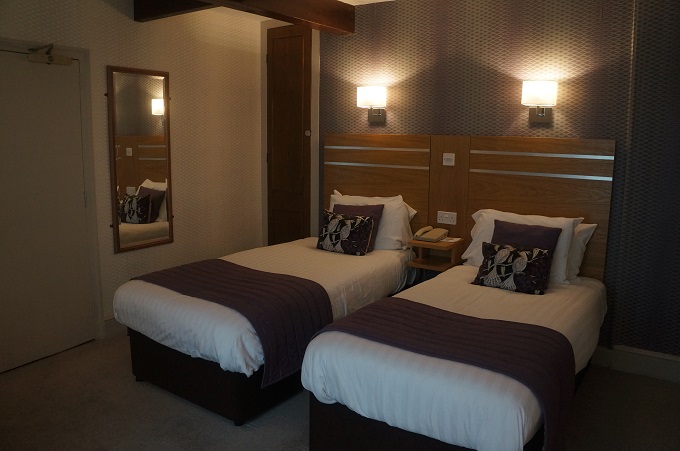
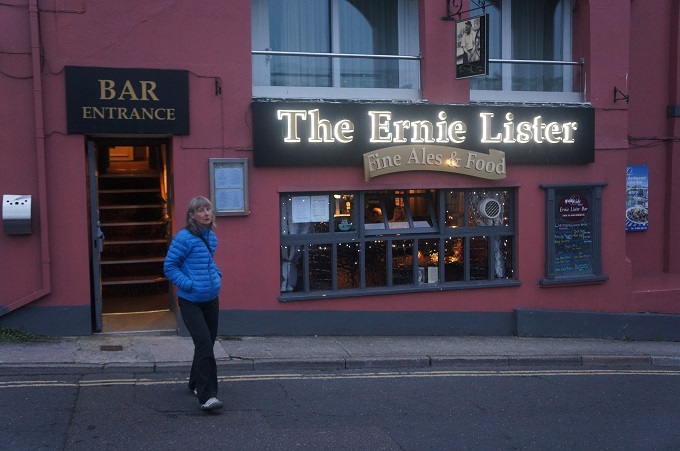
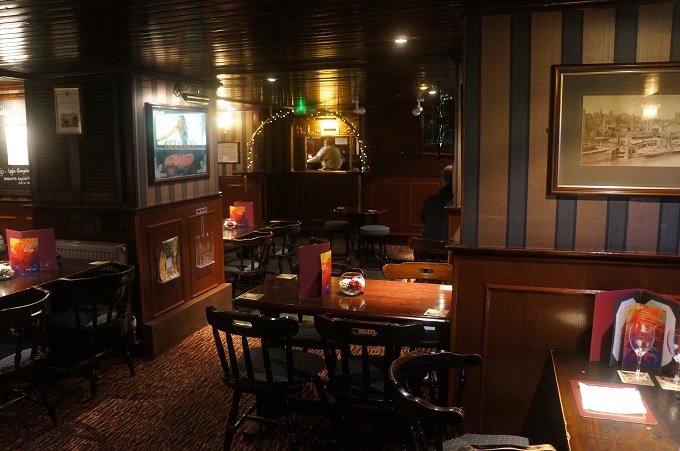
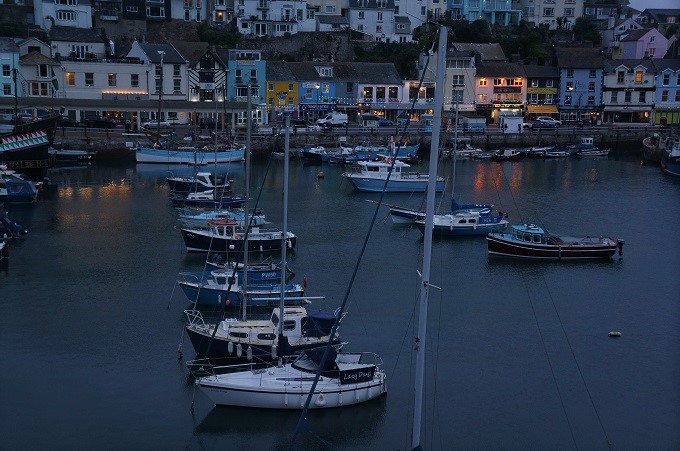
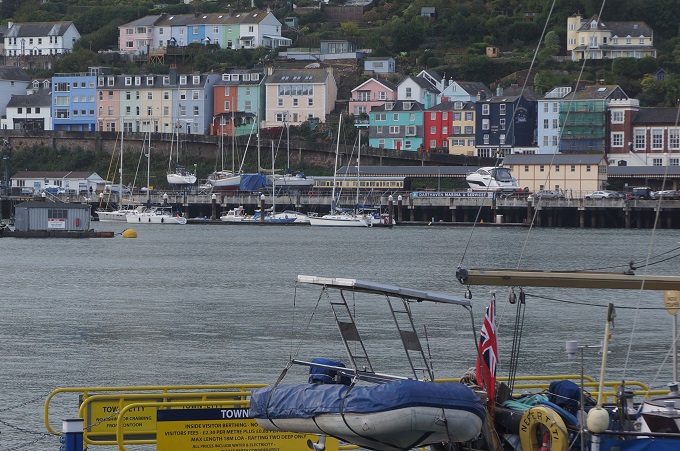
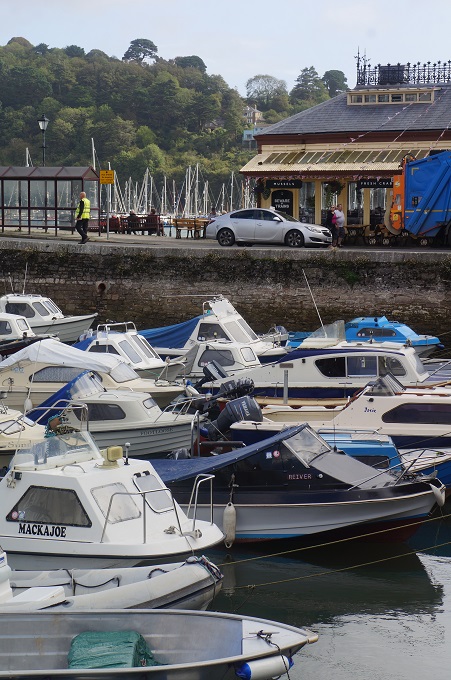
Some further gentle climbs and descents to water level, past the salt water swimming lido, a huge marina, the commercial fishing port, and into Brixham. For once our accommodation is right on the Coast Path overlooking the old inner harbour and has a pub with food just downstairs. It is a hotel that was formerly six fishermen’s cottages dating back to the 18th century and has a unique character and ‘old world charm’ which makes it very cosy.

So we are finished the walking for this adventure and as usual are feeling a bit flat tonight. With the 500km of the Coast Path we did last year and about 300km this year we have now done 800km of the total length of 1000km. It is tempting to think about coming back and doing the final 200km but we are not sure that will ever happen. Too many other things to do!

Tomorrow it is bus/train/train and back to London. Not sure we are looking forward to London after the remote peace and tranquillity of South Devon.


Braveheart

Dartmouth → Totnes → Paignton → Kingswear → Dartmouth

We were woken during the night with flashes of lightning, claps of thunder and pouring rain. At breakfast it was just a bit misty and by the time we were ready to go out it was clearing nicely. The forecast was for a pretty good day and so it turned out.

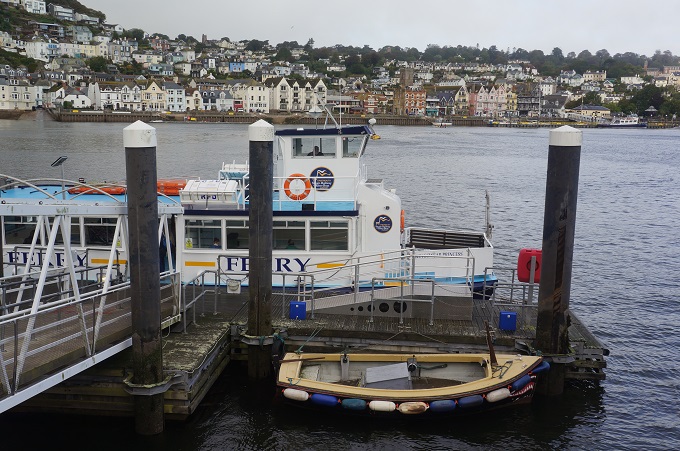
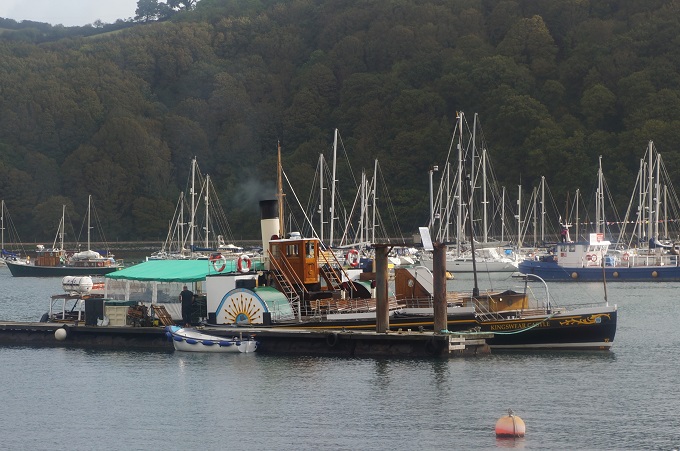
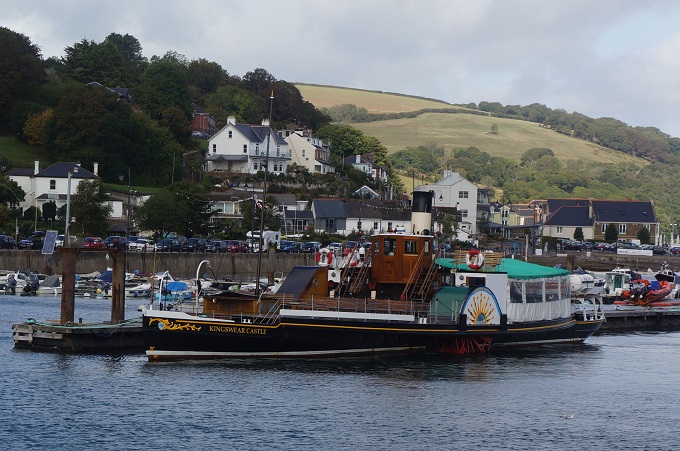
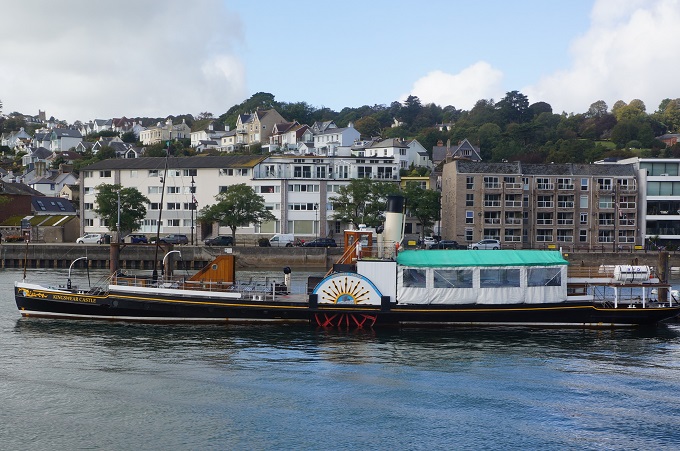
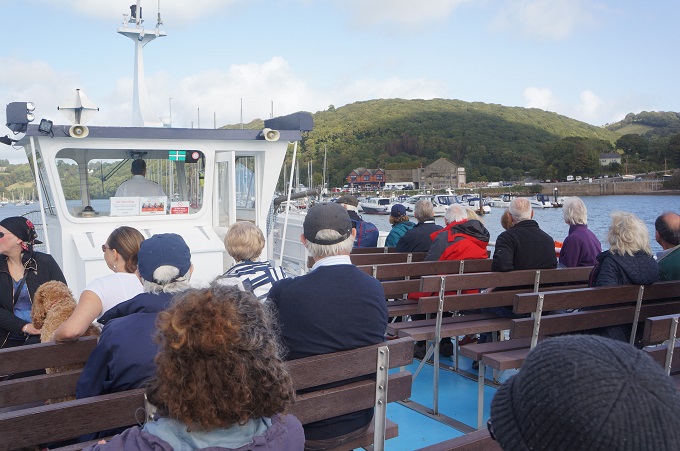
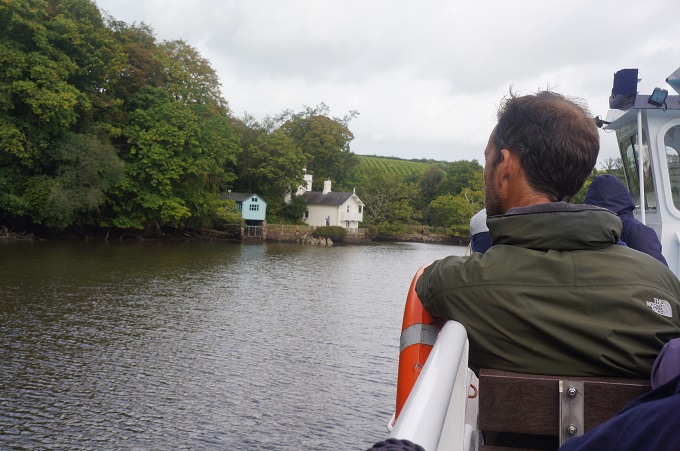
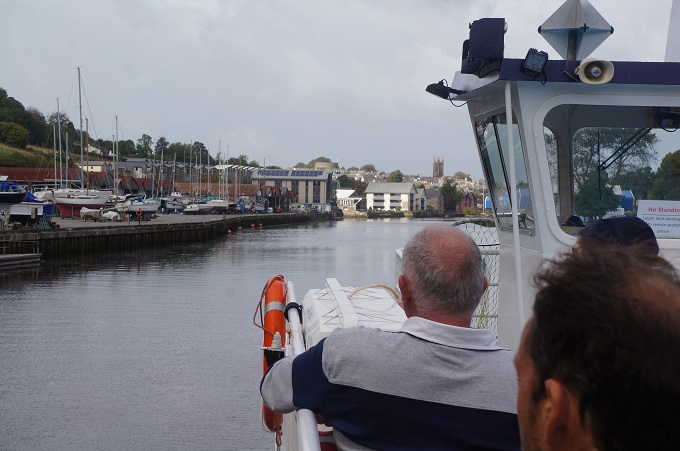
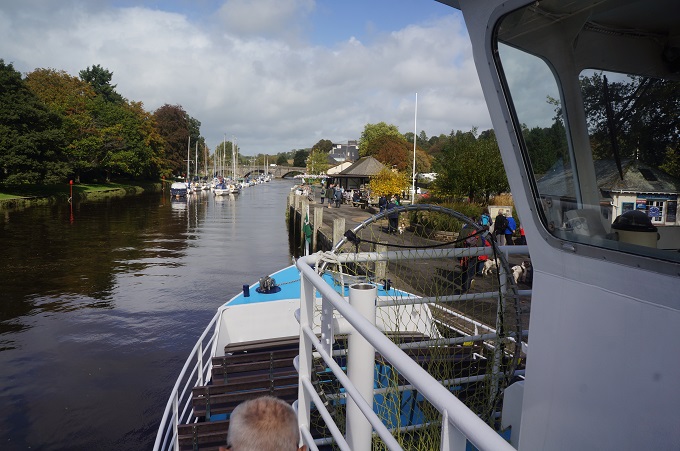
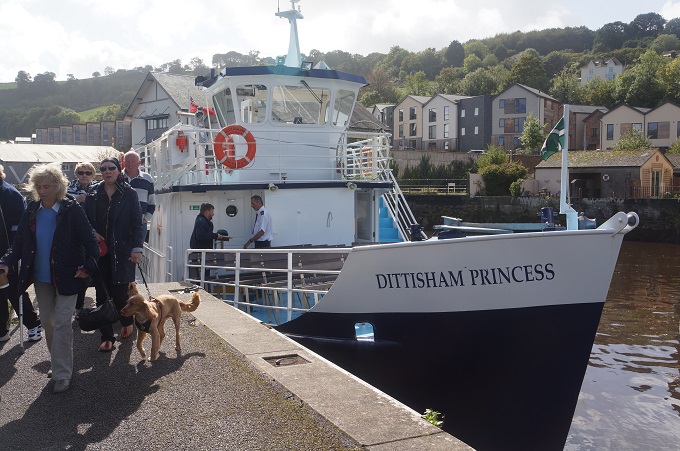
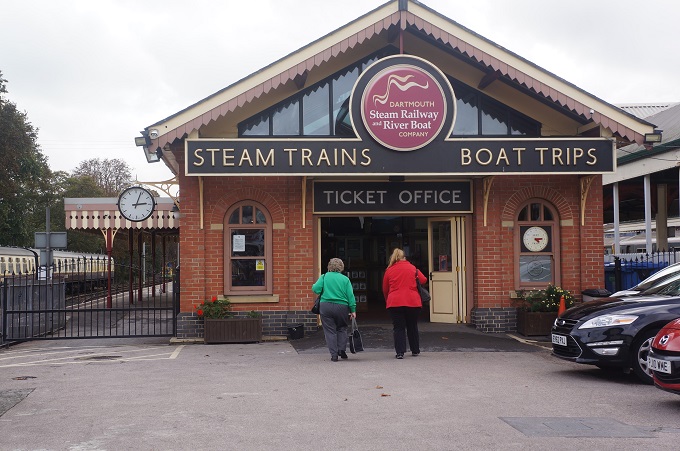
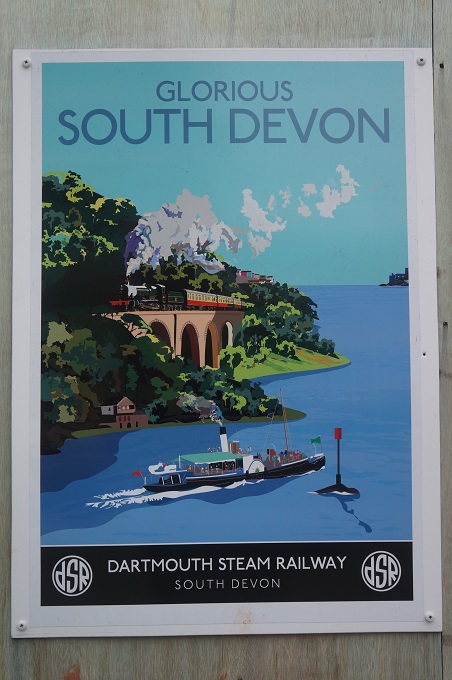
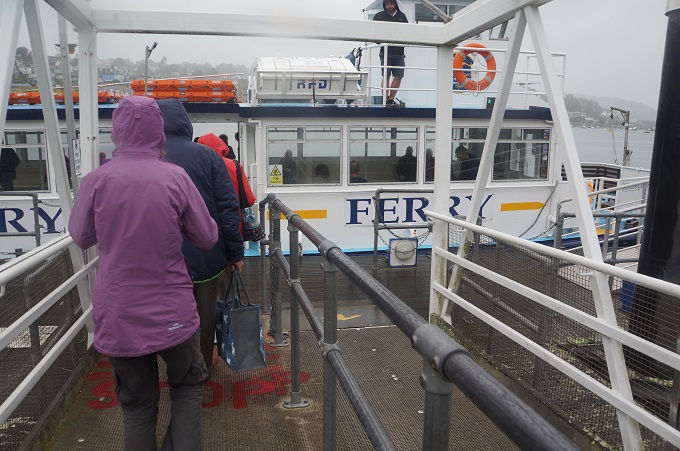
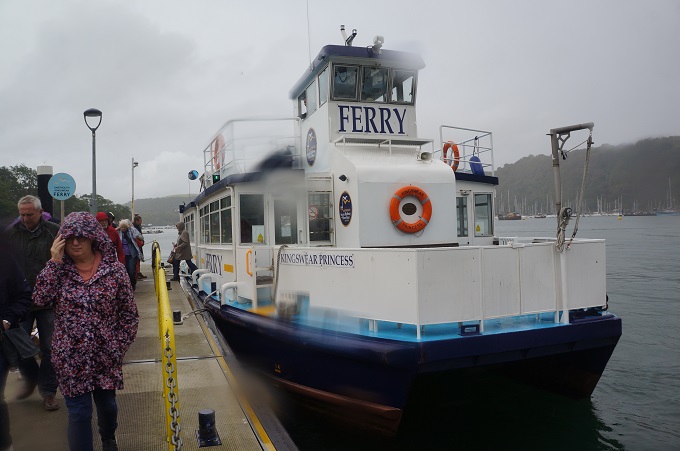
Before we left home we had booked a ‘Round Robin Circular Tour’ with the Dartmouth Steam Railway and River Boat Company. This was an excursion that for us started in Dartmouth with a one and a half hour boat trip up the Dart River on a vintage paddle steamer to Totnes, a thirty minute bus trip across land to Paignton, a thirty minute steam train ride first along the coast and then along the Dart River to Kingswear, a five minute ferry crossing of the river back to Dartmouth. Depending on where you are staying you can start at Dartmouth, Totnes, Paignton or Kingswear and do it in either direction.

Unfortunately for us we were emailed two days ago to advise that due to predicted high winds the paddle steamer would be replaced by a regular (boring!!) boat. They offered us a full refund if we wanted to cancel. Apparently in strong winds they have trouble turning the paddle steamer at Totnes. We decided to do the trip anyway.

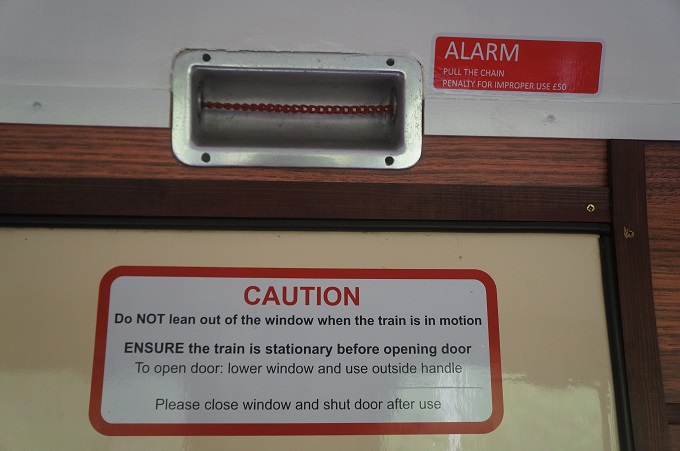
A few times a year they use vintage buses for the section from Totnes to Paignton but for us today it was just the regular Stagecoach Southwest Route 100 double decker bus. So today we walked a total of about 5 kilometres and spent the rest of the day sitting on our butts.

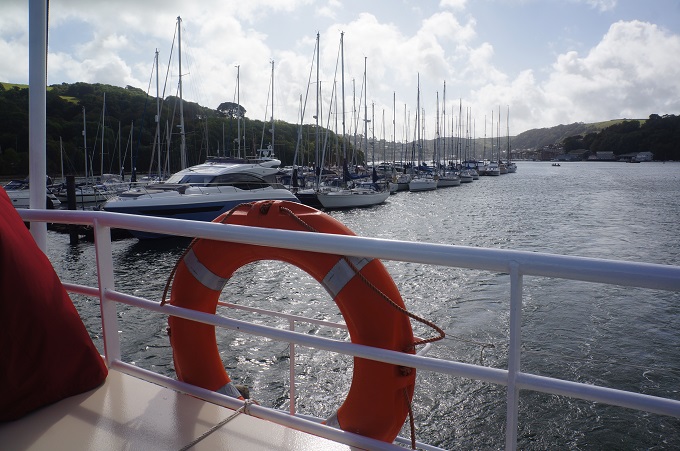
The cruise up the river was interesting as there was a commentary by the ‘captain’ that filled us in on all the considerable history of the river and its ‘personalities’ – everyone from Sir Walter Raleigh to Agatha Christie. At Totnes there was plenty of time to eat and stroll around a historic village even older than Dartmouth. The bus ride to Paignton was pretty mundane except that we were in the front seat upstairs and couldn’t believe how this huge bus got through tiny narrow streets and squeezed its way around roundabouts choked with traffic.

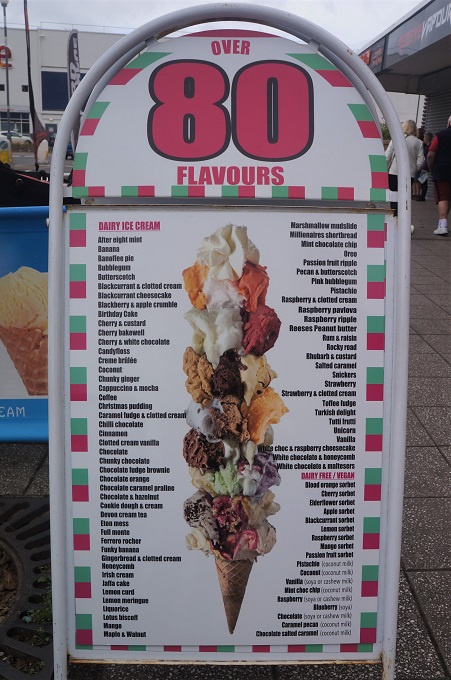
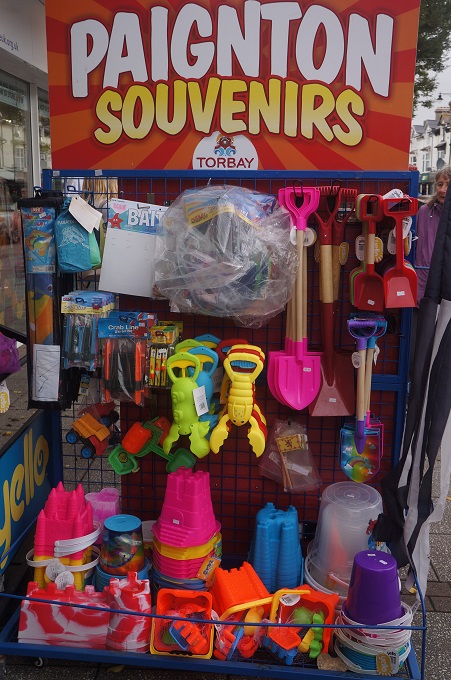
Paignton was sort of interesting in that it is everything you expect the worst seaside tourist town to be. Just absolutely crass and a total contrast to charming towns like Dartmouth and Totnes. We were not in a group as such and the only fixed times were leaving Dartmouth on the boat at 11.45am and being on the 4.15 train at Paignton. You could spend as much or as little time as you liked at Totnes and Paignton.

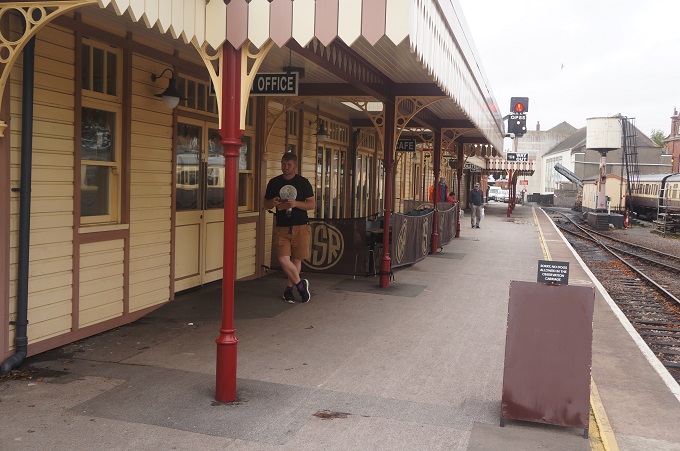
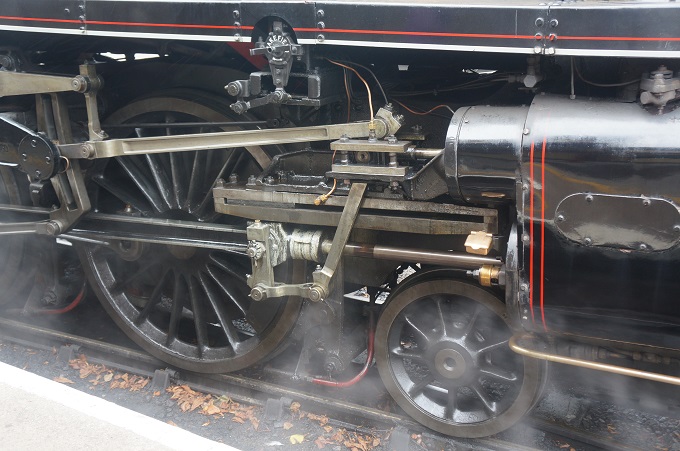
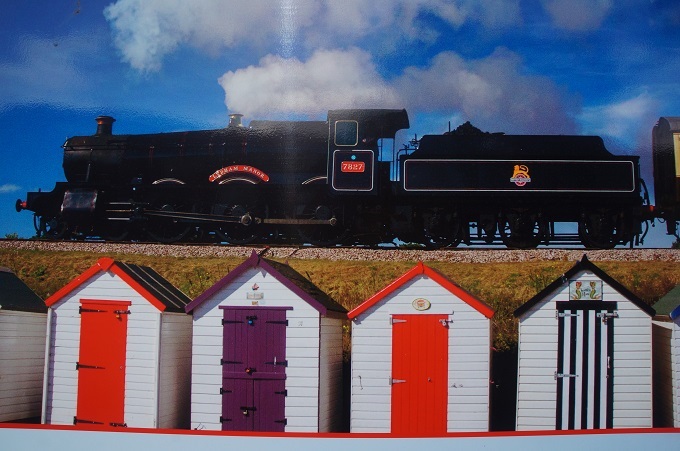
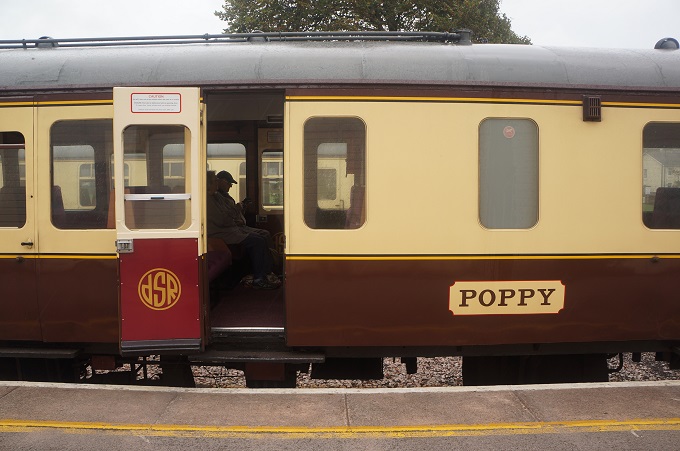
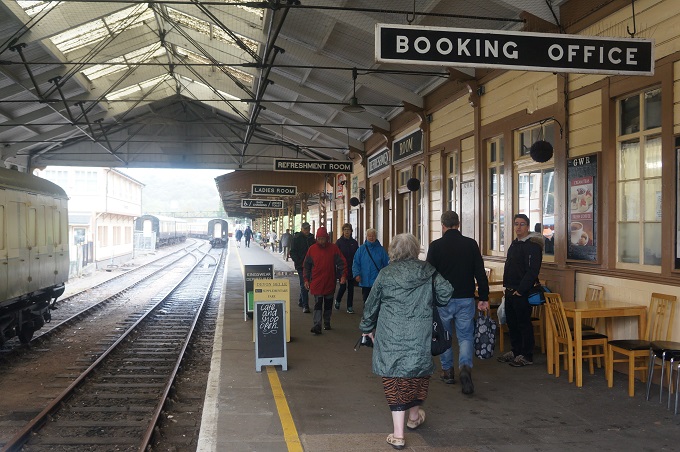
The steam train was probably the best part using a British Railways standard class 4-6-0 locomotive, built at Swindon in 1951, called Braveheart. This class was designed for mixed traffic duties on secondary routes and was withdrawn from service in 1966. It was glistening and gleaming in black and all hissing and snorting and tooting. Just fantastic.

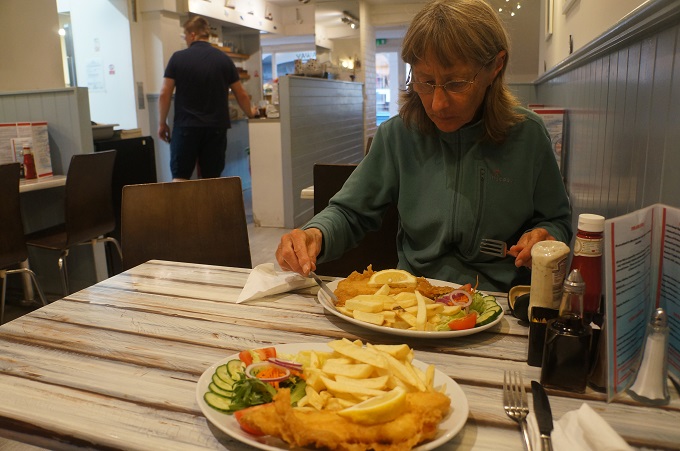
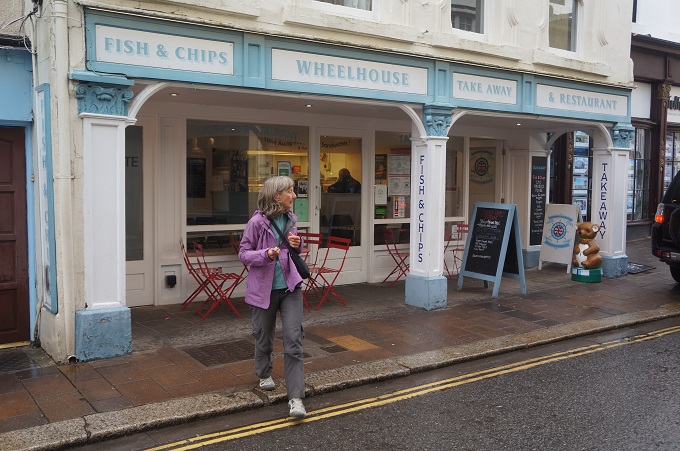
To finish the day we went to a chip shop in Dartmouth and had a traditional meal of fish and chips but couldn’t stand the mushy peas so had a green salad instead.

The lovely people at the B & B when servicing our room had taken our saturated walking shoes from yesterday and put them in a drying room for the day, so they are all nice and dry for tomorrow – our last day of walking.


And the rains came

Torcross to Dartmouth, 17km, 455m ascending, 2,850m cumulative ascending

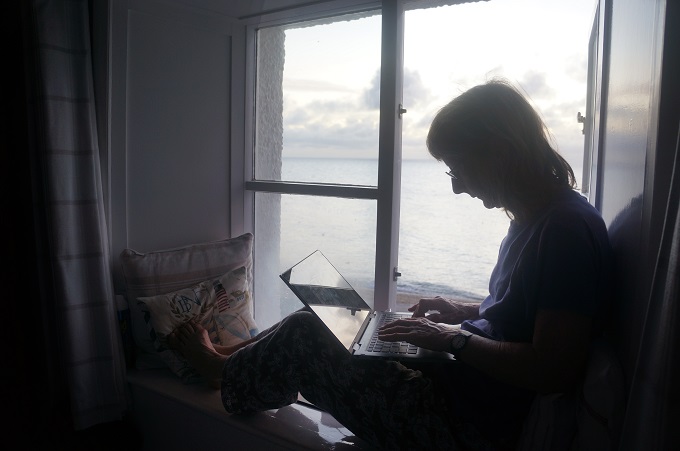
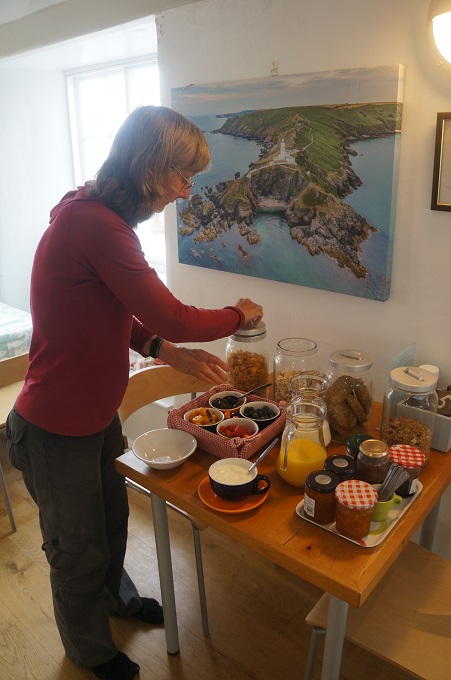
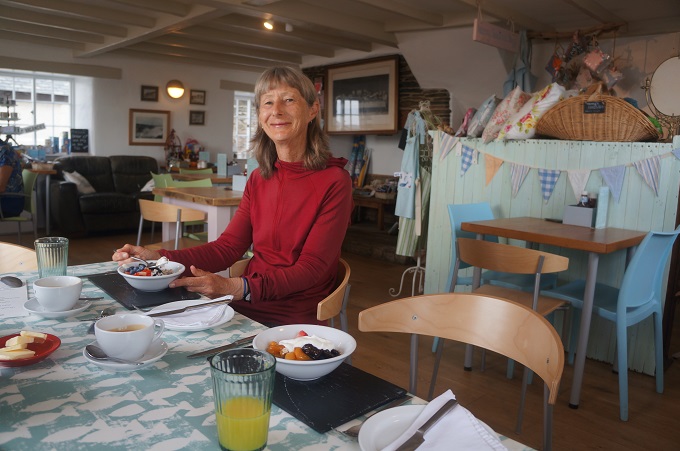
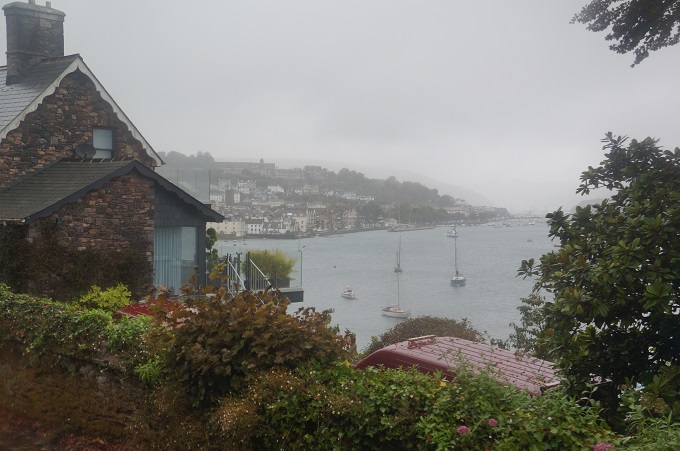
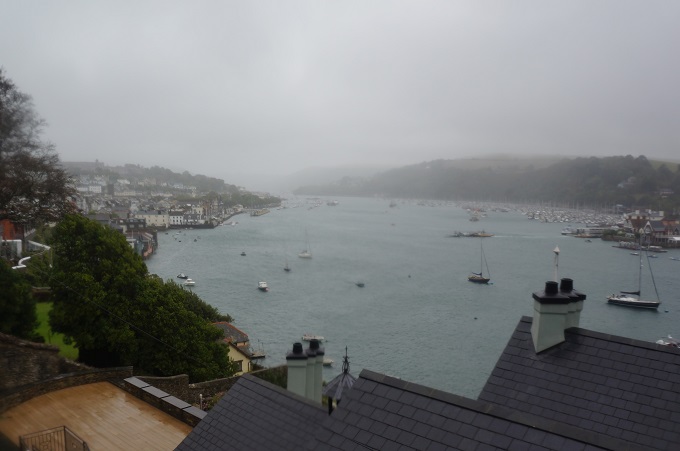
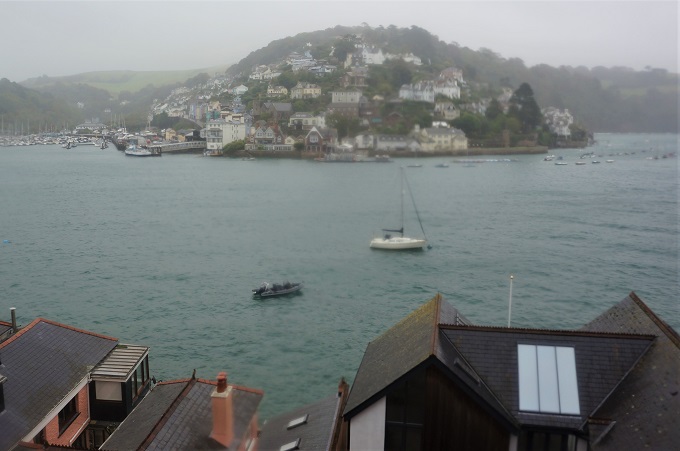
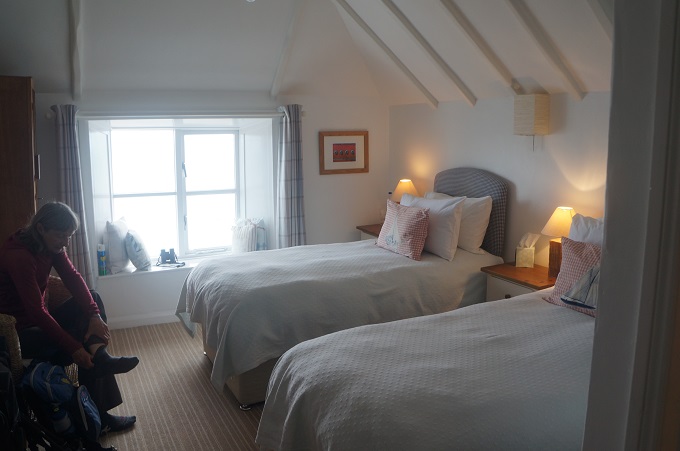
The walk into Dartmouth should have been relaxing and one of the prettiest of the whole Coast Path but it turned into a dour feat of endurance. When we awoke it was a fine morning and it was very pleasant looking out over the sea from the window seat in our room. Breakfast didn’t start until 9.00am which is later than we like. We were just getting our muesli when the bag transfer man turned up wanting our bags. There was a mad rush to get all our things together so we didn’t hold him up. Usually he emails or rings the B & B the night before to say when he will arrive and mostly it is long after we have departed.

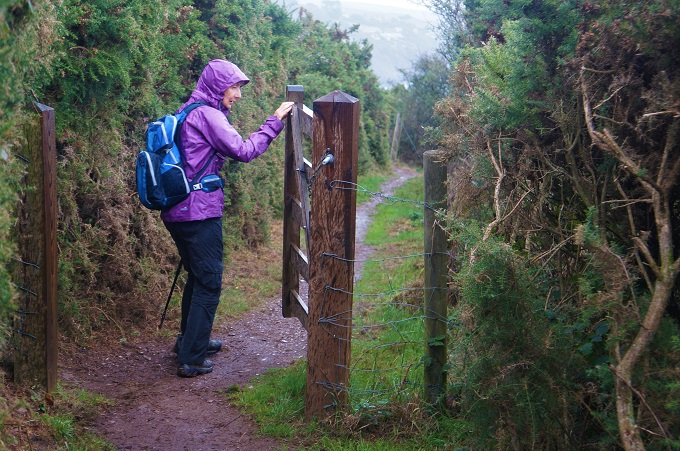
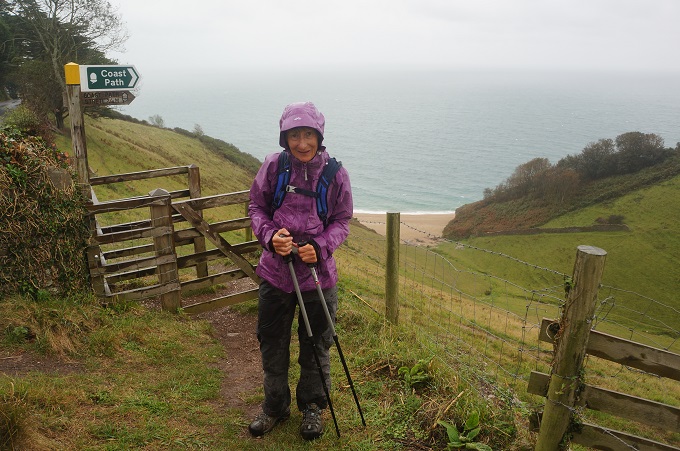
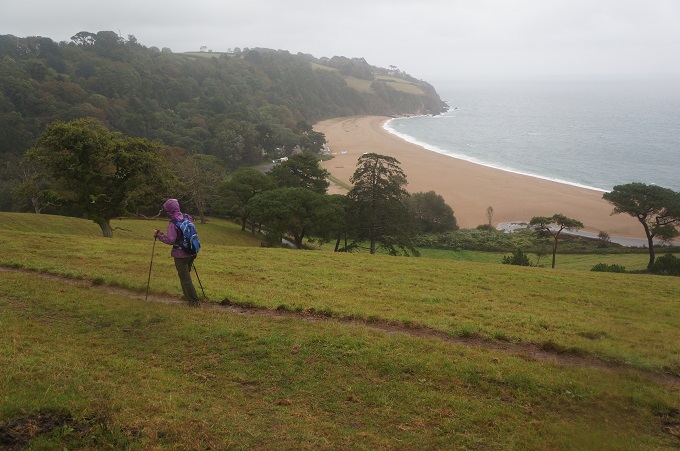
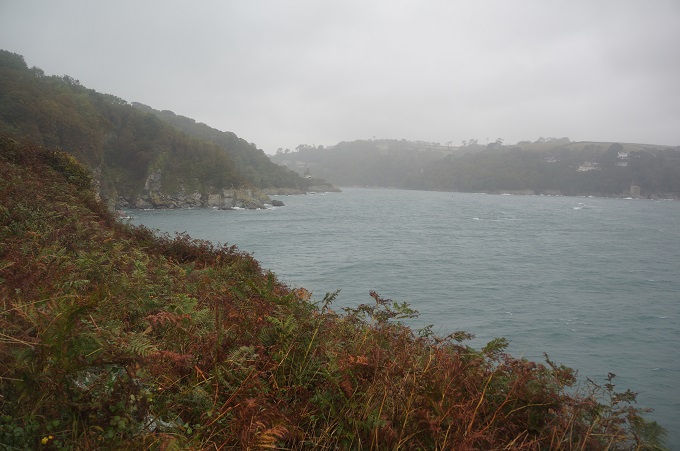
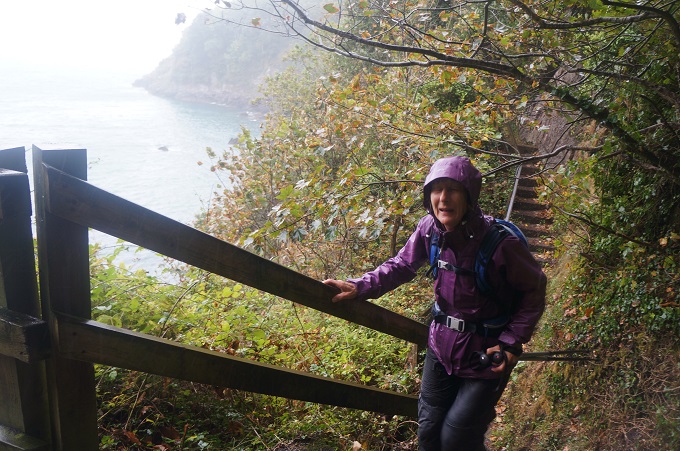
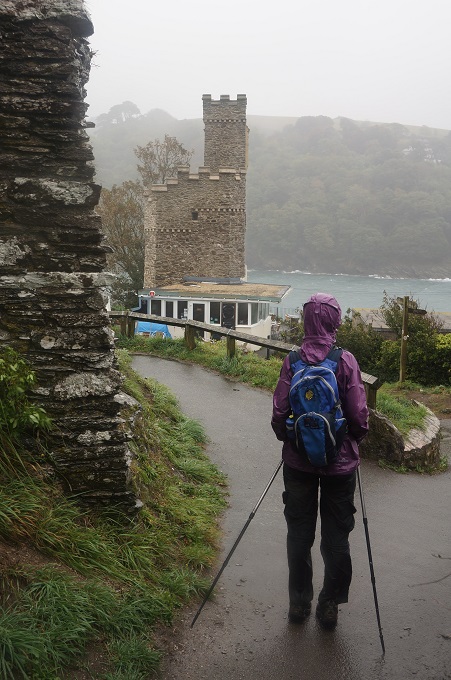
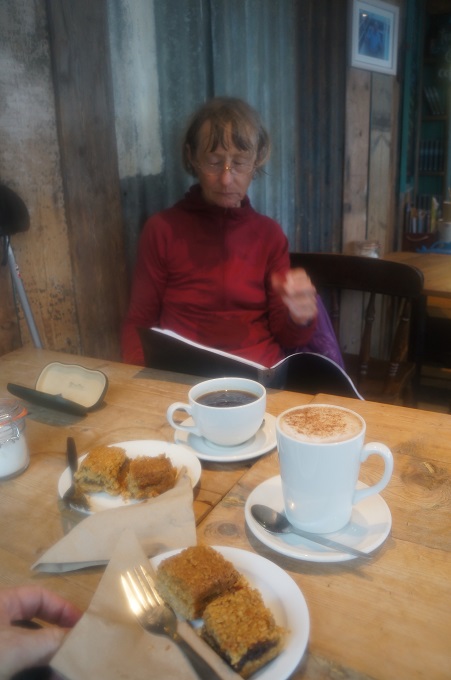
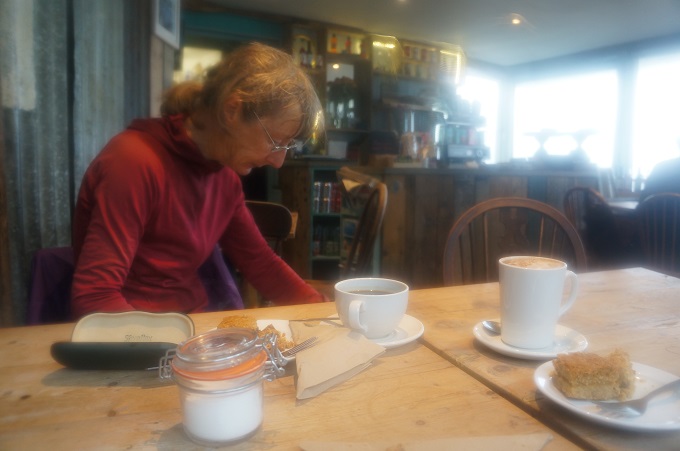
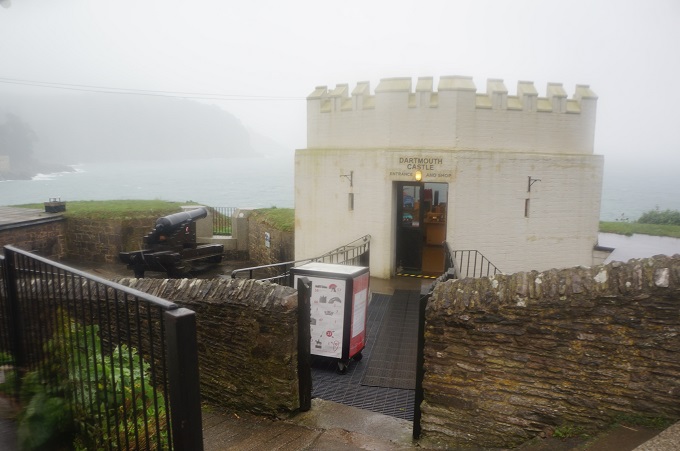
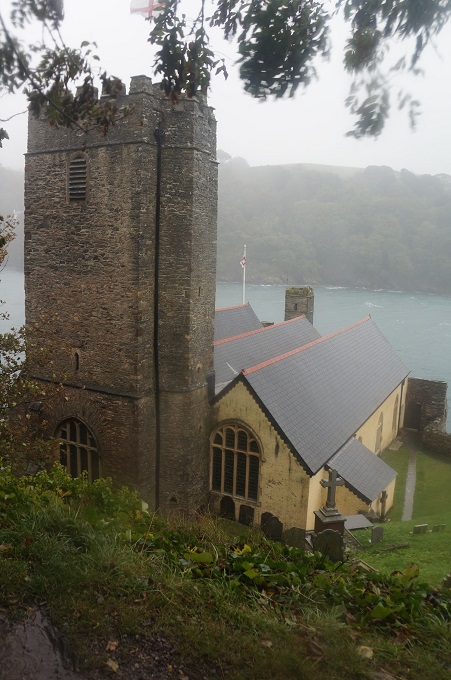
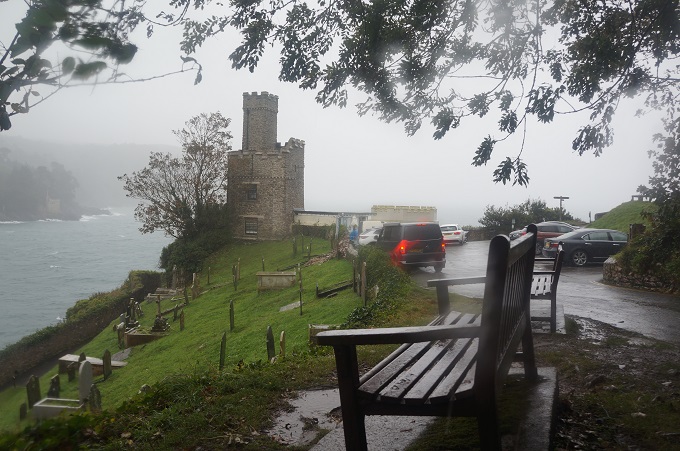
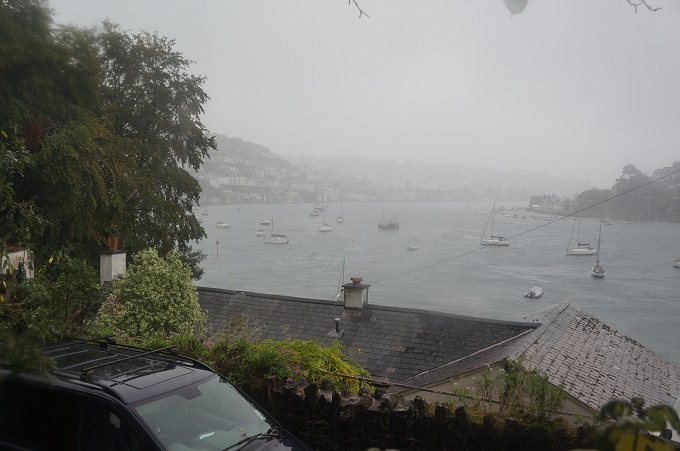
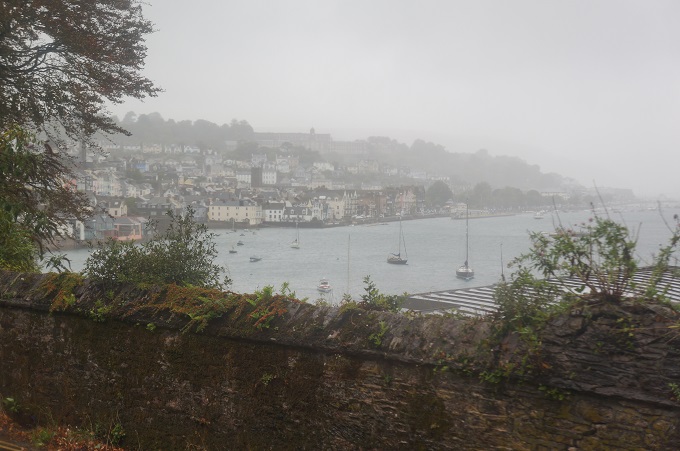
By the time we left, a bit before 10, it was very grey and it wasn’t long before the raincoats were on, and today they stayed on. Light rain at first but as we neared the mouth of the Dart River it was heavy, steady rain and a strong wind. By the time we got to Dartmouth Castle we were two drowned rats so decided to stop at the tearoom and get something like hot soup to warm and cheer us up. Unfortunately there was only one young lady working today and she was only making drinks and serving cake so we had to make do with a hot drink and some flapjacks. What should have been a lovely walk along the wooded Dart Estuary into the picturesque town of Dartmouth became a grin trudge as we got colder and colder. After a quick stop at a grocery store we went straight to our B & B for a hot shower and some dry clothes.

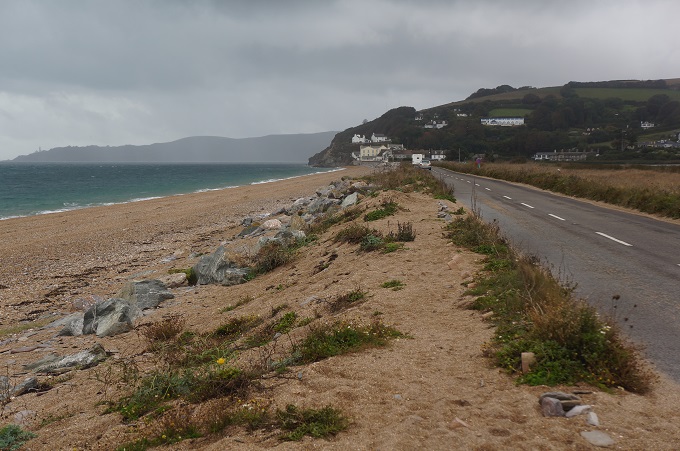
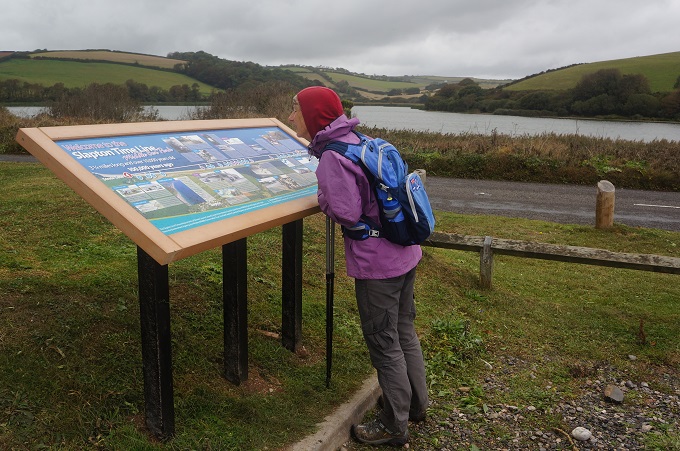
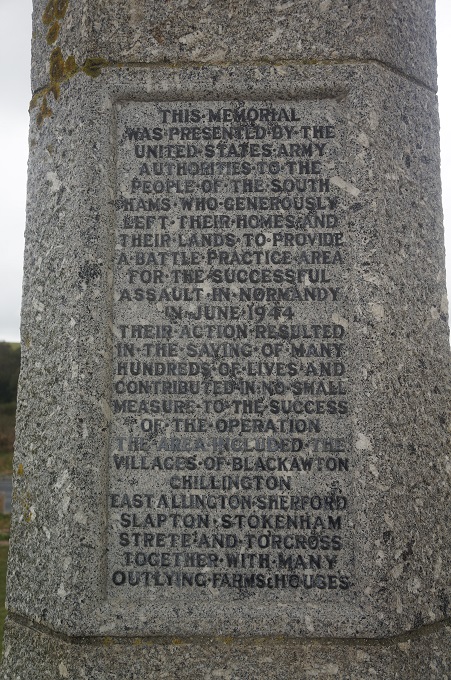
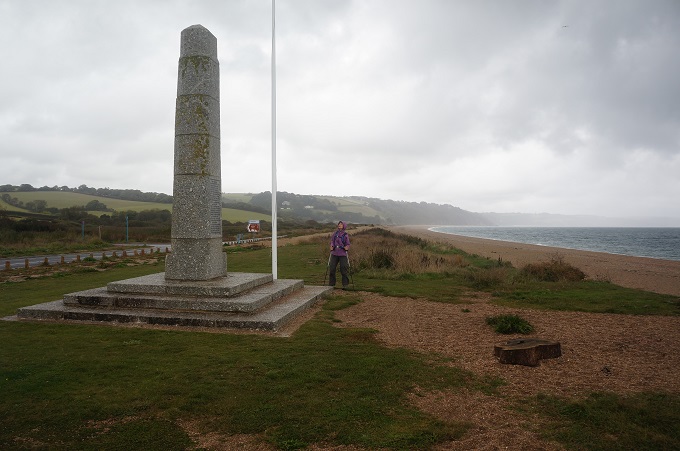
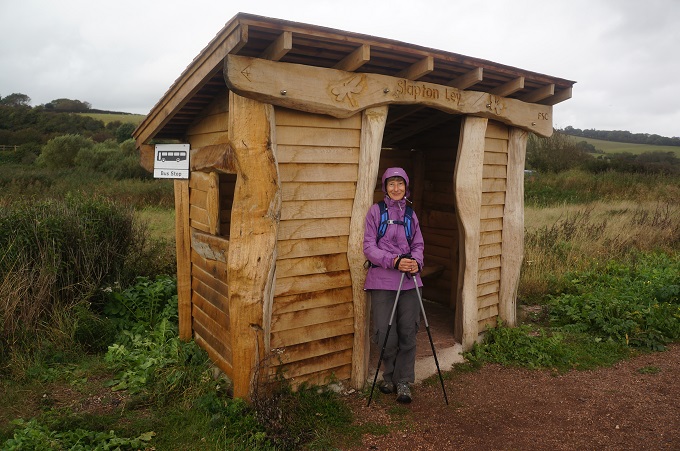
The first section was dead flat out of Torcross along a low shingle ridge known locally as the Slapton Line which separates the freshwater nature reserve lake of Slapton Ley from the pebbly beach and the sea. This is the area the Americans used for their D-Day rehearsals. Halfway along the Line there is a large stone monument erected by the United States Government honouring the 3000 residents who were evacuated for twelve months from the surrounding villages. At the end of the Line the path climbed gently inland through a couple of small villages crossing paddocks and using very quiet country lanes.

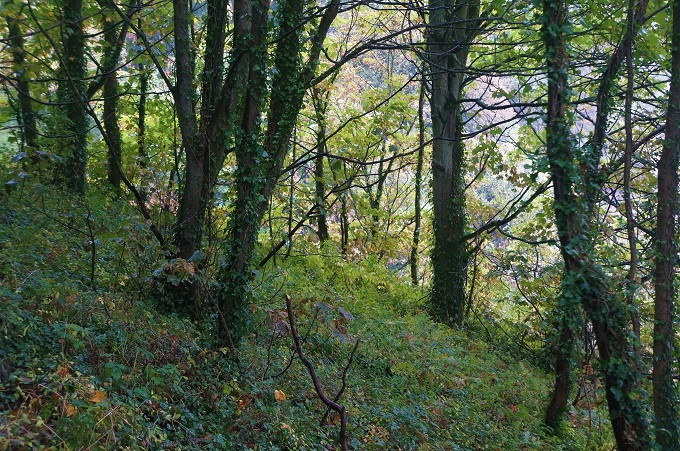
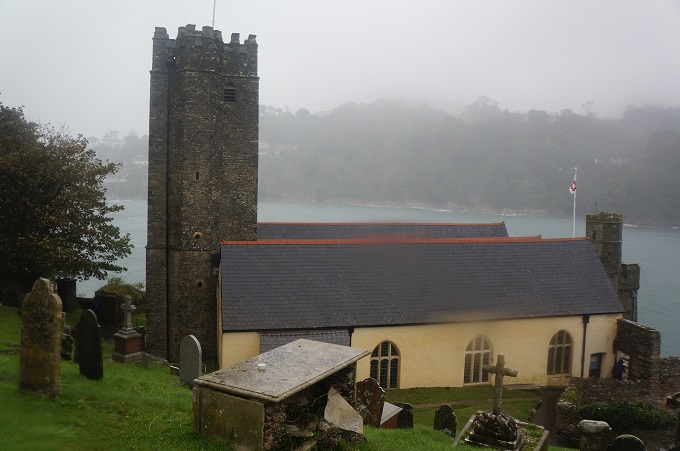
From here there was some easy cliff walking around the headland and into the Dart Estuary along a mostly wooded path, past the castle and St Petrox Church, onto urban roads and into the lovely town of Dartmouth. As has become the norm on this holiday our accommodation is at the far end of town and 20 minutes up a steep hill. At the Dartmouth Boutique B & B however we were very warmly welcomed and our wet coats taken away to be dried and our saturated shoes delivered to our room in plastic bags. It is also very, very comfortable.

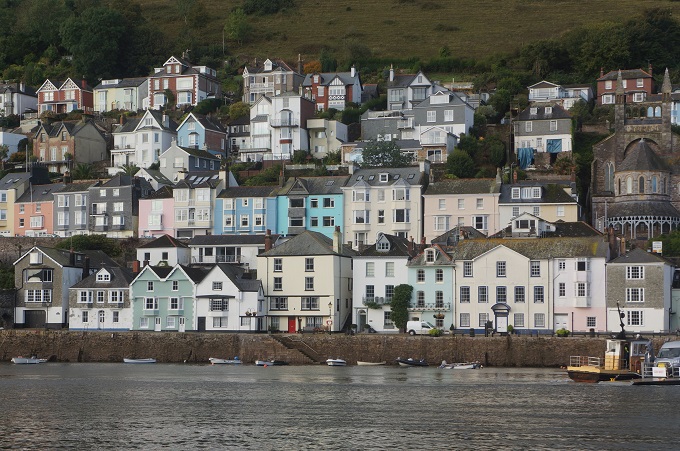
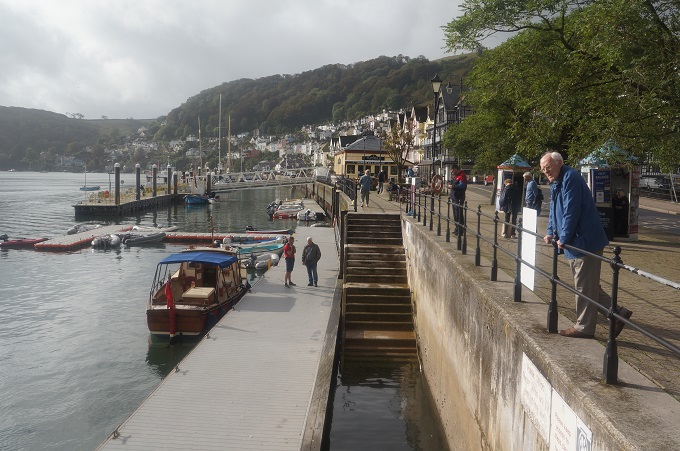
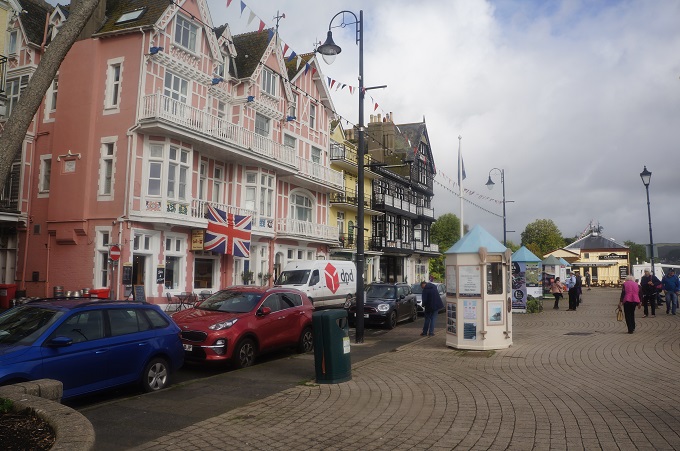
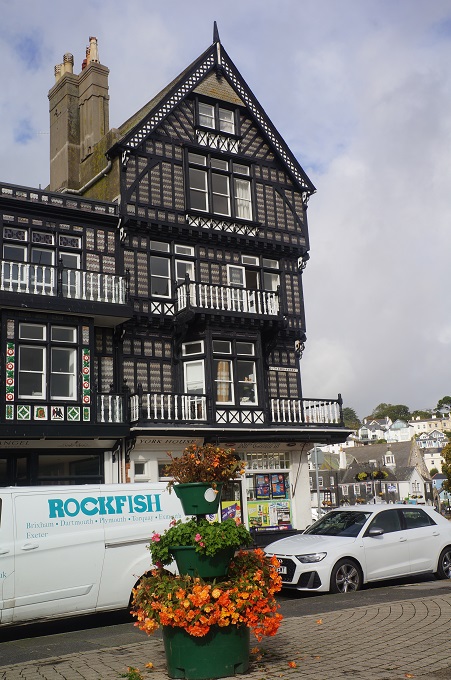
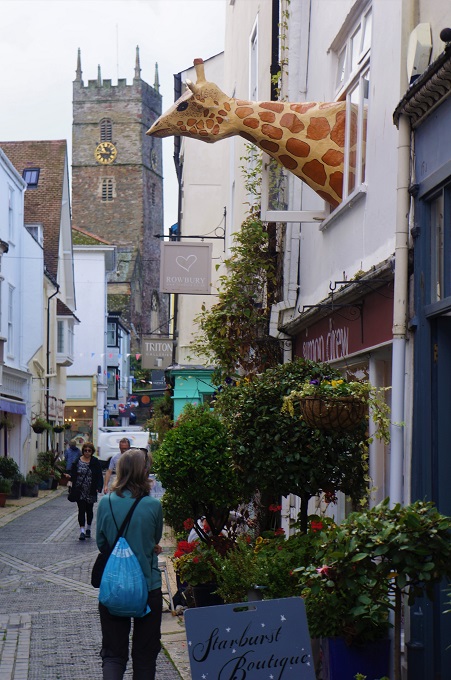
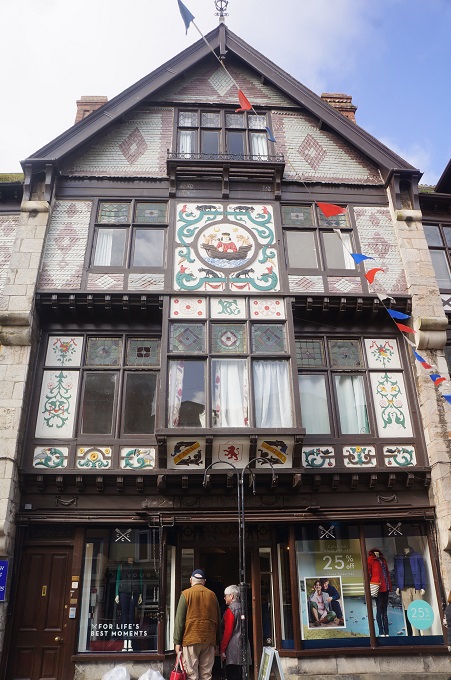
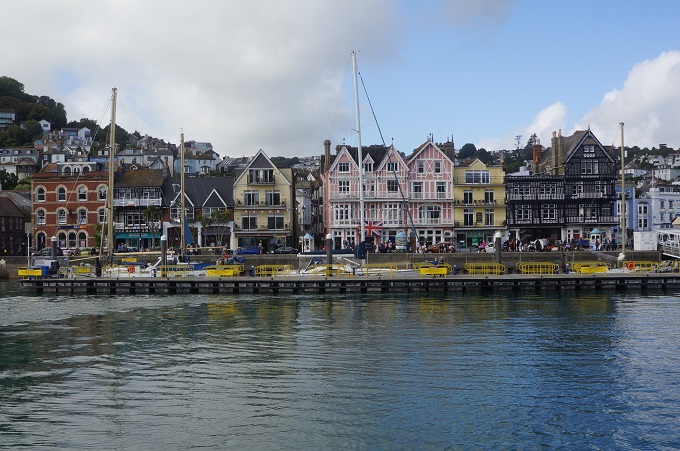
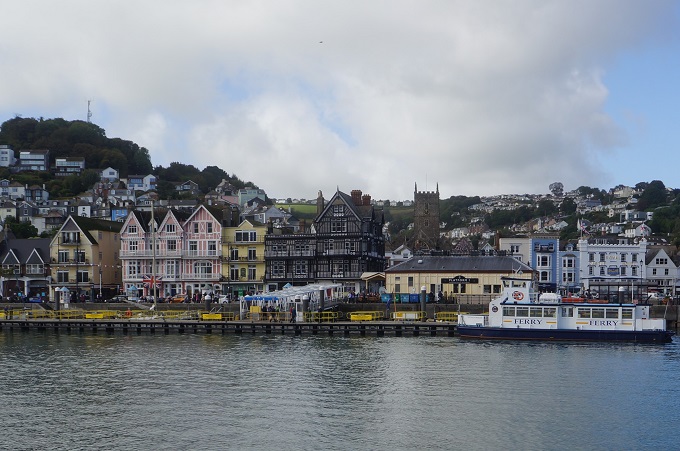
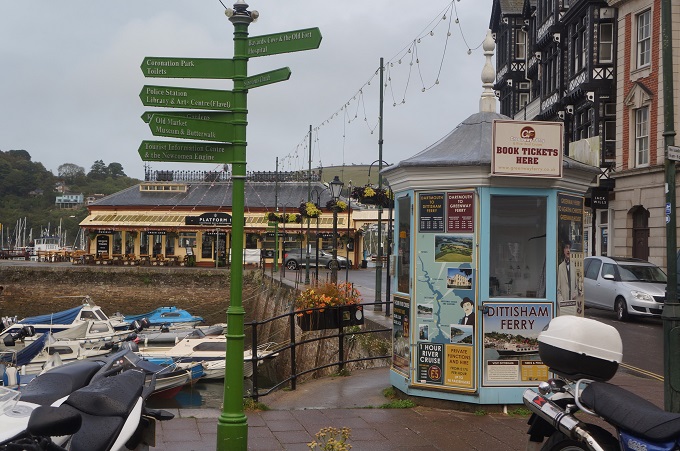
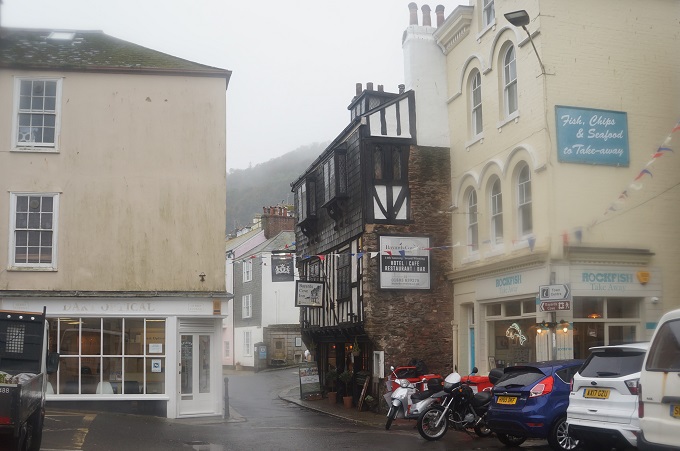
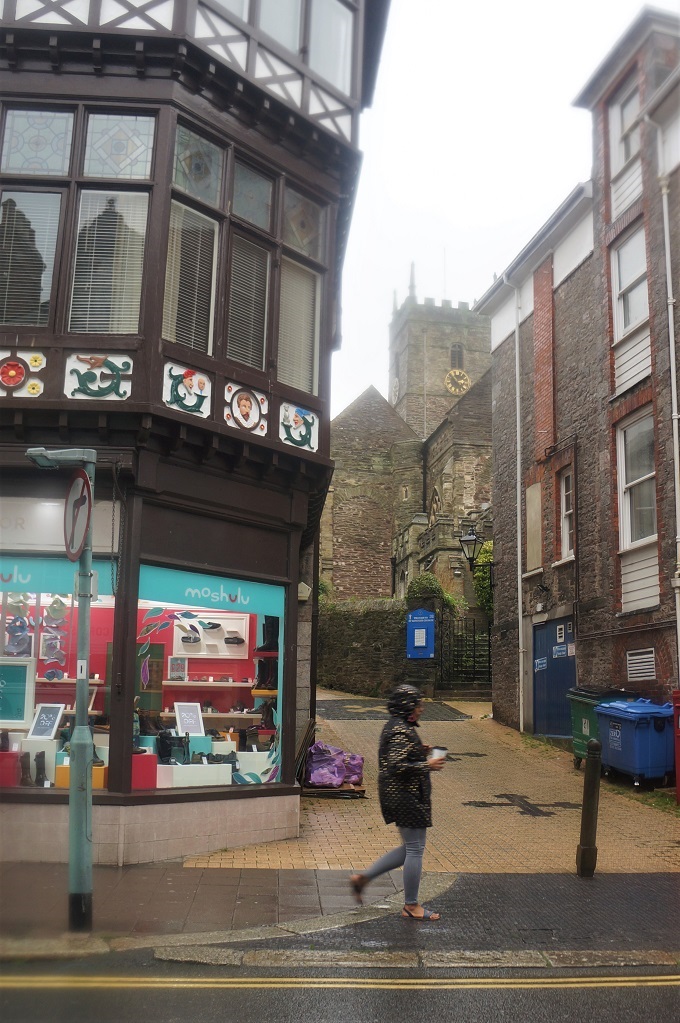
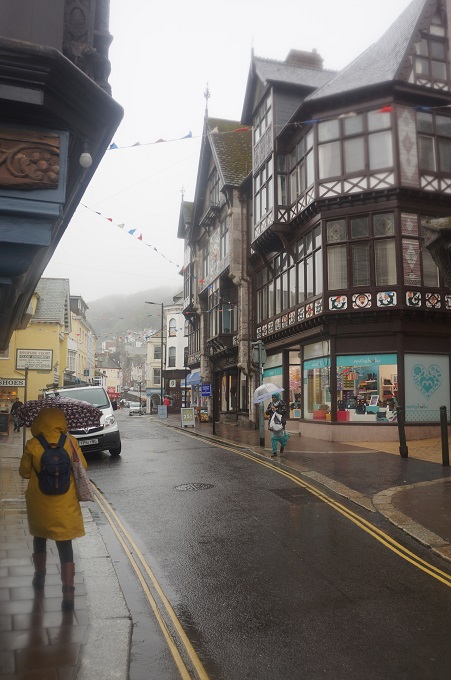
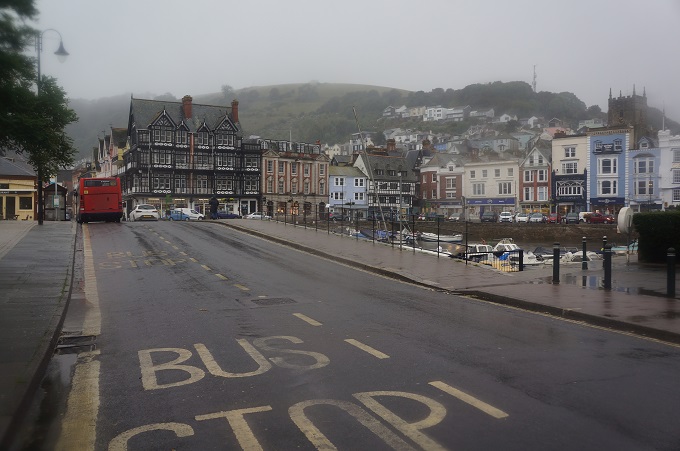
Dartmouth has a mediaeval feel to it with narrow streets and fine old buildings. Its prosperity is based on the deep-water harbour developed by the Normans nearly a thousand years ago. In 1147 it was the mustering point for 164 ships leaving for the Second Crusade – a role it repeated in 1190 during the Third Crusade under King John. It is home to the only naval college in Britain – Britannia Royal Naval College and is famous for its royal links. Kings George V and George VI, the current Prince of Wales and Duke of York all trained here, as did their father the Duke of Edinburgh.

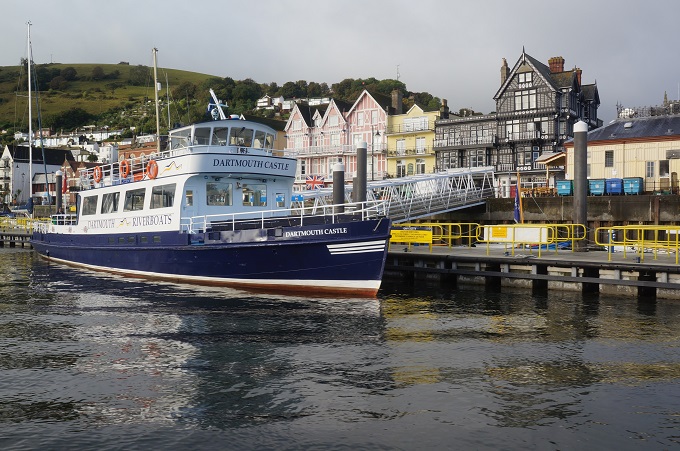
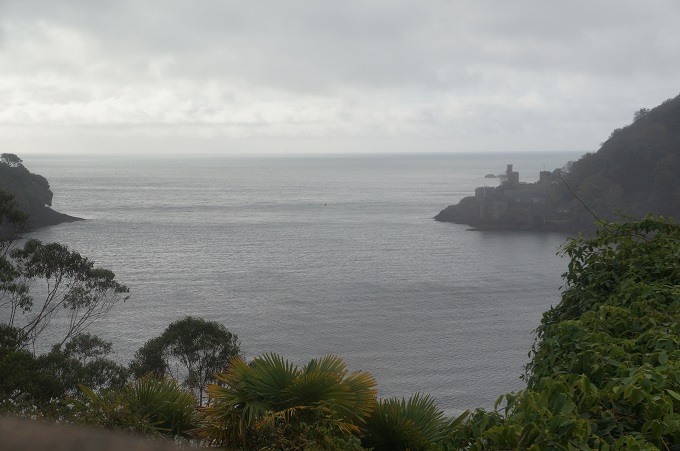
The twin castles of Dartmouth and across the River Dart at Kingswear were built at the end of the fourteenth century to protect the harbour from attack. Dartmouth Castle is a bit unusual as besides the gun towers etc it has a church, St Petrox. The castle was in use until WWII. Outside the castle is Dartmouth Castle Tearooms, built with battlements like a castle and known as the Castle Light. Built in the nineteenth century it acted as a form of lighthouse, providing light to ships sailing up the Dart.

We have two nights here and tomorrow we are going on an excursion up the river. Let’s hope the weather improves.


Two Tragedies

Salcombe to Torcross, 20km, 686m ascending, 2,395 cumulative ascending

It rained during the night but the weather forecast looked okay, just a chance of some showers in the middle of the day. It was a bit dreary at first but brightened up and then we kept getting a few light showers for a couple of hours. It was one of those days when you put the rain coat on, then the sun came out and you were too hot, so you took the coat off. Then it rained a little so the coat went on, etc. About eight times before the showers disappeared.

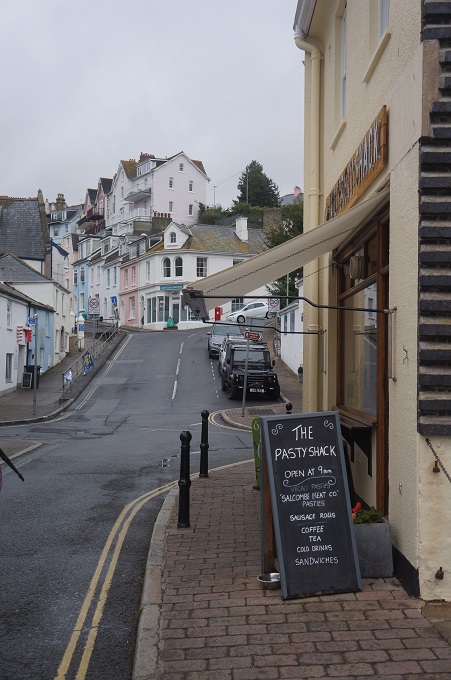
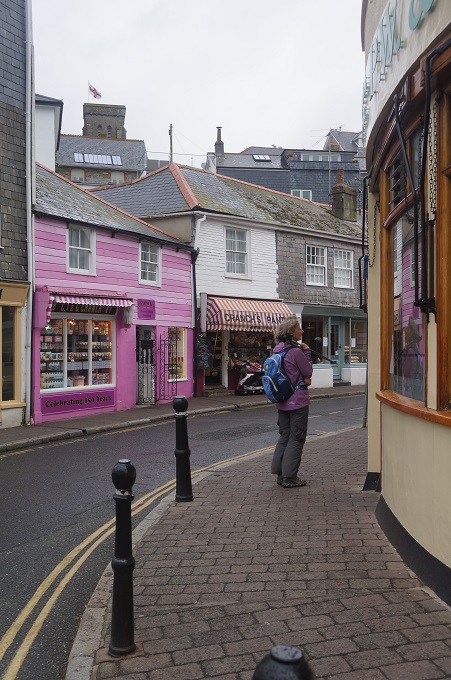
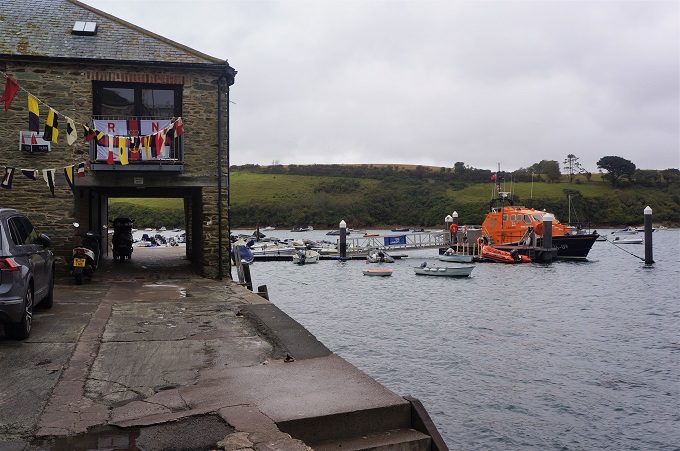
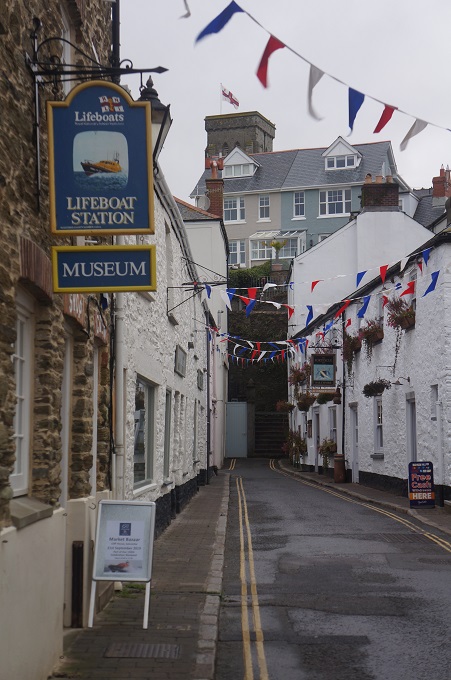
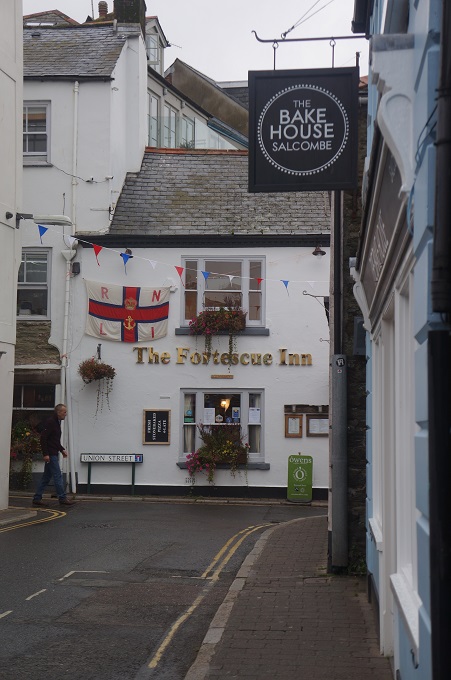
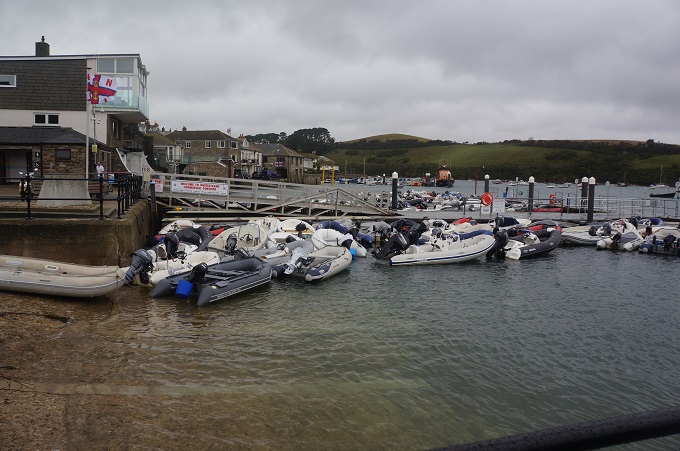
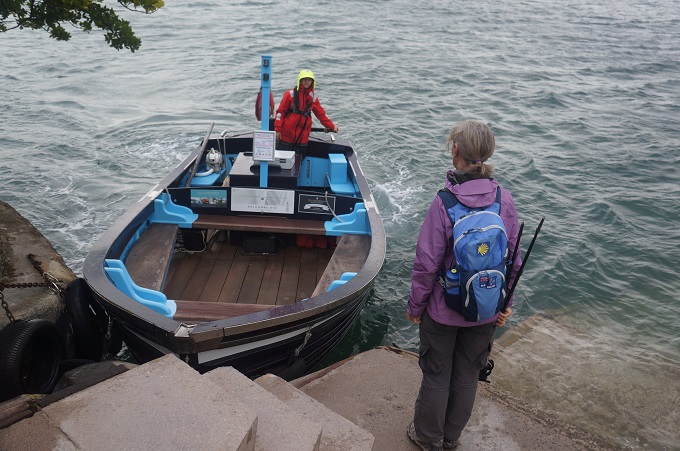
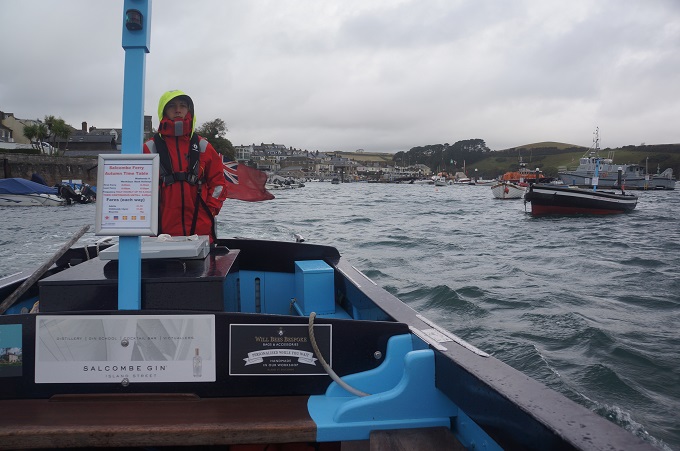
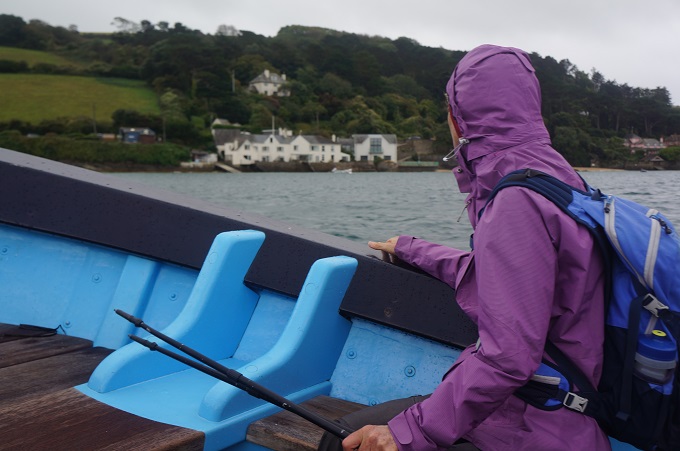
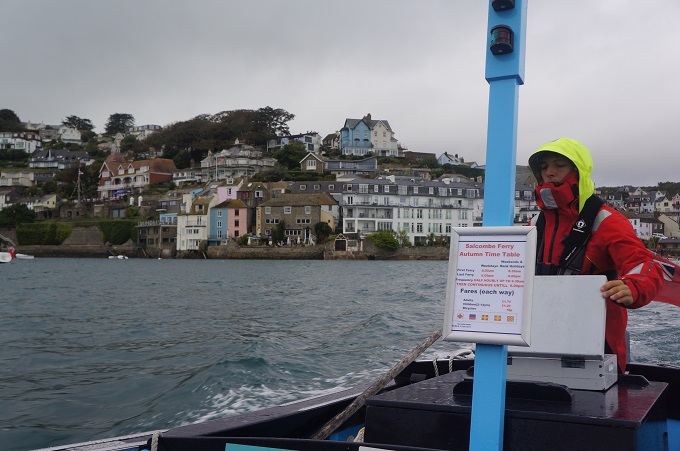
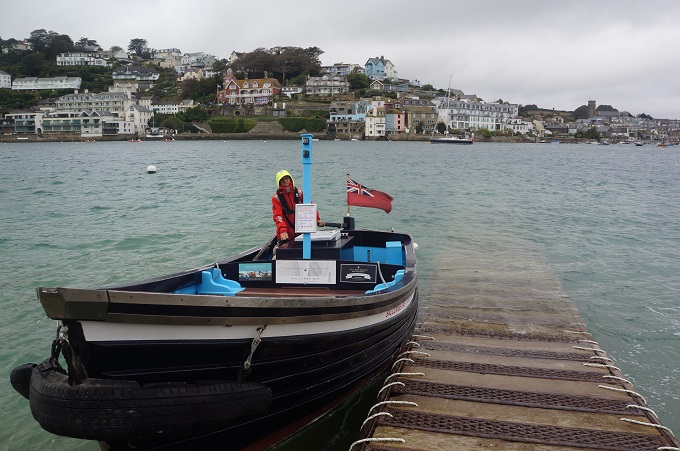
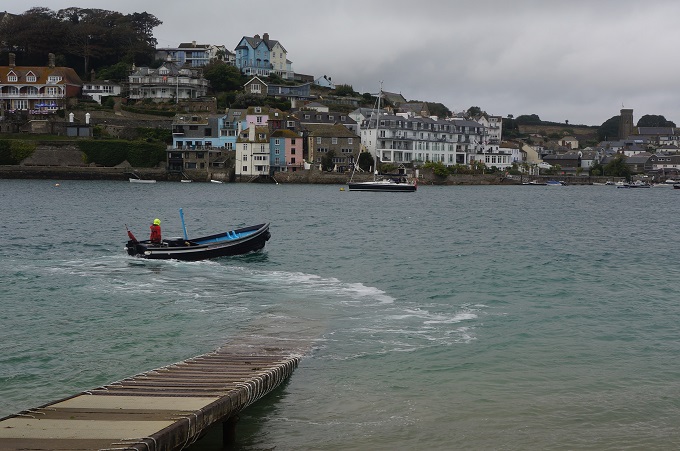
We had a quick look around Salcombe this morning. Yesterday it had been busy and teeming with police as a royal was in the village to celebrate 150 years of the Royal National Lifeboat Institution. It may have been Prince Michael of Kent, not sure. There is a regular seven day a week, all year round, every half hour, ferry service from Salcombe across to East Portlemouth and we were on the first ferry of the morning.

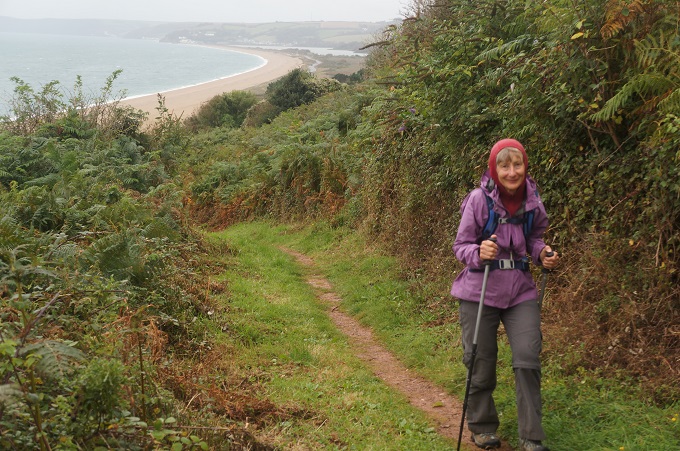
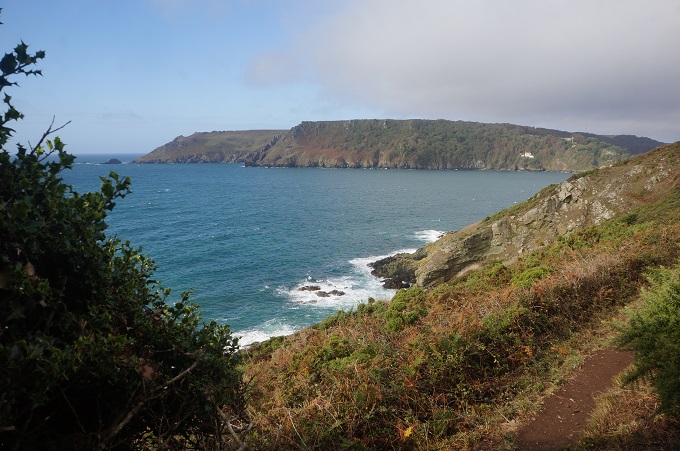
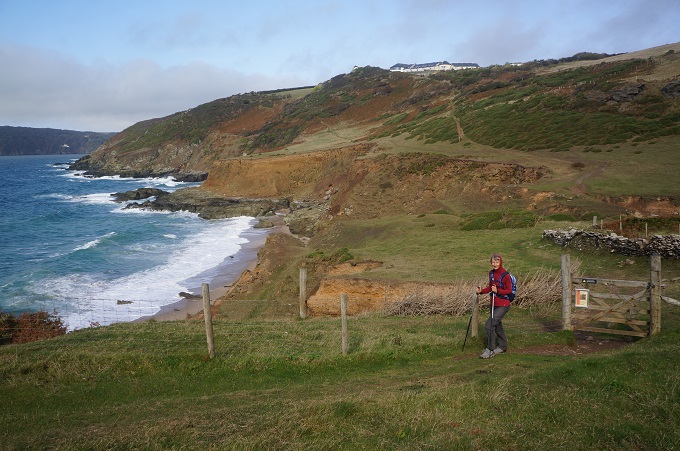
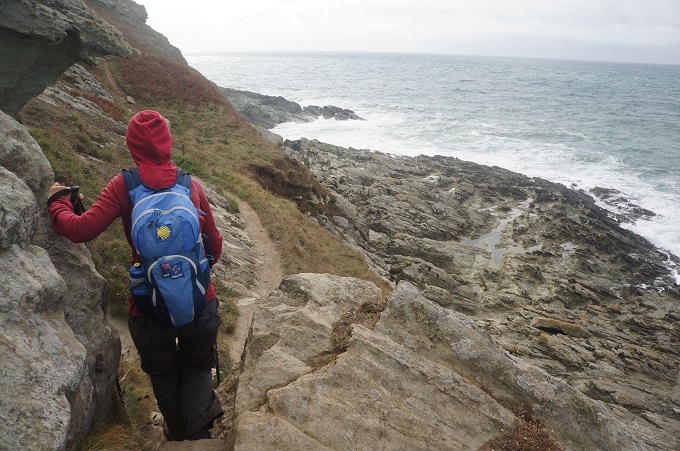
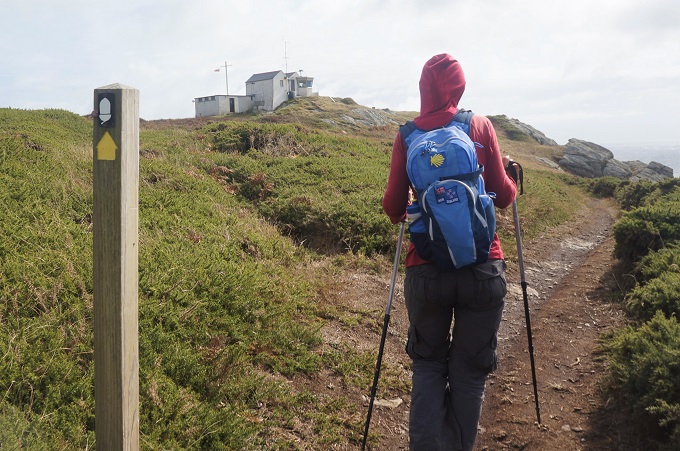
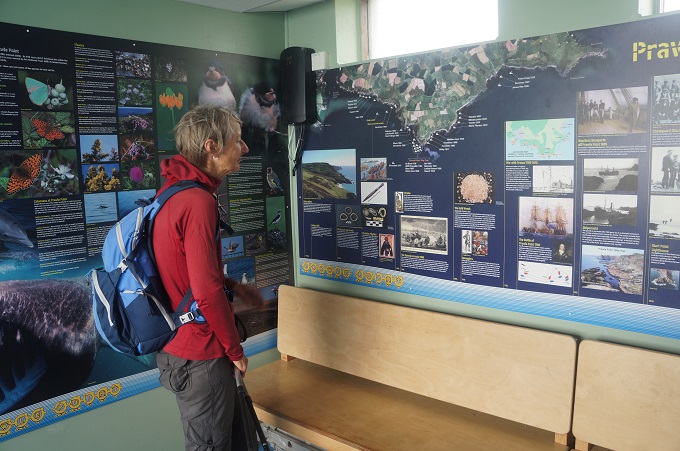
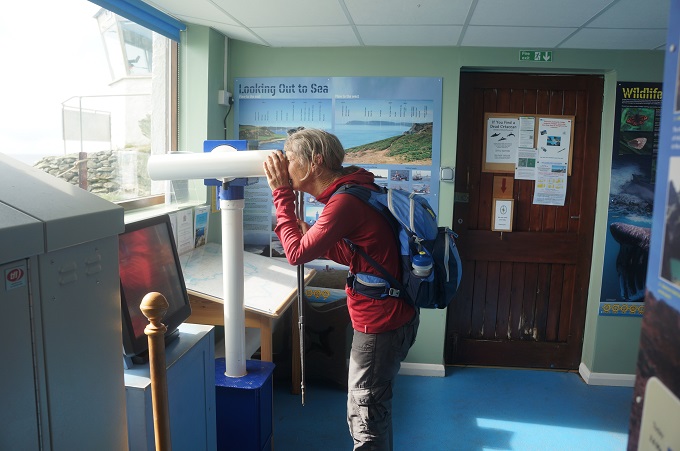
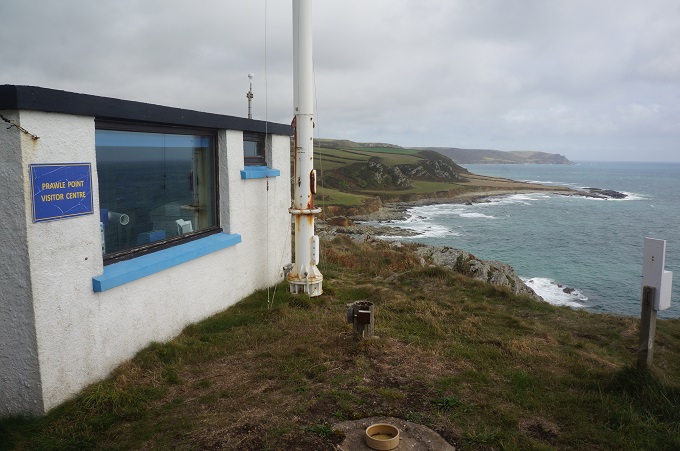
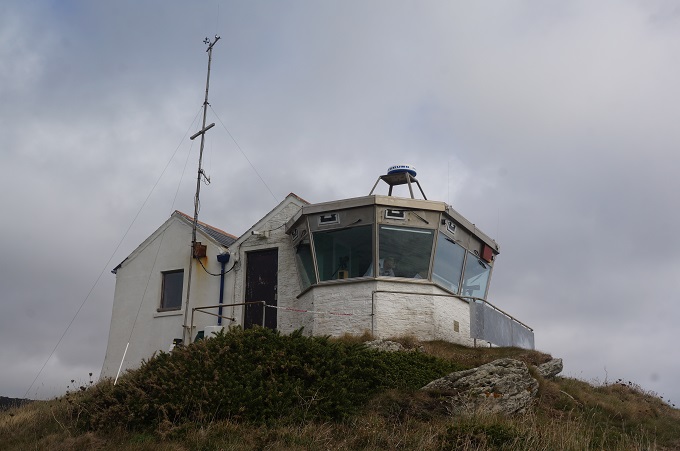
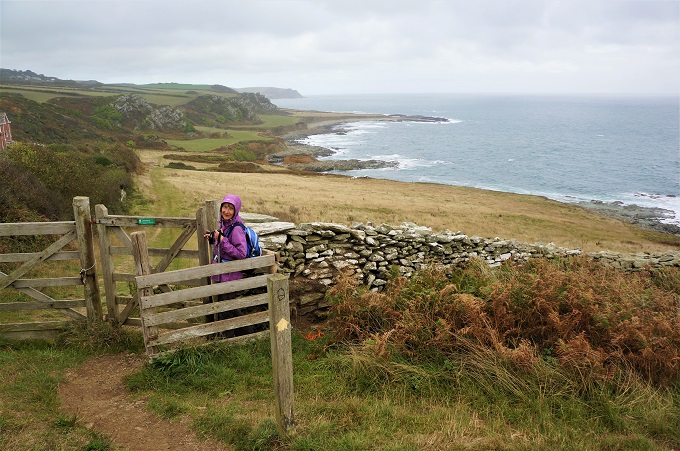
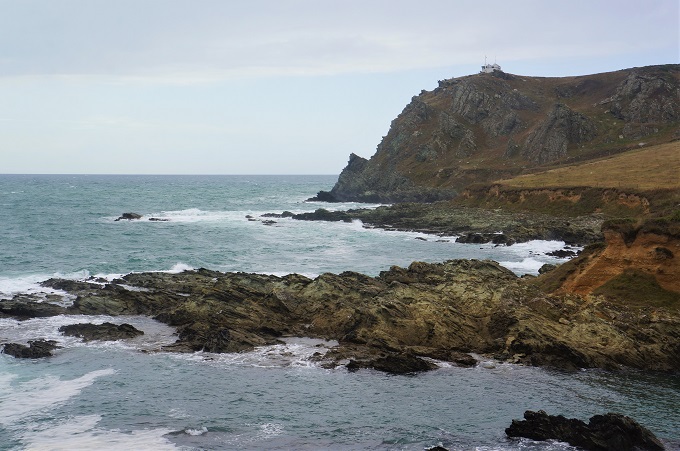
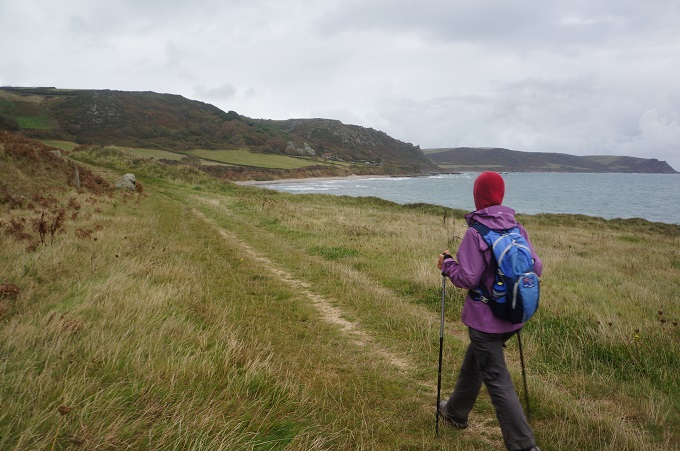
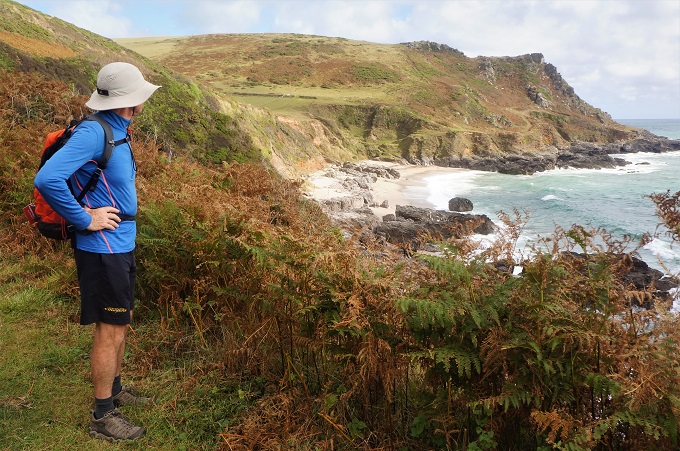
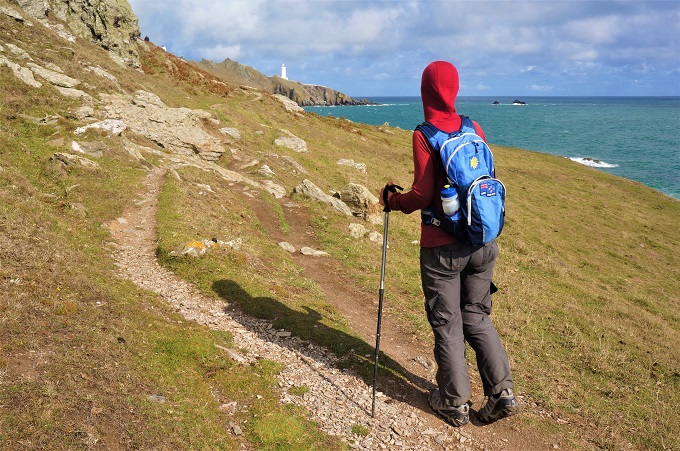
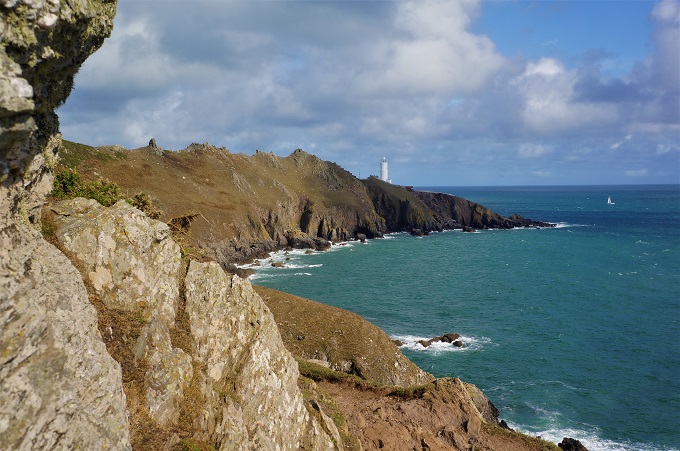
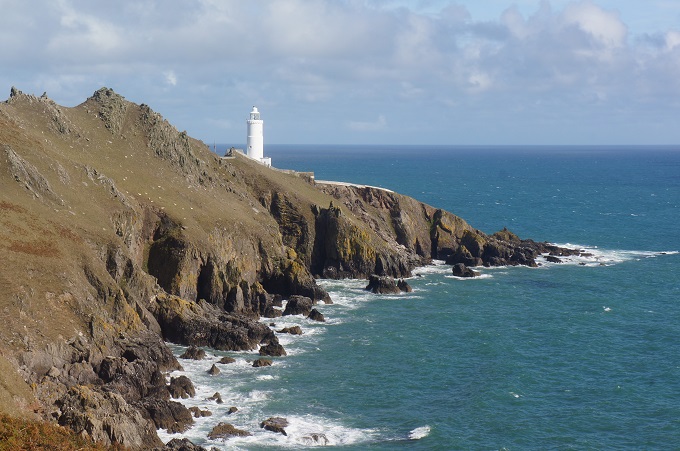
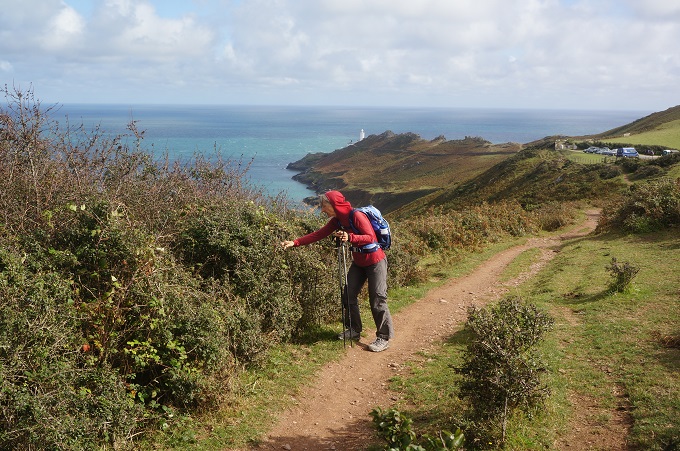
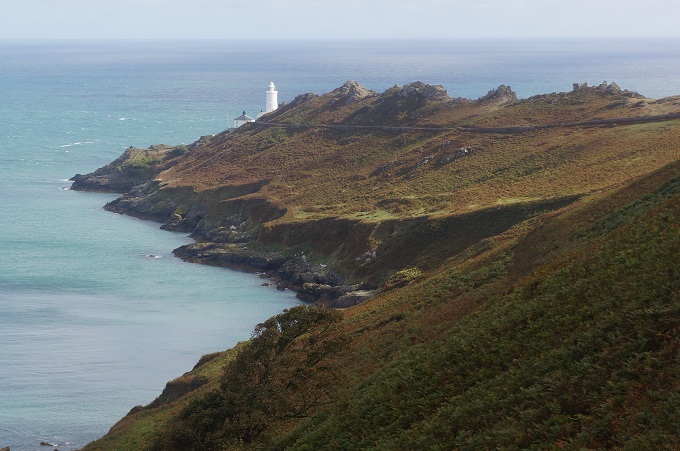
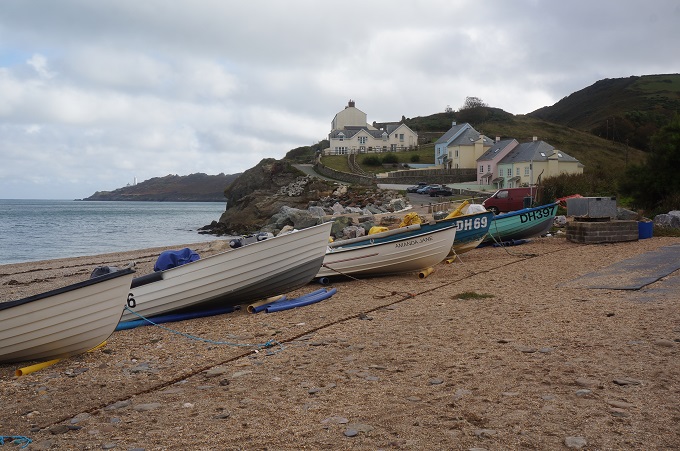
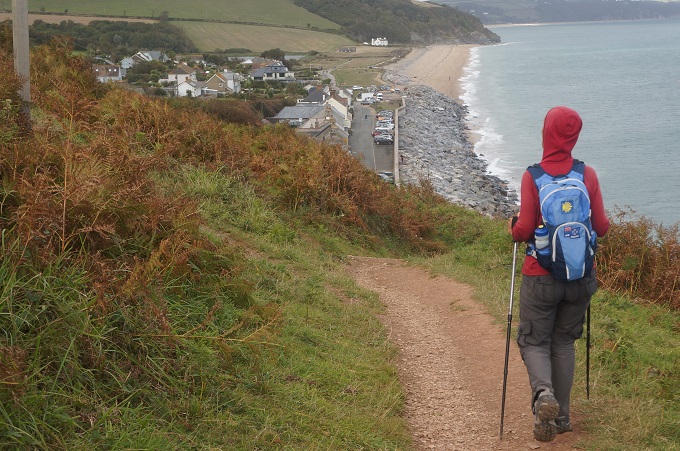
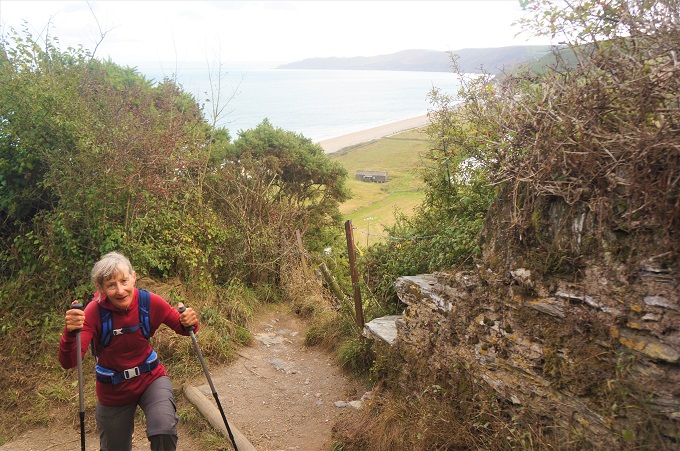
Today was a superb section of walking. Part of it on exposed cliff faces, the rugged cliffs contrasting with numerous tiny sandy coves below. After visiting the Coastguard Lookout and visitor’s centre at Prawle Point a long length was on an old ‘raised beach’, a low shelf a little above the sea giving an easy walk. The path climbed across the spine of Start Point behind the lighthouse before plunging down to the beach at Hallsands and more easy walking past Beesands to Torcross.

We came across the sites of two tragedies today, the first at Hallsand and the second at Torcross.

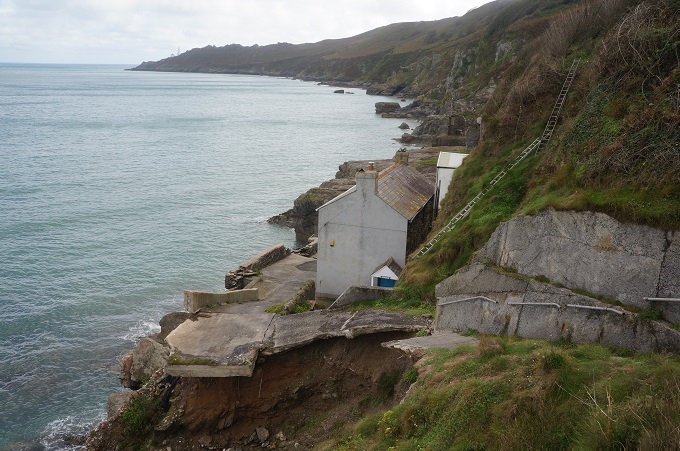
Hallsands was a small fishing village founded in the 18th century separated from the tempestuous tides by a pebble beach. In the 1890s a large construction company was given the right to dredge for shingle between Hallsands and Beesands. The villagers were very unhappy with the granting of this licence, complaining that the dredging would cause damage to their cray pots, disturb the fish and might also cause damage to their houses. They were given some meagre compensation but it wasn’t until 1900 that it dawned on everybody the extent of damage caused by the dredging. The sea wall had washed away, the beach had fallen between 7 and twelve feet and was no longer a barrier against the tide and a report concluded that a heavy gale would flood several houses if not seriously damage them. In 1902 dredging stopped but by then six houses had been lost to the sea. Large storms in 1917 washed the village away leaving only one house standing. Miraculously no-one in the village was killed during theses storms though the village never recovered.

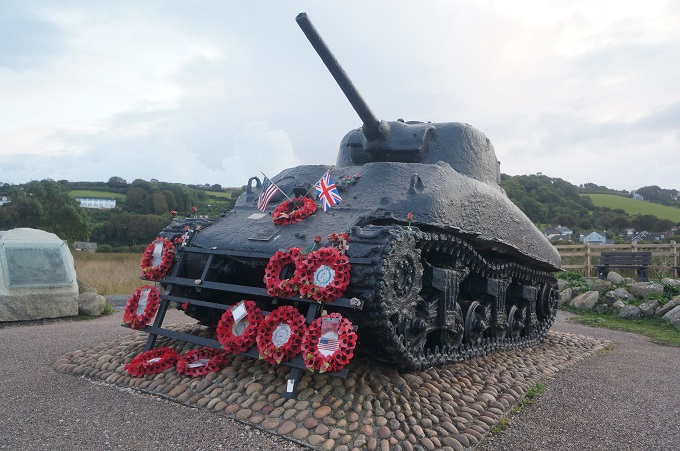
In 1943 the Slapton Sands at Torcross were chosen as a practice ground for 30,000 American troops prior to the D-Day landings in Normandie. It was called Operation Tiger. This beach was chosen as it was similar to Utah in Normandy, namely a gravel beach followed by a thin ribbon of sand and a lake. 3,000 residents of Slapton and Torcross were evacuated. The rehearsal was a tragedy on a huge scale. Despite protection from the Royal Navy, a convoy of eight ships heading to this rehearsal were attacked by German E-boats and 638 servicemen were lost. Worse was to follow: when the remaining boats reached land a further 308 personnel were killed – unbelievably – by friendly fire, following an order by Eisenhower to use live ammunition to harden the troops. The Normandy landings were almost cancelled due to the tragedy. Those who witnessed the tragic events of April 28th 1943 were sworn to secrecy and the whole incident covered up until the 1970s when a local resident did extensive research into the incident and arranged for a Sherman DD tank to be located near the beach in Torcross to commemorate the 946 US servicemen who died that day.

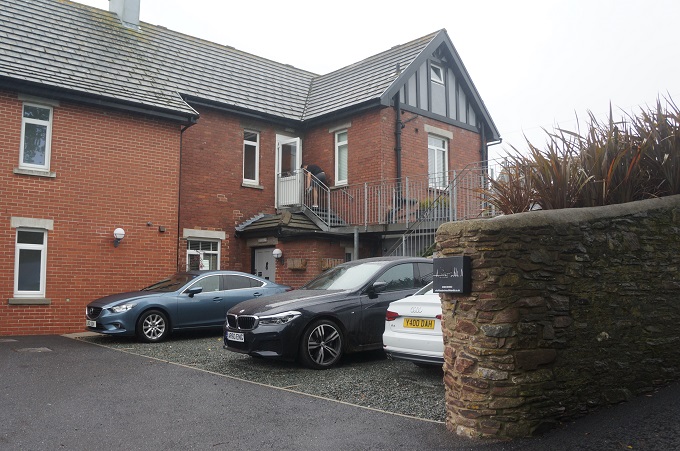
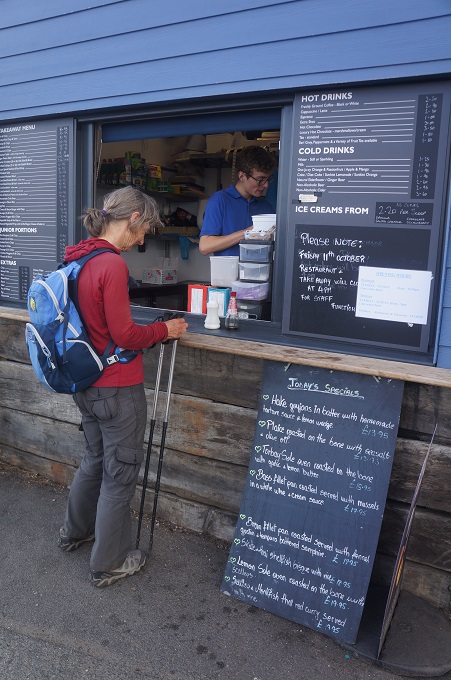
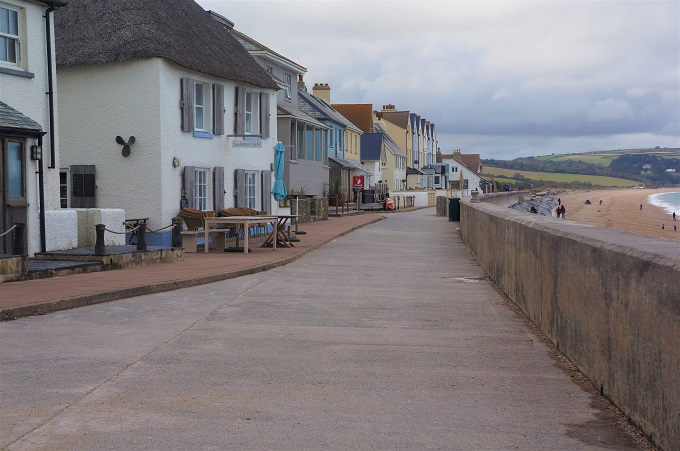
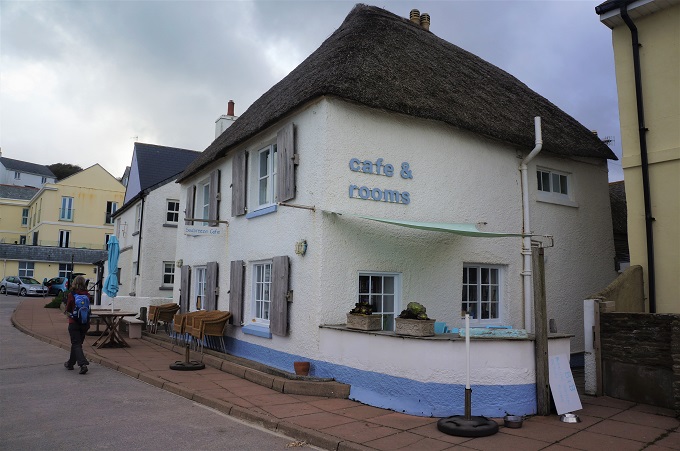
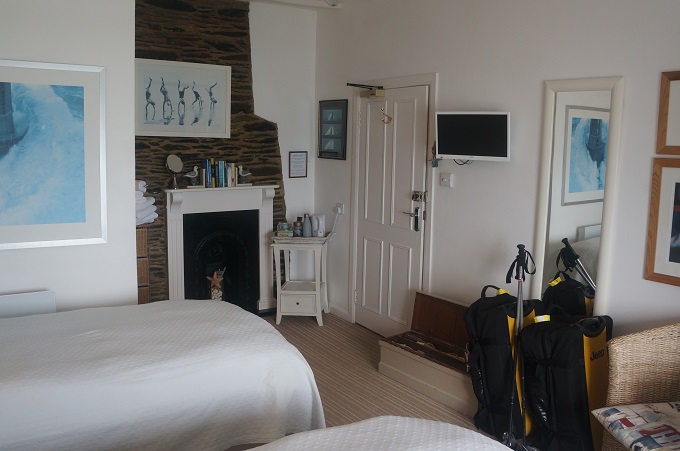
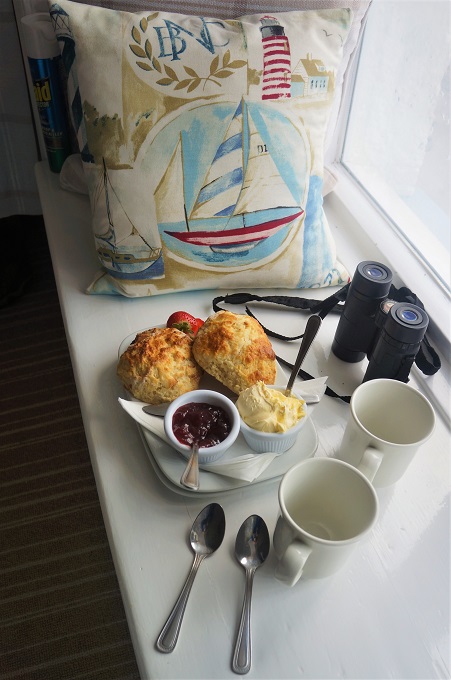
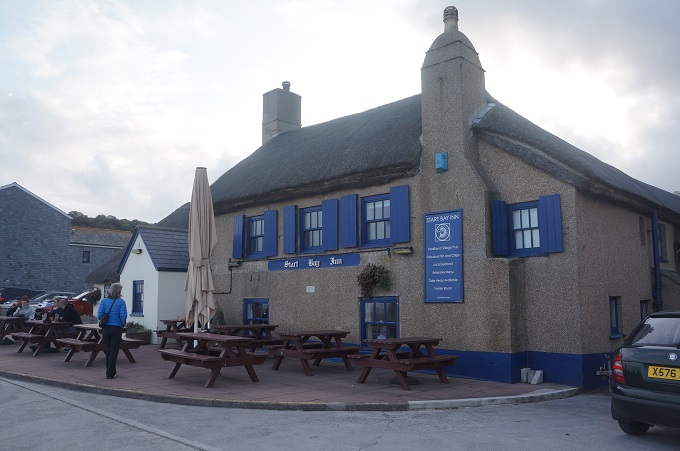
Our B & B tonight is ideal in many ways. It is right on the Coast Path, is opposite the beach, we have a first floor window looking out over the sea and when we arrived we were greeted with a delicious cream tea from the café downstairs.